חיפוש

עבודה זרה כ״א

רוצה להקדיש לימוד?

תקציר

האם מותר למכור או להשכיר בית או שדה לעכו”ם בארץ ישראל, בסוריה, או מחוץ לארץ ישראל? מהם העניינים ההלכתיים הכרוכים בכך? מהו שורש האיסור הזה? כיצד ייתכן שאנשים בכל זאת מוכרים נכסים? אילו הסברים נתנו הפוסקים המאוחרים כדי להתיר זאת? האם האיסור חל על כל מי שאינו יהודי, או רק על שבעת העממים, או רק על עובדי עבודה זרה?

נידון נוסף עוסק בהשכרת שדה או בית מרחץ לאינו יהודי שיעשה בתוכם מלאכה בשבת. באילו מקרים הדבר מותר, ובאילו מקרים הוא אסור? מה ההבדל בין אינו יהודי לבין כותי?

עבודה זרה כ״א

מַשְׂכִּירִין לָהֶם בָּתִּים אֲבָל לֹא שָׂדוֹת, וּבְחוּצָה לָאָרֶץ מוֹכְרִין לָהֶם בָּתִּים וּמַשְׂכִּירִין שָׂדוֹת, דִּבְרֵי רַבִּי מֵאִיר. רַבִּי יוֹסֵי אוֹמֵר: בְּאֶרֶץ יִשְׂרָאֵל מַשְׂכִּירִין לָהֶם בָּתִּים אֲבָל לֹא שָׂדוֹת, וּבְסוּרְיָא מוֹכְרִין בָּתִּים וּמַשְׂכִּירִין שָׂדוֹת, וּבְחוּצָה לָאָרֶץ מוֹכְרִין אֵלּוּ וָאֵלּוּ.

one may rent houses to gentiles, but one may not rent fields. And outside of Eretz Yisrael one may sell houses and rent fields to gentiles; this is the statement of Rabbi Meir. Rabbi Yosei says: In Eretz Yisrael one may rent houses to gentiles but one may not rent fields. And in Syria one may sell houses to them and rent fields, and outside of Eretz Yisrael one may sell both these, houses, and those, fields.

אַף בְּמָקוֹם שֶׁאָמְרוּ לְהַשְׂכִּיר, לֹא לְבֵית דִּירָה אָמְרוּ, מִפְּנֵי שֶׁהוּא מַכְנִיס לְתוֹכוֹ עֲבוֹדָה זָרָה, שֶׁנֶּאֱמַר: ״לֹא תָבִיא תוֹעֵבָה אֶל בֵּיתֶךָ״, וּבְכׇל מָקוֹם לֹא יַשְׂכִּיר לוֹ אֶת הַמֶּרְחָץ, מִפְּנֵי שֶׁהוּא נִקְרָא עַל שְׁמוֹ.

Even in a place with regard to which the Sages said that it is permitted for a Jew to rent a house to a gentile, they did not say that one may rent it for use as a residence, because the gentile will bring objects of idol worship into it, as it is stated: “You shall not bring an abomination into your house” (Deuteronomy 7:26), and this is still considered the house of a Jew. And for the same reason, in every place, one may not rent a bathhouse to a gentile, since it is called by the name of the owner, and onlookers will think that the Jew is operating it on Shabbat.

גְּמָ׳ מַאי ״אֵין צָרִיךְ לוֹמַר שָׂדוֹת״? אִילֵּימָא מִשּׁוּם דְּאִית בַּהּ תַּרְתֵּי: חֲדָא, חֲנָיַית קַרְקַע; וַחֲדָא, דְּקָא מַפְקַע לַהּ מִמַּעֲשֵׂר.

GEMARA: What is the meaning of the mishna’s statement: Needless to say one may not allow gentiles to rent fields? Why is the halakha with regard to fields more obvious than the halakha of houses? If we say that it is because allowing a gentile to rent a field entails two problems, one of which is aiding gentiles in encamping in the land, and the other one is that doing so releases the land from the mitzva of separating tithe, this cannot be correct.

אִי הָכִי, בָּתִּים נָמֵי אִיכָּא תַּרְתֵּי: חֲדָא, חֲנָיַית קַרְקַע; וַחֲדָא, דְּקָא מַפְקַע לַהּ מִמְּזוּזָה! אָמַר רַב מְשַׁרְשְׁיָא: מְזוּזָה חוֹבַת הַדָּר הוּא.

The Gemara explains why that cannot be the reason: If that is so, the same can be said about the prohibition against renting houses, as it also involves two problems: One is aiding gentiles in encamping in the land, and the other one is that it releases the house from the mitzva of mezuza. Rav Mesharshiyya says in response: Affixing a mezuza is the obligation of the resident, rather than an obligation that applies to the house. Therefore, if no Jew lives in a house, it is not subject to the mitzva of mezuza. This means that by renting a house to a gentile one is not removing the right to perform the mitzva from the house.

בְּסוּרְיָא מַשְׂכִּירִין בָּתִּים כּוּ׳. מַאי שְׁנָא מְכִירָה דְּלָא? מִשּׁוּם מְכִירָה דְּאֶרֶץ יִשְׂרָאֵל. אִי הָכִי, מִשְּׂכִירוּת נָמֵי נִגְזוֹר! הִיא גּוּפַהּ גְּזֵרָה, וַאֲנַן נֵיקוּם וְנִיגְזוֹר גְּזֵרָה לִגְזֵרָה?

The mishna teaches: In Syria one may rent houses but not fields to gentiles. The Gemara asks: What is different about selling houses that it is not permitted to sell houses in Syria? The Gemara answers that it is prohibited due to a concern that this will ultimately result in the selling of houses in Eretz Yisrael. The Gemara challenges: If that is so, let us also issue a decree prohibiting renting houses to gentiles in Syria, lest it lead to renting to gentiles in Eretz Yisrael. The Gemara explains: The prohibition against renting houses to gentiles in Eretz Yisrael is itself a rabbinic decree lest one come to sell the houses, and shall we arise and issue one decree to prevent the violation of another decree?

וְהָא שְׂכִירוּת שָׂדֶה דִּבְסוּרְיָא, דִּגְזֵרָה לִגְזֵרָה הִיא, וְקָא גָזְרִינַן! הָתָם לָאו גְּזֵרָה הוּא, קָסָבַר: כִּיבּוּשׁ יָחִיד שְׁמֵיהּ כִּיבּוּשׁ.

The Gemara challenges: But the prohibition against renting a field that is in Syria is also a decree whose purpose is to prevent the violation of another decree, as the prohibition against allowing a gentile to rent one’s field in Eretz Yisrael is a rabbinic decree, and yet we still issue the decree. The Gemara explains: According to Rabbi Meir, there, with regard to selling houses and fields in Syria to gentiles, the prohibition is not merely a decree intended to prevent the violation of the decree with regard to Eretz Yisrael. Rather, Rabbi Meir holds that the conquest of an individual is called a conquest. Once Syria was conquered by King David, who is considered an individual in this regard, the sanctity of Eretz Yisrael applied to it.

שָׂדֶה דְּאִית בֵּיהּ תַּרְתֵּי — גְּזַרוּ בֵּיהּ רַבָּנַן, בָּתִּים דְּלֵית בְּהוּ תַּרְתֵּי — לָא גְּזַרוּ בְּהוּ רַבָּנַן.

Therefore, concerning a field, which has two problems, as one releases the land from the mitzva of separating tithes and aids gentiles in acquiring land in Eretz Yisrael, the Sages issued a decree as a preventative measure, prohibiting the renting of fields just as in Eretz Yisrael. But concerning houses, which do not have two problems, the Sages did not issue such a decree.

בְּחוּצָה לָאָרֶץ וְכוּ׳. שָׂדֶה דְּאִית בֵּיהּ תַּרְתֵּי — גְּזַרוּ בְּהוּ רַבָּנַן, בָּתִּים דְּלֵית בְּהוּ תַּרְתֵּי — לָא גְּזַרוּ בְּהוּ רַבָּנַן.

The mishna teaches that according to Rabbi Meir, outside of Eretz Yisrael one may sell houses and rent fields, but one may not sell fields to gentiles. The Gemara explains: Concerning a field, which has two problems when it is in Eretz Yisrael, the Sages issued a decree preventing its sale even outside of Eretz Yisrael. Concerning houses, which do not have two problems, the Sages did not issue a decree prohibiting their sale.

רַבִּי יוֹסֵי אוֹמֵר: בְּאֶרֶץ יִשְׂרָאֵל מַשְׂכִּירִין לָהֶם בָּתִּים וְכוּ׳. מַאי טַעְמָא? שָׂדוֹת דְּאִית בְּהוּ תַּרְתֵּי — גְּזַרוּ בְּהוּ רַבָּנַן, בָּתִּים דְּלֵית בְּהוּ תַּרְתֵּי — לָא גְּזַרוּ בְּהוּ רַבָּנַן.

The mishna further teaches that Rabbi Yosei says: In Eretz Yisrael one may rent houses but not fields to gentiles. The Gemara explains: What is the reason that one may rent houses but not fields? Concerning fields, which have two problems, the Sages issued a decree as a preventive measure prohibiting the renting of fields in Eretz Yisrael. But concerning houses, which do not have two problems, the Sages did not issue a decree prohibiting renting houses to gentiles.

וּבְסוּרְיָא מוֹכְרִין וְכוּ׳. מַאי טַעְמָא? קָסָבַר: כִּיבּוּשׁ יָחִיד לָא שְׁמֵיהּ כִּיבּוּשׁ, וְשָׂדֶה דְּאִית בַּהּ תַּרְתֵּי — גְּזַרוּ בַּהּ רַבָּנַן, בָּתִּים דְּלֵית בְּהוּ תַּרְתֵּי — לָא גְּזַרוּ בְּהוּ רַבָּנַן.

The mishna teaches that Rabbi Yosei rules: And in Syria one may sell houses and rent fields to gentiles, but one may not sell fields. The Gemara asks: What is the reason that one may sell houses but not fields? The Gemara answers: Rabbi Yosei holds that the conquest of an individual is not called a conquest, and therefore there is no prohibition by Torah law against selling houses in Syria. And concerning a field, which has two problems, the Sages issued a decree as a preventive measure prohibiting the sale of fields in Syria. Concerning houses, which do not have two problems, the Sages did not issue a decree prohibiting their sale.

וּבְחוּצָה לָאָרֶץ מוֹכְרִין וְכוּ׳. מַאי טַעְמָא? כֵּיוָן דִּמְרַחַק, לָא גָּזְרִינַן.

The mishna continues: And outside of Eretz Yisrael one may sell houses and fields. The Gemara asks: What is the reason for this? The Gemara answers: Since this land is at a distance from Eretz Yisrael, the Sages do not issue a decree, unlike Syria, which is near Eretz Yisrael.

אָמַר רַב יְהוּדָה אָמַר שְׁמוּאֵל: הֲלָכָה כְּרַבִּי יוֹסֵי. אָמַר רַב יוֹסֵף: וּבִלְבַד שֶׁלֹּא יַעֲשֶׂנָּה שְׁכוּנָה. וְכַמָּה שְׁכוּנָה? תָּנָא: אֵין שְׁכוּנָה פְּחוּתָה מִשְּׁלֹשָׁה בְּנֵי אָדָם.

In conclusion, Rav Yehuda says that Shmuel says: The halakha is in accordance with the opinion of Rabbi Yosei, that it is permitted to sell houses outside of Eretz Yisrael to gentiles. Rav Yosef says: And this is the halakha provided that one does not make it into a gentile settlement. And how many people constitute a settlement? The Sage taught: There is no settlement that consists of fewer than three people.

וְלֵחוּשׁ דִּלְמָא אָזֵיל הַאי יִשְׂרָאֵל וּמְזַבֵּין לְחַד גּוֹי, וְאָזֵיל הַאיְךְ וּמְזַבֵּין לַהּ לִתְרֵי! אָמַר אַבָּיֵי: אַ״לִּפְנֵי״ מִפַּקְּדִינַן, אַ״לִּפְנֵי״ דְּ״לִפְנֵי״ לָא מִפַּקְּדִינַן.

The Gemara challenges: But let us be concerned that perhaps this Jew will go and sell to one gentile, and the other owners of the adjacent houses will go and sell to two other gentiles, resulting in a gentile settlement. Abaye said: We are commanded about placing a stumbling block before the blind (see Leviticus 19:14), but we are not commanded about placing a stumbling block before someone who may place it before the blind. In other words, this prohibition applies only when one causes another to sin by his direct action, not in a situation such as this, where the prohibition is two stages removed from the Jew’s action.

אַף בְּמָקוֹם שֶׁאָמְרוּ לְהַשְׂכִּיר. מִכְּלָל דְּאִיכָּא דּוּכְתָּא דְּלָא מוֹגְרִי.

§ The mishna teaches that even in a place with regard to which the Sages said that it is permitted for a Jew to rent a house to a gentile, they did not say that one may rent it for use as a residence. The Gemara points out: By inference, this means that there is a place where one may not rent any house to a gentile.

וּסְתָמָא כְּרַבִּי מֵאִיר, דְּאִי רַבִּי יוֹסֵי, בְּכׇל דּוּכְתָּא מוֹגְרִי.

And this unattributed opinion in the mishna is in accordance with the opinion of Rabbi Meir. As, if you say that this ruling is in accordance with the opinion of Rabbi Yosei, that cannot be, since he holds that in every place one may rent a house to a gentile, including Eretz Yisrael.

וּבְכׇל מָקוֹם לֹא יִשְׂכּוֹר וְכוּ׳. תַּנְיָא: רַבָּן שִׁמְעוֹן בֶּן גַּמְלִיאֵל אוֹמֵר: לֹא יִשְׂכּוֹר אָדָם מֶרְחָצוֹ לְגוֹי, מִפְּנֵי שֶׁנִּקְרָא עַל שְׁמוֹ, וְגוֹי זֶה עוֹשֶׂה בּוֹ מְלָאכָה בְּשַׁבָּתוֹת וּבְיָמִים טוֹבִים.

§ The mishna teaches: And in every place, one may not rent a bathhouse to a gentile, as it is called by the name of the owner. The Gemara notes that it is taught in a baraita that Rabban Shimon ben Gamliel says: A person may not rent his bathhouse to a gentile, because it is called by the name of the owner, and this gentile uses it for performing prohibited labor on Shabbatot and on Festivals.

אֲבָל לְכוּתִי, מַאי? שְׁרֵי. כּוּתִי אֵימַר עָבֵיד בֵּיהּ מְלָאכָה בְּחוּלּוֹ שֶׁל מוֹעֵד! בְּחוּלּוֹ שֶׁל מוֹעֵד אֲנַן נָמֵי עָבְדִינַן.

The Gemara asks: It is prohibited to rent one’s bathhouse to a gentile, but with regard to a Samaritan, what is the halakha? It can be inferred from the lack of mention of a Samaritan that it is permitted. The Gemara asks: Why not say that a Samaritan will perform work in the bathhouse during the intermediate days of a Festival? The Gemara answers: During the intermediate days of a Festival we too perform work and heat bathhouses.

אֲבָל שָׂדֵהוּ לְגוֹי, מַאי? שְׁרֵי. מַאי טַעְמָא? אֲרִיסָא אֲרִיסוּתֵיהּ קָעָבֵיד. מֶרְחָץ נָמֵי אָמְרִי: אֲרִיסָא אֲרִיסוּתֵיהּ קָעָבֵיד? אֲרִיסָא דְּמֶרְחָץ לָא עָבְדִי אַנְשֵׁי.

The Gemara further infers: It is prohibited to rent one’s bathhouse to a gentile; but with regard to renting one’s field to a gentile, what is the halakha? Evidently, it is permitted. What is the reason for this? People know that a gentile sharecropper works for his tenancy, not for the Jewish owner. The Gemara asks: But if so, in the case of a bathhouse as well, why not say that the gentile sharecropper works for his tenancy, and therefore a Jew should be permitted to rent them to gentiles. The Gemara answers: People do not usually make this type of arrangement whereby a second party works as a sharecropper of a bathhouse. Consequently, it will be assumed that the gentile is a hired worker who is working for the Jew.

תַּנְיָא, רַבִּי שִׁמְעוֹן בֶּן אֶלְעָזָר אוֹמֵר: לֹא יַשְׂכִּיר אָדָם שָׂדֵהוּ לְכוּתִי, מִפְּנֵי שֶׁנִּקְרֵאת עַל שְׁמוֹ, וְכוּתִי זֶה עוֹשֶׂה בּוֹ מְלָאכָה בְּחוּלּוֹ שֶׁל מוֹעֵד. אֲבָל גּוֹי מַאי? שְׁרֵי, דְּאָמְרִי: אֲרִיסָא אֲרִיסוּתֵיהּ עָבֵיד. אִי הָכִי, כּוּתִי נָמֵי אָמְרִי: אֲרִיסָא אֲרִיסוּתֵיהּ עָבֵיד!

The Gemara cites a similar discussion. It is taught in a baraita that Rabbi Shimon ben Elazar says: A person may not rent his field to a Samaritan, since it is called by the name of the owner and this Samaritan will perform work in it during the intermediate days of a Festival. The Gemara infers: It is prohibited to rent one’s field to a Samaritan, but with regard to a gentile, what is the halakha? Evidently, it is permitted, as we say that the gentile sharecropper works for his tenancy and not for the Jewish owner. The Gemara asks: If that is so, in the case of a Samaritan as well, why not say that the sharecropper works for his tenancy?

חדשה בלימוד הגמרא?

זה הדף הראשון שלך? איזו התרגשות עצומה! יש לנו בדיוק את התכנים והכלים שיעזרו לך לעשות את הצעדים הראשונים ללמידה בקצב וברמה שלך, כך תוכלי להרגיש בנוח גם בתוך הסוגיות המורכבות ומאתגרות.

פסיפס הלומדות שלנו

גלי את קהילת הלומדות שלנו, מגוון נשים, רקעים וסיפורים. כולן חלק מתנועה ומסע מרגש ועוצמתי.

לצערי גדלתי בדור שבו לימוד גמרא לנשים לא היה דבר שבשגרה ושנים שאני חולמת להשלים את הפער הזה.. עד שלפני מספר שבועות, כמעט במקרה, נתקלתי במודעת פרסומת הקוראת להצטרף ללימוד מסכת תענית. כשקראתי את המודעה הרגשתי שהיא כאילו נכתבה עבורי – "תמיד חלמת ללמוד גמרא ולא ידעת איך להתחיל”, "בואי להתנסות במסכת קצרה וקלה” (רק היה חסר שהמודעה תיפתח במילים "מיכי שלום”..). קפצתי למים ו- ב”ה אני בדרך להגשמת החלום:)

Micah Kadosh
מיכי קדוש

מורשת, ישראל

A friend in the SF Bay Area said in Dec 2019 that she might start listening on her morning drive to work. I mentioned to my husband and we decided to try the Daf when it began in Jan 2020 as part of our preparing to make Aliyah in the summer.

Hana Piotrkovsky
חנה פיוטרקובסקי

ירושלים, Israel

אחרי שראיתי את הסיום הנשי של הדף היומי בבנייני האומה זה ריגש אותי ועורר בי את הרצון להצטרף. לא למדתי גמרא קודם לכן בכלל, אז הכל היה לי חדש, ולכן אני לומדת בעיקר מהשיעורים פה בהדרן, בשוטנשטיין או בחוברות ושיננתם.

Rebecca Schloss
רבקה שלוס

בית שמש, ישראל

אחי, שלומד דף יומי ממסכת ברכות, חיפש חברותא ללימוד מסכת ראש השנה והציע לי. החברותא היתה מאתגרת טכנית ורוב הזמן נעשתה דרך הטלפון, כך שבסיום המסכת נפרדו דרכינו. אחי חזר ללמוד לבד, אבל אני כבר נכבשתי בקסם הגמרא ושכנעתי את האיש שלי להצטרף אלי למסכת ביצה. מאז המשכנו הלאה, ועכשיו אנחנו מתרגשים לקראתו של סדר נשים!

Shulamit Saban
שולמית סבן

נוקדים, ישראל

התחלתי להשתתף בשיעור נשים פעם בשבוע, תכננתי ללמוד רק דפים בודדים, לא האמנתי שאצליח יותר מכך.
לאט לאט נשאבתי פנימה לעולם הלימוד .משתדלת ללמוד כל בוקר ומתחילה את היום בתחושה של מלאות ומתוך התכווננות נכונה יותר.
הלימוד של הדף היומי ממלא אותי בתחושה של חיבור עמוק לעם היהודי ולכל הלומדים בעבר ובהווה.

Neely Hayon
נילי חיון

אפרת, ישראל

התחלתי ללמוד דף יומי אחרי שחזרתי בתשובה ולמדתי במדרשה במגדל עוז. הלימוד טוב ומספק חומר למחשבה על נושאים הלכתיים ”קטנים” ועד לערכים גדולים ביהדות. חשוב לי להכיר את הגמרא לעומק. והצעד הקטן היום הוא ללמוד אותה בבקיאות, בעזרת השם, ומי יודע אולי גם אגיע לעיון בנושאים מעניינים. נושאים בגמרא מתחברים לחגים, לתפילה, ליחסים שבין אדם לחברו ולמקום ולשאר הדברים שמלווים באורח חיים דתי 🙂

Gaia Divo
גאיה דיבו

מצפה יריחו, ישראל

סיום השס לנשים נתן לי מוטביציה להתחיל ללמוד דף יומי. עד אז למדתי גמרא בשבתות ועשיתי כמה סיומים. אבל לימוד יומיומי זה שונה לגמרי ופתאום כל דבר שקורה בחיים מתקשר לדף היומי.

Fogel Foundation
קרן פוגל

רתמים, ישראל

התחלתי ללמוד בשנת המדרשה במגדל עוז, בינתיים נהנית מאוד מהלימוד ומהגמרא, מעניין ומשמח מאוד!
משתדלת להצליח לעקוב כל יום, לפעמים משלימה קצת בהמשך השבוע.. מרגישה שיש עוגן מקובע ביום שלי והוא משמח מאוד!

Uriah Kesner
אוריה קסנר

חיפה , ישראל

התחלתי ללמוד גמרא בבית הספר בגיל צעיר והתאהבתי. המשכתי בכך כל חיי ואף היייתי מורה לגמרא בבית הספר שקד בשדה אליהו (בית הספר בו למדתי בילדותי)בתחילת מחזור דף יומי הנוכחי החלטתי להצטרף ובע”ה מקווה להתמיד ולהמשיך. אני אוהבת את המפגש עם הדף את "דרישות השלום ” שמקבלת מקשרים עם דפים אחרים שלמדתי את הסנכרון שמתחולל בין התכנים.

Ariela Bigman
אריאלה ביגמן

מעלה גלבוע, ישראל

התחלתי ללמוד דף יומי באמצע תקופת הקורונה, שאבא שלי סיפר לי על קבוצה של בנות שתיפתח ביישוב שלנו ותלמד דף יומי כל יום. הרבה זמן רציתי להצטרף לזה וזאת הייתה ההזדמנות בשבילי. הצטרפתי במסכת שקלים ובאמצע הייתה הפסקה קצרה. כיום אני כבר לומדת באולפנה ולומדת דף יומי לבד מתוך גמרא של טיינזלץ.

Saturdays in Raleigh
שבות בראלי

עתניאל, ישראל

התחלתי ללמוד בשנת המדרשה במגדל עוז, בינתיים נהנית מאוד מהלימוד ומהגמרא, מעניין ומשמח מאוד!
משתדלת להצליח לעקוב כל יום, לפעמים משלימה קצת בהמשך השבוע.. מרגישה שיש עוגן מקובע ביום שלי והוא משמח מאוד!

Uriah Kesner
אוריה קסנר

חיפה , ישראל

התחלתי ללמוד לפני 4.5 שנים, כשהודיה חברה שלי פתחה קבוצת ווטסאפ ללימוד דף יומי בתחילת מסכת סנהדרין. מאז לימוד הדף נכנס לתוך היום-יום שלי והפך לאחד ממגדירי הזהות שלי ממש.

Rosenberg Foundation
קרן רוזנברג

ירושלים, ישראל

התחלתי ללמוד דף יומי לפני שנתיים, עם מסכת שבת. בהתחלה ההתמדה היתה קשה אבל בזכות הקורונה והסגרים הצלחתי להדביק את הפערים בשבתות הארוכות, לסיים את מסכת שבת ולהמשיך עם המסכתות הבאות. עכשיו אני מסיימת בהתרגשות רבה את מסכת חגיגה וסדר מועד ומחכה לסדר הבא!

Ilana-Shachnowitz
אילנה שכנוביץ

מודיעין, ישראל

התחלתי בסיום הש”ס, יצאתי באורות. נשברתי פעמיים, ובשתיהם הרבנית מישל עודדה להמשיך איפה שכולם בסבב ולהשלים כשאוכל, וכך עשיתי וכיום השלמתי הכל. מדהים אותי שאני לומדת כל יום קצת, אפילו בחדר הלידה, בבידוד או בחו”ל. לאט לאט יותר נינוחה בסוגיות. לא כולם מבינים את הרצון, בפרט כפמניסטית. חשה סיפוק גדול להכיר את המושגים וצורת החשיבה. החלום זה להמשיך ולהתמיד ובמקביל ללמוד איך מהסוגיות נוצרה והתפתחה ההלכה.

Weingarten Sherrington Foundation
קרן וינגרטן שרינגטון

מודיעין, ישראל

בתחילת הסבב הנוכחי הצטברו אצלי תחושות שאני לא מבינה מספיק מהי ההלכה אותה אני מקיימת בכל יום. כמו כן, כאמא לבנות רציתי לתת להן מודל נשי של לימוד תורה
שתי הסיבות האלו הובילו אותי להתחיל ללמוד. נתקלתי בתגובות מפרגנות וסקרניות איך אישה לומדת גמרא..
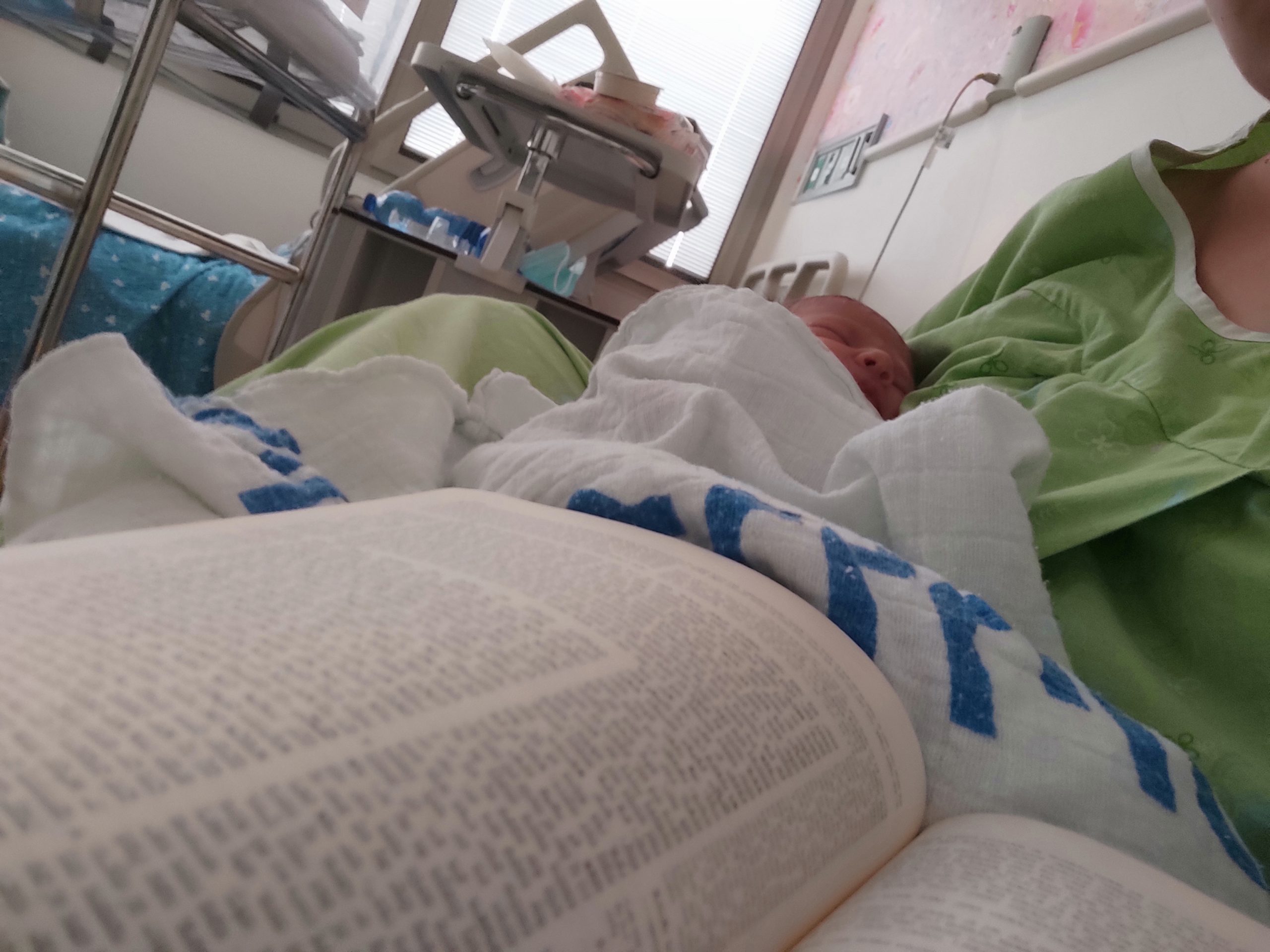
כמו שרואים בתמונה אני ממשיכה ללמוד גם היום ואפילו במחלקת יולדות אחרי לידת ביתי השלישית.

Noa Shiloh
נועה שילה

רבבה, ישראל

התחלתי ללמוד דף יומי כאשר קיבלתי במייל ממכון שטיינזלץ את הדפים הראשונים של מסכת ברכות במייל. קודם לא ידעתי איך לקרוא אותם עד שנתתי להם להדריך אותי. הסביבה שלי לא מודעת לעניין כי אני לא מדברת על כך בפומבי. למדתי מהדפים דברים חדשים, כמו הקשר בין המבנה של בית המקדש והמשכן לגופו של האדם (יומא מה, ע”א) והקשר שלו למשפט מפורסם שמופיע בספר ההינדי "בהגוד-גיתא”. מתברר שזה רעיון כלל עולמי ולא רק יהודי

Elena Arenburg
אלנה ארנבורג

נשר, ישראל

התחלתי כשהייתי בחופש, עם הפרסומים על תחילת המחזור, הסביבה קיבלה את זה כמשהו מתמיד ומשמעותי ובהערכה, הלימוד זה עוגן יציב ביום יום, יש שבועות יותר ויש שפחות אבל זה משהו שנמצא שם אמין ובעל משמעות בחיים שלי….

Adi Diamant
עדי דיאמנט

גמזו, ישראל

למדתי גמרא מכיתה ז- ט ב Maimonides School ואחרי העליה שלי בגיל 14 לימוד הגמרא, שלא היה כל כך מקובל בימים אלה, היה די ספוראדי. אחרי "ההתגלות” בבנייני האומה התחלתי ללמוד בעיקר בדרך הביתה למדתי מפוקקטסים שונים. לאט לאט ראיתי שאני תמיד חוזרת לרבנית מישל פרבר. באיזה שהוא שלב התחלתי ללמוד בזום בשעה 7:10 .
היום "אין מצב” שאני אתחיל את היום שלי ללא לימוד עם הרבנית מישל עם כוס הקפה שלי!!

selfie-scaled
דבי גביר

חשמונאים, ישראל

הייתי לפני שנתיים בסיום הדרן נשים בבנייני האומה והחלטתי להתחיל. אפילו רק כמה דפים, אולי רק פרק, אולי רק מסכת… בינתיים סיימתי רבע שס ותכף את כל סדר מועד בה.
הסביבה תומכת ומפרגנת. אני בת יחידה עם ארבעה אחים שכולם לומדים דף יומי. מדי פעם אנחנו עושים סיומים יחד באירועים משפחתיים. ממש מרגש. מסכת שבת סיימנו כולנו יחד עם אבא שלנו!
אני שומעת כל יום פודקאסט בהליכה או בנסיעה ואחכ לומדת את הגמרא.

Edna Gross
עדנה גרוס

מרכז שפירא, ישראל

התחלתי לפני 8 שנים במדרשה. לאחרונה סיימתי מסכת תענית בלמידה עצמית ועכשיו לקראת סיום מסכת מגילה.

Daniela Baruchim
דניאלה ברוכים

רעננה, ישראל

עבודה זרה כ״א

מַשְׂכִּירִין לָהֶם בָּתִּים אֲבָל לֹא שָׂדוֹת, וּבְחוּצָה לָאָרֶץ מוֹכְרִין לָהֶם בָּתִּים וּמַשְׂכִּירִין שָׂדוֹת, דִּבְרֵי רַבִּי מֵאִיר. רַבִּי יוֹסֵי אוֹמֵר: בְּאֶרֶץ יִשְׂרָאֵל מַשְׂכִּירִין לָהֶם בָּתִּים אֲבָל לֹא שָׂדוֹת, וּבְסוּרְיָא מוֹכְרִין בָּתִּים וּמַשְׂכִּירִין שָׂדוֹת, וּבְחוּצָה לָאָרֶץ מוֹכְרִין אֵלּוּ וָאֵלּוּ.

one may rent houses to gentiles, but one may not rent fields. And outside of Eretz Yisrael one may sell houses and rent fields to gentiles; this is the statement of Rabbi Meir. Rabbi Yosei says: In Eretz Yisrael one may rent houses to gentiles but one may not rent fields. And in Syria one may sell houses to them and rent fields, and outside of Eretz Yisrael one may sell both these, houses, and those, fields.

אַף בְּמָקוֹם שֶׁאָמְרוּ לְהַשְׂכִּיר, לֹא לְבֵית דִּירָה אָמְרוּ, מִפְּנֵי שֶׁהוּא מַכְנִיס לְתוֹכוֹ עֲבוֹדָה זָרָה, שֶׁנֶּאֱמַר: ״לֹא תָבִיא תוֹעֵבָה אֶל בֵּיתֶךָ״, וּבְכׇל מָקוֹם לֹא יַשְׂכִּיר לוֹ אֶת הַמֶּרְחָץ, מִפְּנֵי שֶׁהוּא נִקְרָא עַל שְׁמוֹ.

Even in a place with regard to which the Sages said that it is permitted for a Jew to rent a house to a gentile, they did not say that one may rent it for use as a residence, because the gentile will bring objects of idol worship into it, as it is stated: “You shall not bring an abomination into your house” (Deuteronomy 7:26), and this is still considered the house of a Jew. And for the same reason, in every place, one may not rent a bathhouse to a gentile, since it is called by the name of the owner, and onlookers will think that the Jew is operating it on Shabbat.

גְּמָ׳ מַאי ״אֵין צָרִיךְ לוֹמַר שָׂדוֹת״? אִילֵּימָא מִשּׁוּם דְּאִית בַּהּ תַּרְתֵּי: חֲדָא, חֲנָיַית קַרְקַע; וַחֲדָא, דְּקָא מַפְקַע לַהּ מִמַּעֲשֵׂר.

GEMARA: What is the meaning of the mishna’s statement: Needless to say one may not allow gentiles to rent fields? Why is the halakha with regard to fields more obvious than the halakha of houses? If we say that it is because allowing a gentile to rent a field entails two problems, one of which is aiding gentiles in encamping in the land, and the other one is that doing so releases the land from the mitzva of separating tithe, this cannot be correct.

אִי הָכִי, בָּתִּים נָמֵי אִיכָּא תַּרְתֵּי: חֲדָא, חֲנָיַית קַרְקַע; וַחֲדָא, דְּקָא מַפְקַע לַהּ מִמְּזוּזָה! אָמַר רַב מְשַׁרְשְׁיָא: מְזוּזָה חוֹבַת הַדָּר הוּא.

The Gemara explains why that cannot be the reason: If that is so, the same can be said about the prohibition against renting houses, as it also involves two problems: One is aiding gentiles in encamping in the land, and the other one is that it releases the house from the mitzva of mezuza. Rav Mesharshiyya says in response: Affixing a mezuza is the obligation of the resident, rather than an obligation that applies to the house. Therefore, if no Jew lives in a house, it is not subject to the mitzva of mezuza. This means that by renting a house to a gentile one is not removing the right to perform the mitzva from the house.

בְּסוּרְיָא מַשְׂכִּירִין בָּתִּים כּוּ׳. מַאי שְׁנָא מְכִירָה דְּלָא? מִשּׁוּם מְכִירָה דְּאֶרֶץ יִשְׂרָאֵל. אִי הָכִי, מִשְּׂכִירוּת נָמֵי נִגְזוֹר! הִיא גּוּפַהּ גְּזֵרָה, וַאֲנַן נֵיקוּם וְנִיגְזוֹר גְּזֵרָה לִגְזֵרָה?

The mishna teaches: In Syria one may rent houses but not fields to gentiles. The Gemara asks: What is different about selling houses that it is not permitted to sell houses in Syria? The Gemara answers that it is prohibited due to a concern that this will ultimately result in the selling of houses in Eretz Yisrael. The Gemara challenges: If that is so, let us also issue a decree prohibiting renting houses to gentiles in Syria, lest it lead to renting to gentiles in Eretz Yisrael. The Gemara explains: The prohibition against renting houses to gentiles in Eretz Yisrael is itself a rabbinic decree lest one come to sell the houses, and shall we arise and issue one decree to prevent the violation of another decree?

וְהָא שְׂכִירוּת שָׂדֶה דִּבְסוּרְיָא, דִּגְזֵרָה לִגְזֵרָה הִיא, וְקָא גָזְרִינַן! הָתָם לָאו גְּזֵרָה הוּא, קָסָבַר: כִּיבּוּשׁ יָחִיד שְׁמֵיהּ כִּיבּוּשׁ.

The Gemara challenges: But the prohibition against renting a field that is in Syria is also a decree whose purpose is to prevent the violation of another decree, as the prohibition against allowing a gentile to rent one’s field in Eretz Yisrael is a rabbinic decree, and yet we still issue the decree. The Gemara explains: According to Rabbi Meir, there, with regard to selling houses and fields in Syria to gentiles, the prohibition is not merely a decree intended to prevent the violation of the decree with regard to Eretz Yisrael. Rather, Rabbi Meir holds that the conquest of an individual is called a conquest. Once Syria was conquered by King David, who is considered an individual in this regard, the sanctity of Eretz Yisrael applied to it.

שָׂדֶה דְּאִית בֵּיהּ תַּרְתֵּי — גְּזַרוּ בֵּיהּ רַבָּנַן, בָּתִּים דְּלֵית בְּהוּ תַּרְתֵּי — לָא גְּזַרוּ בְּהוּ רַבָּנַן.

Therefore, concerning a field, which has two problems, as one releases the land from the mitzva of separating tithes and aids gentiles in acquiring land in Eretz Yisrael, the Sages issued a decree as a preventative measure, prohibiting the renting of fields just as in Eretz Yisrael. But concerning houses, which do not have two problems, the Sages did not issue such a decree.

בְּחוּצָה לָאָרֶץ וְכוּ׳. שָׂדֶה דְּאִית בֵּיהּ תַּרְתֵּי — גְּזַרוּ בְּהוּ רַבָּנַן, בָּתִּים דְּלֵית בְּהוּ תַּרְתֵּי — לָא גְּזַרוּ בְּהוּ רַבָּנַן.

The mishna teaches that according to Rabbi Meir, outside of Eretz Yisrael one may sell houses and rent fields, but one may not sell fields to gentiles. The Gemara explains: Concerning a field, which has two problems when it is in Eretz Yisrael, the Sages issued a decree preventing its sale even outside of Eretz Yisrael. Concerning houses, which do not have two problems, the Sages did not issue a decree prohibiting their sale.

רַבִּי יוֹסֵי אוֹמֵר: בְּאֶרֶץ יִשְׂרָאֵל מַשְׂכִּירִין לָהֶם בָּתִּים וְכוּ׳. מַאי טַעְמָא? שָׂדוֹת דְּאִית בְּהוּ תַּרְתֵּי — גְּזַרוּ בְּהוּ רַבָּנַן, בָּתִּים דְּלֵית בְּהוּ תַּרְתֵּי — לָא גְּזַרוּ בְּהוּ רַבָּנַן.

The mishna further teaches that Rabbi Yosei says: In Eretz Yisrael one may rent houses but not fields to gentiles. The Gemara explains: What is the reason that one may rent houses but not fields? Concerning fields, which have two problems, the Sages issued a decree as a preventive measure prohibiting the renting of fields in Eretz Yisrael. But concerning houses, which do not have two problems, the Sages did not issue a decree prohibiting renting houses to gentiles.

וּבְסוּרְיָא מוֹכְרִין וְכוּ׳. מַאי טַעְמָא? קָסָבַר: כִּיבּוּשׁ יָחִיד לָא שְׁמֵיהּ כִּיבּוּשׁ, וְשָׂדֶה דְּאִית בַּהּ תַּרְתֵּי — גְּזַרוּ בַּהּ רַבָּנַן, בָּתִּים דְּלֵית בְּהוּ תַּרְתֵּי — לָא גְּזַרוּ בְּהוּ רַבָּנַן.

The mishna teaches that Rabbi Yosei rules: And in Syria one may sell houses and rent fields to gentiles, but one may not sell fields. The Gemara asks: What is the reason that one may sell houses but not fields? The Gemara answers: Rabbi Yosei holds that the conquest of an individual is not called a conquest, and therefore there is no prohibition by Torah law against selling houses in Syria. And concerning a field, which has two problems, the Sages issued a decree as a preventive measure prohibiting the sale of fields in Syria. Concerning houses, which do not have two problems, the Sages did not issue a decree prohibiting their sale.

וּבְחוּצָה לָאָרֶץ מוֹכְרִין וְכוּ׳. מַאי טַעְמָא? כֵּיוָן דִּמְרַחַק, לָא גָּזְרִינַן.

The mishna continues: And outside of Eretz Yisrael one may sell houses and fields. The Gemara asks: What is the reason for this? The Gemara answers: Since this land is at a distance from Eretz Yisrael, the Sages do not issue a decree, unlike Syria, which is near Eretz Yisrael.

אָמַר רַב יְהוּדָה אָמַר שְׁמוּאֵל: הֲלָכָה כְּרַבִּי יוֹסֵי. אָמַר רַב יוֹסֵף: וּבִלְבַד שֶׁלֹּא יַעֲשֶׂנָּה שְׁכוּנָה. וְכַמָּה שְׁכוּנָה? תָּנָא: אֵין שְׁכוּנָה פְּחוּתָה מִשְּׁלֹשָׁה בְּנֵי אָדָם.

In conclusion, Rav Yehuda says that Shmuel says: The halakha is in accordance with the opinion of Rabbi Yosei, that it is permitted to sell houses outside of Eretz Yisrael to gentiles. Rav Yosef says: And this is the halakha provided that one does not make it into a gentile settlement. And how many people constitute a settlement? The Sage taught: There is no settlement that consists of fewer than three people.

וְלֵחוּשׁ דִּלְמָא אָזֵיל הַאי יִשְׂרָאֵל וּמְזַבֵּין לְחַד גּוֹי, וְאָזֵיל הַאיְךְ וּמְזַבֵּין לַהּ לִתְרֵי! אָמַר אַבָּיֵי: אַ״לִּפְנֵי״ מִפַּקְּדִינַן, אַ״לִּפְנֵי״ דְּ״לִפְנֵי״ לָא מִפַּקְּדִינַן.

The Gemara challenges: But let us be concerned that perhaps this Jew will go and sell to one gentile, and the other owners of the adjacent houses will go and sell to two other gentiles, resulting in a gentile settlement. Abaye said: We are commanded about placing a stumbling block before the blind (see Leviticus 19:14), but we are not commanded about placing a stumbling block before someone who may place it before the blind. In other words, this prohibition applies only when one causes another to sin by his direct action, not in a situation such as this, where the prohibition is two stages removed from the Jew’s action.

אַף בְּמָקוֹם שֶׁאָמְרוּ לְהַשְׂכִּיר. מִכְּלָל דְּאִיכָּא דּוּכְתָּא דְּלָא מוֹגְרִי.

§ The mishna teaches that even in a place with regard to which the Sages said that it is permitted for a Jew to rent a house to a gentile, they did not say that one may rent it for use as a residence. The Gemara points out: By inference, this means that there is a place where one may not rent any house to a gentile.

וּסְתָמָא כְּרַבִּי מֵאִיר, דְּאִי רַבִּי יוֹסֵי, בְּכׇל דּוּכְתָּא מוֹגְרִי.

And this unattributed opinion in the mishna is in accordance with the opinion of Rabbi Meir. As, if you say that this ruling is in accordance with the opinion of Rabbi Yosei, that cannot be, since he holds that in every place one may rent a house to a gentile, including Eretz Yisrael.

וּבְכׇל מָקוֹם לֹא יִשְׂכּוֹר וְכוּ׳. תַּנְיָא: רַבָּן שִׁמְעוֹן בֶּן גַּמְלִיאֵל אוֹמֵר: לֹא יִשְׂכּוֹר אָדָם מֶרְחָצוֹ לְגוֹי, מִפְּנֵי שֶׁנִּקְרָא עַל שְׁמוֹ, וְגוֹי זֶה עוֹשֶׂה בּוֹ מְלָאכָה בְּשַׁבָּתוֹת וּבְיָמִים טוֹבִים.

§ The mishna teaches: And in every place, one may not rent a bathhouse to a gentile, as it is called by the name of the owner. The Gemara notes that it is taught in a baraita that Rabban Shimon ben Gamliel says: A person may not rent his bathhouse to a gentile, because it is called by the name of the owner, and this gentile uses it for performing prohibited labor on Shabbatot and on Festivals.

אֲבָל לְכוּתִי, מַאי? שְׁרֵי. כּוּתִי אֵימַר עָבֵיד בֵּיהּ מְלָאכָה בְּחוּלּוֹ שֶׁל מוֹעֵד! בְּחוּלּוֹ שֶׁל מוֹעֵד אֲנַן נָמֵי עָבְדִינַן.

The Gemara asks: It is prohibited to rent one’s bathhouse to a gentile, but with regard to a Samaritan, what is the halakha? It can be inferred from the lack of mention of a Samaritan that it is permitted. The Gemara asks: Why not say that a Samaritan will perform work in the bathhouse during the intermediate days of a Festival? The Gemara answers: During the intermediate days of a Festival we too perform work and heat bathhouses.

אֲבָל שָׂדֵהוּ לְגוֹי, מַאי? שְׁרֵי. מַאי טַעְמָא? אֲרִיסָא אֲרִיסוּתֵיהּ קָעָבֵיד. מֶרְחָץ נָמֵי אָמְרִי: אֲרִיסָא אֲרִיסוּתֵיהּ קָעָבֵיד? אֲרִיסָא דְּמֶרְחָץ לָא עָבְדִי אַנְשֵׁי.

The Gemara further infers: It is prohibited to rent one’s bathhouse to a gentile; but with regard to renting one’s field to a gentile, what is the halakha? Evidently, it is permitted. What is the reason for this? People know that a gentile sharecropper works for his tenancy, not for the Jewish owner. The Gemara asks: But if so, in the case of a bathhouse as well, why not say that the gentile sharecropper works for his tenancy, and therefore a Jew should be permitted to rent them to gentiles. The Gemara answers: People do not usually make this type of arrangement whereby a second party works as a sharecropper of a bathhouse. Consequently, it will be assumed that the gentile is a hired worker who is working for the Jew.

תַּנְיָא, רַבִּי שִׁמְעוֹן בֶּן אֶלְעָזָר אוֹמֵר: לֹא יַשְׂכִּיר אָדָם שָׂדֵהוּ לְכוּתִי, מִפְּנֵי שֶׁנִּקְרֵאת עַל שְׁמוֹ, וְכוּתִי זֶה עוֹשֶׂה בּוֹ מְלָאכָה בְּחוּלּוֹ שֶׁל מוֹעֵד. אֲבָל גּוֹי מַאי? שְׁרֵי, דְּאָמְרִי: אֲרִיסָא אֲרִיסוּתֵיהּ עָבֵיד. אִי הָכִי, כּוּתִי נָמֵי אָמְרִי: אֲרִיסָא אֲרִיסוּתֵיהּ עָבֵיד!

The Gemara cites a similar discussion. It is taught in a baraita that Rabbi Shimon ben Elazar says: A person may not rent his field to a Samaritan, since it is called by the name of the owner and this Samaritan will perform work in it during the intermediate days of a Festival. The Gemara infers: It is prohibited to rent one’s field to a Samaritan, but with regard to a gentile, what is the halakha? Evidently, it is permitted, as we say that the gentile sharecropper works for his tenancy and not for the Jewish owner. The Gemara asks: If that is so, in the case of a Samaritan as well, why not say that the sharecropper works for his tenancy?

רוצה לעקוב אחרי התכנים ולהמשיך ללמוד?

ביצירת חשבון עוד היום ניתן לעקוב אחרי ההתקדמות שלך, לסמן מה למדת, ולעקוב אחרי השיעורים שמעניינים אותך.

לנקות את כל הפריטים מהרשימה?

פעולה זו תסיר את כל הפריטים בחלק זה כולל ההתקדמות וההיסטוריה. שימי לב: לא ניתן לשחזר פעולה זו.

ביטול
מחיקה

האם את/ה בטוח/ה שברצונך למחוק פריט זה?

תאבד/י את כל ההתקדמות או ההיסטוריה הקשורות לפריט זה.

ביטול
מחיקה