




להזמנת ערכת סימניות לסדר קדשים (ללא תשלום) לחצו כאן! הזדמנות אחרונה להזמין – ההזמנות נסגרות היום
מוכנים להתחיל?
Today’s Daf – זבחים נ״ו / 31.01.2026 / י״ג בשבט תשפ״ו


מוכנים להתחיל?
רוצה להקדיש לימוד?
הָתָם יְדִיעַ מַמָּשׁוֹ, הָכָא לָא יְדִיעַ מַמָּשָׁן.
The Gemara explains: There, the substance of the wine is a recognizable component of the fish stew; here, its substance is not a recognizable component of the pickled vegetables.
וְטָרִית טְרוּפָה, וְצִיר שֶׁאֵין בָּהּ דָּגָה וְכוּ׳. מַאי חִילֵּק? אָמַר רַב נַחְמָן בַּר אַבָּא אָמַר רַב: זוֹ סוּלְתָּנִית, וּמִפְּנֵי מָה אֲסוּרָה? מִפְּנֵי שֶׁעֵרְבוֹנָהּ עוֹלֶה עִמָּהּ.
§ The mishna teaches: And minced tarit fish, and brine that does not have a kilbit fish floating in it, and ḥilak are all prohibited. The Gemara asks: What is ḥilak? Rav Naḥman bar Abba says that Rav says: This is sultanit, a type of small fish that is generally caught before its scales have developed. And for what reason is it prohibited? It is because its size causes it to be intermingled with other fish, and as a result sultanit rises out of the water with non-kosher fish when it is caught.
תָּנוּ רַבָּנַן: אֵין לוֹ עַכְשָׁיו וְעָתִיד לְגַדֵּל לְאַחַר זְמַן, כְּגוֹן הַסּוּלְתָּנִית (וְהָעַפְיָץ) [וְהָעַפְיָין] — הֲרֵי זֶה מוּתָּר. יֵשׁ לוֹ עַכְשָׁיו וְעָתִיד לְהַשִּׁיר בְּשָׁעָה שֶׁעוֹלֶה מִן הַיָּם, כְּגוֹן אֲקוּנָס וַאֲפוּנָס, כְּטַסְפַּטְיָיס וְאַכְסְפַּטְיָיס וַאֲטוּנָס — מוּתָּר.
The Sages taught: If a fish does not currently possess scales but will grow them after a period of time, such as the sultanit and afiyatz fish, it is permitted. Likewise, if it has scales now but will shed them when it is caught and rises from the sea, such as akunas and afuna, ketasfatiyas and akhsaftiyas and otanas fish, it is permitted.
אַכְרֵיז רַבִּי אֲבָהוּ בְּקֵיסָרִי: קִירְבֵי דָגִים וְעוּבָּרָן נִיקָּחִין מִכׇּל אָדָם. חֶזְקָתָן אֵינָן בָּאִים אֶלָּא מִפִּלּוּסָא וְאַסְפַּמְיָא, כִּי הָא דְּאָמַר אַבָּיֵי: הַאי צַחַנְתָּא דְּבָב נַהֲרָא שַׁרְיָא.
Rabbi Abbahu announced in Caesarea: Fish entrails and their eggs may be purchased from any person, as the presumption with regard to them is that they come only from Pelusium [Pilusa] and Spain [Aspamya], and non-kosher fish are not found in those areas. This is similar to that which Abaye says: These small fish [tzaḥanta] of the Bav River are permitted, as non-kosher fish are not found in that river.
מַאי טַעְמָא? אִילֵּימָא מִשּׁוּם דִּרְדִיפִי מַיָּא, וְהַאי דָּג טָמֵא כֵּיוָן דְּלֵית לֵיהּ חוּט הַשִּׁדְרָה, בְּדוּכְתָּא דִּרְדִיפִי מַיָּא לָא מָצֵי קָאֵי, וְהָא קָא חָזֵינַן דְּקָאֵי!
The Gemara asks: What is the reason that Abaye unequivocally permitted eating these fish and was not concerned about the potential presence of non-kosher fish among them? If we say that it is due to the fact that the water flows rapidly, and these non-kosher fish, since they do not have a spinal cord, are not able to exist in a place where the water flows rapidly, as the current carries the non-kosher fish out of the Bav River, and consequently all the remaining fish are kosher, that is not the case, since we see that non-kosher fish exist in rivers with strong currents.
אֶלָּא מִשּׁוּם דִּמְלִיחִי מַיָּא, וְהַאי דָּג טָמֵא — כֵּיוָן דְּלֵית לֵיהּ קִלְפֵי, בְּדוּכְתָּא דִּמְלִיחִי מַיָּא לָא מָצֵי קָאֵי. וְהָא קָחָזֵינַן דְּקָאֵי! אֶלָּא, מִשּׁוּם דְּלָא מְרַבֵּה טִינָא דָּג טָמֵא. אֲמַר רָבִינָא: הָאִידָּנָא דְּקָא שָׁפְכִי בֵּיהּ נְהַר גּוֹזָא וּנְהַר גַּמְדָּא — אֲסִירִי.
Rather, perhaps Abaye permitted the fish because the water is salty, and these non-kosher fish are not able to exist in a place of salty water since they do not have scales. This, too, is not the case, since we see that non-kosher fish exist in salty water. Rather, Abaye permitted the small fish in the Bav River because the mud in that river is not suitable for non-kosher fish to reproduce. The conditions in the river render it an unproductive habitat for non-kosher fish. Ravina says: Nowadays, as the government built canals between the rivers, and the Goza River and the Gamda River spill into the Bav and carry non-kosher fish there, it is prohibited to eat the small fish without thorough inspection.
אָמַר אַבָּיֵי: הַאי חַמְרָא דְּיַמָּא — שְׁרֵי, תּוֹרָא דְּיַמָּא — אֲסִיר, וְסִימָנָיךְ: טָמֵא טָהוֹר, טָהוֹר טָמֵא.
The Gemara cites several other statements of amora’im that concern the halakhic status of fish. Abaye says: This creature known as the sea donkey [ḥamara deyamma] is permitted; the creature known as the sea ox [tora deyamma] is prohibited, and your mnemonic to remember this halakha is: Impure is pure, and pure is impure, i.e., the name of an animal which is non-kosher on land is kosher in the sea, and that which is kosher on land is non-kosher in the sea.
אָמַר רַב אָשֵׁי: שְׁפַר נוּנָא שְׁרֵי, קְדַשׁ נוּנָא אֲסִיר, וְסִימָנָיךְ: ״קֹדֶשׁ לַה׳״. אִיכָּא דְּאָמְרִי: קְבַר נוּנָא אָסוּר, וְסִימָנָיךְ: קִבְרֵי גוֹיִם.
Rav Ashi said: The type of fish known as shefar nuna is permitted, and the type of fish known as kadesh nuna is prohibited, and your mnemonic to remember this halakha is: That which is holy [kodesh] is to the Lord, and not for humans. And some say that Rav Ashi said: The type of fish known as kevar nuna is prohibited, and your mnemonic is: The grave [kever] is impure like the graves of gentiles.
רַבִּי עֲקִיבָא אִיקְּלַע לְגִינְזַק, אַיְיתוֹ לְקַמֵּיהּ הָהוּא נוּנָא דַּהֲוָה דָּמֵי לְחִיפּוּשָׁא, חַפְּיֵיהּ בְּדִיקּוּלָא, חֲזָא בֵּיהּ קִלְפֵי וְשַׁרְיֵיהּ. רַב אָשֵׁי אִיקְּלַע לְטַמְדוֹרְיָא, אַיְיתוֹ לְקַמֵּיהּ הָהוּא נוּנָא דַּהֲוָה דָּמֵי לִצְלוֹפְחָא, נַקְטֵיהּ לַהֲדֵי יוֹמָא, חֲזָא דַּהֲוָה בֵּיהּ צִימְחֵי וְשַׁרְיֵיהּ.
The Gemara relates several incidents involving Sages and their rulings with regard to fish. Rabbi Akiva happened to come to Ginzak and they brought before him a certain fish that was similar to a ḥippusha, a non-kosher aquatic creature. When he enclosed it in a basket he saw that it had scales which it shed as it struggled to escape from the basket, and he permitted it on that basis. Rav Ashi happened to come to Tamduria where they brought before him a certain fish that was similar to an eel [tzelofḥa]. He took it out and held it against the light of day and saw that there were thin scales on it, and he permitted it.
רַב אָשֵׁי אִיקְּלַע לְהָהוּא אַתְרָא, אַיְיתוֹ לְקַמֵּיהּ נוּנָא דְּהָוֵי דָּמֵי לִשְׁפַרְנוּנָא, חַפְּיֵיהּ בִּמְשִׁיכְלֵי חִיוָּרֵי, חֲזָא בֵּיהּ קִלְפֵי וְשַׁרְיֵיהּ. רַבָּה בַּר בַּר חָנָה אִיקְּלַע לְאַקְרָא דְאַגְמָא, קָרִיבוּ לֵיהּ צַחַנְתָּא, שַׁמְעֵיהּ לְהָהוּא גַּבְרָא דַּהֲוָה קָרֵי לֵיהּ ״בָּאטֵי״.
Rav Ashi also happened to come to a certain land where they brought before him a fish that was similar to a shefarnuna. He enclosed it in a white vessel and saw that it shed dark scales, which he could see against the white background of the container, and he permitted it. Rabba bar bar Ḥana happened to come to Akra DeAgma and they brought him some tzaḥanta, a dish prepared from small fish. He heard a certain man calling it batei, the name of a non-kosher sea creature.
אֲמַר: מִדְּקָא קָרֵי לֵיהּ ״בָּאטֵי״, שְׁמַע מִינַּהּ דָּבָר טָמֵא אִית בֵּיהּ, לָא אֲכַל מִינֵּיהּ. לְצַפְרָא עַיֵּין בֵּהּ, אַשְׁכַּח בֵּיהּ דָּבָר טָמֵא, קָרֵי אַנַּפְשֵׁיהּ: ״לֹא יְאֻנֶּה לַצַּדִּיק כׇּל אָוֶן״.
Rabba bar bar Ḥana said to himself: From the fact that he called it batei, I can conclude from here that there is a non-kosher substance in the tzaḥanta. And he did not eat from it that night. In the morning, he examined the dish and in fact found a non-kosher substance in it. He read the following verse about himself: “No sin shall befall the righteous” (Proverbs 12:21).
וְהַקּוֹרֶט שֶׁל חִילְתִּית. מַאי טַעְמָא? מִשּׁוּם דְּמַפְסְקִי לֵיהּ בְּסַכִּינָא. אַף עַל גַּב דְּאָמַר מָר: נוֹתֵן טַעַם לִפְגָם מוּתָּר, אַגַּב חוּרְפֵּיהּ דְּחִילְתִּיתָא מְחַלְּיָא לֵיהּ שַׁמְנוּנִיתָא, וְהָוֵה לֵיהּ כְּנוֹתֵן טַעַם לְשֶׁבַח, וְאָסוּר.
§ The mishna teaches: And a sliver of ḥiltit may not be consumed, although one may derive benefit from it. The Gemara asks: What is the reason that it is prohibited? It is because they slice it with a knife on which there is presumably non-kosher residue. And even though the Master said that a prohibited substance that imparts flavor to the detriment of the mixture is permitted, that principle does not apply in this case because as a result of the sharpness of the ḥiltit, the act of slicing it with a knife sweetens, i.e., enhances, the taste of the non-kosher residue. And therefore it is like a prohibited substance that imparts flavor to the enhancement of the mixture, and it is prohibited.
עַבְדֵּיהּ דְּרַבִּי לֵוִי הֲוָה קָא מְזַבֵּין חִילְתִּיתָא, כִּי נָח נַפְשֵׁיהּ דְּרַבִּי לֵוִי אֲתוֹ לְקַמֵּיהּ דְּרַבִּי יוֹחָנָן, אֲמַרוּ לֵיהּ: מַהוּ לְמִיזְבַּן מִינֵּיהּ? אֲמַר לְהוּ: עַבְדּוֹ שֶׁל חָבֵר הֲרֵי הוּא כְּחָבֵר.
The Gemara relates that the gentile slave of Rabbi Levi would sell ḥiltit, and it was permitted to purchase it from him as he was the slave of a Sage. When Rabbi Levi passed away, they came before Rabbi Yoḥanan and said to him: Now that Rabbi Levi has passed, what is the halakha with regard to whether or not it is permitted to purchase ḥiltit from his gentile slave? Rabbi Yoḥanan said to them: The slave of a ḥaver, one devoted to the meticulous observance of mitzvot, especially halakhot of ritual purity, teruma, and tithes, is as a ḥaver himself, and therefore it is permitted to buy ḥiltit from him.
רַב הוּנָא בַּר מִנְיוֹמֵי זְבֵן תְּכֵילְתָּא מֵאֱנָשֵׁי דְּבֵיתֵיהּ דְּרַב עַמְרָם חֲסִידָא, אֲתָא לְקַמֵּיהּ דְּרַב יוֹסֵף, לָא הֲוָה בִּידֵיהּ.
The Gemara relates another incident that involves the status of a ḥaver and his household. Rav Huna bar Minyumi purchased sky-blue dye [tekhelta] from the people of the household, i.e., the wife, of Rav Amram the pious. One may purchase sky-blue dye for ritual fringes only from a reliable individual, as it is easy to counterfeit it. Rav Huna then came before Rav Yosef to ask if he could rely on her assurance that it was usable for the mitzva. The answer was not available to Rav Yosef.
פְּגַע בֵּיהּ חָנָן חַיָּיטָא, אֲמַר לֵיהּ: יוֹסֵף עַנְיָא מְנָא לֵיהּ? בְּדִידִי הֲוָה עוֹבָדָא, דִּזְבֵינִי תְּכֵילְתָּא מֵאֱנָשֵׁי דְּבֵיתֵיהּ דְּרַבְנָאָה אֲחוּהּ דְּרַבִּי חִיָּיא בַּר אַבָּא, וַאֲתַאי לְקַמֵּיהּ דְּרַב מַתְנָא, לָא הֲוָה בִּידֵיהּ. אֲתַאי לְקַמֵּיהּ דְּרַב יְהוּדָה מֵהַגְרוֹנְיָא, אָמַר לִי: נְפַלְתְּ לְיָד, הָכִי אָמַר שְׁמוּאֵל: אֵשֶׁת חָבֵר הֲרֵי הִיא כְּחָבֵר.
Later, Ḥanan the tailor happened to meet Rav Huna, and he said to him: From where could poor Rav Yosef have known the answer to this question? Ḥanan continued: There was an incident in which I was involved, as I purchased sky-blue dye from the people of the household, i.e., the wife, of Rabena’a, brother of Rabbi Ḥiyya bar Abba, and I came before Rav Mattana to ask him the same question, and the answer was not available to him either. I then came before Rav Yehuda of Hagronya, who said to me: You have fallen into my hand, i.e., I am the only one who can answer your question. This is what Shmuel says: The wife of a ḥaver is herself considered like a ḥaver, and you may therefore rely on her statement.
תְּנֵינָא לְהָא דְּתָנוּ רַבָּנַן: אֵשֶׁת חָבֵר הֲרֵי הִיא כְּחָבֵר, עַבְדּוֹ שֶׁל חָבֵר הֲרֵי הוּא כְּחָבֵר, חָבֵר שֶׁמֵּת — אִשְׁתּוֹ וּבָנָיו וּבְנֵי בֵיתוֹ הֲרֵי הֵן בְּחֶזְקָתָן עַד שֶׁיֵּחָשְׁדוּ, וְכֵן חָצֵר שֶׁמּוֹכְרִין בָּהּ תְּכֵלֶת הֲרֵי (הֵן בְּחֶזְקָתָן) [הִיא בְּחֶזְקָתָהּ] עַד שֶׁתִּיפָּסֵל.
The Gemara comments: We learn here that which the Sages taught explicitly in a baraita: The wife of a ḥaver is like a ḥaver; the slave of a ḥaver is like a ḥaver. Furthermore, with regard to a ḥaver that died, his wife and children and members of his household remain in their presumptive status until they are suspected of engaging in inappropriate deeds. And similarly, with regard to a courtyard in which they sell sky-blue dye, it remains in its presumptive status as a place in which kosher sky-blue dye is sold until it is disqualified due to unscrupulous behavior.
תָּנוּ רַבָּנַן: אֵשֶׁת עַם הָאָרֶץ שֶׁנִּשֵּׂאת לְחָבֵר, וְכֵן בִּתּוֹ שֶׁל עַם הָאָרֶץ שֶׁנִּשֵּׂאת לְחָבֵר, וְכֵן עַבְדּוֹ שֶׁל עַם הָאָרֶץ שֶׁנִּמְכַּר לְחָבֵר — כּוּלָּן צְרִיכִין לְקַבֵּל דִּבְרֵי חֲבֵרוּת, אֲבָל אֵשֶׁת חָבֵר שֶׁנִּשֵּׂאת לְעַם הָאָרֶץ, וְכֵן בִּתּוֹ שֶׁל חָבֵר שֶׁנִּשֵּׂאת לְעַם הָאָרֶץ, וְכֵן עַבְדּוֹ שֶׁל חָבֵר שֶׁנִּמְכַּר לְעַם הָאָרֶץ — אֵינָן צְרִיכִין לְקַבֵּל דִּבְרֵי חֲבֵרוּת לְכַתְּחִלָּה, דִּבְרֵי רַבִּי מֵאִיר.
The Sages taught: The wife of one who is not careful to keep the particulars of certain halakhot [am ha’aretz], who later marries a ḥaver, and likewise the daughter of an am ha’aretz who marries a ḥaver, and likewise the slave of an am ha’aretz who is sold to a ḥaver, must all accept upon themselves the commitment to observe the matters associated with ḥaver status. But the wife of a ḥaver who later marries an am ha’aretz, and likewise the daughter of a ḥaver who marries an am ha’aretz, and likewise the slave of a ḥaver who was sold to an am ha’aretz, these people need not accept upon themselves the commitment to observe the matters associated with ḥaver status ab initio. This is the statement of Rabbi Meir.
רַבִּי יְהוּדָה אוֹמֵר: אַף הֵן צְרִיכִין לְקַבֵּל דִּבְרֵי חֲבֵרוּת לְכַתְּחִלָּה. וְכֵן הָיָה רַבִּי שִׁמְעוֹן בֶּן אֶלְעָזָר אוֹמֵר: מַעֲשֶׂה בְּאִשָּׁה אַחַת שֶׁנִּשֵּׂאת לְחָבֵר, וְהָיְתָה קוֹשֶׁרֶת לוֹ תְּפִילִּין עַל יָדוֹ, נִשֵּׂאת לְמוֹכֵס, וְהָיְתָה קוֹשֶׁרֶת לוֹ קִשְׁרֵי מוֹכֵס עַל יָדוֹ.
Rabbi Yehuda says: They too must accept upon themselves the commitment to observe the matters associated with ḥaver status ab initio. And similarly, Rabbi Shimon ben Elazar would illustrate this point and say: There was an incident involving a certain woman who married a ḥaver and would tie for him phylacteries on his hand, and she later married a tax collector and would tie for him tax-seals on his hand, which shows that her new husband had a great influence on her level of piety.
אָמַר רַב: חבי״ת אָסוּר בְּחוֹתָם אֶחָד, חמפ״ג מוּתָּר בְּחוֹתָם אֶחָד. חָלָב, בָּשָׂר, יַיִן, תְּכֵלֶת.
§ Rav says: The substances represented by the acronym ḥet, beit, yod, tav are prohibited if they were deposited with a gentile while they were sealed with only one seal. Those represented by the acronym ḥet, mem, peh, gimmel are permitted if they were deposited with a gentile while they were sealed with one seal. The Gemara elaborates: Milk [ḥalav], meat [basar], wine [yayin], and sky-blue dye [tekhelet]
אֲסוּרִין בְּחוֹתָם אֶחָד. חִילְתִּית, מוּרְיָיס, פַּת, גְּבִינָה — מוּתָּרִין בְּחוֹתָם אֶחָד.
are all prohibited when they are found with only one seal; ḥiltit, fish stew [morayes], bread [pat], and cheese [gevina] are all permitted when they are found with one seal.
פַּת, לְמַאי נֵיחוּשׁ לַהּ? אִי מִשּׁוּם אִיחַלּוֹפֵי קָרִירָא בְּחַמִּימָא — מִידָּע יְדִיעַ, דְּחִיטֵּי בְּדִשְׂעָרֵי נָמֵי מִידָּע יְדִיעַ, אִי כִּי הֲדָדֵי — כֵּיוָן דְּאִיכָּא חוֹתָם אֶחָד לָא טָרַח וּמְזַיֵּיף.
The Gemara explains why only one seal is necessary for bread. With regard to what need we be concerned in the case of bread, that one might have thought it requires two seals? If it is due to the concern for the gentile exchanging the fresh bread of the Jew with his own bread that is less fresh, the difference between cold bread and warm bread is known, and the Jew will realize that there has been an exchange. Likewise, if there is a concern that a gentile might exchange the more valuable wheat bread of the Jew with his own less valuable barley bread, the Jew will also know about it in this case. And if it is due to the concern that a gentile might exchange similar kinds of bread with each other, it can be assumed that since there is one seal the gentile will not trouble himself and forge another seal just to exchange bread of equal value.
וְרַב, מַאי שְׁנָא גְּבִינָה? דְּלָא טָרַח וּמְזַיֵּיף? חָלָב נָמֵי לָא טָרַח וּמְזַיֵּיף! אָמַר רַב כָּהֲנָא: אַפֵּיק חָלָב, וְעַיֵּיל חֲתִיכַת דָּג שֶׁאֵין בָּהּ סִימָן.
The Gemara asks: And according to the opinion of Rav, what is different about cheese that it requires only one seal whereas milk requires two? If the reason is that a gentile will not trouble himself and forge a different seal, as cheese is generally inexpensive and the small profit he might make is not worth such an effort, this reasoning should apply to milk also, as he will not trouble himself and forge a new seal in this case either. Rav Kahana said: Remove the term: Milk, from Rav’s statement, and enter instead: A piece of fish that has no sign of kashrut.
הַיְינוּ בָּשָׂר! תְּרֵי גַּוְונֵי בָּשָׂר.
The Gemara raises an objection: Rav could not have been teaching that a piece of fish with no signs of kashrut requires two seals, as fish is the same as meat, which is already included in the list of items that require two seals. The Gemara explains that there are two categories of meat: Animal meat and fish meat. Since one might have thought that they are subject to different halakhot, Rav therefore teaches that both require two seals.
וּשְׁמוּאֵל אוֹמֵר: בי״ת אָסוּר בְּחוֹתָם אֶחָד, מח״ג מוּתָּר בְּחוֹתָם אֶחָד. בָּשָׂר, יַיִן, תְּכֵלֶת אֲסוּרִין בְּחוֹתָם אֶחָד; מוּרְיָיס, חִילְתִּית, גְּבִינָה מוּתָּרִין בְּחוֹתָם אֶחָד. לִשְׁמוּאֵל, חֲתִיכַת דָּג שֶׁאֵין בָּהּ סִימָן הַיְינוּ בָּשָׂר, תְּרֵי גַּוְונֵי בָּשָׂר לָא אָמְרִינַן.
The Gemara cites a different set of lists than that presented by Rav. And Shmuel says: The substances represented by the acronym beit, yod, tav are prohibited when sealed with one seal; those represented by the acronym mem, ḥet, gimmel, are permitted when sealed with one seal. The Gemara explains: Meat [basar], wine [yayin], and sky-blue dye [tekhelet] are prohibited when sealed with a single seal; fish stew [morayes], ḥiltit, and cheese [gevina], are permitted when sealed with a single seal. The Gemara comments: According to Shmuel, a piece of fish that has no sign of kashrut is the same as meat, and we do not say that there is a difference between two categories of meat. Consequently, he does not include in his list a piece of fish that has no sign of kashrut.
תָּנוּ רַבָּנַן: אֵין לוֹקְחִין ימ״ח מח״ג בְּסוּרְיָא, לֹא יַיִן וְלֹא מוּרְיָיס וְלֹא חָלָב וְלֹא מֶלַח סַלְקוֹנְדְּרִית וְלֹא חִילְתִּית וְלֹא גְּבִינָה, אֶלָּא מִן הַמּוּמְחֶה, וְכוּלָּן אִם נִתְאָרַח אֵצֶל בַּעַל הַבַּיִת — מוּתָּר.
The Sages taught: One may not purchase foods represented by the acronym yod, mem, ḥet; mem, ḥet, gimmel in Syria, not even from Jews. The Gemara elaborates: One may not purchase wine [yayin], nor fish stew [morayes], nor milk [ḥalav], nor salkondarit salt [melaḥ salkondarit], nor ḥiltit, nor cheese [gevina], except when purchased from an expert with a reputation for knowing and upholding the halakhot of kashrut. And with regard to all of them, if one is a guest in the home of his host, they are permitted, as a Jew is assumed to keep the halakhot of kashrut in his own home.
מְסַיַּיע לֵיהּ לְרַבִּי יְהוֹשֻׁעַ בֶּן לֵוִי, דְּאָמַר רַבִּי יְהוֹשֻׁעַ בֶּן לֵוִי: שִׁגֵּר לוֹ בַּעַל הַבַּיִת לְבֵיתוֹ — מוּתָּר. מַאי טַעְמָא? בַּעַל הַבַּיִת לָא שָׁבֵיק הֶיתֵּירָא וְאָכֵל אִיסּוּרָא, וְכִי מְשַׁגַּר לֵיהּ, מִמַּאי דְּאָכֵיל מְשַׁדַּר לֵיהּ.
The Gemara adds: This supports the statement of Rabbi Yehoshua ben Levi, as Rabbi Yehoshua ben Levi says: If a homeowner sent someone a package of food to his house, the food is permitted. What is the reason? It is because a homeowner does not leave aside permitted foods and eat prohibited foods, and when he sends food to another, he sends it from that which he eats himself, even though one may not be allowed to purchase food from that individual.
וּמֶלַח סַלְקוֹנְדְּרִית. מַאי מֶלַח סַלְקוֹנְדְּרִית? אָמַר רַב יְהוּדָה אָמַר שְׁמוּאֵל: מֶלַח שֶׁכׇּל סַלְקוֹנְדְּרֵי רוֹמִי אוֹכְלִין אוֹתָהּ. תָּנוּ רַבָּנַן: מֶלַח סַלְקוֹנְדְּרִית, שְׁחוֹרָה — אֲסוּרָה, לְבָנָה — מוּתֶּרֶת, דִּבְרֵי רַבִּי מֵאִיר. רַבִּי יְהוּדָה אוֹמֵר: לְבָנָה — אֲסוּרָה, שְׁחוֹרָה — מוּתֶּרֶת. רַבִּי יְהוּדָה בֶּן גַּמְלִיאֵל מִשּׁוּם רַבִּי חֲנִינָא בֶּן גַּמְלִיאֵל אוֹמֵר: זוֹ וְזוֹ אֲסוּרָה.
§ The mishna teaches that salkondarit salt is prohibited. The Gemara asks: What is salkondarit salt? Rav Yehuda says that Shmuel says: It is the salt that all Roman bakers [salkondarei] eat. The Sages taught: With regard to salkondarit salt, black salt is prohibited, whereas white salt is permitted; this is the statement of Rabbi Meir. Rabbi Yehuda says: White salt is prohibited; black salt is permitted. The Gemara cites a third opinion: Rabbi Yehuda ben Gamliel says in the name of Rabbi Ḥanina ben Gamliel: This and that, i.e., both white and black salkondarit salt, are prohibited.
אָמַר רַבָּה בַּר בַּר חָנָה אָמַר רַבִּי יוֹחָנָן: לְדִבְרֵי הָאוֹמֵר לְבָנָה אֲסוּרָה, קִירְבֵי דָּגִים לְבָנִים טְמֵאִים מְעוֹרָבִין בָּהּ. לְדִבְרֵי הָאוֹמֵר שְׁחוֹרָה אֲסוּרָה, קִירְבֵי דָּגִים שְׁחוֹרִים טְמֵאִים מְעוֹרָבִין בָּהּ.
The Gemara cites an explanation of this dispute. Rabba bar bar Ḥana says that Rabbi Yoḥanan says: According to the statement of the one who says that white salkondarit salt is prohibited, it is suspected that the intestines of white non-kosher fish are mixed in it, and this is the reason for the prohibition. According to the statement of the one who says that black salt is prohibited, it is suspected that the intestines of black non-kosher fish are mixed in it.
לְדִבְרֵי הָאוֹמֵר זוֹ וְזוֹ אֲסוּרָה, זֶה וָזֶה מְעוֹרָבִין בָּהּ. אָמַר רַבִּי אֲבָהוּ מִשּׁוּם רַבִּי חֲנִינָא בֶּן גַּמְלִיאֵל: זָקֵן אֶחָד הָיָה בִּשְׁכוּנָתֵנוּ, שֶׁהָיָה מַחְלִיק פָּנֶיהָ בְּשׁוּמַּן חֲזִיר.
According to the statement of the one who said this and that are prohibited, he is concerned that this and that, i.e., the intestines of both white and black fish, are mixed in white and black salt, respectively. The Gemara mentions an additional problem with salkondarit salt: Rabbi Abbahu says in the name of Rabbi Ḥanina ben Gamliel: There was a certain elder in our neighborhood who would smooth its surface with pig fat.
הֲרֵי אֵלּוּ אֲסוּרִים. לְמַעוֹטֵי מַאי? לְחִזְקִיָּה — לְמַעוֹטֵי בְּיָדוּעַ, לְרַבִּי יוֹחָנָן — לְמַעוֹטֵי מוּרְיָיס וּגְבִינַת בֵּית אוּנְיָיקֵי, וּסְתָמָא כְּרַבִּי מֵאִיר.
§ The mishna further teaches that the list of items it mentioned are all prohibited. The Gemara asks: Since the mishna began by stating that the items it lists are prohibited for consumption, what does this apparently redundant conclusion serve to exclude? The Gemara answers: According to the opinion of Ḥizkiyya cited on 38b, it serves to exclude cases where it is known that wine of gentiles was added to the foods, as one may not even derive benefit from such foods. According to the opinion of Rabbi Yoḥanan, it serves to exclude fish stew and cheese of Beit Unyaki, as it is prohibited to derive benefit from these, and accordingly, the unattributed statement in this mishna is in accordance with the opinion of Rabbi Meir, cited in the previous mishna (29b).
מַתְנִי׳ וְאֵלּוּ מוּתָּרִין בַּאֲכִילָה — חָלָב שֶׁחֲלָבוֹ גּוֹי וְיִשְׂרָאֵל רוֹאֵהוּ, וְהַדְּבַשׁ, וְהַדֻּבְדְּבָנִיּוֹת, אַף עַל פִּי שֶׁמְּנַטְּפִין — אֵין בָּהֶן מִשּׁוּם הֶכְשֵׁר מַשְׁקֶה, וּכְבָשִׁין שֶׁאֵין דַּרְכָּן לָתֵת לְתוֹכָן יַיִן וָחוֹמֶץ, וְטָרִית שֶׁאֵינָהּ טְרוּפָה, וְצִיר שֶׁיֵּשׁ בָּהּ דָּגָה, וְעָלֶה שֶׁל חִילְתִּית, וְזֵיתֵי גְלוּסְקָאוֹת הַמְגוּלְגָּלִין.
MISHNA: And these are permitted for consumption: Milk that was milked by a gentile and a Jew watched him doing so; and honey; and grape clusters [davdevaniyyot] which, despite the fact that they are dripping juice, are not subject to the halakhot of susceptibility to ritual impurity caused by contact with that liquid; and pickled vegetables whose usual manner of preparation does not involve adding wine and vinegar to them; and tarit fish that is not minced; and brine that has fish in it; and the leaf of a ḥiltit plant; and rolled olive cakes [geluskaot].
רַבִּי יוֹסֵי אוֹמֵר: הַשְּׁלָחִין אֲסוּרִין, הַחֲגָבִים הַבָּאִים מִן הַסְּלוּלָה אֲסוּרִין, מִן הַהֶפְתֵּק מוּתָּרִין, וְכֵן לִתְרוּמָה.
Rabbi Yosei says: Overripe olives are prohibited. Locusts that come from a salesman’s basket are prohibited, whereas those that come from the storeroom [heftek] are permitted; and likewise with regard to the portion of the produce designated for the priest [teruma], as will be explained in the Gemara.
גְּמָ׳ תְּנֵינָא לְהָא דְּתָנוּ רַבָּנַן: יוֹשֵׁב יִשְׂרָאֵל בְּצַד עֶדְרוֹ שֶׁל גּוֹי, וְגוֹי חוֹלֵב וּמֵבִיא לוֹ, וְאֵינוֹ חוֹשֵׁשׁ. הֵיכִי דָמֵי? אִי דְּלֵיכָּא דָּבָר טָמֵא בְּעֶדְרוֹ — פְּשִׁיטָא, וְאִי דְּאִיכָּא דָּבָר טָמֵא בְּעֶדְרוֹ — אַמַּאי?
GEMARA: We learn from the mishna that which the Sages taught explicitly in a baraita: A Jew may sit beside a gentile’s flock and wait while the gentile milks his animals and brings the milk to the Jew, and he need not be concerned, even if he cannot see the milking process from his seated position. The Gemara asks: What are the circumstances of this case? If it is known that there is no non-kosher animal in the gentile’s flock, isn’t it obvious that the milk is permitted? Why would the baraita teach an obvious halakha? And if there is a non-kosher animal in his flock, then why is the milk permitted, considering the fact that the Jew could not see the gentile from where he sat?
לְעוֹלָם דְּאִיכָּא דָּבָר טָמֵא, וְכִי קָאֵי חָזֵי לֵיהּ, וְכִי יָתֵיב לָא חֲזֵי לֵיהּ; מַהוּ דְּתֵימָא: כֵּיוָן דְּיָתֵיב לָא חָזֵי לֵיהּ, נֵיחוּשׁ דִּלְמָא מַיְיתֵי וּמְעָרֵב בֵּיהּ, קָא מַשְׁמַע לַן: כֵּיוָן דְּכִי קָאֵי חָזֵי לֵיהּ, אִירְתוֹתֵי מִירְתַת וְלָא מְיעָרֵב בֵּיהּ.
The Gemara explains: Actually, this is referring to a case where there is a non-kosher animal in the flock, and when the Jew is standing he can see the gentile, but when he is sitting he cannot see the gentile. Lest you say: Since when the Jew is sitting, he cannot see the gentile, we should be concerned that perhaps the gentile will bring non-kosher milk and mix it with the kosher milk, the baraita therefore teaches us that since when the Jew is standing, he can see him, the gentile is fearful of being caught and does not mix anything into the milk.
וְהַדְּבַשׁ. דְּבַשׁ לְמַאי נֵיחוּשׁ לַהּ? אִי מִשּׁוּם אִיעָרוֹבֵי — מִיסְרָא סְרֵי, אִי מִשּׁוּם בִּישּׁוּלֵי גוֹיִם — נֶאֱכָל כְּמוֹ שֶׁהוּא חַי, אִי מִשּׁוּם גִּיעוּלֵי גוֹיִם — נוֹתֵן טַעַם לִפְגָם הוּא וּמוּתָּר.
§ The mishna teaches: And the honey of gentiles is permitted. The Gemara explains: For what need we be concerned with regard to honey? If it is due to the concern that a gentile might mix wine with it, honey spoils when it is mixed with wine, and therefore a gentile would not do so. If it is due to the cooking of gentiles, this too does not apply, because it is eaten as it is, i.e., raw. If it is due to the concern that the honey might have absorbed prohibited taste from vessels of gentiles that require purging, this does not apply either, as it is a prohibited substance that imparts flavor to the detriment of the mixture, and such a case is permitted. Since none of these concerns are relevant, the honey is permitted.
וְהַדֻּבְדְּבָנִיּוֹת. אַף עַל פִּי שֶׁמְּנַטְּפוֹת, אֵין בָּהֶן מִשּׁוּם הֶכְשֵׁר מַשְׁקֶה. וּרְמִינְהִי: הַבּוֹצֵר לַגַּת — שַׁמַּאי אוֹמֵר: הוּכְשַׁר, הִלֵּל אוֹמֵר: לֹא הוּכְשַׁר, וְאוֹדִי לֵיהּ הִלֵּל לְשַׁמַּאי!
§ The mishna further teaches: And grape clusters which, despite the fact that they are dripping juice, are not subject to the halakhot of susceptibility to ritual impurity caused by contact with that liquid. And the Gemara raises a contradiction from the following baraita: With regard to one who harvests grapes in order to take them to the press and crush them, there is a dispute as to whether or not the liquid that seeps from the grapes renders them susceptible to ritual impurity. Shammai says: It has become susceptible to ritual impurity, and Hillel says: It has not become susceptible. And eventually Hillel conceded to the opinion of Shammai. This shows that the juice that seeps out of grapes does render them susceptible to ritual impurity, which apparently contradicts the ruling of the mishna.
הָתָם קָא בָעֵי לֵיהּ לְמַשְׁקֶה, הָכָא לָא קָא בָעֵי לֵיהּ לְמַשְׁקֶה.
The Gemara explains: There, in the case of the baraita, he wants the juice as a beverage, and one’s intention influences the capability of certain liquids to render substances susceptible to ritual impurity. Therefore, the liquid that seeps from the grapes renders them susceptible to ritual impurity. Here, in the case of the mishna, he does not want the juice as a beverage, and therefore the grapes are not rendered susceptible to impurity.
וְטָרִית שֶׁאֵינָהּ טְרוּפָה: תָּנוּ רַבָּנַן, אֵיזוֹ הִיא טָרִית שֶׁאֵינָהּ טְרוּפָה? כֹּל שֶׁרֹאשׁ וְשִׁדְרָה נִיכָּר. וְאֵיזוֹ צִיר שֶׁיֵּשׁ בָּהּ דָּגָה? כָּל שֶׁכִּילְבִּית אַחַת אוֹ שְׁתֵּי כִּילְבִּיּוֹת
§ The mishna further teaches: And tarit fish that is not minced and brine that has fish in it are permitted. The Sages taught: What is considered tarit that has not been minced? Any fish whose head and spine are recognizable. And what is considered brine that has fish in it? Any brine that has one kilbit or two kilbiyot

זה הדף הראשון שלך? איזו התרגשות עצומה! יש לנו בדיוק את התכנים והכלים שיעזרו לך לעשות את הצעדים הראשונים ללמידה בקצב וברמה שלך, כך תוכלי להרגיש בנוח גם בתוך הסוגיות המורכבות ומאתגרות.
גלי את קהילת הלומדות שלנו, מגוון נשים, רקעים וסיפורים. כולן חלק מתנועה ומסע מרגש ועוצמתי.
באירוע של הדרן בנייני האומה. בהשראתה של אמי שלי שסיימה את הש”ס בסבב הקודם ובעידוד מאיר , אישי, וילדיי וחברותיי ללימוד במכון למנהיגות הלכתית של רשת אור תורה סטון ומורתיי הרבנית ענת נובוסלסקי והרבנית דבורה עברון, ראש המכון למנהיגות הלכתית.
הלימוד מעשיר את יומי, מחזיר אותי גם למסכתות שכבר סיימתי וידוע שאינו דומה מי ששונה פרקו מאה לשונה פרקו מאה ואחת במיוחד מרתקים אותי החיבורים בין המסכתות

מודיעין, ישראל
למדתי גמרא מכיתה ז- ט ב Maimonides School ואחרי העליה שלי בגיל 14 לימוד הגמרא, שלא היה כל כך מקובל בימים אלה, היה די ספוראדי. אחרי "ההתגלות” בבנייני האומה התחלתי ללמוד בעיקר בדרך הביתה למדתי מפוקקטסים שונים. לאט לאט ראיתי שאני תמיד חוזרת לרבנית מישל פרבר. באיזה שהוא שלב התחלתי ללמוד בזום בשעה 7:10 .
היום "אין מצב” שאני אתחיל את היום שלי ללא לימוד עם הרבנית מישל עם כוס הקפה שלי!!

חשמונאים, ישראל
התחלתי כשהייתי בחופש, עם הפרסומים על תחילת המחזור, הסביבה קיבלה את זה כמשהו מתמיד ומשמעותי ובהערכה, הלימוד זה עוגן יציב ביום יום, יש שבועות יותר ויש שפחות אבל זה משהו שנמצא שם אמין ובעל משמעות בחיים שלי….

גמזו, ישראל
בתחילת הסבב הנוכחי הצטברו אצלי תחושות שאני לא מבינה מספיק מהי ההלכה אותה אני מקיימת בכל יום. כמו כן, כאמא לבנות רציתי לתת להן מודל נשי של לימוד תורה
שתי הסיבות האלו הובילו אותי להתחיל ללמוד. נתקלתי בתגובות מפרגנות וסקרניות איך אישה לומדת גמרא..
כמו שרואים בתמונה אני ממשיכה ללמוד גם היום ואפילו במחלקת יולדות אחרי לידת ביתי השלישית.

רבבה, ישראל
התחלתי ללמוד גמרא בבית הספר בגיל צעיר והתאהבתי. המשכתי בכך כל חיי ואף היייתי מורה לגמרא בבית הספר שקד בשדה אליהו (בית הספר בו למדתי בילדותי)בתחילת מחזור דף יומי הנוכחי החלטתי להצטרף ובע”ה מקווה להתמיד ולהמשיך. אני אוהבת את המפגש עם הדף את "דרישות השלום ” שמקבלת מקשרים עם דפים אחרים שלמדתי את הסנכרון שמתחולל בין התכנים.

מעלה גלבוע, ישראל
התחלתי ללמוד לפני 4.5 שנים, כשהודיה חברה שלי פתחה קבוצת ווטסאפ ללימוד דף יומי בתחילת מסכת סנהדרין. מאז לימוד הדף נכנס לתוך היום-יום שלי והפך לאחד ממגדירי הזהות שלי ממש.

ירושלים, ישראל
התחלתי ללמוד בסבב הנוכחי לפני כשנתיים .הסביבה מתפעלת ותומכת מאוד. אני משתדלת ללמוד מכל ההסכתים הנוספים שיש באתר הדרן. אני עורכת כל סיום מסכת שיעור בביתי לכ20 נשים שמחכות בקוצר רוח למפגשים האלו.

יהוד, ישראל
שמעתי על הסיום הענק של הדף היומי ע”י נשים בבנייני האומה. רציתי גם.
החלטתי להצטרף. התחלתי ושיכנעתי את בעלי ועוד שתי חברות להצטרף. עכשיו יש לי לימוד משותף איתו בשבת ומפגש חודשי איתן בנושא (והתכתבויות תדירות על דברים מיוחדים שקראנו). הצטרפנו לקבוצות שונות בווטסאפ. אנחנו ממש נהנות. אני שומעת את השיעור מידי יום (בד”כ מהרב יוני גוטמן) וקוראת ומצטרפת לסיומים של הדרן. גם מקפידה על דף משלהן (ונהנית מאד).

אפרת, ישראל
התחלתי לפני 8 שנים במדרשה. לאחרונה סיימתי מסכת תענית בלמידה עצמית ועכשיו לקראת סיום מסכת מגילה.

רעננה, ישראל
אחי, שלומד דף יומי ממסכת ברכות, חיפש חברותא ללימוד מסכת ראש השנה והציע לי. החברותא היתה מאתגרת טכנית ורוב הזמן נעשתה דרך הטלפון, כך שבסיום המסכת נפרדו דרכינו. אחי חזר ללמוד לבד, אבל אני כבר נכבשתי בקסם הגמרא ושכנעתי את האיש שלי להצטרף אלי למסכת ביצה. מאז המשכנו הלאה, ועכשיו אנחנו מתרגשים לקראתו של סדר נשים!

נוקדים, ישראל
אני לומדת גמרא כעשור במסגרות שונות, ואת הדף היומי התחלתי כשחברה הציעה שאצטרף אליה לסיום בבנייני האומה. מאז אני לומדת עם פודקסט הדרן, משתדלת באופן יומי אך אם לא מספיקה, מדביקה פערים עד ערב שבת. בסבב הזה הלימוד הוא "ממעוף הציפור”, מקשיבה במהירות מוגברת תוך כדי פעילויות כמו בישול או נהיגה, וכך רוכשת היכרות עם הסוגיות ואופן ניתוחם על ידי חז”ל. בע”ה בסבב הבא, ואולי לפני, אצלול לתוכו באופן מעמיק יותר.

רמת גן, ישראל
בסוף הסבב הקודם ראיתי את השמחה הגדולה שבסיום הלימוד, בעלי סיים כבר בפעם השלישית וכמובן הסיום הנשי בבנייני האומה וחשבתי שאולי זו הזדמנות עבורי למשהו חדש.
למרות שאני שונה בסביבה שלי, מי ששומע על הלימוד שלי מפרגן מאוד.
אני מנסה ללמוד קצת בכל יום, גם אם לא את כל הדף ובסך הכל אני בדרך כלל עומדת בקצב.
הלימוד מעניק המון משמעות ליום יום ועושה סדר בלמוד תורה, שתמיד היה (ועדיין) שאיפה. אבל אין כמו קביעות

טל מנשה, ישראל
סיום השס לנשים נתן לי מוטביציה להתחיל ללמוד דף יומי. עד אז למדתי גמרא בשבתות ועשיתי כמה סיומים. אבל לימוד יומיומי זה שונה לגמרי ופתאום כל דבר שקורה בחיים מתקשר לדף היומי.

רתמים, ישראל
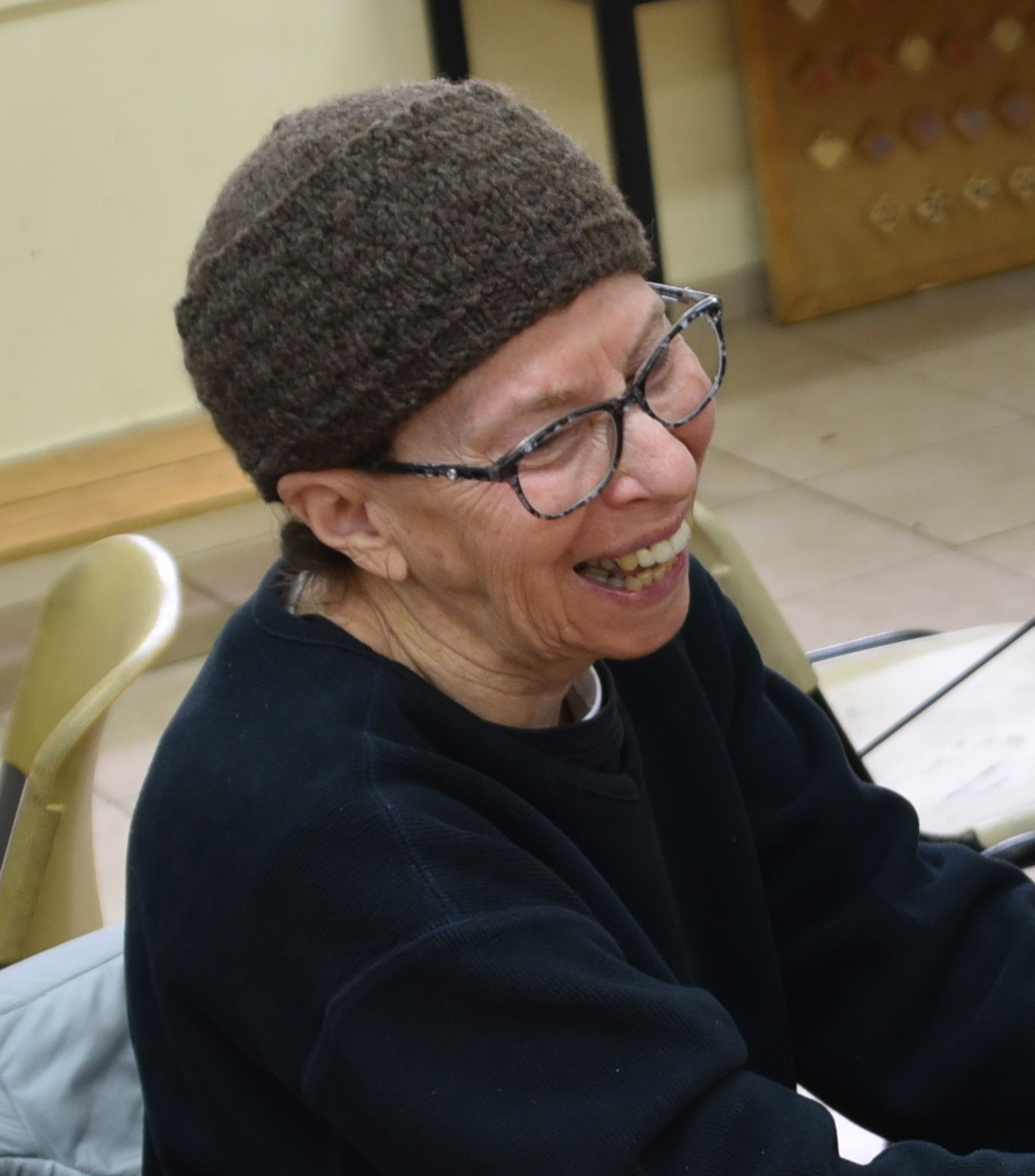
רבנית מישל הציתה אש התלמוד בלבבות בביניני האומה ואני נדלקתי. היא פתחה פתח ותמכה במתחילות כמוני ואפשרה לנו להתקדם בצעדים נכונים וטובים. הקימה מערך שלם שמסובב את הלומדות בסביבה תומכת וכך נכנסתי למסלול לימוד מעשיר שאין כמוה. הדרן יצר קהילה גדולה וחזקה שמאפשרת התקדמות מכל נקודת מוצא. יש דיבוק לומדות שמחזק את ההתמדה של כולנו. כל פניה ושאלה נענית בזריזות ויסודיות. תודה גם למגי על כל העזרה.
נתניה, ישראל
כבר סיפרתי בסיום של מועד קטן.
הלימוד מאוד משפיעה על היום שלי כי אני לומדת עם רבנית מישל על הבוקר בזום. זה נותן טון לכל היום – בסיס למחשבות שלי .זה זכות גדול להתחיל את היום בלימוד ובתפילה. תודה רבה !

ירושלים, ישראל
התחלתי ללמוד בעידוד שתי חברות אתן למדתי בעבר את הפרק היומי במסגרת 929.
בבית מתלהבים מאוד ובשבת אני לומדת את הדף עם בעלי שזה מפתיע ומשמח מאוד! לימוד הדף הוא חלק בלתי נפרד מהיום שלי. לומדת בצהריים ומחכה לזמן הזה מידי יום…

אפרת, ישראל
אחרי שראיתי את הסיום הנשי של הדף היומי בבנייני האומה זה ריגש אותי ועורר בי את הרצון להצטרף. לא למדתי גמרא קודם לכן בכלל, אז הכל היה לי חדש, ולכן אני לומדת בעיקר מהשיעורים פה בהדרן, בשוטנשטיין או בחוברות ושיננתם.

בית שמש, ישראל
התחלתי להשתתף בשיעור נשים פעם בשבוע, תכננתי ללמוד רק דפים בודדים, לא האמנתי שאצליח יותר מכך.
לאט לאט נשאבתי פנימה לעולם הלימוד .משתדלת ללמוד כל בוקר ומתחילה את היום בתחושה של מלאות ומתוך התכווננות נכונה יותר.
הלימוד של הדף היומי ממלא אותי בתחושה של חיבור עמוק לעם היהודי ולכל הלומדים בעבר ובהווה.

אפרת, ישראל
התחלתי ללמוד בסבב הנוכחי לפני כשנתיים .הסביבה מתפעלת ותומכת מאוד. אני משתדלת ללמוד מכל ההסכתים הנוספים שיש באתר הדרן. אני עורכת כל סיום מסכת שיעור בביתי לכ20 נשים שמחכות בקוצר רוח למפגשים האלו.
יהוד, ישראל
התחלתי ללמוד דף יומי באמצע תקופת הקורונה, שאבא שלי סיפר לי על קבוצה של בנות שתיפתח ביישוב שלנו ותלמד דף יומי כל יום. הרבה זמן רציתי להצטרף לזה וזאת הייתה ההזדמנות בשבילי. הצטרפתי במסכת שקלים ובאמצע הייתה הפסקה קצרה. כיום אני כבר לומדת באולפנה ולומדת דף יומי לבד מתוך גמרא של טיינזלץ.

עתניאל, ישראל
הָתָם יְדִיעַ מַמָּשׁוֹ, הָכָא לָא יְדִיעַ מַמָּשָׁן.
The Gemara explains: There, the substance of the wine is a recognizable component of the fish stew; here, its substance is not a recognizable component of the pickled vegetables.
וְטָרִית טְרוּפָה, וְצִיר שֶׁאֵין בָּהּ דָּגָה וְכוּ׳. מַאי חִילֵּק? אָמַר רַב נַחְמָן בַּר אַבָּא אָמַר רַב: זוֹ סוּלְתָּנִית, וּמִפְּנֵי מָה אֲסוּרָה? מִפְּנֵי שֶׁעֵרְבוֹנָהּ עוֹלֶה עִמָּהּ.
§ The mishna teaches: And minced tarit fish, and brine that does not have a kilbit fish floating in it, and ḥilak are all prohibited. The Gemara asks: What is ḥilak? Rav Naḥman bar Abba says that Rav says: This is sultanit, a type of small fish that is generally caught before its scales have developed. And for what reason is it prohibited? It is because its size causes it to be intermingled with other fish, and as a result sultanit rises out of the water with non-kosher fish when it is caught.
תָּנוּ רַבָּנַן: אֵין לוֹ עַכְשָׁיו וְעָתִיד לְגַדֵּל לְאַחַר זְמַן, כְּגוֹן הַסּוּלְתָּנִית (וְהָעַפְיָץ) [וְהָעַפְיָין] — הֲרֵי זֶה מוּתָּר. יֵשׁ לוֹ עַכְשָׁיו וְעָתִיד לְהַשִּׁיר בְּשָׁעָה שֶׁעוֹלֶה מִן הַיָּם, כְּגוֹן אֲקוּנָס וַאֲפוּנָס, כְּטַסְפַּטְיָיס וְאַכְסְפַּטְיָיס וַאֲטוּנָס — מוּתָּר.
The Sages taught: If a fish does not currently possess scales but will grow them after a period of time, such as the sultanit and afiyatz fish, it is permitted. Likewise, if it has scales now but will shed them when it is caught and rises from the sea, such as akunas and afuna, ketasfatiyas and akhsaftiyas and otanas fish, it is permitted.
אַכְרֵיז רַבִּי אֲבָהוּ בְּקֵיסָרִי: קִירְבֵי דָגִים וְעוּבָּרָן נִיקָּחִין מִכׇּל אָדָם. חֶזְקָתָן אֵינָן בָּאִים אֶלָּא מִפִּלּוּסָא וְאַסְפַּמְיָא, כִּי הָא דְּאָמַר אַבָּיֵי: הַאי צַחַנְתָּא דְּבָב נַהֲרָא שַׁרְיָא.
Rabbi Abbahu announced in Caesarea: Fish entrails and their eggs may be purchased from any person, as the presumption with regard to them is that they come only from Pelusium [Pilusa] and Spain [Aspamya], and non-kosher fish are not found in those areas. This is similar to that which Abaye says: These small fish [tzaḥanta] of the Bav River are permitted, as non-kosher fish are not found in that river.
מַאי טַעְמָא? אִילֵּימָא מִשּׁוּם דִּרְדִיפִי מַיָּא, וְהַאי דָּג טָמֵא כֵּיוָן דְּלֵית לֵיהּ חוּט הַשִּׁדְרָה, בְּדוּכְתָּא דִּרְדִיפִי מַיָּא לָא מָצֵי קָאֵי, וְהָא קָא חָזֵינַן דְּקָאֵי!
The Gemara asks: What is the reason that Abaye unequivocally permitted eating these fish and was not concerned about the potential presence of non-kosher fish among them? If we say that it is due to the fact that the water flows rapidly, and these non-kosher fish, since they do not have a spinal cord, are not able to exist in a place where the water flows rapidly, as the current carries the non-kosher fish out of the Bav River, and consequently all the remaining fish are kosher, that is not the case, since we see that non-kosher fish exist in rivers with strong currents.
אֶלָּא מִשּׁוּם דִּמְלִיחִי מַיָּא, וְהַאי דָּג טָמֵא — כֵּיוָן דְּלֵית לֵיהּ קִלְפֵי, בְּדוּכְתָּא דִּמְלִיחִי מַיָּא לָא מָצֵי קָאֵי. וְהָא קָחָזֵינַן דְּקָאֵי! אֶלָּא, מִשּׁוּם דְּלָא מְרַבֵּה טִינָא דָּג טָמֵא. אֲמַר רָבִינָא: הָאִידָּנָא דְּקָא שָׁפְכִי בֵּיהּ נְהַר גּוֹזָא וּנְהַר גַּמְדָּא — אֲסִירִי.
Rather, perhaps Abaye permitted the fish because the water is salty, and these non-kosher fish are not able to exist in a place of salty water since they do not have scales. This, too, is not the case, since we see that non-kosher fish exist in salty water. Rather, Abaye permitted the small fish in the Bav River because the mud in that river is not suitable for non-kosher fish to reproduce. The conditions in the river render it an unproductive habitat for non-kosher fish. Ravina says: Nowadays, as the government built canals between the rivers, and the Goza River and the Gamda River spill into the Bav and carry non-kosher fish there, it is prohibited to eat the small fish without thorough inspection.
אָמַר אַבָּיֵי: הַאי חַמְרָא דְּיַמָּא — שְׁרֵי, תּוֹרָא דְּיַמָּא — אֲסִיר, וְסִימָנָיךְ: טָמֵא טָהוֹר, טָהוֹר טָמֵא.
The Gemara cites several other statements of amora’im that concern the halakhic status of fish. Abaye says: This creature known as the sea donkey [ḥamara deyamma] is permitted; the creature known as the sea ox [tora deyamma] is prohibited, and your mnemonic to remember this halakha is: Impure is pure, and pure is impure, i.e., the name of an animal which is non-kosher on land is kosher in the sea, and that which is kosher on land is non-kosher in the sea.
אָמַר רַב אָשֵׁי: שְׁפַר נוּנָא שְׁרֵי, קְדַשׁ נוּנָא אֲסִיר, וְסִימָנָיךְ: ״קֹדֶשׁ לַה׳״. אִיכָּא דְּאָמְרִי: קְבַר נוּנָא אָסוּר, וְסִימָנָיךְ: קִבְרֵי גוֹיִם.
Rav Ashi said: The type of fish known as shefar nuna is permitted, and the type of fish known as kadesh nuna is prohibited, and your mnemonic to remember this halakha is: That which is holy [kodesh] is to the Lord, and not for humans. And some say that Rav Ashi said: The type of fish known as kevar nuna is prohibited, and your mnemonic is: The grave [kever] is impure like the graves of gentiles.
רַבִּי עֲקִיבָא אִיקְּלַע לְגִינְזַק, אַיְיתוֹ לְקַמֵּיהּ הָהוּא נוּנָא דַּהֲוָה דָּמֵי לְחִיפּוּשָׁא, חַפְּיֵיהּ בְּדִיקּוּלָא, חֲזָא בֵּיהּ קִלְפֵי וְשַׁרְיֵיהּ. רַב אָשֵׁי אִיקְּלַע לְטַמְדוֹרְיָא, אַיְיתוֹ לְקַמֵּיהּ הָהוּא נוּנָא דַּהֲוָה דָּמֵי לִצְלוֹפְחָא, נַקְטֵיהּ לַהֲדֵי יוֹמָא, חֲזָא דַּהֲוָה בֵּיהּ צִימְחֵי וְשַׁרְיֵיהּ.
The Gemara relates several incidents involving Sages and their rulings with regard to fish. Rabbi Akiva happened to come to Ginzak and they brought before him a certain fish that was similar to a ḥippusha, a non-kosher aquatic creature. When he enclosed it in a basket he saw that it had scales which it shed as it struggled to escape from the basket, and he permitted it on that basis. Rav Ashi happened to come to Tamduria where they brought before him a certain fish that was similar to an eel [tzelofḥa]. He took it out and held it against the light of day and saw that there were thin scales on it, and he permitted it.
רַב אָשֵׁי אִיקְּלַע לְהָהוּא אַתְרָא, אַיְיתוֹ לְקַמֵּיהּ נוּנָא דְּהָוֵי דָּמֵי לִשְׁפַרְנוּנָא, חַפְּיֵיהּ בִּמְשִׁיכְלֵי חִיוָּרֵי, חֲזָא בֵּיהּ קִלְפֵי וְשַׁרְיֵיהּ. רַבָּה בַּר בַּר חָנָה אִיקְּלַע לְאַקְרָא דְאַגְמָא, קָרִיבוּ לֵיהּ צַחַנְתָּא, שַׁמְעֵיהּ לְהָהוּא גַּבְרָא דַּהֲוָה קָרֵי לֵיהּ ״בָּאטֵי״.
Rav Ashi also happened to come to a certain land where they brought before him a fish that was similar to a shefarnuna. He enclosed it in a white vessel and saw that it shed dark scales, which he could see against the white background of the container, and he permitted it. Rabba bar bar Ḥana happened to come to Akra DeAgma and they brought him some tzaḥanta, a dish prepared from small fish. He heard a certain man calling it batei, the name of a non-kosher sea creature.
אֲמַר: מִדְּקָא קָרֵי לֵיהּ ״בָּאטֵי״, שְׁמַע מִינַּהּ דָּבָר טָמֵא אִית בֵּיהּ, לָא אֲכַל מִינֵּיהּ. לְצַפְרָא עַיֵּין בֵּהּ, אַשְׁכַּח בֵּיהּ דָּבָר טָמֵא, קָרֵי אַנַּפְשֵׁיהּ: ״לֹא יְאֻנֶּה לַצַּדִּיק כׇּל אָוֶן״.
Rabba bar bar Ḥana said to himself: From the fact that he called it batei, I can conclude from here that there is a non-kosher substance in the tzaḥanta. And he did not eat from it that night. In the morning, he examined the dish and in fact found a non-kosher substance in it. He read the following verse about himself: “No sin shall befall the righteous” (Proverbs 12:21).
וְהַקּוֹרֶט שֶׁל חִילְתִּית. מַאי טַעְמָא? מִשּׁוּם דְּמַפְסְקִי לֵיהּ בְּסַכִּינָא. אַף עַל גַּב דְּאָמַר מָר: נוֹתֵן טַעַם לִפְגָם מוּתָּר, אַגַּב חוּרְפֵּיהּ דְּחִילְתִּיתָא מְחַלְּיָא לֵיהּ שַׁמְנוּנִיתָא, וְהָוֵה לֵיהּ כְּנוֹתֵן טַעַם לְשֶׁבַח, וְאָסוּר.
§ The mishna teaches: And a sliver of ḥiltit may not be consumed, although one may derive benefit from it. The Gemara asks: What is the reason that it is prohibited? It is because they slice it with a knife on which there is presumably non-kosher residue. And even though the Master said that a prohibited substance that imparts flavor to the detriment of the mixture is permitted, that principle does not apply in this case because as a result of the sharpness of the ḥiltit, the act of slicing it with a knife sweetens, i.e., enhances, the taste of the non-kosher residue. And therefore it is like a prohibited substance that imparts flavor to the enhancement of the mixture, and it is prohibited.
עַבְדֵּיהּ דְּרַבִּי לֵוִי הֲוָה קָא מְזַבֵּין חִילְתִּיתָא, כִּי נָח נַפְשֵׁיהּ דְּרַבִּי לֵוִי אֲתוֹ לְקַמֵּיהּ דְּרַבִּי יוֹחָנָן, אֲמַרוּ לֵיהּ: מַהוּ לְמִיזְבַּן מִינֵּיהּ? אֲמַר לְהוּ: עַבְדּוֹ שֶׁל חָבֵר הֲרֵי הוּא כְּחָבֵר.
The Gemara relates that the gentile slave of Rabbi Levi would sell ḥiltit, and it was permitted to purchase it from him as he was the slave of a Sage. When Rabbi Levi passed away, they came before Rabbi Yoḥanan and said to him: Now that Rabbi Levi has passed, what is the halakha with regard to whether or not it is permitted to purchase ḥiltit from his gentile slave? Rabbi Yoḥanan said to them: The slave of a ḥaver, one devoted to the meticulous observance of mitzvot, especially halakhot of ritual purity, teruma, and tithes, is as a ḥaver himself, and therefore it is permitted to buy ḥiltit from him.
רַב הוּנָא בַּר מִנְיוֹמֵי זְבֵן תְּכֵילְתָּא מֵאֱנָשֵׁי דְּבֵיתֵיהּ דְּרַב עַמְרָם חֲסִידָא, אֲתָא לְקַמֵּיהּ דְּרַב יוֹסֵף, לָא הֲוָה בִּידֵיהּ.
The Gemara relates another incident that involves the status of a ḥaver and his household. Rav Huna bar Minyumi purchased sky-blue dye [tekhelta] from the people of the household, i.e., the wife, of Rav Amram the pious. One may purchase sky-blue dye for ritual fringes only from a reliable individual, as it is easy to counterfeit it. Rav Huna then came before Rav Yosef to ask if he could rely on her assurance that it was usable for the mitzva. The answer was not available to Rav Yosef.
פְּגַע בֵּיהּ חָנָן חַיָּיטָא, אֲמַר לֵיהּ: יוֹסֵף עַנְיָא מְנָא לֵיהּ? בְּדִידִי הֲוָה עוֹבָדָא, דִּזְבֵינִי תְּכֵילְתָּא מֵאֱנָשֵׁי דְּבֵיתֵיהּ דְּרַבְנָאָה אֲחוּהּ דְּרַבִּי חִיָּיא בַּר אַבָּא, וַאֲתַאי לְקַמֵּיהּ דְּרַב מַתְנָא, לָא הֲוָה בִּידֵיהּ. אֲתַאי לְקַמֵּיהּ דְּרַב יְהוּדָה מֵהַגְרוֹנְיָא, אָמַר לִי: נְפַלְתְּ לְיָד, הָכִי אָמַר שְׁמוּאֵל: אֵשֶׁת חָבֵר הֲרֵי הִיא כְּחָבֵר.
Later, Ḥanan the tailor happened to meet Rav Huna, and he said to him: From where could poor Rav Yosef have known the answer to this question? Ḥanan continued: There was an incident in which I was involved, as I purchased sky-blue dye from the people of the household, i.e., the wife, of Rabena’a, brother of Rabbi Ḥiyya bar Abba, and I came before Rav Mattana to ask him the same question, and the answer was not available to him either. I then came before Rav Yehuda of Hagronya, who said to me: You have fallen into my hand, i.e., I am the only one who can answer your question. This is what Shmuel says: The wife of a ḥaver is herself considered like a ḥaver, and you may therefore rely on her statement.
תְּנֵינָא לְהָא דְּתָנוּ רַבָּנַן: אֵשֶׁת חָבֵר הֲרֵי הִיא כְּחָבֵר, עַבְדּוֹ שֶׁל חָבֵר הֲרֵי הוּא כְּחָבֵר, חָבֵר שֶׁמֵּת — אִשְׁתּוֹ וּבָנָיו וּבְנֵי בֵיתוֹ הֲרֵי הֵן בְּחֶזְקָתָן עַד שֶׁיֵּחָשְׁדוּ, וְכֵן חָצֵר שֶׁמּוֹכְרִין בָּהּ תְּכֵלֶת הֲרֵי (הֵן בְּחֶזְקָתָן) [הִיא בְּחֶזְקָתָהּ] עַד שֶׁתִּיפָּסֵל.
The Gemara comments: We learn here that which the Sages taught explicitly in a baraita: The wife of a ḥaver is like a ḥaver; the slave of a ḥaver is like a ḥaver. Furthermore, with regard to a ḥaver that died, his wife and children and members of his household remain in their presumptive status until they are suspected of engaging in inappropriate deeds. And similarly, with regard to a courtyard in which they sell sky-blue dye, it remains in its presumptive status as a place in which kosher sky-blue dye is sold until it is disqualified due to unscrupulous behavior.
תָּנוּ רַבָּנַן: אֵשֶׁת עַם הָאָרֶץ שֶׁנִּשֵּׂאת לְחָבֵר, וְכֵן בִּתּוֹ שֶׁל עַם הָאָרֶץ שֶׁנִּשֵּׂאת לְחָבֵר, וְכֵן עַבְדּוֹ שֶׁל עַם הָאָרֶץ שֶׁנִּמְכַּר לְחָבֵר — כּוּלָּן צְרִיכִין לְקַבֵּל דִּבְרֵי חֲבֵרוּת, אֲבָל אֵשֶׁת חָבֵר שֶׁנִּשֵּׂאת לְעַם הָאָרֶץ, וְכֵן בִּתּוֹ שֶׁל חָבֵר שֶׁנִּשֵּׂאת לְעַם הָאָרֶץ, וְכֵן עַבְדּוֹ שֶׁל חָבֵר שֶׁנִּמְכַּר לְעַם הָאָרֶץ — אֵינָן צְרִיכִין לְקַבֵּל דִּבְרֵי חֲבֵרוּת לְכַתְּחִלָּה, דִּבְרֵי רַבִּי מֵאִיר.
The Sages taught: The wife of one who is not careful to keep the particulars of certain halakhot [am ha’aretz], who later marries a ḥaver, and likewise the daughter of an am ha’aretz who marries a ḥaver, and likewise the slave of an am ha’aretz who is sold to a ḥaver, must all accept upon themselves the commitment to observe the matters associated with ḥaver status. But the wife of a ḥaver who later marries an am ha’aretz, and likewise the daughter of a ḥaver who marries an am ha’aretz, and likewise the slave of a ḥaver who was sold to an am ha’aretz, these people need not accept upon themselves the commitment to observe the matters associated with ḥaver status ab initio. This is the statement of Rabbi Meir.
רַבִּי יְהוּדָה אוֹמֵר: אַף הֵן צְרִיכִין לְקַבֵּל דִּבְרֵי חֲבֵרוּת לְכַתְּחִלָּה. וְכֵן הָיָה רַבִּי שִׁמְעוֹן בֶּן אֶלְעָזָר אוֹמֵר: מַעֲשֶׂה בְּאִשָּׁה אַחַת שֶׁנִּשֵּׂאת לְחָבֵר, וְהָיְתָה קוֹשֶׁרֶת לוֹ תְּפִילִּין עַל יָדוֹ, נִשֵּׂאת לְמוֹכֵס, וְהָיְתָה קוֹשֶׁרֶת לוֹ קִשְׁרֵי מוֹכֵס עַל יָדוֹ.
Rabbi Yehuda says: They too must accept upon themselves the commitment to observe the matters associated with ḥaver status ab initio. And similarly, Rabbi Shimon ben Elazar would illustrate this point and say: There was an incident involving a certain woman who married a ḥaver and would tie for him phylacteries on his hand, and she later married a tax collector and would tie for him tax-seals on his hand, which shows that her new husband had a great influence on her level of piety.
אָמַר רַב: חבי״ת אָסוּר בְּחוֹתָם אֶחָד, חמפ״ג מוּתָּר בְּחוֹתָם אֶחָד. חָלָב, בָּשָׂר, יַיִן, תְּכֵלֶת.
§ Rav says: The substances represented by the acronym ḥet, beit, yod, tav are prohibited if they were deposited with a gentile while they were sealed with only one seal. Those represented by the acronym ḥet, mem, peh, gimmel are permitted if they were deposited with a gentile while they were sealed with one seal. The Gemara elaborates: Milk [ḥalav], meat [basar], wine [yayin], and sky-blue dye [tekhelet]
אֲסוּרִין בְּחוֹתָם אֶחָד. חִילְתִּית, מוּרְיָיס, פַּת, גְּבִינָה — מוּתָּרִין בְּחוֹתָם אֶחָד.
are all prohibited when they are found with only one seal; ḥiltit, fish stew [morayes], bread [pat], and cheese [gevina] are all permitted when they are found with one seal.
פַּת, לְמַאי נֵיחוּשׁ לַהּ? אִי מִשּׁוּם אִיחַלּוֹפֵי קָרִירָא בְּחַמִּימָא — מִידָּע יְדִיעַ, דְּחִיטֵּי בְּדִשְׂעָרֵי נָמֵי מִידָּע יְדִיעַ, אִי כִּי הֲדָדֵי — כֵּיוָן דְּאִיכָּא חוֹתָם אֶחָד לָא טָרַח וּמְזַיֵּיף.
The Gemara explains why only one seal is necessary for bread. With regard to what need we be concerned in the case of bread, that one might have thought it requires two seals? If it is due to the concern for the gentile exchanging the fresh bread of the Jew with his own bread that is less fresh, the difference between cold bread and warm bread is known, and the Jew will realize that there has been an exchange. Likewise, if there is a concern that a gentile might exchange the more valuable wheat bread of the Jew with his own less valuable barley bread, the Jew will also know about it in this case. And if it is due to the concern that a gentile might exchange similar kinds of bread with each other, it can be assumed that since there is one seal the gentile will not trouble himself and forge another seal just to exchange bread of equal value.
וְרַב, מַאי שְׁנָא גְּבִינָה? דְּלָא טָרַח וּמְזַיֵּיף? חָלָב נָמֵי לָא טָרַח וּמְזַיֵּיף! אָמַר רַב כָּהֲנָא: אַפֵּיק חָלָב, וְעַיֵּיל חֲתִיכַת דָּג שֶׁאֵין בָּהּ סִימָן.
The Gemara asks: And according to the opinion of Rav, what is different about cheese that it requires only one seal whereas milk requires two? If the reason is that a gentile will not trouble himself and forge a different seal, as cheese is generally inexpensive and the small profit he might make is not worth such an effort, this reasoning should apply to milk also, as he will not trouble himself and forge a new seal in this case either. Rav Kahana said: Remove the term: Milk, from Rav’s statement, and enter instead: A piece of fish that has no sign of kashrut.
הַיְינוּ בָּשָׂר! תְּרֵי גַּוְונֵי בָּשָׂר.
The Gemara raises an objection: Rav could not have been teaching that a piece of fish with no signs of kashrut requires two seals, as fish is the same as meat, which is already included in the list of items that require two seals. The Gemara explains that there are two categories of meat: Animal meat and fish meat. Since one might have thought that they are subject to different halakhot, Rav therefore teaches that both require two seals.
וּשְׁמוּאֵל אוֹמֵר: בי״ת אָסוּר בְּחוֹתָם אֶחָד, מח״ג מוּתָּר בְּחוֹתָם אֶחָד. בָּשָׂר, יַיִן, תְּכֵלֶת אֲסוּרִין בְּחוֹתָם אֶחָד; מוּרְיָיס, חִילְתִּית, גְּבִינָה מוּתָּרִין בְּחוֹתָם אֶחָד. לִשְׁמוּאֵל, חֲתִיכַת דָּג שֶׁאֵין בָּהּ סִימָן הַיְינוּ בָּשָׂר, תְּרֵי גַּוְונֵי בָּשָׂר לָא אָמְרִינַן.
The Gemara cites a different set of lists than that presented by Rav. And Shmuel says: The substances represented by the acronym beit, yod, tav are prohibited when sealed with one seal; those represented by the acronym mem, ḥet, gimmel, are permitted when sealed with one seal. The Gemara explains: Meat [basar], wine [yayin], and sky-blue dye [tekhelet] are prohibited when sealed with a single seal; fish stew [morayes], ḥiltit, and cheese [gevina], are permitted when sealed with a single seal. The Gemara comments: According to Shmuel, a piece of fish that has no sign of kashrut is the same as meat, and we do not say that there is a difference between two categories of meat. Consequently, he does not include in his list a piece of fish that has no sign of kashrut.
תָּנוּ רַבָּנַן: אֵין לוֹקְחִין ימ״ח מח״ג בְּסוּרְיָא, לֹא יַיִן וְלֹא מוּרְיָיס וְלֹא חָלָב וְלֹא מֶלַח סַלְקוֹנְדְּרִית וְלֹא חִילְתִּית וְלֹא גְּבִינָה, אֶלָּא מִן הַמּוּמְחֶה, וְכוּלָּן אִם נִתְאָרַח אֵצֶל בַּעַל הַבַּיִת — מוּתָּר.
The Sages taught: One may not purchase foods represented by the acronym yod, mem, ḥet; mem, ḥet, gimmel in Syria, not even from Jews. The Gemara elaborates: One may not purchase wine [yayin], nor fish stew [morayes], nor milk [ḥalav], nor salkondarit salt [melaḥ salkondarit], nor ḥiltit, nor cheese [gevina], except when purchased from an expert with a reputation for knowing and upholding the halakhot of kashrut. And with regard to all of them, if one is a guest in the home of his host, they are permitted, as a Jew is assumed to keep the halakhot of kashrut in his own home.
מְסַיַּיע לֵיהּ לְרַבִּי יְהוֹשֻׁעַ בֶּן לֵוִי, דְּאָמַר רַבִּי יְהוֹשֻׁעַ בֶּן לֵוִי: שִׁגֵּר לוֹ בַּעַל הַבַּיִת לְבֵיתוֹ — מוּתָּר. מַאי טַעְמָא? בַּעַל הַבַּיִת לָא שָׁבֵיק הֶיתֵּירָא וְאָכֵל אִיסּוּרָא, וְכִי מְשַׁגַּר לֵיהּ, מִמַּאי דְּאָכֵיל מְשַׁדַּר לֵיהּ.
The Gemara adds: This supports the statement of Rabbi Yehoshua ben Levi, as Rabbi Yehoshua ben Levi says: If a homeowner sent someone a package of food to his house, the food is permitted. What is the reason? It is because a homeowner does not leave aside permitted foods and eat prohibited foods, and when he sends food to another, he sends it from that which he eats himself, even though one may not be allowed to purchase food from that individual.
וּמֶלַח סַלְקוֹנְדְּרִית. מַאי מֶלַח סַלְקוֹנְדְּרִית? אָמַר רַב יְהוּדָה אָמַר שְׁמוּאֵל: מֶלַח שֶׁכׇּל סַלְקוֹנְדְּרֵי רוֹמִי אוֹכְלִין אוֹתָהּ. תָּנוּ רַבָּנַן: מֶלַח סַלְקוֹנְדְּרִית, שְׁחוֹרָה — אֲסוּרָה, לְבָנָה — מוּתֶּרֶת, דִּבְרֵי רַבִּי מֵאִיר. רַבִּי יְהוּדָה אוֹמֵר: לְבָנָה — אֲסוּרָה, שְׁחוֹרָה — מוּתֶּרֶת. רַבִּי יְהוּדָה בֶּן גַּמְלִיאֵל מִשּׁוּם רַבִּי חֲנִינָא בֶּן גַּמְלִיאֵל אוֹמֵר: זוֹ וְזוֹ אֲסוּרָה.
§ The mishna teaches that salkondarit salt is prohibited. The Gemara asks: What is salkondarit salt? Rav Yehuda says that Shmuel says: It is the salt that all Roman bakers [salkondarei] eat. The Sages taught: With regard to salkondarit salt, black salt is prohibited, whereas white salt is permitted; this is the statement of Rabbi Meir. Rabbi Yehuda says: White salt is prohibited; black salt is permitted. The Gemara cites a third opinion: Rabbi Yehuda ben Gamliel says in the name of Rabbi Ḥanina ben Gamliel: This and that, i.e., both white and black salkondarit salt, are prohibited.
אָמַר רַבָּה בַּר בַּר חָנָה אָמַר רַבִּי יוֹחָנָן: לְדִבְרֵי הָאוֹמֵר לְבָנָה אֲסוּרָה, קִירְבֵי דָּגִים לְבָנִים טְמֵאִים מְעוֹרָבִין בָּהּ. לְדִבְרֵי הָאוֹמֵר שְׁחוֹרָה אֲסוּרָה, קִירְבֵי דָּגִים שְׁחוֹרִים טְמֵאִים מְעוֹרָבִין בָּהּ.
The Gemara cites an explanation of this dispute. Rabba bar bar Ḥana says that Rabbi Yoḥanan says: According to the statement of the one who says that white salkondarit salt is prohibited, it is suspected that the intestines of white non-kosher fish are mixed in it, and this is the reason for the prohibition. According to the statement of the one who says that black salt is prohibited, it is suspected that the intestines of black non-kosher fish are mixed in it.
לְדִבְרֵי הָאוֹמֵר זוֹ וְזוֹ אֲסוּרָה, זֶה וָזֶה מְעוֹרָבִין בָּהּ. אָמַר רַבִּי אֲבָהוּ מִשּׁוּם רַבִּי חֲנִינָא בֶּן גַּמְלִיאֵל: זָקֵן אֶחָד הָיָה בִּשְׁכוּנָתֵנוּ, שֶׁהָיָה מַחְלִיק פָּנֶיהָ בְּשׁוּמַּן חֲזִיר.
According to the statement of the one who said this and that are prohibited, he is concerned that this and that, i.e., the intestines of both white and black fish, are mixed in white and black salt, respectively. The Gemara mentions an additional problem with salkondarit salt: Rabbi Abbahu says in the name of Rabbi Ḥanina ben Gamliel: There was a certain elder in our neighborhood who would smooth its surface with pig fat.
הֲרֵי אֵלּוּ אֲסוּרִים. לְמַעוֹטֵי מַאי? לְחִזְקִיָּה — לְמַעוֹטֵי בְּיָדוּעַ, לְרַבִּי יוֹחָנָן — לְמַעוֹטֵי מוּרְיָיס וּגְבִינַת בֵּית אוּנְיָיקֵי, וּסְתָמָא כְּרַבִּי מֵאִיר.
§ The mishna further teaches that the list of items it mentioned are all prohibited. The Gemara asks: Since the mishna began by stating that the items it lists are prohibited for consumption, what does this apparently redundant conclusion serve to exclude? The Gemara answers: According to the opinion of Ḥizkiyya cited on 38b, it serves to exclude cases where it is known that wine of gentiles was added to the foods, as one may not even derive benefit from such foods. According to the opinion of Rabbi Yoḥanan, it serves to exclude fish stew and cheese of Beit Unyaki, as it is prohibited to derive benefit from these, and accordingly, the unattributed statement in this mishna is in accordance with the opinion of Rabbi Meir, cited in the previous mishna (29b).
מַתְנִי׳ וְאֵלּוּ מוּתָּרִין בַּאֲכִילָה — חָלָב שֶׁחֲלָבוֹ גּוֹי וְיִשְׂרָאֵל רוֹאֵהוּ, וְהַדְּבַשׁ, וְהַדֻּבְדְּבָנִיּוֹת, אַף עַל פִּי שֶׁמְּנַטְּפִין — אֵין בָּהֶן מִשּׁוּם הֶכְשֵׁר מַשְׁקֶה, וּכְבָשִׁין שֶׁאֵין דַּרְכָּן לָתֵת לְתוֹכָן יַיִן וָחוֹמֶץ, וְטָרִית שֶׁאֵינָהּ טְרוּפָה, וְצִיר שֶׁיֵּשׁ בָּהּ דָּגָה, וְעָלֶה שֶׁל חִילְתִּית, וְזֵיתֵי גְלוּסְקָאוֹת הַמְגוּלְגָּלִין.
MISHNA: And these are permitted for consumption: Milk that was milked by a gentile and a Jew watched him doing so; and honey; and grape clusters [davdevaniyyot] which, despite the fact that they are dripping juice, are not subject to the halakhot of susceptibility to ritual impurity caused by contact with that liquid; and pickled vegetables whose usual manner of preparation does not involve adding wine and vinegar to them; and tarit fish that is not minced; and brine that has fish in it; and the leaf of a ḥiltit plant; and rolled olive cakes [geluskaot].
רַבִּי יוֹסֵי אוֹמֵר: הַשְּׁלָחִין אֲסוּרִין, הַחֲגָבִים הַבָּאִים מִן הַסְּלוּלָה אֲסוּרִין, מִן הַהֶפְתֵּק מוּתָּרִין, וְכֵן לִתְרוּמָה.
Rabbi Yosei says: Overripe olives are prohibited. Locusts that come from a salesman’s basket are prohibited, whereas those that come from the storeroom [heftek] are permitted; and likewise with regard to the portion of the produce designated for the priest [teruma], as will be explained in the Gemara.
גְּמָ׳ תְּנֵינָא לְהָא דְּתָנוּ רַבָּנַן: יוֹשֵׁב יִשְׂרָאֵל בְּצַד עֶדְרוֹ שֶׁל גּוֹי, וְגוֹי חוֹלֵב וּמֵבִיא לוֹ, וְאֵינוֹ חוֹשֵׁשׁ. הֵיכִי דָמֵי? אִי דְּלֵיכָּא דָּבָר טָמֵא בְּעֶדְרוֹ — פְּשִׁיטָא, וְאִי דְּאִיכָּא דָּבָר טָמֵא בְּעֶדְרוֹ — אַמַּאי?
GEMARA: We learn from the mishna that which the Sages taught explicitly in a baraita: A Jew may sit beside a gentile’s flock and wait while the gentile milks his animals and brings the milk to the Jew, and he need not be concerned, even if he cannot see the milking process from his seated position. The Gemara asks: What are the circumstances of this case? If it is known that there is no non-kosher animal in the gentile’s flock, isn’t it obvious that the milk is permitted? Why would the baraita teach an obvious halakha? And if there is a non-kosher animal in his flock, then why is the milk permitted, considering the fact that the Jew could not see the gentile from where he sat?
לְעוֹלָם דְּאִיכָּא דָּבָר טָמֵא, וְכִי קָאֵי חָזֵי לֵיהּ, וְכִי יָתֵיב לָא חֲזֵי לֵיהּ; מַהוּ דְּתֵימָא: כֵּיוָן דְּיָתֵיב לָא חָזֵי לֵיהּ, נֵיחוּשׁ דִּלְמָא מַיְיתֵי וּמְעָרֵב בֵּיהּ, קָא מַשְׁמַע לַן: כֵּיוָן דְּכִי קָאֵי חָזֵי לֵיהּ, אִירְתוֹתֵי מִירְתַת וְלָא מְיעָרֵב בֵּיהּ.
The Gemara explains: Actually, this is referring to a case where there is a non-kosher animal in the flock, and when the Jew is standing he can see the gentile, but when he is sitting he cannot see the gentile. Lest you say: Since when the Jew is sitting, he cannot see the gentile, we should be concerned that perhaps the gentile will bring non-kosher milk and mix it with the kosher milk, the baraita therefore teaches us that since when the Jew is standing, he can see him, the gentile is fearful of being caught and does not mix anything into the milk.
וְהַדְּבַשׁ. דְּבַשׁ לְמַאי נֵיחוּשׁ לַהּ? אִי מִשּׁוּם אִיעָרוֹבֵי — מִיסְרָא סְרֵי, אִי מִשּׁוּם בִּישּׁוּלֵי גוֹיִם — נֶאֱכָל כְּמוֹ שֶׁהוּא חַי, אִי מִשּׁוּם גִּיעוּלֵי גוֹיִם — נוֹתֵן טַעַם לִפְגָם הוּא וּמוּתָּר.
§ The mishna teaches: And the honey of gentiles is permitted. The Gemara explains: For what need we be concerned with regard to honey? If it is due to the concern that a gentile might mix wine with it, honey spoils when it is mixed with wine, and therefore a gentile would not do so. If it is due to the cooking of gentiles, this too does not apply, because it is eaten as it is, i.e., raw. If it is due to the concern that the honey might have absorbed prohibited taste from vessels of gentiles that require purging, this does not apply either, as it is a prohibited substance that imparts flavor to the detriment of the mixture, and such a case is permitted. Since none of these concerns are relevant, the honey is permitted.
וְהַדֻּבְדְּבָנִיּוֹת. אַף עַל פִּי שֶׁמְּנַטְּפוֹת, אֵין בָּהֶן מִשּׁוּם הֶכְשֵׁר מַשְׁקֶה. וּרְמִינְהִי: הַבּוֹצֵר לַגַּת — שַׁמַּאי אוֹמֵר: הוּכְשַׁר, הִלֵּל אוֹמֵר: לֹא הוּכְשַׁר, וְאוֹדִי לֵיהּ הִלֵּל לְשַׁמַּאי!
§ The mishna further teaches: And grape clusters which, despite the fact that they are dripping juice, are not subject to the halakhot of susceptibility to ritual impurity caused by contact with that liquid. And the Gemara raises a contradiction from the following baraita: With regard to one who harvests grapes in order to take them to the press and crush them, there is a dispute as to whether or not the liquid that seeps from the grapes renders them susceptible to ritual impurity. Shammai says: It has become susceptible to ritual impurity, and Hillel says: It has not become susceptible. And eventually Hillel conceded to the opinion of Shammai. This shows that the juice that seeps out of grapes does render them susceptible to ritual impurity, which apparently contradicts the ruling of the mishna.
הָתָם קָא בָעֵי לֵיהּ לְמַשְׁקֶה, הָכָא לָא קָא בָעֵי לֵיהּ לְמַשְׁקֶה.
The Gemara explains: There, in the case of the baraita, he wants the juice as a beverage, and one’s intention influences the capability of certain liquids to render substances susceptible to ritual impurity. Therefore, the liquid that seeps from the grapes renders them susceptible to ritual impurity. Here, in the case of the mishna, he does not want the juice as a beverage, and therefore the grapes are not rendered susceptible to impurity.
וְטָרִית שֶׁאֵינָהּ טְרוּפָה: תָּנוּ רַבָּנַן, אֵיזוֹ הִיא טָרִית שֶׁאֵינָהּ טְרוּפָה? כֹּל שֶׁרֹאשׁ וְשִׁדְרָה נִיכָּר. וְאֵיזוֹ צִיר שֶׁיֵּשׁ בָּהּ דָּגָה? כָּל שֶׁכִּילְבִּית אַחַת אוֹ שְׁתֵּי כִּילְבִּיּוֹת
§ The mishna further teaches: And tarit fish that is not minced and brine that has fish in it are permitted. The Sages taught: What is considered tarit that has not been minced? Any fish whose head and spine are recognizable. And what is considered brine that has fish in it? Any brine that has one kilbit or two kilbiyot
פעולה זו תסיר את כל הפריטים בחלק זה כולל ההתקדמות וההיסטוריה. שימי לב: לא ניתן לשחזר פעולה זו.
תאבד/י את כל ההתקדמות או ההיסטוריה הקשורות לפריט זה.

