






רוצה להקדיש לימוד?

עבודה זרה נ׳
בִּמְקוֹרָבוֹת נָמֵי, דְּאִיכָּא לְמֵימַר מִינֵּיהּ נְפַל — דִּבְרֵי הַכֹּל אֲסוּרוֹת, כִּי פְּלִיגִי — בִּמְרוּחָקוֹת.
Furthermore, everyone agrees that also in the case of stones that are near the stone pile dedicated to Mercury, with regard to which it can be said that they fell from it, they are prohibited. Rabbi Yishmael and the Rabbis disagree only when the stones are distant.
וְהָא ״בְּצַד מַרְקוּלִיס״ קָתָנֵי, מַאי ״בְּצַד״? בְּצַד אַרְבַּע אַמּוֹת דִּידֵיהּ.
The Gemara challenges: But the mishna teaches that the stones are at the side of Mercury, indicating that they are nearby. The Gemara explains: What is meant by the term: At the side of Mercury? It means at the side of its four cubits.
רַבִּי יִשְׁמָעֵאל סָבַר: עוֹשִׂין מַרְקוּלִיס קָטָן בְּצַד מַרְקוּלִיס גָּדוֹל, שָׁלֹשׁ דְּדׇמְיָין לְמַרְקוּלִיס — אֲסוּרוֹת, שְׁתַּיִם — מוּתָּרוֹת. רַבָּנַן סָבְרִי: אֵין עוֹשִׂין מַרְקוּלִיס קָטָן בְּצַד מַרְקוּלִיס גָּדוֹל, לָא שְׁנָא שָׁלֹשׁ וְלָא שְׁנָא שְׁתַּיִם, נִרְאוֹת עִמּוֹ — אֲסוּרוֹת, שֶׁאֵין נִרְאוֹת עִמּוֹ — מוּתָּרוֹת.
The Gemara clarifies the dispute: Rabbi Yishmael holds that at times, idol worshippers initially construct a small stone pile dedicated to Mercury at the side of a large stone pile dedicated to Mercury. Therefore, three stones, which resemble a complete pile dedicated to Mercury, are prohibited. Two stones, which do not resemble a stone pile dedicated to Mercury, are permitted. Conversely, the Rabbis hold that idol worshippers do not construct a small stone pile dedicated to Mercury at the side of a large stone pile dedicated to Mercury. Therefore, the halakha is not different in a case where there are three stones, and it is not different in a case where there are two stones. In both cases those stones that can be seen together with the pile dedicated to Mercury are prohibited, as they may have fallen from it, whereas those that cannot be seen together with the stone pile are permitted.
אָמַר מָר: בְּיָדוּעַ שֶׁנָּשְׁרוּ מִמֶּנּוּ — דִּבְרֵי הַכֹּל אֲסוּרוֹת. וּרְמִינְהִי: אֲבָנִים שֶׁנָּשְׁרוּ מִן הַמַּרְקוּלִיס, נִרְאוֹת עִמּוֹ — אֲסוּרוֹת, שֶׁאֵין נִרְאוֹת עִמּוֹ — מוּתָּרוֹת. וְרַבִּי יִשְׁמָעֵאל אוֹמֵר: שָׁלֹשׁ — אֲסוּרוֹת, שְׁתַּיִם — מוּתָּרוֹת. אָמַר רָבָא: לָא תֵּימָא ״שֶׁנָּשְׁרוּ״, אֶלָּא אֵימָא ״שֶׁנִּמְצְאוּ״.
§ The Master said: In a case where it is known that these stones fell from it, everyone agrees that they are prohibited. And the Gemara raises a contradiction to Rabbi Yoḥanan’s statement from his statement presented in a baraita: With regard to stones that fell from a pile dedicated to Mercury, those that can be seen together with it are prohibited; those that cannot be seen together with it are permitted. And Rabbi Yishmael says: Three stones are prohibited, but two stones are permitted. The baraita indicates that Rabbi Yishmael and the Rabbis also disagree where it is known that the stones fell from the stone pile. Rava said: Do not say in the baraita: Stones that fell from a pile. Rather, say: Stones that were found adjacent to the pile. There is no certainty that they fell from the pile.
וְסָבַר רַבִּי יִשְׁמָעֵאל שְׁתַּיִם מוּתָּרוֹת? וְהָתַנְיָא: רַבִּי יִשְׁמָעֵאל אוֹמֵר: שְׁתַּיִם בִּתְפִיסָה לוֹ אֲסוּרוֹת, שָׁלֹשׁ, אֲפִילּוּ מְרוּחָקוֹת — אֲסוּרוֹת!
The Gemara asks: And does Rabbi Yishmael actually hold that two stones that are found adjacent to the pile are permitted? But isn’t it taught in a baraita: Rabbi Yishmael says: Two stones that are found in the area of the pile dedicated to Mercury are prohibited. Three stones are prohibited, even if they are found at a distance.
אָמַר רָבָא: לָא קַשְׁיָא, כָּאן בִּתְפִיסָה אַחַת, כָּאן בִּשְׁתֵּי תְּפִיסוֹת, וְהֵיכִי דָּמֵי? דְּאִיכָּא גּוּבְהָה בֵּינֵי וּבֵינֵי.
Rava said: It is not difficult. Here, in the second baraita, it is referring to a case where both the pile and the adjacent stones are in the same area, in which case the stones are forbidden. There, in the first baraita, it is referring to a case where they are in two adjacent areas, in which case they are permitted. And what is considered two adjacent areas? This is referring to a case where there is an elevated area between them, and evidently the stones did not fall from the pile.
וּמַרְקוּלִיס כְּהַאי גַּוְונָא מִי הָוֵי? וְהָא תַּנְיָא: אֵלּוּ הֵן אַבְנֵי בֵּית קוּלִיס — אַחַת מִכָּאן וְאַחַת מִכָּאן וְאַחַת עַל גַּבֵּיהֶן! אָמַר רָבָא: כִּי תַּנְיָא הָהִיא — בְּעִיקַּר מַרְקוּלִיס.
The Gemara asks: And are stones that are merely adjacent to each other in this way considered a pile dedicated to Mercury? But isn’t it taught in a baraita: These are the stones of a place of worship dedicated to Mercury: One stone is situated on one side and one is situated on the other side, and one is situated atop of them, but not where the stones are merely adjacent to each other? Rava said: When that baraita is taught, it is with regard to the main pile of stones dedicated to Mercury, but the stones that are added to it are not necessarily arranged in this way.
בֵּי יַנַּאי מַלְכָּא חֲרוּב, אֲתוֹ גּוֹיִם אוֹקִימוּ בֵּיהּ מַרְקוּלִיס, אֲתוֹ גּוֹיִם אַחֲרִינֵי דְּלָא פָּלְחִי לְמַרְקוּלִיס שַׁקְלִינְהוּ, וְחִיפּוּ בָּהֶן דְּרָכִים וּסְטָרְטָאוֹת, אִיכָּא רַבָּנַן דְּפָרְשִׁי וְאִיכָּא רַבָּנַן דְּלָא פָּרְשִׁי.
§ The Gemara relates: The house of King Yannai was destroyed, and gentiles came and placed stones dedicated to Mercury in it. Later, other gentiles who did not worship Mercury came and took those stones and paved paths and streets with them. There were Rabbis who withdrew from these paths, and there were other Rabbis who did not withdraw from these paths.
אָמַר רַבִּי יוֹחָנָן: בְּנָן שֶׁל קְדוֹשִׁים מְהַלֵּךְ עֲלֵיהֶן, וַאֲנַן נִפְרוֹשׁ מֵהֶן? מַאן נִיהוּ ״בְּנָן שֶׁל קְדוֹשִׁים״? רַבִּי מְנַחֵם בְּרַבִּי סִימַאי, וְאַמַּאי קָרוּ לֵיהּ ״בְּנָן שֶׁל קְדוֹשִׁים״? דַּאֲפִילּוּ בְּצוּרְתָּא דְּזוּזָא לָא מִיסְתַּכַּל.
Rabbi Yoḥanan said: The son of holy ones walks on them. Should we withdraw from them? The Gemara asks: Who is the person referred to as the son of holy ones? The Gemara answers: It is Rabbi Menaḥem, son of Rabbi Simai. And why did they call him the son of holy ones? They did so because Rabbi Menaḥem would not even gaze at the form on a coin, as it was sometimes an idolatrous symbol.
מַאי טַעְמָא דְּמַאן דְּפָרֵישׁ? סָבַר לַהּ כִּי הָא דְּאָמַר רַב גִּידֵּל אָמַר רַב חִיָּיא בַּר יוֹסֵף אָמַר רַב: מִנַּיִן לְתִקְרוֹבֶת עֲבוֹדָה זָרָה שֶׁאֵין לָהּ בְּטִילָה עוֹלָמִית? שֶׁנֶּאֱמַר: ״וַיִּצָּמְדוּ לְבַעַל פְּעוֹר וַיֹּאכְלוּ זִבְחֵי מֵתִים״, מָה מֵת אֵין לוֹ בְּטִילָה לְעוֹלָם, אַף תִּקְרוֹבֶת עֲבוֹדָה זָרָה אֵין לָהּ בְּטִילָה לְעוֹלָם.
The Gemara asks: What is the reason of the one who withdraws from those paths? He holds in accordance with that which Rav Giddel says that Rav Ḥiyya bar Yosef says that Rav says: From where is it derived that with regard to an offering brought in idolatrous worship, there can never be any nullification of its prohibited status? This is derived from a verse, as it is stated: “They joined themselves to Baal of Peor, and ate the offerings to the dead” (Psalms 106:28). Just as the prohibited status of a corpse has no nullification, and it is forever prohibited to derive benefit from it, so too, the prohibited status of an offering brought in idolatrous worship has no nullification ever.
וּמַאן דְּלָא פָּרֵישׁ, אָמַר: בָּעֵינָא כְּעֵין פְּנִים, וְלֵיכָּא.
And the one who does not withdraw from those paths says: In order for idol worship to prohibit an offering I require the offering to be like those offerings sacrificed inside the Temple, and there is no parallel to this offering in the Temple service, as stones are not brought as offerings.
אָמַר רַב יוֹסֵף בַּר אַבָּא: אִיקְּלַע רַבָּה בַּר יִרְמְיָה לְאַתְרִין, וַאֲתָא וְאַיְיתִי מַתְנִיתָא בִּידֵיהּ: גּוֹי שֶׁהֵבִיא אֲבָנִים מִן הַמַּרְקוּלִיס וְחִיפָּה בָּהֶן דְּרָכִים וּסְרַטְיָאוֹת —
Rav Yosef bar Abba said: Rabba bar Yirmeya happened to come to our locale, and when he came he brought the following baraita with him: In the case of a gentile who brought stones from a pile dedicated to Mercury and paved paths and theaters with them,
מוּתָּרוֹת, יִשְׂרָאֵל שֶׁהֵבִיא אֲבָנִים מִן הַמַּרְקוּלִיס וְחִיפָּה בָּהֶן דְּרָכִים וּסְרַטְיָאוֹת — אֲסוּרוֹת, וְלֵית נַגָּר וְלָא בַּר נַגָּר דְּיִפְרְקִינַּהּ.
they are permitted, as the gentile nullified their prohibited status. In the case of a Jew who brought stones from a pile dedicated to Mercury and paved paths and streets with them, they are prohibited. And there is neither a carpenter [naggar] nor a son of a carpenter who can resolve this, i.e., no one can resolve the difficulty inherent in this statement, not a Torah scholar, and not even a scholar who is the son of a scholar.
אֲמַר רַב שֵׁשֶׁת: אֲנָא לָא נַגָּר אֲנָא וְלָא בַּר נַגָּר אֲנָא, וּפָרֵיקְנָא לֵיהּ: מַאי קוּשְׁיָא לֵיהּ? דְּרַב גִּידֵּל. בָּעֵינָא כְּעֵין פְּנִים, וְלֵיכָּא.
Rav Sheshet said: As for me, I am not a carpenter, nor am I the son of a carpenter, and yet I will resolve the difficulty. What is the difficulty that Rabba bar Yirmeya finds in the baraita? The baraita is difficult because of the statement of Rav Giddel, that the prohibited status of offerings brought in idol worship can never be revoked. This is not difficult, as in order for idol worship to prohibit an offering I require the offering to be like those offerings sacrificed inside the Temple, and there is not a parallel offering of stones in the Temple.
אָמַר רַב יוֹסֵף בַּר אַבָּא: אִיקְּלַע רַבָּה בַּר יִרְמְיָה לְאַתְרִין, וַאֲתָא וְאַיְיתִי מַתְנִיתָא בִּידֵיהּ: מַתְלִיעִין וּמְזַהֲמִין בַּשְּׁבִיעִית, וְאֵין מַתְלִיעִין וּמְזַהֲמִין בַּמּוֹעֵד.
§ Rav Yosef bar Abba said: Rabba bar Yirmeya happened to come to our locale, and when he came he brought the following baraita with him: One may remove worms from a tree and place manure on a cut in a tree during the Sabbatical Year, but one may not remove worms or place manure on a cut during the intermediate days of the Festival.
כָּאן וְכָאן אֵין מְגַזְּמִין, וְסָכִין שֶׁמֶן לִגְזוֹם, בֵּין בַּמּוֹעֵד בֵּין בַּשְּׁבִיעִית. וְלֵית נַגָּר וְלָא בַּר נַגָּר דְּיִפְרְקִינַּהּ.
The baraita continues: Both here, in the case of the Sabbatical Year, and there, in the case of the intermediate days of the Festival, one may not prune the trees. But one may smear oil on the previously pruned tree on the place where one pruned it in order to prevent the tree from being damaged, both during the intermediate days of the Festival and during the Sabbatical Year. And there is neither a carpenter nor a son of a carpenter who can resolve this.
אָמַר רָבִינָא: אֲנָא לָא נַגָּר אֲנָא וְלָא בַּר נַגָּר אֲנָא, וּמְפָרֵקְינָא לַהּ: מַאי קָא קַשְׁיָא לֵיהּ? אִילֵּימָא מוֹעֵד אַשְּׁבִיעִית קָא קַשְׁיָא לֵיהּ — מַאי שְׁנָא שְׁבִיעִית דְּשָׁרֵי, וּמַאי שְׁנָא מוֹעֵד דְּאָסוּר? מִי דָּמֵי?! שְׁבִיעִית — מְלָאכָה אָסַר רַחֲמָנָא, טִירְחָא שְׁרֵי; מוֹעֵד — אֲפִילּוּ טִירְחָא נָמֵי אָסוּר.
Ravina said: As for me, I am not a carpenter, nor am I the son of a carpenter, and yet I will resolve the difficulty. What is the difficulty that Rabba bar Yirmeya finds in the baraita? If we say that the difference between the intermediate days of the Festival and the Sabbatical Year poses a difficulty to him, this cannot be so. One cannot explain that Rabba bar Yirmeya is asking what is different about the Sabbatical Year that one is permitted to remove worms and place manure on a cut, and what is different about the intermediate days of the Festival that it is prohibited to do so, as this is not a valid question. Are they comparable? With regard to the Sabbatical Year, the Merciful One prohibited only agricultural labor, whereas other forms of exertion are permitted. With regard to the intermediate days of the Festival, even other forms of exertion are prohibited.
וְאֶלָּא זִיהוּם אַגִּיזּוּם קָא קַשְׁיָא לֵיהּ: מַאי שְׁנָא זִיהוּם דְּשָׁרֵי, וּמַאי שְׁנָא גִּיזּוּם דְּאָסוּר? מִי דָּמֵי?! זִיהוּם — אוֹקוֹמֵי אִילָנָא, וּשְׁרֵי; גִּיזּוּם — אַבְרוֹיֵי אִילָנָא, וְאָסוּר.
Ravina suggests: Rather, perhaps the difference between placing manure and pruning poses a difficulty to him. What is different about placing manure that it is permitted during the Sabbatical Year, and what is different about pruning that it is prohibited? Ravina rejects this suggestion: This is also not a valid question. Are they comparable? The purpose of placing manure is to preserve the tree, and therefore it is permitted, whereas the purpose of pruning is to enhance the tree, and therefore it is prohibited.
וְאֶלָּא, זִיהוּם אַזִּיהוּם קָא קַשְׁיָא לֵיהּ, דְּקָתָנֵי: מַתְלִיעִין וּמְזַהֲמִין בַּשְּׁבִיעִית, וּרְמִינְהִי: מְזַהֲמִין אֶת הַנְּטִיעוֹת, וְכוֹרְכִין אוֹתָן, וְקוֹטְמִין אוֹתָן, וְעוֹשִׂין לָהֶם בָּתִּים, וּמַשְׁקִין אוֹתָן עַד רֹאשׁ הַשָּׁנָה — עַד רֹאשׁ הַשָּׁנָה אִין, בִּשְׁבִיעִית לָא!
Ravina suggests: Rather, perhaps the contradiction between the aforementioned baraita with regard to placing manure and another mishna with regard to placing manure poses a difficulty to him, as the baraita teaches: One may remove worms from a tree and place manure on a cut in a tree during the Sabbatical Year. And one may raise a contradiction from a mishna (Shevi’it 2:4): One may place manure on the saplings, and one may bind their branches to the trunk so that they grow upright. And one may lop off their tops to promote their growth, and make shelters for them to shield them from the sun, and water them. All these actions are permitted until Rosh HaShana of the Sabbatical Year. One can infer that until Rosh HaShana, yes, one may place manure on the tree; but during the Sabbatical Year itself one may not do so.
וְדִלְמָא כִּדְרַב עוּקְבָא בַּר חָמָא, דְּאָמַר רַב עוּקְבָא בַּר חָמָא: תְּרֵי קִשְׁקוּשֵׁי הָווּ, חַד לְאַבְרוֹיֵי אִילָנָא וְאָסוּר, וְחַד לְסַתּוֹמֵי פִּילֵי וּשְׁרֵי. הָכִי נָמֵי תְּרֵי זִיהוּמֵי הָוֵי, חַד לְאוֹקוֹמֵי אִילָנֵי וּשְׁרֵי, וְחַד לְאַבְרוֹיֵי אִילָנֵי וְאָסוּר!
Ravina rejects this suggestion: But perhaps one can account for the apparent contradiction in a similar fashion to the explanation of Rav Ukva bar Ḥama, as Rav Ukva bar Ḥama says: There are two types of hoeing [kishkushei]. The purpose of one type is to enhance the tree’s health, and it is therefore prohibited. And the purpose of one type is to close up cracks in the ground, which is permitted, as it is done only to prevent the trees from dying and not to enhance their growth. So too, one may suggest that there are two types of placing manure: One type whose purpose is to preserve the trees, and is therefore permitted, and one type whose purpose is to enhance the trees, and is therefore prohibited.
וְאֶלָּא, סִיכָה אַסִּיכָה קָא קַשְׁיָא לֵיהּ, דְּקָתָנֵי: סָכִין שֶׁמֶן לִגְזוֹם בֵּין בַּמּוֹעֵד וּבֵין בַּשְּׁבִיעִית, וּרְמִינְהִי: סָכִין אֶת הַפַּגִּין וּמְנַקְּבִין וּמְפַטְּמִין אוֹתָן עַד רֹאשׁ הַשָּׁנָה — עַד רֹאשׁ הַשָּׁנָה אִין, בִּשְׁבִיעִית לָא!
Ravina suggests: Rather, perhaps the contradiction between the halakha in the baraita with regard to smearing oil and the halakha in another mishna with regard to smearing oil poses a difficulty for him, as the baraita teaches: One may smear oil on the previously pruned tree, on the place where one pruned it, both during the intermediate days of the Festival and during the Sabbatical Year. And one may raise a contradiction from the mishna (Shevi’it 2:5): One may smear oil on the unripe figs in the sixth year of the Sabbatical cycle in order to accelerate their ripening, and similarly one may pierce them and fill the cut with oil to facilitate their ripening until Rosh HaShana. One can infer that until Rosh HaShana, yes, one may smear; but during the Sabbatical Year itself one may not do so.
מִי דָּמֵי?! הָכָא אוֹקוֹמֵי אִילָנָא, וּשְׁרֵי; הָתָם פַּטּוֹמֵי פֵּירָא, וַאֲסִיר!
Ravina rejects this suggestion: That is also not a valid question. Are they comparable? Here, the purpose of smearing oil on the place where the tree was pruned is to preserve the tree, and therefore it is permitted. There, the purpose of smearing oil on the unripe figs is to enhance and enlarge the fruit and is therefore prohibited.
אֲמַר לֵיהּ רַב סַמָּא בְּרֵיהּ דְּרַב אָשֵׁי לְרָבִינָא בַּר יִרְמְיָה: סִיכָה דְּמוֹעֵד אַזִּיהוּם דְּמוֹעֵד קָא קַשְׁיָא לֵיהּ, מִכְּדִי הַאי אוֹקוֹמֵי וְהַאי אוֹקוֹמֵי, מַאי שְׁנָא הַאי דִּשְׁרֵי וּמַאי שְׁנָא הַאי דַּאֲסִור? הַיְינוּ דְּקָאָמַר לֵיהּ: לֵית נַגָּר וְלָא בַּר נַגָּר דְּיִפְרְקִינַּהּ.
Rav Samma, son of Rav Ashi, said to Ravina: The contradiction between the halakha with regard to smearing oil during the intermediate days of the Festival and the halakha with regard to placing manure during the intermediate days of the Festival poses a difficulty for Rabba bar Yirmeya. Since the purpose of this action is to preserve the tree, and the purpose of that action is to preserve the tree, what is different in this case that it is permitted, and what is different in that case that it is prohibited? This is the reason that Rabba bar Yirmeya said to him: There is neither a carpenter nor a son of a carpenter who can resolve this.
אָמַר רַב יְהוּדָה אָמַר רַב: עֲבוֹדָה זָרָה שֶׁעוֹבְדִין אוֹתָהּ בְּמַקֵּל, שָׁבַר מַקֵּל בְּפָנֶיהָ — חַיָּיב, זָרַק מַקֵּל בְּפָנֶיהָ — פָּטוּר. אֲמַר לֵיהּ אַבָּיֵי לְרָבָא: מַאי שְׁנָא שָׁבַר דַּהֲוָה לֵיהּ כְּעֵין זְבִיחָה, זָרַק נָמֵי הֲוָה לֵיהּ כְּעֵין זְרִיקָה! אֲמַר לֵיהּ: בָּעֵינָא זְרִיקָה מִשְׁתַּבֶּרֶת, וְלֵיכָּא.
§ Rav Yehuda says that Rav says: In the case of an object of idol worship that is worshipped by means of a stick, e.g., by beating a stick on another object in order to produce noise, if one broke a stick before it, he is liable. If he threw a stick before it, he is exempt. Abaye said to Rava: What is different about the case where one broke a stick? In this case one is liable because it is similar to slaughtering an offering, which is a rite performed in the Temple; so too, in the case where one threw a stick, it is similar to the sprinkling of the blood on the altar. Rava said to Abaye: In order for a sacrificial rite to be similar to the sprinkling of blood, I require a form of throwing that scatters the offering, and that is not the case here.
אֵיתִיבֵיהּ: סָפַת לָהּ צוֹאָה, אוֹ שֶׁנִּסֵּךְ לְפָנֶיהָ עָבִיט שֶׁל מֵימֵי רַגְלַיִם —
Abaye raised an objection to Rava’s explanation from a baraita: One who fed [safat] an idol excrement, or who poured a chamber pot of urine before it as a libation,

חדשה בלימוד הגמרא?
זה הדף הראשון שלך? איזו התרגשות עצומה! יש לנו בדיוק את התכנים והכלים שיעזרו לך לעשות את הצעדים הראשונים ללמידה בקצב וברמה שלך, כך תוכלי להרגיש בנוח גם בתוך הסוגיות המורכבות ומאתגרות.
פסיפס הלומדות שלנו
גלי את קהילת הלומדות שלנו, מגוון נשים, רקעים וסיפורים. כולן חלק מתנועה ומסע מרגש ועוצמתי.
התחלתי מחוג במסכת קידושין שהעבירה הרבנית רייסנר במסגרת בית המדרש כלנה בגבעת שמואל; לאחר מכן התחיל סבב הדף היומי אז הצטרפתי. לסביבה לקח זמן לעכל אבל היום כולם תומכים ומשתתפים איתי. הלימוד לעתים מעניין ומעשיר ולעתים קשה ואף הזוי… אך אני ממשיכה קדימה. הוא משפיע על היומיום שלי קודם כל במרדף אחרי הדף, וגם במושגים הרבים שלמדתי ובידע שהועשרתי בו, חלקו ממש מעשי

ראש העין, ישראל
התחלתי ללמוד גמרא בבית הספר בגיל צעיר והתאהבתי. המשכתי בכך כל חיי ואף היייתי מורה לגמרא בבית הספר שקד בשדה אליהו (בית הספר בו למדתי בילדותי)בתחילת מחזור דף יומי הנוכחי החלטתי להצטרף ובע”ה מקווה להתמיד ולהמשיך. אני אוהבת את המפגש עם הדף את "דרישות השלום ” שמקבלת מקשרים עם דפים אחרים שלמדתי את הסנכרון שמתחולל בין התכנים.
מעלה גלבוע, ישראל
באירוע של הדרן בנייני האומה. בהשראתה של אמי שלי שסיימה את הש”ס בסבב הקודם ובעידוד מאיר , אישי, וילדיי וחברותיי ללימוד במכון למנהיגות הלכתית של רשת אור תורה סטון ומורתיי הרבנית ענת נובוסלסקי והרבנית דבורה עברון, ראש המכון למנהיגות הלכתית.
הלימוד מעשיר את יומי, מחזיר אותי גם למסכתות שכבר סיימתי וידוע שאינו דומה מי ששונה פרקו מאה לשונה פרקו מאה ואחת במיוחד מרתקים אותי החיבורים בין המסכתות
מודיעין, ישראל
רציתי לקבל ידע בתחום שהרגשתי שהוא גדול וחשוב אך נעלם ממני. הלימוד מעניק אתגר וסיפוק ומעמיק את תחושת השייכות שלי לתורה וליהדות
עלי זהב – לשם, ישראל
התחלתי ללמוד בסבב הנוכחי לפני כשנתיים .הסביבה מתפעלת ותומכת מאוד. אני משתדלת ללמוד מכל ההסכתים הנוספים שיש באתר הדרן. אני עורכת כל סיום מסכת שיעור בביתי לכ20 נשים שמחכות בקוצר רוח למפגשים האלו.
יהוד, ישראל
הייתי לפני שנתיים בסיום הדרן נשים בבנייני האומה והחלטתי להתחיל. אפילו רק כמה דפים, אולי רק פרק, אולי רק מסכת… בינתיים סיימתי רבע שס ותכף את כל סדר מועד בה.
הסביבה תומכת ומפרגנת. אני בת יחידה עם ארבעה אחים שכולם לומדים דף יומי. מדי פעם אנחנו עושים סיומים יחד באירועים משפחתיים. ממש מרגש. מסכת שבת סיימנו כולנו יחד עם אבא שלנו!
אני שומעת כל יום פודקאסט בהליכה או בנסיעה ואחכ לומדת את הגמרא.

מרכז שפירא, ישראל
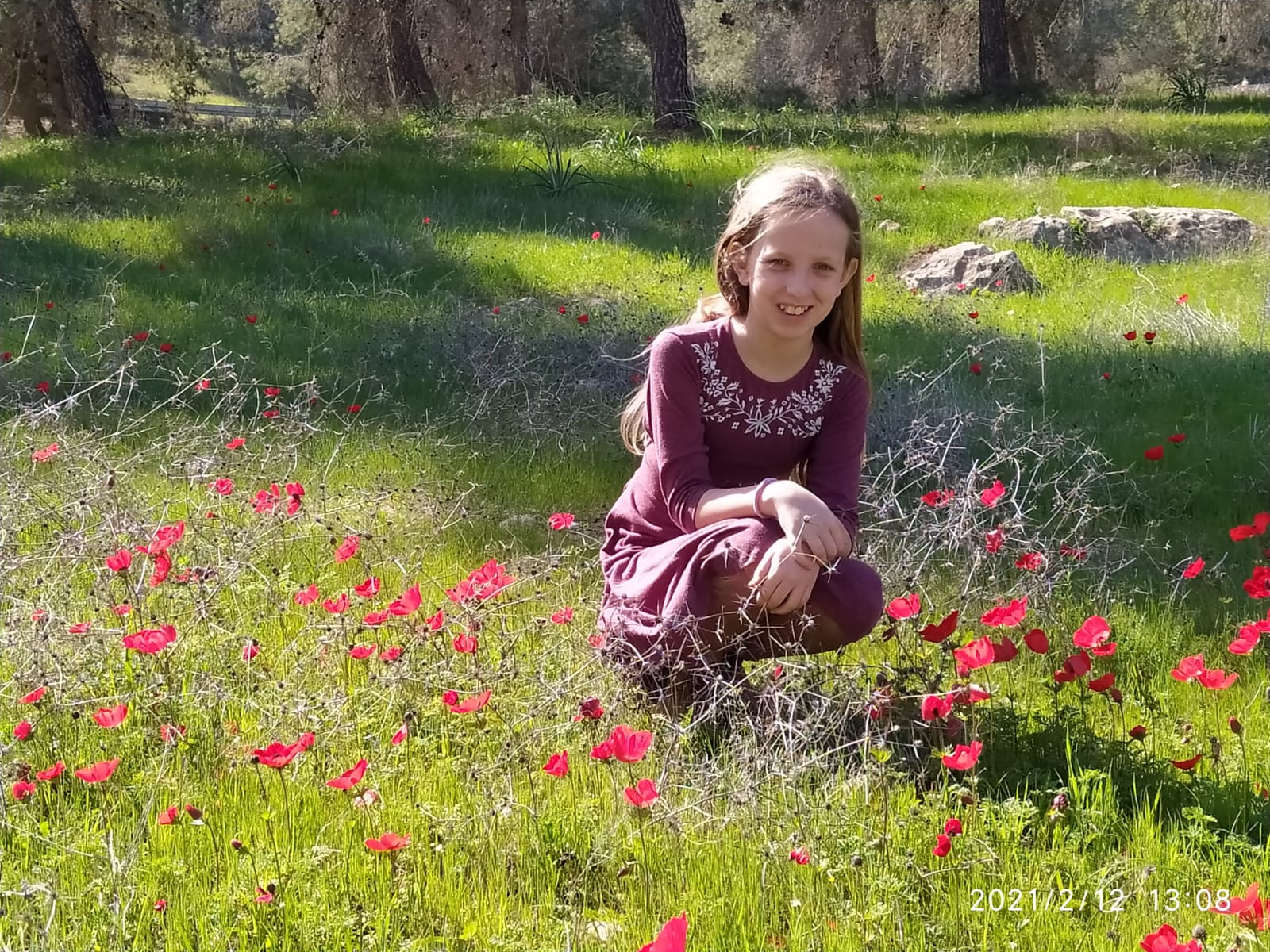
אמא שלי למדה איתי ש”ס משנה, והתחילה ללמוד דף יומי. אני החלטתי שאני רוצה ללמוד גם. בהתחלה למדתי איתה, אח”כ הצטרפתי ללימוד דף יומי שהרב דני וינט מעביר לנוער בנים בעתניאל. במסכת עירובין עוד חברה הצטרפה אלי וכשהתחלנו פסחים הרב דני פתח לנו שעור דף יומי לבנות. מאז אנחנו לומדות איתו קבוע כל יום את הדף היומי (ובשבת אבא שלי מחליף אותו). אני נהנית מהלימוד, הוא מאתגר ומעניין
עתניאל, ישראל
התחלתי ללמוד דף יומי אחרי שחזרתי בתשובה ולמדתי במדרשה במגדל עוז. הלימוד טוב ומספק חומר למחשבה על נושאים הלכתיים ”קטנים” ועד לערכים גדולים ביהדות. חשוב לי להכיר את הגמרא לעומק. והצעד הקטן היום הוא ללמוד אותה בבקיאות, בעזרת השם, ומי יודע אולי גם אגיע לעיון בנושאים מעניינים. נושאים בגמרא מתחברים לחגים, לתפילה, ליחסים שבין אדם לחברו ולמקום ולשאר הדברים שמלווים באורח חיים דתי 🙂

מצפה יריחו, ישראל
התחלתי ללמוד דף יומי בתחילת מסכת ברכות, עוד לא ידעתי כלום. נחשפתי לסיום הש״ס, ובעצם להתחלה מחדש בתקשורת, הפתיע אותי לטובה שהיה מקום לעיסוק בתורה.
את המסכתות הראשונות למדתי, אבל לא סיימתי (חוץ מעירובין איכשהו). השנה כשהגעתי למדרשה, נכנסתי ללופ, ואני מצליחה להיות חלק, סיימתי עם החברותא שלי את כל המסכתות הקצרות, גם כשהיינו חולות קורונה ובבידודים, למדנו לבד, העיקר לא לצבור פער, ומחכות ליבמות 🙂

מזכרת בתיה, ישראל
התחלתי ללמוד לפני כשנתיים בשאיפה לסיים לראשונה מסכת אחת במהלך חופשת הלידה.
אחרי מסכת אחת כבר היה קשה להפסיק…

ירוחם, ישראל
. לא תמיד נהניתי מלימוד גמרא כילדה.,בל כהתבגרתי התחלתי לאהוב את זה שוב. התחלתי ללמוד מסכת סוטה בדף היומי לפני כחמש עשרה שנה ואז הפסקתי.הגעתי לסיום הגדול של הדרן לפני שנתיים וזה נתן לי השראה. והתחלתי ללמוד למשך כמה ימים ואז היתה לי פריצת דיסק והפסקתי…עד אלול השנה. אז התחלתי עם מסכת ביצה וב”ה אני מצליחה לעמוד בקצב. המשפחה מאוד תומכת בי ויש כמה שגם לומדים את זה במקביל. אני אוהבת שיש עוגן כל יום.

בית שמש, ישראל
My explorations into Gemara started a few days into the present cycle. I binged learnt and become addicted. I’m fascinated by the rich "tapestry” of intertwined themes, connections between Masechtot, conversations between generations of Rabbanim and learners past and present all over the world. My life has acquired a golden thread, linking generations with our amazing heritage.
Thank you.

חשמונאים, Israel
התחלתי ללמוד בשנת המדרשה במגדל עוז, בינתיים נהנית מאוד מהלימוד ומהגמרא, מעניין ומשמח מאוד!
משתדלת להצליח לעקוב כל יום, לפעמים משלימה קצת בהמשך השבוע.. מרגישה שיש עוגן מקובע ביום שלי והוא משמח מאוד!

חיפה , ישראל
באירוע של הדרן בנייני האומה. בהשראתה של אמי שלי שסיימה את הש”ס בסבב הקודם ובעידוד מאיר , אישי, וילדיי וחברותיי ללימוד במכון למנהיגות הלכתית של רשת אור תורה סטון ומורתיי הרבנית ענת נובוסלסקי והרבנית דבורה עברון, ראש המכון למנהיגות הלכתית.
הלימוד מעשיר את יומי, מחזיר אותי גם למסכתות שכבר סיימתי וידוע שאינו דומה מי ששונה פרקו מאה לשונה פרקו מאה ואחת במיוחד מרתקים אותי החיבורים בין המסכתות
מודיעין, ישראל
התחלתי להשתתף בשיעור נשים פעם בשבוע, תכננתי ללמוד רק דפים בודדים, לא האמנתי שאצליח יותר מכך.
לאט לאט נשאבתי פנימה לעולם הלימוד .משתדלת ללמוד כל בוקר ומתחילה את היום בתחושה של מלאות ומתוך התכווננות נכונה יותר.
הלימוד של הדף היומי ממלא אותי בתחושה של חיבור עמוק לעם היהודי ולכל הלומדים בעבר ובהווה.

אפרת, ישראל
התחלתי ללמוד דף יומי לפני שנתיים, עם מסכת שבת. בהתחלה ההתמדה היתה קשה אבל בזכות הקורונה והסגרים הצלחתי להדביק את הפערים בשבתות הארוכות, לסיים את מסכת שבת ולהמשיך עם המסכתות הבאות. עכשיו אני מסיימת בהתרגשות רבה את מסכת חגיגה וסדר מועד ומחכה לסדר הבא!

מודיעין, ישראל
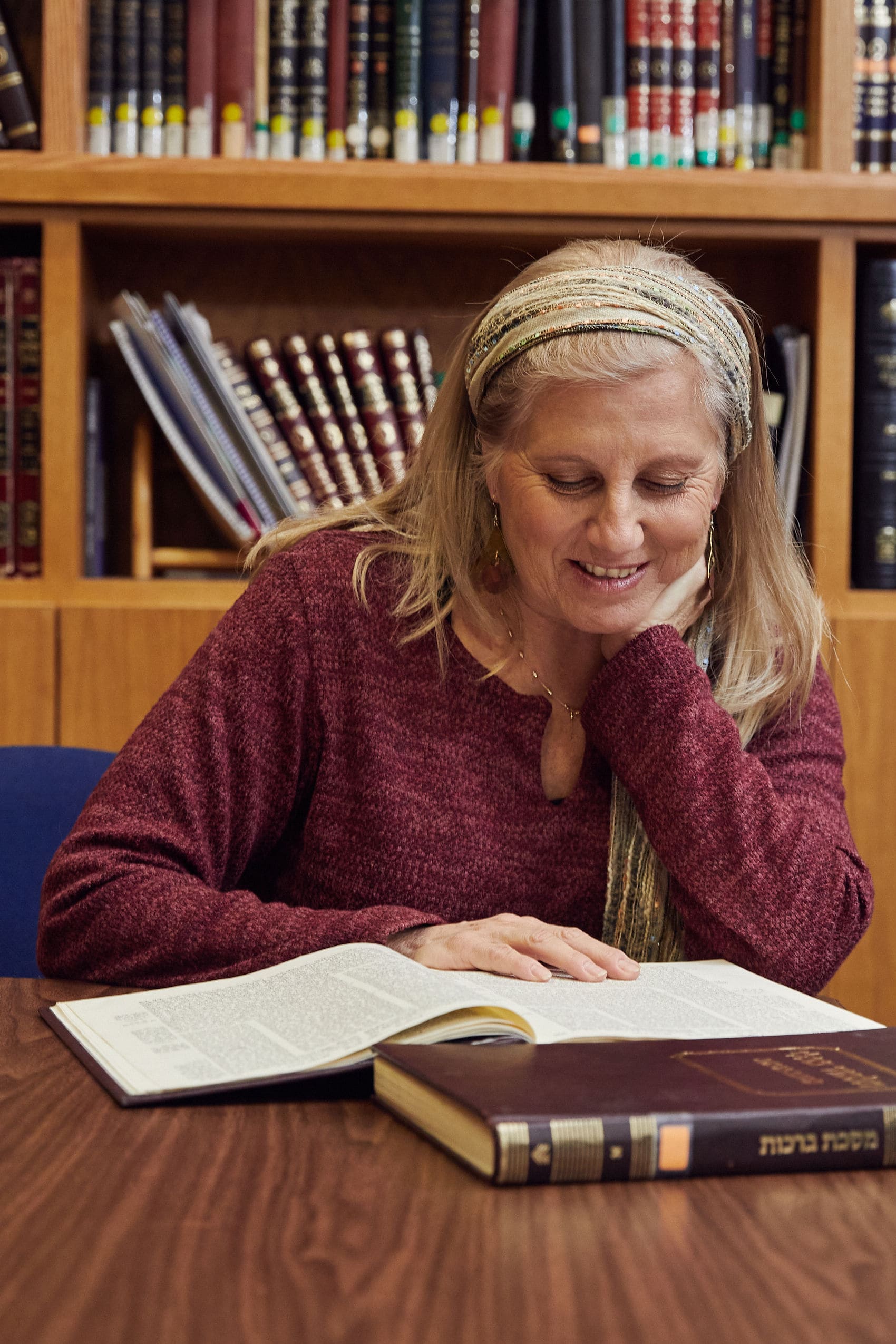
התחלתי ללמוד דף לפני קצת יותר מ-5 שנים, כשלמדתי רבנות בישיבת מהר”ת בניו יורק. בדיעבד, עד אז, הייתי בלימוד הגמרא שלי כמו מישהו שאוסף חרוזים משרשרת שהתפזרה, פה משהו ושם משהו, ומאז נפתח עולם ומלואו…. הדף נותן לי לימוד בצורה מאורגנת, שיטתית, יום-יומית, ומלמד אותי לא רק ידע אלא את השפה ודרך החשיבה שלנו. לשמחתי, יש לי סביבה תומכת וההרגשה שלי היא כמו בציטוט שבחרתי: הדף משפיע לטובה על כל היום שלי.
חיפה, ישראל
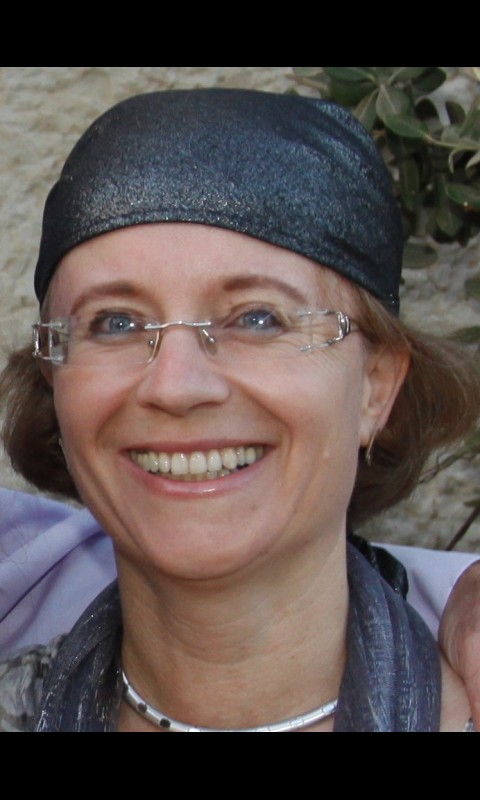
שמעתי על הסיום הענק של הדף היומי ע”י נשים בבנייני האומה. רציתי גם.
החלטתי להצטרף. התחלתי ושיכנעתי את בעלי ועוד שתי חברות להצטרף. עכשיו יש לי לימוד משותף איתו בשבת ומפגש חודשי איתן בנושא (והתכתבויות תדירות על דברים מיוחדים שקראנו). הצטרפנו לקבוצות שונות בווטסאפ. אנחנו ממש נהנות. אני שומעת את השיעור מידי יום (בד”כ מהרב יוני גוטמן) וקוראת ומצטרפת לסיומים של הדרן. גם מקפידה על דף משלהן (ונהנית מאד).
אפרת, ישראל
התחלתי מחוג במסכת קידושין שהעבירה הרבנית רייסנר במסגרת בית המדרש כלנה בגבעת שמואל; לאחר מכן התחיל סבב הדף היומי אז הצטרפתי. לסביבה לקח זמן לעכל אבל היום כולם תומכים ומשתתפים איתי. הלימוד לעתים מעניין ומעשיר ולעתים קשה ואף הזוי… אך אני ממשיכה קדימה. הוא משפיע על היומיום שלי קודם כל במרדף אחרי הדף, וגם במושגים הרבים שלמדתי ובידע שהועשרתי בו, חלקו ממש מעשי
ראש העין, ישראל
רציתי לקבל ידע בתחום שהרגשתי שהוא גדול וחשוב אך נעלם ממני. הלימוד מעניק אתגר וסיפוק ומעמיק את תחושת השייכות שלי לתורה וליהדות
עלי זהב – לשם, ישראל
עבודה זרה נ׳
בִּמְקוֹרָבוֹת נָמֵי, דְּאִיכָּא לְמֵימַר מִינֵּיהּ נְפַל — דִּבְרֵי הַכֹּל אֲסוּרוֹת, כִּי פְּלִיגִי — בִּמְרוּחָקוֹת.
Furthermore, everyone agrees that also in the case of stones that are near the stone pile dedicated to Mercury, with regard to which it can be said that they fell from it, they are prohibited. Rabbi Yishmael and the Rabbis disagree only when the stones are distant.
וְהָא ״בְּצַד מַרְקוּלִיס״ קָתָנֵי, מַאי ״בְּצַד״? בְּצַד אַרְבַּע אַמּוֹת דִּידֵיהּ.
The Gemara challenges: But the mishna teaches that the stones are at the side of Mercury, indicating that they are nearby. The Gemara explains: What is meant by the term: At the side of Mercury? It means at the side of its four cubits.
רַבִּי יִשְׁמָעֵאל סָבַר: עוֹשִׂין מַרְקוּלִיס קָטָן בְּצַד מַרְקוּלִיס גָּדוֹל, שָׁלֹשׁ דְּדׇמְיָין לְמַרְקוּלִיס — אֲסוּרוֹת, שְׁתַּיִם — מוּתָּרוֹת. רַבָּנַן סָבְרִי: אֵין עוֹשִׂין מַרְקוּלִיס קָטָן בְּצַד מַרְקוּלִיס גָּדוֹל, לָא שְׁנָא שָׁלֹשׁ וְלָא שְׁנָא שְׁתַּיִם, נִרְאוֹת עִמּוֹ — אֲסוּרוֹת, שֶׁאֵין נִרְאוֹת עִמּוֹ — מוּתָּרוֹת.
The Gemara clarifies the dispute: Rabbi Yishmael holds that at times, idol worshippers initially construct a small stone pile dedicated to Mercury at the side of a large stone pile dedicated to Mercury. Therefore, three stones, which resemble a complete pile dedicated to Mercury, are prohibited. Two stones, which do not resemble a stone pile dedicated to Mercury, are permitted. Conversely, the Rabbis hold that idol worshippers do not construct a small stone pile dedicated to Mercury at the side of a large stone pile dedicated to Mercury. Therefore, the halakha is not different in a case where there are three stones, and it is not different in a case where there are two stones. In both cases those stones that can be seen together with the pile dedicated to Mercury are prohibited, as they may have fallen from it, whereas those that cannot be seen together with the stone pile are permitted.
אָמַר מָר: בְּיָדוּעַ שֶׁנָּשְׁרוּ מִמֶּנּוּ — דִּבְרֵי הַכֹּל אֲסוּרוֹת. וּרְמִינְהִי: אֲבָנִים שֶׁנָּשְׁרוּ מִן הַמַּרְקוּלִיס, נִרְאוֹת עִמּוֹ — אֲסוּרוֹת, שֶׁאֵין נִרְאוֹת עִמּוֹ — מוּתָּרוֹת. וְרַבִּי יִשְׁמָעֵאל אוֹמֵר: שָׁלֹשׁ — אֲסוּרוֹת, שְׁתַּיִם — מוּתָּרוֹת. אָמַר רָבָא: לָא תֵּימָא ״שֶׁנָּשְׁרוּ״, אֶלָּא אֵימָא ״שֶׁנִּמְצְאוּ״.
§ The Master said: In a case where it is known that these stones fell from it, everyone agrees that they are prohibited. And the Gemara raises a contradiction to Rabbi Yoḥanan’s statement from his statement presented in a baraita: With regard to stones that fell from a pile dedicated to Mercury, those that can be seen together with it are prohibited; those that cannot be seen together with it are permitted. And Rabbi Yishmael says: Three stones are prohibited, but two stones are permitted. The baraita indicates that Rabbi Yishmael and the Rabbis also disagree where it is known that the stones fell from the stone pile. Rava said: Do not say in the baraita: Stones that fell from a pile. Rather, say: Stones that were found adjacent to the pile. There is no certainty that they fell from the pile.
וְסָבַר רַבִּי יִשְׁמָעֵאל שְׁתַּיִם מוּתָּרוֹת? וְהָתַנְיָא: רַבִּי יִשְׁמָעֵאל אוֹמֵר: שְׁתַּיִם בִּתְפִיסָה לוֹ אֲסוּרוֹת, שָׁלֹשׁ, אֲפִילּוּ מְרוּחָקוֹת — אֲסוּרוֹת!
The Gemara asks: And does Rabbi Yishmael actually hold that two stones that are found adjacent to the pile are permitted? But isn’t it taught in a baraita: Rabbi Yishmael says: Two stones that are found in the area of the pile dedicated to Mercury are prohibited. Three stones are prohibited, even if they are found at a distance.
אָמַר רָבָא: לָא קַשְׁיָא, כָּאן בִּתְפִיסָה אַחַת, כָּאן בִּשְׁתֵּי תְּפִיסוֹת, וְהֵיכִי דָּמֵי? דְּאִיכָּא גּוּבְהָה בֵּינֵי וּבֵינֵי.
Rava said: It is not difficult. Here, in the second baraita, it is referring to a case where both the pile and the adjacent stones are in the same area, in which case the stones are forbidden. There, in the first baraita, it is referring to a case where they are in two adjacent areas, in which case they are permitted. And what is considered two adjacent areas? This is referring to a case where there is an elevated area between them, and evidently the stones did not fall from the pile.
וּמַרְקוּלִיס כְּהַאי גַּוְונָא מִי הָוֵי? וְהָא תַּנְיָא: אֵלּוּ הֵן אַבְנֵי בֵּית קוּלִיס — אַחַת מִכָּאן וְאַחַת מִכָּאן וְאַחַת עַל גַּבֵּיהֶן! אָמַר רָבָא: כִּי תַּנְיָא הָהִיא — בְּעִיקַּר מַרְקוּלִיס.
The Gemara asks: And are stones that are merely adjacent to each other in this way considered a pile dedicated to Mercury? But isn’t it taught in a baraita: These are the stones of a place of worship dedicated to Mercury: One stone is situated on one side and one is situated on the other side, and one is situated atop of them, but not where the stones are merely adjacent to each other? Rava said: When that baraita is taught, it is with regard to the main pile of stones dedicated to Mercury, but the stones that are added to it are not necessarily arranged in this way.
בֵּי יַנַּאי מַלְכָּא חֲרוּב, אֲתוֹ גּוֹיִם אוֹקִימוּ בֵּיהּ מַרְקוּלִיס, אֲתוֹ גּוֹיִם אַחֲרִינֵי דְּלָא פָּלְחִי לְמַרְקוּלִיס שַׁקְלִינְהוּ, וְחִיפּוּ בָּהֶן דְּרָכִים וּסְטָרְטָאוֹת, אִיכָּא רַבָּנַן דְּפָרְשִׁי וְאִיכָּא רַבָּנַן דְּלָא פָּרְשִׁי.
§ The Gemara relates: The house of King Yannai was destroyed, and gentiles came and placed stones dedicated to Mercury in it. Later, other gentiles who did not worship Mercury came and took those stones and paved paths and streets with them. There were Rabbis who withdrew from these paths, and there were other Rabbis who did not withdraw from these paths.
אָמַר רַבִּי יוֹחָנָן: בְּנָן שֶׁל קְדוֹשִׁים מְהַלֵּךְ עֲלֵיהֶן, וַאֲנַן נִפְרוֹשׁ מֵהֶן? מַאן נִיהוּ ״בְּנָן שֶׁל קְדוֹשִׁים״? רַבִּי מְנַחֵם בְּרַבִּי סִימַאי, וְאַמַּאי קָרוּ לֵיהּ ״בְּנָן שֶׁל קְדוֹשִׁים״? דַּאֲפִילּוּ בְּצוּרְתָּא דְּזוּזָא לָא מִיסְתַּכַּל.
Rabbi Yoḥanan said: The son of holy ones walks on them. Should we withdraw from them? The Gemara asks: Who is the person referred to as the son of holy ones? The Gemara answers: It is Rabbi Menaḥem, son of Rabbi Simai. And why did they call him the son of holy ones? They did so because Rabbi Menaḥem would not even gaze at the form on a coin, as it was sometimes an idolatrous symbol.
מַאי טַעְמָא דְּמַאן דְּפָרֵישׁ? סָבַר לַהּ כִּי הָא דְּאָמַר רַב גִּידֵּל אָמַר רַב חִיָּיא בַּר יוֹסֵף אָמַר רַב: מִנַּיִן לְתִקְרוֹבֶת עֲבוֹדָה זָרָה שֶׁאֵין לָהּ בְּטִילָה עוֹלָמִית? שֶׁנֶּאֱמַר: ״וַיִּצָּמְדוּ לְבַעַל פְּעוֹר וַיֹּאכְלוּ זִבְחֵי מֵתִים״, מָה מֵת אֵין לוֹ בְּטִילָה לְעוֹלָם, אַף תִּקְרוֹבֶת עֲבוֹדָה זָרָה אֵין לָהּ בְּטִילָה לְעוֹלָם.
The Gemara asks: What is the reason of the one who withdraws from those paths? He holds in accordance with that which Rav Giddel says that Rav Ḥiyya bar Yosef says that Rav says: From where is it derived that with regard to an offering brought in idolatrous worship, there can never be any nullification of its prohibited status? This is derived from a verse, as it is stated: “They joined themselves to Baal of Peor, and ate the offerings to the dead” (Psalms 106:28). Just as the prohibited status of a corpse has no nullification, and it is forever prohibited to derive benefit from it, so too, the prohibited status of an offering brought in idolatrous worship has no nullification ever.
וּמַאן דְּלָא פָּרֵישׁ, אָמַר: בָּעֵינָא כְּעֵין פְּנִים, וְלֵיכָּא.
And the one who does not withdraw from those paths says: In order for idol worship to prohibit an offering I require the offering to be like those offerings sacrificed inside the Temple, and there is no parallel to this offering in the Temple service, as stones are not brought as offerings.
אָמַר רַב יוֹסֵף בַּר אַבָּא: אִיקְּלַע רַבָּה בַּר יִרְמְיָה לְאַתְרִין, וַאֲתָא וְאַיְיתִי מַתְנִיתָא בִּידֵיהּ: גּוֹי שֶׁהֵבִיא אֲבָנִים מִן הַמַּרְקוּלִיס וְחִיפָּה בָּהֶן דְּרָכִים וּסְרַטְיָאוֹת —
Rav Yosef bar Abba said: Rabba bar Yirmeya happened to come to our locale, and when he came he brought the following baraita with him: In the case of a gentile who brought stones from a pile dedicated to Mercury and paved paths and theaters with them,
מוּתָּרוֹת, יִשְׂרָאֵל שֶׁהֵבִיא אֲבָנִים מִן הַמַּרְקוּלִיס וְחִיפָּה בָּהֶן דְּרָכִים וּסְרַטְיָאוֹת — אֲסוּרוֹת, וְלֵית נַגָּר וְלָא בַּר נַגָּר דְּיִפְרְקִינַּהּ.
they are permitted, as the gentile nullified their prohibited status. In the case of a Jew who brought stones from a pile dedicated to Mercury and paved paths and streets with them, they are prohibited. And there is neither a carpenter [naggar] nor a son of a carpenter who can resolve this, i.e., no one can resolve the difficulty inherent in this statement, not a Torah scholar, and not even a scholar who is the son of a scholar.
אֲמַר רַב שֵׁשֶׁת: אֲנָא לָא נַגָּר אֲנָא וְלָא בַּר נַגָּר אֲנָא, וּפָרֵיקְנָא לֵיהּ: מַאי קוּשְׁיָא לֵיהּ? דְּרַב גִּידֵּל. בָּעֵינָא כְּעֵין פְּנִים, וְלֵיכָּא.
Rav Sheshet said: As for me, I am not a carpenter, nor am I the son of a carpenter, and yet I will resolve the difficulty. What is the difficulty that Rabba bar Yirmeya finds in the baraita? The baraita is difficult because of the statement of Rav Giddel, that the prohibited status of offerings brought in idol worship can never be revoked. This is not difficult, as in order for idol worship to prohibit an offering I require the offering to be like those offerings sacrificed inside the Temple, and there is not a parallel offering of stones in the Temple.
אָמַר רַב יוֹסֵף בַּר אַבָּא: אִיקְּלַע רַבָּה בַּר יִרְמְיָה לְאַתְרִין, וַאֲתָא וְאַיְיתִי מַתְנִיתָא בִּידֵיהּ: מַתְלִיעִין וּמְזַהֲמִין בַּשְּׁבִיעִית, וְאֵין מַתְלִיעִין וּמְזַהֲמִין בַּמּוֹעֵד.
§ Rav Yosef bar Abba said: Rabba bar Yirmeya happened to come to our locale, and when he came he brought the following baraita with him: One may remove worms from a tree and place manure on a cut in a tree during the Sabbatical Year, but one may not remove worms or place manure on a cut during the intermediate days of the Festival.
כָּאן וְכָאן אֵין מְגַזְּמִין, וְסָכִין שֶׁמֶן לִגְזוֹם, בֵּין בַּמּוֹעֵד בֵּין בַּשְּׁבִיעִית. וְלֵית נַגָּר וְלָא בַּר נַגָּר דְּיִפְרְקִינַּהּ.
The baraita continues: Both here, in the case of the Sabbatical Year, and there, in the case of the intermediate days of the Festival, one may not prune the trees. But one may smear oil on the previously pruned tree on the place where one pruned it in order to prevent the tree from being damaged, both during the intermediate days of the Festival and during the Sabbatical Year. And there is neither a carpenter nor a son of a carpenter who can resolve this.
אָמַר רָבִינָא: אֲנָא לָא נַגָּר אֲנָא וְלָא בַּר נַגָּר אֲנָא, וּמְפָרֵקְינָא לַהּ: מַאי קָא קַשְׁיָא לֵיהּ? אִילֵּימָא מוֹעֵד אַשְּׁבִיעִית קָא קַשְׁיָא לֵיהּ — מַאי שְׁנָא שְׁבִיעִית דְּשָׁרֵי, וּמַאי שְׁנָא מוֹעֵד דְּאָסוּר? מִי דָּמֵי?! שְׁבִיעִית — מְלָאכָה אָסַר רַחֲמָנָא, טִירְחָא שְׁרֵי; מוֹעֵד — אֲפִילּוּ טִירְחָא נָמֵי אָסוּר.
Ravina said: As for me, I am not a carpenter, nor am I the son of a carpenter, and yet I will resolve the difficulty. What is the difficulty that Rabba bar Yirmeya finds in the baraita? If we say that the difference between the intermediate days of the Festival and the Sabbatical Year poses a difficulty to him, this cannot be so. One cannot explain that Rabba bar Yirmeya is asking what is different about the Sabbatical Year that one is permitted to remove worms and place manure on a cut, and what is different about the intermediate days of the Festival that it is prohibited to do so, as this is not a valid question. Are they comparable? With regard to the Sabbatical Year, the Merciful One prohibited only agricultural labor, whereas other forms of exertion are permitted. With regard to the intermediate days of the Festival, even other forms of exertion are prohibited.
וְאֶלָּא זִיהוּם אַגִּיזּוּם קָא קַשְׁיָא לֵיהּ: מַאי שְׁנָא זִיהוּם דְּשָׁרֵי, וּמַאי שְׁנָא גִּיזּוּם דְּאָסוּר? מִי דָּמֵי?! זִיהוּם — אוֹקוֹמֵי אִילָנָא, וּשְׁרֵי; גִּיזּוּם — אַבְרוֹיֵי אִילָנָא, וְאָסוּר.
Ravina suggests: Rather, perhaps the difference between placing manure and pruning poses a difficulty to him. What is different about placing manure that it is permitted during the Sabbatical Year, and what is different about pruning that it is prohibited? Ravina rejects this suggestion: This is also not a valid question. Are they comparable? The purpose of placing manure is to preserve the tree, and therefore it is permitted, whereas the purpose of pruning is to enhance the tree, and therefore it is prohibited.
וְאֶלָּא, זִיהוּם אַזִּיהוּם קָא קַשְׁיָא לֵיהּ, דְּקָתָנֵי: מַתְלִיעִין וּמְזַהֲמִין בַּשְּׁבִיעִית, וּרְמִינְהִי: מְזַהֲמִין אֶת הַנְּטִיעוֹת, וְכוֹרְכִין אוֹתָן, וְקוֹטְמִין אוֹתָן, וְעוֹשִׂין לָהֶם בָּתִּים, וּמַשְׁקִין אוֹתָן עַד רֹאשׁ הַשָּׁנָה — עַד רֹאשׁ הַשָּׁנָה אִין, בִּשְׁבִיעִית לָא!
Ravina suggests: Rather, perhaps the contradiction between the aforementioned baraita with regard to placing manure and another mishna with regard to placing manure poses a difficulty to him, as the baraita teaches: One may remove worms from a tree and place manure on a cut in a tree during the Sabbatical Year. And one may raise a contradiction from a mishna (Shevi’it 2:4): One may place manure on the saplings, and one may bind their branches to the trunk so that they grow upright. And one may lop off their tops to promote their growth, and make shelters for them to shield them from the sun, and water them. All these actions are permitted until Rosh HaShana of the Sabbatical Year. One can infer that until Rosh HaShana, yes, one may place manure on the tree; but during the Sabbatical Year itself one may not do so.
וְדִלְמָא כִּדְרַב עוּקְבָא בַּר חָמָא, דְּאָמַר רַב עוּקְבָא בַּר חָמָא: תְּרֵי קִשְׁקוּשֵׁי הָווּ, חַד לְאַבְרוֹיֵי אִילָנָא וְאָסוּר, וְחַד לְסַתּוֹמֵי פִּילֵי וּשְׁרֵי. הָכִי נָמֵי תְּרֵי זִיהוּמֵי הָוֵי, חַד לְאוֹקוֹמֵי אִילָנֵי וּשְׁרֵי, וְחַד לְאַבְרוֹיֵי אִילָנֵי וְאָסוּר!
Ravina rejects this suggestion: But perhaps one can account for the apparent contradiction in a similar fashion to the explanation of Rav Ukva bar Ḥama, as Rav Ukva bar Ḥama says: There are two types of hoeing [kishkushei]. The purpose of one type is to enhance the tree’s health, and it is therefore prohibited. And the purpose of one type is to close up cracks in the ground, which is permitted, as it is done only to prevent the trees from dying and not to enhance their growth. So too, one may suggest that there are two types of placing manure: One type whose purpose is to preserve the trees, and is therefore permitted, and one type whose purpose is to enhance the trees, and is therefore prohibited.
וְאֶלָּא, סִיכָה אַסִּיכָה קָא קַשְׁיָא לֵיהּ, דְּקָתָנֵי: סָכִין שֶׁמֶן לִגְזוֹם בֵּין בַּמּוֹעֵד וּבֵין בַּשְּׁבִיעִית, וּרְמִינְהִי: סָכִין אֶת הַפַּגִּין וּמְנַקְּבִין וּמְפַטְּמִין אוֹתָן עַד רֹאשׁ הַשָּׁנָה — עַד רֹאשׁ הַשָּׁנָה אִין, בִּשְׁבִיעִית לָא!
Ravina suggests: Rather, perhaps the contradiction between the halakha in the baraita with regard to smearing oil and the halakha in another mishna with regard to smearing oil poses a difficulty for him, as the baraita teaches: One may smear oil on the previously pruned tree, on the place where one pruned it, both during the intermediate days of the Festival and during the Sabbatical Year. And one may raise a contradiction from the mishna (Shevi’it 2:5): One may smear oil on the unripe figs in the sixth year of the Sabbatical cycle in order to accelerate their ripening, and similarly one may pierce them and fill the cut with oil to facilitate their ripening until Rosh HaShana. One can infer that until Rosh HaShana, yes, one may smear; but during the Sabbatical Year itself one may not do so.
מִי דָּמֵי?! הָכָא אוֹקוֹמֵי אִילָנָא, וּשְׁרֵי; הָתָם פַּטּוֹמֵי פֵּירָא, וַאֲסִיר!
Ravina rejects this suggestion: That is also not a valid question. Are they comparable? Here, the purpose of smearing oil on the place where the tree was pruned is to preserve the tree, and therefore it is permitted. There, the purpose of smearing oil on the unripe figs is to enhance and enlarge the fruit and is therefore prohibited.
אֲמַר לֵיהּ רַב סַמָּא בְּרֵיהּ דְּרַב אָשֵׁי לְרָבִינָא בַּר יִרְמְיָה: סִיכָה דְּמוֹעֵד אַזִּיהוּם דְּמוֹעֵד קָא קַשְׁיָא לֵיהּ, מִכְּדִי הַאי אוֹקוֹמֵי וְהַאי אוֹקוֹמֵי, מַאי שְׁנָא הַאי דִּשְׁרֵי וּמַאי שְׁנָא הַאי דַּאֲסִור? הַיְינוּ דְּקָאָמַר לֵיהּ: לֵית נַגָּר וְלָא בַּר נַגָּר דְּיִפְרְקִינַּהּ.
Rav Samma, son of Rav Ashi, said to Ravina: The contradiction between the halakha with regard to smearing oil during the intermediate days of the Festival and the halakha with regard to placing manure during the intermediate days of the Festival poses a difficulty for Rabba bar Yirmeya. Since the purpose of this action is to preserve the tree, and the purpose of that action is to preserve the tree, what is different in this case that it is permitted, and what is different in that case that it is prohibited? This is the reason that Rabba bar Yirmeya said to him: There is neither a carpenter nor a son of a carpenter who can resolve this.
אָמַר רַב יְהוּדָה אָמַר רַב: עֲבוֹדָה זָרָה שֶׁעוֹבְדִין אוֹתָהּ בְּמַקֵּל, שָׁבַר מַקֵּל בְּפָנֶיהָ — חַיָּיב, זָרַק מַקֵּל בְּפָנֶיהָ — פָּטוּר. אֲמַר לֵיהּ אַבָּיֵי לְרָבָא: מַאי שְׁנָא שָׁבַר דַּהֲוָה לֵיהּ כְּעֵין זְבִיחָה, זָרַק נָמֵי הֲוָה לֵיהּ כְּעֵין זְרִיקָה! אֲמַר לֵיהּ: בָּעֵינָא זְרִיקָה מִשְׁתַּבֶּרֶת, וְלֵיכָּא.
§ Rav Yehuda says that Rav says: In the case of an object of idol worship that is worshipped by means of a stick, e.g., by beating a stick on another object in order to produce noise, if one broke a stick before it, he is liable. If he threw a stick before it, he is exempt. Abaye said to Rava: What is different about the case where one broke a stick? In this case one is liable because it is similar to slaughtering an offering, which is a rite performed in the Temple; so too, in the case where one threw a stick, it is similar to the sprinkling of the blood on the altar. Rava said to Abaye: In order for a sacrificial rite to be similar to the sprinkling of blood, I require a form of throwing that scatters the offering, and that is not the case here.
אֵיתִיבֵיהּ: סָפַת לָהּ צוֹאָה, אוֹ שֶׁנִּסֵּךְ לְפָנֶיהָ עָבִיט שֶׁל מֵימֵי רַגְלַיִם —
Abaye raised an objection to Rava’s explanation from a baraita: One who fed [safat] an idol excrement, or who poured a chamber pot of urine before it as a libation,

