חיפוש

שבועות כ״ז

רוצה להקדיש לימוד?

תקציר

הדף היום מוקדש ע”י טלי אוברמן לכבוד סבתא שלה, ברברה אוברמן, שתרמה רבות לעם ישראל וחגגה השבוע יומהולדת 90.

האם חייב להביא קרבן אם נשבע שבועת ביטוי לקיים מצווה? יש מחלוקת במשנה בעניין זה בין רבי יהודה בן בתירא לרבנן.

ברייתא מלמדת שמי שנשבע לבטל מצווה או לקיים מצווה – אין זו שבועה ביטוי שחייבים עליו קרבן ומסבירה מאיפה זה נלמד. ההנחה היא שנושא הפסוק בתורה הוא מעשים של רשות. מניין נלמד דבר זה? הגמרא מביאה שלוש תשובות מוצעות, כאשר הראשונה נדחית.

אם נשבע שבועה החוזרת על עצמה בלי להוסיף דבר חדש, השבועות הבאות אינן תקפות ואם עובר עליהן בשוגג, יהיה חייב להביא קרבן אחד בלבד. אולם אם האדם ילך לחכם להתיר את השבועה, השבועה השנייה תחול.

שבועות כ״ז

מַתְנִי׳ נִשְׁבַּע לְבַטֵּל אֶת הַמִּצְוָה וְלֹא בִּיטֵּל – פָּטוּר. לְקַיֵּים וְלֹא קִיֵּים – פָּטוּר; שֶׁהָיָה בַּדִּין שֶׁיְּהֵא חַיָּיב, כְּדִבְרֵי רַבִּי יְהוּדָה בֶּן בְּתֵירָא.

MISHNA: If one takes an oath to refrain from performing a mitzva and he does not refrain, he is exempt from bringing an offering for an oath on an utterance. If he takes an oath to perform a mitzva and he does not perform it, he is also exempt, though it would have been fitting to claim that he is liable to bring the offering, in accordance with the statement of Rabbi Yehuda ben Beteira.

אָמַר רַבִּי יְהוּדָה בֶּן בְּתֵירָא: מָה אִם הָרְשׁוּת, שֶׁאֵינוֹ מוּשְׁבָּע עָלָיו מֵהַר סִינַי – הֲרֵי הוּא חַיָּיב עָלָיו; מִצְוָה, שֶׁהוּא מוּשְׁבָּע עָלֶיהָ מֵהַר סִינַי – אֵינוֹ דִּין שֶׁיְּהֵא חַיָּיב עָלֶיהָ?!

The mishna explains: Rabbi Yehuda ben Beteira said: What? If, with regard to an oath concerning an optional matter, for which one is not under oath from Mount Sinai, he is liable for breaking it, then with regard to an oath about a mitzva, for which he is under oath from Mount Sinai, is it not logical that he would be liable for breaking it?

אָמְרוּ לוֹ: לֹא אִם אָמַרְתָּ בִּשְׁבוּעַת הָרְשׁוּת – שֶׁכֵּן עָשָׂה בָּהּ לָאו כְּהֵן, תֹּאמַר בִּשְׁבוּעַת מִצְוָה – שֶׁלֹּא עָשָׂה בָּהּ לָאו כְּהֵן; שֶׁאִם נִשְׁבַּע לְבַטֵּל וְלֹא בִּיטֵּל – פָּטוּר.

The Rabbis said to him: No, if you said that one is liable for breaking an oath concerning an optional action, where the Torah rendered one liable for a negative oath not to perform it like for a positive oath to perform it, shall you also say one is liable with regard to breaking an oath concerning a mitzva, where the Torah did not render one liable for a negative oath like for a positive oath, since if one takes an oath to refrain from performing a mitzva and did not refrain, he is exempt.

גְּמָ׳ תָּנוּ רַבָּנַן: יָכוֹל נִשְׁבַּע לְבַטֵּל אֶת הַמִּצְוָה וְלֹא בִּיטֵּל, יְהֵא חַיָּיב? תַּלְמוּד לוֹמַר: ״לְהָרַע אוֹ לְהֵיטִיב״ – מָה הֲטָבָה רְשׁוּת, אַף הֲרָעָה רְשׁוּת; אוֹצִיא נִשְׁבַּע לְבַטֵּל אֶת הַמִּצְוָה וְלֹא בִּיטֵּל, שֶׁהוּא פָּטוּר.

GEMARA: The Sages taught in a baraita: One might have thought that when one takes an oath to refrain from performing a mitzva and he does not refrain, he would be liable to bring an offering for an oath on an utterance. To counter this, the verse states: “To do evil, or to do good” (Leviticus 5:4). Just as doing good is referring to an oath about an optional action, so too, doing evil is referring to an oath about an optional action. I will therefore exclude from liability one who takes an oath to refrain from performing a mitzva and does not refrain, so that he is exempt from bringing the offering.

יָכוֹל נִשְׁבַּע לְקַיֵּים אֶת הַמִּצְוָה וְלֹא קִיֵּים, שֶׁיְּהֵא חַיָּיב? תַּלְמוּד לוֹמַר: ״לְהָרַע אוֹ לְהֵיטִיב״ – מָה הֲרָעָה רְשׁוּת, אַף הֲטָבָה רְשׁוּת; אוֹצִיא נִשְׁבַּע לְקַיֵּים אֶת הַמִּצְוָה וְלֹא קִיֵּים, שֶׁהוּא פָּטוּר.

The baraita continues: One might have thought that when one takes an oath to perform a mitzva and does not perform it, that he would be liable. To counter this, the verse states: “To do evil, or to do good.” Just as doing evil is referring to an oath about an optional action, so too, doing good is referring to an oath about an optional action. I will therefore exclude from liability one who takes an oath to perform a mitzva and does not perform it, so that he is exempt from bringing the offering.

יָכוֹל נִשְׁבַּע לְהָרַע לְעַצְמוֹ וְלֹא הָרַע – יָכוֹל יְהֵא פָּטוּר? תַּלְמוּד לוֹמַר: ״לְהָרַע אוֹ לְהֵיטִיב״ – מָה הֲטָבָה רְשׁוּת, אַף הֲרָעָה רְשׁוּת; אָבִיא נִשְׁבַּע לְהָרַע לְעַצְמוֹ וְלֹא הֵרַע, שֶׁהָרְשׁוּת בְּיָדוֹ.

One might have thought that when one takes an oath to harm himself and he does not harm himself, that he could be exempt from liability. The verse states: “To do evil, or to do good.” Just as doing good is referring to an oath about an optional action, so too, doing evil is referring to an oath about an optional action. I include as liable one who takes an oath to harm himself and does not harm himself, since it is his prerogative to harm himself or not.

יָכוֹל נִשְׁבַּע לְהָרַע לַאֲחֵרִים וְלֹא הֵרַע, שֶׁיְּהֵא חַיָּיב? תַּלְמוּד לוֹמַר: ״לְהָרַע אוֹ לְהֵיטִיב״ – מָה הֲטָבָה רְשׁוּת, אַף הֲרָעָה רְשׁוּת; אוֹצִיא נִשְׁבַּע לְהָרַע לַאֲחֵרִים וְלֹא הֵרַע, שֶׁאֵין הָרְשׁוּת בְּיָדוֹ. מִנַּיִן לְרַבּוֹת הֲטָבַת אֲחֵרִים? תַּלְמוּד לוֹמַר: ״אוֹ לְהֵיטִיב״. וְאֵיזוֹ הִיא הֲרָעַת אֲחֵרִים? ״אַכֶּה אֶת פְּלוֹנִי וַאֲפַצֵּעַ אֶת מוֹחוֹ״.

One might have thought that when one takes an oath to harm others and does not harm them, that he would be liable. To counter this, the verse states: “To do evil, or to do good.” Just as doing good is referring to an oath about an optional action, so too, doing evil is referring to an oath about an optional action. I will therefore exclude from liability one who takes an oath to harm others and he does not harm them, since it is not his prerogative to do so. From where is it derived that taking an oath that concerns doing good to others is included among the oaths for which one may be liable? The verse states: “Or to do good.” And what is harming others? An example is when one takes an oath saying: I will strike so-and-so and injure his brain.

וּמִמַּאי דִּקְרָאֵי בִּדְבַר הָרְשׁוּת כְּתִיבִי? דִּלְמָא בִּדְבַר מִצְוָה כְּתִיבִי!

The baraita assumes throughout that “to do evil, or to do good” is referring to optional actions. The Gemara asks: But from where do we know that these verses are written referring to optional matters? Perhaps they are written referring to matters involving a mitzva.

לָא סָלְקָא דַּעְתָּךְ; דְּבָעֵינַן הֲטָבָה דּוּמְיָא דַּהֲרָעָה, וַהֲרָעָה דּוּמְיָא דַּהֲטָבָה; דְּאַקֵּישׁ הֲרָעָה לַהֲטָבָה – מָה הֲטָבָה אֵינָהּ בְּבִיטּוּל מִצְוָה, אַף הֲרָעָה אֵינָהּ בְּבִיטּוּל מִצְוָה. הֲרָעָה גּוּפָהּ – הֲטָבָה הִיא.

The Gemara rejects this: This should not enter your mind, since we require that doing good be similar to doing evil, and doing evil be similar to doing good, as doing evil is juxtaposed to doing good in the verse. If one stipulates that the verse is referring to matters involving a mitzva, then just as doing good does not involve refraining from performing a mitzva, but must involve performing a mitzva, e.g., an oath to eat matza on Passover, so too, doing evil does not involve refraining from performing a mitzva, e.g., an oath not to eat leavened bread on Passover. The result of this reasoning is that doing evil in the verse is itself doing good, in that it will always involve taking oaths to keep mitzvot.

וְאַקֵּישׁ הֲטָבָה לַהֲרָעָה – מָה הֲרָעָה אֵינָהּ בְּקִיּוּם מִצְוָה, אַף הֲטָבָה אֵינָהּ בְּקִיּוּם מִצְוָה. הֲטָבָה גּוּפַהּ – הֲרָעָה הִיא.

And likewise, doing good is juxtaposed to doing evil; just as doing evil does not involve performing a mitzva, as it would then not be doing evil, so too, doing good does not involve performing a mitzva. Doing good in the verse is itself doing evil, in that it does not involve the fulfillment of mitzvot.

אִי הָכִי, בִּדְבַר הָרְשׁוּת נָמֵי לָא מַשְׁכַּחַתְּ לַהּ!

The Gemara asks: If that is so, that doing evil and doing good are compared in this manner, you do not find that the verse can be interpreted even with regard to optional matters, as the same sort of contradiction could be generated.

אֶלָּא מִדְּאִיצְטְרִיךְ ״אוֹ״ לְרַבּוֹת הֲטָבַת אֲחֵרִים – שְׁמַע מִינַּהּ בִּדְבַר הָרְשׁוּת כְּתִיבִי. דְּאִי סָלְקָא דַעְתָּךְ בִּדְבַר מִצְוָה כְּתִיבִי; הַשְׁתָּא הֲרָעַת אֲחֵרִים אִיתְרַבַּי, הֲטָבַת אֲחֵרִים מִיבַּעְיָא?!

Rather, one may derive that the verse is referring to optional matters from the fact that it was necessary for the verse to write “or to do good,” in order to include liability for oaths that involve doing good to others. Conclude from it that these verses are written referring to optional matters. As, if it should enter your mind that the verses are written referring to matters involving a mitzva, there is a difficulty: Now that doing evil to others has been included, i.e., when one takes an oath to refrain from performing a mitzva, is it necessary to mention doing good to others?

וְהַאי ״אוֹ״ – מִיבְּעֵי לֵיהּ לְחַלֵּק! לְחַלֵּק לָא צְרִיךְ קְרָא.

The Gemara challenges: But this “or” is necessary in order to separate them, i.e., to indicate that one can be liable for either type of oath. Had the verse said: To do evil and to do good, one might assume that one is liable only for oaths that involve both. The Gemara answers: A verse is unnecessary in order to separate, as it is clear that either sort of oath is included.

הָנִיחָא לְרַבִּי יוֹנָתָן, אֶלָּא לְרַבִּי יֹאשִׁיָּה מַאי אִיכָּא לְמֵימַר?

The Gemara asks: This works out well according to Rabbi Yonatan’s opinion concerning the interpretation of conjunctions, but according to Rabbi Yoshiya’s opinion, what can be said?

דְּתַנְיָא: ״אִישׁ אֲשֶׁר יְקַלֵּל אֶת אָבִיו וְאֶת אִמּוֹ״ – אֵין לִי אֶלָּא אָבִיו וְאִמּוֹ; אָבִיו וְלֹא אִמּוֹ, אִמּוֹ וְלֹא אָבִיו – מִנַּיִן? תַּלְמוּד לוֹמַר: ״אָבִיו וְאִמּוֹ קִלֵּל״ – אָבִיו קִלֵּל, אִמּוֹ קִלֵּל. דִּבְרֵי רַבִּי יֹאשִׁיָּה.

The Gemara explains: As it is taught in a baraita: From the verse: “A man who curses his father and his mother shall die” (Leviticus 20:9), I have derived only that one is liable if he curses both his father and his mother. From where do I derive that if one curses his father but not his mother, or his mother but not his father, he is liable? The continuation of the verse states: “His father and his mother he has cursed; his blood is upon him.” In the first part of the verse, the word “curses” is in proximity to “his father,” and in the last part of the verse, “cursed” is in proximity to “his mother.” This teaches that the verse is referring to both a case where he cursed only his father and a case where he cursed only his mother; this is the statement of Rabbi Yoshiya. Rabbi Yoshiya maintains that conjunctions are interpreted strictly unless the verse indicates otherwise.

רַבִּי יוֹנָתָן אוֹמֵר: מַשְׁמָע שְׁנֵיהֶם כְּאֶחָד וּמַשְׁמָע אֶחָד בִּפְנֵי עַצְמוֹ,

Rabbi Yonatan says: There is no need for this derivation, because the phrase “his father and his mother” indicates that one is liable if he curses both of them together, and it also indicates that he is liable if he curses either one of them on their own,

עַד שֶׁיִּפְרוֹט לְךָ הַכָּתוּב ״יַחְדָּיו״.

unless the verse specifies that one is liable only if he curses both together. An example of a verse where the Torah specifies that the halakha applies only to the two elements in conjunction is: “You shall not plow with an ox and a donkey together” (Deuteronomy 22:10).

אֲפִילּוּ תֵּימָא רַבִּי יֹאשִׁיָּה; וְסָבַר לַהּ כְּרַבִּי עֲקִיבָא דְּדָרֵישׁ רִבּוּיֵי וּמִיעוּטֵי, וְאִיַּיתַּר לֵיהּ ״אוֹ״ לְחַלֵּק.

The Gemara continues: You may even say that the verse is referring to optional matters according to the opinion of Rabbi Yoshiya. He holds in accordance with the opinion of Rabbi Akiva, who interprets the Torah using the hermeneutical principle of amplifications and restrictions (see 26a), and the word “or” is superfluous and is used to separate “to do evil” from “to do good.”

אִי אָמְרַתְּ בִּשְׁלָמָא בִּדְבַר הָרְשׁוּת כְּתִיב, מְמַעֵט דְּבַר מִצְוָה; אֶלָּא אִי אָמְרַתְּ בִּדְבַר מִצְוָה כְּתִיב, מִמַּאי קָא מְמַעֵט?

The Gemara explains how one derives that the oaths referred to in the verse are oaths about optional matters in accordance with Rabbi Yoshiya, who interprets the verse in accordance with the principle of amplifications and restrictions: Granted, if you say that the verse about an oath on an utterance is written with regard to optional matters, the words “to do evil, or to do good” serve to restrict the meaning of the verse and exclude the application of an oath on an utterance to a matter involving a mitzva. The Gemara asks rhetorically: But if you say that the verse is written referring to a matter involving a mitzva, what do the words “to do evil, or to do good” serve to restrict?

אָמַר רַבִּי יְהוּדָה בֶּן בְּתֵירָא: מָה אִם הָרְשׁוּת כּוּ׳. וְרַבָּנַן – שַׁפִּיר קָאָמְרִי לֵיהּ לְרַבִּי יְהוּדָה בֶּן בְּתֵירָא!

§ The mishna teaches: Rabbi Yehuda ben Beteira said: What? If, with regard to an oath concerning an optional matter, for which one is not under oath from Mount Sinai, he is liable for breaking it, then with regard to an oath about a mitzva, for which he is under oath from Mount Sinai, is it not logical that he would be liable for breaking it? The Rabbis then asked him why he thinks one should be liable for an oath about a mitzva, since one would be exempt if it were inverted from positive to negative, rendering it an oath to refrain from performing a mitzva, which does not take effect. The Gemara comments: The Rabbis’ objection to the opinion of Rabbi Yehuda ben Beteira is well stated.

וְרַבִּי יְהוּדָה בֶּן בְּתֵירָא אָמַר לָךְ: אַטּוּ הֲטָבַת אֲחֵרִים – לָאו אַף עַל גַּב דְּלֵיתַהּ בִּכְלַל הֲרָעַת אֲחֵרִים, וְרַבִּי רַחֲמָנָא? הָכָא נָמֵי בְּקִיּוּם מִצְוָה – אַף עַל גַּב דְּלֵיתֵיהּ בְּבִיטּוּל מִצְוָה, רַבְּיֵיהּ רַחֲמָנָא.

The Gemara responds: And Rabbi Yehuda ben Beteira could say to you: Isn’t there the case of an oath involving doing good to others, even though it does not include the possibility of being inverted to include liability for an oath concerning harming others, but nevertheless the Merciful One has amplified the halakha to include it? Here also, with regard to an oath to perform a mitzva, even though it does not include the possibility of being inverted to include liability for an oath concerning refraining from performing a mitzva, the Merciful One has amplified the halakha to include it.

וְרַבָּנַן – הָתָם, אִיתֵיהּ בְּ״לֹא אֵיטִיב״; הָכָא מִי אִיתֵיהּ בְּ״לֹא אֲקַיֵּים״?!

And how could the Rabbis respond? They could say that there, with regard to an oath to do good to others, there is the possibility of inverting the oath to: I will not do good. Here, with regard to an oath to perform a mitzva, is there any possibility of a valid oath: I will not perform a mitzva?

מַתְנִי׳ ״שְׁבוּעָה שֶׁלֹּא אוֹכַל כִּכָּר זוֹ״; ״שְׁבוּעָה שֶׁלֹּא אוֹכְלֶנָּה״; ״שְׁבוּעָה שֶׁלֹּא אוֹכְלֶנָּה״; וַאֲכָלָהּ – אֵינוֹ חַיָּיב אֶלָּא אַחַת.

MISHNA: If one says: On my oath I will not eat this loaf, and he then says again: On my oath I will not eat it, and again: On my oath I will not eat it, and he then ate it, he is liable only once. Once the first oath had taken effect, the subsequent oaths could not, as a prohibition cannot take effect where another prohibition is already in place.

זוֹ הִיא שְׁבוּעַת בִּטּוּי – שֶׁחַיָּיבִין עַל זְדוֹנָהּ מַכּוֹת, וְעַל שִׁגְגָתָהּ קׇרְבָּן עוֹלֶה וְיוֹרֵד.

This is an oath on an utterance, for which one is liable to receive lashes for intentionally breaking it, and for unwittingly breaking it one is liable to bring a sliding-scale offering.

שְׁבוּעַת שָׁוְא – חַיָּיבִין עַל זְדוֹנָהּ מַכּוֹת, וְעַל שִׁגְגָתָהּ פָּטוּר.

For an oath taken in vain, one is liable to receive lashes when it is taken intentionally, and one is exempt when it is taken unwittingly.

גְּמָ׳ לְמָה לִי לְמִיתְנֵי ״שְׁבוּעָה שֶׁלֹּא אוֹכַל״, ״שְׁבוּעָה שֶׁלֹּא אוֹכְלֶנָּה״?

GEMARA: The Gemara asks: Why do I need to teach the mishna such that the wording of the first oath is: On my oath I will not eat this loaf, and then the wording of the second oath is: On my oath I will not eat it?

הָא קָא מַשְׁמַע לַן: טַעְמָא דְּאָמַר ״שֶׁלֹּא אוֹכַל״ וַהֲדַר אָמַר ״שֶׁלֹּא אוֹכְלֶנָּה״ – דְּלָא מִיחַיַּיב אֶלָּא חֲדָא; אֲבָל אָמַר ״שֶׁלֹּא אוֹכְלֶנָּה״ וַהֲדַר אָמַר ״שֶׁלֹּא אוֹכַל״ – מִיחַיַּיב תַּרְתֵּי.

The Gemara answers: This teaches us that the reason that he is liable only once is that he said: I will not eat this loaf, and then said: I will not eat it. But if he had said: I will not eat it, and then had said: I will not eat this loaf, he would be liable twice.

כִּדְרָבָא – דְּאָמַר רָבָא: ״שְׁבוּעָה שֶׁלֹּא אוֹכַל כִּכָּר זוֹ״, כֵּיוָן שֶׁאָכַל מִמֶּנָּה כְּזַיִת – חַיָּיב. ״שֶׁלֹּא אוֹכְלֶנָּה״ – אֵינוֹ חַיָּיב עַד שֶׁיֹּאכַל אֶת כּוּלָּהּ.

This is in accordance with the opinion of Rava, as Rava says: If one says: On my oath I will not eat this loaf, once he has eaten an olive-bulk of it he is liable, as this oath is understood to mean that it is prohibited for him to eat any of the loaf. If he says: On my oath I will not eat it, he is not liable unless he eats the whole loaf. The words: I will not eat it, indicate that his oath applies only to eating the entire loaf. Accordingly, when the first oath is: I will not eat it, and the second oath is: I will not eat this loaf, the second oath can take effect, as it generates a new prohibition that applies to each and every olive-bulk of the loaf.

״שְׁבוּעָה שֶׁלֹּא אוֹכְלֶנָּה״, וַאֲכָלָהּ – אֵינוֹ חַיָּיב אֶלָּא אַחַת כּוּ׳. הָא תּוּ לְמָה לִי?

§ The mishna teaches: If one says: On my oath I will not eat this loaf, and he then says again: On my oath I will not eat it, and again: On my oath I will not eat it, and he then ate it, he is liable only once. The Gemara asks: Why do I need the mishna to mention this additional, third, oath: I will not eat it?

הָא קָא מַשְׁמַע לַן: חִיּוּבָא הוּא דְּלֵיכָּא – הָא שְׁבוּעָה אִיכָּא; דְּאִי מַשְׁכַּחַת רַוְוחָא – חָיְילָא.

The Gemara answers: This teaches us that there is no liability where one states redundant oaths, but there is an oath; the final oath is not completely discounted, so that if you find room, i.e., an application, for the additional oath, it goes into effect.

לְמַאי הִלְכְתָא? לְכִדְרָבָא – דְּאָמַר רָבָא: שֶׁאִם נִשְׁאַל עַל הָרִאשׁוֹנָה – עָלְתָה לוֹ שְׁנִיָּה תַּחְתֶּיהָ.

For what matter is this halakha relevant? It is relevant for the statement of Rava, as Rava says that if one requested of a halakhic authority to dissolve the first oath, and he did so, the second one counts for him in its place unless it, too, was dissolved.

לֵימָא מְסַיְּיעָא לֵיהּ: מִי שֶׁנָּדַר שְׁתֵּי נְזִירוֹת, וּמָנָה רִאשׁוֹנָה וְהִפְרִישׁ עָלֶיהָ קׇרְבָּן, וְאַחַר כָּךְ נִשְׁאַל עַל הָרִאשׁוֹנָה – עָלְתָה לוֹ שְׁנִיָּה בָּרִאשׁוֹנָה.

The Gemara suggests: Let us say that the following baraita supports his opinion: With regard to one who took two vows of naziriteship, and counted the first term of naziriteship and separated an offering for it, and afterward requested and received dissolution of the first vow from a halakhic authority, the second term was counted for him in the observance of the first term, and he is not required to be a nazirite further. This indicates that the second vow went into effect retroactively once the first was dissolved, and the same would be true in the case of two oaths.

הָכִי הַשְׁתָּא?! הָתָם נְזִירוּת מִיהָא אִיתַאּ, דְּכִי מָנֵי לְרִאשׁוֹנָה, בָּעֵי מִיהְדָּר מִימְנָא לִשְׁנִיָּה בְּלָא שְׁאֵלָה. הָכָא, שְׁבוּעָה שְׁנִיָּה מִי אִיתַאּ כְּלָל?!

The Gemara rejects this: How can these cases be compared? There, the second naziriteship is there in any event, as once he counts the first term, he needs to return and count the second if there is no request for dissolution. Here, if he does not request dissolution of the first oath, is there a second oath at all? Therefore one cannot find support for Rava’s opinion from the baraita.

אָמַר רָבָא: נִשְׁבַּע עַל כִּכָּר וַאֲכָלָהּ – אִם שִׁיֵּיר מִמֶּנָּה כְּזַיִת, נִשְׁאַל עָלֶיהָ; אֲכָלָהּ כּוּלָּהּ, אֵין נִשְׁאָל עָלֶיהָ.

§ Rava says: If one took an oath about a loaf and then ate it, if he left an olive-bulk of it, he may request that his oath about the loaf be dissolved. If he ate the whole loaf, he may no longer request that his oath about it be dissolved.

אֲמַר לֵיהּ רַב אַחָא בְּרֵיהּ דְּרָבָא לְרַב אָשֵׁי: הֵיכִי דָמֵי? אִי דְּאָמַר ״שֶׁלֹּא אוֹכַל״ – מִכְּזַיִת קַמָּא עַבְדֵּיהּ לְאִיסּוּרֵיהּ! אִי דְּאָמַר ״שֶׁלֹּא אוֹכְלֶנָּה״ – מַאי אִירְיָא כְּזַיִת?

Rav Aḥa, son of Rava, said to Rav Ashi: What are the circumstances? If one took an oath where he said: I will not eat this loaf, which Rava, as cited above, understands as rendering it prohibited for him to eat any part of the loaf, then with the first olive-bulk that he ate he already committed his transgression. If he took an oath where he said: I will not eat it, which Rava understands as rendering it prohibited for him to eat only the whole loaf, why does Rava mention specifically that he left over an olive-bulk?

חדשה בלימוד הגמרא?

זה הדף הראשון שלך? איזו התרגשות עצומה! יש לנו בדיוק את התכנים והכלים שיעזרו לך לעשות את הצעדים הראשונים ללמידה בקצב וברמה שלך, כך תוכלי להרגיש בנוח גם בתוך הסוגיות המורכבות ומאתגרות.

פסיפס הלומדות שלנו

גלי את קהילת הלומדות שלנו, מגוון נשים, רקעים וסיפורים. כולן חלק מתנועה ומסע מרגש ועוצמתי.

ראיתי את הסיום הגדול בבנייני האומה וכל כך התרשמתי ורציתי לקחת חלק.. אבל לקח לי עוד כשנה וחצי )באמצע מסיכת שבת להצטרף..
הלימוד חשוב לי מאוד.. אני תמיד במרדף אחרי הדף וגונבת כל פעם חצי דף כשהילדים עסוקים ומשלימה אח”כ אחרי שכולם הלכו לישון..

Olga Mizrahi
אולגה מזרחי

ירושלים, ישראל

רציתי לקבל ידע בתחום שהרגשתי שהוא גדול וחשוב אך נעלם ממני. הלימוד מעניק אתגר וסיפוק ומעמיק את תחושת השייכות שלי לתורה וליהדות

Ruth Agiv
רות עגיב

עלי זהב – לשם, ישראל

בתחילת הסבב הנוכחי הצטברו אצלי תחושות שאני לא מבינה מספיק מהי ההלכה אותה אני מקיימת בכל יום. כמו כן, כאמא לבנות רציתי לתת להן מודל נשי של לימוד תורה
שתי הסיבות האלו הובילו אותי להתחיל ללמוד. נתקלתי בתגובות מפרגנות וסקרניות איך אישה לומדת גמרא..
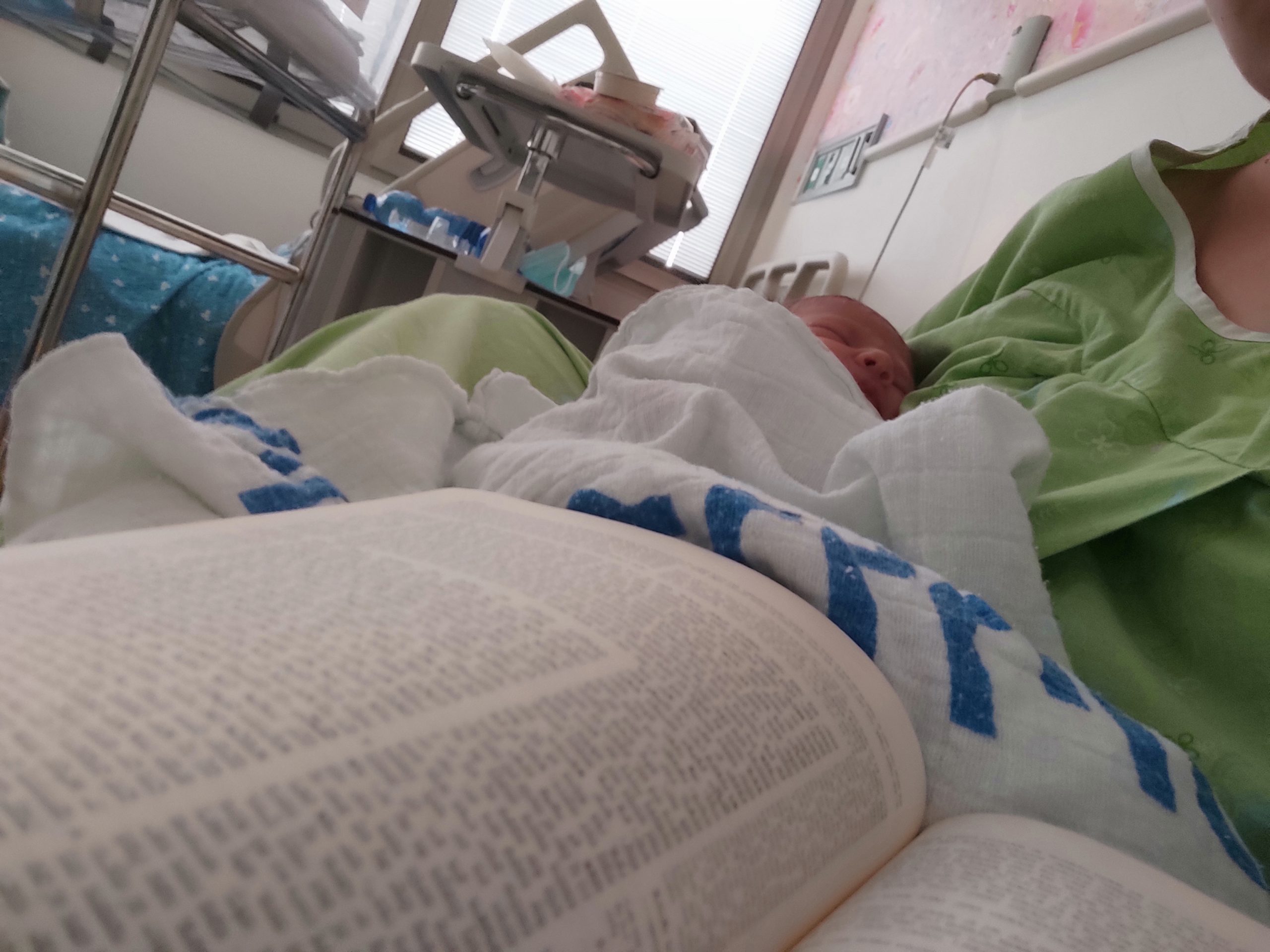
כמו שרואים בתמונה אני ממשיכה ללמוד גם היום ואפילו במחלקת יולדות אחרי לידת ביתי השלישית.

Noa Shiloh
נועה שילה

רבבה, ישראל

הצטרפתי ללומדות בתחילת מסכת תענית. ההתרגשות שלי ושל המשפחה היתה גדולה מאוד, והיא הולכת וגוברת עם כל סיום שאני זוכה לו. במשך שנים רבות רציתי להצטרף ומשום מה זה לא קרה… ב”ה מצאתי לפני מספר חודשים פרסום של הדרן, ומיד הצטרפתי והתאהבתי. הדף היומי שינה את חיי ממש והפך כל יום- ליום של תורה. מודה לכן מקרב ליבי ומאחלת לכולנו לימוד פורה מתוך אהבת התורה ולומדיה.

Noa Rosen
נעה רוזן

חיספין רמת הגולן, ישראל

בסוף הסבב הקודם ראיתי את השמחה הגדולה שבסיום הלימוד, בעלי סיים כבר בפעם השלישית וכמובן הסיום הנשי בבנייני האומה וחשבתי שאולי זו הזדמנות עבורי למשהו חדש.
למרות שאני שונה בסביבה שלי, מי ששומע על הלימוד שלי מפרגן מאוד.
אני מנסה ללמוד קצת בכל יום, גם אם לא את כל הדף ובסך הכל אני בדרך כלל עומדת בקצב.
הלימוד מעניק המון משמעות ליום יום ועושה סדר בלמוד תורה, שתמיד היה (ועדיין) שאיפה. אבל אין כמו קביעות

Racheli-Mendelson
רחלי מנדלסון

טל מנשה, ישראל

התחלתי ללמוד לפני כשנתיים בשאיפה לסיים לראשונה מסכת אחת במהלך חופשת הלידה.
אחרי מסכת אחת כבר היה קשה להפסיק…

Noa Gallant
נעה גלנט

ירוחם, ישראל

התחלתי להשתתף בשיעור נשים פעם בשבוע, תכננתי ללמוד רק דפים בודדים, לא האמנתי שאצליח יותר מכך.
לאט לאט נשאבתי פנימה לעולם הלימוד .משתדלת ללמוד כל בוקר ומתחילה את היום בתחושה של מלאות ומתוך התכווננות נכונה יותר.
הלימוד של הדף היומי ממלא אותי בתחושה של חיבור עמוק לעם היהודי ולכל הלומדים בעבר ובהווה.

Neely Hayon
נילי חיון

אפרת, ישראל

התחלתי ללמוד גמרא בבית הספר בגיל צעיר והתאהבתי. המשכתי בכך כל חיי ואף היייתי מורה לגמרא בבית הספר שקד בשדה אליהו (בית הספר בו למדתי בילדותי)בתחילת מחזור דף יומי הנוכחי החלטתי להצטרף ובע”ה מקווה להתמיד ולהמשיך. אני אוהבת את המפגש עם הדף את "דרישות השלום ” שמקבלת מקשרים עם דפים אחרים שלמדתי את הסנכרון שמתחולל בין התכנים.

Ariela Bigman
אריאלה ביגמן

מעלה גלבוע, ישראל

התחלתי כשהייתי בחופש, עם הפרסומים על תחילת המחזור, הסביבה קיבלה את זה כמשהו מתמיד ומשמעותי ובהערכה, הלימוד זה עוגן יציב ביום יום, יש שבועות יותר ויש שפחות אבל זה משהו שנמצא שם אמין ובעל משמעות בחיים שלי….

Adi Diamant
עדי דיאמנט

גמזו, ישראל

התחלתי בתחילת הסבב, והתמכרתי. זה נותן משמעות נוספת ליומיום ומאוד מחזק לתת לזה מקום בתוך כל שגרת הבית-עבודה השוטפת.

Reut Abrahami
רעות אברהמי

בית שמש, ישראל

התחלתי ללמוד דף יומי כאשר קיבלתי במייל ממכון שטיינזלץ את הדפים הראשונים של מסכת ברכות במייל. קודם לא ידעתי איך לקרוא אותם עד שנתתי להם להדריך אותי. הסביבה שלי לא מודעת לעניין כי אני לא מדברת על כך בפומבי. למדתי מהדפים דברים חדשים, כמו הקשר בין המבנה של בית המקדש והמשכן לגופו של האדם (יומא מה, ע”א) והקשר שלו למשפט מפורסם שמופיע בספר ההינדי "בהגוד-גיתא”. מתברר שזה רעיון כלל עולמי ולא רק יהודי

Elena Arenburg
אלנה ארנבורג

נשר, ישראל

רבנית מישל הציתה אש התלמוד בלבבות בביניני האומה ואני נדלקתי. היא פתחה פתח ותמכה במתחילות כמוני ואפשרה לנו להתקדם בצעדים נכונים וטובים. הקימה מערך שלם שמסובב את הלומדות בסביבה תומכת וכך נכנסתי למסלול לימוד מעשיר שאין כמוה. הדרן יצר קהילה גדולה וחזקה שמאפשרת התקדמות מכל נקודת מוצא. יש דיבוק לומדות שמחזק את ההתמדה של כולנו. כל פניה ושאלה נענית בזריזות ויסודיות. תודה גם למגי על כל העזרה.

Sarah Aber
שרה אבר

נתניה, ישראל

התחלתי ללמוד בשנת המדרשה במגדל עוז, בינתיים נהנית מאוד מהלימוד ומהגמרא, מעניין ומשמח מאוד!
משתדלת להצליח לעקוב כל יום, לפעמים משלימה קצת בהמשך השבוע.. מרגישה שיש עוגן מקובע ביום שלי והוא משמח מאוד!

Uriah Kesner
אוריה קסנר

חיפה , ישראל

סיום השס לנשים נתן לי מוטביציה להתחיל ללמוד דף יומי. עד אז למדתי גמרא בשבתות ועשיתי כמה סיומים. אבל לימוד יומיומי זה שונה לגמרי ופתאום כל דבר שקורה בחיים מתקשר לדף היומי.

Fogel Foundation
קרן פוגל

רתמים, ישראל

התחלתי ללמוד דף יומי בתחילת מסכת ברכות, עוד לא ידעתי כלום. נחשפתי לסיום הש״ס, ובעצם להתחלה מחדש בתקשורת, הפתיע אותי לטובה שהיה מקום לעיסוק בתורה.
את המסכתות הראשונות למדתי, אבל לא סיימתי (חוץ מעירובין איכשהו). השנה כשהגעתי למדרשה, נכנסתי ללופ, ואני מצליחה להיות חלק, סיימתי עם החברותא שלי את כל המסכתות הקצרות, גם כשהיינו חולות קורונה ובבידודים, למדנו לבד, העיקר לא לצבור פער, ומחכות ליבמות 🙂

Eden Yeshuron
עדן ישורון

מזכרת בתיה, ישראל

. לא תמיד נהניתי מלימוד גמרא כילדה.,בל כהתבגרתי התחלתי לאהוב את זה שוב. התחלתי ללמוד מסכת סוטה בדף היומי לפני כחמש עשרה שנה ואז הפסקתי.הגעתי לסיום הגדול של הדרן לפני שנתיים וזה נתן לי השראה. והתחלתי ללמוד למשך כמה ימים ואז היתה לי פריצת דיסק והפסקתי…עד אלול השנה. אז התחלתי עם מסכת ביצה וב”ה אני מצליחה לעמוד בקצב. המשפחה מאוד תומכת בי ויש כמה שגם לומדים את זה במקביל. אני אוהבת שיש עוגן כל יום.

Rebecca Darshan
רבקה דרשן

בית שמש, ישראל

בתחילת הסבב הנוכחי הצטברו אצלי תחושות שאני לא מבינה מספיק מהי ההלכה אותה אני מקיימת בכל יום. כמו כן, כאמא לבנות רציתי לתת להן מודל נשי של לימוד תורה
שתי הסיבות האלו הובילו אותי להתחיל ללמוד. נתקלתי בתגובות מפרגנות וסקרניות איך אישה לומדת גמרא..
כמו שרואים בתמונה אני ממשיכה ללמוד גם היום ואפילו במחלקת יולדות אחרי לידת ביתי השלישית.

Noa Shiloh
נועה שילה

רבבה, ישראל

התחלתי ללמוד גמרא בבית הספר בגיל צעיר והתאהבתי. המשכתי בכך כל חיי ואף היייתי מורה לגמרא בבית הספר שקד בשדה אליהו (בית הספר בו למדתי בילדותי)בתחילת מחזור דף יומי הנוכחי החלטתי להצטרף ובע”ה מקווה להתמיד ולהמשיך. אני אוהבת את המפגש עם הדף את "דרישות השלום ” שמקבלת מקשרים עם דפים אחרים שלמדתי את הסנכרון שמתחולל בין התכנים.

Ariela Bigman
אריאלה ביגמן

מעלה גלבוע, ישראל

אני לומדת גמרא כעשור במסגרות שונות, ואת הדף היומי התחלתי כשחברה הציעה שאצטרף אליה לסיום בבנייני האומה. מאז אני לומדת עם פודקסט הדרן, משתדלת באופן יומי אך אם לא מספיקה, מדביקה פערים עד ערב שבת. בסבב הזה הלימוד הוא "ממעוף הציפור”, מקשיבה במהירות מוגברת תוך כדי פעילויות כמו בישול או נהיגה, וכך רוכשת היכרות עם הסוגיות ואופן ניתוחם על ידי חז”ל. בע”ה בסבב הבא, ואולי לפני, אצלול לתוכו באופן מעמיק יותר.

Yael Bir
יעל ביר

רמת גן, ישראל

הייתי לפני שנתיים בסיום הדרן נשים בבנייני האומה והחלטתי להתחיל. אפילו רק כמה דפים, אולי רק פרק, אולי רק מסכת… בינתיים סיימתי רבע שס ותכף את כל סדר מועד בה.
הסביבה תומכת ומפרגנת. אני בת יחידה עם ארבעה אחים שכולם לומדים דף יומי. מדי פעם אנחנו עושים סיומים יחד באירועים משפחתיים. ממש מרגש. מסכת שבת סיימנו כולנו יחד עם אבא שלנו!
אני שומעת כל יום פודקאסט בהליכה או בנסיעה ואחכ לומדת את הגמרא.

Edna Gross
עדנה גרוס

מרכז שפירא, ישראל

שבועות כ״ז

מַתְנִי׳ נִשְׁבַּע לְבַטֵּל אֶת הַמִּצְוָה וְלֹא בִּיטֵּל – פָּטוּר. לְקַיֵּים וְלֹא קִיֵּים – פָּטוּר; שֶׁהָיָה בַּדִּין שֶׁיְּהֵא חַיָּיב, כְּדִבְרֵי רַבִּי יְהוּדָה בֶּן בְּתֵירָא.

MISHNA: If one takes an oath to refrain from performing a mitzva and he does not refrain, he is exempt from bringing an offering for an oath on an utterance. If he takes an oath to perform a mitzva and he does not perform it, he is also exempt, though it would have been fitting to claim that he is liable to bring the offering, in accordance with the statement of Rabbi Yehuda ben Beteira.

אָמַר רַבִּי יְהוּדָה בֶּן בְּתֵירָא: מָה אִם הָרְשׁוּת, שֶׁאֵינוֹ מוּשְׁבָּע עָלָיו מֵהַר סִינַי – הֲרֵי הוּא חַיָּיב עָלָיו; מִצְוָה, שֶׁהוּא מוּשְׁבָּע עָלֶיהָ מֵהַר סִינַי – אֵינוֹ דִּין שֶׁיְּהֵא חַיָּיב עָלֶיהָ?!

The mishna explains: Rabbi Yehuda ben Beteira said: What? If, with regard to an oath concerning an optional matter, for which one is not under oath from Mount Sinai, he is liable for breaking it, then with regard to an oath about a mitzva, for which he is under oath from Mount Sinai, is it not logical that he would be liable for breaking it?

אָמְרוּ לוֹ: לֹא אִם אָמַרְתָּ בִּשְׁבוּעַת הָרְשׁוּת – שֶׁכֵּן עָשָׂה בָּהּ לָאו כְּהֵן, תֹּאמַר בִּשְׁבוּעַת מִצְוָה – שֶׁלֹּא עָשָׂה בָּהּ לָאו כְּהֵן; שֶׁאִם נִשְׁבַּע לְבַטֵּל וְלֹא בִּיטֵּל – פָּטוּר.

The Rabbis said to him: No, if you said that one is liable for breaking an oath concerning an optional action, where the Torah rendered one liable for a negative oath not to perform it like for a positive oath to perform it, shall you also say one is liable with regard to breaking an oath concerning a mitzva, where the Torah did not render one liable for a negative oath like for a positive oath, since if one takes an oath to refrain from performing a mitzva and did not refrain, he is exempt.

גְּמָ׳ תָּנוּ רַבָּנַן: יָכוֹל נִשְׁבַּע לְבַטֵּל אֶת הַמִּצְוָה וְלֹא בִּיטֵּל, יְהֵא חַיָּיב? תַּלְמוּד לוֹמַר: ״לְהָרַע אוֹ לְהֵיטִיב״ – מָה הֲטָבָה רְשׁוּת, אַף הֲרָעָה רְשׁוּת; אוֹצִיא נִשְׁבַּע לְבַטֵּל אֶת הַמִּצְוָה וְלֹא בִּיטֵּל, שֶׁהוּא פָּטוּר.

GEMARA: The Sages taught in a baraita: One might have thought that when one takes an oath to refrain from performing a mitzva and he does not refrain, he would be liable to bring an offering for an oath on an utterance. To counter this, the verse states: “To do evil, or to do good” (Leviticus 5:4). Just as doing good is referring to an oath about an optional action, so too, doing evil is referring to an oath about an optional action. I will therefore exclude from liability one who takes an oath to refrain from performing a mitzva and does not refrain, so that he is exempt from bringing the offering.

יָכוֹל נִשְׁבַּע לְקַיֵּים אֶת הַמִּצְוָה וְלֹא קִיֵּים, שֶׁיְּהֵא חַיָּיב? תַּלְמוּד לוֹמַר: ״לְהָרַע אוֹ לְהֵיטִיב״ – מָה הֲרָעָה רְשׁוּת, אַף הֲטָבָה רְשׁוּת; אוֹצִיא נִשְׁבַּע לְקַיֵּים אֶת הַמִּצְוָה וְלֹא קִיֵּים, שֶׁהוּא פָּטוּר.

The baraita continues: One might have thought that when one takes an oath to perform a mitzva and does not perform it, that he would be liable. To counter this, the verse states: “To do evil, or to do good.” Just as doing evil is referring to an oath about an optional action, so too, doing good is referring to an oath about an optional action. I will therefore exclude from liability one who takes an oath to perform a mitzva and does not perform it, so that he is exempt from bringing the offering.

יָכוֹל נִשְׁבַּע לְהָרַע לְעַצְמוֹ וְלֹא הָרַע – יָכוֹל יְהֵא פָּטוּר? תַּלְמוּד לוֹמַר: ״לְהָרַע אוֹ לְהֵיטִיב״ – מָה הֲטָבָה רְשׁוּת, אַף הֲרָעָה רְשׁוּת; אָבִיא נִשְׁבַּע לְהָרַע לְעַצְמוֹ וְלֹא הֵרַע, שֶׁהָרְשׁוּת בְּיָדוֹ.

One might have thought that when one takes an oath to harm himself and he does not harm himself, that he could be exempt from liability. The verse states: “To do evil, or to do good.” Just as doing good is referring to an oath about an optional action, so too, doing evil is referring to an oath about an optional action. I include as liable one who takes an oath to harm himself and does not harm himself, since it is his prerogative to harm himself or not.

יָכוֹל נִשְׁבַּע לְהָרַע לַאֲחֵרִים וְלֹא הֵרַע, שֶׁיְּהֵא חַיָּיב? תַּלְמוּד לוֹמַר: ״לְהָרַע אוֹ לְהֵיטִיב״ – מָה הֲטָבָה רְשׁוּת, אַף הֲרָעָה רְשׁוּת; אוֹצִיא נִשְׁבַּע לְהָרַע לַאֲחֵרִים וְלֹא הֵרַע, שֶׁאֵין הָרְשׁוּת בְּיָדוֹ. מִנַּיִן לְרַבּוֹת הֲטָבַת אֲחֵרִים? תַּלְמוּד לוֹמַר: ״אוֹ לְהֵיטִיב״. וְאֵיזוֹ הִיא הֲרָעַת אֲחֵרִים? ״אַכֶּה אֶת פְּלוֹנִי וַאֲפַצֵּעַ אֶת מוֹחוֹ״.

One might have thought that when one takes an oath to harm others and does not harm them, that he would be liable. To counter this, the verse states: “To do evil, or to do good.” Just as doing good is referring to an oath about an optional action, so too, doing evil is referring to an oath about an optional action. I will therefore exclude from liability one who takes an oath to harm others and he does not harm them, since it is not his prerogative to do so. From where is it derived that taking an oath that concerns doing good to others is included among the oaths for which one may be liable? The verse states: “Or to do good.” And what is harming others? An example is when one takes an oath saying: I will strike so-and-so and injure his brain.

וּמִמַּאי דִּקְרָאֵי בִּדְבַר הָרְשׁוּת כְּתִיבִי? דִּלְמָא בִּדְבַר מִצְוָה כְּתִיבִי!

The baraita assumes throughout that “to do evil, or to do good” is referring to optional actions. The Gemara asks: But from where do we know that these verses are written referring to optional matters? Perhaps they are written referring to matters involving a mitzva.

לָא סָלְקָא דַּעְתָּךְ; דְּבָעֵינַן הֲטָבָה דּוּמְיָא דַּהֲרָעָה, וַהֲרָעָה דּוּמְיָא דַּהֲטָבָה; דְּאַקֵּישׁ הֲרָעָה לַהֲטָבָה – מָה הֲטָבָה אֵינָהּ בְּבִיטּוּל מִצְוָה, אַף הֲרָעָה אֵינָהּ בְּבִיטּוּל מִצְוָה. הֲרָעָה גּוּפָהּ – הֲטָבָה הִיא.

The Gemara rejects this: This should not enter your mind, since we require that doing good be similar to doing evil, and doing evil be similar to doing good, as doing evil is juxtaposed to doing good in the verse. If one stipulates that the verse is referring to matters involving a mitzva, then just as doing good does not involve refraining from performing a mitzva, but must involve performing a mitzva, e.g., an oath to eat matza on Passover, so too, doing evil does not involve refraining from performing a mitzva, e.g., an oath not to eat leavened bread on Passover. The result of this reasoning is that doing evil in the verse is itself doing good, in that it will always involve taking oaths to keep mitzvot.

וְאַקֵּישׁ הֲטָבָה לַהֲרָעָה – מָה הֲרָעָה אֵינָהּ בְּקִיּוּם מִצְוָה, אַף הֲטָבָה אֵינָהּ בְּקִיּוּם מִצְוָה. הֲטָבָה גּוּפַהּ – הֲרָעָה הִיא.

And likewise, doing good is juxtaposed to doing evil; just as doing evil does not involve performing a mitzva, as it would then not be doing evil, so too, doing good does not involve performing a mitzva. Doing good in the verse is itself doing evil, in that it does not involve the fulfillment of mitzvot.

אִי הָכִי, בִּדְבַר הָרְשׁוּת נָמֵי לָא מַשְׁכַּחַתְּ לַהּ!

The Gemara asks: If that is so, that doing evil and doing good are compared in this manner, you do not find that the verse can be interpreted even with regard to optional matters, as the same sort of contradiction could be generated.

אֶלָּא מִדְּאִיצְטְרִיךְ ״אוֹ״ לְרַבּוֹת הֲטָבַת אֲחֵרִים – שְׁמַע מִינַּהּ בִּדְבַר הָרְשׁוּת כְּתִיבִי. דְּאִי סָלְקָא דַעְתָּךְ בִּדְבַר מִצְוָה כְּתִיבִי; הַשְׁתָּא הֲרָעַת אֲחֵרִים אִיתְרַבַּי, הֲטָבַת אֲחֵרִים מִיבַּעְיָא?!

Rather, one may derive that the verse is referring to optional matters from the fact that it was necessary for the verse to write “or to do good,” in order to include liability for oaths that involve doing good to others. Conclude from it that these verses are written referring to optional matters. As, if it should enter your mind that the verses are written referring to matters involving a mitzva, there is a difficulty: Now that doing evil to others has been included, i.e., when one takes an oath to refrain from performing a mitzva, is it necessary to mention doing good to others?

וְהַאי ״אוֹ״ – מִיבְּעֵי לֵיהּ לְחַלֵּק! לְחַלֵּק לָא צְרִיךְ קְרָא.

The Gemara challenges: But this “or” is necessary in order to separate them, i.e., to indicate that one can be liable for either type of oath. Had the verse said: To do evil and to do good, one might assume that one is liable only for oaths that involve both. The Gemara answers: A verse is unnecessary in order to separate, as it is clear that either sort of oath is included.

הָנִיחָא לְרַבִּי יוֹנָתָן, אֶלָּא לְרַבִּי יֹאשִׁיָּה מַאי אִיכָּא לְמֵימַר?

The Gemara asks: This works out well according to Rabbi Yonatan’s opinion concerning the interpretation of conjunctions, but according to Rabbi Yoshiya’s opinion, what can be said?

דְּתַנְיָא: ״אִישׁ אֲשֶׁר יְקַלֵּל אֶת אָבִיו וְאֶת אִמּוֹ״ – אֵין לִי אֶלָּא אָבִיו וְאִמּוֹ; אָבִיו וְלֹא אִמּוֹ, אִמּוֹ וְלֹא אָבִיו – מִנַּיִן? תַּלְמוּד לוֹמַר: ״אָבִיו וְאִמּוֹ קִלֵּל״ – אָבִיו קִלֵּל, אִמּוֹ קִלֵּל. דִּבְרֵי רַבִּי יֹאשִׁיָּה.

The Gemara explains: As it is taught in a baraita: From the verse: “A man who curses his father and his mother shall die” (Leviticus 20:9), I have derived only that one is liable if he curses both his father and his mother. From where do I derive that if one curses his father but not his mother, or his mother but not his father, he is liable? The continuation of the verse states: “His father and his mother he has cursed; his blood is upon him.” In the first part of the verse, the word “curses” is in proximity to “his father,” and in the last part of the verse, “cursed” is in proximity to “his mother.” This teaches that the verse is referring to both a case where he cursed only his father and a case where he cursed only his mother; this is the statement of Rabbi Yoshiya. Rabbi Yoshiya maintains that conjunctions are interpreted strictly unless the verse indicates otherwise.

רַבִּי יוֹנָתָן אוֹמֵר: מַשְׁמָע שְׁנֵיהֶם כְּאֶחָד וּמַשְׁמָע אֶחָד בִּפְנֵי עַצְמוֹ,

Rabbi Yonatan says: There is no need for this derivation, because the phrase “his father and his mother” indicates that one is liable if he curses both of them together, and it also indicates that he is liable if he curses either one of them on their own,

עַד שֶׁיִּפְרוֹט לְךָ הַכָּתוּב ״יַחְדָּיו״.

unless the verse specifies that one is liable only if he curses both together. An example of a verse where the Torah specifies that the halakha applies only to the two elements in conjunction is: “You shall not plow with an ox and a donkey together” (Deuteronomy 22:10).

אֲפִילּוּ תֵּימָא רַבִּי יֹאשִׁיָּה; וְסָבַר לַהּ כְּרַבִּי עֲקִיבָא דְּדָרֵישׁ רִבּוּיֵי וּמִיעוּטֵי, וְאִיַּיתַּר לֵיהּ ״אוֹ״ לְחַלֵּק.

The Gemara continues: You may even say that the verse is referring to optional matters according to the opinion of Rabbi Yoshiya. He holds in accordance with the opinion of Rabbi Akiva, who interprets the Torah using the hermeneutical principle of amplifications and restrictions (see 26a), and the word “or” is superfluous and is used to separate “to do evil” from “to do good.”

אִי אָמְרַתְּ בִּשְׁלָמָא בִּדְבַר הָרְשׁוּת כְּתִיב, מְמַעֵט דְּבַר מִצְוָה; אֶלָּא אִי אָמְרַתְּ בִּדְבַר מִצְוָה כְּתִיב, מִמַּאי קָא מְמַעֵט?

The Gemara explains how one derives that the oaths referred to in the verse are oaths about optional matters in accordance with Rabbi Yoshiya, who interprets the verse in accordance with the principle of amplifications and restrictions: Granted, if you say that the verse about an oath on an utterance is written with regard to optional matters, the words “to do evil, or to do good” serve to restrict the meaning of the verse and exclude the application of an oath on an utterance to a matter involving a mitzva. The Gemara asks rhetorically: But if you say that the verse is written referring to a matter involving a mitzva, what do the words “to do evil, or to do good” serve to restrict?

אָמַר רַבִּי יְהוּדָה בֶּן בְּתֵירָא: מָה אִם הָרְשׁוּת כּוּ׳. וְרַבָּנַן – שַׁפִּיר קָאָמְרִי לֵיהּ לְרַבִּי יְהוּדָה בֶּן בְּתֵירָא!

§ The mishna teaches: Rabbi Yehuda ben Beteira said: What? If, with regard to an oath concerning an optional matter, for which one is not under oath from Mount Sinai, he is liable for breaking it, then with regard to an oath about a mitzva, for which he is under oath from Mount Sinai, is it not logical that he would be liable for breaking it? The Rabbis then asked him why he thinks one should be liable for an oath about a mitzva, since one would be exempt if it were inverted from positive to negative, rendering it an oath to refrain from performing a mitzva, which does not take effect. The Gemara comments: The Rabbis’ objection to the opinion of Rabbi Yehuda ben Beteira is well stated.

וְרַבִּי יְהוּדָה בֶּן בְּתֵירָא אָמַר לָךְ: אַטּוּ הֲטָבַת אֲחֵרִים – לָאו אַף עַל גַּב דְּלֵיתַהּ בִּכְלַל הֲרָעַת אֲחֵרִים, וְרַבִּי רַחֲמָנָא? הָכָא נָמֵי בְּקִיּוּם מִצְוָה – אַף עַל גַּב דְּלֵיתֵיהּ בְּבִיטּוּל מִצְוָה, רַבְּיֵיהּ רַחֲמָנָא.

The Gemara responds: And Rabbi Yehuda ben Beteira could say to you: Isn’t there the case of an oath involving doing good to others, even though it does not include the possibility of being inverted to include liability for an oath concerning harming others, but nevertheless the Merciful One has amplified the halakha to include it? Here also, with regard to an oath to perform a mitzva, even though it does not include the possibility of being inverted to include liability for an oath concerning refraining from performing a mitzva, the Merciful One has amplified the halakha to include it.

וְרַבָּנַן – הָתָם, אִיתֵיהּ בְּ״לֹא אֵיטִיב״; הָכָא מִי אִיתֵיהּ בְּ״לֹא אֲקַיֵּים״?!

And how could the Rabbis respond? They could say that there, with regard to an oath to do good to others, there is the possibility of inverting the oath to: I will not do good. Here, with regard to an oath to perform a mitzva, is there any possibility of a valid oath: I will not perform a mitzva?

מַתְנִי׳ ״שְׁבוּעָה שֶׁלֹּא אוֹכַל כִּכָּר זוֹ״; ״שְׁבוּעָה שֶׁלֹּא אוֹכְלֶנָּה״; ״שְׁבוּעָה שֶׁלֹּא אוֹכְלֶנָּה״; וַאֲכָלָהּ – אֵינוֹ חַיָּיב אֶלָּא אַחַת.

MISHNA: If one says: On my oath I will not eat this loaf, and he then says again: On my oath I will not eat it, and again: On my oath I will not eat it, and he then ate it, he is liable only once. Once the first oath had taken effect, the subsequent oaths could not, as a prohibition cannot take effect where another prohibition is already in place.

זוֹ הִיא שְׁבוּעַת בִּטּוּי – שֶׁחַיָּיבִין עַל זְדוֹנָהּ מַכּוֹת, וְעַל שִׁגְגָתָהּ קׇרְבָּן עוֹלֶה וְיוֹרֵד.

This is an oath on an utterance, for which one is liable to receive lashes for intentionally breaking it, and for unwittingly breaking it one is liable to bring a sliding-scale offering.

שְׁבוּעַת שָׁוְא – חַיָּיבִין עַל זְדוֹנָהּ מַכּוֹת, וְעַל שִׁגְגָתָהּ פָּטוּר.

For an oath taken in vain, one is liable to receive lashes when it is taken intentionally, and one is exempt when it is taken unwittingly.

גְּמָ׳ לְמָה לִי לְמִיתְנֵי ״שְׁבוּעָה שֶׁלֹּא אוֹכַל״, ״שְׁבוּעָה שֶׁלֹּא אוֹכְלֶנָּה״?

GEMARA: The Gemara asks: Why do I need to teach the mishna such that the wording of the first oath is: On my oath I will not eat this loaf, and then the wording of the second oath is: On my oath I will not eat it?

הָא קָא מַשְׁמַע לַן: טַעְמָא דְּאָמַר ״שֶׁלֹּא אוֹכַל״ וַהֲדַר אָמַר ״שֶׁלֹּא אוֹכְלֶנָּה״ – דְּלָא מִיחַיַּיב אֶלָּא חֲדָא; אֲבָל אָמַר ״שֶׁלֹּא אוֹכְלֶנָּה״ וַהֲדַר אָמַר ״שֶׁלֹּא אוֹכַל״ – מִיחַיַּיב תַּרְתֵּי.

The Gemara answers: This teaches us that the reason that he is liable only once is that he said: I will not eat this loaf, and then said: I will not eat it. But if he had said: I will not eat it, and then had said: I will not eat this loaf, he would be liable twice.

כִּדְרָבָא – דְּאָמַר רָבָא: ״שְׁבוּעָה שֶׁלֹּא אוֹכַל כִּכָּר זוֹ״, כֵּיוָן שֶׁאָכַל מִמֶּנָּה כְּזַיִת – חַיָּיב. ״שֶׁלֹּא אוֹכְלֶנָּה״ – אֵינוֹ חַיָּיב עַד שֶׁיֹּאכַל אֶת כּוּלָּהּ.

This is in accordance with the opinion of Rava, as Rava says: If one says: On my oath I will not eat this loaf, once he has eaten an olive-bulk of it he is liable, as this oath is understood to mean that it is prohibited for him to eat any of the loaf. If he says: On my oath I will not eat it, he is not liable unless he eats the whole loaf. The words: I will not eat it, indicate that his oath applies only to eating the entire loaf. Accordingly, when the first oath is: I will not eat it, and the second oath is: I will not eat this loaf, the second oath can take effect, as it generates a new prohibition that applies to each and every olive-bulk of the loaf.

״שְׁבוּעָה שֶׁלֹּא אוֹכְלֶנָּה״, וַאֲכָלָהּ – אֵינוֹ חַיָּיב אֶלָּא אַחַת כּוּ׳. הָא תּוּ לְמָה לִי?

§ The mishna teaches: If one says: On my oath I will not eat this loaf, and he then says again: On my oath I will not eat it, and again: On my oath I will not eat it, and he then ate it, he is liable only once. The Gemara asks: Why do I need the mishna to mention this additional, third, oath: I will not eat it?

הָא קָא מַשְׁמַע לַן: חִיּוּבָא הוּא דְּלֵיכָּא – הָא שְׁבוּעָה אִיכָּא; דְּאִי מַשְׁכַּחַת רַוְוחָא – חָיְילָא.

The Gemara answers: This teaches us that there is no liability where one states redundant oaths, but there is an oath; the final oath is not completely discounted, so that if you find room, i.e., an application, for the additional oath, it goes into effect.

לְמַאי הִלְכְתָא? לְכִדְרָבָא – דְּאָמַר רָבָא: שֶׁאִם נִשְׁאַל עַל הָרִאשׁוֹנָה – עָלְתָה לוֹ שְׁנִיָּה תַּחְתֶּיהָ.

For what matter is this halakha relevant? It is relevant for the statement of Rava, as Rava says that if one requested of a halakhic authority to dissolve the first oath, and he did so, the second one counts for him in its place unless it, too, was dissolved.

לֵימָא מְסַיְּיעָא לֵיהּ: מִי שֶׁנָּדַר שְׁתֵּי נְזִירוֹת, וּמָנָה רִאשׁוֹנָה וְהִפְרִישׁ עָלֶיהָ קׇרְבָּן, וְאַחַר כָּךְ נִשְׁאַל עַל הָרִאשׁוֹנָה – עָלְתָה לוֹ שְׁנִיָּה בָּרִאשׁוֹנָה.

The Gemara suggests: Let us say that the following baraita supports his opinion: With regard to one who took two vows of naziriteship, and counted the first term of naziriteship and separated an offering for it, and afterward requested and received dissolution of the first vow from a halakhic authority, the second term was counted for him in the observance of the first term, and he is not required to be a nazirite further. This indicates that the second vow went into effect retroactively once the first was dissolved, and the same would be true in the case of two oaths.

הָכִי הַשְׁתָּא?! הָתָם נְזִירוּת מִיהָא אִיתַאּ, דְּכִי מָנֵי לְרִאשׁוֹנָה, בָּעֵי מִיהְדָּר מִימְנָא לִשְׁנִיָּה בְּלָא שְׁאֵלָה. הָכָא, שְׁבוּעָה שְׁנִיָּה מִי אִיתַאּ כְּלָל?!

The Gemara rejects this: How can these cases be compared? There, the second naziriteship is there in any event, as once he counts the first term, he needs to return and count the second if there is no request for dissolution. Here, if he does not request dissolution of the first oath, is there a second oath at all? Therefore one cannot find support for Rava’s opinion from the baraita.

אָמַר רָבָא: נִשְׁבַּע עַל כִּכָּר וַאֲכָלָהּ – אִם שִׁיֵּיר מִמֶּנָּה כְּזַיִת, נִשְׁאַל עָלֶיהָ; אֲכָלָהּ כּוּלָּהּ, אֵין נִשְׁאָל עָלֶיהָ.

§ Rava says: If one took an oath about a loaf and then ate it, if he left an olive-bulk of it, he may request that his oath about the loaf be dissolved. If he ate the whole loaf, he may no longer request that his oath about it be dissolved.

אֲמַר לֵיהּ רַב אַחָא בְּרֵיהּ דְּרָבָא לְרַב אָשֵׁי: הֵיכִי דָמֵי? אִי דְּאָמַר ״שֶׁלֹּא אוֹכַל״ – מִכְּזַיִת קַמָּא עַבְדֵּיהּ לְאִיסּוּרֵיהּ! אִי דְּאָמַר ״שֶׁלֹּא אוֹכְלֶנָּה״ – מַאי אִירְיָא כְּזַיִת?

Rav Aḥa, son of Rava, said to Rav Ashi: What are the circumstances? If one took an oath where he said: I will not eat this loaf, which Rava, as cited above, understands as rendering it prohibited for him to eat any part of the loaf, then with the first olive-bulk that he ate he already committed his transgression. If he took an oath where he said: I will not eat it, which Rava understands as rendering it prohibited for him to eat only the whole loaf, why does Rava mention specifically that he left over an olive-bulk?

רוצה לעקוב אחרי התכנים ולהמשיך ללמוד?

ביצירת חשבון עוד היום ניתן לעקוב אחרי ההתקדמות שלך, לסמן מה למדת, ולעקוב אחרי השיעורים שמעניינים אותך.

לנקות את כל הפריטים מהרשימה?

פעולה זו תסיר את כל הפריטים בחלק זה כולל ההתקדמות וההיסטוריה. שימי לב: לא ניתן לשחזר פעולה זו.

ביטול
מחיקה

האם את/ה בטוח/ה שברצונך למחוק פריט זה?

תאבד/י את כל ההתקדמות או ההיסטוריה הקשורות לפריט זה.

ביטול
מחיקה