חיפוש

שבועות מ״ד

רוצה להקדיש לימוד?

תקציר

האם דעתו של שמואל – שמלווה שאיבד את המשכון אינו יכול לגבות את ההלוואה אפילו אם היא הייתה שווה הרבה פחות מההלוואה – היא נושא למחלוקת תנאים? הגמרא מציעה שתי מחלוקות תנאים אפשריות שיכולות להתייחס לנושא זה, אך שתיהן נדחות כיוון שהבסיס לטיעונן יכול להיות מוסבר באופן שונה.

בדרך כלל, שבועות משמשות לפטור מתשלום עבור הנתבע (נשבע ואינו משלם). אולם, בכמה נסיבות מיוחדות, כפי שמפורט במשנה, התובע יכול להישבע כדי לקבל תשלום (נשבע ונוטל).

שבועות מ״ד

מַאי טַעְמֵיהּ דְּרַבִּי אֱלִיעֶזֶר? אֶלָּא לָאו בִּדְלָא שָׁוֵי שִׁיעוּר זוּזֵי – וּבְדִשְׁמוּאֵל קָא מִיפַּלְגִי?

what is the reasoning of Rabbi Eliezer, who holds that although the collateral was lost, the debtor is still liable to pay? Rather, is it not a case where the collateral was not worth the amount of money that he lent him? And accordingly, they disagree with regard to the ruling of Shmuel. Rabbi Akiva holds in accordance with the opinion of Shmuel, that if the collateral is lost the entire debt is canceled, and Rabbi Eliezer disagrees with this opinion.

לָא; בִּדְלָא שָׁוֵי – כּוּלֵּי עָלְמָא לֵית לְהוּ דִּשְׁמוּאֵל; וְהָכָא בִּדְשָׁוֵי שִׁיעוּר זוּזֵי, וּבִדְרַבִּי יִצְחָק קָא מִיפַּלְגִי – דְּאָמַר רַבִּי יִצְחָק: מִנַּיִן לְבַעַל חוֹב שֶׁקּוֹנֶה מַשְׁכּוֹן? שֶׁנֶּאֱמַר: ״וּלְךָ תִּהְיֶה צְדָקָה״.

The Gemara rejects this suggestion: No, in a case where the collateral was not worth the value of the loan everyone is of the opinion that the ruling is not in accordance with the opinion of Shmuel. But here the dispute is with regard to a case where the collateral was worth the amount of money that he lent him, and they disagree with regard to the opinion of Rabbi Yitzḥak. As Rabbi Yitzḥak says: From where is it derived that a creditor acquires collateral given to him and is considered its owner as long as the item is in his possession? As it is stated with regard to a creditor who returns the collateral to the debtor for his personal use: “And it shall be a righteousness for you” (Deuteronomy 24:13).

אִם אֵינוֹ קוֹנֶה מַשְׁכּוֹן, צְדָקָה מִנַּיִן לוֹ? מִכָּאן לְבַעַל חוֹב שֶׁקּוֹנֶה מַשְׁכּוֹן.

Rabbi Yitzḥak infers: If the creditor does not acquire the collateral, then from where is his righteousness? If the collateral is not his, the creditor would not be giving up anything of his own. From here it is derived that a creditor acquires the collateral. Rabbi Eliezer disagrees with this opinion, maintaining that the creditor has the halakhic status of an unpaid bailee with respect to the collateral, so that he is exempt from paying restitution if it is stolen or lost. He can therefore collect the entire debt from the debtor. Rabbi Akiva agrees with the opinion of Rabbi Yitzḥak, and holds that since the creditor acquires the collateral, he bears financial responsibility to pay its value in the event of its loss. Therefore, he must deduct the value of the collateral when collecting payment of the debt.

לֵימָא דְּרַבִּי יִצְחָק תַּנָּאֵי הִיא? וְתִיסְבְּרָא?! אֵימוֹר דְּאָמַר רַבִּי יִצְחָק – שֶׁמִּשְׁכְּנוֹ שֶׁלֹּא בִּשְׁעַת הַלְוָאָה; מִשְׁכְּנוֹ בִּשְׁעַת הַלְוָאָה מִי אָמַר?!

The Gemara asks: If so, shall we say that the opinion of Rabbi Yitzḥak is the subject of a dispute between tanna’im? The Gemara answers: And how can you understand that? Say that Rabbi Yitzḥak says that a creditor acquires the collateral in a case where he took the collateral from him not at the time of the loan, but afterward, in order to induce him to return the loan, as described in the context of the aforementioned verse. But in a case where the creditor took the collateral from him at the time of the loan, does Rabbi Yitzḥak say that he has acquired it?

אֶלָּא מִשְׁכְּנוֹ שֶׁלֹּא בִּשְׁעַת הַלְוָאָתוֹ – כּוּלֵּי עָלְמָא לָא פְּלִיגִי דְּאִית לְהוּ דְּרַבִּי יִצְחָק. וְהָכָא – בְּמִשְׁכְּנוֹ בִּשְׁעַת הַלְוָאָתוֹ,

Rather, in a case where he took the collateral from him not at the time of the loan, everyone agrees that the opinion of Rabbi Yitzḥak is accepted, and here, the dispute between Rabbi Eliezer and Rabbi Akiva is with regard to a case where he took the collateral from him at the time of the loan.

וּבְשׁוֹמֵר אֲבֵדָה קָמִיפַּלְגִי; דְּאִיתְּמַר: שׁוֹמֵר אֲבֵדָה – רַבָּה אָמַר: כְּשׁוֹמֵר חִנָּם,

And they disagree with regard to the halakhic status of one who is safeguarding a lost item that he found but has not yet returned. As it was stated: With regard to one who is safeguarding a lost item, Rabba says that his halakhic status is like that of an unpaid bailee, who is exempt from paying restitution in the event that the item is lost or stolen,

וְרַב יוֹסֵף אָמַר: כְּשׁוֹמֵר שָׂכָר דָּמֵי.

and Rav Yosef says that it is like that of a paid bailee, as while performing the mitzva of taking care of a lost item he is exempt from performing other mitzvot that involve the outlay of money, and the money that he saves is tantamount to payment received. Similarly, since safeguarding collateral is part of the mitzva to lend money to the needy, one who does so is exempt during that time from performing other mitzvot that involve the outlay of money. Therefore, Rabbi Eliezer’s ruling, that even if the collateral was lost the creditor collects the entire debt, is in accordance with the opinion of Rabba, and Rabbi Akiva’s ruling, that the creditor loses the value of the collateral, is in accordance with the opinion of Rav Yosef.

לֵימָא דְּרַב יוֹסֵף תַּנָּאֵי הִיא? לָא; בְּשׁוֹמֵר אֲבֵידָה – דְּכוּלֵּי עָלְמָא אִית לְהוּ דְּרַב יוֹסֵף; וְהָכָא בְּמַלְוֶה צָרִיךְ לְמַשְׁכּוֹן קָא מִיפַּלְגִי: מָר סָבַר מִצְוָה קָא עָבֵיד, וּמָר סָבַר לָאו מִצְוָה קָא עָבֵיד.

The Gemara asks: If so, shall we say that the opinion of Rav Yosef is the subject of a dispute between tanna’im? The Gemara rejects this suggestion: No, with regard to one who is safeguarding a lost item, everyone accepts the opinion of Rav Yosef. And here they disagree with regard to a case where the creditor needs the collateral and uses it with the permission of the debtor, deducting a usage fee from the debt. One Sage, Rabbi Akiva, holds that he is still performing a mitzva by safeguarding it, and is therefore exempt from performing other mitzvot during that time. Consequently, he has the status of a paid bailee. And one Sage, Rabbi Eliezer, holds that since he derives benefit from the collateral, he is safeguarding it for his own benefit, and is not performing a mitzva. Therefore, he has the status of an unpaid bailee.

לֵימָא כְּתַנָּאֵי: הַמַּלְוֶה אֶת חֲבֵירוֹ עַל הַמַּשְׁכּוֹן וְנִכְנְסָה שְׁמִיטָּה, אַף עַל פִּי שֶׁאֵינוֹ שָׁוֶה אֶלָּא פְּלַג – אֵינוֹ מְשַׁמֵּט. דִּבְרֵי רַבָּן שִׁמְעוֹן בֶּן גַּמְלִיאֵל. רַבִּי יְהוּדָה הַנָּשִׂיא אוֹמֵר: אִם הָיָה מַשְׁכּוֹנוֹ כְּנֶגֶד חוֹבוֹ – אֵינוֹ מְשַׁמֵּט, וְאִם לָאו – מְשַׁמֵּט.

§ The Gemara resumes discussion of Shmuel’s statement that if the creditor loses the collateral, the debt is canceled. Let us say that Shmuel’s ruling is the subject of a dispute between tanna’im, as it is stated in a baraita with regard to the halakha that the Sabbatical Year does not abrogate debts for which collateral was taken: If one lends money to another on the basis of collateral and the Sabbatical Year commences, then even if the collateral is worth only half the value of the loan, the Sabbatical Year does not abrogate the debt; this is the statement of Rabban Shimon ben Gamliel. Rabbi Yehuda HaNasi says: If the value of the collateral was commensurate with his debt, the Sabbatical Year does not abrogate the debt, but if it was not commensurate with the debt, the Sabbatical Year abrogates the debt.

מַאי ״אֵינוֹ מְשַׁמֵּט״ דְּקָאָמַר תַּנָּא קַמָּא? אִילֵימָא כְּנֶגְדּוֹ – מִכְּלָל דְּרַבִּי יְהוּדָה הַנָּשִׂיא סָבַר: כְּנֶגְדּוֹ נָמֵי מְשַׁמֵּט?! אֶלָּא אַמַּאי תָּפֵיס מַשְׁכּוֹן?

The Gemara asks: What is the meaning of the statement: The Sabbatical Year does not abrogate the debt, which the first tanna, Rabban Shimon ben Gamliel, says? If we say it means that the Sabbatical Year does not abrogate that part of the debt that is commensurate with the collateral, but it does abrogate the rest, this indicates by inference that Rabbi Yehuda HaNasi holds that the Sabbatical Year abrogates the entire debt, including the part commensurate with the collateral as well. But if this is so, why did the creditor seize collateral from the debtor at all?

אֶלָּא לָאו כְּנֶגֶד כּוּלּוֹ – וּבְדִשְׁמוּאֵל קָא מִיפַּלְגִי?

Rather, is it not that Rabban Shimon ben Gamliel says that the Sabbatical Year does not abrogate the debt at all, and the debtor is liable to pay an amount commensurate with the entire debt? And accordingly, they disagree with regard to Shmuel’s principle that collateral is considered equivalent to the entire debt, even if it is worth less than the debt.

לָא; לְעוֹלָם כְּנֶגְדּוֹ, וּבְהָא קָמִיפַּלְגִי – תַּנָּא קַמָּא סָבַר: כְּנֶגְדּוֹ; וְרַבִּי יְהוּדָה הַנָּשִׂיא סָבַר: כְּנֶגְדּוֹ נָמֵי מְשַׁמֵּט. וּדְקָא אָמְרַתְּ: לְמַאי תָּפֵיס לֵיהּ מַשְׁכּוֹן? לְזִכְרוֹן דְּבָרִים בְּעָלְמָא.

The Gemara rejects this suggestion: No, actually, the statement of Rabban Shimon ben Gamliel that the Sabbatical Year does not abrogate the debt is referring only to the part of the debt commensurate with the collateral, and they disagree with regard to that part of the debt. The first tanna, Rabban Shimon ben Gamliel, holds that the Sabbatical Year does not abrogate the part of the debt commensurate with the collateral, and Rabbi Yehuda HaNasi holds that it abrogates the part of the debt commensurate with the collateral as well. And as for the question you said: For what purpose did he seize collateral from him at all, the answer is that he takes it merely as a reminder, to increase the likelihood that the debt will be paid.

הֲדַרַן עֲלָךְ שְׁבוּעַת הַדַּיָּינִין

מַתְנִי׳ כׇּל הַנִּשְׁבָּעִין שֶׁבַּתּוֹרָה – נִשְׁבָּעִין וְלֹא מְשַׁלְּמִין. וְאֵלּוּ נִשְׁבָּעִין וְנוֹטְלִין: הַשָּׂכִיר, וְהַנִּגְזָל, וְהַנֶּחְבָּל, וְשֶׁכְּנֶגְדּוֹ חָשׁוּד עַל הַשְּׁבוּעָה, וְחֶנְוָנִי עַל פִּנְקָסוֹ.

MISHNA: All those who take an oath that is legislated by the Torah take an oath and do not pay. By Torah law, one takes an oath only in order to exempt himself from a monetary claim. And these litigants take a rabbinically instituted oath and receive possession of the disputed funds or property, i.e., their claim is upheld by means of the oath, even though they are not in possession of the property in question: A hired worker who claims that he has not received his wages; and one who was robbed and sues the person who robbed him; and one who was injured, who claims compensation from the person who injured him; and one whose opposing litigant is suspect with regard to the taking of an oath. When a person suspected of taking false oaths is liable to take an oath in order to exempt himself, the claimant takes an oath instead and receives payment. And a storekeeper relying on his ledger also takes an oath and is paid.

הַשָּׂכִיר – כֵּיצַד? אָמַר לוֹ: ״תֵּן לִי שְׂכָרִי שֶׁיֵּשׁ לִי בְּיָדְךָ״; הוּא אוֹמֵר: ״נָתַתִּי״, וְהַלָּה אוֹמֵר: ״לֹא נָטַלְתִּי״ – הוּא נִשְׁבָּע וְנוֹטֵל. רַבִּי יְהוּדָה אוֹמֵר: עַד שֶׁתְּהֵא שָׁם מִקְצָת הוֹדָאָה. כֵּיצַד? אָמַר לוֹ: ״תֵּן לִי שְׂכָרִי חֲמִשִּׁים דִּינָר שֶׁיֵּשׁ לִי בְּיָדְךָ״, וְהוּא אוֹמֵר: ״הִתְקַבַּלְתָּ דִּינַר זָהָב״.

How does this halakha apply to the hired worker? The case is where one says to his employer: Give me my wages that are still in your possession. The employer says: I already gave them to you. And that worker says: I have not received them. In such a case, the worker takes an oath that he has not received his wages, and he receives payment from his employer. Rabbi Yehuda says: This oath cannot be administered unless there is partial admission on the part of the employer. How so? The case is where the worker said to him: Give me my wages, fifty silver dinars, which are still in your possession. And the employer says: You have already received one golden dinar, which is worth twenty-five silver dinars. Since the employer has admitted that he owes part of the sum, the worker takes an oath and is paid the whole sum.

נִגְזָל – כֵּיצַד? הָיוּ מְעִידִין אוֹתוֹ שֶׁנִּכְנַס לְבֵיתוֹ לְמַשְׁכְּנוֹ שֶׁלֹּא בִּרְשׁוּת; הוּא אוֹמֵר ״כֶּלְיִי נָטַלְתָּ״, וְהוּא אוֹמֵר ״לֹא נָטַלְתִּי״ – הוּא נִשְׁבָּע וְנוֹטֵל. רַבִּי יְהוּדָה אוֹמֵר: עַד שֶׁתְּהֵא שָׁם מִקְצָת הוֹדָאָה. כֵּיצַד? אָמַר לוֹ ״שְׁנֵי כֵּלִים נָטַלְתָּ״, וְהוּא אוֹמֵר ״לֹא נָטַלְתִּי אֶלָּא אֶחָד״.

How does this halakha apply to one who was robbed? The case is where witnesses testified about the defendant that he entered the claimant’s house to seize collateral from him without the authority to do so. The claimant said: You took items that belong to me. And the defendant said: I did not take them. The claimant takes an oath and receives payment of his claim. Rabbi Yehuda says: This oath cannot be administered unless there is partial admission on the part of the defendant. How so? The case is where the claimant said to him: You took two items. And he says: I took only one. Since the defendant admits that he took one item from the house, the claimant takes an oath and receives payment of his whole claim.

נֶחְבָּל – כֵּיצַד? הָיוּ מְעִידִים אוֹתוֹ שֶׁנִּכְנַס תַּחַת יָדוֹ שָׁלֵם וְיָצָא חָבוּל; וְאָמַר לוֹ: ״חָבַלְתָּ בִּי״, וְהוּא אוֹמֵר: ״לֹא חָבַלְתִּי״ – הֲרֵי זֶה נִשְׁבָּע וְנוֹטֵל. רַבִּי יְהוּדָה אוֹמֵר: עַד שֶׁתְּהֵא שָׁם מִקְצָת הוֹדָאָה. כֵּיצַד? אָמַר לוֹ: ״חָבַלְתָּ בִּי שְׁתַּיִם״, וְהַלָּה אוֹמֵר: ״לֹא חָבַלְתִּי בְּךָ אֶלָּא אֶחָת״.

How does this halakha apply to one who was injured? The case is where witnesses testified about the injured person that he entered into the domain of the defendant whole but left injured, and the claimant said to the defendant: You injured me. And the defendant says: I did not injure you. The injured party takes an oath and receives compensation. Rabbi Yehuda says: This oath cannot be administered unless there is partial admission. How so? The case is where the claimant said to the defendant: You injured me twice. And the other says: I injured you only once. In such a case, the injured party takes an oath that he was injured twice and receives compensation for both injuries.

שֶׁכְּנֶגְדּוֹ חָשׁוּד עַל הַשְּׁבוּעָה – כֵּיצַד?

How does this halakha apply to one whose opposing litigant is suspect with regard to the taking of an oath and therefore is not permitted to take the oath?

חדשה בלימוד הגמרא?

זה הדף הראשון שלך? איזו התרגשות עצומה! יש לנו בדיוק את התכנים והכלים שיעזרו לך לעשות את הצעדים הראשונים ללמידה בקצב וברמה שלך, כך תוכלי להרגיש בנוח גם בתוך הסוגיות המורכבות ומאתגרות.

פסיפס הלומדות שלנו

גלי את קהילת הלומדות שלנו, מגוון נשים, רקעים וסיפורים. כולן חלק מתנועה ומסע מרגש ועוצמתי.

בתחילת הסבב הנוכחי הצטברו אצלי תחושות שאני לא מבינה מספיק מהי ההלכה אותה אני מקיימת בכל יום. כמו כן, כאמא לבנות רציתי לתת להן מודל נשי של לימוד תורה
שתי הסיבות האלו הובילו אותי להתחיל ללמוד. נתקלתי בתגובות מפרגנות וסקרניות איך אישה לומדת גמרא..
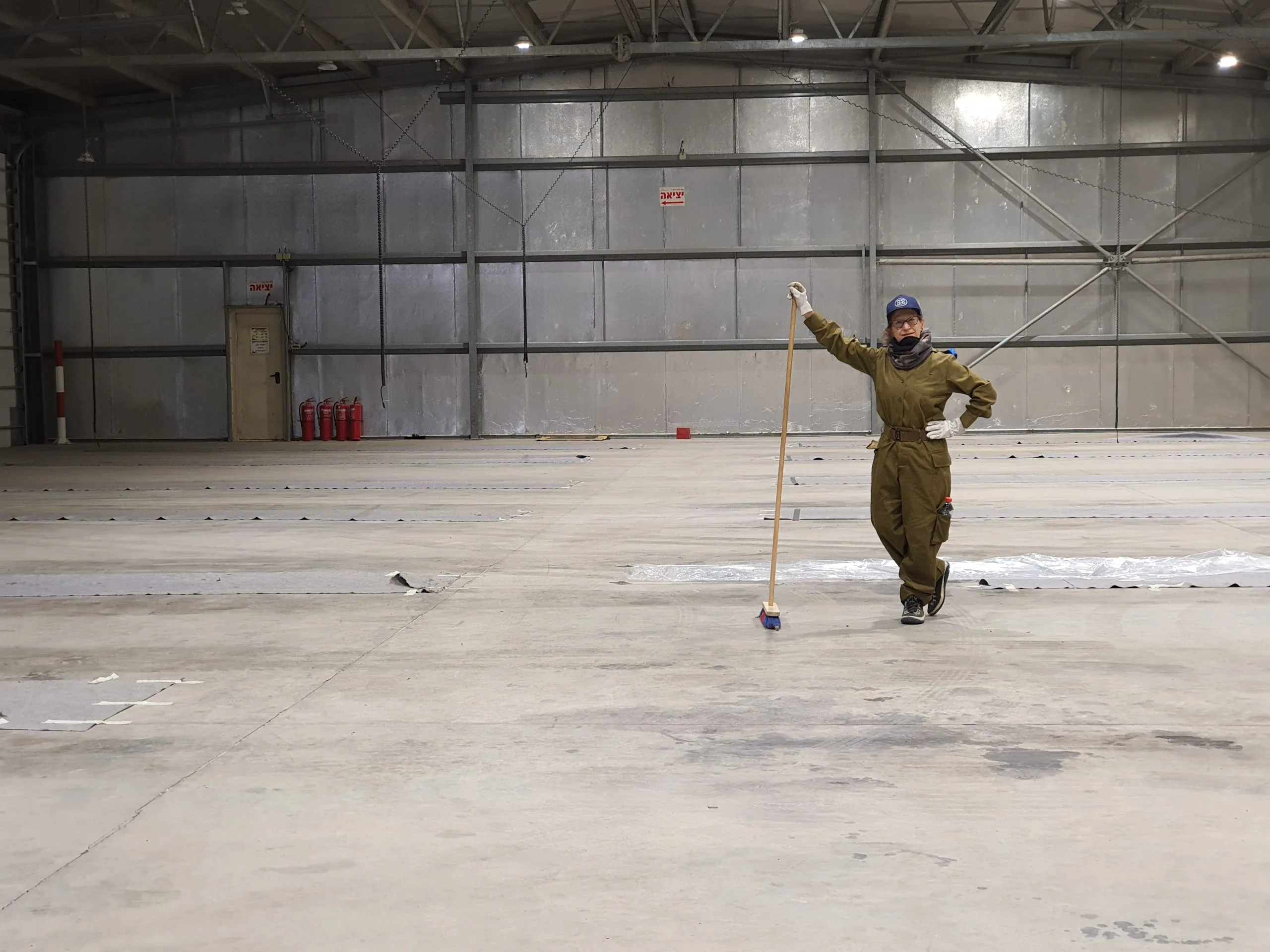
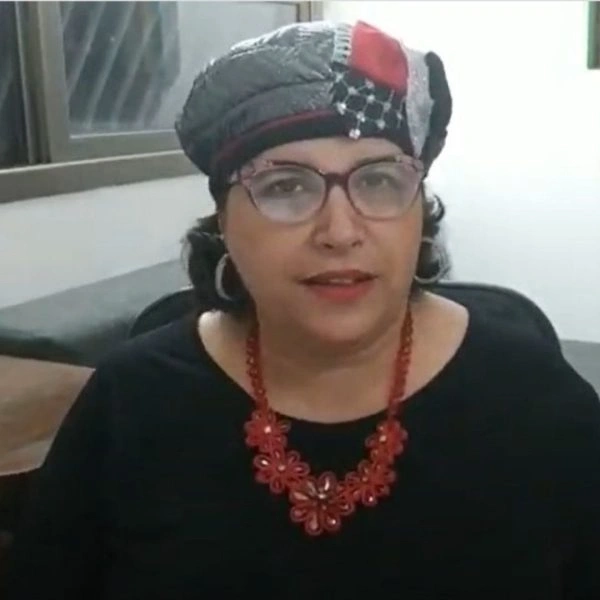
כמו שרואים בתמונה אני ממשיכה ללמוד גם היום ואפילו במחלקת יולדות אחרי לידת ביתי השלישית.

Noa Shiloh
נועה שילה

רבבה, ישראל

התחלתי ללמוד בעידוד שתי חברות אתן למדתי בעבר את הפרק היומי במסגרת 929.
בבית מתלהבים מאוד ובשבת אני לומדת את הדף עם בעלי שזה מפתיע ומשמח מאוד! לימוד הדף הוא חלק בלתי נפרד מהיום שלי. לומדת בצהריים ומחכה לזמן הזה מידי יום…

Miriam Wengerover
מרים ונגרובר

אפרת, ישראל

התחלתי ללמוד דף יומי ממסכת נידה כי זה היה חומר הלימוד שלי אז. לאחר הסיום הגדול בבנייני האומה החלטתי להמשיך. וב”ה מאז עם הפסקות קטנות של קורונה ולידה אני משתדלת להמשיך ולהיות חלק.

זה משפיע מאוד על היום יום שלי ועל אף שאני עסוקה בלימודי הלכה ותורה כל יום, זאת המסגרת הקבועה והמחייבת ביותר שיש לי.

Moriah Taesan Michaeli
מוריה תעסן מיכאלי

גבעת הראל, ישראל

סיום השס לנשים נתן לי מוטביציה להתחיל ללמוד דף יומי. עד אז למדתי גמרא בשבתות ועשיתי כמה סיומים. אבל לימוד יומיומי זה שונה לגמרי ופתאום כל דבר שקורה בחיים מתקשר לדף היומי.

Fogel Foundation
קרן פוגל

רתמים, ישראל

לפני 15 שנה, אחרי עשרות שנים של "ג’ינגול” בין משפחה לקריירה תובענית בהייטק, הצטרפתי לשיעורי גמרא במתן רעננה. הלימוד המעמיק והייחודי של הרבנית אושרה קורן יחד עם קבוצת הנשים המגוונת הייתה חוויה מאלפת ומעשירה. לפני כשמונה שנים כאשר מחזור הדף היומי הגיע למסכת תענית הצטרפתי כ”חברותא” לבעלי. זו השעה היומית שלנו ביחד כאשר דפי הגמרא משתלבים בחיי היום יום, משפיעים ומושפעים, וכשלא מספיקים תמיד משלימים בשבת

Yodi Askoff
יודי אסקוף

רעננה, ישראל

התחלתי ללמוד בסבב הנוכחי לפני כשנתיים .הסביבה מתפעלת ותומכת מאוד. אני משתדלת ללמוד מכל ההסכתים הנוספים שיש באתר הדרן. אני עורכת כל סיום מסכת שיעור בביתי לכ20 נשים שמחכות בקוצר רוח למפגשים האלו.

Yael Asher
יעל אשר

יהוד, ישראל

ראיתי את הסיום הגדול בבנייני האומה וכל כך התרשמתי ורציתי לקחת חלק.. אבל לקח לי עוד כשנה וחצי )באמצע מסיכת שבת להצטרף..
הלימוד חשוב לי מאוד.. אני תמיד במרדף אחרי הדף וגונבת כל פעם חצי דף כשהילדים עסוקים ומשלימה אח”כ אחרי שכולם הלכו לישון..

Olga Mizrahi
אולגה מזרחי

ירושלים, ישראל

בתחילת הסבב הנוכחי של לימוד הדף היומי, נחשפתי לחגיגות המרגשות באירועי הסיום ברחבי העולם. והבטחתי לעצמי שבקרוב אצטרף גם למעגל הלומדות. הסבב התחיל כאשר הייתי בתחילת דרכי בתוכנית קרן אריאל להכשרת יועצות הלכה של נשמ”ת. לא הצלחתי להוסיף את ההתחייבות לדף היומי על הלימוד האינטנסיבי של תוכנית היועצות. בבוקר למחרת המבחן הסופי בנשמ”ת, התחלתי את לימוד הדף במסכת סוכה ומאז לא הפסקתי.

Hana Shaham-Rozby (Dr.)
חנה שחם-רוזבי (ד”ר)

קרית גת, ישראל

אחי, שלומד דף יומי ממסכת ברכות, חיפש חברותא ללימוד מסכת ראש השנה והציע לי. החברותא היתה מאתגרת טכנית ורוב הזמן נעשתה דרך הטלפון, כך שבסיום המסכת נפרדו דרכינו. אחי חזר ללמוד לבד, אבל אני כבר נכבשתי בקסם הגמרא ושכנעתי את האיש שלי להצטרף אלי למסכת ביצה. מאז המשכנו הלאה, ועכשיו אנחנו מתרגשים לקראתו של סדר נשים!

Shulamit Saban
שולמית סבן

נוקדים, ישראל

התחלתי בסיום הש”ס, יצאתי באורות. נשברתי פעמיים, ובשתיהם הרבנית מישל עודדה להמשיך איפה שכולם בסבב ולהשלים כשאוכל, וכך עשיתי וכיום השלמתי הכל. מדהים אותי שאני לומדת כל יום קצת, אפילו בחדר הלידה, בבידוד או בחו”ל. לאט לאט יותר נינוחה בסוגיות. לא כולם מבינים את הרצון, בפרט כפמניסטית. חשה סיפוק גדול להכיר את המושגים וצורת החשיבה. החלום זה להמשיך ולהתמיד ובמקביל ללמוד איך מהסוגיות נוצרה והתפתחה ההלכה.

Weingarten Sherrington Foundation
קרן וינגרטן שרינגטון

מודיעין, ישראל

לפני 15 שנה, אחרי עשרות שנים של "ג’ינגול” בין משפחה לקריירה תובענית בהייטק, הצטרפתי לשיעורי גמרא במתן רעננה. הלימוד המעמיק והייחודי של הרבנית אושרה קורן יחד עם קבוצת הנשים המגוונת הייתה חוויה מאלפת ומעשירה. לפני כשמונה שנים כאשר מחזור הדף היומי הגיע למסכת תענית הצטרפתי כ”חברותא” לבעלי. זו השעה היומית שלנו ביחד כאשר דפי הגמרא משתלבים בחיי היום יום, משפיעים ומושפעים, וכשלא מספיקים תמיד משלימים בשבת

Yodi Askoff
יודי אסקוף

רעננה, ישראל

התחלתי לפני כמה שנים אבל רק בסבב הזה זכיתי ללמוד יום יום ולסיים מסכתות

Sigal Tel
סיגל טל

רעננה, ישראל

רבנית מישל הציתה אש התלמוד בלבבות בביניני האומה ואני נדלקתי. היא פתחה פתח ותמכה במתחילות כמוני ואפשרה לנו להתקדם בצעדים נכונים וטובים. הקימה מערך שלם שמסובב את הלומדות בסביבה תומכת וכך נכנסתי למסלול לימוד מעשיר שאין כמוה. הדרן יצר קהילה גדולה וחזקה שמאפשרת התקדמות מכל נקודת מוצא. יש דיבוק לומדות שמחזק את ההתמדה של כולנו. כל פניה ושאלה נענית בזריזות ויסודיות. תודה גם למגי על כל העזרה.

Sarah Aber
שרה אבר

נתניה, ישראל

My explorations into Gemara started a few days into the present cycle. I binged learnt and become addicted. I’m fascinated by the rich "tapestry” of intertwined themes, connections between Masechtot, conversations between generations of Rabbanim and learners past and present all over the world. My life has acquired a golden thread, linking generations with our amazing heritage.
Thank you.

Susan Kasdan
סוזן כשדן

חשמונאים, Israel

A life-changing journey started with a Chanukah family tiyul to Zippori, home of the Sanhedrin 2 years ago and continued with the Syum in Binanei Hauma where I was awed by the energy of 3000 women dedicated to learning daf Yomi. Opening my morning daily with a fresh daf, I am excited with the new insights I find enriching my life and opening new and deeper horizons for me.

Becky Goldstein
בקי גולדשטיין

Elazar gush etzion, Israel

. לא תמיד נהניתי מלימוד גמרא כילדה.,בל כהתבגרתי התחלתי לאהוב את זה שוב. התחלתי ללמוד מסכת סוטה בדף היומי לפני כחמש עשרה שנה ואז הפסקתי.הגעתי לסיום הגדול של הדרן לפני שנתיים וזה נתן לי השראה. והתחלתי ללמוד למשך כמה ימים ואז היתה לי פריצת דיסק והפסקתי…עד אלול השנה. אז התחלתי עם מסכת ביצה וב”ה אני מצליחה לעמוד בקצב. המשפחה מאוד תומכת בי ויש כמה שגם לומדים את זה במקביל. אני אוהבת שיש עוגן כל יום.

Rebecca Darshan
רבקה דרשן

בית שמש, ישראל

התחלתי בתחילת הסבב, והתמכרתי. זה נותן משמעות נוספת ליומיום ומאוד מחזק לתת לזה מקום בתוך כל שגרת הבית-עבודה השוטפת.

Reut Abrahami
רעות אברהמי

בית שמש, ישראל

התחלתי ללמוד לפני 4.5 שנים, כשהודיה חברה שלי פתחה קבוצת ווטסאפ ללימוד דף יומי בתחילת מסכת סנהדרין. מאז לימוד הדף נכנס לתוך היום-יום שלי והפך לאחד ממגדירי הזהות שלי ממש.

Rosenberg Foundation
קרן רוזנברג

ירושלים, ישראל

התחלתי ללמוד דף יומי אחרי שחזרתי בתשובה ולמדתי במדרשה במגדל עוז. הלימוד טוב ומספק חומר למחשבה על נושאים הלכתיים ”קטנים” ועד לערכים גדולים ביהדות. חשוב לי להכיר את הגמרא לעומק. והצעד הקטן היום הוא ללמוד אותה בבקיאות, בעזרת השם, ומי יודע אולי גם אגיע לעיון בנושאים מעניינים. נושאים בגמרא מתחברים לחגים, לתפילה, ליחסים שבין אדם לחברו ולמקום ולשאר הדברים שמלווים באורח חיים דתי 🙂

Gaia Divo
גאיה דיבו

מצפה יריחו, ישראל

אחרי שראיתי את הסיום הנשי של הדף היומי בבנייני האומה זה ריגש אותי ועורר בי את הרצון להצטרף. לא למדתי גמרא קודם לכן בכלל, אז הכל היה לי חדש, ולכן אני לומדת בעיקר מהשיעורים פה בהדרן, בשוטנשטיין או בחוברות ושיננתם.

Rebecca Schloss
רבקה שלוס

בית שמש, ישראל

שבועות מ״ד

מַאי טַעְמֵיהּ דְּרַבִּי אֱלִיעֶזֶר? אֶלָּא לָאו בִּדְלָא שָׁוֵי שִׁיעוּר זוּזֵי – וּבְדִשְׁמוּאֵל קָא מִיפַּלְגִי?

what is the reasoning of Rabbi Eliezer, who holds that although the collateral was lost, the debtor is still liable to pay? Rather, is it not a case where the collateral was not worth the amount of money that he lent him? And accordingly, they disagree with regard to the ruling of Shmuel. Rabbi Akiva holds in accordance with the opinion of Shmuel, that if the collateral is lost the entire debt is canceled, and Rabbi Eliezer disagrees with this opinion.

לָא; בִּדְלָא שָׁוֵי – כּוּלֵּי עָלְמָא לֵית לְהוּ דִּשְׁמוּאֵל; וְהָכָא בִּדְשָׁוֵי שִׁיעוּר זוּזֵי, וּבִדְרַבִּי יִצְחָק קָא מִיפַּלְגִי – דְּאָמַר רַבִּי יִצְחָק: מִנַּיִן לְבַעַל חוֹב שֶׁקּוֹנֶה מַשְׁכּוֹן? שֶׁנֶּאֱמַר: ״וּלְךָ תִּהְיֶה צְדָקָה״.

The Gemara rejects this suggestion: No, in a case where the collateral was not worth the value of the loan everyone is of the opinion that the ruling is not in accordance with the opinion of Shmuel. But here the dispute is with regard to a case where the collateral was worth the amount of money that he lent him, and they disagree with regard to the opinion of Rabbi Yitzḥak. As Rabbi Yitzḥak says: From where is it derived that a creditor acquires collateral given to him and is considered its owner as long as the item is in his possession? As it is stated with regard to a creditor who returns the collateral to the debtor for his personal use: “And it shall be a righteousness for you” (Deuteronomy 24:13).

אִם אֵינוֹ קוֹנֶה מַשְׁכּוֹן, צְדָקָה מִנַּיִן לוֹ? מִכָּאן לְבַעַל חוֹב שֶׁקּוֹנֶה מַשְׁכּוֹן.

Rabbi Yitzḥak infers: If the creditor does not acquire the collateral, then from where is his righteousness? If the collateral is not his, the creditor would not be giving up anything of his own. From here it is derived that a creditor acquires the collateral. Rabbi Eliezer disagrees with this opinion, maintaining that the creditor has the halakhic status of an unpaid bailee with respect to the collateral, so that he is exempt from paying restitution if it is stolen or lost. He can therefore collect the entire debt from the debtor. Rabbi Akiva agrees with the opinion of Rabbi Yitzḥak, and holds that since the creditor acquires the collateral, he bears financial responsibility to pay its value in the event of its loss. Therefore, he must deduct the value of the collateral when collecting payment of the debt.

לֵימָא דְּרַבִּי יִצְחָק תַּנָּאֵי הִיא? וְתִיסְבְּרָא?! אֵימוֹר דְּאָמַר רַבִּי יִצְחָק – שֶׁמִּשְׁכְּנוֹ שֶׁלֹּא בִּשְׁעַת הַלְוָאָה; מִשְׁכְּנוֹ בִּשְׁעַת הַלְוָאָה מִי אָמַר?!

The Gemara asks: If so, shall we say that the opinion of Rabbi Yitzḥak is the subject of a dispute between tanna’im? The Gemara answers: And how can you understand that? Say that Rabbi Yitzḥak says that a creditor acquires the collateral in a case where he took the collateral from him not at the time of the loan, but afterward, in order to induce him to return the loan, as described in the context of the aforementioned verse. But in a case where the creditor took the collateral from him at the time of the loan, does Rabbi Yitzḥak say that he has acquired it?

אֶלָּא מִשְׁכְּנוֹ שֶׁלֹּא בִּשְׁעַת הַלְוָאָתוֹ – כּוּלֵּי עָלְמָא לָא פְּלִיגִי דְּאִית לְהוּ דְּרַבִּי יִצְחָק. וְהָכָא – בְּמִשְׁכְּנוֹ בִּשְׁעַת הַלְוָאָתוֹ,

Rather, in a case where he took the collateral from him not at the time of the loan, everyone agrees that the opinion of Rabbi Yitzḥak is accepted, and here, the dispute between Rabbi Eliezer and Rabbi Akiva is with regard to a case where he took the collateral from him at the time of the loan.

וּבְשׁוֹמֵר אֲבֵדָה קָמִיפַּלְגִי; דְּאִיתְּמַר: שׁוֹמֵר אֲבֵדָה – רַבָּה אָמַר: כְּשׁוֹמֵר חִנָּם,

And they disagree with regard to the halakhic status of one who is safeguarding a lost item that he found but has not yet returned. As it was stated: With regard to one who is safeguarding a lost item, Rabba says that his halakhic status is like that of an unpaid bailee, who is exempt from paying restitution in the event that the item is lost or stolen,

וְרַב יוֹסֵף אָמַר: כְּשׁוֹמֵר שָׂכָר דָּמֵי.

and Rav Yosef says that it is like that of a paid bailee, as while performing the mitzva of taking care of a lost item he is exempt from performing other mitzvot that involve the outlay of money, and the money that he saves is tantamount to payment received. Similarly, since safeguarding collateral is part of the mitzva to lend money to the needy, one who does so is exempt during that time from performing other mitzvot that involve the outlay of money. Therefore, Rabbi Eliezer’s ruling, that even if the collateral was lost the creditor collects the entire debt, is in accordance with the opinion of Rabba, and Rabbi Akiva’s ruling, that the creditor loses the value of the collateral, is in accordance with the opinion of Rav Yosef.

לֵימָא דְּרַב יוֹסֵף תַּנָּאֵי הִיא? לָא; בְּשׁוֹמֵר אֲבֵידָה – דְּכוּלֵּי עָלְמָא אִית לְהוּ דְּרַב יוֹסֵף; וְהָכָא בְּמַלְוֶה צָרִיךְ לְמַשְׁכּוֹן קָא מִיפַּלְגִי: מָר סָבַר מִצְוָה קָא עָבֵיד, וּמָר סָבַר לָאו מִצְוָה קָא עָבֵיד.

The Gemara asks: If so, shall we say that the opinion of Rav Yosef is the subject of a dispute between tanna’im? The Gemara rejects this suggestion: No, with regard to one who is safeguarding a lost item, everyone accepts the opinion of Rav Yosef. And here they disagree with regard to a case where the creditor needs the collateral and uses it with the permission of the debtor, deducting a usage fee from the debt. One Sage, Rabbi Akiva, holds that he is still performing a mitzva by safeguarding it, and is therefore exempt from performing other mitzvot during that time. Consequently, he has the status of a paid bailee. And one Sage, Rabbi Eliezer, holds that since he derives benefit from the collateral, he is safeguarding it for his own benefit, and is not performing a mitzva. Therefore, he has the status of an unpaid bailee.

לֵימָא כְּתַנָּאֵי: הַמַּלְוֶה אֶת חֲבֵירוֹ עַל הַמַּשְׁכּוֹן וְנִכְנְסָה שְׁמִיטָּה, אַף עַל פִּי שֶׁאֵינוֹ שָׁוֶה אֶלָּא פְּלַג – אֵינוֹ מְשַׁמֵּט. דִּבְרֵי רַבָּן שִׁמְעוֹן בֶּן גַּמְלִיאֵל. רַבִּי יְהוּדָה הַנָּשִׂיא אוֹמֵר: אִם הָיָה מַשְׁכּוֹנוֹ כְּנֶגֶד חוֹבוֹ – אֵינוֹ מְשַׁמֵּט, וְאִם לָאו – מְשַׁמֵּט.

§ The Gemara resumes discussion of Shmuel’s statement that if the creditor loses the collateral, the debt is canceled. Let us say that Shmuel’s ruling is the subject of a dispute between tanna’im, as it is stated in a baraita with regard to the halakha that the Sabbatical Year does not abrogate debts for which collateral was taken: If one lends money to another on the basis of collateral and the Sabbatical Year commences, then even if the collateral is worth only half the value of the loan, the Sabbatical Year does not abrogate the debt; this is the statement of Rabban Shimon ben Gamliel. Rabbi Yehuda HaNasi says: If the value of the collateral was commensurate with his debt, the Sabbatical Year does not abrogate the debt, but if it was not commensurate with the debt, the Sabbatical Year abrogates the debt.

מַאי ״אֵינוֹ מְשַׁמֵּט״ דְּקָאָמַר תַּנָּא קַמָּא? אִילֵימָא כְּנֶגְדּוֹ – מִכְּלָל דְּרַבִּי יְהוּדָה הַנָּשִׂיא סָבַר: כְּנֶגְדּוֹ נָמֵי מְשַׁמֵּט?! אֶלָּא אַמַּאי תָּפֵיס מַשְׁכּוֹן?

The Gemara asks: What is the meaning of the statement: The Sabbatical Year does not abrogate the debt, which the first tanna, Rabban Shimon ben Gamliel, says? If we say it means that the Sabbatical Year does not abrogate that part of the debt that is commensurate with the collateral, but it does abrogate the rest, this indicates by inference that Rabbi Yehuda HaNasi holds that the Sabbatical Year abrogates the entire debt, including the part commensurate with the collateral as well. But if this is so, why did the creditor seize collateral from the debtor at all?

אֶלָּא לָאו כְּנֶגֶד כּוּלּוֹ – וּבְדִשְׁמוּאֵל קָא מִיפַּלְגִי?

Rather, is it not that Rabban Shimon ben Gamliel says that the Sabbatical Year does not abrogate the debt at all, and the debtor is liable to pay an amount commensurate with the entire debt? And accordingly, they disagree with regard to Shmuel’s principle that collateral is considered equivalent to the entire debt, even if it is worth less than the debt.

לָא; לְעוֹלָם כְּנֶגְדּוֹ, וּבְהָא קָמִיפַּלְגִי – תַּנָּא קַמָּא סָבַר: כְּנֶגְדּוֹ; וְרַבִּי יְהוּדָה הַנָּשִׂיא סָבַר: כְּנֶגְדּוֹ נָמֵי מְשַׁמֵּט. וּדְקָא אָמְרַתְּ: לְמַאי תָּפֵיס לֵיהּ מַשְׁכּוֹן? לְזִכְרוֹן דְּבָרִים בְּעָלְמָא.

The Gemara rejects this suggestion: No, actually, the statement of Rabban Shimon ben Gamliel that the Sabbatical Year does not abrogate the debt is referring only to the part of the debt commensurate with the collateral, and they disagree with regard to that part of the debt. The first tanna, Rabban Shimon ben Gamliel, holds that the Sabbatical Year does not abrogate the part of the debt commensurate with the collateral, and Rabbi Yehuda HaNasi holds that it abrogates the part of the debt commensurate with the collateral as well. And as for the question you said: For what purpose did he seize collateral from him at all, the answer is that he takes it merely as a reminder, to increase the likelihood that the debt will be paid.

הֲדַרַן עֲלָךְ שְׁבוּעַת הַדַּיָּינִין

מַתְנִי׳ כׇּל הַנִּשְׁבָּעִין שֶׁבַּתּוֹרָה – נִשְׁבָּעִין וְלֹא מְשַׁלְּמִין. וְאֵלּוּ נִשְׁבָּעִין וְנוֹטְלִין: הַשָּׂכִיר, וְהַנִּגְזָל, וְהַנֶּחְבָּל, וְשֶׁכְּנֶגְדּוֹ חָשׁוּד עַל הַשְּׁבוּעָה, וְחֶנְוָנִי עַל פִּנְקָסוֹ.

MISHNA: All those who take an oath that is legislated by the Torah take an oath and do not pay. By Torah law, one takes an oath only in order to exempt himself from a monetary claim. And these litigants take a rabbinically instituted oath and receive possession of the disputed funds or property, i.e., their claim is upheld by means of the oath, even though they are not in possession of the property in question: A hired worker who claims that he has not received his wages; and one who was robbed and sues the person who robbed him; and one who was injured, who claims compensation from the person who injured him; and one whose opposing litigant is suspect with regard to the taking of an oath. When a person suspected of taking false oaths is liable to take an oath in order to exempt himself, the claimant takes an oath instead and receives payment. And a storekeeper relying on his ledger also takes an oath and is paid.

הַשָּׂכִיר – כֵּיצַד? אָמַר לוֹ: ״תֵּן לִי שְׂכָרִי שֶׁיֵּשׁ לִי בְּיָדְךָ״; הוּא אוֹמֵר: ״נָתַתִּי״, וְהַלָּה אוֹמֵר: ״לֹא נָטַלְתִּי״ – הוּא נִשְׁבָּע וְנוֹטֵל. רַבִּי יְהוּדָה אוֹמֵר: עַד שֶׁתְּהֵא שָׁם מִקְצָת הוֹדָאָה. כֵּיצַד? אָמַר לוֹ: ״תֵּן לִי שְׂכָרִי חֲמִשִּׁים דִּינָר שֶׁיֵּשׁ לִי בְּיָדְךָ״, וְהוּא אוֹמֵר: ״הִתְקַבַּלְתָּ דִּינַר זָהָב״.

How does this halakha apply to the hired worker? The case is where one says to his employer: Give me my wages that are still in your possession. The employer says: I already gave them to you. And that worker says: I have not received them. In such a case, the worker takes an oath that he has not received his wages, and he receives payment from his employer. Rabbi Yehuda says: This oath cannot be administered unless there is partial admission on the part of the employer. How so? The case is where the worker said to him: Give me my wages, fifty silver dinars, which are still in your possession. And the employer says: You have already received one golden dinar, which is worth twenty-five silver dinars. Since the employer has admitted that he owes part of the sum, the worker takes an oath and is paid the whole sum.

נִגְזָל – כֵּיצַד? הָיוּ מְעִידִין אוֹתוֹ שֶׁנִּכְנַס לְבֵיתוֹ לְמַשְׁכְּנוֹ שֶׁלֹּא בִּרְשׁוּת; הוּא אוֹמֵר ״כֶּלְיִי נָטַלְתָּ״, וְהוּא אוֹמֵר ״לֹא נָטַלְתִּי״ – הוּא נִשְׁבָּע וְנוֹטֵל. רַבִּי יְהוּדָה אוֹמֵר: עַד שֶׁתְּהֵא שָׁם מִקְצָת הוֹדָאָה. כֵּיצַד? אָמַר לוֹ ״שְׁנֵי כֵּלִים נָטַלְתָּ״, וְהוּא אוֹמֵר ״לֹא נָטַלְתִּי אֶלָּא אֶחָד״.

How does this halakha apply to one who was robbed? The case is where witnesses testified about the defendant that he entered the claimant’s house to seize collateral from him without the authority to do so. The claimant said: You took items that belong to me. And the defendant said: I did not take them. The claimant takes an oath and receives payment of his claim. Rabbi Yehuda says: This oath cannot be administered unless there is partial admission on the part of the defendant. How so? The case is where the claimant said to him: You took two items. And he says: I took only one. Since the defendant admits that he took one item from the house, the claimant takes an oath and receives payment of his whole claim.

נֶחְבָּל – כֵּיצַד? הָיוּ מְעִידִים אוֹתוֹ שֶׁנִּכְנַס תַּחַת יָדוֹ שָׁלֵם וְיָצָא חָבוּל; וְאָמַר לוֹ: ״חָבַלְתָּ בִּי״, וְהוּא אוֹמֵר: ״לֹא חָבַלְתִּי״ – הֲרֵי זֶה נִשְׁבָּע וְנוֹטֵל. רַבִּי יְהוּדָה אוֹמֵר: עַד שֶׁתְּהֵא שָׁם מִקְצָת הוֹדָאָה. כֵּיצַד? אָמַר לוֹ: ״חָבַלְתָּ בִּי שְׁתַּיִם״, וְהַלָּה אוֹמֵר: ״לֹא חָבַלְתִּי בְּךָ אֶלָּא אֶחָת״.

How does this halakha apply to one who was injured? The case is where witnesses testified about the injured person that he entered into the domain of the defendant whole but left injured, and the claimant said to the defendant: You injured me. And the defendant says: I did not injure you. The injured party takes an oath and receives compensation. Rabbi Yehuda says: This oath cannot be administered unless there is partial admission. How so? The case is where the claimant said to the defendant: You injured me twice. And the other says: I injured you only once. In such a case, the injured party takes an oath that he was injured twice and receives compensation for both injuries.

שֶׁכְּנֶגְדּוֹ חָשׁוּד עַל הַשְּׁבוּעָה – כֵּיצַד?

How does this halakha apply to one whose opposing litigant is suspect with regard to the taking of an oath and therefore is not permitted to take the oath?

רוצה לעקוב אחרי התכנים ולהמשיך ללמוד?

ביצירת חשבון עוד היום ניתן לעקוב אחרי ההתקדמות שלך, לסמן מה למדת, ולעקוב אחרי השיעורים שמעניינים אותך.

לנקות את כל הפריטים מהרשימה?

פעולה זו תסיר את כל הפריטים בחלק זה כולל ההתקדמות וההיסטוריה. שימי לב: לא ניתן לשחזר פעולה זו.

ביטול
מחיקה

האם את/ה בטוח/ה שברצונך למחוק פריט זה?

תאבד/י את כל ההתקדמות או ההיסטוריה הקשורות לפריט זה.

ביטול
מחיקה