







אם אחד שומר על חפץ של אחר, יש רמת אחריות שונה לכל סוג של שומר. אם השומר נשבע שבועת שקר, באילו מקרים השומר יהיה חייב בשבועת שקר של שבועת פיקדון? אם השקר לא שינה את רמת האחריות או חייב אותו במקום לפטור אותו, אז אינו חייב, כיון שלא היו השלכות כספיות מהשקר. אולם, למרות שפטור משבועת הפיקדון במקרים אלו, רב פוסק שהאדם חייב בשבועת ביטוי. שמואל חולק עליו. מה הבסיס למחלוקתם?
רוצה להקדיש לימוד?
שבועות מ״ט
לַכֹּל מְגַלְגְּלִין, חוּץ מִשָּׂכִיר – שֶׁאֵין מְגַלְגְּלִין. רַב חִסְדָּא אָמַר: לַכֹּל אֵין מְקִילִּין, חוּץ מִשָּׂכִיר – דִּמְקִילִּין. מַאי בֵּינַיְיהוּ? אִיכָּא בֵּינַיְיהוּ לִפְתּוֹחַ לוֹ.
Any oath, including one incurred by rabbinic law, may be extended to render the person who takes it liable to take an additional oath, except for the oath of a hired worker, which may not be extended, since the hired worker’s oath was instituted only to alleviate the concerns of the employer. Rav Ḥisda says: For everyone, the Sages are not lenient, in that they extend any oath they incur to impose upon them additional oaths, except for a hired worker, for whom they are lenient. The Gemara asks: What is the difference between the rulings of Rav Huna and Rav Ḥisda? The Gemara answers: There is a practical difference between them as to whether the court initiates extending an oath for him, i.e., even when the other litigant has not suggested it, the court extends the original oath to include an oath about other claims.
וְהַשְּׁבִיעִית מְשַׁמֶּטֶת כּוּ׳. מְנָא הָנֵי מִילֵּי? אָמַר רַב גִּידֵּל אָמַר רַב, דְּאָמַר קְרָא: ״וְזֶה דְּבַר הַשְּׁמִטָּה״ – וַאֲפִילּוּ דִּיבּוּר מְשַׁמֶּטֶת.
§ The mishna teaches: The Sabbatical Year abrogates the obligation to take an oath about a debt, just like it abrogates a debt. The Gemara asks: From where is this matter derived? Rav Giddel says that Rav says: It is derived from the fact that the verse states: “And this is the matter [devar] of the release: Every creditor shall release that which he has lent to his neighbor; he shall not exact it of his neighbor and his brother, because the Lord’s release has been proclaimed” (Deuteronomy 15:2). Since the word devar also means statement, this teaches that the Sabbatical Year releases, i.e., abrogates, even a statement, i.e., an oath.
הֲדַרַן עֲלָךְ כׇּל הַנִּשְׁבָּעִין
מַתְנִי׳ אַרְבָּעָה שׁוֹמְרִין הֵן: שׁוֹמֵר חִנָּם וְהַשּׁוֹאֵל, נוֹשֵׂא שָׂכָר וְהַשּׂוֹכֵר.
MISHNA: There are four types of bailees, to whom different halakhot apply. They are as follows: An unpaid bailee, who receives no compensation for safeguarding the item in his care; and a borrower, who receives an item on loan for his own use without paying a rental fee; a paid bailee, who is paid a salary for safeguarding the deposited item; and a renter, i.e., one who pays a fee for the use of an item or animal.
שׁוֹמֵר חִנָּם נִשְׁבָּע עַל הַכֹּל, וְהַשּׁוֹאֵל מְשַׁלֵּם אֶת הַכֹּל.
In the event that one of these bailees is unable to return the deposited item to its owner, the halakha with regard to liability is dependent upon what happened to the item, and upon the type of bailee: An unpaid bailee takes an oath attesting to the fact that he was not negligent with the care of the item and is then exempt from liability for everything, meaning for all types of damage, whether the item was lost, stolen, damaged, or if the animal died. Conversely, a borrower does not have the option of taking an oath, and pays for everything, whether the item was stolen, lost, damaged, or the animal died, even if it was by unavoidable accident.
נוֹשֵׂא שָׂכָר וְהַשּׂוֹכֵר – נִשְׁבָּעִין עַל הַשְּׁבוּרָה וְעַל הַשְּׁבוּיָה וְעַל הַמֵּתָה, וּמְשַׁלְּמִין אֶת הָאֲבֵדָה וְאֶת הַגְּנֵיבָה.
The halakhot of a paid bailee and a renter are the same: They take an oath concerning an injured animal, and concerning a captured one, and concerning a dead animal, attesting to the fact that these mishaps were not caused by negligence, but rather by unavoidable accident, and then are exempt from liability. But they must pay if the deposit cannot be returned due to loss or theft, even if these were not caused by negligence.
אָמַר לְשׁוֹמֵר חִנָּם: ״הֵיכָן שׁוֹרִי?״ אָמַר לוֹ: ״מֵת״ – וְהוּא שֶׁנִּשְׁבַּר אוֹ נִשְׁבָּה אוֹ נִגְנַב אוֹ אָבַד; ״נִשְׁבַּר״ – וְהוּא שֶׁמֵּת אוֹ נִשְׁבָּה אוֹ נִגְנַב אוֹ אָבַד. ״נִשְׁבָּה״ – וְהוּא שֶׁמֵּת אוֹ נִשְׁבַּר אוֹ נִגְנַב אוֹ אָבַד; ״נִגְנַב״ – וְהוּא שֶׁמֵּת אוֹ נִשְׁבַּר אוֹ נִשְׁבָּה אוֹ אָבַד; ״אָבַד״ – וְהוּא שֶׁמֵּת אוֹ נִשְׁבַּר אוֹ נִשְׁבָּה אוֹ נִגְנַב; ״מַשְׁבִּיעֲךָ אֲנִי״, וְאָמַר ״אָמֵן״ – פָּטוּר.
The mishna clarifies: If the owner of an ox said to an unpaid bailee: Where is my ox? And the unpaid bailee said to him: It died, but the truth was that it was injured or captured or stolen or lost; or if the bailee responded: It was injured, but the truth was that it died or was captured or stolen or lost; or if he responded: It was captured, but the truth was that it died or was injured or stolen or lost; or if he responded: It was stolen, but the truth was that it died or was injured or captured or lost; or if he responded: It was lost, but the truth was that it died or was injured or captured or stolen, in any of the above cases, if the owner of the ox then said: I administer an oath to you concerning your claim, and the unpaid bailee said: Amen, he is exempt from bringing a guilt-offering, despite the fact that he took a false oath. The reason is that his false oath did not render him exempt from liability to pay.
״הֵיכָן שׁוֹרִי?״ אָמַר לוֹ: ״אֵינִי יוֹדֵעַ מָה אַתָּה סָח״ – וְהוּא שֶׁמֵּת אוֹ נִשְׁבַּר אוֹ נִשְׁבָּה אוֹ נִגְנַב אוֹ אָבַד; ״מַשְׁבִּיעֲךָ אֲנִי״, וְאָמַר ״אָמֵן״ – פָּטוּר.
If the owner says to an unpaid bailee: Where is my ox? And the unpaid bailee said to him: I do not know what you are talking about, but the truth was that it died or was injured or captured or stolen or lost, and the owner said: I administer an oath to you concerning your claim, and the unpaid bailee said: Amen, he is exempt from bringing a guilt-offering, since he would not have been liable to pay in any of these cases.
״הֵיכָן שׁוֹרִי?״ אָמַר לוֹ: ״אָבַד״; ״מַשְׁבִּיעֲךָ אֲנִי״, וְאָמַר ״אָמֵן״; וְהָעֵדִים מְעִידִים אוֹתוֹ שֶׁאֲכָלוֹ – מְשַׁלֵּם אֶת הַקֶּרֶן. הוֹדָה מֵעַצְמוֹ – מְשַׁלֵּם קֶרֶן וָחוֹמֶשׁ וְאָשָׁם.
But if the owner said to the unpaid bailee: Where is my ox? And the unpaid bailee said to him: It is lost, and the owner said: I administer an oath to you concerning your claim, and the unpaid bailee said: Amen, and then witnesses testify that the bailee consumed it, he pays the owner the principal, since he took the ox for himself. But if there were no witnesses, but after he took the oath he admitted of his own accord that he stole the ox and took a false oath, then he pays the owner the principal and the additional one-fifth payment, and he brings a guilt-offering to achieve atonement, as in any other case where one takes a false oath with regard to a deposit.
״הֵיכָן שׁוֹרִי?״ וְאָמַר לוֹ: ״נִגְנַב״; ״מַשְׁבִּיעֲךָ אֲנִי״, וְאָמַר ״אָמֵן״; וְהָעֵדִים מְעִידִים אוֹתוֹ שֶׁגְּנָבוֹ – מְשַׁלֵּם תַּשְׁלוּמֵי כֶפֶל. הוֹדָה מֵעַצְמוֹ – מְשַׁלֵּם קֶרֶן וָחוֹמֶשׁ וְאָשָׁם.
Similarly, if the owner said to the unpaid bailee: Where is my ox? And the unpaid bailee said to him: It was stolen, and the owner said: I administer an oath to you concerning your claim, and the unpaid bailee said: Amen, and then witnesses testify that the bailee stole it, he pays double the principal. If he admitted of his own accord that he stole it, then he is exempt from double payment for theft, but pays the principal and the additional one-fifth payment, and brings a guilt-offering to achieve atonement.
אָמַר לְאֶחָד בַּשּׁוּק: ״הֵיכָן שׁוֹרִי שֶׁגָּנַבְתָּ?״ הוּא אוֹמֵר: ״לֹא גָּנַבְתִּי״, וְהָעֵדִים מְעִידִים אוֹתוֹ שֶׁגְּנָבוֹ – מְשַׁלֵּם תַּשְׁלוּמֵי כֶפֶל. טָבַח וּמָכַר – מְשַׁלֵּם תַּשְׁלוּמֵי אַרְבָּעָה וַחֲמִשָּׁה. רָאָה עֵדִים שֶׁמְּמַשְׁמְשִׁין וּבָאִין, אָמַר: ״גָּנַבְתִּי, אֲבָל לֹא טָבַחְתִּי וְלֹא מָכַרְתִּי״ – אֵינוֹ מְשַׁלֵּם אֶלָּא קֶרֶן.
If the owner of an ox said to someone in the marketplace, i.e., a stranger who was not a bailee: Where is my ox that you stole? And the accused says: I did not steal it, and then witnesses testify that the accused did steal it, he pays the double payment. If he slaughtered or sold it, he pays the fourfold or fivefold payment. If the accused saw witnesses that were approaching to testify against him, and at that point he said: I admit that I stole the animal but I did not slaughter or sell it, he pays only the principal.
אָמַר לְשׁוֹאֵל: ״הֵיכָן שׁוֹרִי?״ אָמַר לוֹ:
If the owner said to a borrower: Where is my ox? And the borrower said to him:
״מֵת״ – וְהוּא שֶׁנִּשְׁבַּר אוֹ נִשְׁבָּה אוֹ נִגְנַב אוֹ אָבַד; ״נִשְׁבַּר״ – וְהוּא שֶׁמֵּת אוֹ נִשְׁבָּה אוֹ נִגְנַב אוֹ אָבַד; ״נִשְׁבָּה״ – וְהוּא שֶׁמֵּת אוֹ נִשְׁבַּר אוֹ נִגְנַב אוֹ אָבַד; ״נִגְנַב״ – וְהוּא שֶׁמֵּת אוֹ נִשְׁבַּר אוֹ נִשְׁבָּה אוֹ אָבַד; ״אָבַד״ – וְהוּא שֶׁמֵּת אוֹ נִשְׁבַּר אוֹ נִשְׁבָּה אוֹ נִגְנַב; ״מַשְׁבִּיעֲךָ אֲנִי״, וְאָמַר ״אָמֵן״ – פָּטוּר.
It died, but the truth was that it was injured or captured or stolen or lost; or if he responded: It was injured, but the truth was that it died or was captured or stolen or lost; or if he responded: It was captured, but the truth was that it died or was injured or stolen or lost; or if he responded: It was stolen, but the truth was that it died or was injured or captured or lost; or if he responded: It was lost, but the truth was that it died or was injured or captured or stolen, in any of the above cases, if the owner of the ox said: I administer an oath to you concerning your claim, and the borrower said: Amen, he is exempt from bringing an offering for his false oath, since the oath did not render him exempt from liability to pay. He would have been liable to pay in any case.
״הֵיכָן שׁוֹרִי?״ אָמַר לוֹ: ״אֵינִי יוֹדֵעַ מָה אַתָּה סָח״ – וְהוּא שֶׁמֵּת אוֹ נִשְׁבַּר אוֹ נִשְׁבָּה אוֹ נִגְנַב אוֹ נֶאֱבָד; ״מַשְׁבִּיעֲךָ אֲנִי״, וְאָמַר ״אָמֵן״ – חַיָּיב.
But if the owner said to the borrower: Where is my ox? And the borrower said to him: I do not know what you are talking about, but the truth was that it died or was injured or captured or stolen or lost, and the owner said: I administer an oath to you concerning your claim, and the borrower said: Amen, the borrower is liable to bring a guilt-offering, as he took an oath that would render him exempt from liability to pay.
אָמַר לְנוֹשֵׂא שָׂכָר וְהַשּׂוֹכֵר: ״הֵיכָן שׁוֹרִי?״ אָמַר לוֹ: ״מֵת״ – וְהוּא שֶׁנִּשְׁבַּר אוֹ נִשְׁבָּה; ״נִשְׁבַּר״ – וְהוּא שֶׁמֵּת אוֹ נִשְׁבָּה; ״נִשְׁבָּה״ – וְהוּא שֶׁמֵּת אוֹ נִשְׁבַּר; ״נִגְנַב״ – וְהוּא שֶׁאָבַד; ״אָבַד״ – וְהוּא שֶׁנִּגְנַב; ״מַשְׁבִּיעֲךָ אֲנִי״, וְאָמַר ״אָמֵן״ – פָּטוּר.
If an owner said to a paid bailee or a renter: Where is my ox? And the latter said to him: It died, but the truth was that it was injured or captured; or if he said: It was injured, but the truth was that it died or was captured; or if he said: It was captured, but the truth was that it died or was injured; or if he said: It was stolen, but the truth was that it was lost; or if he said: It was lost, but the truth was that it was stolen, and the owner said: I administer an oath to you concerning your claim, and he said: Amen, the paid bailee or renter is exempt from bringing a guilt-offering.
״מֵת״ אוֹ ״נִשְׁבַּר״ אוֹ ״נִשְׁבָּה״ – וְהוּא שֶׁנִּגְנַב אוֹ אָבַד; ״מַשְׁבִּיעֲךָ אֲנִי״, וְאָמַר ״אָמֵן״ – חַיָּיב. ״אָבַד״ אוֹ ״נִגְנַב״ – וְהוּא שֶׁמֵּת אוֹ נִשְׁבַּר אוֹ נִשְׁבָּה; ״מַשְׁבִּיעֲךָ אֲנִי״, וְאָמַר ״אָמֵן״ – פָּטוּר.
If the paid bailee or renter said: It died or was injured or captured, but the truth was that it was stolen or lost, and the owner said: I administer an oath to you concerning your claim, and he said: Amen, the paid bailee or renter is liable to bring a guilt-offering. If the paid bailee or renter said: It was lost or stolen, but the truth was that it died or was injured or captured, and the owner said: I administer an oath to you concerning your claim, and he said: Amen, he is exempt from bringing a guilt-offering.
זֶה הַכְּלָל: כׇּל הַמְשַׁנֶּה מֵחוֹבָה לְחוֹבָה, וּמִפְּטוּר לִפְטוּר, וּמִפְּטוּר לְחוֹבָה – פָּטוּר. מֵחוֹבָה לִפְטוּר – חַיָּיב. זֶה הַכְּלָל: כׇּל הַנִּשְׁבָּע לְהָקֵל עַל עַצְמוֹ – חַיָּיב. לְהַחְמִיר עַל עַצְמוֹ – פָּטוּר.
This is the principle: Anyone who changes from one claim of liability to another claim of liability or from one claim of exemption to another claim of exemption or from a claim of exemption to a claim of liability is exempt from bringing a guilt-offering. If he changes from a claim of liability to a claim of exemption, he is liable. This is the principle: Anyone who takes an oath to be lenient with himself is liable; if he takes an oath to be stringent with himself, he is exempt.
גְּמָ׳ מַאן תְּנָא אַרְבָּעָה שׁוֹמְרִין? אָמַר רַב נַחְמָן אָמַר רַבָּה בַּר אֲבוּהּ: רַבִּי מֵאִיר הִיא. אֲמַר לֵיהּ רָבָא לְרַב נַחְמָן: מִי אִיכָּא תַּנָּא דְּלֵית לֵיהּ אַרְבָּעָה שׁוֹמְרִין?! אֲמַר לֵיהּ, הָכִי קָאָמֵינָא לָךְ: מַאן תַּנָּא דְּאָמַר שׂוֹכֵר כְּנוֹשֵׂא שָׂכָר דָּמֵי? אָמַר רַב נַחְמָן אָמַר רַבָּה בַּר אֲבוּהּ: רַבִּי מֵאִיר הִיא.
GEMARA: The Gemara asks: Who is the tanna who taught that there are four types of bailees? Rav Naḥman said that Rabba bar Avuh said: It is Rabbi Meir. Rava said to Rav Naḥman: And is there a tanna who does not accept that there are four types of bailees, as the question and your answer indicate? Rav Naḥman said to him: This is what I am saying to you: Who is the tanna who says that a renter has the same halakhic status as a paid bailee? With regard to this question, Rav Naḥman said that Rabba bar Avuh said: It is Rabbi Meir.
וְהָא רַבִּי מֵאִיר אִיפְּכָא שָׁמְעִינַן לֵיהּ – דִּתְנַן: שׂוֹכֵר כֵּיצַד מְשַׁלֵּם? רַבִּי מֵאִיר אוֹמֵר: כְּשׁוֹמֵר חִנָּם, רַבִּי יְהוּדָה אוֹמֵר: כְּנוֹשֵׂא שָׂכָר! רַבָּה בַּר אֲבוּהּ אִיפְּכָא תָּנֵי.
The Gemara challenges: But we have heard that Rabbi Meir said the opposite, as it is taught in a baraita: How does a renter pay? Rabbi Meir says: He pays like an unpaid bailee. Rabbi Yehuda says: He pays like a paid bailee. The Gemara explains: Rabba bar Avuh taught this baraita while reversing the opinions, stating that Rabbi Meir is of the opinion that a renter is like a paid bailee; therefore, he said that the mishna is in accordance with the opinion of Rabbi Meir.
הָנֵי אַרְבָּעָה הָווּ?! שְׁלֹשָׁה הָווּ! אָמַר רַב נַחְמָן בַּר יִצְחָק: אַרְבָּעָה שׁוֹמְרִין, וְדִינֵיהֶן שְׁלֹשָׁה.
The Gemara asks: Are these in fact four types of bailees? There are actually only three, as the halakhot relating to a paid bailee and a renter are identical. Rav Naḥman bar Yitzḥak said: There are indeed four types of bailees with regard to the manner in which they accepted the deposit, but only three halakhot that apply to them.
אָמַר לְשׁוֹמֵר חִנָּם כּוּ׳, ״הֵיכָן שׁוֹרִי״ כּוּ׳, אָמַר לְאֶחָד בַּשּׁוּק כּוּ׳, אָמַר לְשׁוֹמֵר כּוּ׳, ״הֵיכָן שׁוֹרִי?״ אָמַר לוֹ: ״אֵינִי יוֹדֵעַ מָה אַתָּה סָח״ כּוּ׳. אָמַר רַב: וְכוּלָּן פְּטוּרִין מִשְּׁבוּעַת שׁוֹמְרִין, וְחַיָּיבִין מִשּׁוּם שְׁבוּעַת בִּיטּוּי. וּשְׁמוּאֵל אָמַר: אַף פְּטוּרִין מִשּׁוּם שְׁבוּעַת בִּיטּוּי.
§ The following cases were stated in the mishna: If the owner of an ox said to an unpaid bailee: Where is my ox; or if the owner of an ox said to someone in the marketplace: Where is my ox that you stole; or if he said to a bailee: Where is my ox, and the other person said to him: I do not know what you are talking about. With regard to all of these situations referred to in the mishna, Rav says: All of them are exempt from bringing a guilt-offering for falsely taking an oath of the bailees, but they are liable to bring a sin-offering for falsely taking an oath on an utterance. And Shmuel says: They are exempt from bringing a sin-offering for falsely taking an oath on an utterance as well.
בְּמַאי קָמִפַּלְגִי? שְׁמוּאֵל סָבַר: לֵיתַהּ בִּלְהַבָּא. וְרַב סָבַר: אִיתֵיהּ בְּלָאו וָהֵן.
With regard to what principle do they disagree? Shmuel holds that he is exempt from bringing an offering because there is no possibility of taking that oath with regard to an event that may occur in the future, i.e., that the deposited animal will die or be stolen or be lost, and Shmuel holds that one is not liable for taking an oath on an utterance in the case of any oath that one cannot take with reference to the future. And Rav holds that there is an obligation to bring a sin-offering because it is possible to take both a negative oath and a positive one. One of the conditions necessary in order for one to incur liability for an oath on an utterance is that the oath can be formulated as both a negative and a positive statement. This oath meets that criterion as one can formulate the oath in the negative, e.g., the deposit was not stolen, as well as in the positive, e.g., it was stolen.
וְהָא אִיפְּלִיגוּ בַהּ חֲדָא זִימְנָא – דְּאִתְּמַר: ״שְׁבוּעָה שֶׁזָּרַק פְּלוֹנִי צְרוֹר לַיָּם״, ״שְׁבוּעָה שֶׁלֹּא זָרַק״ – רַב אָמַר: חַיָּיב, וּשְׁמוּאֵל אָמַר: פָּטוּר. רַב אָמַר חַיָּיב – דְּאִיתַהּ בְּלָאו וְהֵן, וּשְׁמוּאֵל אָמַר פָּטוּר – דְּלֵיתַהּ בִּלְהַבָּא!
The Gemara challenges: But they already disputed this question on another occasion (see 25a), as it was stated: With regard to one who says: On my oath so-and-so threw a stone into the sea, or: On my oath he did not throw it, Rav says: If it was later discovered that his statement was false, he is liable to bring an offering for his oath. And Shmuel says: He is exempt. Rav says that he is liable, as the oath can be positive or negative. And Shmuel says he is exempt because this oath cannot be stated with regard to the future, since he cannot control what so-and-so does.
צְרִיכָא; דְּאִי אַשְׁמְעִינַן בְּהָא – בְּהָא קָאָמַר רַב, מִשּׁוּם דְּמִנַּפְשֵׁיהּ קָמִישְׁתְּבַע; אֲבָל בְּהָךְ, דְּבֵי דִינָא מַשְׁבְּעִי לֵיהּ – אֵימָא מוֹדֵי לֵיהּ לִשְׁמוּאֵל, כִּדְרַבִּי אַמֵּי; דְּאָמַר רַבִּי אַמֵּי: כׇּל שְׁבוּעָה שֶׁהַדַּיָּינִים מַשְׁבִּיעִין אוֹתָהּ – אֵין חַיָּיבִין עָלֶיהָ מִשּׁוּם שְׁבוּעַת בִּיטּוּי.
The Gemara explains: It was necessary to state the dispute in the case of a bailee as well, as if they would teach it to us only in the case where one took an oath that so-and-so threw a stone, it may have been understood that it is only in this case that Rav says that the person taking the oath is exempt, since he is taking a false oath of his own accord, but in the case in the mishna here, where it is the court that is administering the oath to him, say that Rav concedes to Shmuel that he is exempt, in accordance with the statement of Rabbi Ami. As Rabbi Ami says: In the case of any oath that is administered by the judges, one is not liable to bring a sin-offering for falsely taking an oath on an utterance.
וְאִי אִיתְּמַר בְּהָא – בְּהָא קָאָמַר שְׁמוּאֵל, אֲבָל בְּהָךְ אֵימָא מוֹדֶה לֵיהּ לְרַב; צְרִיכָא.
And conversely, if the dispute had been stated only in this case, i.e., the case of the bailee to whom the court administers the oath, one might have said: It is in this case that Shmuel says that he is exempt, in accordance with Rabbi Ami’s statement, but in a case where one took an oath that so-and-so threw a stone, say that Shmuel concedes to Rav that he is liable. Therefore, it is necessary for the dispute to be stated in both cases.
גּוּפָא – אָמַר רַבִּי אַמֵּי: כׇּל שְׁבוּעָה שֶׁהַדַּיָּינִין מַשְׁבִּיעִין אוֹתָהּ, אֵין בָּהּ מִשּׁוּם שְׁבוּעַת בִּיטּוּי; שֶׁנֶּאֱמַר: ״אוֹ נֶפֶשׁ כִּי תִשָּׁבַע לְבַטֵּא בִשְׂפָתַיִם״ – מֵעַצְמוֹ. כִּדְרֵישׁ לָקִישׁ – דְּאָמַר רֵישׁ לָקִישׁ: ״כִּי״ מִשְׁתַּמֵּשׁ בְּאַרְבַּע לְשׁוֹנוֹת: אִי, דִּלְמָא, אֶלָּא, דְּהָא.
Having mentioned Rabbi Ami’s ruling, the Gemara discusses the matter itself: Rabbi Ami says: In the case of any oath that is administered by the judges, one is not liable for falsely taking an oath on an utterance, as it is stated in the verse: “Or if [ki] anyone swears clearly with his lips to do evil or to do good, whatever it is that a man shall utter clearly with an oath, and it is hidden from him…and the priest shall make atonement for him concerning his sin” (Leviticus 5:4–6). Only if one takes the oath of his own accord is he liable, as the verse can be understood in accordance with the statement of Reish Lakish. As Reish Lakish says: The term ki has four distinct meanings: If, perhaps, rather, and as. According to Rabbi Ami, its meaning in the above verse is: If, indicating that only if one takes the oath of his own accord is he liable.
רַבִּי אֶלְעָזָר אוֹמֵר: כּוּלָּן פְּטוּרִין מִשְּׁבוּעַת שׁוֹמְרִין וְחַיָּיבִין מִשּׁוּם שְׁבוּעַת בִּיטּוּי; חוּץ מֵ״אֵינִי יוֹדֵעַ מָה אַתָּה סָח״ דְּשׁוֹאֵל, וּגְנֵיבָה וַאֲבֵידָה דְּנוֹשֵׂא שָׂכָר וְשֶׁבְּשׂוֹכֵר – שֶׁהוּא חַיָּיב, שֶׁהֲרֵי כְּפָרוֹ מָמוֹן.
Rabbi Elazar says: All of them, i.e., all those listed in the mishna as exempt, are exempt from bringing a guilt-offering for taking an oath of the bailees, but they are liable to bring a sin-offering for taking an oath on an utterance, except for a borrower who says: I do not know what you are talking about, and a paid bailee or a renter who claims that the deposit was stolen or lost. In these cases, the bailee is liable for taking an oath of the bailees, as he denied a monetary claim, meaning that he wanted to render himself exempt from liability to pay. This halakha is in accordance with the opinion of Rav.
This chapter explained that a bailee who makes a false claim and takes an oath to that effect is not always liable for falsely taking an oath of the bailees. The principle with regard to this matter was stated at the end of the mishna: Any bailee who makes a false claim that would in any case not render him exempt from liability to pay, and takes an oath to that effect, is not liable for falsely taking an oath of the bailees.
הֲדַרַן עֲלָךְ אַרְבָּעָה שׁוֹמְרִין, וּסְלִיקָא לַהּ מַסֶּכֶת שְׁבוּעוֹת
לעקוב 
חדשה בלימוד הגמרא?
זה הדף הראשון שלך? איזו התרגשות עצומה! יש לנו בדיוק את התכנים והכלים שיעזרו לך לעשות את הצעדים הראשונים ללמידה בקצב וברמה שלך, כך תוכלי להרגיש בנוח גם בתוך הסוגיות המורכבות ומאתגרות.
פסיפס הלומדות שלנו
גלי את קהילת הלומדות שלנו, מגוון נשים, רקעים וסיפורים. כולן חלק מתנועה ומסע מרגש ועוצמתי.
באירוע של הדרן בנייני האומה. בהשראתה של אמי שלי שסיימה את הש”ס בסבב הקודם ובעידוד מאיר , אישי, וילדיי וחברותיי ללימוד במכון למנהיגות הלכתית של רשת אור תורה סטון ומורתיי הרבנית ענת נובוסלסקי והרבנית דבורה עברון, ראש המכון למנהיגות הלכתית.
הלימוד מעשיר את יומי, מחזיר אותי גם למסכתות שכבר סיימתי וידוע שאינו דומה מי ששונה פרקו מאה לשונה פרקו מאה ואחת במיוחד מרתקים אותי החיבורים בין המסכתות
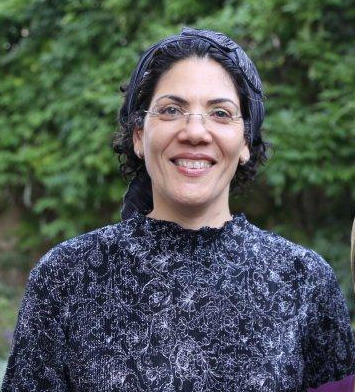
רוית קלך
מודיעין, ישראל
כבר סיפרתי בסיום של מועד קטן.
הלימוד מאוד משפיעה על היום שלי כי אני לומדת עם רבנית מישל על הבוקר בזום. זה נותן טון לכל היום – בסיס למחשבות שלי .זה זכות גדול להתחיל את היום בלימוד ובתפילה. תודה רבה !
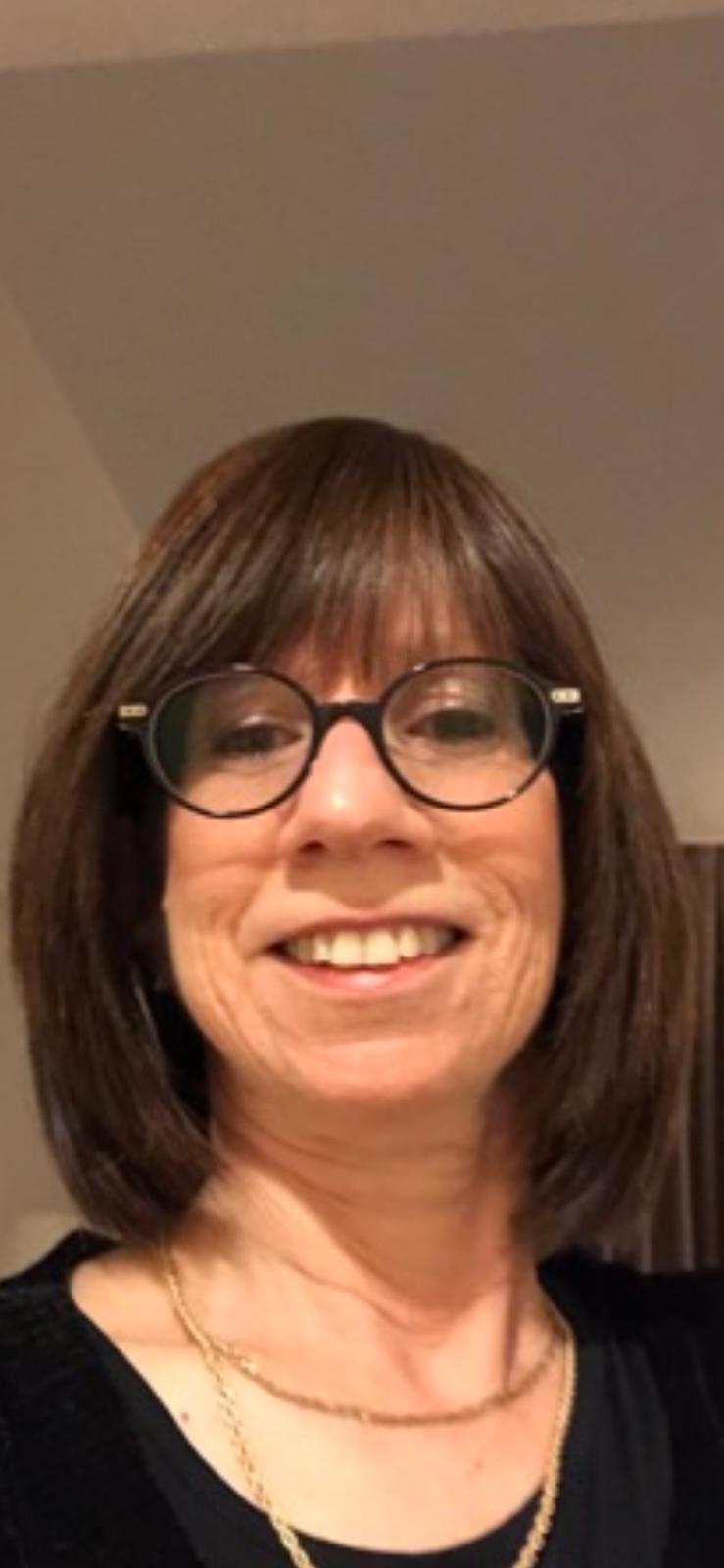
שרה ברלוביץ
ירושלים, ישראל
סיום השס לנשים נתן לי מוטביציה להתחיל ללמוד דף יומי. עד אז למדתי גמרא בשבתות ועשיתי כמה סיומים. אבל לימוד יומיומי זה שונה לגמרי ופתאום כל דבר שקורה בחיים מתקשר לדף היומי.
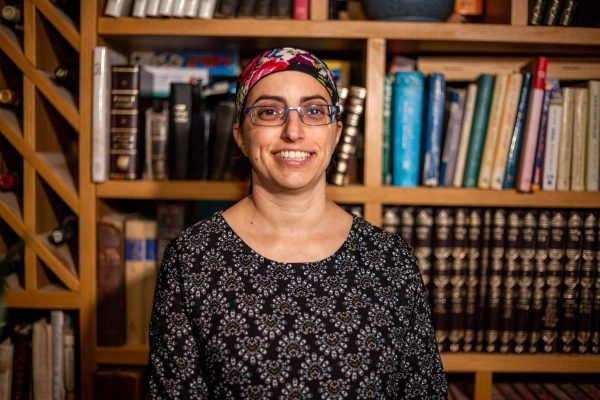
קרן פוגל
רתמים, ישראל
ראיתי את הסיום הגדול בבנייני האומה וכל כך התרשמתי ורציתי לקחת חלק.. אבל לקח לי עוד כשנה וחצי )באמצע מסיכת שבת להצטרף..
הלימוד חשוב לי מאוד.. אני תמיד במרדף אחרי הדף וגונבת כל פעם חצי דף כשהילדים עסוקים ומשלימה אח”כ אחרי שכולם הלכו לישון..

אולגה מזרחי
ירושלים, ישראל
בתחילת הסבב הנוכחי הצטברו אצלי תחושות שאני לא מבינה מספיק מהי ההלכה אותה אני מקיימת בכל יום. כמו כן, כאמא לבנות רציתי לתת להן מודל נשי של לימוד תורה
שתי הסיבות האלו הובילו אותי להתחיל ללמוד. נתקלתי בתגובות מפרגנות וסקרניות איך אישה לומדת גמרא..
כמו שרואים בתמונה אני ממשיכה ללמוד גם היום ואפילו במחלקת יולדות אחרי לידת ביתי השלישית.
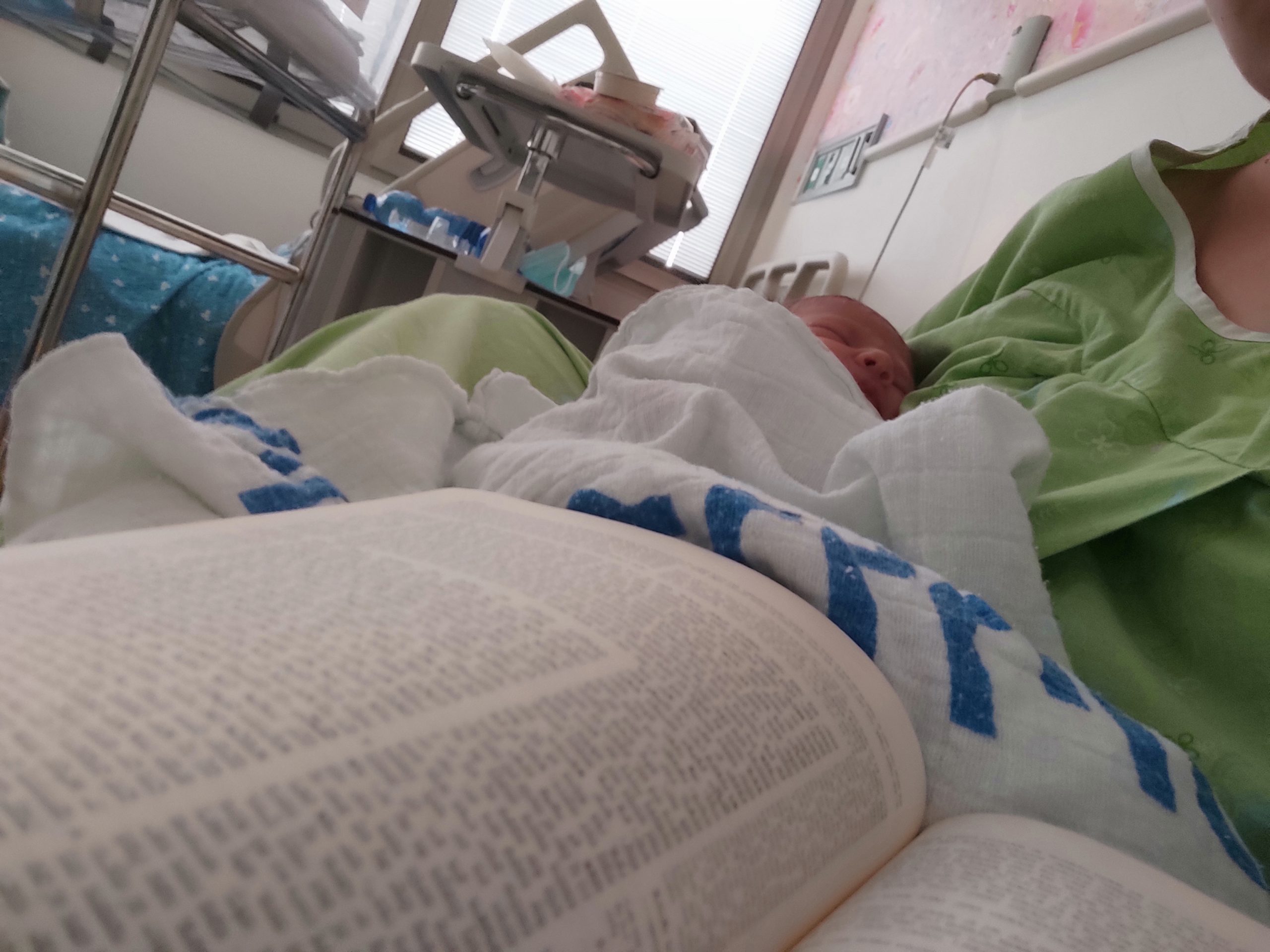
נועה שילה
רבבה, ישראל
התחלתי בסיום הש”ס, יצאתי באורות. נשברתי פעמיים, ובשתיהם הרבנית מישל עודדה להמשיך איפה שכולם בסבב ולהשלים כשאוכל, וכך עשיתי וכיום השלמתי הכל. מדהים אותי שאני לומדת כל יום קצת, אפילו בחדר הלידה, בבידוד או בחו”ל. לאט לאט יותר נינוחה בסוגיות. לא כולם מבינים את הרצון, בפרט כפמניסטית. חשה סיפוק גדול להכיר את המושגים וצורת החשיבה. החלום זה להמשיך ולהתמיד ובמקביל ללמוד איך מהסוגיות נוצרה והתפתחה ההלכה.
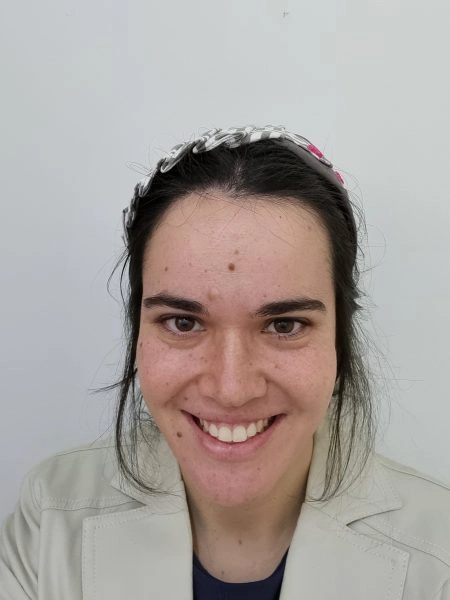
קרן וינגרטן שרינגטון
מודיעין, ישראל
התחלתי להשתתף בשיעור נשים פעם בשבוע, תכננתי ללמוד רק דפים בודדים, לא האמנתי שאצליח יותר מכך.
לאט לאט נשאבתי פנימה לעולם הלימוד .משתדלת ללמוד כל בוקר ומתחילה את היום בתחושה של מלאות ומתוך התכווננות נכונה יותר.
הלימוד של הדף היומי ממלא אותי בתחושה של חיבור עמוק לעם היהודי ולכל הלומדים בעבר ובהווה.

נילי חיון
אפרת, ישראל
רבנית מישל הציתה אש התלמוד בלבבות בביניני האומה ואני נדלקתי. היא פתחה פתח ותמכה במתחילות כמוני ואפשרה לנו להתקדם בצעדים נכונים וטובים. הקימה מערך שלם שמסובב את הלומדות בסביבה תומכת וכך נכנסתי למסלול לימוד מעשיר שאין כמוה. הדרן יצר קהילה גדולה וחזקה שמאפשרת התקדמות מכל נקודת מוצא. יש דיבוק לומדות שמחזק את ההתמדה של כולנו. כל פניה ושאלה נענית בזריזות ויסודיות. תודה גם למגי על כל העזרה.
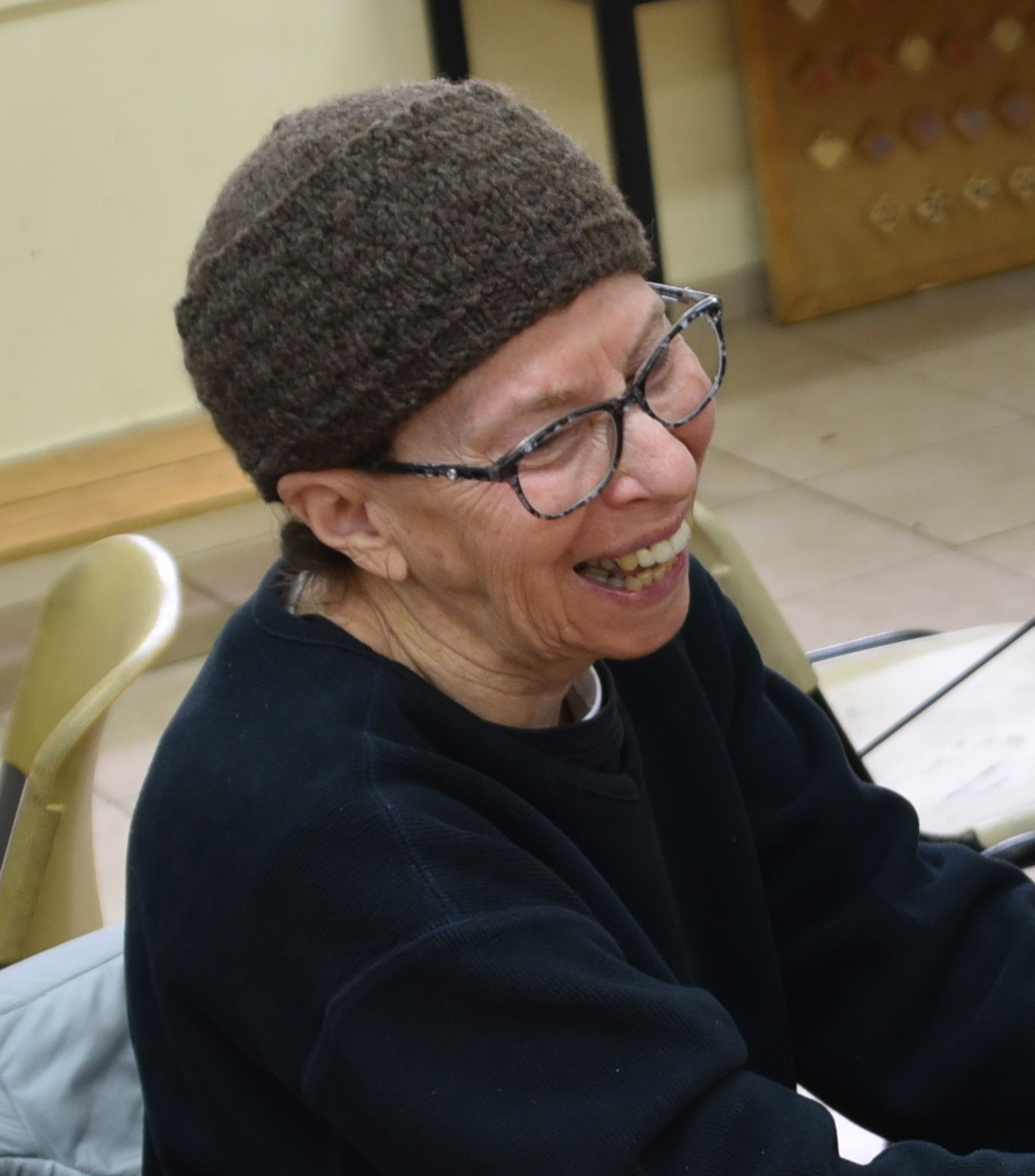
שרה אבר
נתניה, ישראל
לפני 15 שנה, אחרי עשרות שנים של "ג’ינגול” בין משפחה לקריירה תובענית בהייטק, הצטרפתי לשיעורי גמרא במתן רעננה. הלימוד המעמיק והייחודי של הרבנית אושרה קורן יחד עם קבוצת הנשים המגוונת הייתה חוויה מאלפת ומעשירה. לפני כשמונה שנים כאשר מחזור הדף היומי הגיע למסכת תענית הצטרפתי כ”חברותא” לבעלי. זו השעה היומית שלנו ביחד כאשר דפי הגמרא משתלבים בחיי היום יום, משפיעים ומושפעים, וכשלא מספיקים תמיד משלימים בשבת
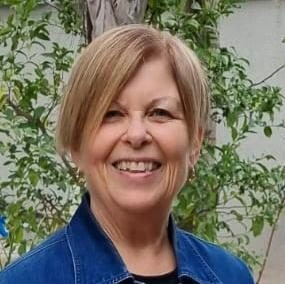
יודי אסקוף
רעננה, ישראל
התחלתי ללמוד בסבב הנוכחי לפני כשנתיים .הסביבה מתפעלת ותומכת מאוד. אני משתדלת ללמוד מכל ההסכתים הנוספים שיש באתר הדרן. אני עורכת כל סיום מסכת שיעור בביתי לכ20 נשים שמחכות בקוצר רוח למפגשים האלו.
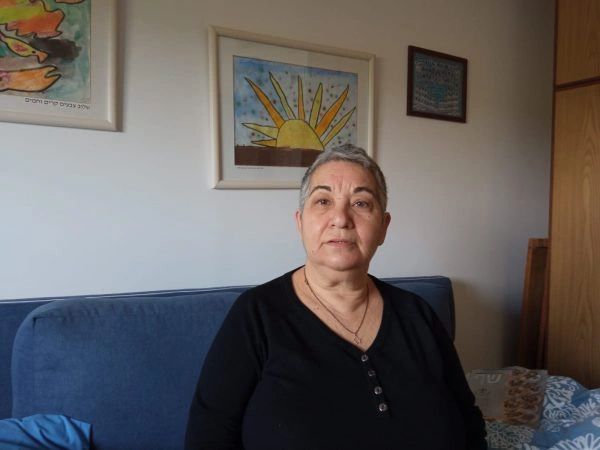
יעל אשר
יהוד, ישראל
התחלתי ללמוד דף יומי שהתחילו מסכת כתובות, לפני 7 שנים, במסגרת קבוצת לימוד שהתפרקה די מהר, ומשם המשכתי לבד בתמיכת האיש שלי. נעזרתי בגמרת שטיינזלץ ובשיעורים מוקלטים.
הסביבה מאד תומכת ואני מקבלת המון מילים טובות לאורך כל הדרך. מאז הסיום הגדול יש תחושה שאני חלק מדבר גדול יותר.
אני לומדת בשיטת ה”7 דפים בשבוע” של הרבנית תרצה קלמן – כלומר, לא נורא אם לא הצלחת ללמוד כל יום, העיקר שגמרת ארבעה דפים בשבוע

רחל גולדשטיין
עתניאל, ישראל
רציתי לקבל ידע בתחום שהרגשתי שהוא גדול וחשוב אך נעלם ממני. הלימוד מעניק אתגר וסיפוק ומעמיק את תחושת השייכות שלי לתורה וליהדות
רות עגיב
עלי זהב – לשם, ישראל
אחי, שלומד דף יומי ממסכת ברכות, חיפש חברותא ללימוד מסכת ראש השנה והציע לי. החברותא היתה מאתגרת טכנית ורוב הזמן נעשתה דרך הטלפון, כך שבסיום המסכת נפרדו דרכינו. אחי חזר ללמוד לבד, אבל אני כבר נכבשתי בקסם הגמרא ושכנעתי את האיש שלי להצטרף אלי למסכת ביצה. מאז המשכנו הלאה, ועכשיו אנחנו מתרגשים לקראתו של סדר נשים!

שולמית סבן
נוקדים, ישראל
התחלתי ללמוד לפני כשנתיים בשאיפה לסיים לראשונה מסכת אחת במהלך חופשת הלידה.
אחרי מסכת אחת כבר היה קשה להפסיק…
נעה גלנט
ירוחם, ישראל
התחלתי ללמוד גמרא בבית הספר בגיל צעיר והתאהבתי. המשכתי בכך כל חיי ואף היייתי מורה לגמרא בבית הספר שקד בשדה אליהו (בית הספר בו למדתי בילדותי)בתחילת מחזור דף יומי הנוכחי החלטתי להצטרף ובע”ה מקווה להתמיד ולהמשיך. אני אוהבת את המפגש עם הדף את "דרישות השלום ” שמקבלת מקשרים עם דפים אחרים שלמדתי את הסנכרון שמתחולל בין התכנים.
אריאלה ביגמן
מעלה גלבוע, ישראל
"התחלתי ללמוד דף יומי במחזור הזה, בח’ בטבת תש””ף. לקחתי על עצמי את הלימוד כדי ליצור תחום של התמדה יומיומית בחיים, והצטרפתי לקבוצת הלומדים בבית הכנסת בכפר אדומים. המשפחה והסביבה מתפעלים ותומכים.
בלימוד שלי אני מתפעלת בעיקר מכך שכדי ללמוד גמרא יש לדעת ולהכיר את כל הגמרא. זו מעין צבת בצבת עשויה שהיא עצומה בהיקפה.”

שרה פוּקס
כפר אדומים, ישראל
A friend in the SF Bay Area said in Dec 2019 that she might start listening on her morning drive to work. I mentioned to my husband and we decided to try the Daf when it began in Jan 2020 as part of our preparing to make Aliyah in the summer.
חנה פיוטרקובסקי
ירושלים, Israel
"
גם אני התחלתי בסבב הנוכחי וב””ה הצלחתי לסיים את רוב המסכתות . בזכות הרבנית מישל משתדלת לפתוח את היום בשיעור הזום בשעה 6:20 .הלימוד הפך להיות חלק משמעותי בחיי ויש ימים בהם אני מצליחה לחזור על הדף עם מלמדים נוספים ששיעוריהם נמצאים במרשתת. שמחה להיות חלק מקהילת לומדות ברחבי העולם. ובמיוחד לשמש דוגמה לנכדותיי שאי””ה יגדלו לדור שלימוד תורה לנשים יהיה משהו שבשגרה. "
רונית שביט
נתניה, ישראל
התחלתי מעט לפני תחילת הסבב הנוכחי. אני נהנית מהאתגר של להמשיך להתמיד, מרגעים של "אהה, מפה זה הגיע!” ומהאתגר האינטלקטואלי

אילת-חן ודלר
לוד, ישראל
התחלתי ללמוד דף יומי בסבב הקודם. זכיתי לסיים אותו במעמד המרגש של הדרן. בסבב הראשון ליווה אותי הספק, שאולי לא אצליח לעמוד בקצב ולהתמיד. בסבב השני אני לומדת ברוגע, מתוך אמונה ביכולתי ללמוד ולסיים. בסבב הלימוד הראשון ליוותה אותי חוויה מסויימת של בדידות. הדרן העניקה לי קהילת לימוד ואחוות נשים. החוויה של סיום הש”ס במעמד כה גדול כשנשים שאינן מכירות אותי, שמחות ומתרגשות עבורי , היתה חוויה מרוממת נפש

אילנית ווייל
קיבוץ מגדל עוז, ישראל
שבועות מ״ט
לַכֹּל מְגַלְגְּלִין, חוּץ מִשָּׂכִיר – שֶׁאֵין מְגַלְגְּלִין. רַב חִסְדָּא אָמַר: לַכֹּל אֵין מְקִילִּין, חוּץ מִשָּׂכִיר – דִּמְקִילִּין. מַאי בֵּינַיְיהוּ? אִיכָּא בֵּינַיְיהוּ לִפְתּוֹחַ לוֹ.
Any oath, including one incurred by rabbinic law, may be extended to render the person who takes it liable to take an additional oath, except for the oath of a hired worker, which may not be extended, since the hired worker’s oath was instituted only to alleviate the concerns of the employer. Rav Ḥisda says: For everyone, the Sages are not lenient, in that they extend any oath they incur to impose upon them additional oaths, except for a hired worker, for whom they are lenient. The Gemara asks: What is the difference between the rulings of Rav Huna and Rav Ḥisda? The Gemara answers: There is a practical difference between them as to whether the court initiates extending an oath for him, i.e., even when the other litigant has not suggested it, the court extends the original oath to include an oath about other claims.
וְהַשְּׁבִיעִית מְשַׁמֶּטֶת כּוּ׳. מְנָא הָנֵי מִילֵּי? אָמַר רַב גִּידֵּל אָמַר רַב, דְּאָמַר קְרָא: ״וְזֶה דְּבַר הַשְּׁמִטָּה״ – וַאֲפִילּוּ דִּיבּוּר מְשַׁמֶּטֶת.
§ The mishna teaches: The Sabbatical Year abrogates the obligation to take an oath about a debt, just like it abrogates a debt. The Gemara asks: From where is this matter derived? Rav Giddel says that Rav says: It is derived from the fact that the verse states: “And this is the matter [devar] of the release: Every creditor shall release that which he has lent to his neighbor; he shall not exact it of his neighbor and his brother, because the Lord’s release has been proclaimed” (Deuteronomy 15:2). Since the word devar also means statement, this teaches that the Sabbatical Year releases, i.e., abrogates, even a statement, i.e., an oath.
הֲדַרַן עֲלָךְ כׇּל הַנִּשְׁבָּעִין
מַתְנִי׳ אַרְבָּעָה שׁוֹמְרִין הֵן: שׁוֹמֵר חִנָּם וְהַשּׁוֹאֵל, נוֹשֵׂא שָׂכָר וְהַשּׂוֹכֵר.
MISHNA: There are four types of bailees, to whom different halakhot apply. They are as follows: An unpaid bailee, who receives no compensation for safeguarding the item in his care; and a borrower, who receives an item on loan for his own use without paying a rental fee; a paid bailee, who is paid a salary for safeguarding the deposited item; and a renter, i.e., one who pays a fee for the use of an item or animal.
שׁוֹמֵר חִנָּם נִשְׁבָּע עַל הַכֹּל, וְהַשּׁוֹאֵל מְשַׁלֵּם אֶת הַכֹּל.
In the event that one of these bailees is unable to return the deposited item to its owner, the halakha with regard to liability is dependent upon what happened to the item, and upon the type of bailee: An unpaid bailee takes an oath attesting to the fact that he was not negligent with the care of the item and is then exempt from liability for everything, meaning for all types of damage, whether the item was lost, stolen, damaged, or if the animal died. Conversely, a borrower does not have the option of taking an oath, and pays for everything, whether the item was stolen, lost, damaged, or the animal died, even if it was by unavoidable accident.
נוֹשֵׂא שָׂכָר וְהַשּׂוֹכֵר – נִשְׁבָּעִין עַל הַשְּׁבוּרָה וְעַל הַשְּׁבוּיָה וְעַל הַמֵּתָה, וּמְשַׁלְּמִין אֶת הָאֲבֵדָה וְאֶת הַגְּנֵיבָה.
The halakhot of a paid bailee and a renter are the same: They take an oath concerning an injured animal, and concerning a captured one, and concerning a dead animal, attesting to the fact that these mishaps were not caused by negligence, but rather by unavoidable accident, and then are exempt from liability. But they must pay if the deposit cannot be returned due to loss or theft, even if these were not caused by negligence.
אָמַר לְשׁוֹמֵר חִנָּם: ״הֵיכָן שׁוֹרִי?״ אָמַר לוֹ: ״מֵת״ – וְהוּא שֶׁנִּשְׁבַּר אוֹ נִשְׁבָּה אוֹ נִגְנַב אוֹ אָבַד; ״נִשְׁבַּר״ – וְהוּא שֶׁמֵּת אוֹ נִשְׁבָּה אוֹ נִגְנַב אוֹ אָבַד. ״נִשְׁבָּה״ – וְהוּא שֶׁמֵּת אוֹ נִשְׁבַּר אוֹ נִגְנַב אוֹ אָבַד; ״נִגְנַב״ – וְהוּא שֶׁמֵּת אוֹ נִשְׁבַּר אוֹ נִשְׁבָּה אוֹ אָבַד; ״אָבַד״ – וְהוּא שֶׁמֵּת אוֹ נִשְׁבַּר אוֹ נִשְׁבָּה אוֹ נִגְנַב; ״מַשְׁבִּיעֲךָ אֲנִי״, וְאָמַר ״אָמֵן״ – פָּטוּר.
The mishna clarifies: If the owner of an ox said to an unpaid bailee: Where is my ox? And the unpaid bailee said to him: It died, but the truth was that it was injured or captured or stolen or lost; or if the bailee responded: It was injured, but the truth was that it died or was captured or stolen or lost; or if he responded: It was captured, but the truth was that it died or was injured or stolen or lost; or if he responded: It was stolen, but the truth was that it died or was injured or captured or lost; or if he responded: It was lost, but the truth was that it died or was injured or captured or stolen, in any of the above cases, if the owner of the ox then said: I administer an oath to you concerning your claim, and the unpaid bailee said: Amen, he is exempt from bringing a guilt-offering, despite the fact that he took a false oath. The reason is that his false oath did not render him exempt from liability to pay.
״הֵיכָן שׁוֹרִי?״ אָמַר לוֹ: ״אֵינִי יוֹדֵעַ מָה אַתָּה סָח״ – וְהוּא שֶׁמֵּת אוֹ נִשְׁבַּר אוֹ נִשְׁבָּה אוֹ נִגְנַב אוֹ אָבַד; ״מַשְׁבִּיעֲךָ אֲנִי״, וְאָמַר ״אָמֵן״ – פָּטוּר.
If the owner says to an unpaid bailee: Where is my ox? And the unpaid bailee said to him: I do not know what you are talking about, but the truth was that it died or was injured or captured or stolen or lost, and the owner said: I administer an oath to you concerning your claim, and the unpaid bailee said: Amen, he is exempt from bringing a guilt-offering, since he would not have been liable to pay in any of these cases.
״הֵיכָן שׁוֹרִי?״ אָמַר לוֹ: ״אָבַד״; ״מַשְׁבִּיעֲךָ אֲנִי״, וְאָמַר ״אָמֵן״; וְהָעֵדִים מְעִידִים אוֹתוֹ שֶׁאֲכָלוֹ – מְשַׁלֵּם אֶת הַקֶּרֶן. הוֹדָה מֵעַצְמוֹ – מְשַׁלֵּם קֶרֶן וָחוֹמֶשׁ וְאָשָׁם.
But if the owner said to the unpaid bailee: Where is my ox? And the unpaid bailee said to him: It is lost, and the owner said: I administer an oath to you concerning your claim, and the unpaid bailee said: Amen, and then witnesses testify that the bailee consumed it, he pays the owner the principal, since he took the ox for himself. But if there were no witnesses, but after he took the oath he admitted of his own accord that he stole the ox and took a false oath, then he pays the owner the principal and the additional one-fifth payment, and he brings a guilt-offering to achieve atonement, as in any other case where one takes a false oath with regard to a deposit.
״הֵיכָן שׁוֹרִי?״ וְאָמַר לוֹ: ״נִגְנַב״; ״מַשְׁבִּיעֲךָ אֲנִי״, וְאָמַר ״אָמֵן״; וְהָעֵדִים מְעִידִים אוֹתוֹ שֶׁגְּנָבוֹ – מְשַׁלֵּם תַּשְׁלוּמֵי כֶפֶל. הוֹדָה מֵעַצְמוֹ – מְשַׁלֵּם קֶרֶן וָחוֹמֶשׁ וְאָשָׁם.
Similarly, if the owner said to the unpaid bailee: Where is my ox? And the unpaid bailee said to him: It was stolen, and the owner said: I administer an oath to you concerning your claim, and the unpaid bailee said: Amen, and then witnesses testify that the bailee stole it, he pays double the principal. If he admitted of his own accord that he stole it, then he is exempt from double payment for theft, but pays the principal and the additional one-fifth payment, and brings a guilt-offering to achieve atonement.
אָמַר לְאֶחָד בַּשּׁוּק: ״הֵיכָן שׁוֹרִי שֶׁגָּנַבְתָּ?״ הוּא אוֹמֵר: ״לֹא גָּנַבְתִּי״, וְהָעֵדִים מְעִידִים אוֹתוֹ שֶׁגְּנָבוֹ – מְשַׁלֵּם תַּשְׁלוּמֵי כֶפֶל. טָבַח וּמָכַר – מְשַׁלֵּם תַּשְׁלוּמֵי אַרְבָּעָה וַחֲמִשָּׁה. רָאָה עֵדִים שֶׁמְּמַשְׁמְשִׁין וּבָאִין, אָמַר: ״גָּנַבְתִּי, אֲבָל לֹא טָבַחְתִּי וְלֹא מָכַרְתִּי״ – אֵינוֹ מְשַׁלֵּם אֶלָּא קֶרֶן.
If the owner of an ox said to someone in the marketplace, i.e., a stranger who was not a bailee: Where is my ox that you stole? And the accused says: I did not steal it, and then witnesses testify that the accused did steal it, he pays the double payment. If he slaughtered or sold it, he pays the fourfold or fivefold payment. If the accused saw witnesses that were approaching to testify against him, and at that point he said: I admit that I stole the animal but I did not slaughter or sell it, he pays only the principal.
אָמַר לְשׁוֹאֵל: ״הֵיכָן שׁוֹרִי?״ אָמַר לוֹ:
If the owner said to a borrower: Where is my ox? And the borrower said to him:
״מֵת״ – וְהוּא שֶׁנִּשְׁבַּר אוֹ נִשְׁבָּה אוֹ נִגְנַב אוֹ אָבַד; ״נִשְׁבַּר״ – וְהוּא שֶׁמֵּת אוֹ נִשְׁבָּה אוֹ נִגְנַב אוֹ אָבַד; ״נִשְׁבָּה״ – וְהוּא שֶׁמֵּת אוֹ נִשְׁבַּר אוֹ נִגְנַב אוֹ אָבַד; ״נִגְנַב״ – וְהוּא שֶׁמֵּת אוֹ נִשְׁבַּר אוֹ נִשְׁבָּה אוֹ אָבַד; ״אָבַד״ – וְהוּא שֶׁמֵּת אוֹ נִשְׁבַּר אוֹ נִשְׁבָּה אוֹ נִגְנַב; ״מַשְׁבִּיעֲךָ אֲנִי״, וְאָמַר ״אָמֵן״ – פָּטוּר.
It died, but the truth was that it was injured or captured or stolen or lost; or if he responded: It was injured, but the truth was that it died or was captured or stolen or lost; or if he responded: It was captured, but the truth was that it died or was injured or stolen or lost; or if he responded: It was stolen, but the truth was that it died or was injured or captured or lost; or if he responded: It was lost, but the truth was that it died or was injured or captured or stolen, in any of the above cases, if the owner of the ox said: I administer an oath to you concerning your claim, and the borrower said: Amen, he is exempt from bringing an offering for his false oath, since the oath did not render him exempt from liability to pay. He would have been liable to pay in any case.
״הֵיכָן שׁוֹרִי?״ אָמַר לוֹ: ״אֵינִי יוֹדֵעַ מָה אַתָּה סָח״ – וְהוּא שֶׁמֵּת אוֹ נִשְׁבַּר אוֹ נִשְׁבָּה אוֹ נִגְנַב אוֹ נֶאֱבָד; ״מַשְׁבִּיעֲךָ אֲנִי״, וְאָמַר ״אָמֵן״ – חַיָּיב.
But if the owner said to the borrower: Where is my ox? And the borrower said to him: I do not know what you are talking about, but the truth was that it died or was injured or captured or stolen or lost, and the owner said: I administer an oath to you concerning your claim, and the borrower said: Amen, the borrower is liable to bring a guilt-offering, as he took an oath that would render him exempt from liability to pay.
אָמַר לְנוֹשֵׂא שָׂכָר וְהַשּׂוֹכֵר: ״הֵיכָן שׁוֹרִי?״ אָמַר לוֹ: ״מֵת״ – וְהוּא שֶׁנִּשְׁבַּר אוֹ נִשְׁבָּה; ״נִשְׁבַּר״ – וְהוּא שֶׁמֵּת אוֹ נִשְׁבָּה; ״נִשְׁבָּה״ – וְהוּא שֶׁמֵּת אוֹ נִשְׁבַּר; ״נִגְנַב״ – וְהוּא שֶׁאָבַד; ״אָבַד״ – וְהוּא שֶׁנִּגְנַב; ״מַשְׁבִּיעֲךָ אֲנִי״, וְאָמַר ״אָמֵן״ – פָּטוּר.
If an owner said to a paid bailee or a renter: Where is my ox? And the latter said to him: It died, but the truth was that it was injured or captured; or if he said: It was injured, but the truth was that it died or was captured; or if he said: It was captured, but the truth was that it died or was injured; or if he said: It was stolen, but the truth was that it was lost; or if he said: It was lost, but the truth was that it was stolen, and the owner said: I administer an oath to you concerning your claim, and he said: Amen, the paid bailee or renter is exempt from bringing a guilt-offering.
״מֵת״ אוֹ ״נִשְׁבַּר״ אוֹ ״נִשְׁבָּה״ – וְהוּא שֶׁנִּגְנַב אוֹ אָבַד; ״מַשְׁבִּיעֲךָ אֲנִי״, וְאָמַר ״אָמֵן״ – חַיָּיב. ״אָבַד״ אוֹ ״נִגְנַב״ – וְהוּא שֶׁמֵּת אוֹ נִשְׁבַּר אוֹ נִשְׁבָּה; ״מַשְׁבִּיעֲךָ אֲנִי״, וְאָמַר ״אָמֵן״ – פָּטוּר.
If the paid bailee or renter said: It died or was injured or captured, but the truth was that it was stolen or lost, and the owner said: I administer an oath to you concerning your claim, and he said: Amen, the paid bailee or renter is liable to bring a guilt-offering. If the paid bailee or renter said: It was lost or stolen, but the truth was that it died or was injured or captured, and the owner said: I administer an oath to you concerning your claim, and he said: Amen, he is exempt from bringing a guilt-offering.
זֶה הַכְּלָל: כׇּל הַמְשַׁנֶּה מֵחוֹבָה לְחוֹבָה, וּמִפְּטוּר לִפְטוּר, וּמִפְּטוּר לְחוֹבָה – פָּטוּר. מֵחוֹבָה לִפְטוּר – חַיָּיב. זֶה הַכְּלָל: כׇּל הַנִּשְׁבָּע לְהָקֵל עַל עַצְמוֹ – חַיָּיב. לְהַחְמִיר עַל עַצְמוֹ – פָּטוּר.
This is the principle: Anyone who changes from one claim of liability to another claim of liability or from one claim of exemption to another claim of exemption or from a claim of exemption to a claim of liability is exempt from bringing a guilt-offering. If he changes from a claim of liability to a claim of exemption, he is liable. This is the principle: Anyone who takes an oath to be lenient with himself is liable; if he takes an oath to be stringent with himself, he is exempt.
גְּמָ׳ מַאן תְּנָא אַרְבָּעָה שׁוֹמְרִין? אָמַר רַב נַחְמָן אָמַר רַבָּה בַּר אֲבוּהּ: רַבִּי מֵאִיר הִיא. אֲמַר לֵיהּ רָבָא לְרַב נַחְמָן: מִי אִיכָּא תַּנָּא דְּלֵית לֵיהּ אַרְבָּעָה שׁוֹמְרִין?! אֲמַר לֵיהּ, הָכִי קָאָמֵינָא לָךְ: מַאן תַּנָּא דְּאָמַר שׂוֹכֵר כְּנוֹשֵׂא שָׂכָר דָּמֵי? אָמַר רַב נַחְמָן אָמַר רַבָּה בַּר אֲבוּהּ: רַבִּי מֵאִיר הִיא.
GEMARA: The Gemara asks: Who is the tanna who taught that there are four types of bailees? Rav Naḥman said that Rabba bar Avuh said: It is Rabbi Meir. Rava said to Rav Naḥman: And is there a tanna who does not accept that there are four types of bailees, as the question and your answer indicate? Rav Naḥman said to him: This is what I am saying to you: Who is the tanna who says that a renter has the same halakhic status as a paid bailee? With regard to this question, Rav Naḥman said that Rabba bar Avuh said: It is Rabbi Meir.
וְהָא רַבִּי מֵאִיר אִיפְּכָא שָׁמְעִינַן לֵיהּ – דִּתְנַן: שׂוֹכֵר כֵּיצַד מְשַׁלֵּם? רַבִּי מֵאִיר אוֹמֵר: כְּשׁוֹמֵר חִנָּם, רַבִּי יְהוּדָה אוֹמֵר: כְּנוֹשֵׂא שָׂכָר! רַבָּה בַּר אֲבוּהּ אִיפְּכָא תָּנֵי.
The Gemara challenges: But we have heard that Rabbi Meir said the opposite, as it is taught in a baraita: How does a renter pay? Rabbi Meir says: He pays like an unpaid bailee. Rabbi Yehuda says: He pays like a paid bailee. The Gemara explains: Rabba bar Avuh taught this baraita while reversing the opinions, stating that Rabbi Meir is of the opinion that a renter is like a paid bailee; therefore, he said that the mishna is in accordance with the opinion of Rabbi Meir.
הָנֵי אַרְבָּעָה הָווּ?! שְׁלֹשָׁה הָווּ! אָמַר רַב נַחְמָן בַּר יִצְחָק: אַרְבָּעָה שׁוֹמְרִין, וְדִינֵיהֶן שְׁלֹשָׁה.
The Gemara asks: Are these in fact four types of bailees? There are actually only three, as the halakhot relating to a paid bailee and a renter are identical. Rav Naḥman bar Yitzḥak said: There are indeed four types of bailees with regard to the manner in which they accepted the deposit, but only three halakhot that apply to them.
אָמַר לְשׁוֹמֵר חִנָּם כּוּ׳, ״הֵיכָן שׁוֹרִי״ כּוּ׳, אָמַר לְאֶחָד בַּשּׁוּק כּוּ׳, אָמַר לְשׁוֹמֵר כּוּ׳, ״הֵיכָן שׁוֹרִי?״ אָמַר לוֹ: ״אֵינִי יוֹדֵעַ מָה אַתָּה סָח״ כּוּ׳. אָמַר רַב: וְכוּלָּן פְּטוּרִין מִשְּׁבוּעַת שׁוֹמְרִין, וְחַיָּיבִין מִשּׁוּם שְׁבוּעַת בִּיטּוּי. וּשְׁמוּאֵל אָמַר: אַף פְּטוּרִין מִשּׁוּם שְׁבוּעַת בִּיטּוּי.
§ The following cases were stated in the mishna: If the owner of an ox said to an unpaid bailee: Where is my ox; or if the owner of an ox said to someone in the marketplace: Where is my ox that you stole; or if he said to a bailee: Where is my ox, and the other person said to him: I do not know what you are talking about. With regard to all of these situations referred to in the mishna, Rav says: All of them are exempt from bringing a guilt-offering for falsely taking an oath of the bailees, but they are liable to bring a sin-offering for falsely taking an oath on an utterance. And Shmuel says: They are exempt from bringing a sin-offering for falsely taking an oath on an utterance as well.
בְּמַאי קָמִפַּלְגִי? שְׁמוּאֵל סָבַר: לֵיתַהּ בִּלְהַבָּא. וְרַב סָבַר: אִיתֵיהּ בְּלָאו וָהֵן.
With regard to what principle do they disagree? Shmuel holds that he is exempt from bringing an offering because there is no possibility of taking that oath with regard to an event that may occur in the future, i.e., that the deposited animal will die or be stolen or be lost, and Shmuel holds that one is not liable for taking an oath on an utterance in the case of any oath that one cannot take with reference to the future. And Rav holds that there is an obligation to bring a sin-offering because it is possible to take both a negative oath and a positive one. One of the conditions necessary in order for one to incur liability for an oath on an utterance is that the oath can be formulated as both a negative and a positive statement. This oath meets that criterion as one can formulate the oath in the negative, e.g., the deposit was not stolen, as well as in the positive, e.g., it was stolen.
וְהָא אִיפְּלִיגוּ בַהּ חֲדָא זִימְנָא – דְּאִתְּמַר: ״שְׁבוּעָה שֶׁזָּרַק פְּלוֹנִי צְרוֹר לַיָּם״, ״שְׁבוּעָה שֶׁלֹּא זָרַק״ – רַב אָמַר: חַיָּיב, וּשְׁמוּאֵל אָמַר: פָּטוּר. רַב אָמַר חַיָּיב – דְּאִיתַהּ בְּלָאו וְהֵן, וּשְׁמוּאֵל אָמַר פָּטוּר – דְּלֵיתַהּ בִּלְהַבָּא!
The Gemara challenges: But they already disputed this question on another occasion (see 25a), as it was stated: With regard to one who says: On my oath so-and-so threw a stone into the sea, or: On my oath he did not throw it, Rav says: If it was later discovered that his statement was false, he is liable to bring an offering for his oath. And Shmuel says: He is exempt. Rav says that he is liable, as the oath can be positive or negative. And Shmuel says he is exempt because this oath cannot be stated with regard to the future, since he cannot control what so-and-so does.
צְרִיכָא; דְּאִי אַשְׁמְעִינַן בְּהָא – בְּהָא קָאָמַר רַב, מִשּׁוּם דְּמִנַּפְשֵׁיהּ קָמִישְׁתְּבַע; אֲבָל בְּהָךְ, דְּבֵי דִינָא מַשְׁבְּעִי לֵיהּ – אֵימָא מוֹדֵי לֵיהּ לִשְׁמוּאֵל, כִּדְרַבִּי אַמֵּי; דְּאָמַר רַבִּי אַמֵּי: כׇּל שְׁבוּעָה שֶׁהַדַּיָּינִים מַשְׁבִּיעִין אוֹתָהּ – אֵין חַיָּיבִין עָלֶיהָ מִשּׁוּם שְׁבוּעַת בִּיטּוּי.
The Gemara explains: It was necessary to state the dispute in the case of a bailee as well, as if they would teach it to us only in the case where one took an oath that so-and-so threw a stone, it may have been understood that it is only in this case that Rav says that the person taking the oath is exempt, since he is taking a false oath of his own accord, but in the case in the mishna here, where it is the court that is administering the oath to him, say that Rav concedes to Shmuel that he is exempt, in accordance with the statement of Rabbi Ami. As Rabbi Ami says: In the case of any oath that is administered by the judges, one is not liable to bring a sin-offering for falsely taking an oath on an utterance.
וְאִי אִיתְּמַר בְּהָא – בְּהָא קָאָמַר שְׁמוּאֵל, אֲבָל בְּהָךְ אֵימָא מוֹדֶה לֵיהּ לְרַב; צְרִיכָא.
And conversely, if the dispute had been stated only in this case, i.e., the case of the bailee to whom the court administers the oath, one might have said: It is in this case that Shmuel says that he is exempt, in accordance with Rabbi Ami’s statement, but in a case where one took an oath that so-and-so threw a stone, say that Shmuel concedes to Rav that he is liable. Therefore, it is necessary for the dispute to be stated in both cases.
גּוּפָא – אָמַר רַבִּי אַמֵּי: כׇּל שְׁבוּעָה שֶׁהַדַּיָּינִין מַשְׁבִּיעִין אוֹתָהּ, אֵין בָּהּ מִשּׁוּם שְׁבוּעַת בִּיטּוּי; שֶׁנֶּאֱמַר: ״אוֹ נֶפֶשׁ כִּי תִשָּׁבַע לְבַטֵּא בִשְׂפָתַיִם״ – מֵעַצְמוֹ. כִּדְרֵישׁ לָקִישׁ – דְּאָמַר רֵישׁ לָקִישׁ: ״כִּי״ מִשְׁתַּמֵּשׁ בְּאַרְבַּע לְשׁוֹנוֹת: אִי, דִּלְמָא, אֶלָּא, דְּהָא.
Having mentioned Rabbi Ami’s ruling, the Gemara discusses the matter itself: Rabbi Ami says: In the case of any oath that is administered by the judges, one is not liable for falsely taking an oath on an utterance, as it is stated in the verse: “Or if [ki] anyone swears clearly with his lips to do evil or to do good, whatever it is that a man shall utter clearly with an oath, and it is hidden from him…and the priest shall make atonement for him concerning his sin” (Leviticus 5:4–6). Only if one takes the oath of his own accord is he liable, as the verse can be understood in accordance with the statement of Reish Lakish. As Reish Lakish says: The term ki has four distinct meanings: If, perhaps, rather, and as. According to Rabbi Ami, its meaning in the above verse is: If, indicating that only if one takes the oath of his own accord is he liable.
רַבִּי אֶלְעָזָר אוֹמֵר: כּוּלָּן פְּטוּרִין מִשְּׁבוּעַת שׁוֹמְרִין וְחַיָּיבִין מִשּׁוּם שְׁבוּעַת בִּיטּוּי; חוּץ מֵ״אֵינִי יוֹדֵעַ מָה אַתָּה סָח״ דְּשׁוֹאֵל, וּגְנֵיבָה וַאֲבֵידָה דְּנוֹשֵׂא שָׂכָר וְשֶׁבְּשׂוֹכֵר – שֶׁהוּא חַיָּיב, שֶׁהֲרֵי כְּפָרוֹ מָמוֹן.
Rabbi Elazar says: All of them, i.e., all those listed in the mishna as exempt, are exempt from bringing a guilt-offering for taking an oath of the bailees, but they are liable to bring a sin-offering for taking an oath on an utterance, except for a borrower who says: I do not know what you are talking about, and a paid bailee or a renter who claims that the deposit was stolen or lost. In these cases, the bailee is liable for taking an oath of the bailees, as he denied a monetary claim, meaning that he wanted to render himself exempt from liability to pay. This halakha is in accordance with the opinion of Rav.
This chapter explained that a bailee who makes a false claim and takes an oath to that effect is not always liable for falsely taking an oath of the bailees. The principle with regard to this matter was stated at the end of the mishna: Any bailee who makes a false claim that would in any case not render him exempt from liability to pay, and takes an oath to that effect, is not liable for falsely taking an oath of the bailees.
הֲדַרַן עֲלָךְ אַרְבָּעָה שׁוֹמְרִין, וּסְלִיקָא לַהּ מַסֶּכֶת שְׁבוּעוֹת
לעקוב

