








Avodah Zarah 57


Share this shiur:
Masechet Avodah Zarah
Masechet Avodah Zarah is sponsored by the Talmud class of Congregation Beth Jacob in Redwood City, CA, in honor of the Hadran staff who make learning possible.
Want to dedicate learning? Get started here:


Masechet Avodah Zarah
Masechet Avodah Zarah is sponsored by the Talmud class of Congregation Beth Jacob in Redwood City, CA, in honor of the Hadran staff who make learning possible.
Avodah Zarah 57
דְּאִי מַשְׁכַּחְנָא תַּנָּא דְּאָסַר כְּרַבִּי נָתָן, אוֹסְרִינֵּיהּ אֲפִילּוּ בַּהֲנָאָה. דְּתַנְיָא: מְדָדוֹ, בֵּין בַּיָּד בֵּין בָּרֶגֶל — יִמָּכֵר. רַבִּי נָתָן אוֹמֵר: בַּיָּד — אָסוּר, בָּרֶגֶל — מוּתָּר.
I should delay my ruling, as if I find a tanna who prohibits the wine in accordance with the opinion of Rabbi Natan, I will prohibit even deriving benefit from it; this is difficult. Rabbi Natan prohibits one from deriving benefit from wine that was touched by a gentile, as it is taught in a baraita: If a gentile measured a Jew’s wine, whether he measured it with his hand or with his foot, it may be sold. Rabbi Natan says: If he measured it with his hand it is prohibited, but if he measured it with his foot it is permitted.
אֵימַר דְּאָמַר רַבִּי נָתָן בַּיָּד, בָּרֶגֶל מִי אָמַר? אֶלָּא דְּאִי מַשְׁכַּחְנָא תַּנָּא דְּשָׁרֵי כְּרַבִּי שִׁמְעוֹן, אֶישְׁרְיֵיהּ אֲפִילּוּ בִּשְׁתִיָּיה.
The Gemara explains why the suggestion that Shmuel delayed his ruling because of the opinion of Rabbi Natan is difficult: Say that Rabbi Natan said that the wine is forbidden when the gentile measured it with his hand. Did he say that the wine is forbidden if he measured it with his foot? Rather, Shmuel delayed ruling on the matter because he thought to himself: If I find another tanna who permits the wine in accordance with the opinion of Rabbi Shimon, who holds that if a gentile touches wine without intending to render it a libation, it is permitted, I will permit the wine even for drinking.
הָהוּא עוֹבָדָא דַּהֲוָה בְּבֵירָם, דְּהָהוּא גּוֹי דַּהֲוָה קָא סָלֵיק בְּדִיקְלָא וְאַיְיתִי לוּלִיבָּא, בַּהֲדֵי דְּקָא נָחֵית נְגַע בְּרֵאשֵׁהּ דְּלוּלִיבָּא בְּחַמְרָא שֶׁלֹּא בְּכַוָּונָה, שַׁרְיֵיהּ רַב לְזַבּוֹנֵיהּ לְגוֹיִם.
There was a certain incident in Biram that occurred as follows: There was a certain gentile who was climbing a palm tree and he brought down with him a palm branch. While he was descending from the tree he unintentionally touched some wine with the tip of the palm branch. Rav permitted the owners to sell the wine to gentiles.
אֲמַרוּ לֵיהּ רַב כָּהֲנָא וְרַב אַסִּי לְרַב, וְהָא מָר הוּא דְּאָמַר: תִּינוֹק בֶּן יוֹמוֹ הוּא עוֹשֶׂה יֵין נֶסֶךְ! אֲמַר לְהוּ: אֵימוֹר דַּאֲמַרִי אֲנָא בִּשְׁתִיָּיה, בַּהֲנָאָה מִי אֲמַרִי?
Rav Kahana and Rav Asi said to Rav: But wasn’t it you, Master, who said: If a gentile baby who is one day old touches wine, he renders it wine used for a libation, even though he lacks any intent? Rav said to them: Say that I said that the baby renders the wine prohibited for drinking. Did I say that it is prohibited to derive benefit from it? It is therefore permitted to sell the wine.
גּוּפָא, אָמַר רַב: תִּינוֹק בֶּן יוֹמוֹ עוֹשֶׂה יֵין נֶסֶךְ.
§ The Gemara cites Rav’s statement in order to discuss the matter itself: Rav says: If a gentile baby who is one day old touches wine, he renders it wine used for a libation, even though he lacks any intent.
אֵיתִיבֵיהּ רַב שִׁימִי בַּר חִיָּיא לְרַב: הַלּוֹקֵחַ עֲבָדִים מִן הַגּוֹיִם, שֶׁמָּלוּ וְלֹא טָבְלוּ, וְכֵן בְּנֵי הַשְּׁפָחוֹת, שֶׁמָּלוּ וְלֹא טָבְלוּ — רוּקָּן וּמִדְרָסָן בַּשּׁוּק טָמֵא, וְאָמְרִי לַהּ: טָהוֹר.
Rav Shimi bar Ḥiyya raised an objection to the statement of Rav from a baraita: With regard to one who purchases from the gentiles slaves who have been circumcised but have not immersed in a ritual bath, and also with regard to the sons of the gentile maidservants who grew up in a Jew’s home and were circumcised but did not immerse in a ritual bath, their conversion is not yet valid. They have the legal status of gentiles, who transmit impurity like a zav, a man who experiences a gonorrhea-like discharge. Their spittle and objects upon which they tread, even if they are found in the marketplace, are ritually impure. But some say that they are ritually pure.
יֵינָן — גְּדוֹלִים עוֹשִׂים יֵין נֶסֶךְ, קְטַנִּים אֵין עוֹשִׂים יֵין נֶסֶךְ. וְאֵלּוּ הֵן גְּדוֹלִים וְאֵלּוּ הֵן קְטַנִּים? גְּדוֹלִים — יוֹדְעִין בְּטִיב עֲבוֹדָה זָרָה וּמְשַׁמְּשֶׁיהָ, קְטַנִּים — אֵינָם יוֹדְעִין בְּטִיב עֲבוֹדָה זָרָה וּמְשַׁמְּשֶׁיהָ.
The baraita continues: With regard to their wine, the adults render the wine that they touch wine used for a libation, but the minors do not render the wine that they touch wine used for a libation. And which slaves are considered adults, and which slaves are considered minors? The adults are those who know the nature of idol worship and its accessories, and the minors are those who do not know the nature of idol worship and its accessories.
קָתָנֵי מִיהַת גְּדוֹלִים — אִין, קְטַנִּים — לָא! תַּרְגְּמַהּ אַבְּנֵי שְׁפָחוֹת.
In any event, the baraita teaches that with regard to adults, yes, the wine they touch is rendered prohibited, but with regard to minors, no, the wine they touch is not rendered prohibited. This contradicts the statement of Rav. The Gemara replies: Interpret the distinction between adults and minors as referring to the sons of maidservants. Since they were raised in a Jewish home, there is less reason for concern lest they render the wine an idolatrous libation, and therefore the Sages did not prohibit wine touched by minors. This distinction does not apply in the case of slaves that were purchased from gentiles.
הָא ״וְכֵן״ קָאָמַר! אַרוּקָּן וּמִדְרָסָן.
The Gemara asks: Doesn’t the baraita say that the halakha applies to slaves purchased from gentiles and also to the sons of gentile maidservants, indicating that there is no differentiation between them? The Gemara replies: The baraita equates the two cases only with regard to the impurity of their spittle and of the objects upon which they tread.
הָנִיחָא לְמַאן דְּאָמַר טָמֵא, אֶלָּא לְמַאן דְּאָמַר טָהוֹר, מַאי אִיכָּא לְמֵימַר?
The Gemara asks: This works out well according to the one who says that their spittle and the objects upon which they tread are impure. But according to the one who says that they are pure, what can be said? If the spittle of the slaves and the objects upon which they tread are pure, clearly the halakha is the same in the case of the sons of maidservants, and it is unnecessary to state this. One may therefore conclude that the baraita equated the two cases with regard to the status of the wine that they touch.
הָא קָא מַשְׁמַע לַן, עֲבָדִים דֻּומְיָא דִּבְנֵי שְׁפָחוֹת, מָה בְּנֵי שְׁפָחוֹת מָלוּ וְלֹא טָבְלוּ הוּא דְּעוֹשִׂין יֵין נֶסֶךְ, מָלוּ וְטָבְלוּ לָא, אַף עֲבָדִים כֵּן.
The Gemara replies: Even if the baraita is equating the two cases with regard to the status of the wine that they touch, it is not equating them with regard to the distinction between adults and minors. Rather, this teaches us that the halakha with regard to slaves is similar to the halakha with regard to the sons of maidservants. Just as in the case of the sons of maidservants, it is only those who were circumcised but did not immerse who render the wine that they touch wine used for a libation, but those who were circumcised and immersed do not; so too in the case of slaves, once they have immersed in a ritual bath they do not render wine prohibited.
לְאַפּוֹקֵי מִדְּרַב נַחְמָן אָמַר שְׁמוּאֵל, דְּאָמַר רַב נַחְמָן אָמַר שְׁמוּאֵל: הַלּוֹקֵחַ עֲבָדִים מִן הַגּוֹיִם, אַף עַל פִּי שֶׁמָּלוּ וְטָבְלוּ — עוֹשִׂין יֵין נֶסֶךְ עַד שֶׁתִּשְׁקַע עֲבוֹדָה זָרָה מִפִּיהֶם, קָא מַשְׁמַע לַן דְּלָא.
This halakha is to the exclusion of that which Rav Naḥman says that Shmuel says, as Rav Naḥman says that Shmuel says: In the case of one who purchases slaves from the gentiles, even though the slaves were circumcised and immersed in a ritual bath, they still render the wine that they touch wine used for a libation, as they are accustomed to idolatrous practices, until reference to idol worship disappears from their mouths. The baraita teaches us that their wine is not prohibited.
גּוּפָא, אָמַר רַב נַחְמָן אָמַר שְׁמוּאֵל: הַלּוֹקֵחַ עֲבָדִים מִן הַגּוֹיִם, אַף עַל פִּי שֶׁמָּלוּ וְטָבְלוּ — עוֹשִׂין יֵין נֶסֶךְ עַד שֶׁתִּשְׁקַע עֲבוֹדָה זָרָה מִפִּיהֶם. וְכַמָּה? אָמַר רַבִּי יְהוֹשֻׁעַ בֶּן לֵוִי: עַד שְׁנֵים עָשָׂר חֹדֶשׁ.
§ The Gemara cites the aforementioned statement in order to discuss the matter itself: Rav Naḥman says that Shmuel says: In the case of one who purchases slaves from the gentiles, even though the slaves were circumcised and immersed in a ritual bath, they still render the wine that they touch wine used for a libation, as they are accustomed to idolatrous practices, until reference to idol worship disappears from their mouths. And how much time does this take? Rabbi Yehoshua ben Levi says: One does not assume that the slave has forgotten his idolatrous worship until twelve months have passed.
אֵיתִיבֵיהּ רַבָּה לְרַב נַחְמָן: הַלּוֹקֵחַ עֲבָדִים מִן הַגּוֹיִם שֶׁמָּלוּ וְלֹא טָבְלוּ, וְכֵן בְּנֵי הַשְּׁפָחוֹת שֶׁמָּלוּ וְלֹא טָבְלוּ — רוּקָּן וּמִדְרָסָן
Rabba raised an objection to Rav Naḥman from the aforementioned baraita: With regard to one who purchases from the gentiles slaves that have been circumcised but have not immersed in a ritual bath, and also with regard to the sons of the gentile maidservants who grew up in a Jew’s home and were circumcised but did not immerse in a ritual bath, their conversion is not valid and they have the legal status of gentiles. Their spittle and objects upon which they tread,
בַּשּׁוּק טָמֵא, וְאָמְרִי לַהּ: טָהוֹר. יֵינָן — גְּדוֹלִים עוֹשִׂין יֵין נֶסֶךְ, קְטַנִּים אֵין עוֹשִׂין יֵין נֶסֶךְ. אֵלּוּ הֵן גְּדוֹלִים וְאֵלּוּ הֵן קְטַנִּים? גְּדוֹלִים — שֶׁיּוֹדְעִין בְּטִיב עֲבוֹדָה זָרָה וּמְשַׁמְּשֶׁיהָ, קְטַנִּים — שֶׁאֵין יוֹדְעִין בְּטִיב עֲבוֹדָה זָרָה וּמְשַׁמְּשֶׁיהָ.
even if they are found in the marketplace, are ritually impure. But some say that they are ritually pure. With regard to their wine, the adults render the wine that they touch wine used for a libation, but the minors do not render the wine that they touch wine used for a libation. Which slaves are considered adults, and which slaves are considered minors? The adults are those who know the nature of idol worship and its accessories, and the minors are those who do not know the nature of idol worship and its accessories.
קָתָנֵי מִיהַת: מָלוּ וְלֹא טָבְלוּ — אִין, מָלוּ וְטָבְלוּ — לָא! תַּרְגְּמַהּ אַבְּנֵי שְׁפָחוֹת.
In any event, the baraita teaches that with regard to those slaves who were circumcised but did not immerse, yes, the wine they touch is prohibited, but with regard to those who were circumcised and immersed, no, the wine they touch is not prohibited, even if they have not yet forgotten their idolatrous worship. The Gemara replies: Interpret this halakha as referring only to the sons of maidservants who were raised in a Jewish home and never engaged in idolatrous worship, but not to slaves who were acquired from gentiles.
הָא ״וְכֵן״ קָתָנֵי! אַרוּקָּן וּמִדְרָסָן.
The Gemara asks: Doesn’t the baraita teach that the halakha applies to slaves purchased from gentiles and also to the sons of gentile maidservants, indicating that there is no differentiation between them? The Gemara replies: The baraita equates the two cases only with regard to the impurity of their spittle and of the objects upon which they tread.
הָנִיחָא לְמַאן דְּאָמַר טָמֵא, אֶלָּא לְמַאן דְּאָמַר טָהוֹר, מַאי אִיכָּא לְמֵימַר?
The Gemara asks: This works out well according to the one who says that their spittle and the objects upon which they tread are impure. But according to the one who says that they are pure, what can be said? If the spittle of the slaves and the objects upon which they tread are pure, clearly the same halakha applies in the case of the sons of maidservants, and it is unnecessary to state this. One may therefore conclude that the baraita equated the two cases with regard to the status of the wine that they touch.
הָא קָא מַשְׁמַע לַן: עֲבָדִים דֻּומְיָא דִּבְנֵי שְׁפָחוֹת, מָה בְּנֵי שְׁפָחוֹת — גְּדוֹלִים הוּא דְּעוֹשִׂין יֵין נֶסֶךְ, קְטַנִּים אֵין עוֹשִׂין יֵין נֶסֶךְ, אַף עֲבָדִים נָמֵי — גְּדוֹלִים עוֹשִׂין יֵין נֶסֶךְ, קְטַנִּים אֵין עוֹשִׂין יֵין נֶסֶךְ.
The Gemara answers: Even if the baraita equates the slaves and the sons of maidservants with regard to the status of their wine, it does not intend to compare their status once they have immersed. Rather, this teaches us that the halakha with regard to slaves is similar to the halakha with regard to the sons of maidservants. Just as in the case of the sons of maidservants, it is only the adults who render the wine that they touch wine used for a libation, but minors do not render the wine they touch wine used for a libation, so too in the case of slaves, the adults render the wine that they touch wine used for a libation, but minors do not render the wine they touch wine used for a libation.
לְאַפּוֹקֵי מִדְּרַב, דְּאָמַר רַב: תִּינוֹק בֶּן יוֹמוֹ עוֹשֶׂה יֵין נֶסֶךְ, קָא מַשְׁמַע לַן דְּלָא.
This halakha is to the exclusion of that which Rav says, as Rav says: If a gentile baby who is one day old touches wine, he renders it wine used for a libation. The baraita teaches us that this is not the case.
הָהוּא עוֹבָדָא דַּהֲוָה בְּמָחוֹזָא, אֲתָא גּוֹי עָייל לְחָנוּתָא דְּיִשְׂרָאֵל, אֲמַר לְהוּ: אִית לְכוּ חַמְרָא לְזַבּוֹנֵי? אֲמַרוּ לֵיהּ: לָא. הֲוָה יָתֵיב חַמְרָא בְּדַוְולָא, שְׁדָא בֵּיהּ יְדֵיהּ שַׁיכְשֵׁךְ בֵּיהּ, אֲמַר לְהוּ: הַאי לָאו חַמְרָא הוּא? שַׁקְלֵיהּ הַאיְךְ בְּרִיתְחֵיהּ שַׁדְיֵיהּ לְדַנָּא.
§ The Gemara relates: There was a certain incident in Meḥoza in which a gentile came and entered the store of a Jew. The gentile said to the owners: Do you have any wine to sell? They said to him: No. There was wine sitting in a bucket. The gentile put his hand in it and stirred the wine around. The gentile said to them: This, is it not wine? The other person, i.e., the storeowner, took the bucket and, in his anger, threw its contents into a barrel of wine.
שַׁרְיֵיהּ רָבָא לְזַבּוֹנֵי לְגוֹיִם, אִיפְּלִיג עֲלֵיהּ רַב הוּנָא בַּר חִינָּנָא וְרַב הוּנָא בְּרֵיהּ דְּרַב נַחְמָן. נָפְקִי שִׁיפּוּרֵי דְּרָבָא וְשָׁרוּ, וְנָפְקִי שִׁיפּוּרֵי דְּרַב הוּנָא בַּר חִינָּנָא וְרַב הוּנָא בַּר רַב נַחְמָן וְאָסְרִי.
This incident raised a dilemma with regard to the status of the wine in the barrel. Rava permitted the owner to sell the wine to gentiles, as he held that it is permitted to derive benefit from the wine. Rav Huna bar Ḥinnana and Rav Huna, son of Rav Naḥman, disagreed with him. Blasts of shofarot went out from the court of Rava promulgating his ruling, and they permitted the sale. And blasts of shofarot went out from the court of Rav Huna bar Ḥinnana and Rav Huna, son of Rav Naḥman, promulgating their ruling, and they prohibited the sale.

New to Talmud?
Check out our resources designed to help you navigate a page of Talmud – and study at the pace, level and style that fits you.
The Hadran Women’s Tapestry
Meet the diverse women learning Gemara at Hadran and hear their stories.
A beautiful world of Talmudic sages now fill my daily life with discussion and debate.
bringing alive our traditions and texts that has brought new meaning to my life.
I am a מגילת אסתר reader for women . the words in the Mishna of מסכת megillah 17a
הקורא את המגילה למפרע לא יצא were powerful to me.
I hope to have the zchut to complete the cycle for my 70th birthday.

Jerusalem, Israel
In January 2020 on a Shabbaton to Baltimore I heard about the new cycle of Daf Yomi after the siyum celebration in NYC stadium. I started to read “ a daily dose of Talmud “ and really enjoyed it . It led me to google “ do Orthodox women study Talmud? “ and found HADRAN! Since then I listen to the podcast every morning, participate in classes and siyum. I love to learn, this is amazing! Thank you

Atlanta, United States
I learned daf more off than on 40 years ago. At the beginning of the current cycle, I decided to commit to learning daf regularly. Having Rabanit Michelle available as a learning partner has been amazing. Sometimes I learn with Hadran, sometimes with my husband, and sometimes on my own. It’s been fun to be part of an extended learning community.

Honolulu, Hawaii, United States
When I was working and taking care of my children, learning was never on the list. Now that I have more time I have two different Gemora classes and the nach yomi as well as the mishna yomi daily.

Jerusalem, Israel

Phoenix, Arizona, United States
I am grateful for the structure of the Daf Yomi. When I am freer to learn to my heart’s content, I learn other passages in addition. But even in times of difficulty, I always know that I can rely on the structure and social support of Daf Yomi learners all over the world.
I am also grateful for this forum. It is very helpful to learn with a group of enthusiastic and committed women.

Beit Shemesh, Israel
When I began learning Daf Yomi at the beginning of the current cycle, I was preparing for an upcoming surgery and thought that learning the Daf would be something positive I could do each day during my recovery, even if I accomplished nothing else. I had no idea what a lifeline learning the Daf would turn out to be in so many ways.

Lexington, MA, United States
I began Daf Yomi with the last cycle. I was inspired by the Hadran Siyum in Yerushalayim to continue with this cycle. I have learned Daf Yomi with Rabanit Michelle in over 25 countries on 6 continents ( missing Australia)

Silver Spring, MD, United States
As Jewish educator and as a woman, I’m mindful that Talmud has been kept from women for many centuries. Now that we are privileged to learn, and learning is so accessible, it’s my intent to complete Daf Yomi. I am so excited to keep learning with my Hadran community.
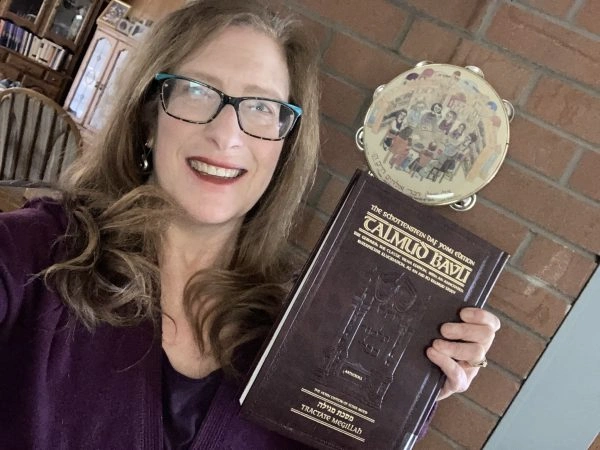
Denver, United States
Shortly after the death of my father, David Malik z”l, I made the commitment to Daf Yomi. While riding to Ben Gurion airport in January, Siyum HaShas was playing on the radio; that was the nudge I needed to get started. The “everyday-ness” of the Daf has been a meaningful spiritual practice, especial after COVID began & I was temporarily unable to say Kaddish at daily in-person minyanim.

Wynnewood, United States
I started learning Daf in Jan 2020 with Brachot b/c I had never seen the Jewish people united around something so positive, and I wanted to be a part of it. Also, I wanted to broaden my background in Torah Shebal Peh- Maayanot gave me a great gemara education, but I knew that I could hold a conversation in most parts of tanach but almost no TSB. I’m so thankful for Daf and have gained immensely.

NJ, United States

Phoenix, AZ, United States
I’ve been learning since January 2020, and in June I started drawing a phrase from each daf. Sometimes it’s easy (e.g. plants), sometimes it’s very hard (e.g. korbanot), and sometimes it’s loads of fun (e.g. bird racing) to find something to draw. I upload my pictures from each masechet to #DafYomiArt. I am enjoying every step of the journey.

Ashdod, Israel
Since I started in January of 2020, Daf Yomi has changed my life. It connects me to Jews all over the world, especially learned women. It makes cooking, gardening, and folding laundry into acts of Torah study. Daf Yomi enables me to participate in a conversation with and about our heritage that has been going on for more than 2000 years.

Skokie, IL, United States
When I began learning Daf Yomi at the beginning of the current cycle, I was preparing for an upcoming surgery and thought that learning the Daf would be something positive I could do each day during my recovery, even if I accomplished nothing else. I had no idea what a lifeline learning the Daf would turn out to be in so many ways.
Lexington, MA, United States
Hadran entered my life after the last Siyum Hashaas, January 2020. I was inspired and challenged simultaneously, having never thought of learning Gemara. With my family’s encouragement, I googled “daf yomi for women”. A perfecr fit!
I especially enjoy when Rabbanit Michelle connects the daf to contemporary issues to share at the shabbat table e.g: looking at the Kohen during duchaning. Toda rabba

Jerusalem, Israel
I started to listen to Michelle’s podcasts four years ago. The minute I started I was hooked. I’m so excited to learn the entire Talmud, and think I will continue always. I chose the quote “while a woman is engaged in conversation she also holds the spindle”. (Megillah 14b). It reminds me of all of the amazing women I learn with every day who multi-task, think ahead and accomplish so much.

Zichron Yakov, Israel
When I was working and taking care of my children, learning was never on the list. Now that I have more time I have two different Gemora classes and the nach yomi as well as the mishna yomi daily.
Jerusalem, Israel
A few years back, after reading Ilana Kurshan’s book, “If All The Seas Were Ink,” I began pondering the crazy, outlandish idea of beginning the Daf Yomi cycle. Beginning in December, 2019, a month before the previous cycle ended, I “auditioned” 30 different podcasts in 30 days, and ultimately chose to take the plunge with Hadran and Rabbanit Michelle. Such joy!

HUNTINGTON, United States
Phoenix, Arizona, United States
Avodah Zarah 57
דְּאִי מַשְׁכַּחְנָא תַּנָּא דְּאָסַר כְּרַבִּי נָתָן, אוֹסְרִינֵּיהּ אֲפִילּוּ בַּהֲנָאָה. דְּתַנְיָא: מְדָדוֹ, בֵּין בַּיָּד בֵּין בָּרֶגֶל — יִמָּכֵר. רַבִּי נָתָן אוֹמֵר: בַּיָּד — אָסוּר, בָּרֶגֶל — מוּתָּר.
I should delay my ruling, as if I find a tanna who prohibits the wine in accordance with the opinion of Rabbi Natan, I will prohibit even deriving benefit from it; this is difficult. Rabbi Natan prohibits one from deriving benefit from wine that was touched by a gentile, as it is taught in a baraita: If a gentile measured a Jew’s wine, whether he measured it with his hand or with his foot, it may be sold. Rabbi Natan says: If he measured it with his hand it is prohibited, but if he measured it with his foot it is permitted.
אֵימַר דְּאָמַר רַבִּי נָתָן בַּיָּד, בָּרֶגֶל מִי אָמַר? אֶלָּא דְּאִי מַשְׁכַּחְנָא תַּנָּא דְּשָׁרֵי כְּרַבִּי שִׁמְעוֹן, אֶישְׁרְיֵיהּ אֲפִילּוּ בִּשְׁתִיָּיה.
The Gemara explains why the suggestion that Shmuel delayed his ruling because of the opinion of Rabbi Natan is difficult: Say that Rabbi Natan said that the wine is forbidden when the gentile measured it with his hand. Did he say that the wine is forbidden if he measured it with his foot? Rather, Shmuel delayed ruling on the matter because he thought to himself: If I find another tanna who permits the wine in accordance with the opinion of Rabbi Shimon, who holds that if a gentile touches wine without intending to render it a libation, it is permitted, I will permit the wine even for drinking.
הָהוּא עוֹבָדָא דַּהֲוָה בְּבֵירָם, דְּהָהוּא גּוֹי דַּהֲוָה קָא סָלֵיק בְּדִיקְלָא וְאַיְיתִי לוּלִיבָּא, בַּהֲדֵי דְּקָא נָחֵית נְגַע בְּרֵאשֵׁהּ דְּלוּלִיבָּא בְּחַמְרָא שֶׁלֹּא בְּכַוָּונָה, שַׁרְיֵיהּ רַב לְזַבּוֹנֵיהּ לְגוֹיִם.
There was a certain incident in Biram that occurred as follows: There was a certain gentile who was climbing a palm tree and he brought down with him a palm branch. While he was descending from the tree he unintentionally touched some wine with the tip of the palm branch. Rav permitted the owners to sell the wine to gentiles.
אֲמַרוּ לֵיהּ רַב כָּהֲנָא וְרַב אַסִּי לְרַב, וְהָא מָר הוּא דְּאָמַר: תִּינוֹק בֶּן יוֹמוֹ הוּא עוֹשֶׂה יֵין נֶסֶךְ! אֲמַר לְהוּ: אֵימוֹר דַּאֲמַרִי אֲנָא בִּשְׁתִיָּיה, בַּהֲנָאָה מִי אֲמַרִי?
Rav Kahana and Rav Asi said to Rav: But wasn’t it you, Master, who said: If a gentile baby who is one day old touches wine, he renders it wine used for a libation, even though he lacks any intent? Rav said to them: Say that I said that the baby renders the wine prohibited for drinking. Did I say that it is prohibited to derive benefit from it? It is therefore permitted to sell the wine.
גּוּפָא, אָמַר רַב: תִּינוֹק בֶּן יוֹמוֹ עוֹשֶׂה יֵין נֶסֶךְ.
§ The Gemara cites Rav’s statement in order to discuss the matter itself: Rav says: If a gentile baby who is one day old touches wine, he renders it wine used for a libation, even though he lacks any intent.
אֵיתִיבֵיהּ רַב שִׁימִי בַּר חִיָּיא לְרַב: הַלּוֹקֵחַ עֲבָדִים מִן הַגּוֹיִם, שֶׁמָּלוּ וְלֹא טָבְלוּ, וְכֵן בְּנֵי הַשְּׁפָחוֹת, שֶׁמָּלוּ וְלֹא טָבְלוּ — רוּקָּן וּמִדְרָסָן בַּשּׁוּק טָמֵא, וְאָמְרִי לַהּ: טָהוֹר.
Rav Shimi bar Ḥiyya raised an objection to the statement of Rav from a baraita: With regard to one who purchases from the gentiles slaves who have been circumcised but have not immersed in a ritual bath, and also with regard to the sons of the gentile maidservants who grew up in a Jew’s home and were circumcised but did not immerse in a ritual bath, their conversion is not yet valid. They have the legal status of gentiles, who transmit impurity like a zav, a man who experiences a gonorrhea-like discharge. Their spittle and objects upon which they tread, even if they are found in the marketplace, are ritually impure. But some say that they are ritually pure.
יֵינָן — גְּדוֹלִים עוֹשִׂים יֵין נֶסֶךְ, קְטַנִּים אֵין עוֹשִׂים יֵין נֶסֶךְ. וְאֵלּוּ הֵן גְּדוֹלִים וְאֵלּוּ הֵן קְטַנִּים? גְּדוֹלִים — יוֹדְעִין בְּטִיב עֲבוֹדָה זָרָה וּמְשַׁמְּשֶׁיהָ, קְטַנִּים — אֵינָם יוֹדְעִין בְּטִיב עֲבוֹדָה זָרָה וּמְשַׁמְּשֶׁיהָ.
The baraita continues: With regard to their wine, the adults render the wine that they touch wine used for a libation, but the minors do not render the wine that they touch wine used for a libation. And which slaves are considered adults, and which slaves are considered minors? The adults are those who know the nature of idol worship and its accessories, and the minors are those who do not know the nature of idol worship and its accessories.
קָתָנֵי מִיהַת גְּדוֹלִים — אִין, קְטַנִּים — לָא! תַּרְגְּמַהּ אַבְּנֵי שְׁפָחוֹת.
In any event, the baraita teaches that with regard to adults, yes, the wine they touch is rendered prohibited, but with regard to minors, no, the wine they touch is not rendered prohibited. This contradicts the statement of Rav. The Gemara replies: Interpret the distinction between adults and minors as referring to the sons of maidservants. Since they were raised in a Jewish home, there is less reason for concern lest they render the wine an idolatrous libation, and therefore the Sages did not prohibit wine touched by minors. This distinction does not apply in the case of slaves that were purchased from gentiles.
הָא ״וְכֵן״ קָאָמַר! אַרוּקָּן וּמִדְרָסָן.
The Gemara asks: Doesn’t the baraita say that the halakha applies to slaves purchased from gentiles and also to the sons of gentile maidservants, indicating that there is no differentiation between them? The Gemara replies: The baraita equates the two cases only with regard to the impurity of their spittle and of the objects upon which they tread.
הָנִיחָא לְמַאן דְּאָמַר טָמֵא, אֶלָּא לְמַאן דְּאָמַר טָהוֹר, מַאי אִיכָּא לְמֵימַר?
The Gemara asks: This works out well according to the one who says that their spittle and the objects upon which they tread are impure. But according to the one who says that they are pure, what can be said? If the spittle of the slaves and the objects upon which they tread are pure, clearly the halakha is the same in the case of the sons of maidservants, and it is unnecessary to state this. One may therefore conclude that the baraita equated the two cases with regard to the status of the wine that they touch.
הָא קָא מַשְׁמַע לַן, עֲבָדִים דֻּומְיָא דִּבְנֵי שְׁפָחוֹת, מָה בְּנֵי שְׁפָחוֹת מָלוּ וְלֹא טָבְלוּ הוּא דְּעוֹשִׂין יֵין נֶסֶךְ, מָלוּ וְטָבְלוּ לָא, אַף עֲבָדִים כֵּן.
The Gemara replies: Even if the baraita is equating the two cases with regard to the status of the wine that they touch, it is not equating them with regard to the distinction between adults and minors. Rather, this teaches us that the halakha with regard to slaves is similar to the halakha with regard to the sons of maidservants. Just as in the case of the sons of maidservants, it is only those who were circumcised but did not immerse who render the wine that they touch wine used for a libation, but those who were circumcised and immersed do not; so too in the case of slaves, once they have immersed in a ritual bath they do not render wine prohibited.
לְאַפּוֹקֵי מִדְּרַב נַחְמָן אָמַר שְׁמוּאֵל, דְּאָמַר רַב נַחְמָן אָמַר שְׁמוּאֵל: הַלּוֹקֵחַ עֲבָדִים מִן הַגּוֹיִם, אַף עַל פִּי שֶׁמָּלוּ וְטָבְלוּ — עוֹשִׂין יֵין נֶסֶךְ עַד שֶׁתִּשְׁקַע עֲבוֹדָה זָרָה מִפִּיהֶם, קָא מַשְׁמַע לַן דְּלָא.
This halakha is to the exclusion of that which Rav Naḥman says that Shmuel says, as Rav Naḥman says that Shmuel says: In the case of one who purchases slaves from the gentiles, even though the slaves were circumcised and immersed in a ritual bath, they still render the wine that they touch wine used for a libation, as they are accustomed to idolatrous practices, until reference to idol worship disappears from their mouths. The baraita teaches us that their wine is not prohibited.
גּוּפָא, אָמַר רַב נַחְמָן אָמַר שְׁמוּאֵל: הַלּוֹקֵחַ עֲבָדִים מִן הַגּוֹיִם, אַף עַל פִּי שֶׁמָּלוּ וְטָבְלוּ — עוֹשִׂין יֵין נֶסֶךְ עַד שֶׁתִּשְׁקַע עֲבוֹדָה זָרָה מִפִּיהֶם. וְכַמָּה? אָמַר רַבִּי יְהוֹשֻׁעַ בֶּן לֵוִי: עַד שְׁנֵים עָשָׂר חֹדֶשׁ.
§ The Gemara cites the aforementioned statement in order to discuss the matter itself: Rav Naḥman says that Shmuel says: In the case of one who purchases slaves from the gentiles, even though the slaves were circumcised and immersed in a ritual bath, they still render the wine that they touch wine used for a libation, as they are accustomed to idolatrous practices, until reference to idol worship disappears from their mouths. And how much time does this take? Rabbi Yehoshua ben Levi says: One does not assume that the slave has forgotten his idolatrous worship until twelve months have passed.
אֵיתִיבֵיהּ רַבָּה לְרַב נַחְמָן: הַלּוֹקֵחַ עֲבָדִים מִן הַגּוֹיִם שֶׁמָּלוּ וְלֹא טָבְלוּ, וְכֵן בְּנֵי הַשְּׁפָחוֹת שֶׁמָּלוּ וְלֹא טָבְלוּ — רוּקָּן וּמִדְרָסָן
Rabba raised an objection to Rav Naḥman from the aforementioned baraita: With regard to one who purchases from the gentiles slaves that have been circumcised but have not immersed in a ritual bath, and also with regard to the sons of the gentile maidservants who grew up in a Jew’s home and were circumcised but did not immerse in a ritual bath, their conversion is not valid and they have the legal status of gentiles. Their spittle and objects upon which they tread,
בַּשּׁוּק טָמֵא, וְאָמְרִי לַהּ: טָהוֹר. יֵינָן — גְּדוֹלִים עוֹשִׂין יֵין נֶסֶךְ, קְטַנִּים אֵין עוֹשִׂין יֵין נֶסֶךְ. אֵלּוּ הֵן גְּדוֹלִים וְאֵלּוּ הֵן קְטַנִּים? גְּדוֹלִים — שֶׁיּוֹדְעִין בְּטִיב עֲבוֹדָה זָרָה וּמְשַׁמְּשֶׁיהָ, קְטַנִּים — שֶׁאֵין יוֹדְעִין בְּטִיב עֲבוֹדָה זָרָה וּמְשַׁמְּשֶׁיהָ.
even if they are found in the marketplace, are ritually impure. But some say that they are ritually pure. With regard to their wine, the adults render the wine that they touch wine used for a libation, but the minors do not render the wine that they touch wine used for a libation. Which slaves are considered adults, and which slaves are considered minors? The adults are those who know the nature of idol worship and its accessories, and the minors are those who do not know the nature of idol worship and its accessories.
קָתָנֵי מִיהַת: מָלוּ וְלֹא טָבְלוּ — אִין, מָלוּ וְטָבְלוּ — לָא! תַּרְגְּמַהּ אַבְּנֵי שְׁפָחוֹת.
In any event, the baraita teaches that with regard to those slaves who were circumcised but did not immerse, yes, the wine they touch is prohibited, but with regard to those who were circumcised and immersed, no, the wine they touch is not prohibited, even if they have not yet forgotten their idolatrous worship. The Gemara replies: Interpret this halakha as referring only to the sons of maidservants who were raised in a Jewish home and never engaged in idolatrous worship, but not to slaves who were acquired from gentiles.
הָא ״וְכֵן״ קָתָנֵי! אַרוּקָּן וּמִדְרָסָן.
The Gemara asks: Doesn’t the baraita teach that the halakha applies to slaves purchased from gentiles and also to the sons of gentile maidservants, indicating that there is no differentiation between them? The Gemara replies: The baraita equates the two cases only with regard to the impurity of their spittle and of the objects upon which they tread.
הָנִיחָא לְמַאן דְּאָמַר טָמֵא, אֶלָּא לְמַאן דְּאָמַר טָהוֹר, מַאי אִיכָּא לְמֵימַר?
The Gemara asks: This works out well according to the one who says that their spittle and the objects upon which they tread are impure. But according to the one who says that they are pure, what can be said? If the spittle of the slaves and the objects upon which they tread are pure, clearly the same halakha applies in the case of the sons of maidservants, and it is unnecessary to state this. One may therefore conclude that the baraita equated the two cases with regard to the status of the wine that they touch.
הָא קָא מַשְׁמַע לַן: עֲבָדִים דֻּומְיָא דִּבְנֵי שְׁפָחוֹת, מָה בְּנֵי שְׁפָחוֹת — גְּדוֹלִים הוּא דְּעוֹשִׂין יֵין נֶסֶךְ, קְטַנִּים אֵין עוֹשִׂין יֵין נֶסֶךְ, אַף עֲבָדִים נָמֵי — גְּדוֹלִים עוֹשִׂין יֵין נֶסֶךְ, קְטַנִּים אֵין עוֹשִׂין יֵין נֶסֶךְ.
The Gemara answers: Even if the baraita equates the slaves and the sons of maidservants with regard to the status of their wine, it does not intend to compare their status once they have immersed. Rather, this teaches us that the halakha with regard to slaves is similar to the halakha with regard to the sons of maidservants. Just as in the case of the sons of maidservants, it is only the adults who render the wine that they touch wine used for a libation, but minors do not render the wine they touch wine used for a libation, so too in the case of slaves, the adults render the wine that they touch wine used for a libation, but minors do not render the wine they touch wine used for a libation.
לְאַפּוֹקֵי מִדְּרַב, דְּאָמַר רַב: תִּינוֹק בֶּן יוֹמוֹ עוֹשֶׂה יֵין נֶסֶךְ, קָא מַשְׁמַע לַן דְּלָא.
This halakha is to the exclusion of that which Rav says, as Rav says: If a gentile baby who is one day old touches wine, he renders it wine used for a libation. The baraita teaches us that this is not the case.
הָהוּא עוֹבָדָא דַּהֲוָה בְּמָחוֹזָא, אֲתָא גּוֹי עָייל לְחָנוּתָא דְּיִשְׂרָאֵל, אֲמַר לְהוּ: אִית לְכוּ חַמְרָא לְזַבּוֹנֵי? אֲמַרוּ לֵיהּ: לָא. הֲוָה יָתֵיב חַמְרָא בְּדַוְולָא, שְׁדָא בֵּיהּ יְדֵיהּ שַׁיכְשֵׁךְ בֵּיהּ, אֲמַר לְהוּ: הַאי לָאו חַמְרָא הוּא? שַׁקְלֵיהּ הַאיְךְ בְּרִיתְחֵיהּ שַׁדְיֵיהּ לְדַנָּא.
§ The Gemara relates: There was a certain incident in Meḥoza in which a gentile came and entered the store of a Jew. The gentile said to the owners: Do you have any wine to sell? They said to him: No. There was wine sitting in a bucket. The gentile put his hand in it and stirred the wine around. The gentile said to them: This, is it not wine? The other person, i.e., the storeowner, took the bucket and, in his anger, threw its contents into a barrel of wine.
שַׁרְיֵיהּ רָבָא לְזַבּוֹנֵי לְגוֹיִם, אִיפְּלִיג עֲלֵיהּ רַב הוּנָא בַּר חִינָּנָא וְרַב הוּנָא בְּרֵיהּ דְּרַב נַחְמָן. נָפְקִי שִׁיפּוּרֵי דְּרָבָא וְשָׁרוּ, וְנָפְקִי שִׁיפּוּרֵי דְּרַב הוּנָא בַּר חִינָּנָא וְרַב הוּנָא בַּר רַב נַחְמָן וְאָסְרִי.
This incident raised a dilemma with regard to the status of the wine in the barrel. Rava permitted the owner to sell the wine to gentiles, as he held that it is permitted to derive benefit from the wine. Rav Huna bar Ḥinnana and Rav Huna, son of Rav Naḥman, disagreed with him. Blasts of shofarot went out from the court of Rava promulgating his ruling, and they permitted the sale. And blasts of shofarot went out from the court of Rav Huna bar Ḥinnana and Rav Huna, son of Rav Naḥman, promulgating their ruling, and they prohibited the sale.

