








Zevachim 56

Share this shiur:
Want to dedicate learning? Get started here:

Today’s daily daf tools:
Zevachim 56
אוֹרֶךְ מֵאָה וּשְׁמוֹנִים וָשֶׁבַע עַל רוֹחַב מֵאָה וּשְׁלֹשִׁים וְחָמֵשׁ.
an area whose length is 187 cubits by 135 cubits in width.
תָּנֵי תַּנָּא קַמֵּיהּ דְּרַב נַחְמָן: כׇּל הָעֲזָרָה הָיְתָה מֵאָה שְׁמוֹנִים וָשֶׁבַע עַל רוֹחַב מֵאָה שְׁלֹשִׁים וְחָמֵשׁ. אֲמַר לֵיהּ, הָכִי אָמַר לִי אַבָּא: כְּגוֹן זֶה – כֹּהֲנִים נִכְנָסִין לְשָׁם וְאוֹכְלִין שָׁם קׇדְשֵׁי קָדָשִׁים, וְשׁוֹחֲטִין שָׁם קָדָשִׁים קַלִּים, וְחַיָּיבִין מִשּׁוּם טוּמְאָה.
A tanna taught a baraita before Rav Naḥman: The entire Temple courtyard was 187 cubits in length by 135 cubits in width. Rav Naḥman said to the tanna: My father said this to me: In an area such as this, the priests enter there and eat offerings of the most sacred order there, and slaughter offerings of lesser sanctity there, and are liable due to entering in a state of ritual impurity.
לְמַעוֹטֵי מַאי? אִילֵּימָא לְמַעוֹטֵי חַלּוֹנוֹת, דְּלָתוֹת וְעוֹבִי הַחוֹמָה – תְּנֵינָא: הַחַלּוֹנוֹת וְעוֹבִי הַחוֹמָה כְּלִפְנִים!
The Gemara asks: These specific dimensions serve to exclude what? If we say they are stated to exclude the windows, doors, and thickness of the wall, we learn the opposite in a mishna (Pesaḥim 85b): The windows in the wall and the thickness of the wall are considered as though they are inside the Temple courtyard.
וְאֶלָּא לְמַעוֹטֵי לְשָׁכוֹת? וְאִי בְּנוּיוֹת בַּחוֹל וּפְתוּחוֹת לַקֹּדֶשׁ – וְהָתְנַן: תּוֹכָן קוֹדֶשׁ! מִדְּרַבָּנַן.
But rather, they are stated to exclude the chambers in the Temple courtyard. The Gemara asks: And if it is referring to chambers that are built in the non-sacred area, which is outside this designated space, and open to the sacred area, but didn’t we learn in a mishna (Ma’aser Sheni 3:8): The inside of chambers that are built in the sacred area but are open to the non-sacred area is non-sacred, but their roofs are sacred. If they are built in a non-sacred area and open to a sacred area, their interior is sacred and their roofs are non-sacred? The Gemara answers: They have sanctity by rabbinic law.
וּדְאוֹרָיְיתָא לָא?! וְהָתַנְיָא: לְשָׁכוֹת בְּנוּיוֹת בַּחוֹל, וּפְתוּחוֹת לַקֹּדֶשׁ. מִנַּיִן שֶׁהַכֹּהֲנִים נִכְנָסִין לְשָׁם וְאוֹכְלִים שָׁם קׇדְשֵׁי קָדָשִׁים וּשְׁיָרֵי מִנְחָה? תַּלְמוּד לוֹמַר: ״בַּחֲצַר אֹהֶל מוֹעֵד יֹאכְלוּהָ״ – הַתּוֹרָה רִיבְּתָה חֲצֵירוֹת הַרְבֵּה אֵצֶל אֲכִילָה אַחַת.
The Gemara asks: And do they not have sanctity by Torah law? But isn’t it taught in a baraita: With regard to the chambers that are built in the non-sacred area of the Temple Mount and open to the sacred area, from where is it derived that the priests enter there and eat there offerings of the most sacred order and the remainders of meal offerings? The verse states with regard to a meal offering: “It shall be eaten without leaven in a holy place; in the courtyard of the Tent of Meeting they shall eat it.” (Leviticus 6:9). The verse could have simply stated: “In a holy place,” which indicates the courtyard. By also stating: “In the courtyard of the Tent of Meeting,” the Torah amplified many courtyards with one type of eating, i.e., of the meal offering. If the chambers do not have sanctity by Torah law, the Sages would not have permitted the priests to eat offerings of the most sacred order there.
אָמַר רָבָא: לַאֲכִילָה שָׁאנֵי.
Rava said: The halakha concerning eating is different. The Torah specifically includes these chambers in addition to the Temple courtyard itself for eating offerings of the most sacred order. By contrast, with regard to slaughtering offerings of lesser sanctity and the punishment for entering the courtyard in a state of ritual impurity, these chambers are not considered sacred by Torah law.
אֲבָל לְעִנְיַן טוּמְאָה לָא?! וְהָתַנְיָא: לְשָׁכוֹת הַבְּנוּיוֹת לַחוֹל וּפְתוּחוֹת לַקּוֹדֶשׁ – כֹּהֲנִים נִכְנָסִין לְשָׁם וְאוֹכְלִין שָׁם קׇדְשֵׁי קָדָשִׁים, וְאֵין שׁוֹחֲטִין שָׁם קָדָשִׁים קַלִּים, וְחַיָּיבִין מִשּׁוּם טוּמְאָה!
The Gemara asks: But with regard to ritual impurity, is one not liable to receive karet for entering these chambers? But isn’t it taught in a baraita: With regard to the chambers that are built in the non-sacred area and that open to the sacred area, priests enter there and eat offerings of the most sacred order there, but may not slaughter offerings of lesser sanctity there, and are liable to receive karet due to ritual impurity if they enter there while ritually impure?
לָאו אָמְרַתְּ ״אֵין שׁוֹחֲטִין״? תְּנִי נָמֵי ״אֵין חַיָּיבִין״.
Rava could answer: Did you not say in the baraita that they may not slaughter offerings of lesser sanctity in those chambers? If so, emend the text of the baraita and teach also: They are not liable to receive karet for entering in a state of ritual impurity.
בִּשְׁלָמָא אֵין שׁוֹחֲטִין – בָּעֵינָא כְּנֶגֶד הַפֶּתַח, וְלֵיכָּא; אֶלָּא אֵין חַיָּיבִין – אַמַּאי?
The Gemara challenges: Granted, the priests may not slaughter there, because slaughtering an offering requires that it be performed before the entrance of the Temple courtyard, and if he slaughters it inside a chamber, it is not. But why would they not be liable for entering there in a state of ritual impurity?
וְלִיטַעְמָיךְ, אֵין שׁוֹחֲטִין – מִי לָא עָסְקִינַן דְּאִיכָּא שְׁחִיטָה כְּנֶגֶד הַפֶּתַח?! דְּאִי לֵיכָּא, לְמַאי אִיצְטְרִיךְ? אֶלָּא אַף עַל גַּב דְּקָא שָׁחֵיט כְּנֶגֶד הַפֶּתַח – תְּנִי ״אֵין שׁוֹחֲטִין״ מִשּׁוּם דְּלָא קָדֵישׁ; תְּנִי נָמֵי: ״אֵין חַיָּיבִין״.
The Gemara answers: And according to your reasoning, when it teaches that they may not slaughter there, are we not dealing even with a case in which there is an act of slaughter performed before the entrance, i.e., the entrance to the chamber directly faced the entrance of the Temple? As if not, for what purpose was it necessary to teach this at all? Rather, even though he slaughters the offering before the entrance, the baraita teaches that a priest may not slaughter offerings in the chambers because that area is not sacred. If so, teach also that they are not liable to receive karet for entering the chambers in a state of ritual impurity, as they are not sacred.
וְלַאֲכִילָה לָא בָּעֵינַן כְּנֶגֶד הַפֶּתַח?! וְהָתַנְיָא, רַבִּי יוֹסֵי בְּרַבִּי יְהוּדָה אוֹמֵר: שְׁנֵי פִּשְׁפָּשִׁין הָיוּ בְּבֵית הַחֲלִיפוֹת, גּוֹבְהָן שְׁמוֹנֶה; כְּדֵי לְהַכְשִׁיר אֶת הָעֲזָרָה לַאֲכִילַת קׇדְשֵׁי קָדָשִׁים, וְלִשְׁחִיטַת קָדָשִׁים קַלִּים! אָמַר רָבִינָא: סְמִי מִכָּאן אֲכִילָה.
The Gemara asks: And for eating an offering, do we not require that this take place before the entrance of the Temple courtyard? But isn’t it taught in a baraita: Rabbi Yosei, son of Rabbi Yehuda, says: There were two wickets in the Chamber of Knives, and their height was eight cubits; the function of these openings was in order to render fit the entire Temple courtyard for the eating of offerings of the most sacred order, and to render fit all of the Temple courtyard for the slaughter of offerings of lesser sanctity? Ravina said: Remove from here the clause concerning eating. The eating of offerings does not have to take place before the entrance of the Temple courtyard.
וְהָכְתִיב: ״בַּשְּׁלוּ אֶת הַבָּשָׂר פֶּתַח אֹהֶל מוֹעֵד, וְשָׁם תֹּאכְלוּ אוֹתוֹ״! קׇדְשֵׁי שָׁעָה שָׁאנֵי.
The Gemara asks: But isn’t it written with regard to the offerings brought at the inauguration of the Tabernacle: “And Moses said to Aaron and to his sons: Cook the meat at the entrance of the Tent of Meeting; and eat it there” (Leviticus 8:31). This indicates that the eating of offerings had to be at the entrance of the Tent of Meeting. The Gemara answers: Offerings that were sacrificed only one time are different. Since they were specifically commanded for just that time, one cannot derive from there any halakhot with regard to offerings in general.
אָמַר רַב יִצְחָק בַּר אֲבוּדִימִי: מִנַּיִן לְדָם – שֶׁנִּפְסָל בִּשְׁקִיעַת הַחַמָּה? שֶׁנֶּאֱמַר: ״בַּיּוֹם הַקְרִיבוֹ אֶת זִבְחוֹ יֵאָכֵל״ – בְּיוֹם שֶׁאַתָּה זוֹבֵחַ אַתָּה מַקְרִיב, בְּיוֹם שֶׁאִי אַתָּה זוֹבֵחַ אִי אַתָּה מַקְרִיב.
§ Rav Yitzḥak bar Avudimi says: From where is it derived that the blood of offerings becomes disqualified at sunset and can no longer be presented on the altar? This is as it is stated in the verse: “But if the sacrifice of his offering be a vow, or a gift offering, it shall be eaten on the day that he sacrifices his offering [zivḥo], and on the morrow” (Leviticus 7:16). This means that on the day that you slaughter [zove’aḥ] the offering you sacrifice it on the altar and present its blood. But on the day that you do not slaughter the offering you may not sacrifice it and present its blood.
הַאי מִיבְּעֵי לֵיהּ
The Gemara challenges: But he requires this verse
לְגוּפֵיהּ! אִם כֵּן, נֵימָא קְרָא: ״בְּיוֹם זִבְחוֹ יֵאָכֵל״; ״הַקְרִיבוֹ״ לְמָה לִי? שְׁמַע מִינַּהּ: בְּיוֹם שֶׁאַתָּה זוֹבֵחַ אַתָּה מַקְרִיב, בְּיוֹם שֶׁאִי אַתָּה זוֹבֵחַ אִי אַתָּה מַקְרִיב.
for the matter itself, to teach that a peace offering may be eaten for only two days? The Gemara answers: If so, let the verse state: On the day he slaughters it shall it be eaten, and the following day. Why do I need the verse to add the term “that he sacrifices it”? Conclude from the wording of the verse that on the day that you slaughter the offering you sacrifice the blood on the altar, but on a day that you do not slaughter the offering you do not sacrifice the blood on the altar.
וְדִילְמָא הָכִי קָאָמַר רַחֲמָנָא: אִי קָרֵיב דָּם הָאִידָּנָא – נִיתְאֲכֵיל בָּשָׂר הָאִידָּנָא וְלִמְחַר, אִי קָרֵיב דָּם לִמְחַר – נִיתְאֲכֵיל בָּשָׂר לִמְחַר וּלְיוֹמָא אוּחְרָא? אִם כֵּן, נֵימָא קְרָא: ״בְּיוֹם הַקְרִיבוֹ יֹאכַל״; ״זִבְחוֹ״ לְמָה לִי? שְׁמַע מִינַּהּ: בְּיוֹם שֶׁאַתָּה זוֹבֵחַ אַתָּה מַקְרִיבוֹ, בְּיוֹם שֶׁאִי אַתָּה זוֹבֵחַ אִי אַתָּה מַקְרִיבוֹ.
The Gemara questions this proof: But perhaps this is what the Merciful One is saying: If the blood is sacrificed today, i.e., the day the offering was slaughtered, the meat may be eaten today and tomorrow. If the blood is sacrificed tomorrow, the meat may be eaten tomorrow and the following day. The Gemara answers: If so, let the verse state: On the day it is sacrificed it shall be eaten, and the following day. Why do I need the verse to state: “That he sacrifices his offering”? Conclude from the wording of the verse that on the day that you slaughter the offering you sacrifice the blood on the altar, but on a day that you do not slaughter the offering you do not sacrifice the blood on the altar.
אִיתְּמַר: הַמְחַשֵּׁב לְאוֹר שְׁלִישִׁי – חִזְקִיָּה אָמַר: כָּשֵׁר, רַבִּי יוֹחָנָן אָמַר: פָּסוּל. חִזְקִיָּה אָמַר כָּשֵׁר – דְּהָא לָא אִינְּתִיק לִשְׂרֵיפָה; רַבִּי יוֹחָנָן אָמַר פָּסוּל – דְּהָא אִידְּחִי לֵיהּ מֵאֲכִילָה.
§ It was stated: With regard to one who slaughters a peace offering and intends to eat it on the evening preceding the third day, Ḥizkiyya says: The offering is valid, and it is not disqualified due to his intention to eat it after its designated time [piggul]. And Rabbi Yoḥanan says: It is disqualified. The Gemara explains: Ḥizkiyya says that the offering is valid because on the evening preceding the third day, the peace offering has not yet been removed from its previous status and designated for burning. A peace offering is not burned until the third morning, as the verse states: “It shall be eaten the same day you offer it, and on the following day; and if anything remain until the third day, it shall be burned with fire” (Leviticus 19:6). Rabbi Yoḥanan says it is disqualified, because it has been rejected from being eaten.
הָאוֹכֵל לְאוֹר שְׁלִישִׁי – חִזְקִיָּה אָמַר: פָּטוּר, דְּלָא אִינְּתִיק לִשְׂרֵיפָה; רַבִּי יוֹחָנָן אָמַר: חַיָּיב, דְּהָא אִידְּחִי לֵיהּ מֵאֲכִילָה.
These two amora’im have the same dispute concerning a similar matter: With regard to one who eats a peace offering on the evening preceding the third day, Ḥizkiyya says: He is exempt from karet, because the offering has not yet been removed from its previous status and designated for burning. And Rabbi Yoḥanan says: He is liable to receive karet, because it has been rejected from being eaten.
תַּנְיָא כְּוָותֵיהּ דְּרַבִּי יוֹחָנָן: קָדָשִׁים הַנֶּאֱכָלִין לְיוֹם אֶחָד – מְחַשְּׁבִין בְּדָמָן מִשֶּׁתִּשְׁקַע הַחַמָּה, וּבִבְשָׂרָן וּבְאֵימוּרֵיהֶן מִשֶּׁיַּעֲלֶה עַמּוּד הַשַּׁחַר. קָדָשִׁים הַנֶּאֱכָלִין לִשְׁנֵי יָמִים וְלַיְלָה אַחַת – מְחַשְּׁבִין בְּדָמָן מִשֶּׁתִּשְׁקַע הַחַמָּה, וּבְאֵימוּרֵיהֶן מִשֶּׁיַּעֲלֶה עַמּוּד הַשַּׁחַר, וּבִבְשָׂרָן מִשֶּׁתִּשְׁקַע הַחַמָּה שֶׁל שְׁנֵי יָמִים.
It is taught in a baraita in accordance with the opinion of Rabbi Yoḥanan: With regard to sacrificial animals that may be eaten for one day, if one intends to present their blood after sunset, or if one intends to eat their meat or to sacrifice their sacrificial portions after the first rays of dawn, the offering is considered to be piggul and is disqualified. With regard to sacrificial animals that may be eaten for two days and one night, if one intends to present their blood after sunset, or if one intends to sacrifice their sacrificial portions after the first rays of dawn, or if one intends to eat their meat after sunset following the second of the two days, the offering is considered to be piggul and is disqualified.
תָּנוּ רַבָּנַן: יָכוֹל יְהוּ נֶאֱכָלִין לְאוֹר שְׁלִישִׁי? וְדִין הוּא – זְבָחִים נֶאֱכָלִין לְיוֹם אֶחָד, וּזְבָחִים נֶאֱכָלִין לִשְׁנֵי יָמִים; מָה זְבָחִים הַנֶּאֱכָלִין לְיוֹם אֶחָד – לַיְלָה אַחֲרֵיהֶן, אַף זְבָחִים הַנֶּאֱכָלִין לִשְׁנֵי יָמִים – לַיְלָה אַחֲרֵיהֶן.
The Gemara cites another baraita on this topic. The Sages taught: One might have thought that peace offerings, which may be eaten for two days, may also be eaten on the evening preceding the third day. And this is the conclusion of a logical inference: Other offerings, e.g., thanks offerings, are eaten for one day, and peace offerings are eaten for two days. Just as with regard to offerings that are eaten for one day, the night follows the previous day, i.e., the offering may be eaten during the day and the subsequent night, so too, with regard to peace offerings that are eaten for two days, say that the night follows the day, and rule that they may be eaten on the night after the second day.
תַּלְמוּד לוֹמַר: ״וְהַנּוֹתָר עַד יוֹם״ – בְּעוֹד יוֹם הוּא נֶאֱכָל, וְאֵינוֹ נֶאֱכָל לְאוֹר שְׁלִישִׁי.
To counter this logic, the verse states: “And when you sacrifice a peace offering to God, you shall sacrifice it of your own will. It shall be eaten the same day you sacrifice it, and on the next day; and if any remains until the third day, it shall be burned with fire” (Leviticus 19:5–6). This teaches that it may be eaten while it is still daytime, i.e., during the second day, but it may not be eaten on the evening preceding the third day.
יָכוֹל יִשָּׂרֵף מִיָּד? וְדִין הוּא – זְבָחִים נֶאֱכָלִין לְיוֹם אֶחָד, וּזְבָחִים נֶאֱכָלִין לִשְׁנֵי יָמִים; מָה זְבָחִים הַנֶּאֱכָלִין לְיוֹם אֶחָד – תֵּיכֶף לַאֲכִילָה שְׂרֵיפָה, אַף זְבָחִים הַנֶּאֱכָלִין לִשְׁנֵי יָמִים – תֵּיכֶף לַאֲכִילָה שְׂרֵיפָה.
The baraita continues: If a peace offering may not be eaten beyond the second day, one might have thought that it should be burned immediately after the conclusion of the second day, and this too is the conclusion of a logical inference: Other offerings are eaten for one day, and peace offerings are eaten for two days. Just as with regard to offerings that are eaten for one day, immediately after the conclusion of their permitted time for eating should their burning commence, on the morning of the second day, so too, with regard to peace offerings that are eaten for two days say that immediately after the conclusion of their permitted time for eating should their burning commence, at night after the second day.
תַּלְמוּד לוֹמַר: ״בַּיּוֹם הַשְּׁלִישִׁי בָּאֵשׁ יִשָּׂרֵף״ – בַּיּוֹם אַתָּה שׂוֹרְפוֹ, וְאִי אַתָּה שׂוֹרְפוֹ בַּלַּיְלָה.
To counter this logic, the verse states: “And if any remains of the flesh of the sacrifice on the third day, it shall be burned with fire” (Leviticus 7:17), meaning: You must burn it during the day, but you may not burn it during the night.
מַתְנִי׳ הַבְּכוֹר וְהַמַּעֲשֵׂר וְהַפֶּסַח – קָדָשִׁים קַלִּים – שְׁחִיטָתָן בְּכׇל מָקוֹם בָּעֲזָרָה; וְדָמָן טָעוּן מַתָּנָה אֶחָת, וּבִלְבַד שֶׁיִּתֵּן כְּנֶגֶד הַיְסוֹד.
MISHNA: The firstborn offering, the animal tithe offering, and the Paschal offering are offerings of lesser sanctity. Their slaughter is anywhere in the Temple courtyard, and their blood requires one placement, provided that the priest places it so that the blood goes on the base of the altar.
שִׁינָּה בַּאֲכִילָתָן. הַבְּכוֹר – נֶאֱכָל לַכֹּהֲנִים, וְהַמַּעֲשֵׂר – לְכׇל אָדָם; וְנֶאֱכָלִין בְּכׇל הָעִיר, בְּכׇל מַאֲכָל, לִשְׁנֵי יָמִים וְלַיְלָה אֶחָד. הַפֶּסַח – אֵינוֹ נֶאֱכָל אֶלָּא בַּלַּיְלָה, וְאֵינוֹ נֶאֱכָל אֶלָּא עַד חֲצוֹת, וְאֵינוֹ נֶאֱכָל אֶלָּא לִמְנוּיָו, וְאֵינוֹ נֶאֱכָל אֶלָּא צָלִי.
The halakha differs with regard to their consumption. The firstborn offering is eaten by the priests, and the animal tithe offering is eaten by any person, i.e., any ritually pure Jew. And they are eaten throughout the city of Jerusalem, prepared in any manner of food preparation, for two days and one night. The Paschal offering is eaten only at night, and it is eaten only until midnight, and it is eaten only by its registrants, i.e., those who registered in advance to partake of the offering, and it is eaten only roasted, not prepared in any other manner.
גְּמָ׳ מַאן תַּנָּא? אָמַר רַב חִסְדָּא: רַבִּי יוֹסֵי הַגְּלִילִי הִיא. דְּתַנְיָא, רַבִּי יוֹסֵי הַגְּלִילִי אוֹמֵר: ״חֶלְבּוֹ״ לֹא נֶאֱמַר אֶלָּא ״חֶלְבָּם״; ״דָּמוֹ״ לֹא נֶאֱמַר אֶלָּא ״דָּמָם״; לִימֵּד עַל בְּכוֹר וּמַעֲשֵׂר וּפֶסַח, שֶׁטְּעוּנִין מַתַּן דָּמִים וְאֵימוּרִין לְגַבֵּי מִזְבֵּחַ.
GEMARA: Who is the tanna who taught that the blood of these offerings is placed, not poured, so that it goes on the base of the altar? Rav Ḥisda says that it is Rabbi Yosei HaGelili, as it is taught in a baraita: Rabbi Yosei HaGelili says: The verse states: “But the firstborn of an ox, or the firstborn of a sheep, or the firstborn of a goat, you shall not redeem; they are sacred; you shall sprinkle their blood upon the altar and you shall burn their fat for an offering made by fire, for a pleasing aroma to the Lord” (Numbers 18:17). It is not stated: Its fat, but rather: “Their fat.” Similarly, it is not stated: Its blood, but rather: “Their blood.” This teaches with regard to a firstborn offering, which is mentioned explicitly in the verse, and an animal tithe offering, and a Paschal offering, which are similar in their sanctity to a firstborn offering, that they all require placement of their blood and the burning of their sacrificial portions on the altar.
כְּנֶגֶד הַיְסוֹד מְנָא לַן? אָמַר רַבִּי אֱלִיעֶזֶר: אָתְיָא ״זְרִיקָה״–״זְרִיקָה״ מֵעוֹלָה.
The Gemara asks: From where do we derive that their blood must be placed so that it goes on the base of the altar? Rabbi Eliezer says: This is derived by way of a verbal analogy, with the meaning of the word “sprinkling” stated here derived from the meaning of the word “sprinkling” stated with regard to a burnt offering.

Today’s daily daf tools:

New to Talmud?
Check out our resources designed to help you navigate a page of Talmud – and study at the pace, level and style that fits you.
The Hadran Women’s Tapestry
Meet the diverse women learning Gemara at Hadran and hear their stories.
I started learning with rabbis. I needed to know more than the stories. My first teacher to show me “the way of the Talmud” as well as the stories was Samara Schwartz.
Michelle Farber started the new cycle 2 yrs ago and I jumped on for the ride.
I do not look back.

Houston, United States
See video

Raanana, Israel
I LOVE learning the Daf. I started with Shabbat. I join the morning Zoom with Reb Michelle and it totally grounds my day. When Corona hit us in Israel, I decided that I would use the Daf to keep myself sane, especially during the days when we could not venture out more than 300 m from our home. Now my husband and I have so much new material to talk about! It really is the best part of my day!

Hashmonaim, Israel
When I started studying Hebrew at Brown University’s Hillel, I had no idea that almost 38 years later, I’m doing Daf Yomi. My Shabbat haburah is led by Rabbanit Leah Sarna. The women are a hoot. I’m tracking the completion of each tractate by reading Ilana Kurshan’s memoir, If All the Seas Were Ink.

Pennsylvania, United States
Geri Goldstein got me started learning daf yomi when I was in Israel 2 years ago. It’s been a challenge and I’ve learned a lot though I’m sure I miss a lot. I quilt as I listen and I want to share what I’ve been working on.

Ottawa, Canada
I am grateful for the structure of the Daf Yomi. When I am freer to learn to my heart’s content, I learn other passages in addition. But even in times of difficulty, I always know that I can rely on the structure and social support of Daf Yomi learners all over the world.
I am also grateful for this forum. It is very helpful to learn with a group of enthusiastic and committed women.

Beit Shemesh, Israel
I started learning Gemara at the Yeshivah of Flatbush. And I resumed ‘ברוך ה decades later with Rabbanit Michele at Hadran. I started from Brachot and have had an exciting, rewarding experience throughout seder Moed!

Maale Adumim, Israel
After enthusing to my friend Ruth Kahan about how much I had enjoyed remote Jewish learning during the earlier part of the pandemic, she challenged me to join her in learning the daf yomi cycle. I had always wanted to do daf yomi but now had no excuse. The beginning was particularly hard as I had never studied Talmud but has become easier, as I have gained some familiarity with it.

Brookline, United States
I started learning Daf in Jan 2020 with Brachot b/c I had never seen the Jewish people united around something so positive, and I wanted to be a part of it. Also, I wanted to broaden my background in Torah Shebal Peh- Maayanot gave me a great gemara education, but I knew that I could hold a conversation in most parts of tanach but almost no TSB. I’m so thankful for Daf and have gained immensely.

NJ, United States
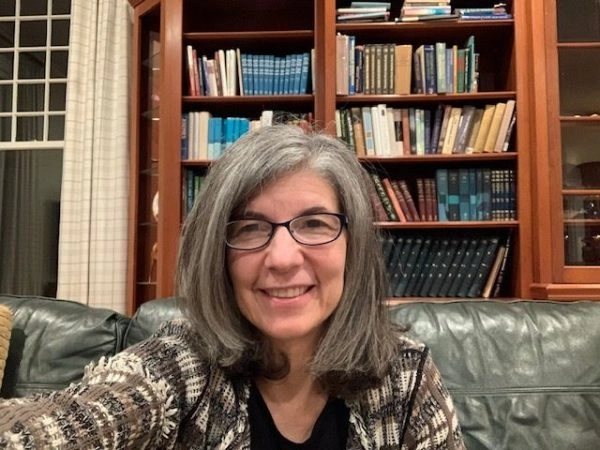
I began my Daf Yomi journey on January 5, 2020. I had never learned Talmud before. Initially it struck me as a bunch of inane and arcane details with mind bending logic. I am now smitten. Rabbanit Farber brings the page to life and I am eager to learn with her every day!
Highland Park, United States
I started learning Daf Yomi inspired by תָּפַסְתָּ מְרוּבֶּה לֹא תָּפַסְתָּ, תָּפַסְתָּ מוּעָט תָּפַסְתָּ. I thought I’d start the first page, and then see. I was swept up into the enthusiasm of the Hadran Siyum, and from there the momentum kept building. Rabbanit Michelle’s shiur gives me an anchor, a connection to an incredible virtual community, and an energy to face whatever the day brings.

בית שמש, Israel
I began my journey with Rabbanit Michelle more than five years ago. My friend came up with a great idea for about 15 of us to learn the daf and one of us would summarize weekly what we learned.
It was fun but after 2-3 months people began to leave. I have continued. Since the cycle began Again I have joined the Teaneck women.. I find it most rewarding in so many ways. Thank you

New Jersey, United States

Berlin, Germany

Philadelphia, United States
A beautiful world of Talmudic sages now fill my daily life with discussion and debate.
bringing alive our traditions and texts that has brought new meaning to my life.
I am a מגילת אסתר reader for women . the words in the Mishna of מסכת megillah 17a
הקורא את המגילה למפרע לא יצא were powerful to me.
I hope to have the zchut to complete the cycle for my 70th birthday.

Jerusalem, Israel
I started Daf during the pandemic. I listened to a number of podcasts by various Rebbeim until one day, I discovered Rabbanit Farbers podcast. Subsequently I joined the Hadran family in Eruvin. Not the easiest place to begin, Rabbanit Farber made it all understandable and fun. The online live group has bonded together and have really become a supportive, encouraging family.

Edmonton, Alberta, Canada
With Rabbanit Dr. Naomi Cohen in the Women’s Talmud class, over 30 years ago. It was a “known” class and it was accepted, because of who taught. Since then I have also studied with Avigail Gross-Gelman and Dr. Gabriel Hazut for about a year). Years ago, in a shiur in my shul, I did know about Persians doing 3 things with their clothes on. They opened the shiur to woman after that!

Haifa, Israel
I started learning Dec 2019 after reading “If all the Seas Were Ink”. I found
Daily daf sessions of Rabbanit Michelle in her house teaching, I then heard about the siyum and a new cycle starting wow I am in! Afternoon here in Sydney, my family and friends know this is my sacred time to hide away to live zoom and learn. Often it’s hard to absorb and relate then a gem shines touching my heart.

Dover Heights, Australia
Last cycle, I listened to parts of various מסכתות. When the הדרן סיום was advertised, I listened to Michelle on נידה. I knew that בע”ה with the next cycle I was in (ב”נ). As I entered the סיום (early), I saw the signs and was overcome with emotion. I was randomly seated in the front row, and I cried many times that night. My choice to learn דף יומי was affirmed. It is one of the best I have made!

אפרת, Israel
Ive been learning Gmara since 5th grade and always loved it. Have always wanted to do Daf Yomi and now with Michelle Farber’s online classes it made it much easier to do! Really enjoying the experience thank you!!

Neve Daniel, Israel
Zevachim 56
אוֹרֶךְ מֵאָה וּשְׁמוֹנִים וָשֶׁבַע עַל רוֹחַב מֵאָה וּשְׁלֹשִׁים וְחָמֵשׁ.
an area whose length is 187 cubits by 135 cubits in width.
תָּנֵי תַּנָּא קַמֵּיהּ דְּרַב נַחְמָן: כׇּל הָעֲזָרָה הָיְתָה מֵאָה שְׁמוֹנִים וָשֶׁבַע עַל רוֹחַב מֵאָה שְׁלֹשִׁים וְחָמֵשׁ. אֲמַר לֵיהּ, הָכִי אָמַר לִי אַבָּא: כְּגוֹן זֶה – כֹּהֲנִים נִכְנָסִין לְשָׁם וְאוֹכְלִין שָׁם קׇדְשֵׁי קָדָשִׁים, וְשׁוֹחֲטִין שָׁם קָדָשִׁים קַלִּים, וְחַיָּיבִין מִשּׁוּם טוּמְאָה.
A tanna taught a baraita before Rav Naḥman: The entire Temple courtyard was 187 cubits in length by 135 cubits in width. Rav Naḥman said to the tanna: My father said this to me: In an area such as this, the priests enter there and eat offerings of the most sacred order there, and slaughter offerings of lesser sanctity there, and are liable due to entering in a state of ritual impurity.
לְמַעוֹטֵי מַאי? אִילֵּימָא לְמַעוֹטֵי חַלּוֹנוֹת, דְּלָתוֹת וְעוֹבִי הַחוֹמָה – תְּנֵינָא: הַחַלּוֹנוֹת וְעוֹבִי הַחוֹמָה כְּלִפְנִים!
The Gemara asks: These specific dimensions serve to exclude what? If we say they are stated to exclude the windows, doors, and thickness of the wall, we learn the opposite in a mishna (Pesaḥim 85b): The windows in the wall and the thickness of the wall are considered as though they are inside the Temple courtyard.
וְאֶלָּא לְמַעוֹטֵי לְשָׁכוֹת? וְאִי בְּנוּיוֹת בַּחוֹל וּפְתוּחוֹת לַקֹּדֶשׁ – וְהָתְנַן: תּוֹכָן קוֹדֶשׁ! מִדְּרַבָּנַן.
But rather, they are stated to exclude the chambers in the Temple courtyard. The Gemara asks: And if it is referring to chambers that are built in the non-sacred area, which is outside this designated space, and open to the sacred area, but didn’t we learn in a mishna (Ma’aser Sheni 3:8): The inside of chambers that are built in the sacred area but are open to the non-sacred area is non-sacred, but their roofs are sacred. If they are built in a non-sacred area and open to a sacred area, their interior is sacred and their roofs are non-sacred? The Gemara answers: They have sanctity by rabbinic law.
וּדְאוֹרָיְיתָא לָא?! וְהָתַנְיָא: לְשָׁכוֹת בְּנוּיוֹת בַּחוֹל, וּפְתוּחוֹת לַקֹּדֶשׁ. מִנַּיִן שֶׁהַכֹּהֲנִים נִכְנָסִין לְשָׁם וְאוֹכְלִים שָׁם קׇדְשֵׁי קָדָשִׁים וּשְׁיָרֵי מִנְחָה? תַּלְמוּד לוֹמַר: ״בַּחֲצַר אֹהֶל מוֹעֵד יֹאכְלוּהָ״ – הַתּוֹרָה רִיבְּתָה חֲצֵירוֹת הַרְבֵּה אֵצֶל אֲכִילָה אַחַת.
The Gemara asks: And do they not have sanctity by Torah law? But isn’t it taught in a baraita: With regard to the chambers that are built in the non-sacred area of the Temple Mount and open to the sacred area, from where is it derived that the priests enter there and eat there offerings of the most sacred order and the remainders of meal offerings? The verse states with regard to a meal offering: “It shall be eaten without leaven in a holy place; in the courtyard of the Tent of Meeting they shall eat it.” (Leviticus 6:9). The verse could have simply stated: “In a holy place,” which indicates the courtyard. By also stating: “In the courtyard of the Tent of Meeting,” the Torah amplified many courtyards with one type of eating, i.e., of the meal offering. If the chambers do not have sanctity by Torah law, the Sages would not have permitted the priests to eat offerings of the most sacred order there.
אָמַר רָבָא: לַאֲכִילָה שָׁאנֵי.
Rava said: The halakha concerning eating is different. The Torah specifically includes these chambers in addition to the Temple courtyard itself for eating offerings of the most sacred order. By contrast, with regard to slaughtering offerings of lesser sanctity and the punishment for entering the courtyard in a state of ritual impurity, these chambers are not considered sacred by Torah law.
אֲבָל לְעִנְיַן טוּמְאָה לָא?! וְהָתַנְיָא: לְשָׁכוֹת הַבְּנוּיוֹת לַחוֹל וּפְתוּחוֹת לַקּוֹדֶשׁ – כֹּהֲנִים נִכְנָסִין לְשָׁם וְאוֹכְלִין שָׁם קׇדְשֵׁי קָדָשִׁים, וְאֵין שׁוֹחֲטִין שָׁם קָדָשִׁים קַלִּים, וְחַיָּיבִין מִשּׁוּם טוּמְאָה!
The Gemara asks: But with regard to ritual impurity, is one not liable to receive karet for entering these chambers? But isn’t it taught in a baraita: With regard to the chambers that are built in the non-sacred area and that open to the sacred area, priests enter there and eat offerings of the most sacred order there, but may not slaughter offerings of lesser sanctity there, and are liable to receive karet due to ritual impurity if they enter there while ritually impure?
לָאו אָמְרַתְּ ״אֵין שׁוֹחֲטִין״? תְּנִי נָמֵי ״אֵין חַיָּיבִין״.
Rava could answer: Did you not say in the baraita that they may not slaughter offerings of lesser sanctity in those chambers? If so, emend the text of the baraita and teach also: They are not liable to receive karet for entering in a state of ritual impurity.
בִּשְׁלָמָא אֵין שׁוֹחֲטִין – בָּעֵינָא כְּנֶגֶד הַפֶּתַח, וְלֵיכָּא; אֶלָּא אֵין חַיָּיבִין – אַמַּאי?
The Gemara challenges: Granted, the priests may not slaughter there, because slaughtering an offering requires that it be performed before the entrance of the Temple courtyard, and if he slaughters it inside a chamber, it is not. But why would they not be liable for entering there in a state of ritual impurity?
וְלִיטַעְמָיךְ, אֵין שׁוֹחֲטִין – מִי לָא עָסְקִינַן דְּאִיכָּא שְׁחִיטָה כְּנֶגֶד הַפֶּתַח?! דְּאִי לֵיכָּא, לְמַאי אִיצְטְרִיךְ? אֶלָּא אַף עַל גַּב דְּקָא שָׁחֵיט כְּנֶגֶד הַפֶּתַח – תְּנִי ״אֵין שׁוֹחֲטִין״ מִשּׁוּם דְּלָא קָדֵישׁ; תְּנִי נָמֵי: ״אֵין חַיָּיבִין״.
The Gemara answers: And according to your reasoning, when it teaches that they may not slaughter there, are we not dealing even with a case in which there is an act of slaughter performed before the entrance, i.e., the entrance to the chamber directly faced the entrance of the Temple? As if not, for what purpose was it necessary to teach this at all? Rather, even though he slaughters the offering before the entrance, the baraita teaches that a priest may not slaughter offerings in the chambers because that area is not sacred. If so, teach also that they are not liable to receive karet for entering the chambers in a state of ritual impurity, as they are not sacred.
וְלַאֲכִילָה לָא בָּעֵינַן כְּנֶגֶד הַפֶּתַח?! וְהָתַנְיָא, רַבִּי יוֹסֵי בְּרַבִּי יְהוּדָה אוֹמֵר: שְׁנֵי פִּשְׁפָּשִׁין הָיוּ בְּבֵית הַחֲלִיפוֹת, גּוֹבְהָן שְׁמוֹנֶה; כְּדֵי לְהַכְשִׁיר אֶת הָעֲזָרָה לַאֲכִילַת קׇדְשֵׁי קָדָשִׁים, וְלִשְׁחִיטַת קָדָשִׁים קַלִּים! אָמַר רָבִינָא: סְמִי מִכָּאן אֲכִילָה.
The Gemara asks: And for eating an offering, do we not require that this take place before the entrance of the Temple courtyard? But isn’t it taught in a baraita: Rabbi Yosei, son of Rabbi Yehuda, says: There were two wickets in the Chamber of Knives, and their height was eight cubits; the function of these openings was in order to render fit the entire Temple courtyard for the eating of offerings of the most sacred order, and to render fit all of the Temple courtyard for the slaughter of offerings of lesser sanctity? Ravina said: Remove from here the clause concerning eating. The eating of offerings does not have to take place before the entrance of the Temple courtyard.
וְהָכְתִיב: ״בַּשְּׁלוּ אֶת הַבָּשָׂר פֶּתַח אֹהֶל מוֹעֵד, וְשָׁם תֹּאכְלוּ אוֹתוֹ״! קׇדְשֵׁי שָׁעָה שָׁאנֵי.
The Gemara asks: But isn’t it written with regard to the offerings brought at the inauguration of the Tabernacle: “And Moses said to Aaron and to his sons: Cook the meat at the entrance of the Tent of Meeting; and eat it there” (Leviticus 8:31). This indicates that the eating of offerings had to be at the entrance of the Tent of Meeting. The Gemara answers: Offerings that were sacrificed only one time are different. Since they were specifically commanded for just that time, one cannot derive from there any halakhot with regard to offerings in general.
אָמַר רַב יִצְחָק בַּר אֲבוּדִימִי: מִנַּיִן לְדָם – שֶׁנִּפְסָל בִּשְׁקִיעַת הַחַמָּה? שֶׁנֶּאֱמַר: ״בַּיּוֹם הַקְרִיבוֹ אֶת זִבְחוֹ יֵאָכֵל״ – בְּיוֹם שֶׁאַתָּה זוֹבֵחַ אַתָּה מַקְרִיב, בְּיוֹם שֶׁאִי אַתָּה זוֹבֵחַ אִי אַתָּה מַקְרִיב.
§ Rav Yitzḥak bar Avudimi says: From where is it derived that the blood of offerings becomes disqualified at sunset and can no longer be presented on the altar? This is as it is stated in the verse: “But if the sacrifice of his offering be a vow, or a gift offering, it shall be eaten on the day that he sacrifices his offering [zivḥo], and on the morrow” (Leviticus 7:16). This means that on the day that you slaughter [zove’aḥ] the offering you sacrifice it on the altar and present its blood. But on the day that you do not slaughter the offering you may not sacrifice it and present its blood.
הַאי מִיבְּעֵי לֵיהּ
The Gemara challenges: But he requires this verse
לְגוּפֵיהּ! אִם כֵּן, נֵימָא קְרָא: ״בְּיוֹם זִבְחוֹ יֵאָכֵל״; ״הַקְרִיבוֹ״ לְמָה לִי? שְׁמַע מִינַּהּ: בְּיוֹם שֶׁאַתָּה זוֹבֵחַ אַתָּה מַקְרִיב, בְּיוֹם שֶׁאִי אַתָּה זוֹבֵחַ אִי אַתָּה מַקְרִיב.
for the matter itself, to teach that a peace offering may be eaten for only two days? The Gemara answers: If so, let the verse state: On the day he slaughters it shall it be eaten, and the following day. Why do I need the verse to add the term “that he sacrifices it”? Conclude from the wording of the verse that on the day that you slaughter the offering you sacrifice the blood on the altar, but on a day that you do not slaughter the offering you do not sacrifice the blood on the altar.
וְדִילְמָא הָכִי קָאָמַר רַחֲמָנָא: אִי קָרֵיב דָּם הָאִידָּנָא – נִיתְאֲכֵיל בָּשָׂר הָאִידָּנָא וְלִמְחַר, אִי קָרֵיב דָּם לִמְחַר – נִיתְאֲכֵיל בָּשָׂר לִמְחַר וּלְיוֹמָא אוּחְרָא? אִם כֵּן, נֵימָא קְרָא: ״בְּיוֹם הַקְרִיבוֹ יֹאכַל״; ״זִבְחוֹ״ לְמָה לִי? שְׁמַע מִינַּהּ: בְּיוֹם שֶׁאַתָּה זוֹבֵחַ אַתָּה מַקְרִיבוֹ, בְּיוֹם שֶׁאִי אַתָּה זוֹבֵחַ אִי אַתָּה מַקְרִיבוֹ.
The Gemara questions this proof: But perhaps this is what the Merciful One is saying: If the blood is sacrificed today, i.e., the day the offering was slaughtered, the meat may be eaten today and tomorrow. If the blood is sacrificed tomorrow, the meat may be eaten tomorrow and the following day. The Gemara answers: If so, let the verse state: On the day it is sacrificed it shall be eaten, and the following day. Why do I need the verse to state: “That he sacrifices his offering”? Conclude from the wording of the verse that on the day that you slaughter the offering you sacrifice the blood on the altar, but on a day that you do not slaughter the offering you do not sacrifice the blood on the altar.
אִיתְּמַר: הַמְחַשֵּׁב לְאוֹר שְׁלִישִׁי – חִזְקִיָּה אָמַר: כָּשֵׁר, רַבִּי יוֹחָנָן אָמַר: פָּסוּל. חִזְקִיָּה אָמַר כָּשֵׁר – דְּהָא לָא אִינְּתִיק לִשְׂרֵיפָה; רַבִּי יוֹחָנָן אָמַר פָּסוּל – דְּהָא אִידְּחִי לֵיהּ מֵאֲכִילָה.
§ It was stated: With regard to one who slaughters a peace offering and intends to eat it on the evening preceding the third day, Ḥizkiyya says: The offering is valid, and it is not disqualified due to his intention to eat it after its designated time [piggul]. And Rabbi Yoḥanan says: It is disqualified. The Gemara explains: Ḥizkiyya says that the offering is valid because on the evening preceding the third day, the peace offering has not yet been removed from its previous status and designated for burning. A peace offering is not burned until the third morning, as the verse states: “It shall be eaten the same day you offer it, and on the following day; and if anything remain until the third day, it shall be burned with fire” (Leviticus 19:6). Rabbi Yoḥanan says it is disqualified, because it has been rejected from being eaten.
הָאוֹכֵל לְאוֹר שְׁלִישִׁי – חִזְקִיָּה אָמַר: פָּטוּר, דְּלָא אִינְּתִיק לִשְׂרֵיפָה; רַבִּי יוֹחָנָן אָמַר: חַיָּיב, דְּהָא אִידְּחִי לֵיהּ מֵאֲכִילָה.
These two amora’im have the same dispute concerning a similar matter: With regard to one who eats a peace offering on the evening preceding the third day, Ḥizkiyya says: He is exempt from karet, because the offering has not yet been removed from its previous status and designated for burning. And Rabbi Yoḥanan says: He is liable to receive karet, because it has been rejected from being eaten.
תַּנְיָא כְּוָותֵיהּ דְּרַבִּי יוֹחָנָן: קָדָשִׁים הַנֶּאֱכָלִין לְיוֹם אֶחָד – מְחַשְּׁבִין בְּדָמָן מִשֶּׁתִּשְׁקַע הַחַמָּה, וּבִבְשָׂרָן וּבְאֵימוּרֵיהֶן מִשֶּׁיַּעֲלֶה עַמּוּד הַשַּׁחַר. קָדָשִׁים הַנֶּאֱכָלִין לִשְׁנֵי יָמִים וְלַיְלָה אַחַת – מְחַשְּׁבִין בְּדָמָן מִשֶּׁתִּשְׁקַע הַחַמָּה, וּבְאֵימוּרֵיהֶן מִשֶּׁיַּעֲלֶה עַמּוּד הַשַּׁחַר, וּבִבְשָׂרָן מִשֶּׁתִּשְׁקַע הַחַמָּה שֶׁל שְׁנֵי יָמִים.
It is taught in a baraita in accordance with the opinion of Rabbi Yoḥanan: With regard to sacrificial animals that may be eaten for one day, if one intends to present their blood after sunset, or if one intends to eat their meat or to sacrifice their sacrificial portions after the first rays of dawn, the offering is considered to be piggul and is disqualified. With regard to sacrificial animals that may be eaten for two days and one night, if one intends to present their blood after sunset, or if one intends to sacrifice their sacrificial portions after the first rays of dawn, or if one intends to eat their meat after sunset following the second of the two days, the offering is considered to be piggul and is disqualified.
תָּנוּ רַבָּנַן: יָכוֹל יְהוּ נֶאֱכָלִין לְאוֹר שְׁלִישִׁי? וְדִין הוּא – זְבָחִים נֶאֱכָלִין לְיוֹם אֶחָד, וּזְבָחִים נֶאֱכָלִין לִשְׁנֵי יָמִים; מָה זְבָחִים הַנֶּאֱכָלִין לְיוֹם אֶחָד – לַיְלָה אַחֲרֵיהֶן, אַף זְבָחִים הַנֶּאֱכָלִין לִשְׁנֵי יָמִים – לַיְלָה אַחֲרֵיהֶן.
The Gemara cites another baraita on this topic. The Sages taught: One might have thought that peace offerings, which may be eaten for two days, may also be eaten on the evening preceding the third day. And this is the conclusion of a logical inference: Other offerings, e.g., thanks offerings, are eaten for one day, and peace offerings are eaten for two days. Just as with regard to offerings that are eaten for one day, the night follows the previous day, i.e., the offering may be eaten during the day and the subsequent night, so too, with regard to peace offerings that are eaten for two days, say that the night follows the day, and rule that they may be eaten on the night after the second day.
תַּלְמוּד לוֹמַר: ״וְהַנּוֹתָר עַד יוֹם״ – בְּעוֹד יוֹם הוּא נֶאֱכָל, וְאֵינוֹ נֶאֱכָל לְאוֹר שְׁלִישִׁי.
To counter this logic, the verse states: “And when you sacrifice a peace offering to God, you shall sacrifice it of your own will. It shall be eaten the same day you sacrifice it, and on the next day; and if any remains until the third day, it shall be burned with fire” (Leviticus 19:5–6). This teaches that it may be eaten while it is still daytime, i.e., during the second day, but it may not be eaten on the evening preceding the third day.
יָכוֹל יִשָּׂרֵף מִיָּד? וְדִין הוּא – זְבָחִים נֶאֱכָלִין לְיוֹם אֶחָד, וּזְבָחִים נֶאֱכָלִין לִשְׁנֵי יָמִים; מָה זְבָחִים הַנֶּאֱכָלִין לְיוֹם אֶחָד – תֵּיכֶף לַאֲכִילָה שְׂרֵיפָה, אַף זְבָחִים הַנֶּאֱכָלִין לִשְׁנֵי יָמִים – תֵּיכֶף לַאֲכִילָה שְׂרֵיפָה.
The baraita continues: If a peace offering may not be eaten beyond the second day, one might have thought that it should be burned immediately after the conclusion of the second day, and this too is the conclusion of a logical inference: Other offerings are eaten for one day, and peace offerings are eaten for two days. Just as with regard to offerings that are eaten for one day, immediately after the conclusion of their permitted time for eating should their burning commence, on the morning of the second day, so too, with regard to peace offerings that are eaten for two days say that immediately after the conclusion of their permitted time for eating should their burning commence, at night after the second day.
תַּלְמוּד לוֹמַר: ״בַּיּוֹם הַשְּׁלִישִׁי בָּאֵשׁ יִשָּׂרֵף״ – בַּיּוֹם אַתָּה שׂוֹרְפוֹ, וְאִי אַתָּה שׂוֹרְפוֹ בַּלַּיְלָה.
To counter this logic, the verse states: “And if any remains of the flesh of the sacrifice on the third day, it shall be burned with fire” (Leviticus 7:17), meaning: You must burn it during the day, but you may not burn it during the night.
מַתְנִי׳ הַבְּכוֹר וְהַמַּעֲשֵׂר וְהַפֶּסַח – קָדָשִׁים קַלִּים – שְׁחִיטָתָן בְּכׇל מָקוֹם בָּעֲזָרָה; וְדָמָן טָעוּן מַתָּנָה אֶחָת, וּבִלְבַד שֶׁיִּתֵּן כְּנֶגֶד הַיְסוֹד.
MISHNA: The firstborn offering, the animal tithe offering, and the Paschal offering are offerings of lesser sanctity. Their slaughter is anywhere in the Temple courtyard, and their blood requires one placement, provided that the priest places it so that the blood goes on the base of the altar.
שִׁינָּה בַּאֲכִילָתָן. הַבְּכוֹר – נֶאֱכָל לַכֹּהֲנִים, וְהַמַּעֲשֵׂר – לְכׇל אָדָם; וְנֶאֱכָלִין בְּכׇל הָעִיר, בְּכׇל מַאֲכָל, לִשְׁנֵי יָמִים וְלַיְלָה אֶחָד. הַפֶּסַח – אֵינוֹ נֶאֱכָל אֶלָּא בַּלַּיְלָה, וְאֵינוֹ נֶאֱכָל אֶלָּא עַד חֲצוֹת, וְאֵינוֹ נֶאֱכָל אֶלָּא לִמְנוּיָו, וְאֵינוֹ נֶאֱכָל אֶלָּא צָלִי.
The halakha differs with regard to their consumption. The firstborn offering is eaten by the priests, and the animal tithe offering is eaten by any person, i.e., any ritually pure Jew. And they are eaten throughout the city of Jerusalem, prepared in any manner of food preparation, for two days and one night. The Paschal offering is eaten only at night, and it is eaten only until midnight, and it is eaten only by its registrants, i.e., those who registered in advance to partake of the offering, and it is eaten only roasted, not prepared in any other manner.
גְּמָ׳ מַאן תַּנָּא? אָמַר רַב חִסְדָּא: רַבִּי יוֹסֵי הַגְּלִילִי הִיא. דְּתַנְיָא, רַבִּי יוֹסֵי הַגְּלִילִי אוֹמֵר: ״חֶלְבּוֹ״ לֹא נֶאֱמַר אֶלָּא ״חֶלְבָּם״; ״דָּמוֹ״ לֹא נֶאֱמַר אֶלָּא ״דָּמָם״; לִימֵּד עַל בְּכוֹר וּמַעֲשֵׂר וּפֶסַח, שֶׁטְּעוּנִין מַתַּן דָּמִים וְאֵימוּרִין לְגַבֵּי מִזְבֵּחַ.
GEMARA: Who is the tanna who taught that the blood of these offerings is placed, not poured, so that it goes on the base of the altar? Rav Ḥisda says that it is Rabbi Yosei HaGelili, as it is taught in a baraita: Rabbi Yosei HaGelili says: The verse states: “But the firstborn of an ox, or the firstborn of a sheep, or the firstborn of a goat, you shall not redeem; they are sacred; you shall sprinkle their blood upon the altar and you shall burn their fat for an offering made by fire, for a pleasing aroma to the Lord” (Numbers 18:17). It is not stated: Its fat, but rather: “Their fat.” Similarly, it is not stated: Its blood, but rather: “Their blood.” This teaches with regard to a firstborn offering, which is mentioned explicitly in the verse, and an animal tithe offering, and a Paschal offering, which are similar in their sanctity to a firstborn offering, that they all require placement of their blood and the burning of their sacrificial portions on the altar.
כְּנֶגֶד הַיְסוֹד מְנָא לַן? אָמַר רַבִּי אֱלִיעֶזֶר: אָתְיָא ״זְרִיקָה״–״זְרִיקָה״ מֵעוֹלָה.
The Gemara asks: From where do we derive that their blood must be placed so that it goes on the base of the altar? Rabbi Eliezer says: This is derived by way of a verbal analogy, with the meaning of the word “sprinkling” stated here derived from the meaning of the word “sprinkling” stated with regard to a burnt offering.

