








Avodah Zarah 70


Share this shiur:
Masechet Avodah Zarah
Masechet Avodah Zarah is sponsored by the Talmud class of Congregation Beth Jacob in Redwood City, CA, in honor of the Hadran staff who make learning possible.
Want to dedicate learning? Get started here:

Avodah Zarah 70
Summary

Rava ruled that if a Jew is with a non-Jewish prostitute and there is wine present, one can assume that the Jew ensured the prostitute did not come into contact with the wine, and therefore it is permitted. Although he may not be able to control his sexual desires, he is not presumed to be lax in the laws of yayin nesech (forbidden wine). However, in the reverse case—where a Jewish prostitute is with a non-Jew—since the non-Jew holds the dominant position in the relationship, we assume she has no way to prevent him from touching the wine, and thus it is forbidden.
There are nine different cases in which a Jew’s wine was left with a non-Jew, and Rava issued rulings on whether the wine was permitted or forbidden in each instance. In many of these cases, he permitted the wine based on his assessment that the non-Jew would likely not have touched it, due to the possibility of being caught by the owner or another Jew. In other cases, there was uncertainty about whether the non-Jew had even come into contact with the wine, or whether the individuals present were Jews or non-Jews.
Two additional cases were brought before other rabbis. In the second case, Abaye introduces a comparison to the laws of impurity, and the Gemara addresses this comparison. It notes that the rabbis were stricter regarding impurity laws than they were with wine, citing a debate between Rav and Rabbi Yochanan to support this point. Three challenges are raised against the positions of Rav and Rabbi Yochanan—two against Rav and one against Rabbi Yochanan—and each is resolved.
Masechet Avodah Zarah
Masechet Avodah Zarah is sponsored by the Talmud class of Congregation Beth Jacob in Redwood City, CA, in honor of the Hadran staff who make learning possible.
Avodah Zarah 70
יִצְרָא דְּיֵין נֶסֶךְ לָא תָּקֵיף לְהוּ. זוֹנָה יִשְׂרְאֵלִית וְגוֹיִם מְסוּבִּין — חַמְרָא אָסוּר, מַאי טַעְמָא? הוֹאִיל וְזִילָה עֲלַיְיהוּ, בָּתְרַיְיהוּ גְּרִירָא.
but the passion for wine used for a libation does not overwhelm their judgment, and they will not allow her to use it for a libation. In the case of a Jewish prostitute and gentiles dining with her, the wine is forbidden. What is the reason? It is that since she is contemptible in their eyes, she is subjugated to them, and they use the wine for a libation without consideration for her.
הָהוּא בֵּיתָא דַּהֲוָה יָתֵיב בֵּיהּ חַמְרָא דְּיִשְׂרָאֵל, עָל גּוֹי אַחְדַּהּ לְדַשָּׁא בְּאַפֵּיהּ, וַהֲוָה בִּיזְעָא בְּדַשָּׁא, אִישְׁתְּכַח גּוֹי דְּקָאֵי בֵּינֵי דַּנֵּי. אֲמַר רָבָא: כֹּל דְּלַהֲדֵי בִּיזְעָא — שְׁרֵי, דְּהַאי גִּיסָא וְהַאי גִּיסָא — אֲסִיר.
§ The Gemara relates: There was an incident involving a certain house where Jews’ wine was stored. A gentile entered the house, and he locked the door before the Jew, but there was a crack in the door, and the gentile was found standing between the barrels. Rava said: All the barrels that were opposite the crack through which the gentile could be seen are permitted, because he would have been wary about being seen tampering with them. Barrels on this side and that side of the crack, where the gentile could not be seen, are forbidden, as perhaps the gentile used them for a libation.
הָהוּא חַמְרָא דְּיִשְׂרָאֵל, דַּהֲוָה יָתֵיב בְּבֵיתָא, דַּהֲוָה דָּיַיר יִשְׂרָאֵל בָּעֶלְיוֹנָה וְגוֹי בַּתַּחְתּוֹנָה. שְׁמַעוּ קָל תִּיגְרָא, נָפְקִי, קְדֵים אֲתָא גּוֹי אַחְדַּהּ לְדַשָּׁא בְּאַפֵּיהּ. אֲמַר רָבָא: חַמְרָא שְׁרֵי, מֵימָר אָמַר: כִּי הֵיכִי דִּקְדֵים אֲתַאי אֲנָא, קְדֵים וַאֲתָא יִשְׂרָאֵל וְיָתֵיב בָּעֶלְיוֹנָה וְקָא חָזֵי לִי.
The Gemara relates: There was an incident involving a certain Jew’s wine that was stored in the lower story of a house, in which the Jew was living in the upper story and a gentile in the lower story, and the wine could be supervised from the upper story. One day the residents heard a sound of quarreling and went outside. The gentile came back in first and locked the door before the Jew. Rava said: The wine is permitted, because the gentile presumably said to himself: Just as I came back in early, perhaps my neighbor the Jew came back in early and is sitting in the upper story and watching me, and therefore he would not use the wine for a libation.
הָהוּא אוּשְׁפִּיזָא דַּהֲוָה יָתֵיב בֵּיהּ חַמְרָא דְּיִשְׂרָאֵל, אִישְׁתְּכַח גּוֹי דַּהֲוָה יָתֵיב בֵּי דַנֵּי. אֲמַר רָבָא: אִם נִתְפָּס עָלָיו כְּגַנָּב — שְׁרֵי, וְאִי לָא — אֲסִיר.
The Gemara relates: There was an incident involving a certain inn [ushpiza] where a Jew’s wine was stored, and a gentile was found sitting among the barrels. Rava said: If he was caught as a thief, i.e., if the gentile seemed startled and did not have a good explanation for being there, the wine is permitted, as the gentile was presumably afraid about being caught and would not have used it for a libation. But if not, the wine is forbidden.
הָהוּא בֵּיתָא דַּהֲוָה יָתֵיב בֵּיהּ חַמְרָא, אִישְׁתְּכַח גּוֹי דַּהֲוָה קָאֵים בֵּי דַנֵּי. אֲמַר רָבָא: אִי אִית לֵיהּ לְאִישְׁתְּמוֹטֵי — חַמְרָא אֲסִיר, וְאִי לָא — חַמְרָא שְׁרֵי. מֵיתִיבִי: נִנְעַל הַפּוּנְדָּק, אוֹ שֶׁאָמַר לוֹ: ״שְׁמוֹר״ — אָסוּר. מַאי לָאו אַף עַל גַּב דְּלֵית לֵיהּ לְאִישְׁתְּמוֹטֵי? לָא, בִּדְאִית לֵיהּ לְאִישְׁתְּמוֹטֵי.
The Gemara relates: There was an incident involving a certain house where wine was stored. A gentile was found standing among the barrels. Rava said: If he has a way to excuse his entrance to where the wine was stored, the wine is forbidden, but if not, the wine is permitted. The Gemara raises an objection to this ruling from a baraita: If an inn was locked and a gentile was inside, or if the Jew said to the gentile: Safeguard my wine, the wine is forbidden. What, is it not forbidden even if the gentile does not have a way to excuse his entrance? The Gemara answers: No, the baraita is referring to a situation where he does have a way to excuse his entrance; otherwise the wine is permitted.
הָהוּא יִשְׂרָאֵל וְגוֹי דַּהֲווֹ יָתְבִי וְקָא שָׁתוּ חַמְרָא, שְׁמַע יִשְׂרָאֵל קָל צַלּוֹיֵי בֵּי כְנִישְׁתָּא, קָם וַאֲזַל. אֲמַר רָבָא: חַמְרָא שְׁרֵי, מֵימָר אָמַר: הַשְׁתָּא מִדְּכַר לֵיהּ לְחַמְרֵיהּ וְהָדַר אָתֵי.
The Gemara relates: There was an incident involving a certain Jew and a certain gentile who were sitting and drinking wine. The Jew heard the sound of praying at the synagogue. He got up and went to pray. Rava said: The wine is permitted, because the gentile presumably said to himself: Any moment now he will remember his wine and come back.
הָהוּא יִשְׂרָאֵל וְגוֹי דַּהֲווֹ יָתְבִי בְּאַרְבָּא, שְׁמַע יִשְׂרָאֵל קָל שִׁיפּוּרֵי דְּבֵי שִׁימְשֵׁי, נְפַק וַאֲזַל. אֲמַר רָבָא: חַמְרָא שְׁרֵי, מֵימָר אָמַר: הַשְׁתָּא מִדְּכַר לֵיהּ לְחַמְרֵיהּ וְהָדַר אָתֵי.
The Gemara relates: There was an incident involving a certain Jew and a certain gentile who were sitting on a ship. The Jew heard the sound of the shofar of twilight indicating the beginning of Shabbat. He disembarked and went into town to spend Shabbat there. Rava said: The wine is permitted, because the gentile presumably said to himself: Any moment now he will remember his wine and come back.
וְאִי מִשּׁוּם שַׁבְּתָא, הָאָמַר רָבָא: אֲמַר לִי אִיסּוּר גִּיּוֹרָא, כִּי הֲוֵינַן בְּאַרְמָיוּתַן אָמְרִינַן: יְהוּדָאֵי לָא מְנַטְּרִי שַׁבְּתָא, דְּאִי מְנַטְּרִי שַׁבְּתָא כַּמָּה כִּיסֵי קָא מִשְׁתַּכְחִי בְּשׁוּקָא. וְלָא יָדַעְנָא דִּסְבִירָא לַן כְּרַבִּי יִצְחָק, דְּאָמַר רַבִּי יִצְחָק: הַמּוֹצֵא כִּיס בְּשַׁבָּת מוֹלִיכוֹ פָּחוֹת פָּחוֹת מֵאַרְבַּע אַמּוֹת.
The Gemara comments: And if one might object that the gentile is presumably not concerned because he knows that the Jew will not return until the end of Shabbat, didn’t Rava say: Issur the Convert told me: When we were still gentiles, before converting, we used to say: Jews do not actually observe Shabbat, as, if they observe Shabbat, how many wallets would be found in the marketplace that the Jews could not take on Shabbat? And I did not know that we maintain that the halakha is in accordance with the opinion of Rabbi Yitzḥak, as Rabbi Yitzḥak says: One who finds a wallet on Shabbat may carry it in increments of less than four cubits. Evidently, gentiles assume that a Jew would violate Shabbat for monetary gain.
הָהוּא אַרְיָא דַּהֲוָה נָהֵים בְּמַעְצַרְתָּא, שְׁמַע גּוֹי, טְשָׁא בֵּינֵי דַּנֵּי. אָמַר רָבָא: חַמְרָא שְׁרֵי, מֵימָר אָמַר: כִּי הֵיכִי דְּטָשֵׁינָא אֲנָא, אִיטְשָׁא נָמֵי יִשְׂרָאֵל אֲחוֹרַיי וְקָא חָזֵי לִי.
The Gemara relates: There was an incident involving a certain lion who roared in a winepress. A gentile heard the roar and was frightened, and he hid among the barrels of wine. Rava said: The wine is permitted, because the gentile presumably said to himself: Just as I am hiding, a Jew might also be hiding behind me and see me.
הָנְהוּ גַּנָּבֵי דְּסָלְקִי לְפוּמְבְּדִיתָא, וּפְתַחוּ חָבְיָתָא טוּבָא. אֲמַר רָבָא: חַמְרָא שְׁרֵי. מַאי טַעְמָא? רוּבָּא גַּנָּבֵי יִשְׂרָאֵל נִינְהוּ. הֲוָה עוֹבָדָא בִּנְהַרְדְּעָא, וְאָמַר שְׁמוּאֵל: חַמְרָא שְׁרֵי.
The Gemara relates: There was an incident involving certain thieves who came to Pumbedita and opened many barrels of wine. Rava said: The wine is permitted. What is the reason? Most of the thieves in Pumbedita are Jews, and the halakha follows the majority, and therefore the wine is not rendered forbidden. There was a similar incident in Neharde’a, and Shmuel said: The wine is permitted.
כְּמַאן? כְּרַבִּי אֱלִיעֶזֶר, דְּאָמַר: סְפֵק בִּיאָה טָהוֹר.
The Gemara asks: In accordance with whose opinion is this? Perhaps it is in accordance with the opinion of Rabbi Eliezer, who says with regard to cases of uncertainty concerning ritual purity that if the uncertainty is with regard to a person’s entry into a certain place, he is deemed pure.
דִּתְנַן: הַנִּכְנָס לְבִקְעָה בִּימוֹת הַגְּשָׁמִים, וְטוּמְאָה בְּשָׂדֶה פְּלוֹנִית, וְאָמַר: הָלַכְתִּי בַּמָּקוֹם הַלָּז, וְאֵינִי יוֹדֵעַ אִם נִכְנַסְתִּי לְאוֹתָהּ שָׂדֶה אִם לֹא נִכְנַסְתִּי, רַבִּי אֱלִיעֶזֶר אוֹמֵר: סְפֵק בִּיאָה — טָהוֹר, סְפֵק מַגָּע — טָמֵא!
This is as we learned in a mishna (Teharot 6:5): With regard to one who enters into a valley during the rainy season, i.e., winter, when people generally do not enter this area, and there was ritual impurity in such and such a field, and he said: I know I walked to that place, i.e., I walked in the valley, but I do not know whether I entered that field where the ritual impurity was or whether I did not enter, Rabbi Eliezer says: In a case of uncertainty with regard to entry, i.e., it is uncertain whether he entered the area where the ritual impurity is located, he is ritually pure. But if he certainly entered the area where the ritual impurity is located and the uncertainty pertains to contact with the source of ritual impurity, he is ritually impure. Apparently, the ruling of Shmuel, that in a case where it is uncertain whether gentile thieves entered the house at all the wine is permitted, is in accordance with the opinion of Rabbi Eliezer.
לָא, שָׁאנֵי הָתָם, כֵּיוָן דְּאִיכָּא דְּפָתְחִי לְשׁוּם מָמוֹנָא, הָוֵה לֵיהּ סְפֵק סְפֵיקָא.
The Gemara rejects this: No, it is different there, with regard to the wine barrels. Since there are thieves who open barrels for the sake of perhaps finding money in them and are not interested in the wine, it is a case of compound uncertainty, as it is uncertain whether the thieves were gentiles or Jews, and even if they were gentiles, it is uncertain whether or not they touched the wine. In a case of compound uncertainty, everyone agrees that the wine is not forbidden.
הָהִיא רְבִיתָא דְּאִישְׁתְּכַח דַּהֲוָת בֵּי דַנֵּי, וַהֲוָת נְקִיטָא אוּפְיָא בִּידַהּ, אָמַר רָבָא: חַמְרָא שְׁרֵי, אֵימַר מִגַּבַּהּ דְּחָבִיתָא שְׁקַלְתֵּיהּ, וְאַף עַל גַּב דְּלֵיכָּא תּוּ, אֵימַר אִתְרְמוֹיֵי אִתְרְמִי לַהּ.
The Gemara relates: There was an incident involving a certain gentile girl who was found among wine barrels and she was holding wine froth in her hand. Rava said: The wine is permitted, as it is reasonable to say that she took it from the outside of the barrel and not from inside the barrel. And even if there is no more of the froth on the outside of the barrel, it is reasonable to say that she happened upon the froth while it was still there, even though it is no longer there.
הָהוּא פּוּלְמוּסָא דִּסְלֵיק לִנְהַרְדְּעָא, פְּתַחוּ חָבְיָתָא טוּבָא. כִּי אֲתָא רַב דִּימִי אָמַר: עוֹבָדָא הֲוָה קַמֵּיהּ דְּרַבִּי אֶלְעָזָר, וּשְׁרָא. וְלָא יָדַעְנָא, אִי מִשּׁוּם דְּסָבַר לַהּ כְּרַבִּי אֱלִיעֶזֶר דְּאָמַר: סְפֵק בִּיאָה טָהוֹר, אִי מִשּׁוּם דְּסָבַר: רוּבָּא דְּאָזְלִי בַּהֲדֵי פּוּלְמוּסָא יִשְׂרָאֵל נִינְהוּ.
The Gemara relates: There was an incident involving a certain army [pulmusa] that entered Neharde’a and opened many barrels of wine. When Rav Dimi came from Eretz Yisrael to Babylonia, he said: There was a similar incident that was brought before Rabbi Elazar, and he deemed the wine permitted. But I do not know whether he permitted it because he holds in accordance with the opinion of Rabbi Eliezer, who says: Concerning uncertainty with regard to entry, the person or item is ritually pure, or whether he permitted it because he maintains that most of those who went with that army were Jews, i.e., that although it was a gentile army, the ancillaries were mostly Jews.
אִי הָכִי, הַאי סְפֵק בִּיאָה? סְפֵק מַגָּע הוּא! כֵּיוָן דְּמִפַּתְחִי טוּבָא, אֵימָא אַדַּעְתָּא דְּמָמוֹנָא פְּתַחוּ, וְכִסְפֵק בִּיאָה דָּמֵי.
The Gemara asks: If that is so, if he holds in accordance with the opinion of Rabbi Eliezer, why did he permit the wine? Is this a case of uncertainty with regard to entry? It is clear that the ancillaries came and opened the barrels, so it is a case of uncertainty with regard to contact, i.e., whether they touched the wine or not, and Rabbi Eliezer agrees that such a case is treated stringently. The Gemara answers: Since they opened many barrels, it is reasonable to say that they opened the barrels only with the intention of finding money and had no interest in the wine itself. And therefore it is similar to a case of uncertainty with regard to entry.
הָהִיא מָסוֹבִיתָא דִּמְסַרָה לַהּ אִיקְּלִידָא (מַפְתְּחָה) לְגוֹיָה, אָמַר רַבִּי יִצְחָק אָמַר רַבִּי אֶלְעָזָר: עוֹבָדָא הֲוָה בֵּי מִדְרְשָׁא, וַאֲמַרוּ: לֹא מָסְרָה לָהּ אֶלָּא שְׁמִירַת מַפְתֵּחַ בִּלְבָד.
The Gemara relates: There was an incident involving a certain female owner of a wine shop who transferred the key [iklida] to the door of her wine shop to a gentile woman. Rabbi Yitzḥak said that Rabbi Elazar said: There was a similar incident that was brought before the Sages in the study hall, and they said: She transferred to her the responsibility for safeguarding the key alone but did not authorize her to enter the tavern, so there is no concern that she entered there.
אָמַר אַבָּיֵי: אַף אֲנַן נָמֵי תְּנֵינָא: הַמּוֹסֵר מַפְתְּחוֹת לְעַם הָאָרֶץ — טׇהֳרוֹתָיו טְהוֹרוֹת, לְפִי שֶׁלֹּא מָסַר לוֹ אֶלָּא שְׁמִירַת מַפְתֵּחַ בִּלְבָד. הַשְׁתָּא טׇהֳרוֹתָיו טְהוֹרוֹת, יֵין נֶסֶךְ מִיבַּעְיָא?
Abaye said: We learn this halakha in a mishna as well (Teharot 7:1): In the case of one who transferred keys to one who is unreliable with regard to ritual impurity [am ha’aretz], even though contact with an am ha’aretz renders pure items impure, his pure items are pure, because he transferred to the am ha’aretz the responsibility for safeguarding the key alone and did not authorize him to enter. Now that the mishna has determined that his pure items are pure, is it necessary to state this principle with regard to the halakhot of wine used for a libation?
לְמֵימְרָא דִּטְהָרוֹת אַלִּימִי מִיֵּין נֶסֶךְ? אִין, דְּאִיתְּמַר: חָצֵר שֶׁחִלְּקָהּ בִּמְסִיפָס, אָמַר רַב: טׇהֳרוֹתָיו טְמֵאוֹת, וּבְגוֹי אֵינוֹ עוֹשֶׂה יֵין נֶסֶךְ, וְרַבִּי יוֹחָנָן אָמַר: אַף טׇהֳרוֹתָיו טְהוֹרוֹת.
The Gemara asks with regard to Abaye’s reasoning: Is this to say that the halakhot of ritually pure items are more stringent than those concerning wine used for a libation? The Gemara answers: Indeed, that is so. As it was stated that there was a dispute with regard to a courtyard whose owners divided it among themselves with a low partition [meseifas]. Rav says: If one’s neighbor on the other side of the partition is an am ha’aretz, one’s pure items that he leaves in the courtyard are rendered impure, but in the case of a gentile neighbor, this does not render his wine an idolatrous libation. And Rabbi Yoḥanan says: His pure items remain pure as well. Evidently, Rav considers the halakhot of purity more stringent than those of wine used for a libation.
מֵיתִיבִי: הַפְּנִימִית שֶׁל חָבֵר וְהַחִיצוֹנָה שֶׁל עַם הָאָרֶץ, אוֹתוֹ חָבֵר שׁוֹטֵחַ שָׁם פֵּירוֹת וּמַנִּיחַ שָׁם כֵּלִים, וְאַף עַל פִּי שֶׁיָּדוֹ שֶׁל עַם הָאָרֶץ מַגַּעַת לְשָׁם. קַשְׁיָא לְרַב!
The Gemara raises an objection to the opinion of Rav from a baraita: If the inner courtyard belongs to a ḥaver, i.e., one devoted to the meticulous observance of mitzvot, especially the halakhot of ritual purity, teruma, and tithes, and the outer courtyard to an am ha’aretz, that ḥaver may lay out his produce there, in the inner courtyard, and place his vessels there, without concern that the am ha’aretz will touch them and render them impure. And this applies even if the hand of the am ha’aretz can reach there. This poses a difficulty to the opinion of Rav, who holds that even in a situation where there is a partition there is concern about contact with an am ha’aretz.
אָמַר לְךָ רַב: שָׁאנֵי הָתָם, שֶׁנִּתְפָּס עָלָיו כְּגַנָּב.
The Gemara answers that Rav could have said to you: It is different there, as were the am ha’aretz to tamper with the produce, he could be caught and accused as a thief, as he has no business being in the inner courtyard. Therefore, there is no concern that he will tamper with it.
תָּא שְׁמַע: רַבָּן שִׁמְעוֹן בֶּן גַּמְלִיאֵל אוֹמֵר: גַּגּוֹ שֶׁל חָבֵר לְמַעְלָה מִגַּגּוֹ שֶׁל עַם הָאָרֶץ, אוֹתוֹ חָבֵר שׁוֹטֵחַ שָׁם פֵּירוֹת וּמַנִּיחַ שָׁם כֵּלִים, וּבִלְבַד שֶׁלֹּא תְּהֵא יָדוֹ שֶׁל עַם הָאָרֶץ מַגַּעַת לְשָׁם. קַשְׁיָא לְרַבִּי יוֹחָנָן!
The Gemara suggests: Come and hear support for Rav’s opinion from a baraita (Tosefta, Teharot 9:11): Rabban Shimon ben Gamliel says: If the roof of a ḥaver is above the roof of his neighbor who is an am ha’aretz, that ḥaver may lay out produce there and place vessels there, provided that the hand of the am ha’aretz cannot reach there; but if it is within his reach, the pure items of the ḥaver are rendered impure. This poses a difficulty to the opinion of Rabbi Yoḥanan, who deems permitted pure items in a courtyard divided by a low partition.
אָמַר לָךְ רַבִּי יוֹחָנָן: שָׁאנֵי הָתָם, דְּאִית לֵיהּ לְאִישְׁתְּמוֹטֵי, מֵימָר אָמַר: אִימְּצוֹרֵי קָא מִמְּצַרְנָא.
The Gemara answers that Rabbi Yoḥanan could have said to you: It is different there, as were the am ha’aretz to be discovered reaching up to the upper roof, he has a way to excuse his behavior by saying: I merely stretched myself; I was not intending to tamper with anything.
תָּא שְׁמַע: גַּגּוֹ שֶׁל חָבֵר בְּצַד גַּגּוֹ שֶׁל עַם הָאָרֶץ, אוֹתוֹ חָבֵר שׁוֹטֵחַ שָׁם פֵּירוֹת וּמַנִּיחַ שָׁם כֵּלִים, וְאַף עַל פִּי שֶׁיָּדוֹ שֶׁל עַם הָאָרֶץ מַגַּעַת לְשָׁם. קַשְׁיָא לְרַב! אָמַר לְךָ רַב: לָאו אִיכָּא רַבִּי שִׁמְעוֹן בֶּן גַּמְלִיאֵל דְּקָאֵי כְּוָותִי? אֲנָא דַּאֲמַרִי כְּרַבִּי שִׁמְעוֹן בֶּן גַּמְלִיאֵל.
Come and hear that which is taught in that same baraita: If the roof of a ḥaver is beside the roof of an am ha’aretz, that ḥaver may lay out produce there and place vessels there, even if the hand of the am ha’aretz can reach there. This poses a difficulty to the statement of Rav. The Gemara answers that Rav could have said to you: Isn’t there the opinion of Rabbi Shimon ben Gamliel, which stands in accordance with my opinion with regard to roofs that are next to one another? What I say is in accordance with the opinion of Rabbi Shimon ben Gamliel.
מַתְנִי׳ בּוֹלֶשֶׁת שֶׁנִּכְנְסָה לְעִיר, בִּשְׁעַת שָׁלוֹם — חָבִיּוֹת פְּתוּחוֹת אֲסוּרוֹת, סְתוּמוֹת מוּתָּרוֹת; בִּשְׁעַת מִלְחָמָה — אֵלּוּ וְאֵלּוּ מוּתָּרוֹת, לְפִי שֶׁאֵין פְּנַאי לְנַסֵּךְ.
MISHNA: In the case of a military unit [boleshet] that entered a city, if it entered during peacetime, then after the soldiers leave the open barrels of wine are forbidden, but the sealed barrels are permitted. If the unit entered in wartime, both these barrels and those barrels are permitted, because in wartime there is no time to pour wine for libations, and one can be certain that the soldiers did not do so.

New to Talmud?
Check out our resources designed to help you navigate a page of Talmud – and study at the pace, level and style that fits you.
The Hadran Women’s Tapestry
Meet the diverse women learning Gemara at Hadran and hear their stories.
I started learning Gemara at the Yeshivah of Flatbush. And I resumed ‘ברוך ה decades later with Rabbanit Michele at Hadran. I started from Brachot and have had an exciting, rewarding experience throughout seder Moed!

Maale Adumim, Israel

Jerusalem, Israel
A beautiful world of Talmudic sages now fill my daily life with discussion and debate.
bringing alive our traditions and texts that has brought new meaning to my life.
I am a מגילת אסתר reader for women . the words in the Mishna of מסכת megillah 17a
הקורא את המגילה למפרע לא יצא were powerful to me.
I hope to have the zchut to complete the cycle for my 70th birthday.

Jerusalem, Israel
Retirement and Covid converged to provide me with the opportunity to commit to daily Talmud study in October 2020. I dove into the middle of Eruvin and continued to navigate Seder Moed, with Rabannit Michelle as my guide. I have developed more confidence in my learning as I completed each masechet and look forward to completing the Daf Yomi cycle so that I can begin again!

San Diego, United States
In January 2020 on a Shabbaton to Baltimore I heard about the new cycle of Daf Yomi after the siyum celebration in NYC stadium. I started to read “ a daily dose of Talmud “ and really enjoyed it . It led me to google “ do Orthodox women study Talmud? “ and found HADRAN! Since then I listen to the podcast every morning, participate in classes and siyum. I love to learn, this is amazing! Thank you

Atlanta, United States
I heard about the syium in January 2020 & I was excited to start learning then the pandemic started. Learning Daf became something to focus on but also something stressful. As the world changed around me & my family I had to adjust my expectations for myself & the world. Daf Yomi & the Hadran podcast has been something I look forward to every day. It gives me a moment of centering & Judaism daily.

Denver, United States
In January 2020, my chevruta suggested that we “up our game. Let’s do Daf Yomi” – and she sent me the Hadran link. I lost my job (and went freelance), there was a pandemic, and I am still opening the podcast with my breakfast coffee, or after Shabbat with popcorn. My Aramaic is improving. I will need a new bookcase, though.
Atlanta, Georgia, United States

Phoenix, Arizona, United States
I began my journey with Rabbanit Michelle more than five years ago. My friend came up with a great idea for about 15 of us to learn the daf and one of us would summarize weekly what we learned.
It was fun but after 2-3 months people began to leave. I have continued. Since the cycle began Again I have joined the Teaneck women.. I find it most rewarding in so many ways. Thank you

New Jersey, United States
Geri Goldstein got me started learning daf yomi when I was in Israel 2 years ago. It’s been a challenge and I’ve learned a lot though I’m sure I miss a lot. I quilt as I listen and I want to share what I’ve been working on.

Ottawa, Canada
I am grateful for the structure of the Daf Yomi. When I am freer to learn to my heart’s content, I learn other passages in addition. But even in times of difficulty, I always know that I can rely on the structure and social support of Daf Yomi learners all over the world.
I am also grateful for this forum. It is very helpful to learn with a group of enthusiastic and committed women.

Beit Shemesh, Israel
I read Ilana Kurshan’s “If All the Seas Were Ink” which inspired me. Then the Women’s Siyum in Jerusalem in 2020 convinced me, I knew I had to join! I have loved it- it’s been a constant in my life daily, many of the sugiyot connect to our lives. My family and friends all are so supportive. It’s incredible being part of this community and love how diverse it is! I am so excited to learn more!

Jerusalem, Israel
I started learning Talmud with R’ Haramati in Yeshivah of Flatbush. But after a respite of 60 years, Rabbanit Michelle lit my fire – after attending the last three world siyumim in Miami Beach, Meadowlands and Boca Raton, and now that I’m retired, I decided – “I can do this!” It has been an incredible journey so far, and I look forward to learning Daf everyday – Mazal Tov to everyone!

Florida, United States

New York, United States
I began my journey two years ago at the beginning of this cycle of the daf yomi. It has been an incredible, challenging experience and has given me a new perspective of Torah Sh’baal Peh and the role it plays in our lives
Efrat, Israel
תמיד רציתי. למדתי גמרא בבית ספר בטורונטו קנדה. עליתי ארצה ולמדתי שזה לא מקובל. הופתעתי.
יצאתי לגימלאות לפני שנתיים וזה מאפשר את המחוייבות לדף יומי.
עבורי ההתמדה בלימוד מעגן אותי בקשר שלי ליהדות. אני תמיד מחפשת ותמיד. מוצאת מקור לקשר. ללימוד חדש ומחדש. קשר עם נשים לומדות מעמיק את החוויה ומשמעותית מאוד.
מיתר, ישראל

Mamaroneck, NY, United States
I decided to give daf yomi a try when I heard about the siyum hashas in 2020. Once the pandemic hit, the daily commitment gave my days some much-needed structure. There have been times when I’ve felt like quitting- especially when encountering very technical details in the text. But then I tell myself, “Look how much you’ve done. You can’t stop now!” So I keep going & my Koren bookshelf grows…

Huntington, United States

Oceanside NY, United States
I decided to learn one masechet, Brachot, but quickly fell in love and never stopped! It has been great, everyone is always asking how it’s going and chering me on, and my students are always making sure I did the day’s daf.
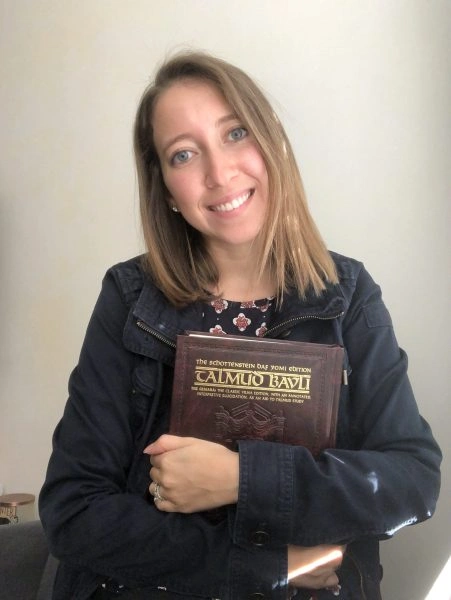
Memphis, Tennessee, United States
Avodah Zarah 70
יִצְרָא דְּיֵין נֶסֶךְ לָא תָּקֵיף לְהוּ. זוֹנָה יִשְׂרְאֵלִית וְגוֹיִם מְסוּבִּין — חַמְרָא אָסוּר, מַאי טַעְמָא? הוֹאִיל וְזִילָה עֲלַיְיהוּ, בָּתְרַיְיהוּ גְּרִירָא.
but the passion for wine used for a libation does not overwhelm their judgment, and they will not allow her to use it for a libation. In the case of a Jewish prostitute and gentiles dining with her, the wine is forbidden. What is the reason? It is that since she is contemptible in their eyes, she is subjugated to them, and they use the wine for a libation without consideration for her.
הָהוּא בֵּיתָא דַּהֲוָה יָתֵיב בֵּיהּ חַמְרָא דְּיִשְׂרָאֵל, עָל גּוֹי אַחְדַּהּ לְדַשָּׁא בְּאַפֵּיהּ, וַהֲוָה בִּיזְעָא בְּדַשָּׁא, אִישְׁתְּכַח גּוֹי דְּקָאֵי בֵּינֵי דַּנֵּי. אֲמַר רָבָא: כֹּל דְּלַהֲדֵי בִּיזְעָא — שְׁרֵי, דְּהַאי גִּיסָא וְהַאי גִּיסָא — אֲסִיר.
§ The Gemara relates: There was an incident involving a certain house where Jews’ wine was stored. A gentile entered the house, and he locked the door before the Jew, but there was a crack in the door, and the gentile was found standing between the barrels. Rava said: All the barrels that were opposite the crack through which the gentile could be seen are permitted, because he would have been wary about being seen tampering with them. Barrels on this side and that side of the crack, where the gentile could not be seen, are forbidden, as perhaps the gentile used them for a libation.
הָהוּא חַמְרָא דְּיִשְׂרָאֵל, דַּהֲוָה יָתֵיב בְּבֵיתָא, דַּהֲוָה דָּיַיר יִשְׂרָאֵל בָּעֶלְיוֹנָה וְגוֹי בַּתַּחְתּוֹנָה. שְׁמַעוּ קָל תִּיגְרָא, נָפְקִי, קְדֵים אֲתָא גּוֹי אַחְדַּהּ לְדַשָּׁא בְּאַפֵּיהּ. אֲמַר רָבָא: חַמְרָא שְׁרֵי, מֵימָר אָמַר: כִּי הֵיכִי דִּקְדֵים אֲתַאי אֲנָא, קְדֵים וַאֲתָא יִשְׂרָאֵל וְיָתֵיב בָּעֶלְיוֹנָה וְקָא חָזֵי לִי.
The Gemara relates: There was an incident involving a certain Jew’s wine that was stored in the lower story of a house, in which the Jew was living in the upper story and a gentile in the lower story, and the wine could be supervised from the upper story. One day the residents heard a sound of quarreling and went outside. The gentile came back in first and locked the door before the Jew. Rava said: The wine is permitted, because the gentile presumably said to himself: Just as I came back in early, perhaps my neighbor the Jew came back in early and is sitting in the upper story and watching me, and therefore he would not use the wine for a libation.
הָהוּא אוּשְׁפִּיזָא דַּהֲוָה יָתֵיב בֵּיהּ חַמְרָא דְּיִשְׂרָאֵל, אִישְׁתְּכַח גּוֹי דַּהֲוָה יָתֵיב בֵּי דַנֵּי. אֲמַר רָבָא: אִם נִתְפָּס עָלָיו כְּגַנָּב — שְׁרֵי, וְאִי לָא — אֲסִיר.
The Gemara relates: There was an incident involving a certain inn [ushpiza] where a Jew’s wine was stored, and a gentile was found sitting among the barrels. Rava said: If he was caught as a thief, i.e., if the gentile seemed startled and did not have a good explanation for being there, the wine is permitted, as the gentile was presumably afraid about being caught and would not have used it for a libation. But if not, the wine is forbidden.
הָהוּא בֵּיתָא דַּהֲוָה יָתֵיב בֵּיהּ חַמְרָא, אִישְׁתְּכַח גּוֹי דַּהֲוָה קָאֵים בֵּי דַנֵּי. אֲמַר רָבָא: אִי אִית לֵיהּ לְאִישְׁתְּמוֹטֵי — חַמְרָא אֲסִיר, וְאִי לָא — חַמְרָא שְׁרֵי. מֵיתִיבִי: נִנְעַל הַפּוּנְדָּק, אוֹ שֶׁאָמַר לוֹ: ״שְׁמוֹר״ — אָסוּר. מַאי לָאו אַף עַל גַּב דְּלֵית לֵיהּ לְאִישְׁתְּמוֹטֵי? לָא, בִּדְאִית לֵיהּ לְאִישְׁתְּמוֹטֵי.
The Gemara relates: There was an incident involving a certain house where wine was stored. A gentile was found standing among the barrels. Rava said: If he has a way to excuse his entrance to where the wine was stored, the wine is forbidden, but if not, the wine is permitted. The Gemara raises an objection to this ruling from a baraita: If an inn was locked and a gentile was inside, or if the Jew said to the gentile: Safeguard my wine, the wine is forbidden. What, is it not forbidden even if the gentile does not have a way to excuse his entrance? The Gemara answers: No, the baraita is referring to a situation where he does have a way to excuse his entrance; otherwise the wine is permitted.
הָהוּא יִשְׂרָאֵל וְגוֹי דַּהֲווֹ יָתְבִי וְקָא שָׁתוּ חַמְרָא, שְׁמַע יִשְׂרָאֵל קָל צַלּוֹיֵי בֵּי כְנִישְׁתָּא, קָם וַאֲזַל. אֲמַר רָבָא: חַמְרָא שְׁרֵי, מֵימָר אָמַר: הַשְׁתָּא מִדְּכַר לֵיהּ לְחַמְרֵיהּ וְהָדַר אָתֵי.
The Gemara relates: There was an incident involving a certain Jew and a certain gentile who were sitting and drinking wine. The Jew heard the sound of praying at the synagogue. He got up and went to pray. Rava said: The wine is permitted, because the gentile presumably said to himself: Any moment now he will remember his wine and come back.
הָהוּא יִשְׂרָאֵל וְגוֹי דַּהֲווֹ יָתְבִי בְּאַרְבָּא, שְׁמַע יִשְׂרָאֵל קָל שִׁיפּוּרֵי דְּבֵי שִׁימְשֵׁי, נְפַק וַאֲזַל. אֲמַר רָבָא: חַמְרָא שְׁרֵי, מֵימָר אָמַר: הַשְׁתָּא מִדְּכַר לֵיהּ לְחַמְרֵיהּ וְהָדַר אָתֵי.
The Gemara relates: There was an incident involving a certain Jew and a certain gentile who were sitting on a ship. The Jew heard the sound of the shofar of twilight indicating the beginning of Shabbat. He disembarked and went into town to spend Shabbat there. Rava said: The wine is permitted, because the gentile presumably said to himself: Any moment now he will remember his wine and come back.
וְאִי מִשּׁוּם שַׁבְּתָא, הָאָמַר רָבָא: אֲמַר לִי אִיסּוּר גִּיּוֹרָא, כִּי הֲוֵינַן בְּאַרְמָיוּתַן אָמְרִינַן: יְהוּדָאֵי לָא מְנַטְּרִי שַׁבְּתָא, דְּאִי מְנַטְּרִי שַׁבְּתָא כַּמָּה כִּיסֵי קָא מִשְׁתַּכְחִי בְּשׁוּקָא. וְלָא יָדַעְנָא דִּסְבִירָא לַן כְּרַבִּי יִצְחָק, דְּאָמַר רַבִּי יִצְחָק: הַמּוֹצֵא כִּיס בְּשַׁבָּת מוֹלִיכוֹ פָּחוֹת פָּחוֹת מֵאַרְבַּע אַמּוֹת.
The Gemara comments: And if one might object that the gentile is presumably not concerned because he knows that the Jew will not return until the end of Shabbat, didn’t Rava say: Issur the Convert told me: When we were still gentiles, before converting, we used to say: Jews do not actually observe Shabbat, as, if they observe Shabbat, how many wallets would be found in the marketplace that the Jews could not take on Shabbat? And I did not know that we maintain that the halakha is in accordance with the opinion of Rabbi Yitzḥak, as Rabbi Yitzḥak says: One who finds a wallet on Shabbat may carry it in increments of less than four cubits. Evidently, gentiles assume that a Jew would violate Shabbat for monetary gain.
הָהוּא אַרְיָא דַּהֲוָה נָהֵים בְּמַעְצַרְתָּא, שְׁמַע גּוֹי, טְשָׁא בֵּינֵי דַּנֵּי. אָמַר רָבָא: חַמְרָא שְׁרֵי, מֵימָר אָמַר: כִּי הֵיכִי דְּטָשֵׁינָא אֲנָא, אִיטְשָׁא נָמֵי יִשְׂרָאֵל אֲחוֹרַיי וְקָא חָזֵי לִי.
The Gemara relates: There was an incident involving a certain lion who roared in a winepress. A gentile heard the roar and was frightened, and he hid among the barrels of wine. Rava said: The wine is permitted, because the gentile presumably said to himself: Just as I am hiding, a Jew might also be hiding behind me and see me.
הָנְהוּ גַּנָּבֵי דְּסָלְקִי לְפוּמְבְּדִיתָא, וּפְתַחוּ חָבְיָתָא טוּבָא. אֲמַר רָבָא: חַמְרָא שְׁרֵי. מַאי טַעְמָא? רוּבָּא גַּנָּבֵי יִשְׂרָאֵל נִינְהוּ. הֲוָה עוֹבָדָא בִּנְהַרְדְּעָא, וְאָמַר שְׁמוּאֵל: חַמְרָא שְׁרֵי.
The Gemara relates: There was an incident involving certain thieves who came to Pumbedita and opened many barrels of wine. Rava said: The wine is permitted. What is the reason? Most of the thieves in Pumbedita are Jews, and the halakha follows the majority, and therefore the wine is not rendered forbidden. There was a similar incident in Neharde’a, and Shmuel said: The wine is permitted.
כְּמַאן? כְּרַבִּי אֱלִיעֶזֶר, דְּאָמַר: סְפֵק בִּיאָה טָהוֹר.
The Gemara asks: In accordance with whose opinion is this? Perhaps it is in accordance with the opinion of Rabbi Eliezer, who says with regard to cases of uncertainty concerning ritual purity that if the uncertainty is with regard to a person’s entry into a certain place, he is deemed pure.
דִּתְנַן: הַנִּכְנָס לְבִקְעָה בִּימוֹת הַגְּשָׁמִים, וְטוּמְאָה בְּשָׂדֶה פְּלוֹנִית, וְאָמַר: הָלַכְתִּי בַּמָּקוֹם הַלָּז, וְאֵינִי יוֹדֵעַ אִם נִכְנַסְתִּי לְאוֹתָהּ שָׂדֶה אִם לֹא נִכְנַסְתִּי, רַבִּי אֱלִיעֶזֶר אוֹמֵר: סְפֵק בִּיאָה — טָהוֹר, סְפֵק מַגָּע — טָמֵא!
This is as we learned in a mishna (Teharot 6:5): With regard to one who enters into a valley during the rainy season, i.e., winter, when people generally do not enter this area, and there was ritual impurity in such and such a field, and he said: I know I walked to that place, i.e., I walked in the valley, but I do not know whether I entered that field where the ritual impurity was or whether I did not enter, Rabbi Eliezer says: In a case of uncertainty with regard to entry, i.e., it is uncertain whether he entered the area where the ritual impurity is located, he is ritually pure. But if he certainly entered the area where the ritual impurity is located and the uncertainty pertains to contact with the source of ritual impurity, he is ritually impure. Apparently, the ruling of Shmuel, that in a case where it is uncertain whether gentile thieves entered the house at all the wine is permitted, is in accordance with the opinion of Rabbi Eliezer.
לָא, שָׁאנֵי הָתָם, כֵּיוָן דְּאִיכָּא דְּפָתְחִי לְשׁוּם מָמוֹנָא, הָוֵה לֵיהּ סְפֵק סְפֵיקָא.
The Gemara rejects this: No, it is different there, with regard to the wine barrels. Since there are thieves who open barrels for the sake of perhaps finding money in them and are not interested in the wine, it is a case of compound uncertainty, as it is uncertain whether the thieves were gentiles or Jews, and even if they were gentiles, it is uncertain whether or not they touched the wine. In a case of compound uncertainty, everyone agrees that the wine is not forbidden.
הָהִיא רְבִיתָא דְּאִישְׁתְּכַח דַּהֲוָת בֵּי דַנֵּי, וַהֲוָת נְקִיטָא אוּפְיָא בִּידַהּ, אָמַר רָבָא: חַמְרָא שְׁרֵי, אֵימַר מִגַּבַּהּ דְּחָבִיתָא שְׁקַלְתֵּיהּ, וְאַף עַל גַּב דְּלֵיכָּא תּוּ, אֵימַר אִתְרְמוֹיֵי אִתְרְמִי לַהּ.
The Gemara relates: There was an incident involving a certain gentile girl who was found among wine barrels and she was holding wine froth in her hand. Rava said: The wine is permitted, as it is reasonable to say that she took it from the outside of the barrel and not from inside the barrel. And even if there is no more of the froth on the outside of the barrel, it is reasonable to say that she happened upon the froth while it was still there, even though it is no longer there.
הָהוּא פּוּלְמוּסָא דִּסְלֵיק לִנְהַרְדְּעָא, פְּתַחוּ חָבְיָתָא טוּבָא. כִּי אֲתָא רַב דִּימִי אָמַר: עוֹבָדָא הֲוָה קַמֵּיהּ דְּרַבִּי אֶלְעָזָר, וּשְׁרָא. וְלָא יָדַעְנָא, אִי מִשּׁוּם דְּסָבַר לַהּ כְּרַבִּי אֱלִיעֶזֶר דְּאָמַר: סְפֵק בִּיאָה טָהוֹר, אִי מִשּׁוּם דְּסָבַר: רוּבָּא דְּאָזְלִי בַּהֲדֵי פּוּלְמוּסָא יִשְׂרָאֵל נִינְהוּ.
The Gemara relates: There was an incident involving a certain army [pulmusa] that entered Neharde’a and opened many barrels of wine. When Rav Dimi came from Eretz Yisrael to Babylonia, he said: There was a similar incident that was brought before Rabbi Elazar, and he deemed the wine permitted. But I do not know whether he permitted it because he holds in accordance with the opinion of Rabbi Eliezer, who says: Concerning uncertainty with regard to entry, the person or item is ritually pure, or whether he permitted it because he maintains that most of those who went with that army were Jews, i.e., that although it was a gentile army, the ancillaries were mostly Jews.
אִי הָכִי, הַאי סְפֵק בִּיאָה? סְפֵק מַגָּע הוּא! כֵּיוָן דְּמִפַּתְחִי טוּבָא, אֵימָא אַדַּעְתָּא דְּמָמוֹנָא פְּתַחוּ, וְכִסְפֵק בִּיאָה דָּמֵי.
The Gemara asks: If that is so, if he holds in accordance with the opinion of Rabbi Eliezer, why did he permit the wine? Is this a case of uncertainty with regard to entry? It is clear that the ancillaries came and opened the barrels, so it is a case of uncertainty with regard to contact, i.e., whether they touched the wine or not, and Rabbi Eliezer agrees that such a case is treated stringently. The Gemara answers: Since they opened many barrels, it is reasonable to say that they opened the barrels only with the intention of finding money and had no interest in the wine itself. And therefore it is similar to a case of uncertainty with regard to entry.
הָהִיא מָסוֹבִיתָא דִּמְסַרָה לַהּ אִיקְּלִידָא (מַפְתְּחָה) לְגוֹיָה, אָמַר רַבִּי יִצְחָק אָמַר רַבִּי אֶלְעָזָר: עוֹבָדָא הֲוָה בֵּי מִדְרְשָׁא, וַאֲמַרוּ: לֹא מָסְרָה לָהּ אֶלָּא שְׁמִירַת מַפְתֵּחַ בִּלְבָד.
The Gemara relates: There was an incident involving a certain female owner of a wine shop who transferred the key [iklida] to the door of her wine shop to a gentile woman. Rabbi Yitzḥak said that Rabbi Elazar said: There was a similar incident that was brought before the Sages in the study hall, and they said: She transferred to her the responsibility for safeguarding the key alone but did not authorize her to enter the tavern, so there is no concern that she entered there.
אָמַר אַבָּיֵי: אַף אֲנַן נָמֵי תְּנֵינָא: הַמּוֹסֵר מַפְתְּחוֹת לְעַם הָאָרֶץ — טׇהֳרוֹתָיו טְהוֹרוֹת, לְפִי שֶׁלֹּא מָסַר לוֹ אֶלָּא שְׁמִירַת מַפְתֵּחַ בִּלְבָד. הַשְׁתָּא טׇהֳרוֹתָיו טְהוֹרוֹת, יֵין נֶסֶךְ מִיבַּעְיָא?
Abaye said: We learn this halakha in a mishna as well (Teharot 7:1): In the case of one who transferred keys to one who is unreliable with regard to ritual impurity [am ha’aretz], even though contact with an am ha’aretz renders pure items impure, his pure items are pure, because he transferred to the am ha’aretz the responsibility for safeguarding the key alone and did not authorize him to enter. Now that the mishna has determined that his pure items are pure, is it necessary to state this principle with regard to the halakhot of wine used for a libation?
לְמֵימְרָא דִּטְהָרוֹת אַלִּימִי מִיֵּין נֶסֶךְ? אִין, דְּאִיתְּמַר: חָצֵר שֶׁחִלְּקָהּ בִּמְסִיפָס, אָמַר רַב: טׇהֳרוֹתָיו טְמֵאוֹת, וּבְגוֹי אֵינוֹ עוֹשֶׂה יֵין נֶסֶךְ, וְרַבִּי יוֹחָנָן אָמַר: אַף טׇהֳרוֹתָיו טְהוֹרוֹת.
The Gemara asks with regard to Abaye’s reasoning: Is this to say that the halakhot of ritually pure items are more stringent than those concerning wine used for a libation? The Gemara answers: Indeed, that is so. As it was stated that there was a dispute with regard to a courtyard whose owners divided it among themselves with a low partition [meseifas]. Rav says: If one’s neighbor on the other side of the partition is an am ha’aretz, one’s pure items that he leaves in the courtyard are rendered impure, but in the case of a gentile neighbor, this does not render his wine an idolatrous libation. And Rabbi Yoḥanan says: His pure items remain pure as well. Evidently, Rav considers the halakhot of purity more stringent than those of wine used for a libation.
מֵיתִיבִי: הַפְּנִימִית שֶׁל חָבֵר וְהַחִיצוֹנָה שֶׁל עַם הָאָרֶץ, אוֹתוֹ חָבֵר שׁוֹטֵחַ שָׁם פֵּירוֹת וּמַנִּיחַ שָׁם כֵּלִים, וְאַף עַל פִּי שֶׁיָּדוֹ שֶׁל עַם הָאָרֶץ מַגַּעַת לְשָׁם. קַשְׁיָא לְרַב!
The Gemara raises an objection to the opinion of Rav from a baraita: If the inner courtyard belongs to a ḥaver, i.e., one devoted to the meticulous observance of mitzvot, especially the halakhot of ritual purity, teruma, and tithes, and the outer courtyard to an am ha’aretz, that ḥaver may lay out his produce there, in the inner courtyard, and place his vessels there, without concern that the am ha’aretz will touch them and render them impure. And this applies even if the hand of the am ha’aretz can reach there. This poses a difficulty to the opinion of Rav, who holds that even in a situation where there is a partition there is concern about contact with an am ha’aretz.
אָמַר לְךָ רַב: שָׁאנֵי הָתָם, שֶׁנִּתְפָּס עָלָיו כְּגַנָּב.
The Gemara answers that Rav could have said to you: It is different there, as were the am ha’aretz to tamper with the produce, he could be caught and accused as a thief, as he has no business being in the inner courtyard. Therefore, there is no concern that he will tamper with it.
תָּא שְׁמַע: רַבָּן שִׁמְעוֹן בֶּן גַּמְלִיאֵל אוֹמֵר: גַּגּוֹ שֶׁל חָבֵר לְמַעְלָה מִגַּגּוֹ שֶׁל עַם הָאָרֶץ, אוֹתוֹ חָבֵר שׁוֹטֵחַ שָׁם פֵּירוֹת וּמַנִּיחַ שָׁם כֵּלִים, וּבִלְבַד שֶׁלֹּא תְּהֵא יָדוֹ שֶׁל עַם הָאָרֶץ מַגַּעַת לְשָׁם. קַשְׁיָא לְרַבִּי יוֹחָנָן!
The Gemara suggests: Come and hear support for Rav’s opinion from a baraita (Tosefta, Teharot 9:11): Rabban Shimon ben Gamliel says: If the roof of a ḥaver is above the roof of his neighbor who is an am ha’aretz, that ḥaver may lay out produce there and place vessels there, provided that the hand of the am ha’aretz cannot reach there; but if it is within his reach, the pure items of the ḥaver are rendered impure. This poses a difficulty to the opinion of Rabbi Yoḥanan, who deems permitted pure items in a courtyard divided by a low partition.
אָמַר לָךְ רַבִּי יוֹחָנָן: שָׁאנֵי הָתָם, דְּאִית לֵיהּ לְאִישְׁתְּמוֹטֵי, מֵימָר אָמַר: אִימְּצוֹרֵי קָא מִמְּצַרְנָא.
The Gemara answers that Rabbi Yoḥanan could have said to you: It is different there, as were the am ha’aretz to be discovered reaching up to the upper roof, he has a way to excuse his behavior by saying: I merely stretched myself; I was not intending to tamper with anything.
תָּא שְׁמַע: גַּגּוֹ שֶׁל חָבֵר בְּצַד גַּגּוֹ שֶׁל עַם הָאָרֶץ, אוֹתוֹ חָבֵר שׁוֹטֵחַ שָׁם פֵּירוֹת וּמַנִּיחַ שָׁם כֵּלִים, וְאַף עַל פִּי שֶׁיָּדוֹ שֶׁל עַם הָאָרֶץ מַגַּעַת לְשָׁם. קַשְׁיָא לְרַב! אָמַר לְךָ רַב: לָאו אִיכָּא רַבִּי שִׁמְעוֹן בֶּן גַּמְלִיאֵל דְּקָאֵי כְּוָותִי? אֲנָא דַּאֲמַרִי כְּרַבִּי שִׁמְעוֹן בֶּן גַּמְלִיאֵל.
Come and hear that which is taught in that same baraita: If the roof of a ḥaver is beside the roof of an am ha’aretz, that ḥaver may lay out produce there and place vessels there, even if the hand of the am ha’aretz can reach there. This poses a difficulty to the statement of Rav. The Gemara answers that Rav could have said to you: Isn’t there the opinion of Rabbi Shimon ben Gamliel, which stands in accordance with my opinion with regard to roofs that are next to one another? What I say is in accordance with the opinion of Rabbi Shimon ben Gamliel.
מַתְנִי׳ בּוֹלֶשֶׁת שֶׁנִּכְנְסָה לְעִיר, בִּשְׁעַת שָׁלוֹם — חָבִיּוֹת פְּתוּחוֹת אֲסוּרוֹת, סְתוּמוֹת מוּתָּרוֹת; בִּשְׁעַת מִלְחָמָה — אֵלּוּ וְאֵלּוּ מוּתָּרוֹת, לְפִי שֶׁאֵין פְּנַאי לְנַסֵּךְ.
MISHNA: In the case of a military unit [boleshet] that entered a city, if it entered during peacetime, then after the soldiers leave the open barrels of wine are forbidden, but the sealed barrels are permitted. If the unit entered in wartime, both these barrels and those barrels are permitted, because in wartime there is no time to pour wine for libations, and one can be certain that the soldiers did not do so.

