Search

Bava Batra 103

Want to dedicate learning? Get started here:

podcast placeholder

0:00
0:00


Summary

This month’s learning is sponsored by Adam, Carolyn, Michal, Josh, Benny, Izzy, Shim, Zoe and Yehuda in loving memory of Judith Rosenfeld Hochstadter, Gittel bat Kreindel v’Binyamin Benzion for her shloshim. “She was an elegant, smart, hardworking, “outspoken” person, who survived the shoah alone, and came to Montreal and built a family and a business. She learned from her parents to be observant, honest, and a giver of tzedaka anonymously. She loved going to shul on the Yamim Noraim, especially when there was a good chazan! Ma, Savta, and Great- Savta – “Ateret Rosheinu” – we will try to emulate you and carry on your and Dad’s legacy. With much love and admiration, we miss you.” 

Today’s daf is sponsored by Heather Stone in loving memory of her Grandma Rose, Rachel Leah bat Aharon v’Golda on her 39th yahrzeit. “She taught me to light Shabbat candles and I still use her grandmother’s candlesticks.” 

Today’s daf is sponsored by Jane Leiser in honor of Nicki’s birthday “Happy birthday!!! I am so proud of you for doing this incredible learning!!! Love you very much, Mom.”

If one sells a field of a particular size, if there are parts with cracks or rocks, they are included in the measurement of the field if they are less than ten handbreadths in depth/height. But if they are ten handbreadths in depth/height, they are not considered part of the field and more land must be given to the buyer to complete the measurement. A Mishna from Arakhin explains that if one consecrates a field from an ancestral field with cracks and rocks, they are included in the amount given to the Temple only if the cracks/rocks are less than ten handbreadths in depth/height. After asking why the cracks that are more than ten handbreadths deep aren’t consecrated as an independent unit worthy of planting, the Gemara explains that the Mishna is referring only to cracks that are filled with water as they are not able to be used for planting. However, our Mishna can be referring to any kind of cracks, as cracks that are ten handbreadths deep are a hindrance for a buyer as they makes it difficult for the owner to plow.

The Mishna discussed the height of the rocks but not the area of space they take up. Rabbi Yitzchak explains that if they take up a space in which four kav of seeds can be planted, they are not part of the measurement of the field even if they are less than ten handbreaths in height. However, there is a debate about whether these rocks (of four kav in size) are spread in a part of the field where five kav can be planted or even if they are not spread in the majority of the field. A series of questions are asked about what the law would be if they are spread not in the majority, but most of the four kav are in the majority or they are in a circle, or a row, or a zigzag, etc. These questions remain unanswered. If they are on the border, they are also not included, even if they are not ten in height.

The Mishna delineates the margin of error in the measurement of a piece of land sold, which depends on the language used at the time of the sale. If the seller said “beit kor as measured by a rope, any extra amount given to the buyer needs to be returned to the seller. But if the seller said “give or take” the margin of error is a quarter kav per se’ah (1/24). The Gemara asks: What would be the law if the seller simply said, “a beit kor“?

Bava Batra 103

אֵין נִמְדָּדִין עִמָּהּ. פָּחוֹת מִכָּאן – נִמְדָּדִין עִמָּהּ.

they are not measured together with the rest of the field. If the crevices or rocks were less than ten handbreadths, they are measured together with the rest of the field.

וְאַמַּאי? לִיקְדְּשׁוּ בְּאַנְפֵּי נַפְשַׁיְיהוּ! וְכִי תֵּימָא: כֵּיוָן דְּלָא הָוֵי בֵּית כּוֹר, לָא קָדְשִׁי;

The Gemara asks: But why are the crevices that are deeper and the rocks that are higher than ten handbreadths not measured with the rest of the field? Let them at least be consecrated separately and require their own redemption. And if you would say that since they are not the size of a beit kor, they cannot be consecrated, there is a difficulty.

וְהָא תַּנְיָא: ״שָׂדֶה״ – מָה תַּלְמוּד לוֹמַר? לְפִי שֶׁנֶּאֱמַר: ״זֶרַע חֹמֶר שְׂעֹרִים בַּחֲמִשִּׁים שֶׁקֶל כָּסֶף״; אֵין לִי אֶלָּא שֶׁהִקְדִּישׁ בָּעִנְיָן הַזֶּה,

But isn’t it taught in a baraita concerning the verse: “And if he that sanctified the field will redeem it” (Leviticus 27:19): Why must the verse state the word “field”? Since the previous verses are all discussing a field, it would have sufficed for this verse to refer to the field with the pronoun: It. Rather, as it is stated in an earlier verse: “Then your valuation shall be according to the seed required for it; a ḥomer of barley seed shall be valued at fifty shekels of silver” (Leviticus 27:16), I have derived only the halakha in the case of one who consecrated in this manner, i.e., an area fit to sow a ḥomer of barley seed.

מִנַּיִן לְרַבּוֹת לֶתֶךְ וַחֲצִי לֶתֶךְ, סְאָה, תַּרְקַב וַחֲצִי תַּרְקַב? תַּלְמוּד לוֹמַר: ״שָׂדֶה״, מִכׇּל מָקוֹם!

The baraita continues: From where do I learn that this halakha is also meant to include the case of one who consecrated a smaller area, e.g., an area fit to sow a letekh, i.e., a half-kor, a half-letekh, a se’a, a tarkav, and a half-tarkav? From where is it derived that these smaller plots of land can also be consecrated and redeemed in accordance with the fixed values stated in the Torah? The verse states: “A field,” teaching that this halakha applies in any case of a field, even to smaller plots.

אָמַר רַב עוּקְבָא בַּר חָמָא: הָכָא בִּנְקָעִים מְלֵאִים מַיִם עָסְקִינַן, דְּלָאו בְּנֵי זְרִיעָה נִינְהוּ. דַּיְקָא נָמֵי, דְּקָתָנֵי דּוּמְיָא דִסְלָעִים; שְׁמַע מִינַּהּ.

Rav Ukva bar Ḥama said: Here, in the mishna in Arakhin, we are dealing with crevices filled with water. Being that they are not fit for sowing, they cannot be consecrated, as the verse states: “Then your valuation shall be according to the seed required for it” (Leviticus 27:16). The Gemara comments: The language of the mishna is also precise according to this interpretation, as it teaches the halakha about crevices that are similar to rocks, which are certainly not fit for sowing. The Gemara affirms: Learn from this that this explanation is correct.

אִי הָכִי, אֲפִילּוּ פָּחוֹת מִכָּאן נָמֵי! הָנְהוּ ״נְגָאנֵי דְאַרְעָא״ מִיקְּרוּ; ״שִׁדְרֵי דְאַרְעָא״ מִיקְּרוּ.

The Gemara raises a difficulty: If this is so, that the crevices and rocks of the mishna are excluded from being consecrated because they are unfit for sowing, then even if they are less than ten handbreadths in depth or height, they also should not be consecrated. The Gemara answers: If the crevices or rocks are less than ten handbreadths deep or high, these crevices are called the cracks of the earth, and these rocks are called the spines [shidrei] of the earth. In other words, since they are considered standard features of the field and do not constitute separate areas, they are consecrated together with the rest of the field.

הָכָא מַאי? אֲמַר רַב פָּפָּא: אַף עַל פִּי שֶׁאֵין מְלֵאִים מַיִם. מַאי טַעְמָא? אֵין אָדָם רוֹצֶה שֶׁיִּתֵּן מְעוֹתָיו בִּמְקוֹם אֶחָד, וְיֵרָאוּ לוֹ כִּשְׁנַיִם וּשְׁלֹשָׁה מְקוֹמוֹת.

The Gemara asks: The halakha stated above was taught with regard to consecrated property. Here, in the case of a sale of land, with regard to which the mishna teaches that crevices ten handbreadths deep are not measured along with the land, what is the halakha? Does that halakha apply only when the crevices are filled with water? Rav Pappa said: Even if they are not filled with water they are not considered part of the field. What is the reason that in the case of a sale crevices are not considered part of the field even if they are not filled with water? Because a person buying a field does not want to give his money for the purchase of one plot when it appears to him like two or three different plots due to differences in the height of the terrain. Therefore, those crevices that are ten handbreadths deep are not measured along with the rest of the field, regardless of whether or not they are filled with water.

מַתְקֵיף לַהּ רָבִינָא: וְהָא דּוּמְיָא דִּסְלָעִים קָתָנֵי – מָה סְלָעִים דְּלָאו בְּנֵי זְרִיעָה נִינְהוּ, אַף הָנֵי נָמֵי דְּלָאו בְּנֵי זְרִיעָה נִינְהוּ! כִּי קָתָנֵי דּוּמְיָא דִּסְלָעִים – אַפָּחוֹת מִכָּאן.

Ravina objects to this: But the mishna teaches the halakha about crevices in a manner indicating that they are similar to the rocks discussed in the mishna. Just as rocks are not fit for sowing, so too, these crevices are such that they are not fit for sowing. But if they are not filled with water, and are therefore fit for sowing, then even if they are lower than the rest of the field, they should be included in the sale. The Gemara replies: When the mishna teaches the halakha about crevices in a manner indicating that they are similar to the rocks discussed in the mishna, it teaches about crevices that are less than that, i.e., less than ten handbreadths deep. In such a case, even if they are not fit for sowing, they are measured along with the rest of the field.

פָּחוֹת מִכָּאן נִמְדָּדִין עִמָּהּ. אָמַר רַבִּי יִצְחָק: טְרָשִׁים שֶׁאָמְרוּ – בֵּית אַרְבַּעַת קַבִּין. אָמַר רַב עוּקְבָא בַּר חָמָא: וְהוּא שֶׁמּוּבְלָעִין בַּחֲמֵשֶׁת קַבִּין. רַב חִיָּיא בַּר אַבָּא אָמַר רַבִּי יוֹחָנָן: וְהוּא שֶׁמּוּבְלָעִין בְּרוּבָּהּ שֶׁל שָׂדֶה.

§ The mishna teaches that if the crevices or rocks in the field measured less than ten handbreadths, they are measured together with the rest of the field. Rabbi Yitzḥak says: The rocks or crevices that measure less than ten handbreadths that the Sages said are measured together with the rest of the field must not measure more than an area required for sowing four kav of seed within an area required for sowing a kor. Rav Ukva bar Ḥama says: This applies specifically where the rocks are scattered throughout an area required for sowing five kav. Rav Ḥiyya bar Abba says that Rabbi Yoḥanan says: This applies specifically where the rocks are scattered throughout the greater part of the field.

בָּעֵי רַב חִיָּיא בַּר אַבָּא: רוּבָּן בְּמִעוּטָהּ, וּמִעוּטָן בְּרוּבָּהּ, מַהוּ? תֵּיקוּ.

Rabbi Ḥiyya bar Abba raises a dilemma with regard to the halakha taught in the name of Rabbi Yoḥanan: If the majority of the rocks are scattered throughout the smaller part of the field, and the minority of the rocks are scattered throughout the greater part of the field, what is the halakha? The Gemara answers: The dilemma shall stand unresolved, as no answer was found.

בָּעֵי רַבִּי יִרְמְיָה:

Rabbi Yirmeya raises another dilemma:

כְּשִׁיר מַהוּ? כְּשׁוּרָה מַהוּ? אִיצְטְדִינִין מַהוּ? דֶּרֶךְ עֲקַלָּתוֹן מַהוּ? תֵּיקוּ.

If the rocks are scattered throughout the greater part of the field but are arranged like a ring, what is the halakha? If the rocks stand in a row, what is the halakha? If the rocks form an angle, what is the halakha? If they are arranged in the shape of a crooked path, what is the halakha? The Gemara states: All these dilemmas shall stand unresolved.

תָּנָא: אִם הָיָה סֶלַע יְחִידִי, אֲפִילּוּ כָּל שֶׁהוּא – אֵין נִמְדָּד עִמָּהּ. וְאִם הָיָה סָמוּךְ לַמֶּצֶר, אֲפִילּוּ כָּל שֶׁהוּא – אֵין נִמְדָּד עִמָּהּ.

A Sage taught in a baraita: If there is a solitary rock on the outskirts of the field, even if it is of a minimal size, it is not measured together with the rest of the field. And further, if that rock is adjacent to the field’s border, even if it is of a minimal size, it is not measured together with the rest of the field.

בָּעֵי רַב פָּפָּא: מוּפְסָק עָפָר בֵּינְתַיִם, מַהוּ? תֵּיקוּ. בָּעֵי רַב אָשֵׁי: עָפָר מִלְּמַטָּה וְצוּנְמָא לְמַעְלָה; עָפָר מִלְּמַעְלָה וְצוּנְמָא מִלְּמַטָּה – מַהוּ? תֵּיקוּ.

Rav Pappa raises a dilemma: If earth intervenes between the rock and the border of the field, so that the rock does not actually touch the border, what is the halakha? The Gemara states: This dilemma as well shall stand unresolved. Rav Ashi raises another dilemma: If there was a layer of earth below and rock above, or earth above and rock below, what is the halakha? The Gemara states: This dilemma as well shall stand unresolved.

מַתְנִי׳ ״בֵּית כּוֹר עָפָר אֲנִי מוֹכֵר לָךְ – מִדָּה בְּחֶבֶל״, פִּיחֵת כׇּל שֶׁהוּא – יְנַכֶּה, הוֹתִיר כׇּל שֶׁהוּא – יַחֲזִיר. וְאִם אָמַר: ״הֵן חָסֵר הֵן יָתֵר״, אֲפִילּוּ פִּיחֵת רוֹבַע לִסְאָה, אוֹ הוֹתִיר רוֹבַע לִסְאָה – הִגִּיעוֹ. יוֹתֵר מִכָּאן, יַעֲשֶׂה חֶשְׁבּוֹן.

MISHNA: If one says to another: I am selling you a plot of earth the size of a beit kor, measured precisely with a rope, and he gave him even the slightest amount less than what was stipulated, the seller must deduct the difference from the purchase price of the field and return money to the buyer. If he gave him even the slightest amount more than what was stipulated, the buyer must return the difference to the seller. And if the seller said to the buyer that he is selling him a beit kor of land more or less, then even if he gave him a quarter-kav per se’a less than what was stipulated, or he gave him a quarter-kav per se’a more that what was stipulated, i.e., he gave him one twenty-fourth more or less than what was required, it is his. The sale is valid, since the seller told the buyer in advance that he was not committing himself to precise measurements. If the difference is greater than that amount, he must make a calculation, and the party that suffered a loss must be compensated.

מָה הוּא מַחֲזִיר לוֹ? מָעוֹת. וְאִם רָצָה, מַחֲזִיר לוֹ קַרְקַע. וְלָמָה אָמְרוּ מַחֲזִיר לוֹ מָעוֹת? לְיַיפּוֹת כֹּחוֹ שֶׁל מוֹכֵר – שֶׁאִם שִׁיֵּיר בַּשָּׂדֶה בֵּית תִּשְׁעָה קַבִּין, וּבַגִּינָּה בֵּית חֲצִי קַב; וּכְדִבְרֵי רַבִּי עֲקִיבָא – בֵּית רוֹבַע; מַחֲזִיר לוֹ אֶת הַקַּרְקַע. וְלֹא אֶת הָרוֹבַע בִּלְבַד הוּא מַחֲזִיר, אֶלָּא אֶת כָּל הַמּוֹתָר.

If the buyer received too much land, so that he must now compensate the seller, what does he return to him? He returns money, i.e., he pays the seller for the surplus land. And if the seller so wishes, the buyer returns the surplus land to him. Why then did the Sages say that he returns money to him? They said this in order to enhance the power of the seller, and enable him to demand payment for the surplus land, rather than accept its return. As, if the surplus in the field was an area required for sowing nine kav of seed, and in a garden an area required for sowing a half-kav of seed, or, according to the statement of Rabbi Akiva, an area required for sowing a quarterkav of seed (see 11a), the buyer must return the land itself to the seller, and the seller cannot demand payment in money. And if the surplus is greater than a quarter-kav per se’a, it is not only the quarterkav that he returns; rather, he returns all of the surplus. Since he is already required to make a refund, the refund must be made in the precise amount.

גְּמָ׳ אִיבַּעְיָא לְהוּ: ״בֵּית כּוֹר״ סְתָמָא, מַאי? תָּא שְׁמַע: ״בֵּית כּוֹר עָפָר אֲנִי מוֹכֵר לָךְ – מִדָּה בְּחֶבֶל״,

GEMARA: The mishna considers two cases of selling a beit kor of land: First, where the seller said that he is selling a beit kor measured precisely with a rope, in which case a refund must be made no matter how small the deviation; and second, where the seller said that he is selling a beit kor more or less, in which case the sale is valid as long as the deviation is no more than a quarter-kav per se’a. In connection with these cases, a dilemma was raised before the Sages: If one says he is selling a beit kor of land, and he said this without any further specification, what is the halakha? The Gemara suggests: Come and hear a solution from what was taught in the mishna: If one says to another: I am selling you a plot of earth the size of a beit kor, measured precisely with a rope,

New to Talmud?

Check out our resources designed to help you navigate a page of Talmud – and study at the pace, level and style that fits you. 

The Hadran Women’s Tapestry

Meet the diverse women learning Gemara at Hadran and hear their stories. 

Attending the Siyyum in Jerusalem 26 months ago inspired me to become part of this community of learners. So many aspects of Jewish life have been illuminated by what we have learned in Seder Moed. My day is not complete without daf Yomi. I am so grateful to Rabbanit Michelle and the Hadran Community.

Nancy Kolodny
Nancy Kolodny

Newton, United States

In January 2020, my chevruta suggested that we “up our game. Let’s do Daf Yomi” – and she sent me the Hadran link. I lost my job (and went freelance), there was a pandemic, and I am still opening the podcast with my breakfast coffee, or after Shabbat with popcorn. My Aramaic is improving. I will need a new bookcase, though.

Rhondda May
Rhondda May

Atlanta, Georgia, United States

My first Talmud class experience was a weekly group in 1971 studying Taanit. In 2007 I resumed Talmud study with a weekly group I continue learning with. January 2020, I was inspired to try learning Daf Yomi. A friend introduced me to Daf Yomi for Women and Rabbanit Michelle Farber, I have kept with this program and look forward, G- willing, to complete the entire Shas with Hadran.
Lorri Lewis
Lorri Lewis

Palo Alto, CA, United States

Jill Shames
Jill Shames

Jerusalem, Israel

I read Ilana Kurshan’s “If All the Seas Were Ink” which inspired me. Then the Women’s Siyum in Jerusalem in 2020 convinced me, I knew I had to join! I have loved it- it’s been a constant in my life daily, many of the sugiyot connect to our lives. My family and friends all are so supportive. It’s incredible being part of this community and love how diverse it is! I am so excited to learn more!

Shira Jacobowitz
Shira Jacobowitz

Jerusalem, Israel

I started learning Daf Yomi in January 2020 after watching my grandfather, Mayer Penstein z”l, finish shas with the previous cycle. My grandfather made learning so much fun was so proud that his grandchildren wanted to join him. I was also inspired by Ilana Kurshan’s book, If All the Seas Were Ink. Two years in, I can say that it has enriched my life in so many ways.

Leeza Hirt Wilner
Leeza Hirt Wilner

New York, United States

In January 2020, my teaching partner at IDC suggested we do daf yomi. Thanks to her challenge, I started learning daily from Rabbanit Michelle. It’s a joy to be part of the Hadran community. (It’s also a tikkun: in 7th grade, my best friend and I tied for first place in a citywide gemara exam, but we weren’t invited to the celebration because girls weren’t supposed to be learning gemara).

Sara-Averick-photo-scaled
Sara Averick

Jerusalem, Israel

A beautiful world of Talmudic sages now fill my daily life with discussion and debate.
bringing alive our traditions and texts that has brought new meaning to my life.
I am a מגילת אסתר reader for women . the words in the Mishna of מסכת megillah 17a
הקורא את המגילה למפרע לא יצא were powerful to me.
I hope to have the zchut to complete the cycle for my 70th birthday.

Sheila Hauser
Sheila Hauser

Jerusalem, Israel

Years ago, I attended the local Siyum HaShas with my high school class. It was inspiring! Through that cycle and the next one, I studied masekhtot on my own and then did “daf yomi practice.” The amazing Hadran Siyum HaShas event firmed my resolve to “really do” Daf Yomi this time. It has become a family goal. We’ve supported each other through challenges, and now we’re at the Siyum of Seder Moed!

Elisheva Brauner
Elisheva Brauner

Jerusalem, Israel

As Jewish educator and as a woman, I’m mindful that Talmud has been kept from women for many centuries. Now that we are privileged to learn, and learning is so accessible, it’s my intent to complete Daf Yomi. I am so excited to keep learning with my Hadran community.

Sue Parker Gerson
Sue Parker Gerson

Denver, United States

I began my journey with Rabbanit Michelle more than five years ago. My friend came up with a great idea for about 15 of us to learn the daf and one of us would summarize weekly what we learned.
It was fun but after 2-3 months people began to leave. I have continued. Since the cycle began Again I have joined the Teaneck women.. I find it most rewarding in so many ways. Thank you

Dena Heller
Dena Heller

New Jersey, United States

My husband learns Daf, my son learns Daf, my son-in-law learns Daf.
When I read about Hadran’s Siyyum HaShas 2 years ago, I thought- I can learn Daf too!
I had learned Gemara in Hillel HS in NJ, & I remembered loving it.
Rabbanit Michelle & Hadran have opened my eyes & expanding my learning so much in the past few years. We can now discuss Gemara as a family.
This was a life saver during Covid

Renee Braha
Renee Braha

Brooklyn, NY, United States

My family recently made Aliyah, because we believe the next chapter in the story of the Jewish people is being written here, and we want to be a part of it. Daf Yomi, on the other hand, connects me BACK, to those who wrote earlier chapters thousands of years ago. So, I feel like I’m living in the middle of this epic story. I’m learning how it all began, and looking ahead to see where it goes!
Tina Lamm
Tina Lamm

Jerusalem, Israel

I started learning Daf in Jan 2020 with Brachot b/c I had never seen the Jewish people united around something so positive, and I wanted to be a part of it. Also, I wanted to broaden my background in Torah Shebal Peh- Maayanot gave me a great gemara education, but I knew that I could hold a conversation in most parts of tanach but almost no TSB. I’m so thankful for Daf and have gained immensely.

Meira Shapiro
Meira Shapiro

NJ, United States

I started my Daf Yomi journey at the beginning of the COVID19 pandemic.

Karena Perry
Karena Perry

Los Angeles, United States

Studying has changed my life view on הלכה and יהדות and time. It has taught me bonudaries of the human nature and honesty of our sages in their discourse to try and build a nation of caring people .

Goldie Gilad
Goldie Gilad

Kfar Saba, Israel

I attended the Siyum so that I could tell my granddaughter that I had been there. Then I decided to listen on Spotify and after the siyum of Brachot, Covid and zoom began. It gave structure to my day. I learn with people from all over the world who are now my friends – yet most of us have never met. I can’t imagine life without it. Thank you Rabbanit Michelle.

Emma Rinberg
Emma Rinberg

Raanana, Israel

I started learning when my brother sent me the news clip of the celebration of the last Daf Yomi cycle. I was so floored to see so many women celebrating that I wanted to be a part of it. It has been an enriching experience studying a text in a language I don’t speak, using background knowledge that I don’t have. It is stretching my learning in unexpected ways, bringing me joy and satisfaction.

Jodi Gladstone
Jodi Gladstone

Warwick, Rhode Island, United States

I started last year after completing the Pesach Sugiyot class. Masechet Yoma might seem like a difficult set of topics, but for me made Yom Kippur and the Beit HaMikdash come alive. Liturgy I’d always had trouble connecting with took on new meaning as I gained a sense of real people moving through specific spaces in particular ways. It was the perfect introduction; I am so grateful for Hadran!

Debbie Engelen-Eigles

Minnesota, United States

Margo
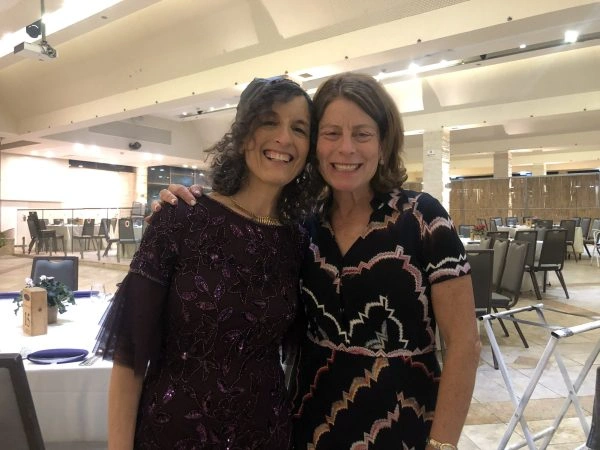
I started my Talmud journey in 7th grade at Akiba Jewish Day School in Chicago. I started my Daf Yomi journey after hearing Erica Brown speak at the Hadran Siyum about marking the passage of time through Daf Yomi.

Carolyn
I started my Talmud journey post-college in NY with a few classes. I started my Daf Yomi journey after the Hadran Siyum, which inspired both my son and myself.

Carolyn Hochstadter and Margo Kossoff Shizgal

Merion Station,  USA

Beit Shemesh, Israel

Bava Batra 103

אֵין נִמְדָּדִין עִמָּהּ. פָּחוֹת מִכָּאן – נִמְדָּדִין עִמָּהּ.

they are not measured together with the rest of the field. If the crevices or rocks were less than ten handbreadths, they are measured together with the rest of the field.

וְאַמַּאי? לִיקְדְּשׁוּ בְּאַנְפֵּי נַפְשַׁיְיהוּ! וְכִי תֵּימָא: כֵּיוָן דְּלָא הָוֵי בֵּית כּוֹר, לָא קָדְשִׁי;

The Gemara asks: But why are the crevices that are deeper and the rocks that are higher than ten handbreadths not measured with the rest of the field? Let them at least be consecrated separately and require their own redemption. And if you would say that since they are not the size of a beit kor, they cannot be consecrated, there is a difficulty.

וְהָא תַּנְיָא: ״שָׂדֶה״ – מָה תַּלְמוּד לוֹמַר? לְפִי שֶׁנֶּאֱמַר: ״זֶרַע חֹמֶר שְׂעֹרִים בַּחֲמִשִּׁים שֶׁקֶל כָּסֶף״; אֵין לִי אֶלָּא שֶׁהִקְדִּישׁ בָּעִנְיָן הַזֶּה,

But isn’t it taught in a baraita concerning the verse: “And if he that sanctified the field will redeem it” (Leviticus 27:19): Why must the verse state the word “field”? Since the previous verses are all discussing a field, it would have sufficed for this verse to refer to the field with the pronoun: It. Rather, as it is stated in an earlier verse: “Then your valuation shall be according to the seed required for it; a ḥomer of barley seed shall be valued at fifty shekels of silver” (Leviticus 27:16), I have derived only the halakha in the case of one who consecrated in this manner, i.e., an area fit to sow a ḥomer of barley seed.

מִנַּיִן לְרַבּוֹת לֶתֶךְ וַחֲצִי לֶתֶךְ, סְאָה, תַּרְקַב וַחֲצִי תַּרְקַב? תַּלְמוּד לוֹמַר: ״שָׂדֶה״, מִכׇּל מָקוֹם!

The baraita continues: From where do I learn that this halakha is also meant to include the case of one who consecrated a smaller area, e.g., an area fit to sow a letekh, i.e., a half-kor, a half-letekh, a se’a, a tarkav, and a half-tarkav? From where is it derived that these smaller plots of land can also be consecrated and redeemed in accordance with the fixed values stated in the Torah? The verse states: “A field,” teaching that this halakha applies in any case of a field, even to smaller plots.

אָמַר רַב עוּקְבָא בַּר חָמָא: הָכָא בִּנְקָעִים מְלֵאִים מַיִם עָסְקִינַן, דְּלָאו בְּנֵי זְרִיעָה נִינְהוּ. דַּיְקָא נָמֵי, דְּקָתָנֵי דּוּמְיָא דִסְלָעִים; שְׁמַע מִינַּהּ.

Rav Ukva bar Ḥama said: Here, in the mishna in Arakhin, we are dealing with crevices filled with water. Being that they are not fit for sowing, they cannot be consecrated, as the verse states: “Then your valuation shall be according to the seed required for it” (Leviticus 27:16). The Gemara comments: The language of the mishna is also precise according to this interpretation, as it teaches the halakha about crevices that are similar to rocks, which are certainly not fit for sowing. The Gemara affirms: Learn from this that this explanation is correct.

אִי הָכִי, אֲפִילּוּ פָּחוֹת מִכָּאן נָמֵי! הָנְהוּ ״נְגָאנֵי דְאַרְעָא״ מִיקְּרוּ; ״שִׁדְרֵי דְאַרְעָא״ מִיקְּרוּ.

The Gemara raises a difficulty: If this is so, that the crevices and rocks of the mishna are excluded from being consecrated because they are unfit for sowing, then even if they are less than ten handbreadths in depth or height, they also should not be consecrated. The Gemara answers: If the crevices or rocks are less than ten handbreadths deep or high, these crevices are called the cracks of the earth, and these rocks are called the spines [shidrei] of the earth. In other words, since they are considered standard features of the field and do not constitute separate areas, they are consecrated together with the rest of the field.

הָכָא מַאי? אֲמַר רַב פָּפָּא: אַף עַל פִּי שֶׁאֵין מְלֵאִים מַיִם. מַאי טַעְמָא? אֵין אָדָם רוֹצֶה שֶׁיִּתֵּן מְעוֹתָיו בִּמְקוֹם אֶחָד, וְיֵרָאוּ לוֹ כִּשְׁנַיִם וּשְׁלֹשָׁה מְקוֹמוֹת.

The Gemara asks: The halakha stated above was taught with regard to consecrated property. Here, in the case of a sale of land, with regard to which the mishna teaches that crevices ten handbreadths deep are not measured along with the land, what is the halakha? Does that halakha apply only when the crevices are filled with water? Rav Pappa said: Even if they are not filled with water they are not considered part of the field. What is the reason that in the case of a sale crevices are not considered part of the field even if they are not filled with water? Because a person buying a field does not want to give his money for the purchase of one plot when it appears to him like two or three different plots due to differences in the height of the terrain. Therefore, those crevices that are ten handbreadths deep are not measured along with the rest of the field, regardless of whether or not they are filled with water.

מַתְקֵיף לַהּ רָבִינָא: וְהָא דּוּמְיָא דִּסְלָעִים קָתָנֵי – מָה סְלָעִים דְּלָאו בְּנֵי זְרִיעָה נִינְהוּ, אַף הָנֵי נָמֵי דְּלָאו בְּנֵי זְרִיעָה נִינְהוּ! כִּי קָתָנֵי דּוּמְיָא דִּסְלָעִים – אַפָּחוֹת מִכָּאן.

Ravina objects to this: But the mishna teaches the halakha about crevices in a manner indicating that they are similar to the rocks discussed in the mishna. Just as rocks are not fit for sowing, so too, these crevices are such that they are not fit for sowing. But if they are not filled with water, and are therefore fit for sowing, then even if they are lower than the rest of the field, they should be included in the sale. The Gemara replies: When the mishna teaches the halakha about crevices in a manner indicating that they are similar to the rocks discussed in the mishna, it teaches about crevices that are less than that, i.e., less than ten handbreadths deep. In such a case, even if they are not fit for sowing, they are measured along with the rest of the field.

פָּחוֹת מִכָּאן נִמְדָּדִין עִמָּהּ. אָמַר רַבִּי יִצְחָק: טְרָשִׁים שֶׁאָמְרוּ – בֵּית אַרְבַּעַת קַבִּין. אָמַר רַב עוּקְבָא בַּר חָמָא: וְהוּא שֶׁמּוּבְלָעִין בַּחֲמֵשֶׁת קַבִּין. רַב חִיָּיא בַּר אַבָּא אָמַר רַבִּי יוֹחָנָן: וְהוּא שֶׁמּוּבְלָעִין בְּרוּבָּהּ שֶׁל שָׂדֶה.

§ The mishna teaches that if the crevices or rocks in the field measured less than ten handbreadths, they are measured together with the rest of the field. Rabbi Yitzḥak says: The rocks or crevices that measure less than ten handbreadths that the Sages said are measured together with the rest of the field must not measure more than an area required for sowing four kav of seed within an area required for sowing a kor. Rav Ukva bar Ḥama says: This applies specifically where the rocks are scattered throughout an area required for sowing five kav. Rav Ḥiyya bar Abba says that Rabbi Yoḥanan says: This applies specifically where the rocks are scattered throughout the greater part of the field.

בָּעֵי רַב חִיָּיא בַּר אַבָּא: רוּבָּן בְּמִעוּטָהּ, וּמִעוּטָן בְּרוּבָּהּ, מַהוּ? תֵּיקוּ.

Rabbi Ḥiyya bar Abba raises a dilemma with regard to the halakha taught in the name of Rabbi Yoḥanan: If the majority of the rocks are scattered throughout the smaller part of the field, and the minority of the rocks are scattered throughout the greater part of the field, what is the halakha? The Gemara answers: The dilemma shall stand unresolved, as no answer was found.

בָּעֵי רַבִּי יִרְמְיָה:

Rabbi Yirmeya raises another dilemma:

כְּשִׁיר מַהוּ? כְּשׁוּרָה מַהוּ? אִיצְטְדִינִין מַהוּ? דֶּרֶךְ עֲקַלָּתוֹן מַהוּ? תֵּיקוּ.

If the rocks are scattered throughout the greater part of the field but are arranged like a ring, what is the halakha? If the rocks stand in a row, what is the halakha? If the rocks form an angle, what is the halakha? If they are arranged in the shape of a crooked path, what is the halakha? The Gemara states: All these dilemmas shall stand unresolved.

תָּנָא: אִם הָיָה סֶלַע יְחִידִי, אֲפִילּוּ כָּל שֶׁהוּא – אֵין נִמְדָּד עִמָּהּ. וְאִם הָיָה סָמוּךְ לַמֶּצֶר, אֲפִילּוּ כָּל שֶׁהוּא – אֵין נִמְדָּד עִמָּהּ.

A Sage taught in a baraita: If there is a solitary rock on the outskirts of the field, even if it is of a minimal size, it is not measured together with the rest of the field. And further, if that rock is adjacent to the field’s border, even if it is of a minimal size, it is not measured together with the rest of the field.

בָּעֵי רַב פָּפָּא: מוּפְסָק עָפָר בֵּינְתַיִם, מַהוּ? תֵּיקוּ. בָּעֵי רַב אָשֵׁי: עָפָר מִלְּמַטָּה וְצוּנְמָא לְמַעְלָה; עָפָר מִלְּמַעְלָה וְצוּנְמָא מִלְּמַטָּה – מַהוּ? תֵּיקוּ.

Rav Pappa raises a dilemma: If earth intervenes between the rock and the border of the field, so that the rock does not actually touch the border, what is the halakha? The Gemara states: This dilemma as well shall stand unresolved. Rav Ashi raises another dilemma: If there was a layer of earth below and rock above, or earth above and rock below, what is the halakha? The Gemara states: This dilemma as well shall stand unresolved.

מַתְנִי׳ ״בֵּית כּוֹר עָפָר אֲנִי מוֹכֵר לָךְ – מִדָּה בְּחֶבֶל״, פִּיחֵת כׇּל שֶׁהוּא – יְנַכֶּה, הוֹתִיר כׇּל שֶׁהוּא – יַחֲזִיר. וְאִם אָמַר: ״הֵן חָסֵר הֵן יָתֵר״, אֲפִילּוּ פִּיחֵת רוֹבַע לִסְאָה, אוֹ הוֹתִיר רוֹבַע לִסְאָה – הִגִּיעוֹ. יוֹתֵר מִכָּאן, יַעֲשֶׂה חֶשְׁבּוֹן.

MISHNA: If one says to another: I am selling you a plot of earth the size of a beit kor, measured precisely with a rope, and he gave him even the slightest amount less than what was stipulated, the seller must deduct the difference from the purchase price of the field and return money to the buyer. If he gave him even the slightest amount more than what was stipulated, the buyer must return the difference to the seller. And if the seller said to the buyer that he is selling him a beit kor of land more or less, then even if he gave him a quarter-kav per se’a less than what was stipulated, or he gave him a quarter-kav per se’a more that what was stipulated, i.e., he gave him one twenty-fourth more or less than what was required, it is his. The sale is valid, since the seller told the buyer in advance that he was not committing himself to precise measurements. If the difference is greater than that amount, he must make a calculation, and the party that suffered a loss must be compensated.

מָה הוּא מַחֲזִיר לוֹ? מָעוֹת. וְאִם רָצָה, מַחֲזִיר לוֹ קַרְקַע. וְלָמָה אָמְרוּ מַחֲזִיר לוֹ מָעוֹת? לְיַיפּוֹת כֹּחוֹ שֶׁל מוֹכֵר – שֶׁאִם שִׁיֵּיר בַּשָּׂדֶה בֵּית תִּשְׁעָה קַבִּין, וּבַגִּינָּה בֵּית חֲצִי קַב; וּכְדִבְרֵי רַבִּי עֲקִיבָא – בֵּית רוֹבַע; מַחֲזִיר לוֹ אֶת הַקַּרְקַע. וְלֹא אֶת הָרוֹבַע בִּלְבַד הוּא מַחֲזִיר, אֶלָּא אֶת כָּל הַמּוֹתָר.

If the buyer received too much land, so that he must now compensate the seller, what does he return to him? He returns money, i.e., he pays the seller for the surplus land. And if the seller so wishes, the buyer returns the surplus land to him. Why then did the Sages say that he returns money to him? They said this in order to enhance the power of the seller, and enable him to demand payment for the surplus land, rather than accept its return. As, if the surplus in the field was an area required for sowing nine kav of seed, and in a garden an area required for sowing a half-kav of seed, or, according to the statement of Rabbi Akiva, an area required for sowing a quarterkav of seed (see 11a), the buyer must return the land itself to the seller, and the seller cannot demand payment in money. And if the surplus is greater than a quarter-kav per se’a, it is not only the quarterkav that he returns; rather, he returns all of the surplus. Since he is already required to make a refund, the refund must be made in the precise amount.

גְּמָ׳ אִיבַּעְיָא לְהוּ: ״בֵּית כּוֹר״ סְתָמָא, מַאי? תָּא שְׁמַע: ״בֵּית כּוֹר עָפָר אֲנִי מוֹכֵר לָךְ – מִדָּה בְּחֶבֶל״,

GEMARA: The mishna considers two cases of selling a beit kor of land: First, where the seller said that he is selling a beit kor measured precisely with a rope, in which case a refund must be made no matter how small the deviation; and second, where the seller said that he is selling a beit kor more or less, in which case the sale is valid as long as the deviation is no more than a quarter-kav per se’a. In connection with these cases, a dilemma was raised before the Sages: If one says he is selling a beit kor of land, and he said this without any further specification, what is the halakha? The Gemara suggests: Come and hear a solution from what was taught in the mishna: If one says to another: I am selling you a plot of earth the size of a beit kor, measured precisely with a rope,

Want to follow content and continue where you left off?

Create an account today to track your progress, mark what you’ve learned, and follow the shiurim that speak to you.

Clear all items from this list?

This will remove ALL the items in this section. You will lose any progress or history connected to them. This is irreversible.

Cancel
Yes, clear all

Are you sure you want to delete this item?

You will lose any progress or history connected to this item.

Cancel
Yes, delete