Search

Bava Batra 104

Want to dedicate learning? Get started here:

podcast placeholder

0:00
0:00


Summary

Today is October 7. It’s hard to believe it has been a year since that tragic day. Sadly, we are still grappling with its aftermath. We continue to pray for the release of all the hostages, the safety of the soldiers on the front lines, the safe return of all those displaced from their homes, the full recovery of injured soldiers, and comfort for those mourning the loss of close family or friends. We also pray for the safety of those living under constant rocket attacks, and the list goes on… May this year bring peace and better days for Am Yisrael.

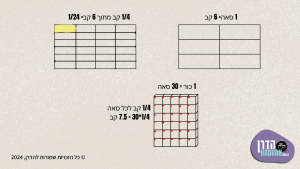
If a seller sells a field and does not specify anything further, do we allow for a margin of error? First, the Gemara tries to answer this question from our Mishna, but it is inconclusive. Then they derive from a braita that there is a margin of error, just like one who adds the words “more or less.” The Mishna explains that if the amount given to the buyer is greater than the margin of error (1/4 of a kav per se’ah, 1/24), the seller can insist that the buyer pay for all the land greater than the amount agreed upon. The buyer cannot insist on giving back the land to the seller as a small piece of land is useless to the seller. This gives power to the seller over the buyer. However, according to a braita, the buyer can insist that the seller sell the land if it is more than the margin of error, giving the buyer power over the seller. To resolve this contradiction, the case of the braita is understood to be one in which the price fluctuated from the time of the sale and the time they realized there was a mistake in the size of the land given to the buyer. While the buyer cannot insist on buying it (as per the Mishna), if the seller chooses to sell it to the buyer, the buyer is forced to pay but can insist on paying the lower price, either the one at the time of the sale or the current price (as per the braita).

If the amount of land given to the buyer is nine kav more than agreed upon, the buyer can insist on returning the land to the seller, as nine kav of property is the minimum size of a field. Rav Huna and Rav Nachman disagree about whether this is an absolute amount (Rav Huna) and even if the field is larger than thirty se’ah, the buyer returns the amount to the seller (as there is no presumption of mechila for the amount of nine kav, even in a large field) or is it a relative amount (Rav Nachman) – nine kav for a field of 30 se’ah, as at that amount there is no presumption of mechila, but if it were in a larger field, there would be mechila by the seller on the error (as per 1/4 kav per se’ah). Rava raises difficulties with Rav Nachman’s position, but they are resolved.

Rav Ashi asks: If a field was sold with a surplus of more than seven and a half, but less than nine kav, and when the surplus was measured, the field became potentially used as a garden, can the buyer return the surplus land to the seller? What about the reverse case? These questions remain unanswered.

If the seller owns the adjacent field to the one being sold, the buyer can return the land, even if the surplus is less than nine kav. What if there is a pit, water channel, road, or row of palm trees separating the surplus land from the seller’s field?

בבא בתרא קד

Bava Batra 104

פָּחוֹת כׇּל שֶׁהוּא – יְנַכֶּה, יָתֵר כׇּל שֶׁהוּא – יַחֲזִיר. הָא סְתָמָא – כְּ״הֵן חָסֵר הֵן יָתֵר״ דָּמֵי!

and he gave him even the slightest amount less that what was stipulated, the seller must deduct the difference from the purchase price of the field and return money to the buyer. If he gave him even the slightest amount more than what was stipulated, the buyer must return the difference to the seller. The reason that even the slightest difference in value must be returned is that the seller specified that he was selling land measured precisely with a rope. But had he sold the land without further specification, it would be like he sold it saying that it is a beit kor more or less.

אֵימָא סֵיפָא – וְאִם אָמַר לוֹ: ״הֵן חָסֵר הֵן יָתֵר״; אֲפִילּוּ פִּיחֵת רוֹבַע לִסְאָה אוֹ הוֹתִיר רוֹבַע לִסְאָה – הִגִּיעוֹ. הָא סְתָמָא – כְּמִדָּה בְּחֶבֶל דָּמֵי! אֶלָּא מֵהָא לֵיכָּא לְמִשְׁמַע מִינַּהּ.

The Gemara rejects this argument by proposing another, completely opposite proof: Say the latter clause of the mishna: And if the seller said to the buyer that he is selling him a beit kor of land more or less, then even if he gave him one-quarter of a kav per se’a less than what was stipulated, or he gave him one-quarter of a kav per se’a more than what was stipulated, it is his and the sale is valid. One can infer: The reason that the sale is valid is that he specified that he was selling a beit kor of land more or less. But had he sold the land without further specification, it would be like he sold it saying that he was selling the land measured precisely with a rope. Rather, since the mishna can be interpreted in two opposite ways, no inference is to be learned from the mishna.

תָּא שְׁמַע: ״בֵּית כּוֹר עָפָר אֲנִי מוֹכֵר לָךְ״; ״כְּבֵית כּוֹר עָפָר אֲנִי מוֹכֵר לָךְ״; ״הֵן חָסֵר הֵן יָתֵר אֲנִי מוֹכֵר לָךְ״ – אֲפִילּוּ פִּיחֵת רוֹבַע לִסְאָה, אוֹ הוֹתִיר רוֹבַע לִסְאָה – הִגִּיעוֹ. אַלְמָא סְתָמָא נָמֵי, כְּ״הֵן חָסֵר הֵן יָתֵר״ דָּמֵי! הָתָם, פָּרוֹשֵׁי קָא מְפָרֵשׁ – אֵיזֶהוּ בֵּית כּוֹר שֶׁהִיא כְּבֵית כּוֹר? כְּגוֹן דַּאֲמַר לֵיהּ: ״הֵן חָסֵר הֵן יָתֵר״.

The Gemara tries to present another proof: Come and hear a proof from a baraita: If the seller said to the buyer: I am selling you a plot of earth the size of a beit kor; or he said to him: I am selling you a plot of earth about the size of a beit kor; or he said to him: I am selling you a beit kor more or less; then even if he gave him one-quarter of a kav per se’a less than what was stipulated, or he gave him one-quarter of a kav per se’a more than what was stipulated, it is his and the sale is valid. One can infer: Apparently, selling a beit kor of land without further specification is also like selling it more or less. The Gemara rejects this proof: There, the tanna is explaining his statement, which should be understood as follows: When is the phrase a beit kor treated like the phrase about the size of a beit kor? In a case where the seller says to the buyer: I am selling you a beit kor more or less.

מַתְקֵיף לַהּ רַב אָשֵׁי: אִם כֵּן, ״אֲנִי מוֹכֵר לָךְ״ ״אֲנִי מוֹכֵר לָךְ״ לְמָה לִי? אֶלָּא לָאו שְׁמַע מִינַּהּ סְתָמָא נָמֵי כְּ״הֵן חָסֵר הֵן יָתֵר״ דָּמֵי? שְׁמַע מִינַּהּ.

Rav Ashi objects to this: If that is so, then why do I need to repeat the words: I am selling you, three times? The fact that the baraita repeats these words in each clause indicates that it is discussing three separate sale transactions, and not that the three clauses are all referring to one case. Rather, isn’t it correct to conclude from the baraita that selling a beit kor of land without further specification is like selling it more or less? The Gemara affirms: Conclude from the baraita that this is so.

מַהוּ מַחֲזִיר לוֹ? מָעוֹת וְכוּ׳. לְיַפּוֹת כֹּחוֹ שֶׁל מוֹכֵר אָמְרִינַן, לְיַפּוֹת כֹּחוֹ שֶׁל לוֹקֵחַ לָא אָמְרִינַן?!

§ With regard to a buyer who received too much land and now must compensate the seller, the mishna teaches: What does he return to him? He pays him money, and if the seller so wishes, the buyer returns the surplus land to him, because the Sages said that the buyer pays money in order to enhance the power of the seller. In other words, the Sages allowed the seller to choose whether to take back the surplus land or to demand payment for it from the buyer, even though this effectively forces the buyer to purchase the surplus land from him. The Gemara asks: Is it correct that we say that the seller’s power should be enhanced, and that we do not say that the buyer’s power should be enhanced?

וְהָתַנְיָא: פִּיחֵת שִׁבְעַת קַבִּין וּמֶחֱצָה לְכוֹר, אוֹ הוֹתִיר שִׁבְעַת קַבִּין וּמֶחֱצָה לְכוֹר – הִגִּיעוֹ. יוֹתֵר מִכָּאן – כּוֹפִין אֶת הַמּוֹכֵר לִמְכּוֹר וְאֶת הַלּוֹקֵחַ לִיקַּח.

But isn’t it taught otherwise in a baraita: If the seller gave the buyer seven and a half kav per kor less than what was stipulated, which is the equivalent of a quarter-kav per se’a, as a kor is equal to thirty se’a, or he gave him seven and a half kav per kor more than what was stipulated, it is his and the sale is valid. If the difference is greater than that amount, the court compels the seller to sell and the buyer to buy the difference. This indicates that we also say that the buyer’s power should be enhanced, since if the buyer so wishes, the seller is compelled to sell him land and accept payment for it.

הָתָם, כְּגוֹן דַּהֲוָה יַקִּירָא מֵעִיקָּרָא, וְזָל הַשְׁתָּא; דְּאָמְרִינַן לֵיהּ: אִי אַרְעָא יָהֲבַתְּ לִי – הַב לִי כְּזוּלָא דְּהַשְׁתָּא.

The Gemara replies: There, the baraita is not discussing a case where the buyer wishes to acquire the surplus land, but rather with a case where the land was initially, at the time of the sale, expensive, but now it is cheap, and the seller wants the buyer to pay him for the surplus land according to the initial higher rate. In this case, we say to the seller, in the name of the buyer: If you wish to give me land and receive money, give me the land according to the current, cheaper rate. This is what the baraita is referring to when it states that the seller is compelled to sell.

וְהָתַנְיָא: כְּשֶׁהוּא נוֹתֵן לוֹ – נוֹתֵן לוֹ כְּשַׁעַר שֶׁלָּקַח מִמֶּנּוּ! הָתָם, כְּגוֹן דַּהֲוָה זוּלָא מֵעִיקָּרָא, וְיָקְרָא לַהּ הַשְׁתָּא.

The Gemara raises a difficulty: But isn’t it taught in a baraita: When he gives him money in payment for the surplus land, he gives it to him according to the rate at which he had bought the rest of the land from him? The Gemara replies: There the baraita is referring to a case where the land was initially cheap but now it is expensive. If, in such a case, the seller wants the buyer to pay him for the surplus land, he is compelled to sell it to him according to the cheap rate from the time of the original sale.

שֶׁאִם שִׁיֵּיר בַּשָּׂדֶה בֵּית תִּשְׁעָה קַבִּין וְכוּ׳. אָמַר רַב הוּנָא: תִּשְׁעָה קַבִּין שֶׁאָמְרוּ, וַאֲפִילּוּ בְּבִקְעָה גְּדוֹלָה.

§ The mishna teaches: As, if the surplus in the field was an area required for the sowing of nine kav of seed, and in a garden an area required for the sowing of a half-kav of seed, or, according to the Rabbi Akiva, an area required for the sowing of a quarter-kav of seed, the buyer can return the surplus land to the seller, and the seller cannot demand payment in money. Rav Huna says: The halakha that was stated in the mishna, that a surplus in the size of an area required for the sowing of nine kav of seed can be returned to the seller, applies even in a large valley which measures several kor. If the surplus is a significant plot of land equal in size to an area required for the sowing of nine kav of seed, the buyer can return it to the seller, even if it is less than one-quarter of a kav per se’a, i.e., less than one twenty-fourth the size of the field that was sold.

וְרַב נַחְמָן אָמַר: נוֹתֵן שִׁבְעַת קַבִּין וּמֶחֱצָה לְכׇל כּוֹר וָכוֹר.

And Rav Naḥman says: He calculates seven and a half kav for each and every kor, which is equivalent to one-quarter of a kav per se’a. As long as the surplus does not exceed that ratio, he is not required to return it, even if the surplus is greater than the area required for the sowing of nine kav.

וְאִי אִיכָּא מִילְּתָא יַתִּירָא, דְּהָוֵי לְתִשְׁעַת קַבִּין – הָדְרִי.

And if after this calculation there is still a surplus in excess of a quarter-kav per se’a, equal in size to an area required for the sowing of nine kav of seed, the entire surplus must be returned.

אֵיתִיבֵיהּ רָבָא לְרַב נַחְמָן: ״שֶׁאִם שִׁיֵּיר בַּשָּׂדֶה בֵּית תִּשְׁעַת קַבִּין״ – לָאו דְּזַבֵּין לֵיהּ כּוֹרַיִים? לָא, דְּזַבֵּין לֵיהּ כּוֹר.

Rava raised an objection to Rav Naḥman: The mishna teaches that if the surplus in the field was an area required for the sowing of nine kav of seed, the buyer returns the land to the seller. Isn’t this the halakha even in a case where he sold him a field measuring two kor? This would seem to indicate that even if the surplus does not exceed a quarter-kav per se’a, as a quarter-kav per se’a in a field of two kor is fifteen kav, the sole determining factor is whether or not the surplus is equal in size to an area required for the sowing of nine kav. Rav Naḥman rejects this argument: No, the case in the mishna is specifically where he sold him a field measuring one kor.

״וּבַגִּנָּה בֵּית חֲצִי קַב״ – לָאו דְּזַבֵּין לֵיהּ סָאתַיִם? לָא, דְּזַבֵּין לֵיהּ סְאָה.

Rava raised a further objection to Rav Naḥman: We learned in the continuation of the mishna that if the surplus in a garden was an area required for the sowing of a half-kav of seed, the buyer returns the land to the seller. Isn’t this the halakha even in a case where he sold him a garden measuring two se’a? Once again, this would seem to indicate that the surplus is returned to the seller, provided that it is equal in size to the minimum measure of a garden, even if the surplus does not exceed one-half of a kav per two se’a, which is equivalent to one-quarter of a kav per se’a. Rav Naḥman rejects this argument as well: No, the case in the mishna is where he sold him a garden measuring a se’a, so that the surplus is proportionately twice as large.

״וּכְדִבְרֵי רַבִּי עֲקִיבָא, בֵּית רוֹבַע״ – מַאי, לָאו דְּזַבֵּין לֵיהּ סְאָה? לָא, דְּזַבֵּין לֵיהּ חֲצִי סְאָה.

Rava raised yet another objection to Rav Naḥman from the next clause in the mishna, which states: Or, according to the statement of Rabbi Akiva, if the surplus in the garden was an area required for sowing a quarter-kav of seed, the buyer returns the land to the seller. What, isn’t this the halakha even in a case where he sold him a garden measuring a se’a? In that case, the surplus does not exceed one-quarter of a kav per se’a, and nevertheless the surplus is returned to the seller, provided that it is equal in size to the minimum measure of a garden. Rav Naḥman also rejects this argument: No, the case in the mishna is where he sold him a garden measuring a half-se’a, so that the surplus is proportionately twice as large.

בָּעֵי רַב אָשֵׁי: שָׂדֶה – וְנַעֲשֵׂית גִּנָּה; גִּנָּה – וְנַעֲשֵׂיתָ שָׂדֶה, מַאי? תֵּיקוּ.

The mishna teaches that in the case of a field, the buyer can return the land itself if the surplus was an area required for the sowing of nine kav of seed, and in the case of a garden, if the surplus was an area required for the sowing of a half-kav of seed. Rav Ashi raises a dilemma: If one sold a field and it turned out that the plot was larger than had been stipulated, but before the buyer returned the surplus, the plot was turned into a garden, or if it was initially a garden and it was turned into a field (see 11a), what is the halakha? Is the surplus governed by the halakhot applying to a field or by those applying to a garden? The Gemara answers: The dilemma shall stand unresolved, as no answer has been found.

תָּנָא: אִם הָיָה סָמוּךְ לְשָׂדֵהוּ – אֲפִילּוּ כָּל שֶׁהוּא, מַחֲזִיר לוֹ קַרְקַע.

A Sage taught in a baraita: If the field being sold was adjacent to another field belonging to the seller, then even if the surplus was of a minimal amount, the buyer can return the land itself to the seller, and the seller cannot demand payment in money. This is because the seller loses nothing when he receives a small tract of land, as he can cultivate it along with his adjoining field.

בָּעֵי רַב אָשֵׁי: בּוֹר, מַהוּ שֶׁתַּפְסִיק? אַמַּת הַמַּיִם, מַהוּ שֶׁתַּפְסִיק? דֶּרֶךְ הָרַבִּים, מַהוּ שֶׁתַּפְסִיק? רִיכְבָּא דְּדִיקְלָא, מַהוּ שֶׁתַּפְסִיק? תֵּיקוּ.

Rav Ashi raises a set of dilemmas: With regard to a pit between the surplus in the sold field and the adjoining field belonging to the seller, what is the halakha: Should the pit be considered an interposition between the two fields? With regard to a water channel between the two fields, what is the halakha: Should the water channel be considered an interposition? With regard to the public thoroughfare, what is the halakha: Should the public thoroughfare be considered an interposition? With regard to a row of palm trees, what is the halakha: Should a row of palm trees be considered an interposition? The Gemara states: All these dilemmas shall stand unresolved.

וְלֹא אֶת הָרוֹבַע בִּלְבַד מַחֲזִיר לוֹ, אֶלָּא כָּל הַמּוֹתָר. כְּלַפֵּי לְיָיא? תָּאנֵי רָבִין בַּר רַב נַחְמָן: לֹא אֶת הַמּוֹתָר בִּלְבַד מַחֲזִיר לוֹ, אֶלָּא אֶת כָּל הָרְבָעִין כּוּלָּן.

§ The mishna teaches that if the surplus is greater than a quarter-kav per se’a, it is not only the quarter-kav that the buyer returns; rather, he returns all of the surplus. Since he is already required to make a refund, the refund must be made in the precise amount. The Gemara raises a question: Isn’t it the opposite [kelappei layya]? The buyer is required to return the surplus even when the quarters of a kav remain in his possession. Ravin bar Rav Naḥman taught the mishna as follows: Not only must the buyer return the extra land that is beyond the limit of a quarter-kav area per beit se’a, but he must also return to him every one of the extra quarter-kav areas of land that he received beyond the stated area of a beit kor. When he is required to return the surplus, he returns not only the surplus, but also all the quarter-kav areas over and above what had originally been stipulated to be included in the sale.

מַתְנִי׳ ״מִדָּה בְּחֶבֶל אֲנִי מוֹכֵר לָךְ, הֵן חָסֵר הֵן יָתֵר״ – בִּטֵּל ״הֵן חָסֵר הֵן יָתֵר״ ״מִדָּה בְּחֶבֶל״. ״הֵן חָסֵר הֵן יָתֵר, מִדָּה בְּחֶבֶל״ –

MISHNA: If the seller says to the buyer: I am selling you a plot of land of a certain size measured precisely with a rope more or less, thereby attaching to the sale two contradictory stipulations; in this case, the words: More or less, nullify the words: Measured precisely with a rope. Accordingly, if the surplus did not exceed a quarter-kav per se’a, the sale is valid as is. Similarly, if the seller says to the buyer: I am selling you a plot of land of a certain size more or less measured precisely with a rope,

New to Talmud?

Check out our resources designed to help you navigate a page of Talmud – and study at the pace, level and style that fits you. 

The Hadran Women’s Tapestry

Meet the diverse women learning Gemara at Hadran and hear their stories. 

I was exposed to Talmud in high school, but I was truly inspired after my daughter and I decided to attend the Women’s Siyum Shas in 2020. We knew that this was a historic moment. We were blown away, overcome with emotion at the euphoria of the revolution. Right then, I knew I would continue. My commitment deepened with the every-morning Virtual Beit Midrash on Zoom with R. Michelle.

Adina Hagege
Adina Hagege

Zichron Yaakov, Israel

I started with Ze Kollel in Berlin, directed by Jeremy Borowitz for Hillel Deutschland. We read Masechet Megillah chapter 4 and each participant wrote his commentary on a Sugia that particularly impressed him. I wrote six poems about different Sugiot! Fascinated by the discussions on Talmud I continued to learn with Rabanit Michelle Farber and am currently taking part in the Tikun Olam course.
Yael Merlini
Yael Merlini

Berlin, Germany

I started last year after completing the Pesach Sugiyot class. Masechet Yoma might seem like a difficult set of topics, but for me made Yom Kippur and the Beit HaMikdash come alive. Liturgy I’d always had trouble connecting with took on new meaning as I gained a sense of real people moving through specific spaces in particular ways. It was the perfect introduction; I am so grateful for Hadran!

Debbie Engelen-Eigles

Minnesota, United States

As Jewish educator and as a woman, I’m mindful that Talmud has been kept from women for many centuries. Now that we are privileged to learn, and learning is so accessible, it’s my intent to complete Daf Yomi. I am so excited to keep learning with my Hadran community.

Sue Parker Gerson
Sue Parker Gerson

Denver, United States

In January 2020, my teaching partner at IDC suggested we do daf yomi. Thanks to her challenge, I started learning daily from Rabbanit Michelle. It’s a joy to be part of the Hadran community. (It’s also a tikkun: in 7th grade, my best friend and I tied for first place in a citywide gemara exam, but we weren’t invited to the celebration because girls weren’t supposed to be learning gemara).

Sara-Averick-photo-scaled
Sara Averick

Jerusalem, Israel

Michelle has been an inspiration for years, but I only really started this cycle after the moving and uplifting siyum in Jerusalem. It’s been an wonderful to learn and relearn the tenets of our religion and to understand how the extraordinary efforts of a band of people to preserve Judaism after the fall of the beit hamikdash is still bearing fruits today. I’m proud to be part of the chain!

Judith Weil
Judith Weil

Raanana, Israel

In January 2020, my chevruta suggested that we “up our game. Let’s do Daf Yomi” – and she sent me the Hadran link. I lost my job (and went freelance), there was a pandemic, and I am still opening the podcast with my breakfast coffee, or after Shabbat with popcorn. My Aramaic is improving. I will need a new bookcase, though.

Rhondda May
Rhondda May

Atlanta, Georgia, United States

I graduated college in December 2019 and received a set of shas as a present from my husband. With my long time dream of learning daf yomi, I had no idea that a new cycle was beginning just one month later, in January 2020. I have been learning the daf ever since with Michelle Farber… Through grad school, my first job, my first baby, and all the other incredible journeys over the past few years!
Sigal Spitzer Flamholz

Bronx, United States

When the new cycle began, I thought, If not now, when? I’d just turned 72. I feel like a tourist on a tour bus passing astonishing scenery each day. Rabbanit Michelle is my beloved tour guide. When the cycle ends, I’ll be 80. I pray that I’ll have strength and mind to continue the journey to glimpse a little more. My grandchildren think having a daf-learning savta is cool!

Wendy Dickstein
Wendy Dickstein

Jerusalem, Israel

I attended the Siyum so that I could tell my granddaughter that I had been there. Then I decided to listen on Spotify and after the siyum of Brachot, Covid and zoom began. It gave structure to my day. I learn with people from all over the world who are now my friends – yet most of us have never met. I can’t imagine life without it. Thank you Rabbanit Michelle.

Emma Rinberg
Emma Rinberg

Raanana, Israel

I began to learn this cycle of Daf Yomi after my husband passed away 2 1/2 years ago. It seemed a good way to connect to him. Even though I don’t know whether he would have encouraged women learning Gemara, it would have opened wonderful conversations. It also gives me more depth for understanding my frum children and grandchildren. Thank you Hadran and Rabbanit Michelle Farber!!

Harriet Hartman
Harriet Hartman

Tzur Hadassah, Israel

The first month I learned Daf Yomi by myself in secret, because I wasn’t sure how my husband would react, but after the siyyum on Masechet Brachot I discovered Hadran and now sometimes my husband listens to the daf with me. He and I also learn mishnayot together and are constantly finding connections between the different masechtot.

Laura Warshawsky
Laura Warshawsky

Silver Spring, Maryland, United States

After being so inspired by the siyum shas two years ago, I began tentatively learning daf yomi, like Rabbanut Michelle kept saying – taking one daf at a time. I’m still taking it one daf at a time, one masechet at a time, but I’m loving it and am still so inspired by Rabbanit Michelle and the Hadran community, and yes – I am proud to be finishing Seder Mo’ed.

Caroline Graham-Ofstein

Bet Shemesh, Israel

I started Daf during the pandemic. I listened to a number of podcasts by various Rebbeim until one day, I discovered Rabbanit Farbers podcast. Subsequently I joined the Hadran family in Eruvin. Not the easiest place to begin, Rabbanit Farber made it all understandable and fun. The online live group has bonded together and have really become a supportive, encouraging family.

Leah Goldford
Leah Goldford

Edmonton, Alberta, Canada

When I started studying Hebrew at Brown University’s Hillel, I had no idea that almost 38 years later, I’m doing Daf Yomi. My Shabbat haburah is led by Rabbanit Leah Sarna. The women are a hoot. I’m tracking the completion of each tractate by reading Ilana Kurshan’s memoir, If All the Seas Were Ink.

Hannah Lee
Hannah Lee

Pennsylvania, United States

As Jewish educator and as a woman, I’m mindful that Talmud has been kept from women for many centuries. Now that we are privileged to learn, and learning is so accessible, it’s my intent to complete Daf Yomi. I am so excited to keep learning with my Hadran community.

Sue Parker Gerson
Sue Parker Gerson

Denver, United States

Ive been learning Gmara since 5th grade and always loved it. Have always wanted to do Daf Yomi and now with Michelle Farber’s online classes it made it much easier to do! Really enjoying the experience thank you!!

Lisa Lawrence
Lisa Lawrence

Neve Daniel, Israel

I attended the Siyum so that I could tell my granddaughter that I had been there. Then I decided to listen on Spotify and after the siyum of Brachot, Covid and zoom began. It gave structure to my day. I learn with people from all over the world who are now my friends – yet most of us have never met. I can’t imagine life without it. Thank you Rabbanit Michelle.

Emma Rinberg
Emma Rinberg

Raanana, Israel

I had never heard of Daf Yomi and after reading the book, The Weight of Ink, I explored more about it. I discovered that it was only 6 months before a whole new cycle started and I was determined to give it a try. I tried to get a friend to join me on the journey but after the first few weeks they all dropped it. I haven’t missed a day of reading and of listening to the podcast.

Anne Rubin
Anne Rubin

Elkins Park, United States

In early January of 2020, I learned about Siyyum HaShas and Daf Yomi via Tablet Magazine’s brief daily podcast about the Daf. I found it compelling and fascinating. Soon I discovered Hadran; since then I have learned the Daf daily with Rabbanit Michelle Cohen Farber. The Daf has permeated my every hour, and has transformed and magnified my place within the Jewish Universe.

Lisa Berkelhammer
Lisa Berkelhammer

San Francisco, CA , United States

Bava Batra 104

פָּחוֹת כׇּל שֶׁהוּא – יְנַכֶּה, יָתֵר כׇּל שֶׁהוּא – יַחֲזִיר. הָא סְתָמָא – כְּ״הֵן חָסֵר הֵן יָתֵר״ דָּמֵי!

and he gave him even the slightest amount less that what was stipulated, the seller must deduct the difference from the purchase price of the field and return money to the buyer. If he gave him even the slightest amount more than what was stipulated, the buyer must return the difference to the seller. The reason that even the slightest difference in value must be returned is that the seller specified that he was selling land measured precisely with a rope. But had he sold the land without further specification, it would be like he sold it saying that it is a beit kor more or less.

אֵימָא סֵיפָא – וְאִם אָמַר לוֹ: ״הֵן חָסֵר הֵן יָתֵר״; אֲפִילּוּ פִּיחֵת רוֹבַע לִסְאָה אוֹ הוֹתִיר רוֹבַע לִסְאָה – הִגִּיעוֹ. הָא סְתָמָא – כְּמִדָּה בְּחֶבֶל דָּמֵי! אֶלָּא מֵהָא לֵיכָּא לְמִשְׁמַע מִינַּהּ.

The Gemara rejects this argument by proposing another, completely opposite proof: Say the latter clause of the mishna: And if the seller said to the buyer that he is selling him a beit kor of land more or less, then even if he gave him one-quarter of a kav per se’a less than what was stipulated, or he gave him one-quarter of a kav per se’a more than what was stipulated, it is his and the sale is valid. One can infer: The reason that the sale is valid is that he specified that he was selling a beit kor of land more or less. But had he sold the land without further specification, it would be like he sold it saying that he was selling the land measured precisely with a rope. Rather, since the mishna can be interpreted in two opposite ways, no inference is to be learned from the mishna.

תָּא שְׁמַע: ״בֵּית כּוֹר עָפָר אֲנִי מוֹכֵר לָךְ״; ״כְּבֵית כּוֹר עָפָר אֲנִי מוֹכֵר לָךְ״; ״הֵן חָסֵר הֵן יָתֵר אֲנִי מוֹכֵר לָךְ״ – אֲפִילּוּ פִּיחֵת רוֹבַע לִסְאָה, אוֹ הוֹתִיר רוֹבַע לִסְאָה – הִגִּיעוֹ. אַלְמָא סְתָמָא נָמֵי, כְּ״הֵן חָסֵר הֵן יָתֵר״ דָּמֵי! הָתָם, פָּרוֹשֵׁי קָא מְפָרֵשׁ – אֵיזֶהוּ בֵּית כּוֹר שֶׁהִיא כְּבֵית כּוֹר? כְּגוֹן דַּאֲמַר לֵיהּ: ״הֵן חָסֵר הֵן יָתֵר״.

The Gemara tries to present another proof: Come and hear a proof from a baraita: If the seller said to the buyer: I am selling you a plot of earth the size of a beit kor; or he said to him: I am selling you a plot of earth about the size of a beit kor; or he said to him: I am selling you a beit kor more or less; then even if he gave him one-quarter of a kav per se’a less than what was stipulated, or he gave him one-quarter of a kav per se’a more than what was stipulated, it is his and the sale is valid. One can infer: Apparently, selling a beit kor of land without further specification is also like selling it more or less. The Gemara rejects this proof: There, the tanna is explaining his statement, which should be understood as follows: When is the phrase a beit kor treated like the phrase about the size of a beit kor? In a case where the seller says to the buyer: I am selling you a beit kor more or less.

מַתְקֵיף לַהּ רַב אָשֵׁי: אִם כֵּן, ״אֲנִי מוֹכֵר לָךְ״ ״אֲנִי מוֹכֵר לָךְ״ לְמָה לִי? אֶלָּא לָאו שְׁמַע מִינַּהּ סְתָמָא נָמֵי כְּ״הֵן חָסֵר הֵן יָתֵר״ דָּמֵי? שְׁמַע מִינַּהּ.

Rav Ashi objects to this: If that is so, then why do I need to repeat the words: I am selling you, three times? The fact that the baraita repeats these words in each clause indicates that it is discussing three separate sale transactions, and not that the three clauses are all referring to one case. Rather, isn’t it correct to conclude from the baraita that selling a beit kor of land without further specification is like selling it more or less? The Gemara affirms: Conclude from the baraita that this is so.

מַהוּ מַחֲזִיר לוֹ? מָעוֹת וְכוּ׳. לְיַפּוֹת כֹּחוֹ שֶׁל מוֹכֵר אָמְרִינַן, לְיַפּוֹת כֹּחוֹ שֶׁל לוֹקֵחַ לָא אָמְרִינַן?!

§ With regard to a buyer who received too much land and now must compensate the seller, the mishna teaches: What does he return to him? He pays him money, and if the seller so wishes, the buyer returns the surplus land to him, because the Sages said that the buyer pays money in order to enhance the power of the seller. In other words, the Sages allowed the seller to choose whether to take back the surplus land or to demand payment for it from the buyer, even though this effectively forces the buyer to purchase the surplus land from him. The Gemara asks: Is it correct that we say that the seller’s power should be enhanced, and that we do not say that the buyer’s power should be enhanced?

וְהָתַנְיָא: פִּיחֵת שִׁבְעַת קַבִּין וּמֶחֱצָה לְכוֹר, אוֹ הוֹתִיר שִׁבְעַת קַבִּין וּמֶחֱצָה לְכוֹר – הִגִּיעוֹ. יוֹתֵר מִכָּאן – כּוֹפִין אֶת הַמּוֹכֵר לִמְכּוֹר וְאֶת הַלּוֹקֵחַ לִיקַּח.

But isn’t it taught otherwise in a baraita: If the seller gave the buyer seven and a half kav per kor less than what was stipulated, which is the equivalent of a quarter-kav per se’a, as a kor is equal to thirty se’a, or he gave him seven and a half kav per kor more than what was stipulated, it is his and the sale is valid. If the difference is greater than that amount, the court compels the seller to sell and the buyer to buy the difference. This indicates that we also say that the buyer’s power should be enhanced, since if the buyer so wishes, the seller is compelled to sell him land and accept payment for it.

הָתָם, כְּגוֹן דַּהֲוָה יַקִּירָא מֵעִיקָּרָא, וְזָל הַשְׁתָּא; דְּאָמְרִינַן לֵיהּ: אִי אַרְעָא יָהֲבַתְּ לִי – הַב לִי כְּזוּלָא דְּהַשְׁתָּא.

The Gemara replies: There, the baraita is not discussing a case where the buyer wishes to acquire the surplus land, but rather with a case where the land was initially, at the time of the sale, expensive, but now it is cheap, and the seller wants the buyer to pay him for the surplus land according to the initial higher rate. In this case, we say to the seller, in the name of the buyer: If you wish to give me land and receive money, give me the land according to the current, cheaper rate. This is what the baraita is referring to when it states that the seller is compelled to sell.

וְהָתַנְיָא: כְּשֶׁהוּא נוֹתֵן לוֹ – נוֹתֵן לוֹ כְּשַׁעַר שֶׁלָּקַח מִמֶּנּוּ! הָתָם, כְּגוֹן דַּהֲוָה זוּלָא מֵעִיקָּרָא, וְיָקְרָא לַהּ הַשְׁתָּא.

The Gemara raises a difficulty: But isn’t it taught in a baraita: When he gives him money in payment for the surplus land, he gives it to him according to the rate at which he had bought the rest of the land from him? The Gemara replies: There the baraita is referring to a case where the land was initially cheap but now it is expensive. If, in such a case, the seller wants the buyer to pay him for the surplus land, he is compelled to sell it to him according to the cheap rate from the time of the original sale.

שֶׁאִם שִׁיֵּיר בַּשָּׂדֶה בֵּית תִּשְׁעָה קַבִּין וְכוּ׳. אָמַר רַב הוּנָא: תִּשְׁעָה קַבִּין שֶׁאָמְרוּ, וַאֲפִילּוּ בְּבִקְעָה גְּדוֹלָה.

§ The mishna teaches: As, if the surplus in the field was an area required for the sowing of nine kav of seed, and in a garden an area required for the sowing of a half-kav of seed, or, according to the Rabbi Akiva, an area required for the sowing of a quarter-kav of seed, the buyer can return the surplus land to the seller, and the seller cannot demand payment in money. Rav Huna says: The halakha that was stated in the mishna, that a surplus in the size of an area required for the sowing of nine kav of seed can be returned to the seller, applies even in a large valley which measures several kor. If the surplus is a significant plot of land equal in size to an area required for the sowing of nine kav of seed, the buyer can return it to the seller, even if it is less than one-quarter of a kav per se’a, i.e., less than one twenty-fourth the size of the field that was sold.

וְרַב נַחְמָן אָמַר: נוֹתֵן שִׁבְעַת קַבִּין וּמֶחֱצָה לְכׇל כּוֹר וָכוֹר.

And Rav Naḥman says: He calculates seven and a half kav for each and every kor, which is equivalent to one-quarter of a kav per se’a. As long as the surplus does not exceed that ratio, he is not required to return it, even if the surplus is greater than the area required for the sowing of nine kav.

וְאִי אִיכָּא מִילְּתָא יַתִּירָא, דְּהָוֵי לְתִשְׁעַת קַבִּין – הָדְרִי.

And if after this calculation there is still a surplus in excess of a quarter-kav per se’a, equal in size to an area required for the sowing of nine kav of seed, the entire surplus must be returned.

אֵיתִיבֵיהּ רָבָא לְרַב נַחְמָן: ״שֶׁאִם שִׁיֵּיר בַּשָּׂדֶה בֵּית תִּשְׁעַת קַבִּין״ – לָאו דְּזַבֵּין לֵיהּ כּוֹרַיִים? לָא, דְּזַבֵּין לֵיהּ כּוֹר.

Rava raised an objection to Rav Naḥman: The mishna teaches that if the surplus in the field was an area required for the sowing of nine kav of seed, the buyer returns the land to the seller. Isn’t this the halakha even in a case where he sold him a field measuring two kor? This would seem to indicate that even if the surplus does not exceed a quarter-kav per se’a, as a quarter-kav per se’a in a field of two kor is fifteen kav, the sole determining factor is whether or not the surplus is equal in size to an area required for the sowing of nine kav. Rav Naḥman rejects this argument: No, the case in the mishna is specifically where he sold him a field measuring one kor.

״וּבַגִּנָּה בֵּית חֲצִי קַב״ – לָאו דְּזַבֵּין לֵיהּ סָאתַיִם? לָא, דְּזַבֵּין לֵיהּ סְאָה.

Rava raised a further objection to Rav Naḥman: We learned in the continuation of the mishna that if the surplus in a garden was an area required for the sowing of a half-kav of seed, the buyer returns the land to the seller. Isn’t this the halakha even in a case where he sold him a garden measuring two se’a? Once again, this would seem to indicate that the surplus is returned to the seller, provided that it is equal in size to the minimum measure of a garden, even if the surplus does not exceed one-half of a kav per two se’a, which is equivalent to one-quarter of a kav per se’a. Rav Naḥman rejects this argument as well: No, the case in the mishna is where he sold him a garden measuring a se’a, so that the surplus is proportionately twice as large.

״וּכְדִבְרֵי רַבִּי עֲקִיבָא, בֵּית רוֹבַע״ – מַאי, לָאו דְּזַבֵּין לֵיהּ סְאָה? לָא, דְּזַבֵּין לֵיהּ חֲצִי סְאָה.

Rava raised yet another objection to Rav Naḥman from the next clause in the mishna, which states: Or, according to the statement of Rabbi Akiva, if the surplus in the garden was an area required for sowing a quarter-kav of seed, the buyer returns the land to the seller. What, isn’t this the halakha even in a case where he sold him a garden measuring a se’a? In that case, the surplus does not exceed one-quarter of a kav per se’a, and nevertheless the surplus is returned to the seller, provided that it is equal in size to the minimum measure of a garden. Rav Naḥman also rejects this argument: No, the case in the mishna is where he sold him a garden measuring a half-se’a, so that the surplus is proportionately twice as large.

בָּעֵי רַב אָשֵׁי: שָׂדֶה – וְנַעֲשֵׂית גִּנָּה; גִּנָּה – וְנַעֲשֵׂיתָ שָׂדֶה, מַאי? תֵּיקוּ.

The mishna teaches that in the case of a field, the buyer can return the land itself if the surplus was an area required for the sowing of nine kav of seed, and in the case of a garden, if the surplus was an area required for the sowing of a half-kav of seed. Rav Ashi raises a dilemma: If one sold a field and it turned out that the plot was larger than had been stipulated, but before the buyer returned the surplus, the plot was turned into a garden, or if it was initially a garden and it was turned into a field (see 11a), what is the halakha? Is the surplus governed by the halakhot applying to a field or by those applying to a garden? The Gemara answers: The dilemma shall stand unresolved, as no answer has been found.

תָּנָא: אִם הָיָה סָמוּךְ לְשָׂדֵהוּ – אֲפִילּוּ כָּל שֶׁהוּא, מַחֲזִיר לוֹ קַרְקַע.

A Sage taught in a baraita: If the field being sold was adjacent to another field belonging to the seller, then even if the surplus was of a minimal amount, the buyer can return the land itself to the seller, and the seller cannot demand payment in money. This is because the seller loses nothing when he receives a small tract of land, as he can cultivate it along with his adjoining field.

בָּעֵי רַב אָשֵׁי: בּוֹר, מַהוּ שֶׁתַּפְסִיק? אַמַּת הַמַּיִם, מַהוּ שֶׁתַּפְסִיק? דֶּרֶךְ הָרַבִּים, מַהוּ שֶׁתַּפְסִיק? רִיכְבָּא דְּדִיקְלָא, מַהוּ שֶׁתַּפְסִיק? תֵּיקוּ.

Rav Ashi raises a set of dilemmas: With regard to a pit between the surplus in the sold field and the adjoining field belonging to the seller, what is the halakha: Should the pit be considered an interposition between the two fields? With regard to a water channel between the two fields, what is the halakha: Should the water channel be considered an interposition? With regard to the public thoroughfare, what is the halakha: Should the public thoroughfare be considered an interposition? With regard to a row of palm trees, what is the halakha: Should a row of palm trees be considered an interposition? The Gemara states: All these dilemmas shall stand unresolved.

וְלֹא אֶת הָרוֹבַע בִּלְבַד מַחֲזִיר לוֹ, אֶלָּא כָּל הַמּוֹתָר. כְּלַפֵּי לְיָיא? תָּאנֵי רָבִין בַּר רַב נַחְמָן: לֹא אֶת הַמּוֹתָר בִּלְבַד מַחֲזִיר לוֹ, אֶלָּא אֶת כָּל הָרְבָעִין כּוּלָּן.

§ The mishna teaches that if the surplus is greater than a quarter-kav per se’a, it is not only the quarter-kav that the buyer returns; rather, he returns all of the surplus. Since he is already required to make a refund, the refund must be made in the precise amount. The Gemara raises a question: Isn’t it the opposite [kelappei layya]? The buyer is required to return the surplus even when the quarters of a kav remain in his possession. Ravin bar Rav Naḥman taught the mishna as follows: Not only must the buyer return the extra land that is beyond the limit of a quarter-kav area per beit se’a, but he must also return to him every one of the extra quarter-kav areas of land that he received beyond the stated area of a beit kor. When he is required to return the surplus, he returns not only the surplus, but also all the quarter-kav areas over and above what had originally been stipulated to be included in the sale.

מַתְנִי׳ ״מִדָּה בְּחֶבֶל אֲנִי מוֹכֵר לָךְ, הֵן חָסֵר הֵן יָתֵר״ – בִּטֵּל ״הֵן חָסֵר הֵן יָתֵר״ ״מִדָּה בְּחֶבֶל״. ״הֵן חָסֵר הֵן יָתֵר, מִדָּה בְּחֶבֶל״ –

MISHNA: If the seller says to the buyer: I am selling you a plot of land of a certain size measured precisely with a rope more or less, thereby attaching to the sale two contradictory stipulations; in this case, the words: More or less, nullify the words: Measured precisely with a rope. Accordingly, if the surplus did not exceed a quarter-kav per se’a, the sale is valid as is. Similarly, if the seller says to the buyer: I am selling you a plot of land of a certain size more or less measured precisely with a rope,

Want to follow content and continue where you left off?

Create an account today to track your progress, mark what you’ve learned, and follow the shiurim that speak to you.

Clear all items from this list?

This will remove ALL the items in this section. You will lose any progress or history connected to them. This is irreversible.

Cancel
Yes, clear all

Are you sure you want to delete this item?

You will lose any progress or history connected to this item.

Cancel
Yes, delete