Search

Bava Batra 108

Want to dedicate learning? Get started here:

podcast placeholder

0:00
0:00


Summary

What is the purpose of the small and large ditches around a field?

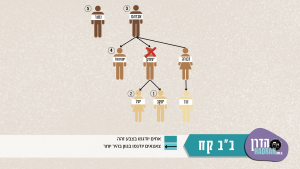
Laws of inheritance begin with a list of which family relations inherit from each other and which bequeath to another. Some do both, some do neither and some do one or the other. Why does the Mishna begin with a son dying and passing on inheritance to his father and not the reverse case? The Torah delineates the order of who is first in the line of inheritance but the father is left off the list. The order in the Torah is son, daughter, brother, uncle (father’s brother). Since the law that the father inherits the son is derived from a drasha, the author of the Mishna listed it first. According to the drasha, a father inherits if there are no children (before it goes to the brothers). Why not before the son? The son is considered the closest relative, as the son replaces his father for two laws, ye’ud and a consecrated ancestral field. But also a brother can replace his brother in yibum, so why isn’t a brother considered closer?

Copy of יבמות פרק ב דף כא 1

Bava Batra 108

כְּדֵי שֶׁלֹּא תְּהֵא חַיָּה קוֹפֶצֶת. וְלַעֲבֵיד חָרִיץ – וְלָא לַעֲבֵיד בֶּן חָרִיץ! אַיְּידֵי דְּרָוַוח, קָיְימָא בְּגַוֵּיהּ וְקָפְצָה. וְלַעֲבֵיד בֶּן חָרִיץ – וְלָא לַעֲבֵיד חָרִיץ! אַיְּידֵי דְּקַטִּין, קָיְימָא אַשִּׂפְתֵּיהּ וְקָפְצָה. וְכַמָּה בֵּין חָרִיץ לְבֶן חָרִיץ? טֶפַח.

so that an animal will not jump over the fence, enter the field, and cause damage. The Gemara asks: Let him make only a larger ditch and not make a smaller ditch. The Gemara replies: Since the ditch is wide, the animal can stand inside it and jump from there over the fence. The Gemara asks: If so, then let him make only a smaller ditch and not make a larger ditch? Since the ditch is small, the animal stands on its edge and jumps over the fence. The baraita explains the matter further: And how much space is there between the larger ditch and the smaller ditch? One handbreadth.


הֲדַרַן עֲלָךְ בֵּית כּוֹר

יֵשׁ נוֹחֲלִין וּמַנְחִילִין, וְיֵשׁ נוֹחֲלִין וְלֹא מַנְחִילִין; מַנְחִילִין וְלֹא נוֹחֲלִין; לֹא נוֹחֲלִין וְלֹא מַנְחִילִין.

MISHNA: There are family members who both inherit from and bequeath to each other upon their respective deaths; and there are those who inherit from certain relatives but do not bequeath to them; and there are those who bequeath to certain relatives but do not inherit from them; and there are those who, despite being relatives, do not inherit from nor bequeath to one another.

וְאֵלּוּ נוֹחֲלִין וּמַנְחִילִין: הָאָב אֶת הַבָּנִים, וְהַבָּנִים אֶת הָאָב, וְהָאַחִין מִן הָאָב – נוֹחֲלִין וּמַנְחִילִין. הָאִישׁ אֶת אִמּוֹ, וְהָאִישׁ אֶת אִשְׁתּוֹ, וּבְנֵי אֲחָיוֹת – נוֹחֲלִין וְלֹא מַנְחִילִין. הָאִשָּׁה אֶת בָּנֶיהָ, וְהָאִשָּׁה אֶת בַּעְלָהּ, וַאֲחֵי הָאֵם – מַנְחִילִין וְלֹא נוֹחֲלִין. וְהָאַחִין מִן הָאֵם – לֹא נוֹחֲלִין וְלֹא מַנְחִילִין.

The mishna lists those referred to above. And these both inherit and bequeath: A father with regard to his sons, and sons with regard to their father, and paternal brothers; all inherit from one another and bequeath to each other. A man with regard to his mother, and a man with regard to his wife, and sons of sisters, i.e., nephews born to the sisters of the deceased, all inherit from their respective relatives but do not bequeath to them. A woman with regard to her sons, and a woman with regard to her husband, and maternal uncles, all bequeath to their respective relatives but do not inherit from them. And maternal brothers, despite being blood relatives, do not inherit from each other nor do they bequeath to one another, as they are not considered relatives for the purpose of inheritance.

גְּמָ׳ מַאי שְׁנָא דְּקָתָנֵי ״הָאָב אֶת הַבָּנִים״ בְּרֵישָׁא? לִיתְנֵי ״הַבָּנִים אֶת הָאָב״ בְּרֵישָׁא – חֲדָא, דְּאַתְחוֹלֵי בְּפוּרְעֲנוּתָא לָא מַתְחֲלִינַן;

GEMARA: The Gemara begins by clarifying the order of the list in the mishna. What is different, i.e., what is the reason, that the mishna teaches: A father with regard to his sons, as the first example? Let it teach: Sons with regard to their father, as the first example. The Gemara explains why this would be preferable: One reason is that we do not want to begin with a calamity, as the death of a son during his father’s lifetime is a calamity; therefore, it would have been appropriate to begin with the example of sons inheriting from their father.

וְעוֹד, כְּדִכְתִיב: ״אִישׁ כִּי יָמוּת וּבֵן אֵין לוֹ״ –

And furthermore, the verse first states that a son inherits from his father, as it is written in the portion concerning inheritance: “If a man dies, and has no son, then you shall pass his inheritance to his daughter” (Numbers 27:8).

וְתַנָּא, אַיְּידֵי דְּאָתְיָא לֵיהּ מִדְּרָשָׁא – חֲבִיבָא לֵיהּ!

The Gemara answers: And as for the tanna of the mishna who listed the father inheriting first, since the halakha that a father inherits from his son is learned through a derivation and is not explicitly mentioned in the verse, this halakha is dear to him; therefore, he listed it first.

וּמַאי דְּרָשָׁא? דְּתַנְיָא: ״שְׁאֵרוֹ״ – זֶה הָאָב; מְלַמֵּד שֶׁהָאָב קוֹדֶם לָאַחִין. יָכוֹל יְהֵא קוֹדֶם לַבֵּן? תַּלְמוּד לוֹמַר: ״הַקָּרוֹב״ – קָרוֹב קָרוֹב קוֹדֵם.

And what is the derivation? As it is taught in a baraita concerning the verse: “And if his father has no brothers, then you shall give his inheritance to his kinsman who is next to him of his family, and he shall inherit it” (Numbers 27:11): “His kinsman”; this is referring to the father, and the Torah teaches that the father precedes the brothers of the deceased in inheriting from him. One might have thought that the father of the deceased should precede the son of the deceased in inheriting from him; the verse therefore states: “Next [hakkarov] to him,” teaching that the closer [karov] one is to the deceased, the earlier one is in the order of inheritance, and a son of the deceased is considered to be a closer relative to the deceased than the father of the deceased.

וּמָה רָאִיתָ לְרַבּוֹת אֶת הַבֵּן, וּלְהוֹצִיא אֶת הָאָח? מְרַבֶּה אֲנִי אֶת הַבֵּן – שֶׁכֵּן קָם תַּחַת אָבִיו לִיעִדָה וְלִשְׂדֵה אֲחוּזָּה.

The Gemara asks: And what did you see to include the son as the closer relative than the father and to exclude the brother? The Gemara answers: I include the son, as he stands in place of his father to designate a Hebrew maidservant as a wife for himself, which a brother cannot do. And similarly, he stands in place of his father with regard to an ancestral field. If a son redeems a field consecrated by his father, it is considered as though the father himself redeemed it and the field returns to the family in the Jubilee Year. By contrast, if the brother of the one who consecrated it redeems the field, it does not return to the family (see Leviticus 27:16–21).

אַדְּרַבָּה! מְרַבֶּה אֲנִי אֶת הָאָח, שֶׁכֵּן קָם תַּחַת אָחִיו לְיִבּוּם! כְּלוּם יֵשׁ יִבּוּם – אֶלָּא בְּמָקוֹם שֶׁאֵין בֵּן, הָא בְּמָקוֹם שֶׁיֵּשׁ בֵּן – אֵין יִבּוּם.

The Gemara asks: On the contrary, I should include the brother as the closer relative, as he stands in his brother’s place with regard to levirate marriage, and a son does not. The Gemara answers: This is not a valid claim, as is there levirate marriage except in a case where there is no son? In a case where there is a son, there is no levirate marriage. This indicates that a son stands in place of the deceased before a brother even with regard to levirate marriage.

טַעְמָא דְּאִיכָּא הַאי פִּירְכָא, הָא לָאו הָכִי – הֲוָה אָמֵינָא אָח עֲדִיף? תִּיפּוֹק לֵיהּ

The Gemara comments: The reason that a son is considered to be a closer relative than a brother is specifically due to this refutation, that where there is a son there is no levirate marriage. This indicates that without this refutation I would say that a brother is superior to a son in terms of how close a relative he is. The Gemara therefore asks: Why not derive that a son is closer to the deceased than a brother

New to Talmud?

Check out our resources designed to help you navigate a page of Talmud – and study at the pace, level and style that fits you. 

The Hadran Women’s Tapestry

Meet the diverse women learning Gemara at Hadran and hear their stories. 

Jill Shames
Jill Shames

Jerusalem, Israel

I am grateful for the structure of the Daf Yomi. When I am freer to learn to my heart’s content, I learn other passages in addition. But even in times of difficulty, I always know that I can rely on the structure and social support of Daf Yomi learners all over the world.

I am also grateful for this forum. It is very helpful to learn with a group of enthusiastic and committed women.

Janice Block-2
Janice Block

Beit Shemesh, Israel

My husband learns Daf, my son learns Daf, my son-in-law learns Daf.
When I read about Hadran’s Siyyum HaShas 2 years ago, I thought- I can learn Daf too!
I had learned Gemara in Hillel HS in NJ, & I remembered loving it.
Rabbanit Michelle & Hadran have opened my eyes & expanding my learning so much in the past few years. We can now discuss Gemara as a family.
This was a life saver during Covid

Renee Braha
Renee Braha

Brooklyn, NY, United States

Retirement and Covid converged to provide me with the opportunity to commit to daily Talmud study in October 2020. I dove into the middle of Eruvin and continued to navigate Seder Moed, with Rabannit Michelle as my guide. I have developed more confidence in my learning as I completed each masechet and look forward to completing the Daf Yomi cycle so that I can begin again!

Rhona Fink
Rhona Fink

San Diego, United States

I started learning Daf Yomi to fill what I saw as a large gap in my Jewish education. I also hope to inspire my three daughters to ensure that they do not allow the same Talmud-sized gap to form in their own educations. I am so proud to be a part of the Hadran community, and I have loved learning so many of the stories and halachot that we have seen so far. I look forward to continuing!
Dora Chana Haar
Dora Chana Haar

Oceanside NY, United States

I heard the new Daf Yomi cycle was starting and I was curious, so I searched online for a women’s class and was pleasently surprised to find Rabanit Michelle’s great class reviews in many online articles. It has been a splendid journey. It is a way to fill my days with Torah, learning so many amazing things I have never heard before during my Tanach learning at High School. Thanks so much .

Martha Tarazi
Martha Tarazi

Panama, Panama

After reading the book, “ If All The Seas Were Ink “ by Ileana Kurshan I started studying Talmud. I searched and studied with several teachers until I found Michelle Farber. I have been studying with her for two years. I look forward every day to learn from her.

Janine Rubens
Janine Rubens

Virginia, United States

I began my journey two years ago at the beginning of this cycle of the daf yomi. It has been an incredible, challenging experience and has given me a new perspective of Torah Sh’baal Peh and the role it plays in our lives

linda kalish-marcus
linda kalish-marcus

Efrat, Israel

What a great experience to learn with Rabbanit Michelle Farber. I began with this cycle in January 2020 and have been comforted by the consistency and energy of this process throughout the isolation period of Covid. Week by week, I feel like I am exploring a treasure chest with sparkling gems and puzzling antiquities. The hunt is exhilarating.

Marian Frankston
Marian Frankston

Pennsylvania, United States

I started learning Jan 2020 when I heard the new cycle was starting. I had tried during the last cycle and didn’t make it past a few weeks. Learning online from old men didn’t speak to my soul and I knew Talmud had to be a soul journey for me. Enter Hadran! Talmud from Rabbanit Michelle Farber from a woman’s perspective, a mother’s perspective and a modern perspective. Motivated to continue!

Keren Carter
Keren Carter

Brentwood, California, United States

As Jewish educator and as a woman, I’m mindful that Talmud has been kept from women for many centuries. Now that we are privileged to learn, and learning is so accessible, it’s my intent to complete Daf Yomi. I am so excited to keep learning with my Hadran community.

Sue Parker Gerson
Sue Parker Gerson

Denver, United States

I had never heard of Daf Yomi and after reading the book, The Weight of Ink, I explored more about it. I discovered that it was only 6 months before a whole new cycle started and I was determined to give it a try. I tried to get a friend to join me on the journey but after the first few weeks they all dropped it. I haven’t missed a day of reading and of listening to the podcast.

Anne Rubin
Anne Rubin

Elkins Park, United States

I began my journey with Rabbanit Michelle more than five years ago. My friend came up with a great idea for about 15 of us to learn the daf and one of us would summarize weekly what we learned.
It was fun but after 2-3 months people began to leave. I have continued. Since the cycle began Again I have joined the Teaneck women.. I find it most rewarding in so many ways. Thank you

Dena Heller
Dena Heller

New Jersey, United States

I started learning when my brother sent me the news clip of the celebration of the last Daf Yomi cycle. I was so floored to see so many women celebrating that I wanted to be a part of it. It has been an enriching experience studying a text in a language I don’t speak, using background knowledge that I don’t have. It is stretching my learning in unexpected ways, bringing me joy and satisfaction.

Jodi Gladstone
Jodi Gladstone

Warwick, Rhode Island, United States

I started learning at the beginning of this cycle more than 2 years ago, and I have not missed a day or a daf. It’s been challenging and enlightening and even mind-numbing at times, but the learning and the shared experience have all been worth it. If you are open to it, there’s no telling what might come into your life.

Patti Evans
Patti Evans

Phoenix, Arizona, United States

I started to listen to Michelle’s podcasts four years ago. The minute I started I was hooked. I’m so excited to learn the entire Talmud, and think I will continue always. I chose the quote “while a woman is engaged in conversation she also holds the spindle”. (Megillah 14b). It reminds me of all of the amazing women I learn with every day who multi-task, think ahead and accomplish so much.

Julie Mendelsohn
Julie Mendelsohn

Zichron Yakov, Israel

I began daf yomi in January 2020 with Brachot. I had made aliya 6 months before, and one of my post-aliya goals was to complete a full cycle. As a life-long Tanach teacher, I wanted to swim from one side of the Yam shel Torah to the other. Daf yomi was also my sanity through COVID. It was the way to marking the progression of time, and feel that I could grow and accomplish while time stopped.

Leah Herzog
Leah Herzog

Givat Zev, Israel

It has been a pleasure keeping pace with this wonderful and scholarly group of women.

Janice Block
Janice Block

Beit Shemesh, Israel

Retirement and Covid converged to provide me with the opportunity to commit to daily Talmud study in October 2020. I dove into the middle of Eruvin and continued to navigate Seder Moed, with Rabannit Michelle as my guide. I have developed more confidence in my learning as I completed each masechet and look forward to completing the Daf Yomi cycle so that I can begin again!

Rhona Fink
Rhona Fink

San Diego, United States

Ive been learning Gmara since 5th grade and always loved it. Have always wanted to do Daf Yomi and now with Michelle Farber’s online classes it made it much easier to do! Really enjoying the experience thank you!!

Lisa Lawrence
Lisa Lawrence

Neve Daniel, Israel

Bava Batra 108

כְּדֵי שֶׁלֹּא תְּהֵא חַיָּה קוֹפֶצֶת. וְלַעֲבֵיד חָרִיץ – וְלָא לַעֲבֵיד בֶּן חָרִיץ! אַיְּידֵי דְּרָוַוח, קָיְימָא בְּגַוֵּיהּ וְקָפְצָה. וְלַעֲבֵיד בֶּן חָרִיץ – וְלָא לַעֲבֵיד חָרִיץ! אַיְּידֵי דְּקַטִּין, קָיְימָא אַשִּׂפְתֵּיהּ וְקָפְצָה. וְכַמָּה בֵּין חָרִיץ לְבֶן חָרִיץ? טֶפַח.

so that an animal will not jump over the fence, enter the field, and cause damage. The Gemara asks: Let him make only a larger ditch and not make a smaller ditch. The Gemara replies: Since the ditch is wide, the animal can stand inside it and jump from there over the fence. The Gemara asks: If so, then let him make only a smaller ditch and not make a larger ditch? Since the ditch is small, the animal stands on its edge and jumps over the fence. The baraita explains the matter further: And how much space is there between the larger ditch and the smaller ditch? One handbreadth.

הֲדַרַן עֲלָךְ בֵּית כּוֹר

יֵשׁ נוֹחֲלִין וּמַנְחִילִין, וְיֵשׁ נוֹחֲלִין וְלֹא מַנְחִילִין; מַנְחִילִין וְלֹא נוֹחֲלִין; לֹא נוֹחֲלִין וְלֹא מַנְחִילִין.

MISHNA: There are family members who both inherit from and bequeath to each other upon their respective deaths; and there are those who inherit from certain relatives but do not bequeath to them; and there are those who bequeath to certain relatives but do not inherit from them; and there are those who, despite being relatives, do not inherit from nor bequeath to one another.

וְאֵלּוּ נוֹחֲלִין וּמַנְחִילִין: הָאָב אֶת הַבָּנִים, וְהַבָּנִים אֶת הָאָב, וְהָאַחִין מִן הָאָב – נוֹחֲלִין וּמַנְחִילִין. הָאִישׁ אֶת אִמּוֹ, וְהָאִישׁ אֶת אִשְׁתּוֹ, וּבְנֵי אֲחָיוֹת – נוֹחֲלִין וְלֹא מַנְחִילִין. הָאִשָּׁה אֶת בָּנֶיהָ, וְהָאִשָּׁה אֶת בַּעְלָהּ, וַאֲחֵי הָאֵם – מַנְחִילִין וְלֹא נוֹחֲלִין. וְהָאַחִין מִן הָאֵם – לֹא נוֹחֲלִין וְלֹא מַנְחִילִין.

The mishna lists those referred to above. And these both inherit and bequeath: A father with regard to his sons, and sons with regard to their father, and paternal brothers; all inherit from one another and bequeath to each other. A man with regard to his mother, and a man with regard to his wife, and sons of sisters, i.e., nephews born to the sisters of the deceased, all inherit from their respective relatives but do not bequeath to them. A woman with regard to her sons, and a woman with regard to her husband, and maternal uncles, all bequeath to their respective relatives but do not inherit from them. And maternal brothers, despite being blood relatives, do not inherit from each other nor do they bequeath to one another, as they are not considered relatives for the purpose of inheritance.

גְּמָ׳ מַאי שְׁנָא דְּקָתָנֵי ״הָאָב אֶת הַבָּנִים״ בְּרֵישָׁא? לִיתְנֵי ״הַבָּנִים אֶת הָאָב״ בְּרֵישָׁא – חֲדָא, דְּאַתְחוֹלֵי בְּפוּרְעֲנוּתָא לָא מַתְחֲלִינַן;

GEMARA: The Gemara begins by clarifying the order of the list in the mishna. What is different, i.e., what is the reason, that the mishna teaches: A father with regard to his sons, as the first example? Let it teach: Sons with regard to their father, as the first example. The Gemara explains why this would be preferable: One reason is that we do not want to begin with a calamity, as the death of a son during his father’s lifetime is a calamity; therefore, it would have been appropriate to begin with the example of sons inheriting from their father.

וְעוֹד, כְּדִכְתִיב: ״אִישׁ כִּי יָמוּת וּבֵן אֵין לוֹ״ –

And furthermore, the verse first states that a son inherits from his father, as it is written in the portion concerning inheritance: “If a man dies, and has no son, then you shall pass his inheritance to his daughter” (Numbers 27:8).

וְתַנָּא, אַיְּידֵי דְּאָתְיָא לֵיהּ מִדְּרָשָׁא – חֲבִיבָא לֵיהּ!

The Gemara answers: And as for the tanna of the mishna who listed the father inheriting first, since the halakha that a father inherits from his son is learned through a derivation and is not explicitly mentioned in the verse, this halakha is dear to him; therefore, he listed it first.

וּמַאי דְּרָשָׁא? דְּתַנְיָא: ״שְׁאֵרוֹ״ – זֶה הָאָב; מְלַמֵּד שֶׁהָאָב קוֹדֶם לָאַחִין. יָכוֹל יְהֵא קוֹדֶם לַבֵּן? תַּלְמוּד לוֹמַר: ״הַקָּרוֹב״ – קָרוֹב קָרוֹב קוֹדֵם.

And what is the derivation? As it is taught in a baraita concerning the verse: “And if his father has no brothers, then you shall give his inheritance to his kinsman who is next to him of his family, and he shall inherit it” (Numbers 27:11): “His kinsman”; this is referring to the father, and the Torah teaches that the father precedes the brothers of the deceased in inheriting from him. One might have thought that the father of the deceased should precede the son of the deceased in inheriting from him; the verse therefore states: “Next [hakkarov] to him,” teaching that the closer [karov] one is to the deceased, the earlier one is in the order of inheritance, and a son of the deceased is considered to be a closer relative to the deceased than the father of the deceased.

וּמָה רָאִיתָ לְרַבּוֹת אֶת הַבֵּן, וּלְהוֹצִיא אֶת הָאָח? מְרַבֶּה אֲנִי אֶת הַבֵּן – שֶׁכֵּן קָם תַּחַת אָבִיו לִיעִדָה וְלִשְׂדֵה אֲחוּזָּה.

The Gemara asks: And what did you see to include the son as the closer relative than the father and to exclude the brother? The Gemara answers: I include the son, as he stands in place of his father to designate a Hebrew maidservant as a wife for himself, which a brother cannot do. And similarly, he stands in place of his father with regard to an ancestral field. If a son redeems a field consecrated by his father, it is considered as though the father himself redeemed it and the field returns to the family in the Jubilee Year. By contrast, if the brother of the one who consecrated it redeems the field, it does not return to the family (see Leviticus 27:16–21).

אַדְּרַבָּה! מְרַבֶּה אֲנִי אֶת הָאָח, שֶׁכֵּן קָם תַּחַת אָחִיו לְיִבּוּם! כְּלוּם יֵשׁ יִבּוּם – אֶלָּא בְּמָקוֹם שֶׁאֵין בֵּן, הָא בְּמָקוֹם שֶׁיֵּשׁ בֵּן – אֵין יִבּוּם.

The Gemara asks: On the contrary, I should include the brother as the closer relative, as he stands in his brother’s place with regard to levirate marriage, and a son does not. The Gemara answers: This is not a valid claim, as is there levirate marriage except in a case where there is no son? In a case where there is a son, there is no levirate marriage. This indicates that a son stands in place of the deceased before a brother even with regard to levirate marriage.

טַעְמָא דְּאִיכָּא הַאי פִּירְכָא, הָא לָאו הָכִי – הֲוָה אָמֵינָא אָח עֲדִיף? תִּיפּוֹק לֵיהּ

The Gemara comments: The reason that a son is considered to be a closer relative than a brother is specifically due to this refutation, that where there is a son there is no levirate marriage. This indicates that without this refutation I would say that a brother is superior to a son in terms of how close a relative he is. The Gemara therefore asks: Why not derive that a son is closer to the deceased than a brother

Want to follow content and continue where you left off?

Create an account today to track your progress, mark what you’ve learned, and follow the shiurim that speak to you.

Clear all items from this list?

This will remove ALL the items in this section. You will lose any progress or history connected to them. This is irreversible.

Cancel
Yes, clear all

Are you sure you want to delete this item?

You will lose any progress or history connected to this item.

Cancel
Yes, delete