Search

Bava Batra 108

Want to dedicate learning? Get started here:

podcast placeholder

0:00
0:00


Summary

What is the purpose of the small and large ditches around a field?

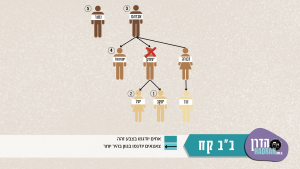
Laws of inheritance begin with a list of which family relations inherit from each other and which bequeath to another. Some do both, some do neither and some do one or the other. Why does the Mishna begin with a son dying and passing on inheritance to his father and not the reverse case? The Torah delineates the order of who is first in the line of inheritance but the father is left off the list. The order in the Torah is son, daughter, brother, uncle (father’s brother). Since the law that the father inherits the son is derived from a drasha, the author of the Mishna listed it first. According to the drasha, a father inherits if there are no children (before it goes to the brothers). Why not before the son? The son is considered the closest relative, as the son replaces his father for two laws, ye’ud and a consecrated ancestral field. But also a brother can replace his brother in yibum, so why isn’t a brother considered closer?

Copy of יבמות פרק ב דף כא 1

Bava Batra 108

כְּדֵי שֶׁלֹּא תְּהֵא חַיָּה קוֹפֶצֶת. וְלַעֲבֵיד חָרִיץ – וְלָא לַעֲבֵיד בֶּן חָרִיץ! אַיְּידֵי דְּרָוַוח, קָיְימָא בְּגַוֵּיהּ וְקָפְצָה. וְלַעֲבֵיד בֶּן חָרִיץ – וְלָא לַעֲבֵיד חָרִיץ! אַיְּידֵי דְּקַטִּין, קָיְימָא אַשִּׂפְתֵּיהּ וְקָפְצָה. וְכַמָּה בֵּין חָרִיץ לְבֶן חָרִיץ? טֶפַח.

so that an animal will not jump over the fence, enter the field, and cause damage. The Gemara asks: Let him make only a larger ditch and not make a smaller ditch. The Gemara replies: Since the ditch is wide, the animal can stand inside it and jump from there over the fence. The Gemara asks: If so, then let him make only a smaller ditch and not make a larger ditch? Since the ditch is small, the animal stands on its edge and jumps over the fence. The baraita explains the matter further: And how much space is there between the larger ditch and the smaller ditch? One handbreadth.


הֲדַרַן עֲלָךְ בֵּית כּוֹר

יֵשׁ נוֹחֲלִין וּמַנְחִילִין, וְיֵשׁ נוֹחֲלִין וְלֹא מַנְחִילִין; מַנְחִילִין וְלֹא נוֹחֲלִין; לֹא נוֹחֲלִין וְלֹא מַנְחִילִין.

MISHNA: There are family members who both inherit from and bequeath to each other upon their respective deaths; and there are those who inherit from certain relatives but do not bequeath to them; and there are those who bequeath to certain relatives but do not inherit from them; and there are those who, despite being relatives, do not inherit from nor bequeath to one another.

וְאֵלּוּ נוֹחֲלִין וּמַנְחִילִין: הָאָב אֶת הַבָּנִים, וְהַבָּנִים אֶת הָאָב, וְהָאַחִין מִן הָאָב – נוֹחֲלִין וּמַנְחִילִין. הָאִישׁ אֶת אִמּוֹ, וְהָאִישׁ אֶת אִשְׁתּוֹ, וּבְנֵי אֲחָיוֹת – נוֹחֲלִין וְלֹא מַנְחִילִין. הָאִשָּׁה אֶת בָּנֶיהָ, וְהָאִשָּׁה אֶת בַּעְלָהּ, וַאֲחֵי הָאֵם – מַנְחִילִין וְלֹא נוֹחֲלִין. וְהָאַחִין מִן הָאֵם – לֹא נוֹחֲלִין וְלֹא מַנְחִילִין.

The mishna lists those referred to above. And these both inherit and bequeath: A father with regard to his sons, and sons with regard to their father, and paternal brothers; all inherit from one another and bequeath to each other. A man with regard to his mother, and a man with regard to his wife, and sons of sisters, i.e., nephews born to the sisters of the deceased, all inherit from their respective relatives but do not bequeath to them. A woman with regard to her sons, and a woman with regard to her husband, and maternal uncles, all bequeath to their respective relatives but do not inherit from them. And maternal brothers, despite being blood relatives, do not inherit from each other nor do they bequeath to one another, as they are not considered relatives for the purpose of inheritance.

גְּמָ׳ מַאי שְׁנָא דְּקָתָנֵי ״הָאָב אֶת הַבָּנִים״ בְּרֵישָׁא? לִיתְנֵי ״הַבָּנִים אֶת הָאָב״ בְּרֵישָׁא – חֲדָא, דְּאַתְחוֹלֵי בְּפוּרְעֲנוּתָא לָא מַתְחֲלִינַן;

GEMARA: The Gemara begins by clarifying the order of the list in the mishna. What is different, i.e., what is the reason, that the mishna teaches: A father with regard to his sons, as the first example? Let it teach: Sons with regard to their father, as the first example. The Gemara explains why this would be preferable: One reason is that we do not want to begin with a calamity, as the death of a son during his father’s lifetime is a calamity; therefore, it would have been appropriate to begin with the example of sons inheriting from their father.

וְעוֹד, כְּדִכְתִיב: ״אִישׁ כִּי יָמוּת וּבֵן אֵין לוֹ״ –

And furthermore, the verse first states that a son inherits from his father, as it is written in the portion concerning inheritance: “If a man dies, and has no son, then you shall pass his inheritance to his daughter” (Numbers 27:8).

וְתַנָּא, אַיְּידֵי דְּאָתְיָא לֵיהּ מִדְּרָשָׁא – חֲבִיבָא לֵיהּ!

The Gemara answers: And as for the tanna of the mishna who listed the father inheriting first, since the halakha that a father inherits from his son is learned through a derivation and is not explicitly mentioned in the verse, this halakha is dear to him; therefore, he listed it first.

וּמַאי דְּרָשָׁא? דְּתַנְיָא: ״שְׁאֵרוֹ״ – זֶה הָאָב; מְלַמֵּד שֶׁהָאָב קוֹדֶם לָאַחִין. יָכוֹל יְהֵא קוֹדֶם לַבֵּן? תַּלְמוּד לוֹמַר: ״הַקָּרוֹב״ – קָרוֹב קָרוֹב קוֹדֵם.

And what is the derivation? As it is taught in a baraita concerning the verse: “And if his father has no brothers, then you shall give his inheritance to his kinsman who is next to him of his family, and he shall inherit it” (Numbers 27:11): “His kinsman”; this is referring to the father, and the Torah teaches that the father precedes the brothers of the deceased in inheriting from him. One might have thought that the father of the deceased should precede the son of the deceased in inheriting from him; the verse therefore states: “Next [hakkarov] to him,” teaching that the closer [karov] one is to the deceased, the earlier one is in the order of inheritance, and a son of the deceased is considered to be a closer relative to the deceased than the father of the deceased.

וּמָה רָאִיתָ לְרַבּוֹת אֶת הַבֵּן, וּלְהוֹצִיא אֶת הָאָח? מְרַבֶּה אֲנִי אֶת הַבֵּן – שֶׁכֵּן קָם תַּחַת אָבִיו לִיעִדָה וְלִשְׂדֵה אֲחוּזָּה.

The Gemara asks: And what did you see to include the son as the closer relative than the father and to exclude the brother? The Gemara answers: I include the son, as he stands in place of his father to designate a Hebrew maidservant as a wife for himself, which a brother cannot do. And similarly, he stands in place of his father with regard to an ancestral field. If a son redeems a field consecrated by his father, it is considered as though the father himself redeemed it and the field returns to the family in the Jubilee Year. By contrast, if the brother of the one who consecrated it redeems the field, it does not return to the family (see Leviticus 27:16–21).

אַדְּרַבָּה! מְרַבֶּה אֲנִי אֶת הָאָח, שֶׁכֵּן קָם תַּחַת אָחִיו לְיִבּוּם! כְּלוּם יֵשׁ יִבּוּם – אֶלָּא בְּמָקוֹם שֶׁאֵין בֵּן, הָא בְּמָקוֹם שֶׁיֵּשׁ בֵּן – אֵין יִבּוּם.

The Gemara asks: On the contrary, I should include the brother as the closer relative, as he stands in his brother’s place with regard to levirate marriage, and a son does not. The Gemara answers: This is not a valid claim, as is there levirate marriage except in a case where there is no son? In a case where there is a son, there is no levirate marriage. This indicates that a son stands in place of the deceased before a brother even with regard to levirate marriage.

טַעְמָא דְּאִיכָּא הַאי פִּירְכָא, הָא לָאו הָכִי – הֲוָה אָמֵינָא אָח עֲדִיף? תִּיפּוֹק לֵיהּ

The Gemara comments: The reason that a son is considered to be a closer relative than a brother is specifically due to this refutation, that where there is a son there is no levirate marriage. This indicates that without this refutation I would say that a brother is superior to a son in terms of how close a relative he is. The Gemara therefore asks: Why not derive that a son is closer to the deceased than a brother

New to Talmud?

Check out our resources designed to help you navigate a page of Talmud – and study at the pace, level and style that fits you. 

The Hadran Women’s Tapestry

Meet the diverse women learning Gemara at Hadran and hear their stories. 

Attending the Siyyum in Jerusalem 26 months ago inspired me to become part of this community of learners. So many aspects of Jewish life have been illuminated by what we have learned in Seder Moed. My day is not complete without daf Yomi. I am so grateful to Rabbanit Michelle and the Hadran Community.

Nancy Kolodny
Nancy Kolodny

Newton, United States

When we heard that R. Michelle was starting daf yomi, my 11-year-old suggested that I go. Little did she know that she would lose me every morning from then on. I remember standing at the Farbers’ door, almost too shy to enter. After that first class, I said that I would come the next day but couldn’t commit to more. A decade later, I still look forward to learning from R. Michelle every morning.

Ruth Leah Kahan
Ruth Leah Kahan

Ra’anana, Israel

It’s hard to believe it has been over two years. Daf yomi has changed my life in so many ways and has been sustaining during this global sea change. Each day means learning something new, digging a little deeper, adding another lens, seeing worlds with new eyes. Daf has also fostered new friendships and deepened childhood connections, as long time friends have unexpectedly become havruta.

Joanna Rom
Joanna Rom

Northwest Washington, United States

I started learning daf in January, 2020, being inspired by watching the Siyyum Hashas in Binyanei Haumah. I wasn’t sure I would be able to keep up with the task. When I went to school, Gemara was not an option. Fast forward to March, 2022, and each day starts with the daf. The challenge is now learning the intricacies of delving into the actual learning. Hadran community, thank you!

Rochel Cheifetz
Rochel Cheifetz

Riverdale, NY, United States

I started with Ze Kollel in Berlin, directed by Jeremy Borowitz for Hillel Deutschland. We read Masechet Megillah chapter 4 and each participant wrote his commentary on a Sugia that particularly impressed him. I wrote six poems about different Sugiot! Fascinated by the discussions on Talmud I continued to learn with Rabanit Michelle Farber and am currently taking part in the Tikun Olam course.
Yael Merlini
Yael Merlini

Berlin, Germany

When the new cycle began, I thought, If not now, when? I’d just turned 72. I feel like a tourist on a tour bus passing astonishing scenery each day. Rabbanit Michelle is my beloved tour guide. When the cycle ends, I’ll be 80. I pray that I’ll have strength and mind to continue the journey to glimpse a little more. My grandchildren think having a daf-learning savta is cool!

Wendy Dickstein
Wendy Dickstein

Jerusalem, Israel

I saw an elderly man at the shul kiddush in early March 2020, celebrating the siyyum of masechet brachot which he had been learning with a young yeshiva student. I thought, if he can do it, I can do it! I began to learn masechet Shabbat the next day, Making up masechet brachot myself, which I had missed. I haven’t missed a day since, thanks to the ease of listening to Hadran’s podcast!
Judith Shapiro
Judith Shapiro

Minnesota, United States

I had no formal learning in Talmud until I began my studies in the Joint Program where in 1976 I was one of the few, if not the only, woman talmud major. It was superior training for law school and enabled me to approach my legal studies with a foundation . In 2018, I began daf yomi listening to Rabbanit MIchelle’s pod cast and my daily talmud studies are one of the highlights of my life.

Krivosha_Terri_Bio
Terri Krivosha

Minneapolis, United States

I never thought I’d be able to do Daf Yomi till I saw the video of Hadran’s Siyum HaShas. Now, 2 years later, I’m about to participate in Siyum Seder Mo’ed with my Hadran community. It has been an incredible privilege to learn with Rabbanit Michelle and to get to know so many caring, talented and knowledgeable women. I look forward with great anticipation and excitement to learning Seder Nashim.

Caroline-Ben-Ari-Tapestry
Caroline Ben-Ari

Karmiel, Israel

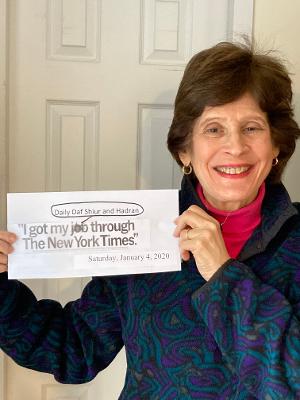
“I got my job through the NY Times” was an ad campaign when I was growing up. I can headline “I got my daily Daf shiur and Hadran through the NY Times”. I read the January 4, 2020 feature on Reb. Michelle Farber and Hadran and I have been participating ever since. Thanks NY Times & Hadran!
Deborah Aschheim
Deborah Aschheim

New York, United States

I graduated college in December 2019 and received a set of shas as a present from my husband. With my long time dream of learning daf yomi, I had no idea that a new cycle was beginning just one month later, in January 2020. I have been learning the daf ever since with Michelle Farber… Through grad school, my first job, my first baby, and all the other incredible journeys over the past few years!
Sigal Spitzer Flamholz

Bronx, United States

I started learning daf in January, 2020, being inspired by watching the Siyyum Hashas in Binyanei Haumah. I wasn’t sure I would be able to keep up with the task. When I went to school, Gemara was not an option. Fast forward to March, 2022, and each day starts with the daf. The challenge is now learning the intricacies of delving into the actual learning. Hadran community, thank you!

Rochel Cheifetz
Rochel Cheifetz

Riverdale, NY, United States

I started learning after the siyum hashas for women and my daily learning has been a constant over the last two years. It grounded me during the chaos of Corona while providing me with a community of fellow learners. The Daf can be challenging but it’s filled with life’s lessons, struggles and hope for a better world. It’s not about the destination but rather about the journey. Thank you Hadran!

Dena Lehrman
Dena Lehrman

אפרת, Israel

When I began learning Daf Yomi at the beginning of the current cycle, I was preparing for an upcoming surgery and thought that learning the Daf would be something positive I could do each day during my recovery, even if I accomplished nothing else. I had no idea what a lifeline learning the Daf would turn out to be in so many ways.

Laura Shechter
Laura Shechter

Lexington, MA, United States

Last cycle, I listened to parts of various מסכתות. When the הדרן סיום was advertised, I listened to Michelle on נידה. I knew that בע”ה with the next cycle I was in (ב”נ). As I entered the סיום (early), I saw the signs and was overcome with emotion. I was randomly seated in the front row, and I cried many times that night. My choice to learn דף יומי was affirmed. It is one of the best I have made!

Miriam Tannenbaum
Miriam Tannenbaum

אפרת, Israel

I was moved to tears by the Hadran Siyyum HaShas. I have learned Torah all my life, but never connected to learning Gemara on a regular basis until then. Seeing the sheer joy Talmud Torah at the siyyum, I felt compelled to be part of it, and I haven’t missed a day!
It’s not always easy, but it is so worthwhile, and it has strengthened my love of learning. It is part of my life now.

Michelle Lewis
Michelle Lewis

Beit Shemesh, Israel

I heard about the syium in January 2020 & I was excited to start learning then the pandemic started. Learning Daf became something to focus on but also something stressful. As the world changed around me & my family I had to adjust my expectations for myself & the world. Daf Yomi & the Hadran podcast has been something I look forward to every day. It gives me a moment of centering & Judaism daily.

Talia Haykin
Talia Haykin

Denver, United States

What a great experience to learn with Rabbanit Michelle Farber. I began with this cycle in January 2020 and have been comforted by the consistency and energy of this process throughout the isolation period of Covid. Week by week, I feel like I am exploring a treasure chest with sparkling gems and puzzling antiquities. The hunt is exhilarating.

Marian Frankston
Marian Frankston

Pennsylvania, United States

I began my Daf Yomi journey on January 5, 2020. I had never learned Talmud before. Initially it struck me as a bunch of inane and arcane details with mind bending logic. I am now smitten. Rabbanit Farber brings the page to life and I am eager to learn with her every day!

Lori Stark
Lori Stark

Highland Park, United States

Michelle has been an inspiration for years, but I only really started this cycle after the moving and uplifting siyum in Jerusalem. It’s been an wonderful to learn and relearn the tenets of our religion and to understand how the extraordinary efforts of a band of people to preserve Judaism after the fall of the beit hamikdash is still bearing fruits today. I’m proud to be part of the chain!

Judith Weil
Judith Weil

Raanana, Israel

Bava Batra 108

כְּדֵי שֶׁלֹּא תְּהֵא חַיָּה קוֹפֶצֶת. וְלַעֲבֵיד חָרִיץ – וְלָא לַעֲבֵיד בֶּן חָרִיץ! אַיְּידֵי דְּרָוַוח, קָיְימָא בְּגַוֵּיהּ וְקָפְצָה. וְלַעֲבֵיד בֶּן חָרִיץ – וְלָא לַעֲבֵיד חָרִיץ! אַיְּידֵי דְּקַטִּין, קָיְימָא אַשִּׂפְתֵּיהּ וְקָפְצָה. וְכַמָּה בֵּין חָרִיץ לְבֶן חָרִיץ? טֶפַח.

so that an animal will not jump over the fence, enter the field, and cause damage. The Gemara asks: Let him make only a larger ditch and not make a smaller ditch. The Gemara replies: Since the ditch is wide, the animal can stand inside it and jump from there over the fence. The Gemara asks: If so, then let him make only a smaller ditch and not make a larger ditch? Since the ditch is small, the animal stands on its edge and jumps over the fence. The baraita explains the matter further: And how much space is there between the larger ditch and the smaller ditch? One handbreadth.

הֲדַרַן עֲלָךְ בֵּית כּוֹר

יֵשׁ נוֹחֲלִין וּמַנְחִילִין, וְיֵשׁ נוֹחֲלִין וְלֹא מַנְחִילִין; מַנְחִילִין וְלֹא נוֹחֲלִין; לֹא נוֹחֲלִין וְלֹא מַנְחִילִין.

MISHNA: There are family members who both inherit from and bequeath to each other upon their respective deaths; and there are those who inherit from certain relatives but do not bequeath to them; and there are those who bequeath to certain relatives but do not inherit from them; and there are those who, despite being relatives, do not inherit from nor bequeath to one another.

וְאֵלּוּ נוֹחֲלִין וּמַנְחִילִין: הָאָב אֶת הַבָּנִים, וְהַבָּנִים אֶת הָאָב, וְהָאַחִין מִן הָאָב – נוֹחֲלִין וּמַנְחִילִין. הָאִישׁ אֶת אִמּוֹ, וְהָאִישׁ אֶת אִשְׁתּוֹ, וּבְנֵי אֲחָיוֹת – נוֹחֲלִין וְלֹא מַנְחִילִין. הָאִשָּׁה אֶת בָּנֶיהָ, וְהָאִשָּׁה אֶת בַּעְלָהּ, וַאֲחֵי הָאֵם – מַנְחִילִין וְלֹא נוֹחֲלִין. וְהָאַחִין מִן הָאֵם – לֹא נוֹחֲלִין וְלֹא מַנְחִילִין.

The mishna lists those referred to above. And these both inherit and bequeath: A father with regard to his sons, and sons with regard to their father, and paternal brothers; all inherit from one another and bequeath to each other. A man with regard to his mother, and a man with regard to his wife, and sons of sisters, i.e., nephews born to the sisters of the deceased, all inherit from their respective relatives but do not bequeath to them. A woman with regard to her sons, and a woman with regard to her husband, and maternal uncles, all bequeath to their respective relatives but do not inherit from them. And maternal brothers, despite being blood relatives, do not inherit from each other nor do they bequeath to one another, as they are not considered relatives for the purpose of inheritance.

גְּמָ׳ מַאי שְׁנָא דְּקָתָנֵי ״הָאָב אֶת הַבָּנִים״ בְּרֵישָׁא? לִיתְנֵי ״הַבָּנִים אֶת הָאָב״ בְּרֵישָׁא – חֲדָא, דְּאַתְחוֹלֵי בְּפוּרְעֲנוּתָא לָא מַתְחֲלִינַן;

GEMARA: The Gemara begins by clarifying the order of the list in the mishna. What is different, i.e., what is the reason, that the mishna teaches: A father with regard to his sons, as the first example? Let it teach: Sons with regard to their father, as the first example. The Gemara explains why this would be preferable: One reason is that we do not want to begin with a calamity, as the death of a son during his father’s lifetime is a calamity; therefore, it would have been appropriate to begin with the example of sons inheriting from their father.

וְעוֹד, כְּדִכְתִיב: ״אִישׁ כִּי יָמוּת וּבֵן אֵין לוֹ״ –

And furthermore, the verse first states that a son inherits from his father, as it is written in the portion concerning inheritance: “If a man dies, and has no son, then you shall pass his inheritance to his daughter” (Numbers 27:8).

וְתַנָּא, אַיְּידֵי דְּאָתְיָא לֵיהּ מִדְּרָשָׁא – חֲבִיבָא לֵיהּ!

The Gemara answers: And as for the tanna of the mishna who listed the father inheriting first, since the halakha that a father inherits from his son is learned through a derivation and is not explicitly mentioned in the verse, this halakha is dear to him; therefore, he listed it first.

וּמַאי דְּרָשָׁא? דְּתַנְיָא: ״שְׁאֵרוֹ״ – זֶה הָאָב; מְלַמֵּד שֶׁהָאָב קוֹדֶם לָאַחִין. יָכוֹל יְהֵא קוֹדֶם לַבֵּן? תַּלְמוּד לוֹמַר: ״הַקָּרוֹב״ – קָרוֹב קָרוֹב קוֹדֵם.

And what is the derivation? As it is taught in a baraita concerning the verse: “And if his father has no brothers, then you shall give his inheritance to his kinsman who is next to him of his family, and he shall inherit it” (Numbers 27:11): “His kinsman”; this is referring to the father, and the Torah teaches that the father precedes the brothers of the deceased in inheriting from him. One might have thought that the father of the deceased should precede the son of the deceased in inheriting from him; the verse therefore states: “Next [hakkarov] to him,” teaching that the closer [karov] one is to the deceased, the earlier one is in the order of inheritance, and a son of the deceased is considered to be a closer relative to the deceased than the father of the deceased.

וּמָה רָאִיתָ לְרַבּוֹת אֶת הַבֵּן, וּלְהוֹצִיא אֶת הָאָח? מְרַבֶּה אֲנִי אֶת הַבֵּן – שֶׁכֵּן קָם תַּחַת אָבִיו לִיעִדָה וְלִשְׂדֵה אֲחוּזָּה.

The Gemara asks: And what did you see to include the son as the closer relative than the father and to exclude the brother? The Gemara answers: I include the son, as he stands in place of his father to designate a Hebrew maidservant as a wife for himself, which a brother cannot do. And similarly, he stands in place of his father with regard to an ancestral field. If a son redeems a field consecrated by his father, it is considered as though the father himself redeemed it and the field returns to the family in the Jubilee Year. By contrast, if the brother of the one who consecrated it redeems the field, it does not return to the family (see Leviticus 27:16–21).

אַדְּרַבָּה! מְרַבֶּה אֲנִי אֶת הָאָח, שֶׁכֵּן קָם תַּחַת אָחִיו לְיִבּוּם! כְּלוּם יֵשׁ יִבּוּם – אֶלָּא בְּמָקוֹם שֶׁאֵין בֵּן, הָא בְּמָקוֹם שֶׁיֵּשׁ בֵּן – אֵין יִבּוּם.

The Gemara asks: On the contrary, I should include the brother as the closer relative, as he stands in his brother’s place with regard to levirate marriage, and a son does not. The Gemara answers: This is not a valid claim, as is there levirate marriage except in a case where there is no son? In a case where there is a son, there is no levirate marriage. This indicates that a son stands in place of the deceased before a brother even with regard to levirate marriage.

טַעְמָא דְּאִיכָּא הַאי פִּירְכָא, הָא לָאו הָכִי – הֲוָה אָמֵינָא אָח עֲדִיף? תִּיפּוֹק לֵיהּ

The Gemara comments: The reason that a son is considered to be a closer relative than a brother is specifically due to this refutation, that where there is a son there is no levirate marriage. This indicates that without this refutation I would say that a brother is superior to a son in terms of how close a relative he is. The Gemara therefore asks: Why not derive that a son is closer to the deceased than a brother

Want to follow content and continue where you left off?

Create an account today to track your progress, mark what you’ve learned, and follow the shiurim that speak to you.

Clear all items from this list?

This will remove ALL the items in this section. You will lose any progress or history connected to them. This is irreversible.

Cancel
Yes, clear all

Are you sure you want to delete this item?

You will lose any progress or history connected to this item.

Cancel
Yes, delete