Search

Bava Batra 118

Want to dedicate learning? Get started here:

podcast placeholder

0:00
0:00


Summary

Today’s daf is sponsored by Tina & Shalom Lamm in honor of their new grandson. “With hakarat hatov to Hashem for the blessing of a new grandson, Ayal Nachum, born on Yom Kippur and entered into the brit of Avraham Avinu on Shabbat Chol HaMoed Sukkot. Mazal tov to our children, the proud parents, Sara and Shmuel Lamm of Modiin.”

Today’s daf is sponsored by Debbie and Yossi Gevir in honor of their two  sons, Elazar and Eliav, and their son-in-law Boaz who are now serving in the army. “They are serving Am Yisrael from the Lebanon border and beyond. May Hashem continue to protect all of Am Yisrael and medinat yisrael. והעמידנו לשלום ופרוס עלינו סוכת שלומך, כן יהי רצון!”           

Rav Papa raises a second and third difficulty with the opinion that the land was divided among those entering the land. Firstly, why did the daughters of Tzlofchad complain – their father was not worthy of receiving any portion since he was no longer alive when they entered the land? Secondly, why in the book of Yehoshua 17:14, did the sons of Yosef complain that they did not have enough land for the people of their tribe as they were a large tribe? If the land was divided among those who entered, the tribe of Yosef should have received more land, according to the number of people! Abaye answers both of these questions.

From both the stories of the daughters of Tzlofchad and the sons of Yosef, Abaye concludes that everyone else received a portion upon coming into the land, as if some did not, they would have complained. However, the Gemara concludes that it is possible others complained but since their complaints were ineffective, there was no need to record them. The sons of Yosef’s complaint was also ineffective but was brought for a different reason – to teach that people should try to avoid the evil eye, ayin hara. They explain the exchange between the sons and Yosef and Yehoshua relating to that issue.

Did the people who complained and those who joined Korach receive a portion of the land but it was given to Yehoshua and Caleb just like the spies’ portion or did they not receive a portion at all? This is a source of debate and one of the opinions is derived from the verse Bamidbar 27:3, from the words of the Tzlofchad’s daughters. Rav Papa raises a difficulty with the opinion that Yehoshua and Caleb inherited all their portions, as they would have inherited most of the Jews’ property, since so many complained in the desert! Abaye responds that the complainers were those who complained with Korach.

Rav Papa’s fifth question is again against the opinion that the land was divided among those entering the land, based on a verse from Yehoshua 17:5 – that Menashe received ten portions, six for each family and four for the daughters of Tzlofchad. This makes the most sense with the opinion that the land was divided among those leaving Egypt. However, Abaye explains the four also to fit with the opinion that the land was divided among those entering the land.

Bava Batra 118

אֶלָּא לְמַאן דְּאָמַר לְבָאֵי הָאָרֶץ, מַאי ״לָרַב תַּרְבּוּ נַחֲלָתוֹ״? קַשְׁיָא.

But according to the one who says that Eretz Yisrael was divided among those who entered Eretz Yisrael, what does the verse: “To the more you shall give the more inheritance” teach? It is obvious that larger families will receive more land due to their greater numbers. The Gemara concludes: This poses a difficulty to one who holds that opinion.

וַאֲמַר לֵיהּ רַב פָּפָּא לְאַבָּיֵי: בִּשְׁלָמָא לְמַאן דְּאָמַר לְיוֹצְאֵי מִצְרַיִם, הַיְינוּ דְּקָא צָוְוחָן בְּנוֹת צְלָפְחָד. אֶלָּא לְמַאן דְּאָמַר לְבָאֵי הָאָרֶץ, אַמַּאי צָוְוחָן? הָא לֵיתֵיהּ דְּלִשְׁקוֹל!

The Gemara presents the second question. And Rav Pappa said to Abaye: Granted, according to the one who says that Eretz Yisrael was divided among those who left Egypt, this is why the daughters of Zelophehad cried out in protest of the fact that they would be denied their father’s portion, to which he was entitled as one who left Egypt. But according to the one who says that Eretz Yisrael was divided among those who entered Eretz Yisrael, why did they cry out in protest; after all, Zelophehad was not there to take his portion, so his daughters should have no claim to the land?

אֶלָּא לַחֲזָרָה, וְלִיטּוֹל בְּנִכְסֵי חֵפֶר.

Abaye answers: Rather, according to this opinion, the protest of Zelophehad’s daughters was in reference to the returning of the portions from the generation that entered Eretz Yisrael to the generation that left Egypt, as described in the baraita above. And accordingly, Zelophehad’s daughters demanded to take their portion in the property of their grandfather Hepher, who received land posthumously through his children, their uncles.

בִּשְׁלָמָא לְמַאן דְּאָמַר לְיוֹצְאֵי מִצְרַיִם, הַיְינוּ דְּקָא צָוְוחָן בְּנֵי יוֹסֵף – דִּכְתִיב: ״וַיְדַבְּרוּ בְּנֵי יוֹסֵף״. אֶלָּא לְמַאן דְּאָמַר לְבָאֵי הָאָרֶץ, מַאי קָא צָוְוחִי? כּוּלְּהוּ שְׁקוּל!

The Gemara presents Rav Pappa’s third question: Granted, according to the one who says that Eretz Yisrael was divided among those who left Egypt, this is why the descendants of Joseph cried out in protest of the fact that they would receive an inadequate portion of land due to the fact that they had proliferated greatly in the wilderness. As it is written: “And the children of Joseph spoke to Joshua, saying: Why have you given me but one lot and one part for an inheritance, seeing I am a great people, because the Lord has blessed me thus” (Joshua 17:14). But according to the one who says that Eretz Yisrael was divided among those who entered Eretz Yisrael, what is the reason they were crying out? They were all entitled to take their own portion of land and should have had no cause for complaint.

מִשּׁוּם טְפָלִים דַּהֲווֹ נְפִישִׁי לְהוּ.

The Gemara answers: They protested due to the children, as they had many children who were not entitled to a portion of the land.

אָמַר אַבָּיֵי: שְׁמַע מִינַּהּ, לָא הֲוָה חַד דְּלָא שָׁקֵיל; דְּאִי סָלְקָא דַּעְתָּךְ הֲוָה חַד דְּלָא שָׁקֵיל, אִיבְּעִי לֵיהּ לְמִצְוַוח! וְכִי תֵּימָא: דִּצְוַוח וְאַהֲנִי – כַּתְבֵיהּ קְרָא, דִּצְוַוח וְלָא אַהֲנִי – לָא כַּתְבֵיהּ קְרָא; הָא בְּנֵי יוֹסֵף – דְּצָוְוחִי וְלָא אַהֲנִי, וְכַתְבִינְהוּ קְרָא!

Abaye said: Learn from the fact that the Bible records the complaints of only the daughters of Zelophehad and the descendants of Joseph that there was not one other individual who did not take a portion of land; as if it enters your mind that there was even one other who did not take a portion of land, he should have cried out in protest. And if you would say: The verse wrote about one who cried out and his protest was effective, and the verse did not write about one who cried out and his protest was not effective, that is difficult. But there is the counterexample of the descendants of Joseph, who cried out and their protest was not effective, and the verse wrote about them.

הָתָם עֵצָה טוֹבָה קָא מַשְׁמַע לַן, דְּאִיבְּעִי לֵיהּ לְאִינִישׁ לְאִיזְדְּהוֹרֵי מֵעֵינָא בִּישָׁא. וְהַיְינוּ דְּקָאָמַר לְהוּ יְהוֹשֻׁעַ – דִּכְתִיב: ״וַיֹּאמֶר אֲלֵיהֶם יְהוֹשֻׁעַ, אִם עַם רַב אַתָּה, עֲלֵה לְךָ הַיַּעְרָה״. אֲמַר לְהוּ: לְכוּ וְהַחְבִּאוּ עַצְמְכֶם בִּיעָרִים, שֶׁלֹּא תִּשְׁלוֹט בָּכֶם עַיִן רַע.

The Gemara rejects Abaye’s inference: Generally, the verse would not record an instance where one cried out if his protest was not effective, and there, the verse includes the protest of Joseph’s descendants in order to teach us a measure of good advice: That a person should be wary of the evil eye. And this is what Joshua said to them, as it is written: “And Joshua said unto them: If you be a great people, go up to the forest, and cut down for yourself there in the land of the Perizzites and of the Rephaim” (Joshua 17:15). Joshua said to them: Go and conceal yourselves in the forests so that the evil eye will not have dominion over you.

אֲמַרוּ לֵיהּ: אֲנַן מִזַּרְעָא דְּיוֹסֵף, דְּלָא שָׁלְטָא בֵּיהּ עֵינָא בִּישָׁא – דִּכְתִיב: ״בֵּן פֹּרָת יוֹסֵף, בֵּן פֹּרָת עֲלֵי עָיִן״, וְאָמַר רַבִּי אֲבָהוּ: אַל תִּקְרֵי ״עֲלֵי עָיִן״, אֶלָּא ״עוֹלֵי עָיִן״.

Joseph’s descendants said to him: We are of the descendants of Joseph, upon whom the evil eye had no dominion, as it is written: “Joseph is a fruitful vine, a fruitful vine by a fountain [alei ayin]” (Genesis 49:22), and Rabbi Abbahu states a homiletic interpretation: Do not read it as alei ayin,” rather read it as olei ayin, above the eye, i.e., he transcended the influence of the evil eye. Joseph’s descendants were saying that they also do not need to be wary.

רַבִּי יוֹסֵי בְּרַבִּי חֲנִינָא אֲמַר מֵהָכָא: ״וְיִדְגּוּ לָרוֹב בְּקֶרֶב הָאָרֶץ״; מָה דָּגִים שֶׁבַּיָּם – מַיִם מְכַסִּים עֲלֵיהֶם וְאֵין הָעַיִן שׁוֹלֶטֶת בָּהֶם, אַף זַרְעוֹ שֶׁל יוֹסֵף – אֵין הָעַיִן שׁוֹלֶטֶת בָּהֶם.

Rabbi Yosei, son of Rabbi Ḥanina, said that a proof for the notion that the evil eye holds no sway over Joseph and his descendants, is from here, Jacob’s blessing of Joseph’s sons, Ephraim and Manasseh: “The angel who has redeemed me from all evil, bless the lads; and let my name be named in them, and the name of my fathers, Abraham and Isaac; and let them grow into a multitude [veyidgu] in the midst of the earth” (Genesis 48:16). Veyidgu is related etymologically to the word for fish [dag]. Just as with regard to the fish in the sea, water covers them and the evil eye has no dominion over them, so too, the seed of Joseph, the evil eye has no dominion over them.

מְרַגְּלִים – יְהוֹשֻׁעַ וְכָלֵב נָטְלוּ חֶלְקָם. מְנָהָנֵי מִילֵּי? אָמַר עוּלָּא, דְּאָמַר קְרָא: ״וִיהוֹשֻׁעַ בִּן נוּן וְכָלֵב בֶּן יְפֻנֶּה חָיוּ מִן הָאֲנָשִׁים הָהֵם״ – מַאי ״חָיוּ״? אִילֵּימָא חָיוּ מַמָּשׁ, וְהָא כְּתִיב קְרָא אַחֲרִינָא: ״וְלֹא נוֹתַר מֵהֶם אִישׁ, כִּי אִם כָּלֵב בֶּן יְפֻנֶּה וִיהוֹשֻׁעַ בִּן נוּן״! אֶלָּא מַאי ״חָיוּ״ – שֶׁחָיוּ בְּחֶלְקָם.

§ The Gemara analyzes the next section of the baraita, which states: With regard to the twelve spies sent to survey Eretz Yisrael prior to the Jewish people’s entry into the land, Joshua and Caleb took all of the spies’ portions of the land. The Gemara asks: From where is this matter derived? Ulla said: It is as the verse states: “But Joshua, son of Nun, and Caleb, son of Jephunneh, lived of those men that went to spy out the land” (Numbers 14:38). What does the term “lived” mean? If we say that it means literally that they lived, but there is another verse that states: “And there was not left a man of them, save Caleb, son of Jephunneh, and Joshua, son of Nun (Numbers 26:65), so why would the Torah state it twice? Rather, what does the term “lived” mean? That Joshua and Caleb lived in the other spies’ portion of the land.

מִתְלוֹנְנִין וַעֲדַת קֹרַח – לֹא הָיָה לָהֶן חֵלֶק בָּאָרֶץ. וְהָתַנְיָא: מְרַגְּלִים, מִתְלוֹנְנִים וַעֲדַת קֹרַח – יְהוֹשֻׁעַ וְכָלֵב נָטְלוּ חֶלְקָם! לָא קַשְׁיָא; מָר מַקֵּישׁ מִתְלוֹנְנִים לִמְרַגְּלִים, מָר לָא מַקֵּישׁ מִתְלוֹנְנִים לִמְרַגְּלִים.

The baraita teaches that the protesters and the assembly of Korah did not possess a portion of Eretz Yisrael. The Gemara asks: But isn’t it taught otherwise in a baraita: With regard to the spies, the protesters, and the assembly of Korah, Joshua and Caleb took their portions of the land? Apparently, the protesters and the assembly of Korah were assigned portions in Eretz Yisrael, which were then given to Joshua and Caleb. The Gemara answers: It is not difficult: One Sage, the tanna of the baraita quoted earlier, juxtaposes the protesters to the spies, teaching that just as the spies were assigned a portion of Eretz Yisrael, so were the protesters. And one Sage, the tanna of the baraita quoted here, does not juxtapose the protesters to the spies. Although the spies were assigned a portion, the protesters were not.

דְּתַנְיָא: ״אָבִינוּ מֵת בַּמִּדְבָּר״ – זֶה צְלָפְחָד. ״וְהוּא לֹא הָיָה בְּתוֹךְ הָעֵדָה״ – זֶה עֲדַת מְרַגְּלִים. ״הַנּוֹעָדִים עַל ה׳״ – אֵלּוּ מִתְלוֹנְנִים. ״בַּעֲדַת קֹרַח״ – כְּמַשְׁמָעוֹ.

The Gemara quotes a related baraita. As it is taught in a baraita that the verse quotes the daughters of Zelophehad: “Our father died in the wilderness, and he was not among the assembly of them that gathered themselves together against the Lord in the assembly of Korah, but he died in his own sin; and he had no sons” (Numbers 27:3), and the daughters of Zelophehad therefore claim they are entitled to his portion. “Our father died in the wilderness,” this is referring to Zelophehad. “And he was not among the assembly,” this is referring to the assembly of spies. “That gathered themselves together against the Lord,” these are the protesters. “In the assembly of Korah,” this is in accordance with its straightforward meaning. It is clear from this verse that those in these categories were not entitled to a portion in Eretz Yisrael.

מָר מַקֵּישׁ מִתְלוֹנְנִים לִמְרַגְּלִים, וּמָר לָא מַקֵּישׁ מִתְלוֹנְנִים לִמְרַגְּלִים.

The Gemara concludes: One Sage juxtaposes the protesters to the spies, so that Joshua and Caleb inherited the portions of both; and one Sage does not juxtapose the protesters to the spies.

וַאֲמַר לֵיהּ רַב פָּפָּא לְאַבָּיֵי: וּלְמַאן דְּמַקֵּישׁ מִתְלוֹנְנִים לִמְרַגְּלִים, אִיכְּפוּל יְהוֹשֻׁעַ וְכָלֵב וִירִתוּ לְכוּלַּהּ אֶרֶץ יִשְׂרָאֵל?! אֲמַר לֵיהּ: מִתְלוֹנְנִים שֶׁבַּעֲדַת קֹרַח קָאָמְרִינַן.

The Gemara presents Rav Pappa’s fourth question. And Rav Pappa said to Abaye: And according to the one who juxtaposes the protesters to the spies, is it reasonable that Joshua and Caleb contested the spies and inherited all of Eretz Yisrael? Many of the Jewish people protested in the wilderness at one point or another, and it cannot be that Joshua and Caleb received all of their portions by virtue of not participating in the sin of the spies. Abaye said to him: We are referring to the protesters who were among the assembly of Korah. This term is not referring to all those who protested, but rather to the 250 individuals who protested along with Korah, and it is their portions of land that Joshua and Caleb received.

וַאֲמַר לֵיהּ רַב פָּפָּא לְאַבָּיֵי: בִּשְׁלָמָא לְמַאן דְּאָמַר לְיוֹצְאֵי מִצְרַיִם נִתְחַלְּקָה הָאָרֶץ, הַיְינוּ דִּכְתִיב: ״וַיִּפְּלוּ חַבְלֵי מְנַשֶּׁה עֲשָׂרָה״ – שִׁיתָּא דְּשִׁיתָּא בָּתֵּי אָבוֹת, וְאַרְבְּעָה דִּידְהוּ – הָא עֲשָׂרָה.

The Gemara returns to the baraita and presents the fifth question. And Rav Pappa said to Abaye: Granted, according to the one who says that Eretz Yisrael was divided among those who left Egypt, this is as it is written with regard to the inheritance of the tribe of Manasseh: “And ten parts fell to Manasseh, beside the land of Gilead and Bashan, which is beyond the Jordan; because the daughters of Manasseh had an inheritance among his sons” (Joshua 17:5–6). Six were the portions of the six fathers’ houses of Manasseh listed in a previous verse (Joshua 17:2), and four parts of the daughters of Zelophehad; that is ten parts.

אֶלָּא לְמַאן דְּאָמַר לְבָאֵי הָאָרֶץ, תְּמָנְיָא הוּא דַּהֲווֹ – שִׁיתָּא דְּשִׁיתָּא בָּתֵּי אָבוֹת, וּתְרֵי דִּידְהוּ – הָא תְּמָנְיָא!

But according to the one who says that Eretz Yisrael was divided among those who entered Eretz Yisrael, there were eight parts, as follows: Six were the portions of the six fathers’ houses, and two of theirs, which they received from the estate of their grandfather Hepher, of whom Zelophehad was the firstborn; that is eight. Zelophehad himself, by contrast, was not entitled to a portion, as he did not enter Eretz Yisrael.

וְלִיטַעְמָיךְ, וּלְמַאן דְּאָמַר לְיוֹצְאֵי מִצְרַיִם נִתְחַלְּקָה הָאָרֶץ, תִּשְׁעָה הֲווֹ! אֶלָּא מַאי אִית לָךְ לְמֵימַר – חַד אַחָא דְאַבָּא הֲוָה לְהוּ; הָכִי נָמֵי, תְּרֵי אַחֵי דְאַבָּא הֲוָה לְהוּ –

The Gemara objects: And according to your reasoning, but even according to the one who says that Eretz Yisrael was divided among those who left Egypt, there are only nine parts, as the mishna (116b) states that Zelophehad’s daughters took three parts. Rather, what have you to say? How can the mishna be reconciled with the verse? One must say that according to the opinion that Eretz Yisrael was divided among those who left Egypt, they had one unmentioned paternal uncle who died without children, and Zelophehad’s estate received a share of his portion. So too, according to the opinion that Eretz Yisrael was divided among those who entered Eretz Yisrael, it could be said that they had two unmentioned paternal uncles, so that they received two additional portions of land.

דְּתַנְיָא: ״נָתֹן תִּתֵּן לָהֶם״ זוֹ נַחֲלַת אֲבִיהֶן. ״בְּתוֹךְ אֲחֵי אֲבִיהֶן״ – זוֹ נַחֲלַת אֲבִי אֲבִיהֶן. ״וְהַעֲבַרְתָּ אֶת נַחֲלַת אֲבִיהֶן לָהֶן״ – זוֹ חֵלֶק בְּכוֹרָה.

The fact that they received a portion from an uncle may be derived from a verse. As it is taught in a baraita that the verse states: “You shall give [naton titten] them a possession of an inheritance” (Numbers 27:7). This is referring to the inheritance of their father. The verse continues: “Among their father’s brothers”; this is referring to the inheritance of their father’s father. The verse continues: “And you shall pass the inheritance of their father to them”; this is referring to the portion of the firstborn to which Zelophehad was entitled.

רַבִּי אֱלִיעֶזֶר בֶּן יַעֲקֹב אוֹמֵר: אַף חֵלֶק אֲחִי אֲבִיהֶם נָטְלוּ, שֶׁנֶּאֱמַר: ״נָתֹן תִּתֵּן״. וּלְמַאן דְּאָמַר תְּרֵי אַחֵי דְּאַבָּא הֲוָה לְהוּ, הַהוּא מֵ״אֲחֻזַּת נַחֲלָה״ נָפְקָא.

The baraita continues. Rabbi Eliezer ben Ya’akov says: They also took a portion of their father’s brother, as it is stated: “You shall give [naton titten].” The double expression indicates that they received an additional portion. The Gemara notes: And according to the one who says that they had two paternal uncles, that additional portion is derived from the phrase: “You shall give them a possession of an inheritance,” which would be superfluous were it not to indicate an additional portion.

וַאֲמַר לֵיהּ רַב פָּפָּא לְאַבָּיֵי: קְרָא מַאי קָא חָשֵׁיב? אִי טְפָלִים קָא חָשֵׁיב, טוּבָא הֲווֹ! אִי בָּתֵּי אָבוֹת קָחָשֵׁיב, שִׁיתָּא הֲווֹ!

The Gemara presents the sixth question. And Rav Pappa said to Abaye: In the verse quoted above, what portions is it counting? If the verse is counting children, i.e., the portions of those who inherited from their antecedents, as with the daughters of Zelophehad, there were many such portions, and the verse did not enumerate all portions inherited by all members of the tribe. And if the verse is counting fathers’ houses, there are only six, as Hepher is included among the six enumerated in Joshua 17:2. Why, then, does the verse count the portions of the daughters of Zelophehad separately?

New to Talmud?

Check out our resources designed to help you navigate a page of Talmud – and study at the pace, level and style that fits you. 

The Hadran Women’s Tapestry

Meet the diverse women learning Gemara at Hadran and hear their stories. 

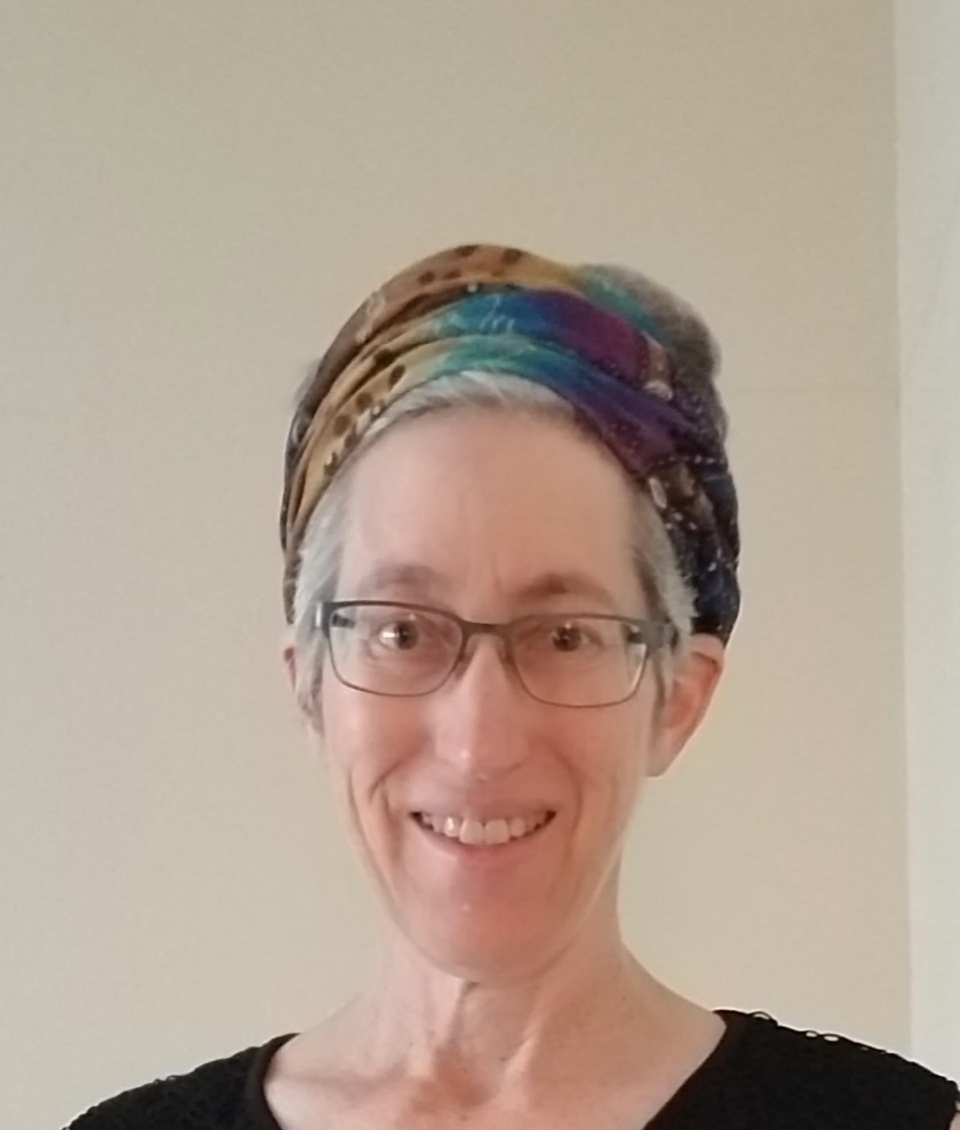
As Jewish educator and as a woman, I’m mindful that Talmud has been kept from women for many centuries. Now that we are privileged to learn, and learning is so accessible, it’s my intent to complete Daf Yomi. I am so excited to keep learning with my Hadran community.

Sue Parker Gerson
Sue Parker Gerson

Denver, United States

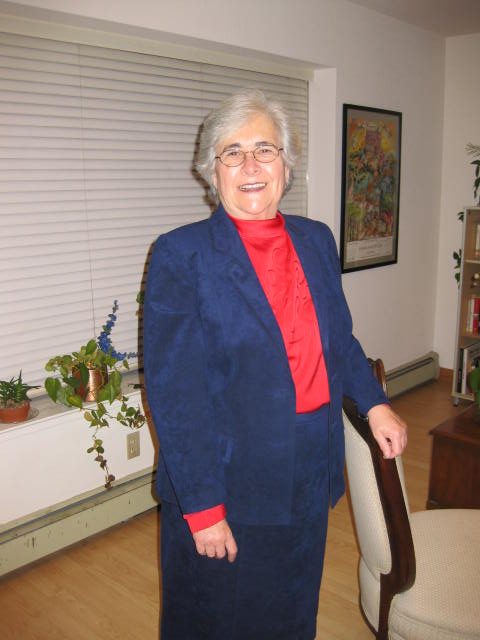
I decided to learn one masechet, Brachot, but quickly fell in love and never stopped! It has been great, everyone is always asking how it’s going and chering me on, and my students are always making sure I did the day’s daf.

Yafit Fishbach
Yafit Fishbach

Memphis, Tennessee, United States

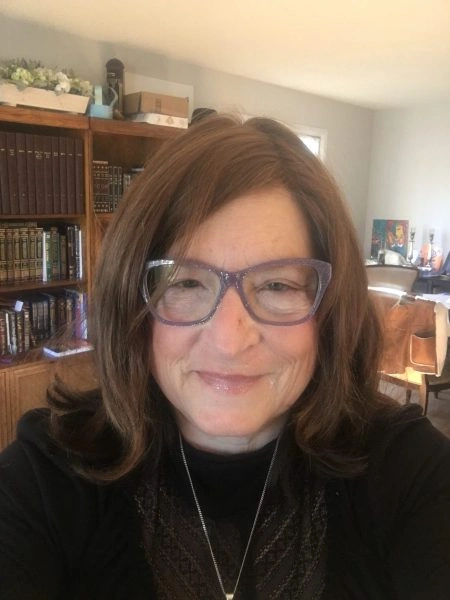
I started learning when my brother sent me the news clip of the celebration of the last Daf Yomi cycle. I was so floored to see so many women celebrating that I wanted to be a part of it. It has been an enriching experience studying a text in a language I don’t speak, using background knowledge that I don’t have. It is stretching my learning in unexpected ways, bringing me joy and satisfaction.

Jodi Gladstone
Jodi Gladstone

Warwick, Rhode Island, United States

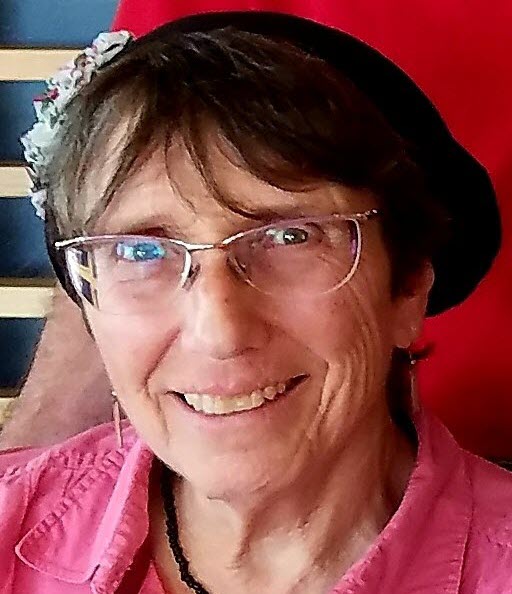
I began learning the daf in January 2022. I initially “flew under the radar,” sharing my journey with my husband and a few close friends. I was apprehensive – who, me? Gemara? Now, 2 years in, I feel changed. The rigor of a daily commitment frames my days. The intellectual engagement enhances my knowledge. And the virtual community of learners has become a new family, weaving a glorious tapestry.

Gitta Jaroslawicz-Neufeld

Far Rockaway, United States

I started learning Daf in Jan 2020 with Brachot b/c I had never seen the Jewish people united around something so positive, and I wanted to be a part of it. Also, I wanted to broaden my background in Torah Shebal Peh- Maayanot gave me a great gemara education, but I knew that I could hold a conversation in most parts of tanach but almost no TSB. I’m so thankful for Daf and have gained immensely.

Meira Shapiro
Meira Shapiro

NJ, United States

A Gemara shiur previous to the Hadran Siyum, was the impetus to attend it.It was highly inspirational and I was smitten. The message for me was התלמוד בידינו. I had decided along with my Chahsmonaim group to to do the daf and take it one daf at time- without any expectations at all. There has been a wealth of information, insights and halachik ideas. It is truly exercise of the mind, heart & Soul

Phyllis Hecht.jpeg
Phyllis Hecht

Hashmonaim, Israel

I started learning on January 5, 2020. When I complete the 7+ year cycle I will be 70 years old. I had been intimidated by those who said that I needed to study Talmud in a traditional way with a chevruta, but I decided the learning was more important to me than the method. Thankful for Daf Yomi for Women helping me catch up when I fall behind, and also being able to celebrate with each Siyum!

Pamela Elisheva
Pamela Elisheva

Bakersfield, United States

“I got my job through the NY Times” was an ad campaign when I was growing up. I can headline “I got my daily Daf shiur and Hadran through the NY Times”. I read the January 4, 2020 feature on Reb. Michelle Farber and Hadran and I have been participating ever since. Thanks NY Times & Hadran!
Deborah Aschheim
Deborah Aschheim

New York, United States

The first month I learned Daf Yomi by myself in secret, because I wasn’t sure how my husband would react, but after the siyyum on Masechet Brachot I discovered Hadran and now sometimes my husband listens to the daf with me. He and I also learn mishnayot together and are constantly finding connections between the different masechtot.

Laura Warshawsky
Laura Warshawsky

Silver Spring, Maryland, United States

I learned Mishnayot more than twenty years ago and started with Gemara much later in life. Although I never managed to learn Daf Yomi consistently, I am learning since some years Gemara in depth and with much joy. Since last year I am studying at the International Halakha Scholars Program at the WIHL. I often listen to Rabbanit Farbers Gemara shiurim to understand better a specific sugyiah. I am grateful for the help and inspiration!

Shoshana Ruerup
Shoshana Ruerup

Berlin, Germany

Geri Goldstein got me started learning daf yomi when I was in Israel 2 years ago. It’s been a challenge and I’ve learned a lot though I’m sure I miss a lot. I quilt as I listen and I want to share what I’ve been working on.

Rebecca Stulberg
Rebecca Stulberg

Ottawa, Canada

I’ve been learning since January 2020, and in June I started drawing a phrase from each daf. Sometimes it’s easy (e.g. plants), sometimes it’s very hard (e.g. korbanot), and sometimes it’s loads of fun (e.g. bird racing) to find something to draw. I upload my pictures from each masechet to #DafYomiArt. I am enjoying every step of the journey.

Gila Loike
Gila Loike

Ashdod, Israel

My Daf journey began in August 2012 after participating in the Siyum Hashas where I was blessed as an “enabler” of others.  Galvanized into my own learning I recited the Hadran on Shas in January 2020 with Rabbanit Michelle. That Siyum was a highlight in my life.  Now, on round two, Daf has become my spiritual anchor to which I attribute manifold blessings.

Rina Goldberg
Rina Goldberg

Englewood NJ, United States

I am a Reform rabbi and took Talmud courses in rabbinical school, but I knew there was so much more to learn. It felt inauthentic to serve as a rabbi without having read the entire Talmud, so when the opportunity arose to start Daf Yomi in 2020, I dove in! Thanks to Hadran, Daf Yomi has enriched my understanding of rabbinic Judaism and deepened my love of Jewish text & tradition. Todah rabbah!

Rabbi Nicki Greninger

California, United States

I had never heard of Daf Yomi and after reading the book, The Weight of Ink, I explored more about it. I discovered that it was only 6 months before a whole new cycle started and I was determined to give it a try. I tried to get a friend to join me on the journey but after the first few weeks they all dropped it. I haven’t missed a day of reading and of listening to the podcast.

Anne Rubin
Anne Rubin

Elkins Park, United States

I had dreamed of doing daf yomi since I had my first serious Talmud class 18 years ago at Pardes with Rahel Berkovitz, and then a couple of summers with Leah Rosenthal. There is no way I would be able to do it without another wonderful teacher, Michelle, and the Hadran organization. I wake up and am excited to start each day with the next daf.

Beth Elster
Beth Elster

Irvine, United States

I started Daf during the pandemic. I listened to a number of podcasts by various Rebbeim until one day, I discovered Rabbanit Farbers podcast. Subsequently I joined the Hadran family in Eruvin. Not the easiest place to begin, Rabbanit Farber made it all understandable and fun. The online live group has bonded together and have really become a supportive, encouraging family.

Leah Goldford
Leah Goldford

Edmonton, Alberta, Canada

I saw an elderly man at the shul kiddush in early March 2020, celebrating the siyyum of masechet brachot which he had been learning with a young yeshiva student. I thought, if he can do it, I can do it! I began to learn masechet Shabbat the next day, Making up masechet brachot myself, which I had missed. I haven’t missed a day since, thanks to the ease of listening to Hadran’s podcast!
Judith Shapiro
Judith Shapiro

Minnesota, United States

A Gemara shiur previous to the Hadran Siyum, was the impetus to attend it.It was highly inspirational and I was smitten. The message for me was התלמוד בידינו. I had decided along with my Chahsmonaim group to to do the daf and take it one daf at time- without any expectations at all. There has been a wealth of information, insights and halachik ideas. It is truly exercise of the mind, heart & Soul

Phyllis Hecht.jpeg
Phyllis Hecht

Hashmonaim, Israel

I began to learn this cycle of Daf Yomi after my husband passed away 2 1/2 years ago. It seemed a good way to connect to him. Even though I don’t know whether he would have encouraged women learning Gemara, it would have opened wonderful conversations. It also gives me more depth for understanding my frum children and grandchildren. Thank you Hadran and Rabbanit Michelle Farber!!

Harriet Hartman
Harriet Hartman

Tzur Hadassah, Israel

Bava Batra 118

אֶלָּא לְמַאן דְּאָמַר לְבָאֵי הָאָרֶץ, מַאי ״לָרַב תַּרְבּוּ נַחֲלָתוֹ״? קַשְׁיָא.

But according to the one who says that Eretz Yisrael was divided among those who entered Eretz Yisrael, what does the verse: “To the more you shall give the more inheritance” teach? It is obvious that larger families will receive more land due to their greater numbers. The Gemara concludes: This poses a difficulty to one who holds that opinion.

וַאֲמַר לֵיהּ רַב פָּפָּא לְאַבָּיֵי: בִּשְׁלָמָא לְמַאן דְּאָמַר לְיוֹצְאֵי מִצְרַיִם, הַיְינוּ דְּקָא צָוְוחָן בְּנוֹת צְלָפְחָד. אֶלָּא לְמַאן דְּאָמַר לְבָאֵי הָאָרֶץ, אַמַּאי צָוְוחָן? הָא לֵיתֵיהּ דְּלִשְׁקוֹל!

The Gemara presents the second question. And Rav Pappa said to Abaye: Granted, according to the one who says that Eretz Yisrael was divided among those who left Egypt, this is why the daughters of Zelophehad cried out in protest of the fact that they would be denied their father’s portion, to which he was entitled as one who left Egypt. But according to the one who says that Eretz Yisrael was divided among those who entered Eretz Yisrael, why did they cry out in protest; after all, Zelophehad was not there to take his portion, so his daughters should have no claim to the land?

אֶלָּא לַחֲזָרָה, וְלִיטּוֹל בְּנִכְסֵי חֵפֶר.

Abaye answers: Rather, according to this opinion, the protest of Zelophehad’s daughters was in reference to the returning of the portions from the generation that entered Eretz Yisrael to the generation that left Egypt, as described in the baraita above. And accordingly, Zelophehad’s daughters demanded to take their portion in the property of their grandfather Hepher, who received land posthumously through his children, their uncles.

בִּשְׁלָמָא לְמַאן דְּאָמַר לְיוֹצְאֵי מִצְרַיִם, הַיְינוּ דְּקָא צָוְוחָן בְּנֵי יוֹסֵף – דִּכְתִיב: ״וַיְדַבְּרוּ בְּנֵי יוֹסֵף״. אֶלָּא לְמַאן דְּאָמַר לְבָאֵי הָאָרֶץ, מַאי קָא צָוְוחִי? כּוּלְּהוּ שְׁקוּל!

The Gemara presents Rav Pappa’s third question: Granted, according to the one who says that Eretz Yisrael was divided among those who left Egypt, this is why the descendants of Joseph cried out in protest of the fact that they would receive an inadequate portion of land due to the fact that they had proliferated greatly in the wilderness. As it is written: “And the children of Joseph spoke to Joshua, saying: Why have you given me but one lot and one part for an inheritance, seeing I am a great people, because the Lord has blessed me thus” (Joshua 17:14). But according to the one who says that Eretz Yisrael was divided among those who entered Eretz Yisrael, what is the reason they were crying out? They were all entitled to take their own portion of land and should have had no cause for complaint.

מִשּׁוּם טְפָלִים דַּהֲווֹ נְפִישִׁי לְהוּ.

The Gemara answers: They protested due to the children, as they had many children who were not entitled to a portion of the land.

אָמַר אַבָּיֵי: שְׁמַע מִינַּהּ, לָא הֲוָה חַד דְּלָא שָׁקֵיל; דְּאִי סָלְקָא דַּעְתָּךְ הֲוָה חַד דְּלָא שָׁקֵיל, אִיבְּעִי לֵיהּ לְמִצְוַוח! וְכִי תֵּימָא: דִּצְוַוח וְאַהֲנִי – כַּתְבֵיהּ קְרָא, דִּצְוַוח וְלָא אַהֲנִי – לָא כַּתְבֵיהּ קְרָא; הָא בְּנֵי יוֹסֵף – דְּצָוְוחִי וְלָא אַהֲנִי, וְכַתְבִינְהוּ קְרָא!

Abaye said: Learn from the fact that the Bible records the complaints of only the daughters of Zelophehad and the descendants of Joseph that there was not one other individual who did not take a portion of land; as if it enters your mind that there was even one other who did not take a portion of land, he should have cried out in protest. And if you would say: The verse wrote about one who cried out and his protest was effective, and the verse did not write about one who cried out and his protest was not effective, that is difficult. But there is the counterexample of the descendants of Joseph, who cried out and their protest was not effective, and the verse wrote about them.

הָתָם עֵצָה טוֹבָה קָא מַשְׁמַע לַן, דְּאִיבְּעִי לֵיהּ לְאִינִישׁ לְאִיזְדְּהוֹרֵי מֵעֵינָא בִּישָׁא. וְהַיְינוּ דְּקָאָמַר לְהוּ יְהוֹשֻׁעַ – דִּכְתִיב: ״וַיֹּאמֶר אֲלֵיהֶם יְהוֹשֻׁעַ, אִם עַם רַב אַתָּה, עֲלֵה לְךָ הַיַּעְרָה״. אֲמַר לְהוּ: לְכוּ וְהַחְבִּאוּ עַצְמְכֶם בִּיעָרִים, שֶׁלֹּא תִּשְׁלוֹט בָּכֶם עַיִן רַע.

The Gemara rejects Abaye’s inference: Generally, the verse would not record an instance where one cried out if his protest was not effective, and there, the verse includes the protest of Joseph’s descendants in order to teach us a measure of good advice: That a person should be wary of the evil eye. And this is what Joshua said to them, as it is written: “And Joshua said unto them: If you be a great people, go up to the forest, and cut down for yourself there in the land of the Perizzites and of the Rephaim” (Joshua 17:15). Joshua said to them: Go and conceal yourselves in the forests so that the evil eye will not have dominion over you.

אֲמַרוּ לֵיהּ: אֲנַן מִזַּרְעָא דְּיוֹסֵף, דְּלָא שָׁלְטָא בֵּיהּ עֵינָא בִּישָׁא – דִּכְתִיב: ״בֵּן פֹּרָת יוֹסֵף, בֵּן פֹּרָת עֲלֵי עָיִן״, וְאָמַר רַבִּי אֲבָהוּ: אַל תִּקְרֵי ״עֲלֵי עָיִן״, אֶלָּא ״עוֹלֵי עָיִן״.

Joseph’s descendants said to him: We are of the descendants of Joseph, upon whom the evil eye had no dominion, as it is written: “Joseph is a fruitful vine, a fruitful vine by a fountain [alei ayin]” (Genesis 49:22), and Rabbi Abbahu states a homiletic interpretation: Do not read it as alei ayin,” rather read it as olei ayin, above the eye, i.e., he transcended the influence of the evil eye. Joseph’s descendants were saying that they also do not need to be wary.

רַבִּי יוֹסֵי בְּרַבִּי חֲנִינָא אֲמַר מֵהָכָא: ״וְיִדְגּוּ לָרוֹב בְּקֶרֶב הָאָרֶץ״; מָה דָּגִים שֶׁבַּיָּם – מַיִם מְכַסִּים עֲלֵיהֶם וְאֵין הָעַיִן שׁוֹלֶטֶת בָּהֶם, אַף זַרְעוֹ שֶׁל יוֹסֵף – אֵין הָעַיִן שׁוֹלֶטֶת בָּהֶם.

Rabbi Yosei, son of Rabbi Ḥanina, said that a proof for the notion that the evil eye holds no sway over Joseph and his descendants, is from here, Jacob’s blessing of Joseph’s sons, Ephraim and Manasseh: “The angel who has redeemed me from all evil, bless the lads; and let my name be named in them, and the name of my fathers, Abraham and Isaac; and let them grow into a multitude [veyidgu] in the midst of the earth” (Genesis 48:16). Veyidgu is related etymologically to the word for fish [dag]. Just as with regard to the fish in the sea, water covers them and the evil eye has no dominion over them, so too, the seed of Joseph, the evil eye has no dominion over them.

מְרַגְּלִים – יְהוֹשֻׁעַ וְכָלֵב נָטְלוּ חֶלְקָם. מְנָהָנֵי מִילֵּי? אָמַר עוּלָּא, דְּאָמַר קְרָא: ״וִיהוֹשֻׁעַ בִּן נוּן וְכָלֵב בֶּן יְפֻנֶּה חָיוּ מִן הָאֲנָשִׁים הָהֵם״ – מַאי ״חָיוּ״? אִילֵּימָא חָיוּ מַמָּשׁ, וְהָא כְּתִיב קְרָא אַחֲרִינָא: ״וְלֹא נוֹתַר מֵהֶם אִישׁ, כִּי אִם כָּלֵב בֶּן יְפֻנֶּה וִיהוֹשֻׁעַ בִּן נוּן״! אֶלָּא מַאי ״חָיוּ״ – שֶׁחָיוּ בְּחֶלְקָם.

§ The Gemara analyzes the next section of the baraita, which states: With regard to the twelve spies sent to survey Eretz Yisrael prior to the Jewish people’s entry into the land, Joshua and Caleb took all of the spies’ portions of the land. The Gemara asks: From where is this matter derived? Ulla said: It is as the verse states: “But Joshua, son of Nun, and Caleb, son of Jephunneh, lived of those men that went to spy out the land” (Numbers 14:38). What does the term “lived” mean? If we say that it means literally that they lived, but there is another verse that states: “And there was not left a man of them, save Caleb, son of Jephunneh, and Joshua, son of Nun (Numbers 26:65), so why would the Torah state it twice? Rather, what does the term “lived” mean? That Joshua and Caleb lived in the other spies’ portion of the land.

מִתְלוֹנְנִין וַעֲדַת קֹרַח – לֹא הָיָה לָהֶן חֵלֶק בָּאָרֶץ. וְהָתַנְיָא: מְרַגְּלִים, מִתְלוֹנְנִים וַעֲדַת קֹרַח – יְהוֹשֻׁעַ וְכָלֵב נָטְלוּ חֶלְקָם! לָא קַשְׁיָא; מָר מַקֵּישׁ מִתְלוֹנְנִים לִמְרַגְּלִים, מָר לָא מַקֵּישׁ מִתְלוֹנְנִים לִמְרַגְּלִים.

The baraita teaches that the protesters and the assembly of Korah did not possess a portion of Eretz Yisrael. The Gemara asks: But isn’t it taught otherwise in a baraita: With regard to the spies, the protesters, and the assembly of Korah, Joshua and Caleb took their portions of the land? Apparently, the protesters and the assembly of Korah were assigned portions in Eretz Yisrael, which were then given to Joshua and Caleb. The Gemara answers: It is not difficult: One Sage, the tanna of the baraita quoted earlier, juxtaposes the protesters to the spies, teaching that just as the spies were assigned a portion of Eretz Yisrael, so were the protesters. And one Sage, the tanna of the baraita quoted here, does not juxtapose the protesters to the spies. Although the spies were assigned a portion, the protesters were not.

דְּתַנְיָא: ״אָבִינוּ מֵת בַּמִּדְבָּר״ – זֶה צְלָפְחָד. ״וְהוּא לֹא הָיָה בְּתוֹךְ הָעֵדָה״ – זֶה עֲדַת מְרַגְּלִים. ״הַנּוֹעָדִים עַל ה׳״ – אֵלּוּ מִתְלוֹנְנִים. ״בַּעֲדַת קֹרַח״ – כְּמַשְׁמָעוֹ.

The Gemara quotes a related baraita. As it is taught in a baraita that the verse quotes the daughters of Zelophehad: “Our father died in the wilderness, and he was not among the assembly of them that gathered themselves together against the Lord in the assembly of Korah, but he died in his own sin; and he had no sons” (Numbers 27:3), and the daughters of Zelophehad therefore claim they are entitled to his portion. “Our father died in the wilderness,” this is referring to Zelophehad. “And he was not among the assembly,” this is referring to the assembly of spies. “That gathered themselves together against the Lord,” these are the protesters. “In the assembly of Korah,” this is in accordance with its straightforward meaning. It is clear from this verse that those in these categories were not entitled to a portion in Eretz Yisrael.

מָר מַקֵּישׁ מִתְלוֹנְנִים לִמְרַגְּלִים, וּמָר לָא מַקֵּישׁ מִתְלוֹנְנִים לִמְרַגְּלִים.

The Gemara concludes: One Sage juxtaposes the protesters to the spies, so that Joshua and Caleb inherited the portions of both; and one Sage does not juxtapose the protesters to the spies.

וַאֲמַר לֵיהּ רַב פָּפָּא לְאַבָּיֵי: וּלְמַאן דְּמַקֵּישׁ מִתְלוֹנְנִים לִמְרַגְּלִים, אִיכְּפוּל יְהוֹשֻׁעַ וְכָלֵב וִירִתוּ לְכוּלַּהּ אֶרֶץ יִשְׂרָאֵל?! אֲמַר לֵיהּ: מִתְלוֹנְנִים שֶׁבַּעֲדַת קֹרַח קָאָמְרִינַן.

The Gemara presents Rav Pappa’s fourth question. And Rav Pappa said to Abaye: And according to the one who juxtaposes the protesters to the spies, is it reasonable that Joshua and Caleb contested the spies and inherited all of Eretz Yisrael? Many of the Jewish people protested in the wilderness at one point or another, and it cannot be that Joshua and Caleb received all of their portions by virtue of not participating in the sin of the spies. Abaye said to him: We are referring to the protesters who were among the assembly of Korah. This term is not referring to all those who protested, but rather to the 250 individuals who protested along with Korah, and it is their portions of land that Joshua and Caleb received.

וַאֲמַר לֵיהּ רַב פָּפָּא לְאַבָּיֵי: בִּשְׁלָמָא לְמַאן דְּאָמַר לְיוֹצְאֵי מִצְרַיִם נִתְחַלְּקָה הָאָרֶץ, הַיְינוּ דִּכְתִיב: ״וַיִּפְּלוּ חַבְלֵי מְנַשֶּׁה עֲשָׂרָה״ – שִׁיתָּא דְּשִׁיתָּא בָּתֵּי אָבוֹת, וְאַרְבְּעָה דִּידְהוּ – הָא עֲשָׂרָה.

The Gemara returns to the baraita and presents the fifth question. And Rav Pappa said to Abaye: Granted, according to the one who says that Eretz Yisrael was divided among those who left Egypt, this is as it is written with regard to the inheritance of the tribe of Manasseh: “And ten parts fell to Manasseh, beside the land of Gilead and Bashan, which is beyond the Jordan; because the daughters of Manasseh had an inheritance among his sons” (Joshua 17:5–6). Six were the portions of the six fathers’ houses of Manasseh listed in a previous verse (Joshua 17:2), and four parts of the daughters of Zelophehad; that is ten parts.

אֶלָּא לְמַאן דְּאָמַר לְבָאֵי הָאָרֶץ, תְּמָנְיָא הוּא דַּהֲווֹ – שִׁיתָּא דְּשִׁיתָּא בָּתֵּי אָבוֹת, וּתְרֵי דִּידְהוּ – הָא תְּמָנְיָא!

But according to the one who says that Eretz Yisrael was divided among those who entered Eretz Yisrael, there were eight parts, as follows: Six were the portions of the six fathers’ houses, and two of theirs, which they received from the estate of their grandfather Hepher, of whom Zelophehad was the firstborn; that is eight. Zelophehad himself, by contrast, was not entitled to a portion, as he did not enter Eretz Yisrael.

וְלִיטַעְמָיךְ, וּלְמַאן דְּאָמַר לְיוֹצְאֵי מִצְרַיִם נִתְחַלְּקָה הָאָרֶץ, תִּשְׁעָה הֲווֹ! אֶלָּא מַאי אִית לָךְ לְמֵימַר – חַד אַחָא דְאַבָּא הֲוָה לְהוּ; הָכִי נָמֵי, תְּרֵי אַחֵי דְאַבָּא הֲוָה לְהוּ –

The Gemara objects: And according to your reasoning, but even according to the one who says that Eretz Yisrael was divided among those who left Egypt, there are only nine parts, as the mishna (116b) states that Zelophehad’s daughters took three parts. Rather, what have you to say? How can the mishna be reconciled with the verse? One must say that according to the opinion that Eretz Yisrael was divided among those who left Egypt, they had one unmentioned paternal uncle who died without children, and Zelophehad’s estate received a share of his portion. So too, according to the opinion that Eretz Yisrael was divided among those who entered Eretz Yisrael, it could be said that they had two unmentioned paternal uncles, so that they received two additional portions of land.

דְּתַנְיָא: ״נָתֹן תִּתֵּן לָהֶם״ זוֹ נַחֲלַת אֲבִיהֶן. ״בְּתוֹךְ אֲחֵי אֲבִיהֶן״ – זוֹ נַחֲלַת אֲבִי אֲבִיהֶן. ״וְהַעֲבַרְתָּ אֶת נַחֲלַת אֲבִיהֶן לָהֶן״ – זוֹ חֵלֶק בְּכוֹרָה.

The fact that they received a portion from an uncle may be derived from a verse. As it is taught in a baraita that the verse states: “You shall give [naton titten] them a possession of an inheritance” (Numbers 27:7). This is referring to the inheritance of their father. The verse continues: “Among their father’s brothers”; this is referring to the inheritance of their father’s father. The verse continues: “And you shall pass the inheritance of their father to them”; this is referring to the portion of the firstborn to which Zelophehad was entitled.

רַבִּי אֱלִיעֶזֶר בֶּן יַעֲקֹב אוֹמֵר: אַף חֵלֶק אֲחִי אֲבִיהֶם נָטְלוּ, שֶׁנֶּאֱמַר: ״נָתֹן תִּתֵּן״. וּלְמַאן דְּאָמַר תְּרֵי אַחֵי דְּאַבָּא הֲוָה לְהוּ, הַהוּא מֵ״אֲחֻזַּת נַחֲלָה״ נָפְקָא.

The baraita continues. Rabbi Eliezer ben Ya’akov says: They also took a portion of their father’s brother, as it is stated: “You shall give [naton titten].” The double expression indicates that they received an additional portion. The Gemara notes: And according to the one who says that they had two paternal uncles, that additional portion is derived from the phrase: “You shall give them a possession of an inheritance,” which would be superfluous were it not to indicate an additional portion.

וַאֲמַר לֵיהּ רַב פָּפָּא לְאַבָּיֵי: קְרָא מַאי קָא חָשֵׁיב? אִי טְפָלִים קָא חָשֵׁיב, טוּבָא הֲווֹ! אִי בָּתֵּי אָבוֹת קָחָשֵׁיב, שִׁיתָּא הֲווֹ!

The Gemara presents the sixth question. And Rav Pappa said to Abaye: In the verse quoted above, what portions is it counting? If the verse is counting children, i.e., the portions of those who inherited from their antecedents, as with the daughters of Zelophehad, there were many such portions, and the verse did not enumerate all portions inherited by all members of the tribe. And if the verse is counting fathers’ houses, there are only six, as Hepher is included among the six enumerated in Joshua 17:2. Why, then, does the verse count the portions of the daughters of Zelophehad separately?

Want to follow content and continue where you left off?

Create an account today to track your progress, mark what you’ve learned, and follow the shiurim that speak to you.

Clear all items from this list?

This will remove ALL the items in this section. You will lose any progress or history connected to them. This is irreversible.

Cancel
Yes, clear all

Are you sure you want to delete this item?

You will lose any progress or history connected to this item.

Cancel
Yes, delete