Search

Bava Batra 12

Want to dedicate learning? Get started here:

podcast placeholder

0:00
0:00


Summary

This week’s learning is sponsored by Bob & Paula Cohen in loving memory of Paula’s father, Arthur Zwerin, Chaim Avraham ben Alter Gershon haKohen, whose yahrzeit is on Monday.

This week’s learning is sponsored by Judy Schwartz in loving memory of her beloved parents, Shirley (Sarah Raizel) Kraus Tydor z”l and R. Chaskel Tydor z”l. “I miss them tremendously on my birthday week. They raised me with a love of Jews, Judaism, and Israel and would be proud of their granddaughters who learn daf yomi with Hadran.”

Different situations are described where one can not block off entrances or pathways in their own property that others use, even where there are alternate paths. Are the rabbis viewed as replacements for prophets? Some stories are brought that show that children and shotim can prophesize. A firstborn can insist that his double portions be two pieces of adjacent lands. If one brother bought land adjacent to his father’s property, can he insist on receiving the adjacent portion when dividing the inheritance? On what does it depend? Does this come under laws called “kofim al midat Sodom, compelling people to refrain from behavior similar to those of Sodom?”

Bava Batra 12

בַּיִת סָתוּם – יֵשׁ לוֹ אַרְבַּע אַמּוֹת; פָּרַץ אֶת פַּצִּימָיו – אֵין לוֹ אַרְבַּע אַמּוֹת.

A house that has a sealed entrance still has the four cubits adjoining that entrance because the entrance can be reopened. If one broke its doorposts and sealed the entrance, the entrance is completely negated, and it does not have the four cubits adjoining it.

קֶבֶר שֶׁפִּתְחוֹ סָתוּם – אֵינוֹ מְטַמֵּא כׇּל סְבִיבָיו; פָּרַץ אֶת פַּצִּימָיו, וּסְתָמוֹ – מְטַמֵּא כׇּל סְבִיבָיו. בַּיִת סָתוּם – אֵינוֹ מְטַמֵּא כׇּל סְבִיבָיו; פָּרַץ אֶת פַּצִּימָיו – מְטַמֵּא כׇּל סְבִיבָיו.

There is a similar distinction with regard to the halakhot of ritual impurity. There is a halakha that a house in which there is a corpse transmits ritual impurity only through its doorways. The baraita continues: A grave whose entrance is sealed does not render all its surroundings ritually impure; the ritual impurity extends only to the area opposite the entrance. But if one broke its doorposts and sealed it, it is no longer considered an entrance, and the grave renders all its surroundings ritually impure, because impurity that has no egress bursts from all sides. Similarly, a house in which there is a corpse that has a sealed entrance does not render all its surroundings ritually impure. But if one broke its doorposts, it is no longer considered an entrance, and the corpse renders all of its surroundings ritually impure.

אָמַר רַבָּה בַּר בַּר חָנָה אָמַר רַבִּי יוֹחָנָן: מְבוֹאוֹת הַמְפוּלָּשׁוֹת לְעִיר אַחֶרֶת, וּבִקְּשׁוּ בְּנֵי הָעִיר לְסוֹתְמָן – בְּנֵי אוֹתָהּ הָעִיר מְעַכְּבִין עֲלֵיהֶן. לָא מִיבְּעֵי כִּי לֵיכָּא דַּרְכָּא אַחֲרִינָא – דִּמְעַכְּבִי, אֶלָּא אֲפִילּוּ כִּי אִיכָּא דַּרְכָּא אַחֲרִינָא, נָמֵי מְעַכְּבִי –

Rabba bar bar Ḥana says that Rabbi Yoḥanan says: With regard to alleyways that are open to another city, and through which one would ordinarily travel to reach that other city, if the residents of the city in which the alleyways are located wished to block them off, the residents of the city into which the alleyways open can prevent them from doing so, because they have a right to reach their city via those routes. The Gemara explains: It is not necessary to state that they can prevent them from blocking the alleyways when there is no alternative route to reach their town, but they can prevent them from blocking the alleyways even when there is an alternative route.

מִשּׁוּם דְּרַב יְהוּדָה אָמַר רַב, דְּאָמַר: מֶצֶר שֶׁהֶחֱזִיקוּ בּוֹ רַבִּים, אָסוּר לְקַלְקְלוֹ – כִּדְרַב גִּידֵּל, דְּאָמַר רַב גִּידֵּל: רַבִּים שֶׁבֵּרְרוּ דֶּרֶךְ לְעַצְמָן – מַה שֶּׁבֵּרְרוּ, בֵּרְרוּ.

This is due to the reasoning that Rav Yehuda says that Rav says. As Rav says: One is prohibited from ruining a path that the public has established as a public thoroughfare, i.e., steps may not be taken to prevent people from using it. This is in accordance with the statement of Rav Giddel, as Rav Giddel says: If the public has chosen a route for itself and they walk on it, what they have chosen is chosen, and it cannot be taken away from them.

אָמַר רַב עָנָן אָמַר שְׁמוּאֵל: מְבוֹאוֹת הַמְפוּלָּשִׁין לִרְשׁוּת הָרַבִּים, וּבִקְּשׁוּ בְּנֵי מְבוֹאוֹת לְהַעֲמִיד לָהֶן דְּלָתוֹת – בְּנֵי רְשׁוּת הָרַבִּים מְעַכְּבִין עֲלֵיהֶן.

Rav Anan says that Shmuel says: With regard to alleyways that open onto a public thoroughfare, if the residents of the alleyways wished to put up doors at the entrance to their alleyways, the people who use the public thoroughfare can prevent them from doing so.

סְבוּר מִינַּהּ – הָנֵי מִילֵּי בְּאַרְבַּע אַמּוֹת, כִּדְרַבִּי זֵירָא אָמַר רַב נַחְמָן – דְּאָמַר רַבִּי זֵירָא אָמַר רַב נַחְמָן: אַרְבַּע אַמּוֹת הַסְּמוּכוֹת לִרְשׁוּת הָרַבִּים, כִּרְשׁוּת הָרַבִּים דָּמְיָין; וְלָא הִיא, הָתָם – לְעִנְיַן טוּמְאָה, אֲבָל הָכָא – זִימְנִין דְּדָחֲקִי בְּנֵי רְשׁוּת הָרַבִּים, וְעָיְילִי טוּבָא.

Some Sages understood from this that this statement applies specifically to the area within four cubits of the public thoroughfare, in accordance with the statement that Rabbi Zeira says that Rav Naḥman says, as Rabbi Zeira says that Rav Naḥman says: The four cubits in an alleyway that are adjacent to the public thoroughfare are considered like the public thoroughfare itself. Consequently, this area has the halakha of a public thoroughfare. But that is not so. There, the ruling of Rav Naḥman was stated with regard to the issue of ritual impurity, with regard to which only the first four cubits of the alleyway are considered like the public thoroughfare. But here, with regard to doors set up at the entrance to the alleyway, sometimes the public thoroughfare becomes crowded with people and they enter far into the alleyway, even farther than four cubits.

וְלֹא אֶת הַשָּׂדֶה – עַד שֶׁיְּהֵא בָּהּ תִּשְׁעָה קַבִּין לָזֶה, וְתִשְׁעָה קַבִּין לָזֶה כּוּ׳. וְלָא פְּלִיגִי; מָר כִּי אַתְרֵיהּ, וּמָר כִּי אַתְרֵיהּ.

§ The mishna teaches: And the court does not divide a jointly owned field unless there is space in it to plant nine kav of seed for this one and nine kav of seed for that one. Rabbi Yehuda says: The court does not divide a field unless there is space in it to plant nine half-kav of seed for this one and nine half-kav of seed for that one. The Gemara comments: And they do not disagree with regard to the fundamental halakha, as this Sage ruled in accordance with the custom of his locale, and that Sage ruled in accordance with the custom of his locale. In Rabbi Yehuda’s locale, even a smaller parcel of land was considered a viable field.

בְּבָבֶל מַאי? אָמַר רַב יוֹסֵף: בֵּי רָדוּ יוֹמָא.

The Gemara asks: The mishna was taught in Eretz Yisrael; what practice should be followed in Babylonia? Rav Yosef said: In Babylonia, a parcel of land the size of which is the area of a day’s plowing is considered a field; if each of the parties will receive less than that, the field should not be divided.

מַאי ״בֵּי רָדוּ יוֹמָא״? אִי יוֹמָא זַרְעָא – תְּרֵי יוֹמָא כְּרָבָא לָא הָוֵי; אִי יוֹמָא כְּרָבָא – יוֹמָא דְּזַרְעָא לָא הָוֵי!

The Gemara asks: What is meant by a parcel of land the size of which is the area of a day’s plowing? If it means a day’s plowing in the planting season, i.e., the winter, when it is easy to plow, since the earth has already been turned over at the end of the summer, the field will not require two full days of plowing in the plowing season, i.e., at the end of the summer, when it is more difficult to plow, since the earth is hard and dry. In that case, he will have to pay his summer plowman two days’ wages for less than two days of work. And if it means a day’s plowing in the plowing season, the field will not require a full day of plowing in the planting season. In that case, he will have to pay his winter plowman a full day’s wages for less than a full day of work.

אִי בָּעֵית אֵימָא יוֹמָא דִּכְרָבָא – דְּכָרֵיב וְתָנֵי; וְאִי בָּעֵית אֵימָא יוֹמָא דְּזַרְעָא – בְּהָדוֹרֵי.

The Gemara answers: If you wish, say it is referring to a day’s plowing in the plowing season, and the field will still require a full day of plowing in the planting season since he plows once before he sows the seeds and then he repeats the plowing after the seeds are sown. And if you wish, say instead that it is referring to a day’s plowing in the planting season, and the field will in fact require two full days of plowing in the plowing season if it is rocky ground, on which plowing takes longer.

דַּוְולָא – אָמַר רַב נַחְמָן: בֵּי דָּאלוּ יוֹמָא. פַּרְדֵּסָא – אָמַר אֲבוּהּ דִּשְׁמוּאֵל: בַּת שְׁלֹשֶׁת קַבִּין.

In connection with this discussion, the Gemara clarifies the conditions under which a cistern, from which its joint owners draw their water, is divided. Rav Naḥman said: It should be divided only if each party will receive the volume of water needed for a day’s irrigation work. As for an orchard, Shmuel’s father says: It should be divided only if each party will receive an area large enough to plant three kav, one-third of the measure required for a field.

תַּנְיָא נָמֵי הָכִי, הָאוֹמֵר לַחֲבֵירוֹ: ״מְנָת בַּכֶּרֶם אֲנִי מוֹכֵר לְךָ״ – סוֹמְכוֹס אוֹמֵר: לֹא יִפְחוֹת מִשְּׁלֹשָׁה קַבִּין. אָמַר רַבִּי יוֹסֵי: אֵין אֵלּוּ אֶלָּא דִּבְרֵי נְבִיאוּת. בְּבָבֶל מַאי? אָמַר רָבָא בַּר קִסְנָא: תְּלָת אַצְיָאתָה בְּנֵי תְּרֵיסַר גּוּפְנֵי – כִּי הֵיכִי דְּרָפֵיק גַּבְרָא בְּיוֹמָא.

That opinion is also taught in a baraita: With regard to one who says to another: I am selling you part of a vineyard, without specifying how much of the vineyard, Sumakhos says: He may not give him less than an area large enough to plant three kav. Rabbi Yosei said: These are nothing other than words of prophecy, i.e., I do not see the logic behind this statement, and it is as if based on prophecy and a heavenly decree, as the seller did not mention any area, but rather spoke in the most general of terms: Part of a vineyard. The Gemara asks: What is the measure with regard to this matter in Babylonia? Rava bar Kisna said: Three rows [atzyata] of twelve vines, which is the area a person can hoe in a single day.

אָמַר רַבִּי אַבְדִּימִי דְּמִן חֵיפָה: מִיּוֹם שֶׁחָרַב בֵּית הַמִּקְדָּשׁ, נִיטְּלָה נְבוּאָה מִן הַנְּבִיאִים וְנִיתְּנָה לַחֲכָמִים. אַטּוּ חָכָם לָאו נָבִיא הוּא? הָכִי קָאָמַר: אַף עַל פִּי שֶׁנִּיטְּלָה מִן הַנְּבִיאִים, מִן הַחֲכָמִים לֹא נִיטְּלָה.

§ In connection with Rabbi Yosei’s statement that Sumakhos’s words are nothing but words of prophecy, the Gemara reports that Rabbi Avdimi from Haifa says: From the day that the Temple was destroyed prophecy was taken from the prophets and given to the Sages. The Gemara expresses astonishment: Is that to say that a Sage is not fit to be a prophet? Rabbi Avdimi seems to say that these are two distinct categories of people. The Gemara explains: This is what Rabbi Avdimi is saying: Even though prophecy was taken from the prophets, it was not taken from the Sages.

אָמַר אַמֵּימָר: וְחָכָם עָדִיף מִנָּבִיא, שֶׁנֶּאֱמַר: ״וְנָבִא לְבַב חׇכְמָה״ – מִי נִתְלֶה בְּמִי? הֱוֵי אוֹמֵר: קָטָן נִתְלֶה בַּגָּדוֹל.

Ameimar said: And a Sage is greater than a prophet, as it is stated: “And a prophet has a heart of wisdom” (Psalms 90:12), i.e., he is wise. When comparisons are drawn, who is compared to whom? You must say that the lesser is compared to the greater. Here too, prophecy is compared to wisdom, thus indicating that wisdom is greater than prophecy.

אָמַר אַבָּיֵי: תִּדַּע, דְּאָמַר גַּבְרָא רַבָּה מִילְּתָא, וּמִתְאַמְרָא מִשְּׁמֵיהּ דְּגַבְרָא רַבָּה אַחֲרִינָא כְּווֹתֵיהּ. אֲמַר רָבָא: וּמַאי קוּשְׁיָא? וְדִילְמָא תַּרְוַיְיהוּ בְּנֵי חַד מַזָּלָא נִינְהוּ! אֶלָּא אָמַר רָבָא: תִּדַּע, דְּאָמַר גַּבְרָא רַבָּה מִילְּתָא, וּמִתְאַמְרָא

Abaye said: Know that this is so, that the Sages still enjoy the prophetic gift, as a great man makes a statement with regard to a point of halakha and the same statement is then cited in the name of a different great man in accordance with his statement, indicating that the Sages makes their statements by way of prophecy. Rava disagreed and said: And what is the difficulty with explaining this? Perhaps they were born under the same constellation, and since they are similar in their traits, they reach the same conclusions. Rather, Rava said: Know that this is so, as a great man makes a statement and the same statement is then cited

מִשְּׁמֵיהּ דְּרַבִּי עֲקִיבָא בַּר יוֹסֵף כְּווֹתֵיהּ. אָמַר רַב אָשֵׁי: וּמַאי קוּשְׁיָא? דִּלְמָא לְהָא מִילְּתָא בַּר מַזָּלֵיהּ הוּא!

in the name of the well-known tanna Rabbi Akiva bar Yosef in accordance with his statement. It certainly cannot be maintained that the first Sage is similar in his nature to the illustrious Rabbi Akiva, so he must have arrived at his statement through prophecy. Rav Ashi said: And what is the difficulty with explaining this? Perhaps they were born under the same constellation, and with regard to this issue the first Sage has the same understanding as Rabbi Akiva.

אֶלָּא אָמַר רַב אָשֵׁי: תִּדַּע, דְּאָמַר גַּבְרָא רַבָּה מִילְּתָא, וּמִתְאַמְרָא הֲלָכָה לְמֹשֶׁה מִסִּינַי כְּווֹתֵיהּ. וְדִלְמָא כְּסוֹמֵא בַּאֲרוּבָּה! וְלָאו טַעַם יְהֵיב?!

Rather, Rav Ashi said: Know that this is so, as a great man makes a statement and the same statement is then cited as a halakha transmitted to Moses from Sinai in accordance with his statement. The Sage makes a statement that corresponds to words pronounced in Heaven, which, without prophecy, is beyond human capability. The Gemara states: But perhaps he arrived at this idea by chance, without the assistance of prophecy, like a blind man who makes his way through a skylight. A blind man cannot deliberately find a skylight; therefore, his finding it occurs by chance. The Gemara answers: But does the Sage not offer a reason for his statement? The fact that he demonstrates an understanding of the issue indicates that he does not arrive at his idea by chance, but rather by prophecy.

אָמַר רַבִּי יוֹחָנָן: מִיּוֹם שֶׁחָרַב בֵּית הַמִּקְדָּשׁ, נִיטְּלָה נְבוּאָה מִן הַנְּבִיאִים וְנִיתְּנָה לַשּׁוֹטִים וְלַתִּינוֹקוֹת. לַשּׁוֹטִים – מַאי הִיא? כִּי הָא דְּמָר בַּר רַב אָשֵׁי – דַּהֲוָה קָאֵי בְּרִסְתְּקָא דְמָחוֹזָא, שַׁמְעֵיהּ לְהָהוּא שׁוֹטֶה דְּקָאָמַר: רֵישׁ מְתִיבְתָּא דְּמָלֵיךְ בְּמָתָא ״מַחְסֵיָא״ – ״טַבְיוֹמֵי״ חָתֵים. אֲמַר: מַאן חָתֵים ״טַבְיוֹמֵי״ בְּרַבָּנַן – אֲנָא; שְׁמַע מִינַּהּ לְדִידִי קָיְימָא לִי שַׁעְתָּא. קָם אֲתָא. אַדַּאֲתָא אִימְּנוֹ רַבָּנַן לְאוֹתֹבֵיהּ לְרַב אַחָא מִדִּפְתִּי בְּרֵישָׁא.

Rabbi Yoḥanan said: From the day that the Temple was destroyed, prophecy was taken from the prophets and given to imbeciles and children. The Gemara explains: In what way was prophecy given to imbeciles? It was like this incident involving Mar bar Rav Ashi, who was standing in the street [beristeka] of Meḥoza when he heard a certain imbecile say: The head of the yeshiva who will be appointed in Mata Meḥasya signs his name Tavyumei. Mar bar Rav Ashi said to himself: Who among the Sages signs his name Tavyumei? Nobody but me. Conclude from the statement by the imbecile that my hour has arrived, and I will reap success in this matter. He arose and went to Mata Meḥasya. By the time he arrived, the Sages had already decided to appoint Rav Aḥa of Difti as the head of the yeshiva.

כֵּיוָן דְּשָׁמְעִי דַּאֲתָא, שַׁדּוּר זוּגָא דְּרַבָּנַן לְגַבֵּיהּ לְאִימְּלוֹכֵי בֵּיהּ. עַכְּבֵיהּ. הֲדַר שַׁדּוּר זוּגָא דְּרַבָּנַן אַחֲרִינָא, עַכְּבֵיהּ גַּבֵּיהּ. עַד דִּמְלוֹ בֵּי עַשְׂרָה. כֵּיוָן דִּמְלוֹ בֵּי עַשְׂרָה, פְּתַח הוּא וּתְנָא וּדְרַשׁ. לְפִי שֶׁאֵין פּוֹתְחִין בְּכַלָּה פָּחוֹת מֵעֲשָׂרָה.

As soon as the Sages heard that Mar bar Rav Ashi had arrived, they determined not to proceed with their appointment without the approval of an important figure such as him. They sent a pair of Sages to him to consult with him, and he detained them. They again sent a pair of Sages to him, and he detained them as well. This continued until they completed a quorum of ten Sages. Once they reached ten men, Mar bar Rav Ashi opened his lecture, taught, and expounded. He did not speak earlier because one should not open a lecture during kalla, the gatherings for Torah study during the months of Elul and Adar, when less than ten men are present. He was then appointed as head of the yeshiva.

קָרֵי רַב אַחָא אַנַּפְשֵׁיהּ: כׇּל הַמְּרִיעִין לוֹ – לֹא בִּמְהֵרָה מְטִיבִין לוֹ, וְכׇל הַמְּטִיבִין לוֹ – לֹא בִּמְהֵרָה מְרִיעִין לוֹ.

Understanding that he had been passed over for the position, Rav Aḥa of Difti read about himself the rabbinic aphorism: Anyone who is treated poorly will not soon be treated well; and anyone who is treated well will not soon be treated poorly. Rav Aḥa understood that he had lost the chance to be appointed, whereas Mar bar Rav Ashi had the good fortune to be appointed, and would remain in his position.

תִּנוֹקֹת – מַאי הִיא? כִּי הָא דְּבַת רַב חִסְדָּא – הֲוָה יָתְבָה בְּכַנְפֵיהּ דַּאֲבוּהָ, הֲווֹ יָתְבִי קַמֵּיהּ רָבָא וְרָמֵי בַּר חָמָא. אֲמַר לַהּ: מַאן מִינַּיְיהוּ בָּעֵית? אֲמַרָה לֵיהּ: תַּרְוַיְיהוּ. אָמַר רָבָא: וַאֲנָא בָּתְרָא.

And in what way was prophecy given to children? It was like this incident involving the daughter of Rav Ḥisda, who when she was a child was sitting on her father’s lap while he sat and learned. Rava and Rami bar Ḥama were sitting before him. Rav Ḥisda jokingly said to his daughter: Which of them would you want as a husband? She said: I want both of them. Rava said: And I will be last. And this is what happened; first she married Rami bar Ḥama, and when he died she married Rava.

אָמַר רַבִּי אַבְדִּימִי דְּמִן חֵיפָה: קוֹדֶם שֶׁיֹּאכַל אָדָם וְיִשְׁתֶּה, יֵשׁ לוֹ שְׁתֵּי לְבָבוֹת; לְאַחַר שֶׁאוֹכֵל וְשׁוֹתֶה – אֵין לוֹ אֶלָּא לֵב אֶחָד. שֶׁנֶּאֱמַר: ״אִישׁ נָבוּב יִלָּבֵב״ – וּכְתִיב: ״נְבוּב לֻחֹת״, וּמְתַרְגְּמִינַן: חֲלִיל לוּחִין.

Having already cited one statement of Rabbi Avdimi from Haifa, the Gemara cites another statement in his name: Rabbi Avdimi from Haifa says: Before a person eats and drinks he has two hearts, meaning his heart is unsettled because he is distracted by hunger. But after he eats and drinks he has only one heart, as it is stated: “A hollow [nevuv] man is two-hearted” (Job 11:12). How is it indicated that “nevuv” means hungry? As it is written concerning the altar: Nevuv luḥot (Exodus 27:8), which we translate into Aramaic as: Hollow with planks, meaning that a hollow person, i.e., one who has not yet eaten, is two-hearted.

אָמַר רַב הוּנָא בְּרֵיהּ דְּרַב יְהוֹשֻׁעַ: הָרָגִיל בְּיַיִן, אֲפִילּוּ לִבּוֹ אָטוּם כִּבְתוּלָה – יַיִן מְפַקְּחוֹ, שֶׁנֶּאֱמַר: ״וְתִירוֹשׁ יְנוֹבֵב בְּתֻלוֹת״.

The Gemara continues to discuss the meaning of nevuv, Rav Huna, son of Rav Yehoshua, says: With regard to one who is accustomed to wine, although his heart, i.e., his mind, is closed like a virgin, wine opens it, as it is stated: “And new wine opens [yenovev] the virgins” (Zechariah 9:17). The word yenovev is used here in the sense of clearing out a space: Even if one’s heart and mind are closed, wine will open them to understanding.

אָמַר רַב הוּנָא בְּרֵיהּ דְּרַב יְהוֹשֻׁעַ: פְּשִׁיטָא, חֵלֶק בְּכוֹר וְחֵלֶק פָּשׁוּט – יָהֲבִינַן לֵיהּ אַחַד מִצְרָא. יָבָם – מַאי?

§ The Gemara resumes its discussion of the division of property. Rav Huna, son of Rav Yehoshua, says: It is obvious that if a person inherits a portion of his father’s estate because he is the firstborn, and he also inherits a portion of that estate as an ordinary son, like the rest of his brothers, he is given his two portions along one boundary, so that they are adjacent to one another and form a single property. The Gemara asks: What is the halakha with regard to a yavam, a man whose brother died without children, who is obligated by Torah law to marry his deceased brother’s widow or grant her ḥalitza? If he marries his brother’s widow, the halakha dictates that he receive his brother’s portion of their father’s estate in addition to his own. Does he too receive the two portions along one boundary?

אָמַר אַבָּיֵי: הִיא – הִיא; מַאי טַעְמָא? ״בְּכוֹר״ קַרְיֵיהּ רַחֲמָנָא. רָבָא אָמַר, אָמַר קְרָא: ״וְהָיָה הַבְּכוֹר״ – הֲוָיָיתוֹ כִּבְכוֹר, וְאֵין חֲלוּקָּתוֹ כִּבְכוֹר.

Abaye said: This case is equal to that case. What is the reason for this? The Merciful One calls the yavam “firstborn” (see Yevamot 24a) and therefore he is treated like a firstborn in all regards. He receives the two portions of his father’s estate as a single parcel of land. But Rava said: The verse states: “And it shall be, the firstborn” (Deuteronomy 25:6). With regard to his being, i.e., his inheritance itself, he is like a firstborn; but as for the distribution of the estate, he is not like a firstborn, and the brothers are not obligated to give him two adjacent portions.

הָהוּא דִּזְבַן אַרְעָא אַמִּצְרָא דְּבֵי נְשֵׁיהּ. כִּי קָא פָּלְגוּ, אֲמַר לְהוּ: פְּלִיגוּ לִי אַמִּצְרַאי. אָמַר רַבָּה: כְּגוֹן זֶה – כּוֹפִין עַל מִדַּת סְדוֹם.

It is reported that a certain person bought land along the boundary of his father’s property. After some time the father died. When they came to divide the estate, this person said to his brothers: Give me my portion of the estate along my boundary. Rabba said: In a case such as this, the court compels people to refrain from conduct characteristic of Sodom. The court forces a person to waive his legal rights in order to prevent him from acting in a manner characteristic of the wicked city of Sodom. Since it makes no difference to the brothers which portion they receive since the parcels of land must be of equal value, whereas it matters to this brother that the area he receives should be adjacent to the land he already bought, the court forces the others to give this brother his portion along his boundary.

מַתְקֵיף לַהּ רַב יוֹסֵף: אָמְרִי לֵיהּ אֲחֵי, מְעַלִּינַן לֵיהּ עִלּוּיָא כִּי נִכְסֵי דְּבֵי בַּר מָרִיּוֹן! וְהִלְכְתָא כְּרַב יוֹסֵף.

Rav Yosef objects to this, saying this is not a case involving conduct characteristic of Sodom, since the brothers can explain their refusal to grant the request. The brothers can say to him: We assess this field that you want for yourself as particularly valuable, like the property of the house of bar Maryon. The brothers can claim that the portion he wants is more desirable than the others, and for that reason they do not want to give it to him. The Gemara concludes: And the halakha is in accordance with the opinion of Rav Yosef, and the brothers can refuse the request.

תְּרֵי אַרְעָתָא אַתְּרֵי נִגְרֵי – אָמַר רַבָּה: כְּגוֹן זֶה – כּוֹפִין עַל מִדַּת סְדוֹם. מַתְקֵיף לַהּ רַב יוֹסֵף: זִמְנִין דְּהַאי מִדְּוִיל וְהַאי לָא מִדְּוִיל! וְהִלְכְתָא כְּרַב יוֹסֵף.

If a father leaves his two sons two parcels of land next to two water channels [nigrei], and one brother requests the field that is next to a field that he already owns, Rabba says: In a case such as this, the court compels people to refrain from conduct characteristic of Sodom and allows that brother to receive the field adjoining his own. Rav Yosef objects to this, saying that if the other brother protests and wants that parcel of land, it is not a case involving conduct characteristic of Sodom because he may have a valid reason for objecting: Sometimes this water channel continues running well, while this second one does not continue running well; therefore, the second brother wants to receive land that adjoins a water channel on both sides. The Gemara concludes: And the halakha is in accordance with the opinion of Rav Yosef.

תַּרְתֵּי אַחַד נִגְרָא – אָמַר רַב יוֹסֵף: כְּגוֹן זֶה – כּוֹפִין עַל מִדַּת סְדוֹם. מַתְקֵיף לַהּ אַבָּיֵי, מָצֵי אָמַר: בָּעֵינָא דְּאַפֵּישׁ אֲרִיסֵי! וְהִלְכְתָא כְּרַב יוֹסֵף; אַפּוֹשֵׁי לָאו מִילְּתָא הִיא.

If a father leaves his two sons two parcels of land next to one channel and one of the brothers already owns a field next to one of those parcels of land, Rav Yosef said: In a case such as this, the court compels people to refrain from conduct characteristic of Sodom and allows that brother to receive the field adjoining his own. Abaye objects to this, saying that this is not a case involving conduct characteristic of Sodom because the other brother can say to him: I want the number of sharecroppers to increase. If my field is in the middle and you have fields on either side, you will need more sharecroppers to work them and my field will enjoy greater security. And the halakha is in accordance with the opinion of Rav Yosef because the increase of sharecroppers is considered as nothing, and this is therefore not a valid reason for objecting.

New to Talmud?

Check out our resources designed to help you navigate a page of Talmud – and study at the pace, level and style that fits you. 

The Hadran Women’s Tapestry

Meet the diverse women learning Gemara at Hadran and hear their stories. 

I was inspired to start learning after attending the 2020 siyum in Binyanei Hauma. It has been a great experience for me. It’s amazing to see the origins of stories I’ve heard and rituals I’ve participated in my whole life. Even when I don’t understand the daf itself, I believe that the commitment to learning every day is valuable and has multiple benefits. And there will be another daf tomorrow!

Khaya Eisenberg
Khaya Eisenberg

Jerusalem, Israel

I started learning Daf in Jan 2020 with Brachot b/c I had never seen the Jewish people united around something so positive, and I wanted to be a part of it. Also, I wanted to broaden my background in Torah Shebal Peh- Maayanot gave me a great gemara education, but I knew that I could hold a conversation in most parts of tanach but almost no TSB. I’m so thankful for Daf and have gained immensely.

Meira Shapiro
Meira Shapiro

NJ, United States

As Jewish educator and as a woman, I’m mindful that Talmud has been kept from women for many centuries. Now that we are privileged to learn, and learning is so accessible, it’s my intent to complete Daf Yomi. I am so excited to keep learning with my Hadran community.

Sue Parker Gerson
Sue Parker Gerson

Denver, United States

With Rabbanit Dr. Naomi Cohen in the Women’s Talmud class, over 30 years ago. It was a “known” class and it was accepted, because of who taught. Since then I have also studied with Avigail Gross-Gelman and Dr. Gabriel Hazut for about a year). Years ago, in a shiur in my shul, I did know about Persians doing 3 things with their clothes on. They opened the shiur to woman after that!

Sharon Mink
Sharon Mink

Haifa, Israel

I started my journey on the day I realized that the Siyum was happening in Yerushalayim and I was missing out. What? I told myself. How could I have not known about this? How can I have missed out on this opportunity? I decided that moment, I would start Daf Yomi and Nach Yomi the very next day. I am so grateful to Hadran. I am changed forever because I learn Gemara with women. Thank you.

Linda Brownstein
Linda Brownstein

Mitspe, Israel

My Daf journey began in August 2012 after participating in the Siyum Hashas where I was blessed as an “enabler” of others.  Galvanized into my own learning I recited the Hadran on Shas in January 2020 with Rabbanit Michelle. That Siyum was a highlight in my life.  Now, on round two, Daf has become my spiritual anchor to which I attribute manifold blessings.

Rina Goldberg
Rina Goldberg

Englewood NJ, United States

After reading the book, “ If All The Seas Were Ink “ by Ileana Kurshan I started studying Talmud. I searched and studied with several teachers until I found Michelle Farber. I have been studying with her for two years. I look forward every day to learn from her.

Janine Rubens
Janine Rubens

Virginia, United States

I went to day school in Toronto but really began to learn when I attended Brovenders back in the early 1980’s. Last year after talking to my sister who was learning Daf Yomi, inspired, I looked on the computer and the Hadran site came up. I have been listening to each days shiur in the morning as I work. I emphasis listening since I am not sitting with a Gamara. I listen while I work in my studio.

Rachel Rotenberg
Rachel Rotenberg

Tekoa, Israel

I started the daf at the beginning of this cycle in January 2020. My husband, my children, grandchildren and siblings have been very supportive. As someone who learned and taught Tanach and mefarshim for many years, it has been an amazing adventure to complete the six sedarim of Mishnah, and now to study Talmud on a daily basis along with Rabbanit Michelle and the wonderful women of Hadran.

Rookie Billet
Rookie Billet

Jerusalem, Israel

I had dreamed of doing daf yomi since I had my first serious Talmud class 18 years ago at Pardes with Rahel Berkovitz, and then a couple of summers with Leah Rosenthal. There is no way I would be able to do it without another wonderful teacher, Michelle, and the Hadran organization. I wake up and am excited to start each day with the next daf.

Beth Elster
Beth Elster

Irvine, United States

It happened without intent (so am I yotzei?!) – I watched the women’s siyum live and was so moved by it that the next morning, I tuned in to Rabbanit Michelle’s shiur, and here I am, still learning every day, over 2 years later. Some days it all goes over my head, but others I grasp onto an idea or a story, and I ‘get it’ and that’s the best feeling in the world. So proud to be a Hadran learner.

Jeanne Yael Klempner

Zichron Yaakov, Israel

I started with Ze Kollel in Berlin, directed by Jeremy Borowitz for Hillel Deutschland. We read Masechet Megillah chapter 4 and each participant wrote his commentary on a Sugia that particularly impressed him. I wrote six poems about different Sugiot! Fascinated by the discussions on Talmud I continued to learn with Rabanit Michelle Farber and am currently taking part in the Tikun Olam course.
Yael Merlini
Yael Merlini

Berlin, Germany

In January 2020 on a Shabbaton to Baltimore I heard about the new cycle of Daf Yomi after the siyum celebration in NYC stadium. I started to read “ a daily dose of Talmud “ and really enjoyed it . It led me to google “ do Orthodox women study Talmud? “ and found HADRAN! Since then I listen to the podcast every morning, participate in classes and siyum. I love to learn, this is amazing! Thank you

Sandrine Simons
Sandrine Simons

Atlanta, United States

תמיד רציתי. למדתי גמרא בבית ספר בטורונטו קנדה. עליתי ארצה ולמדתי שזה לא מקובל. הופתעתי.
יצאתי לגימלאות לפני שנתיים וזה מאפשר את המחוייבות לדף יומי.
עבורי ההתמדה בלימוד מעגן אותי בקשר שלי ליהדות. אני תמיד מחפשת ותמיד. מוצאת מקור לקשר. ללימוד חדש ומחדש. קשר עם נשים לומדות מעמיק את החוויה ומשמעותית מאוד.

Vitti Kones
Vitti Kones

מיתר, ישראל

After experiences over the years of asking to join gemara shiurim for men and either being refused by the maggid shiur or being the only women there, sometimes behind a mechitza, I found out about Hadran sometime during the tail end of Masechet Shabbat, I think. Life has been much better since then.

Madeline Cohen
Madeline Cohen

London, United Kingdom

My first Talmud class experience was a weekly group in 1971 studying Taanit. In 2007 I resumed Talmud study with a weekly group I continue learning with. January 2020, I was inspired to try learning Daf Yomi. A friend introduced me to Daf Yomi for Women and Rabbanit Michelle Farber, I have kept with this program and look forward, G- willing, to complete the entire Shas with Hadran.
Lorri Lewis
Lorri Lewis

Palo Alto, CA, United States

I learned Talmud as a student in Yeshivat Ramaz and felt at the time that Talmud wasn’t for me. After reading Ilana Kurshan’s book I was intrigued and after watching the great siyum in Yerushalayim it ignited the spark to begin this journey. It has been a transformative life experience for me as a wife, mother, Savta and member of Klal Yisrael.
Elana Storch
Elana Storch

Phoenix, Arizona, United States

I started learning Daf Yomi because my sister, Ruth Leah Kahan, attended Michelle’s class in person and suggested I listen remotely. She always sat near Michelle and spoke up during class so that I could hear her voice. Our mom had just died unexpectedly and it made me feel connected to hear Ruth Leah’s voice, and now to know we are both listening to the same thing daily, continents apart.
Jessica Shklar
Jessica Shklar

Philadelphia, United States

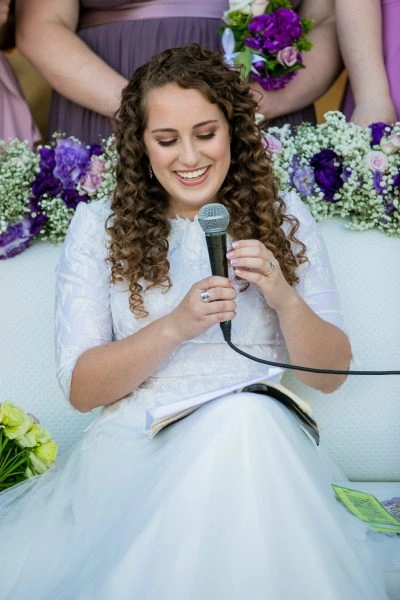
In my Shana bet at Migdal Oz I attended the Hadran siyum hash”as. Witnessing so many women so passionate about their Torah learning and connection to God, I knew I had to begin with the coming cycle. My wedding (June 24) was two weeks before the siyum of mesechet yoma so I went a little ahead and was able to make a speech and siyum at my kiseh kallah on my wedding day!

Sharona Guggenheim Plumb

Givat Shmuel, Israel

“I got my job through the NY Times” was an ad campaign when I was growing up. I can headline “I got my daily Daf shiur and Hadran through the NY Times”. I read the January 4, 2020 feature on Reb. Michelle Farber and Hadran and I have been participating ever since. Thanks NY Times & Hadran!
Deborah Aschheim
Deborah Aschheim

New York, United States

Bava Batra 12

בַּיִת סָתוּם – יֵשׁ לוֹ אַרְבַּע אַמּוֹת; פָּרַץ אֶת פַּצִּימָיו – אֵין לוֹ אַרְבַּע אַמּוֹת.

A house that has a sealed entrance still has the four cubits adjoining that entrance because the entrance can be reopened. If one broke its doorposts and sealed the entrance, the entrance is completely negated, and it does not have the four cubits adjoining it.

קֶבֶר שֶׁפִּתְחוֹ סָתוּם – אֵינוֹ מְטַמֵּא כׇּל סְבִיבָיו; פָּרַץ אֶת פַּצִּימָיו, וּסְתָמוֹ – מְטַמֵּא כׇּל סְבִיבָיו. בַּיִת סָתוּם – אֵינוֹ מְטַמֵּא כׇּל סְבִיבָיו; פָּרַץ אֶת פַּצִּימָיו – מְטַמֵּא כׇּל סְבִיבָיו.

There is a similar distinction with regard to the halakhot of ritual impurity. There is a halakha that a house in which there is a corpse transmits ritual impurity only through its doorways. The baraita continues: A grave whose entrance is sealed does not render all its surroundings ritually impure; the ritual impurity extends only to the area opposite the entrance. But if one broke its doorposts and sealed it, it is no longer considered an entrance, and the grave renders all its surroundings ritually impure, because impurity that has no egress bursts from all sides. Similarly, a house in which there is a corpse that has a sealed entrance does not render all its surroundings ritually impure. But if one broke its doorposts, it is no longer considered an entrance, and the corpse renders all of its surroundings ritually impure.

אָמַר רַבָּה בַּר בַּר חָנָה אָמַר רַבִּי יוֹחָנָן: מְבוֹאוֹת הַמְפוּלָּשׁוֹת לְעִיר אַחֶרֶת, וּבִקְּשׁוּ בְּנֵי הָעִיר לְסוֹתְמָן – בְּנֵי אוֹתָהּ הָעִיר מְעַכְּבִין עֲלֵיהֶן. לָא מִיבְּעֵי כִּי לֵיכָּא דַּרְכָּא אַחֲרִינָא – דִּמְעַכְּבִי, אֶלָּא אֲפִילּוּ כִּי אִיכָּא דַּרְכָּא אַחֲרִינָא, נָמֵי מְעַכְּבִי –

Rabba bar bar Ḥana says that Rabbi Yoḥanan says: With regard to alleyways that are open to another city, and through which one would ordinarily travel to reach that other city, if the residents of the city in which the alleyways are located wished to block them off, the residents of the city into which the alleyways open can prevent them from doing so, because they have a right to reach their city via those routes. The Gemara explains: It is not necessary to state that they can prevent them from blocking the alleyways when there is no alternative route to reach their town, but they can prevent them from blocking the alleyways even when there is an alternative route.

מִשּׁוּם דְּרַב יְהוּדָה אָמַר רַב, דְּאָמַר: מֶצֶר שֶׁהֶחֱזִיקוּ בּוֹ רַבִּים, אָסוּר לְקַלְקְלוֹ – כִּדְרַב גִּידֵּל, דְּאָמַר רַב גִּידֵּל: רַבִּים שֶׁבֵּרְרוּ דֶּרֶךְ לְעַצְמָן – מַה שֶּׁבֵּרְרוּ, בֵּרְרוּ.

This is due to the reasoning that Rav Yehuda says that Rav says. As Rav says: One is prohibited from ruining a path that the public has established as a public thoroughfare, i.e., steps may not be taken to prevent people from using it. This is in accordance with the statement of Rav Giddel, as Rav Giddel says: If the public has chosen a route for itself and they walk on it, what they have chosen is chosen, and it cannot be taken away from them.

אָמַר רַב עָנָן אָמַר שְׁמוּאֵל: מְבוֹאוֹת הַמְפוּלָּשִׁין לִרְשׁוּת הָרַבִּים, וּבִקְּשׁוּ בְּנֵי מְבוֹאוֹת לְהַעֲמִיד לָהֶן דְּלָתוֹת – בְּנֵי רְשׁוּת הָרַבִּים מְעַכְּבִין עֲלֵיהֶן.

Rav Anan says that Shmuel says: With regard to alleyways that open onto a public thoroughfare, if the residents of the alleyways wished to put up doors at the entrance to their alleyways, the people who use the public thoroughfare can prevent them from doing so.

סְבוּר מִינַּהּ – הָנֵי מִילֵּי בְּאַרְבַּע אַמּוֹת, כִּדְרַבִּי זֵירָא אָמַר רַב נַחְמָן – דְּאָמַר רַבִּי זֵירָא אָמַר רַב נַחְמָן: אַרְבַּע אַמּוֹת הַסְּמוּכוֹת לִרְשׁוּת הָרַבִּים, כִּרְשׁוּת הָרַבִּים דָּמְיָין; וְלָא הִיא, הָתָם – לְעִנְיַן טוּמְאָה, אֲבָל הָכָא – זִימְנִין דְּדָחֲקִי בְּנֵי רְשׁוּת הָרַבִּים, וְעָיְילִי טוּבָא.

Some Sages understood from this that this statement applies specifically to the area within four cubits of the public thoroughfare, in accordance with the statement that Rabbi Zeira says that Rav Naḥman says, as Rabbi Zeira says that Rav Naḥman says: The four cubits in an alleyway that are adjacent to the public thoroughfare are considered like the public thoroughfare itself. Consequently, this area has the halakha of a public thoroughfare. But that is not so. There, the ruling of Rav Naḥman was stated with regard to the issue of ritual impurity, with regard to which only the first four cubits of the alleyway are considered like the public thoroughfare. But here, with regard to doors set up at the entrance to the alleyway, sometimes the public thoroughfare becomes crowded with people and they enter far into the alleyway, even farther than four cubits.

וְלֹא אֶת הַשָּׂדֶה – עַד שֶׁיְּהֵא בָּהּ תִּשְׁעָה קַבִּין לָזֶה, וְתִשְׁעָה קַבִּין לָזֶה כּוּ׳. וְלָא פְּלִיגִי; מָר כִּי אַתְרֵיהּ, וּמָר כִּי אַתְרֵיהּ.

§ The mishna teaches: And the court does not divide a jointly owned field unless there is space in it to plant nine kav of seed for this one and nine kav of seed for that one. Rabbi Yehuda says: The court does not divide a field unless there is space in it to plant nine half-kav of seed for this one and nine half-kav of seed for that one. The Gemara comments: And they do not disagree with regard to the fundamental halakha, as this Sage ruled in accordance with the custom of his locale, and that Sage ruled in accordance with the custom of his locale. In Rabbi Yehuda’s locale, even a smaller parcel of land was considered a viable field.

בְּבָבֶל מַאי? אָמַר רַב יוֹסֵף: בֵּי רָדוּ יוֹמָא.

The Gemara asks: The mishna was taught in Eretz Yisrael; what practice should be followed in Babylonia? Rav Yosef said: In Babylonia, a parcel of land the size of which is the area of a day’s plowing is considered a field; if each of the parties will receive less than that, the field should not be divided.

מַאי ״בֵּי רָדוּ יוֹמָא״? אִי יוֹמָא זַרְעָא – תְּרֵי יוֹמָא כְּרָבָא לָא הָוֵי; אִי יוֹמָא כְּרָבָא – יוֹמָא דְּזַרְעָא לָא הָוֵי!

The Gemara asks: What is meant by a parcel of land the size of which is the area of a day’s plowing? If it means a day’s plowing in the planting season, i.e., the winter, when it is easy to plow, since the earth has already been turned over at the end of the summer, the field will not require two full days of plowing in the plowing season, i.e., at the end of the summer, when it is more difficult to plow, since the earth is hard and dry. In that case, he will have to pay his summer plowman two days’ wages for less than two days of work. And if it means a day’s plowing in the plowing season, the field will not require a full day of plowing in the planting season. In that case, he will have to pay his winter plowman a full day’s wages for less than a full day of work.

אִי בָּעֵית אֵימָא יוֹמָא דִּכְרָבָא – דְּכָרֵיב וְתָנֵי; וְאִי בָּעֵית אֵימָא יוֹמָא דְּזַרְעָא – בְּהָדוֹרֵי.

The Gemara answers: If you wish, say it is referring to a day’s plowing in the plowing season, and the field will still require a full day of plowing in the planting season since he plows once before he sows the seeds and then he repeats the plowing after the seeds are sown. And if you wish, say instead that it is referring to a day’s plowing in the planting season, and the field will in fact require two full days of plowing in the plowing season if it is rocky ground, on which plowing takes longer.

דַּוְולָא – אָמַר רַב נַחְמָן: בֵּי דָּאלוּ יוֹמָא. פַּרְדֵּסָא – אָמַר אֲבוּהּ דִּשְׁמוּאֵל: בַּת שְׁלֹשֶׁת קַבִּין.

In connection with this discussion, the Gemara clarifies the conditions under which a cistern, from which its joint owners draw their water, is divided. Rav Naḥman said: It should be divided only if each party will receive the volume of water needed for a day’s irrigation work. As for an orchard, Shmuel’s father says: It should be divided only if each party will receive an area large enough to plant three kav, one-third of the measure required for a field.

תַּנְיָא נָמֵי הָכִי, הָאוֹמֵר לַחֲבֵירוֹ: ״מְנָת בַּכֶּרֶם אֲנִי מוֹכֵר לְךָ״ – סוֹמְכוֹס אוֹמֵר: לֹא יִפְחוֹת מִשְּׁלֹשָׁה קַבִּין. אָמַר רַבִּי יוֹסֵי: אֵין אֵלּוּ אֶלָּא דִּבְרֵי נְבִיאוּת. בְּבָבֶל מַאי? אָמַר רָבָא בַּר קִסְנָא: תְּלָת אַצְיָאתָה בְּנֵי תְּרֵיסַר גּוּפְנֵי – כִּי הֵיכִי דְּרָפֵיק גַּבְרָא בְּיוֹמָא.

That opinion is also taught in a baraita: With regard to one who says to another: I am selling you part of a vineyard, without specifying how much of the vineyard, Sumakhos says: He may not give him less than an area large enough to plant three kav. Rabbi Yosei said: These are nothing other than words of prophecy, i.e., I do not see the logic behind this statement, and it is as if based on prophecy and a heavenly decree, as the seller did not mention any area, but rather spoke in the most general of terms: Part of a vineyard. The Gemara asks: What is the measure with regard to this matter in Babylonia? Rava bar Kisna said: Three rows [atzyata] of twelve vines, which is the area a person can hoe in a single day.

אָמַר רַבִּי אַבְדִּימִי דְּמִן חֵיפָה: מִיּוֹם שֶׁחָרַב בֵּית הַמִּקְדָּשׁ, נִיטְּלָה נְבוּאָה מִן הַנְּבִיאִים וְנִיתְּנָה לַחֲכָמִים. אַטּוּ חָכָם לָאו נָבִיא הוּא? הָכִי קָאָמַר: אַף עַל פִּי שֶׁנִּיטְּלָה מִן הַנְּבִיאִים, מִן הַחֲכָמִים לֹא נִיטְּלָה.

§ In connection with Rabbi Yosei’s statement that Sumakhos’s words are nothing but words of prophecy, the Gemara reports that Rabbi Avdimi from Haifa says: From the day that the Temple was destroyed prophecy was taken from the prophets and given to the Sages. The Gemara expresses astonishment: Is that to say that a Sage is not fit to be a prophet? Rabbi Avdimi seems to say that these are two distinct categories of people. The Gemara explains: This is what Rabbi Avdimi is saying: Even though prophecy was taken from the prophets, it was not taken from the Sages.

אָמַר אַמֵּימָר: וְחָכָם עָדִיף מִנָּבִיא, שֶׁנֶּאֱמַר: ״וְנָבִא לְבַב חׇכְמָה״ – מִי נִתְלֶה בְּמִי? הֱוֵי אוֹמֵר: קָטָן נִתְלֶה בַּגָּדוֹל.

Ameimar said: And a Sage is greater than a prophet, as it is stated: “And a prophet has a heart of wisdom” (Psalms 90:12), i.e., he is wise. When comparisons are drawn, who is compared to whom? You must say that the lesser is compared to the greater. Here too, prophecy is compared to wisdom, thus indicating that wisdom is greater than prophecy.

אָמַר אַבָּיֵי: תִּדַּע, דְּאָמַר גַּבְרָא רַבָּה מִילְּתָא, וּמִתְאַמְרָא מִשְּׁמֵיהּ דְּגַבְרָא רַבָּה אַחֲרִינָא כְּווֹתֵיהּ. אֲמַר רָבָא: וּמַאי קוּשְׁיָא? וְדִילְמָא תַּרְוַיְיהוּ בְּנֵי חַד מַזָּלָא נִינְהוּ! אֶלָּא אָמַר רָבָא: תִּדַּע, דְּאָמַר גַּבְרָא רַבָּה מִילְּתָא, וּמִתְאַמְרָא

Abaye said: Know that this is so, that the Sages still enjoy the prophetic gift, as a great man makes a statement with regard to a point of halakha and the same statement is then cited in the name of a different great man in accordance with his statement, indicating that the Sages makes their statements by way of prophecy. Rava disagreed and said: And what is the difficulty with explaining this? Perhaps they were born under the same constellation, and since they are similar in their traits, they reach the same conclusions. Rather, Rava said: Know that this is so, as a great man makes a statement and the same statement is then cited

מִשְּׁמֵיהּ דְּרַבִּי עֲקִיבָא בַּר יוֹסֵף כְּווֹתֵיהּ. אָמַר רַב אָשֵׁי: וּמַאי קוּשְׁיָא? דִּלְמָא לְהָא מִילְּתָא בַּר מַזָּלֵיהּ הוּא!

in the name of the well-known tanna Rabbi Akiva bar Yosef in accordance with his statement. It certainly cannot be maintained that the first Sage is similar in his nature to the illustrious Rabbi Akiva, so he must have arrived at his statement through prophecy. Rav Ashi said: And what is the difficulty with explaining this? Perhaps they were born under the same constellation, and with regard to this issue the first Sage has the same understanding as Rabbi Akiva.

אֶלָּא אָמַר רַב אָשֵׁי: תִּדַּע, דְּאָמַר גַּבְרָא רַבָּה מִילְּתָא, וּמִתְאַמְרָא הֲלָכָה לְמֹשֶׁה מִסִּינַי כְּווֹתֵיהּ. וְדִלְמָא כְּסוֹמֵא בַּאֲרוּבָּה! וְלָאו טַעַם יְהֵיב?!

Rather, Rav Ashi said: Know that this is so, as a great man makes a statement and the same statement is then cited as a halakha transmitted to Moses from Sinai in accordance with his statement. The Sage makes a statement that corresponds to words pronounced in Heaven, which, without prophecy, is beyond human capability. The Gemara states: But perhaps he arrived at this idea by chance, without the assistance of prophecy, like a blind man who makes his way through a skylight. A blind man cannot deliberately find a skylight; therefore, his finding it occurs by chance. The Gemara answers: But does the Sage not offer a reason for his statement? The fact that he demonstrates an understanding of the issue indicates that he does not arrive at his idea by chance, but rather by prophecy.

אָמַר רַבִּי יוֹחָנָן: מִיּוֹם שֶׁחָרַב בֵּית הַמִּקְדָּשׁ, נִיטְּלָה נְבוּאָה מִן הַנְּבִיאִים וְנִיתְּנָה לַשּׁוֹטִים וְלַתִּינוֹקוֹת. לַשּׁוֹטִים – מַאי הִיא? כִּי הָא דְּמָר בַּר רַב אָשֵׁי – דַּהֲוָה קָאֵי בְּרִסְתְּקָא דְמָחוֹזָא, שַׁמְעֵיהּ לְהָהוּא שׁוֹטֶה דְּקָאָמַר: רֵישׁ מְתִיבְתָּא דְּמָלֵיךְ בְּמָתָא ״מַחְסֵיָא״ – ״טַבְיוֹמֵי״ חָתֵים. אֲמַר: מַאן חָתֵים ״טַבְיוֹמֵי״ בְּרַבָּנַן – אֲנָא; שְׁמַע מִינַּהּ לְדִידִי קָיְימָא לִי שַׁעְתָּא. קָם אֲתָא. אַדַּאֲתָא אִימְּנוֹ רַבָּנַן לְאוֹתֹבֵיהּ לְרַב אַחָא מִדִּפְתִּי בְּרֵישָׁא.

Rabbi Yoḥanan said: From the day that the Temple was destroyed, prophecy was taken from the prophets and given to imbeciles and children. The Gemara explains: In what way was prophecy given to imbeciles? It was like this incident involving Mar bar Rav Ashi, who was standing in the street [beristeka] of Meḥoza when he heard a certain imbecile say: The head of the yeshiva who will be appointed in Mata Meḥasya signs his name Tavyumei. Mar bar Rav Ashi said to himself: Who among the Sages signs his name Tavyumei? Nobody but me. Conclude from the statement by the imbecile that my hour has arrived, and I will reap success in this matter. He arose and went to Mata Meḥasya. By the time he arrived, the Sages had already decided to appoint Rav Aḥa of Difti as the head of the yeshiva.

כֵּיוָן דְּשָׁמְעִי דַּאֲתָא, שַׁדּוּר זוּגָא דְּרַבָּנַן לְגַבֵּיהּ לְאִימְּלוֹכֵי בֵּיהּ. עַכְּבֵיהּ. הֲדַר שַׁדּוּר זוּגָא דְּרַבָּנַן אַחֲרִינָא, עַכְּבֵיהּ גַּבֵּיהּ. עַד דִּמְלוֹ בֵּי עַשְׂרָה. כֵּיוָן דִּמְלוֹ בֵּי עַשְׂרָה, פְּתַח הוּא וּתְנָא וּדְרַשׁ. לְפִי שֶׁאֵין פּוֹתְחִין בְּכַלָּה פָּחוֹת מֵעֲשָׂרָה.

As soon as the Sages heard that Mar bar Rav Ashi had arrived, they determined not to proceed with their appointment without the approval of an important figure such as him. They sent a pair of Sages to him to consult with him, and he detained them. They again sent a pair of Sages to him, and he detained them as well. This continued until they completed a quorum of ten Sages. Once they reached ten men, Mar bar Rav Ashi opened his lecture, taught, and expounded. He did not speak earlier because one should not open a lecture during kalla, the gatherings for Torah study during the months of Elul and Adar, when less than ten men are present. He was then appointed as head of the yeshiva.

קָרֵי רַב אַחָא אַנַּפְשֵׁיהּ: כׇּל הַמְּרִיעִין לוֹ – לֹא בִּמְהֵרָה מְטִיבִין לוֹ, וְכׇל הַמְּטִיבִין לוֹ – לֹא בִּמְהֵרָה מְרִיעִין לוֹ.

Understanding that he had been passed over for the position, Rav Aḥa of Difti read about himself the rabbinic aphorism: Anyone who is treated poorly will not soon be treated well; and anyone who is treated well will not soon be treated poorly. Rav Aḥa understood that he had lost the chance to be appointed, whereas Mar bar Rav Ashi had the good fortune to be appointed, and would remain in his position.

תִּנוֹקֹת – מַאי הִיא? כִּי הָא דְּבַת רַב חִסְדָּא – הֲוָה יָתְבָה בְּכַנְפֵיהּ דַּאֲבוּהָ, הֲווֹ יָתְבִי קַמֵּיהּ רָבָא וְרָמֵי בַּר חָמָא. אֲמַר לַהּ: מַאן מִינַּיְיהוּ בָּעֵית? אֲמַרָה לֵיהּ: תַּרְוַיְיהוּ. אָמַר רָבָא: וַאֲנָא בָּתְרָא.

And in what way was prophecy given to children? It was like this incident involving the daughter of Rav Ḥisda, who when she was a child was sitting on her father’s lap while he sat and learned. Rava and Rami bar Ḥama were sitting before him. Rav Ḥisda jokingly said to his daughter: Which of them would you want as a husband? She said: I want both of them. Rava said: And I will be last. And this is what happened; first she married Rami bar Ḥama, and when he died she married Rava.

אָמַר רַבִּי אַבְדִּימִי דְּמִן חֵיפָה: קוֹדֶם שֶׁיֹּאכַל אָדָם וְיִשְׁתֶּה, יֵשׁ לוֹ שְׁתֵּי לְבָבוֹת; לְאַחַר שֶׁאוֹכֵל וְשׁוֹתֶה – אֵין לוֹ אֶלָּא לֵב אֶחָד. שֶׁנֶּאֱמַר: ״אִישׁ נָבוּב יִלָּבֵב״ – וּכְתִיב: ״נְבוּב לֻחֹת״, וּמְתַרְגְּמִינַן: חֲלִיל לוּחִין.

Having already cited one statement of Rabbi Avdimi from Haifa, the Gemara cites another statement in his name: Rabbi Avdimi from Haifa says: Before a person eats and drinks he has two hearts, meaning his heart is unsettled because he is distracted by hunger. But after he eats and drinks he has only one heart, as it is stated: “A hollow [nevuv] man is two-hearted” (Job 11:12). How is it indicated that “nevuv” means hungry? As it is written concerning the altar: Nevuv luḥot (Exodus 27:8), which we translate into Aramaic as: Hollow with planks, meaning that a hollow person, i.e., one who has not yet eaten, is two-hearted.

אָמַר רַב הוּנָא בְּרֵיהּ דְּרַב יְהוֹשֻׁעַ: הָרָגִיל בְּיַיִן, אֲפִילּוּ לִבּוֹ אָטוּם כִּבְתוּלָה – יַיִן מְפַקְּחוֹ, שֶׁנֶּאֱמַר: ״וְתִירוֹשׁ יְנוֹבֵב בְּתֻלוֹת״.

The Gemara continues to discuss the meaning of nevuv, Rav Huna, son of Rav Yehoshua, says: With regard to one who is accustomed to wine, although his heart, i.e., his mind, is closed like a virgin, wine opens it, as it is stated: “And new wine opens [yenovev] the virgins” (Zechariah 9:17). The word yenovev is used here in the sense of clearing out a space: Even if one’s heart and mind are closed, wine will open them to understanding.

אָמַר רַב הוּנָא בְּרֵיהּ דְּרַב יְהוֹשֻׁעַ: פְּשִׁיטָא, חֵלֶק בְּכוֹר וְחֵלֶק פָּשׁוּט – יָהֲבִינַן לֵיהּ אַחַד מִצְרָא. יָבָם – מַאי?

§ The Gemara resumes its discussion of the division of property. Rav Huna, son of Rav Yehoshua, says: It is obvious that if a person inherits a portion of his father’s estate because he is the firstborn, and he also inherits a portion of that estate as an ordinary son, like the rest of his brothers, he is given his two portions along one boundary, so that they are adjacent to one another and form a single property. The Gemara asks: What is the halakha with regard to a yavam, a man whose brother died without children, who is obligated by Torah law to marry his deceased brother’s widow or grant her ḥalitza? If he marries his brother’s widow, the halakha dictates that he receive his brother’s portion of their father’s estate in addition to his own. Does he too receive the two portions along one boundary?

אָמַר אַבָּיֵי: הִיא – הִיא; מַאי טַעְמָא? ״בְּכוֹר״ קַרְיֵיהּ רַחֲמָנָא. רָבָא אָמַר, אָמַר קְרָא: ״וְהָיָה הַבְּכוֹר״ – הֲוָיָיתוֹ כִּבְכוֹר, וְאֵין חֲלוּקָּתוֹ כִּבְכוֹר.

Abaye said: This case is equal to that case. What is the reason for this? The Merciful One calls the yavam “firstborn” (see Yevamot 24a) and therefore he is treated like a firstborn in all regards. He receives the two portions of his father’s estate as a single parcel of land. But Rava said: The verse states: “And it shall be, the firstborn” (Deuteronomy 25:6). With regard to his being, i.e., his inheritance itself, he is like a firstborn; but as for the distribution of the estate, he is not like a firstborn, and the brothers are not obligated to give him two adjacent portions.

הָהוּא דִּזְבַן אַרְעָא אַמִּצְרָא דְּבֵי נְשֵׁיהּ. כִּי קָא פָּלְגוּ, אֲמַר לְהוּ: פְּלִיגוּ לִי אַמִּצְרַאי. אָמַר רַבָּה: כְּגוֹן זֶה – כּוֹפִין עַל מִדַּת סְדוֹם.

It is reported that a certain person bought land along the boundary of his father’s property. After some time the father died. When they came to divide the estate, this person said to his brothers: Give me my portion of the estate along my boundary. Rabba said: In a case such as this, the court compels people to refrain from conduct characteristic of Sodom. The court forces a person to waive his legal rights in order to prevent him from acting in a manner characteristic of the wicked city of Sodom. Since it makes no difference to the brothers which portion they receive since the parcels of land must be of equal value, whereas it matters to this brother that the area he receives should be adjacent to the land he already bought, the court forces the others to give this brother his portion along his boundary.

מַתְקֵיף לַהּ רַב יוֹסֵף: אָמְרִי לֵיהּ אֲחֵי, מְעַלִּינַן לֵיהּ עִלּוּיָא כִּי נִכְסֵי דְּבֵי בַּר מָרִיּוֹן! וְהִלְכְתָא כְּרַב יוֹסֵף.

Rav Yosef objects to this, saying this is not a case involving conduct characteristic of Sodom, since the brothers can explain their refusal to grant the request. The brothers can say to him: We assess this field that you want for yourself as particularly valuable, like the property of the house of bar Maryon. The brothers can claim that the portion he wants is more desirable than the others, and for that reason they do not want to give it to him. The Gemara concludes: And the halakha is in accordance with the opinion of Rav Yosef, and the brothers can refuse the request.

תְּרֵי אַרְעָתָא אַתְּרֵי נִגְרֵי – אָמַר רַבָּה: כְּגוֹן זֶה – כּוֹפִין עַל מִדַּת סְדוֹם. מַתְקֵיף לַהּ רַב יוֹסֵף: זִמְנִין דְּהַאי מִדְּוִיל וְהַאי לָא מִדְּוִיל! וְהִלְכְתָא כְּרַב יוֹסֵף.

If a father leaves his two sons two parcels of land next to two water channels [nigrei], and one brother requests the field that is next to a field that he already owns, Rabba says: In a case such as this, the court compels people to refrain from conduct characteristic of Sodom and allows that brother to receive the field adjoining his own. Rav Yosef objects to this, saying that if the other brother protests and wants that parcel of land, it is not a case involving conduct characteristic of Sodom because he may have a valid reason for objecting: Sometimes this water channel continues running well, while this second one does not continue running well; therefore, the second brother wants to receive land that adjoins a water channel on both sides. The Gemara concludes: And the halakha is in accordance with the opinion of Rav Yosef.

תַּרְתֵּי אַחַד נִגְרָא – אָמַר רַב יוֹסֵף: כְּגוֹן זֶה – כּוֹפִין עַל מִדַּת סְדוֹם. מַתְקֵיף לַהּ אַבָּיֵי, מָצֵי אָמַר: בָּעֵינָא דְּאַפֵּישׁ אֲרִיסֵי! וְהִלְכְתָא כְּרַב יוֹסֵף; אַפּוֹשֵׁי לָאו מִילְּתָא הִיא.

If a father leaves his two sons two parcels of land next to one channel and one of the brothers already owns a field next to one of those parcels of land, Rav Yosef said: In a case such as this, the court compels people to refrain from conduct characteristic of Sodom and allows that brother to receive the field adjoining his own. Abaye objects to this, saying that this is not a case involving conduct characteristic of Sodom because the other brother can say to him: I want the number of sharecroppers to increase. If my field is in the middle and you have fields on either side, you will need more sharecroppers to work them and my field will enjoy greater security. And the halakha is in accordance with the opinion of Rav Yosef because the increase of sharecroppers is considered as nothing, and this is therefore not a valid reason for objecting.

Want to follow content and continue where you left off?

Create an account today to track your progress, mark what you’ve learned, and follow the shiurim that speak to you.

Clear all items from this list?

This will remove ALL the items in this section. You will lose any progress or history connected to them. This is irreversible.

Cancel
Yes, clear all

Are you sure you want to delete this item?

You will lose any progress or history connected to this item.

Cancel
Yes, delete