Search

Bava Batra 126

Want to dedicate learning? Get started here:

podcast placeholder

0:00
0:00


Summary

Rav Asi ruled that a firstborn who protests, his protest is valid. There is a debate among the Rashbam and Rabbeinu Chananel, about what he is protesting. According to the Rashbam, he is protesting the brothers investing in the item before dividing the property, as he will not receive a double portion on the enhancements. Rabbeinu Chananel explains he is agreeing to receive an equal portion of this property/item but is not giving up on his rights to receive the double portion on other property/items. Rabba limits this statement to grapes that were picked but not if they were turned into wine. Why?

If a firstborn gives up his rights to a double portion when dividing a particular property, Rav Pappa and Rav Pappi debate (based on a situation where Rava gave a ruling about in a different case) whether Rava held that he gave up rights to the double portion of all the properties or only of that particular property? This debate is based on whether one holds that the firstborn receives rights to his double portion immediately upon the father’s death, even before the land is divided, or whether he receives rights to it only once the property is divided.

The Mishna differentiates between a father who says he will not bequeath the double portion to his firstborn and a father who says he will equally divide his portion. The first is not allowed as it goes against the Torah and the second is allowed because it is viewed as a gift. One can use the language of a gift to divide property differently than stated by the Torah.

What type of proof can be used to prove one is the firstborn to enable him to receive the double portion?

Bava Batra 126

וּמִלְוָה שֶׁעִמּוֹ, פָּלְגִי.

And as for a loan that is with the firstborn, i.e., he had borrowed money from his father, then his father died, it is uncertain whether the payment should be considered property due to the father or property possessed by him. Therefore, the firstborn and his brothers divide the additional portion.

אָמַר רַב הוּנָא אָמַר רַב אַסִּי: בְּכוֹר שֶׁמִּיחָה – מִיחָה.

§ With regard to the halakha that the firstborn is not entitled to a double portion of the enhancement of the property resulting from the actions of the heirs, Rav Huna says that Rav Asi says: A firstborn who protested the efforts of enhancing the property before it is divided has protested, and if the brothers use resources from the estate to enhance it against his will, he is entitled to a double portion of the enhanced value.

אָמַר רַבָּה: מִסְתַּבֵּר טַעְמֵיהּ דְּרַב אַסִּי בַּעֲנָבִים – וּבְצָרוּם, זֵיתִים – וּמְסָקוּם; אֲבָל דְּרָכוּם – לָא. וְרַב יוֹסֵף אָמַר: אֲפִילּוּ דְּרָכוּם.

Rabba said: Rav Asi’s opinion is reasonable in a case where they inherited grapes on a grapevine and the brothers harvested them against the will of the firstborn, or if they inherited olives on olive trees and the brothers harvested them, as in these cases, the produce itself did not change. But if they treaded on them, converting them into wine or oil, even if the firstborn protested their doing so, he is not entitled to a double portion. And Rav Yosef said: Even if they treaded on them, the firstborn is entitled to a double portion.

דְּרָכוּם?! מֵעִיקָּרָא עִינְבֵי, הַשְׁתָּא חַמְרָא!

The Gemara asks: Why is he entitled to a double portion, according to Rav Yosef, even if they treaded on them? Since the brothers transformed the produce, as initially it was in the form of grapes and now it is wine, they have acquired it in the same manner that a thief acquires an item he stole. Therefore, the firstborn should have no share of the enhancement.

כִּדְאָמַר רַב עוּקְבָא בַּר חָמָא: לִיתֵּן לוֹ דְּמֵי הֶיזֵּק עֲנָבָיו; הָכָא נָמֵי – נוֹתֵן לוֹ דְּמֵי הֶיזֵּק עֲנָבָיו.

The Gemara answers: Rav Yosef did not mean that the firstborn is entitled to a double portion of the enhanced value of the wine. Rather, his intention was the same as that which Rav Ukva bar Ḥama says in a different context, that the ruling is referring to a case where the wine spoiled, its value decreasing to below the initial value of the grapes, in which case the brothers must give the firstborn payment for the damage to his additional portion of the grapes. Here, too, Rav Yosef meant that the brothers must give the firstborn payment for the damage to his grapes.

הֵיכָא אִיתְּמַר דְּרַב עוּקְבָא בַּר חָמָא? אַהָא – דְּאָמַר רַב יְהוּדָה אָמַר שְׁמוּאֵל: בְּכוֹר וּפָשׁוּט שֶׁהִנִּיחַ לָהֶן אֲבִיהֶן עֲנָבִים, וּבְצָרוּם; זֵיתִים, וּמְסָקוּם – בְּכוֹר נוֹטֵל פִּי שְׁנַיִם, אֲפִילּוּ דְּרָכוּם. דְּרָכוּם?! מֵעִיקָּרָא עִינְבֵי, הַשְׁתָּא חַמְרָא! אָמַר מָר עוּקְבָא בַּר חָמָא: לִיתֵּן לוֹ דְּמֵי הֶיזֵּק עֲנָבָיו.

The Gemara explains: Where, i.e., in what context, was the statement of Rav Ukva bar Ḥama stated? It was in reference to that which Rav Yehuda says that Shmuel says: With regard to a firstborn and an ordinary son whose father left them grapes and they harvested them, or if he left them olives and they harvested them, the firstborn takes a double portion. This is the halakha even if they treaded on them. The Gemara asks: Why is he entitled to a double portion if they treaded on them; initially they were grapes, and now it is wine? Mar Ukva bar Ḥama says: Shmuel did not mean that he is entitled to a double portion of the wine; rather, the reference is to a case where the wine spoiled, its value decreasing to below the initial value of the grapes, in which case the ordinary brother must give the firstborn payment for the damage to his grapes.

אָמַר רַב אַסִּי: בְּכוֹר שֶׁנָּטַל חֵלֶק כְּפָשׁוּט – וִיתֵּר. מַאי ״וִיתֵּר״? רַב פָּפָּא מִשְּׁמֵיהּ דְּרָבָא אָמַר: וִיתֵּר בְּאוֹתָהּ שָׂדֶה. רַב פַּפִּי מִשְּׁמֵיהּ דְּרָבָא אָמַר: וִיתֵּר בְּכׇל הַנְּכָסִים כּוּלָּן.

§ Rav Asi says: A firstborn who took a portion of the property like that of an ordinary heir has relinquished his right to an additional portion. The Gemara asks: What does it mean that he has relinquished his additional portion? Rav Pappa says in the name of Rava that he has relinquished his additional portion only with regard to that field that was divided, since he did not exercise his right to an additional portion, but he has not relinquished his right to receive an additional portion of the rest of the estate. Rav Pappi says in the name of Rava that he has relinquished his additional portion with regard to all of the property.

רַב פָּפָּא מִשְּׁמֵיהּ דְּרָבָא אָמַר: וִיתֵּר בְּאוֹתָהּ שָׂדֶה – קָא סָבַר: אֵין לוֹ לַבְּכוֹר קוֹדֶם חֲלוּקָּה; וּמָה דַּאֲתָא לִידֵיהּ – אַחֵיל, אִידַּךְ לָא אַחֵיל.

The Gemara explains: Rav Pappa says in the name of Rava that he has relinquished his additional portion only with regard to that field that was divided, because he holds that a firstborn does not have a right to his additional portion before the division of the property. And therefore, he has waived his additional portion of what has already reached his possession, namely, the field that was divided, but he has not waived his portion of the other fields of the estate.

וְרַב פַּפֵּי מִשְּׁמֵיהּ דְּרָבָא אָמַר: וִיתֵּר בְּכׇל הַנְּכָסִים כּוּלָּן – קָא סָבַר: יֵשׁ לוֹ לִבְכוֹר קוֹדֶם חֲלוּקָּה; וּמִדְּאַחֵיל בְּהָא – אַחֵיל בְּכוּלְּהוּ.

And Rav Pappi says in the name of Rava that he has relinquished his additional portion with regard to all of the property, as he holds that a firstborn has a right to his additional portion before the division of the property. And therefore, since he waived his additional portion in this field, he has waived his portion of all of the property.

וְהָא דְּרַב פַּפֵּי וְרַב פָּפָּא – לָאו בְּפֵירוּשׁ אִיתְּמַר, אֶלָּא מִכְּלָלָא אִיתְּמַר – דְּהָהוּא בְּכוֹר דַּאֲזַל זַבֵּין נִכְסֵי דִּידֵיהּ וּדְפָשׁוּט. אֲזוּל יַתְמֵי בְּנֵי פָּשׁוּט לְמֵיכַל תַּמְרֵי מֵהָנְהוּ לָקוֹחוֹת, מְחוֹנְהוּ. אָמְרִי לְהוּ קְרוֹבִים: לָא מִיסָּתְיָיא דִּזְבַנְתִּינְהוּ לְנִכְסַיְיהוּ, אֶלָּא מִימְחֵא נָמֵי מָחִיתוּ לְהוּ? אֲתוֹ לְקַמֵּיהּ דְּרָבָא, אֲמַר לְהוּ: לֹא עָשָׂה וְלֹא כְלוּם.

The Gemara notes: And this dispute of Rav Pappi and Rav Pappa was not stated explicitly; rather, it was stated by inference. As there was a certain firstborn who went and sold his property and the property of his deceased ordinary brother, i.e., their respective portions of their father’s property, before the property was divided. The orphan sons of the ordinary brother went to eat dates from the field that was now in the possession of those purchasers, due to their father’s share in the field. The purchasers hit them, as though they were thieves. The relatives of the orphans said to the purchasers: Not only did you purchase their property illegally, but you now hit them as well? They came before Rava, who said to them: The firstborn has done nothing. His sale was not valid.

מָר סָבַר: לֹא עָשָׂה כְּלוּם – בְּפַלְגָא. וּמָר סָבַר: בְּכוּלְּהוּ.

Rav Pappi and Rav Pappa disagree with regard to Rava’s intention. One Sage, Rav Pappi, holds that he has done nothing with regard to his brother’s portion, as he had no right to sell it; with regard to his own additional portion, the sale was valid, as it was in his possession even before the division of the property. And one Sage, Rav Pappa, holds that he has done nothing with regard to all of the property, as he does not possess the additional portion before the property is divided between the brothers.

שְׁלַחוּ מִתָּם: בְּכוֹר שֶׁמָּכַר קוֹדֶם חֲלוּקָּה – לֹא עָשָׂה כְּלוּם. אַלְמָא אֵין לוֹ לַבְּכוֹר קוֹדֶם חֲלוּקָּה. וְהִלְכְתָא: יֵשׁ לַבְּכוֹר קוֹדֶם חֲלוּקָּה.

The Gemara notes that they sent a ruling from there, Eretz Yisrael: A firstborn who sold his additional portion before the division of the property has done nothing. Apparently, the Sages of Eretz Yisrael hold that a firstborn does not have a right to his additional portion before the division. But the halakha is that a firstborn has a right to his additional portion before the division.

מָר זוּטְרָא מִדְּרִישְׁבָּא פְּלַג בְּצַנָּא דְפִלְפְּלֵי בַּהֲדֵי אַחִין, בְּשָׁוֶה. אֲתָא לְקַמֵּיהּ דְּרַב אָשֵׁי, אֲמַר לֵיהּ: הוֹאִיל וִיתַּרְתָּה בְּמִקְצָת – וִיתַּרְתָּה בְּכׇל הַנְּכָסִים כּוּלָּן.

The Gemara relates: Mar Zutra of the house of Rishba, who was a firstborn, divided a basket of peppers from the estate of his father with his brothers equally. He came before Rav Ashi to claim a double portion of the rest of the estate. Rav Ashi said to him: Since you relinquished your additional portion with regard to some of the estate, you have relinquished your additional portion with regard to all of the property, as a firstborn has a right to his additional portion before the division.

מַתְנִי׳ הָאוֹמֵר: ״אִישׁ פְּלוֹנִי בְּנִי בְּכוֹר לֹא יִטּוֹל פִּי שְׁנַיִם״; ״אִישׁ פְּלוֹנִי בְּנִי לֹא יִירַשׁ עִם אֶחָיו״ – לֹא אָמַר כְּלוּם, שֶׁהִתְנָה עַל מַה שֶּׁכָּתוּב בַּתּוֹרָה.

MISHNA: In a case of one who says: So-and-so, my firstborn son, will not take a double portion of my estate; or one who says: So-and-so, my son, will not inherit my estate among his brothers, he has said nothing, as he has stipulated counter to that which is written in the Torah.

הַמְחַלֵּק נְכָסָיו עַל פִּיו; רִיבָּה לְאֶחָד וּמִיעֵט לְאֶחָד, וְהִשְׁוָה לָהֶן אֶת הַבְּכוֹר – דְּבָרָיו קַיָּימִין. וְאִם אָמַר מִשּׁוּם יְרוּשָּׁה – לֹא אָמַר כְּלוּם. כָּתַב בֵּין בַּתְּחִלָּה בֵּין בָּאֶמְצַע בֵּין בַּסּוֹף – מִשּׁוּם מַתָּנָה, דְּבָרָיו קַיָּימִין.

With regard to one on his deathbed who apportions his property orally, granting it to his sons as a gift, and he increased the portion given to one of his sons and reduced the portion given to one son, or equated the portion of the firstborn to the portions of the other sons, his statement stands. But if he said that they will receive the property not as a gift but as inheritance, he has said nothing. If he wrote in his will, whether at the beginning, or in the middle, or at the end, that he is granting them the property as a gift, his statement stands.

גְּמָ׳ לֵימָא מַתְנִיתִין דְּלָא כְּרַבִּי יְהוּדָה? דְּאִי רַבִּי יְהוּדָה, הָאָמַר: בְּדָבָר שֶׁל מָמוֹן תְּנָאוֹ קַיָּים!

GEMARA: The Gemara suggests: Let us say that the mishna is not in accordance with the opinion of Rabbi Yehuda, as if it is in accordance with the opinion of Rabbi Yehuda, doesn’t he say elsewhere that if one stipulates counter to that which is written in the Torah with regard to monetary matters, his stipulation stands?

דְּתַנְיָא, הָאוֹמֵר לְאִשָּׁה: ״הֲרֵי אַתְּ מְקוּדֶּשֶׁת לִי, עַל מְנָת שֶׁאֵין לִיךְ עָלַי שְׁאֵר כְּסוּת וְעוֹנָה״ – הֲרֵי זוֹ מְקוּדֶּשֶׁת, וּתְנָאוֹ בָּטֵל; דִּבְרֵי רַבִּי מֵאִיר. רַבִּי יְהוּדָה אוֹמֵר: בְּדָבָר שֶׁל מָמוֹן – תְּנָאוֹ קַיָּים!

As it is taught in a baraita (Tosefta, Kiddushin 3:7): If one says to a woman: You are hereby betrothed to me on the condition that you have no ability to claim from me food, clothing, and conjugal rights, she is betrothed and his stipulation is void; this is the statement of Rabbi Meir. Rabbi Yehuda says: With regard to monetary matters, such as food and clothing, his stipulation stands, despite being counter to that which is written in the Torah. According to the opinion of Rabbi Yehuda, one should be able to stipulate that his firstborn son not receive a double portion, or that one of his sons not inherit from him at all, as inheritance is a monetary matter.

אֲפִילּוּ תֵּימָא רַבִּי יְהוּדָה: הָתָם יָדְעָה וְקָא מָחֲלָה, הָכָא לָא קָא מָחֵיל.

The Gemara rejects this suggestion: Even if you say that the mishna is in accordance with the opinion of Rabbi Yehuda, there, the woman knew of his stipulation and waived her rights. Therefore, the stipulation stands. Here, the son whose portion was reduced did not waive his portion. Therefore the stipulation is not valid.

אָמַר רַב יוֹסֵף, אָמַר: ״אִישׁ פְּלוֹנִי בְּנִי, בְּכוֹרִי הוּא״ – נוֹטֵל פִּי שְׁנַיִם. ״אִישׁ פְּלוֹנִי בְּכוֹר הוּא״ – אֵינוֹ נוֹטֵל פִּי שְׁנַיִם, דִּלְמָא בּוּכְרָא דְאִמָּא קָאָמַר.

§ Rav Yosef says that if a man says: So-and-so is my firstborn son, the son takes a double portion of his inheritance based on this testimony. If he says: So-and-so is a firstborn, the son does not take a double portion, as perhaps the man was saying that the son is his mother’s firstborn but not his own firstborn.

הָהוּא דַּאֲתָא לְקַמֵּיהּ דְּרַבָּה בַּר בַּר חָנָה, אֲמַר לֵיהּ: מוּחְזְקַנִי בָּזֶה שֶׁהוּא בְּכוֹר. אֲמַר לֵיהּ: מְנָא יָדְעַתְּ? דַּהֲוָה קָרֵי לֵיהּ אֲבוּהּ ״בּוּכְרָא סַכְלָא״. דִּלְמָא בּוּכְרָא דְאִמָּא הוּא, דְּכׇל בּוּכְרָא דְאִמָּא נָמֵי ״בּוּכְרָא סַכְלָא״ קָארוּ לֵיהּ.

The Gemara relates: There was a certain man who came before Rabba bar bar Ḥana and said to him: I know that this man is a firstborn. Rabba bar bar Ḥana said to him: From where do you know? He answered: Because his father would call him a foolish firstborn. Rabba bar bar Ḥana replied: Perhaps he is his mother’s firstborn, as any firstborn of a mother is also called a foolish firstborn.

הָהוּא דַּאֲתָא לְקַמֵּיהּ דְּרַבִּי חֲנִינָא, אֲמַר לֵיהּ: מוּחְזְקַנִי בָּזֶה שֶׁהוּא בְּכוֹר. אֲמַר לֵיהּ: מְנָא יָדְעַתְּ? אֲמַר לֵיהּ: דְּכִי הֲווֹ אָתוּ לְגַבֵּי אֲבוּהּ, אֲמַר לְהוּ: זִילוּ לְגַבֵּי שִׁכְחַת בְּרִי, דְּבוּכְרָא הוּא וּמַסֵּי רוּקֵּיהּ.

The Gemara relates: There was a certain man who came before Rabbi Ḥanina and said to him: I know that this man is a firstborn. Rabbi Ḥanina said to him: From where do you know? He said to Rabbi Ḥanina: Because when people would come before his father to obtain a cure for their ailing eyes, he would say to them: Go to my son Shikhḥat, as he is a firstborn and his saliva heals this ailment.

וְדִלְמָא בּוּכְרָא דְאִמָּא הוּא! גְּמִירִי: בּוּכְרָא דְאַבָּא – מַסֵּי רוּקֵּיהּ, בּוּכְרָא דְאִמָּא – לָא מַסֵּי רוּקֵּיהּ.

The Gemara asks: But perhaps he is his mother’s firstborn? The Gemara answers: It is learned as a tradition that the saliva of a father’s firstborn heals this ailment but the saliva of a mother’s firstborn does not heal this ailment.

אָמַר רַבִּי אַמֵּי: טוּמְטוּם שֶׁנִּקְרַע וְנִמְצָא זָכָר, אֵינוֹ נוֹטֵל פִּי שְׁנַיִם; דְּאָמַר קְרָא: ״וְהָיָה הַבֵּן הַבְּכוֹר לַשְּׂנִיאָה״ – עַד שֶׁיְּהֵא בֵּן מִשְּׁעַת הֲוָיָה.

§ Rabbi Ami says: In the case of one whose sexual organs are indeterminate [tumtum] and whose skin became perforated so that his genitals were exposed and he was found to be a male, he does not take a double portion of his father’s estate. As the verse states: “And if the firstborn son was [vehaya] hers that was hated” (Deuteronomy 21:15), which is interpreted to mean that he is not considered a firstborn unless he is recognized as a son, i.e., male, from the moment of his coming into being [havaya], i.e., his birth.

רַב נַחְמָן בַּר יִצְחָק אָמַר: אַף אֵינוֹ נִידּוֹן כְּבֵן סוֹרֵר וּמוֹרֶה, דְּאָמַר קְרָא: ״כִּי יִהְיֶה לְאִישׁ בֵּן סוֹרֵר וּמוֹרֶה״ – עַד שֶׁיְּהֵא בֵּן מִשְּׁעַת הֲוָיָה.

Rav Naḥman bar Yitzḥak says: A tumtum who was found to be male is also not judged as a stubborn and rebellious son, as the verse states: “If there will be [yihyeh] to a man a stubborn and rebellious son” (Deuteronomy 21:18), which is interpreted to mean that one is not judged in this manner unless he is recognized as a son from the moment of his coming into being.

New to Talmud?

Check out our resources designed to help you navigate a page of Talmud – and study at the pace, level and style that fits you. 

The Hadran Women’s Tapestry

Meet the diverse women learning Gemara at Hadran and hear their stories. 

I started learning with rabbis. I needed to know more than the stories. My first teacher to show me “the way of the Talmud” as well as the stories was Samara Schwartz.
Michelle Farber started the new cycle 2 yrs ago and I jumped on for the ride.
I do not look back.

Jenifer Nech
Jenifer Nech

Houston, United States

After being so inspired by the siyum shas two years ago, I began tentatively learning daf yomi, like Rabbanut Michelle kept saying – taking one daf at a time. I’m still taking it one daf at a time, one masechet at a time, but I’m loving it and am still so inspired by Rabbanit Michelle and the Hadran community, and yes – I am proud to be finishing Seder Mo’ed.

Caroline Graham-Ofstein

Bet Shemesh, Israel

After all the hype on the 2020 siyum I became inspired by a friend to begin learning as the new cycle began.with no background in studying Talmud it was a bit daunting in the beginning. my husband began at the same time so we decided to study on shabbat together. The reaction from my 3 daughters has been fantastic. They are very proud. It’s been a great challenge for my brain which is so healthy!

Stacey Goodstein Ashtamker

Modi’in, Israel

I had never heard of Daf Yomi and after reading the book, The Weight of Ink, I explored more about it. I discovered that it was only 6 months before a whole new cycle started and I was determined to give it a try. I tried to get a friend to join me on the journey but after the first few weeks they all dropped it. I haven’t missed a day of reading and of listening to the podcast.

Anne Rubin
Anne Rubin

Elkins Park, United States

A friend mentioned that she was starting Daf Yomi in January 2020. I had heard of it and thought, why not? I decided to try it – go day by day and not think about the seven plus year commitment. Fast forward today, over two years in and I can’t imagine my life without Daf Yomi. It’s part of my morning ritual. If I have a busy day ahead of me I set my alarm to get up early to finish the day’s daf
Debbie Fitzerman
Debbie Fitzerman

Ontario, Canada

I started learning at the beginning of this cycle more than 2 years ago, and I have not missed a day or a daf. It’s been challenging and enlightening and even mind-numbing at times, but the learning and the shared experience have all been worth it. If you are open to it, there’s no telling what might come into your life.

Patti Evans
Patti Evans

Phoenix, Arizona, United States

I had no formal learning in Talmud until I began my studies in the Joint Program where in 1976 I was one of the few, if not the only, woman talmud major. It was superior training for law school and enabled me to approach my legal studies with a foundation . In 2018, I began daf yomi listening to Rabbanit MIchelle’s pod cast and my daily talmud studies are one of the highlights of my life.

Krivosha_Terri_Bio
Terri Krivosha

Minneapolis, United States

I learned daf more off than on 40 years ago. At the beginning of the current cycle, I decided to commit to learning daf regularly. Having Rabanit Michelle available as a learning partner has been amazing. Sometimes I learn with Hadran, sometimes with my husband, and sometimes on my own. It’s been fun to be part of an extended learning community.

Miriam Pollack
Miriam Pollack

Honolulu, Hawaii, United States

I started learning Talmud with R’ Haramati in Yeshivah of Flatbush. But after a respite of 60 years, Rabbanit Michelle lit my fire – after attending the last three world siyumim in Miami Beach, Meadowlands and Boca Raton, and now that I’m retired, I decided – “I can do this!” It has been an incredible journey so far, and I look forward to learning Daf everyday – Mazal Tov to everyone!

Roslyn Jaffe
Roslyn Jaffe

Florida, United States

I never thought I’d be able to do Daf Yomi till I saw the video of Hadran’s Siyum HaShas. Now, 2 years later, I’m about to participate in Siyum Seder Mo’ed with my Hadran community. It has been an incredible privilege to learn with Rabbanit Michelle and to get to know so many caring, talented and knowledgeable women. I look forward with great anticipation and excitement to learning Seder Nashim.

Caroline-Ben-Ari-Tapestry
Caroline Ben-Ari

Karmiel, Israel

I tried Daf Yomi in the middle of the last cycle after realizing I could listen to Michelle’s shiurim online. It lasted all of 2 days! Then the new cycle started just days before my father’s first yahrzeit and my youngest daughter’s bat mitzvah. It seemed the right time for a new beginning. My family, friends, colleagues are immensely supportive!

Catriella-Freedman-jpeg
Catriella Freedman

Zichron Yaakov, Israel

I had no formal learning in Talmud until I began my studies in the Joint Program where in 1976 I was one of the few, if not the only, woman talmud major. It was superior training for law school and enabled me to approach my legal studies with a foundation . In 2018, I began daf yomi listening to Rabbanit MIchelle’s pod cast and my daily talmud studies are one of the highlights of my life.

Krivosha_Terri_Bio
Terri Krivosha

Minneapolis, United States

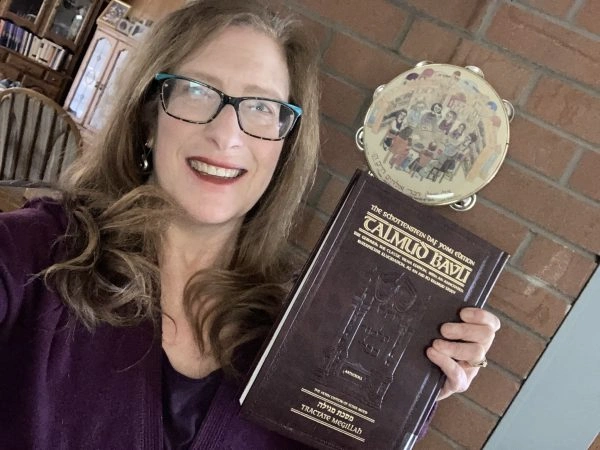
I started to listen to Michelle’s podcasts four years ago. The minute I started I was hooked. I’m so excited to learn the entire Talmud, and think I will continue always. I chose the quote “while a woman is engaged in conversation she also holds the spindle”. (Megillah 14b). It reminds me of all of the amazing women I learn with every day who multi-task, think ahead and accomplish so much.

Julie Mendelsohn
Julie Mendelsohn

Zichron Yakov, Israel

I’ve been learning since January 2020, and in June I started drawing a phrase from each daf. Sometimes it’s easy (e.g. plants), sometimes it’s very hard (e.g. korbanot), and sometimes it’s loads of fun (e.g. bird racing) to find something to draw. I upload my pictures from each masechet to #DafYomiArt. I am enjoying every step of the journey.

Gila Loike
Gila Loike

Ashdod, Israel

It’s hard to believe it has been over two years. Daf yomi has changed my life in so many ways and has been sustaining during this global sea change. Each day means learning something new, digging a little deeper, adding another lens, seeing worlds with new eyes. Daf has also fostered new friendships and deepened childhood connections, as long time friends have unexpectedly become havruta.

Joanna Rom
Joanna Rom

Northwest Washington, United States

The start of my journey is not so exceptional. I was between jobs and wanted to be sure to get out every day (this was before corona). Well, I was hooked after about a month and from then on only looked for work-from-home jobs so I could continue learning the Daf. Daf has been a constant in my life, though hurricanes, death, illness/injury, weddings. My new friends are Rav, Shmuel, Ruth, Joanna.
Judi Felber
Judi Felber

Raanana, Israel

I’ve been wanting to do Daf Yomi for years, but always wanted to start at the beginning and not in the middle of things. When the opportunity came in 2020, I decided: “this is now the time!” I’ve been posting my journey daily on social media, tracking my progress (#DafYomi); now it’s fully integrated into my daily routines. I’ve also inspired my partner to join, too!

Joséphine Altzman
Joséphine Altzman

Teaneck, United States

It has been a pleasure keeping pace with this wonderful and scholarly group of women.

Janice Block
Janice Block

Beit Shemesh, Israel

תמיד רציתי. למדתי גמרא בבית ספר בטורונטו קנדה. עליתי ארצה ולמדתי שזה לא מקובל. הופתעתי.
יצאתי לגימלאות לפני שנתיים וזה מאפשר את המחוייבות לדף יומי.
עבורי ההתמדה בלימוד מעגן אותי בקשר שלי ליהדות. אני תמיד מחפשת ותמיד. מוצאת מקור לקשר. ללימוד חדש ומחדש. קשר עם נשים לומדות מעמיק את החוויה ומשמעותית מאוד.

Vitti Kones
Vitti Kones

מיתר, ישראל

In January 2020, my chevruta suggested that we “up our game. Let’s do Daf Yomi” – and she sent me the Hadran link. I lost my job (and went freelance), there was a pandemic, and I am still opening the podcast with my breakfast coffee, or after Shabbat with popcorn. My Aramaic is improving. I will need a new bookcase, though.

Rhondda May
Rhondda May

Atlanta, Georgia, United States

Bava Batra 126

וּמִלְוָה שֶׁעִמּוֹ, פָּלְגִי.

And as for a loan that is with the firstborn, i.e., he had borrowed money from his father, then his father died, it is uncertain whether the payment should be considered property due to the father or property possessed by him. Therefore, the firstborn and his brothers divide the additional portion.

אָמַר רַב הוּנָא אָמַר רַב אַסִּי: בְּכוֹר שֶׁמִּיחָה – מִיחָה.

§ With regard to the halakha that the firstborn is not entitled to a double portion of the enhancement of the property resulting from the actions of the heirs, Rav Huna says that Rav Asi says: A firstborn who protested the efforts of enhancing the property before it is divided has protested, and if the brothers use resources from the estate to enhance it against his will, he is entitled to a double portion of the enhanced value.

אָמַר רַבָּה: מִסְתַּבֵּר טַעְמֵיהּ דְּרַב אַסִּי בַּעֲנָבִים – וּבְצָרוּם, זֵיתִים – וּמְסָקוּם; אֲבָל דְּרָכוּם – לָא. וְרַב יוֹסֵף אָמַר: אֲפִילּוּ דְּרָכוּם.

Rabba said: Rav Asi’s opinion is reasonable in a case where they inherited grapes on a grapevine and the brothers harvested them against the will of the firstborn, or if they inherited olives on olive trees and the brothers harvested them, as in these cases, the produce itself did not change. But if they treaded on them, converting them into wine or oil, even if the firstborn protested their doing so, he is not entitled to a double portion. And Rav Yosef said: Even if they treaded on them, the firstborn is entitled to a double portion.

דְּרָכוּם?! מֵעִיקָּרָא עִינְבֵי, הַשְׁתָּא חַמְרָא!

The Gemara asks: Why is he entitled to a double portion, according to Rav Yosef, even if they treaded on them? Since the brothers transformed the produce, as initially it was in the form of grapes and now it is wine, they have acquired it in the same manner that a thief acquires an item he stole. Therefore, the firstborn should have no share of the enhancement.

כִּדְאָמַר רַב עוּקְבָא בַּר חָמָא: לִיתֵּן לוֹ דְּמֵי הֶיזֵּק עֲנָבָיו; הָכָא נָמֵי – נוֹתֵן לוֹ דְּמֵי הֶיזֵּק עֲנָבָיו.

The Gemara answers: Rav Yosef did not mean that the firstborn is entitled to a double portion of the enhanced value of the wine. Rather, his intention was the same as that which Rav Ukva bar Ḥama says in a different context, that the ruling is referring to a case where the wine spoiled, its value decreasing to below the initial value of the grapes, in which case the brothers must give the firstborn payment for the damage to his additional portion of the grapes. Here, too, Rav Yosef meant that the brothers must give the firstborn payment for the damage to his grapes.

הֵיכָא אִיתְּמַר דְּרַב עוּקְבָא בַּר חָמָא? אַהָא – דְּאָמַר רַב יְהוּדָה אָמַר שְׁמוּאֵל: בְּכוֹר וּפָשׁוּט שֶׁהִנִּיחַ לָהֶן אֲבִיהֶן עֲנָבִים, וּבְצָרוּם; זֵיתִים, וּמְסָקוּם – בְּכוֹר נוֹטֵל פִּי שְׁנַיִם, אֲפִילּוּ דְּרָכוּם. דְּרָכוּם?! מֵעִיקָּרָא עִינְבֵי, הַשְׁתָּא חַמְרָא! אָמַר מָר עוּקְבָא בַּר חָמָא: לִיתֵּן לוֹ דְּמֵי הֶיזֵּק עֲנָבָיו.

The Gemara explains: Where, i.e., in what context, was the statement of Rav Ukva bar Ḥama stated? It was in reference to that which Rav Yehuda says that Shmuel says: With regard to a firstborn and an ordinary son whose father left them grapes and they harvested them, or if he left them olives and they harvested them, the firstborn takes a double portion. This is the halakha even if they treaded on them. The Gemara asks: Why is he entitled to a double portion if they treaded on them; initially they were grapes, and now it is wine? Mar Ukva bar Ḥama says: Shmuel did not mean that he is entitled to a double portion of the wine; rather, the reference is to a case where the wine spoiled, its value decreasing to below the initial value of the grapes, in which case the ordinary brother must give the firstborn payment for the damage to his grapes.

אָמַר רַב אַסִּי: בְּכוֹר שֶׁנָּטַל חֵלֶק כְּפָשׁוּט – וִיתֵּר. מַאי ״וִיתֵּר״? רַב פָּפָּא מִשְּׁמֵיהּ דְּרָבָא אָמַר: וִיתֵּר בְּאוֹתָהּ שָׂדֶה. רַב פַּפִּי מִשְּׁמֵיהּ דְּרָבָא אָמַר: וִיתֵּר בְּכׇל הַנְּכָסִים כּוּלָּן.

§ Rav Asi says: A firstborn who took a portion of the property like that of an ordinary heir has relinquished his right to an additional portion. The Gemara asks: What does it mean that he has relinquished his additional portion? Rav Pappa says in the name of Rava that he has relinquished his additional portion only with regard to that field that was divided, since he did not exercise his right to an additional portion, but he has not relinquished his right to receive an additional portion of the rest of the estate. Rav Pappi says in the name of Rava that he has relinquished his additional portion with regard to all of the property.

רַב פָּפָּא מִשְּׁמֵיהּ דְּרָבָא אָמַר: וִיתֵּר בְּאוֹתָהּ שָׂדֶה – קָא סָבַר: אֵין לוֹ לַבְּכוֹר קוֹדֶם חֲלוּקָּה; וּמָה דַּאֲתָא לִידֵיהּ – אַחֵיל, אִידַּךְ לָא אַחֵיל.

The Gemara explains: Rav Pappa says in the name of Rava that he has relinquished his additional portion only with regard to that field that was divided, because he holds that a firstborn does not have a right to his additional portion before the division of the property. And therefore, he has waived his additional portion of what has already reached his possession, namely, the field that was divided, but he has not waived his portion of the other fields of the estate.

וְרַב פַּפֵּי מִשְּׁמֵיהּ דְּרָבָא אָמַר: וִיתֵּר בְּכׇל הַנְּכָסִים כּוּלָּן – קָא סָבַר: יֵשׁ לוֹ לִבְכוֹר קוֹדֶם חֲלוּקָּה; וּמִדְּאַחֵיל בְּהָא – אַחֵיל בְּכוּלְּהוּ.

And Rav Pappi says in the name of Rava that he has relinquished his additional portion with regard to all of the property, as he holds that a firstborn has a right to his additional portion before the division of the property. And therefore, since he waived his additional portion in this field, he has waived his portion of all of the property.

וְהָא דְּרַב פַּפֵּי וְרַב פָּפָּא – לָאו בְּפֵירוּשׁ אִיתְּמַר, אֶלָּא מִכְּלָלָא אִיתְּמַר – דְּהָהוּא בְּכוֹר דַּאֲזַל זַבֵּין נִכְסֵי דִּידֵיהּ וּדְפָשׁוּט. אֲזוּל יַתְמֵי בְּנֵי פָּשׁוּט לְמֵיכַל תַּמְרֵי מֵהָנְהוּ לָקוֹחוֹת, מְחוֹנְהוּ. אָמְרִי לְהוּ קְרוֹבִים: לָא מִיסָּתְיָיא דִּזְבַנְתִּינְהוּ לְנִכְסַיְיהוּ, אֶלָּא מִימְחֵא נָמֵי מָחִיתוּ לְהוּ? אֲתוֹ לְקַמֵּיהּ דְּרָבָא, אֲמַר לְהוּ: לֹא עָשָׂה וְלֹא כְלוּם.

The Gemara notes: And this dispute of Rav Pappi and Rav Pappa was not stated explicitly; rather, it was stated by inference. As there was a certain firstborn who went and sold his property and the property of his deceased ordinary brother, i.e., their respective portions of their father’s property, before the property was divided. The orphan sons of the ordinary brother went to eat dates from the field that was now in the possession of those purchasers, due to their father’s share in the field. The purchasers hit them, as though they were thieves. The relatives of the orphans said to the purchasers: Not only did you purchase their property illegally, but you now hit them as well? They came before Rava, who said to them: The firstborn has done nothing. His sale was not valid.

מָר סָבַר: לֹא עָשָׂה כְּלוּם – בְּפַלְגָא. וּמָר סָבַר: בְּכוּלְּהוּ.

Rav Pappi and Rav Pappa disagree with regard to Rava’s intention. One Sage, Rav Pappi, holds that he has done nothing with regard to his brother’s portion, as he had no right to sell it; with regard to his own additional portion, the sale was valid, as it was in his possession even before the division of the property. And one Sage, Rav Pappa, holds that he has done nothing with regard to all of the property, as he does not possess the additional portion before the property is divided between the brothers.

שְׁלַחוּ מִתָּם: בְּכוֹר שֶׁמָּכַר קוֹדֶם חֲלוּקָּה – לֹא עָשָׂה כְּלוּם. אַלְמָא אֵין לוֹ לַבְּכוֹר קוֹדֶם חֲלוּקָּה. וְהִלְכְתָא: יֵשׁ לַבְּכוֹר קוֹדֶם חֲלוּקָּה.

The Gemara notes that they sent a ruling from there, Eretz Yisrael: A firstborn who sold his additional portion before the division of the property has done nothing. Apparently, the Sages of Eretz Yisrael hold that a firstborn does not have a right to his additional portion before the division. But the halakha is that a firstborn has a right to his additional portion before the division.

מָר זוּטְרָא מִדְּרִישְׁבָּא פְּלַג בְּצַנָּא דְפִלְפְּלֵי בַּהֲדֵי אַחִין, בְּשָׁוֶה. אֲתָא לְקַמֵּיהּ דְּרַב אָשֵׁי, אֲמַר לֵיהּ: הוֹאִיל וִיתַּרְתָּה בְּמִקְצָת – וִיתַּרְתָּה בְּכׇל הַנְּכָסִים כּוּלָּן.

The Gemara relates: Mar Zutra of the house of Rishba, who was a firstborn, divided a basket of peppers from the estate of his father with his brothers equally. He came before Rav Ashi to claim a double portion of the rest of the estate. Rav Ashi said to him: Since you relinquished your additional portion with regard to some of the estate, you have relinquished your additional portion with regard to all of the property, as a firstborn has a right to his additional portion before the division.

מַתְנִי׳ הָאוֹמֵר: ״אִישׁ פְּלוֹנִי בְּנִי בְּכוֹר לֹא יִטּוֹל פִּי שְׁנַיִם״; ״אִישׁ פְּלוֹנִי בְּנִי לֹא יִירַשׁ עִם אֶחָיו״ – לֹא אָמַר כְּלוּם, שֶׁהִתְנָה עַל מַה שֶּׁכָּתוּב בַּתּוֹרָה.

MISHNA: In a case of one who says: So-and-so, my firstborn son, will not take a double portion of my estate; or one who says: So-and-so, my son, will not inherit my estate among his brothers, he has said nothing, as he has stipulated counter to that which is written in the Torah.

הַמְחַלֵּק נְכָסָיו עַל פִּיו; רִיבָּה לְאֶחָד וּמִיעֵט לְאֶחָד, וְהִשְׁוָה לָהֶן אֶת הַבְּכוֹר – דְּבָרָיו קַיָּימִין. וְאִם אָמַר מִשּׁוּם יְרוּשָּׁה – לֹא אָמַר כְּלוּם. כָּתַב בֵּין בַּתְּחִלָּה בֵּין בָּאֶמְצַע בֵּין בַּסּוֹף – מִשּׁוּם מַתָּנָה, דְּבָרָיו קַיָּימִין.

With regard to one on his deathbed who apportions his property orally, granting it to his sons as a gift, and he increased the portion given to one of his sons and reduced the portion given to one son, or equated the portion of the firstborn to the portions of the other sons, his statement stands. But if he said that they will receive the property not as a gift but as inheritance, he has said nothing. If he wrote in his will, whether at the beginning, or in the middle, or at the end, that he is granting them the property as a gift, his statement stands.

גְּמָ׳ לֵימָא מַתְנִיתִין דְּלָא כְּרַבִּי יְהוּדָה? דְּאִי רַבִּי יְהוּדָה, הָאָמַר: בְּדָבָר שֶׁל מָמוֹן תְּנָאוֹ קַיָּים!

GEMARA: The Gemara suggests: Let us say that the mishna is not in accordance with the opinion of Rabbi Yehuda, as if it is in accordance with the opinion of Rabbi Yehuda, doesn’t he say elsewhere that if one stipulates counter to that which is written in the Torah with regard to monetary matters, his stipulation stands?

דְּתַנְיָא, הָאוֹמֵר לְאִשָּׁה: ״הֲרֵי אַתְּ מְקוּדֶּשֶׁת לִי, עַל מְנָת שֶׁאֵין לִיךְ עָלַי שְׁאֵר כְּסוּת וְעוֹנָה״ – הֲרֵי זוֹ מְקוּדֶּשֶׁת, וּתְנָאוֹ בָּטֵל; דִּבְרֵי רַבִּי מֵאִיר. רַבִּי יְהוּדָה אוֹמֵר: בְּדָבָר שֶׁל מָמוֹן – תְּנָאוֹ קַיָּים!

As it is taught in a baraita (Tosefta, Kiddushin 3:7): If one says to a woman: You are hereby betrothed to me on the condition that you have no ability to claim from me food, clothing, and conjugal rights, she is betrothed and his stipulation is void; this is the statement of Rabbi Meir. Rabbi Yehuda says: With regard to monetary matters, such as food and clothing, his stipulation stands, despite being counter to that which is written in the Torah. According to the opinion of Rabbi Yehuda, one should be able to stipulate that his firstborn son not receive a double portion, or that one of his sons not inherit from him at all, as inheritance is a monetary matter.

אֲפִילּוּ תֵּימָא רַבִּי יְהוּדָה: הָתָם יָדְעָה וְקָא מָחֲלָה, הָכָא לָא קָא מָחֵיל.

The Gemara rejects this suggestion: Even if you say that the mishna is in accordance with the opinion of Rabbi Yehuda, there, the woman knew of his stipulation and waived her rights. Therefore, the stipulation stands. Here, the son whose portion was reduced did not waive his portion. Therefore the stipulation is not valid.

אָמַר רַב יוֹסֵף, אָמַר: ״אִישׁ פְּלוֹנִי בְּנִי, בְּכוֹרִי הוּא״ – נוֹטֵל פִּי שְׁנַיִם. ״אִישׁ פְּלוֹנִי בְּכוֹר הוּא״ – אֵינוֹ נוֹטֵל פִּי שְׁנַיִם, דִּלְמָא בּוּכְרָא דְאִמָּא קָאָמַר.

§ Rav Yosef says that if a man says: So-and-so is my firstborn son, the son takes a double portion of his inheritance based on this testimony. If he says: So-and-so is a firstborn, the son does not take a double portion, as perhaps the man was saying that the son is his mother’s firstborn but not his own firstborn.

הָהוּא דַּאֲתָא לְקַמֵּיהּ דְּרַבָּה בַּר בַּר חָנָה, אֲמַר לֵיהּ: מוּחְזְקַנִי בָּזֶה שֶׁהוּא בְּכוֹר. אֲמַר לֵיהּ: מְנָא יָדְעַתְּ? דַּהֲוָה קָרֵי לֵיהּ אֲבוּהּ ״בּוּכְרָא סַכְלָא״. דִּלְמָא בּוּכְרָא דְאִמָּא הוּא, דְּכׇל בּוּכְרָא דְאִמָּא נָמֵי ״בּוּכְרָא סַכְלָא״ קָארוּ לֵיהּ.

The Gemara relates: There was a certain man who came before Rabba bar bar Ḥana and said to him: I know that this man is a firstborn. Rabba bar bar Ḥana said to him: From where do you know? He answered: Because his father would call him a foolish firstborn. Rabba bar bar Ḥana replied: Perhaps he is his mother’s firstborn, as any firstborn of a mother is also called a foolish firstborn.

הָהוּא דַּאֲתָא לְקַמֵּיהּ דְּרַבִּי חֲנִינָא, אֲמַר לֵיהּ: מוּחְזְקַנִי בָּזֶה שֶׁהוּא בְּכוֹר. אֲמַר לֵיהּ: מְנָא יָדְעַתְּ? אֲמַר לֵיהּ: דְּכִי הֲווֹ אָתוּ לְגַבֵּי אֲבוּהּ, אֲמַר לְהוּ: זִילוּ לְגַבֵּי שִׁכְחַת בְּרִי, דְּבוּכְרָא הוּא וּמַסֵּי רוּקֵּיהּ.

The Gemara relates: There was a certain man who came before Rabbi Ḥanina and said to him: I know that this man is a firstborn. Rabbi Ḥanina said to him: From where do you know? He said to Rabbi Ḥanina: Because when people would come before his father to obtain a cure for their ailing eyes, he would say to them: Go to my son Shikhḥat, as he is a firstborn and his saliva heals this ailment.

וְדִלְמָא בּוּכְרָא דְאִמָּא הוּא! גְּמִירִי: בּוּכְרָא דְאַבָּא – מַסֵּי רוּקֵּיהּ, בּוּכְרָא דְאִמָּא – לָא מַסֵּי רוּקֵּיהּ.

The Gemara asks: But perhaps he is his mother’s firstborn? The Gemara answers: It is learned as a tradition that the saliva of a father’s firstborn heals this ailment but the saliva of a mother’s firstborn does not heal this ailment.

אָמַר רַבִּי אַמֵּי: טוּמְטוּם שֶׁנִּקְרַע וְנִמְצָא זָכָר, אֵינוֹ נוֹטֵל פִּי שְׁנַיִם; דְּאָמַר קְרָא: ״וְהָיָה הַבֵּן הַבְּכוֹר לַשְּׂנִיאָה״ – עַד שֶׁיְּהֵא בֵּן מִשְּׁעַת הֲוָיָה.

§ Rabbi Ami says: In the case of one whose sexual organs are indeterminate [tumtum] and whose skin became perforated so that his genitals were exposed and he was found to be a male, he does not take a double portion of his father’s estate. As the verse states: “And if the firstborn son was [vehaya] hers that was hated” (Deuteronomy 21:15), which is interpreted to mean that he is not considered a firstborn unless he is recognized as a son, i.e., male, from the moment of his coming into being [havaya], i.e., his birth.

רַב נַחְמָן בַּר יִצְחָק אָמַר: אַף אֵינוֹ נִידּוֹן כְּבֵן סוֹרֵר וּמוֹרֶה, דְּאָמַר קְרָא: ״כִּי יִהְיֶה לְאִישׁ בֵּן סוֹרֵר וּמוֹרֶה״ – עַד שֶׁיְּהֵא בֵּן מִשְּׁעַת הֲוָיָה.

Rav Naḥman bar Yitzḥak says: A tumtum who was found to be male is also not judged as a stubborn and rebellious son, as the verse states: “If there will be [yihyeh] to a man a stubborn and rebellious son” (Deuteronomy 21:18), which is interpreted to mean that one is not judged in this manner unless he is recognized as a son from the moment of his coming into being.

Want to follow content and continue where you left off?

Create an account today to track your progress, mark what you’ve learned, and follow the shiurim that speak to you.

Clear all items from this list?

This will remove ALL the items in this section. You will lose any progress or history connected to them. This is irreversible.

Cancel
Yes, clear all

Are you sure you want to delete this item?

You will lose any progress or history connected to this item.

Cancel
Yes, delete