Search

Bava Batra 137

Want to dedicate learning? Get started here:

podcast placeholder

0:00
0:00


Summary

In resolving a contradiction between two braitot, the Gemara answers that there is a tannaitic debate (between Rebbi and Rabban Shimon ben Gamliel) regarding the same issue that Rabbi Yochanan and Reish Lakish were debating – when one acquires the produce do they acquire rights to the property itself, meaning do they have rights to sell it? The case where they disagree is one who promised one’s possession to one person and after that person’s death, they will go to another person and after them to a third person. If the first person sold the property, would the second person be able to demand the property after the death of the first person? Rebbi holds a sale of the property would be invalid. Rabban Shimon ben Gamliel holds that the sale would be valid even though in the case discussed, he thinks one should not be able to sell it ab initio. Rabbi Yochanan held like Rabban Shimon ben Gamliel with one exception. He also added a few cases that would be included within this ruling.

If one received an etrog as a gift that was to be passed on after their death to another or taken from the estate’s funds before they were divided, is one able to fulfill the mitzva or not? While in the former case, they can fulfill the mitzva, Rebbi and Rabban Shimon ben Gamliel would disagree about whether they could sell the etrog.

Is a gift given upon the condition that it be returned considered a gift? Can one fulfill a mitzva with an etrog that they received in this manner?

Bava Batra 137

תַּנָּאֵי הִיא. דְּתַנְיָא: ״נְכָסַי לְךָ וְאַחֲרֶיךָ לִפְלוֹנִי״, וְיָרַד רִאשׁוֹן וּמָכַר וְאָכַל – הַשֵּׁנִי מוֹצִיא מִיַּד הַלָּקוֹחוֹת, דִּבְרֵי רַבִּי. רַבָּן שִׁמְעוֹן בֶּן גַּמְלִיאֵל אוֹמֵר: אֵין לַשֵּׁנִי אֶלָּא מַה שֶּׁשִּׁיֵּיר רִאשׁוֹן.

The Gemara answers: The halakha in this case is a dispute between tanna’im; as it is taught in a baraita: With regard to one who said: My property is given to you, and after you, to so-and-so, and the first recipient entered the property and sold it and consumed the profits, the second recipient repossesses the property from the purchasers, as the property belongs to him after the death of the first recipient; this is the statement of Rabbi Yehuda HaNasi. Rabban Shimon ben Gamliel says: The second recipient receives only that which the first beneficiary left, since his sale is valid.

וּרְמִינְהִי: ״נְכָסַי לְךָ וְאַחֲרֶיךָ לִפְלוֹנִי״ – יוֹרֵד רִאשׁוֹן וּמוֹכֵר וְאוֹכֵל, דִּבְרֵי רַבִּי. רַבָּן שִׁמְעוֹן בֶּן גַּמְלִיאֵל אוֹמֵר: אֵין לָרִאשׁוֹן אֶלָּא אֲכִילַת פֵּירוֹת בִּלְבַד.

And the Gemara raises a contradiction from another baraita (Tosefta 8:4): If one says: My property is given to you, and after you, to so-and-so, the first one may enter the property and sell it and consume the profits; this is the statement of Rabbi Yehuda HaNasi. Rabban Shimon ben Gamliel says: The first one has only the right of consumption of the produce.

קַשְׁיָא דְּרַבִּי אַדְּרַבִּי, וּדְרַבָּן שִׁמְעוֹן בֶּן גַּמְלִיאֵל אַדְּרַבָּן שִׁמְעוֹן בֶּן גַּמְלִיאֵל!

This statement of Rabbi Yehuda HaNasi is difficult as it is contradicted by the other statement of Rabbi Yehuda HaNasi, and this statement of Rabban Shimon ben Gamliel is difficult as it is contradicted by the other statement of Rabban Shimon ben Gamliel. Their opinions in the latter baraita seem to be the opposite of those in the former baraita.

דְּרַבִּי אַדְּרַבִּי לָא קַשְׁיָא – הָא לְגוּפָא, הָא לְפֵירָא. דְּרַבָּן שִׁמְעוֹן בֶּן גַּמְלִיאֵל אַדְּרַבָּן שִׁמְעוֹן בֶּן גַּמְלִיאֵל לָא קַשְׁיָא – הָא לְכַתְּחִלָּה, הָא דִּיעֲבַד.

The Gemara answers: The apparent contradiction between one statement of Rabbi Yehuda HaNasi and the other statement of Rabbi Yehuda HaNasi is not difficult; this ruling that the first one cannot sell it is referring to the property itself, and that ruling that he can sell it is referring to the produce. The apparent contradiction between one statement of Rabban Shimon ben Gamliel and the other statement of Rabban Shimon ben Gamliel is not difficult either; this statement, that the first has only the right to consume the produce, is referring to his rights ab initio, whereas that statement, that if he sold the property the second one gets nothing, is referring to the halakha after the fact.

אָמַר אַבָּיֵי: אֵיזֶהוּ רָשָׁע עָרוּם? זֶה הַמַּשִּׂיא עֵצָה לִמְכּוֹר בִּנְכָסִים כְּרַבָּן שִׁמְעוֹן בֶּן גַּמְלִיאֵל.

Abaye says: Who is a cunning wicked person? This is one who provides advice to sell property in accordance with the ruling of Rabban Shimon ben Gamliel. Although Rabban Shimon ben Gamliel holds that the sale is valid, he does not permit one to do so ab initio, as that would deprive the second designated recipient of the property. Therefore, one who advises the first recipient to do so is considered a cunning wicked person.

אָמַר רַבִּי יוֹחָנָן: הֲלָכָה כְּרַבָּן שִׁמְעוֹן בֶּן גַּמְלִיאֵל. וּמוֹדֶה, שֶׁאִם נְתָנָן בְּמַתְּנַת שְׁכִיב מְרַע – לֹא עָשָׂה כְּלוּם.

Rabbi Yoḥanan says: The halakha is in accordance with the opinion of Rabban Shimon ben Gamliel; but Rabban Shimon ben Gamliel concedes that if the first recipient gave the property to another as the gift of a person on his deathbed, in which case no formal act of acquisition is required, he has done nothing; the second recipient can repossess the property from the one to whom it was given.

מַאי טַעְמָא? אָמַר אַבָּיֵי: מַתְּנַת שְׁכִיב מְרַע לֹא קָנָה אֶלָּא לְאַחַר מִיתָה, וּכְבָר קְדָמוֹ ״אַחֲרֶיךָ״.

What is the reason? Abaye says: The recipient of the gift of a person on his deathbed acquires it only after the person’s death, and in this case, the acquisition of the recipient resulting from the statement of: After you, i.e., the second designated recipient, has already preceded the acquisition of the first one.

וּמִי אָמַר אַבָּיֵי הָכִי? וְהָא אִיתְּמַר: מַתְּנַת שְׁכִיב מְרַע, מֵאֵימָתַי קָנָה? אַבָּיֵי אָמַר: עִם גְּמַר מִיתָה, וְרָבָא אָמַר: לְאַחַר גְּמַר מִיתָה!

The Gemara asks: But did Abaye actually say this, that the gift of a person on his deathbed takes effect only after his death? But wasn’t it stated in an amoraic dispute concerning the matter: From when does the recipient of the gift of a person on his deathbed acquire it? Abaye says: With the completion of death, i.e., at the moment he dies; and Rava says: After the completion of death.

הָדַר בֵּיהּ אַבָּיֵי מֵהַהִיא. מִמַּאי דְּמֵהַהִיא הֲדַר בֵּיהּ? דִּלְמָא מֵהָא הֲדַר בֵּיהּ!

The Gemara answers: Abaye retracted that latter statement. The Gemara asks: From where is it known that he retracted that statement? Perhaps he retracted this, i.e., the statement that the recipient acquires it only after the person’s death, and his conclusion is that he acquires it at the moment of his death.

לָא סָלְקָא דַּעְתָּךְ, דִּתְנַן: ״זֶה גִּיטֵּךְ אִם מַתִּי״; ״זֶה גִּיטֵּךְ מֵחוֹלִי זֶה״; ״זֶה גִּיטֵּךְ לְאַחַר מִיתָה״ – לֹא אָמַר כְּלוּם.

The Gemara answers: That possibility should not enter your mind, as we learned in a mishna (Gittin 72b): If a man on his deathbed says to his wife: This is your bill of divorce if I die, or: This is your bill of divorce if I die from this illness, or: This is your bill of divorce after I die, he has said nothing. The divorce does not take effect after his death. Evidently, when one gives instructions on his deathbed, his intention is for them to be effective after he dies.

אָמַר רַבִּי זֵירָא אָמַר רַבִּי יוֹחָנָן: הֲלָכָה כְּרַבָּן שִׁמְעוֹן בֶּן גַּמְלִיאֵל, וַאֲפִילּוּ הָיוּ בָּהֶן עֲבָדִים וְהוֹצִיאָן לְחֵירוּת.

Rabbi Zeira says that Rabbi Yoḥanan says: The halakha is in accordance with the opinion of Rabban Shimon ben Gamliel that if the first recipient sells the property, the sale is valid, and this is the halakha even if there were Canaanite slaves included in the property and the first recipient emancipated them.

פְּשִׁיטָא! מַהוּ דְּתֵימָא, אֲמַר לֵיהּ: לְמֶיעְבַּד אִיסּוּרָא לָא יָהֲבִינַן לָךְ; קָא מַשְׁמַע לַן.

The Gemara asks: Isn’t that obvious? The Gemara answers: Lest you say that the giver would have said to him: I did not give you my Canaanite slaves to transgress a prohibition, as it is prohibited to emancipate Canaanite slaves, Rabbi Yoḥanan teaches us that he has the legal right to do so.

אָמַר רַב יוֹסֵף אָמַר רַבִּי יוֹחָנָן: הֲלָכָה כְּרַבָּן שִׁמְעוֹן בֶּן גַּמְלִיאֵל, וַאֲפִילּוּ עֲשָׂאָן תַּכְרִיכִין לְמֵת. פְּשִׁיטָא! מַהוּ דְּתֵימָא: לְשַׁוּוֹיִנְהוּ אִיסּוּרֵי הֲנָאָה לָא יְהַבִי לָךְ; קָא מַשְׁמַע לַן.

Rav Yosef says that Rabbi Yoḥanan says: The halakha is in accordance with the opinion of Rabban Shimon ben Gamliel even if he made the gift into shrouds for a corpse. The Gemara asks: Isn’t that obvious? The Gemara answers: Lest you say that the giver would have said to him: I did not give you my possessions to render them into items from which deriving benefit is prohibited, but rather so that you may use and enjoy them, and Rabbi Yoḥanan teaches us that he may do so.

דָּרַשׁ רַב נַחְמָן בַּר רַב חִסְדָּא: ״אֶתְרוֹג זֶה נָתוּן לְךָ בְּמַתָּנָה, וְאַחֲרֶיךָ לִפְלוֹנִי״, נְטָלוֹ רִאשׁוֹן וְיָצָא בּוֹ – בָּאנוּ לְמַחְלוֹקֶת רַבִּי וְרַבָּן שִׁמְעוֹן בֶּן גַּמְלִיאֵל.

§ Rav Naḥman bar Rav Ḥisda taught: If one said to another: This etrog is given to you as a gift, and after you die, to so-and-so, and the first recipient then took it and fulfilled his obligation of taking the four species on the first day of Sukkot with it, when one is obligated to take species that belong to him, in this case, we have arrived at the dispute between Rabbi Yehuda HaNasi and Rabban Shimon ben Gamliel as to the nature of the ownership of the first recipient. According to Rabbi Yehuda HaNasi’s opinion that he cannot sell the etrog, it is not considered entirely his, and he does not fulfill his obligation by taking it. According to the opinion of Rabban Shimon ben Gamliel, who holds that he can sell it, he fulfills his obligation.

מַתְקֵיף לַהּ רַב נַחְמָן בַּר יִצְחָק: עַד כָּאן לָא פְּלִיגִי רַבִּי וְרַבָּן שִׁמְעוֹן בֶּן גַּמְלִיאֵל הָתָם, אֶלָּא דְּמָר סָבַר: קִנְיַן פֵּירוֹת כְּקִנְיַן הַגּוּף דָּמֵי, וּמָר סָבַר: קִנְיַן פֵּירוֹת לָאו כְּקִנְיַן הַגּוּף דָּמֵי. אֶלָּא הָכָא,

Rav Naḥman bar Yitzḥak objects to this statement, reasoning that Rabbi Yehuda HaNasi and Rabban Shimon ben Gamliel disagree only there, in the case of: After you, with regard to the nature of the recipient’s ownership; as one Sage, Rabban Shimon ben Gamliel, holds that ownership of the rights to use an item and the profits it engenders is considered like ownership of the item itself, and the other Sage, Rabbi Yehuda HaNasi, holds that ownership of the rights to use an item and the profits it engenders is not considered like ownership of the item itself. But here, with regard to the etrog,

אִי מִיפָּק לָא נָפֵיק בֵּיהּ, לְמַאי יַהֲבֵיהּ נִיהֲלֵיהּ?

if he does not fulfill his obligation with it, for what purpose did the owner give it to him?

אֶלָּא מִיפָּק – דְּכוּלֵּי עָלְמָא לָא פְּלִיגִי, דְּנָפֵיק בֵּיהּ; מְכָרָהּ אוֹ אֲכָלָהּ – בָּאנוּ לְמַחְלוֹקֶת רַבִּי וְרַבָּן שִׁמְעוֹן בֶּן גַּמְלִיאֵל.

Rather, with regard to fulfilling his obligation, everyone agrees that he fulfills his obligation with it. It is only in a case where the first recipient sold it or consumed it, that we have arrived at the dispute between Rabbi Yehuda HaNasi and Rabban Shimon ben Gamliel. According to Rabbi Yehuda HaNasi, if he sold it, the second recipient can repossess the etrog from the purchaser, and if he consumed it he must pay the second recipient its value, whereas according to Rabban Shimon ben Gamliel, he owes nothing to the second recipient, as the etrog belongs to him.

אָמַר רַבָּה בַּר רַב הוּנָא: הָאַחִין שֶׁקָּנוּ אֶתְרוֹג בִּתְפוּסַת הַבַּיִת; נְטָלוֹ אֶחָד מֵהֶן וְיָצָא בּוֹ – אִם יָכוֹל לְאוֹכְלוֹ, יָצָא; וְאִם לָאו, לֹא יָצָא.

Rabba bar Rav Huna says: In a case of brothers who acquired an etrog with money from the jointly held property of the estate, and one of them took it on Sukkot and attempted to fulfill his obligation with it, the halakha depends on the limits of his ownership of the etrog: If he may eat it, i.e., his brothers allow him to do so, he has fulfilled his obligation to perform the mitzva, and if not, he has not fulfilled his obligation.

וְדַוְקָא דְּאִיכָּא אֶתְרוֹג לְכׇל חַד וְחַד, אֲבָל פָּרִישׁ אוֹ רִמּוֹן – לֹא.

And this is specifically in a case where there is an etrog for each and every one of the brothers; but if the other brothers get merely a quince or a pomegranate, he has not fulfilled his obligation even if he has the right to eat it.

אָמַר רָבָא: ״אֶתְרוֹג זֶה נָתוּן לְךָ בְּמַתָּנָה, עַל מְנָת שֶׁתַּחְזִירֵהוּ לִי״, נְטָלוֹ וְיָצָא בּוֹ; הֶחְזִירוֹ – יָצָא, לֹא הֶחְזִירוֹ – לֹא יָצָא. קָא מַשְׁמַע לַן דְּמַתָּנָה עַל מְנָת לְהַחֲזִיר – שְׁמָהּ מַתָּנָה.

Rava says: If one person said to another: This etrog is given to you as a gift on the condition that you return it to me, and the recipient took it on Sukkot and attempted to fulfill his obligation with it, if he ultimately returned it, he has fulfilled his obligation; if he did not return it, he has not fulfilled his obligation, as he did not fulfill the condition, thereby retroactively invalidating the gift. The Gemara explains that Rava teaches us that a gift given on the condition that it be returned is considered a valid gift.

הַהִיא אִיתְּתָא דַּהֲוָה לַהּ דִּיקְלָא בְּאַרְעָא דְּרַב בִּיבִי בַּר אַבָּיֵי. כׇּל אֵימַת דַּהֲוָת אָזְלָא לְמִיגְזְרֵיהּ, הֲוָה קָפֵיד עִילָּוַהּ. אַקְנִיתֵיהּ נִיהֲלֵיהּ כֹּל שְׁנֵי חַיָּיו. אֲזַל אִיהוּ אַקְנְיֵיהּ נִיהֲלֵיהּ לִבְנוֹ קָטָן.

§ The Gemara relates: There was a certain woman who had a palm tree on the land of Rav Beivai bar Abaye. Whenever she would go to harvest the produce from it, he would get angry at her for trampling on his crops. Since she did not wish to anger him, she decided to temporarily waive her right to the tree’s produce, and transferred ownership of it to him for all the years of his life, so that after his death she would once again be able to harvest the produce. He then went and transferred it to his minor son, so that it would remain in his family even following his death.

אָמַר רַב הוּנָא בְּרֵיהּ דְּרַב יְהוֹשֻׁעַ: מִשּׁוּם דְּאָתוּ מִמּוּלָאֵי, אָמְרִיתוּ מִילֵּי מוּלְיָאתָא? אֲפִילּוּ רַבָּן שִׁמְעוֹן בֶּן גַּמְלִיאֵל לָא קָאָמַר אֶלָּא לְאַחֵר, אֲבָל לְעַצְמוֹ – לֹא.

Rav Huna, son of Rav Yehoshua, said to Rav Beivai bar Abaye: Is it because you descend from truncated [mula’ei] people, as Rav Beivai’s family traced their lineage to Eli, all of whose descendants were condemned to premature death (see I Samuel 2:31), that you speak truncated [mulyata] and unsound matters? Even Rabban Shimon ben Gamliel, who holds that in a case where one says: My property is given to you, and after you, to so-and-so, if the first recipient sells the property the sale is valid, says so only in a case where it was to be given to another person; but if the giver said that it will return to himself, he did not say that the first recipient can sell it, as the giver clearly intended to maintain his ownership of the property. Accordingly, Rav Huna, son of Rav Yehoshua, held that Rav Beivai’s sale did not take effect.

אָמַר רָבָא אָמַר רַב נַחְמָן: ״שׁוֹר זֶה נָתוּן לְךָ בְּמַתָּנָה, עַל מְנָת שֶׁתַּחְזִירֵהוּ לִי״; הִקְדִּישׁוֹ וְהֶחְזִירוֹ – הֲרֵי זֶה מוּקְדָּשׁ וּמוּחְזָר.

§ Rava says that Rav Naḥman says: If one said to another: This ox is given to you as a gift on the condition that you return it to me, and the recipient consecrated it and then returned it to him, it is consecrated and returned. The consecration takes effect, and although the owner may not use it, nevertheless it is considered returned and the condition is fulfilled.

אֲמַר לֵיהּ רָבָא לְרַב נַחְמָן: מַאי אַהְדְּרֵיהּ? אֲמַר לֵיהּ: וּמַאי חַסְּרֵיהּ? אֶלָּא אָמַר רַב אָשֵׁי: חָזֵינַן; אִי אֲמַר לֵיהּ: ״עַל מְנָת שֶׁתַּחְזִירֵהוּ״ – הָא אַהְדְּרֵיהּ. אִי אֲמַר לֵיהּ: ״עַל מְנָת שֶׁתַּחְזִירֵהוּ לִי״ – מִידֵּי דַּחֲזֵי לֵיהּ קָאָמַר לֵיהּ.

Rava said to Rav Naḥman: What did he return to him? The ox was not returned to the possession of the giver, as it is consecrated. Rav Naḥman said to him: And what did he cause him to lose? He returned the ox. Rather, Rav Ashi said: We must rule in this case based on what we see. If the giver said to the recipient: On the condition that you return it, it is considered returned, as he returned it. But if he said to him: On the condition that you return it to me, he was effectively saying to him that he must return something fit for him to use. Consequently, the consecration prevents the condition from being fulfilled, and both the gift and the consecration are retroactively nullified.

אָמַר רַב יְהוּדָה אָמַר שְׁמוּאֵל: הַכּוֹתֵב נְכָסָיו לְאַחֵר, וְאָמַר הַלָּה ״אִי אֶפְשִׁי בָּהֶן״ – קָנָה, וַאֲפִילּוּ עוֹמֵד וְצוֹוֵחַ. וְרַבִּי יוֹחָנָן אָמַר: לֹא קָנָה.

§ Rav Yehuda says that Shmuel says: If one writes a document granting his property to another, and the other person says: I do not want it, he acquires it, and this is the halakha even if he is standing and shouting in protest that he does not want it. And Rabbi Yoḥanan says that he does not acquire it.

אָמַר רַבִּי אַבָּא בַּר מֶמֶל: וְלָא פְּלִיגִי;

Rabbi Abba bar Memel said: And they do not disagree with each other:

New to Talmud?

Check out our resources designed to help you navigate a page of Talmud – and study at the pace, level and style that fits you. 

The Hadran Women’s Tapestry

Meet the diverse women learning Gemara at Hadran and hear their stories. 

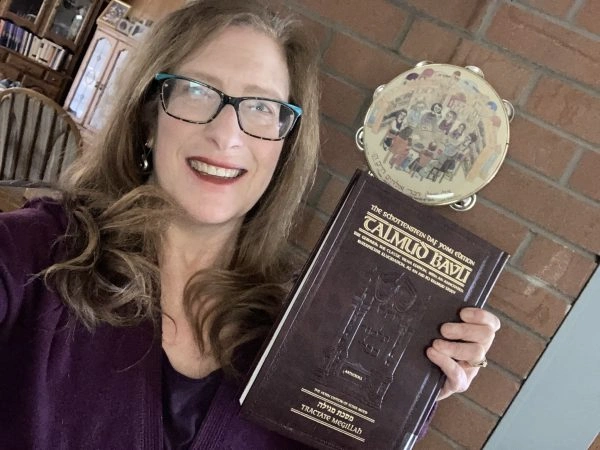
I started my Daf Yomi journey at the beginning of the COVID19 pandemic.

Karena Perry
Karena Perry

Los Angeles, United States

I LOVE learning the Daf. I started with Shabbat. I join the morning Zoom with Reb Michelle and it totally grounds my day. When Corona hit us in Israel, I decided that I would use the Daf to keep myself sane, especially during the days when we could not venture out more than 300 m from our home. Now my husband and I have so much new material to talk about! It really is the best part of my day!

Batsheva Pava
Batsheva Pava

Hashmonaim, Israel

When I began the previous cycle, I promised myself that if I stuck with it, I would reward myself with a trip to Israel. Little did I know that the trip would involve attending the first ever women’s siyum and being inspired by so many learners. I am now over 2 years into my second cycle and being part of this large, diverse, fascinating learning family has enhanced my learning exponentially.

Shira Krebs
Shira Krebs

Minnesota, United States

See video

Susan Fisher
Susan Fisher

Raanana, Israel

I began to learn this cycle of Daf Yomi after my husband passed away 2 1/2 years ago. It seemed a good way to connect to him. Even though I don’t know whether he would have encouraged women learning Gemara, it would have opened wonderful conversations. It also gives me more depth for understanding my frum children and grandchildren. Thank you Hadran and Rabbanit Michelle Farber!!

Harriet Hartman
Harriet Hartman

Tzur Hadassah, Israel

I had dreamed of doing daf yomi since I had my first serious Talmud class 18 years ago at Pardes with Rahel Berkovitz, and then a couple of summers with Leah Rosenthal. There is no way I would be able to do it without another wonderful teacher, Michelle, and the Hadran organization. I wake up and am excited to start each day with the next daf.

Beth Elster
Beth Elster

Irvine, United States

I’ve been studying Talmud since the ’90s, and decided to take on Daf Yomi two years ago. I wanted to attempt the challenge of a day-to-day, very Jewish activity. Some days are so interesting and some days are so boring. But I’m still here.
Sarene Shanus
Sarene Shanus

Mamaroneck, NY, United States

I started learning daf in January, 2020, being inspired by watching the Siyyum Hashas in Binyanei Haumah. I wasn’t sure I would be able to keep up with the task. When I went to school, Gemara was not an option. Fast forward to March, 2022, and each day starts with the daf. The challenge is now learning the intricacies of delving into the actual learning. Hadran community, thank you!

Rochel Cheifetz
Rochel Cheifetz

Riverdale, NY, United States

In July, 2012 I wrote for Tablet about the first all women’s siyum at Matan in Jerusalem, with 100 women. At the time, I thought, I would like to start with the next cycle – listening to a podcast at different times of day makes it possible. It is incredible that after 10 years, so many women are so engaged!

Beth Kissileff
Beth Kissileff

Pittsburgh, United States

I started to listen to Michelle’s podcasts four years ago. The minute I started I was hooked. I’m so excited to learn the entire Talmud, and think I will continue always. I chose the quote “while a woman is engaged in conversation she also holds the spindle”. (Megillah 14b). It reminds me of all of the amazing women I learn with every day who multi-task, think ahead and accomplish so much.

Julie Mendelsohn
Julie Mendelsohn

Zichron Yakov, Israel

I learned Mishnayot more than twenty years ago and started with Gemara much later in life. Although I never managed to learn Daf Yomi consistently, I am learning since some years Gemara in depth and with much joy. Since last year I am studying at the International Halakha Scholars Program at the WIHL. I often listen to Rabbanit Farbers Gemara shiurim to understand better a specific sugyiah. I am grateful for the help and inspiration!

Shoshana Ruerup
Shoshana Ruerup

Berlin, Germany

I heard the new Daf Yomi cycle was starting and I was curious, so I searched online for a women’s class and was pleasently surprised to find Rabanit Michelle’s great class reviews in many online articles. It has been a splendid journey. It is a way to fill my days with Torah, learning so many amazing things I have never heard before during my Tanach learning at High School. Thanks so much .

Martha Tarazi
Martha Tarazi

Panama, Panama

Attending the Siyyum in Jerusalem 26 months ago inspired me to become part of this community of learners. So many aspects of Jewish life have been illuminated by what we have learned in Seder Moed. My day is not complete without daf Yomi. I am so grateful to Rabbanit Michelle and the Hadran Community.

Nancy Kolodny
Nancy Kolodny

Newton, United States

A beautiful world of Talmudic sages now fill my daily life with discussion and debate.
bringing alive our traditions and texts that has brought new meaning to my life.
I am a מגילת אסתר reader for women . the words in the Mishna of מסכת megillah 17a
הקורא את המגילה למפרע לא יצא were powerful to me.
I hope to have the zchut to complete the cycle for my 70th birthday.

Sheila Hauser
Sheila Hauser

Jerusalem, Israel

In January 2020, my teaching partner at IDC suggested we do daf yomi. Thanks to her challenge, I started learning daily from Rabbanit Michelle. It’s a joy to be part of the Hadran community. (It’s also a tikkun: in 7th grade, my best friend and I tied for first place in a citywide gemara exam, but we weren’t invited to the celebration because girls weren’t supposed to be learning gemara).

Sara-Averick-photo-scaled
Sara Averick

Jerusalem, Israel

Geri Goldstein got me started learning daf yomi when I was in Israel 2 years ago. It’s been a challenge and I’ve learned a lot though I’m sure I miss a lot. I quilt as I listen and I want to share what I’ve been working on.

Rebecca Stulberg
Rebecca Stulberg

Ottawa, Canada

When we heard that R. Michelle was starting daf yomi, my 11-year-old suggested that I go. Little did she know that she would lose me every morning from then on. I remember standing at the Farbers’ door, almost too shy to enter. After that first class, I said that I would come the next day but couldn’t commit to more. A decade later, I still look forward to learning from R. Michelle every morning.

Ruth Leah Kahan
Ruth Leah Kahan

Ra’anana, Israel

I start learning Daf Yomi in January 2020. The daily learning with Rabbanit Michelle has kept me grounded in this very uncertain time. Despite everything going on – the Pandemic, my personal life, climate change, war, etc… I know I can count on Hadran’s podcast to bring a smile to my face.
Deb Engel
Deb Engel

Los Angeles, United States

I began learning the daf in January 2022. I initially “flew under the radar,” sharing my journey with my husband and a few close friends. I was apprehensive – who, me? Gemara? Now, 2 years in, I feel changed. The rigor of a daily commitment frames my days. The intellectual engagement enhances my knowledge. And the virtual community of learners has become a new family, weaving a glorious tapestry.

Gitta Jaroslawicz-Neufeld

Far Rockaway, United States

I started learning at the start of this cycle, and quickly fell in love. It has become such an important part of my day, enriching every part of my life.

Naomi Niederhoffer
Naomi Niederhoffer

Toronto, Canada

Bava Batra 137

תַּנָּאֵי הִיא. דְּתַנְיָא: ״נְכָסַי לְךָ וְאַחֲרֶיךָ לִפְלוֹנִי״, וְיָרַד רִאשׁוֹן וּמָכַר וְאָכַל – הַשֵּׁנִי מוֹצִיא מִיַּד הַלָּקוֹחוֹת, דִּבְרֵי רַבִּי. רַבָּן שִׁמְעוֹן בֶּן גַּמְלִיאֵל אוֹמֵר: אֵין לַשֵּׁנִי אֶלָּא מַה שֶּׁשִּׁיֵּיר רִאשׁוֹן.

The Gemara answers: The halakha in this case is a dispute between tanna’im; as it is taught in a baraita: With regard to one who said: My property is given to you, and after you, to so-and-so, and the first recipient entered the property and sold it and consumed the profits, the second recipient repossesses the property from the purchasers, as the property belongs to him after the death of the first recipient; this is the statement of Rabbi Yehuda HaNasi. Rabban Shimon ben Gamliel says: The second recipient receives only that which the first beneficiary left, since his sale is valid.

וּרְמִינְהִי: ״נְכָסַי לְךָ וְאַחֲרֶיךָ לִפְלוֹנִי״ – יוֹרֵד רִאשׁוֹן וּמוֹכֵר וְאוֹכֵל, דִּבְרֵי רַבִּי. רַבָּן שִׁמְעוֹן בֶּן גַּמְלִיאֵל אוֹמֵר: אֵין לָרִאשׁוֹן אֶלָּא אֲכִילַת פֵּירוֹת בִּלְבַד.

And the Gemara raises a contradiction from another baraita (Tosefta 8:4): If one says: My property is given to you, and after you, to so-and-so, the first one may enter the property and sell it and consume the profits; this is the statement of Rabbi Yehuda HaNasi. Rabban Shimon ben Gamliel says: The first one has only the right of consumption of the produce.

קַשְׁיָא דְּרַבִּי אַדְּרַבִּי, וּדְרַבָּן שִׁמְעוֹן בֶּן גַּמְלִיאֵל אַדְּרַבָּן שִׁמְעוֹן בֶּן גַּמְלִיאֵל!

This statement of Rabbi Yehuda HaNasi is difficult as it is contradicted by the other statement of Rabbi Yehuda HaNasi, and this statement of Rabban Shimon ben Gamliel is difficult as it is contradicted by the other statement of Rabban Shimon ben Gamliel. Their opinions in the latter baraita seem to be the opposite of those in the former baraita.

דְּרַבִּי אַדְּרַבִּי לָא קַשְׁיָא – הָא לְגוּפָא, הָא לְפֵירָא. דְּרַבָּן שִׁמְעוֹן בֶּן גַּמְלִיאֵל אַדְּרַבָּן שִׁמְעוֹן בֶּן גַּמְלִיאֵל לָא קַשְׁיָא – הָא לְכַתְּחִלָּה, הָא דִּיעֲבַד.

The Gemara answers: The apparent contradiction between one statement of Rabbi Yehuda HaNasi and the other statement of Rabbi Yehuda HaNasi is not difficult; this ruling that the first one cannot sell it is referring to the property itself, and that ruling that he can sell it is referring to the produce. The apparent contradiction between one statement of Rabban Shimon ben Gamliel and the other statement of Rabban Shimon ben Gamliel is not difficult either; this statement, that the first has only the right to consume the produce, is referring to his rights ab initio, whereas that statement, that if he sold the property the second one gets nothing, is referring to the halakha after the fact.

אָמַר אַבָּיֵי: אֵיזֶהוּ רָשָׁע עָרוּם? זֶה הַמַּשִּׂיא עֵצָה לִמְכּוֹר בִּנְכָסִים כְּרַבָּן שִׁמְעוֹן בֶּן גַּמְלִיאֵל.

Abaye says: Who is a cunning wicked person? This is one who provides advice to sell property in accordance with the ruling of Rabban Shimon ben Gamliel. Although Rabban Shimon ben Gamliel holds that the sale is valid, he does not permit one to do so ab initio, as that would deprive the second designated recipient of the property. Therefore, one who advises the first recipient to do so is considered a cunning wicked person.

אָמַר רַבִּי יוֹחָנָן: הֲלָכָה כְּרַבָּן שִׁמְעוֹן בֶּן גַּמְלִיאֵל. וּמוֹדֶה, שֶׁאִם נְתָנָן בְּמַתְּנַת שְׁכִיב מְרַע – לֹא עָשָׂה כְּלוּם.

Rabbi Yoḥanan says: The halakha is in accordance with the opinion of Rabban Shimon ben Gamliel; but Rabban Shimon ben Gamliel concedes that if the first recipient gave the property to another as the gift of a person on his deathbed, in which case no formal act of acquisition is required, he has done nothing; the second recipient can repossess the property from the one to whom it was given.

מַאי טַעְמָא? אָמַר אַבָּיֵי: מַתְּנַת שְׁכִיב מְרַע לֹא קָנָה אֶלָּא לְאַחַר מִיתָה, וּכְבָר קְדָמוֹ ״אַחֲרֶיךָ״.

What is the reason? Abaye says: The recipient of the gift of a person on his deathbed acquires it only after the person’s death, and in this case, the acquisition of the recipient resulting from the statement of: After you, i.e., the second designated recipient, has already preceded the acquisition of the first one.

וּמִי אָמַר אַבָּיֵי הָכִי? וְהָא אִיתְּמַר: מַתְּנַת שְׁכִיב מְרַע, מֵאֵימָתַי קָנָה? אַבָּיֵי אָמַר: עִם גְּמַר מִיתָה, וְרָבָא אָמַר: לְאַחַר גְּמַר מִיתָה!

The Gemara asks: But did Abaye actually say this, that the gift of a person on his deathbed takes effect only after his death? But wasn’t it stated in an amoraic dispute concerning the matter: From when does the recipient of the gift of a person on his deathbed acquire it? Abaye says: With the completion of death, i.e., at the moment he dies; and Rava says: After the completion of death.

הָדַר בֵּיהּ אַבָּיֵי מֵהַהִיא. מִמַּאי דְּמֵהַהִיא הֲדַר בֵּיהּ? דִּלְמָא מֵהָא הֲדַר בֵּיהּ!

The Gemara answers: Abaye retracted that latter statement. The Gemara asks: From where is it known that he retracted that statement? Perhaps he retracted this, i.e., the statement that the recipient acquires it only after the person’s death, and his conclusion is that he acquires it at the moment of his death.

לָא סָלְקָא דַּעְתָּךְ, דִּתְנַן: ״זֶה גִּיטֵּךְ אִם מַתִּי״; ״זֶה גִּיטֵּךְ מֵחוֹלִי זֶה״; ״זֶה גִּיטֵּךְ לְאַחַר מִיתָה״ – לֹא אָמַר כְּלוּם.

The Gemara answers: That possibility should not enter your mind, as we learned in a mishna (Gittin 72b): If a man on his deathbed says to his wife: This is your bill of divorce if I die, or: This is your bill of divorce if I die from this illness, or: This is your bill of divorce after I die, he has said nothing. The divorce does not take effect after his death. Evidently, when one gives instructions on his deathbed, his intention is for them to be effective after he dies.

אָמַר רַבִּי זֵירָא אָמַר רַבִּי יוֹחָנָן: הֲלָכָה כְּרַבָּן שִׁמְעוֹן בֶּן גַּמְלִיאֵל, וַאֲפִילּוּ הָיוּ בָּהֶן עֲבָדִים וְהוֹצִיאָן לְחֵירוּת.

Rabbi Zeira says that Rabbi Yoḥanan says: The halakha is in accordance with the opinion of Rabban Shimon ben Gamliel that if the first recipient sells the property, the sale is valid, and this is the halakha even if there were Canaanite slaves included in the property and the first recipient emancipated them.

פְּשִׁיטָא! מַהוּ דְּתֵימָא, אֲמַר לֵיהּ: לְמֶיעְבַּד אִיסּוּרָא לָא יָהֲבִינַן לָךְ; קָא מַשְׁמַע לַן.

The Gemara asks: Isn’t that obvious? The Gemara answers: Lest you say that the giver would have said to him: I did not give you my Canaanite slaves to transgress a prohibition, as it is prohibited to emancipate Canaanite slaves, Rabbi Yoḥanan teaches us that he has the legal right to do so.

אָמַר רַב יוֹסֵף אָמַר רַבִּי יוֹחָנָן: הֲלָכָה כְּרַבָּן שִׁמְעוֹן בֶּן גַּמְלִיאֵל, וַאֲפִילּוּ עֲשָׂאָן תַּכְרִיכִין לְמֵת. פְּשִׁיטָא! מַהוּ דְּתֵימָא: לְשַׁוּוֹיִנְהוּ אִיסּוּרֵי הֲנָאָה לָא יְהַבִי לָךְ; קָא מַשְׁמַע לַן.

Rav Yosef says that Rabbi Yoḥanan says: The halakha is in accordance with the opinion of Rabban Shimon ben Gamliel even if he made the gift into shrouds for a corpse. The Gemara asks: Isn’t that obvious? The Gemara answers: Lest you say that the giver would have said to him: I did not give you my possessions to render them into items from which deriving benefit is prohibited, but rather so that you may use and enjoy them, and Rabbi Yoḥanan teaches us that he may do so.

דָּרַשׁ רַב נַחְמָן בַּר רַב חִסְדָּא: ״אֶתְרוֹג זֶה נָתוּן לְךָ בְּמַתָּנָה, וְאַחֲרֶיךָ לִפְלוֹנִי״, נְטָלוֹ רִאשׁוֹן וְיָצָא בּוֹ – בָּאנוּ לְמַחְלוֹקֶת רַבִּי וְרַבָּן שִׁמְעוֹן בֶּן גַּמְלִיאֵל.

§ Rav Naḥman bar Rav Ḥisda taught: If one said to another: This etrog is given to you as a gift, and after you die, to so-and-so, and the first recipient then took it and fulfilled his obligation of taking the four species on the first day of Sukkot with it, when one is obligated to take species that belong to him, in this case, we have arrived at the dispute between Rabbi Yehuda HaNasi and Rabban Shimon ben Gamliel as to the nature of the ownership of the first recipient. According to Rabbi Yehuda HaNasi’s opinion that he cannot sell the etrog, it is not considered entirely his, and he does not fulfill his obligation by taking it. According to the opinion of Rabban Shimon ben Gamliel, who holds that he can sell it, he fulfills his obligation.

מַתְקֵיף לַהּ רַב נַחְמָן בַּר יִצְחָק: עַד כָּאן לָא פְּלִיגִי רַבִּי וְרַבָּן שִׁמְעוֹן בֶּן גַּמְלִיאֵל הָתָם, אֶלָּא דְּמָר סָבַר: קִנְיַן פֵּירוֹת כְּקִנְיַן הַגּוּף דָּמֵי, וּמָר סָבַר: קִנְיַן פֵּירוֹת לָאו כְּקִנְיַן הַגּוּף דָּמֵי. אֶלָּא הָכָא,

Rav Naḥman bar Yitzḥak objects to this statement, reasoning that Rabbi Yehuda HaNasi and Rabban Shimon ben Gamliel disagree only there, in the case of: After you, with regard to the nature of the recipient’s ownership; as one Sage, Rabban Shimon ben Gamliel, holds that ownership of the rights to use an item and the profits it engenders is considered like ownership of the item itself, and the other Sage, Rabbi Yehuda HaNasi, holds that ownership of the rights to use an item and the profits it engenders is not considered like ownership of the item itself. But here, with regard to the etrog,

אִי מִיפָּק לָא נָפֵיק בֵּיהּ, לְמַאי יַהֲבֵיהּ נִיהֲלֵיהּ?

if he does not fulfill his obligation with it, for what purpose did the owner give it to him?

אֶלָּא מִיפָּק – דְּכוּלֵּי עָלְמָא לָא פְּלִיגִי, דְּנָפֵיק בֵּיהּ; מְכָרָהּ אוֹ אֲכָלָהּ – בָּאנוּ לְמַחְלוֹקֶת רַבִּי וְרַבָּן שִׁמְעוֹן בֶּן גַּמְלִיאֵל.

Rather, with regard to fulfilling his obligation, everyone agrees that he fulfills his obligation with it. It is only in a case where the first recipient sold it or consumed it, that we have arrived at the dispute between Rabbi Yehuda HaNasi and Rabban Shimon ben Gamliel. According to Rabbi Yehuda HaNasi, if he sold it, the second recipient can repossess the etrog from the purchaser, and if he consumed it he must pay the second recipient its value, whereas according to Rabban Shimon ben Gamliel, he owes nothing to the second recipient, as the etrog belongs to him.

אָמַר רַבָּה בַּר רַב הוּנָא: הָאַחִין שֶׁקָּנוּ אֶתְרוֹג בִּתְפוּסַת הַבַּיִת; נְטָלוֹ אֶחָד מֵהֶן וְיָצָא בּוֹ – אִם יָכוֹל לְאוֹכְלוֹ, יָצָא; וְאִם לָאו, לֹא יָצָא.

Rabba bar Rav Huna says: In a case of brothers who acquired an etrog with money from the jointly held property of the estate, and one of them took it on Sukkot and attempted to fulfill his obligation with it, the halakha depends on the limits of his ownership of the etrog: If he may eat it, i.e., his brothers allow him to do so, he has fulfilled his obligation to perform the mitzva, and if not, he has not fulfilled his obligation.

וְדַוְקָא דְּאִיכָּא אֶתְרוֹג לְכׇל חַד וְחַד, אֲבָל פָּרִישׁ אוֹ רִמּוֹן – לֹא.

And this is specifically in a case where there is an etrog for each and every one of the brothers; but if the other brothers get merely a quince or a pomegranate, he has not fulfilled his obligation even if he has the right to eat it.

אָמַר רָבָא: ״אֶתְרוֹג זֶה נָתוּן לְךָ בְּמַתָּנָה, עַל מְנָת שֶׁתַּחְזִירֵהוּ לִי״, נְטָלוֹ וְיָצָא בּוֹ; הֶחְזִירוֹ – יָצָא, לֹא הֶחְזִירוֹ – לֹא יָצָא. קָא מַשְׁמַע לַן דְּמַתָּנָה עַל מְנָת לְהַחֲזִיר – שְׁמָהּ מַתָּנָה.

Rava says: If one person said to another: This etrog is given to you as a gift on the condition that you return it to me, and the recipient took it on Sukkot and attempted to fulfill his obligation with it, if he ultimately returned it, he has fulfilled his obligation; if he did not return it, he has not fulfilled his obligation, as he did not fulfill the condition, thereby retroactively invalidating the gift. The Gemara explains that Rava teaches us that a gift given on the condition that it be returned is considered a valid gift.

הַהִיא אִיתְּתָא דַּהֲוָה לַהּ דִּיקְלָא בְּאַרְעָא דְּרַב בִּיבִי בַּר אַבָּיֵי. כׇּל אֵימַת דַּהֲוָת אָזְלָא לְמִיגְזְרֵיהּ, הֲוָה קָפֵיד עִילָּוַהּ. אַקְנִיתֵיהּ נִיהֲלֵיהּ כֹּל שְׁנֵי חַיָּיו. אֲזַל אִיהוּ אַקְנְיֵיהּ נִיהֲלֵיהּ לִבְנוֹ קָטָן.

§ The Gemara relates: There was a certain woman who had a palm tree on the land of Rav Beivai bar Abaye. Whenever she would go to harvest the produce from it, he would get angry at her for trampling on his crops. Since she did not wish to anger him, she decided to temporarily waive her right to the tree’s produce, and transferred ownership of it to him for all the years of his life, so that after his death she would once again be able to harvest the produce. He then went and transferred it to his minor son, so that it would remain in his family even following his death.

אָמַר רַב הוּנָא בְּרֵיהּ דְּרַב יְהוֹשֻׁעַ: מִשּׁוּם דְּאָתוּ מִמּוּלָאֵי, אָמְרִיתוּ מִילֵּי מוּלְיָאתָא? אֲפִילּוּ רַבָּן שִׁמְעוֹן בֶּן גַּמְלִיאֵל לָא קָאָמַר אֶלָּא לְאַחֵר, אֲבָל לְעַצְמוֹ – לֹא.

Rav Huna, son of Rav Yehoshua, said to Rav Beivai bar Abaye: Is it because you descend from truncated [mula’ei] people, as Rav Beivai’s family traced their lineage to Eli, all of whose descendants were condemned to premature death (see I Samuel 2:31), that you speak truncated [mulyata] and unsound matters? Even Rabban Shimon ben Gamliel, who holds that in a case where one says: My property is given to you, and after you, to so-and-so, if the first recipient sells the property the sale is valid, says so only in a case where it was to be given to another person; but if the giver said that it will return to himself, he did not say that the first recipient can sell it, as the giver clearly intended to maintain his ownership of the property. Accordingly, Rav Huna, son of Rav Yehoshua, held that Rav Beivai’s sale did not take effect.

אָמַר רָבָא אָמַר רַב נַחְמָן: ״שׁוֹר זֶה נָתוּן לְךָ בְּמַתָּנָה, עַל מְנָת שֶׁתַּחְזִירֵהוּ לִי״; הִקְדִּישׁוֹ וְהֶחְזִירוֹ – הֲרֵי זֶה מוּקְדָּשׁ וּמוּחְזָר.

§ Rava says that Rav Naḥman says: If one said to another: This ox is given to you as a gift on the condition that you return it to me, and the recipient consecrated it and then returned it to him, it is consecrated and returned. The consecration takes effect, and although the owner may not use it, nevertheless it is considered returned and the condition is fulfilled.

אֲמַר לֵיהּ רָבָא לְרַב נַחְמָן: מַאי אַהְדְּרֵיהּ? אֲמַר לֵיהּ: וּמַאי חַסְּרֵיהּ? אֶלָּא אָמַר רַב אָשֵׁי: חָזֵינַן; אִי אֲמַר לֵיהּ: ״עַל מְנָת שֶׁתַּחְזִירֵהוּ״ – הָא אַהְדְּרֵיהּ. אִי אֲמַר לֵיהּ: ״עַל מְנָת שֶׁתַּחְזִירֵהוּ לִי״ – מִידֵּי דַּחֲזֵי לֵיהּ קָאָמַר לֵיהּ.

Rava said to Rav Naḥman: What did he return to him? The ox was not returned to the possession of the giver, as it is consecrated. Rav Naḥman said to him: And what did he cause him to lose? He returned the ox. Rather, Rav Ashi said: We must rule in this case based on what we see. If the giver said to the recipient: On the condition that you return it, it is considered returned, as he returned it. But if he said to him: On the condition that you return it to me, he was effectively saying to him that he must return something fit for him to use. Consequently, the consecration prevents the condition from being fulfilled, and both the gift and the consecration are retroactively nullified.

אָמַר רַב יְהוּדָה אָמַר שְׁמוּאֵל: הַכּוֹתֵב נְכָסָיו לְאַחֵר, וְאָמַר הַלָּה ״אִי אֶפְשִׁי בָּהֶן״ – קָנָה, וַאֲפִילּוּ עוֹמֵד וְצוֹוֵחַ. וְרַבִּי יוֹחָנָן אָמַר: לֹא קָנָה.

§ Rav Yehuda says that Shmuel says: If one writes a document granting his property to another, and the other person says: I do not want it, he acquires it, and this is the halakha even if he is standing and shouting in protest that he does not want it. And Rabbi Yoḥanan says that he does not acquire it.

אָמַר רַבִּי אַבָּא בַּר מֶמֶל: וְלָא פְּלִיגִי;

Rabbi Abba bar Memel said: And they do not disagree with each other:

Want to follow content and continue where you left off?

Create an account today to track your progress, mark what you’ve learned, and follow the shiurim that speak to you.

Clear all items from this list?

This will remove ALL the items in this section. You will lose any progress or history connected to them. This is irreversible.

Cancel
Yes, clear all

Are you sure you want to delete this item?

You will lose any progress or history connected to this item.

Cancel
Yes, delete