Search

Bava Batra 151

Want to dedicate learning? Get started here:

podcast placeholder

0:00
0:00


Summary

What else does the word “possessions” include?

Some stories are brought of women on their deathbeds who promised their property to one person and then changed their minds and promised it to someone else. The rabbis debated what the ruling should be – can one change one’s mind or once one gives away all their possessions and later dies, is the first statement they made valid? A case is brought of a woman who gave her possessions to her son before her second marriage to prevent them from going to her husband. When she later got divorced, was she able to retrieve her possessions from her son?  Another case was a woman would give her orchard to her brother every time she got sick, as she thought she was dying. Each time she got better, the gift would be canceled. One time, at her request, he acquired it in a way that it would be effective even if she lived – he had her leave over a bit and did a kinyan. However, Rav Nachman ruled that since she said she was giving it to him because she thought she would die, once she got better, the kinyan was ineffective.

The Gemara clarifies the case of a gift on one’s deathbed where one only gives away part of one’s property. Some understand that the gift is effective even if there was no kinyan and quoted this in the name of Rav Nachman. But Rava corrects them and explains that Rav Nachman holds that the Mishna was referring only to cases where a kinyan was effected, meaning that if one gave away not all of his possessions and then died or got better, if the gift was given without a kinyan, the person would not acquire the possessions. Additionally, if one did do a kinyan and didn’t give away all of one’s possessions but stated that it was because the person thought they were dying, then if they got better, the gift would be returned to him/her.

Bava Batra 151

כּוֹתְבִין שְׁטָר לַמּוֹכֵר וְאַף עַל פִּי שֶׁאֵין לוֹקֵחַ עִמּוֹ; כֵּיוָן שֶׁהֶחְזִיק זֶה בַּקַּרְקַע – נִקְנָה שְׁטָר כׇּל מָקוֹם שֶׁהוּא. וְזוֹ הִיא שֶׁשָּׁנִינוּ: נְכָסִים שֶׁאֵין לָהֶן אַחְרָיוּת, נִקְנִין עִם הַנְּכָסִים שֶׁיֵּשׁ לָהֶן אַחְרָיוּת – בְּכֶסֶף וּבִשְׁטָר וּבַחֲזָקָה.

A scribe may write a deed of sale for the seller of property at the seller’s request, even if the buyer is not with him when he presents his request, as the deed obligates only the seller. In this case, once this one, the buyer, has taken possession of the land, the deed is acquired, wherever it is. And this is as it is stated in the mishna that we learned (Kiddushin 26a): Property that does not serve as a guarantee can be acquired together with the property that serves as a guarantee by means of money, by means of a deed, or by taking possession of it. One can learn from this that a deed is included in the term: Property that does not serve as a guarantee.

בְּהֵמָה אִיקְּרִי ״נִכְסֵי״, דִּתְנַן: הַמַּקְדִּישׁ נְכָסָיו וְהָיְתָה בָּהֶן בְּהֵמָה רְאוּיָה לְגַבֵּי מִזְבֵּחַ; זְכָרִים – עוֹלוֹת, וּנְקֵבוֹת – יִמָּכְרוּ לְצׇרְכֵי זִבְחֵי שְׁלָמִים. עוֹפוֹת אִיקְּרִי ״נִכְסֵי״, דִּתְנַן: הַמַּקְדִּישׁ נְכָסָיו וְהָיוּ בָּהֶן דְּבָרִים הָרְאוּיִין לְגַבֵּי מִזְבֵּחַ – יֵינוֹת, שְׁמָנִים וְעוֹפוֹת.

An animal is called property, as we learned in a mishna (Shekalim 12a): In a case of one who consecrated his property, and on the property there were animals fit to be sacrificed upon the altar, male animals are sacrificed as burnt-offerings, and female animals are sold for the purpose of being sacrificed as peace-offerings. Birds are called property, as we learned in a mishna (Shekalim 12a): In a case of one who consecrated his property, and on the property there were items that were fit to be sacrificed upon the altar, e.g., wines, oils, and birds, Rabbi Eliezer says: They are sold for the needs of that kind of item, i.e., to individuals who will use them as such.

תְּפִלִּין אִיקְּרִי ״נִכְסֵי״, דִּתְנַן: הַמַּקְדִּישׁ נְכָסָיו, מַעֲלִין לוֹ תְּפִלִּין. אִיבַּעְיָא לְהוּ: סֵפֶר תּוֹרָה מַאי? כֵּיוָן דְּלָא מִזְדַּבַּן – דְּאָסוּר לְזַבּוֹנֵיהּ – לָאו נִכְסֵי הוּא; אוֹ דִלְמָא, כֵּיוָן דְּמִזְדַּבַּן לִלְמוֹד תּוֹרָה וְלִישָּׂא אִשָּׁה – נִכְסֵי הוּא? תֵּיקוּ.

Phylacteries are called property, as we learned in a mishna (Arakhin 23b): With regard to one who consecrates his property, the value of his phylacteries is assessed for him and he redeems them by paying their value to the Temple treasury. A dilemma was raised before the Sages: With regard to a Torah scroll, what is the halakha? Is it considered property or not? Does one say that since it is not sold, as it is prohibited to sell a Torah scroll, it is therefore not considered property? Or perhaps one says that since it may be sold in order to enable one to study Torah or to marry a woman, it is considered property. The Gemara concludes: The dilemma shall stand unresolved.

(סִימָן: זוּטְרָא, אִימֵּיהּ דְּעַמְרָם, מִתַּרְתֵּי אַחְווֹתָא, רַב טוֹבִי וְרַב דִּימִי וְרַב יוֹסֵף.)

§ The Gemara presents a mnemonic for the series of incidents stated below: Zutra, the mother, of Amram, from two sisters, Rav Tovi, and Rav Dimi and Rav Yosef.

אִימֵּיהּ דְּרַב זוּטְרָא בַּר טוֹבִיָּא כַּתְבִינְהוּ לְנִכְסַהּ לְרַב זוּטְרָא בַּר טוֹבִיָּא, דְּבָעֲיָא לְאִנְּסוֹבֵי לֵיהּ לְרַב זְבִיד. אִינְּסִיבָא וְגָרְשַׁהּ. אָתְיָא לְקַמֵּיהּ דְּרַב בִּיבִי בַּר אַבָּיֵי, אֲמַר: מִשּׁוּם אִנְּסוֹבֵי – וְהָא אִינְּסִיבָא.

The mother of Rav Zutra bar Toviyya wrote a deed granting her property to Rav Zutra bar Toviyya, explaining that she was doing so because she wanted to get married to Rav Zevid, and she did not want him to acquire her property. She married Rav Zevid, and he divorced her. She came before Rav Beivai bar Abaye to claim her property from her son. Rav Beivai said: She transferred her property because she wanted to get married, and she married. Since her intentions were fulfilled, even though she subsequently was divorced, the gift is a valid gift.

אֲמַר לֵיהּ רַב הוּנָא בְּרֵיהּ דְּרַב יְהוֹשֻׁעַ: מִשּׁוּם דְּאַתּוּ מִמּוּלָאֵי, אָמְרִיתוּ מִילֵּי מוּלְיָיתָא? אֲפִילּוּ לְמַאן דְּאָמַר מַבְרַחַת קָנֵי, הָנֵי מִילֵּי הֵיכָא דְּלָא גַלְּיָא דַּעְתַּהּ, אֲבָל הָכָא – גַלְּיָא דַּעְתַּהּ דְּמִשּׁוּם אִינְּסוֹבֵי הוּא, וְהָא אִינְּסִיבָא וְאִיגָּרְשָׁה.

Rav Huna, son of Rav Yehoshua, said to Rav Beivai: Is it because you come from a line of truncated [mula’ei] people, from the house of the High Priest Eli, whose descendants were condemned to premature death (see I Samuel 2:31), that you say truncated [mulyata] and unsound matters? Even according to the one who says that the deed of a woman who shelters her property from her intended husband effects acquisition, and the woman cannot reclaim the property, this matter applies where she did not reveal her intentions in transferring ownership of her property. But here, she revealed her intentions that she transferred the property because she wanted to marry; and she married, but was divorced. Therefore, since she is no longer married, she can reclaim the property.

אִימֵּיהּ דְּרָמֵי בַּר חָמָא, בְּאוּרְתָּא כְּתַבְתִּינְהוּ לְנִכְסַהּ לְרָמִי בַּר חָמָא, בְּצַפְרָא כְּתַבְתִּינְהוּ לְרַב עוּקְבָא בַּר חָמָא. אֲתָא רָמֵי בַּר חָמָא לְקַמֵּיהּ דְּרַב שֵׁשֶׁת, אוֹקְמֵיהּ בְּנִכְסֵי. אֲזַל רַב עוּקְבָא בַּר חָמָא קַמֵּיהּ דְּרַב נַחְמָן, אוֹקְמֵיהּ בְּנִכְסֵי.

The mother of Rami bar Ḥama wrote a deed in the evening granting her property to Rami bar Ḥama. In the morning of the following day, she wrote a deed granting her property to his brother, Rav Ukva bar Ḥama. Rami bar Ḥama came before Rav Sheshet, who established him as the owner of the property, as the deed transferring the property to him preceded the gift to his brother. Rav Ukva bar Ḥama came before Rav Naḥman, who established him as the owner of the property.

אֲתָא רַב שֵׁשֶׁת לְקַמֵּיהּ דְּרַב נַחְמָן, אֲמַר לֵיהּ: מַאי טַעְמָא אוֹקְמֵיהּ מָר לְרַב עוּקְבָא בַּר חָמָא? אִי מִשּׁוּם דַּהֲדַרָא בַּהּ – וְהָא שְׁכִיבָא! אֲמַר לֵיהּ, הָכִי אָמַר שְׁמוּאֵל: כֹּל שֶׁאִילּוּ עָמַד – חוֹזֵר, חוֹזֵר בְּמַתְּנָתוֹ.

Rav Sheshet came before Rav Naḥman and said to him: What is the reason that the Master established Rav Ukva bar Ḥama as the owner of the property? If it is because she retracted her gift, but didn’t she die? Since the gift of a person on his deathbed is considered valid, Rami bar Ḥama already acquired the property in the evening. Rav Naḥman said to Rav Sheshet: This is what Shmuel says: With regard to the gift of a person on his deathbed, in any case where he could retract his gift if he were to recover, i.e., if he transferred ownership of all of his property, even if he does not recover, he can retract his gift.

אֵימוֹר דְּאָמַר שְׁמוּאֵל – לְעַצְמוֹ; לְאַחֵר מִי אָמַר? אֲמַר לֵיהּ, בְּפֵירוּשׁ אָמַר שְׁמוּאֵל: בֵּין לְעַצְמוֹ בֵּין לְאַחֵר.

Rav Sheshet responded: Say that Shmuel said that he can retract his gift if he wants to retain the property for himself, but if he wants to retract his gift in order to give it to another, did he also say that he can do so? Rav Naḥman said to Rav Sheshet: Shmuel explicitly said that he can retract his gift both in order to retain the property for himself and to grant it to another.

אִימֵּיהּ דְּרַב עַמְרָם חֲסִידָא הֲוָה לַהּ מְלוּגָא דִּשְׁטָרֵאי. כִּי קָא שָׁכְבָא, אָמְרָה: לֶיהֱוֵי לְעַמְרָם בְּרִי. אֲתוֹ אֲחוֹהָ לְקַמֵּיהּ דְּרַב נַחְמָן, אֲמַרוּ לֵיהּ: וְהָא לָא מְשַׁךְ! אֲמַר לְהוּ: דִּבְרֵי שְׁכִיב מְרַע כִּכְתוּבִין וְכִמְסוּרִין דָּמוּ.

The mother of Rav Amram the Pious had a bundle [meloga] of promissory notes. When she was dying, she said: Let these promissory notes be for Amram, my son. His brothers came before Rav Naḥman. They said to Rav Naḥman: But Rav Amram did not pull the bundle of documents, and since an act of acquisition was not performed he did not acquire them. Rav Naḥman said to them: An act of acquisition was not required, because the statement of a person on his deathbed is considered as written and as though the documents were delivered to the recipient.

אֲחָתֵיהּ דְּרַב טוֹבִי בַּר רַב מַתְנָה כְּתַבְתִּינְהוּ לְנִכְסַהּ לְרַב טוֹבִי בַּר רַב מַתְנָה – בְּצַפְרָא. לְפַנְיָא, אֲתָא רַב אַחָדְבוּי בַּר רַב מַתְנָה בְּכָה לַהּ – אֲמַר לַהּ, הַשְׁתָּא אָמְרִי: מָר צוּרְבָּא מֵרַבָּנַן, וּמָר לָאו צוּרְבָּא מֵרַבָּנַן! כְּתַבְתִּינְהוּ נִיהֲלֵיהּ. אֲתָא לְקַמֵּיהּ דְּרַב נַחְמָן, אֲמַר לֵיהּ, הָכִי אָמַר שְׁמוּאֵל: כׇּל שֶׁאִילּוּ עָמַד חוֹזֵר, חוֹזֵר בְּמַתְּנָתוֹ.

The sister of Rav Tovi bar Rav Mattana wrote a deed in the morning granting her property to Rav Tovi bar Rav Mattana. In the evening another brother, Rav Aḥadvoi bar Rav Mattana, came and cried to her. Rav Aḥadvoi said to her: Now people will say that you gave your property to Rav Tovi because this Master, Rav Tovi, is a Torah scholar, and that Master, Rav Aḥadvoi, is not a Torah scholar. She wrote a deed granting the property to him. Rav Tovi came before Rav Naḥman. Rav Naḥman said to Rav Tovi: This is what Shmuel says: With regard to the gift of a person on his deathbed, in any case where he could retract his gift if he were to recover, even if he does not recover, he can retract his gift, and therefore the property belongs to Rav Aḥadvoi.

אֲחָתֵיהּ דְּרַב דִּימִי בַּר יוֹסֵף הֲוָה לַהּ פִּיסְקְתָא דְפַרְדֵּיסָא, כׇּל אֵימַת דַּהֲוָת חָלְשָׁא הֲוָה מַקְנְיָא לֵיהּ נִיהֲלֵיהּ,

The sister of Rav Dimi bar Yosef had a tract of land in an orchard. Whenever she was sick and thought that she was dying, she would transfer ownership of the orchard to Rav Dimi,

וְכִי קָיְימָא הֲוָת הָדְרָא בָּהּ. זִימְנָא חֲדָא חֲלַשָׁא, שְׁלַחָה לֵיהּ: תָּא קְנִי. שְׁלַח: לָא בָּעֵינָא. שְׁלַחָה לֵיהּ: תָּא קְנִי כֹּל הֵיכָא דְּבָעֵית. אֲזַל שַׁיַּירה וּקְנוֹ מִינַּהּ. כִּי קָיְימָא, הָדְרָא בָּהּ.

and when she recovered she would retract her gift. On one occasion she was sick. She sent a message to Rav Dimi: Come and acquire my property. He sent a message back to her: I do not want to come. She sent a message to him: Come and acquire my property in any manner that you want. He went and reserved for her part of the orchard, and he acquired the rest of the property from her with an act of acquisition. When she recovered she retracted the gift.

אֲתַאי לְקַמֵּיהּ דְּרַב נַחְמָן, שְׁלַח לֵיהּ: תָּא. לָא אֲתָא. אָמַר: מַאי אֵיתֵי? הָא שַׁיַּירִה וּקְנוֹ מִינַּהּ! שְׁלַח לֵיהּ: אִי לָא אָתֵית, מָחֵינָא לָךְ בְּסִילְוָא דְּלָא מַבַּע דְּמָא.

She came before Rav Naḥman to reclaim it. Rav Naḥman sent a message to Rav Dimi: Come to court. Rav Dimi did not come. He said: What reason is there for me to come? Didn’t I reserve part of the property for her, and I acquired the rest of the property from her with an act of acquisition? Therefore, the acquisition is complete. Rav Naḥman sent a message to Rav Dimi: If you do not come, I will strike you with a thorn [besileva] that does not draw blood, i.e., I will excommunicate you.

אֲמַר לְהוּ לְסָהֲדִי: הֵיכִי הֲוָה מַעֲשֶׂה? אֲמַרוּ לֵיהּ, אֲמַרָה הָכִי: ״וַוי דְּקָא מָיְתָה הָךְ אִיתְּתָא!״ אֲמַר לְהוּ: אִם כֵּן, הֲוָה מְצַוֶּה מֵחֲמַת מִיתָה, וּמְצַוֶּה מֵחֲמַת מִיתָה – חוֹזֵר.

Inquiring into the matter, Rav Naḥman said to the witnesses: How did the act of transferring the property take place? The witnesses said to Rav Naḥman: This is what she said: Woe, that woman is dying! Rav Naḥman said to them: If so, this is a case of one who issues directives with regard to his property due to his expectation of his imminent death. And one who issues directives due to his expectation of his imminent death can retract his gift even if he did not transfer all of his property, as he evidently granted the gift only because he expected to die.

אִיתְּמַר: מַתְּנַת שְׁכִיב מְרַע בְּמִקְצָת; אַמְרוּהָ רַבָּנַן קַמֵּיהּ דְּרָבָא מִשְּׁמֵיהּ דְּמָר זוּטְרָא בְּרֵיהּ דְּרַב נַחְמָן דְּאָמַר מִשְּׁמֵיהּ דְּרַב נַחְמָן: הֲרֵי הִיא כְּמַתְּנַת בָּרִיא, וַהֲרֵי הִיא כְּמַתְּנַת שְׁכִיב מְרַע. הֲרֵי הִיא כְּמַתְּנַת בָּרִיא – שֶׁאִם עָמַד אֵינוֹ חוֹזֵר, וַהֲרֵי הִיא כְּמַתְּנַת שְׁכִיב מְרַע – דְּלָא בָּעֲיָא קִנְיָן.

§ It was stated that the amora’im disagreed with regard to a gift of a person on his deathbed that includes only a part of his property. The Sages said the following before Rava in the name of Mar Zutra, son of Rav Naḥman, who said it in the name of Rav Naḥman: This type of gift is in some respects like the gift of a healthy person, and in other respects it is like the gift of a person on his deathbed. It is like the gift of a healthy person, as, if he recovers he cannot retract it, as stated in the mishna. And it is like the gift of a person on his deathbed, as it does not require an act of acquisition. Rather, it is acquired by means of verbal instruction alone.

אֲמַר לְהוּ רָבָא, לָאו אָמֵינָא לְכוּ: לָא תִּיתְלוֹ בּוּקֵי סְרִיקֵי בְּרַב נַחְמָן? הָכִי אָמַר רַב נַחְמָן: הֲרֵי הִיא כְּמַתְּנַת בָּרִיא, וּבָעֲיָא קִנְיַן.

Rava said to the Sages: Did I not say to you: Do not hang empty pitchers [bukei] upon Rav Naḥman, i.e., do not attribute incorrect statements to him? This is what Rav Naḥman says: A gift of a person on his deathbed that includes only a part of his property is like the gift of a healthy person and requires an act of acquisition. If an act of acquisition is not performed, the acquisition of the gift is not effective even if the owner dies.

אֵיתִיבֵיהּ רָבָא לְרַב נַחְמָן: שִׁיֵּיר קַרְקַע כׇּל שֶׁהוּא – מַתְּנָתוֹ קַיֶּימֶת. מַאי, לָאו דְּלָא קְנוֹ מִינֵּיהּ? לָא, דִּקְנוֹ מִינֵּיהּ. אִי הָכִי, אֵימָא סֵיפָא: לֹא שִׁיֵּיר קַרְקַע כָּל שֶׁהוּא – אֵין מַתְּנָתוֹ קַיֶּימֶת. וְאִי דִּקְנוֹ מִינֵּיהּ, אַמַּאי אֵין מַתְּנָתוֹ קַיֶּימֶת?

Rava raised an objection to Rav Naḥman from the mishna (146b): If he reserved for himself any amount of land, his gift stands. What, is it not referring even to a case where the gift was not acquired from him by means of an act of acquisition? No, it is referring to a case where the gift was acquired from him by means of an act of acquisition. Rava asks: If that is so, say the last clause of the mishna: If he did not reserve for himself any amount of land, and he recovered, his gift does not stand. And if the mishna is referring to a case where the gift was acquired from him by means of an act of acquisition, why does his gift not stand?

אֲמַר לֵיהּ, הָכִי אָמַר שְׁמוּאֵל: שְׁכִיב מְרַע שֶׁכָּתַב כׇּל נְכָסָיו לַאֲחֵרִים, אַף עַל פִּי שֶׁקָּנוּ מִיָּדוֹ – עָמַד חוֹזֵר; בְּיָדוּעַ שֶׁלֹּא הָיָה מְצַוֶּה אֶלָּא מֵחֲמַת מִיתָה.

Rav Naḥman said to Rava: This is what Shmuel says: With regard to a person on his deathbed who wrote a deed granting all of his property to others without reserving anything for himself, even though the gift was acquired from his possession by means of an act of acquisition, if he recovers, he can retract his gift. The reason for this is that it is known that he was issuing directives with regard to his property only due to his expectation of his imminent death.

אֵיתִיבֵיהּ רַב מְשַׁרְשְׁיָא לְרָבָא: מַעֲשֶׂה בְּאִמָּן שֶׁל בְּנֵי רוֹכֵל שֶׁהָיְתָה חוֹלָה, וְאָמְרָה: ״תִּנָּתֵן כְּבִינְתִּי לְבִתִּי״ – וְהִוא בִּשְׁנֵים עָשָׂר מָנֶה, וּמֵתָה – וְקִיְּימוּ דְּבָרֶיהָ. הָתָם בִּמְצַוָּה מֵחֲמַת מִיתָה.

Rav Mesharshiyya raised an objection to Rava: There was an incident involving the mother of the sons of Rokhel, who was sick, and she said: My brooch [keveinati] shall be given to my daughter, and it is valued at twelve hundred dinars. And this woman subsequently died, and the Sages upheld her statement even though the gift included only a part of her property and an act of acquisition was not performed. Rava replied: That incident is different, as the case there is referring to one who issues directives due to his expectation of his imminent death.

אֵיתִיבֵיהּ רָבִינָא לְרָבָא: הָאוֹמֵר ״תְּנוּ גֵּט זֶה לְאִשְׁתִּי, וּשְׁטַר שִׁחְרוּר זֶה לְעַבְדִּי״, וּמֵת – לֹא יִתְּנוּ לְאַחַר מִיתָה. ״תְּנוּ מָנֶה לִפְלוֹנִי״, וּמֵת – יִתְּנוּ לְאַחַר מִיתָה.

Ravina raised an objection to Rava from a mishna (Gittin 13a): In the case of one who says: Give this bill of divorce to my wife, or: Give this bill of manumission to my slave, and then he dies, one should not give it after his death. But if one says: Give one hundred dinars to so-and-so, and then he died, one does give the recipient the money after his death. This indicates that a gift of a person on his deathbed that includes only a part of his property does not require an act of acquisition.

וּמִמַּאי דְּלָא קְנוֹ מִינֵּיהּ? דּוּמְיָא דְּגֵט – מָה גֵּט לָאו בַּר קִנְיָן, אַף הַאי נָמֵי דְּלָא קְנוֹ מִינֵּיהּ! הָתָם נָמֵי, בִּמְצַוֶּה מֵחֲמַת מִיתָה.

And from where can one learn that the money was not acquired from him by means of an act of acquisition? This is learned from the fact that this halakha was juxtaposed to the halakha with regard to a bill of divorce, indicating that this case is similar to a bill of divorce. Just as a bill of divorce is not subject to the standard halakhot of an act of acquisition, so too, in this case of the gift of one hundred dinars, the mishna is referring to a case where the money was not acquired from him by means of an act of acquisition. Rava replied: There, too, the mishna is referring to one who issues directives with regard to his property due to his imminent death.

רַב הוּנָא בְּרֵיהּ דְּרַב יְהוֹשֻׁעַ אָמַר: מְצַוֶּה מֵחֲמַת מִיתָה בְּעָלְמָא – בָּעֲיָא קִנְיָן, וְכִי תַּנְיָא הָנֵי מַתְנְיָיתָא – בִּמְחַלֵּק כׇּל נְכָסָיו, דְּהַהִיא – מַתְּנַת שְׁכִיב מְרַע שַׁוְּיוּהָ.

Rav Huna, son of Rav Yehoshua, said: The gift of one who issues directives with regard to his property due to his expectation of his imminent death generally requires an act of acquisition. And when it is taught in these baraitot that an act of acquisition is not required, the baraitot are referring to one who divides all of his property between different recipients, as in that case, the Sages accorded the gift the legal status of a gift of a person on his deathbed.

וְהִלְכְתָא: מַתְּנַת שְׁכִיב מְרַע בְּמִקְצָת – בָּעֲיָא קִנְיָן, וְאַף עַל גַּב דְּמֵת. מְצַוֶּה מֵחֲמַת מִיתָה לָא בָּעֲיָא קִנְיָן, וְהוּא דְּמֵת; עָמַד – חוֹזֵר, וְאַף עַל גַּב דִּקְנוֹ מִינֵּיהּ.

The Gemara concludes: And the halakha is that a gift of a person on his deathbed that includes only a part of his property requires an act of acquisition; otherwise it is invalid even though he subsequently died, and the gift is inherited by his heirs instead. The gift of one who issues directives with regard to his property due to his expectation of his imminent death does not require an act of acquisition. And this applies only when he subsequently died. If he recovered, he can retract his gift even though it was acquired from him by means of an act of acquisition.

New to Talmud?

Check out our resources designed to help you navigate a page of Talmud – and study at the pace, level and style that fits you. 

The Hadran Women’s Tapestry

Meet the diverse women learning Gemara at Hadran and hear their stories. 

A Gemara shiur previous to the Hadran Siyum, was the impetus to attend it.It was highly inspirational and I was smitten. The message for me was התלמוד בידינו. I had decided along with my Chahsmonaim group to to do the daf and take it one daf at time- without any expectations at all. There has been a wealth of information, insights and halachik ideas. It is truly exercise of the mind, heart & Soul

Phyllis Hecht.jpeg
Phyllis Hecht

Hashmonaim, Israel

See video

Susan Fisher
Susan Fisher

Raanana, Israel

Shortly after the death of my father, David Malik z”l, I made the commitment to Daf Yomi. While riding to Ben Gurion airport in January, Siyum HaShas was playing on the radio; that was the nudge I needed to get started. The “everyday-ness” of the Daf has been a meaningful spiritual practice, especial after COVID began & I was temporarily unable to say Kaddish at daily in-person minyanim.

Lisa S. Malik
Lisa S. Malik

Wynnewood, United States

I started learning Gemara at the Yeshivah of Flatbush. And I resumed ‘ברוך ה decades later with Rabbanit Michele at Hadran. I started from Brachot and have had an exciting, rewarding experience throughout seder Moed!

Anne Mirsky (1)
Anne Mirsky

Maale Adumim, Israel

I started learning at the beginning of this cycle more than 2 years ago, and I have not missed a day or a daf. It’s been challenging and enlightening and even mind-numbing at times, but the learning and the shared experience have all been worth it. If you are open to it, there’s no telling what might come into your life.

Patti Evans
Patti Evans

Phoenix, Arizona, United States

I started at the beginning of this cycle. No 1 reason, but here’s 5.
In 2019 I read about the upcoming siyum hashas.
There was a sermon at shul about how anyone can learn Talmud.
Talmud references come up when I am studying. I wanted to know more.
Yentl was on telly. Not a great movie but it’s about studying Talmud.
I went to the Hadran website: A new cycle is starting. I’m gonna do this

Denise Neapolitan
Denise Neapolitan

Cambridge, United Kingdom

Last cycle, I listened to parts of various מסכתות. When the הדרן סיום was advertised, I listened to Michelle on נידה. I knew that בע”ה with the next cycle I was in (ב”נ). As I entered the סיום (early), I saw the signs and was overcome with emotion. I was randomly seated in the front row, and I cried many times that night. My choice to learn דף יומי was affirmed. It is one of the best I have made!

Miriam Tannenbaum
Miriam Tannenbaum

אפרת, Israel

I started learning daf in January, 2020, being inspired by watching the Siyyum Hashas in Binyanei Haumah. I wasn’t sure I would be able to keep up with the task. When I went to school, Gemara was not an option. Fast forward to March, 2022, and each day starts with the daf. The challenge is now learning the intricacies of delving into the actual learning. Hadran community, thank you!

Rochel Cheifetz
Rochel Cheifetz

Riverdale, NY, United States

My husband learns Daf, my son learns Daf, my son-in-law learns Daf.
When I read about Hadran’s Siyyum HaShas 2 years ago, I thought- I can learn Daf too!
I had learned Gemara in Hillel HS in NJ, & I remembered loving it.
Rabbanit Michelle & Hadran have opened my eyes & expanding my learning so much in the past few years. We can now discuss Gemara as a family.
This was a life saver during Covid

Renee Braha
Renee Braha

Brooklyn, NY, United States

When I began learning Daf Yomi at the beginning of the current cycle, I was preparing for an upcoming surgery and thought that learning the Daf would be something positive I could do each day during my recovery, even if I accomplished nothing else. I had no idea what a lifeline learning the Daf would turn out to be in so many ways.

Laura Shechter
Laura Shechter

Lexington, MA, United States

After reading the book, “ If All The Seas Were Ink “ by Ileana Kurshan I started studying Talmud. I searched and studied with several teachers until I found Michelle Farber. I have been studying with her for two years. I look forward every day to learn from her.

Janine Rubens
Janine Rubens

Virginia, United States

When we heard that R. Michelle was starting daf yomi, my 11-year-old suggested that I go. Little did she know that she would lose me every morning from then on. I remember standing at the Farbers’ door, almost too shy to enter. After that first class, I said that I would come the next day but couldn’t commit to more. A decade later, I still look forward to learning from R. Michelle every morning.

Ruth Leah Kahan
Ruth Leah Kahan

Ra’anana, Israel

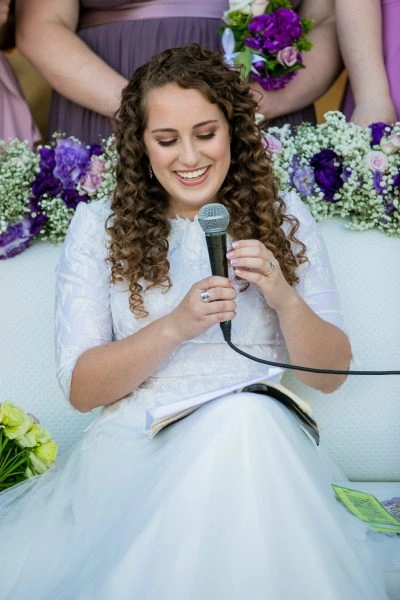
In my Shana bet at Migdal Oz I attended the Hadran siyum hash”as. Witnessing so many women so passionate about their Torah learning and connection to God, I knew I had to begin with the coming cycle. My wedding (June 24) was two weeks before the siyum of mesechet yoma so I went a little ahead and was able to make a speech and siyum at my kiseh kallah on my wedding day!

Sharona Guggenheim Plumb

Givat Shmuel, Israel

In January 2020, my teaching partner at IDC suggested we do daf yomi. Thanks to her challenge, I started learning daily from Rabbanit Michelle. It’s a joy to be part of the Hadran community. (It’s also a tikkun: in 7th grade, my best friend and I tied for first place in a citywide gemara exam, but we weren’t invited to the celebration because girls weren’t supposed to be learning gemara).

Sara-Averick-photo-scaled
Sara Averick

Jerusalem, Israel

I read Ilana Kurshan’s “If All the Seas Were Ink” which inspired me. Then the Women’s Siyum in Jerusalem in 2020 convinced me, I knew I had to join! I have loved it- it’s been a constant in my life daily, many of the sugiyot connect to our lives. My family and friends all are so supportive. It’s incredible being part of this community and love how diverse it is! I am so excited to learn more!

Shira Jacobowitz
Shira Jacobowitz

Jerusalem, Israel

I saw an elderly man at the shul kiddush in early March 2020, celebrating the siyyum of masechet brachot which he had been learning with a young yeshiva student. I thought, if he can do it, I can do it! I began to learn masechet Shabbat the next day, Making up masechet brachot myself, which I had missed. I haven’t missed a day since, thanks to the ease of listening to Hadran’s podcast!
Judith Shapiro
Judith Shapiro

Minnesota, United States

I learned Talmud as a student in Yeshivat Ramaz and felt at the time that Talmud wasn’t for me. After reading Ilana Kurshan’s book I was intrigued and after watching the great siyum in Yerushalayim it ignited the spark to begin this journey. It has been a transformative life experience for me as a wife, mother, Savta and member of Klal Yisrael.
Elana Storch
Elana Storch

Phoenix, Arizona, United States

When I began the previous cycle, I promised myself that if I stuck with it, I would reward myself with a trip to Israel. Little did I know that the trip would involve attending the first ever women’s siyum and being inspired by so many learners. I am now over 2 years into my second cycle and being part of this large, diverse, fascinating learning family has enhanced my learning exponentially.

Shira Krebs
Shira Krebs

Minnesota, United States

I started learning daf yomi at the beginning of this cycle. As the pandemic evolved, it’s been so helpful to me to have this discipline every morning to listen to the daf podcast after I’ve read the daf; learning about the relationships between the rabbis and the ways they were constructing our Jewish religion after the destruction of the Temple. I’m grateful to be on this journey!

Mona Fishbane
Mona Fishbane

Teaneck NJ, United States

I began my journey with Rabbanit Michelle more than five years ago. My friend came up with a great idea for about 15 of us to learn the daf and one of us would summarize weekly what we learned.
It was fun but after 2-3 months people began to leave. I have continued. Since the cycle began Again I have joined the Teaneck women.. I find it most rewarding in so many ways. Thank you

Dena Heller
Dena Heller

New Jersey, United States

Bava Batra 151

כּוֹתְבִין שְׁטָר לַמּוֹכֵר וְאַף עַל פִּי שֶׁאֵין לוֹקֵחַ עִמּוֹ; כֵּיוָן שֶׁהֶחְזִיק זֶה בַּקַּרְקַע – נִקְנָה שְׁטָר כׇּל מָקוֹם שֶׁהוּא. וְזוֹ הִיא שֶׁשָּׁנִינוּ: נְכָסִים שֶׁאֵין לָהֶן אַחְרָיוּת, נִקְנִין עִם הַנְּכָסִים שֶׁיֵּשׁ לָהֶן אַחְרָיוּת – בְּכֶסֶף וּבִשְׁטָר וּבַחֲזָקָה.

A scribe may write a deed of sale for the seller of property at the seller’s request, even if the buyer is not with him when he presents his request, as the deed obligates only the seller. In this case, once this one, the buyer, has taken possession of the land, the deed is acquired, wherever it is. And this is as it is stated in the mishna that we learned (Kiddushin 26a): Property that does not serve as a guarantee can be acquired together with the property that serves as a guarantee by means of money, by means of a deed, or by taking possession of it. One can learn from this that a deed is included in the term: Property that does not serve as a guarantee.

בְּהֵמָה אִיקְּרִי ״נִכְסֵי״, דִּתְנַן: הַמַּקְדִּישׁ נְכָסָיו וְהָיְתָה בָּהֶן בְּהֵמָה רְאוּיָה לְגַבֵּי מִזְבֵּחַ; זְכָרִים – עוֹלוֹת, וּנְקֵבוֹת – יִמָּכְרוּ לְצׇרְכֵי זִבְחֵי שְׁלָמִים. עוֹפוֹת אִיקְּרִי ״נִכְסֵי״, דִּתְנַן: הַמַּקְדִּישׁ נְכָסָיו וְהָיוּ בָּהֶן דְּבָרִים הָרְאוּיִין לְגַבֵּי מִזְבֵּחַ – יֵינוֹת, שְׁמָנִים וְעוֹפוֹת.

An animal is called property, as we learned in a mishna (Shekalim 12a): In a case of one who consecrated his property, and on the property there were animals fit to be sacrificed upon the altar, male animals are sacrificed as burnt-offerings, and female animals are sold for the purpose of being sacrificed as peace-offerings. Birds are called property, as we learned in a mishna (Shekalim 12a): In a case of one who consecrated his property, and on the property there were items that were fit to be sacrificed upon the altar, e.g., wines, oils, and birds, Rabbi Eliezer says: They are sold for the needs of that kind of item, i.e., to individuals who will use them as such.

תְּפִלִּין אִיקְּרִי ״נִכְסֵי״, דִּתְנַן: הַמַּקְדִּישׁ נְכָסָיו, מַעֲלִין לוֹ תְּפִלִּין. אִיבַּעְיָא לְהוּ: סֵפֶר תּוֹרָה מַאי? כֵּיוָן דְּלָא מִזְדַּבַּן – דְּאָסוּר לְזַבּוֹנֵיהּ – לָאו נִכְסֵי הוּא; אוֹ דִלְמָא, כֵּיוָן דְּמִזְדַּבַּן לִלְמוֹד תּוֹרָה וְלִישָּׂא אִשָּׁה – נִכְסֵי הוּא? תֵּיקוּ.

Phylacteries are called property, as we learned in a mishna (Arakhin 23b): With regard to one who consecrates his property, the value of his phylacteries is assessed for him and he redeems them by paying their value to the Temple treasury. A dilemma was raised before the Sages: With regard to a Torah scroll, what is the halakha? Is it considered property or not? Does one say that since it is not sold, as it is prohibited to sell a Torah scroll, it is therefore not considered property? Or perhaps one says that since it may be sold in order to enable one to study Torah or to marry a woman, it is considered property. The Gemara concludes: The dilemma shall stand unresolved.

(סִימָן: זוּטְרָא, אִימֵּיהּ דְּעַמְרָם, מִתַּרְתֵּי אַחְווֹתָא, רַב טוֹבִי וְרַב דִּימִי וְרַב יוֹסֵף.)

§ The Gemara presents a mnemonic for the series of incidents stated below: Zutra, the mother, of Amram, from two sisters, Rav Tovi, and Rav Dimi and Rav Yosef.

אִימֵּיהּ דְּרַב זוּטְרָא בַּר טוֹבִיָּא כַּתְבִינְהוּ לְנִכְסַהּ לְרַב זוּטְרָא בַּר טוֹבִיָּא, דְּבָעֲיָא לְאִנְּסוֹבֵי לֵיהּ לְרַב זְבִיד. אִינְּסִיבָא וְגָרְשַׁהּ. אָתְיָא לְקַמֵּיהּ דְּרַב בִּיבִי בַּר אַבָּיֵי, אֲמַר: מִשּׁוּם אִנְּסוֹבֵי – וְהָא אִינְּסִיבָא.

The mother of Rav Zutra bar Toviyya wrote a deed granting her property to Rav Zutra bar Toviyya, explaining that she was doing so because she wanted to get married to Rav Zevid, and she did not want him to acquire her property. She married Rav Zevid, and he divorced her. She came before Rav Beivai bar Abaye to claim her property from her son. Rav Beivai said: She transferred her property because she wanted to get married, and she married. Since her intentions were fulfilled, even though she subsequently was divorced, the gift is a valid gift.

אֲמַר לֵיהּ רַב הוּנָא בְּרֵיהּ דְּרַב יְהוֹשֻׁעַ: מִשּׁוּם דְּאַתּוּ מִמּוּלָאֵי, אָמְרִיתוּ מִילֵּי מוּלְיָיתָא? אֲפִילּוּ לְמַאן דְּאָמַר מַבְרַחַת קָנֵי, הָנֵי מִילֵּי הֵיכָא דְּלָא גַלְּיָא דַּעְתַּהּ, אֲבָל הָכָא – גַלְּיָא דַּעְתַּהּ דְּמִשּׁוּם אִינְּסוֹבֵי הוּא, וְהָא אִינְּסִיבָא וְאִיגָּרְשָׁה.

Rav Huna, son of Rav Yehoshua, said to Rav Beivai: Is it because you come from a line of truncated [mula’ei] people, from the house of the High Priest Eli, whose descendants were condemned to premature death (see I Samuel 2:31), that you say truncated [mulyata] and unsound matters? Even according to the one who says that the deed of a woman who shelters her property from her intended husband effects acquisition, and the woman cannot reclaim the property, this matter applies where she did not reveal her intentions in transferring ownership of her property. But here, she revealed her intentions that she transferred the property because she wanted to marry; and she married, but was divorced. Therefore, since she is no longer married, she can reclaim the property.

אִימֵּיהּ דְּרָמֵי בַּר חָמָא, בְּאוּרְתָּא כְּתַבְתִּינְהוּ לְנִכְסַהּ לְרָמִי בַּר חָמָא, בְּצַפְרָא כְּתַבְתִּינְהוּ לְרַב עוּקְבָא בַּר חָמָא. אֲתָא רָמֵי בַּר חָמָא לְקַמֵּיהּ דְּרַב שֵׁשֶׁת, אוֹקְמֵיהּ בְּנִכְסֵי. אֲזַל רַב עוּקְבָא בַּר חָמָא קַמֵּיהּ דְּרַב נַחְמָן, אוֹקְמֵיהּ בְּנִכְסֵי.

The mother of Rami bar Ḥama wrote a deed in the evening granting her property to Rami bar Ḥama. In the morning of the following day, she wrote a deed granting her property to his brother, Rav Ukva bar Ḥama. Rami bar Ḥama came before Rav Sheshet, who established him as the owner of the property, as the deed transferring the property to him preceded the gift to his brother. Rav Ukva bar Ḥama came before Rav Naḥman, who established him as the owner of the property.

אֲתָא רַב שֵׁשֶׁת לְקַמֵּיהּ דְּרַב נַחְמָן, אֲמַר לֵיהּ: מַאי טַעְמָא אוֹקְמֵיהּ מָר לְרַב עוּקְבָא בַּר חָמָא? אִי מִשּׁוּם דַּהֲדַרָא בַּהּ – וְהָא שְׁכִיבָא! אֲמַר לֵיהּ, הָכִי אָמַר שְׁמוּאֵל: כֹּל שֶׁאִילּוּ עָמַד – חוֹזֵר, חוֹזֵר בְּמַתְּנָתוֹ.

Rav Sheshet came before Rav Naḥman and said to him: What is the reason that the Master established Rav Ukva bar Ḥama as the owner of the property? If it is because she retracted her gift, but didn’t she die? Since the gift of a person on his deathbed is considered valid, Rami bar Ḥama already acquired the property in the evening. Rav Naḥman said to Rav Sheshet: This is what Shmuel says: With regard to the gift of a person on his deathbed, in any case where he could retract his gift if he were to recover, i.e., if he transferred ownership of all of his property, even if he does not recover, he can retract his gift.

אֵימוֹר דְּאָמַר שְׁמוּאֵל – לְעַצְמוֹ; לְאַחֵר מִי אָמַר? אֲמַר לֵיהּ, בְּפֵירוּשׁ אָמַר שְׁמוּאֵל: בֵּין לְעַצְמוֹ בֵּין לְאַחֵר.

Rav Sheshet responded: Say that Shmuel said that he can retract his gift if he wants to retain the property for himself, but if he wants to retract his gift in order to give it to another, did he also say that he can do so? Rav Naḥman said to Rav Sheshet: Shmuel explicitly said that he can retract his gift both in order to retain the property for himself and to grant it to another.

אִימֵּיהּ דְּרַב עַמְרָם חֲסִידָא הֲוָה לַהּ מְלוּגָא דִּשְׁטָרֵאי. כִּי קָא שָׁכְבָא, אָמְרָה: לֶיהֱוֵי לְעַמְרָם בְּרִי. אֲתוֹ אֲחוֹהָ לְקַמֵּיהּ דְּרַב נַחְמָן, אֲמַרוּ לֵיהּ: וְהָא לָא מְשַׁךְ! אֲמַר לְהוּ: דִּבְרֵי שְׁכִיב מְרַע כִּכְתוּבִין וְכִמְסוּרִין דָּמוּ.

The mother of Rav Amram the Pious had a bundle [meloga] of promissory notes. When she was dying, she said: Let these promissory notes be for Amram, my son. His brothers came before Rav Naḥman. They said to Rav Naḥman: But Rav Amram did not pull the bundle of documents, and since an act of acquisition was not performed he did not acquire them. Rav Naḥman said to them: An act of acquisition was not required, because the statement of a person on his deathbed is considered as written and as though the documents were delivered to the recipient.

אֲחָתֵיהּ דְּרַב טוֹבִי בַּר רַב מַתְנָה כְּתַבְתִּינְהוּ לְנִכְסַהּ לְרַב טוֹבִי בַּר רַב מַתְנָה – בְּצַפְרָא. לְפַנְיָא, אֲתָא רַב אַחָדְבוּי בַּר רַב מַתְנָה בְּכָה לַהּ – אֲמַר לַהּ, הַשְׁתָּא אָמְרִי: מָר צוּרְבָּא מֵרַבָּנַן, וּמָר לָאו צוּרְבָּא מֵרַבָּנַן! כְּתַבְתִּינְהוּ נִיהֲלֵיהּ. אֲתָא לְקַמֵּיהּ דְּרַב נַחְמָן, אֲמַר לֵיהּ, הָכִי אָמַר שְׁמוּאֵל: כׇּל שֶׁאִילּוּ עָמַד חוֹזֵר, חוֹזֵר בְּמַתְּנָתוֹ.

The sister of Rav Tovi bar Rav Mattana wrote a deed in the morning granting her property to Rav Tovi bar Rav Mattana. In the evening another brother, Rav Aḥadvoi bar Rav Mattana, came and cried to her. Rav Aḥadvoi said to her: Now people will say that you gave your property to Rav Tovi because this Master, Rav Tovi, is a Torah scholar, and that Master, Rav Aḥadvoi, is not a Torah scholar. She wrote a deed granting the property to him. Rav Tovi came before Rav Naḥman. Rav Naḥman said to Rav Tovi: This is what Shmuel says: With regard to the gift of a person on his deathbed, in any case where he could retract his gift if he were to recover, even if he does not recover, he can retract his gift, and therefore the property belongs to Rav Aḥadvoi.

אֲחָתֵיהּ דְּרַב דִּימִי בַּר יוֹסֵף הֲוָה לַהּ פִּיסְקְתָא דְפַרְדֵּיסָא, כׇּל אֵימַת דַּהֲוָת חָלְשָׁא הֲוָה מַקְנְיָא לֵיהּ נִיהֲלֵיהּ,

The sister of Rav Dimi bar Yosef had a tract of land in an orchard. Whenever she was sick and thought that she was dying, she would transfer ownership of the orchard to Rav Dimi,

וְכִי קָיְימָא הֲוָת הָדְרָא בָּהּ. זִימְנָא חֲדָא חֲלַשָׁא, שְׁלַחָה לֵיהּ: תָּא קְנִי. שְׁלַח: לָא בָּעֵינָא. שְׁלַחָה לֵיהּ: תָּא קְנִי כֹּל הֵיכָא דְּבָעֵית. אֲזַל שַׁיַּירה וּקְנוֹ מִינַּהּ. כִּי קָיְימָא, הָדְרָא בָּהּ.

and when she recovered she would retract her gift. On one occasion she was sick. She sent a message to Rav Dimi: Come and acquire my property. He sent a message back to her: I do not want to come. She sent a message to him: Come and acquire my property in any manner that you want. He went and reserved for her part of the orchard, and he acquired the rest of the property from her with an act of acquisition. When she recovered she retracted the gift.

אֲתַאי לְקַמֵּיהּ דְּרַב נַחְמָן, שְׁלַח לֵיהּ: תָּא. לָא אֲתָא. אָמַר: מַאי אֵיתֵי? הָא שַׁיַּירִה וּקְנוֹ מִינַּהּ! שְׁלַח לֵיהּ: אִי לָא אָתֵית, מָחֵינָא לָךְ בְּסִילְוָא דְּלָא מַבַּע דְּמָא.

She came before Rav Naḥman to reclaim it. Rav Naḥman sent a message to Rav Dimi: Come to court. Rav Dimi did not come. He said: What reason is there for me to come? Didn’t I reserve part of the property for her, and I acquired the rest of the property from her with an act of acquisition? Therefore, the acquisition is complete. Rav Naḥman sent a message to Rav Dimi: If you do not come, I will strike you with a thorn [besileva] that does not draw blood, i.e., I will excommunicate you.

אֲמַר לְהוּ לְסָהֲדִי: הֵיכִי הֲוָה מַעֲשֶׂה? אֲמַרוּ לֵיהּ, אֲמַרָה הָכִי: ״וַוי דְּקָא מָיְתָה הָךְ אִיתְּתָא!״ אֲמַר לְהוּ: אִם כֵּן, הֲוָה מְצַוֶּה מֵחֲמַת מִיתָה, וּמְצַוֶּה מֵחֲמַת מִיתָה – חוֹזֵר.

Inquiring into the matter, Rav Naḥman said to the witnesses: How did the act of transferring the property take place? The witnesses said to Rav Naḥman: This is what she said: Woe, that woman is dying! Rav Naḥman said to them: If so, this is a case of one who issues directives with regard to his property due to his expectation of his imminent death. And one who issues directives due to his expectation of his imminent death can retract his gift even if he did not transfer all of his property, as he evidently granted the gift only because he expected to die.

אִיתְּמַר: מַתְּנַת שְׁכִיב מְרַע בְּמִקְצָת; אַמְרוּהָ רַבָּנַן קַמֵּיהּ דְּרָבָא מִשְּׁמֵיהּ דְּמָר זוּטְרָא בְּרֵיהּ דְּרַב נַחְמָן דְּאָמַר מִשְּׁמֵיהּ דְּרַב נַחְמָן: הֲרֵי הִיא כְּמַתְּנַת בָּרִיא, וַהֲרֵי הִיא כְּמַתְּנַת שְׁכִיב מְרַע. הֲרֵי הִיא כְּמַתְּנַת בָּרִיא – שֶׁאִם עָמַד אֵינוֹ חוֹזֵר, וַהֲרֵי הִיא כְּמַתְּנַת שְׁכִיב מְרַע – דְּלָא בָּעֲיָא קִנְיָן.

§ It was stated that the amora’im disagreed with regard to a gift of a person on his deathbed that includes only a part of his property. The Sages said the following before Rava in the name of Mar Zutra, son of Rav Naḥman, who said it in the name of Rav Naḥman: This type of gift is in some respects like the gift of a healthy person, and in other respects it is like the gift of a person on his deathbed. It is like the gift of a healthy person, as, if he recovers he cannot retract it, as stated in the mishna. And it is like the gift of a person on his deathbed, as it does not require an act of acquisition. Rather, it is acquired by means of verbal instruction alone.

אֲמַר לְהוּ רָבָא, לָאו אָמֵינָא לְכוּ: לָא תִּיתְלוֹ בּוּקֵי סְרִיקֵי בְּרַב נַחְמָן? הָכִי אָמַר רַב נַחְמָן: הֲרֵי הִיא כְּמַתְּנַת בָּרִיא, וּבָעֲיָא קִנְיַן.

Rava said to the Sages: Did I not say to you: Do not hang empty pitchers [bukei] upon Rav Naḥman, i.e., do not attribute incorrect statements to him? This is what Rav Naḥman says: A gift of a person on his deathbed that includes only a part of his property is like the gift of a healthy person and requires an act of acquisition. If an act of acquisition is not performed, the acquisition of the gift is not effective even if the owner dies.

אֵיתִיבֵיהּ רָבָא לְרַב נַחְמָן: שִׁיֵּיר קַרְקַע כׇּל שֶׁהוּא – מַתְּנָתוֹ קַיֶּימֶת. מַאי, לָאו דְּלָא קְנוֹ מִינֵּיהּ? לָא, דִּקְנוֹ מִינֵּיהּ. אִי הָכִי, אֵימָא סֵיפָא: לֹא שִׁיֵּיר קַרְקַע כָּל שֶׁהוּא – אֵין מַתְּנָתוֹ קַיֶּימֶת. וְאִי דִּקְנוֹ מִינֵּיהּ, אַמַּאי אֵין מַתְּנָתוֹ קַיֶּימֶת?

Rava raised an objection to Rav Naḥman from the mishna (146b): If he reserved for himself any amount of land, his gift stands. What, is it not referring even to a case where the gift was not acquired from him by means of an act of acquisition? No, it is referring to a case where the gift was acquired from him by means of an act of acquisition. Rava asks: If that is so, say the last clause of the mishna: If he did not reserve for himself any amount of land, and he recovered, his gift does not stand. And if the mishna is referring to a case where the gift was acquired from him by means of an act of acquisition, why does his gift not stand?

אֲמַר לֵיהּ, הָכִי אָמַר שְׁמוּאֵל: שְׁכִיב מְרַע שֶׁכָּתַב כׇּל נְכָסָיו לַאֲחֵרִים, אַף עַל פִּי שֶׁקָּנוּ מִיָּדוֹ – עָמַד חוֹזֵר; בְּיָדוּעַ שֶׁלֹּא הָיָה מְצַוֶּה אֶלָּא מֵחֲמַת מִיתָה.

Rav Naḥman said to Rava: This is what Shmuel says: With regard to a person on his deathbed who wrote a deed granting all of his property to others without reserving anything for himself, even though the gift was acquired from his possession by means of an act of acquisition, if he recovers, he can retract his gift. The reason for this is that it is known that he was issuing directives with regard to his property only due to his expectation of his imminent death.

אֵיתִיבֵיהּ רַב מְשַׁרְשְׁיָא לְרָבָא: מַעֲשֶׂה בְּאִמָּן שֶׁל בְּנֵי רוֹכֵל שֶׁהָיְתָה חוֹלָה, וְאָמְרָה: ״תִּנָּתֵן כְּבִינְתִּי לְבִתִּי״ – וְהִוא בִּשְׁנֵים עָשָׂר מָנֶה, וּמֵתָה – וְקִיְּימוּ דְּבָרֶיהָ. הָתָם בִּמְצַוָּה מֵחֲמַת מִיתָה.

Rav Mesharshiyya raised an objection to Rava: There was an incident involving the mother of the sons of Rokhel, who was sick, and she said: My brooch [keveinati] shall be given to my daughter, and it is valued at twelve hundred dinars. And this woman subsequently died, and the Sages upheld her statement even though the gift included only a part of her property and an act of acquisition was not performed. Rava replied: That incident is different, as the case there is referring to one who issues directives due to his expectation of his imminent death.

אֵיתִיבֵיהּ רָבִינָא לְרָבָא: הָאוֹמֵר ״תְּנוּ גֵּט זֶה לְאִשְׁתִּי, וּשְׁטַר שִׁחְרוּר זֶה לְעַבְדִּי״, וּמֵת – לֹא יִתְּנוּ לְאַחַר מִיתָה. ״תְּנוּ מָנֶה לִפְלוֹנִי״, וּמֵת – יִתְּנוּ לְאַחַר מִיתָה.

Ravina raised an objection to Rava from a mishna (Gittin 13a): In the case of one who says: Give this bill of divorce to my wife, or: Give this bill of manumission to my slave, and then he dies, one should not give it after his death. But if one says: Give one hundred dinars to so-and-so, and then he died, one does give the recipient the money after his death. This indicates that a gift of a person on his deathbed that includes only a part of his property does not require an act of acquisition.

וּמִמַּאי דְּלָא קְנוֹ מִינֵּיהּ? דּוּמְיָא דְּגֵט – מָה גֵּט לָאו בַּר קִנְיָן, אַף הַאי נָמֵי דְּלָא קְנוֹ מִינֵּיהּ! הָתָם נָמֵי, בִּמְצַוֶּה מֵחֲמַת מִיתָה.

And from where can one learn that the money was not acquired from him by means of an act of acquisition? This is learned from the fact that this halakha was juxtaposed to the halakha with regard to a bill of divorce, indicating that this case is similar to a bill of divorce. Just as a bill of divorce is not subject to the standard halakhot of an act of acquisition, so too, in this case of the gift of one hundred dinars, the mishna is referring to a case where the money was not acquired from him by means of an act of acquisition. Rava replied: There, too, the mishna is referring to one who issues directives with regard to his property due to his imminent death.

רַב הוּנָא בְּרֵיהּ דְּרַב יְהוֹשֻׁעַ אָמַר: מְצַוֶּה מֵחֲמַת מִיתָה בְּעָלְמָא – בָּעֲיָא קִנְיָן, וְכִי תַּנְיָא הָנֵי מַתְנְיָיתָא – בִּמְחַלֵּק כׇּל נְכָסָיו, דְּהַהִיא – מַתְּנַת שְׁכִיב מְרַע שַׁוְּיוּהָ.

Rav Huna, son of Rav Yehoshua, said: The gift of one who issues directives with regard to his property due to his expectation of his imminent death generally requires an act of acquisition. And when it is taught in these baraitot that an act of acquisition is not required, the baraitot are referring to one who divides all of his property between different recipients, as in that case, the Sages accorded the gift the legal status of a gift of a person on his deathbed.

וְהִלְכְתָא: מַתְּנַת שְׁכִיב מְרַע בְּמִקְצָת – בָּעֲיָא קִנְיָן, וְאַף עַל גַּב דְּמֵת. מְצַוֶּה מֵחֲמַת מִיתָה לָא בָּעֲיָא קִנְיָן, וְהוּא דְּמֵת; עָמַד – חוֹזֵר, וְאַף עַל גַּב דִּקְנוֹ מִינֵּיהּ.

The Gemara concludes: And the halakha is that a gift of a person on his deathbed that includes only a part of his property requires an act of acquisition; otherwise it is invalid even though he subsequently died, and the gift is inherited by his heirs instead. The gift of one who issues directives with regard to his property due to his expectation of his imminent death does not require an act of acquisition. And this applies only when he subsequently died. If he recovered, he can retract his gift even though it was acquired from him by means of an act of acquisition.

Want to follow content and continue where you left off?

Create an account today to track your progress, mark what you’ve learned, and follow the shiurim that speak to you.

Clear all items from this list?

This will remove ALL the items in this section. You will lose any progress or history connected to them. This is irreversible.
Cancel
Yes, clear all

Are you sure you want to delete this item?

You will lose any progress or history connected to this item.

Cancel
Yes, delete