Search

Bava Batra 166

Want to dedicate learning? Get started here:

podcast placeholder

0:00
0:00


Summary

Today’s daf is sponsored by Judy Shapiro in loving memory of her father Albert Tychman, z”l on his 17th yahrzeit. “He would love that on this day of his yahrzeit, my husband and I are enroute to Israel to visit our daughter and her family. He was very proud of all his grandchildren.”

Today’s daf is sponsored by Lesley Glassberg Nadel in loving memory of her sister Ruth Lewis, Rachel bar Berel haLevi v’Tova, whose yahrzeit is Kislev 7. “May her memory be blessed.”

Today’s daf is sponsored by Shira Dishon in memory of her son, Eitan Ben Shira, hy”d, on his first yahrzeit. ‘Eitan was a student at the Kiryat Shmona Yeshiva, which he loved so much. In a wonderfully symbolic way, a day after the memorial, the Kiryat Shmona Yeshiva, which was evacuated to the center of the country for more than a year, returns to Kiryat Shmona with joy and dancing. Surely Eitan will join the joyful dancing from above.”

The Gemara continues to examine the details of a braita discussing different interpretations of unclear language in a document regarding dinarim, specifically whether the document was referring to silver or gold dinarim. In resolving a difficulty with the braita, a distinction is drawn between ‘dinarei‘ (gold) and ‘dinarim‘ (silver). To further support this distinction, a Mishna in Keritot is cited, which describes how Rabban Shimon ben Gamliel modified a law, relating to the sacrifices of a mother who had given birth and a zava, to break the market price on birds that had risen to an astronomical level.

The Mishna explains a principle regarding document interpretation: when there is a contradiction between the text at the top and bottom of a document, the bottom text is followed. This is based on the assumption that the change was intentional, reflecting a deliberate modification by the seller or creditor. The purpose of writing the top section is to assist in deciphering any missing letters or numbers in the bottom section. A braita further qualifies this principle, limiting such corrections to a single letter or number. If two letters or numbers are changed, it would be interpreted as a deliberate modification from the document’s outset, and the text at the end would be followed or perhaps the document would be deemed invalid.

In a specific case, a document came before the court stating “six hundred and one zuz.” The precise denomination of the six hundred was unclear. Abaye ruled that it did not refer to prutot, as large numbers of prutot are typically not written in documents but are converted to larger denominations. Given the remaining possibilities of sela (four dinarim) coins or zuzim (one dinar), Abaye ruled to follow the lesser amount. This decision was based on the principle that the party holding the document has a weaker position and cannot demand money from the other side without clear proof.

Bava Batra 166

וְאֵימָא פְּרִיטֵי! פְּרִיטֵי דְּדַהֲבָא לָא עָבְדִי אִינָשֵׁי.

The Gemara asks further: But why not say that the intent is not a dinar, but smaller coins, such as perutot? The Gemara answers: People do not make perutot of gold.

״זָהָב בְּדִינָרִין״ – אֵין פָּחוֹת מִבִּשְׁנֵי דִינָרִין כֶּסֶף, זָהָב. וְאֵימָא דַּהֲבָא פְּרִיכָא בִּתְרֵי דִינָרֵי דַּהֲבָא קָאָמַר! אָמַר אַבָּיֵי: יַד בַּעַל הַשְּׁטָר עַל הַתַּחְתּוֹנָה.

The Gemara continues its analysis of the baraita, which states: If it is written: Gold, in dinars, the amount must be no less than two silver dinars’ worth of gold. The Gemara asks: But why not say that the document is speaking of two golden dinars’ worth of pieces of gold? Abaye says: This interpretation is also possible, but the guiding principle in all interpretations of ambiguities is that the holder of the document is at a disadvantage.

רֵישָׁא דְּקָתָנֵי: ״כֶּסֶף בְּדִינָרִין״ – אֵין פָּחוֹת מִשְּׁנֵי דִּינָרִין זָהָב, כֶּסֶף; אַמַּאי? אֵימָא כַּסְפָּא – נְסָכָא בִּתְרֵי דִּינָרֵי כַּסְפָּא קָאָמַר!

The Gemara asks a question from the first clause of the baraita, which teaches that if the document states: Silver in dinars, the amount must be no less than two golden dinars’ worth of silver. Why is he entitled to so much? Say that the document is speaking of silver only, and means: Two silver dinars’ worth of silver pieces. This interpretation would be a lower value than the interpretation assigned to it by the baraita, and would be in keeping with the principle that the holder of the document is at a disadvantage.

אָמַר רַב אָשֵׁי: רֵישָׁא דִּכְתַב ״דִּינָרֵי״, סֵיפָא דִּכְתַב ״דִּינָרִין״.

Rav Ashi said in reply that the text of the baraita should be emended: In the first clause the case is that the scribe wrote: Silver in dinars, using the plural form dinarei, which refers specifically to golden dinars. In the latter clause, the case is that the scribe wrote: Gold in dinars, using the plural form dinarin, which denotes silver dinars specifically.

וּמְנָא תֵּימְרָא דְּשָׁאנֵי בֵּין ״דִּינָרֵי״ לְ״דִינָרִין״?

The Gemara supports its assertion that there is a difference between these two plural forms: And from where do you say that there is a difference between the words dinarei and dinarin?

דְּתַנְיָא: הָאִשָּׁה שֶׁהָיוּ עָלֶיהָ סְפֵק חָמֵשׁ לֵידוֹת; סְפֵק חָמֵשׁ זִיבוֹת – מְבִיאָה קׇרְבָּן אֶחָד וְאוֹכֶלֶת בִּזְבָחִים, וְאֵין הַשְּׁאָר עָלֶיהָ חוֹבָה. הָיוּ עָלֶיהָ חָמֵשׁ לֵידוֹת וַדָּאוֹת; חָמֵשׁ זִיבוֹת וַדָּאוֹת – מְבִיאָה קׇרְבָּן אֶחָד וְאוֹכֶלֶת בִּזְבָחִים, וְהַשְּׁאָר עָלֶיהָ חוֹבָה.

This is as it is taught in a mishna (Karetot 8a): In the case of a woman for whom there was uncertainty with regard to five births, and likewise a woman for whom there was uncertainty with regard to five irregular discharges of blood from the uterus [ziva], she brings one offering, and then she may partake of the meat of offerings. And the remaining offerings are not an obligation for her. If she has in her case five definite births or five definite discharges of a zava, she brings one offering, and then she may partake of the meat of offerings. And the remaining offerings are an obligation for her.

מַעֲשֶׂה וְעָמְדוּ קִינִּים בִּירוּשָׁלַיִם בְּדִינְרֵי זָהָב, אָמַר רַבָּן שִׁמְעוֹן בֶּן גַּמְלִיאֵל: הַמָּעוֹן הַזֶּה! אִם אָלִין הַלַּיְלָה עַד שֶׁיְּהוּ בְּדִינָרִין. נִכְנַס לְבֵית דִּין וְלִימֵּד: הָאִשָּׁה שֶׁהָיוּ עָלֶיהָ חָמֵשׁ לֵידוֹת וַדָּאוֹת; חָמֵשׁ זִיבוֹת וַדָּאוֹת – מְבִיאָה קׇרְבָּן אֶחָד וְאוֹכֶלֶת בִּזְבָחִים, וְאֵין הַשְּׁאָר עָלֶיהָ חוֹבָה.

That mishna continues: There was an incident where the price of nests, i.e., pairs of birds, stood in Jerusalem at golden dinarei, as the great demand for birds for the offerings of a woman after childbirth and a zava led to an increase in the price. Rabban Shimon ben Gamliel said: I take an oath by this abode of the Divine Presence that I will not lie down tonight until the price of nests will be in dinarin. Ultimately, he entered the court and taught: A woman for whom there were five definite births or five definite discharges of a zava brings one offering, and then she may partake of the meat of offerings. And the remaining offerings are not an obligation for her.

וְעָמְדוּ קִינִּין בּוֹ בַּיּוֹם בְּרִבְעָתַיִם.

The mishna concludes: And as a result, the price of the nests stood that day at one-quarter of a silver dinar, as the demand for nests decreased. It is clear in the mishna that the term dinarei indicates a higher value than the term dinarin.

כָּתוּב מִלְּמַעְלָה וְכוּ׳. תָּנוּ רַבָּנַן: יִלְמַד הַתַּחְתּוֹן מִן הָעֶלְיוֹן – בְּאוֹת אַחַת; אֲבָל לֹא בִּשְׁתֵּי אוֹתִיּוֹת –

§ The mishna teaches: If it is written in the document above that someone owes one hundred dinars, and below it is written two hundred dinars, or if above it is written two hundred and below one hundred, everything follows the bottom amount. If so, why does one write the information in the upper part of the document at all? It is a safety measure, so that if one letter is erased from the lower part of the document, thereby rendering it illegible, the information can be learned from the upper part of the document. The Sages taught in a baraita (Tosefta 11:4): Information concerning what is written below may be learned from what is written above if the lower text is missing one letter, but not if it is missing two letters. In that case, in the event of a discrepancy between information written above and information written below, the document is not valid.

כְּגוֹן ״חָנָן״ מֵ״חֲנָנִי״ וְ״עָנָן״ מֵ״עֲנָנִי״.

For example, if the name of one party is written as Ḥanan below and Ḥanani above, it may be derived from the word Ḥanani written above that the party is named Ḥanani. And similarly, if a name is written Anan below, it may be learned from the name Anani written above that the party is named Anani.

מַאי שְׁנָא שְׁתֵּי אוֹתִיּוֹת דְּלָא – דִּלְמָא מִיתְרְמֵי שֵׁם בֶּן אַרְבַּע אוֹתִיּוֹת, וְהָוֵה לֵיהּ פַּלְגֵיהּ דִּשְׁמָא; אִי הָכִי, אוֹת אַחַת נָמֵי – דִּלְמָא מִיתְרְמֵי שֵׁם בֶּן שְׁתֵּי אוֹתִיּוֹת, וְהָוֵה לֵיהּ פַּלְגֵיהּ דִּשְׁמָא!

The Gemara asks: What is different about two letters missing, that the baraita teaches that the name written below cannot be corrected from the name written above? The Gemara suggests: It is out of concern that perhaps it will occur by chance that there is a four-letter name, and the omission of two letters would be half of the name, and for this reason the Sages extended this concern to all cases where two letters are missing. The Gemara challenges: If so, the same could be said when one letter is missing as well, as perhaps it will occur by chance that there is a two-letter name, and the omission of one letter would be half of the name.

אֶלָּא שְׁתֵּי אוֹתִיּוֹת הַיְינוּ טַעְמָא – דִּלְמָא מִיתְרְמֵי שֵׁם בֶּן שָׁלֹשׁ אוֹתִיּוֹת, וְהָוֵה לֵיהּ רוּבָּא דִשְׁמָא.

The Gemara explains: Rather, this is the reason that when two letters are missing the name written below cannot be corrected from the name written above: The concern is that perhaps it will occur by chance that there is a three-letter name, and the omission of two letters would be a majority of the name. The Sages applied this concern to all cases where two letters are missing.

אָמַר רַב פָּפָּא: פְּשִׁיטָא לִי – ״סֵפֶל״ מִלְּמַעְלָה וְ״קֵפֶל״ מִלְּמַטָּה – הַכֹּל הוֹלֵךְ אַחַר הַתַּחְתּוֹן.

The Gemara continues to discuss discrepancies between the information written above and below in a document. Rav Pappa said: It is obvious to me that if a document states above that one owes a sefel, a type of cup, and below it states kefel, a type of garment, everything is determined by the information written below. In this case there is not a missing letter at the bottom but an altered letter. Therefore, the information written below is not corrected from the information written above.

בָּעֵי רַב פָּפָּא: ״קֵפֶל״ מִלְּמַעְלָה וְ״סֵפֶל״ מִלְּמַטָּה, מַאי – מִי חָיְישִׁינַן לִזְבוּב, אוֹ לָא? תֵּיקוּ.

Rav Pappa raises a dilemma: What if it is stated kefel above and sefel below? The difference between the two words is that the former begins with kuf, whereas the latter begins with samekh. The orthographical difference between these two letters is a single stroke that extends downward, as the omission of the extension of this stroke would change kuf into samekh. Rav Pappa’s dilemma is: Are we concerned for the possibility that a fly landed on the stroke of the kuf, removing the ink and changing it into samekh? Or are we not concerned with this possibility? The Gemara comments: The dilemma shall stand unresolved.

הָהוּא דַּהֲוָה כְּתִב בֵּיהּ: ״שֵׁית מְאָה וְזוּזָא״, שַׁלְחֵהּ רַב שֵׁרֵבְיָא קַמֵּיהּ דְּאַבָּיֵי: שֵׁית מְאָה אִיסְתֵּירֵי וְזוּזָא, אוֹ דִלְמָא שֵׁית מְאָה פְּרִיטֵי וְזוּזָא? אֲמַר לֵיהּ: דַּל פְּרִיטֵי, דְּלָא כָּתְבִי בִּשְׁטָרָא – דַּאֲסוֹכֵי מַסְכַּן לְהוּ,

§ The Gemara relates: There was a certain document in which it was written that the amount due was six hundred and a dinar, without specifying to which denomination the six hundred amount referred. Rav Sherevya sent this question before Abaye: Does the holder of the document collect six hundred istira and a dinar? Istira is another name for a sela, which equals four dinars. Or is he perhaps entitled to collect only six hundred perutot and a dinar, a peruta being a small fraction of a dinar? Abaye said to him: Remove the possibility of six hundred perutot, since people do not write large numbers of perutot in a document, as they instead combine them into larger denominations

New to Talmud?

Check out our resources designed to help you navigate a page of Talmud – and study at the pace, level and style that fits you. 

The Hadran Women’s Tapestry

Meet the diverse women learning Gemara at Hadran and hear their stories. 

I started learning Daf Yomi to fill what I saw as a large gap in my Jewish education. I also hope to inspire my three daughters to ensure that they do not allow the same Talmud-sized gap to form in their own educations. I am so proud to be a part of the Hadran community, and I have loved learning so many of the stories and halachot that we have seen so far. I look forward to continuing!
Dora Chana Haar
Dora Chana Haar

Oceanside NY, United States

Since I started in January of 2020, Daf Yomi has changed my life. It connects me to Jews all over the world, especially learned women. It makes cooking, gardening, and folding laundry into acts of Torah study. Daf Yomi enables me to participate in a conversation with and about our heritage that has been going on for more than 2000 years.

Shira Eliaser
Shira Eliaser

Skokie, IL, United States

Margo
I started my Talmud journey in 7th grade at Akiba Jewish Day School in Chicago. I started my Daf Yomi journey after hearing Erica Brown speak at the Hadran Siyum about marking the passage of time through Daf Yomi.

Carolyn
I started my Talmud journey post-college in NY with a few classes. I started my Daf Yomi journey after the Hadran Siyum, which inspired both my son and myself.

Carolyn Hochstadter and Margo Kossoff Shizgal

Merion Station,  USA

Beit Shemesh, Israel

“I got my job through the NY Times” was an ad campaign when I was growing up. I can headline “I got my daily Daf shiur and Hadran through the NY Times”. I read the January 4, 2020 feature on Reb. Michelle Farber and Hadran and I have been participating ever since. Thanks NY Times & Hadran!
Deborah Aschheim
Deborah Aschheim

New York, United States

I started learning Gemara at the Yeshivah of Flatbush. And I resumed ‘ברוך ה decades later with Rabbanit Michele at Hadran. I started from Brachot and have had an exciting, rewarding experience throughout seder Moed!

Anne Mirsky (1)
Anne Mirsky

Maale Adumim, Israel

After enthusing to my friend Ruth Kahan about how much I had enjoyed remote Jewish learning during the earlier part of the pandemic, she challenged me to join her in learning the daf yomi cycle. I had always wanted to do daf yomi but now had no excuse. The beginning was particularly hard as I had never studied Talmud but has become easier, as I have gained some familiarity with it.

Susan-Vishner-Hadran-photo-scaled
Susan Vishner

Brookline, United States

I graduated college in December 2019 and received a set of shas as a present from my husband. With my long time dream of learning daf yomi, I had no idea that a new cycle was beginning just one month later, in January 2020. I have been learning the daf ever since with Michelle Farber… Through grad school, my first job, my first baby, and all the other incredible journeys over the past few years!
Sigal Spitzer Flamholz

Bronx, United States

Having never learned Talmud before, I started Daf Yomi in hopes of connecting to the Rabbinic tradition, sharing a daily idea on Instagram (@dafyomiadventures). With Hadran and Sefaria, I slowly gained confidence in my skills and understanding. Now, part of the Pardes Jewish Educators Program, I can’t wait to bring this love of learning with me as I continue to pass it on to my future students.

Hannah-G-pic
Hannah Greenberg

Pennsylvania, United States

Jill Shames
Jill Shames

Jerusalem, Israel

I started learning Daf in Jan 2020 with Brachot b/c I had never seen the Jewish people united around something so positive, and I wanted to be a part of it. Also, I wanted to broaden my background in Torah Shebal Peh- Maayanot gave me a great gemara education, but I knew that I could hold a conversation in most parts of tanach but almost no TSB. I’m so thankful for Daf and have gained immensely.

Meira Shapiro
Meira Shapiro

NJ, United States

I started learning Gemara at the Yeshivah of Flatbush. And I resumed ‘ברוך ה decades later with Rabbanit Michele at Hadran. I started from Brachot and have had an exciting, rewarding experience throughout seder Moed!

Anne Mirsky (1)
Anne Mirsky

Maale Adumim, Israel

Attending the Siyyum in Jerusalem 26 months ago inspired me to become part of this community of learners. So many aspects of Jewish life have been illuminated by what we have learned in Seder Moed. My day is not complete without daf Yomi. I am so grateful to Rabbanit Michelle and the Hadran Community.

Nancy Kolodny
Nancy Kolodny

Newton, United States

In January 2020, my teaching partner at IDC suggested we do daf yomi. Thanks to her challenge, I started learning daily from Rabbanit Michelle. It’s a joy to be part of the Hadran community. (It’s also a tikkun: in 7th grade, my best friend and I tied for first place in a citywide gemara exam, but we weren’t invited to the celebration because girls weren’t supposed to be learning gemara).

Sara-Averick-photo-scaled
Sara Averick

Jerusalem, Israel

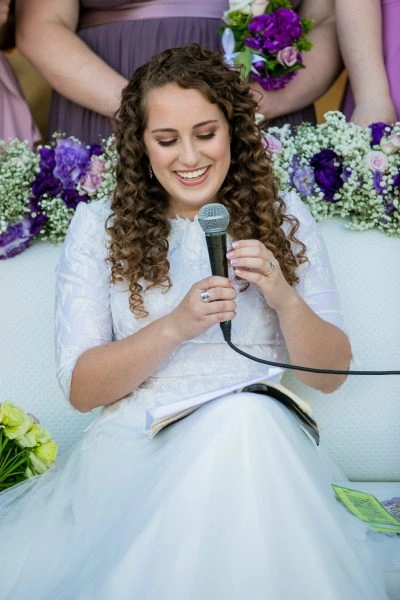
In my Shana bet at Migdal Oz I attended the Hadran siyum hash”as. Witnessing so many women so passionate about their Torah learning and connection to God, I knew I had to begin with the coming cycle. My wedding (June 24) was two weeks before the siyum of mesechet yoma so I went a little ahead and was able to make a speech and siyum at my kiseh kallah on my wedding day!

Sharona Guggenheim Plumb

Givat Shmuel, Israel

The first month I learned Daf Yomi by myself in secret, because I wasn’t sure how my husband would react, but after the siyyum on Masechet Brachot I discovered Hadran and now sometimes my husband listens to the daf with me. He and I also learn mishnayot together and are constantly finding connections between the different masechtot.

Laura Warshawsky
Laura Warshawsky

Silver Spring, Maryland, United States

I started learning Daf Yomi to fill what I saw as a large gap in my Jewish education. I also hope to inspire my three daughters to ensure that they do not allow the same Talmud-sized gap to form in their own educations. I am so proud to be a part of the Hadran community, and I have loved learning so many of the stories and halachot that we have seen so far. I look forward to continuing!
Dora Chana Haar
Dora Chana Haar

Oceanside NY, United States

I started learning after the siyum hashas for women and my daily learning has been a constant over the last two years. It grounded me during the chaos of Corona while providing me with a community of fellow learners. The Daf can be challenging but it’s filled with life’s lessons, struggles and hope for a better world. It’s not about the destination but rather about the journey. Thank you Hadran!

Dena Lehrman
Dena Lehrman

אפרת, Israel

Studying has changed my life view on הלכה and יהדות and time. It has taught me bonudaries of the human nature and honesty of our sages in their discourse to try and build a nation of caring people .

Goldie Gilad
Goldie Gilad

Kfar Saba, Israel

I started learning Daf Yomi in January 2020 after watching my grandfather, Mayer Penstein z”l, finish shas with the previous cycle. My grandfather made learning so much fun was so proud that his grandchildren wanted to join him. I was also inspired by Ilana Kurshan’s book, If All the Seas Were Ink. Two years in, I can say that it has enriched my life in so many ways.

Leeza Hirt Wilner
Leeza Hirt Wilner

New York, United States

I learned Mishnayot more than twenty years ago and started with Gemara much later in life. Although I never managed to learn Daf Yomi consistently, I am learning since some years Gemara in depth and with much joy. Since last year I am studying at the International Halakha Scholars Program at the WIHL. I often listen to Rabbanit Farbers Gemara shiurim to understand better a specific sugyiah. I am grateful for the help and inspiration!

Shoshana Ruerup
Shoshana Ruerup

Berlin, Germany

Bava Batra 166

וְאֵימָא פְּרִיטֵי! פְּרִיטֵי דְּדַהֲבָא לָא עָבְדִי אִינָשֵׁי.

The Gemara asks further: But why not say that the intent is not a dinar, but smaller coins, such as perutot? The Gemara answers: People do not make perutot of gold.

״זָהָב בְּדִינָרִין״ – אֵין פָּחוֹת מִבִּשְׁנֵי דִינָרִין כֶּסֶף, זָהָב. וְאֵימָא דַּהֲבָא פְּרִיכָא בִּתְרֵי דִינָרֵי דַּהֲבָא קָאָמַר! אָמַר אַבָּיֵי: יַד בַּעַל הַשְּׁטָר עַל הַתַּחְתּוֹנָה.

The Gemara continues its analysis of the baraita, which states: If it is written: Gold, in dinars, the amount must be no less than two silver dinars’ worth of gold. The Gemara asks: But why not say that the document is speaking of two golden dinars’ worth of pieces of gold? Abaye says: This interpretation is also possible, but the guiding principle in all interpretations of ambiguities is that the holder of the document is at a disadvantage.

רֵישָׁא דְּקָתָנֵי: ״כֶּסֶף בְּדִינָרִין״ – אֵין פָּחוֹת מִשְּׁנֵי דִּינָרִין זָהָב, כֶּסֶף; אַמַּאי? אֵימָא כַּסְפָּא – נְסָכָא בִּתְרֵי דִּינָרֵי כַּסְפָּא קָאָמַר!

The Gemara asks a question from the first clause of the baraita, which teaches that if the document states: Silver in dinars, the amount must be no less than two golden dinars’ worth of silver. Why is he entitled to so much? Say that the document is speaking of silver only, and means: Two silver dinars’ worth of silver pieces. This interpretation would be a lower value than the interpretation assigned to it by the baraita, and would be in keeping with the principle that the holder of the document is at a disadvantage.

אָמַר רַב אָשֵׁי: רֵישָׁא דִּכְתַב ״דִּינָרֵי״, סֵיפָא דִּכְתַב ״דִּינָרִין״.

Rav Ashi said in reply that the text of the baraita should be emended: In the first clause the case is that the scribe wrote: Silver in dinars, using the plural form dinarei, which refers specifically to golden dinars. In the latter clause, the case is that the scribe wrote: Gold in dinars, using the plural form dinarin, which denotes silver dinars specifically.

וּמְנָא תֵּימְרָא דְּשָׁאנֵי בֵּין ״דִּינָרֵי״ לְ״דִינָרִין״?

The Gemara supports its assertion that there is a difference between these two plural forms: And from where do you say that there is a difference between the words dinarei and dinarin?

דְּתַנְיָא: הָאִשָּׁה שֶׁהָיוּ עָלֶיהָ סְפֵק חָמֵשׁ לֵידוֹת; סְפֵק חָמֵשׁ זִיבוֹת – מְבִיאָה קׇרְבָּן אֶחָד וְאוֹכֶלֶת בִּזְבָחִים, וְאֵין הַשְּׁאָר עָלֶיהָ חוֹבָה. הָיוּ עָלֶיהָ חָמֵשׁ לֵידוֹת וַדָּאוֹת; חָמֵשׁ זִיבוֹת וַדָּאוֹת – מְבִיאָה קׇרְבָּן אֶחָד וְאוֹכֶלֶת בִּזְבָחִים, וְהַשְּׁאָר עָלֶיהָ חוֹבָה.

This is as it is taught in a mishna (Karetot 8a): In the case of a woman for whom there was uncertainty with regard to five births, and likewise a woman for whom there was uncertainty with regard to five irregular discharges of blood from the uterus [ziva], she brings one offering, and then she may partake of the meat of offerings. And the remaining offerings are not an obligation for her. If she has in her case five definite births or five definite discharges of a zava, she brings one offering, and then she may partake of the meat of offerings. And the remaining offerings are an obligation for her.

מַעֲשֶׂה וְעָמְדוּ קִינִּים בִּירוּשָׁלַיִם בְּדִינְרֵי זָהָב, אָמַר רַבָּן שִׁמְעוֹן בֶּן גַּמְלִיאֵל: הַמָּעוֹן הַזֶּה! אִם אָלִין הַלַּיְלָה עַד שֶׁיְּהוּ בְּדִינָרִין. נִכְנַס לְבֵית דִּין וְלִימֵּד: הָאִשָּׁה שֶׁהָיוּ עָלֶיהָ חָמֵשׁ לֵידוֹת וַדָּאוֹת; חָמֵשׁ זִיבוֹת וַדָּאוֹת – מְבִיאָה קׇרְבָּן אֶחָד וְאוֹכֶלֶת בִּזְבָחִים, וְאֵין הַשְּׁאָר עָלֶיהָ חוֹבָה.

That mishna continues: There was an incident where the price of nests, i.e., pairs of birds, stood in Jerusalem at golden dinarei, as the great demand for birds for the offerings of a woman after childbirth and a zava led to an increase in the price. Rabban Shimon ben Gamliel said: I take an oath by this abode of the Divine Presence that I will not lie down tonight until the price of nests will be in dinarin. Ultimately, he entered the court and taught: A woman for whom there were five definite births or five definite discharges of a zava brings one offering, and then she may partake of the meat of offerings. And the remaining offerings are not an obligation for her.

וְעָמְדוּ קִינִּין בּוֹ בַּיּוֹם בְּרִבְעָתַיִם.

The mishna concludes: And as a result, the price of the nests stood that day at one-quarter of a silver dinar, as the demand for nests decreased. It is clear in the mishna that the term dinarei indicates a higher value than the term dinarin.

כָּתוּב מִלְּמַעְלָה וְכוּ׳. תָּנוּ רַבָּנַן: יִלְמַד הַתַּחְתּוֹן מִן הָעֶלְיוֹן – בְּאוֹת אַחַת; אֲבָל לֹא בִּשְׁתֵּי אוֹתִיּוֹת –

§ The mishna teaches: If it is written in the document above that someone owes one hundred dinars, and below it is written two hundred dinars, or if above it is written two hundred and below one hundred, everything follows the bottom amount. If so, why does one write the information in the upper part of the document at all? It is a safety measure, so that if one letter is erased from the lower part of the document, thereby rendering it illegible, the information can be learned from the upper part of the document. The Sages taught in a baraita (Tosefta 11:4): Information concerning what is written below may be learned from what is written above if the lower text is missing one letter, but not if it is missing two letters. In that case, in the event of a discrepancy between information written above and information written below, the document is not valid.

כְּגוֹן ״חָנָן״ מֵ״חֲנָנִי״ וְ״עָנָן״ מֵ״עֲנָנִי״.

For example, if the name of one party is written as Ḥanan below and Ḥanani above, it may be derived from the word Ḥanani written above that the party is named Ḥanani. And similarly, if a name is written Anan below, it may be learned from the name Anani written above that the party is named Anani.

מַאי שְׁנָא שְׁתֵּי אוֹתִיּוֹת דְּלָא – דִּלְמָא מִיתְרְמֵי שֵׁם בֶּן אַרְבַּע אוֹתִיּוֹת, וְהָוֵה לֵיהּ פַּלְגֵיהּ דִּשְׁמָא; אִי הָכִי, אוֹת אַחַת נָמֵי – דִּלְמָא מִיתְרְמֵי שֵׁם בֶּן שְׁתֵּי אוֹתִיּוֹת, וְהָוֵה לֵיהּ פַּלְגֵיהּ דִּשְׁמָא!

The Gemara asks: What is different about two letters missing, that the baraita teaches that the name written below cannot be corrected from the name written above? The Gemara suggests: It is out of concern that perhaps it will occur by chance that there is a four-letter name, and the omission of two letters would be half of the name, and for this reason the Sages extended this concern to all cases where two letters are missing. The Gemara challenges: If so, the same could be said when one letter is missing as well, as perhaps it will occur by chance that there is a two-letter name, and the omission of one letter would be half of the name.

אֶלָּא שְׁתֵּי אוֹתִיּוֹת הַיְינוּ טַעְמָא – דִּלְמָא מִיתְרְמֵי שֵׁם בֶּן שָׁלֹשׁ אוֹתִיּוֹת, וְהָוֵה לֵיהּ רוּבָּא דִשְׁמָא.

The Gemara explains: Rather, this is the reason that when two letters are missing the name written below cannot be corrected from the name written above: The concern is that perhaps it will occur by chance that there is a three-letter name, and the omission of two letters would be a majority of the name. The Sages applied this concern to all cases where two letters are missing.

אָמַר רַב פָּפָּא: פְּשִׁיטָא לִי – ״סֵפֶל״ מִלְּמַעְלָה וְ״קֵפֶל״ מִלְּמַטָּה – הַכֹּל הוֹלֵךְ אַחַר הַתַּחְתּוֹן.

The Gemara continues to discuss discrepancies between the information written above and below in a document. Rav Pappa said: It is obvious to me that if a document states above that one owes a sefel, a type of cup, and below it states kefel, a type of garment, everything is determined by the information written below. In this case there is not a missing letter at the bottom but an altered letter. Therefore, the information written below is not corrected from the information written above.

בָּעֵי רַב פָּפָּא: ״קֵפֶל״ מִלְּמַעְלָה וְ״סֵפֶל״ מִלְּמַטָּה, מַאי – מִי חָיְישִׁינַן לִזְבוּב, אוֹ לָא? תֵּיקוּ.

Rav Pappa raises a dilemma: What if it is stated kefel above and sefel below? The difference between the two words is that the former begins with kuf, whereas the latter begins with samekh. The orthographical difference between these two letters is a single stroke that extends downward, as the omission of the extension of this stroke would change kuf into samekh. Rav Pappa’s dilemma is: Are we concerned for the possibility that a fly landed on the stroke of the kuf, removing the ink and changing it into samekh? Or are we not concerned with this possibility? The Gemara comments: The dilemma shall stand unresolved.

הָהוּא דַּהֲוָה כְּתִב בֵּיהּ: ״שֵׁית מְאָה וְזוּזָא״, שַׁלְחֵהּ רַב שֵׁרֵבְיָא קַמֵּיהּ דְּאַבָּיֵי: שֵׁית מְאָה אִיסְתֵּירֵי וְזוּזָא, אוֹ דִלְמָא שֵׁית מְאָה פְּרִיטֵי וְזוּזָא? אֲמַר לֵיהּ: דַּל פְּרִיטֵי, דְּלָא כָּתְבִי בִּשְׁטָרָא – דַּאֲסוֹכֵי מַסְכַּן לְהוּ,

§ The Gemara relates: There was a certain document in which it was written that the amount due was six hundred and a dinar, without specifying to which denomination the six hundred amount referred. Rav Sherevya sent this question before Abaye: Does the holder of the document collect six hundred istira and a dinar? Istira is another name for a sela, which equals four dinars. Or is he perhaps entitled to collect only six hundred perutot and a dinar, a peruta being a small fraction of a dinar? Abaye said to him: Remove the possibility of six hundred perutot, since people do not write large numbers of perutot in a document, as they instead combine them into larger denominations

Want to follow content and continue where you left off?

Create an account today to track your progress, mark what you’ve learned, and follow the shiurim that speak to you.

Clear all items from this list?

This will remove ALL the items in this section. You will lose any progress or history connected to them. This is irreversible.

Cancel
Yes, clear all

Are you sure you want to delete this item?

You will lose any progress or history connected to this item.

Cancel
Yes, delete