








More discussions regarding different types of guarantors for different types of situations. In which cases do we assume the guarantor will have to pay and in which do we not assume? Do we take into consideration whether or not the debtor had money at the time of the transaction? If one says on one’s deathbed that money is owed to someone – is that statement believed or should we assume that the person was only trying to make it look like his/her sons don’t have a lot of money. Would the same apply in a case where all the money was dedicated to the temple rather than to his sons? Another law is brought regarding the inheritor’s ability to claim that the bequeather may have said he/she owed someone money but then said that they had paid them back – in what case are they believed and in what case are they not believed.
Bava Batra 175a

Share this shiur:
Bava Batra
Masechet Bava Batra is sponsored by Lori Stark in loving memory of her mother in law, Sara Shapiro z”l and her father Nehemiah Sosewitz z”l.
Want to dedicate learning? Get started here:

Bava Batra
Masechet Bava Batra is sponsored by Lori Stark in loving memory of her mother in law, Sara Shapiro z”l and her father Nehemiah Sosewitz z”l.
Bava Batra 175a
הָכָא נָמֵי, אָדָם עָשׂוּי שֶׁלֹּא לְהַשְׂבִּיעַ אֶת עַצְמוֹ!
Here, too, with regard to the Temple treasury, apply the same principle and say: A person is prone to make false statements so as not to make himself appear sated. It is therefore possible that the money was not owed, and payment should not be made from the consecrated property.
כִּי קָאָמַר רַב הוּנָא הָתָם – דְּנָקֵיט שְׁטָרָא.
The Gemara answers: When does Rav Huna say that payment should be made there, in the case of a person on his deathbed who consecrated all his property? In a case where the creditor, to whom the deceased admitted owing money, holds a promissory note corroborating the deceased’s admission.
מִכְּלָל דְּרַב וּשְׁמוּאֵל – דְּלָא נָקֵיט שְׁטָרָא; אָמַר ״תְּנוּ״ – נוֹתְנִין?! מִלְוֶה עַל פֶּה הֲוָה, וְרַב וּשְׁמוּאֵל דְּאָמְרִי תַּרְוַיְיהוּ: מִלְוֶה עַל פֶּה – אֵינוֹ גּוֹבֶה לֹא מִן הַיּוֹרְשִׁין וְלֹא מִן הַלָּקוֹחוֹת!
The Gemara comments: By inference, the statement of Rav and Shmuel, where the money is not given to the creditor unless the person on his deathbed explicitly requests that it be given, is applicable in a case where the creditor does not hold a promissory note corroborating the admission. The Gemara asks: If so, how can it be that if the deceased says: Give him the money, the children give it to him, i.e., it is collected from the estate left to the heirs, as it is a loan by oral contract, and as Rav and Shmuel both say: One does not collect a loan by oral contract from heirs nor from purchasers who bought land from the debtor after the loan was granted?
אֶלָּא אָמַר רַב נַחְמָן: אִידֵּי וְאִידֵּי דְּנָקֵיט שְׁטָרָא, וְלָא קַשְׁיָא – הָא דִּמְקוּיָּים, הָא דְּלָא מְקוּיָּים; אָמַר ״תְּנוּ״ – קַיְּימֵיהּ לִשְׁטָרֵיהּ, לֹא אָמַר ״תְּנוּ״ – לָא קַיְּימֵיהּ לִשְׁטָרֵיהּ.
The Gemara gives a different answer to this question. Rather, Rav Naḥman said: Both this case and that case are discussing where the creditor holds a promissory note corroborating the deceased’s admission. And yet it is not difficult. In this ruling of Rav Huna, the case is where the creditor’s promissory note has been ratified by the court, and in that ruling of Rav and Shmuel, the case is where the creditor’s promissory note has not been ratified by the court. Therefore, in the latter case, if the person on his deathbed says: Give him the money, he has in effect ratified the creditor’s promissory note, and if he did not say: Give him the money, he has not ratified the creditor’s promissory note.
אָמַר רַבָּה: שְׁכִיב מְרַע שֶׁאָמַר ״מָנֶה לִפְלוֹנִי בְּיָדִי״, וְאָמְרוּ יְתוֹמִין ״פָּרַעְנוּ״ – נֶאֱמָנִין. ״תְּנוּ מָנֶה לִפְלוֹנִי״, וְאָמְרוּ יְתוֹמִין ״פָּרַעְנוּ״ – אֵין נֶאֱמָנִין.
§ Rabba says that in the case of a person on his deathbed who says: So-and-so has one hundred dinars in my possession, and the orphans who inherited his property subsequently said: We repaid the debt, they are deemed credible. But if the father said: Give one hundred dinars to so-and-so, as I owe it to him, and subsequently the orphans said: We repaid him the money, they are not deemed credible.
כְּלַפֵּי לְיָיא? אִיפְּכָא מִסְתַּבְּרָא! אָמַר ״תְּנוּ מָנֶה״ – כֵּיוָן דְּפַסְקַהּ אֲבוּהוֹן לְמִילְּתָא, אִיכָּא לְמֵימַר דְּפַרְעֵיהּ. ״מָנֶה לִפְלוֹנִי בְּיָדִי״ – כֵּיוָן דְּלָא פְּסַק אֲבוּהוֹן לְמִילְּתָא, אִיכָּא לְמֵימַר דְּלָא פַּרְעֵיהּ!
The Gemara objects: Isn’t it the opposite [kelappei layya]? The opposite is more reasonable. If the father says: Give one hundred dinars to so-and-so, since their father stated the matter assertively, as he gave an explicit directive, it could be said that the heirs repaid the money. But if he said: So-and-so has one hundred dinars in my possession, since the orphans’ father did not state the matter assertively, it could be said that the heirs did not repay the creditor.
אֶלָּא אִי אִיתְּמַר, הָכִי אִיתְּמַר: שְׁכִיב מְרַע שֶׁאָמַר ״מָנֶה לִפְלוֹנִי בְּיָדִי״, וְאָמְרוּ יְתוֹמִין: ״חָזַר וְאָמַר לָנוּ אַבָּא: פָּרַעְתִּי״ – נֶאֱמָנִין. מַאי טַעְמָא? אִדְּכוֹרֵי מִידְּכַר. ״תְּנוּ מָנֶה לִפְלוֹנִי״, וְאָמְרוּ יְתוֹמִין: ״חָזַר וְאָמַר אַבָּא: פָּרַעְתִּי״ – אֵין נֶאֱמָנִין. דְּאִם אִיתָא דְּפַרְעֵיהּ, לָא הֲוָה אָמַר ״תְּנוּ״.
The Gemara reformulates Rabba’s statement: Rather, if Rabba’s statement was stated, it was stated as follows: In a case of a person on his deathbed who says: So-and-so has one hundred dinars in my possession, and the orphans subsequently said: After his admission, Father retracted his words and said to us: I repaid the debt, they are deemed credible. What is the reason for this? At first the father had forgotten, but subsequently he remembered repaying the debt. But if the father says assertively: Give one hundred dinars to so-and-so, and the orphans subsequently said: Afterward Father retracted his words and said: I repaid the debt, they are not deemed credible. The reason is that if it is so that the father repaid the debt or was uncertain about the matter, he would not say with such assertiveness: Give the money to him.
בָּעֵי רָבָא: שְׁכִיב מְרַע שֶׁהוֹדָה, מַהוּ? צָרִיךְ לוֹמַר ״אַתֶּם עֵדַי״, אוֹ אֵין צָרִיךְ לוֹמַר ״אַתֶּם עֵדַי״? צָרִיךְ שֶׁיֹּאמַר ״כְּתוֹבוּ״ אוֹ אֵין צָרִיךְ לוֹמַר ״כְּתוֹבוּ״? אָדָם מְשַׁטֶּה בִּשְׁעַת מִיתָה, אוֹ אֵין אָדָם מְשַׁטֶּה בִּשְׁעַת מִיתָה?
§ Rava raises a dilemma: With regard to a person on his deathbed who, upon hearing someone’s monetary claim against him, admitted owing the money to him, what is the halakha? Is it required for him to say to two people: You are my witnesses, as is usually necessary in order to prove that an admission is stated in earnest and not in jest? Or is it perhaps not required for him to say: You are my witnesses, since he is a person on his deathbed, whose instructions are generally binding? Is it required that he say to two people: Write my admission in a document, as is usually required, or is it not required for him to say: Write my admission in a document? The issue in question here is: Does a person sometimes jest at the time of death, i.e., while on his deathbed, or can it be assumed that a person does not jest at the time of death?
בָּתַר דְּבַעְיָא, הֲדַר פַּשְׁטַהּ – אֵין אָדָם מְשַׁטֶּה בִּשְׁעַת מִיתָה, וְדִבְרֵי שְׁכִיב מְרַע כִּכְתוּבִין וְכִמְסוּרִין דָּמוּ.
After Rava raised the dilemma, he then resolved it, and ruled: A person does not jest at the time of death, and therefore the statements of a person on his deathbed are considered as if they were written in a document and transmitted to the relevant party.
מַתְנִי׳ הַמַּלְוֶה אֶת חֲבֵירוֹ בִּשְׁטָר – גּוֹבֶה מִנְּכָסִים מְשׁוּעְבָּדִים. עַל יְדֵי עֵדִים – גּוֹבִין מִנְּכָסִים בְּנֵי חוֹרִין.
MISHNA: One who lends money to another by means of a promissory note can collect the debt from liened property that had been sold to others by the debtor after the loan was granted. One who lends money by means of witnesses, without recording the loan in a promissory note, can collect the debt only from unsold property.

New to Talmud?
Check out our resources designed to help you navigate a page of Talmud – and study at the pace, level and style that fits you.
The Hadran Women’s Tapestry
Meet the diverse women learning Gemara at Hadran and hear their stories.
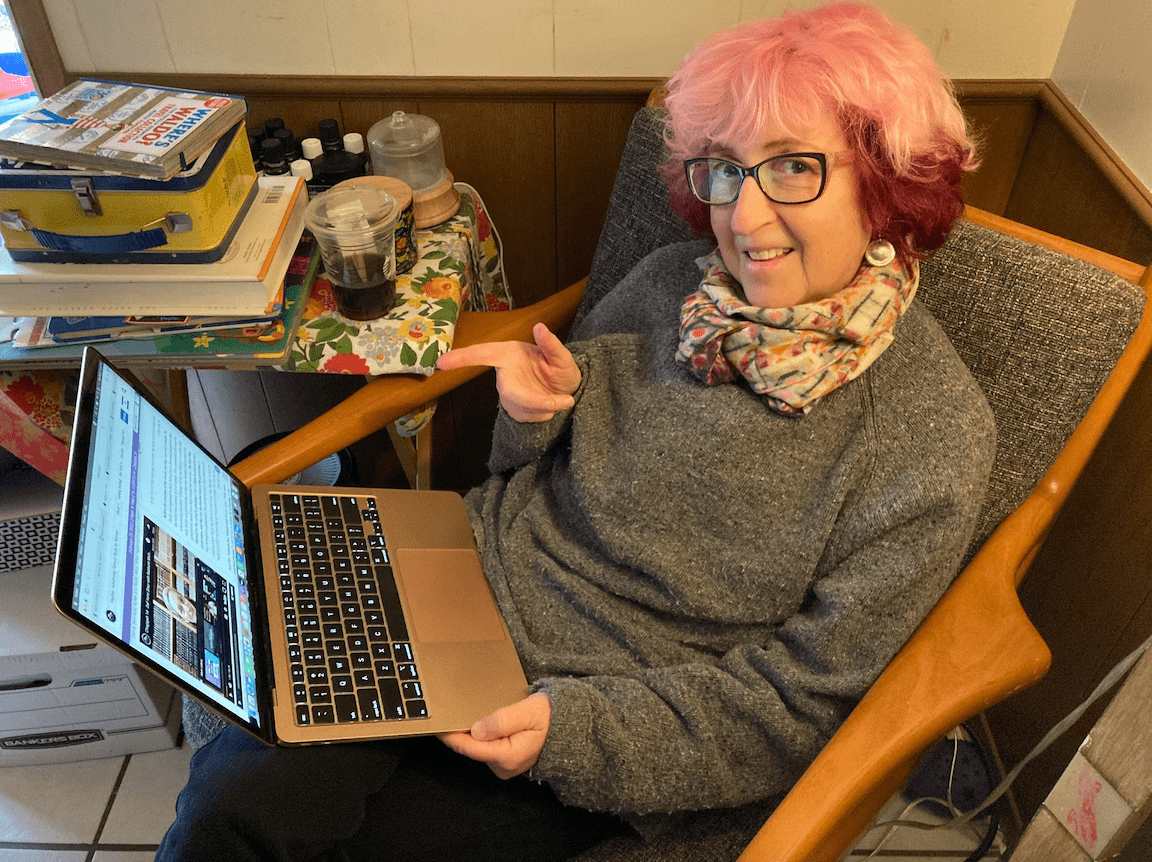
Phoenix, AZ, United States
I attended the Siyum so that I could tell my granddaughter that I had been there. Then I decided to listen on Spotify and after the siyum of Brachot, Covid and zoom began. It gave structure to my day. I learn with people from all over the world who are now my friends – yet most of us have never met. I can’t imagine life without it. Thank you Rabbanit Michelle.
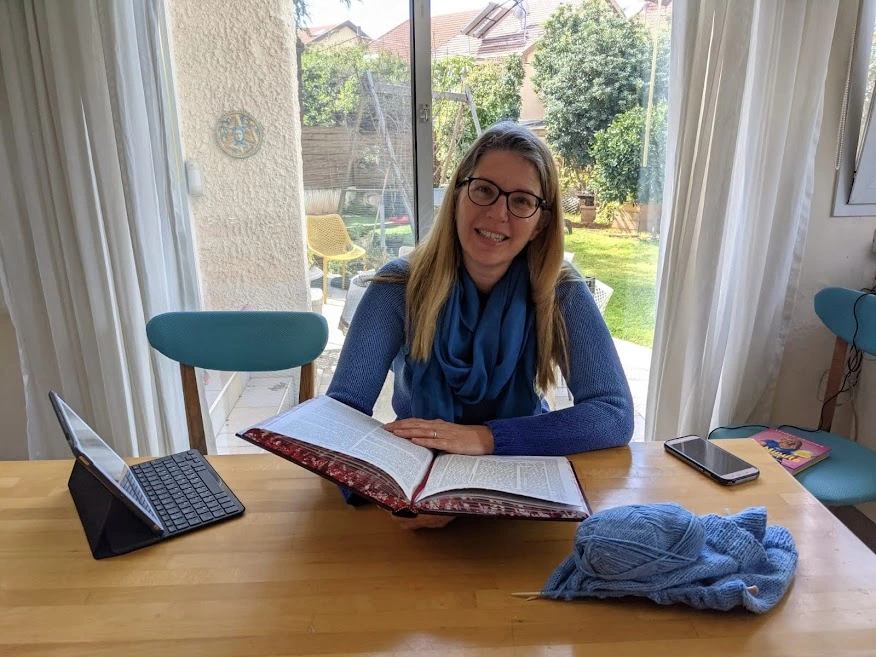
Raanana, Israel
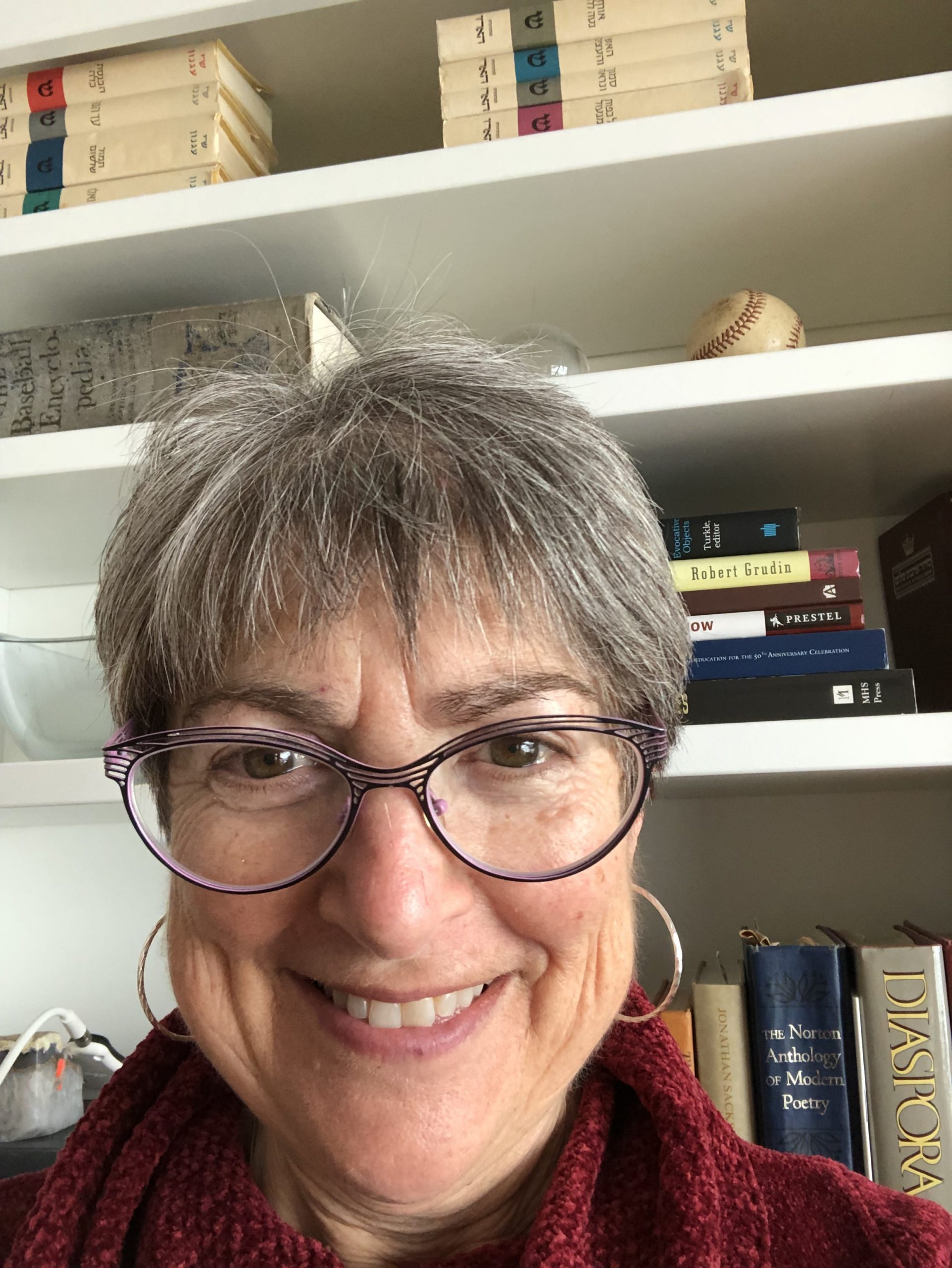
Minneapolis, MN, United States
I began daf yomi in January 2020 with Brachot. I had made aliya 6 months before, and one of my post-aliya goals was to complete a full cycle. As a life-long Tanach teacher, I wanted to swim from one side of the Yam shel Torah to the other. Daf yomi was also my sanity through COVID. It was the way to marking the progression of time, and feel that I could grow and accomplish while time stopped.
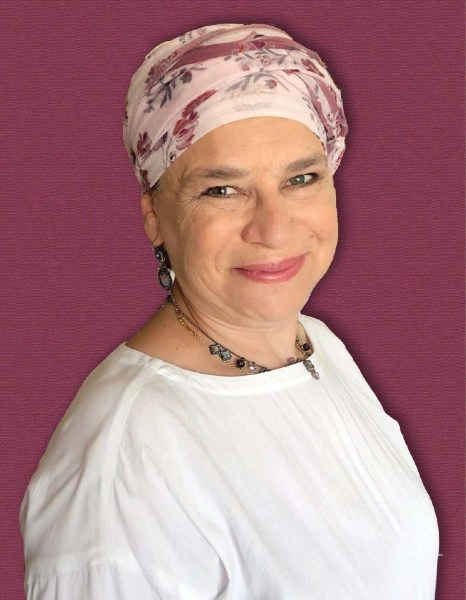
Givat Zev, Israel
New York, United States
I am grateful for the structure of the Daf Yomi. When I am freer to learn to my heart’s content, I learn other passages in addition. But even in times of difficulty, I always know that I can rely on the structure and social support of Daf Yomi learners all over the world.
I am also grateful for this forum. It is very helpful to learn with a group of enthusiastic and committed women.

Beit Shemesh, Israel
Oceanside NY, United States
3 years ago, I joined Rabbanit Michelle to organize the unprecedented Siyum HaShas event in Jerusalem for thousands of women. The whole experience was so inspiring that I decided then to start learning the daf and see how I would go…. and I’m still at it. I often listen to the Daf on my bike in mornings, surrounded by both the external & the internal beauty of Eretz Yisrael & Am Yisrael!

Raanana, Israel
I began Daf Yomi with the last cycle. I was inspired by the Hadran Siyum in Yerushalayim to continue with this cycle. I have learned Daf Yomi with Rabanit Michelle in over 25 countries on 6 continents ( missing Australia)

Silver Spring, MD, United States
It’s hard to believe it has been over two years. Daf yomi has changed my life in so many ways and has been sustaining during this global sea change. Each day means learning something new, digging a little deeper, adding another lens, seeing worlds with new eyes. Daf has also fostered new friendships and deepened childhood connections, as long time friends have unexpectedly become havruta.

Northwest Washington, United States
I started learning Daf in Jan 2020 with Brachot b/c I had never seen the Jewish people united around something so positive, and I wanted to be a part of it. Also, I wanted to broaden my background in Torah Shebal Peh- Maayanot gave me a great gemara education, but I knew that I could hold a conversation in most parts of tanach but almost no TSB. I’m so thankful for Daf and have gained immensely.

NJ, United States
Minneapolis, MN, United States
I started learning at the start of this cycle, and quickly fell in love. It has become such an important part of my day, enriching every part of my life.
Toronto, Canada
I started the daf at the beginning of this cycle in January 2020. My husband, my children, grandchildren and siblings have been very supportive. As someone who learned and taught Tanach and mefarshim for many years, it has been an amazing adventure to complete the six sedarim of Mishnah, and now to study Talmud on a daily basis along with Rabbanit Michelle and the wonderful women of Hadran.
Jerusalem, Israel
I started learning with rabbis. I needed to know more than the stories. My first teacher to show me “the way of the Talmud” as well as the stories was Samara Schwartz.
Michelle Farber started the new cycle 2 yrs ago and I jumped on for the ride.
I do not look back.
Houston, United States
In early January of 2020, I learned about Siyyum HaShas and Daf Yomi via Tablet Magazine’s brief daily podcast about the Daf. I found it compelling and fascinating. Soon I discovered Hadran; since then I have learned the Daf daily with Rabbanit Michelle Cohen Farber. The Daf has permeated my every hour, and has transformed and magnified my place within the Jewish Universe.

San Francisco, CA , United States
In early 2020, I began the process of a stem cell transplant. The required extreme isolation forced me to leave work and normal life but gave me time to delve into Jewish text study. I did not feel isolated. I began Daf Yomi at the start of this cycle, with family members joining me online from my hospital room. I’ve used my newly granted time to to engage, grow and connect through this learning.
Worcester, United States
I was exposed to Talmud in high school, but I was truly inspired after my daughter and I decided to attend the Women’s Siyum Shas in 2020. We knew that this was a historic moment. We were blown away, overcome with emotion at the euphoria of the revolution. Right then, I knew I would continue. My commitment deepened with the every-morning Virtual Beit Midrash on Zoom with R. Michelle.
Zichron Yaakov, Israel
Mamaroneck, NY, United States
When I was working and taking care of my children, learning was never on the list. Now that I have more time I have two different Gemora classes and the nach yomi as well as the mishna yomi daily.
Jerusalem, Israel
Bava Batra 175a
הָכָא נָמֵי, אָדָם עָשׂוּי שֶׁלֹּא לְהַשְׂבִּיעַ אֶת עַצְמוֹ!
Here, too, with regard to the Temple treasury, apply the same principle and say: A person is prone to make false statements so as not to make himself appear sated. It is therefore possible that the money was not owed, and payment should not be made from the consecrated property.
כִּי קָאָמַר רַב הוּנָא הָתָם – דְּנָקֵיט שְׁטָרָא.
The Gemara answers: When does Rav Huna say that payment should be made there, in the case of a person on his deathbed who consecrated all his property? In a case where the creditor, to whom the deceased admitted owing money, holds a promissory note corroborating the deceased’s admission.
מִכְּלָל דְּרַב וּשְׁמוּאֵל – דְּלָא נָקֵיט שְׁטָרָא; אָמַר ״תְּנוּ״ – נוֹתְנִין?! מִלְוֶה עַל פֶּה הֲוָה, וְרַב וּשְׁמוּאֵל דְּאָמְרִי תַּרְוַיְיהוּ: מִלְוֶה עַל פֶּה – אֵינוֹ גּוֹבֶה לֹא מִן הַיּוֹרְשִׁין וְלֹא מִן הַלָּקוֹחוֹת!
The Gemara comments: By inference, the statement of Rav and Shmuel, where the money is not given to the creditor unless the person on his deathbed explicitly requests that it be given, is applicable in a case where the creditor does not hold a promissory note corroborating the admission. The Gemara asks: If so, how can it be that if the deceased says: Give him the money, the children give it to him, i.e., it is collected from the estate left to the heirs, as it is a loan by oral contract, and as Rav and Shmuel both say: One does not collect a loan by oral contract from heirs nor from purchasers who bought land from the debtor after the loan was granted?
אֶלָּא אָמַר רַב נַחְמָן: אִידֵּי וְאִידֵּי דְּנָקֵיט שְׁטָרָא, וְלָא קַשְׁיָא – הָא דִּמְקוּיָּים, הָא דְּלָא מְקוּיָּים; אָמַר ״תְּנוּ״ – קַיְּימֵיהּ לִשְׁטָרֵיהּ, לֹא אָמַר ״תְּנוּ״ – לָא קַיְּימֵיהּ לִשְׁטָרֵיהּ.
The Gemara gives a different answer to this question. Rather, Rav Naḥman said: Both this case and that case are discussing where the creditor holds a promissory note corroborating the deceased’s admission. And yet it is not difficult. In this ruling of Rav Huna, the case is where the creditor’s promissory note has been ratified by the court, and in that ruling of Rav and Shmuel, the case is where the creditor’s promissory note has not been ratified by the court. Therefore, in the latter case, if the person on his deathbed says: Give him the money, he has in effect ratified the creditor’s promissory note, and if he did not say: Give him the money, he has not ratified the creditor’s promissory note.
אָמַר רַבָּה: שְׁכִיב מְרַע שֶׁאָמַר ״מָנֶה לִפְלוֹנִי בְּיָדִי״, וְאָמְרוּ יְתוֹמִין ״פָּרַעְנוּ״ – נֶאֱמָנִין. ״תְּנוּ מָנֶה לִפְלוֹנִי״, וְאָמְרוּ יְתוֹמִין ״פָּרַעְנוּ״ – אֵין נֶאֱמָנִין.
§ Rabba says that in the case of a person on his deathbed who says: So-and-so has one hundred dinars in my possession, and the orphans who inherited his property subsequently said: We repaid the debt, they are deemed credible. But if the father said: Give one hundred dinars to so-and-so, as I owe it to him, and subsequently the orphans said: We repaid him the money, they are not deemed credible.
כְּלַפֵּי לְיָיא? אִיפְּכָא מִסְתַּבְּרָא! אָמַר ״תְּנוּ מָנֶה״ – כֵּיוָן דְּפַסְקַהּ אֲבוּהוֹן לְמִילְּתָא, אִיכָּא לְמֵימַר דְּפַרְעֵיהּ. ״מָנֶה לִפְלוֹנִי בְּיָדִי״ – כֵּיוָן דְּלָא פְּסַק אֲבוּהוֹן לְמִילְּתָא, אִיכָּא לְמֵימַר דְּלָא פַּרְעֵיהּ!
The Gemara objects: Isn’t it the opposite [kelappei layya]? The opposite is more reasonable. If the father says: Give one hundred dinars to so-and-so, since their father stated the matter assertively, as he gave an explicit directive, it could be said that the heirs repaid the money. But if he said: So-and-so has one hundred dinars in my possession, since the orphans’ father did not state the matter assertively, it could be said that the heirs did not repay the creditor.
אֶלָּא אִי אִיתְּמַר, הָכִי אִיתְּמַר: שְׁכִיב מְרַע שֶׁאָמַר ״מָנֶה לִפְלוֹנִי בְּיָדִי״, וְאָמְרוּ יְתוֹמִין: ״חָזַר וְאָמַר לָנוּ אַבָּא: פָּרַעְתִּי״ – נֶאֱמָנִין. מַאי טַעְמָא? אִדְּכוֹרֵי מִידְּכַר. ״תְּנוּ מָנֶה לִפְלוֹנִי״, וְאָמְרוּ יְתוֹמִין: ״חָזַר וְאָמַר אַבָּא: פָּרַעְתִּי״ – אֵין נֶאֱמָנִין. דְּאִם אִיתָא דְּפַרְעֵיהּ, לָא הֲוָה אָמַר ״תְּנוּ״.
The Gemara reformulates Rabba’s statement: Rather, if Rabba’s statement was stated, it was stated as follows: In a case of a person on his deathbed who says: So-and-so has one hundred dinars in my possession, and the orphans subsequently said: After his admission, Father retracted his words and said to us: I repaid the debt, they are deemed credible. What is the reason for this? At first the father had forgotten, but subsequently he remembered repaying the debt. But if the father says assertively: Give one hundred dinars to so-and-so, and the orphans subsequently said: Afterward Father retracted his words and said: I repaid the debt, they are not deemed credible. The reason is that if it is so that the father repaid the debt or was uncertain about the matter, he would not say with such assertiveness: Give the money to him.
בָּעֵי רָבָא: שְׁכִיב מְרַע שֶׁהוֹדָה, מַהוּ? צָרִיךְ לוֹמַר ״אַתֶּם עֵדַי״, אוֹ אֵין צָרִיךְ לוֹמַר ״אַתֶּם עֵדַי״? צָרִיךְ שֶׁיֹּאמַר ״כְּתוֹבוּ״ אוֹ אֵין צָרִיךְ לוֹמַר ״כְּתוֹבוּ״? אָדָם מְשַׁטֶּה בִּשְׁעַת מִיתָה, אוֹ אֵין אָדָם מְשַׁטֶּה בִּשְׁעַת מִיתָה?
§ Rava raises a dilemma: With regard to a person on his deathbed who, upon hearing someone’s monetary claim against him, admitted owing the money to him, what is the halakha? Is it required for him to say to two people: You are my witnesses, as is usually necessary in order to prove that an admission is stated in earnest and not in jest? Or is it perhaps not required for him to say: You are my witnesses, since he is a person on his deathbed, whose instructions are generally binding? Is it required that he say to two people: Write my admission in a document, as is usually required, or is it not required for him to say: Write my admission in a document? The issue in question here is: Does a person sometimes jest at the time of death, i.e., while on his deathbed, or can it be assumed that a person does not jest at the time of death?
בָּתַר דְּבַעְיָא, הֲדַר פַּשְׁטַהּ – אֵין אָדָם מְשַׁטֶּה בִּשְׁעַת מִיתָה, וְדִבְרֵי שְׁכִיב מְרַע כִּכְתוּבִין וְכִמְסוּרִין דָּמוּ.
After Rava raised the dilemma, he then resolved it, and ruled: A person does not jest at the time of death, and therefore the statements of a person on his deathbed are considered as if they were written in a document and transmitted to the relevant party.
מַתְנִי׳ הַמַּלְוֶה אֶת חֲבֵירוֹ בִּשְׁטָר – גּוֹבֶה מִנְּכָסִים מְשׁוּעְבָּדִים. עַל יְדֵי עֵדִים – גּוֹבִין מִנְּכָסִים בְּנֵי חוֹרִין.
MISHNA: One who lends money to another by means of a promissory note can collect the debt from liened property that had been sold to others by the debtor after the loan was granted. One who lends money by means of witnesses, without recording the loan in a promissory note, can collect the debt only from unsold property.

