Search

Bava Batra 175b

Want to dedicate learning? Get started here:

podcast placeholder

0:00
0:00


Summary

Today’s shiur was sponsored by Ilana Kurshan and Daniel Feldman in honor of the siyum.

Study Guide Bava Batra 175-176. What are the differences between a loan with a contract and a loan with an oral agreement?  If a guarantor signs after the loan takes place, can one collect from the guarantor?  An interesting exchange between Rabbi Yishmael and ben Nanas may shed light on the masechet as a whole.

Bava Batra 175b

הוֹצִיא עָלָיו כְּתַב יָדוֹ שֶׁהוּא חַיָּיב לוֹ – גּוֹבֶה מִנְּכָסִים בְּנֵי חוֹרִין.

If one presents to a debtor a document in the handwriting of the debtor stating that he owes money to him, but without witnesses signed on the document, the creditor can collect only from unsold property.

עָרֵב הַיּוֹצֵא לְאַחַר חִיתּוּם שְׁטָרוֹת – גּוֹבֶה מִנְּכָסִים בְּנֵי חוֹרִין.

In the case of a guarantor whose commitment emerged after the signing of the promissory note, the creditor can collect the sum only from unsold property of the guarantor.

מַעֲשֶׂה וּבָא לִפְנֵי רַבִּי יִשְׁמָעֵאל, וְאָמַר: גּוֹבֶה מִנְּכָסִים בְּנֵי חוֹרִין. אָמַר לוֹ בֶּן נַנָּס: אֵינוֹ גּוֹבֶה לֹא מִנְּכָסִים מְשׁוּעְבָּדִים וְלֹא מִנְּכָסִים בְּנֵי חוֹרִין.

The mishna relates: An incident occurred where such a case came before Rabbi Yishmael, and he said: The creditor can collect the sum from unsold property of the guarantor, but not from liened property that he has sold to others. Ben Nannas said to Rabbi Yishmael: The creditor cannot collect the sum from the guarantor at all, not from liened property that has been sold, nor from unsold property.

אָמַר לוֹ: לָמָּה? אָמַר לוֹ: הֲרֵי הַחוֹנֵק אֶת אֶחָד בַּשּׁוּק, וּמְצָאוֹ חֲבֵירוֹ וְאָמַר לוֹ ״הַנַּח לוֹ [וַאֲנִי אֶתֵּן לָךְ]״ – פָּטוּר, שֶׁלֹּא עַל אֱמוּנָתוֹ הִלְוָהוּ. אֶלָּא אֵיזֶה הוּא עָרֵב שֶׁהוּא חַיָּיב? ״הַלְוֵהוּ, וַאֲנִי נוֹתֵן לָךְ״ – חַיָּיב, שֶׁכֵּן עַל אֱמוּנָתוֹ הִלְוָהוּ.

Rabbi Yishmael said to him: Why not? Ben Nannas said to him: If one was strangling someone in the marketplace, demanding repayment of a loan, and another person found him doing so and said to the attacker: Leave him alone and I will give you the money he owes, the person who intervened is exempt from paying, as the creditor did not loan the money in the first place based on his trust of the one who intervened. Rather, who is a guarantor who is obligated to repay the loan he has guaranteed? One who tells the creditor before the loan takes place: Lend money to him, and I will give you the repayment, as in that case the creditor did loan the money based on his trust of the guarantor.

וְאָמַר רַבִּי יִשְׁמָעֵאל: הָרוֹצֶה שֶׁיַּחְכִּים – יַעֲסוֹק בְּדִינֵי מָמוֹנוֹת; שֶׁאֵין לָךְ מִקְצוֹעַ בַּתּוֹרָה יוֹתֵר מֵהֶן, וְהֵן כְּמַעְיָין הַנּוֹבֵעַ. וְהָרוֹצֶה שֶׁיַּעֲסוֹק בְּדִינֵי מָמוֹנוֹת – יְשַׁמֵּשׁ אֶת שִׁמְעוֹן בֶּן נַנָּס.

And Rabbi Yishmael thereupon said: One who wants to become wise should engage in the study of monetary law, as there is no greater discipline in the Torah, and it is like a flowing spring. And, he added, one who wants to engage in the study of monetary law should attend to, i.e., become a disciple of, Shimon ben Nannas.

גְּמָ׳ אָמַר עוּלָּא: דְּבַר תּוֹרָה – אֶחָד מִלְוֶה בִּשְׁטָר, וְאֶחָד מִלְוֶה עַל פֶּה – גּוֹבֶה מִנְּכָסִים מְשׁוּעְבָּדִים. מַאי טַעְמָא? שִׁעְבּוּדָא דְּאוֹרָיְיתָא. וְאֶלָּא מַה טַּעַם אָמְרוּ מִלְוֶה עַל פֶּה אֵינוֹ גּוֹבֶה אֶלָּא מִנְּכָסִין בְּנֵי חוֹרִין? מִשּׁוּם פְּסֵידָא דְלָקוֹחוֹת.

GEMARA: Ulla says: By Torah law, a creditor, whether in the case of a loan with a promissory note or the case of a loan by oral contract, can collect the debt from liened property that has been sold by the debtor subsequent to his receiving the loan. What is the reason for this? The property of a debtor at the time of the loan, even an oral loan, is liened by Torah law. And what is the reason the Sages said that one who gives a loan by oral contract can collect the debt only from unsold property? Because of the loss that would be incurred by purchasers of land if the seller’s creditors could seize the land they have purchased.

אִי הָכִי, מִלְוֶה בִּשְׁטָר נָמֵי! הָתָם, אִינְהוּ נִינְהוּ דְּאַפְסִידוּ אַנַּפְשַׁיְיהוּ.

The Gemara asks: If so, a loan with a promissory note should also not be collected from purchasers of property, as this would cause them a loss. The Gemara answers: There, in the case of a loan recorded in a promissory note, the purchasers, who neglected to investigate the financial status of the seller before purchasing land from him, brought the loss upon themselves. By contrast, loans by oral contract are often impossible to discover, even with a thorough investigation.

וְרַבָּה אָמַר: דְּבַר תּוֹרָה – אֶחָד מִלְוֶה בִּשְׁטָר וְאֶחָד מִלְוֶה עַל פֶּה – אֵינוֹ גּוֹבֶה אֶלָּא מִנְּכָסִים בְּנֵי חוֹרִין. מַאי טַעְמָא? שִׁעְבּוּדָא לָאו דְּאוֹרָיְיתָא. וּמַה טַּעַם אָמְרוּ מִלְוֶה בִּשְׁטָר גּוֹבֶה מִנְּכָסִים מְשׁוּעְבָּדִים? כְּדֵי שֶׁלֹּא תִּנְעוֹל דֶּלֶת בִּפְנֵי לֹוִין.

And Rabba says: By Torah law, a creditor, whether in the case of a loan with a promissory note or the case of a loan by oral contract, can collect the debt only from the debtor’s unsold property. What is the reason for this? The property of a debtor is not liened by Torah law. And what is the reason the Sages said that one who gives a loan with a promissory note can collect the debt from liened property that has been sold? So as not to lock the door in the face of potential borrowers. If one could not collect a debt by taking liened property that has been sold, people would be hesitant to put their money at risk by lending it.

אִי הָכִי, מִלְוֶה עַל פֶּה נָמֵי! הָתָם לֵית לֵיהּ קָלָא.

The Gemara asks: If that is so, that there is a desire to encourage people to lend money by granting greater power of collection to creditors, a loan by oral contract should also be collectible from liened property that has been sold. The Gemara answers: There, in the case of a loan by oral contract, it has no publicity associated with it, so that purchasers often cannot find out about it, even after a thorough investigation, and it would be an unfair burden on them to have the property purchased by them seized in such cases.

וּמִי אָמַר רַבָּה הָכִי? וְהָא אָמַר רַבָּה: גָּבוּ קַרְקַע – יֵשׁ לוֹ. גָּבוּ מָעוֹת – אֵין לוֹ!

The Gemara asks: And did Rabba really say this? But doesn’t Rabba say, in the case of a firstborn son, that if he and his brothers collected a debt from land, he has the right to receive a double portion of that payment, but if they collected a debt from money, he does not have the right to a double portion? A firstborn son is entitled to a double share of inheritance of any property that was owned by his father at the time of his death, but not to profits or income that accrue to the estate after his death. If a debt owed to the father is collected from land after his death, Rabba said that the firstborn is entitled to a double portion, indicating that the land was considered in the father’s possession even before he died, which indicates that Rabba holds that the property of a debtor is liened to a creditor by Torah law.

וְכִי תֵּימָא אֵיפוֹךְ דְּרַבָּה לְעוּלָּא וּדְעוּלָּא לְרַבָּה, וְהָא אָמַר עוּלָּא: דְּבַר תּוֹרָה, בַּעַל חוֹב דִּינֵיהּ בְּזִבּוּרִית!

And if you would say: The opinions as they were cited earlier are attributed incorrectly, and it is necessary to reverse the two opinions, and exchange the opinion of Rabba for that of Ulla, and that of Ulla for that of Rabba, there is a difficulty: But doesn’t Ulla say elsewhere: By Torah law the halakha of a creditor is to collect his debt only from inferior-quality land?

אֶלָּא רַבָּה – טַעְמָא דִּבְנֵי מַעְרְבָא קָאָמַר, וְלֵיהּ לָא סְבִירָא לֵיהּ.

The Gemara resolves the contradiction between Rabba’s two statements: Rather, Rabba was stating an explanation for the opinion of the people of the West, Eretz Yisrael, cited earlier (125a), but he himself does not hold accordingly, as he holds that a firstborn son is not entitled to a double portion of a debt collected from land.

רַב וּשְׁמוּאֵל דְּאָמְרִי תַּרְוַיְיהוּ: מִלְוֶה עַל פֶּה – אֵינוֹ גּוֹבֶה לֹא מִן הַיּוֹרְשִׁין וְלֹא מִן הַלָּקוֹחוֹת. מַאי טַעְמָא? שִׁעְבּוּדָא לָאו דְּאוֹרָיְיתָא.

The Gemara continues to discuss the issue of the extent of liens on a debtor’s property. Rav and Shmuel both say: In the case of a loan by oral contract, the creditor can collect the debt only from the one who took the loan, but not from the heirs of the debtor after his death, and not from purchasers of his property. What is the reason for this? They maintain that the property of a debtor is not liened by Torah law.

רַבִּי יוֹחָנָן וְרַבִּי שִׁמְעוֹן בֶּן לָקִישׁ דְּאָמְרִי תַּרְוַיְיהוּ: מִלְוֶה עַל פֶּה – גּוֹבֶה בֵּין מִן הַיּוֹרְשִׁין, וּבֵין מִן הַלָּקוֹחוֹת. מַאי טַעְמָא? שִׁעְבּוּדָא דְּאוֹרָיְיתָא.

Rabbi Yoḥanan and Rabbi Shimon ben Lakish both say: In the case of a loan by oral contract, the creditor can collect the debt both from the heirs of the debtor after his death and from the purchasers of his property. What is the reason for this? They maintain that the property of a debtor is liened by Torah law.

מֵיתִיבִי: הַחוֹפֵר בּוֹר בִּרְשׁוּת הָרַבִּים, וְנָפַל עָלָיו שׁוֹר וַהֲרָגוֹ – פָּטוּר. וְלֹא עוֹד, אֶלָּא שֶׁאִם מֵת הַשּׁוֹר – יוֹרְשֵׁי בַּעַל הַבּוֹר חַיָּיבִים לְשַׁלֵּם דְּמֵי שׁוֹר לִבְעָלָיו!

The Gemara raises an objection to the opinion of Rav and Shmuel from a baraita (Tosefta, Bava Kamma 6:2): If one was digging a pit in the public domain, and an ox fell on him and killed him as he was in the pit, the owner of the ox is exempt from paying for the damage caused, as it is the one who dug the pit who is at fault. Moreover, if it occurred that the ox died as a result of the fall, the heirs of the owner of the pit are liable to pay the value of the ox to its owner. Compensation for damages is comparable to a loan by oral contract, and yet the baraita states that the heirs of the culpable party must pay it.

אָמַר רַבִּי אִלְעָא אָמַר רַב: בְּשֶׁעָמַד בַּדִּין.

Rabbi Ela says that Rav says: The baraita is discussing a case in which the one who dug the pit stood trial for the damage before he died, and once judgment is rendered by a court, the resulting financial liability is comparable to a loan with a promissory note.

וְהָא ״הֲרָגוֹ״ קָתָנֵי! אָמַר רַב אַדָּא בַּר אַהֲבָה: שֶׁעֲשָׂאוֹ טְרֵפָה.

The Gemara objects: But it is taught in the baraita that the ox killed him by falling on him. How then can one say that he stood trial? Rav Adda bar Ahava says: The baraita does not mean that the ox killed him instantly, but that it rendered him one who has a wound that will cause him to die within twelve months [tereifa], and there was enough time before his death to try him and deem him liable to pay for damages.

וְהָא אָמַר רַב נַחְמָן, תָּנֵי תַּנָּא: ״מֵת וּקְבָרוֹ״! הָתָם – דְּיָתְבִי דַּיָּינֵי אַפּוּמָּא דְבֵירָא, וְחַיְּיבוּהוּ.

The Gemara objects that there is a different version of the baraita according to which this interpretation is not possible: But doesn’t Rav Naḥman say that a certain tanna taught the baraita with a different formulation, stating that the one who dug the pit died from the impact of the ox and the ox in effect buried him in the ground at the bottom of the pit? In this scenario it would be impossible to take the one who dug the pit to court to stand trial. The Gemara answers: There, according to that second version, it is discussing a case where judges sat at the opening of the pit and deemed liable the one who dug the pit to pay for the damage before he died.

New to Talmud?

Check out our resources designed to help you navigate a page of Talmud – and study at the pace, level and style that fits you. 

The Hadran Women’s Tapestry

Meet the diverse women learning Gemara at Hadran and hear their stories. 

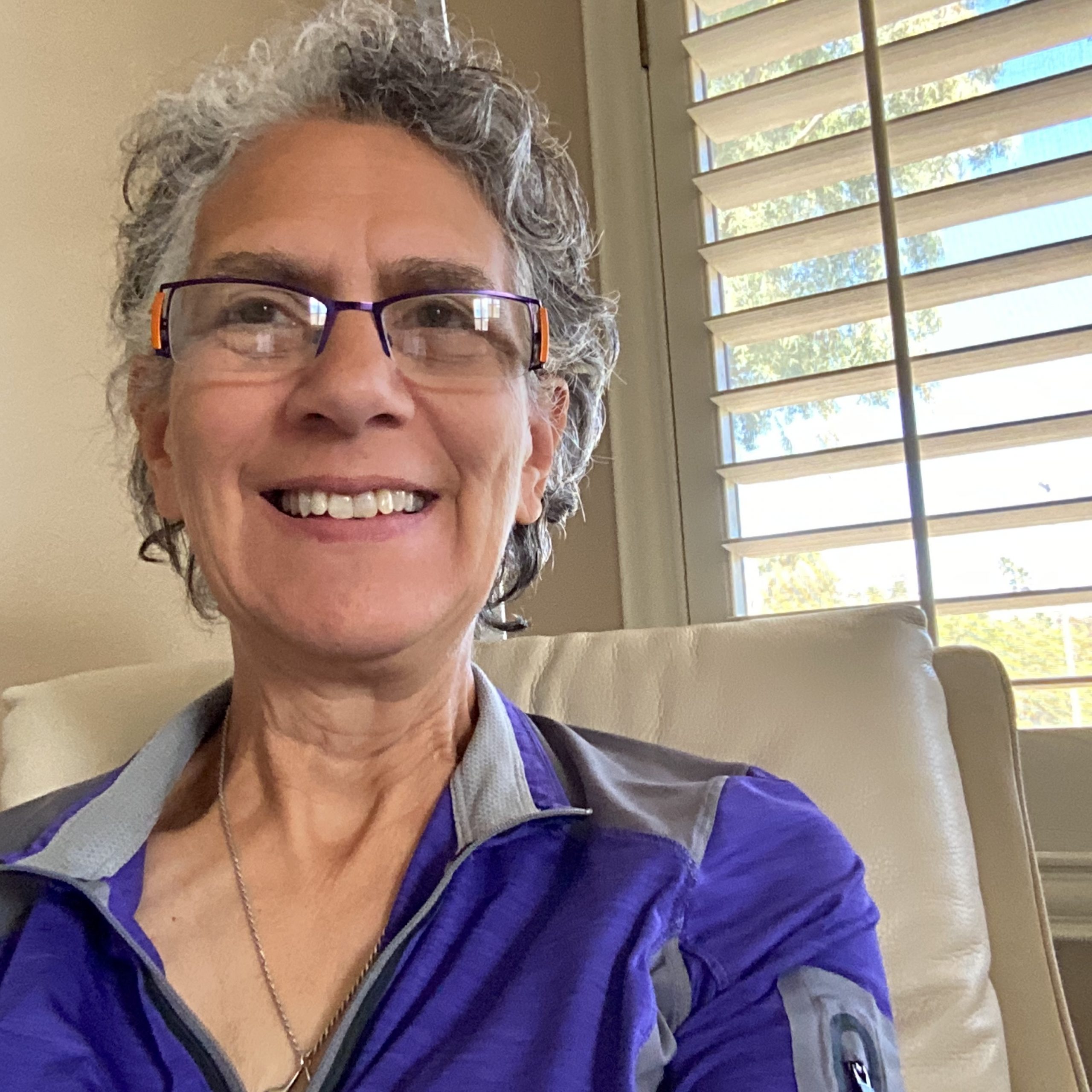
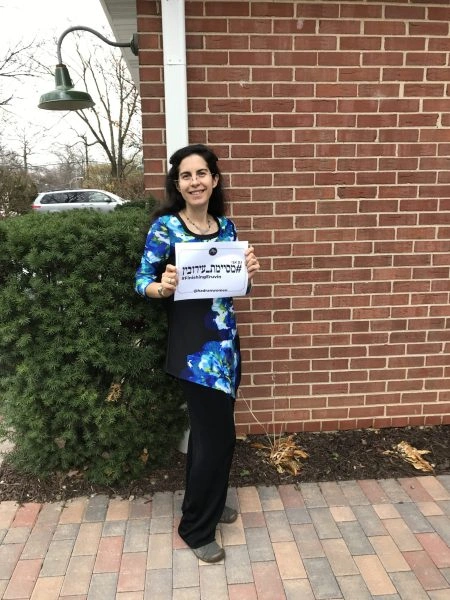
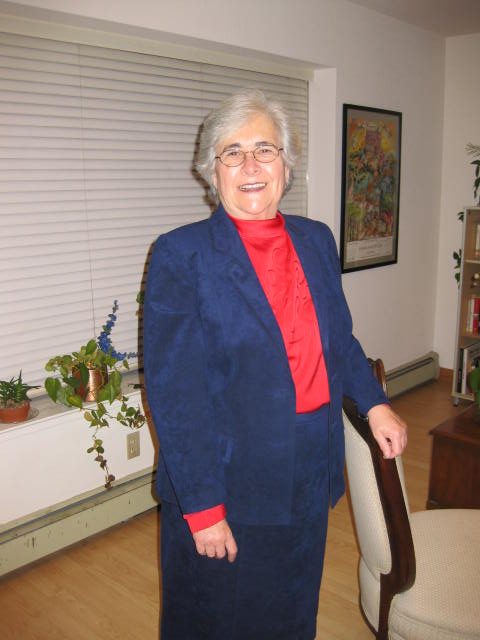
Margo
I started my Talmud journey in 7th grade at Akiba Jewish Day School in Chicago. I started my Daf Yomi journey after hearing Erica Brown speak at the Hadran Siyum about marking the passage of time through Daf Yomi.

Carolyn
I started my Talmud journey post-college in NY with a few classes. I started my Daf Yomi journey after the Hadran Siyum, which inspired both my son and myself.

Carolyn Hochstadter and Margo Kossoff Shizgal

Merion Station,  USA

Beit Shemesh, Israel

I am a Reform rabbi and took Talmud courses in rabbinical school, but I knew there was so much more to learn. It felt inauthentic to serve as a rabbi without having read the entire Talmud, so when the opportunity arose to start Daf Yomi in 2020, I dove in! Thanks to Hadran, Daf Yomi has enriched my understanding of rabbinic Judaism and deepened my love of Jewish text & tradition. Todah rabbah!

Rabbi Nicki Greninger

California, United States

A few years back, after reading Ilana Kurshan’s book, “If All The Seas Were Ink,” I began pondering the crazy, outlandish idea of beginning the Daf Yomi cycle. Beginning in December, 2019, a month before the previous cycle ended, I “auditioned” 30 different podcasts in 30 days, and ultimately chose to take the plunge with Hadran and Rabbanit Michelle. Such joy!

Cindy Dolgin
Cindy Dolgin

HUNTINGTON, United States

I LOVE learning the Daf. I started with Shabbat. I join the morning Zoom with Reb Michelle and it totally grounds my day. When Corona hit us in Israel, I decided that I would use the Daf to keep myself sane, especially during the days when we could not venture out more than 300 m from our home. Now my husband and I have so much new material to talk about! It really is the best part of my day!

Batsheva Pava
Batsheva Pava

Hashmonaim, Israel

Since I started in January of 2020, Daf Yomi has changed my life. It connects me to Jews all over the world, especially learned women. It makes cooking, gardening, and folding laundry into acts of Torah study. Daf Yomi enables me to participate in a conversation with and about our heritage that has been going on for more than 2000 years.

Shira Eliaser
Shira Eliaser

Skokie, IL, United States

When I began learning Daf Yomi at the beginning of the current cycle, I was preparing for an upcoming surgery and thought that learning the Daf would be something positive I could do each day during my recovery, even if I accomplished nothing else. I had no idea what a lifeline learning the Daf would turn out to be in so many ways.

Laura Shechter
Laura Shechter

Lexington, MA, United States

I began learning the daf in January 2022. I initially “flew under the radar,” sharing my journey with my husband and a few close friends. I was apprehensive – who, me? Gemara? Now, 2 years in, I feel changed. The rigor of a daily commitment frames my days. The intellectual engagement enhances my knowledge. And the virtual community of learners has become a new family, weaving a glorious tapestry.

Gitta Jaroslawicz-Neufeld

Far Rockaway, United States

I never thought I’d be able to do Daf Yomi till I saw the video of Hadran’s Siyum HaShas. Now, 2 years later, I’m about to participate in Siyum Seder Mo’ed with my Hadran community. It has been an incredible privilege to learn with Rabbanit Michelle and to get to know so many caring, talented and knowledgeable women. I look forward with great anticipation and excitement to learning Seder Nashim.

Caroline-Ben-Ari-Tapestry
Caroline Ben-Ari

Karmiel, Israel

I have joined the community of daf yomi learners at the start of this cycle. I have studied in different ways – by reading the page, translating the page, attending a local shiur and listening to Rabbanit Farber’s podcasts, depending on circumstances and where I was at the time. The reactions have been positive throughout – with no exception!

Silke Goldberg
Silke Goldberg

Guildford, United Kingdom

A Gemara shiur previous to the Hadran Siyum, was the impetus to attend it.It was highly inspirational and I was smitten. The message for me was התלמוד בידינו. I had decided along with my Chahsmonaim group to to do the daf and take it one daf at time- without any expectations at all. There has been a wealth of information, insights and halachik ideas. It is truly exercise of the mind, heart & Soul

Phyllis Hecht.jpeg
Phyllis Hecht

Hashmonaim, Israel

I started my Daf Yomi journey at the beginning of the COVID19 pandemic.

Karena Perry
Karena Perry

Los Angeles, United States

I started learning after the siyum hashas for women and my daily learning has been a constant over the last two years. It grounded me during the chaos of Corona while providing me with a community of fellow learners. The Daf can be challenging but it’s filled with life’s lessons, struggles and hope for a better world. It’s not about the destination but rather about the journey. Thank you Hadran!

Dena Lehrman
Dena Lehrman

אפרת, Israel

I learned daf more off than on 40 years ago. At the beginning of the current cycle, I decided to commit to learning daf regularly. Having Rabanit Michelle available as a learning partner has been amazing. Sometimes I learn with Hadran, sometimes with my husband, and sometimes on my own. It’s been fun to be part of an extended learning community.

Miriam Pollack
Miriam Pollack

Honolulu, Hawaii, United States

I started to listen to Michelle’s podcasts four years ago. The minute I started I was hooked. I’m so excited to learn the entire Talmud, and think I will continue always. I chose the quote “while a woman is engaged in conversation she also holds the spindle”. (Megillah 14b). It reminds me of all of the amazing women I learn with every day who multi-task, think ahead and accomplish so much.

Julie Mendelsohn
Julie Mendelsohn

Zichron Yakov, Israel

While vacationing in San Diego, Rabbi Leah Herz asked if I’d be interested in being in hevruta with her to learn Daf Yomi through Hadran. Why not? I had loved learning Gemara in college in 1971 but hadn’t returned. With the onset of covid, Daf Yomi and Rabbanit Michelle centered me each day. Thank-you for helping me grow and enter this amazing world of learning.
Meryll Page
Meryll Page

Minneapolis, MN, United States

I started learning Daf Yomi because my sister, Ruth Leah Kahan, attended Michelle’s class in person and suggested I listen remotely. She always sat near Michelle and spoke up during class so that I could hear her voice. Our mom had just died unexpectedly and it made me feel connected to hear Ruth Leah’s voice, and now to know we are both listening to the same thing daily, continents apart.
Jessica Shklar
Jessica Shklar

Philadelphia, United States

3 years ago, I joined Rabbanit Michelle to organize the unprecedented Siyum HaShas event in Jerusalem for thousands of women. The whole experience was so inspiring that I decided then to start learning the daf and see how I would go…. and I’m still at it. I often listen to the Daf on my bike in mornings, surrounded by both the external & the internal beauty of Eretz Yisrael & Am Yisrael!

Lisa Kolodny
Lisa Kolodny

Raanana, Israel

I graduated college in December 2019 and received a set of shas as a present from my husband. With my long time dream of learning daf yomi, I had no idea that a new cycle was beginning just one month later, in January 2020. I have been learning the daf ever since with Michelle Farber… Through grad school, my first job, my first baby, and all the other incredible journeys over the past few years!
Sigal Spitzer Flamholz

Bronx, United States

I started learning Gemara at the Yeshivah of Flatbush. And I resumed ‘ברוך ה decades later with Rabbanit Michele at Hadran. I started from Brachot and have had an exciting, rewarding experience throughout seder Moed!

Anne Mirsky (1)
Anne Mirsky

Maale Adumim, Israel

I had no formal learning in Talmud until I began my studies in the Joint Program where in 1976 I was one of the few, if not the only, woman talmud major. It was superior training for law school and enabled me to approach my legal studies with a foundation . In 2018, I began daf yomi listening to Rabbanit MIchelle’s pod cast and my daily talmud studies are one of the highlights of my life.

Krivosha_Terri_Bio
Terri Krivosha

Minneapolis, United States

Bava Batra 175b

הוֹצִיא עָלָיו כְּתַב יָדוֹ שֶׁהוּא חַיָּיב לוֹ – גּוֹבֶה מִנְּכָסִים בְּנֵי חוֹרִין.

If one presents to a debtor a document in the handwriting of the debtor stating that he owes money to him, but without witnesses signed on the document, the creditor can collect only from unsold property.

עָרֵב הַיּוֹצֵא לְאַחַר חִיתּוּם שְׁטָרוֹת – גּוֹבֶה מִנְּכָסִים בְּנֵי חוֹרִין.

In the case of a guarantor whose commitment emerged after the signing of the promissory note, the creditor can collect the sum only from unsold property of the guarantor.

מַעֲשֶׂה וּבָא לִפְנֵי רַבִּי יִשְׁמָעֵאל, וְאָמַר: גּוֹבֶה מִנְּכָסִים בְּנֵי חוֹרִין. אָמַר לוֹ בֶּן נַנָּס: אֵינוֹ גּוֹבֶה לֹא מִנְּכָסִים מְשׁוּעְבָּדִים וְלֹא מִנְּכָסִים בְּנֵי חוֹרִין.

The mishna relates: An incident occurred where such a case came before Rabbi Yishmael, and he said: The creditor can collect the sum from unsold property of the guarantor, but not from liened property that he has sold to others. Ben Nannas said to Rabbi Yishmael: The creditor cannot collect the sum from the guarantor at all, not from liened property that has been sold, nor from unsold property.

אָמַר לוֹ: לָמָּה? אָמַר לוֹ: הֲרֵי הַחוֹנֵק אֶת אֶחָד בַּשּׁוּק, וּמְצָאוֹ חֲבֵירוֹ וְאָמַר לוֹ ״הַנַּח לוֹ [וַאֲנִי אֶתֵּן לָךְ]״ – פָּטוּר, שֶׁלֹּא עַל אֱמוּנָתוֹ הִלְוָהוּ. אֶלָּא אֵיזֶה הוּא עָרֵב שֶׁהוּא חַיָּיב? ״הַלְוֵהוּ, וַאֲנִי נוֹתֵן לָךְ״ – חַיָּיב, שֶׁכֵּן עַל אֱמוּנָתוֹ הִלְוָהוּ.

Rabbi Yishmael said to him: Why not? Ben Nannas said to him: If one was strangling someone in the marketplace, demanding repayment of a loan, and another person found him doing so and said to the attacker: Leave him alone and I will give you the money he owes, the person who intervened is exempt from paying, as the creditor did not loan the money in the first place based on his trust of the one who intervened. Rather, who is a guarantor who is obligated to repay the loan he has guaranteed? One who tells the creditor before the loan takes place: Lend money to him, and I will give you the repayment, as in that case the creditor did loan the money based on his trust of the guarantor.

וְאָמַר רַבִּי יִשְׁמָעֵאל: הָרוֹצֶה שֶׁיַּחְכִּים – יַעֲסוֹק בְּדִינֵי מָמוֹנוֹת; שֶׁאֵין לָךְ מִקְצוֹעַ בַּתּוֹרָה יוֹתֵר מֵהֶן, וְהֵן כְּמַעְיָין הַנּוֹבֵעַ. וְהָרוֹצֶה שֶׁיַּעֲסוֹק בְּדִינֵי מָמוֹנוֹת – יְשַׁמֵּשׁ אֶת שִׁמְעוֹן בֶּן נַנָּס.

And Rabbi Yishmael thereupon said: One who wants to become wise should engage in the study of monetary law, as there is no greater discipline in the Torah, and it is like a flowing spring. And, he added, one who wants to engage in the study of monetary law should attend to, i.e., become a disciple of, Shimon ben Nannas.

גְּמָ׳ אָמַר עוּלָּא: דְּבַר תּוֹרָה – אֶחָד מִלְוֶה בִּשְׁטָר, וְאֶחָד מִלְוֶה עַל פֶּה – גּוֹבֶה מִנְּכָסִים מְשׁוּעְבָּדִים. מַאי טַעְמָא? שִׁעְבּוּדָא דְּאוֹרָיְיתָא. וְאֶלָּא מַה טַּעַם אָמְרוּ מִלְוֶה עַל פֶּה אֵינוֹ גּוֹבֶה אֶלָּא מִנְּכָסִין בְּנֵי חוֹרִין? מִשּׁוּם פְּסֵידָא דְלָקוֹחוֹת.

GEMARA: Ulla says: By Torah law, a creditor, whether in the case of a loan with a promissory note or the case of a loan by oral contract, can collect the debt from liened property that has been sold by the debtor subsequent to his receiving the loan. What is the reason for this? The property of a debtor at the time of the loan, even an oral loan, is liened by Torah law. And what is the reason the Sages said that one who gives a loan by oral contract can collect the debt only from unsold property? Because of the loss that would be incurred by purchasers of land if the seller’s creditors could seize the land they have purchased.

אִי הָכִי, מִלְוֶה בִּשְׁטָר נָמֵי! הָתָם, אִינְהוּ נִינְהוּ דְּאַפְסִידוּ אַנַּפְשַׁיְיהוּ.

The Gemara asks: If so, a loan with a promissory note should also not be collected from purchasers of property, as this would cause them a loss. The Gemara answers: There, in the case of a loan recorded in a promissory note, the purchasers, who neglected to investigate the financial status of the seller before purchasing land from him, brought the loss upon themselves. By contrast, loans by oral contract are often impossible to discover, even with a thorough investigation.

וְרַבָּה אָמַר: דְּבַר תּוֹרָה – אֶחָד מִלְוֶה בִּשְׁטָר וְאֶחָד מִלְוֶה עַל פֶּה – אֵינוֹ גּוֹבֶה אֶלָּא מִנְּכָסִים בְּנֵי חוֹרִין. מַאי טַעְמָא? שִׁעְבּוּדָא לָאו דְּאוֹרָיְיתָא. וּמַה טַּעַם אָמְרוּ מִלְוֶה בִּשְׁטָר גּוֹבֶה מִנְּכָסִים מְשׁוּעְבָּדִים? כְּדֵי שֶׁלֹּא תִּנְעוֹל דֶּלֶת בִּפְנֵי לֹוִין.

And Rabba says: By Torah law, a creditor, whether in the case of a loan with a promissory note or the case of a loan by oral contract, can collect the debt only from the debtor’s unsold property. What is the reason for this? The property of a debtor is not liened by Torah law. And what is the reason the Sages said that one who gives a loan with a promissory note can collect the debt from liened property that has been sold? So as not to lock the door in the face of potential borrowers. If one could not collect a debt by taking liened property that has been sold, people would be hesitant to put their money at risk by lending it.

אִי הָכִי, מִלְוֶה עַל פֶּה נָמֵי! הָתָם לֵית לֵיהּ קָלָא.

The Gemara asks: If that is so, that there is a desire to encourage people to lend money by granting greater power of collection to creditors, a loan by oral contract should also be collectible from liened property that has been sold. The Gemara answers: There, in the case of a loan by oral contract, it has no publicity associated with it, so that purchasers often cannot find out about it, even after a thorough investigation, and it would be an unfair burden on them to have the property purchased by them seized in such cases.

וּמִי אָמַר רַבָּה הָכִי? וְהָא אָמַר רַבָּה: גָּבוּ קַרְקַע – יֵשׁ לוֹ. גָּבוּ מָעוֹת – אֵין לוֹ!

The Gemara asks: And did Rabba really say this? But doesn’t Rabba say, in the case of a firstborn son, that if he and his brothers collected a debt from land, he has the right to receive a double portion of that payment, but if they collected a debt from money, he does not have the right to a double portion? A firstborn son is entitled to a double share of inheritance of any property that was owned by his father at the time of his death, but not to profits or income that accrue to the estate after his death. If a debt owed to the father is collected from land after his death, Rabba said that the firstborn is entitled to a double portion, indicating that the land was considered in the father’s possession even before he died, which indicates that Rabba holds that the property of a debtor is liened to a creditor by Torah law.

וְכִי תֵּימָא אֵיפוֹךְ דְּרַבָּה לְעוּלָּא וּדְעוּלָּא לְרַבָּה, וְהָא אָמַר עוּלָּא: דְּבַר תּוֹרָה, בַּעַל חוֹב דִּינֵיהּ בְּזִבּוּרִית!

And if you would say: The opinions as they were cited earlier are attributed incorrectly, and it is necessary to reverse the two opinions, and exchange the opinion of Rabba for that of Ulla, and that of Ulla for that of Rabba, there is a difficulty: But doesn’t Ulla say elsewhere: By Torah law the halakha of a creditor is to collect his debt only from inferior-quality land?

אֶלָּא רַבָּה – טַעְמָא דִּבְנֵי מַעְרְבָא קָאָמַר, וְלֵיהּ לָא סְבִירָא לֵיהּ.

The Gemara resolves the contradiction between Rabba’s two statements: Rather, Rabba was stating an explanation for the opinion of the people of the West, Eretz Yisrael, cited earlier (125a), but he himself does not hold accordingly, as he holds that a firstborn son is not entitled to a double portion of a debt collected from land.

רַב וּשְׁמוּאֵל דְּאָמְרִי תַּרְוַיְיהוּ: מִלְוֶה עַל פֶּה – אֵינוֹ גּוֹבֶה לֹא מִן הַיּוֹרְשִׁין וְלֹא מִן הַלָּקוֹחוֹת. מַאי טַעְמָא? שִׁעְבּוּדָא לָאו דְּאוֹרָיְיתָא.

The Gemara continues to discuss the issue of the extent of liens on a debtor’s property. Rav and Shmuel both say: In the case of a loan by oral contract, the creditor can collect the debt only from the one who took the loan, but not from the heirs of the debtor after his death, and not from purchasers of his property. What is the reason for this? They maintain that the property of a debtor is not liened by Torah law.

רַבִּי יוֹחָנָן וְרַבִּי שִׁמְעוֹן בֶּן לָקִישׁ דְּאָמְרִי תַּרְוַיְיהוּ: מִלְוֶה עַל פֶּה – גּוֹבֶה בֵּין מִן הַיּוֹרְשִׁין, וּבֵין מִן הַלָּקוֹחוֹת. מַאי טַעְמָא? שִׁעְבּוּדָא דְּאוֹרָיְיתָא.

Rabbi Yoḥanan and Rabbi Shimon ben Lakish both say: In the case of a loan by oral contract, the creditor can collect the debt both from the heirs of the debtor after his death and from the purchasers of his property. What is the reason for this? They maintain that the property of a debtor is liened by Torah law.

מֵיתִיבִי: הַחוֹפֵר בּוֹר בִּרְשׁוּת הָרַבִּים, וְנָפַל עָלָיו שׁוֹר וַהֲרָגוֹ – פָּטוּר. וְלֹא עוֹד, אֶלָּא שֶׁאִם מֵת הַשּׁוֹר – יוֹרְשֵׁי בַּעַל הַבּוֹר חַיָּיבִים לְשַׁלֵּם דְּמֵי שׁוֹר לִבְעָלָיו!

The Gemara raises an objection to the opinion of Rav and Shmuel from a baraita (Tosefta, Bava Kamma 6:2): If one was digging a pit in the public domain, and an ox fell on him and killed him as he was in the pit, the owner of the ox is exempt from paying for the damage caused, as it is the one who dug the pit who is at fault. Moreover, if it occurred that the ox died as a result of the fall, the heirs of the owner of the pit are liable to pay the value of the ox to its owner. Compensation for damages is comparable to a loan by oral contract, and yet the baraita states that the heirs of the culpable party must pay it.

אָמַר רַבִּי אִלְעָא אָמַר רַב: בְּשֶׁעָמַד בַּדִּין.

Rabbi Ela says that Rav says: The baraita is discussing a case in which the one who dug the pit stood trial for the damage before he died, and once judgment is rendered by a court, the resulting financial liability is comparable to a loan with a promissory note.

וְהָא ״הֲרָגוֹ״ קָתָנֵי! אָמַר רַב אַדָּא בַּר אַהֲבָה: שֶׁעֲשָׂאוֹ טְרֵפָה.

The Gemara objects: But it is taught in the baraita that the ox killed him by falling on him. How then can one say that he stood trial? Rav Adda bar Ahava says: The baraita does not mean that the ox killed him instantly, but that it rendered him one who has a wound that will cause him to die within twelve months [tereifa], and there was enough time before his death to try him and deem him liable to pay for damages.

וְהָא אָמַר רַב נַחְמָן, תָּנֵי תַּנָּא: ״מֵת וּקְבָרוֹ״! הָתָם – דְּיָתְבִי דַּיָּינֵי אַפּוּמָּא דְבֵירָא, וְחַיְּיבוּהוּ.

The Gemara objects that there is a different version of the baraita according to which this interpretation is not possible: But doesn’t Rav Naḥman say that a certain tanna taught the baraita with a different formulation, stating that the one who dug the pit died from the impact of the ox and the ox in effect buried him in the ground at the bottom of the pit? In this scenario it would be impossible to take the one who dug the pit to court to stand trial. The Gemara answers: There, according to that second version, it is discussing a case where judges sat at the opening of the pit and deemed liable the one who dug the pit to pay for the damage before he died.

Want to follow content and continue where you left off?

Create an account today to track your progress, mark what you’ve learned, and follow the shiurim that speak to you.

Clear all items from this list?

This will remove ALL the items in this section. You will lose any progress or history connected to them. This is irreversible.

Cancel
Yes, clear all

Are you sure you want to delete this item?

You will lose any progress or history connected to this item.

Cancel
Yes, delete