Search

Bava Batra 29

Want to dedicate learning? Get started here:

podcast placeholder

0:00
0:00


Summary

Today’s daf is sponsored by Masha and Yisroel Rotman in loving memory of Masha’s father, Solomon Maltz, Shlomo Emanuel ben Yaakov Yitzchok, on his 20th yahrzeit. “It was very important to Ta that his daughters receive a good Jewish education, and he respected Torah learning immensely. He would have been proud that I am learning the Daf Yomi.”

Rava gives a third interpretation of why one can claim ownership over land one has been benefiting from for three years. After a few comments by Abaye, Rava modifies his answer, concluding that after three years, people are not careful to keep their documents. Therefore, if the owner did not protest within three years, the possessor can prove ownership. Rav Huna explains that the three years need to be consecutive. Difficulties are raised against Rav Huna, as well as qualifying statements. Two rabbis purchased a female slave together and she worked for each one on alternative years. When the original owner raised doubts regarding their ownership, Rava ruled that they did not create a chazaka as she only worked for each on alternative years. If one benefited from the produce from a field for three years, but not from a certain small piece of the property (size of a beit rova, for planting a quarter of a kav of seeds, or more), they do not have ownership rights to the small area. Rav Huna son of Rabbi Yehoshua limits this to a case where the land was suitable for planting, but Rav Bivi disagrees. There was a case where one tried to kick someone off the land, claiming he was the real owner. The possessor claimed he bought the land from the other and benefited from the produce for three years without the original owner protesting. The original owner explained that he had a legitimate reason why he had not protested and Rav Nachman ruled that the possessor had to prove that this was not the case. Rava disagreed based on the principle hamotzi m’chavero alav haraya, the burden of proof rests upon the claimant.

Bava Batra 29

דְּאִי לָא תֵּימָא הָכִי, ״בְּנוּ בָתִּים וְשֵׁבוּ, וְנִטְעוּ גַנּוֹת וְאִכְלוּ אֶת פִּרְיָן״ – מַאי קָאָמַר? אֶלָּא עֵצָה טוֹבָה קָא מַשְׁמַע לַן; הָכָא נָמֵי – עֵצָה טוֹבָה קָא מַשְׁמַע לַן. תִּדַּע, דִּכְתִיב: ״וּנְתַתָּם בִּכְלִי חָרֶשׂ, לְמַעַן יַעַמְדוּ יָמִים רַבִּים״.

Because if you do not say so, then when he states: “Build houses, and dwell in them, and plant gardens, and eat the fruit of them” (Jeremiah 29:5), what halakhic statement was he saying? Rather, he teaches us good advice, and here too he teaches us good advice. The Gemara comments: Know that this was mere advice, as it is written: “And put them in an earthen vessel; that they may continue many days” (Jeremiah 32:14). This is obviously good advice to preserve the items properly, and is not a halakhic statement. Therefore, this is not a proof that the presumption of ownership cannot be established in under three years.

אֶלָּא אָמַר רָבָא: שַׁתָּא קַמַּיְיתָא מָחֵיל אִינִישׁ, תַּרְתֵּי מָחֵיל, תְּלָת לָא מָחֵיל.

Rather, Rava said a different reason: A person who sees another profiting from his field might waive his rights during the first year, and he might waive his rights for two years, but he will not waive his rights for three years. Therefore, if one does not lodge a protest by the end of the third year, it is tantamount to a concession that the land is not his.

אֲמַר לֵיהּ אַבָּיֵי: אֶלָּא מֵעַתָּה, כִּי הָדְרָא אַרְעָא, תִּיהְדַּר לְבַר מִפֵּירֵי! אַלְּמָה אָמַר רַב נַחְמָן: הָדְרָא אַרְעָא וְהָדְרִי פֵּירֵי?

Abaye said to him: If that is so, when it becomes clear that the land is in fact owned by another and it is returned to its owner, it should be returned, save for the produce that the possessor consumed during the first two years, as the owner waived his rights to it. Why did Rav Naḥman say: The land is returned and the produce is returned?

אֶלָּא, אָמַר רָבָא: שַׁתָּא קַמַּיְיתָא לָא קָפֵיד אִינִישׁ, תַּרְתֵּי לָא קָפֵיד, תְּלָת קָפֵיד.

Rather, Rava said a different reason: A person is not particular the first year to lodge a protest, and he is not particular for two years, even though he does not waive his rights to the produce. He is particular to lodge a protest when he sees another profiting from his field for three years. Therefore, if one does not lodge a protest by the end of the third year, it is tantamount to a concession that the land is not his.

אֲמַר לֵיהּ אַבָּיֵי: אֶלָּא מֵעַתָּה, כְּגוֹן הָנֵי דְּבֵי בַּר אֶלְיָשִׁיב – דְּקָפְדִי אֲפִילּוּ אַמַּאן דְּחָלֵיף אַמִּיצְרָא דִידְהוּ, הָכִי נָמֵי דִּלְאַלְתַּר הָוֵי חֲזָקָה? וְכִי תֵּימָא הָכִי נָמֵי, אִם כֵּן נָתַתָּ דְּבָרֶיךָ לְשִׁיעוּרִין!

Abaye said to him: If that is so, for people such as those of the bar Elyashiv household, who are particular even with regard to one who goes on the boundary of their field, here too, will you say that presumptive ownership is established immediately, as soon as one makes use of their property without their lodging a protest? And if you would say that is indeed the halakha, if so, you have subjected your statement to the varying circumstances of each case, as there will be a different length of time needed to establish the presumption of ownership depending on who the prior owner is. This is untenable.

אֶלָּא אָמַר רָבָא: שַׁתָּא קַמַּיְיתָא מִיזְדְּהַר אִינִישׁ בִּשְׁטָרֵיהּ, תַּרְתֵּי וּתְלָת מִיזְדְּהַר, טְפֵי לָא מִיזְדְּהַר.

Rather, Rava said a different reason: A person is careful with his document detailing his purchase of land for the first year after the purchase, and he is also careful for two and three years. For more time than that, he is not careful and might discard the document if no one has lodged a protest concerning his possession of the land. Therefore, the Sages ruled that after three years have passed, he can prove his ownership by means of presumptive ownership.

אֲמַר לֵיהּ אַבָּיֵי: אֶלָּא מֵעַתָּה, מֶחָאָה שֶׁלֹּא בְּפָנָיו – לָא תִּיהְוֵי מֶחָאָה, דַּאֲמַר לֵיהּ: אִי מַחֵית בְּאַפַּאי, הֲוָה מִיזְדְהַרְנָא בִּשְׁטָרַאי!

Abaye said to him: If that is so, a protest that is lodged not in his presence should not be a valid protest, and if three years pass with no protest in his presence, presumptive ownership should be established even if there was a protest lodged before other people. This is because the one possessing the land can say to the claimant: If you had protested in my presence, I would have been careful with my document and would not have discarded it.

דְּאָמַר לֵיהּ: חַבְרָךְ חַבְרָא אִית לֵיהּ, וְחַבְרָא דְחַבְרָךְ – חַבְרָא אִית לֵיהּ.

The Gemara explains that this claim would not be accepted, because the claimant can say to him: Your friend has a friend, and your friend’s friend has a friend, and the assumption is that word of the protest reached you.

אָמַר רַב הוּנָא: שָׁלֹשׁ שָׁנִים שֶׁאָמְרוּ, הוּא שֶׁאֲכָלָן רְצוּפוֹת. מַאי קָמַשְׁמַע לַן? תְּנֵינָא: חֶזְקָתָן שָׁלֹשׁ שָׁנִים מִיּוֹם לְיוֹם! מַהוּ דְּתֵימָא, ״מִיּוֹם לְיוֹם״ לְאַפּוֹקֵי מְקוּטָּעוֹת – וּלְעוֹלָם אֲפִילּוּ מְפוּזָּרוֹת; קָא מַשְׁמַע לַן.

§ Rav Huna says: The three years that the Sages said are required to establish the presumption of ownership is referring to when he worked and profited from the field in consecutive years. The Gemara asks: What is Rav Huna teaching us with this statement? We learned this in the mishna: Their presumption of ownership is established by use for a duration of three years from day to day. The Gemara answers: Lest you say that the phrase: From day to day, serves to exclude partial years and to teach that each of the three years must be full, and actually even scattered, i.e., non-consecutive, years are sufficient, therefore, Rav Huna teaches us that the years must be consecutive.

אָמַר רַב חָמָא: וּמוֹדֵי רַב הוּנָא בְּאַתְרֵי דְּמוֹבְרִי בָּאגֵי.

Rav Ḥama says: And Rav Huna concedes with regard to locations where they leave fields [bagei] to lie fallow by planting in alternate years, that the three years combine despite not being consecutive, as that is the manner in which owners profit from the land.

פְּשִׁיטָא! לָא צְרִיכָא, דְּאִיכָּא דְּמוֹבַר וְאִיכָּא דְּלָא מוֹבַר – וְהַאי גַּבְרָא מוֹבְרַהּ; מַהוּ דְּתֵימָא, אֲמַר לֵיהּ: אִם אִיתָא דְּדִידָךְ הֲוַאי, אִיבְּעִי לָךְ לְמִיזְרְעַהּ; קָא מַשְׁמַע לַן דַּאֲמַר לֵיהּ: חֲדָא אַרְעָא בְּכוּלֵּיהּ בָּאגָא – לָא מָצֵינָא לִינְטַר.

The Gemara asks: Isn’t it obvious that this is the halakha? The Gemara answers: No, it is necessary to state this with regard to locations where there are some people who leave the fields to lie fallow and there are some people who do not leave the fields to lie fallow, and this man left the field to lie fallow. Lest you say that the claimant can say to him: If it is so that the land is yours, you should have sown it, therefore, Rav Ḥama teaches us that the possessor can say to the claimant: I am not able to hire someone to guard one parcel of land within an entire field, and I acted like those who own other land in this location and let the field lie fallow.

וְאִי נָמֵי, בְּהָכִי נִיחָא לִי – דְּעָבְדָא טְפֵי.

And alternatively, the possessor can say to the claimant: In this manner of farming it is beneficial for me to farm, because the land produces more later, and I do not wish to plant year after year and weaken the soil.

תְּנַן: חֶזְקַת הַבָּתִּים. וְהָא בָּתִּים – דְּבִימָמָא יָדְעִי, בְּלֵילְיָא לָא יָדְעִי!

The Gemara clarifies Rav Huna’s statement that the presumption of ownership can be established only by consecutive use. We learned in the mishna about the presumptive ownership of houses. But with regard to the use of houses, where the witnesses attesting to its use know who uses the house only in the day, but they do not know who uses the house in the night, how then can one establish the presumption of ownership in the case of a house? The possessor’s use is not consecutive, as it is continually interrupted by the nights.

אָמַר אַבָּיֵי: מַאן מַסְהֵיד אַבָּתִּים – שִׁיבָבֵי; שִׁיבָבֵי מִידָּע יָדְעִי בִּימָמָא וּבְלֵילְיָא.

Abaye said: Who testifies about houses? Neighbors, and neighbors know who is inside in the day and in the night.

רָבָא אָמַר: כְּגוֹן דְּאָתוּ בֵּי תְרֵי, וְאָמְרִי: אֲנַן אָגְרִינַן מִינֵּיהּ, וְדָרֵינַן בֵּיהּ תְּלָת שְׁנִין בִּימָמָא וּבְלֵילְיָא.

Rava said that there is another scenario in which one can bring witnesses with regard to the use of a house. This is such as when two people come and say: We rented the house from him and we lived in it for three years, in the day and in the night. This testimony substantiates that the house was used under the authority of the one who is attempting to prove that he has established the presumption of ownership.

אֲמַר לֵיהּ רַב יֵימַר לְרַב אָשֵׁי: הָנֵי נוֹגְעִין בְּעֵדוּתָן הֵן – דְּאִי לָא אָמְרִי הָכִי, אָמְרִינַן לְהוּ: זִילוּ הַבוּ לֵיהּ אֲגַר בֵּיתָא לְהַאי!

Rav Yeimar said to Rav Ashi: How can their testimony be relied upon? These witnesses are biased in their testimony, because if they do not say this testimony, that they rented the house from the possessor for three consecutive years, we say to them: Go and give payment for the rental of the house to that one who is claiming ownership, as the one you paid has not established that he is the true owner.

אֲמַר לֵיהּ: דַּיָּינֵי דִּשְׁפִילִי הָכִי דָּאיָנִי. מִי לָא עָסְקִינַן כְּגוֹן דִּנְקִיטִי אֲגַר בֵּיתָא וְאָמְרִי: לְמַאן לִיתְּבֵיהּ?

Rav Ashi said to him: Low-level judges rule this way. In other words, only a court composed of ignorant judges would accept the testimony of the renters of the house in a case where they are biased in their testimony. Nevertheless, Rava’s scenario is still possible, as, are we not dealing with a case where they are holding the money for the payment for the rental of the house, and they are saying to the court: To whom shall we give it? Therefore, they are not biased in their testimony, because they will pay the same amount, regardless of who the actual owner is.

אָמַר מָר זוּטְרָא, וְאִי טָעֵין וְאָמַר: לֵיתוֹ תְּרֵי סָהֲדִי לְאַסְהוֹדֵי לֵיהּ דְּדָר בֵּיהּ תְּלָת שְׁנֵי בִּימָמָא וּבְלֵילְיָא – טַעְנְתֵיהּ טַעֲנָה.

The Gemara quotes a related statement. Mar Zutra said: And if the claimant claims and says: Let two witnesses come to testify for the possessor that he lived in the house three years in the day and in the night, his claim is a legitimate claim.

וּמוֹדֵי מָר זוּטְרָא בְּרוֹכְלִין הַמַּחֲזִירִין בָּעֲיָירוֹת, דְּאַף עַל גַּב דְּלָא טָעַן – טָעֲנִינַן לֵיהּ אֲנַן.

And Mar Zutra concedes with regard to peddlers who travel through cities, during which time others might live in their houses, that even though the claimant does not claim that he insists on testimony that there was continuous use, day and night, over three years, we the court claim this for him. Since people know they are traveling salesmen, it is more likely that people lived in their houses without permission and without their knowledge.

וּמוֹדֶה רַב הוּנָא בְּחַנְוָתָא דְמָחוֹזָא – דְּלִימָמָא עֲבִידָא, לְלֵילְיָא לָא עֲבִידָא.

With regard to the requirement for continuous day and night use to establish the presumption of ownership, the Gemara comments: And Rav Huna concedes with regard to a store in the town of Meḥoza, which is generally used in the day and is not generally used in the night, that one is not required to use it in the night to establish the presumption of ownership.

רָמֵי בַּר חָמָא וְרַב עוּקְבָא בַּר חָמָא זְבוּן הָהִיא אַמְּתָא בַּהֲדֵי הֲדָדֵי. מָר אִישְׁתַּמַּשׁ בָּהּ רִאשׁוֹנָה שְׁלִישִׁית וַחֲמִישִׁית, וּמָר אִישְׁתַּמַּשׁ בָּהּ שְׁנִיָּה רְבִיעִית וְשִׁשִּׁית. נְפַק עַרְעָר עִילָּוַהּ,

With regard to the requirement of continuous use to establish the presumption of ownership, the Gemara relates that Rami bar Ḥama and Rav Ukva bar Ḥama purchased a maidservant together. One Sage made use of her during the first, third, and fifth years, and one Sage made use of her during the second, fourth, and sixth years. One individual who contested their ownership of the maidservant emerged and claimed that he was the owner.

אֲתוֹ לְקַמֵּיהּ דְּרָבָא, אֲמַר לְהוּ: מַאי טַעְמָא עָבְדִיתוּ הָכִי – כִּי הֵיכִי דְּלָא תַּחְזְקוּ אַהֲדָדֵי; כִּי הֵיכִי דִּלְדִידְכוּ לָא הָוֵי חֲזָקָה, לְעָלְמָא נָמֵי לָא הָוֵי חֲזָקָה.

They came before Rava for a judgment. He said to them: What is the reason you acted like this, making use of her in alternate years, so that each of you would not establish the presumption of ownership concerning each other by making use of her for three consecutive years? Just as this usage does not establish the presumption of ownership with regard to you, it does not establish the presumption of ownership with regard to others, i.e., the claimant in this case, as well.

וְלָא אֲמַרַן אֶלָּא דְּלָא כְּתוּב עִיטְרָא, אֲבָל כְּתוּב עִיטְרָא – קָלָא אִית לֵיהּ.

The Gemara adds: And we said this only in a case where it was not written in a document that they are partners and are dividing the use, but if it was written in a document, the document generates publicity that they own the maidservant as partners rather than individually, and they can jointly establish the presumption of ownership.

אָמַר רָבָא: אֲכָלָהּ כּוּלָּהּ, חוּץ מִבֵּית רוֹבַע – קָנָה כּוּלָּהּ, חוּץ מִבֵּית רוֹבַע.

§ The Gemara continues its discussion of the requirement for full use of land to establish the presumption of ownership. Rava says: If one worked and profited, for three years, from all of the land except for the area required for sowing a quarter-kav of seed [beit rova], which he did not use, he acquires all of the field based on presumptive ownership except for that beit rova.

אָמַר רַב הוּנָא בְּרֵיהּ דְּרַב יְהוֹשֻׁעַ: וְלָא אֲמַרַן אֶלָּא דְּבַר זְרִיעָה הִיא, אֲבָל לָאו בַּר זְרִיעָה הִיא – קָנֵי לַהּ אַגַּב אַרְעָא.

Rav Huna, son of Rav Yehoshua, says: And we said this ruling only where that beit rova is suitable for planting, but if it is not suitable for planting, he acquires it by means of the acquisition of the rest of the land.

מַתְקֵיף לַהּ רַב בִּיבִי בַּר אַבָּיֵי: אֶלָּא מֵעַתָּה, צוּנְמָא – בַּמֶּה יִקְנֶה? אֶלָּא בְּאוֹקוֹמֵי בָּהּ חֵיוָתָא וּמִשְׁטְחָא בַּהּ פֵּירֵי; הָכָא נָמֵי – אִיבְּעִי לֵיהּ לְאוֹקוֹמֵי בָּהּ חֵיוָתָא, אִי נָמֵי מִשְׁטְחָא בַּהּ פֵּירֵי.

Rav Beivai bar Abaye objects to this: If that is so, how could one acquire an area that is only rock by establishing the presump-tion of ownership, as one does not plant rocky land? Rather, the presumption of ownership can be established by standing animals on it or spreading produce on it. Here too, he should be required to stand animals on the beit rova or to spread produce on it. If he did not profit from this small piece of land at all, he has not established the presumption of ownership with regard to it, and acquires only the rest of the field.

הָהוּא דַּאֲמַר לֵיהּ לְחַבְרֵיהּ: מַאי בָּעֵית בְּהַאי בֵּיתָא? אֲמַר לֵיהּ: מִינָּךְ זְבֵינְתֵּיהּ, וַאֲכַלִית שְׁנֵי חֲזָקָה. אֲמַר לֵיהּ: אֲנָא בִּשְׁכוּנֵי גַּוּוֹאֵי הֲוַאי.

§ The Gemara relates that there was a certain person who said to another: What do you want, i.e., what are you doing, with this house of mine? The other said to him: I purchased it from you and I worked and profited from it for the years necessary for establishing the presumption of ownership. The claimant said to him: I was among the distant settlements, and was unaware that you were residing in my house, which is why I did not lodge a protest.

אֲתָא לְקַמֵּיהּ דְּרַב נַחְמָן, אֲמַר לֵיהּ: זִיל בְּרוֹר אֲכִילְתָךְ. אֲמַר לֵיהּ רָבָא: הָכִי דִּינָא?! הַמּוֹצִיא מֵחֲבֵירוֹ עָלָיו הָרְאָיָה!

The one residing in the house came before Rav Naḥman for a judgment. Rav Naḥman said to him: Go clarify your profiting, i.e., prove that you really resided there for three years, and then the case can be judged. Rava said to Rav Naḥman: Is this the correct judgment? The halakha is that the burden of proof rests upon the claimant. Therefore, the one who is attempting to take the house from the possessor should have to prove that the other did not reside in the house.

וְרָמֵי דְּרָבָא אַדְּרָבָא, וְרָמֵי דְּרַב נַחְמָן אַדְּרַב נַחְמָן – דְּהָהוּא

And the Gemara raises a contradiction between this statement of Rava and another statement of Rava, and it raises a contradiction between this statement of Rav Naḥman and another statement of Rav Naḥman. As there was a certain person

New to Talmud?

Check out our resources designed to help you navigate a page of Talmud – and study at the pace, level and style that fits you. 

The Hadran Women’s Tapestry

Meet the diverse women learning Gemara at Hadran and hear their stories. 

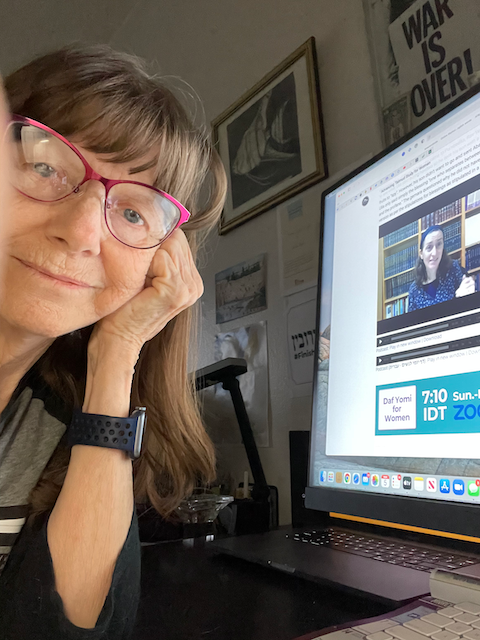
“I got my job through the NY Times” was an ad campaign when I was growing up. I can headline “I got my daily Daf shiur and Hadran through the NY Times”. I read the January 4, 2020 feature on Reb. Michelle Farber and Hadran and I have been participating ever since. Thanks NY Times & Hadran!
Deborah Aschheim
Deborah Aschheim

New York, United States

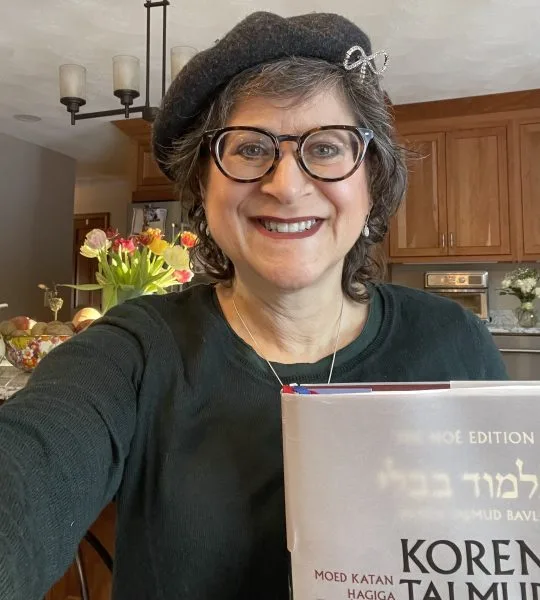
I started learning daf yomi at the beginning of this cycle. As the pandemic evolved, it’s been so helpful to me to have this discipline every morning to listen to the daf podcast after I’ve read the daf; learning about the relationships between the rabbis and the ways they were constructing our Jewish religion after the destruction of the Temple. I’m grateful to be on this journey!

Mona Fishbane
Mona Fishbane

Teaneck NJ, United States

I learned Mishnayot more than twenty years ago and started with Gemara much later in life. Although I never managed to learn Daf Yomi consistently, I am learning since some years Gemara in depth and with much joy. Since last year I am studying at the International Halakha Scholars Program at the WIHL. I often listen to Rabbanit Farbers Gemara shiurim to understand better a specific sugyiah. I am grateful for the help and inspiration!

Shoshana Ruerup
Shoshana Ruerup

Berlin, Germany

I learned daf more off than on 40 years ago. At the beginning of the current cycle, I decided to commit to learning daf regularly. Having Rabanit Michelle available as a learning partner has been amazing. Sometimes I learn with Hadran, sometimes with my husband, and sometimes on my own. It’s been fun to be part of an extended learning community.

Miriam Pollack
Miriam Pollack

Honolulu, Hawaii, United States

A friend mentioned that she was starting Daf Yomi in January 2020. I had heard of it and thought, why not? I decided to try it – go day by day and not think about the seven plus year commitment. Fast forward today, over two years in and I can’t imagine my life without Daf Yomi. It’s part of my morning ritual. If I have a busy day ahead of me I set my alarm to get up early to finish the day’s daf
Debbie Fitzerman
Debbie Fitzerman

Ontario, Canada

My husband learns Daf, my son learns Daf, my son-in-law learns Daf.
When I read about Hadran’s Siyyum HaShas 2 years ago, I thought- I can learn Daf too!
I had learned Gemara in Hillel HS in NJ, & I remembered loving it.
Rabbanit Michelle & Hadran have opened my eyes & expanding my learning so much in the past few years. We can now discuss Gemara as a family.
This was a life saver during Covid

Renee Braha
Renee Braha

Brooklyn, NY, United States

I started my journey on the day I realized that the Siyum was happening in Yerushalayim and I was missing out. What? I told myself. How could I have not known about this? How can I have missed out on this opportunity? I decided that moment, I would start Daf Yomi and Nach Yomi the very next day. I am so grateful to Hadran. I am changed forever because I learn Gemara with women. Thank you.

Linda Brownstein
Linda Brownstein

Mitspe, Israel

I read Ilana Kurshan’s “If All the Seas Were Ink” which inspired me. Then the Women’s Siyum in Jerusalem in 2020 convinced me, I knew I had to join! I have loved it- it’s been a constant in my life daily, many of the sugiyot connect to our lives. My family and friends all are so supportive. It’s incredible being part of this community and love how diverse it is! I am so excited to learn more!

Shira Jacobowitz
Shira Jacobowitz

Jerusalem, Israel

I’ve been wanting to do Daf Yomi for years, but always wanted to start at the beginning and not in the middle of things. When the opportunity came in 2020, I decided: “this is now the time!” I’ve been posting my journey daily on social media, tracking my progress (#DafYomi); now it’s fully integrated into my daily routines. I’ve also inspired my partner to join, too!

Joséphine Altzman
Joséphine Altzman

Teaneck, United States

I started learning Daf Yomi in January 2020 after watching my grandfather, Mayer Penstein z”l, finish shas with the previous cycle. My grandfather made learning so much fun was so proud that his grandchildren wanted to join him. I was also inspired by Ilana Kurshan’s book, If All the Seas Were Ink. Two years in, I can say that it has enriched my life in so many ways.

Leeza Hirt Wilner
Leeza Hirt Wilner

New York, United States

I started to listen to Michelle’s podcasts four years ago. The minute I started I was hooked. I’m so excited to learn the entire Talmud, and think I will continue always. I chose the quote “while a woman is engaged in conversation she also holds the spindle”. (Megillah 14b). It reminds me of all of the amazing women I learn with every day who multi-task, think ahead and accomplish so much.

Julie Mendelsohn
Julie Mendelsohn

Zichron Yakov, Israel

While vacationing in San Diego, Rabbi Leah Herz asked if I’d be interested in being in hevruta with her to learn Daf Yomi through Hadran. Why not? I had loved learning Gemara in college in 1971 but hadn’t returned. With the onset of covid, Daf Yomi and Rabbanit Michelle centered me each day. Thank-you for helping me grow and enter this amazing world of learning.
Meryll Page
Meryll Page

Minneapolis, MN, United States

I had never heard of Daf Yomi and after reading the book, The Weight of Ink, I explored more about it. I discovered that it was only 6 months before a whole new cycle started and I was determined to give it a try. I tried to get a friend to join me on the journey but after the first few weeks they all dropped it. I haven’t missed a day of reading and of listening to the podcast.

Anne Rubin
Anne Rubin

Elkins Park, United States

As Jewish educator and as a woman, I’m mindful that Talmud has been kept from women for many centuries. Now that we are privileged to learn, and learning is so accessible, it’s my intent to complete Daf Yomi. I am so excited to keep learning with my Hadran community.

Sue Parker Gerson
Sue Parker Gerson

Denver, United States

A few years back, after reading Ilana Kurshan’s book, “If All The Seas Were Ink,” I began pondering the crazy, outlandish idea of beginning the Daf Yomi cycle. Beginning in December, 2019, a month before the previous cycle ended, I “auditioned” 30 different podcasts in 30 days, and ultimately chose to take the plunge with Hadran and Rabbanit Michelle. Such joy!

Cindy Dolgin
Cindy Dolgin

HUNTINGTON, United States

A friend mentioned that she was starting Daf Yomi in January 2020. I had heard of it and thought, why not? I decided to try it – go day by day and not think about the seven plus year commitment. Fast forward today, over two years in and I can’t imagine my life without Daf Yomi. It’s part of my morning ritual. If I have a busy day ahead of me I set my alarm to get up early to finish the day’s daf
Debbie Fitzerman
Debbie Fitzerman

Ontario, Canada

See video

Susan Fisher
Susan Fisher

Raanana, Israel

The first month I learned Daf Yomi by myself in secret, because I wasn’t sure how my husband would react, but after the siyyum on Masechet Brachot I discovered Hadran and now sometimes my husband listens to the daf with me. He and I also learn mishnayot together and are constantly finding connections between the different masechtot.

Laura Warshawsky
Laura Warshawsky

Silver Spring, Maryland, United States

I learned Talmud as a student in Yeshivat Ramaz and felt at the time that Talmud wasn’t for me. After reading Ilana Kurshan’s book I was intrigued and after watching the great siyum in Yerushalayim it ignited the spark to begin this journey. It has been a transformative life experience for me as a wife, mother, Savta and member of Klal Yisrael.
Elana Storch
Elana Storch

Phoenix, Arizona, United States

I began learning the daf in January 2022. I initially “flew under the radar,” sharing my journey with my husband and a few close friends. I was apprehensive – who, me? Gemara? Now, 2 years in, I feel changed. The rigor of a daily commitment frames my days. The intellectual engagement enhances my knowledge. And the virtual community of learners has become a new family, weaving a glorious tapestry.

Gitta Jaroslawicz-Neufeld

Far Rockaway, United States

Bava Batra 29

דְּאִי לָא תֵּימָא הָכִי, ״בְּנוּ בָתִּים וְשֵׁבוּ, וְנִטְעוּ גַנּוֹת וְאִכְלוּ אֶת פִּרְיָן״ – מַאי קָאָמַר? אֶלָּא עֵצָה טוֹבָה קָא מַשְׁמַע לַן; הָכָא נָמֵי – עֵצָה טוֹבָה קָא מַשְׁמַע לַן. תִּדַּע, דִּכְתִיב: ״וּנְתַתָּם בִּכְלִי חָרֶשׂ, לְמַעַן יַעַמְדוּ יָמִים רַבִּים״.

Because if you do not say so, then when he states: “Build houses, and dwell in them, and plant gardens, and eat the fruit of them” (Jeremiah 29:5), what halakhic statement was he saying? Rather, he teaches us good advice, and here too he teaches us good advice. The Gemara comments: Know that this was mere advice, as it is written: “And put them in an earthen vessel; that they may continue many days” (Jeremiah 32:14). This is obviously good advice to preserve the items properly, and is not a halakhic statement. Therefore, this is not a proof that the presumption of ownership cannot be established in under three years.

אֶלָּא אָמַר רָבָא: שַׁתָּא קַמַּיְיתָא מָחֵיל אִינִישׁ, תַּרְתֵּי מָחֵיל, תְּלָת לָא מָחֵיל.

Rather, Rava said a different reason: A person who sees another profiting from his field might waive his rights during the first year, and he might waive his rights for two years, but he will not waive his rights for three years. Therefore, if one does not lodge a protest by the end of the third year, it is tantamount to a concession that the land is not his.

אֲמַר לֵיהּ אַבָּיֵי: אֶלָּא מֵעַתָּה, כִּי הָדְרָא אַרְעָא, תִּיהְדַּר לְבַר מִפֵּירֵי! אַלְּמָה אָמַר רַב נַחְמָן: הָדְרָא אַרְעָא וְהָדְרִי פֵּירֵי?

Abaye said to him: If that is so, when it becomes clear that the land is in fact owned by another and it is returned to its owner, it should be returned, save for the produce that the possessor consumed during the first two years, as the owner waived his rights to it. Why did Rav Naḥman say: The land is returned and the produce is returned?

אֶלָּא, אָמַר רָבָא: שַׁתָּא קַמַּיְיתָא לָא קָפֵיד אִינִישׁ, תַּרְתֵּי לָא קָפֵיד, תְּלָת קָפֵיד.

Rather, Rava said a different reason: A person is not particular the first year to lodge a protest, and he is not particular for two years, even though he does not waive his rights to the produce. He is particular to lodge a protest when he sees another profiting from his field for three years. Therefore, if one does not lodge a protest by the end of the third year, it is tantamount to a concession that the land is not his.

אֲמַר לֵיהּ אַבָּיֵי: אֶלָּא מֵעַתָּה, כְּגוֹן הָנֵי דְּבֵי בַּר אֶלְיָשִׁיב – דְּקָפְדִי אֲפִילּוּ אַמַּאן דְּחָלֵיף אַמִּיצְרָא דִידְהוּ, הָכִי נָמֵי דִּלְאַלְתַּר הָוֵי חֲזָקָה? וְכִי תֵּימָא הָכִי נָמֵי, אִם כֵּן נָתַתָּ דְּבָרֶיךָ לְשִׁיעוּרִין!

Abaye said to him: If that is so, for people such as those of the bar Elyashiv household, who are particular even with regard to one who goes on the boundary of their field, here too, will you say that presumptive ownership is established immediately, as soon as one makes use of their property without their lodging a protest? And if you would say that is indeed the halakha, if so, you have subjected your statement to the varying circumstances of each case, as there will be a different length of time needed to establish the presumption of ownership depending on who the prior owner is. This is untenable.

אֶלָּא אָמַר רָבָא: שַׁתָּא קַמַּיְיתָא מִיזְדְּהַר אִינִישׁ בִּשְׁטָרֵיהּ, תַּרְתֵּי וּתְלָת מִיזְדְּהַר, טְפֵי לָא מִיזְדְּהַר.

Rather, Rava said a different reason: A person is careful with his document detailing his purchase of land for the first year after the purchase, and he is also careful for two and three years. For more time than that, he is not careful and might discard the document if no one has lodged a protest concerning his possession of the land. Therefore, the Sages ruled that after three years have passed, he can prove his ownership by means of presumptive ownership.

אֲמַר לֵיהּ אַבָּיֵי: אֶלָּא מֵעַתָּה, מֶחָאָה שֶׁלֹּא בְּפָנָיו – לָא תִּיהְוֵי מֶחָאָה, דַּאֲמַר לֵיהּ: אִי מַחֵית בְּאַפַּאי, הֲוָה מִיזְדְהַרְנָא בִּשְׁטָרַאי!

Abaye said to him: If that is so, a protest that is lodged not in his presence should not be a valid protest, and if three years pass with no protest in his presence, presumptive ownership should be established even if there was a protest lodged before other people. This is because the one possessing the land can say to the claimant: If you had protested in my presence, I would have been careful with my document and would not have discarded it.

דְּאָמַר לֵיהּ: חַבְרָךְ חַבְרָא אִית לֵיהּ, וְחַבְרָא דְחַבְרָךְ – חַבְרָא אִית לֵיהּ.

The Gemara explains that this claim would not be accepted, because the claimant can say to him: Your friend has a friend, and your friend’s friend has a friend, and the assumption is that word of the protest reached you.

אָמַר רַב הוּנָא: שָׁלֹשׁ שָׁנִים שֶׁאָמְרוּ, הוּא שֶׁאֲכָלָן רְצוּפוֹת. מַאי קָמַשְׁמַע לַן? תְּנֵינָא: חֶזְקָתָן שָׁלֹשׁ שָׁנִים מִיּוֹם לְיוֹם! מַהוּ דְּתֵימָא, ״מִיּוֹם לְיוֹם״ לְאַפּוֹקֵי מְקוּטָּעוֹת – וּלְעוֹלָם אֲפִילּוּ מְפוּזָּרוֹת; קָא מַשְׁמַע לַן.

§ Rav Huna says: The three years that the Sages said are required to establish the presumption of ownership is referring to when he worked and profited from the field in consecutive years. The Gemara asks: What is Rav Huna teaching us with this statement? We learned this in the mishna: Their presumption of ownership is established by use for a duration of three years from day to day. The Gemara answers: Lest you say that the phrase: From day to day, serves to exclude partial years and to teach that each of the three years must be full, and actually even scattered, i.e., non-consecutive, years are sufficient, therefore, Rav Huna teaches us that the years must be consecutive.

אָמַר רַב חָמָא: וּמוֹדֵי רַב הוּנָא בְּאַתְרֵי דְּמוֹבְרִי בָּאגֵי.

Rav Ḥama says: And Rav Huna concedes with regard to locations where they leave fields [bagei] to lie fallow by planting in alternate years, that the three years combine despite not being consecutive, as that is the manner in which owners profit from the land.

פְּשִׁיטָא! לָא צְרִיכָא, דְּאִיכָּא דְּמוֹבַר וְאִיכָּא דְּלָא מוֹבַר – וְהַאי גַּבְרָא מוֹבְרַהּ; מַהוּ דְּתֵימָא, אֲמַר לֵיהּ: אִם אִיתָא דְּדִידָךְ הֲוַאי, אִיבְּעִי לָךְ לְמִיזְרְעַהּ; קָא מַשְׁמַע לַן דַּאֲמַר לֵיהּ: חֲדָא אַרְעָא בְּכוּלֵּיהּ בָּאגָא – לָא מָצֵינָא לִינְטַר.

The Gemara asks: Isn’t it obvious that this is the halakha? The Gemara answers: No, it is necessary to state this with regard to locations where there are some people who leave the fields to lie fallow and there are some people who do not leave the fields to lie fallow, and this man left the field to lie fallow. Lest you say that the claimant can say to him: If it is so that the land is yours, you should have sown it, therefore, Rav Ḥama teaches us that the possessor can say to the claimant: I am not able to hire someone to guard one parcel of land within an entire field, and I acted like those who own other land in this location and let the field lie fallow.

וְאִי נָמֵי, בְּהָכִי נִיחָא לִי – דְּעָבְדָא טְפֵי.

And alternatively, the possessor can say to the claimant: In this manner of farming it is beneficial for me to farm, because the land produces more later, and I do not wish to plant year after year and weaken the soil.

תְּנַן: חֶזְקַת הַבָּתִּים. וְהָא בָּתִּים – דְּבִימָמָא יָדְעִי, בְּלֵילְיָא לָא יָדְעִי!

The Gemara clarifies Rav Huna’s statement that the presumption of ownership can be established only by consecutive use. We learned in the mishna about the presumptive ownership of houses. But with regard to the use of houses, where the witnesses attesting to its use know who uses the house only in the day, but they do not know who uses the house in the night, how then can one establish the presumption of ownership in the case of a house? The possessor’s use is not consecutive, as it is continually interrupted by the nights.

אָמַר אַבָּיֵי: מַאן מַסְהֵיד אַבָּתִּים – שִׁיבָבֵי; שִׁיבָבֵי מִידָּע יָדְעִי בִּימָמָא וּבְלֵילְיָא.

Abaye said: Who testifies about houses? Neighbors, and neighbors know who is inside in the day and in the night.

רָבָא אָמַר: כְּגוֹן דְּאָתוּ בֵּי תְרֵי, וְאָמְרִי: אֲנַן אָגְרִינַן מִינֵּיהּ, וְדָרֵינַן בֵּיהּ תְּלָת שְׁנִין בִּימָמָא וּבְלֵילְיָא.

Rava said that there is another scenario in which one can bring witnesses with regard to the use of a house. This is such as when two people come and say: We rented the house from him and we lived in it for three years, in the day and in the night. This testimony substantiates that the house was used under the authority of the one who is attempting to prove that he has established the presumption of ownership.

אֲמַר לֵיהּ רַב יֵימַר לְרַב אָשֵׁי: הָנֵי נוֹגְעִין בְּעֵדוּתָן הֵן – דְּאִי לָא אָמְרִי הָכִי, אָמְרִינַן לְהוּ: זִילוּ הַבוּ לֵיהּ אֲגַר בֵּיתָא לְהַאי!

Rav Yeimar said to Rav Ashi: How can their testimony be relied upon? These witnesses are biased in their testimony, because if they do not say this testimony, that they rented the house from the possessor for three consecutive years, we say to them: Go and give payment for the rental of the house to that one who is claiming ownership, as the one you paid has not established that he is the true owner.

אֲמַר לֵיהּ: דַּיָּינֵי דִּשְׁפִילִי הָכִי דָּאיָנִי. מִי לָא עָסְקִינַן כְּגוֹן דִּנְקִיטִי אֲגַר בֵּיתָא וְאָמְרִי: לְמַאן לִיתְּבֵיהּ?

Rav Ashi said to him: Low-level judges rule this way. In other words, only a court composed of ignorant judges would accept the testimony of the renters of the house in a case where they are biased in their testimony. Nevertheless, Rava’s scenario is still possible, as, are we not dealing with a case where they are holding the money for the payment for the rental of the house, and they are saying to the court: To whom shall we give it? Therefore, they are not biased in their testimony, because they will pay the same amount, regardless of who the actual owner is.

אָמַר מָר זוּטְרָא, וְאִי טָעֵין וְאָמַר: לֵיתוֹ תְּרֵי סָהֲדִי לְאַסְהוֹדֵי לֵיהּ דְּדָר בֵּיהּ תְּלָת שְׁנֵי בִּימָמָא וּבְלֵילְיָא – טַעְנְתֵיהּ טַעֲנָה.

The Gemara quotes a related statement. Mar Zutra said: And if the claimant claims and says: Let two witnesses come to testify for the possessor that he lived in the house three years in the day and in the night, his claim is a legitimate claim.

וּמוֹדֵי מָר זוּטְרָא בְּרוֹכְלִין הַמַּחֲזִירִין בָּעֲיָירוֹת, דְּאַף עַל גַּב דְּלָא טָעַן – טָעֲנִינַן לֵיהּ אֲנַן.

And Mar Zutra concedes with regard to peddlers who travel through cities, during which time others might live in their houses, that even though the claimant does not claim that he insists on testimony that there was continuous use, day and night, over three years, we the court claim this for him. Since people know they are traveling salesmen, it is more likely that people lived in their houses without permission and without their knowledge.

וּמוֹדֶה רַב הוּנָא בְּחַנְוָתָא דְמָחוֹזָא – דְּלִימָמָא עֲבִידָא, לְלֵילְיָא לָא עֲבִידָא.

With regard to the requirement for continuous day and night use to establish the presumption of ownership, the Gemara comments: And Rav Huna concedes with regard to a store in the town of Meḥoza, which is generally used in the day and is not generally used in the night, that one is not required to use it in the night to establish the presumption of ownership.

רָמֵי בַּר חָמָא וְרַב עוּקְבָא בַּר חָמָא זְבוּן הָהִיא אַמְּתָא בַּהֲדֵי הֲדָדֵי. מָר אִישְׁתַּמַּשׁ בָּהּ רִאשׁוֹנָה שְׁלִישִׁית וַחֲמִישִׁית, וּמָר אִישְׁתַּמַּשׁ בָּהּ שְׁנִיָּה רְבִיעִית וְשִׁשִּׁית. נְפַק עַרְעָר עִילָּוַהּ,

With regard to the requirement of continuous use to establish the presumption of ownership, the Gemara relates that Rami bar Ḥama and Rav Ukva bar Ḥama purchased a maidservant together. One Sage made use of her during the first, third, and fifth years, and one Sage made use of her during the second, fourth, and sixth years. One individual who contested their ownership of the maidservant emerged and claimed that he was the owner.

אֲתוֹ לְקַמֵּיהּ דְּרָבָא, אֲמַר לְהוּ: מַאי טַעְמָא עָבְדִיתוּ הָכִי – כִּי הֵיכִי דְּלָא תַּחְזְקוּ אַהֲדָדֵי; כִּי הֵיכִי דִּלְדִידְכוּ לָא הָוֵי חֲזָקָה, לְעָלְמָא נָמֵי לָא הָוֵי חֲזָקָה.

They came before Rava for a judgment. He said to them: What is the reason you acted like this, making use of her in alternate years, so that each of you would not establish the presumption of ownership concerning each other by making use of her for three consecutive years? Just as this usage does not establish the presumption of ownership with regard to you, it does not establish the presumption of ownership with regard to others, i.e., the claimant in this case, as well.

וְלָא אֲמַרַן אֶלָּא דְּלָא כְּתוּב עִיטְרָא, אֲבָל כְּתוּב עִיטְרָא – קָלָא אִית לֵיהּ.

The Gemara adds: And we said this only in a case where it was not written in a document that they are partners and are dividing the use, but if it was written in a document, the document generates publicity that they own the maidservant as partners rather than individually, and they can jointly establish the presumption of ownership.

אָמַר רָבָא: אֲכָלָהּ כּוּלָּהּ, חוּץ מִבֵּית רוֹבַע – קָנָה כּוּלָּהּ, חוּץ מִבֵּית רוֹבַע.

§ The Gemara continues its discussion of the requirement for full use of land to establish the presumption of ownership. Rava says: If one worked and profited, for three years, from all of the land except for the area required for sowing a quarter-kav of seed [beit rova], which he did not use, he acquires all of the field based on presumptive ownership except for that beit rova.

אָמַר רַב הוּנָא בְּרֵיהּ דְּרַב יְהוֹשֻׁעַ: וְלָא אֲמַרַן אֶלָּא דְּבַר זְרִיעָה הִיא, אֲבָל לָאו בַּר זְרִיעָה הִיא – קָנֵי לַהּ אַגַּב אַרְעָא.

Rav Huna, son of Rav Yehoshua, says: And we said this ruling only where that beit rova is suitable for planting, but if it is not suitable for planting, he acquires it by means of the acquisition of the rest of the land.

מַתְקֵיף לַהּ רַב בִּיבִי בַּר אַבָּיֵי: אֶלָּא מֵעַתָּה, צוּנְמָא – בַּמֶּה יִקְנֶה? אֶלָּא בְּאוֹקוֹמֵי בָּהּ חֵיוָתָא וּמִשְׁטְחָא בַּהּ פֵּירֵי; הָכָא נָמֵי – אִיבְּעִי לֵיהּ לְאוֹקוֹמֵי בָּהּ חֵיוָתָא, אִי נָמֵי מִשְׁטְחָא בַּהּ פֵּירֵי.

Rav Beivai bar Abaye objects to this: If that is so, how could one acquire an area that is only rock by establishing the presump-tion of ownership, as one does not plant rocky land? Rather, the presumption of ownership can be established by standing animals on it or spreading produce on it. Here too, he should be required to stand animals on the beit rova or to spread produce on it. If he did not profit from this small piece of land at all, he has not established the presumption of ownership with regard to it, and acquires only the rest of the field.

הָהוּא דַּאֲמַר לֵיהּ לְחַבְרֵיהּ: מַאי בָּעֵית בְּהַאי בֵּיתָא? אֲמַר לֵיהּ: מִינָּךְ זְבֵינְתֵּיהּ, וַאֲכַלִית שְׁנֵי חֲזָקָה. אֲמַר לֵיהּ: אֲנָא בִּשְׁכוּנֵי גַּוּוֹאֵי הֲוַאי.

§ The Gemara relates that there was a certain person who said to another: What do you want, i.e., what are you doing, with this house of mine? The other said to him: I purchased it from you and I worked and profited from it for the years necessary for establishing the presumption of ownership. The claimant said to him: I was among the distant settlements, and was unaware that you were residing in my house, which is why I did not lodge a protest.

אֲתָא לְקַמֵּיהּ דְּרַב נַחְמָן, אֲמַר לֵיהּ: זִיל בְּרוֹר אֲכִילְתָךְ. אֲמַר לֵיהּ רָבָא: הָכִי דִּינָא?! הַמּוֹצִיא מֵחֲבֵירוֹ עָלָיו הָרְאָיָה!

The one residing in the house came before Rav Naḥman for a judgment. Rav Naḥman said to him: Go clarify your profiting, i.e., prove that you really resided there for three years, and then the case can be judged. Rava said to Rav Naḥman: Is this the correct judgment? The halakha is that the burden of proof rests upon the claimant. Therefore, the one who is attempting to take the house from the possessor should have to prove that the other did not reside in the house.

וְרָמֵי דְּרָבָא אַדְּרָבָא, וְרָמֵי דְּרַב נַחְמָן אַדְּרַב נַחְמָן – דְּהָהוּא

And the Gemara raises a contradiction between this statement of Rava and another statement of Rava, and it raises a contradiction between this statement of Rav Naḥman and another statement of Rav Naḥman. As there was a certain person

Want to follow content and continue where you left off?

Create an account today to track your progress, mark what you’ve learned, and follow the shiurim that speak to you.

Clear all items from this list?

This will remove ALL the items in this section. You will lose any progress or history connected to them. This is irreversible.

Cancel
Yes, clear all

Are you sure you want to delete this item?

You will lose any progress or history connected to this item.

Cancel
Yes, delete