








Two people claimed they had each inherited a particular piece of land from their fathers. Rav Nachman ruled that the stronger one prevails. How is this case different from two people claiming ownership of an item by having a document of sale or gift issued on the same date where Rav and Shmuel disagree – one holds it is divided and the other that it is given to the judges’ discretion? How is it different from a case where a cow is traded for a donkey or a maidservant is sold and the cow/maidservant has offspring and it is unclear if the birth happened before or after the sale and the ruling is that the offspring is split between the two parties? In a case where the verdict is that the strongest one prevails, what happens if a third party comes and seizes the item? In what situations is presumptive status established immediately? Gentiles can only establish ownership with a document, not with a chazaka. Rav ruled that a Jew who claims that he/she bought property from a gentile, must prove it with a document.
Bava Batra 35

Share this shiur:
Bava Batra
Masechet Bava Batra is sponsored by Lori Stark in loving memory of her mother in law, Sara Shapiro z”l and her father Nehemiah Sosewitz z”l.
Want to dedicate learning? Get started here:

Bava Batra
Masechet Bava Batra is sponsored by Lori Stark in loving memory of her mother in law, Sara Shapiro z”l and her father Nehemiah Sosewitz z”l.
Bava Batra 35
דְּרַב אָמַר: יַחְלוֹקוּ, וּשְׁמוּאֵל אָמַר: שׁוּדָא דְּדַיָּינֵי? הָתָם, לֵיכָּא לְמֵיקַם עֲלַהּ דְּמִילְּתָא; הָכָא, אִיכָּא לְמֵיקַם עֲלַהּ דְּמִילְּתָא.
as Rav said: In that case, they should divide the property between them, and Shmuel said: It is decided based on the discretion [shudda] of the judges. Why in the seemingly equivalent case of a dispute where there is no evidence for either litigant did Rav Naḥman rule that whoever is stronger prevails? The Gemara answers: There, in the case of the two deeds, it will not be possible for the court to clarify the matter in the future, and therefore, the court issues a ruling according to the information they currently have. Here, in the case of Rav Naḥman, it may be possible for the court to clarify the matter in the future, if one of the litigants was to bring witnesses supporting his claim.
וּמַאי שְׁנָא מֵהָא דִּתְנַן: הַמַּחֲלִיף פָּרָה בַּחֲמוֹר, וְיָלְדָה; וְכֵן הַמּוֹכֵר שִׁפְחָתוֹ, וְיָלְדָה – זֶה אוֹמֵר: ״עַד שֶׁלֹּא מָכַרְתִּי יָלְדָה״, וְזֶה אוֹמֵר: ״מִשֶּׁלָּקַחְתִּי יָלְדָה״ – יַחְלוֹקוּ?
The Gemara asks: And in what way is this case different from that which we learned in a mishna (Bava Metzia 100a): With regard to one who exchanges a cow for a donkey and the cow calved, and similarly one who sells his Canaanite maidservant and she gave birth, and this one, i.e., the seller, says: She gave birth before I sold either the cow or maidservant, and the offspring belongs to me; and that one, i.e., the buyer, says: She gave birth after I purchased her and the offspring belongs to me, the ruling is that they should divide the value of the newborn. In that case, the court is not able to clarify the matter, so they should rule that whoever is stronger prevails.
הָתָם, לְהַאי
The Gemara answers: There, in the case of the exchange, for this one, i.e., the buyer,
אִית לֵיהּ דְּרָרָא דְמָמוֹנָא, וּלְהָהוּא אִית לֵיהּ דְּרָרָא דְמָמוֹנָא; הָכָא, אִי דְּמָר – לָא דְּמָר, וְאִי דְּמָר – לָא דְּמָר.
he has financial involvement [derara], and for that one, i.e., the seller, he has financial involvement. Since each of them has a definite claim to owning the offspring, as each of them owned the cow or maidservant at one point, it is reasonable for the court to divide the offspring between the two parties. By contrast, here, in the case of Rav Naḥman, if it belongs to this Master it does not belong to that Master, and if it belongs to that Master it does not belong to this Master. Only one of the two litigants has any claim to the property, as it belonged either to the ancestors of this one or of that one. Therefore, a ruling to divide it would not be appropriate.
אָמְרִי נְהַרְדָּעֵי: אִם בָּא אֶחָד מִן הַשּׁוּק, וְהֶחְזִיק בָּהּ – אֵין מוֹצִיאִין אוֹתָהּ מִיָּדוֹ. דְּתָנֵי רַבִּי חִיָּיא: גַּזְלָן שֶׁל רַבִּים לָאו שְׁמֵיהּ גַּזְלָן.
The Sages of Neharde’a say: In a case where two parties disputed the ownership of a certain property and the court ruled that whoever is stronger prevails, if one from the marketplace who had no claim came and took possession of it, the court does not remove it from his possession, as Rabbi Ḥiyya teaches (Tosefta, Bava Kamma 10:14): A robber of the public, meaning a robber whose victim is unknown, is not called a robber. Since it is unclear whom he robbed, no one is able to demand payment. Here too, since it is unclear whose property it is, neither can demand that it be taken from the robber.
רַב אָשֵׁי אָמַר: לְעוֹלָם שְׁמֵיהּ גַּזְלָן, וּמַאי ״לָא שְׁמֵיהּ גַּזְלָן״? שֶׁלֹּא נִיתַּן לְהִשָּׁבוֹן.
Rav Ashi said in disagreement: Actually, he is called a robber, and the property is taken from him, and what is meant by: He is not called a robber? It means that the stolen item is not subject to being returned, and consequently he is unable to fully atone, as he does not know whom to repay.
חׇזְקָתָן שָׁלֹשׁ שָׁנִים מִיּוֹם לְיוֹם וְכוּ׳. אָמַר רַבִּי אַבָּא: אִי דָּלֵי לֵיהּ אִיהוּ גּוּפֵיהּ צַנָּא דְפֵירֵי, לְאַלְתַּר הָוֵי חֲזָקָה. אָמַר רַב זְבִיד, וְאִם טָעַן וְאָמַר: ״לְפֵירוֹת הוֹרַדְתִּיו״ – נֶאֱמָן. וְהָנֵי מִילֵּי בְּתוֹךְ שָׁלֹשׁ, אֲבָל לְאַחַר שָׁלֹשׁ – לָא.
§ The mishna teaches with regard to certain types of property that their presumptive ownership is established by use of a duration of three years from day to day. The Gemara comments: Rabbi Abba says: Nevertheless, there are cases where presumptive ownership is established immediately. For example, if the prior owner himself lifted a basket of fruit from that field for the possessor, that immediately is sufficient to establish the presumption of ownership, and the prior owner can no longer lodge a protest. Rav Zevid says: But if the prior owner stated a claim and said: I brought him down into my field solely to consume the produce, e.g., as a sharecropper, he is deemed credible. And that halakha, that the prior owner is deemed credible were he to state such a claim, applies only if he stated it within three years of when the other took possession, but after three years he is not deemed credible.
אֲמַר לֵיהּ רַב אָשֵׁי לְרַב כָּהֲנָא: אִי לְפִירָא אַחֲתֵיהּ, מַאי הֲוָה לֵיהּ לְמֶעְבַּד? אֲמַר לֵיהּ: אִיבְּעִי לֵיהּ לְמַחוֹיֵי.
Rav Ashi said to Rav Kahana: If in fact he did bring him down into the field solely to consume the produce, what was there for him to do to prevent the possessor from establishing the presumption of ownership? Rav Kahana said to him: He should have protested during the first three years and publicized that he had granted the possessor rights to the produce alone.
דְּאִי לָא תֵּימָא הָכִי, הָנֵי מַשְׁכְּנָתָא דְסוּרָא, דִּכְתִב בְּהוּ: ״בְּמִשְׁלַם שְׁנַיָּא אִלֵּין תִּיפּוֹק אַרְעָא דָּא בְּלָא כְּסַף״; אִי כָּבֵישׁ לֵיהּ לִשְׁטַר מַשְׁכַּנְתָּא גַּבֵּיהּ, וְאָמַר: לְקוּחָה הִיא בְּיָדִי, הָכִי נָמֵי דִּמְהֵימַן? מְתַקְּנִי רַבָּנַן מִידֵּי דְּאָתֵי בֵּיהּ לִידֵי פְּסֵידָא?! אֶלָּא אִיבְּעִי לֵיהּ לְמַחוֹיֵי; הָכָא נָמֵי, אִיבְּעִי לֵיהּ לְמַחוֹיֵי.
The assumption that lodging a protest would be effective must be correct, since if you do not say so, then in the case of this mortgage according to the custom in Sura, a city in Babylonia, in which is written: At the completion of these years this land will be released to its prior owner without any need for the prior owner to give money, if the creditor were to hide the mortgage document in his possession and say: This land is purchased and that is why it is in my possession, here is it also the case that he would be deemed credible? That cannot be, as is it reasonable that the Sages would institute a matter, such as this type of arrangement, that people can be led by it to suffer a loss? Rather, in the case of the mortgage the debtor should have protested, and by not protesting, he causes his own loss. Here, too, in the case of the field, the owner should have protested.
אָמַר רַב יְהוּדָה אָמַר רַב: יִשְׂרָאֵל הַבָּא מֵחֲמַת גּוֹי – הֲרֵי הוּא כְּגוֹי; מָה גּוֹי – אֵין לוֹ חֲזָקָה אֶלָּא בִּשְׁטָר, אַף יִשְׂרָאֵל הַבָּא מֵחֲמַת גּוֹי – אֵין לוֹ חֲזָקָה אֶלָּא בִּשְׁטָר. אָמַר רָבָא, וְאִי אָמַר יִשְׂרָאֵל:
§ Rav Yehuda says that Rav says: With regard to a Jew who comes to claim land due to having received it from a gentile, he is like a gentile in terms of which legal claims are available to him. Therefore, just as a gentile has the ability to establish the presumption of ownership only by means of a document, so too, a Jew who comes to claim land due to having received it from a gentile has the ability to establish the presumption of ownership only by means of a document. Rava said: And if the Jew said to a prior owner, who claims to still own the land:

New to Talmud?
Check out our resources designed to help you navigate a page of Talmud – and study at the pace, level and style that fits you.
The Hadran Women’s Tapestry
Meet the diverse women learning Gemara at Hadran and hear their stories.
I’ve been wanting to do Daf Yomi for years, but always wanted to start at the beginning and not in the middle of things. When the opportunity came in 2020, I decided: “this is now the time!” I’ve been posting my journey daily on social media, tracking my progress (#DafYomi); now it’s fully integrated into my daily routines. I’ve also inspired my partner to join, too!

Teaneck, United States
I started the daf at the beginning of this cycle in January 2020. My husband, my children, grandchildren and siblings have been very supportive. As someone who learned and taught Tanach and mefarshim for many years, it has been an amazing adventure to complete the six sedarim of Mishnah, and now to study Talmud on a daily basis along with Rabbanit Michelle and the wonderful women of Hadran.
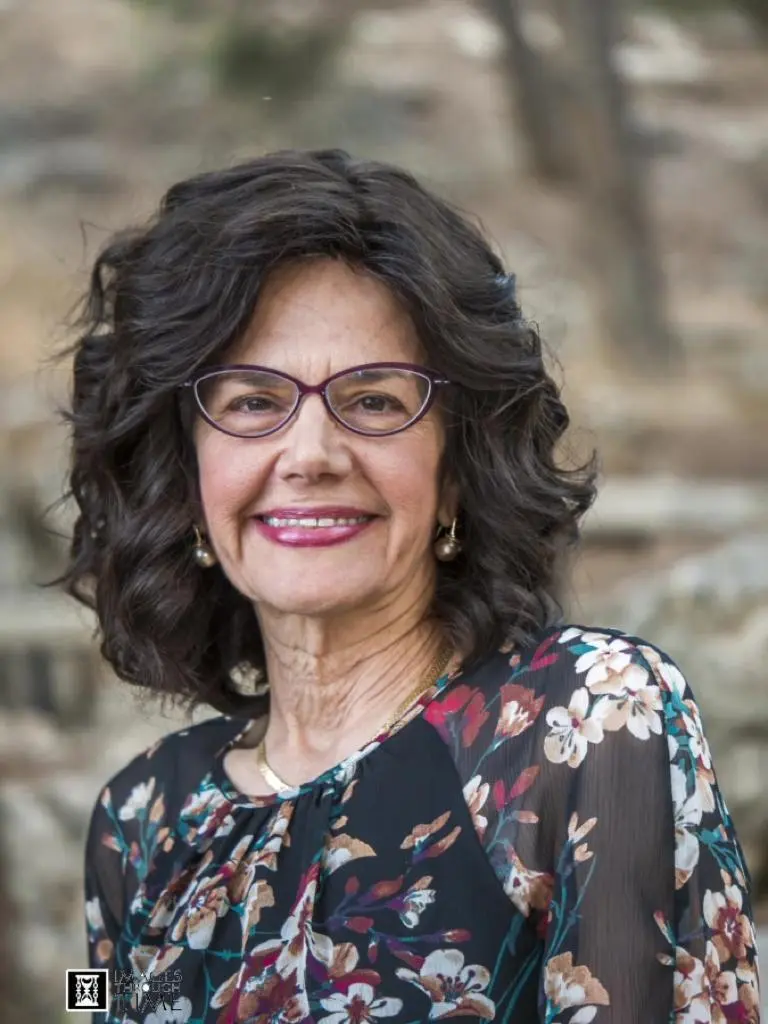
Jerusalem, Israel
I learned daf more off than on 40 years ago. At the beginning of the current cycle, I decided to commit to learning daf regularly. Having Rabanit Michelle available as a learning partner has been amazing. Sometimes I learn with Hadran, sometimes with my husband, and sometimes on my own. It’s been fun to be part of an extended learning community.

Honolulu, Hawaii, United States
I started learning Dec 2019 after reading “If all the Seas Were Ink”. I found
Daily daf sessions of Rabbanit Michelle in her house teaching, I then heard about the siyum and a new cycle starting wow I am in! Afternoon here in Sydney, my family and friends know this is my sacred time to hide away to live zoom and learn. Often it’s hard to absorb and relate then a gem shines touching my heart.

Dover Heights, Australia
I started last year after completing the Pesach Sugiyot class. Masechet Yoma might seem like a difficult set of topics, but for me made Yom Kippur and the Beit HaMikdash come alive. Liturgy I’d always had trouble connecting with took on new meaning as I gained a sense of real people moving through specific spaces in particular ways. It was the perfect introduction; I am so grateful for Hadran!

Minnesota, United States
I began learning with Rabbanit Michelle’s wonderful Talmud Skills class on Pesachim, which really enriched my Pesach seder, and I have been learning Daf Yomi off and on over the past year. Because I’m relatively new at this, there is a “chiddush” for me every time I learn, and the knowledge and insights of the group members add so much to my experience. I feel very lucky to be a part of this.
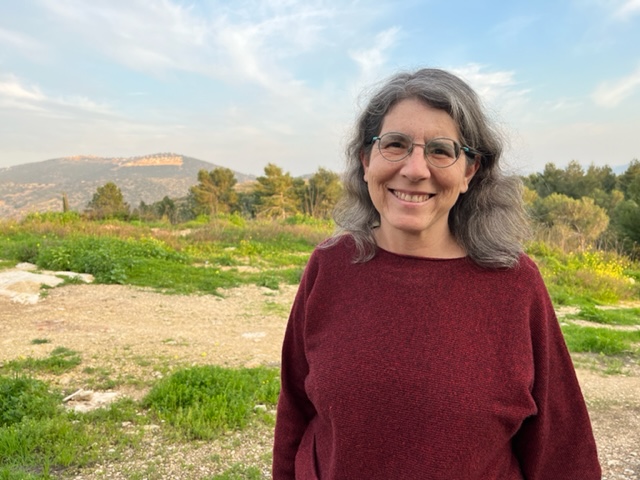
Karmiel, Israel
Since I started in January of 2020, Daf Yomi has changed my life. It connects me to Jews all over the world, especially learned women. It makes cooking, gardening, and folding laundry into acts of Torah study. Daf Yomi enables me to participate in a conversation with and about our heritage that has been going on for more than 2000 years.
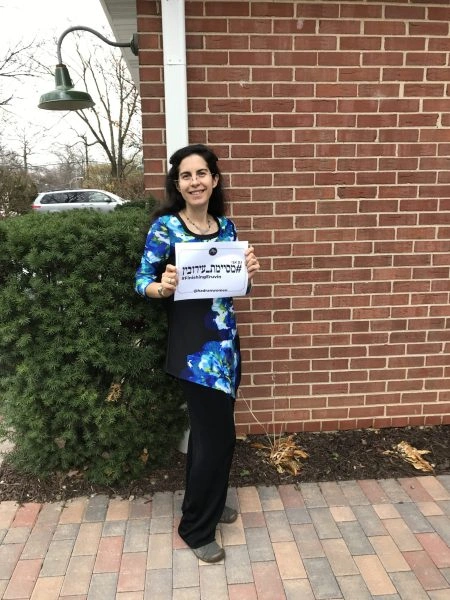
Skokie, IL, United States
Years ago, I attended the local Siyum HaShas with my high school class. It was inspiring! Through that cycle and the next one, I studied masekhtot on my own and then did “daf yomi practice.” The amazing Hadran Siyum HaShas event firmed my resolve to “really do” Daf Yomi this time. It has become a family goal. We’ve supported each other through challenges, and now we’re at the Siyum of Seder Moed!

Jerusalem, Israel

Richmond, CA, United States
Last cycle, I listened to parts of various מסכתות. When the הדרן סיום was advertised, I listened to Michelle on נידה. I knew that בע”ה with the next cycle I was in (ב”נ). As I entered the סיום (early), I saw the signs and was overcome with emotion. I was randomly seated in the front row, and I cried many times that night. My choice to learn דף יומי was affirmed. It is one of the best I have made!
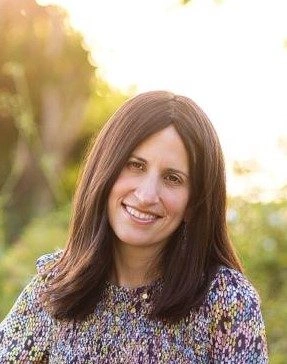
אפרת, Israel
When I was working and taking care of my children, learning was never on the list. Now that I have more time I have two different Gemora classes and the nach yomi as well as the mishna yomi daily.
Jerusalem, Israel
When we heard that R. Michelle was starting daf yomi, my 11-year-old suggested that I go. Little did she know that she would lose me every morning from then on. I remember standing at the Farbers’ door, almost too shy to enter. After that first class, I said that I would come the next day but couldn’t commit to more. A decade later, I still look forward to learning from R. Michelle every morning.

Ra’anana, Israel
It happened without intent (so am I yotzei?!) – I watched the women’s siyum live and was so moved by it that the next morning, I tuned in to Rabbanit Michelle’s shiur, and here I am, still learning every day, over 2 years later. Some days it all goes over my head, but others I grasp onto an idea or a story, and I ‘get it’ and that’s the best feeling in the world. So proud to be a Hadran learner.

Zichron Yaakov, Israel
I am grateful for the structure of the Daf Yomi. When I am freer to learn to my heart’s content, I learn other passages in addition. But even in times of difficulty, I always know that I can rely on the structure and social support of Daf Yomi learners all over the world.
I am also grateful for this forum. It is very helpful to learn with a group of enthusiastic and committed women.

Beit Shemesh, Israel
My Daf journey began in August 2012 after participating in the Siyum Hashas where I was blessed as an “enabler” of others. Galvanized into my own learning I recited the Hadran on Shas in January 2020 with Rabbanit Michelle. That Siyum was a highlight in my life. Now, on round two, Daf has become my spiritual anchor to which I attribute manifold blessings.

Englewood NJ, United States

Raanana, Israel
When I began learning Daf Yomi at the beginning of the current cycle, I was preparing for an upcoming surgery and thought that learning the Daf would be something positive I could do each day during my recovery, even if I accomplished nothing else. I had no idea what a lifeline learning the Daf would turn out to be in so many ways.

Lexington, MA, United States

Berlin, Germany
As Jewish educator and as a woman, I’m mindful that Talmud has been kept from women for many centuries. Now that we are privileged to learn, and learning is so accessible, it’s my intent to complete Daf Yomi. I am so excited to keep learning with my Hadran community.
Denver, United States
In January 2020, my chevruta suggested that we “up our game. Let’s do Daf Yomi” – and she sent me the Hadran link. I lost my job (and went freelance), there was a pandemic, and I am still opening the podcast with my breakfast coffee, or after Shabbat with popcorn. My Aramaic is improving. I will need a new bookcase, though.
Atlanta, Georgia, United States
Bava Batra 35
דְּרַב אָמַר: יַחְלוֹקוּ, וּשְׁמוּאֵל אָמַר: שׁוּדָא דְּדַיָּינֵי? הָתָם, לֵיכָּא לְמֵיקַם עֲלַהּ דְּמִילְּתָא; הָכָא, אִיכָּא לְמֵיקַם עֲלַהּ דְּמִילְּתָא.
as Rav said: In that case, they should divide the property between them, and Shmuel said: It is decided based on the discretion [shudda] of the judges. Why in the seemingly equivalent case of a dispute where there is no evidence for either litigant did Rav Naḥman rule that whoever is stronger prevails? The Gemara answers: There, in the case of the two deeds, it will not be possible for the court to clarify the matter in the future, and therefore, the court issues a ruling according to the information they currently have. Here, in the case of Rav Naḥman, it may be possible for the court to clarify the matter in the future, if one of the litigants was to bring witnesses supporting his claim.
וּמַאי שְׁנָא מֵהָא דִּתְנַן: הַמַּחֲלִיף פָּרָה בַּחֲמוֹר, וְיָלְדָה; וְכֵן הַמּוֹכֵר שִׁפְחָתוֹ, וְיָלְדָה – זֶה אוֹמֵר: ״עַד שֶׁלֹּא מָכַרְתִּי יָלְדָה״, וְזֶה אוֹמֵר: ״מִשֶּׁלָּקַחְתִּי יָלְדָה״ – יַחְלוֹקוּ?
The Gemara asks: And in what way is this case different from that which we learned in a mishna (Bava Metzia 100a): With regard to one who exchanges a cow for a donkey and the cow calved, and similarly one who sells his Canaanite maidservant and she gave birth, and this one, i.e., the seller, says: She gave birth before I sold either the cow or maidservant, and the offspring belongs to me; and that one, i.e., the buyer, says: She gave birth after I purchased her and the offspring belongs to me, the ruling is that they should divide the value of the newborn. In that case, the court is not able to clarify the matter, so they should rule that whoever is stronger prevails.
הָתָם, לְהַאי
The Gemara answers: There, in the case of the exchange, for this one, i.e., the buyer,
אִית לֵיהּ דְּרָרָא דְמָמוֹנָא, וּלְהָהוּא אִית לֵיהּ דְּרָרָא דְמָמוֹנָא; הָכָא, אִי דְּמָר – לָא דְּמָר, וְאִי דְּמָר – לָא דְּמָר.
he has financial involvement [derara], and for that one, i.e., the seller, he has financial involvement. Since each of them has a definite claim to owning the offspring, as each of them owned the cow or maidservant at one point, it is reasonable for the court to divide the offspring between the two parties. By contrast, here, in the case of Rav Naḥman, if it belongs to this Master it does not belong to that Master, and if it belongs to that Master it does not belong to this Master. Only one of the two litigants has any claim to the property, as it belonged either to the ancestors of this one or of that one. Therefore, a ruling to divide it would not be appropriate.
אָמְרִי נְהַרְדָּעֵי: אִם בָּא אֶחָד מִן הַשּׁוּק, וְהֶחְזִיק בָּהּ – אֵין מוֹצִיאִין אוֹתָהּ מִיָּדוֹ. דְּתָנֵי רַבִּי חִיָּיא: גַּזְלָן שֶׁל רַבִּים לָאו שְׁמֵיהּ גַּזְלָן.
The Sages of Neharde’a say: In a case where two parties disputed the ownership of a certain property and the court ruled that whoever is stronger prevails, if one from the marketplace who had no claim came and took possession of it, the court does not remove it from his possession, as Rabbi Ḥiyya teaches (Tosefta, Bava Kamma 10:14): A robber of the public, meaning a robber whose victim is unknown, is not called a robber. Since it is unclear whom he robbed, no one is able to demand payment. Here too, since it is unclear whose property it is, neither can demand that it be taken from the robber.
רַב אָשֵׁי אָמַר: לְעוֹלָם שְׁמֵיהּ גַּזְלָן, וּמַאי ״לָא שְׁמֵיהּ גַּזְלָן״? שֶׁלֹּא נִיתַּן לְהִשָּׁבוֹן.
Rav Ashi said in disagreement: Actually, he is called a robber, and the property is taken from him, and what is meant by: He is not called a robber? It means that the stolen item is not subject to being returned, and consequently he is unable to fully atone, as he does not know whom to repay.
חׇזְקָתָן שָׁלֹשׁ שָׁנִים מִיּוֹם לְיוֹם וְכוּ׳. אָמַר רַבִּי אַבָּא: אִי דָּלֵי לֵיהּ אִיהוּ גּוּפֵיהּ צַנָּא דְפֵירֵי, לְאַלְתַּר הָוֵי חֲזָקָה. אָמַר רַב זְבִיד, וְאִם טָעַן וְאָמַר: ״לְפֵירוֹת הוֹרַדְתִּיו״ – נֶאֱמָן. וְהָנֵי מִילֵּי בְּתוֹךְ שָׁלֹשׁ, אֲבָל לְאַחַר שָׁלֹשׁ – לָא.
§ The mishna teaches with regard to certain types of property that their presumptive ownership is established by use of a duration of three years from day to day. The Gemara comments: Rabbi Abba says: Nevertheless, there are cases where presumptive ownership is established immediately. For example, if the prior owner himself lifted a basket of fruit from that field for the possessor, that immediately is sufficient to establish the presumption of ownership, and the prior owner can no longer lodge a protest. Rav Zevid says: But if the prior owner stated a claim and said: I brought him down into my field solely to consume the produce, e.g., as a sharecropper, he is deemed credible. And that halakha, that the prior owner is deemed credible were he to state such a claim, applies only if he stated it within three years of when the other took possession, but after three years he is not deemed credible.
אֲמַר לֵיהּ רַב אָשֵׁי לְרַב כָּהֲנָא: אִי לְפִירָא אַחֲתֵיהּ, מַאי הֲוָה לֵיהּ לְמֶעְבַּד? אֲמַר לֵיהּ: אִיבְּעִי לֵיהּ לְמַחוֹיֵי.
Rav Ashi said to Rav Kahana: If in fact he did bring him down into the field solely to consume the produce, what was there for him to do to prevent the possessor from establishing the presumption of ownership? Rav Kahana said to him: He should have protested during the first three years and publicized that he had granted the possessor rights to the produce alone.
דְּאִי לָא תֵּימָא הָכִי, הָנֵי מַשְׁכְּנָתָא דְסוּרָא, דִּכְתִב בְּהוּ: ״בְּמִשְׁלַם שְׁנַיָּא אִלֵּין תִּיפּוֹק אַרְעָא דָּא בְּלָא כְּסַף״; אִי כָּבֵישׁ לֵיהּ לִשְׁטַר מַשְׁכַּנְתָּא גַּבֵּיהּ, וְאָמַר: לְקוּחָה הִיא בְּיָדִי, הָכִי נָמֵי דִּמְהֵימַן? מְתַקְּנִי רַבָּנַן מִידֵּי דְּאָתֵי בֵּיהּ לִידֵי פְּסֵידָא?! אֶלָּא אִיבְּעִי לֵיהּ לְמַחוֹיֵי; הָכָא נָמֵי, אִיבְּעִי לֵיהּ לְמַחוֹיֵי.
The assumption that lodging a protest would be effective must be correct, since if you do not say so, then in the case of this mortgage according to the custom in Sura, a city in Babylonia, in which is written: At the completion of these years this land will be released to its prior owner without any need for the prior owner to give money, if the creditor were to hide the mortgage document in his possession and say: This land is purchased and that is why it is in my possession, here is it also the case that he would be deemed credible? That cannot be, as is it reasonable that the Sages would institute a matter, such as this type of arrangement, that people can be led by it to suffer a loss? Rather, in the case of the mortgage the debtor should have protested, and by not protesting, he causes his own loss. Here, too, in the case of the field, the owner should have protested.
אָמַר רַב יְהוּדָה אָמַר רַב: יִשְׂרָאֵל הַבָּא מֵחֲמַת גּוֹי – הֲרֵי הוּא כְּגוֹי; מָה גּוֹי – אֵין לוֹ חֲזָקָה אֶלָּא בִּשְׁטָר, אַף יִשְׂרָאֵל הַבָּא מֵחֲמַת גּוֹי – אֵין לוֹ חֲזָקָה אֶלָּא בִּשְׁטָר. אָמַר רָבָא, וְאִי אָמַר יִשְׂרָאֵל:
§ Rav Yehuda says that Rav says: With regard to a Jew who comes to claim land due to having received it from a gentile, he is like a gentile in terms of which legal claims are available to him. Therefore, just as a gentile has the ability to establish the presumption of ownership only by means of a document, so too, a Jew who comes to claim land due to having received it from a gentile has the ability to establish the presumption of ownership only by means of a document. Rava said: And if the Jew said to a prior owner, who claims to still own the land:

