Search

Bava Batra 74

Want to dedicate learning? Get started here:

podcast placeholder

0:00
0:00


Summary

Today’s daf is sponsored by Jessica Jobanek and Harold Kingsberg in celebration of the second birthday of their beloved son Shmuel Meir (Sammy). “We love you and learn from you every day.” 

Rabba bar bar Chana tells stories about when an Arab showed him the people who died in the desert (dor hamidbar), Mount Sinai, and the earth where Korach and his followers were killed. Each place seemed to have magical powers associated with it. More stories are told about unique creatures that were seen by people when traveling on boats. After mentioning the tanin in a story, the Gemara digresses to discuss what kind of creature was the tanin. Some identify it as the leviathan. They also discuss the unusual power and the limitations of these and other gigantic or unique creatures.

Bava Batra 74

וְגָנוּ אַפַּרְקִיד. וַהֲוָה זְקִיפָא בִּרְכֵּיהּ דְּחַד מִינַּיְיהוּ, וְעָיֵל טַיָּיעָא תּוּתֵי בִּרְכֵּיהּ כִּי רְכִיב גַּמְלָא, וּזְקִיפָא רוּמְחֵיהּ וְלָא נָגַע בֵּיהּ. פְּסַקִי חֲדָא קַרְנָא דִתְכֵלְתָּא דְּחַד מִינַּיְיהוּ, וְלָא הֲוָה מִסְתַּגִּי לַן. אָמַר לִי: דִּלְמָא שְׁקַלְתְּ מִידֵּי מִינַּיְיהוּ? אַהְדְּרֵיהּ, דִּגְמִירִי דְּמַאן דְּשָׁקֵיל מִידֵּי מִינַּיְיהוּ לָא מִסְתַּגִּי לֵיהּ. אֲזַלִי אַהְדַּרְתֵּיהּ, וַהֲדַר מִסְתַּגִּי לַן.

and they were lying on their backs. And the knee of one of them was elevated, and he was so enormous that the Arab entered under his knee while riding a camel and with his spear upright, and he did not touch him. I cut one corner of the sky-blue garment that contains ritual fringes of one of them, and we were unable to walk. The Arab said to me: Perhaps you took something from them? Return it, as we know by tradition that one who takes something from them cannot walk. I then returned the corner of the garment, and then we were able to walk.

כִּי אֲתַאי לְקַמֵּיהּ דְּרַבָּנַן, אֲמַרוּ לִי: כֹּל ״אַבָּא״ – חַמְרָא, וְכֹל ״בַּר בַּר חָנָה״ – סִיכְסָא! לְמַאי הִלְכְתָא עֲבַדְתְּ הָכִי? לְמִידַּע אִי כְּבֵית שַׁמַּאי אִי כְּבֵית הִלֵּל? אִיבְּעִי לָךְ לְמִימְנֵי חוּטִין וּלְמִימְנֵי חוּלְיוֹת.

When I came before the Sages, they said to me in rebuke: Every Abba is a donkey, and every bar bar Ḥana is an idiot. For the purpose of clarifying what halakha did you do that? If you wanted to know whether the halakha is in accordance with the opinion of Beit Shammai or in accordance with the opinion of Beit Hillel, as to whether there are four or three threads and joints in ritual fringes, in that case there was no need to take anything with you, as you should have simply counted the threads and counted the joints.

אֲמַר לִי: תָּא אַחְוֵי לָךְ הַר סִינַי. אֲזַלִי, חֲזַאי דְּהָדְרָא לֵיהּ עַקְרַבָּא, וְקָיְימָא כִּי חֲמָרֵי חִווֹרָתִי. שָׁמַעְתִּי בַּת קוֹל שֶׁאוֹמֶרֶת: ״אוֹי לִי שֶׁנִּשְׁבַּעְתִּי; וְעַכְשָׁיו שֶׁנִּשְׁבַּעְתִּי – מִי מֵפֵר לִי?״

Rabba bar bar Ḥana continues his account. That Arab also said to me: Come, I will show you Mount Sinai. I went and saw that scorpions were encircling it, and they were standing as high as white donkeys. I heard a Divine Voice saying: Woe is Me that I took an oath; and now that I took the oath, who will nullify it for me?

כִּי אֲתַאי לְקַמֵּיהּ דְּרַבָּנַן, אֲמַרוּ לִי: כָּל ״אַבָּא״ – חַמְרָא, כׇּל ״בַּר בַּר חָנָה״ – סִיכְסָא! הָיָה לְךָ לוֹמַר ״מוּפָר לָךְ״! וְהוּא סָבַר: דִּלְמָא שְׁבוּעֲתָא דְמַבּוּל הוּא. וְרַבָּנַן – אִם כֵּן, ״אוֹי לִי״ לָמָּה?

When I came before the Sages, they said to me in rebuke: Every Abba is a donkey, and every bar bar Ḥana is an idiot. You should have said: Your oath is nullified. The Gemara explains: And Rabba bar bar Ḥana did not nullify the oath because he reasoned: Perhaps God is referring to the oath that He will not flood the earth again. But the Sages would argue that if that were so, why say: Woe is Me? Rather, this must be referring to God’s oath of exile upon the Jewish people.

אָמַר לִי: תָּא אַחְוֵי לָךְ בְּלוּעֵי דְקֹרַח. חֲזַאי תְּרֵי בִּיזְעֵי, וַהֲווֹ קָא מַפְּקִי קוּטְרָא. שְׁקַל גְּבָבָא דְעַמְרָא וְאַמְשִׁינֵּהּ בְּמַיָּא, וְדַעֲצִיתֵהּ בְּרֵאשֵׁהּ דְּרוּמְחָא וְעַיְּילֵיהּ הָתָם, וְכִי אַפֵּיק, הֲוָה אִיחֲרַךְ אִיחֲרוֹכֵי. אָמַר לִי: אַצֵּית מַאי שָׁמְעַתְּ, וּשְׁמַעִית דַּהֲווֹ אָמְרִין: ״מֹשֶׁה וְתוֹרָתוֹ אֱמֶת, וְהֵן בַּדָּאִין״. אֲמַר לִי: כֹּל תְּלָתִין יוֹמֵי מַהְדַּר לְהוּ גֵּיהִנָּם לְהָכָא כְּבָשָׂר בְּקַלַּחַת, וְאָמְרִי הָכִי: ״מֹשֶׁה וְתוֹרָתוֹ אֱמֶת, וְהֵן בַּדָּאִין״.

Rabba bar bar Ḥana continues his account. The Arab also said to me: Come, I will show you those who were swallowed by the earth due to the sin of Korah. I saw two rifts in the ground that were issuing smoke. The Arab took a shearing of wool, and dipped it in water, and inserted it on the head of a spear, and placed it in there. And when he removed the wool, it was scorched. He said to me: Listen to what you hear; and I heard that they were saying: Moses and his Torah are true, and they, i.e., we in the earth, are liars. The Arab further said to me: Every thirty days Gehenna returns them to here, like meat in a pot that is moved around by the boiling water as it cooks. And every time they say this: Moses and his Torah are true, and they, i.e., we in the earth, are liars.

אָמַר לִי: תָּא אַחְוֵי לָךְ הֵיכָא דְּנָשְׁקִי אַרְעָא וּרְקִיעָא אַהֲדָדֵי. שְׁקַלְתָּא לְסִילְתַּאי, אַתְנַחְתָּא בְּכַוְּותָא דִרְקִיעָא. אַדִּמְצַלֵּינָא, בְּעֵיתֵיהּ וְלָא אַשְׁכַּחְתֵּהּ. אָמֵינָא לֵיהּ: אִיכָּא גַּנָּבֵי הָכָא? אֲמַר לִי: הַאי גִּלְגְּלָא דִרְקִיעָא הֲוָה דְּהָדַר, נְטַר עַד לִמְחַר הָכָא – וּמַשְׁכַּחַתְּ לַהּ.

This Arab also said to me: Come, I will show you the place where the earth and the heavens touch each other. I took my basket and placed it in a window of the heavens. After I finished praying, I searched for it but did not find it. I said to him: Are there thieves here? He said to me: This is the heavenly sphere that is turning around; wait here until tomorrow and you will find it.

רַבִּי יוֹחָנָן מִשְׁתַּעֵי: זִימְנָא חֲדָא הֲוָה קָא אָזְלִינַן בִּסְפִינְתָּא; וַחֲזֵינַן הָהוּא כְּווֹרָא דְּאַפְּקֵיהּ לְרֵישֵׁיהּ מִיַּמָּא, וְדָמְיָין עַיְינֵיהּ כִּתְרֵי סֵיהֲרֵי; וּנְפוּץ מַיָּא מִתַּרְתֵּי זִימֵיהּ כִּתְרֵי מַבָּרֵי דְסוּרָא. רַב סָפְרָא מִשְׁתַּעֵי: זִימְנָא חֲדָא הֲוָה קָא אָזְלִינַן בִּסְפִינְתָּא; וַחֲזֵינַן הָהוּא כְּווֹרָא דְּאַפְּקֵיהּ לְרֵישֵׁיהּ מִיַּמָּא, וַהֲוָה לֵיהּ קַרְנֵי וַחֲקִיק עֲלָיהּ: ״אֲנָא בְּרִיָּה קַלָּה שֶׁבַּיָּם״; וַהֲוֵינָא תְּלָת מְאָה פַּרְסֵי, וְאָזֵילְנָא לְפוּמָּא דְלִוְיָתָן. אָמַר רַב אָשֵׁי: הָהוּא עִיזָּא דְיַמָּא הוּא, דְּבָחִישָׁא וְאִית לַהּ קַרְנֵי.

§ Rabbi Yoḥanan relates: Once we were traveling on a ship and we saw a certain fish that took its head out of the sea, and its eyes had the appearance of two moons, and water scattered from its two gills like the two rivers of Sura. Rav Safra relates: Once we were traveling on a ship and we saw a certain fish that took its head out of the sea, and it had horns, and the following was inscribed on them: I am a lowly creature of the sea and I am three hundred parasangs long, and I am going into the mouth of the leviathan. Rav Ashi said: That is the goat of the sea, which searches through the sea and has horns.

רַבִּי יוֹחָנָן מִשְׁתַּעֵי: זִימְנָא חֲדָא הֲוָה קָא אָזְלִינַן בִּסְפִינְתָּא; וַחֲזֵינַן הָהִיא קַרְטְלִיתָא, דַּהֲווֹ קָא מְקַבְּעִי בַּהּ אֲבָנִים טוֹבוֹת וּמַרְגָּלִיּוֹת, וְהָדְרִי לַהּ מִינֵי דִכְווֹרֵי דְּמִקְּרֵי כַּרְשָׁא. נְחֵית

Rabbi Yoḥanan relates: Once we were traveling on a ship and we saw a certain crate [kartalita] in which precious stones and pearls were set, and a species of fish called sharks encircled it. He descended,

בַּר אָמוֹרַאי לְאֵתוּיַהּ, וּרְגַשׁ וּבָעֵי לִשְׁמְטֵיהּ לְאַטְמֵיהּ, וּשְׁדָא זִיקָא דְחַלָּא וּנְחֵת. נְפַק בַּת קָלָא אֲמַר לַן: ״מַאי אִית לְכוּ בַּהֲדֵי קַרְטְלִיתָא דִּדְבֵיתְהוּ דְּרַבִּי חֲנִינָא בֶּן דּוֹסָא, דַּעֲתִידָה דְּשָׁדְיָא תְּכֵלְתָּא בָּהּ לְצַדִּיקֵי לְעָלְמָא דְאָתֵי!״

i.e., a diver [bar amoraei] went into the water to bring up this chest, and the fish became angry and sought to sever his thigh, but the diver threw upon it a flask of vinegar and they descended and swam away. A Divine Voice emerged and said to us: What right do you have to touch the crate of the wife of Rabbi Ḥanina ben Dosa, as she is destined to insert sky-blue wool in it to be used in the ritual fringes of the righteous in the World-to-Come?

רַב יְהוּדָה הִינְדְּוָא מִשְׁתַּעֵי: זִימְנָא חֲדָא הֲוָה אָזְלִינַן בִּסְפִינְתָּא, וַחֲזֵינַן הָהוּא אֶבֶן טָבָא דַּהֲוָה הָדַיר לַהּ תַּנִּינָא. נָחֵית בַּר אָמוֹרָאֵי לְאֵתוּיַהּ, אֲתָא תַּנִּינָא קָא בָּעֵי לְמִבְלַע לַהּ לִסְפִינְתָּא. אֲתָא פִּישְׁקַנְצָא פַּסְקֵיהּ לְרֵישֵׁיהּ, אִתְהֲפִיכוּ מַיָּא וַהֲווֹ דְּמָא. אֲתָא תַּנִּינָא חַבְרֵיהּ, שַׁקְלַהּ וְתַלְיַהּ לֵיהּ וַחֲיָה. הֲדַר אֲתָא קָא בָּעֵי בָּלְעָא לִסְפִינְתָּא, הֲדַר אֲתָא צִיפְּרָא פַּסְקֵיהּ לְרֵישֵׁיהּ. שַׁקְלוּהָ לְהַהִיא אֶבֶן טָבָא שַׁדְיוּהָ לִסְפִינְתָּא; הֲוָה הָנֵי צִיפְּרֵי מְלִיחִי בַּהֲדַן, אוֹתְבִינְהוּ עֲלַיְיהוּ; שַׁקְלוּהָ וּפְרַחוּ לְהוּ בַּהֲדַהּ.

Rav Yehuda from India relates: Once we were traveling in a ship and we saw a certain precious stone that was encircled by a snake. A diver descended to bring it up, and the snake came and sought to swallow the ship. A raven came and cut off its head, and the water turned into blood due to the enormousness of the snake. Another snake came, took the precious stone, and hung it on the dead snake, and it recovered. It returned and again sought to swallow the ship, and yet again a bird came and cut off its head, took that precious stone, and threw it onto the ship. We had with us these salted birds; we placed the stone on them, and they took the stone and flew away with it.

תָּנוּ רַבָּנַן: מַעֲשֶׂה בְּרַבִּי אֱלִיעֶזֶר וְרַבִּי יְהוֹשֻׁעַ שֶׁהָיוּ בָּאִין בִּסְפִינָה, וְהָיָה רַבִּי אֱלִיעֶזֶר יָשֵׁן וְרַבִּי יְהוֹשֻׁעַ נֵעוֹר. נִזְדַּעְזַע רַבִּי יְהוֹשֻׁעַ, וְנִנְעַר רַבִּי אֱלִיעֶזֶר. אָמַר לוֹ: מָה זֶה יְהוֹשֻׁעַ, מִפְּנֵי מָה נִזְדַּעְזַעְתָּ? אָמַר לוֹ: מָאוֹר גָּדוֹל רָאִיתִי בַּיָּם. אָמַר לוֹ: שֶׁמָּא עֵינָיו שֶׁל לִוְיָתָן רָאִיתָ – דִּכְתִיב: ״עֵינָיו כְּעַפְעַפֵּי שָׁחַר״.

§ Apropos the stories of large sea creatures, the Gemara discusses the large sea creatures mentioned in the Bible. The Sages taught: There was an incident involving Rabbi Eliezer and Rabbi Yehoshua, who were traveling on a ship, and Rabbi Eliezer was sleeping and Rabbi Yehoshua was awake. Rabbi Yehoshua trembled, and Rabbi Eliezer awoke. Rabbi Eliezer said to him: What is this, Yehoshua; for what reason did you tremble? Rabbi Yehoshua said to him: I saw a great light in the sea. Rabbi Eliezer said to him: Perhaps you saw the eyes of the leviathan, as it is written: “And his eyes are like the eyelids of the morning” (Job 41:10).

אָמַר רַב אָשֵׁי, אָמַר לִי הוּנָא בַּר נָתָן: זִימְנָא חֲדָא הֲוָה קָא אָזְלִינַן בְּמַדְבְּרָא, וַהֲוַאי אַטְמָא דְּבִשְׂרָא בַּהֲדַן. פְּתַחְנָא, וְנַקַּירְנָא, וְאַנַּחְנָא אַעִשְׂבֵי. אַדְּמַיְיתִינַן צִיבֵי, חֲלַם אַטְמָא, וּטְוֵינַן. כִּי הֲדַרַן לְבָתַר תְּרֵיסַר יַרְחֵי שַׁתָּא, חֲזֵינְהוּ לְהָנְהוּ גּוּמְרֵי דַּהֲווֹ קָא מְלַחֲשִׁי. כִּי אֲתַאי לְקַמֵּיהּ דְּאַמֵּימָר, אֲמַר לִי: הַהוּא עִישְׂבָּא סַמְתָּרִי הֲוָה; הָנְהוּ גּוּמְרֵי דְּרִיתְמָא הֲווֹ.

Rav Ashi said: Huna bar Natan said to me: Once we were traveling in the desert, and we had a thigh of meat with us. We cut open the thigh and tore off the sciatic nerve and the forbidden fat and put it on the grass. By the time that we brought wood, the thigh had repaired itself, and we roasted it. When we returned to that place after twelve months of the year had passed, we saw that those coals were still glowing. When I came before Ameimar, he said to me: That grass was a drug of life [samterei], while those coals were of broom.

״וַיִּבְרָא אֱלֹהִים אֶת הַתַּנִּינִם הַגְּדוֹלִים״ – הָכָא תַּרְגִּימוּ: אֻרְזִילֵי דְיַמָּא. רַבִּי יוֹחָנָן אָמַר: זֶה לִוְיָתָן נָחָשׁ בָּרִיחַ וְלִוְיָתָן נָחָשׁ עֲקַלָּתוֹן, שֶׁנֶּאֱמַר: ״בַּיּוֹם הַהוּא יִפְקֹד ה׳ בְּחַרְבּוֹ הַקָּשָׁה וְגוֹ׳״.

The verse states: “And God created the great sea monsters” (Genesis 1:21). Here, in Babylonia, they interpreted this as a reference to the sea oryx. Rabbi Yoḥanan says: This is leviathan the slant serpent, and leviathan the tortuous serpent, as it is stated: “In that day the Lord with His sore and great and strong sword will punish leviathan the slant serpent, and leviathan the tortuous serpent” (Isaiah 27:1).

(סִימָן: כׇּל, שָׁעָה, יַרְדֵּן) אָמַר רַב: יְהוּדָה אָמַר רַב: כֹּל מַה שֶּׁבָּרָא הַקָּדוֹשׁ בָּרוּךְ הוּא בְּעוֹלָמוֹ – זָכָר וּנְקֵבָה בְּרָאָם. אַף לִוְיָתָן נָחָשׁ בָּרִיחַ וְלִוְיָתָן נָחָשׁ עֲקַלָּתוֹן – זָכָר וּנְקֵבָה בְּרָאָם, וְאִלְמָלֵי נִזְקָקִין זֶה לָזֶה – מַחְרִיבִין כָּל הָעוֹלָם כּוּלּוֹ. מָה עָשָׂה הַקָּדוֹשׁ בָּרוּךְ הוּא? סֵירַס אֶת הַזָּכָר, וְהָרַג הַנְּקֵבָה וּמְלָחָהּ לַצַּדִּיקִים לֶעָתִיד לָבֹא, שֶׁנֶּאֱמַר: ״וְהָרַג אֶת הַתַּנִּין אֲשֶׁר בַּיָּם״.

§ The Gemara provides a mnemonic for the following statements of Rav Yehuda citing Rav: Everything; time; Jordan. Rav Yehuda says that Rav says: Everything that the Holy One, Blessed be He, created in His world, He created male and female. Even leviathan the slant serpent and leviathan the tortuous serpent He created male and female. And if they would have coupled and produced offspring, they would have destroyed the entire world. What did the Holy One, Blessed be He, do? He castrated the male and killed the female, and salted the female to preserve it for the banquet for the righteous in the future. As it is stated: “And He will slay the serpent that is in the sea” (Isaiah 27:1).

וְאַף בְּהֵמוֹת בְּהַרְרֵי אֶלֶף – זָכָר וּנְקֵבָה בְּרָאָם, וְאִלְמָלֵי נִזְקָקִין זֶה לָזֶה מַחֲרִיבִין כָּל הָעוֹלָם כּוּלּוֹ. מָה עָשָׂה הַקָּדוֹשׁ בָּרוּךְ הוּא? סֵירַס הַזָּכָר, וְצִינֵּן הַנְּקֵבָה וּשְׁמָרָהּ לַצַּדִּיקִים לֶעָתִיד לָבֹא, שֶׁנֶּאֱמַר: ״הִנֵּה נָא כֹחוֹ בְמׇתְנָיו״ – זֶה זָכָר, ״וְאוֹנוֹ בִּשְׁרִירֵי בִטְנוֹ״ – זוֹ נְקֵבָה.

And He created even the beasts on the thousand hills (see Psalms 50:10) male and female. And they were so enormous that if they would have coupled and produced offspring, they would have destroyed the entire world. What did the Holy One, Blessed be He, do? He castrated the male and cooled the sexual desire of the female and preserved it for the righteous in the future. As it is stated about the beasts: “Lo now, his strength is in his loins” (Job 40:16); this is referring to the male. The continuation of the verse: “And his force is in the stays of his body”; this is the female, alluding to the idea that they did not use their genitals for the purpose of procreation.

הָתָם נָמֵי, לִיסָרְסֵיהּ לְזָכָר וְלִיצַנְּנַּהּ לִנְקֵבָה! דָּגִים פְּרִיצִי. וְלֶיעְבֵּיד אִיפְּכָא! אִיבָּעֵית אֵימָא: נְקֵבָה מְלִיחָא מְעַלֵּי; אִיבָּעֵית אֵימָא, כֵּיוָן דִּכְתִיב: ״לִוְיָתָן זֶה יָצַרְתָּ לְשַׂחֶק בּוֹ״, בַּהֲדֵי נְקֵבָה לָאו אוֹרַח אַרְעָא. הָכָא נָמֵי, לִימְלְחַהּ לִנְקֵבָה! כְּווֹרָא מְלִיחָא מְעַלֵּי, בִּשְׂרָא מְלִיחָא לָא מְעַלֵּי.

The Gemara asks: There too, with regard to the leviathan, let Him castrate the male and cool the female; why was it necessary to kill the female? The Gemara answers: Fish are unrestrained, and therefore even if the female was cooled, the female would still procreate. The Gemara suggests: And let Him do the opposite, and kill and preserve the male leviathan. The Gemara responds: If you wish, say that the salted female is better; if you wish, say instead that since it is written: “There is leviathan, whom You have formed to sport with” (Psalms 104:26), the male must be left alive for sport, because it is not proper conduct to sport with a female. The Gemara asks: Here too, with regard to the beasts, let Him preserve the female in salt, instead of cooling it. The Gemara answers: Salted fish is good, but salted meat is not good.

וְאָמַר רַב יְהוּדָה אָמַר רַב: בְּשָׁעָה שֶׁבִּיקֵּשׁ הַקָּדוֹשׁ בָּרוּךְ הוּא לִבְראוֹת אֶת הָעוֹלָם, אָמַר לוֹ לְשַׂר שֶׁל יָם: פְּתַח פִּיךָ וּבְלַע כׇּל מֵימוֹת שֶׁבָּעוֹלָם. אָמַר לְפָנָיו: רִבּוֹנוֹ שֶׁל עוֹלָם, דַּי שֶׁאֶעְמוֹד בְּשֶׁלִּי. מִיָּד בָּעַט בּוֹ וַהֲרָגוֹ, שֶׁנֶּאֱמַר: ״בְּכֹחוֹ רָגַע הַיָּם וּבִתְבוּנָתוֹ מָחַץ רָהַב״.

And Rav Yehuda says that Rav says: At the time when the Holy One, Blessed be He, sought to create the world, He said to the minister of the sea: Open your mouth and swallow all the waters of the world, so that there will be room for land. The minister of the sea said before Him: Master of the Universe, it is enough that I will stay within my own waters. God immediately struck him and killed him; as it is stated: “He stirs up the sea with His power, and by His understanding He smites through Rahab” (Job 26:12).

אָמַר רַבִּי יִצְחָק: שְׁמַע מִינַּהּ, שָׂרוֹ שֶׁל יָם ״רַהַב״ שְׁמוֹ; וְאִלְמָלֵא מַיִם מְכַסִּין אוֹתוֹ – אֵין כׇּל בְּרִיָּה יְכוֹלָה לַעֲמוֹד בְּרֵיחוֹ, שֶׁנֶּאֱמַר: ״לֹא יָרֵעוּ וְלֹא יַשְׁחִיתוּ בְּכׇל הַר קׇדְשִׁי וְגוֹ׳, כַּמַּיִם לַיָּם מְכַסִּים״ – אַל תִּקְרֵי ״לַיָּם מְכַסִּים״, אֶלָּא ״לְשָׂרָהּ שֶׁל יָם מְכַסִּים״.

Rabbi Yitzḥak said: Conclude from here that the name of the minister of the sea is Rahab, and were it not for waters of the sea that cover him, no creature could withstand his smell, as his corpse emits a terrible stench. As it is stated: “They shall not hurt nor destroy in all My holy mountain; for the earth shall be full of the knowledge of the Lord, as the waters cover the sea” (Isaiah 11:9). Do not read this phrase as “cover the sea”; rather read it as: Cover the minister of the sea, i.e., the term sea is referring to the minister of the sea, not to the sea itself.

וְאָמַר רַב יְהוּדָה אָמַר רַב: יַרְדֵּן – יוֹצֵא מִמְּעָרַת פַּמְיָיס. תַּנְיָא נָמֵי הָכִי: יַרְדֵּן יוֹצֵא מִמְּעָרַת פַּמְיָיס, וּמְהַלֵּךְ בְּיַמָּהּ שֶׁל סִיבְכִי וּבְיַמָּהּ שֶׁל טְבֶרְיָא, וּמִתְגַּלְגֵּל וְיוֹרֵד לַיָּם הַגָּדוֹל; וּמִתְגַּלְגֵּל וְיוֹרֵד עַד שֶׁמַּגִּיעַ לְפִיו שֶׁל לִוְיָתָן, שֶׁנֶּאֱמַר: ״יִבְטַח כִּי יָגִיחַ יַרְדֵּן אֶל פִּיהוּ״. מַתְקֵיף לַהּ רָבָא בַּר עוּלָּא: הַאי בִּבְהֵמוֹת בְּהַרְרֵי אֶלֶף כְּתִיב! אֶלָּא אָמַר רָבָא בַּר עוּלָּא: אֵימָתַי בְּהֵמוֹת בְּהַרְרֵי אֶלֶף בְּטוּחוֹת? בִּזְמַן שֶׁמֵּגִיחַ יַרְדֵּן בְּפִיו שֶׁל לִוְיָתָן.

And Rav Yehuda says that Rav says: The Jordan issues forth from the cave of Pamyas. That is also taught in a baraita: The Jordan issues forth from the cave of Pamyas, and travels in the Sea of Sivkhi, i.e., the Hula Lake, and in the Sea of Tiberias, the Sea of Galilee, and rolls down to the Great Sea, and rolls down until it reaches the mouth of the leviathan. As it is stated: “He is confident, though the Jordan rush forth to his mouth” (Job 40:23). Rava bar Ulla strongly objects to this explanation of the verse, stating: But this verse is written about the beasts on the thousand hills. Rather, Rava bar Ulla said that this is the meaning of the verse: When are the beasts on the thousand hills confident? When the Jordan rushes forth into the mouth of the leviathan.

(סִימָן: יָמִים, גַּבְרִיאֵל, רָעָב) כִּי אֲתָא רַב דִּימִי אָמַר רַבִּי יוֹחָנָן, מַאי דִּכְתִיב: ״כִּי הוּא עַל יַמִּים יְסָדָהּ וְעַל נְהָרוֹת יְכוֹנְנֶהָ״? אֵלּוּ שִׁבְעָה יָמִים וְאַרְבָּעָה נְהָרוֹת שֶׁמַּקִּיפִין אֶת אֶרֶץ יִשְׂרָאֵל. וְאֵלּוּ הֵן שִׁבְעָה יָמִים: יַמָּהּ שֶׁל טְבֶרְיָא, וְיַמָּהּ שֶׁל סְדוֹם, וְיַמָּהּ שֶׁל חֵילָת, וְיַמָּהּ שֶׁל חֵילָתָא, וְיַמָּהּ שֶׁל סִיבְכִי, וְיַם אַסְפַּמְיָא, וְיָם הַגָּדוֹל. וְאֵלּוּ הֵן אַרְבָּעָה נְהָרוֹת: יַרְדֵּן, וְיַרְמוּךְ, וְקֵירוּמְיוֹן, וּפֵיגָה.

§ The Gemara provides a mnemonic for the upcoming statements of Rav Dimi: Seas; Gabriel; hungry. When Rav Dimi came from Eretz Yisrael to Babylonia, he said that Rabbi Yoḥanan said: What is the meaning of that which is written: “For He has founded it upon the seas, and established it upon the floods” (Psalms 24:2)? These are the seven seas and four rivers that surround Eretz Yisrael. And these are the seven seas: The Sea of Tiberias, the Sea of Sodom, i.e., the Dead Sea, the Sea of Ḥeilat, the Sea of Ḥeilata, the Sea of Sivkhi, the Sea of Aspamya, and the Great Sea, i.e., the Mediterranean. And these are the four rivers: The Jordan, the Jarmuth, and the Keiromyon, and the Piga, which are the rivers of Damascus.

כִּי אֲתָא רַב דִּימִי אָמַר רַבִּי יוֹנָתָן: עָתִיד גַּבְרִיאֵל לַעֲשׂוֹת

When Rav Dimi came from Eretz Yisrael to Babylonia he said that Rabbi Yonatan says: In the future, Gabriel will perform

New to Talmud?

Check out our resources designed to help you navigate a page of Talmud – and study at the pace, level and style that fits you. 

The Hadran Women’s Tapestry

Meet the diverse women learning Gemara at Hadran and hear their stories. 

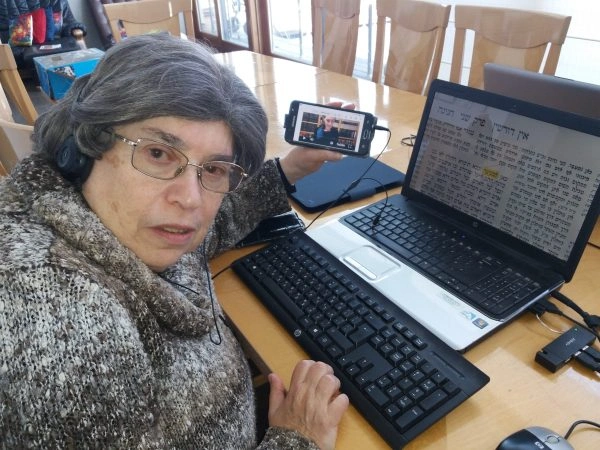
When I began the previous cycle, I promised myself that if I stuck with it, I would reward myself with a trip to Israel. Little did I know that the trip would involve attending the first ever women’s siyum and being inspired by so many learners. I am now over 2 years into my second cycle and being part of this large, diverse, fascinating learning family has enhanced my learning exponentially.

Shira Krebs
Shira Krebs

Minnesota, United States

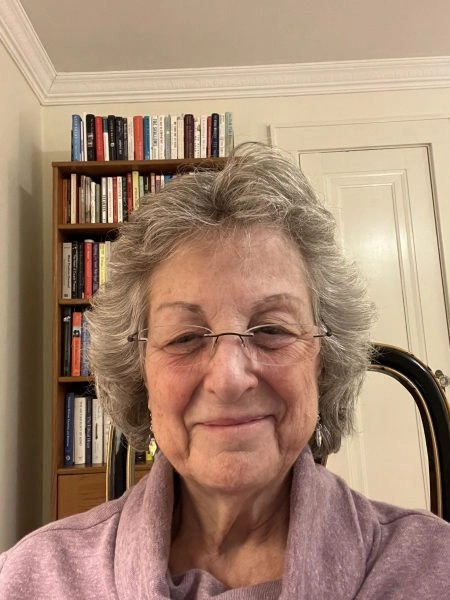
When I began learning Daf Yomi at the beginning of the current cycle, I was preparing for an upcoming surgery and thought that learning the Daf would be something positive I could do each day during my recovery, even if I accomplished nothing else. I had no idea what a lifeline learning the Daf would turn out to be in so many ways.

Laura Shechter
Laura Shechter

Lexington, MA, United States

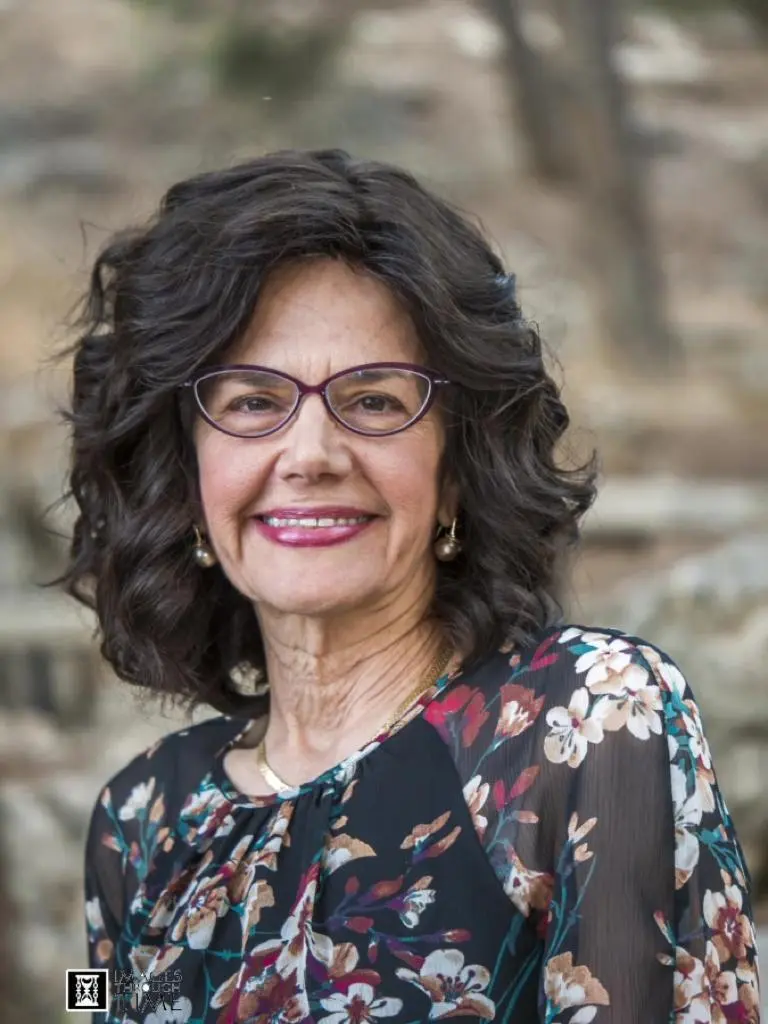
After enthusing to my friend Ruth Kahan about how much I had enjoyed remote Jewish learning during the earlier part of the pandemic, she challenged me to join her in learning the daf yomi cycle. I had always wanted to do daf yomi but now had no excuse. The beginning was particularly hard as I had never studied Talmud but has become easier, as I have gained some familiarity with it.

Susan-Vishner-Hadran-photo-scaled
Susan Vishner

Brookline, United States

It happened without intent (so am I yotzei?!) – I watched the women’s siyum live and was so moved by it that the next morning, I tuned in to Rabbanit Michelle’s shiur, and here I am, still learning every day, over 2 years later. Some days it all goes over my head, but others I grasp onto an idea or a story, and I ‘get it’ and that’s the best feeling in the world. So proud to be a Hadran learner.

Jeanne Yael Klempner

Zichron Yaakov, Israel

I had tried to start after being inspired by the hadran siyum, but did not manage to stick to it. However, just before masechet taanit, our rav wrote a message to the shul WhatsApp encouraging people to start with masechet taanit, so I did! And this time, I’m hooked! I listen to the shiur every day , and am also trying to improve my skills.

Laura Major
Laura Major

Yad Binyamin, Israel

I began learning the daf in January 2022. I initially “flew under the radar,” sharing my journey with my husband and a few close friends. I was apprehensive – who, me? Gemara? Now, 2 years in, I feel changed. The rigor of a daily commitment frames my days. The intellectual engagement enhances my knowledge. And the virtual community of learners has become a new family, weaving a glorious tapestry.

Gitta Jaroslawicz-Neufeld

Far Rockaway, United States

I’ve been studying Talmud since the ’90s, and decided to take on Daf Yomi two years ago. I wanted to attempt the challenge of a day-to-day, very Jewish activity. Some days are so interesting and some days are so boring. But I’m still here.
Wendy Rozov
Wendy Rozov

Phoenix, AZ, United States

After experiences over the years of asking to join gemara shiurim for men and either being refused by the maggid shiur or being the only women there, sometimes behind a mechitza, I found out about Hadran sometime during the tail end of Masechet Shabbat, I think. Life has been much better since then.

Madeline Cohen
Madeline Cohen

London, United Kingdom

In January 2020, my teaching partner at IDC suggested we do daf yomi. Thanks to her challenge, I started learning daily from Rabbanit Michelle. It’s a joy to be part of the Hadran community. (It’s also a tikkun: in 7th grade, my best friend and I tied for first place in a citywide gemara exam, but we weren’t invited to the celebration because girls weren’t supposed to be learning gemara).

Sara-Averick-photo-scaled
Sara Averick

Jerusalem, Israel

I’ve been wanting to do Daf Yomi for years, but always wanted to start at the beginning and not in the middle of things. When the opportunity came in 2020, I decided: “this is now the time!” I’ve been posting my journey daily on social media, tracking my progress (#DafYomi); now it’s fully integrated into my daily routines. I’ve also inspired my partner to join, too!

Joséphine Altzman
Joséphine Altzman

Teaneck, United States

I started learning Daf Yomi because my sister, Ruth Leah Kahan, attended Michelle’s class in person and suggested I listen remotely. She always sat near Michelle and spoke up during class so that I could hear her voice. Our mom had just died unexpectedly and it made me feel connected to hear Ruth Leah’s voice, and now to know we are both listening to the same thing daily, continents apart.
Jessica Shklar
Jessica Shklar

Philadelphia, United States

My Daf journey began in August 2012 after participating in the Siyum Hashas where I was blessed as an “enabler” of others.  Galvanized into my own learning I recited the Hadran on Shas in January 2020 with Rabbanit Michelle. That Siyum was a highlight in my life.  Now, on round two, Daf has become my spiritual anchor to which I attribute manifold blessings.

Rina Goldberg
Rina Goldberg

Englewood NJ, United States

I began my journey with Rabbanit Michelle more than five years ago. My friend came up with a great idea for about 15 of us to learn the daf and one of us would summarize weekly what we learned.
It was fun but after 2-3 months people began to leave. I have continued. Since the cycle began Again I have joined the Teaneck women.. I find it most rewarding in so many ways. Thank you

Dena Heller
Dena Heller

New Jersey, United States

My family recently made Aliyah, because we believe the next chapter in the story of the Jewish people is being written here, and we want to be a part of it. Daf Yomi, on the other hand, connects me BACK, to those who wrote earlier chapters thousands of years ago. So, I feel like I’m living in the middle of this epic story. I’m learning how it all began, and looking ahead to see where it goes!
Tina Lamm
Tina Lamm

Jerusalem, Israel

I started learning at the beginning of the cycle after a friend persuaded me that it would be right up my alley. I was lucky enough to learn at Rabbanit Michelle’s house before it started on zoom and it was quickly part of my daily routine. I find it so important to see for myself where halachot were derived, where stories were told and to get more insight into how the Rabbis interacted.

Deborah Dickson
Deborah Dickson

Ra’anana, Israel

In January 2020, my chevruta suggested that we “up our game. Let’s do Daf Yomi” – and she sent me the Hadran link. I lost my job (and went freelance), there was a pandemic, and I am still opening the podcast with my breakfast coffee, or after Shabbat with popcorn. My Aramaic is improving. I will need a new bookcase, though.

Rhondda May
Rhondda May

Atlanta, Georgia, United States

I started learning daf yomi at the beginning of this cycle. As the pandemic evolved, it’s been so helpful to me to have this discipline every morning to listen to the daf podcast after I’ve read the daf; learning about the relationships between the rabbis and the ways they were constructing our Jewish religion after the destruction of the Temple. I’m grateful to be on this journey!

Mona Fishbane
Mona Fishbane

Teaneck NJ, United States

I started my Daf Yomi journey at the beginning of the COVID19 pandemic.

Karena Perry
Karena Perry

Los Angeles, United States

A beautiful world of Talmudic sages now fill my daily life with discussion and debate.
bringing alive our traditions and texts that has brought new meaning to my life.
I am a מגילת אסתר reader for women . the words in the Mishna of מסכת megillah 17a
הקורא את המגילה למפרע לא יצא were powerful to me.
I hope to have the zchut to complete the cycle for my 70th birthday.

Sheila Hauser
Sheila Hauser

Jerusalem, Israel

I started the daf at the beginning of this cycle in January 2020. My husband, my children, grandchildren and siblings have been very supportive. As someone who learned and taught Tanach and mefarshim for many years, it has been an amazing adventure to complete the six sedarim of Mishnah, and now to study Talmud on a daily basis along with Rabbanit Michelle and the wonderful women of Hadran.

Rookie Billet
Rookie Billet

Jerusalem, Israel

Bava Batra 74

וְגָנוּ אַפַּרְקִיד. וַהֲוָה זְקִיפָא בִּרְכֵּיהּ דְּחַד מִינַּיְיהוּ, וְעָיֵל טַיָּיעָא תּוּתֵי בִּרְכֵּיהּ כִּי רְכִיב גַּמְלָא, וּזְקִיפָא רוּמְחֵיהּ וְלָא נָגַע בֵּיהּ. פְּסַקִי חֲדָא קַרְנָא דִתְכֵלְתָּא דְּחַד מִינַּיְיהוּ, וְלָא הֲוָה מִסְתַּגִּי לַן. אָמַר לִי: דִּלְמָא שְׁקַלְתְּ מִידֵּי מִינַּיְיהוּ? אַהְדְּרֵיהּ, דִּגְמִירִי דְּמַאן דְּשָׁקֵיל מִידֵּי מִינַּיְיהוּ לָא מִסְתַּגִּי לֵיהּ. אֲזַלִי אַהְדַּרְתֵּיהּ, וַהֲדַר מִסְתַּגִּי לַן.

and they were lying on their backs. And the knee of one of them was elevated, and he was so enormous that the Arab entered under his knee while riding a camel and with his spear upright, and he did not touch him. I cut one corner of the sky-blue garment that contains ritual fringes of one of them, and we were unable to walk. The Arab said to me: Perhaps you took something from them? Return it, as we know by tradition that one who takes something from them cannot walk. I then returned the corner of the garment, and then we were able to walk.

כִּי אֲתַאי לְקַמֵּיהּ דְּרַבָּנַן, אֲמַרוּ לִי: כֹּל ״אַבָּא״ – חַמְרָא, וְכֹל ״בַּר בַּר חָנָה״ – סִיכְסָא! לְמַאי הִלְכְתָא עֲבַדְתְּ הָכִי? לְמִידַּע אִי כְּבֵית שַׁמַּאי אִי כְּבֵית הִלֵּל? אִיבְּעִי לָךְ לְמִימְנֵי חוּטִין וּלְמִימְנֵי חוּלְיוֹת.

When I came before the Sages, they said to me in rebuke: Every Abba is a donkey, and every bar bar Ḥana is an idiot. For the purpose of clarifying what halakha did you do that? If you wanted to know whether the halakha is in accordance with the opinion of Beit Shammai or in accordance with the opinion of Beit Hillel, as to whether there are four or three threads and joints in ritual fringes, in that case there was no need to take anything with you, as you should have simply counted the threads and counted the joints.

אֲמַר לִי: תָּא אַחְוֵי לָךְ הַר סִינַי. אֲזַלִי, חֲזַאי דְּהָדְרָא לֵיהּ עַקְרַבָּא, וְקָיְימָא כִּי חֲמָרֵי חִווֹרָתִי. שָׁמַעְתִּי בַּת קוֹל שֶׁאוֹמֶרֶת: ״אוֹי לִי שֶׁנִּשְׁבַּעְתִּי; וְעַכְשָׁיו שֶׁנִּשְׁבַּעְתִּי – מִי מֵפֵר לִי?״

Rabba bar bar Ḥana continues his account. That Arab also said to me: Come, I will show you Mount Sinai. I went and saw that scorpions were encircling it, and they were standing as high as white donkeys. I heard a Divine Voice saying: Woe is Me that I took an oath; and now that I took the oath, who will nullify it for me?

כִּי אֲתַאי לְקַמֵּיהּ דְּרַבָּנַן, אֲמַרוּ לִי: כָּל ״אַבָּא״ – חַמְרָא, כׇּל ״בַּר בַּר חָנָה״ – סִיכְסָא! הָיָה לְךָ לוֹמַר ״מוּפָר לָךְ״! וְהוּא סָבַר: דִּלְמָא שְׁבוּעֲתָא דְמַבּוּל הוּא. וְרַבָּנַן – אִם כֵּן, ״אוֹי לִי״ לָמָּה?

When I came before the Sages, they said to me in rebuke: Every Abba is a donkey, and every bar bar Ḥana is an idiot. You should have said: Your oath is nullified. The Gemara explains: And Rabba bar bar Ḥana did not nullify the oath because he reasoned: Perhaps God is referring to the oath that He will not flood the earth again. But the Sages would argue that if that were so, why say: Woe is Me? Rather, this must be referring to God’s oath of exile upon the Jewish people.

אָמַר לִי: תָּא אַחְוֵי לָךְ בְּלוּעֵי דְקֹרַח. חֲזַאי תְּרֵי בִּיזְעֵי, וַהֲווֹ קָא מַפְּקִי קוּטְרָא. שְׁקַל גְּבָבָא דְעַמְרָא וְאַמְשִׁינֵּהּ בְּמַיָּא, וְדַעֲצִיתֵהּ בְּרֵאשֵׁהּ דְּרוּמְחָא וְעַיְּילֵיהּ הָתָם, וְכִי אַפֵּיק, הֲוָה אִיחֲרַךְ אִיחֲרוֹכֵי. אָמַר לִי: אַצֵּית מַאי שָׁמְעַתְּ, וּשְׁמַעִית דַּהֲווֹ אָמְרִין: ״מֹשֶׁה וְתוֹרָתוֹ אֱמֶת, וְהֵן בַּדָּאִין״. אֲמַר לִי: כֹּל תְּלָתִין יוֹמֵי מַהְדַּר לְהוּ גֵּיהִנָּם לְהָכָא כְּבָשָׂר בְּקַלַּחַת, וְאָמְרִי הָכִי: ״מֹשֶׁה וְתוֹרָתוֹ אֱמֶת, וְהֵן בַּדָּאִין״.

Rabba bar bar Ḥana continues his account. The Arab also said to me: Come, I will show you those who were swallowed by the earth due to the sin of Korah. I saw two rifts in the ground that were issuing smoke. The Arab took a shearing of wool, and dipped it in water, and inserted it on the head of a spear, and placed it in there. And when he removed the wool, it was scorched. He said to me: Listen to what you hear; and I heard that they were saying: Moses and his Torah are true, and they, i.e., we in the earth, are liars. The Arab further said to me: Every thirty days Gehenna returns them to here, like meat in a pot that is moved around by the boiling water as it cooks. And every time they say this: Moses and his Torah are true, and they, i.e., we in the earth, are liars.

אָמַר לִי: תָּא אַחְוֵי לָךְ הֵיכָא דְּנָשְׁקִי אַרְעָא וּרְקִיעָא אַהֲדָדֵי. שְׁקַלְתָּא לְסִילְתַּאי, אַתְנַחְתָּא בְּכַוְּותָא דִרְקִיעָא. אַדִּמְצַלֵּינָא, בְּעֵיתֵיהּ וְלָא אַשְׁכַּחְתֵּהּ. אָמֵינָא לֵיהּ: אִיכָּא גַּנָּבֵי הָכָא? אֲמַר לִי: הַאי גִּלְגְּלָא דִרְקִיעָא הֲוָה דְּהָדַר, נְטַר עַד לִמְחַר הָכָא – וּמַשְׁכַּחַתְּ לַהּ.

This Arab also said to me: Come, I will show you the place where the earth and the heavens touch each other. I took my basket and placed it in a window of the heavens. After I finished praying, I searched for it but did not find it. I said to him: Are there thieves here? He said to me: This is the heavenly sphere that is turning around; wait here until tomorrow and you will find it.

רַבִּי יוֹחָנָן מִשְׁתַּעֵי: זִימְנָא חֲדָא הֲוָה קָא אָזְלִינַן בִּסְפִינְתָּא; וַחֲזֵינַן הָהוּא כְּווֹרָא דְּאַפְּקֵיהּ לְרֵישֵׁיהּ מִיַּמָּא, וְדָמְיָין עַיְינֵיהּ כִּתְרֵי סֵיהֲרֵי; וּנְפוּץ מַיָּא מִתַּרְתֵּי זִימֵיהּ כִּתְרֵי מַבָּרֵי דְסוּרָא. רַב סָפְרָא מִשְׁתַּעֵי: זִימְנָא חֲדָא הֲוָה קָא אָזְלִינַן בִּסְפִינְתָּא; וַחֲזֵינַן הָהוּא כְּווֹרָא דְּאַפְּקֵיהּ לְרֵישֵׁיהּ מִיַּמָּא, וַהֲוָה לֵיהּ קַרְנֵי וַחֲקִיק עֲלָיהּ: ״אֲנָא בְּרִיָּה קַלָּה שֶׁבַּיָּם״; וַהֲוֵינָא תְּלָת מְאָה פַּרְסֵי, וְאָזֵילְנָא לְפוּמָּא דְלִוְיָתָן. אָמַר רַב אָשֵׁי: הָהוּא עִיזָּא דְיַמָּא הוּא, דְּבָחִישָׁא וְאִית לַהּ קַרְנֵי.

§ Rabbi Yoḥanan relates: Once we were traveling on a ship and we saw a certain fish that took its head out of the sea, and its eyes had the appearance of two moons, and water scattered from its two gills like the two rivers of Sura. Rav Safra relates: Once we were traveling on a ship and we saw a certain fish that took its head out of the sea, and it had horns, and the following was inscribed on them: I am a lowly creature of the sea and I am three hundred parasangs long, and I am going into the mouth of the leviathan. Rav Ashi said: That is the goat of the sea, which searches through the sea and has horns.

רַבִּי יוֹחָנָן מִשְׁתַּעֵי: זִימְנָא חֲדָא הֲוָה קָא אָזְלִינַן בִּסְפִינְתָּא; וַחֲזֵינַן הָהִיא קַרְטְלִיתָא, דַּהֲווֹ קָא מְקַבְּעִי בַּהּ אֲבָנִים טוֹבוֹת וּמַרְגָּלִיּוֹת, וְהָדְרִי לַהּ מִינֵי דִכְווֹרֵי דְּמִקְּרֵי כַּרְשָׁא. נְחֵית

Rabbi Yoḥanan relates: Once we were traveling on a ship and we saw a certain crate [kartalita] in which precious stones and pearls were set, and a species of fish called sharks encircled it. He descended,

בַּר אָמוֹרַאי לְאֵתוּיַהּ, וּרְגַשׁ וּבָעֵי לִשְׁמְטֵיהּ לְאַטְמֵיהּ, וּשְׁדָא זִיקָא דְחַלָּא וּנְחֵת. נְפַק בַּת קָלָא אֲמַר לַן: ״מַאי אִית לְכוּ בַּהֲדֵי קַרְטְלִיתָא דִּדְבֵיתְהוּ דְּרַבִּי חֲנִינָא בֶּן דּוֹסָא, דַּעֲתִידָה דְּשָׁדְיָא תְּכֵלְתָּא בָּהּ לְצַדִּיקֵי לְעָלְמָא דְאָתֵי!״

i.e., a diver [bar amoraei] went into the water to bring up this chest, and the fish became angry and sought to sever his thigh, but the diver threw upon it a flask of vinegar and they descended and swam away. A Divine Voice emerged and said to us: What right do you have to touch the crate of the wife of Rabbi Ḥanina ben Dosa, as she is destined to insert sky-blue wool in it to be used in the ritual fringes of the righteous in the World-to-Come?

רַב יְהוּדָה הִינְדְּוָא מִשְׁתַּעֵי: זִימְנָא חֲדָא הֲוָה אָזְלִינַן בִּסְפִינְתָּא, וַחֲזֵינַן הָהוּא אֶבֶן טָבָא דַּהֲוָה הָדַיר לַהּ תַּנִּינָא. נָחֵית בַּר אָמוֹרָאֵי לְאֵתוּיַהּ, אֲתָא תַּנִּינָא קָא בָּעֵי לְמִבְלַע לַהּ לִסְפִינְתָּא. אֲתָא פִּישְׁקַנְצָא פַּסְקֵיהּ לְרֵישֵׁיהּ, אִתְהֲפִיכוּ מַיָּא וַהֲווֹ דְּמָא. אֲתָא תַּנִּינָא חַבְרֵיהּ, שַׁקְלַהּ וְתַלְיַהּ לֵיהּ וַחֲיָה. הֲדַר אֲתָא קָא בָּעֵי בָּלְעָא לִסְפִינְתָּא, הֲדַר אֲתָא צִיפְּרָא פַּסְקֵיהּ לְרֵישֵׁיהּ. שַׁקְלוּהָ לְהַהִיא אֶבֶן טָבָא שַׁדְיוּהָ לִסְפִינְתָּא; הֲוָה הָנֵי צִיפְּרֵי מְלִיחִי בַּהֲדַן, אוֹתְבִינְהוּ עֲלַיְיהוּ; שַׁקְלוּהָ וּפְרַחוּ לְהוּ בַּהֲדַהּ.

Rav Yehuda from India relates: Once we were traveling in a ship and we saw a certain precious stone that was encircled by a snake. A diver descended to bring it up, and the snake came and sought to swallow the ship. A raven came and cut off its head, and the water turned into blood due to the enormousness of the snake. Another snake came, took the precious stone, and hung it on the dead snake, and it recovered. It returned and again sought to swallow the ship, and yet again a bird came and cut off its head, took that precious stone, and threw it onto the ship. We had with us these salted birds; we placed the stone on them, and they took the stone and flew away with it.

תָּנוּ רַבָּנַן: מַעֲשֶׂה בְּרַבִּי אֱלִיעֶזֶר וְרַבִּי יְהוֹשֻׁעַ שֶׁהָיוּ בָּאִין בִּסְפִינָה, וְהָיָה רַבִּי אֱלִיעֶזֶר יָשֵׁן וְרַבִּי יְהוֹשֻׁעַ נֵעוֹר. נִזְדַּעְזַע רַבִּי יְהוֹשֻׁעַ, וְנִנְעַר רַבִּי אֱלִיעֶזֶר. אָמַר לוֹ: מָה זֶה יְהוֹשֻׁעַ, מִפְּנֵי מָה נִזְדַּעְזַעְתָּ? אָמַר לוֹ: מָאוֹר גָּדוֹל רָאִיתִי בַּיָּם. אָמַר לוֹ: שֶׁמָּא עֵינָיו שֶׁל לִוְיָתָן רָאִיתָ – דִּכְתִיב: ״עֵינָיו כְּעַפְעַפֵּי שָׁחַר״.

§ Apropos the stories of large sea creatures, the Gemara discusses the large sea creatures mentioned in the Bible. The Sages taught: There was an incident involving Rabbi Eliezer and Rabbi Yehoshua, who were traveling on a ship, and Rabbi Eliezer was sleeping and Rabbi Yehoshua was awake. Rabbi Yehoshua trembled, and Rabbi Eliezer awoke. Rabbi Eliezer said to him: What is this, Yehoshua; for what reason did you tremble? Rabbi Yehoshua said to him: I saw a great light in the sea. Rabbi Eliezer said to him: Perhaps you saw the eyes of the leviathan, as it is written: “And his eyes are like the eyelids of the morning” (Job 41:10).

אָמַר רַב אָשֵׁי, אָמַר לִי הוּנָא בַּר נָתָן: זִימְנָא חֲדָא הֲוָה קָא אָזְלִינַן בְּמַדְבְּרָא, וַהֲוַאי אַטְמָא דְּבִשְׂרָא בַּהֲדַן. פְּתַחְנָא, וְנַקַּירְנָא, וְאַנַּחְנָא אַעִשְׂבֵי. אַדְּמַיְיתִינַן צִיבֵי, חֲלַם אַטְמָא, וּטְוֵינַן. כִּי הֲדַרַן לְבָתַר תְּרֵיסַר יַרְחֵי שַׁתָּא, חֲזֵינְהוּ לְהָנְהוּ גּוּמְרֵי דַּהֲווֹ קָא מְלַחֲשִׁי. כִּי אֲתַאי לְקַמֵּיהּ דְּאַמֵּימָר, אֲמַר לִי: הַהוּא עִישְׂבָּא סַמְתָּרִי הֲוָה; הָנְהוּ גּוּמְרֵי דְּרִיתְמָא הֲווֹ.

Rav Ashi said: Huna bar Natan said to me: Once we were traveling in the desert, and we had a thigh of meat with us. We cut open the thigh and tore off the sciatic nerve and the forbidden fat and put it on the grass. By the time that we brought wood, the thigh had repaired itself, and we roasted it. When we returned to that place after twelve months of the year had passed, we saw that those coals were still glowing. When I came before Ameimar, he said to me: That grass was a drug of life [samterei], while those coals were of broom.

״וַיִּבְרָא אֱלֹהִים אֶת הַתַּנִּינִם הַגְּדוֹלִים״ – הָכָא תַּרְגִּימוּ: אֻרְזִילֵי דְיַמָּא. רַבִּי יוֹחָנָן אָמַר: זֶה לִוְיָתָן נָחָשׁ בָּרִיחַ וְלִוְיָתָן נָחָשׁ עֲקַלָּתוֹן, שֶׁנֶּאֱמַר: ״בַּיּוֹם הַהוּא יִפְקֹד ה׳ בְּחַרְבּוֹ הַקָּשָׁה וְגוֹ׳״.

The verse states: “And God created the great sea monsters” (Genesis 1:21). Here, in Babylonia, they interpreted this as a reference to the sea oryx. Rabbi Yoḥanan says: This is leviathan the slant serpent, and leviathan the tortuous serpent, as it is stated: “In that day the Lord with His sore and great and strong sword will punish leviathan the slant serpent, and leviathan the tortuous serpent” (Isaiah 27:1).

(סִימָן: כׇּל, שָׁעָה, יַרְדֵּן) אָמַר רַב: יְהוּדָה אָמַר רַב: כֹּל מַה שֶּׁבָּרָא הַקָּדוֹשׁ בָּרוּךְ הוּא בְּעוֹלָמוֹ – זָכָר וּנְקֵבָה בְּרָאָם. אַף לִוְיָתָן נָחָשׁ בָּרִיחַ וְלִוְיָתָן נָחָשׁ עֲקַלָּתוֹן – זָכָר וּנְקֵבָה בְּרָאָם, וְאִלְמָלֵי נִזְקָקִין זֶה לָזֶה – מַחְרִיבִין כָּל הָעוֹלָם כּוּלּוֹ. מָה עָשָׂה הַקָּדוֹשׁ בָּרוּךְ הוּא? סֵירַס אֶת הַזָּכָר, וְהָרַג הַנְּקֵבָה וּמְלָחָהּ לַצַּדִּיקִים לֶעָתִיד לָבֹא, שֶׁנֶּאֱמַר: ״וְהָרַג אֶת הַתַּנִּין אֲשֶׁר בַּיָּם״.

§ The Gemara provides a mnemonic for the following statements of Rav Yehuda citing Rav: Everything; time; Jordan. Rav Yehuda says that Rav says: Everything that the Holy One, Blessed be He, created in His world, He created male and female. Even leviathan the slant serpent and leviathan the tortuous serpent He created male and female. And if they would have coupled and produced offspring, they would have destroyed the entire world. What did the Holy One, Blessed be He, do? He castrated the male and killed the female, and salted the female to preserve it for the banquet for the righteous in the future. As it is stated: “And He will slay the serpent that is in the sea” (Isaiah 27:1).

וְאַף בְּהֵמוֹת בְּהַרְרֵי אֶלֶף – זָכָר וּנְקֵבָה בְּרָאָם, וְאִלְמָלֵי נִזְקָקִין זֶה לָזֶה מַחֲרִיבִין כָּל הָעוֹלָם כּוּלּוֹ. מָה עָשָׂה הַקָּדוֹשׁ בָּרוּךְ הוּא? סֵירַס הַזָּכָר, וְצִינֵּן הַנְּקֵבָה וּשְׁמָרָהּ לַצַּדִּיקִים לֶעָתִיד לָבֹא, שֶׁנֶּאֱמַר: ״הִנֵּה נָא כֹחוֹ בְמׇתְנָיו״ – זֶה זָכָר, ״וְאוֹנוֹ בִּשְׁרִירֵי בִטְנוֹ״ – זוֹ נְקֵבָה.

And He created even the beasts on the thousand hills (see Psalms 50:10) male and female. And they were so enormous that if they would have coupled and produced offspring, they would have destroyed the entire world. What did the Holy One, Blessed be He, do? He castrated the male and cooled the sexual desire of the female and preserved it for the righteous in the future. As it is stated about the beasts: “Lo now, his strength is in his loins” (Job 40:16); this is referring to the male. The continuation of the verse: “And his force is in the stays of his body”; this is the female, alluding to the idea that they did not use their genitals for the purpose of procreation.

הָתָם נָמֵי, לִיסָרְסֵיהּ לְזָכָר וְלִיצַנְּנַּהּ לִנְקֵבָה! דָּגִים פְּרִיצִי. וְלֶיעְבֵּיד אִיפְּכָא! אִיבָּעֵית אֵימָא: נְקֵבָה מְלִיחָא מְעַלֵּי; אִיבָּעֵית אֵימָא, כֵּיוָן דִּכְתִיב: ״לִוְיָתָן זֶה יָצַרְתָּ לְשַׂחֶק בּוֹ״, בַּהֲדֵי נְקֵבָה לָאו אוֹרַח אַרְעָא. הָכָא נָמֵי, לִימְלְחַהּ לִנְקֵבָה! כְּווֹרָא מְלִיחָא מְעַלֵּי, בִּשְׂרָא מְלִיחָא לָא מְעַלֵּי.

The Gemara asks: There too, with regard to the leviathan, let Him castrate the male and cool the female; why was it necessary to kill the female? The Gemara answers: Fish are unrestrained, and therefore even if the female was cooled, the female would still procreate. The Gemara suggests: And let Him do the opposite, and kill and preserve the male leviathan. The Gemara responds: If you wish, say that the salted female is better; if you wish, say instead that since it is written: “There is leviathan, whom You have formed to sport with” (Psalms 104:26), the male must be left alive for sport, because it is not proper conduct to sport with a female. The Gemara asks: Here too, with regard to the beasts, let Him preserve the female in salt, instead of cooling it. The Gemara answers: Salted fish is good, but salted meat is not good.

וְאָמַר רַב יְהוּדָה אָמַר רַב: בְּשָׁעָה שֶׁבִּיקֵּשׁ הַקָּדוֹשׁ בָּרוּךְ הוּא לִבְראוֹת אֶת הָעוֹלָם, אָמַר לוֹ לְשַׂר שֶׁל יָם: פְּתַח פִּיךָ וּבְלַע כׇּל מֵימוֹת שֶׁבָּעוֹלָם. אָמַר לְפָנָיו: רִבּוֹנוֹ שֶׁל עוֹלָם, דַּי שֶׁאֶעְמוֹד בְּשֶׁלִּי. מִיָּד בָּעַט בּוֹ וַהֲרָגוֹ, שֶׁנֶּאֱמַר: ״בְּכֹחוֹ רָגַע הַיָּם וּבִתְבוּנָתוֹ מָחַץ רָהַב״.

And Rav Yehuda says that Rav says: At the time when the Holy One, Blessed be He, sought to create the world, He said to the minister of the sea: Open your mouth and swallow all the waters of the world, so that there will be room for land. The minister of the sea said before Him: Master of the Universe, it is enough that I will stay within my own waters. God immediately struck him and killed him; as it is stated: “He stirs up the sea with His power, and by His understanding He smites through Rahab” (Job 26:12).

אָמַר רַבִּי יִצְחָק: שְׁמַע מִינַּהּ, שָׂרוֹ שֶׁל יָם ״רַהַב״ שְׁמוֹ; וְאִלְמָלֵא מַיִם מְכַסִּין אוֹתוֹ – אֵין כׇּל בְּרִיָּה יְכוֹלָה לַעֲמוֹד בְּרֵיחוֹ, שֶׁנֶּאֱמַר: ״לֹא יָרֵעוּ וְלֹא יַשְׁחִיתוּ בְּכׇל הַר קׇדְשִׁי וְגוֹ׳, כַּמַּיִם לַיָּם מְכַסִּים״ – אַל תִּקְרֵי ״לַיָּם מְכַסִּים״, אֶלָּא ״לְשָׂרָהּ שֶׁל יָם מְכַסִּים״.

Rabbi Yitzḥak said: Conclude from here that the name of the minister of the sea is Rahab, and were it not for waters of the sea that cover him, no creature could withstand his smell, as his corpse emits a terrible stench. As it is stated: “They shall not hurt nor destroy in all My holy mountain; for the earth shall be full of the knowledge of the Lord, as the waters cover the sea” (Isaiah 11:9). Do not read this phrase as “cover the sea”; rather read it as: Cover the minister of the sea, i.e., the term sea is referring to the minister of the sea, not to the sea itself.

וְאָמַר רַב יְהוּדָה אָמַר רַב: יַרְדֵּן – יוֹצֵא מִמְּעָרַת פַּמְיָיס. תַּנְיָא נָמֵי הָכִי: יַרְדֵּן יוֹצֵא מִמְּעָרַת פַּמְיָיס, וּמְהַלֵּךְ בְּיַמָּהּ שֶׁל סִיבְכִי וּבְיַמָּהּ שֶׁל טְבֶרְיָא, וּמִתְגַּלְגֵּל וְיוֹרֵד לַיָּם הַגָּדוֹל; וּמִתְגַּלְגֵּל וְיוֹרֵד עַד שֶׁמַּגִּיעַ לְפִיו שֶׁל לִוְיָתָן, שֶׁנֶּאֱמַר: ״יִבְטַח כִּי יָגִיחַ יַרְדֵּן אֶל פִּיהוּ״. מַתְקֵיף לַהּ רָבָא בַּר עוּלָּא: הַאי בִּבְהֵמוֹת בְּהַרְרֵי אֶלֶף כְּתִיב! אֶלָּא אָמַר רָבָא בַּר עוּלָּא: אֵימָתַי בְּהֵמוֹת בְּהַרְרֵי אֶלֶף בְּטוּחוֹת? בִּזְמַן שֶׁמֵּגִיחַ יַרְדֵּן בְּפִיו שֶׁל לִוְיָתָן.

And Rav Yehuda says that Rav says: The Jordan issues forth from the cave of Pamyas. That is also taught in a baraita: The Jordan issues forth from the cave of Pamyas, and travels in the Sea of Sivkhi, i.e., the Hula Lake, and in the Sea of Tiberias, the Sea of Galilee, and rolls down to the Great Sea, and rolls down until it reaches the mouth of the leviathan. As it is stated: “He is confident, though the Jordan rush forth to his mouth” (Job 40:23). Rava bar Ulla strongly objects to this explanation of the verse, stating: But this verse is written about the beasts on the thousand hills. Rather, Rava bar Ulla said that this is the meaning of the verse: When are the beasts on the thousand hills confident? When the Jordan rushes forth into the mouth of the leviathan.

(סִימָן: יָמִים, גַּבְרִיאֵל, רָעָב) כִּי אֲתָא רַב דִּימִי אָמַר רַבִּי יוֹחָנָן, מַאי דִּכְתִיב: ״כִּי הוּא עַל יַמִּים יְסָדָהּ וְעַל נְהָרוֹת יְכוֹנְנֶהָ״? אֵלּוּ שִׁבְעָה יָמִים וְאַרְבָּעָה נְהָרוֹת שֶׁמַּקִּיפִין אֶת אֶרֶץ יִשְׂרָאֵל. וְאֵלּוּ הֵן שִׁבְעָה יָמִים: יַמָּהּ שֶׁל טְבֶרְיָא, וְיַמָּהּ שֶׁל סְדוֹם, וְיַמָּהּ שֶׁל חֵילָת, וְיַמָּהּ שֶׁל חֵילָתָא, וְיַמָּהּ שֶׁל סִיבְכִי, וְיַם אַסְפַּמְיָא, וְיָם הַגָּדוֹל. וְאֵלּוּ הֵן אַרְבָּעָה נְהָרוֹת: יַרְדֵּן, וְיַרְמוּךְ, וְקֵירוּמְיוֹן, וּפֵיגָה.

§ The Gemara provides a mnemonic for the upcoming statements of Rav Dimi: Seas; Gabriel; hungry. When Rav Dimi came from Eretz Yisrael to Babylonia, he said that Rabbi Yoḥanan said: What is the meaning of that which is written: “For He has founded it upon the seas, and established it upon the floods” (Psalms 24:2)? These are the seven seas and four rivers that surround Eretz Yisrael. And these are the seven seas: The Sea of Tiberias, the Sea of Sodom, i.e., the Dead Sea, the Sea of Ḥeilat, the Sea of Ḥeilata, the Sea of Sivkhi, the Sea of Aspamya, and the Great Sea, i.e., the Mediterranean. And these are the four rivers: The Jordan, the Jarmuth, and the Keiromyon, and the Piga, which are the rivers of Damascus.

כִּי אֲתָא רַב דִּימִי אָמַר רַבִּי יוֹנָתָן: עָתִיד גַּבְרִיאֵל לַעֲשׂוֹת

When Rav Dimi came from Eretz Yisrael to Babylonia he said that Rabbi Yonatan says: In the future, Gabriel will perform

Want to follow content and continue where you left off?

Create an account today to track your progress, mark what you’ve learned, and follow the shiurim that speak to you.

Clear all items from this list?

This will remove ALL the items in this section. You will lose any progress or history connected to them. This is irreversible.

Cancel
Yes, clear all

Are you sure you want to delete this item?

You will lose any progress or history connected to this item.

Cancel
Yes, delete