Search

Bava Batra 82

Want to dedicate learning? Get started here:

podcast placeholder

0:00
0:00


Summary

This week’s learning is sponsored by Medinah Korn in loving memory of her mother, Rosalie Katchen, Shoshana Raizl bat Avraham Yehoshua ve-Baila Toibe, z”l, on her 24th yahrzeit. “She had a “נותן בעין יפה” approach to her interactions with everyone she encountered. She was generous of heart, of mind and of spirit, and we miss her. Yehi zichra baruch.”

Today’s daf is sponsored by David and Mitzi Geffen in loving memory of David’s mother, Ethel Petegorsky Geffen, Adina bat Aryeh Leib, on her 20th yahrzeit. “She was devoted to her husband, family, and the Beth El Synagogue community in New Rochelle, NY. Her two sons made Aliyah and her daughter has lived a professional life of service to the American Jewish community.”

Today’s daf is sponsored by Ayala Ginat in loving memory of Barak ben Lipa and Shulamit. 

How does one determine if the branches grew out of the trunk or the ground to determine whether the growths belong to the owner of the tree or the owner of the land?

Rav Nachman rules that a palm tree does not have laws of geza, the trunk. Rav Zevid and Rav Papa each understand this statement differently.

If one purchases three trees, one acquires land with the trees. How much land does one acquire? Rabbi Yochanan rules that they acquire the land beneath each tree, between each tree, and, in addition, the amount of space needed for a fig gatherer to walk around with a basket. Rabbi Elazar raises a question about the space for the fig gatherer – if one does not get an access route, as per the rabbis’ position that a seller sells sparingly (ayin ra’ah), how does the buyer get space for collecting?

The land underneath and in between the trees can be used by the tree’s owner for planting, but who has the right to plant in the area around the trees for the fig gatherer and basket?

How much space can/should there be between the trees to consider them a field so that the purchaser will acquire the land? Rav Yosef and Rava disagree. Abaye raises a difficulty from a Mishna against Rav Yosef’s position.

Bava Batra 82

עַד שֶׁתְּהֵא לְקִיחָה וַהֲבָאָה כְּאֶחָד; וְהָא לֵיכָּא. אֲמַר לֵיהּ רַב אַחָא בְּרֵיהּ דְּרַב אַוְיָא לְרַב אָשֵׁי: מִכְּדֵי פְּסוּקֵי נִינְהוּ, לִיקְרֵי!

The passage is not recited until the taking and the bringing of the first fruits are performed by one person, and that is not the case here. Rav Aḥa, son of Rav Avya, said to Rav Ashi: Since the passage is composed of verses, let him read them. What is objectionable about reciting verses from the Torah?

אֲמַר לֵיהּ: מִשּׁוּם דְּמִחֲזֵי כְּשִׁיקְרָא. רַב מְשַׁרְשְׁיָא בְּרֵיהּ דְּרַב חִיָּיא אָמַר: דִּלְמָא אָתֵי לְאַפְקוּעִינְהוּ מִתְּרוּמָה וּמַעֲשֵׂר.

Rav Ashi said to him: The problem is due to the fact that this practice has the appearance of falsehood, because he issues a declaration before God that is possibly untrue, as he might not own the ground. Rav Mesharshiyya, son of Rav Ḥiyya, said: The declaration is not recited lest he come to remove the fruits from their obligation of teruma and tithes, if they are treated entirely as first fruits. For this reason one does not recite the passage, to ensure that their unique status is maintained.

הִגְדִּילוּ – לֹא יְשַׁפֶּה כּוּ׳. הֵיכִי דָּמֵי מִן הַגֶּזַע, וְהֵיכִי דָּמֵי מִן הַשׇּׁרָשִׁין?

§ The mishna teaches: With regard to one who buys two trees in the field of another, if the trees grew, the owner of the field may not cut down their branches. The mishna further teaches: That which grows out of the trunk belongs to the owner of the tree, but that which grows out of the roots belongs to the owner of the ground. The Gemara asks: What are the circumstances in which something is considered to be growing out of the trunk, and what are the circumstances in which it is considered to be growing out of the roots?

אָמַר רַבִּי יוֹחָנָן: כֹּל שֶׁרוֹאֶה פְּנֵי חַמָּה – זֶהוּ מִן הַגֶּזַע, וְשֶׁאֵינוֹ רוֹאֶה פְּנֵי חַמָּה – זֶהוּ מִן הַשׇּׁרָשִׁין.

Rabbi Yoḥanan said: With regard to anything that sees the face of the sun, i.e., which is visible and aboveground, this is considered to be growing out of the trunk. And with regard to that which does not see the face of the sun but is concealed in the earth, this is considered to be growing out of the roots.

וְלֵיחוּשׁ דִּלְמָא מַסְּקָא אַרְעָא שִׂירְטוֹן, וְאָמַר לֵיהּ: תְּלָתָא זַבֵּינְתְּ לִי, וְאִית לִי אַרְעָא! אֶלָּא אָמַר רַב נַחְמָן: יָקוֹץ. וְכֵן אָמַר רַבִּי יוֹחָנָן: יָקוֹץ.

The Gemara asks: But if everything that is visible belongs to the owner of the tree, no matter how close it is to the ground, let us be concerned that perhaps the land is covered with sediment from flowing water, and some of the tree’s trunk will be covered, in which case the branches that grow from the trunk will appear as though they are separate trees; and the owner of the trees will say to the owner of the field: You actually sold me three trees and I therefore have ownership over the ground. Rather, Rav Naḥman said: That which grows from the trunk belongs to the owner of the tree, but he must cut it down. And Rabbi Yoḥanan himself likewise said: The owner of the tree must cut it down.

אָמַר רַב נַחְמָן: נְקִיטִינַן, דֶּקֶל אֵין לוֹ גֶּזַע. סָבַר רַב זְבִיד לְמֵימַר: אֵין לוֹ גֶּזַע לְבַעַל דֶּקֶל, דְּכֵיוָן דִּלְמִחְפַּר וּלְשָׁרֵשׁ קָאֵי – אַסּוֹחֵי מַסַּח דַּעְתֵּיהּ.

Rav Naḥman said: We hold by tradition that a palm tree bought from another has no trunk. Rav Zevid thought to say this means that the owner of the palm tree has no right to that which grows from the trunk. The reason is that since it stands ready to be dug up and uprooted, as when the tree dies its owner is not entitled to plant another in its place, he diverts his mind from that which grows from the trunk.

מַתְקֵיף לַהּ רַב פָּפָּא: וְהָא קוֹנֶה שְׁנֵי אִילָנוֹת – דִּלְמִחְפַּר וּלְמִשְׁרַשׁ קָיְימִי, וְקָתָנֵי דְּיֵשׁ לוֹ גֶּזַע! אֶלָּא אָמַר רַב פָּפָּא: אֵין לוֹ גֶּזַע לְבַעַל דֶּקֶל, לְפִי שֶׁאֵין מוֹצִיא גֶּזַע.

Rav Pappa objects to this: But this is comparable to one who buys two trees in a field belonging to another, as the trees stand ready to be dug up and uprooted because their owner has no right to plant new trees in their place when they die; and yet it is taught in the mishna that he has the right to that which grows from the trunk. Rather, Rav Pappa said: The statement of Rav Naḥman means that the owner of a palm tree, in contrast to owners of other types of trees, has no right to that which grows from the trunk, since a palm tree does not produce branches from its trunk.

וּלְרַב זְבִיד, קַשְׁיָא מַתְנִיתִין! דְּזַבֵּין לַחֲמֵשׁ שְׁנִין.

The Gemara asks: But according to the opinion of Rav Zevid, who maintains that Rav Naḥman is referring to all types of trees, the mishna is difficult. The Gemara answers: Rav Zevid interprets the mishna as referring to a situation where the owner of the trees bought the trees for five years and stipulated that he may plant new trees in place of the original trees in the event the original ones are cut down.

קָנָה שְׁלֹשָׁה – קָנָה קַרְקַע. וְכַמָּה? אָמַר רַבִּי חִיָּיא בַּר אַבָּא אָמַר רַבִּי יוֹחָנָן: הֲרֵי זֶה קָנָה תַּחְתֵּיהֶן וּבֵינֵיהֶן, וְחוּצָה לָהֶן

§ The mishna teaches: If one bought three trees he has acquired the ground along with them. The Gemara asks: And how much of the field does he acquire? Rabbi Ḥiyya bar Abba says that Rabbi Yoḥanan says: This buyer has acquired the ground that is located underneath the trees, and the area between them, and with regard to the space outside of the trees and their branches,

כִּמְלוֹא אוֹרֶה וְסַלּוֹ. מַתְקֵיף לַהּ רַבִּי אֶלְעָזָר: הַשְׁתָּא דֶּרֶךְ אֵין לוֹ, אוֹרֶה וְסַלּוֹ יֵשׁ לוֹ?! דֶּרֶךְ אֵין לוֹ – דְּאַרְעָא אַחֲרִיתִי הִיא; אוֹרֶה וְסַלּוֹ – יֵשׁ לוֹ?!

he has acquired an area sufficient for a gatherer of figs and his basket in hand to stand close to the tree. Rabbi Elazar objects to this: Now that the halakha is that the buyer has no path and must purchase a path through the field to access his trees; if so, does he have possession of an area for the gatherer and his basket? The Gemara elaborates: He has no path, even though he has no other means of gaining access to the trees, as the ground he acquired along with the trees is considered another land and is not part of the rest of the field. Why, then, would he have possession of an area for a gatherer and his basket?

אָמַר רַבִּי זֵירָא: מִדִּבְרֵי רַבֵּינוּ נִלְמַד, שְׁלֹשָׁה – הוּא דְּאֵין לוֹ דֶּרֶךְ, הָא שְׁנַיִם – יֵשׁ לוֹ, דְּאָמַר לֵיהּ: בְּאַרְעָא דִּידָךְ קָיְימִי.

Rabbi Zeira says: From the statement, i.e., the objection, of our teacher, we learn that it is in the case of three trees that the owner of the trees has no path, as the buyer acquired a separate piece of land along with the trees. But in the case of two trees the buyer has a path, as he says to the owner of the field: My trees are standing on your land, and as I am allowed to use your field to tend to my trees I have the right to walk through your land to reach them.

אֲמַר לֵיהּ רַב נַחְמָן בַּר יִצְחָק לְרָבָא: לֵימָא רַבִּי אֶלְעָזָר לֵית לֵיהּ דִּשְׁמוּאֵל רַבֵּיהּ – דְּאָמַר שְׁמוּאֵל: הֲלָכָה כְּרַבִּי עֲקִיבָא, דְּאָמַר: מוֹכֵר בְּעַיִן יָפָה מוֹכֵר?

Rav Naḥman bar Yitzḥak said to Rava: Shall we say that Rabbi Elazar does not accept the opinion of Shmuel, who was his teacher? As Shmuel says: The halakha is in accordance with the opinion of Rabbi Akiva, who says: One who sells, sells generously. According to Rabbi Akiva, one sells in a manner that is advantageous for the buyer, and is presumed to have included in the sale even items that were not explicitly specified. In this case, as he has sold a tree that remains on his property, the seller grants the buyer the right to access his tree.

אֲמַר לֵיהּ: לָא מִתּוֹקְמָא מַתְנִיתִין כְּרַבִּי עֲקִיבָא.

Rava said to him: Even if Rabbi Elazar himself agrees with Rabbi Akiva, the mishna cannot be explained in accordance with the opinion of Rabbi Akiva. Rather, the mishna must be in accordance with the opinion of the Rabbis, who hold that one who sells does so sparingly, and the difficulty that Rabbi Elazar raised against Rabbi Yoḥanan is predicated on the fact that the mishna is in accordance with the opinion of the Rabbis.

מִמַּאי? מִדְּקָתָנֵי: הִגְדִּילוּ – יְשַׁפֶּה, וְאִי סָלְקָא דַּעְתָּךְ רַבִּי עֲקִיבָא הִיא, אַמַּאי יְשַׁפֶּה? הָאָמַר: מוֹכֵר בְּעַיִן יָפָה מוֹכֵר!

From where does Rava derive that the mishna is not in accordance with the opinion of Rabbi Akiva? From the fact that the mishna teaches: If the three trees grew, the owner of the land may cut down the branches that extend into his field. And if it enters your mind that the mishna is in accordance with the opinion of Rabbi Akiva, why may he cut them down? Doesn’t Rabbi Akiva say that one who sells, sells generously?

אֲמַר לֵיהּ: אֵימוֹר דְּאָמַר רַבִּי עֲקִיבָא – גַּבֵּי בּוֹר וָדוּת, דְּלָא מַכְחֲשִׁי אַרְעָא; גַּבֵּי אִילָן מִי שָׁמְעַתְּ לֵיהּ?

Rav Naḥman bar Yitzḥak said to him: This does not prove that the mishna is not in accordance with the opinion of Rabbi Akiva. You can say that Rabbi Akiva stated his ruling in the case of a pit and a cistern that are situated in a field belonging to another, which one sells in a generous manner, as they do not weaken the land. But did you hear him say that the seller is generous toward the buyer with regard to a tree, which can weaken the land?

מִי לָא מוֹדֵי רַבִּי עֲקִיבָא בְּאִילָן הַנּוֹטֶה לְתוֹךְ שְׂדֵה חֲבֵירוֹ, שֶׁקּוֹצֵץ מְלֹא מַרְדֵּעַ מֵעַל גַּבֵּי מַחֲרֵישָׁה?

Doesn’t Rabbi Akiva concede in the case of a tree that leans out into the field of another, in which the owner of the other field cuts down the branches until the full height of an ox-goad, the handle that protrudes over a plow? Since the extending branches impede his efforts to plow his field, it is permitted for him to cut them down. This indicates that even according to Rabbi Akiva one does not grant privileges that are detrimental to his own interests. If so, the mishna can be explained even in accordance with the opinion of Rabbi Akiva, which indicates that Rabbi Elazar does not accept his ruling.

תַּנְיָא כְּווֹתֵיהּ דְּרַבִּי חִיָּיא בַּר אַבָּא: הֲרֵי זֶה קָנָה תַּחְתֵּיהֶן וּבֵינֵיהֶן, וְחוּצָה לָהֶן כִּמְלוֹא אוֹרֶה וְסַלּוֹ.

The Gemara points out: It is taught in a baraita in accordance with the statement of Rabbi Ḥiyya bar Abba: If one buys three trees in a field belonging to another, this buyer has acquired the ground that is found underneath the trees, and the area between them, and outside of the trees and their branches an area sufficient for a gatherer of figs and his basket.

אֲמַר לֵיהּ אַבָּיֵי לְרַב יוֹסֵף: אוֹתָן אוֹרֶה וְסַלּוֹ, מִי זוֹרְעָן? אֲמַר לֵיהּ, תְּנֵיתוּהָ: הַחִיצוֹן זוֹרֵעַ אֶת הַדֶּרֶךְ.

Abaye said to Rav Yosef: Those areas around the trees that are designated for a gatherer of figs and his basket are used for this purpose only at specific times. Who sows that land during the rest of the year, the owner of the trees or the owner of the field? Rav Yosef said to him: You learned the answer in a mishna (99b): If one owns a garden that is surrounded by the garden of another, the owner of the inner garden has a right to a path through the outer garden. Even so, the owner of the outer garden may sow the path.

אֲמַר לֵיהּ: מִי דָּמֵי?! הָתָם לֵית לֵיהּ פְּסֵידָא לְלוֹקֵחַ, אֲבָל הָכָא – אִית לֵיהּ פְּסֵידָא לְלוֹקֵחַ, דַּאֲמַר לֵיהּ: קָמִיטַּנְּפִי פֵּירֵי.

Abaye said to him: Are the cases comparable? There, in the case of the outer and inner gardens, there is no loss suffered by the buyer when the owner of the outer garden sows the path, as he can still pass through it. But here, there is a loss for the buyer, as the one who bought the trees says to the owner of the field: The fruits that fall from the trees will become soiled by the plants.

הָא לָא דָּמְיָא אֶלָּא לְסֵיפָא: וְזֶה וָזֶה אֵינָן רַשָּׁאִין לְזוֹרְעָהּ.

This case is similar only to the last clause of that mishna, which states: If the owner of the inner garden is given a side path, so that he suffers a loss of some kind because he cannot take the shortest path to reach his garden, both this owner of the inner garden and that owner of the outer garden are not permitted to sow the path. Similarly, here too, neither the owner of the trees nor the owner of the field are permitted to sow the place designated for the gatherer of figs and his basket.

תַּנְיָא כְּווֹתֵיהּ דְּאַבָּיֵי: הֲרֵי זֶה קָנָה תַּחְתֵּיהֶן וּבֵינֵיהֶן, וְחוּצָה לָהֶן כִּמְלוֹא אוֹרֶה וְסַלּוֹ; וְזֶה וָזֶה אֵינָן רַשָּׁאִין לְזוֹרְעָהּ.

The Gemara comments: It is taught in a baraita in accordance with the opinion of Abaye: This buyer has acquired the ground that is found underneath the trees, and the area between them, and outside of the trees and their branches an area sufficient for a gatherer of figs and his basket. And both this owner of the field and that owner of the trees are not permitted to sow it.

וְכַמָּה יְהֵא בֵּינֵיהֶן? רַב יוֹסֵף אָמַר רַב יְהוּדָה אָמַר שְׁמוּאֵל: מֵאַרְבַּע אַמּוֹת וְעַד שְׁמוֹנֶה. רָבָא אָמַר רַב נַחְמָן אָמַר שְׁמוּאֵל: מִשְּׁמוֹנֶה וְעַד שֵׁשׁ עֶשְׂרֵה. אֲמַר לֵיהּ אַבָּיֵי לְרַב יוֹסֵף: לָא תִּפְלוֹג עֲלֵיהּ דְּרַב נַחְמָן, דִּתְנַן מַתְנִיתִין כְּווֹתֵיהּ –

The Gemara inquires: And how much space must there be between the three trees for them to be considered one unit, which means that the land is acquired by the owner of the trees? Rav Yosef says that Rav Yehuda says that Shmuel says: The distance between the trees must be from four cubits to eight cubits. Rava says that Rav Naḥman says that Shmuel says: It must be from eight cubits to sixteen cubits. Abaye said to Rav Yosef: Do not disagree with Rav Naḥman, as we learned in a mishna in accordance with his opinion.

דִּתְנַן: הַנּוֹטֵעַ אֶת כַּרְמוֹ שֵׁשׁ עֶשְׂרֵה אַמָּה עַל שֵׁשׁ עֶשְׂרֵה אַמָּה, מוּתָּר לְהָבִיא זֶרַע לְשָׁם.

As we learned in a mishna (Kilayim 4:9): One who plants his vineyard sixteen cubits by sixteen cubits, i.e., he leaves sixteen cubits between each row of vines, is permitted to bring other species of seeds to the empty spaces between the rows and sow them there. This is not considered a violation of the biblical prohibition with regard to sowing diverse crops in a vineyard, which is one of the prohibitions of diverse kinds.

אָמַר רַבִּי יְהוּדָה: מַעֲשֶׂה בְּצַלְמוֹן, בְּאֶחָד שֶׁנָּטַע אֶת כַּרְמוֹ שֵׁשׁ עֶשְׂרֵה עַל שֵׁשׁ עֶשְׂרֵה אַמָּה, וְהָיָה הוֹפֵךְ שְׂעַר שְׁתֵּי שׁוּרוֹת לְצַד אֶחָד, וְזוֹרֵעַ אֶת הַנִּיר; לְשָׁנָה אַחֶרֶת הָיָה הוֹפֵךְ אֶת הַשֵּׂעָר לִמְקוֹם הַזֶּרַע, וְזָרַע אֶת הַבּוּר; וּבָא מַעֲשֶׂה לִפְנֵי חֲכָמִים וְהִתִּירוּהוּ.

Rabbi Yehuda said: There was an incident in the city of Tzalmon, where one individual planted his vineyard sixteen by sixteen cubits. And he would turn the branches of two rows that were facing each other to one side, so that there was a space of sixteen cubits between the two rows, and sow the clearing. The following year he would turn the branches to the place that was sown the year before, and would sow the land that had been left uncultivated the previous year, as it had been filled with the branches from the vines. And the incident came before the Sages and they permitted it. This demonstrates that sixteen cubits between plants is required for them to be considered separate units.

אֲמַר לֵיהּ: אֲנָא לָא יָדַעְנָא, אֶלָּא עוֹבָדָא הֲוָה

Rav Yosef said to him: I do not know about this, but there was a similar incident

New to Talmud?

Check out our resources designed to help you navigate a page of Talmud – and study at the pace, level and style that fits you. 

The Hadran Women’s Tapestry

Meet the diverse women learning Gemara at Hadran and hear their stories. 

I started learning at the beginning of this Daf Yomi cycle because I heard a lot about the previous cycle coming to an end and thought it would be a good thing to start doing. My husband had already bought several of the Koren Talmud Bavli books and they were just sitting on the shelf, not being used, so here was an opportunity to start using them and find out exactly what was in them. Loving it!

Caroline Levison
Caroline Levison

Borehamwood, United Kingdom

I began my journey with Rabbanit Michelle more than five years ago. My friend came up with a great idea for about 15 of us to learn the daf and one of us would summarize weekly what we learned.
It was fun but after 2-3 months people began to leave. I have continued. Since the cycle began Again I have joined the Teaneck women.. I find it most rewarding in so many ways. Thank you

Dena Heller
Dena Heller

New Jersey, United States

When we heard that R. Michelle was starting daf yomi, my 11-year-old suggested that I go. Little did she know that she would lose me every morning from then on. I remember standing at the Farbers’ door, almost too shy to enter. After that first class, I said that I would come the next day but couldn’t commit to more. A decade later, I still look forward to learning from R. Michelle every morning.

Ruth Leah Kahan
Ruth Leah Kahan

Ra’anana, Israel

“I got my job through the NY Times” was an ad campaign when I was growing up. I can headline “I got my daily Daf shiur and Hadran through the NY Times”. I read the January 4, 2020 feature on Reb. Michelle Farber and Hadran and I have been participating ever since. Thanks NY Times & Hadran!
Deborah Aschheim
Deborah Aschheim

New York, United States

About a year into learning more about Judaism on a path to potential conversion, I saw an article about the upcoming Siyum HaShas in January of 2020. My curiosity was piqued and I immediately started investigating what learning the Daf actually meant. Daily learning? Just what I wanted. Seven and a half years? I love a challenge! So I dove in head first and I’ve enjoyed every moment!!
Nickie Matthews
Nickie Matthews

Blacksburg, United States

I started my journey on the day I realized that the Siyum was happening in Yerushalayim and I was missing out. What? I told myself. How could I have not known about this? How can I have missed out on this opportunity? I decided that moment, I would start Daf Yomi and Nach Yomi the very next day. I am so grateful to Hadran. I am changed forever because I learn Gemara with women. Thank you.

Linda Brownstein
Linda Brownstein

Mitspe, Israel

I never thought I’d be able to do Daf Yomi till I saw the video of Hadran’s Siyum HaShas. Now, 2 years later, I’m about to participate in Siyum Seder Mo’ed with my Hadran community. It has been an incredible privilege to learn with Rabbanit Michelle and to get to know so many caring, talented and knowledgeable women. I look forward with great anticipation and excitement to learning Seder Nashim.

Caroline-Ben-Ari-Tapestry
Caroline Ben-Ari

Karmiel, Israel

I started learning after the siyum hashas for women and my daily learning has been a constant over the last two years. It grounded me during the chaos of Corona while providing me with a community of fellow learners. The Daf can be challenging but it’s filled with life’s lessons, struggles and hope for a better world. It’s not about the destination but rather about the journey. Thank you Hadran!

Dena Lehrman
Dena Lehrman

אפרת, Israel

When I began learning Daf Yomi at the beginning of the current cycle, I was preparing for an upcoming surgery and thought that learning the Daf would be something positive I could do each day during my recovery, even if I accomplished nothing else. I had no idea what a lifeline learning the Daf would turn out to be in so many ways.

Laura Shechter
Laura Shechter

Lexington, MA, United States

Shortly after the death of my father, David Malik z”l, I made the commitment to Daf Yomi. While riding to Ben Gurion airport in January, Siyum HaShas was playing on the radio; that was the nudge I needed to get started. The “everyday-ness” of the Daf has been a meaningful spiritual practice, especial after COVID began & I was temporarily unable to say Kaddish at daily in-person minyanim.

Lisa S. Malik
Lisa S. Malik

Wynnewood, United States

I began learning the daf in January 2022. I initially “flew under the radar,” sharing my journey with my husband and a few close friends. I was apprehensive – who, me? Gemara? Now, 2 years in, I feel changed. The rigor of a daily commitment frames my days. The intellectual engagement enhances my knowledge. And the virtual community of learners has become a new family, weaving a glorious tapestry.

Gitta Jaroslawicz-Neufeld

Far Rockaway, United States

I had tried to start after being inspired by the hadran siyum, but did not manage to stick to it. However, just before masechet taanit, our rav wrote a message to the shul WhatsApp encouraging people to start with masechet taanit, so I did! And this time, I’m hooked! I listen to the shiur every day , and am also trying to improve my skills.

Laura Major
Laura Major

Yad Binyamin, Israel

Hadran entered my life after the last Siyum Hashaas, January 2020. I was inspired and challenged simultaneously, having never thought of learning Gemara. With my family’s encouragement, I googled “daf yomi for women”. A perfecr fit!
I especially enjoy when Rabbanit Michelle connects the daf to contemporary issues to share at the shabbat table e.g: looking at the Kohen during duchaning. Toda rabba

Marsha Wasserman
Marsha Wasserman

Jerusalem, Israel

I began my Daf Yomi journey on January 5, 2020. I had never learned Talmud before. Initially it struck me as a bunch of inane and arcane details with mind bending logic. I am now smitten. Rabbanit Farber brings the page to life and I am eager to learn with her every day!

Lori Stark
Lori Stark

Highland Park, United States

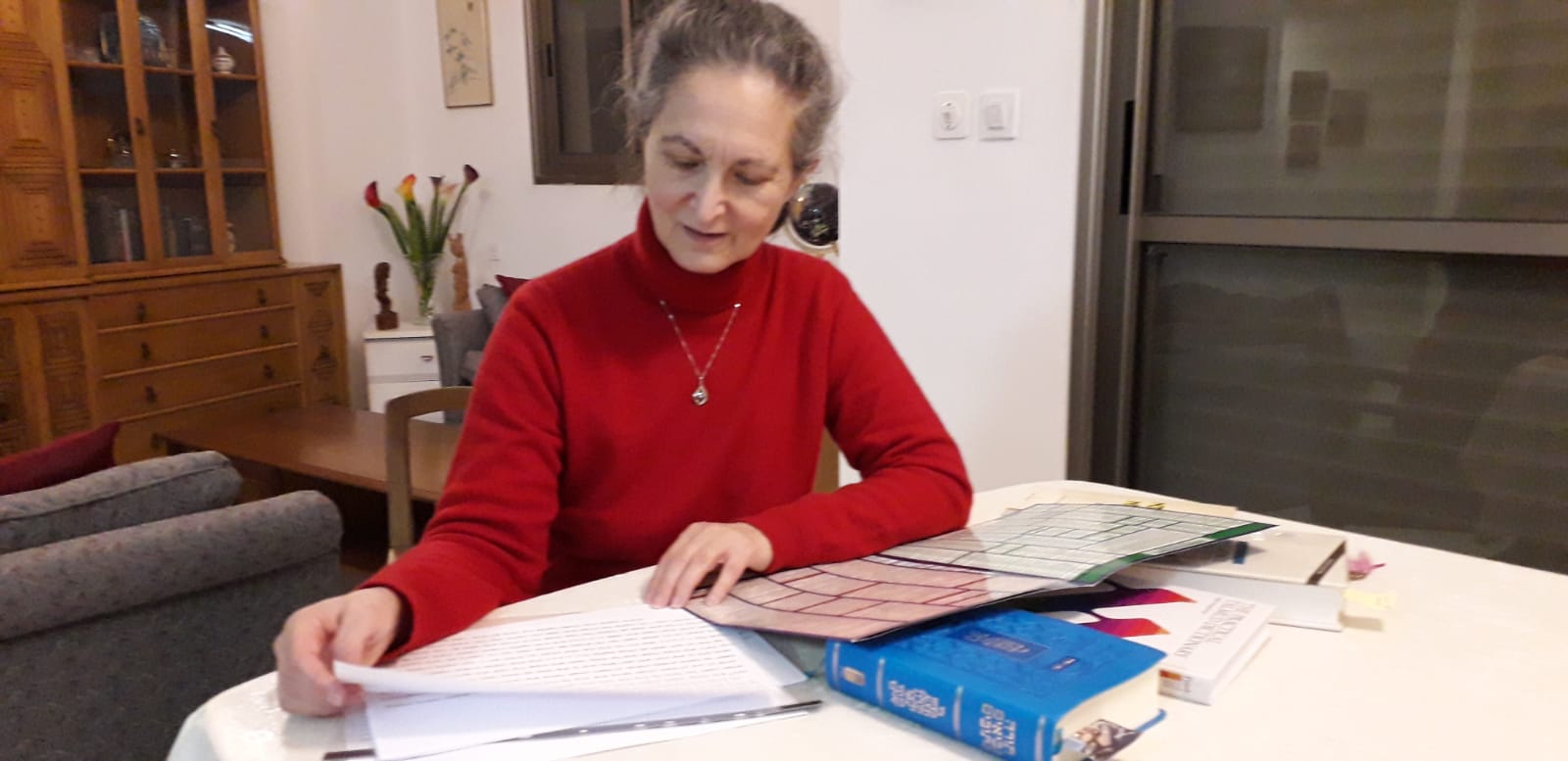
Geri Goldstein got me started learning daf yomi when I was in Israel 2 years ago. It’s been a challenge and I’ve learned a lot though I’m sure I miss a lot. I quilt as I listen and I want to share what I’ve been working on.

Rebecca Stulberg
Rebecca Stulberg

Ottawa, Canada

3 years ago, I joined Rabbanit Michelle to organize the unprecedented Siyum HaShas event in Jerusalem for thousands of women. The whole experience was so inspiring that I decided then to start learning the daf and see how I would go…. and I’m still at it. I often listen to the Daf on my bike in mornings, surrounded by both the external & the internal beauty of Eretz Yisrael & Am Yisrael!

Lisa Kolodny
Lisa Kolodny

Raanana, Israel

After being so inspired by the siyum shas two years ago, I began tentatively learning daf yomi, like Rabbanut Michelle kept saying – taking one daf at a time. I’m still taking it one daf at a time, one masechet at a time, but I’m loving it and am still so inspired by Rabbanit Michelle and the Hadran community, and yes – I am proud to be finishing Seder Mo’ed.

Caroline Graham-Ofstein

Bet Shemesh, Israel

A beautiful world of Talmudic sages now fill my daily life with discussion and debate.
bringing alive our traditions and texts that has brought new meaning to my life.
I am a מגילת אסתר reader for women . the words in the Mishna of מסכת megillah 17a
הקורא את המגילה למפרע לא יצא were powerful to me.
I hope to have the zchut to complete the cycle for my 70th birthday.

Sheila Hauser
Sheila Hauser

Jerusalem, Israel

I started learning after the siyum hashas for women and my daily learning has been a constant over the last two years. It grounded me during the chaos of Corona while providing me with a community of fellow learners. The Daf can be challenging but it’s filled with life’s lessons, struggles and hope for a better world. It’s not about the destination but rather about the journey. Thank you Hadran!

Dena Lehrman
Dena Lehrman

אפרת, Israel

I heard the new Daf Yomi cycle was starting and I was curious, so I searched online for a women’s class and was pleasently surprised to find Rabanit Michelle’s great class reviews in many online articles. It has been a splendid journey. It is a way to fill my days with Torah, learning so many amazing things I have never heard before during my Tanach learning at High School. Thanks so much .

Martha Tarazi
Martha Tarazi

Panama, Panama

Bava Batra 82

עַד שֶׁתְּהֵא לְקִיחָה וַהֲבָאָה כְּאֶחָד; וְהָא לֵיכָּא. אֲמַר לֵיהּ רַב אַחָא בְּרֵיהּ דְּרַב אַוְיָא לְרַב אָשֵׁי: מִכְּדֵי פְּסוּקֵי נִינְהוּ, לִיקְרֵי!

The passage is not recited until the taking and the bringing of the first fruits are performed by one person, and that is not the case here. Rav Aḥa, son of Rav Avya, said to Rav Ashi: Since the passage is composed of verses, let him read them. What is objectionable about reciting verses from the Torah?

אֲמַר לֵיהּ: מִשּׁוּם דְּמִחֲזֵי כְּשִׁיקְרָא. רַב מְשַׁרְשְׁיָא בְּרֵיהּ דְּרַב חִיָּיא אָמַר: דִּלְמָא אָתֵי לְאַפְקוּעִינְהוּ מִתְּרוּמָה וּמַעֲשֵׂר.

Rav Ashi said to him: The problem is due to the fact that this practice has the appearance of falsehood, because he issues a declaration before God that is possibly untrue, as he might not own the ground. Rav Mesharshiyya, son of Rav Ḥiyya, said: The declaration is not recited lest he come to remove the fruits from their obligation of teruma and tithes, if they are treated entirely as first fruits. For this reason one does not recite the passage, to ensure that their unique status is maintained.

הִגְדִּילוּ – לֹא יְשַׁפֶּה כּוּ׳. הֵיכִי דָּמֵי מִן הַגֶּזַע, וְהֵיכִי דָּמֵי מִן הַשׇּׁרָשִׁין?

§ The mishna teaches: With regard to one who buys two trees in the field of another, if the trees grew, the owner of the field may not cut down their branches. The mishna further teaches: That which grows out of the trunk belongs to the owner of the tree, but that which grows out of the roots belongs to the owner of the ground. The Gemara asks: What are the circumstances in which something is considered to be growing out of the trunk, and what are the circumstances in which it is considered to be growing out of the roots?

אָמַר רַבִּי יוֹחָנָן: כֹּל שֶׁרוֹאֶה פְּנֵי חַמָּה – זֶהוּ מִן הַגֶּזַע, וְשֶׁאֵינוֹ רוֹאֶה פְּנֵי חַמָּה – זֶהוּ מִן הַשׇּׁרָשִׁין.

Rabbi Yoḥanan said: With regard to anything that sees the face of the sun, i.e., which is visible and aboveground, this is considered to be growing out of the trunk. And with regard to that which does not see the face of the sun but is concealed in the earth, this is considered to be growing out of the roots.

וְלֵיחוּשׁ דִּלְמָא מַסְּקָא אַרְעָא שִׂירְטוֹן, וְאָמַר לֵיהּ: תְּלָתָא זַבֵּינְתְּ לִי, וְאִית לִי אַרְעָא! אֶלָּא אָמַר רַב נַחְמָן: יָקוֹץ. וְכֵן אָמַר רַבִּי יוֹחָנָן: יָקוֹץ.

The Gemara asks: But if everything that is visible belongs to the owner of the tree, no matter how close it is to the ground, let us be concerned that perhaps the land is covered with sediment from flowing water, and some of the tree’s trunk will be covered, in which case the branches that grow from the trunk will appear as though they are separate trees; and the owner of the trees will say to the owner of the field: You actually sold me three trees and I therefore have ownership over the ground. Rather, Rav Naḥman said: That which grows from the trunk belongs to the owner of the tree, but he must cut it down. And Rabbi Yoḥanan himself likewise said: The owner of the tree must cut it down.

אָמַר רַב נַחְמָן: נְקִיטִינַן, דֶּקֶל אֵין לוֹ גֶּזַע. סָבַר רַב זְבִיד לְמֵימַר: אֵין לוֹ גֶּזַע לְבַעַל דֶּקֶל, דְּכֵיוָן דִּלְמִחְפַּר וּלְשָׁרֵשׁ קָאֵי – אַסּוֹחֵי מַסַּח דַּעְתֵּיהּ.

Rav Naḥman said: We hold by tradition that a palm tree bought from another has no trunk. Rav Zevid thought to say this means that the owner of the palm tree has no right to that which grows from the trunk. The reason is that since it stands ready to be dug up and uprooted, as when the tree dies its owner is not entitled to plant another in its place, he diverts his mind from that which grows from the trunk.

מַתְקֵיף לַהּ רַב פָּפָּא: וְהָא קוֹנֶה שְׁנֵי אִילָנוֹת – דִּלְמִחְפַּר וּלְמִשְׁרַשׁ קָיְימִי, וְקָתָנֵי דְּיֵשׁ לוֹ גֶּזַע! אֶלָּא אָמַר רַב פָּפָּא: אֵין לוֹ גֶּזַע לְבַעַל דֶּקֶל, לְפִי שֶׁאֵין מוֹצִיא גֶּזַע.

Rav Pappa objects to this: But this is comparable to one who buys two trees in a field belonging to another, as the trees stand ready to be dug up and uprooted because their owner has no right to plant new trees in their place when they die; and yet it is taught in the mishna that he has the right to that which grows from the trunk. Rather, Rav Pappa said: The statement of Rav Naḥman means that the owner of a palm tree, in contrast to owners of other types of trees, has no right to that which grows from the trunk, since a palm tree does not produce branches from its trunk.

וּלְרַב זְבִיד, קַשְׁיָא מַתְנִיתִין! דְּזַבֵּין לַחֲמֵשׁ שְׁנִין.

The Gemara asks: But according to the opinion of Rav Zevid, who maintains that Rav Naḥman is referring to all types of trees, the mishna is difficult. The Gemara answers: Rav Zevid interprets the mishna as referring to a situation where the owner of the trees bought the trees for five years and stipulated that he may plant new trees in place of the original trees in the event the original ones are cut down.

קָנָה שְׁלֹשָׁה – קָנָה קַרְקַע. וְכַמָּה? אָמַר רַבִּי חִיָּיא בַּר אַבָּא אָמַר רַבִּי יוֹחָנָן: הֲרֵי זֶה קָנָה תַּחְתֵּיהֶן וּבֵינֵיהֶן, וְחוּצָה לָהֶן

§ The mishna teaches: If one bought three trees he has acquired the ground along with them. The Gemara asks: And how much of the field does he acquire? Rabbi Ḥiyya bar Abba says that Rabbi Yoḥanan says: This buyer has acquired the ground that is located underneath the trees, and the area between them, and with regard to the space outside of the trees and their branches,

כִּמְלוֹא אוֹרֶה וְסַלּוֹ. מַתְקֵיף לַהּ רַבִּי אֶלְעָזָר: הַשְׁתָּא דֶּרֶךְ אֵין לוֹ, אוֹרֶה וְסַלּוֹ יֵשׁ לוֹ?! דֶּרֶךְ אֵין לוֹ – דְּאַרְעָא אַחֲרִיתִי הִיא; אוֹרֶה וְסַלּוֹ – יֵשׁ לוֹ?!

he has acquired an area sufficient for a gatherer of figs and his basket in hand to stand close to the tree. Rabbi Elazar objects to this: Now that the halakha is that the buyer has no path and must purchase a path through the field to access his trees; if so, does he have possession of an area for the gatherer and his basket? The Gemara elaborates: He has no path, even though he has no other means of gaining access to the trees, as the ground he acquired along with the trees is considered another land and is not part of the rest of the field. Why, then, would he have possession of an area for a gatherer and his basket?

אָמַר רַבִּי זֵירָא: מִדִּבְרֵי רַבֵּינוּ נִלְמַד, שְׁלֹשָׁה – הוּא דְּאֵין לוֹ דֶּרֶךְ, הָא שְׁנַיִם – יֵשׁ לוֹ, דְּאָמַר לֵיהּ: בְּאַרְעָא דִּידָךְ קָיְימִי.

Rabbi Zeira says: From the statement, i.e., the objection, of our teacher, we learn that it is in the case of three trees that the owner of the trees has no path, as the buyer acquired a separate piece of land along with the trees. But in the case of two trees the buyer has a path, as he says to the owner of the field: My trees are standing on your land, and as I am allowed to use your field to tend to my trees I have the right to walk through your land to reach them.

אֲמַר לֵיהּ רַב נַחְמָן בַּר יִצְחָק לְרָבָא: לֵימָא רַבִּי אֶלְעָזָר לֵית לֵיהּ דִּשְׁמוּאֵל רַבֵּיהּ – דְּאָמַר שְׁמוּאֵל: הֲלָכָה כְּרַבִּי עֲקִיבָא, דְּאָמַר: מוֹכֵר בְּעַיִן יָפָה מוֹכֵר?

Rav Naḥman bar Yitzḥak said to Rava: Shall we say that Rabbi Elazar does not accept the opinion of Shmuel, who was his teacher? As Shmuel says: The halakha is in accordance with the opinion of Rabbi Akiva, who says: One who sells, sells generously. According to Rabbi Akiva, one sells in a manner that is advantageous for the buyer, and is presumed to have included in the sale even items that were not explicitly specified. In this case, as he has sold a tree that remains on his property, the seller grants the buyer the right to access his tree.

אֲמַר לֵיהּ: לָא מִתּוֹקְמָא מַתְנִיתִין כְּרַבִּי עֲקִיבָא.

Rava said to him: Even if Rabbi Elazar himself agrees with Rabbi Akiva, the mishna cannot be explained in accordance with the opinion of Rabbi Akiva. Rather, the mishna must be in accordance with the opinion of the Rabbis, who hold that one who sells does so sparingly, and the difficulty that Rabbi Elazar raised against Rabbi Yoḥanan is predicated on the fact that the mishna is in accordance with the opinion of the Rabbis.

מִמַּאי? מִדְּקָתָנֵי: הִגְדִּילוּ – יְשַׁפֶּה, וְאִי סָלְקָא דַּעְתָּךְ רַבִּי עֲקִיבָא הִיא, אַמַּאי יְשַׁפֶּה? הָאָמַר: מוֹכֵר בְּעַיִן יָפָה מוֹכֵר!

From where does Rava derive that the mishna is not in accordance with the opinion of Rabbi Akiva? From the fact that the mishna teaches: If the three trees grew, the owner of the land may cut down the branches that extend into his field. And if it enters your mind that the mishna is in accordance with the opinion of Rabbi Akiva, why may he cut them down? Doesn’t Rabbi Akiva say that one who sells, sells generously?

אֲמַר לֵיהּ: אֵימוֹר דְּאָמַר רַבִּי עֲקִיבָא – גַּבֵּי בּוֹר וָדוּת, דְּלָא מַכְחֲשִׁי אַרְעָא; גַּבֵּי אִילָן מִי שָׁמְעַתְּ לֵיהּ?

Rav Naḥman bar Yitzḥak said to him: This does not prove that the mishna is not in accordance with the opinion of Rabbi Akiva. You can say that Rabbi Akiva stated his ruling in the case of a pit and a cistern that are situated in a field belonging to another, which one sells in a generous manner, as they do not weaken the land. But did you hear him say that the seller is generous toward the buyer with regard to a tree, which can weaken the land?

מִי לָא מוֹדֵי רַבִּי עֲקִיבָא בְּאִילָן הַנּוֹטֶה לְתוֹךְ שְׂדֵה חֲבֵירוֹ, שֶׁקּוֹצֵץ מְלֹא מַרְדֵּעַ מֵעַל גַּבֵּי מַחֲרֵישָׁה?

Doesn’t Rabbi Akiva concede in the case of a tree that leans out into the field of another, in which the owner of the other field cuts down the branches until the full height of an ox-goad, the handle that protrudes over a plow? Since the extending branches impede his efforts to plow his field, it is permitted for him to cut them down. This indicates that even according to Rabbi Akiva one does not grant privileges that are detrimental to his own interests. If so, the mishna can be explained even in accordance with the opinion of Rabbi Akiva, which indicates that Rabbi Elazar does not accept his ruling.

תַּנְיָא כְּווֹתֵיהּ דְּרַבִּי חִיָּיא בַּר אַבָּא: הֲרֵי זֶה קָנָה תַּחְתֵּיהֶן וּבֵינֵיהֶן, וְחוּצָה לָהֶן כִּמְלוֹא אוֹרֶה וְסַלּוֹ.

The Gemara points out: It is taught in a baraita in accordance with the statement of Rabbi Ḥiyya bar Abba: If one buys three trees in a field belonging to another, this buyer has acquired the ground that is found underneath the trees, and the area between them, and outside of the trees and their branches an area sufficient for a gatherer of figs and his basket.

אֲמַר לֵיהּ אַבָּיֵי לְרַב יוֹסֵף: אוֹתָן אוֹרֶה וְסַלּוֹ, מִי זוֹרְעָן? אֲמַר לֵיהּ, תְּנֵיתוּהָ: הַחִיצוֹן זוֹרֵעַ אֶת הַדֶּרֶךְ.

Abaye said to Rav Yosef: Those areas around the trees that are designated for a gatherer of figs and his basket are used for this purpose only at specific times. Who sows that land during the rest of the year, the owner of the trees or the owner of the field? Rav Yosef said to him: You learned the answer in a mishna (99b): If one owns a garden that is surrounded by the garden of another, the owner of the inner garden has a right to a path through the outer garden. Even so, the owner of the outer garden may sow the path.

אֲמַר לֵיהּ: מִי דָּמֵי?! הָתָם לֵית לֵיהּ פְּסֵידָא לְלוֹקֵחַ, אֲבָל הָכָא – אִית לֵיהּ פְּסֵידָא לְלוֹקֵחַ, דַּאֲמַר לֵיהּ: קָמִיטַּנְּפִי פֵּירֵי.

Abaye said to him: Are the cases comparable? There, in the case of the outer and inner gardens, there is no loss suffered by the buyer when the owner of the outer garden sows the path, as he can still pass through it. But here, there is a loss for the buyer, as the one who bought the trees says to the owner of the field: The fruits that fall from the trees will become soiled by the plants.

הָא לָא דָּמְיָא אֶלָּא לְסֵיפָא: וְזֶה וָזֶה אֵינָן רַשָּׁאִין לְזוֹרְעָהּ.

This case is similar only to the last clause of that mishna, which states: If the owner of the inner garden is given a side path, so that he suffers a loss of some kind because he cannot take the shortest path to reach his garden, both this owner of the inner garden and that owner of the outer garden are not permitted to sow the path. Similarly, here too, neither the owner of the trees nor the owner of the field are permitted to sow the place designated for the gatherer of figs and his basket.

תַּנְיָא כְּווֹתֵיהּ דְּאַבָּיֵי: הֲרֵי זֶה קָנָה תַּחְתֵּיהֶן וּבֵינֵיהֶן, וְחוּצָה לָהֶן כִּמְלוֹא אוֹרֶה וְסַלּוֹ; וְזֶה וָזֶה אֵינָן רַשָּׁאִין לְזוֹרְעָהּ.

The Gemara comments: It is taught in a baraita in accordance with the opinion of Abaye: This buyer has acquired the ground that is found underneath the trees, and the area between them, and outside of the trees and their branches an area sufficient for a gatherer of figs and his basket. And both this owner of the field and that owner of the trees are not permitted to sow it.

וְכַמָּה יְהֵא בֵּינֵיהֶן? רַב יוֹסֵף אָמַר רַב יְהוּדָה אָמַר שְׁמוּאֵל: מֵאַרְבַּע אַמּוֹת וְעַד שְׁמוֹנֶה. רָבָא אָמַר רַב נַחְמָן אָמַר שְׁמוּאֵל: מִשְּׁמוֹנֶה וְעַד שֵׁשׁ עֶשְׂרֵה. אֲמַר לֵיהּ אַבָּיֵי לְרַב יוֹסֵף: לָא תִּפְלוֹג עֲלֵיהּ דְּרַב נַחְמָן, דִּתְנַן מַתְנִיתִין כְּווֹתֵיהּ –

The Gemara inquires: And how much space must there be between the three trees for them to be considered one unit, which means that the land is acquired by the owner of the trees? Rav Yosef says that Rav Yehuda says that Shmuel says: The distance between the trees must be from four cubits to eight cubits. Rava says that Rav Naḥman says that Shmuel says: It must be from eight cubits to sixteen cubits. Abaye said to Rav Yosef: Do not disagree with Rav Naḥman, as we learned in a mishna in accordance with his opinion.

דִּתְנַן: הַנּוֹטֵעַ אֶת כַּרְמוֹ שֵׁשׁ עֶשְׂרֵה אַמָּה עַל שֵׁשׁ עֶשְׂרֵה אַמָּה, מוּתָּר לְהָבִיא זֶרַע לְשָׁם.

As we learned in a mishna (Kilayim 4:9): One who plants his vineyard sixteen cubits by sixteen cubits, i.e., he leaves sixteen cubits between each row of vines, is permitted to bring other species of seeds to the empty spaces between the rows and sow them there. This is not considered a violation of the biblical prohibition with regard to sowing diverse crops in a vineyard, which is one of the prohibitions of diverse kinds.

אָמַר רַבִּי יְהוּדָה: מַעֲשֶׂה בְּצַלְמוֹן, בְּאֶחָד שֶׁנָּטַע אֶת כַּרְמוֹ שֵׁשׁ עֶשְׂרֵה עַל שֵׁשׁ עֶשְׂרֵה אַמָּה, וְהָיָה הוֹפֵךְ שְׂעַר שְׁתֵּי שׁוּרוֹת לְצַד אֶחָד, וְזוֹרֵעַ אֶת הַנִּיר; לְשָׁנָה אַחֶרֶת הָיָה הוֹפֵךְ אֶת הַשֵּׂעָר לִמְקוֹם הַזֶּרַע, וְזָרַע אֶת הַבּוּר; וּבָא מַעֲשֶׂה לִפְנֵי חֲכָמִים וְהִתִּירוּהוּ.

Rabbi Yehuda said: There was an incident in the city of Tzalmon, where one individual planted his vineyard sixteen by sixteen cubits. And he would turn the branches of two rows that were facing each other to one side, so that there was a space of sixteen cubits between the two rows, and sow the clearing. The following year he would turn the branches to the place that was sown the year before, and would sow the land that had been left uncultivated the previous year, as it had been filled with the branches from the vines. And the incident came before the Sages and they permitted it. This demonstrates that sixteen cubits between plants is required for them to be considered separate units.

אֲמַר לֵיהּ: אֲנָא לָא יָדַעְנָא, אֶלָּא עוֹבָדָא הֲוָה

Rav Yosef said to him: I do not know about this, but there was a similar incident

Want to follow content and continue where you left off?

Create an account today to track your progress, mark what you’ve learned, and follow the shiurim that speak to you.

Clear all items from this list?

This will remove ALL the items in this section. You will lose any progress or history connected to them. This is irreversible.

Cancel
Yes, clear all

Are you sure you want to delete this item?

You will lose any progress or history connected to this item.

Cancel
Yes, delete