








Eleven braitot are quoted that discuss the importance of honesty in business dealings (weights and measures) and keeping in line with the local customs. What are the measurements for building a balance beam? The measurements depend on what type of item one is measuring. A city needs to set up inspectors for checking that people have accurate weights but there is a debate about whether or not one needs inspectors for controlling prices. One needs to avoid actions with weights and measurements that could lead others to be suspicious of trickery.
Bava Batra 89

September 22, 2024 | י״ט באלול תשפ״ד
Share this shiur:
Bava Batra
Masechet Bava Batra is sponsored by Lori Stark in loving memory of her mother in law, Sara Shapiro z”l and her father Nehemiah Sosewitz z”l.
Want to dedicate learning? Get started here:

0:00
0:00
Bava Batra
Masechet Bava Batra is sponsored by Lori Stark in loving memory of her mother in law, Sara Shapiro z”l and her father Nehemiah Sosewitz z”l.
Bava Batra 89
מִ״וְּהָיָה אִם שָׁמוֹעַ תִּשְׁמַע״, וְעַד ״לְעׇבְדָם״; וְקִלְּלָן בְּעֶשְׂרִים וּשְׁתַּיִם – מִ״וְּהָיָה אִם לֹא תִשְׁמַע״ עַד ״וְאֵין קֹנֶה״.
from the letter vav that begins the verse: “And it shall come to pass [vehaya], if you shall hearken diligently” (Deuteronomy 28:1), until: “To serve them [le’ovdam]” (Deuteronomy 28:14), which ends with the letter mem. And he cursed them with twenty-two letters, from the letter vav that begins the verse: “But it shall come to pass [vehaya], if you will not hearken to the voice of the Lord” (Deuteronomy 28:15), until: “And no man shall buy [koneh]” (Deuteronomy 28:68). This verse ends with a letter heh, which comes just before vav in the alphabet. Starting with a vav and ending with a heh encompasses the twenty-two letters of the alphabet.
מָקוֹם שֶׁנָּהֲגוּ לָמוֹד בְּגַסָּה כּוּ׳. (סִימָן: אֵין מְעַיְּינִין, וְאֵין גּוֹדְשִׁין, בַּאֲגַרְדְּמִין, וּבְלִיטְרָא, שְׁלֹשָׁה, וָעֶשֶׂר, נֶפֶשׁ, מִשְׁקָלוֹת, מִמֶּחָק, עָבֶה, לֹא תַעֲשׂוּ, לֹא יַעֲשֶׂה.)
§ The mishna teaches that in a place where they were accustomed to measure with one large measuring vessel, one may not measure with several small measuring vessels. In a place where the custom is to level the top of the measuring vessel to remove substances heaped above its edges, one may not heap it; and where they are accustomed to heap it, one may not level it. The Gemara provides a mnemonic for the ensuing halakhot: One may not balance with precision; and one may not heap it; with market inspectors [ba’agardamin]; and with a litra; three; and ten; fulcrum; weights; a thick leveler; you may not do; one may not do.
תָּנוּ רַבָּנַן: מִנַּיִן שֶׁאֵין מוֹחֲקִין בִּמְקוֹם שֶׁגּוֹדְשִׁין, וְאֵין גּוֹדְשִׁין בִּמְקוֹם שֶׁמּוֹחֲקִין? תַּלְמוּד לוֹמַר: ״אֵיפָה שְׁלֵמָה״.
The Sages taught: From where is it derived that one may not level a measuring vessel in a place where they are accustomed to heap it and that one may not heap it in a place where they are accustomed to level it? The verse states: “A perfect weight” (Deuteronomy 25:15), which indicates that one must use whatever is considered a perfect measuring vessel in that locale, as this ensures that there is no deception or trickery.
וּמִנַּיִן שֶׁאִם אָמַר: הֲרֵינִי מוֹחֵק בִּמְקוֹם שֶׁגּוֹדְשִׁין – וְלִפְחוֹת לוֹ מִן הַדָּמִים, וַהֲרֵינִי גּוֹדֵשׁ בִּמְקוֹם שֶׁמּוֹחֲקִין – וּלְהוֹסִיף לוֹ עַל הַדָּמִים; שֶׁאֵין שׁוֹמְעִין לוֹ? תַּלְמוּד לוֹמַר: ״אֵיפָה שְׁלֵמָה וָצֶדֶק יִהְיֶה לָּךְ״.
And from where is it derived that if the seller said in a place where they heap: I am hereby leveling and am willing in exchange to reduce the price for you, or said, in a place where they level: I am hereby heaping and am willing to increase the price for you, that the court does not listen to him? The verse states: “A perfect and just weight you shall have” (Deuteronomy 25:15). The addition of the term “just,” beyond the requirement that the weight be “perfect,” teaches that one must keep his weights in a just manner, i.e., that employed by the people of that locale.
תָּנוּ רַבָּנַן: מִנַּיִן שֶׁאֵין מְעַיְּינִין בִּמְקוֹם שֶׁמַּכְרִיעִין, וְאֵין מַכְרִיעִין בִּמְקוֹם שֶׁמְּעַיְּינִין? תַּלְמוּד לוֹמַר: ״אֶבֶן שְׁלֵמָה״.
The Sages taught: From where is it derived that one may not balance a scale so that it will balance with precision [me’ayyenin] in a place where they are accustomed to let the scales tilt a handbreadth for the benefit of the buyer, and that one may not let the scales tilt a handbreadth in a place where they are accustomed to balance with precision? The verse states: “A perfect weight” (Deuteronomy 25:15), which teaches that the weight must be considered perfect in that locale.
וּמִנַּיִן שֶׁאִם אָמַר: הֲרֵינִי מְעַיֵּין בִּמְקוֹם שֶׁמַּכְרִיעִין – וְלִפְחוֹת לוֹ מִן הַדָּמִים, וַהֲרֵינִי מַכְרִיעַ בִּמְקוֹם שֶׁמְּעַיְּינִין – וּלְהוֹסִיף לוֹ עַל הַדָּמִים; שֶׁאֵין שׁוֹמְעִין לוֹ? תַּלְמוּד לוֹמַר: ״אֶבֶן שְׁלֵמָה וָצֶדֶק״.
And from where is it derived that if a seller said, in a place where it is the custom to let the scales tilt a handbreadth: I am hereby balancing with precision and am willing to reduce the price for the buyer; or, in a place where it is the custom to balance with precision: I am hereby letting the scales tilt a handbreadth and am willing to increase the price for the buyer, that the court does not listen to him? The verse states: “A perfect and just weight” (Deuteronomy 25:15), which teaches that the just way of acting is to weigh in accordance with the practice in that locale.
אָמַר רַב יְהוּדָה מִסּוּרָא: ״לֹא יִהְיֶה לְךָ בְּבֵיתְךָ״ – מָה טַעַם? מִשּׁוּם ״אֵיפָה וְאֵיפָה״.
Rav Yehuda of Sura says a homiletic interpretation of the phrase: “You shall not have in your house diverse measures” (Deuteronomy 25:14): “You shall not have in your house” means that you will become a pauper, who has nothing in his house. What is the reason for this? It is due to the fact that you used diverse measures, buying with a large vessel and selling with a small one.
״לֹא יִהְיֶה לְךָ בְּכִיסְךָ״ – מָה טַעַם? מִשּׁוּם ״אֶבֶן וָאָבֶן״. אֲבָל ״אֶבֶן שְׁלֵמָה וָצֶדֶק יִהְיֶה לָּךְ, אֵיפָה שְׁלֵמָה וָצֶדֶק יִהְיֶה לָּךְ״.
The phrase: “You shall not have in your purse diverse weights” (Deuteronomy 25:13), is interpreted in a similar fashion: “You shall not have in your purse,” i.e., you will become a pauper, who has nothing in his purse. What is the reason for this? It is due to the fact that you used diverse weights. But if you possess only “a perfect and just weight,” then “you shall have” wealth. Likewise, if you possess only “a perfect and just measure,” then “you shall have” wealth.
תָּנוּ רַבָּנַן: ״(לֹא) יִהְיֶה לְךָ״ – מְלַמֵּד שֶׁמַּעֲמִידִין אֲגַרְדְּמִין לַמִּדּוֹת, וְאֵין מַעֲמִידִין אֲגַרְדְּמִין לַשְּׁעָרִים. דְּבֵי נְשִׂיאָה אוֹקִימוּ אֲגַרְדְּמִין בֵּין לַמִּדּוֹת בֵּין לַשְּׁעָרִים, אֲמַר לֵיהּ שְׁמוּאֵל לְקַרְנָא: פּוֹק תְּנִי לְהוּ: מַעֲמִידִין אֲגַרְדְּמִין לַמִּדּוֹת, וְאֵין מַעֲמִידִין אֲגַרְדְּמִין לַשְּׁעָרִים.
§ The Sages taught that the phrase: “You shall not have,” teaches that the court appoints market inspectors to supervise the accuracy of measures. The Gemara infers: But the court does not appoint market inspectors for supervising market prices. The Gemara relates: The house of the Nasi appointed market inspectors for supervising both measures and prices. Shmuel said to his student, the Sage Karna: Go out and teach them that one appoints market inspectors for supervising measures but one does not appoint market inspectors for prices.
נְפַק דְּרַשׁ לְהוּ: מַעֲמִידִין אֲגַרְדְּמִין בֵּין לַמִּדּוֹת בֵּין לַשְּׁעָרִים. אֲמַר לֵיהּ: מָה שְׁמָךְ? קַרְנָא. תִּיפּוֹק לֵיהּ קַרְנָא בְּעֵינֵיהּ. נְפַקָא לֵיהּ קַרְנָא בְּעֵינֵיהּ. וְאִיהוּ כְּמַאן סָבַר? כִּי הָא דְּאָמַר רָמֵי בַּר חָמָא אָמַר רַבִּי יִצְחָק: מַעֲמִידִין אֲגַרְדְּמִין בֵּין לַמִּדּוֹת בֵּין לַשְּׁעָרִים, מִפְּנֵי הָרַמָּאִין.
Karna went out and taught them that one appoints market inspectors for supervising both measures and prices. Shmuel, hearing what he had done, said to him: What is your name? He replied: Karna. Shmuel said: Let a horn [karna] emerge in his eye. A horn, i.e., a growth of flesh, emerged in his eye. The Gemara asks: And Karna, in accordance with whose opinion did he hold, which led him to disregard his teacher’s statement? He held in accordance with that which Rami bar Ḥama says that Rabbi Yitzḥak says: One appoints market inspectors for supervising both measures and prices, due to swindlers, to prevent people from using smaller measures or from selling at a steep price while falsely claiming that they are selling superior-quality merchandise.
תָּנוּ רַבָּנַן: הָיָה מְבַקֵּשׁ מִמֶּנּוּ לִיטְרָא – שׁוֹקֵל לוֹ לִיטְרָא. חֲצִי לִיטְרָא – שׁוֹקֵל לוֹ חֲצִי לִיטְרָא. רְבִיעַ לִיטְרָא – שׁוֹקֵל לוֹ רְבִיעַ לִיטְרָא. מַאי קָא מַשְׁמַע לַן? דִּמְתַקְּנִינַן מַתְקָלֵי עַד הָכִי.
The Gemara discusses several halakhot related to the cases of the mishna. The Sages taught: If the buyer requested from the seller a litra of a specific item, he weighs for him using a litra weight. If he asks for half a litra, he weighs for him using a half-litra weight. If he wants one-quarter of a litra, he weighs for him using a quarter–litra weight. The Gemara asks: Isn’t this obvious? What is this baraita teaching us? The Gemara explains: It teaches that one sets weights until this amount, one-quarter of a litra, but not less. If a buyer asks the seller to weigh a smaller amount for him, his request is not granted.
תָּנוּ רַבָּנַן: הָיָה מְבַקֵּשׁ מִמֶּנּוּ שְׁלֹשָׁה רִבְעֵי לִיטְרָא, לֹא יֹאמַר לוֹ: שְׁקוֹל לִי שְׁלֹשָׁה רִבְעֵי לִיטְרָא אַחַת אַחַת. אֶלָּא שׁוֹקֵל לִיטְרָא, וּמַנִּיחַ רְבִיעַ לִיטְרָא עִם הַבָּשָׂר.
Furthermore, the Sages taught: If the buyer requested from him three-quarters of a litra, and there is no weight equal to this amount, the buyer may not say to him: Weigh for me three units using a quarter-litra weight, one by one, so that the seller lets the scales tilt by a handbreadth as he measures each quarter-litra weight. Rather, he weighs the merchandise all at once, as he places a litra weight on one pan of the scale, and places on the other pan of the scale a quarter-litra weight together with the meat that is being sold.
תָּנוּ רַבָּנַן: הָיָה מְבַקֵּשׁ מִמֶּנּוּ עֶשֶׂר לִיטְרִין, לֹא יֹאמַר לוֹ: שְׁקוֹל לִי אַחַת אַחַת וְהַכְרִיעָהּ; אֶלָּא שׁוֹקֵל לוֹ כּוּלָּן בְּבַת אַחַת, וְנוֹתֵן הֶכְרֵעַ אֶחָד לְכוּלָּן.
The Sages likewise taught: In a case where the buyer requested from the seller ten litra of merchandise, the buyer may not say to him: Weigh for me each litra one by one, and let the scales tilt each time, as on every occasion that the seller does this the buyer receives more than that for which he paid. Rather, he weighs all the merchandise at the same time and lets the scales tilt once for all the merchandise.
תָּנוּ רַבָּנַן: נֶפֶשׁ מֹאזְנַיִם – תְּלוּיָה בָּאֲוִיר שְׁלֹשָׁה טְפָחִים, וּגְבוֹהָה מִן הָאָרֶץ שְׁלֹשָׁה טְפָחִים, וְקָנֶה וּמִתְנָא שֶׁלָּהּ שְׁנֵים עָשָׂר טְפָחִים. וְשֶׁל צַמָּרִים וְשֶׁל זַגָּגִין – תְּלוּיָה בָּאֲוִיר שְׁנֵי טְפָחִים, וּגְבוֹהָה מִן הָאָרֶץ שְׁנֵי טְפָחִים, וְקָנֶה וּמִתְנָא שֶׁלָּהּ תִּשְׁעָה טְפָחִים.
§ The Sages taught: The fulcrum of a scale must be suspended in the air so that the point the lever goes through it is at a distance of three handbreadths from the ceiling, and the pans of the scale must be three handbreadths above the ground. And the scale’s lever and cord, from which each pan is suspended, must be twelve handbreadths long. And the fulcrum of a scale of wool-weavers and glassmakers must be suspended in the air at a distance of two handbreadths from the ceiling, and the pans of the scale must be two handbreadths above the ground. And its lever and cord must be nine handbreadths long.
וְשֶׁל חֶנְווֹנִי וְשֶׁל בַּעַל הַבַּיִת – תְּלוּיָה בָּאֲוִיר טֶפַח, וּגְבוֹהָה מִן הָאָרֶץ טֶפַח, וְקָנֶה וּמִתְנָא שֶׁלָּהּ שִׁשָּׁה טְפָחִים. וְשֶׁל טוּרְטָנִי – תְּלוּיָה בָּאֲוִיר שָׁלֹשׁ אֶצְבָּעוֹת, וּגְבוֹהָה מִן הָאָרֶץ שָׁלֹשׁ אֶצְבָּעוֹת, וְקָנֶה וּמִתְנָא שֶׁלָּהּ אֵינִי יוֹדֵעַ.
And the fulcrum of a scale of a storekeeper and of a homeowner must be suspended in the air at a distance of one handbreadth from the ceiling, and the pans of the scale must be one handbreadth above the ground. And its lever and cord must be six handbreadths long. And the fulcrums of small scales [turtanei] used for weighing gold and silver must be suspended in the air at a distance of three fingerbreadths from the ceiling, and the pans of the scales must be three fingerbreadths above the ground. The tanna continues: But with regard to its lever and cord, I do not know their required length.
וְאֶלָּא הָךְ קַמַּיְיתָא – דְּמַאי?
Since the function of each type of balance scale is mentioned with the exception of the first type, the Gemara asks: And that large balance scale, which is mentioned first, for what is it used?
אָמַר רַב פָּפָּא: דִּיגָרוֹמֵי.
Rav Pappa says: It is a balance scale for blacksmiths, who weigh heavy pieces of metal.
אָמַר רַבִּי מָנִי בַּר פַּטִּישׁ: כְּדֶרֶךְ שֶׁאָמְרוּ לְעִנְיַן אִיסּוּרָן, כָּךְ אָמְרוּ לְעִנְיַן טוּמְאָתָן.
Rabbi Mani Bar Pattish says: Just as the Sages said with regard to the prohibition of the scales that one may not use a scale that does not meet the criteria listed in the baraita, so too they said that this applies with regard to their ritual impurity. In other words, if the cords and pole are not attached in the proper manner, they are not susceptible to ritual impurity as part of the scale.
מַאי קָא מַשְׁמַע לַן? תְּנֵינָא: חוּט מֹאזְנַיִם שֶׁל חֶנְוָנִי וְשֶׁל בַּעֲלֵי בָתִּים – טֶפַח! קָנֶה וּמִתְנָא שֶׁלָּהּ אִיצְטְרִיכָא לֵיהּ, דְּלָא תְּנַן.
The Gemara asks: What is this statement teaching us? We learned in a mishna (Kelim 29:5): With regard to the rope from which the scales are suspended, if the balance scale belongs to a storekeeper or to homeowners it must be one handbreadth in length for it to be susceptible to ritual impurity. Why, then, is the statement of Rabbi Mani Bar Pattish necessary? The Gemara answers: Although the mishna in tractate Kelim discusses the rope from which the scales are suspended, it was still necessary for Rabbi Mani Bar Pattish to mention the halakha with regard to the scale’s lever and cord, which we did not learn about in that mishna.
תָּנוּ רַבָּנַן: אֵין עוֹשִׂין מִשְׁקָלוֹת – לֹא שֶׁל בַּעַץ, וְלֹא שֶׁל אֲבָר, וְלֹא שֶׁל גִּיסְטְרוֹן, וְלֹא שֶׁל שְׁאָר מִינֵי מַתָּכוֹת. אֲבָל עוֹשֶׂה הוּא שֶׁל צוּנְמָא וְשֶׁל זְכוּכִית.
§ The Sages taught: One may not prepare weights of tin [ba’atz], nor of lead, nor of a metal alloy [gisteron], nor of any other types of metal, because all of these deteriorate over time and the buyer will ultimately pay for more merchandise than he receives. But one may prepare weights of hard rock and of glass.
תָּנוּ רַבָּנַן: אֵין עוֹשִׂין הַמֶּחָק שֶׁל דְּלַעַת – מִפְּנֵי שֶׁהוּא קַל, וְלֹא שֶׁל מַתֶּכֶת – מִפְּנֵי שֶׁהוּא מַכְבִּיד. אֲבָל עוֹשֵׂהוּ שֶׁל זַיִת וְשֶׁל אֱגוֹז, שֶׁל שִׁקְמָה וְשֶׁל אֶשְׁבְּרוֹעַ.
The Sages further taught: One may not prepare the leveler, used to remove the excess from the mouth of a vessel, from a gourd, because it is a light material and does not level effectively, thereby causing a loss for the seller. And it may not be made of metal, because it weighs down and removes too much of the merchandise, leading to a loss for the buyer. But one may prepare it from the wood of an olive tree, or of a nut tree, or of a sycamore tree, or of a boxwood tree, which are of medium weight.
תָּנוּ רַבָּנַן: אֵין עוֹשִׂין אֶת הַמֶּחָק צִדּוֹ אֶחָד עָב וְצִדּוֹ אֶחָד קָצָר. לֹא יִמְחוֹק בְּבַת אַחַת, שֶׁהַמּוֹחֵק בְּבַת אַחַת – רַע לַמּוֹכֵר וְיָפֶה לַלּוֹקֵחַ; וְלֹא יִמְחוֹק מְעַט מְעַט – שֶׁרַע לַלּוֹקֵחַ וְיָפֶה לַמּוֹכֵר.
The Sages taught: One may not prepare the leveler in such a manner that one of its sides is thick and one other side is thin, because in such a case the two sides will not level equally. Furthermore, one may not level all at once, by a single quick movement, as one who levels all at once acts in a manner that is bad for the seller and good for the buyer, because he removes less of the excess than one who levels in the regular fashion. And conversely one may not level little by little, i.e., with several slow movements, as this is bad for the buyer and good for the seller.
עַל כּוּלָּן אָמַר רַבָּן יוֹחָנָן בֶּן זַכַּאי: אוֹי לִי אִם אוֹמַר, אוֹי לִי אִם לֹא אוֹמַר; אִם אוֹמַר – שֶׁמָּא יִלְמְדוּ הָרַמָּאִין, וְאִם לֹא אוֹמַר – שֶׁמָּא יֹאמְרוּ הָרַמָּאִין: אֵין תַּלְמִידֵי חֲכָמִים בְּקִיאִין בְּמַעֲשֵׂה יָדֵינוּ. אִיבַּעְיָא לְהוּ: אַמְרַהּ, אוֹ לָא אַמְרַהּ? אֲמַר רַב שְׁמוּאֵל בַּר רַב יִצְחָק: אַמְרַהּ – וּמֵהַאי קְרָא אַמְרַהּ: ״כִּי יְשָׁרִים דַּרְכֵי ה׳, וְצַדִּקִים יֵלְכוּ בָם, וּפֹשְׁעִים יִכָּשְׁלוּ בָם״.
Rabban Yoḥanan ben Zakkai said with regard to all these halakhot: Woe to me if I say them, and woe unto me if I do not say them. If I say them, perhaps swindlers will learn new methods of cheating of which they were previously unaware. And if I do not say them, perhaps swindlers will say: Torah scholars are not well versed in our handiwork. A dilemma was raised before the Sages: Did Rabban Yoḥanan ben Zakkai decide to say these halakhot in public or did he not say them? Rav Shmuel bar Rav Yitzḥak says: He said them, and he said them on the basis of this verse: “For the ways of the Lord are right, and the just walk in them; but transgressors stumble over them” (Hosea 14:10).
תָּנוּ רַבָּנַן: ״לֹא תַעֲשׂוּ עָוֶל בַּמִּשְׁפָּט; בַּמִּדָּה, בַּמִּשְׁקָל וּבַמְּשׂוּרָה״; ״בַּמִּדָּה״ – זוֹ מְדִידַת קַרְקַע, שֶׁלֹּא יִמְדּוֹד לְאֶחָד בִּימוֹת הַחַמָּה וּלְאֶחָד בִּימוֹת הַגְּשָׁמִים. ״בַּמִּשְׁקָל״ – שֶׁלֹּא יַטְמִין מִשְׁקְלוֹתָיו בְּמֶלַח. ״בַּמְּשׂוּרָה״ – שֶׁלֹּא יַרְתִּיחַ.
§ The Gemara further discusses weights and measures. The Sages taught: “You shall do no unrighteousness in judgment, in measure [bammidda], in weight, or in measure [uvamesura]” (Leviticus 19:35). The baraita defines these terms: “In measure [bammidda],” this is referring to measuring land, teaching that in order to measure land in a just manner one may not measure for one person in the summer when the measuring rope has become dry and short, and for one other individual in the rainy season, when the measuring rope is wet and limp, and therefore stretches more. “In weight” means that one may not cover his weights in salt, as salt erodes the weights, causing a loss for the buyer. “Or in measure [bamesura]” means that one may not cause liquid he is measuring to foam by pouring it speedily, as this results in a loss for the buyer, who receives less of the liquid than the amount for which he paid.
וְקַל וָחוֹמֶר – וּמָה מְשׂוּרָה, שֶׁהִיא אֶחָד מִשְּׁלֹשִׁים וְשִׁשָּׁה בַּלּוֹג – הִקְפִּידָה עָלָיו תּוֹרָה; קַל וָחוֹמֶר לְהִין, וַחֲצִי הִין, וּשְׁלִישִׁית הַהִין, וּרְבִיעִית הַהִין; וְלוֹג, וַחֲצִי לוֹג, וּרְבִיעִית, וַחֲצִי תּוֹמֶן, וְעוּכְלָא.
The Gemara notes: And it can be inferred by means of an a fortiori inference that if in the case of a mesura, which is a measure equivalent to merely one thirty-sixth of a log, the Torah was particular that one must measure honestly, so too, a fortiori, one must be careful in the case of one hin, and a half-hin, and a third-hin, and a quarter-hin, which is twelve log, and one log, and a half-log, and a quarter-log, and a half-tomen, i.e., one-sixteenth of a kav, and even an ukla, a smaller unit, as defined below.
אָמַר רַב יְהוּדָה אָמַר רַב: אָסוּר לָאָדָם שֶׁיַּשְׁהֶה מִדָּה חֲסֵרָה אוֹ יְתֵרָה בְּתוֹךְ בֵּיתוֹ, וַאֲפִילּוּ הִיא עָבִיט שֶׁל מֵימֵי רַגְלַיִם. אָמַר רַב פָּפָּא: לָא אֲמַרַן אֶלָּא בְּאַתְרָא דְּלָא חֲתִימִי, אֲבָל בְּאַתְרָא דַּחֲתִימִי – אִי לָא חָזֵי חֲתִימָה לָא שָׁקֵיל. וּבְאַתְרָא דְּלָא חֲתִימִי נָמֵי לָא אֲמַרַן – אֶלָּא דְּלָא מְהַנְדְּסִי, אֲבָל מְהַנְדְּסִי – לֵית לַן בַּהּ.
Rav Yehuda says that Rav says: It is prohibited for a person to keep in his house a measure that is too small or too large relative to its supposed volume or weight, and this is the case even if he does not measure with it but simply uses it as a chamber pot for urine. Rav Pappa said: We said this prohibition only with regard to a place where measures are not stamped with the government’s seal, which confirms that the measure is accurate. But in a place where the measures are stamped, if the buyer does not see the seal he would not take the merchandise. Since they could not be used dishonestly, one is permitted to utilize these measures for other purposes. And in a place where measures are not stamped as well, we said that it is prohibited to keep these measures in one’s house only in a place where they do not inspect measures to see if they are fit for use. But if they do inspect measures, we have no problem with it.
וְלָא הִיא; זִימְנִין דְּמִיקְּרֵי בֵּין הַשְּׁמָשׁוֹת, וּמִיקְּרֵי וְשָׁקֵיל. תַּנְיָא נָמֵי הָכִי: לֹא יַשְׁהֶה אָדָם מִדָּה חֲסֵרָה אוֹ יְתֵרָה בְּתוֹךְ בֵּיתוֹ, וַאֲפִילּוּ הִיא עָבִיט שֶׁל מֵימֵי רַגְלַיִם. אֲבָל עוֹשֶׂה הוּא סְאָה, תַּרְקַב, וַחֲצִי תַּרְקַב, וְקַב, וַחֲצִי קַב, וְרוֹבַע, וְתוֹמֶן, וַחֲצִי תּוֹמֶן,
The Gemara comments: And that is not so; one is never permitted to keep incorrect measures in his house, as sometimes it happens that one measures at twilight, when people are hurried, and consequently it happens that the buyer takes the merchandise despite the fact that it was measured with an incorrect measure. This is also taught in a baraita: A person may not keep in his house a measure that is too small or too large, even if it is used as a chamber pot for urine. But he may prepare measures in accordance with the established format: Measurements of a se’a; a tarkav, which is three kav or one-half of a se’a; and a half-tarkav, which is one and one-half kav; and a kav; and a half-kav; and a quarter-kav; and a tomen, which is one-eighth of a kav; and a half-tomen;
Follow 
New to Talmud?
Check out our resources designed to help you navigate a page of Talmud – and study at the pace, level and style that fits you.
The Hadran Women’s Tapestry
Meet the diverse women learning Gemara at Hadran and hear their stories.
A Gemara shiur previous to the Hadran Siyum, was the impetus to attend it.It was highly inspirational and I was smitten. The message for me was התלמוד בידינו. I had decided along with my Chahsmonaim group to to do the daf and take it one daf at time- without any expectations at all. There has been a wealth of information, insights and halachik ideas. It is truly exercise of the mind, heart & Soul

Phyllis Hecht
Hashmonaim, Israel
What a great experience to learn with Rabbanit Michelle Farber. I began with this cycle in January 2020 and have been comforted by the consistency and energy of this process throughout the isolation period of Covid. Week by week, I feel like I am exploring a treasure chest with sparkling gems and puzzling antiquities. The hunt is exhilarating.

Marian Frankston
Pennsylvania, United States
I started learning at the start of this cycle, and quickly fell in love. It has become such an important part of my day, enriching every part of my life.

Naomi Niederhoffer
Toronto, Canada
Geri Goldstein got me started learning daf yomi when I was in Israel 2 years ago. It’s been a challenge and I’ve learned a lot though I’m sure I miss a lot. I quilt as I listen and I want to share what I’ve been working on.

Rebecca Stulberg
Ottawa, Canada
After experiences over the years of asking to join gemara shiurim for men and either being refused by the maggid shiur or being the only women there, sometimes behind a mechitza, I found out about Hadran sometime during the tail end of Masechet Shabbat, I think. Life has been much better since then.
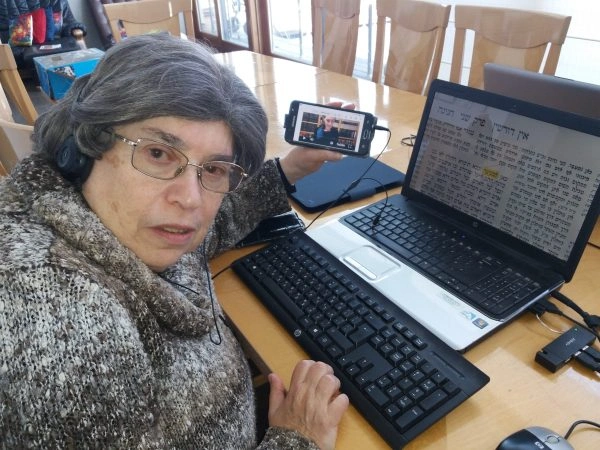
Madeline Cohen
London, United Kingdom
Michelle has been an inspiration for years, but I only really started this cycle after the moving and uplifting siyum in Jerusalem. It’s been an wonderful to learn and relearn the tenets of our religion and to understand how the extraordinary efforts of a band of people to preserve Judaism after the fall of the beit hamikdash is still bearing fruits today. I’m proud to be part of the chain!

Judith Weil
Raanana, Israel
I saw an elderly man at the shul kiddush in early March 2020, celebrating the siyyum of masechet brachot which he had been learning with a young yeshiva student. I thought, if he can do it, I can do it! I began to learn masechet Shabbat the next day, Making up masechet brachot myself, which I had missed. I haven’t missed a day since, thanks to the ease of listening to Hadran’s podcast!

Judith Shapiro
Minnesota, United States
See video

Susan Fisher
Raanana, Israel
When we heard that R. Michelle was starting daf yomi, my 11-year-old suggested that I go. Little did she know that she would lose me every morning from then on. I remember standing at the Farbers’ door, almost too shy to enter. After that first class, I said that I would come the next day but couldn’t commit to more. A decade later, I still look forward to learning from R. Michelle every morning.

Ruth Leah Kahan
Ra’anana, Israel
I started learning after the siyum hashas for women and my daily learning has been a constant over the last two years. It grounded me during the chaos of Corona while providing me with a community of fellow learners. The Daf can be challenging but it’s filled with life’s lessons, struggles and hope for a better world. It’s not about the destination but rather about the journey. Thank you Hadran!

Dena Lehrman
אפרת, Israel
Michelle has been an inspiration for years, but I only really started this cycle after the moving and uplifting siyum in Jerusalem. It’s been an wonderful to learn and relearn the tenets of our religion and to understand how the extraordinary efforts of a band of people to preserve Judaism after the fall of the beit hamikdash is still bearing fruits today. I’m proud to be part of the chain!
Judith Weil
Raanana, Israel
Having never learned Talmud before, I started Daf Yomi in hopes of connecting to the Rabbinic tradition, sharing a daily idea on Instagram (@dafyomiadventures). With Hadran and Sefaria, I slowly gained confidence in my skills and understanding. Now, part of the Pardes Jewish Educators Program, I can’t wait to bring this love of learning with me as I continue to pass it on to my future students.

Hannah Greenberg
Pennsylvania, United States
In early 2020, I began the process of a stem cell transplant. The required extreme isolation forced me to leave work and normal life but gave me time to delve into Jewish text study. I did not feel isolated. I began Daf Yomi at the start of this cycle, with family members joining me online from my hospital room. I’ve used my newly granted time to to engage, grow and connect through this learning.

Reena Slovin
Worcester, United States
I started learning at the start of this cycle, and quickly fell in love. It has become such an important part of my day, enriching every part of my life.
Naomi Niederhoffer
Toronto, Canada
I started learning daf yomi at the beginning of this cycle. As the pandemic evolved, it’s been so helpful to me to have this discipline every morning to listen to the daf podcast after I’ve read the daf; learning about the relationships between the rabbis and the ways they were constructing our Jewish religion after the destruction of the Temple. I’m grateful to be on this journey!

Mona Fishbane
Teaneck NJ, United States
I began daf yomi in January 2020 with Brachot. I had made aliya 6 months before, and one of my post-aliya goals was to complete a full cycle. As a life-long Tanach teacher, I wanted to swim from one side of the Yam shel Torah to the other. Daf yomi was also my sanity through COVID. It was the way to marking the progression of time, and feel that I could grow and accomplish while time stopped.

Leah Herzog
Givat Zev, Israel
I started with Ze Kollel in Berlin, directed by Jeremy Borowitz for Hillel Deutschland. We read Masechet Megillah chapter 4 and each participant wrote his commentary on a Sugia that particularly impressed him. I wrote six poems about different Sugiot! Fascinated by the discussions on Talmud I continued to learn with Rabanit Michelle Farber and am currently taking part in the Tikun Olam course.

Yael Merlini
Berlin, Germany
I am grateful for the structure of the Daf Yomi. When I am freer to learn to my heart’s content, I learn other passages in addition. But even in times of difficulty, I always know that I can rely on the structure and social support of Daf Yomi learners all over the world.
I am also grateful for this forum. It is very helpful to learn with a group of enthusiastic and committed women.

Janice Block
Beit Shemesh, Israel
I’ve been learning since January 2020, and in June I started drawing a phrase from each daf. Sometimes it’s easy (e.g. plants), sometimes it’s very hard (e.g. korbanot), and sometimes it’s loads of fun (e.g. bird racing) to find something to draw. I upload my pictures from each masechet to #DafYomiArt. I am enjoying every step of the journey.

Gila Loike
Ashdod, Israel
I started learning Daf Yomi in January 2020 after watching my grandfather, Mayer Penstein z”l, finish shas with the previous cycle. My grandfather made learning so much fun was so proud that his grandchildren wanted to join him. I was also inspired by Ilana Kurshan’s book, If All the Seas Were Ink. Two years in, I can say that it has enriched my life in so many ways.

Leeza Hirt Wilner
New York, United States
Bava Batra 89
מִ״וְּהָיָה אִם שָׁמוֹעַ תִּשְׁמַע״, וְעַד ״לְעׇבְדָם״; וְקִלְּלָן בְּעֶשְׂרִים וּשְׁתַּיִם – מִ״וְּהָיָה אִם לֹא תִשְׁמַע״ עַד ״וְאֵין קֹנֶה״.
from the letter vav that begins the verse: “And it shall come to pass [vehaya], if you shall hearken diligently” (Deuteronomy 28:1), until: “To serve them [le’ovdam]” (Deuteronomy 28:14), which ends with the letter mem. And he cursed them with twenty-two letters, from the letter vav that begins the verse: “But it shall come to pass [vehaya], if you will not hearken to the voice of the Lord” (Deuteronomy 28:15), until: “And no man shall buy [koneh]” (Deuteronomy 28:68). This verse ends with a letter heh, which comes just before vav in the alphabet. Starting with a vav and ending with a heh encompasses the twenty-two letters of the alphabet.
מָקוֹם שֶׁנָּהֲגוּ לָמוֹד בְּגַסָּה כּוּ׳. (סִימָן: אֵין מְעַיְּינִין, וְאֵין גּוֹדְשִׁין, בַּאֲגַרְדְּמִין, וּבְלִיטְרָא, שְׁלֹשָׁה, וָעֶשֶׂר, נֶפֶשׁ, מִשְׁקָלוֹת, מִמֶּחָק, עָבֶה, לֹא תַעֲשׂוּ, לֹא יַעֲשֶׂה.)
§ The mishna teaches that in a place where they were accustomed to measure with one large measuring vessel, one may not measure with several small measuring vessels. In a place where the custom is to level the top of the measuring vessel to remove substances heaped above its edges, one may not heap it; and where they are accustomed to heap it, one may not level it. The Gemara provides a mnemonic for the ensuing halakhot: One may not balance with precision; and one may not heap it; with market inspectors [ba’agardamin]; and with a litra; three; and ten; fulcrum; weights; a thick leveler; you may not do; one may not do.
תָּנוּ רַבָּנַן: מִנַּיִן שֶׁאֵין מוֹחֲקִין בִּמְקוֹם שֶׁגּוֹדְשִׁין, וְאֵין גּוֹדְשִׁין בִּמְקוֹם שֶׁמּוֹחֲקִין? תַּלְמוּד לוֹמַר: ״אֵיפָה שְׁלֵמָה״.
The Sages taught: From where is it derived that one may not level a measuring vessel in a place where they are accustomed to heap it and that one may not heap it in a place where they are accustomed to level it? The verse states: “A perfect weight” (Deuteronomy 25:15), which indicates that one must use whatever is considered a perfect measuring vessel in that locale, as this ensures that there is no deception or trickery.
וּמִנַּיִן שֶׁאִם אָמַר: הֲרֵינִי מוֹחֵק בִּמְקוֹם שֶׁגּוֹדְשִׁין – וְלִפְחוֹת לוֹ מִן הַדָּמִים, וַהֲרֵינִי גּוֹדֵשׁ בִּמְקוֹם שֶׁמּוֹחֲקִין – וּלְהוֹסִיף לוֹ עַל הַדָּמִים; שֶׁאֵין שׁוֹמְעִין לוֹ? תַּלְמוּד לוֹמַר: ״אֵיפָה שְׁלֵמָה וָצֶדֶק יִהְיֶה לָּךְ״.
And from where is it derived that if the seller said in a place where they heap: I am hereby leveling and am willing in exchange to reduce the price for you, or said, in a place where they level: I am hereby heaping and am willing to increase the price for you, that the court does not listen to him? The verse states: “A perfect and just weight you shall have” (Deuteronomy 25:15). The addition of the term “just,” beyond the requirement that the weight be “perfect,” teaches that one must keep his weights in a just manner, i.e., that employed by the people of that locale.
תָּנוּ רַבָּנַן: מִנַּיִן שֶׁאֵין מְעַיְּינִין בִּמְקוֹם שֶׁמַּכְרִיעִין, וְאֵין מַכְרִיעִין בִּמְקוֹם שֶׁמְּעַיְּינִין? תַּלְמוּד לוֹמַר: ״אֶבֶן שְׁלֵמָה״.
The Sages taught: From where is it derived that one may not balance a scale so that it will balance with precision [me’ayyenin] in a place where they are accustomed to let the scales tilt a handbreadth for the benefit of the buyer, and that one may not let the scales tilt a handbreadth in a place where they are accustomed to balance with precision? The verse states: “A perfect weight” (Deuteronomy 25:15), which teaches that the weight must be considered perfect in that locale.
וּמִנַּיִן שֶׁאִם אָמַר: הֲרֵינִי מְעַיֵּין בִּמְקוֹם שֶׁמַּכְרִיעִין – וְלִפְחוֹת לוֹ מִן הַדָּמִים, וַהֲרֵינִי מַכְרִיעַ בִּמְקוֹם שֶׁמְּעַיְּינִין – וּלְהוֹסִיף לוֹ עַל הַדָּמִים; שֶׁאֵין שׁוֹמְעִין לוֹ? תַּלְמוּד לוֹמַר: ״אֶבֶן שְׁלֵמָה וָצֶדֶק״.
And from where is it derived that if a seller said, in a place where it is the custom to let the scales tilt a handbreadth: I am hereby balancing with precision and am willing to reduce the price for the buyer; or, in a place where it is the custom to balance with precision: I am hereby letting the scales tilt a handbreadth and am willing to increase the price for the buyer, that the court does not listen to him? The verse states: “A perfect and just weight” (Deuteronomy 25:15), which teaches that the just way of acting is to weigh in accordance with the practice in that locale.
אָמַר רַב יְהוּדָה מִסּוּרָא: ״לֹא יִהְיֶה לְךָ בְּבֵיתְךָ״ – מָה טַעַם? מִשּׁוּם ״אֵיפָה וְאֵיפָה״.
Rav Yehuda of Sura says a homiletic interpretation of the phrase: “You shall not have in your house diverse measures” (Deuteronomy 25:14): “You shall not have in your house” means that you will become a pauper, who has nothing in his house. What is the reason for this? It is due to the fact that you used diverse measures, buying with a large vessel and selling with a small one.
״לֹא יִהְיֶה לְךָ בְּכִיסְךָ״ – מָה טַעַם? מִשּׁוּם ״אֶבֶן וָאָבֶן״. אֲבָל ״אֶבֶן שְׁלֵמָה וָצֶדֶק יִהְיֶה לָּךְ, אֵיפָה שְׁלֵמָה וָצֶדֶק יִהְיֶה לָּךְ״.
The phrase: “You shall not have in your purse diverse weights” (Deuteronomy 25:13), is interpreted in a similar fashion: “You shall not have in your purse,” i.e., you will become a pauper, who has nothing in his purse. What is the reason for this? It is due to the fact that you used diverse weights. But if you possess only “a perfect and just weight,” then “you shall have” wealth. Likewise, if you possess only “a perfect and just measure,” then “you shall have” wealth.
תָּנוּ רַבָּנַן: ״(לֹא) יִהְיֶה לְךָ״ – מְלַמֵּד שֶׁמַּעֲמִידִין אֲגַרְדְּמִין לַמִּדּוֹת, וְאֵין מַעֲמִידִין אֲגַרְדְּמִין לַשְּׁעָרִים. דְּבֵי נְשִׂיאָה אוֹקִימוּ אֲגַרְדְּמִין בֵּין לַמִּדּוֹת בֵּין לַשְּׁעָרִים, אֲמַר לֵיהּ שְׁמוּאֵל לְקַרְנָא: פּוֹק תְּנִי לְהוּ: מַעֲמִידִין אֲגַרְדְּמִין לַמִּדּוֹת, וְאֵין מַעֲמִידִין אֲגַרְדְּמִין לַשְּׁעָרִים.
§ The Sages taught that the phrase: “You shall not have,” teaches that the court appoints market inspectors to supervise the accuracy of measures. The Gemara infers: But the court does not appoint market inspectors for supervising market prices. The Gemara relates: The house of the Nasi appointed market inspectors for supervising both measures and prices. Shmuel said to his student, the Sage Karna: Go out and teach them that one appoints market inspectors for supervising measures but one does not appoint market inspectors for prices.
נְפַק דְּרַשׁ לְהוּ: מַעֲמִידִין אֲגַרְדְּמִין בֵּין לַמִּדּוֹת בֵּין לַשְּׁעָרִים. אֲמַר לֵיהּ: מָה שְׁמָךְ? קַרְנָא. תִּיפּוֹק לֵיהּ קַרְנָא בְּעֵינֵיהּ. נְפַקָא לֵיהּ קַרְנָא בְּעֵינֵיהּ. וְאִיהוּ כְּמַאן סָבַר? כִּי הָא דְּאָמַר רָמֵי בַּר חָמָא אָמַר רַבִּי יִצְחָק: מַעֲמִידִין אֲגַרְדְּמִין בֵּין לַמִּדּוֹת בֵּין לַשְּׁעָרִים, מִפְּנֵי הָרַמָּאִין.
Karna went out and taught them that one appoints market inspectors for supervising both measures and prices. Shmuel, hearing what he had done, said to him: What is your name? He replied: Karna. Shmuel said: Let a horn [karna] emerge in his eye. A horn, i.e., a growth of flesh, emerged in his eye. The Gemara asks: And Karna, in accordance with whose opinion did he hold, which led him to disregard his teacher’s statement? He held in accordance with that which Rami bar Ḥama says that Rabbi Yitzḥak says: One appoints market inspectors for supervising both measures and prices, due to swindlers, to prevent people from using smaller measures or from selling at a steep price while falsely claiming that they are selling superior-quality merchandise.
תָּנוּ רַבָּנַן: הָיָה מְבַקֵּשׁ מִמֶּנּוּ לִיטְרָא – שׁוֹקֵל לוֹ לִיטְרָא. חֲצִי לִיטְרָא – שׁוֹקֵל לוֹ חֲצִי לִיטְרָא. רְבִיעַ לִיטְרָא – שׁוֹקֵל לוֹ רְבִיעַ לִיטְרָא. מַאי קָא מַשְׁמַע לַן? דִּמְתַקְּנִינַן מַתְקָלֵי עַד הָכִי.
The Gemara discusses several halakhot related to the cases of the mishna. The Sages taught: If the buyer requested from the seller a litra of a specific item, he weighs for him using a litra weight. If he asks for half a litra, he weighs for him using a half-litra weight. If he wants one-quarter of a litra, he weighs for him using a quarter–litra weight. The Gemara asks: Isn’t this obvious? What is this baraita teaching us? The Gemara explains: It teaches that one sets weights until this amount, one-quarter of a litra, but not less. If a buyer asks the seller to weigh a smaller amount for him, his request is not granted.
תָּנוּ רַבָּנַן: הָיָה מְבַקֵּשׁ מִמֶּנּוּ שְׁלֹשָׁה רִבְעֵי לִיטְרָא, לֹא יֹאמַר לוֹ: שְׁקוֹל לִי שְׁלֹשָׁה רִבְעֵי לִיטְרָא אַחַת אַחַת. אֶלָּא שׁוֹקֵל לִיטְרָא, וּמַנִּיחַ רְבִיעַ לִיטְרָא עִם הַבָּשָׂר.
Furthermore, the Sages taught: If the buyer requested from him three-quarters of a litra, and there is no weight equal to this amount, the buyer may not say to him: Weigh for me three units using a quarter-litra weight, one by one, so that the seller lets the scales tilt by a handbreadth as he measures each quarter-litra weight. Rather, he weighs the merchandise all at once, as he places a litra weight on one pan of the scale, and places on the other pan of the scale a quarter-litra weight together with the meat that is being sold.
תָּנוּ רַבָּנַן: הָיָה מְבַקֵּשׁ מִמֶּנּוּ עֶשֶׂר לִיטְרִין, לֹא יֹאמַר לוֹ: שְׁקוֹל לִי אַחַת אַחַת וְהַכְרִיעָהּ; אֶלָּא שׁוֹקֵל לוֹ כּוּלָּן בְּבַת אַחַת, וְנוֹתֵן הֶכְרֵעַ אֶחָד לְכוּלָּן.
The Sages likewise taught: In a case where the buyer requested from the seller ten litra of merchandise, the buyer may not say to him: Weigh for me each litra one by one, and let the scales tilt each time, as on every occasion that the seller does this the buyer receives more than that for which he paid. Rather, he weighs all the merchandise at the same time and lets the scales tilt once for all the merchandise.
תָּנוּ רַבָּנַן: נֶפֶשׁ מֹאזְנַיִם – תְּלוּיָה בָּאֲוִיר שְׁלֹשָׁה טְפָחִים, וּגְבוֹהָה מִן הָאָרֶץ שְׁלֹשָׁה טְפָחִים, וְקָנֶה וּמִתְנָא שֶׁלָּהּ שְׁנֵים עָשָׂר טְפָחִים. וְשֶׁל צַמָּרִים וְשֶׁל זַגָּגִין – תְּלוּיָה בָּאֲוִיר שְׁנֵי טְפָחִים, וּגְבוֹהָה מִן הָאָרֶץ שְׁנֵי טְפָחִים, וְקָנֶה וּמִתְנָא שֶׁלָּהּ תִּשְׁעָה טְפָחִים.
§ The Sages taught: The fulcrum of a scale must be suspended in the air so that the point the lever goes through it is at a distance of three handbreadths from the ceiling, and the pans of the scale must be three handbreadths above the ground. And the scale’s lever and cord, from which each pan is suspended, must be twelve handbreadths long. And the fulcrum of a scale of wool-weavers and glassmakers must be suspended in the air at a distance of two handbreadths from the ceiling, and the pans of the scale must be two handbreadths above the ground. And its lever and cord must be nine handbreadths long.
וְשֶׁל חֶנְווֹנִי וְשֶׁל בַּעַל הַבַּיִת – תְּלוּיָה בָּאֲוִיר טֶפַח, וּגְבוֹהָה מִן הָאָרֶץ טֶפַח, וְקָנֶה וּמִתְנָא שֶׁלָּהּ שִׁשָּׁה טְפָחִים. וְשֶׁל טוּרְטָנִי – תְּלוּיָה בָּאֲוִיר שָׁלֹשׁ אֶצְבָּעוֹת, וּגְבוֹהָה מִן הָאָרֶץ שָׁלֹשׁ אֶצְבָּעוֹת, וְקָנֶה וּמִתְנָא שֶׁלָּהּ אֵינִי יוֹדֵעַ.
And the fulcrum of a scale of a storekeeper and of a homeowner must be suspended in the air at a distance of one handbreadth from the ceiling, and the pans of the scale must be one handbreadth above the ground. And its lever and cord must be six handbreadths long. And the fulcrums of small scales [turtanei] used for weighing gold and silver must be suspended in the air at a distance of three fingerbreadths from the ceiling, and the pans of the scales must be three fingerbreadths above the ground. The tanna continues: But with regard to its lever and cord, I do not know their required length.
וְאֶלָּא הָךְ קַמַּיְיתָא – דְּמַאי?
Since the function of each type of balance scale is mentioned with the exception of the first type, the Gemara asks: And that large balance scale, which is mentioned first, for what is it used?
אָמַר רַב פָּפָּא: דִּיגָרוֹמֵי.
Rav Pappa says: It is a balance scale for blacksmiths, who weigh heavy pieces of metal.
אָמַר רַבִּי מָנִי בַּר פַּטִּישׁ: כְּדֶרֶךְ שֶׁאָמְרוּ לְעִנְיַן אִיסּוּרָן, כָּךְ אָמְרוּ לְעִנְיַן טוּמְאָתָן.
Rabbi Mani Bar Pattish says: Just as the Sages said with regard to the prohibition of the scales that one may not use a scale that does not meet the criteria listed in the baraita, so too they said that this applies with regard to their ritual impurity. In other words, if the cords and pole are not attached in the proper manner, they are not susceptible to ritual impurity as part of the scale.
מַאי קָא מַשְׁמַע לַן? תְּנֵינָא: חוּט מֹאזְנַיִם שֶׁל חֶנְוָנִי וְשֶׁל בַּעֲלֵי בָתִּים – טֶפַח! קָנֶה וּמִתְנָא שֶׁלָּהּ אִיצְטְרִיכָא לֵיהּ, דְּלָא תְּנַן.
The Gemara asks: What is this statement teaching us? We learned in a mishna (Kelim 29:5): With regard to the rope from which the scales are suspended, if the balance scale belongs to a storekeeper or to homeowners it must be one handbreadth in length for it to be susceptible to ritual impurity. Why, then, is the statement of Rabbi Mani Bar Pattish necessary? The Gemara answers: Although the mishna in tractate Kelim discusses the rope from which the scales are suspended, it was still necessary for Rabbi Mani Bar Pattish to mention the halakha with regard to the scale’s lever and cord, which we did not learn about in that mishna.
תָּנוּ רַבָּנַן: אֵין עוֹשִׂין מִשְׁקָלוֹת – לֹא שֶׁל בַּעַץ, וְלֹא שֶׁל אֲבָר, וְלֹא שֶׁל גִּיסְטְרוֹן, וְלֹא שֶׁל שְׁאָר מִינֵי מַתָּכוֹת. אֲבָל עוֹשֶׂה הוּא שֶׁל צוּנְמָא וְשֶׁל זְכוּכִית.
§ The Sages taught: One may not prepare weights of tin [ba’atz], nor of lead, nor of a metal alloy [gisteron], nor of any other types of metal, because all of these deteriorate over time and the buyer will ultimately pay for more merchandise than he receives. But one may prepare weights of hard rock and of glass.
תָּנוּ רַבָּנַן: אֵין עוֹשִׂין הַמֶּחָק שֶׁל דְּלַעַת – מִפְּנֵי שֶׁהוּא קַל, וְלֹא שֶׁל מַתֶּכֶת – מִפְּנֵי שֶׁהוּא מַכְבִּיד. אֲבָל עוֹשֵׂהוּ שֶׁל זַיִת וְשֶׁל אֱגוֹז, שֶׁל שִׁקְמָה וְשֶׁל אֶשְׁבְּרוֹעַ.
The Sages further taught: One may not prepare the leveler, used to remove the excess from the mouth of a vessel, from a gourd, because it is a light material and does not level effectively, thereby causing a loss for the seller. And it may not be made of metal, because it weighs down and removes too much of the merchandise, leading to a loss for the buyer. But one may prepare it from the wood of an olive tree, or of a nut tree, or of a sycamore tree, or of a boxwood tree, which are of medium weight.
תָּנוּ רַבָּנַן: אֵין עוֹשִׂין אֶת הַמֶּחָק צִדּוֹ אֶחָד עָב וְצִדּוֹ אֶחָד קָצָר. לֹא יִמְחוֹק בְּבַת אַחַת, שֶׁהַמּוֹחֵק בְּבַת אַחַת – רַע לַמּוֹכֵר וְיָפֶה לַלּוֹקֵחַ; וְלֹא יִמְחוֹק מְעַט מְעַט – שֶׁרַע לַלּוֹקֵחַ וְיָפֶה לַמּוֹכֵר.
The Sages taught: One may not prepare the leveler in such a manner that one of its sides is thick and one other side is thin, because in such a case the two sides will not level equally. Furthermore, one may not level all at once, by a single quick movement, as one who levels all at once acts in a manner that is bad for the seller and good for the buyer, because he removes less of the excess than one who levels in the regular fashion. And conversely one may not level little by little, i.e., with several slow movements, as this is bad for the buyer and good for the seller.
עַל כּוּלָּן אָמַר רַבָּן יוֹחָנָן בֶּן זַכַּאי: אוֹי לִי אִם אוֹמַר, אוֹי לִי אִם לֹא אוֹמַר; אִם אוֹמַר – שֶׁמָּא יִלְמְדוּ הָרַמָּאִין, וְאִם לֹא אוֹמַר – שֶׁמָּא יֹאמְרוּ הָרַמָּאִין: אֵין תַּלְמִידֵי חֲכָמִים בְּקִיאִין בְּמַעֲשֵׂה יָדֵינוּ. אִיבַּעְיָא לְהוּ: אַמְרַהּ, אוֹ לָא אַמְרַהּ? אֲמַר רַב שְׁמוּאֵל בַּר רַב יִצְחָק: אַמְרַהּ – וּמֵהַאי קְרָא אַמְרַהּ: ״כִּי יְשָׁרִים דַּרְכֵי ה׳, וְצַדִּקִים יֵלְכוּ בָם, וּפֹשְׁעִים יִכָּשְׁלוּ בָם״.
Rabban Yoḥanan ben Zakkai said with regard to all these halakhot: Woe to me if I say them, and woe unto me if I do not say them. If I say them, perhaps swindlers will learn new methods of cheating of which they were previously unaware. And if I do not say them, perhaps swindlers will say: Torah scholars are not well versed in our handiwork. A dilemma was raised before the Sages: Did Rabban Yoḥanan ben Zakkai decide to say these halakhot in public or did he not say them? Rav Shmuel bar Rav Yitzḥak says: He said them, and he said them on the basis of this verse: “For the ways of the Lord are right, and the just walk in them; but transgressors stumble over them” (Hosea 14:10).
תָּנוּ רַבָּנַן: ״לֹא תַעֲשׂוּ עָוֶל בַּמִּשְׁפָּט; בַּמִּדָּה, בַּמִּשְׁקָל וּבַמְּשׂוּרָה״; ״בַּמִּדָּה״ – זוֹ מְדִידַת קַרְקַע, שֶׁלֹּא יִמְדּוֹד לְאֶחָד בִּימוֹת הַחַמָּה וּלְאֶחָד בִּימוֹת הַגְּשָׁמִים. ״בַּמִּשְׁקָל״ – שֶׁלֹּא יַטְמִין מִשְׁקְלוֹתָיו בְּמֶלַח. ״בַּמְּשׂוּרָה״ – שֶׁלֹּא יַרְתִּיחַ.
§ The Gemara further discusses weights and measures. The Sages taught: “You shall do no unrighteousness in judgment, in measure [bammidda], in weight, or in measure [uvamesura]” (Leviticus 19:35). The baraita defines these terms: “In measure [bammidda],” this is referring to measuring land, teaching that in order to measure land in a just manner one may not measure for one person in the summer when the measuring rope has become dry and short, and for one other individual in the rainy season, when the measuring rope is wet and limp, and therefore stretches more. “In weight” means that one may not cover his weights in salt, as salt erodes the weights, causing a loss for the buyer. “Or in measure [bamesura]” means that one may not cause liquid he is measuring to foam by pouring it speedily, as this results in a loss for the buyer, who receives less of the liquid than the amount for which he paid.
וְקַל וָחוֹמֶר – וּמָה מְשׂוּרָה, שֶׁהִיא אֶחָד מִשְּׁלֹשִׁים וְשִׁשָּׁה בַּלּוֹג – הִקְפִּידָה עָלָיו תּוֹרָה; קַל וָחוֹמֶר לְהִין, וַחֲצִי הִין, וּשְׁלִישִׁית הַהִין, וּרְבִיעִית הַהִין; וְלוֹג, וַחֲצִי לוֹג, וּרְבִיעִית, וַחֲצִי תּוֹמֶן, וְעוּכְלָא.
The Gemara notes: And it can be inferred by means of an a fortiori inference that if in the case of a mesura, which is a measure equivalent to merely one thirty-sixth of a log, the Torah was particular that one must measure honestly, so too, a fortiori, one must be careful in the case of one hin, and a half-hin, and a third-hin, and a quarter-hin, which is twelve log, and one log, and a half-log, and a quarter-log, and a half-tomen, i.e., one-sixteenth of a kav, and even an ukla, a smaller unit, as defined below.
אָמַר רַב יְהוּדָה אָמַר רַב: אָסוּר לָאָדָם שֶׁיַּשְׁהֶה מִדָּה חֲסֵרָה אוֹ יְתֵרָה בְּתוֹךְ בֵּיתוֹ, וַאֲפִילּוּ הִיא עָבִיט שֶׁל מֵימֵי רַגְלַיִם. אָמַר רַב פָּפָּא: לָא אֲמַרַן אֶלָּא בְּאַתְרָא דְּלָא חֲתִימִי, אֲבָל בְּאַתְרָא דַּחֲתִימִי – אִי לָא חָזֵי חֲתִימָה לָא שָׁקֵיל. וּבְאַתְרָא דְּלָא חֲתִימִי נָמֵי לָא אֲמַרַן – אֶלָּא דְּלָא מְהַנְדְּסִי, אֲבָל מְהַנְדְּסִי – לֵית לַן בַּהּ.
Rav Yehuda says that Rav says: It is prohibited for a person to keep in his house a measure that is too small or too large relative to its supposed volume or weight, and this is the case even if he does not measure with it but simply uses it as a chamber pot for urine. Rav Pappa said: We said this prohibition only with regard to a place where measures are not stamped with the government’s seal, which confirms that the measure is accurate. But in a place where the measures are stamped, if the buyer does not see the seal he would not take the merchandise. Since they could not be used dishonestly, one is permitted to utilize these measures for other purposes. And in a place where measures are not stamped as well, we said that it is prohibited to keep these measures in one’s house only in a place where they do not inspect measures to see if they are fit for use. But if they do inspect measures, we have no problem with it.
וְלָא הִיא; זִימְנִין דְּמִיקְּרֵי בֵּין הַשְּׁמָשׁוֹת, וּמִיקְּרֵי וְשָׁקֵיל. תַּנְיָא נָמֵי הָכִי: לֹא יַשְׁהֶה אָדָם מִדָּה חֲסֵרָה אוֹ יְתֵרָה בְּתוֹךְ בֵּיתוֹ, וַאֲפִילּוּ הִיא עָבִיט שֶׁל מֵימֵי רַגְלַיִם. אֲבָל עוֹשֶׂה הוּא סְאָה, תַּרְקַב, וַחֲצִי תַּרְקַב, וְקַב, וַחֲצִי קַב, וְרוֹבַע, וְתוֹמֶן, וַחֲצִי תּוֹמֶן,
The Gemara comments: And that is not so; one is never permitted to keep incorrect measures in his house, as sometimes it happens that one measures at twilight, when people are hurried, and consequently it happens that the buyer takes the merchandise despite the fact that it was measured with an incorrect measure. This is also taught in a baraita: A person may not keep in his house a measure that is too small or too large, even if it is used as a chamber pot for urine. But he may prepare measures in accordance with the established format: Measurements of a se’a; a tarkav, which is three kav or one-half of a se’a; and a half-tarkav, which is one and one-half kav; and a kav; and a half-kav; and a quarter-kav; and a tomen, which is one-eighth of a kav; and a half-tomen;
Follow

