








If a money changer mistakenly tells a customer that a coin is valid and causes a loss to the customer, is the money changer responsible for reimbursing for the loss? If the money changer is a real professional, then he/she is exempt but if not, he/she is responsible. However, Rabbi Chiya reimbursed a woman for her loss based on his mistake, even though he was a professional as he decided to go beyond the letter of the law (lifnim meshurat hadin). There is a case with Rabbi Elazar and Reish Lakish and Reish Lakish explains to Rabbi Elazar that he is relying on his valuation of the coin. If Rabbi Elazar made a mistake, he would need to reimburse Reish Lakish as this would be a case of garmi, and Reish Lakish held by Rabbi Meir who obligates one for garmi-type damages. Where can we find Rabbi Meir’s ruling on garmi? Four different sources are suggested – only the last is accepted as the answer. The Mishna discusses three different cases where the dyer did something different from what the customer asked – burned, did a poor job, or colored it the wrong color. What is the halakha in each case?
Bava Kamma 100

Share this shiur:
Bava Kamma
Masechet Bava Kamma is sponsored by the Futornick Family in loving memory of their fathers and grandfathers, Phillip Kaufman and David Futornick.
Want to dedicate learning? Get started here:

Bava Kamma
Masechet Bava Kamma is sponsored by the Futornick Family in loving memory of their fathers and grandfathers, Phillip Kaufman and David Futornick.
Bava Kamma 100
בֵּית חַיֵּיהֶם. ״אֶת הַדֶּרֶךְ״ – זוֹ גְּמִילוּת חֲסָדִים. ״יֵלְכוּ״ – זוֹ בִּיקּוּר חוֹלִים. ״בָּהּ״ – זוֹ קְבוּרָה. ״אֶת הַמַּעֲשֶׂה״ – זֶה הַדִּין. ״אֲשֶׁר יַעֲשׂוּן״ – זוֹ לִפְנִים מִשּׁוּרַת הַדִּין.
the core of their existence, i.e., Torah study, which is the source of life. “The way”; this is referring to acts of kindness. “They must walk”; this is referring to visiting the sick. “Wherein”; this is referring to the burial of the dead. “The work”; this is referring to conducting oneself in accordance with the law. “That they must do”; this is referring to conducting oneself beyond the letter of the law. This indicates that the Torah mandates that people conduct themselves beyond the letter of the law.
רֵישׁ לָקִישׁ אַחְוִי לֵיהּ דִּינָרָא לְרַבִּי אֶלְעָזָר. אֲמַר: מְעַלְּיָא הוּא. אֲמַר לֵיהּ: חֲזִי דַּעֲלָךְ קָא סָמַכְינָא. אֲמַר לֵיהּ: כִּי סָמְכַתְּ עֲלַי מַאי לְמֵימְרָא, דְּאִי מִשְׁתְּכַח בִּישָׁא – בָּעֵינָא לְאַיחְלוֹפֵי לָךְ? וְהָא אַתְּ הוּא דְּאָמְרַתְּ: רַבִּי מֵאִיר הוּא, דְּדָאֵין דִּינָא דִּגְרָמֵי. מַאי, לָאו רַבִּי מֵאִיר – וְלָא סְבִירָא לַן כְּווֹתֵיהּ?
The Gemara relates: Reish Lakish presented a dinar to Rabbi Elazar so that the latter would assess it. Rabbi Elazar said: It is a proper coin. Reish Lakish said to him: Realize that I am relying on you. Rabbi Elazar said to him: What is the purpose of stating that you are relying on me? Is it so that if this dinar is later found to be bad, I will be required to exchange it for you with a good dinar? But it is you who said that it is Rabbi Meir who is of the opinion that there is liability for damage caused by indirect action, even if he did not directly cause damage to the property. What, is it not that you intended to say: This is the opinion of Rabbi Meir, but we do not hold in accordance with his opinion?
אֲמַר לֵיהּ: לָא, רַבִּי מֵאִיר – וּסְבִירָא לַן כְּווֹתֵיהּ.
Reish Lakish said to him: No, I intended to say that this is the opinion of Rabbi Meir, and we do hold in accordance with his opinion.
הֵי רַבִּי מֵאִיר? אִילֵימָא רַבִּי מֵאִיר (ד׳ ל׳ מ׳ פ׳ סִימָן)
The Gemara asks: Which statement of Rabbi Meir is Rabbi Elazar referring to? If we say it is this statement of Rabbi Meir, that is difficult. Parenthetically, the Gemara states that the letters dalet, lamed, mem, peh serve as a mnemonic device for the four statements of Rabbi Meir that will be cited. It stands for: Judged [dan], to dye [litzboa], covers [mesakekh], and broke open [pirtza].
דִּתְנַן: דָּן אֶת הַדִּין; זִיכָּה אֶת הַחַיָּיב; חִיֵּיב אֶת הַזַּכַּאי; טִימֵּא אֶת הַטָּהוֹר; טִיהֵר אֶת הַטָּמֵא – מַה שֶּׁעָשָׂה עָשׂוּי, וִישַׁלֵּם מִבֵּיתוֹ.
The Gemara returns to the matter at hand. As we learned in a mishna (Bekhorot 28b): If a judge issued a judgment and erred, and he acquitted one who was in fact liable, or deemed liable one who should have in fact been acquitted, or if he ruled that a pure item is impure, or ruled that an impure item is pure, and by doing so he caused a litigant a monetary loss, what he did is done, i.e., the judgment stands, and the judge must pay damages from his home, i.e., from his personal funds. He is therefore liable to pay the damages even though he caused the loss indirectly.
הָא אִיתְּמַר עֲלַהּ, אָמַר רַבִּי אִילְעָא אָמַר רַב: וְהוּא שֶׁנָּטַל וְנָתַן בַּיָּד!
The Gemara explains why this cannot be the statement of Rabbi Meir that Shmuel was referring to: But wasn’t it stated with regard to that mishna that Rabbi Ile’a says that Rav says: And this mishna is discussing a case where the judge not only issued a ruling, but actively took the money from the one whom he found liable, and gave it to the other party by his own hand. This is not a case of causation but of direct action.
אֶלָּא הָא רַבִּי מֵאִיר – דִּתְנַן: לִצְבּוֹעַ לוֹ אָדוֹם וּצְבָעוֹ שָׁחוֹר, שָׁחוֹר וּצְבָעוֹ אָדוֹם – רַבִּי מֵאִיר אוֹמֵר: נוֹתֵן לוֹ דְּמֵי צַמְרוֹ. הָתָם קָא עָבֵיד בְּיָדַיִם!
Rather, Rabbi Elazar must be referring to this statement of Rabbi Meir, as we learned in a mishna (100b): If one gave wool to a dyer to dye it red for him, and he dyed it black, or to dye it black, and he dyed it red, Rabbi Meir says: The dyer gives the owner the value of his wool. The Gemara responds: This too does not prove that according to the opinion of Rabbi Meir one is liable even if the loss was brought about by causation, since there he does cause damage through direct action.
אֶלָּא הָא רַבִּי מֵאִיר – דִּתְנַן: הַמְסַכֵּךְ גַּפְנוֹ עַל גַּבֵּי תְּבוּאָתוֹ שֶׁל חֲבֵירוֹ – הֲרֵי זֶה קִידֵּשׁ, וְחַיָּיב. הָתָם נָמֵי קָא עָבֵיד בְּיָדַיִם!
Rather, Rabbi Elazar must be referring to this statement of Rabbi Meir, as we learned in a mishna (Kilayim 7:4): One who drapes his grapevine atop another’s grain has rendered them forbidden due to the prohibition against growing diverse kinds in a vineyard, and he is liable to pay the owner of the grain for the damage. The Gemara responds: This too does not prove that according to the opinion of Rabbi Meir one is liable even if the loss was brought about by causation, since there too he does cause damage by direct action.
אֶלָּא הָא רַבִּי מֵאִיר – דְּתַנְיָא: מְחִיצַת הַכֶּרֶם שֶׁנִּפְרְצָה –
Rather, it must be referring to this statement of Rabbi Meir, as it is taught in the Tosefta (Kilayim 3:4): If there was a partition of a vineyard that is adjacent to a wheat field, and that partition broke open,
אוֹמֵר לוֹ ״גְּדוֹר״. נִפְרְצָה – אוֹמֵר לוֹ ״גְּדוֹר״, נִתְיָיאֵשׁ מִמֶּנָּה וְלֹא גְּדָרָהּ – הֲרֵי זֶה קִידֵּשׁ, וְחַיָּיב בְּאַחְרָיוּתוֹ.
the owner of the wheat field may tell the owner of the vineyard to repair the breach before the vines intermingle with the grain and cause it to become forbidden. If the partition broke open again, he may again tell him to repair it. If the owner of the vineyard abandoned the partition and did not repair it, he has rendered the grain forbidden, and is obligated to pay restitution for it. This demonstrates that one is liable to pay damages even if he did not perform any action at all, and consequently proves that Rabbi Meir rules there is liability for damage caused by indirect action.
מַתְנִי׳ הַנּוֹתֵן צֶמֶר לַצַבָּע, וְהִקְדִּיחוֹ יוֹרָה – נוֹתֵן לוֹ דְּמֵי צַמְרוֹ. צְבָעוֹ כָּאוּר – אִם הַשֶּׁבַח יָתֵר עַל הַיְּצִיאָה, נוֹתֵן לוֹ אֶת הַיְּצִיאָה; וְאִם הַיְּצִיאָה יְתֵירָה עַל הַשֶּׁבַח, נוֹתֵן לוֹ אֶת הַשֶּׁבַח.
MISHNA: In the case of one who gives wool to a dyer and it was burned in the cauldron during the dyeing process, thereby completely ruining the wool so that there is no enhancement, only loss, the dyer gives the owner the value of his wool. If he dyed it unattractively [ka’ur] so that the dye is not absorbed well by the wool, if the enhancement, i.e., the amount that the value of the wool has increased by being dyed, exceeds the dyer’s expenses, the owner of the wool gives the dyer the expenses. And if the expenses exceed the enhancement, he gives him the value of the enhancement.
לִצְבּוֹעַ לוֹ אָדוֹם וּצְבָעוֹ שָׁחוֹר, שָׁחוֹר וּצְבָעוֹ אָדוֹם – רַבִּי מֵאִיר אוֹמֵר: נוֹתֵן לוֹ דְּמֵי צַמְרוֹ. רַבִּי יְהוּדָה אוֹמֵר: אִם הַשֶּׁבַח יָתֵר עַל הַיְּצִיאָה – נוֹתֵן לוֹ אֶת הַיְּצִיאָה, וְאִם הַיְּצִיאָה יְתֵירָה עַל הַשֶּׁבַח – נוֹתֵן לוֹ אֶת הַשֶּׁבַח.
If the owner gave wool to a dyer to dye it red for him and instead he dyed it black, or to dye it black and he dyed it red, Rabbi Meir says: The dyer gives the owner of the wool the value of his wool. Rabbi Yehuda says: Here too, if the value of the enhancement exceeds the dyer’s expenses, the owner of the wool gives the dyer the expenses. And if the expenses exceed the enhancement, he gives him the value of the enhancement.
גְּמָ׳ מַאי ״כָּאוּר״? אָמַר רַב נַחְמָן אָמַר רַבָּה בַּר בַּר חָנָה: כַּלְבּוֹס. מַאי כַּלְבּוֹס? אָמַר רַבָּה בַּר שְׁמוּאֵל:
GEMARA: The Gemara clarifies: What does the mishna mean by unattractively? Rav Naḥman said that Rabba bar bar Ḥana said: Kelabus. The Gemara asks: What does kelabus mean? Rabba bar Shmuel said:

New to Talmud?
Check out our resources designed to help you navigate a page of Talmud – and study at the pace, level and style that fits you.
The Hadran Women’s Tapestry
Meet the diverse women learning Gemara at Hadran and hear their stories.
My Daf journey began in August 2012 after participating in the Siyum Hashas where I was blessed as an “enabler” of others. Galvanized into my own learning I recited the Hadran on Shas in January 2020 with Rabbanit Michelle. That Siyum was a highlight in my life. Now, on round two, Daf has become my spiritual anchor to which I attribute manifold blessings.
Englewood NJ, United States
I heard about the syium in January 2020 & I was excited to start learning then the pandemic started. Learning Daf became something to focus on but also something stressful. As the world changed around me & my family I had to adjust my expectations for myself & the world. Daf Yomi & the Hadran podcast has been something I look forward to every day. It gives me a moment of centering & Judaism daily.

Denver, United States
Inspired by Hadran’s first Siyum ha Shas L’Nashim two years ago, I began daf yomi right after for the next cycle. As to this extraordinary journey together with Hadran..as TS Eliot wrote “We must not cease from exploration and the end of all our exploring will be to arrive where we began and to know the place for the first time.
Jerusalem, Israel
I started last year after completing the Pesach Sugiyot class. Masechet Yoma might seem like a difficult set of topics, but for me made Yom Kippur and the Beit HaMikdash come alive. Liturgy I’d always had trouble connecting with took on new meaning as I gained a sense of real people moving through specific spaces in particular ways. It was the perfect introduction; I am so grateful for Hadran!
Minnesota, United States
I started at the beginning of this cycle. No 1 reason, but here’s 5.
In 2019 I read about the upcoming siyum hashas.
There was a sermon at shul about how anyone can learn Talmud.
Talmud references come up when I am studying. I wanted to know more.
Yentl was on telly. Not a great movie but it’s about studying Talmud.
I went to the Hadran website: A new cycle is starting. I’m gonna do this
Cambridge, United Kingdom
תמיד רציתי. למדתי גמרא בבית ספר בטורונטו קנדה. עליתי ארצה ולמדתי שזה לא מקובל. הופתעתי.
יצאתי לגימלאות לפני שנתיים וזה מאפשר את המחוייבות לדף יומי.
עבורי ההתמדה בלימוד מעגן אותי בקשר שלי ליהדות. אני תמיד מחפשת ותמיד. מוצאת מקור לקשר. ללימוד חדש ומחדש. קשר עם נשים לומדות מעמיק את החוויה ומשמעותית מאוד.
מיתר, ישראל
I was moved to tears by the Hadran Siyyum HaShas. I have learned Torah all my life, but never connected to learning Gemara on a regular basis until then. Seeing the sheer joy Talmud Torah at the siyyum, I felt compelled to be part of it, and I haven’t missed a day!
It’s not always easy, but it is so worthwhile, and it has strengthened my love of learning. It is part of my life now.

Beit Shemesh, Israel
My curiosity was peaked after seeing posts about the end of the last cycle. I am always looking for opportunities to increase my Jewish literacy & I am someone that is drawn to habit and consistency. Dinnertime includes a “Guess what I learned on the daf” segment for my husband and 18 year old twins. I also love the feelings of connection with my colleagues who are also learning.

Tampa, United States
In January 2020, my chevruta suggested that we “up our game. Let’s do Daf Yomi” – and she sent me the Hadran link. I lost my job (and went freelance), there was a pandemic, and I am still opening the podcast with my breakfast coffee, or after Shabbat with popcorn. My Aramaic is improving. I will need a new bookcase, though.
Atlanta, Georgia, United States
A Gemara shiur previous to the Hadran Siyum, was the impetus to attend it.It was highly inspirational and I was smitten. The message for me was התלמוד בידינו. I had decided along with my Chahsmonaim group to to do the daf and take it one daf at time- without any expectations at all. There has been a wealth of information, insights and halachik ideas. It is truly exercise of the mind, heart & Soul
Hashmonaim, Israel

Blacksburg, United States

Minneapolis, MN, United States
Last cycle, I listened to parts of various מסכתות. When the הדרן סיום was advertised, I listened to Michelle on נידה. I knew that בע”ה with the next cycle I was in (ב”נ). As I entered the סיום (early), I saw the signs and was overcome with emotion. I was randomly seated in the front row, and I cried many times that night. My choice to learn דף יומי was affirmed. It is one of the best I have made!

אפרת, Israel
I went to day school in Toronto but really began to learn when I attended Brovenders back in the early 1980’s. Last year after talking to my sister who was learning Daf Yomi, inspired, I looked on the computer and the Hadran site came up. I have been listening to each days shiur in the morning as I work. I emphasis listening since I am not sitting with a Gamara. I listen while I work in my studio.
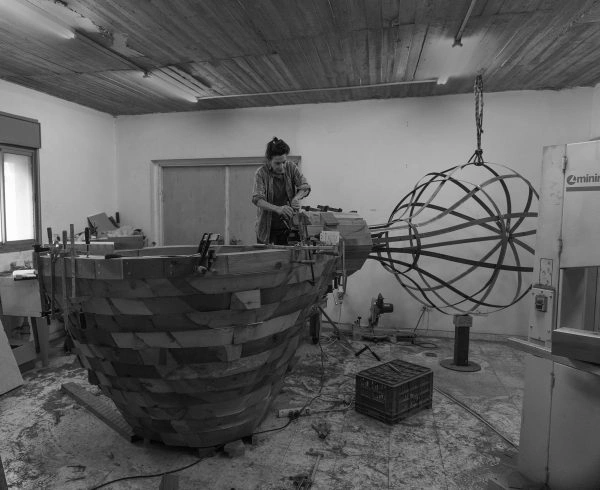
Tekoa, Israel
With Rabbanit Dr. Naomi Cohen in the Women’s Talmud class, over 30 years ago. It was a “known” class and it was accepted, because of who taught. Since then I have also studied with Avigail Gross-Gelman and Dr. Gabriel Hazut for about a year). Years ago, in a shiur in my shul, I did know about Persians doing 3 things with their clothes on. They opened the shiur to woman after that!

Haifa, Israel
Palo Alto, CA, United States
I was inspired to start learning after attending the 2020 siyum in Binyanei Hauma. It has been a great experience for me. It’s amazing to see the origins of stories I’ve heard and rituals I’ve participated in my whole life. Even when I don’t understand the daf itself, I believe that the commitment to learning every day is valuable and has multiple benefits. And there will be another daf tomorrow!

Jerusalem, Israel
Hadran entered my life after the last Siyum Hashaas, January 2020. I was inspired and challenged simultaneously, having never thought of learning Gemara. With my family’s encouragement, I googled “daf yomi for women”. A perfecr fit!
I especially enjoy when Rabbanit Michelle connects the daf to contemporary issues to share at the shabbat table e.g: looking at the Kohen during duchaning. Toda rabba

Jerusalem, Israel
When we heard that R. Michelle was starting daf yomi, my 11-year-old suggested that I go. Little did she know that she would lose me every morning from then on. I remember standing at the Farbers’ door, almost too shy to enter. After that first class, I said that I would come the next day but couldn’t commit to more. A decade later, I still look forward to learning from R. Michelle every morning.
Ra’anana, Israel
I learned Mishnayot more than twenty years ago and started with Gemara much later in life. Although I never managed to learn Daf Yomi consistently, I am learning since some years Gemara in depth and with much joy. Since last year I am studying at the International Halakha Scholars Program at the WIHL. I often listen to Rabbanit Farbers Gemara shiurim to understand better a specific sugyiah. I am grateful for the help and inspiration!

Berlin, Germany
Bava Kamma 100
בֵּית חַיֵּיהֶם. ״אֶת הַדֶּרֶךְ״ – זוֹ גְּמִילוּת חֲסָדִים. ״יֵלְכוּ״ – זוֹ בִּיקּוּר חוֹלִים. ״בָּהּ״ – זוֹ קְבוּרָה. ״אֶת הַמַּעֲשֶׂה״ – זֶה הַדִּין. ״אֲשֶׁר יַעֲשׂוּן״ – זוֹ לִפְנִים מִשּׁוּרַת הַדִּין.
the core of their existence, i.e., Torah study, which is the source of life. “The way”; this is referring to acts of kindness. “They must walk”; this is referring to visiting the sick. “Wherein”; this is referring to the burial of the dead. “The work”; this is referring to conducting oneself in accordance with the law. “That they must do”; this is referring to conducting oneself beyond the letter of the law. This indicates that the Torah mandates that people conduct themselves beyond the letter of the law.
רֵישׁ לָקִישׁ אַחְוִי לֵיהּ דִּינָרָא לְרַבִּי אֶלְעָזָר. אֲמַר: מְעַלְּיָא הוּא. אֲמַר לֵיהּ: חֲזִי דַּעֲלָךְ קָא סָמַכְינָא. אֲמַר לֵיהּ: כִּי סָמְכַתְּ עֲלַי מַאי לְמֵימְרָא, דְּאִי מִשְׁתְּכַח בִּישָׁא – בָּעֵינָא לְאַיחְלוֹפֵי לָךְ? וְהָא אַתְּ הוּא דְּאָמְרַתְּ: רַבִּי מֵאִיר הוּא, דְּדָאֵין דִּינָא דִּגְרָמֵי. מַאי, לָאו רַבִּי מֵאִיר – וְלָא סְבִירָא לַן כְּווֹתֵיהּ?
The Gemara relates: Reish Lakish presented a dinar to Rabbi Elazar so that the latter would assess it. Rabbi Elazar said: It is a proper coin. Reish Lakish said to him: Realize that I am relying on you. Rabbi Elazar said to him: What is the purpose of stating that you are relying on me? Is it so that if this dinar is later found to be bad, I will be required to exchange it for you with a good dinar? But it is you who said that it is Rabbi Meir who is of the opinion that there is liability for damage caused by indirect action, even if he did not directly cause damage to the property. What, is it not that you intended to say: This is the opinion of Rabbi Meir, but we do not hold in accordance with his opinion?
אֲמַר לֵיהּ: לָא, רַבִּי מֵאִיר – וּסְבִירָא לַן כְּווֹתֵיהּ.
Reish Lakish said to him: No, I intended to say that this is the opinion of Rabbi Meir, and we do hold in accordance with his opinion.
הֵי רַבִּי מֵאִיר? אִילֵימָא רַבִּי מֵאִיר (ד׳ ל׳ מ׳ פ׳ סִימָן)
The Gemara asks: Which statement of Rabbi Meir is Rabbi Elazar referring to? If we say it is this statement of Rabbi Meir, that is difficult. Parenthetically, the Gemara states that the letters dalet, lamed, mem, peh serve as a mnemonic device for the four statements of Rabbi Meir that will be cited. It stands for: Judged [dan], to dye [litzboa], covers [mesakekh], and broke open [pirtza].
דִּתְנַן: דָּן אֶת הַדִּין; זִיכָּה אֶת הַחַיָּיב; חִיֵּיב אֶת הַזַּכַּאי; טִימֵּא אֶת הַטָּהוֹר; טִיהֵר אֶת הַטָּמֵא – מַה שֶּׁעָשָׂה עָשׂוּי, וִישַׁלֵּם מִבֵּיתוֹ.
The Gemara returns to the matter at hand. As we learned in a mishna (Bekhorot 28b): If a judge issued a judgment and erred, and he acquitted one who was in fact liable, or deemed liable one who should have in fact been acquitted, or if he ruled that a pure item is impure, or ruled that an impure item is pure, and by doing so he caused a litigant a monetary loss, what he did is done, i.e., the judgment stands, and the judge must pay damages from his home, i.e., from his personal funds. He is therefore liable to pay the damages even though he caused the loss indirectly.
הָא אִיתְּמַר עֲלַהּ, אָמַר רַבִּי אִילְעָא אָמַר רַב: וְהוּא שֶׁנָּטַל וְנָתַן בַּיָּד!
The Gemara explains why this cannot be the statement of Rabbi Meir that Shmuel was referring to: But wasn’t it stated with regard to that mishna that Rabbi Ile’a says that Rav says: And this mishna is discussing a case where the judge not only issued a ruling, but actively took the money from the one whom he found liable, and gave it to the other party by his own hand. This is not a case of causation but of direct action.
אֶלָּא הָא רַבִּי מֵאִיר – דִּתְנַן: לִצְבּוֹעַ לוֹ אָדוֹם וּצְבָעוֹ שָׁחוֹר, שָׁחוֹר וּצְבָעוֹ אָדוֹם – רַבִּי מֵאִיר אוֹמֵר: נוֹתֵן לוֹ דְּמֵי צַמְרוֹ. הָתָם קָא עָבֵיד בְּיָדַיִם!
Rather, Rabbi Elazar must be referring to this statement of Rabbi Meir, as we learned in a mishna (100b): If one gave wool to a dyer to dye it red for him, and he dyed it black, or to dye it black, and he dyed it red, Rabbi Meir says: The dyer gives the owner the value of his wool. The Gemara responds: This too does not prove that according to the opinion of Rabbi Meir one is liable even if the loss was brought about by causation, since there he does cause damage through direct action.
אֶלָּא הָא רַבִּי מֵאִיר – דִּתְנַן: הַמְסַכֵּךְ גַּפְנוֹ עַל גַּבֵּי תְּבוּאָתוֹ שֶׁל חֲבֵירוֹ – הֲרֵי זֶה קִידֵּשׁ, וְחַיָּיב. הָתָם נָמֵי קָא עָבֵיד בְּיָדַיִם!
Rather, Rabbi Elazar must be referring to this statement of Rabbi Meir, as we learned in a mishna (Kilayim 7:4): One who drapes his grapevine atop another’s grain has rendered them forbidden due to the prohibition against growing diverse kinds in a vineyard, and he is liable to pay the owner of the grain for the damage. The Gemara responds: This too does not prove that according to the opinion of Rabbi Meir one is liable even if the loss was brought about by causation, since there too he does cause damage by direct action.
אֶלָּא הָא רַבִּי מֵאִיר – דְּתַנְיָא: מְחִיצַת הַכֶּרֶם שֶׁנִּפְרְצָה –
Rather, it must be referring to this statement of Rabbi Meir, as it is taught in the Tosefta (Kilayim 3:4): If there was a partition of a vineyard that is adjacent to a wheat field, and that partition broke open,
אוֹמֵר לוֹ ״גְּדוֹר״. נִפְרְצָה – אוֹמֵר לוֹ ״גְּדוֹר״, נִתְיָיאֵשׁ מִמֶּנָּה וְלֹא גְּדָרָהּ – הֲרֵי זֶה קִידֵּשׁ, וְחַיָּיב בְּאַחְרָיוּתוֹ.
the owner of the wheat field may tell the owner of the vineyard to repair the breach before the vines intermingle with the grain and cause it to become forbidden. If the partition broke open again, he may again tell him to repair it. If the owner of the vineyard abandoned the partition and did not repair it, he has rendered the grain forbidden, and is obligated to pay restitution for it. This demonstrates that one is liable to pay damages even if he did not perform any action at all, and consequently proves that Rabbi Meir rules there is liability for damage caused by indirect action.
מַתְנִי׳ הַנּוֹתֵן צֶמֶר לַצַבָּע, וְהִקְדִּיחוֹ יוֹרָה – נוֹתֵן לוֹ דְּמֵי צַמְרוֹ. צְבָעוֹ כָּאוּר – אִם הַשֶּׁבַח יָתֵר עַל הַיְּצִיאָה, נוֹתֵן לוֹ אֶת הַיְּצִיאָה; וְאִם הַיְּצִיאָה יְתֵירָה עַל הַשֶּׁבַח, נוֹתֵן לוֹ אֶת הַשֶּׁבַח.
MISHNA: In the case of one who gives wool to a dyer and it was burned in the cauldron during the dyeing process, thereby completely ruining the wool so that there is no enhancement, only loss, the dyer gives the owner the value of his wool. If he dyed it unattractively [ka’ur] so that the dye is not absorbed well by the wool, if the enhancement, i.e., the amount that the value of the wool has increased by being dyed, exceeds the dyer’s expenses, the owner of the wool gives the dyer the expenses. And if the expenses exceed the enhancement, he gives him the value of the enhancement.
לִצְבּוֹעַ לוֹ אָדוֹם וּצְבָעוֹ שָׁחוֹר, שָׁחוֹר וּצְבָעוֹ אָדוֹם – רַבִּי מֵאִיר אוֹמֵר: נוֹתֵן לוֹ דְּמֵי צַמְרוֹ. רַבִּי יְהוּדָה אוֹמֵר: אִם הַשֶּׁבַח יָתֵר עַל הַיְּצִיאָה – נוֹתֵן לוֹ אֶת הַיְּצִיאָה, וְאִם הַיְּצִיאָה יְתֵירָה עַל הַשֶּׁבַח – נוֹתֵן לוֹ אֶת הַשֶּׁבַח.
If the owner gave wool to a dyer to dye it red for him and instead he dyed it black, or to dye it black and he dyed it red, Rabbi Meir says: The dyer gives the owner of the wool the value of his wool. Rabbi Yehuda says: Here too, if the value of the enhancement exceeds the dyer’s expenses, the owner of the wool gives the dyer the expenses. And if the expenses exceed the enhancement, he gives him the value of the enhancement.
גְּמָ׳ מַאי ״כָּאוּר״? אָמַר רַב נַחְמָן אָמַר רַבָּה בַּר בַּר חָנָה: כַּלְבּוֹס. מַאי כַּלְבּוֹס? אָמַר רַבָּה בַּר שְׁמוּאֵל:
GEMARA: The Gemara clarifies: What does the mishna mean by unattractively? Rav Naḥman said that Rabba bar bar Ḥana said: Kelabus. The Gemara asks: What does kelabus mean? Rabba bar Shmuel said:

