Search

Bava Metzia 25

Want to dedicate learning? Get started here:

podcast placeholder

0:00
0:00


Summary

Today’s daf is dedicated in memory of Ilai David Garfinkel of the Duvdevan commando unit who was killed on Friday.

The Mishna lists various items that if found, one should announce in order to return to its owner. The Gemara explains in more detail some of the cases and how the item needs to be found, i.e. fruits in a basket but not next to the basket, money in a particular formation. Contradictory sources are brought and resolved. The next Mishna describes various items that if found in a particular location, the item would not be considered lost, but perhaps placed there by the owner. Therefore, one is not allowed to take the item, even to try to return it.  These are items without identifiable signs that are left in a semi-protected area. Since the items have no identifiable signs, the owner will have no way to retrieve his/her item. One of the semi-protected areas is a garbage dump. After bringing a contradictory braita, Rav Zevid and Rav Papa offer different resolutions – either to distinguish between items that were likely placed there or likely fell there by accident, or between garbage dumps that are cleared/not cleared. If an item is found inside a wall, what guidelines are given to know whether or not it belongs to the owner or is ownerless, as they were left by some previous owner or by someone on the street who forgot about it?

Bava Metzia 25

שְׁלֹשָׁה מַטְבְּעוֹת זֶה עַל גַּב זֶה, כְּרִיכוֹת בִּרְשׁוּת הַיָּחִיד, וְכִכָּרוֹת שֶׁל בַּעַל הַבַּיִת, וְגִיזֵּי צֶמֶר הַלְּקוּחִין מִבֵּית הָאוּמָּן, כַּדֵּי יַיִן וְכַדֵּי שֶׁמֶן – הֲרֵי אֵלּוּ חַיָּיב לְהַכְרִיז.

three coins stacked one atop another; bundles of grain in a secluded area; loaves of a homeowner, as each shapes his loaves in his own unique manner; wool fleeces that are taken from the house of a craftsman, as each craftsman processes the wool in his own unique manner; jugs of wine; or jugs of oil. If one finds any of these, he is obligated to proclaim his find.

גְּמָ׳ טַעְמָא דְּמָצָא פֵּירוֹת בִּכְלִי וּמָעוֹת בְּכִיס. הָא כְּלִי וּלְפָנָיו פֵּירוֹת, כִּיס וּלְפָנָיו מָעוֹת – הֲרֵי אֵלּוּ שֶׁלּוֹ. תְּנֵינָא לְהָא, דְּתָנוּ רַבָּנַן: מָצָא כְּלִי וּלְפָנָיו פֵּירוֹת, כִּיס וּלְפָנָיו מָעוֹת – הֲרֵי אֵלּוּ שֶׁלּוֹ. מִקְצָתָן בַּכְּלִי וּמִקְצָתָן עַל גַּבֵּי קַרְקַע, מִקְצָתָן בַּכִּיס וּמִקְצָתָן עַל גַּבֵּי קַרְקַע – חַיָּיב לְהַכְרִיז.

GEMARA: The Gemara infers from the mishna: The reason one is obligated to proclaim his find is that he found produce inside the vessel or coins inside the pouch; but if he found a vessel and produce was before it, or if he found a pouch and coins were before it, those, the produce and coins, belong to him. The Gemara comments: We learn from this mishna by inference that which the Sages taught explicitly in a baraita: If one found a vessel and produce was before it, or if he found a pouch and coins were before it, those, the produce and coins, belong to him. If some of the produce is in the vessel and some of the produce is on the ground, or if some of the coins are inside the pouch and some of them are on the ground, one is obligated to proclaim his find.

וּרְמִינְהוּ: מָצָא דָּבָר שֶׁאֵין בּוֹ סִימָן בְּצַד דָּבָר שֶׁיֵּשׁ בּוֹ סִימָן – חַיָּיב לְהַכְרִיז. בָּא בַּעַל סִימָן וְנָטַל אֶת שֶׁלּוֹ – זָכָה הַלָּה בְּדָבָר שֶׁאֵין בּוֹ סִימָן.

And the Gemara raises a contradiction from another baraita: If one found an item on which there is no distinguishing mark alongside an item on which there is a distinguishing mark, he is obligated to proclaim that he found both. If the owner of the item with the distinguishing mark came and took his item but did not claim ownership of the other item, the other person, who found the items, acquires the item on which there is no distinguishing mark. This halakha should also apply when one finds a vessel on which there is a distinguishing mark and produce on which there is no distinguishing mark.

אָמַר רַב זְבִיד, לָא קַשְׁיָא: הָא בְּכוּבָּא וְכִיתָּנָא, הָא בְּצַנָּא וּפֵירֵי.

The Gemara cites several possible resolutions to this contradiction. Rav Zevid said that this is not difficult: This baraita, where the finder is obligated to proclaim his finding of both the vessel and the produce, is referring to a container and flax. Since the flax fibers are intertwined, when part of the flax falls out of the container, all of the flax would fall out. Therefore, the fact that the flax is completely outside the container is not an indication that it was never in the container. That mishna, from which it is inferred that produce found outside the vessel belongs to the finder, is referring to a basket and produce. Had the produce fallen out of the basket, presumably some produce would remain in the basket, because the individual units of produce are not connected. Therefore, the fact that no produce was found in the basket indicates that the produce did not fall out of the basket.

רַב פָּפָּא אָמַר: הָא וְהָא בְּצַנָּא וּפֵירֵי, וְלָא קַשְׁיָא: הָא דְּאִשְׁתְּיַיר בַּהּ מִידֵּי, הָא דְּלָא אִשְׁתְּיַיר בַּהּ מִידֵּי.

Rav Pappa said: Both this ruling and that ruling are referring to a basket and produce, and nevertheless it is not difficult: This baraita, where the finder is obligated to proclaim his finding of the produce found outside the vessel, is referring to a case where some produce remains in the basket. That mishna, from which it is inferred that produce found outside the vessel belongs to the finder, is referring to a case where no produce remains in the basket.

וְאִיבָּעֵית אֵימָא: הָא וְהָא דְּלָא אִשְׁתְּיַיר בַּהּ מִידֵּי, וְלָא קַשְׁיָא: הָא דִּמְהַדְּרִי אַפֵּיהּ לְגַבֵּי פֵּירֵי, הָא דְּלָא מְהַדְּרִי אַפֵּיהּ לְגַבֵּי פֵּירֵי.

And if you wish, say instead: Both this ruling and that ruling are referring to a case where no produce remains in the basket, and nevertheless it is not difficult: This baraita, where the finder is obligated to proclaim his finding of the produce found outside the empty vessel, is referring to a case where the mouth of the basket is facing the produce, indicating that the produce fell from it. That mishna, from which it is inferred that produce found outside the vessel belongs to the finder, is referring to a case where the mouth of the basket is not facing the produce.

וְאִיבָּעֵית אֵימָא: הָא וְהָא דִּמְהַדְּרִי אַפֵּיהּ לְגַבֵּי פֵּירֵי, וְלָא קַשְׁיָא: הָא דְּאִית לֵהּ אוּגְנִין לְצַנָּא, הָא דְּלֵית לֵהּ אוּגְנִין לְצַנָּא.

And if you wish, say instead: Both this ruling and that ruling are referring to a case where the mouth of the basket is facing the produce, and nevertheless, it is not difficult: That mishna, from which it is inferred that produce found outside the vessel belongs to the finder, is referring to a case where the empty basket has a rim. Had the produce fallen out of the basket, the rim would have prevented some of the produce from falling. This baraita, where the finder is obligated to proclaim the produce found outside the empty vessel, is referring to a case where the basket has no rim and therefore the produce in its entirety could have fallen from the basket.

צִבּוּרֵי פֵירוֹת וְצִבּוּרֵי מָעוֹת. שָׁמְעַתְּ מִינַּהּ מִנְיָן הָוֵי סִימָן, תְּנִי: ״צִבּוּר פֵּירוֹת״. שָׁמְעַתְּ מִינַּהּ מָקוֹם הָוֵי סִימָן, תְּנִי: ״צִבּוּרֵי פֵּירוֹת״.

§ The mishna teaches: And for these found items, one is obligated to proclaim his find: Piles of produce and piles of coins. Conclude from it that number is a distinguishing mark, and one reclaims his produce or coins by correctly declaring the number of piles. The Gemara rejects that proof. Perhaps one should teach the mishna as stating: A pile of produce. It is not the number of piles but their location that serves as a determining mark. Based on that emendation, conclude from it that location is a distinguishing mark. The Gemara rejects that proof as well. Perhaps one should teach the mishna as stating: Piles of produce. Since the authoritative version of the mishna is unclear, no proof can be cited from it.

שְׁלֹשָׁה מַטְבְּעוֹת זֶה עַל גַּב זֶה. אָמַר רַבִּי יִצְחָק מַגְדְּלָאָה: וְהוּא שֶׁעֲשׂוּיִין כְּמִגְדָּלִין. תַּנְיָא נָמֵי הָכִי: מָצָא מָעוֹת מְפוּזָּרוֹת – הֲרֵי אֵלּוּ שֶׁלּוֹ, עֲשׂוּיִין כְּמִגְדָּלִים – חַיָּיב לְהַכְרִיז. וְאֵלּוּ הֵן עֲשׂוּיִין כְּמִגְדָּלִים? שְׁלֹשָׁה מַטְבְּעִין זֶה עַל גַּב זֶה.

§ The mishna teaches: And for these found items, one is obligated to proclaim his find: Three coins stacked one atop another. Rabbi Yitzḥak from Migdal says: And one is obligated to proclaim the find in a case where the coins are arranged in well-ordered towers. This is also taught in a baraita: If one found scattered coins, these belong to him. If the coins are arranged in well-ordered towers, he is obligated to proclaim his find. The baraita elaborates: And these coins are arranged in towers: Three coins stacked one atop another.

הָא גּוּפַהּ קַשְׁיָא: אָמְרַתְּ מָצָא מָעוֹת מְפוּזָּרוֹת הֲרֵי אֵלּוּ שֶׁלּוֹ, הָא מְשַׁלְחֲפִי שַׁלְחוֹפֵי חַיָּיב לְהַכְרִיז! אֵימָא סֵיפָא: עֲשׂוּיִין כְּמִגְדָּלִין חַיָּיב לְהַכְרִיז, הָא מְשַׁלְחֲפִי שַׁלְחוֹפֵי הֲרֵי אֵלּוּ שֶׁלּוֹ! תָּנָא כֹּל שֶׁאֵין עֲשׂוּיִין כְּמִגְדָּלִין – מְפוּזָּרוֹת קָרֵי לְהוּ.

The Gemara notes an apparent contradiction in the baraita. This baraita itself is difficult. In the first clause of the baraita, you said: If one found scattered coins, these belong to him, from which it can be inferred that if the coins partially overlap [meshalḥefei shalḥufei], he is obligated to proclaim his find. Say the latter clause of the baraita: If the coins are arranged in well-ordered towers, he is obligated to proclaim his find, from which it can be inferred that if the coins partially overlap, those coins belong to him. The Gemara answers: The tanna of the baraita calls any pile of coins that is not arranged in well-ordered towers: Scattered.

אָמַר רַבִּי חֲנִינָא: לֹא שָׁנוּ אֶלָּא שֶׁל שְׁלֹשָׁה מְלָכִים, אֲבָל שֶׁל מֶלֶךְ אֶחָד אֵינוֹ חַיָּיב לְהַכְרִיז. הֵיכִי דָמֵי? אִי דַּעֲשׂוּיִין כְּמִגְדָּלִין – אֲפִילּוּ שֶׁל מֶלֶךְ אֶחָד נָמֵי, וְאִי דְּאֵין עֲשׂוּיִין כְּמִגְדָּלִין – אֲפִילּוּ שֶׁל שְׁלֹשָׁה מְלָכִים נָמֵי לָא!

Rabbi Ḥanina says: The Sages taught that one must proclaim his find only when he finds coins minted by three different kings, but if all the coins were minted by one king, one is not obligated to proclaim his find. The Gemara asks: What are the circumstances? If the coins are arranged in well-ordered towers, then even if all the coins were minted by one king, the finder should also be obligated to proclaim his find. And if the coins are not arranged in well-ordered towers, then even if the coins were minted by three kings, the finder should also not be obligated to proclaim his find.

אֶלָּא אִי אִתְּמַר, הָכִי אִתְּמַר: לֹא שָׁנוּ אֶלָּא שֶׁל מֶלֶךְ אֶחָד כְּעֵין שְׁלֹשָׁה מְלָכִים, אֲבָל שֶׁל מֶלֶךְ אֶחָד אֵינוֹ חַיָּיב לְהַכְרִיז. וְהֵיכִי דָּמֵי דַּעֲשׂוּיִין כְּמִגְדָּלִים? רְוִיחָא תַּתָּאָה וּמְצִיעָא עִילָּוֵיהּ וְזוּטָא עִילָּוֵיהּ מְצִיעָא. דְּאָמְרִינַן: אַנּוֹחֵי אַנְחִינְהוּ. אֲבָל שֶׁל מֶלֶךְ אֶחָד, דְּכוּלְּהוּ כִּי הֲדָדֵי נִינְהוּ אַף עַל גַּב דְּמַנְּחִי אַהֲדָדֵי – הֲרֵי אֵלּוּ שֶׁלּוֹ, אֵימַר: אִתְרְמוֹיֵי אִתְרְמִי וּבַהֲדֵי הֲדָדֵי נְפוּל.

Rather, if Rabbi Ḥanina’s ruling was stated, this is how it was stated: The Sages taught that one must proclaim his find only when he finds coins of different sizes minted by one king, which are similar to coins minted by three kings. But if they are coins of the same size minted by one king, he is not obligated to proclaim his find. The Gemara elaborates: According to this interpretation, what are the circumstances of coins that are arranged in well-ordered towers and which one must proclaim? It is when the bottom coin is broadest, and the intermediate-sized coin is atop it and the smallest coin is atop the intermediate one, as we say: They were placed there and are not lost at all. But if one finds coins minted by one king, each of them sized like the other, even if each is placed upon the other, those coins belong to the finder. The reason is that it is possible to say that it is happenstance and they fell together, so their arrangement is not a distinguishing mark.

וְרַבִּי יוֹחָנָן אָמַר: אֲפִילּוּ שֶׁל מֶלֶךְ אֶחָד נָמֵי מַכְרֵיז. מַאי מַכְרֵיז? מִנְיָן. מַאי אִירְיָא תְּלָתָא? אֲפִילּוּ תְּרֵין נָמֵי. אָמַר רָבִינָא: טִבְעָא מַכְרֵיז.

And Rabbi Yoḥanan says: Even if the coins were minted by one king, one is also obligated to proclaim his find. The Gemara asks: What does one proclaim in order to invite the owner to describe his item? The Gemara answers: He proclaims that he found coins and the owner specifies the number of coins. The Gemara asks: If so, why does the mishna specifically teach a case where one found three coins when even if one found two coins they could be identified by their number? Ravina said: Since the finder proclaims that he found coins, using the plural term, indicating that there were at least two coins, if the owner claims that he lost two coins, the default of the plural term, he is not providing a distinguishing mark. Therefore, the mishna teaches a case of three coins.

בָּעֵי רַבִּי יִרְמְיָה: כְּשֵׁיר, מַהוּ? כְּשׁוּרָה, מַהוּ? כַּחֲצוּבָה, מַהוּ? כְּסוּלָּם, מַהוּ?

Rabbi Yirmeya raises a dilemma: If one found coins configured like a round bracelet, what is the halakha? If they were configured like a straight line, what is the halakha? If they were configured like a triangle, what is the halakha? If they were configured like a ladder, one partially upon the other and partially protruding, what is the halakha?

פְּשׁוֹט מֵהָא חֲדָא, דְּאָמַר רַב נַחְמָן אָמַר רַבָּה בַּר אֲבוּהּ: כֹּל שֶׁאִילּוּ מַכְנִיס לָהֶ[ן] קֵיסָם בֵּינֵיהֶן וְנוֹטְלָם בְּבַת אַחַת, חַיָּיב לְהַכְרִיז.

The Gemara suggests: Resolve at least one of these dilemmas, as Rav Naḥman says that Rabba bar Avuh says: For any arrangement of coins such that if one were to introduce a wood chip between the coins he could thereby lift them all at once with that wood chip, he is obligated to proclaim his find. Based on that criterion, one can conclude that if one finds coins configured like a ladder, he is obligated to proclaim his find.

בָּעֵי רַב אָשֵׁי:

Rav Ashi raises a dilemma:

כְּאַבְנֵי בֵּית קוּלִיס, מַהוּ?

If they were configured like the stones of the house of worship dedicated to the Roman deity Mercury, what is the halakha?

תָּא שְׁמַע, דְּתַנְיָא: מָצָא מָעוֹת מְפוּזָּרוֹת – הֲרֵי אֵלּוּ שֶׁלּוֹ, כְּאַבְנֵי בֵּית קוּלִיס – חַיָּיב לְהַכְרִיז. וְאֵלּוּ הֵן אַבְנֵי בֵּית קוּלִיס: אַחַת מִכָּאן וְאַחַת מִכָּאן וְאַחַת עַל גַּבֵּיהֶן.

The Gemara suggests: Come and hear a resolution of the dilemma. As it is taught in a baraita: If one found scattered coins, these belong to him. If they were configured like the stones of the house of worship dedicated to Mercury, he is obligated to proclaim his find. The Gemara explains: And these are coins that were configured like the stones of the house of worship dedicated to Mercury: One was situated here on one side, and one was situated there alongside it, and one was situated atop the two of them.

תָּנוּ רַבָּנַן: הַמּוֹצֵא סֶלַע בְּשׁוּק, וּמְצָאוֹ חֲבֵירוֹ וְאָמַר: שֶׁלִּי הִיא, חֲדָשָׁה הִיא, נִירוֹנִית הִיא, שֶׁל מֶלֶךְ פְּלוֹנִי הִיא – לֹא אָמַר כְּלוּם. וְלֹא עוֹד, אֶלָּא אֲפִילּוּ שְׁמוֹ כָּתוּב עָלֶיהָ – לֹא אָמַר כְּלוּם. לְפִי שֶׁאֵין סִימָן לְמַטְבֵּעַ. דְּאָמַר: דִּלְמָא אַפּוֹקֵי אַפְּקַהּ וּמֵאִינִישׁ אַחֲרִינָא נְפַל.

§ The Sages taught in a baraita: In the case of one who finds a sela coin in the marketplace and another person finds him and says: It is mine, and the distinguishing mark is that it is new, or that it is a coin minted by the emperor Nero, or that it is minted by king so-and-so, he has not said anything and the finder need not give him the sela. Moreover, even if his name is written on the sela he has not said anything, due to the fact that there is no distinguishing mark for a coin that is effective in its recovery, as the finder says: Perhaps he spent the coin and it fell from another person.

מַתְנִי׳ מָצָא אַחַר הַגָּפָה אוֹ אַחַר הַגָּדֵר גּוֹזָלוֹת מְקוּשָּׁרִים, אוֹ בִּשְׁבִילִין שֶׁבַּשָּׂדוֹת – הֲרֵי זֶה לֹא יִגַּע בָּהֶן. מָצָא כְּלִי בָּאַשְׁפָּה, אִם מְכוּסֶּה – לֹא יִגַּע בּוֹ, אִם מְגוּלֶּה – נוֹטֵל וּמַכְרִיז.

MISHNA: If one found, behind a wooden fence or behind a stone fence, bound fledglings, or if he found them in the paths that run through fields, he may not touch them, as they were certainly placed there intentionally. In a case where one found a vessel in a garbage dump, if it is concealed, he may not touch it, as a person certainly concealed it there. If it is exposed, the finder takes the item and proclaims his find.

גְּמָ׳ מַאי טַעְמָא? דְּאָמְרִינַן: הָנֵי, אִינָשׁ אַצְנְעִינְהוּ, וְאִי שָׁקֵיל לְהוּ – לֵית לְהוּ לְמָרַיְיהוּ סִימָנָא בְּגַוַּויְיהוּ, הִלְכָּךְ לִשְׁבְּקִינְהוּ עַד דְּאָתֵי מָרַיְיהוּ וְשָׁקֵיל לְהוּ.

GEMARA: What is the reason that one may not touch the fledglings? The Gemara answers: The reason is that we say with regard to these birds: A person concealed them, and if one takes them, their owner has no distinguishing mark on them that would enable him to reclaim them. Therefore, let the finder leave the birds in place until their owner comes and takes them.

וְאַמַּאי לֶיהֱוֵי קֶשֶׁר סִימָנָא! אָמַר רַבִּי אַבָּא בַּר זַבְדָּא אָמַר רַב: בִּמְקוּשָּׁרִין בְּכַנְפֵיהֶן, דְּכוּלֵּי עָלְמָא הָכִי מְקַטְּרִי לְהוּ.

The Gemara asks: But why? Let the knot binding them serve as their distinguishing mark. Rabbi Abba bar Zavda said that Rav said: This is a case where the birds were bound at their wings. Since everyone binds them in that manner, the knot binding the birds is not a distinguishing mark.

וְלֶהֱוֵי מָקוֹם סִימָן! אָמַר רַב עוּקְבָא בַּר חָמָא: בְּמִדַּדִּין. אִי בְּמִדַּדִּין – מֵעָלְמָא אָתוּ וּמוּתָּרִין!

The Gemara asks: And let their location serve as their distinguishing mark. Rav Ukva bar Ḥama said: This is a case where the birds hop and do not remain in place. The Gemara asks: If it is a case where the birds hop, perhaps the birds came to that location from elsewhere and it is permitted for the finder to keep them.

אִיכָּא לְמֵימַר מֵעָלְמָא אֲתוֹ, וְאִיכָּא לְמֵימַר אִינָשׁ אַצְנְעִינְהוּ, וְהָוֵה לֵיהּ סְפֵק הִינּוּחַ, וְאָמַר רַבִּי אַבָּא בַּר זַבְדָּא אָמַר רַב: כֹּל סְפֵק הִינּוּחַ – לְכַתְּחִילָּה לֹא יִטּוֹל, וְאִם נָטַל לֹא יַחֲזִיר.

The Gemara answers: It can be said that the birds came from elsewhere and it can be said that a person concealed them, and the result is uncertainty with regard to whether the placement of the birds was deliberate, i.e., whether or not they are lost items. And Rabbi Abba bar Zavda says that Rav says: In any case of uncertainty as to whether the placement of an item was deliberate, one may not take it ab initio. And if he took it, he need not return it.

מָצָא כְּלִי בָּאַשְׁפָּה, מְכוּסֶּה – לֹא יִגַּע בּוֹ, מְגוּלֶּה – נוֹטֵל וּמַכְרִיז. וּרְמִינְהוּ: מָצָא כְּלִי טָמוּן בָּאַשְׁפָּה – נוֹטֵל וּמַכְרִיז, שֶׁכֵּן דֶּרֶךְ אַשְׁפָּה לִפַּנּוֹת.

§ The mishna teaches: In a case where one found a vessel in a garbage dump, if it is concealed, he may not touch it, as a person certainly concealed it there. If it is exposed, the finder takes the item and proclaims his find. The Gemara raises a contradiction from a baraita: If one found a vessel concealed in a garbage dump, the finder takes the item and proclaims his find, because it is routine for a garbage dump to be cleared. Therefore, presumably it was not placed there; rather, it is a lost item and one is obligated to proclaim his find.

אָמַר רַב זְבִיד, לָא קַשְׁיָא: הָא בְּכוּבֵּי וְכָסֵי, הָא בְּסַכִּינֵי וְהֶמְנֵיק. בְּכוּבֵּי וְכָסֵי – לֹא יִגַּע, בְּסַכִּינֵי וְהֶמְנֵיק – נוֹטֵל וּמַכְרִיז.

Rav Zevid said that this is not difficult: This mishna is referring to containers or cups. That baraita is referring to knives or a fork [vehamnik]. The Gemara elaborates: In the case of containers or cups, which are large, it is inconceivable that they fell there inadvertently, so he may not touch them. In the case of knives or forks, which are small, there is room for uncertainty as to whether it was placed there or whether it fell, so the finder takes the item and proclaims his find.

רַב פָּפָּא אָמַר: הָא וְהָא בְּכוּבֵּי וְכָסֵי, וְלָא קַשְׁיָא: כָּאן בְּאַשְׁפָּה הָעֲשׂוּיָה לִפַּנּוֹת, כָּאן בְּאַשְׁפָּה שֶׁאֵינָהּ עֲשׂוּיָה לִפַּנּוֹת.

Rav Pappa said: Both this baraita and that mishna are referring to containers and cups, and nevertheless, it is not difficult: Here, the baraita is referring to a garbage dump that is designed to be cleared; therefore, he must take the vessel and proclaim his find to prevent it from being cleared with the garbage. There, the mishna is referring to a garbage dump that is not designed to be cleared; as it is possible that the owner placed it there, the finder may not touch it.

אַשְׁפָּה הָעֲשׂוּיָה לִפַּנּוֹת אֲבֵידָה מִדַּעַת הִיא! אֶלָּא בְּאַשְׁפָּה שֶׁאֵינָהּ עֲשׂוּיָה לִפַּנּוֹת, וְנִמְלַךְ עָלֶיהָ לְפַנּוֹתָהּ.

The Gemara asks: How could one be obligated to proclaim his find of a vessel in a garbage dump that is designed to be cleared? Even if the owner of the vessel concealed it there, it is a deliberate loss and the owner renounced ownership of the vessel. The Gemara answers: Rather, the baraita is referring to a garbage dump that is not designed to be cleared, and the owner of the land reconsidered and decided to clear it.

בִּשְׁלָמָא לְרַב פָּפָּא – הַיְינוּ דְּקָתָנֵי: שֶׁכֵּן דֶּרֶךְ אַשְׁפָּה לִפַּנּוֹת. אֶלָּא לְרַב זְבִיד, מַאי שֶׁכֵּן דֶּרֶךְ אַשְׁפָּה לִפַּנּוֹת? שֶׁכֵּן דֶּרֶךְ אַשְׁפָּה לְפַנּוֹת לָהּ כֵּלִים קְטַנִּים.

The Gemara asks: Granted, according to Rav Pappa, this is the reason that the tanna teaches in the baraita: He takes it and proclaims his find, because it is routine for a garbage dump to be cleared, as the ruling is dependent on whether the dump is ultimately cleared. But according to Rav Zevid, the reason for the ruling in the baraita is that the utensils found were knives and forks. What is the relevance of the statement in the baraita: Because it is routine for a garbage dump to be cleared? The Gemara answers that according to Rav Zevid, it means: Because it is routine for a garbage dump to inadvertently have small utensils cleared, i.e., discarded, into it.

מַתְנִי׳ מָצָא בְּגַל וּבְכוֹתֶל יָשָׁן – הֲרֵי אֵלּוּ שֶׁלּוֹ. מָצָא בְּכוֹתֶל חָדָשׁ, מֵחֶצְיוֹ וְלַחוּץ – שֶׁלּוֹ, מֵחֶצְיוֹ וְלִפְנִים – שֶׁל בַּעַל הַבַּיִת. אִם הָיָה מַשְׂכִּירוֹ לַאֲחֵרִים – אֲפִילּוּ בְּתוֹךְ הַבַּיִת, הֲרֵי אֵלּוּ שֶׁלּוֹ.

MISHNA: If one found lost items in a heap of stone rubble or in an old wall, these belong to him. If one found lost items in a new wall from its midpoint and outward, they belong to him. If he found the items from its midpoint and inward, they belong to the homeowner. If the homeowner would rent the house to others on a regular basis and there was a steady turnover of residents, even if one found lost items inside the house, these belong to him. Since the owner of the lost items cannot be identified based on location, he will certainly despair of recovering his lost items.

גְּמָ׳ תָּנָא: מִפְּנֵי שֶׁיָּכוֹל לוֹמַר לוֹ שֶׁל אֲמוֹרִיִּים הֵן. אַטּוּ אֱמוֹרִים מַצְנְעִי, יִשְׂרָאֵל לָא מַצְנְעִי? לָא צְרִיכָא

GEMARA: The mishna teaches that if one found a lost item in a heap of rubble or in an old wall it belongs to him. The Sages taught in a baraita: It is his due to the fact that when the owner of the heap or wall claims the property, the finder can say to him: They belong to the Amorites, who lived in Eretz Yisrael before it was conquered by the Jews. The Gemara asks: Is that to say that Amorites conceal items but Jews do not conceal items? Perhaps it was the homeowner who placed the item in the wall or the heap. The Gemara answers: No, the baraita is necessary only in the specific case

New to Talmud?

Check out our resources designed to help you navigate a page of Talmud – and study at the pace, level and style that fits you. 

The Hadran Women’s Tapestry

Meet the diverse women learning Gemara at Hadran and hear their stories. 

I began learning the daf in January 2022. I initially “flew under the radar,” sharing my journey with my husband and a few close friends. I was apprehensive – who, me? Gemara? Now, 2 years in, I feel changed. The rigor of a daily commitment frames my days. The intellectual engagement enhances my knowledge. And the virtual community of learners has become a new family, weaving a glorious tapestry.

Gitta Jaroslawicz-Neufeld

Far Rockaway, United States

I started my journey on the day I realized that the Siyum was happening in Yerushalayim and I was missing out. What? I told myself. How could I have not known about this? How can I have missed out on this opportunity? I decided that moment, I would start Daf Yomi and Nach Yomi the very next day. I am so grateful to Hadran. I am changed forever because I learn Gemara with women. Thank you.

Linda Brownstein
Linda Brownstein

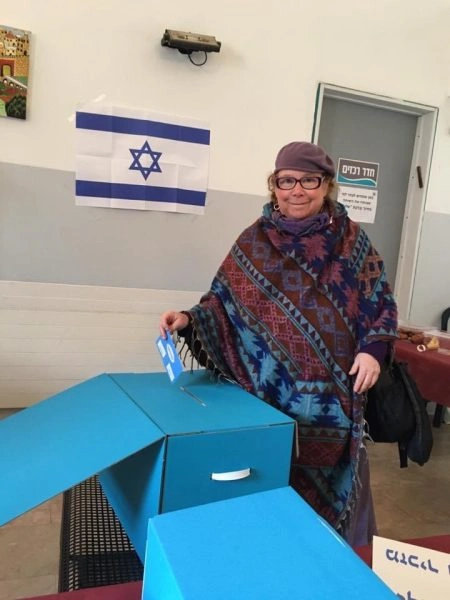
Mitspe, Israel

About a year into learning more about Judaism on a path to potential conversion, I saw an article about the upcoming Siyum HaShas in January of 2020. My curiosity was piqued and I immediately started investigating what learning the Daf actually meant. Daily learning? Just what I wanted. Seven and a half years? I love a challenge! So I dove in head first and I’ve enjoyed every moment!!
Nickie Matthews
Nickie Matthews

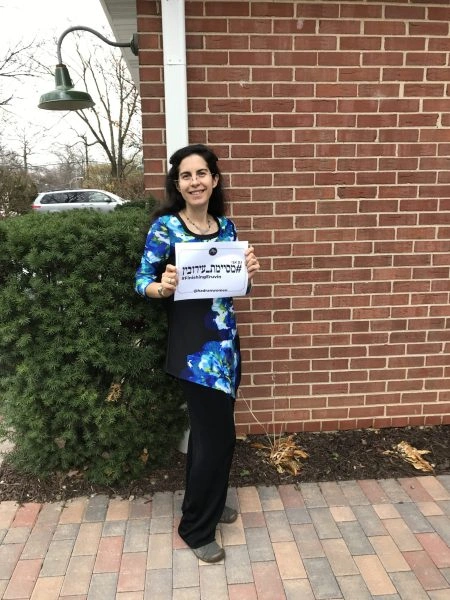
Blacksburg, United States

I’ve been wanting to do Daf Yomi for years, but always wanted to start at the beginning and not in the middle of things. When the opportunity came in 2020, I decided: “this is now the time!” I’ve been posting my journey daily on social media, tracking my progress (#DafYomi); now it’s fully integrated into my daily routines. I’ve also inspired my partner to join, too!

Joséphine Altzman
Joséphine Altzman

Teaneck, United States

I never thought I’d be able to do Daf Yomi till I saw the video of Hadran’s Siyum HaShas. Now, 2 years later, I’m about to participate in Siyum Seder Mo’ed with my Hadran community. It has been an incredible privilege to learn with Rabbanit Michelle and to get to know so many caring, talented and knowledgeable women. I look forward with great anticipation and excitement to learning Seder Nashim.

Caroline-Ben-Ari-Tapestry
Caroline Ben-Ari

Karmiel, Israel

I started learning at the start of this cycle, and quickly fell in love. It has become such an important part of my day, enriching every part of my life.

Naomi Niederhoffer
Naomi Niederhoffer

Toronto, Canada

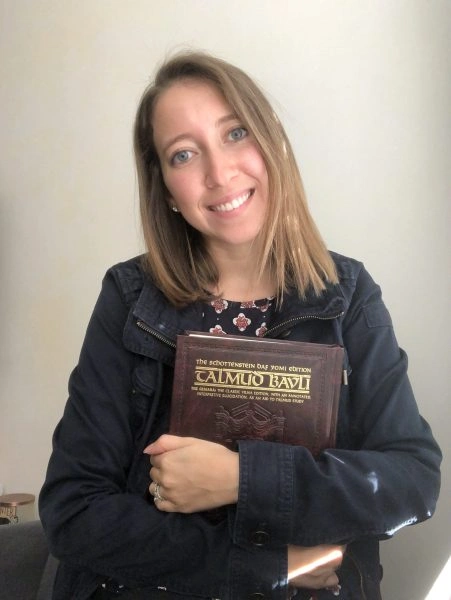
I started learning at the beginning of this Daf Yomi cycle because I heard a lot about the previous cycle coming to an end and thought it would be a good thing to start doing. My husband had already bought several of the Koren Talmud Bavli books and they were just sitting on the shelf, not being used, so here was an opportunity to start using them and find out exactly what was in them. Loving it!

Caroline Levison
Caroline Levison

Borehamwood, United Kingdom

I started learning Daf Yomi inspired by תָּפַסְתָּ מְרוּבֶּה לֹא תָּפַסְתָּ, תָּפַסְתָּ מוּעָט תָּפַסְתָּ. I thought I’d start the first page, and then see. I was swept up into the enthusiasm of the Hadran Siyum, and from there the momentum kept building. Rabbanit Michelle’s shiur gives me an anchor, a connection to an incredible virtual community, and an energy to face whatever the day brings.

Medinah Korn
Medinah Korn

בית שמש, Israel

It’s hard to believe it has been over two years. Daf yomi has changed my life in so many ways and has been sustaining during this global sea change. Each day means learning something new, digging a little deeper, adding another lens, seeing worlds with new eyes. Daf has also fostered new friendships and deepened childhood connections, as long time friends have unexpectedly become havruta.

Joanna Rom
Joanna Rom

Northwest Washington, United States

I started my Daf Yomi journey at the beginning of the COVID19 pandemic.

Karena Perry
Karena Perry

Los Angeles, United States

I started Daf during the pandemic. I listened to a number of podcasts by various Rebbeim until one day, I discovered Rabbanit Farbers podcast. Subsequently I joined the Hadran family in Eruvin. Not the easiest place to begin, Rabbanit Farber made it all understandable and fun. The online live group has bonded together and have really become a supportive, encouraging family.

Leah Goldford
Leah Goldford

Edmonton, Alberta, Canada

In early 2020, I began the process of a stem cell transplant. The required extreme isolation forced me to leave work and normal life but gave me time to delve into Jewish text study. I did not feel isolated. I began Daf Yomi at the start of this cycle, with family members joining me online from my hospital room. I’ve used my newly granted time to to engage, grow and connect through this learning.

Reena Slovin
Reena Slovin

Worcester, United States

I never thought I’d be able to do Daf Yomi till I saw the video of Hadran’s Siyum HaShas. Now, 2 years later, I’m about to participate in Siyum Seder Mo’ed with my Hadran community. It has been an incredible privilege to learn with Rabbanit Michelle and to get to know so many caring, talented and knowledgeable women. I look forward with great anticipation and excitement to learning Seder Nashim.

Caroline-Ben-Ari-Tapestry
Caroline Ben-Ari

Karmiel, Israel

In July, 2012 I wrote for Tablet about the first all women’s siyum at Matan in Jerusalem, with 100 women. At the time, I thought, I would like to start with the next cycle – listening to a podcast at different times of day makes it possible. It is incredible that after 10 years, so many women are so engaged!

Beth Kissileff
Beth Kissileff

Pittsburgh, United States

Having never learned Talmud before, I started Daf Yomi in hopes of connecting to the Rabbinic tradition, sharing a daily idea on Instagram (@dafyomiadventures). With Hadran and Sefaria, I slowly gained confidence in my skills and understanding. Now, part of the Pardes Jewish Educators Program, I can’t wait to bring this love of learning with me as I continue to pass it on to my future students.

Hannah-G-pic
Hannah Greenberg

Pennsylvania, United States

I started learning Talmud with R’ Haramati in Yeshivah of Flatbush. But after a respite of 60 years, Rabbanit Michelle lit my fire – after attending the last three world siyumim in Miami Beach, Meadowlands and Boca Raton, and now that I’m retired, I decided – “I can do this!” It has been an incredible journey so far, and I look forward to learning Daf everyday – Mazal Tov to everyone!

Roslyn Jaffe
Roslyn Jaffe

Florida, United States

I heard about the syium in January 2020 & I was excited to start learning then the pandemic started. Learning Daf became something to focus on but also something stressful. As the world changed around me & my family I had to adjust my expectations for myself & the world. Daf Yomi & the Hadran podcast has been something I look forward to every day. It gives me a moment of centering & Judaism daily.

Talia Haykin
Talia Haykin

Denver, United States

Studying has changed my life view on הלכה and יהדות and time. It has taught me bonudaries of the human nature and honesty of our sages in their discourse to try and build a nation of caring people .

Goldie Gilad
Goldie Gilad

Kfar Saba, Israel

In January 2020, my chevruta suggested that we “up our game. Let’s do Daf Yomi” – and she sent me the Hadran link. I lost my job (and went freelance), there was a pandemic, and I am still opening the podcast with my breakfast coffee, or after Shabbat with popcorn. My Aramaic is improving. I will need a new bookcase, though.

Rhondda May
Rhondda May

Atlanta, Georgia, United States

After experiences over the years of asking to join gemara shiurim for men and either being refused by the maggid shiur or being the only women there, sometimes behind a mechitza, I found out about Hadran sometime during the tail end of Masechet Shabbat, I think. Life has been much better since then.

Madeline Cohen
Madeline Cohen

London, United Kingdom

Bava Metzia 25

שְׁלֹשָׁה מַטְבְּעוֹת זֶה עַל גַּב זֶה, כְּרִיכוֹת בִּרְשׁוּת הַיָּחִיד, וְכִכָּרוֹת שֶׁל בַּעַל הַבַּיִת, וְגִיזֵּי צֶמֶר הַלְּקוּחִין מִבֵּית הָאוּמָּן, כַּדֵּי יַיִן וְכַדֵּי שֶׁמֶן – הֲרֵי אֵלּוּ חַיָּיב לְהַכְרִיז.

three coins stacked one atop another; bundles of grain in a secluded area; loaves of a homeowner, as each shapes his loaves in his own unique manner; wool fleeces that are taken from the house of a craftsman, as each craftsman processes the wool in his own unique manner; jugs of wine; or jugs of oil. If one finds any of these, he is obligated to proclaim his find.

גְּמָ׳ טַעְמָא דְּמָצָא פֵּירוֹת בִּכְלִי וּמָעוֹת בְּכִיס. הָא כְּלִי וּלְפָנָיו פֵּירוֹת, כִּיס וּלְפָנָיו מָעוֹת – הֲרֵי אֵלּוּ שֶׁלּוֹ. תְּנֵינָא לְהָא, דְּתָנוּ רַבָּנַן: מָצָא כְּלִי וּלְפָנָיו פֵּירוֹת, כִּיס וּלְפָנָיו מָעוֹת – הֲרֵי אֵלּוּ שֶׁלּוֹ. מִקְצָתָן בַּכְּלִי וּמִקְצָתָן עַל גַּבֵּי קַרְקַע, מִקְצָתָן בַּכִּיס וּמִקְצָתָן עַל גַּבֵּי קַרְקַע – חַיָּיב לְהַכְרִיז.

GEMARA: The Gemara infers from the mishna: The reason one is obligated to proclaim his find is that he found produce inside the vessel or coins inside the pouch; but if he found a vessel and produce was before it, or if he found a pouch and coins were before it, those, the produce and coins, belong to him. The Gemara comments: We learn from this mishna by inference that which the Sages taught explicitly in a baraita: If one found a vessel and produce was before it, or if he found a pouch and coins were before it, those, the produce and coins, belong to him. If some of the produce is in the vessel and some of the produce is on the ground, or if some of the coins are inside the pouch and some of them are on the ground, one is obligated to proclaim his find.

וּרְמִינְהוּ: מָצָא דָּבָר שֶׁאֵין בּוֹ סִימָן בְּצַד דָּבָר שֶׁיֵּשׁ בּוֹ סִימָן – חַיָּיב לְהַכְרִיז. בָּא בַּעַל סִימָן וְנָטַל אֶת שֶׁלּוֹ – זָכָה הַלָּה בְּדָבָר שֶׁאֵין בּוֹ סִימָן.

And the Gemara raises a contradiction from another baraita: If one found an item on which there is no distinguishing mark alongside an item on which there is a distinguishing mark, he is obligated to proclaim that he found both. If the owner of the item with the distinguishing mark came and took his item but did not claim ownership of the other item, the other person, who found the items, acquires the item on which there is no distinguishing mark. This halakha should also apply when one finds a vessel on which there is a distinguishing mark and produce on which there is no distinguishing mark.

אָמַר רַב זְבִיד, לָא קַשְׁיָא: הָא בְּכוּבָּא וְכִיתָּנָא, הָא בְּצַנָּא וּפֵירֵי.

The Gemara cites several possible resolutions to this contradiction. Rav Zevid said that this is not difficult: This baraita, where the finder is obligated to proclaim his finding of both the vessel and the produce, is referring to a container and flax. Since the flax fibers are intertwined, when part of the flax falls out of the container, all of the flax would fall out. Therefore, the fact that the flax is completely outside the container is not an indication that it was never in the container. That mishna, from which it is inferred that produce found outside the vessel belongs to the finder, is referring to a basket and produce. Had the produce fallen out of the basket, presumably some produce would remain in the basket, because the individual units of produce are not connected. Therefore, the fact that no produce was found in the basket indicates that the produce did not fall out of the basket.

רַב פָּפָּא אָמַר: הָא וְהָא בְּצַנָּא וּפֵירֵי, וְלָא קַשְׁיָא: הָא דְּאִשְׁתְּיַיר בַּהּ מִידֵּי, הָא דְּלָא אִשְׁתְּיַיר בַּהּ מִידֵּי.

Rav Pappa said: Both this ruling and that ruling are referring to a basket and produce, and nevertheless it is not difficult: This baraita, where the finder is obligated to proclaim his finding of the produce found outside the vessel, is referring to a case where some produce remains in the basket. That mishna, from which it is inferred that produce found outside the vessel belongs to the finder, is referring to a case where no produce remains in the basket.

וְאִיבָּעֵית אֵימָא: הָא וְהָא דְּלָא אִשְׁתְּיַיר בַּהּ מִידֵּי, וְלָא קַשְׁיָא: הָא דִּמְהַדְּרִי אַפֵּיהּ לְגַבֵּי פֵּירֵי, הָא דְּלָא מְהַדְּרִי אַפֵּיהּ לְגַבֵּי פֵּירֵי.

And if you wish, say instead: Both this ruling and that ruling are referring to a case where no produce remains in the basket, and nevertheless it is not difficult: This baraita, where the finder is obligated to proclaim his finding of the produce found outside the empty vessel, is referring to a case where the mouth of the basket is facing the produce, indicating that the produce fell from it. That mishna, from which it is inferred that produce found outside the vessel belongs to the finder, is referring to a case where the mouth of the basket is not facing the produce.

וְאִיבָּעֵית אֵימָא: הָא וְהָא דִּמְהַדְּרִי אַפֵּיהּ לְגַבֵּי פֵּירֵי, וְלָא קַשְׁיָא: הָא דְּאִית לֵהּ אוּגְנִין לְצַנָּא, הָא דְּלֵית לֵהּ אוּגְנִין לְצַנָּא.

And if you wish, say instead: Both this ruling and that ruling are referring to a case where the mouth of the basket is facing the produce, and nevertheless, it is not difficult: That mishna, from which it is inferred that produce found outside the vessel belongs to the finder, is referring to a case where the empty basket has a rim. Had the produce fallen out of the basket, the rim would have prevented some of the produce from falling. This baraita, where the finder is obligated to proclaim the produce found outside the empty vessel, is referring to a case where the basket has no rim and therefore the produce in its entirety could have fallen from the basket.

צִבּוּרֵי פֵירוֹת וְצִבּוּרֵי מָעוֹת. שָׁמְעַתְּ מִינַּהּ מִנְיָן הָוֵי סִימָן, תְּנִי: ״צִבּוּר פֵּירוֹת״. שָׁמְעַתְּ מִינַּהּ מָקוֹם הָוֵי סִימָן, תְּנִי: ״צִבּוּרֵי פֵּירוֹת״.

§ The mishna teaches: And for these found items, one is obligated to proclaim his find: Piles of produce and piles of coins. Conclude from it that number is a distinguishing mark, and one reclaims his produce or coins by correctly declaring the number of piles. The Gemara rejects that proof. Perhaps one should teach the mishna as stating: A pile of produce. It is not the number of piles but their location that serves as a determining mark. Based on that emendation, conclude from it that location is a distinguishing mark. The Gemara rejects that proof as well. Perhaps one should teach the mishna as stating: Piles of produce. Since the authoritative version of the mishna is unclear, no proof can be cited from it.

שְׁלֹשָׁה מַטְבְּעוֹת זֶה עַל גַּב זֶה. אָמַר רַבִּי יִצְחָק מַגְדְּלָאָה: וְהוּא שֶׁעֲשׂוּיִין כְּמִגְדָּלִין. תַּנְיָא נָמֵי הָכִי: מָצָא מָעוֹת מְפוּזָּרוֹת – הֲרֵי אֵלּוּ שֶׁלּוֹ, עֲשׂוּיִין כְּמִגְדָּלִים – חַיָּיב לְהַכְרִיז. וְאֵלּוּ הֵן עֲשׂוּיִין כְּמִגְדָּלִים? שְׁלֹשָׁה מַטְבְּעִין זֶה עַל גַּב זֶה.

§ The mishna teaches: And for these found items, one is obligated to proclaim his find: Three coins stacked one atop another. Rabbi Yitzḥak from Migdal says: And one is obligated to proclaim the find in a case where the coins are arranged in well-ordered towers. This is also taught in a baraita: If one found scattered coins, these belong to him. If the coins are arranged in well-ordered towers, he is obligated to proclaim his find. The baraita elaborates: And these coins are arranged in towers: Three coins stacked one atop another.

הָא גּוּפַהּ קַשְׁיָא: אָמְרַתְּ מָצָא מָעוֹת מְפוּזָּרוֹת הֲרֵי אֵלּוּ שֶׁלּוֹ, הָא מְשַׁלְחֲפִי שַׁלְחוֹפֵי חַיָּיב לְהַכְרִיז! אֵימָא סֵיפָא: עֲשׂוּיִין כְּמִגְדָּלִין חַיָּיב לְהַכְרִיז, הָא מְשַׁלְחֲפִי שַׁלְחוֹפֵי הֲרֵי אֵלּוּ שֶׁלּוֹ! תָּנָא כֹּל שֶׁאֵין עֲשׂוּיִין כְּמִגְדָּלִין – מְפוּזָּרוֹת קָרֵי לְהוּ.

The Gemara notes an apparent contradiction in the baraita. This baraita itself is difficult. In the first clause of the baraita, you said: If one found scattered coins, these belong to him, from which it can be inferred that if the coins partially overlap [meshalḥefei shalḥufei], he is obligated to proclaim his find. Say the latter clause of the baraita: If the coins are arranged in well-ordered towers, he is obligated to proclaim his find, from which it can be inferred that if the coins partially overlap, those coins belong to him. The Gemara answers: The tanna of the baraita calls any pile of coins that is not arranged in well-ordered towers: Scattered.

אָמַר רַבִּי חֲנִינָא: לֹא שָׁנוּ אֶלָּא שֶׁל שְׁלֹשָׁה מְלָכִים, אֲבָל שֶׁל מֶלֶךְ אֶחָד אֵינוֹ חַיָּיב לְהַכְרִיז. הֵיכִי דָמֵי? אִי דַּעֲשׂוּיִין כְּמִגְדָּלִין – אֲפִילּוּ שֶׁל מֶלֶךְ אֶחָד נָמֵי, וְאִי דְּאֵין עֲשׂוּיִין כְּמִגְדָּלִין – אֲפִילּוּ שֶׁל שְׁלֹשָׁה מְלָכִים נָמֵי לָא!

Rabbi Ḥanina says: The Sages taught that one must proclaim his find only when he finds coins minted by three different kings, but if all the coins were minted by one king, one is not obligated to proclaim his find. The Gemara asks: What are the circumstances? If the coins are arranged in well-ordered towers, then even if all the coins were minted by one king, the finder should also be obligated to proclaim his find. And if the coins are not arranged in well-ordered towers, then even if the coins were minted by three kings, the finder should also not be obligated to proclaim his find.

אֶלָּא אִי אִתְּמַר, הָכִי אִתְּמַר: לֹא שָׁנוּ אֶלָּא שֶׁל מֶלֶךְ אֶחָד כְּעֵין שְׁלֹשָׁה מְלָכִים, אֲבָל שֶׁל מֶלֶךְ אֶחָד אֵינוֹ חַיָּיב לְהַכְרִיז. וְהֵיכִי דָּמֵי דַּעֲשׂוּיִין כְּמִגְדָּלִים? רְוִיחָא תַּתָּאָה וּמְצִיעָא עִילָּוֵיהּ וְזוּטָא עִילָּוֵיהּ מְצִיעָא. דְּאָמְרִינַן: אַנּוֹחֵי אַנְחִינְהוּ. אֲבָל שֶׁל מֶלֶךְ אֶחָד, דְּכוּלְּהוּ כִּי הֲדָדֵי נִינְהוּ אַף עַל גַּב דְּמַנְּחִי אַהֲדָדֵי – הֲרֵי אֵלּוּ שֶׁלּוֹ, אֵימַר: אִתְרְמוֹיֵי אִתְרְמִי וּבַהֲדֵי הֲדָדֵי נְפוּל.

Rather, if Rabbi Ḥanina’s ruling was stated, this is how it was stated: The Sages taught that one must proclaim his find only when he finds coins of different sizes minted by one king, which are similar to coins minted by three kings. But if they are coins of the same size minted by one king, he is not obligated to proclaim his find. The Gemara elaborates: According to this interpretation, what are the circumstances of coins that are arranged in well-ordered towers and which one must proclaim? It is when the bottom coin is broadest, and the intermediate-sized coin is atop it and the smallest coin is atop the intermediate one, as we say: They were placed there and are not lost at all. But if one finds coins minted by one king, each of them sized like the other, even if each is placed upon the other, those coins belong to the finder. The reason is that it is possible to say that it is happenstance and they fell together, so their arrangement is not a distinguishing mark.

וְרַבִּי יוֹחָנָן אָמַר: אֲפִילּוּ שֶׁל מֶלֶךְ אֶחָד נָמֵי מַכְרֵיז. מַאי מַכְרֵיז? מִנְיָן. מַאי אִירְיָא תְּלָתָא? אֲפִילּוּ תְּרֵין נָמֵי. אָמַר רָבִינָא: טִבְעָא מַכְרֵיז.

And Rabbi Yoḥanan says: Even if the coins were minted by one king, one is also obligated to proclaim his find. The Gemara asks: What does one proclaim in order to invite the owner to describe his item? The Gemara answers: He proclaims that he found coins and the owner specifies the number of coins. The Gemara asks: If so, why does the mishna specifically teach a case where one found three coins when even if one found two coins they could be identified by their number? Ravina said: Since the finder proclaims that he found coins, using the plural term, indicating that there were at least two coins, if the owner claims that he lost two coins, the default of the plural term, he is not providing a distinguishing mark. Therefore, the mishna teaches a case of three coins.

בָּעֵי רַבִּי יִרְמְיָה: כְּשֵׁיר, מַהוּ? כְּשׁוּרָה, מַהוּ? כַּחֲצוּבָה, מַהוּ? כְּסוּלָּם, מַהוּ?

Rabbi Yirmeya raises a dilemma: If one found coins configured like a round bracelet, what is the halakha? If they were configured like a straight line, what is the halakha? If they were configured like a triangle, what is the halakha? If they were configured like a ladder, one partially upon the other and partially protruding, what is the halakha?

פְּשׁוֹט מֵהָא חֲדָא, דְּאָמַר רַב נַחְמָן אָמַר רַבָּה בַּר אֲבוּהּ: כֹּל שֶׁאִילּוּ מַכְנִיס לָהֶ[ן] קֵיסָם בֵּינֵיהֶן וְנוֹטְלָם בְּבַת אַחַת, חַיָּיב לְהַכְרִיז.

The Gemara suggests: Resolve at least one of these dilemmas, as Rav Naḥman says that Rabba bar Avuh says: For any arrangement of coins such that if one were to introduce a wood chip between the coins he could thereby lift them all at once with that wood chip, he is obligated to proclaim his find. Based on that criterion, one can conclude that if one finds coins configured like a ladder, he is obligated to proclaim his find.

בָּעֵי רַב אָשֵׁי:

Rav Ashi raises a dilemma:

כְּאַבְנֵי בֵּית קוּלִיס, מַהוּ?

If they were configured like the stones of the house of worship dedicated to the Roman deity Mercury, what is the halakha?

תָּא שְׁמַע, דְּתַנְיָא: מָצָא מָעוֹת מְפוּזָּרוֹת – הֲרֵי אֵלּוּ שֶׁלּוֹ, כְּאַבְנֵי בֵּית קוּלִיס – חַיָּיב לְהַכְרִיז. וְאֵלּוּ הֵן אַבְנֵי בֵּית קוּלִיס: אַחַת מִכָּאן וְאַחַת מִכָּאן וְאַחַת עַל גַּבֵּיהֶן.

The Gemara suggests: Come and hear a resolution of the dilemma. As it is taught in a baraita: If one found scattered coins, these belong to him. If they were configured like the stones of the house of worship dedicated to Mercury, he is obligated to proclaim his find. The Gemara explains: And these are coins that were configured like the stones of the house of worship dedicated to Mercury: One was situated here on one side, and one was situated there alongside it, and one was situated atop the two of them.

תָּנוּ רַבָּנַן: הַמּוֹצֵא סֶלַע בְּשׁוּק, וּמְצָאוֹ חֲבֵירוֹ וְאָמַר: שֶׁלִּי הִיא, חֲדָשָׁה הִיא, נִירוֹנִית הִיא, שֶׁל מֶלֶךְ פְּלוֹנִי הִיא – לֹא אָמַר כְּלוּם. וְלֹא עוֹד, אֶלָּא אֲפִילּוּ שְׁמוֹ כָּתוּב עָלֶיהָ – לֹא אָמַר כְּלוּם. לְפִי שֶׁאֵין סִימָן לְמַטְבֵּעַ. דְּאָמַר: דִּלְמָא אַפּוֹקֵי אַפְּקַהּ וּמֵאִינִישׁ אַחֲרִינָא נְפַל.

§ The Sages taught in a baraita: In the case of one who finds a sela coin in the marketplace and another person finds him and says: It is mine, and the distinguishing mark is that it is new, or that it is a coin minted by the emperor Nero, or that it is minted by king so-and-so, he has not said anything and the finder need not give him the sela. Moreover, even if his name is written on the sela he has not said anything, due to the fact that there is no distinguishing mark for a coin that is effective in its recovery, as the finder says: Perhaps he spent the coin and it fell from another person.

מַתְנִי׳ מָצָא אַחַר הַגָּפָה אוֹ אַחַר הַגָּדֵר גּוֹזָלוֹת מְקוּשָּׁרִים, אוֹ בִּשְׁבִילִין שֶׁבַּשָּׂדוֹת – הֲרֵי זֶה לֹא יִגַּע בָּהֶן. מָצָא כְּלִי בָּאַשְׁפָּה, אִם מְכוּסֶּה – לֹא יִגַּע בּוֹ, אִם מְגוּלֶּה – נוֹטֵל וּמַכְרִיז.

MISHNA: If one found, behind a wooden fence or behind a stone fence, bound fledglings, or if he found them in the paths that run through fields, he may not touch them, as they were certainly placed there intentionally. In a case where one found a vessel in a garbage dump, if it is concealed, he may not touch it, as a person certainly concealed it there. If it is exposed, the finder takes the item and proclaims his find.

גְּמָ׳ מַאי טַעְמָא? דְּאָמְרִינַן: הָנֵי, אִינָשׁ אַצְנְעִינְהוּ, וְאִי שָׁקֵיל לְהוּ – לֵית לְהוּ לְמָרַיְיהוּ סִימָנָא בְּגַוַּויְיהוּ, הִלְכָּךְ לִשְׁבְּקִינְהוּ עַד דְּאָתֵי מָרַיְיהוּ וְשָׁקֵיל לְהוּ.

GEMARA: What is the reason that one may not touch the fledglings? The Gemara answers: The reason is that we say with regard to these birds: A person concealed them, and if one takes them, their owner has no distinguishing mark on them that would enable him to reclaim them. Therefore, let the finder leave the birds in place until their owner comes and takes them.

וְאַמַּאי לֶיהֱוֵי קֶשֶׁר סִימָנָא! אָמַר רַבִּי אַבָּא בַּר זַבְדָּא אָמַר רַב: בִּמְקוּשָּׁרִין בְּכַנְפֵיהֶן, דְּכוּלֵּי עָלְמָא הָכִי מְקַטְּרִי לְהוּ.

The Gemara asks: But why? Let the knot binding them serve as their distinguishing mark. Rabbi Abba bar Zavda said that Rav said: This is a case where the birds were bound at their wings. Since everyone binds them in that manner, the knot binding the birds is not a distinguishing mark.

וְלֶהֱוֵי מָקוֹם סִימָן! אָמַר רַב עוּקְבָא בַּר חָמָא: בְּמִדַּדִּין. אִי בְּמִדַּדִּין – מֵעָלְמָא אָתוּ וּמוּתָּרִין!

The Gemara asks: And let their location serve as their distinguishing mark. Rav Ukva bar Ḥama said: This is a case where the birds hop and do not remain in place. The Gemara asks: If it is a case where the birds hop, perhaps the birds came to that location from elsewhere and it is permitted for the finder to keep them.

אִיכָּא לְמֵימַר מֵעָלְמָא אֲתוֹ, וְאִיכָּא לְמֵימַר אִינָשׁ אַצְנְעִינְהוּ, וְהָוֵה לֵיהּ סְפֵק הִינּוּחַ, וְאָמַר רַבִּי אַבָּא בַּר זַבְדָּא אָמַר רַב: כֹּל סְפֵק הִינּוּחַ – לְכַתְּחִילָּה לֹא יִטּוֹל, וְאִם נָטַל לֹא יַחֲזִיר.

The Gemara answers: It can be said that the birds came from elsewhere and it can be said that a person concealed them, and the result is uncertainty with regard to whether the placement of the birds was deliberate, i.e., whether or not they are lost items. And Rabbi Abba bar Zavda says that Rav says: In any case of uncertainty as to whether the placement of an item was deliberate, one may not take it ab initio. And if he took it, he need not return it.

מָצָא כְּלִי בָּאַשְׁפָּה, מְכוּסֶּה – לֹא יִגַּע בּוֹ, מְגוּלֶּה – נוֹטֵל וּמַכְרִיז. וּרְמִינְהוּ: מָצָא כְּלִי טָמוּן בָּאַשְׁפָּה – נוֹטֵל וּמַכְרִיז, שֶׁכֵּן דֶּרֶךְ אַשְׁפָּה לִפַּנּוֹת.

§ The mishna teaches: In a case where one found a vessel in a garbage dump, if it is concealed, he may not touch it, as a person certainly concealed it there. If it is exposed, the finder takes the item and proclaims his find. The Gemara raises a contradiction from a baraita: If one found a vessel concealed in a garbage dump, the finder takes the item and proclaims his find, because it is routine for a garbage dump to be cleared. Therefore, presumably it was not placed there; rather, it is a lost item and one is obligated to proclaim his find.

אָמַר רַב זְבִיד, לָא קַשְׁיָא: הָא בְּכוּבֵּי וְכָסֵי, הָא בְּסַכִּינֵי וְהֶמְנֵיק. בְּכוּבֵּי וְכָסֵי – לֹא יִגַּע, בְּסַכִּינֵי וְהֶמְנֵיק – נוֹטֵל וּמַכְרִיז.

Rav Zevid said that this is not difficult: This mishna is referring to containers or cups. That baraita is referring to knives or a fork [vehamnik]. The Gemara elaborates: In the case of containers or cups, which are large, it is inconceivable that they fell there inadvertently, so he may not touch them. In the case of knives or forks, which are small, there is room for uncertainty as to whether it was placed there or whether it fell, so the finder takes the item and proclaims his find.

רַב פָּפָּא אָמַר: הָא וְהָא בְּכוּבֵּי וְכָסֵי, וְלָא קַשְׁיָא: כָּאן בְּאַשְׁפָּה הָעֲשׂוּיָה לִפַּנּוֹת, כָּאן בְּאַשְׁפָּה שֶׁאֵינָהּ עֲשׂוּיָה לִפַּנּוֹת.

Rav Pappa said: Both this baraita and that mishna are referring to containers and cups, and nevertheless, it is not difficult: Here, the baraita is referring to a garbage dump that is designed to be cleared; therefore, he must take the vessel and proclaim his find to prevent it from being cleared with the garbage. There, the mishna is referring to a garbage dump that is not designed to be cleared; as it is possible that the owner placed it there, the finder may not touch it.

אַשְׁפָּה הָעֲשׂוּיָה לִפַּנּוֹת אֲבֵידָה מִדַּעַת הִיא! אֶלָּא בְּאַשְׁפָּה שֶׁאֵינָהּ עֲשׂוּיָה לִפַּנּוֹת, וְנִמְלַךְ עָלֶיהָ לְפַנּוֹתָהּ.

The Gemara asks: How could one be obligated to proclaim his find of a vessel in a garbage dump that is designed to be cleared? Even if the owner of the vessel concealed it there, it is a deliberate loss and the owner renounced ownership of the vessel. The Gemara answers: Rather, the baraita is referring to a garbage dump that is not designed to be cleared, and the owner of the land reconsidered and decided to clear it.

בִּשְׁלָמָא לְרַב פָּפָּא – הַיְינוּ דְּקָתָנֵי: שֶׁכֵּן דֶּרֶךְ אַשְׁפָּה לִפַּנּוֹת. אֶלָּא לְרַב זְבִיד, מַאי שֶׁכֵּן דֶּרֶךְ אַשְׁפָּה לִפַּנּוֹת? שֶׁכֵּן דֶּרֶךְ אַשְׁפָּה לְפַנּוֹת לָהּ כֵּלִים קְטַנִּים.

The Gemara asks: Granted, according to Rav Pappa, this is the reason that the tanna teaches in the baraita: He takes it and proclaims his find, because it is routine for a garbage dump to be cleared, as the ruling is dependent on whether the dump is ultimately cleared. But according to Rav Zevid, the reason for the ruling in the baraita is that the utensils found were knives and forks. What is the relevance of the statement in the baraita: Because it is routine for a garbage dump to be cleared? The Gemara answers that according to Rav Zevid, it means: Because it is routine for a garbage dump to inadvertently have small utensils cleared, i.e., discarded, into it.

מַתְנִי׳ מָצָא בְּגַל וּבְכוֹתֶל יָשָׁן – הֲרֵי אֵלּוּ שֶׁלּוֹ. מָצָא בְּכוֹתֶל חָדָשׁ, מֵחֶצְיוֹ וְלַחוּץ – שֶׁלּוֹ, מֵחֶצְיוֹ וְלִפְנִים – שֶׁל בַּעַל הַבַּיִת. אִם הָיָה מַשְׂכִּירוֹ לַאֲחֵרִים – אֲפִילּוּ בְּתוֹךְ הַבַּיִת, הֲרֵי אֵלּוּ שֶׁלּוֹ.

MISHNA: If one found lost items in a heap of stone rubble or in an old wall, these belong to him. If one found lost items in a new wall from its midpoint and outward, they belong to him. If he found the items from its midpoint and inward, they belong to the homeowner. If the homeowner would rent the house to others on a regular basis and there was a steady turnover of residents, even if one found lost items inside the house, these belong to him. Since the owner of the lost items cannot be identified based on location, he will certainly despair of recovering his lost items.

גְּמָ׳ תָּנָא: מִפְּנֵי שֶׁיָּכוֹל לוֹמַר לוֹ שֶׁל אֲמוֹרִיִּים הֵן. אַטּוּ אֱמוֹרִים מַצְנְעִי, יִשְׂרָאֵל לָא מַצְנְעִי? לָא צְרִיכָא

GEMARA: The mishna teaches that if one found a lost item in a heap of rubble or in an old wall it belongs to him. The Sages taught in a baraita: It is his due to the fact that when the owner of the heap or wall claims the property, the finder can say to him: They belong to the Amorites, who lived in Eretz Yisrael before it was conquered by the Jews. The Gemara asks: Is that to say that Amorites conceal items but Jews do not conceal items? Perhaps it was the homeowner who placed the item in the wall or the heap. The Gemara answers: No, the baraita is necessary only in the specific case

Want to follow content and continue where you left off?

Create an account today to track your progress, mark what you’ve learned, and follow the shiurim that speak to you.

Clear all items from this list?

This will remove ALL the items in this section. You will lose any progress or history connected to them. This is irreversible.

Cancel
Yes, clear all

Are you sure you want to delete this item?

You will lose any progress or history connected to this item.

Cancel
Yes, delete