Search

Bava Metzia 67

Want to dedicate learning? Get started here:

podcast placeholder

0:00
0:00


Summary

Today’s daf is sponsored by Caroline Ben-Ari in honour of her father, Ivor Rhodes, Yisrael ben Meir v’Sarah, on his 14th yahrzeit. “Dad was a quiet, undemonstrative man who had a deep love for his family, strong values, and unimpeachable integrity. He also had a wicked sense of humour and was the King of the Puns. All Dad jokes and bad puns sent to me today will be greatly appreciated.”

Rav Nachman believed that forgiveness (mechila) by mistake in a sale is considered forgiveness. Rava challenged him from the law of ona’ah (overcharging), but Rav Nachman responded to him from the law of aylonit. But in truth, ona’ah cannot serve as a difficulty and aylonit cannot serve as an answer because these two cases are not similar to the case Rav Nachman was dealing with regarding forgiveness. When a lender takes land as collateral, if the lender consumed its fruits as interest, is the lender obligated to return the fruits? Is there a way to consume the fruits and it will not be considered interest? The Gemara distinguishes between places where it is customary that the borrower can remove the lender from the land at any point (if the money is returned) and places where the borrower cannot remove the lender until the time stipulated in the loan.

Bava Metzia 67

הֲוָה יָתֵיבְנָא קַמֵּיהּ דְּרַב נַחְמָן, וּבְעַי לְאוֹתֹבֵיהּ אוֹנָאָה, וְאוֹדֵיק, חֲזִיתַן אַיְילוֹנִית. וַהֲרֵי אוֹנָאָה דִּמְחִילָה בְּטָעוּת הִיא, וְלָא הָוְיָא מְחִילָה! וְאוֹדֵיק, חֲזִיתַן אַיְילוֹנִית: הֲרֵי אַיְילוֹנִית דִּמְחִילָה בְּטָעוּת הִיא, וְהָוְיָא מְחִילָה.

I was sitting before Rav Naḥman when he said that mistaken forgiveness is valid, and I wanted to raise an objection to him from the halakha of exploitation, and he observed me, anticipated my objection, and showed me that he was correct based on the halakha of a sexually underdeveloped woman who is incapable of bearing children [ailonit]. The Gemara explains: Rava wanted to ask: But there is the case of exploitation, where the price paid in a sale was in excess of the market value (see 50b), which is a case of mistaken forgiveness at the time of the sale, and yet it is not considered forgiveness. The seller must return the excess money paid. And he observed me and showed me the halakha of an ailonit. Doesn’t the case of an ailonit involve mistaken forgiveness, and yet it is valid forgiveness?

דִּתְנַן: הַמְמָאֶנֶת וְהַשְּׁנִיָּיה וְהָאַיְילוֹנִית, אֵין לָהֶן לֹא כְּתוּבָּה וְלֹא פֵּירוֹת וְלֹא מְזוֹנוֹת וְלֹא בְּלָאוֹת.

Rava explains: As we learned in a mishna (Ketubot 100b): In the case of a minor girl married off by her mother or brother who refuses to continue living with her husband, and in the case of a woman who is a secondary forbidden relative, and in the case of an ailonit, each of these women is not entitled to payment of a marriage contract, and they are not entitled to remuneration for the produce that the husband consumed from her property while they were together, and they are not entitled to sustenance, and they are not entitled to their worn clothes that were brought into the marriage as part of their dowry and became worn out during the marriage. The ailonit granted the rights to the profits the husband earned from her property while under the mistaken premise that she was married. Yet after the marriage was determined to have been contracted in error, the husband does not have to return these profits.

וְלָא הִיא: לָא אוֹנָאָה הָוְיָא תְּיוּבְתֵּיהּ, וְלָא אַיְילוֹנִית מְסַיַּיע לֵיהּ.

The Gemara comments: But that is not so; the halakha of exploitation is not a refutation of Rav Naḥman’s opinion, nor does the case of a sexually underdeveloped woman support his opinion, as there are differences between the cases.

לָא אוֹנָאָה תְּיוּבְתֵּיהּ: דְּלָא יָדַע דְּאִיתֵיהּ אוֹנָאָה דְּמָחֵיל גַּבֵּיהּ. וְלָא אַיְילוֹנִית מְסַיַּיע לֵיהּ, דְּנִיחָא לַהּ (דְּתִיפּוֹק) [דְּנִיפּוֹק] עֲלַהּ שְׁמָא דְאִישׁוּת.

The Gemara clarifies: Exploitation is not a refutation of his opinion, as the buyer does not know that there is exploitation at the time of the sale that would enable him to forgive him the amount he was overcharged, and therefore there is no forgiveness in this case at all. Nor does the case of a sexually underdeveloped woman support his opinion, as it is amenable to her for her husband to receive the profits in order that she receive the name of a married woman. She wants to be known as a woman who was once married, and therefore she willingly relinquishes her rights to the profits from her property during her marriage even if it will be found to have been contracted in error. There is no mistaken forgiveness in that case.

הָהִיא אִיתְּתָא דַּאֲמַרָה לֵיהּ לְהָהוּא גַּבְרָא: זִיל זְבֵין לִי אַרְעָא מִקָּרִיבַיי. אֲזַל זְבַן לַהּ. אֲמַר לֵיהּ: אִי הָווּ לִי זוּזֵי מַהְדְּרַתְּ לַהּ נִיהֲלִי? אֲמַר לֵיהּ: אַתְּ וְנַוְולָא אַחֵי.

§ The Gemara relates: There was a certain woman who said to a certain man: Go purchase land for me from my relatives. He went and purchased land for her. The relative who sold her the property said to the man acting as her agent: If I will have money in the future, will you give the field back to me? The agent said to him: You and she [venavla] are relatives, and I assume that you will be able to come to an arrangement between the two of you.

אָמַר רַבָּה בַּר רַב הוּנָא: כֹּל ״אַתְּ וְנַוְולָא אַחֵי״ (אָמַר) סָמְכָא דַּעְתֵּיהּ, וְלָא גָּמַר וּמַקְנֵי.

The Gemara discusses the halakhic significance of this response. Rabba bar Rav Huna said: In the case of any expression such as: You and she are relatives, that the agent says, the seller relies on the assumption that he will be able to come to an agreement with his relative, and therefore he does not conclusively resolve to enable the other to acquire the field.

אַרְעָא הָדְרָה, פֵּירֵי מַאי? רִבִּית קְצוּצָה הָווּ וְיוֹצְאִין בְּדַיָּינִין, אוֹ דִילְמָא כִּי אֲבַק רִבִּית הָווּ וְאֵין יוֹצְאִין?

The Gemara comments: In that case, the land itself must be returned to its owner, but what is the halakha with regard to the produce consumed by the buyer in the interim? Is it deemed fixed interest, prohibited by Torah law, and can it be removed from the buyer by means of legal proceedings adjudicated by judges? Or perhaps it is considered like a hint of interest, prohibited by rabbinic law, and therefore it cannot be removed from the buyer by means of legal proceedings adjudicated by judges?

אָמַר רַבָּה בַּר רַב הוּנָא: מִסְתַּבְּרָא כִּי אֲבַק רִבִּית הָווּ, וְאֵין יוֹצְאִין בְּדַיָּינִין. וְכֵן אָמַר רָבָא: כִּי אֲבַק רִבִּית הָווּ, וְאֵין יוֹצְאִין בְּדַיָּינִין.

Rabba bar Rav Huna said: It stands to reason that it is like a hint of interest, and it cannot be removed from the buyer by means of legal proceedings adjudicated by judges. And Rava similarly said: It is like a hint of interest, and it cannot be removed from the buyer by means of legal proceedings adjudicated by judges.

אֲמַר לֵיהּ אַבָּיֵי לְרַבָּה: מַשְׁכַּנְתָּא, מַאי? הָתָם טַעְמָא מַאי – מִשּׁוּם דְּלָא קַץ לֵיהּ, הָכָא נָמֵי לָא קַץ לֵיהּ. אוֹ דִילְמָא הָתָם זְבִינֵי, הָכָא הַלְוָאָה?

Abaye said to Rava: With regard to a mortgage, if the borrower pledged a field to the lender, who worked the field and consumed its produce during the term of the loan without any agreement allowing him to do so, what is the halakha? There, in the previous case, what is the reason it is merely a hint of interest? Is it because the seller did not fix a particular sum for the buyer as interest? Here too, the lender did not fix a particular sum for the borrower, and accordingly, this would also be merely a hint of interest. Or perhaps the key issue is that there, it is a sale, whereas here, it is a loan, with regard to which there is a greater concern about interest.

אֲמַר לֵיהּ: הָתָם טַעְמָא מַאי – מִשּׁוּם דְּלָא קַץ לֵיהּ, הָכָא נָמֵי לָא קַץ לֵיהּ.

Rava said to him: There, what is the reason it is merely a hint of interest? It is considered a hint of interest because the seller did not fix a particular sum for the buyer as interest. Here too, the lender did not fix a particular sum for the borrower, and therefore this is not fixed interest.

אָמַר רַב פַּפִּי: עֲבַד רָבִינָא עוֹבָדָא, וְחַשֵּׁיב וְאַפֵּיק פֵּירֵי, דְּלָא כְּרַבָּה בַּר רַב הוּנָא.

Rav Pappi said: Ravina performed an action with regard to a case like this, and he calculated and removed from the lender the value of the produce he had consumed in the interim. This decision was not in accordance with the opinion of Rabba bar Rav Huna.

אָמַר מָר בְּרֵיהּ דְּרַב יוֹסֵף מִשְּׁמֵיהּ דְּרָבָא: הָא מַשְׁכַּנְתָּא בְּאַתְרָא דִּמְסַלְּקִי, אֲכַל שִׁיעוּר זוּזֵי – מְסַלְּקִינַן לֵיהּ.

Mar, son of Rav Yosef, said in the name of Rava: With regard to this following type of mortgage, in which the lender holds part of the borrower’s land and may consume its produce, the halakha depends on the local custom. In a place where the custom is that the borrower can repay the loan at any time and the court removes the lender from the land once the loan is repaid, then once the lender consumed a measure of produce equivalent to the amount of money that he lent, we remove him from the land at that point, as the produce consumed is considered repayment of the loan.

אֲכַל טְפֵי – לָא מַפְּקִינַן מִינֵּיהּ, וְלָא מְחַשְּׁבִינַן מִשְּׁטָרָא לִשְׁטָרָא.

If the lender consumed a measure of produce worth more than the value of the loan, we do not remove the value of the excess produce from him, as that which he consumed is already gone. And similarly, we do not calculate any extra produce as payment from one document to another. If the same borrower owed the lender an additional sum from another debt recorded in a different document, we do not consider the additional produce he consumed as part of the payment for the second document; rather, each loan is treated on its own terms.

וּבִדְיַתְמֵי אֲכַל שִׁיעוּר זוּזֵי, מְסַלְּקִינַן לֵיהּ. אֲכַל טְפֵי – מַפְּקִינַן מִינֵּיהּ, וּמְחַשְּׁבִינַן מִשְּׁטָרָא לִשְׁטָרָא.

And if the field belonged to orphans, once the lender consumed a measure of produce equivalent to the amount of money he was owed, we remove him from the field. And if he consumed a measure of produce worth more than the value of the loan, we take the additional amount from him; and we do calculate extra produce as payment from one document to another. The reason is that the owner of the field generally forgives payment for the extra produce the lender consumed, but minor orphans are too young to forgive a debt, and the case is therefore judged according to the letter of the law.

אָמַר רַב אָשֵׁי: הַשְׁתָּא דְּאָמְרַתְּ אֲכַל טְפֵי – לָא מַפְּקִינַן מִינֵּיהּ. אֲכַל שִׁיעוּר זוּזֵי נָמֵי – לָא מְסַלְּקִינַן לֵיהּ בְּלָא זוּזֵי, מַאי טַעְמָא: סַלּוֹקֵי בְּלָא זוּזֵי – אַפּוֹקֵי מִינֵּיהּ הוּא. הָוֵי אֲבַק רִבִּית, וַאֲבַק רִבִּית אֵינָהּ יוֹצְאָה בְּדַיָּינִין.

Rav Ashi said: Now that you have said that if he consumed more than the value of the loan we do not take it from him, as it is considered merely a hint of interest, it follows that if he consumed a measure of produce equivalent to the amount of the money owed him, we also do not remove him from the land without the borrower’s paying him money. What is the reason for this? To remove him from the land without the borrower’s paying him money is like taking money from him, and this consumption of the produce is only a hint of interest, and the halakha is that a hint of interest cannot be removed by legal proceedings adjudicated by judges.

עֲבַד רַב אָשֵׁי עוֹבָדָא בִּיתוֹמִים קְטַנִּים

The Gemara relates: Rav Ashi performed an action in a case of this kind even involving minor orphans,

כִּגְדוֹלִים,

as though they were adults. Even if the lender consumed produce equivalent to the amount of the debt, Rav Ashi would not collect the value of the produce from him, as this is merely a hint of interest and therefore it cannot be claimed in court.

אָמַר רָבָא בְּרֵיהּ דְּרַב יוֹסֵף מִשְּׁמֵיהּ דְּרָבָא: הַאי מַשְׁכַּנְתָּא, בְּאַתְרָא דִּמְסַלְּקִי – לָא נֵיכוֹל אֶלָּא בְּנַכְיְיתָא. וְצוּרְבָּא מִדְּרַבָּנַן – אֲפִילּוּ בְּנַכְיְיתָא לָא נֵיכוֹל. אֶלָּא בְּמַאי נֵיכוֹל? בְּקִיצּוּתָא.

§ Rava, son of Rav Yosef, says in the name of Rava: With regard to this following type of mortgage, in which the lender holds part of the borrower’s land and may consume its produce, the halakha depends on the local custom. In a place where the custom is that the borrower can repay the loan at any time and the court removes the lender from the land, the lender may consume the produce of the land only with a deduction in the amount of the loan granted to the borrower, equivalent in value to that of the produce consumed by the lender. And a Torah scholar [tzurva miderabbanan], who must be especially careful with regard to his conduct, may not consume the produce even with a deduction in the amount of the loan. The Gemara poses a question: But if so, in what manner may he consume the produce? The Gemara answers: By a fixed payment, the details of which the Gemara will soon explain.

הָנִיחָא לְמַאן דְּאָמַר קִיצּוּתָא שַׁרְיָא, אֶלָּא לְמַאן דְּאָמַר קִיצּוּתָא אֲסִירָא, מַאי אִיכָּא לְמֵימַר? דְּאִתְּמַר: קִיצּוּתָא, פְּלִיגָא בַּהּ רַב אַחָא וְרָבִינָא. חַד אָמַר: קִיצּוּתָא שַׁרְיָא, וְחַד אָמַר: קִיצּוּתָא אֲסִירָא. הֵיכִי דָּמֵי קִיצּוּתָא? דְּאָמַר לֵיהּ: עַד חֲמֵשׁ שְׁנִין אָכֵילְנָא לַהּ בְּלָא נַכְיְיתָא, מִכָּאן וְאֵילָךְ שָׁיֵימְנָא לָךְ כּוּלְּהוּ פֵּירֵי.

The Gemara asks: This works out well according to the one who says that a fixed payment is permitted, but according to the one who says that a fixed payment is forbidden, what is there to say? As it was stated: With regard to a fixed payment, Rav Aḥa and Ravina disagreed: One said that a fixed payment is permitted, and one said a fixed payment is forbidden. The Gemara clarifies: What are the circumstances of this fixed payment? The Gemara explains: One case of a fixed payment is where the lender says to the borrower: For a period of up to five years, I will consume the produce of the field without a deduction in the amount of the loan; from that point forward I will appraise for you the value of all the produce I consume and subtract this sum from the debt.

אִיכָּא דְאָמְרִי: כֹּל בְּלָא נַכְיְיתָא – אָסוּר, אֲבָל הֵיכִי דָּמֵי קִיצּוּתָא – דְּאָמַר לֵיהּ: עַד חֲמֵשׁ שְׁנִין אָכֵילְנָא בְּנַכְיְיתָא, מִכָּאן וְאֵילָךְ שָׁיֵימְנָא לָךְ כּוּלְּהוּ פֵּירֵי.

There are those who say a different version of this discussion: Any consumption of produce by the lender without a deduction in the amount of the loan is prohibited as interest. And what are the circumstances of a permitted fixed payment? When the lender says to the borrower: For a period of up to five years I will consume the produce with a fixed deduction in the amount of the loan; from this point forward I will appraise for you the value of all the produce I consume and deduct the sum from the loan.

מַאן דְּאָסַר בְּקַמַּיְיתָא שָׁרֵי בְּבָתְרַיְיתָא, מַאן דְּאָסַר בְּבָתְרַיְיתָא, הֵיכִי שְׁרֵי לְמֵיכַל? שְׁרֵי כִּי מַשְׁכַּנְתָּא דְסוּרָא, דְּכָתְבִי בַּהּ הָכִי: בְּמִשְׁלָם שְׁנַיָּא אִילֵּין תִּיפּוֹק אַרְעָא דָּא בְּלָא כְּסַף.

The Gemara comments: The one who prohibits the practice according to the first version permits the practice described in the second. The Gemara asks: But according to the one who also prohibits the practice described in the second version, how is it permitted to consume the produce of a mortgaged field? The Gemara replies: It is permitted in a case like that of a mortgage according to the custom in Sura, a city in Babylonia, in which this is written in the loan document: Upon the completion of these years, during which the lender may consume the produce of the field, this land shall leave his possession without money and return to the owner, as the entire amount of the loan will have been repaid by means of the consumption of the produce.

רַב פָּפָּא וְרַב הוּנָא בְּרֵיהּ דְּרַב יְהוֹשֻׁעַ אָמְרִי תַּרְוַיְיהוּ: הַאי מַשְׁכַּנְתָּא, בְּאַתְרָא דִּמְסַלְּקִי – אֵין בַּעַל חוֹב גּוֹבֶה הֵימֶנָּה, וְאֵין הַבְּכוֹר נוֹטֵל בָּהּ פִּי שְׁנַיִם, וּשְׁבִיעִית מְשַׁמַּטְתָּהּ.

Rav Pappa and Rav Huna, son of Rav Yehoshua, both say: With regard to this type of mortgage, the halakha depends on the local custom. In a place where the custom is that the borrower can repay the loan at any time and the court removes the lender from the land, the land is not considered his property at all, and therefore another creditor cannot collect a debt owed by the lender by repossessing it; and if the lender dies, his firstborn son does not receive a double portion of it as part of his inheritance, as it did not belong to his father; and the Sabbatical Year cancels a debt of this kind, because it is not viewed as having already been collected.

וּבְאַתְרָא דְּלָא מְסַלְּקִי – בַּעַל חוֹב גּוֹבֶה הֵימֶנָּה וּבְכוֹר נוֹטֵל בָּהּ פִּי שְׁנַיִם, וְאֵין שְׁבִיעִית מְשַׁמַּטְתָּהּ.

But in a place where they do not remove him from the land before the appointed time even if the debt is paid, then the land has been temporarily transferred to him, and therefore a creditor can collect a debt owed by the lender by repossessing it, and his firstborn receives a double portion of it, and the Sabbatical Year does not cancel the debt.

וְאָמַר מָר זוּטְרָא מִשְּׁמֵיהּ דְּרַב פָּפָּא: הַאי מַשְׁכַּנְתָּא, בְּאַתְרָא דִּמְסַלְּקִי – מְסַלְּקִי לֵיהּ וַאֲפִילּוּ מִתַּמְרֵי דְּאַבּוּדְיָא. וְאִי אַגְבְּהִנְהוּ בְּסִיסָנֵי, קְנָנְהוּ. וּלְמַאן דְּאָמַר כִּלְיוֹ שֶׁל לוֹקֵחַ בִּרְשׁוּת מוֹכֵר קָנָה לוֹקֵחַ – אֲפִילּוּ דְּלָא אַגְבְּהִנְהוּ בְּסִיסָנֵי, קְנָנְהוּ.

And Mar Zutra said in the name of Rav Pappa: With regard to this type of mortgage, the halakha depends on the local custom. In a place where the custom is that the borrower can repay the loan at any time and the court removes the lender from the land, they remove him even from dates he has already harvested and spread out on the mats. But if he has lifted them and placed them in the baskets [besisanei], he has thereby acquired them, and they are his. And according to the one who says that when an act of acquisition is performed by means of placing items in the buyer’s vessels that are located in the seller’s domain the buyer has acquired the items, even if he did not lift them while they were in the baskets, he acquired them when they were placed on the mats.

פְּשִׁיטָא: בְּאַתְרָא דִּמְסַלְּקִי וְאָמַר ״לָא מִסְתַּלַּקְנָא״ – הָא קָאָמַר דְּלָא מִסְתַּלַּקְנָא. אֶלָּא בְּאַתְרָא דְּלָא מְסַלְּקִי, וְאָמַר ״מִסְתַּלַּקְנָא״ – מַאי: צָרִיךְ לְמִיקְנֵא מִינֵּיהּ, אוֹ לָא?

§ The Gemara discusses other halakhot of mortgages. It is obvious that if the loan was given in a place where they generally remove the lender from the field upon the repayment of the debt, but upon lending the money, the lender said: I will not be removed, his stipulation is respected, as he said that he will not be removed, and he gave him the money only subject to this condition. But if the loan took place in a place where they generally do not remove him, and he said: I will be removed when the money is returned, what is the halakha? Is it necessary to perform a formal act of acquisition with him to formalize this commitment, or is it not necessary, as his statement alone is binding?

רַב פָּפָּא אָמַר: לָא צְרִיךְ לְמִקְנֵא מִינֵּיהּ. רַב שֵׁשֶׁת בְּרֵיהּ דְּרַב אִידִי אָמַר: צְרִיךְ לְמִקְנֵא מִינֵּיהּ. וְהִלְכְתָא: צְרִיךְ לְמִקְנֵא מִינֵּיהּ.

Rav Pappa said: It is not necessary to perform an act of acquisition with him. Rav Sheshet, son of Rav Idi, said: It is necessary to perform an act of acquisition with him. The Gemara concludes: And the halakha is that it is necessary to perform an act of acquisition with him.

אָמַר: ״אֵיזִיל וְאַיְיתֵי זוּזֵי״ – לָא אָכֵיל. ״אֵיזִיל וְאֶטְרַח וְאַיְיתֵי זוּזֵי״, רָבִינָא אָמַר: אָכֵיל, וּמָר זוּטְרָא בְּרֵיהּ דְּרַב מָרִי אָמַר: לָא אָכֵיל. וְהִלְכְתָא: לָא אָכֵיל.

The Gemara addresses another case. If the borrower said to the lender: I will go to get the money to repay you, the lender may not consume any more of the produce, as this statement is sufficient to remove him from the property. But if he said: I am going to make an effort to get the money, amora’im engaged in a dispute concerning the halakha. Ravina said: The lender may continue to consume the produce until the borrower actually brings the payment, as he cannot be certain the borrower will manage to get the money. And Mar Zutra, son of Rav Mari, said: He may not consume the produce. The Gemara concludes: And the halakha is that he may not consume the produce.

רַב כָּהֲנָא וְרַב פָּפָּא וְרַב אָשֵׁי לָא אָכְלִי בְּנַכְיְיתָא. רָבִינָא אָכֵיל בְּנַכְיְיתָא.

The Gemara relates: Rav Kahana, and Rav Pappa, and Rav Ashi would not consume the produce of mortgaged fields even with a deduction in the amount of the loan, as they were concerned about the possible violation of the prohibition of interest. Ravina would consume this produce with a deduction in the amount of the loan.

אָמַר מָר זוּטְרָא: מַאי טַעְמָא דְּמַאן דְּאָכֵיל בְּנַכְיְיתָא – מִידֵּי דְּהָוֵה אַשְּׂדֵה אֲחוּזָּה. שְׂדֵה אֲחוּזָּה, לָאו אַף עַל גַּב דְּקָא אָכֵיל פֵּירֵי טוּבָא, אָמַר רַחֲמָנָא

Mar Zutra said: The explanation for the practice of the one who does consume the produce with a deduction in the amount of the loan is just as it is in the case of an ancestral field, i.e., a field that one inherits from his ancestors within his family holdings in Eretz Yisrael. The Torah states that one who consecrates his ancestral field can redeem it from the Temple treasury in return for one sela, which is four dinars, for each year remaining until the Jubilee (see Leviticus 27:16–19). The comparison is as follows: With regard to an ancestral field, is it not the case that even though he consumes abundant produce over the course of the years, nevertheless, the Merciful One states in the Torah

New to Talmud?

Check out our resources designed to help you navigate a page of Talmud – and study at the pace, level and style that fits you. 

The Hadran Women’s Tapestry

Meet the diverse women learning Gemara at Hadran and hear their stories. 

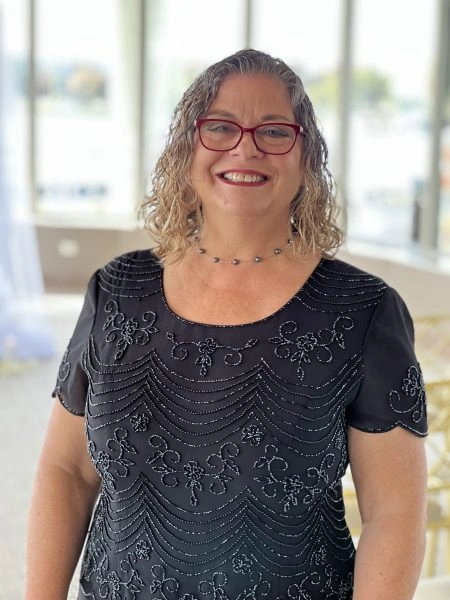
I began my Daf Yomi journey on January 5, 2020. I had never learned Talmud before. Initially it struck me as a bunch of inane and arcane details with mind bending logic. I am now smitten. Rabbanit Farber brings the page to life and I am eager to learn with her every day!

Lori Stark
Lori Stark

Highland Park, United States

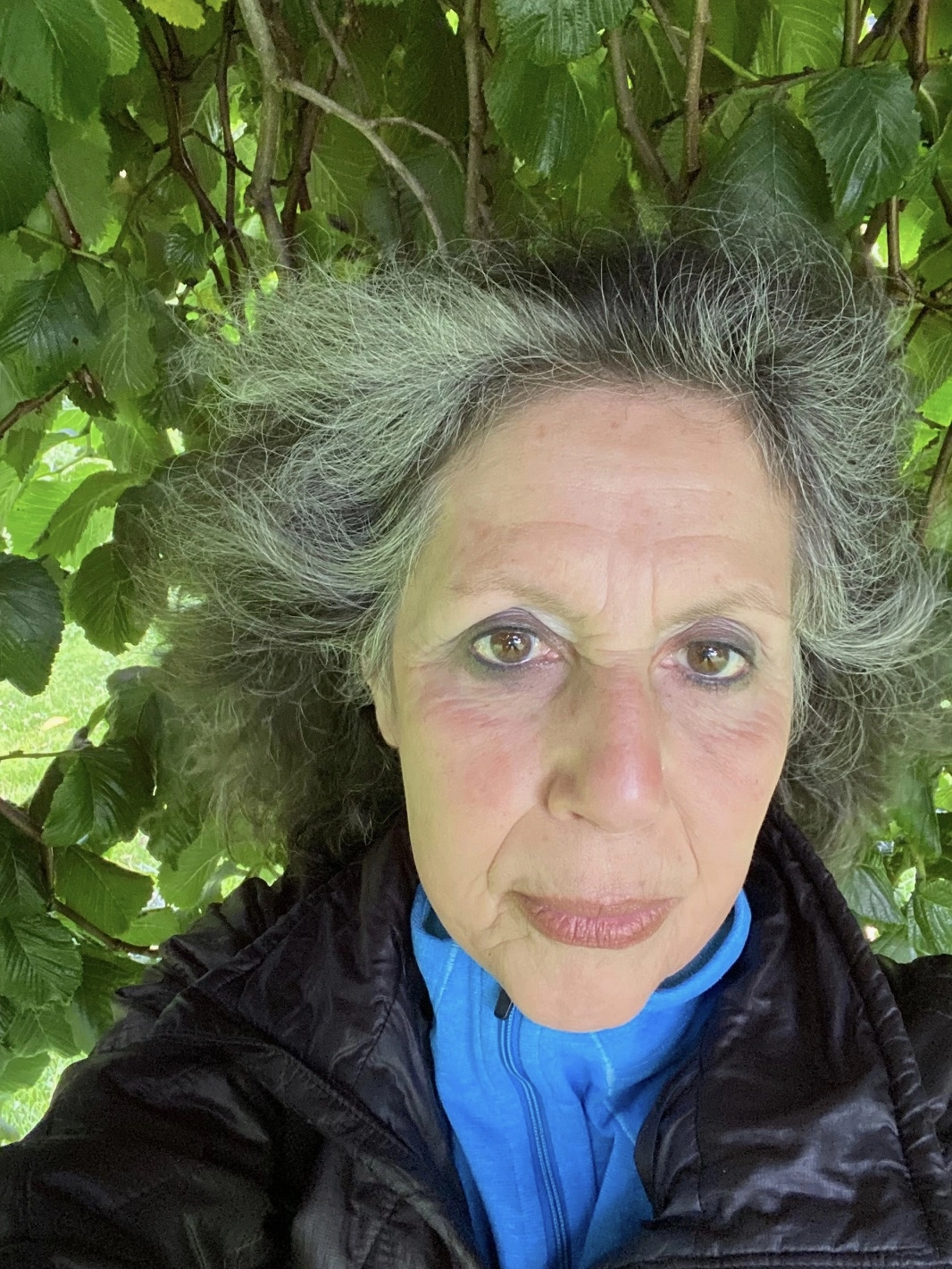
I’ve been learning since January 2020, and in June I started drawing a phrase from each daf. Sometimes it’s easy (e.g. plants), sometimes it’s very hard (e.g. korbanot), and sometimes it’s loads of fun (e.g. bird racing) to find something to draw. I upload my pictures from each masechet to #DafYomiArt. I am enjoying every step of the journey.

Gila Loike
Gila Loike

Ashdod, Israel

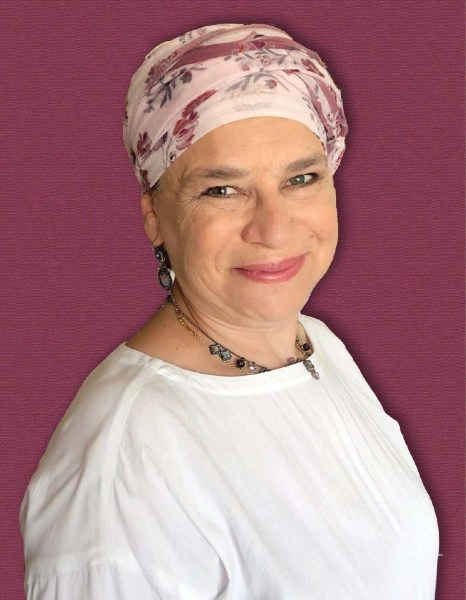
Last cycle, I listened to parts of various מסכתות. When the הדרן סיום was advertised, I listened to Michelle on נידה. I knew that בע”ה with the next cycle I was in (ב”נ). As I entered the סיום (early), I saw the signs and was overcome with emotion. I was randomly seated in the front row, and I cried many times that night. My choice to learn דף יומי was affirmed. It is one of the best I have made!

Miriam Tannenbaum
Miriam Tannenbaum

אפרת, Israel

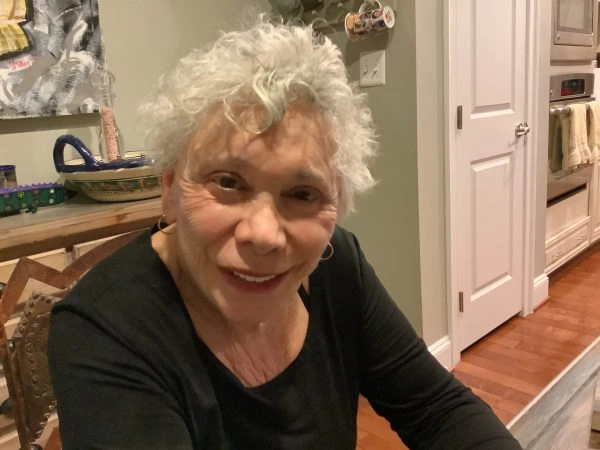
My husband learns Daf, my son learns Daf, my son-in-law learns Daf.
When I read about Hadran’s Siyyum HaShas 2 years ago, I thought- I can learn Daf too!
I had learned Gemara in Hillel HS in NJ, & I remembered loving it.
Rabbanit Michelle & Hadran have opened my eyes & expanding my learning so much in the past few years. We can now discuss Gemara as a family.
This was a life saver during Covid

Renee Braha
Renee Braha

Brooklyn, NY, United States

A few years back, after reading Ilana Kurshan’s book, “If All The Seas Were Ink,” I began pondering the crazy, outlandish idea of beginning the Daf Yomi cycle. Beginning in December, 2019, a month before the previous cycle ended, I “auditioned” 30 different podcasts in 30 days, and ultimately chose to take the plunge with Hadran and Rabbanit Michelle. Such joy!

Cindy Dolgin
Cindy Dolgin

HUNTINGTON, United States

Margo
I started my Talmud journey in 7th grade at Akiba Jewish Day School in Chicago. I started my Daf Yomi journey after hearing Erica Brown speak at the Hadran Siyum about marking the passage of time through Daf Yomi.

Carolyn
I started my Talmud journey post-college in NY with a few classes. I started my Daf Yomi journey after the Hadran Siyum, which inspired both my son and myself.

Carolyn Hochstadter and Margo Kossoff Shizgal

Merion Station,  USA

Beit Shemesh, Israel

I started at the beginning of this cycle. No 1 reason, but here’s 5.
In 2019 I read about the upcoming siyum hashas.
There was a sermon at shul about how anyone can learn Talmud.
Talmud references come up when I am studying. I wanted to know more.
Yentl was on telly. Not a great movie but it’s about studying Talmud.
I went to the Hadran website: A new cycle is starting. I’m gonna do this

Denise Neapolitan
Denise Neapolitan

Cambridge, United Kingdom

I heard about the syium in January 2020 & I was excited to start learning then the pandemic started. Learning Daf became something to focus on but also something stressful. As the world changed around me & my family I had to adjust my expectations for myself & the world. Daf Yomi & the Hadran podcast has been something I look forward to every day. It gives me a moment of centering & Judaism daily.

Talia Haykin
Talia Haykin

Denver, United States

A friend mentioned that she was starting Daf Yomi in January 2020. I had heard of it and thought, why not? I decided to try it – go day by day and not think about the seven plus year commitment. Fast forward today, over two years in and I can’t imagine my life without Daf Yomi. It’s part of my morning ritual. If I have a busy day ahead of me I set my alarm to get up early to finish the day’s daf
Debbie Fitzerman
Debbie Fitzerman

Ontario, Canada

Having never learned Talmud before, I started Daf Yomi in hopes of connecting to the Rabbinic tradition, sharing a daily idea on Instagram (@dafyomiadventures). With Hadran and Sefaria, I slowly gained confidence in my skills and understanding. Now, part of the Pardes Jewish Educators Program, I can’t wait to bring this love of learning with me as I continue to pass it on to my future students.

Hannah-G-pic
Hannah Greenberg

Pennsylvania, United States

I started learning Daf in Jan 2020 with Brachot b/c I had never seen the Jewish people united around something so positive, and I wanted to be a part of it. Also, I wanted to broaden my background in Torah Shebal Peh- Maayanot gave me a great gemara education, but I knew that I could hold a conversation in most parts of tanach but almost no TSB. I’m so thankful for Daf and have gained immensely.

Meira Shapiro
Meira Shapiro

NJ, United States

I learned daf more off than on 40 years ago. At the beginning of the current cycle, I decided to commit to learning daf regularly. Having Rabanit Michelle available as a learning partner has been amazing. Sometimes I learn with Hadran, sometimes with my husband, and sometimes on my own. It’s been fun to be part of an extended learning community.

Miriam Pollack
Miriam Pollack

Honolulu, Hawaii, United States

I had dreamed of doing daf yomi since I had my first serious Talmud class 18 years ago at Pardes with Rahel Berkovitz, and then a couple of summers with Leah Rosenthal. There is no way I would be able to do it without another wonderful teacher, Michelle, and the Hadran organization. I wake up and am excited to start each day with the next daf.

Beth Elster
Beth Elster

Irvine, United States

I started learning daf in January, 2020, being inspired by watching the Siyyum Hashas in Binyanei Haumah. I wasn’t sure I would be able to keep up with the task. When I went to school, Gemara was not an option. Fast forward to March, 2022, and each day starts with the daf. The challenge is now learning the intricacies of delving into the actual learning. Hadran community, thank you!

Rochel Cheifetz
Rochel Cheifetz

Riverdale, NY, United States

After being so inspired by the siyum shas two years ago, I began tentatively learning daf yomi, like Rabbanut Michelle kept saying – taking one daf at a time. I’m still taking it one daf at a time, one masechet at a time, but I’m loving it and am still so inspired by Rabbanit Michelle and the Hadran community, and yes – I am proud to be finishing Seder Mo’ed.

Caroline Graham-Ofstein

Bet Shemesh, Israel

I start learning Daf Yomi in January 2020. The daily learning with Rabbanit Michelle has kept me grounded in this very uncertain time. Despite everything going on – the Pandemic, my personal life, climate change, war, etc… I know I can count on Hadran’s podcast to bring a smile to my face.
Deb Engel
Deb Engel

Los Angeles, United States

I started my Daf Yomi journey at the beginning of the COVID19 pandemic.

Karena Perry
Karena Perry

Los Angeles, United States

I heard about the syium in January 2020 & I was excited to start learning then the pandemic started. Learning Daf became something to focus on but also something stressful. As the world changed around me & my family I had to adjust my expectations for myself & the world. Daf Yomi & the Hadran podcast has been something I look forward to every day. It gives me a moment of centering & Judaism daily.

Talia Haykin
Talia Haykin

Denver, United States

I started last year after completing the Pesach Sugiyot class. Masechet Yoma might seem like a difficult set of topics, but for me made Yom Kippur and the Beit HaMikdash come alive. Liturgy I’d always had trouble connecting with took on new meaning as I gained a sense of real people moving through specific spaces in particular ways. It was the perfect introduction; I am so grateful for Hadran!

Debbie Engelen-Eigles

Minnesota, United States

Ive been learning Gmara since 5th grade and always loved it. Have always wanted to do Daf Yomi and now with Michelle Farber’s online classes it made it much easier to do! Really enjoying the experience thank you!!

Lisa Lawrence
Lisa Lawrence

Neve Daniel, Israel

Bava Metzia 67

הֲוָה יָתֵיבְנָא קַמֵּיהּ דְּרַב נַחְמָן, וּבְעַי לְאוֹתֹבֵיהּ אוֹנָאָה, וְאוֹדֵיק, חֲזִיתַן אַיְילוֹנִית. וַהֲרֵי אוֹנָאָה דִּמְחִילָה בְּטָעוּת הִיא, וְלָא הָוְיָא מְחִילָה! וְאוֹדֵיק, חֲזִיתַן אַיְילוֹנִית: הֲרֵי אַיְילוֹנִית דִּמְחִילָה בְּטָעוּת הִיא, וְהָוְיָא מְחִילָה.

I was sitting before Rav Naḥman when he said that mistaken forgiveness is valid, and I wanted to raise an objection to him from the halakha of exploitation, and he observed me, anticipated my objection, and showed me that he was correct based on the halakha of a sexually underdeveloped woman who is incapable of bearing children [ailonit]. The Gemara explains: Rava wanted to ask: But there is the case of exploitation, where the price paid in a sale was in excess of the market value (see 50b), which is a case of mistaken forgiveness at the time of the sale, and yet it is not considered forgiveness. The seller must return the excess money paid. And he observed me and showed me the halakha of an ailonit. Doesn’t the case of an ailonit involve mistaken forgiveness, and yet it is valid forgiveness?

דִּתְנַן: הַמְמָאֶנֶת וְהַשְּׁנִיָּיה וְהָאַיְילוֹנִית, אֵין לָהֶן לֹא כְּתוּבָּה וְלֹא פֵּירוֹת וְלֹא מְזוֹנוֹת וְלֹא בְּלָאוֹת.

Rava explains: As we learned in a mishna (Ketubot 100b): In the case of a minor girl married off by her mother or brother who refuses to continue living with her husband, and in the case of a woman who is a secondary forbidden relative, and in the case of an ailonit, each of these women is not entitled to payment of a marriage contract, and they are not entitled to remuneration for the produce that the husband consumed from her property while they were together, and they are not entitled to sustenance, and they are not entitled to their worn clothes that were brought into the marriage as part of their dowry and became worn out during the marriage. The ailonit granted the rights to the profits the husband earned from her property while under the mistaken premise that she was married. Yet after the marriage was determined to have been contracted in error, the husband does not have to return these profits.

וְלָא הִיא: לָא אוֹנָאָה הָוְיָא תְּיוּבְתֵּיהּ, וְלָא אַיְילוֹנִית מְסַיַּיע לֵיהּ.

The Gemara comments: But that is not so; the halakha of exploitation is not a refutation of Rav Naḥman’s opinion, nor does the case of a sexually underdeveloped woman support his opinion, as there are differences between the cases.

לָא אוֹנָאָה תְּיוּבְתֵּיהּ: דְּלָא יָדַע דְּאִיתֵיהּ אוֹנָאָה דְּמָחֵיל גַּבֵּיהּ. וְלָא אַיְילוֹנִית מְסַיַּיע לֵיהּ, דְּנִיחָא לַהּ (דְּתִיפּוֹק) [דְּנִיפּוֹק] עֲלַהּ שְׁמָא דְאִישׁוּת.

The Gemara clarifies: Exploitation is not a refutation of his opinion, as the buyer does not know that there is exploitation at the time of the sale that would enable him to forgive him the amount he was overcharged, and therefore there is no forgiveness in this case at all. Nor does the case of a sexually underdeveloped woman support his opinion, as it is amenable to her for her husband to receive the profits in order that she receive the name of a married woman. She wants to be known as a woman who was once married, and therefore she willingly relinquishes her rights to the profits from her property during her marriage even if it will be found to have been contracted in error. There is no mistaken forgiveness in that case.

הָהִיא אִיתְּתָא דַּאֲמַרָה לֵיהּ לְהָהוּא גַּבְרָא: זִיל זְבֵין לִי אַרְעָא מִקָּרִיבַיי. אֲזַל זְבַן לַהּ. אֲמַר לֵיהּ: אִי הָווּ לִי זוּזֵי מַהְדְּרַתְּ לַהּ נִיהֲלִי? אֲמַר לֵיהּ: אַתְּ וְנַוְולָא אַחֵי.

§ The Gemara relates: There was a certain woman who said to a certain man: Go purchase land for me from my relatives. He went and purchased land for her. The relative who sold her the property said to the man acting as her agent: If I will have money in the future, will you give the field back to me? The agent said to him: You and she [venavla] are relatives, and I assume that you will be able to come to an arrangement between the two of you.

אָמַר רַבָּה בַּר רַב הוּנָא: כֹּל ״אַתְּ וְנַוְולָא אַחֵי״ (אָמַר) סָמְכָא דַּעְתֵּיהּ, וְלָא גָּמַר וּמַקְנֵי.

The Gemara discusses the halakhic significance of this response. Rabba bar Rav Huna said: In the case of any expression such as: You and she are relatives, that the agent says, the seller relies on the assumption that he will be able to come to an agreement with his relative, and therefore he does not conclusively resolve to enable the other to acquire the field.

אַרְעָא הָדְרָה, פֵּירֵי מַאי? רִבִּית קְצוּצָה הָווּ וְיוֹצְאִין בְּדַיָּינִין, אוֹ דִילְמָא כִּי אֲבַק רִבִּית הָווּ וְאֵין יוֹצְאִין?

The Gemara comments: In that case, the land itself must be returned to its owner, but what is the halakha with regard to the produce consumed by the buyer in the interim? Is it deemed fixed interest, prohibited by Torah law, and can it be removed from the buyer by means of legal proceedings adjudicated by judges? Or perhaps it is considered like a hint of interest, prohibited by rabbinic law, and therefore it cannot be removed from the buyer by means of legal proceedings adjudicated by judges?

אָמַר רַבָּה בַּר רַב הוּנָא: מִסְתַּבְּרָא כִּי אֲבַק רִבִּית הָווּ, וְאֵין יוֹצְאִין בְּדַיָּינִין. וְכֵן אָמַר רָבָא: כִּי אֲבַק רִבִּית הָווּ, וְאֵין יוֹצְאִין בְּדַיָּינִין.

Rabba bar Rav Huna said: It stands to reason that it is like a hint of interest, and it cannot be removed from the buyer by means of legal proceedings adjudicated by judges. And Rava similarly said: It is like a hint of interest, and it cannot be removed from the buyer by means of legal proceedings adjudicated by judges.

אֲמַר לֵיהּ אַבָּיֵי לְרַבָּה: מַשְׁכַּנְתָּא, מַאי? הָתָם טַעְמָא מַאי – מִשּׁוּם דְּלָא קַץ לֵיהּ, הָכָא נָמֵי לָא קַץ לֵיהּ. אוֹ דִילְמָא הָתָם זְבִינֵי, הָכָא הַלְוָאָה?

Abaye said to Rava: With regard to a mortgage, if the borrower pledged a field to the lender, who worked the field and consumed its produce during the term of the loan without any agreement allowing him to do so, what is the halakha? There, in the previous case, what is the reason it is merely a hint of interest? Is it because the seller did not fix a particular sum for the buyer as interest? Here too, the lender did not fix a particular sum for the borrower, and accordingly, this would also be merely a hint of interest. Or perhaps the key issue is that there, it is a sale, whereas here, it is a loan, with regard to which there is a greater concern about interest.

אֲמַר לֵיהּ: הָתָם טַעְמָא מַאי – מִשּׁוּם דְּלָא קַץ לֵיהּ, הָכָא נָמֵי לָא קַץ לֵיהּ.

Rava said to him: There, what is the reason it is merely a hint of interest? It is considered a hint of interest because the seller did not fix a particular sum for the buyer as interest. Here too, the lender did not fix a particular sum for the borrower, and therefore this is not fixed interest.

אָמַר רַב פַּפִּי: עֲבַד רָבִינָא עוֹבָדָא, וְחַשֵּׁיב וְאַפֵּיק פֵּירֵי, דְּלָא כְּרַבָּה בַּר רַב הוּנָא.

Rav Pappi said: Ravina performed an action with regard to a case like this, and he calculated and removed from the lender the value of the produce he had consumed in the interim. This decision was not in accordance with the opinion of Rabba bar Rav Huna.

אָמַר מָר בְּרֵיהּ דְּרַב יוֹסֵף מִשְּׁמֵיהּ דְּרָבָא: הָא מַשְׁכַּנְתָּא בְּאַתְרָא דִּמְסַלְּקִי, אֲכַל שִׁיעוּר זוּזֵי – מְסַלְּקִינַן לֵיהּ.

Mar, son of Rav Yosef, said in the name of Rava: With regard to this following type of mortgage, in which the lender holds part of the borrower’s land and may consume its produce, the halakha depends on the local custom. In a place where the custom is that the borrower can repay the loan at any time and the court removes the lender from the land once the loan is repaid, then once the lender consumed a measure of produce equivalent to the amount of money that he lent, we remove him from the land at that point, as the produce consumed is considered repayment of the loan.

אֲכַל טְפֵי – לָא מַפְּקִינַן מִינֵּיהּ, וְלָא מְחַשְּׁבִינַן מִשְּׁטָרָא לִשְׁטָרָא.

If the lender consumed a measure of produce worth more than the value of the loan, we do not remove the value of the excess produce from him, as that which he consumed is already gone. And similarly, we do not calculate any extra produce as payment from one document to another. If the same borrower owed the lender an additional sum from another debt recorded in a different document, we do not consider the additional produce he consumed as part of the payment for the second document; rather, each loan is treated on its own terms.

וּבִדְיַתְמֵי אֲכַל שִׁיעוּר זוּזֵי, מְסַלְּקִינַן לֵיהּ. אֲכַל טְפֵי – מַפְּקִינַן מִינֵּיהּ, וּמְחַשְּׁבִינַן מִשְּׁטָרָא לִשְׁטָרָא.

And if the field belonged to orphans, once the lender consumed a measure of produce equivalent to the amount of money he was owed, we remove him from the field. And if he consumed a measure of produce worth more than the value of the loan, we take the additional amount from him; and we do calculate extra produce as payment from one document to another. The reason is that the owner of the field generally forgives payment for the extra produce the lender consumed, but minor orphans are too young to forgive a debt, and the case is therefore judged according to the letter of the law.

אָמַר רַב אָשֵׁי: הַשְׁתָּא דְּאָמְרַתְּ אֲכַל טְפֵי – לָא מַפְּקִינַן מִינֵּיהּ. אֲכַל שִׁיעוּר זוּזֵי נָמֵי – לָא מְסַלְּקִינַן לֵיהּ בְּלָא זוּזֵי, מַאי טַעְמָא: סַלּוֹקֵי בְּלָא זוּזֵי – אַפּוֹקֵי מִינֵּיהּ הוּא. הָוֵי אֲבַק רִבִּית, וַאֲבַק רִבִּית אֵינָהּ יוֹצְאָה בְּדַיָּינִין.

Rav Ashi said: Now that you have said that if he consumed more than the value of the loan we do not take it from him, as it is considered merely a hint of interest, it follows that if he consumed a measure of produce equivalent to the amount of the money owed him, we also do not remove him from the land without the borrower’s paying him money. What is the reason for this? To remove him from the land without the borrower’s paying him money is like taking money from him, and this consumption of the produce is only a hint of interest, and the halakha is that a hint of interest cannot be removed by legal proceedings adjudicated by judges.

עֲבַד רַב אָשֵׁי עוֹבָדָא בִּיתוֹמִים קְטַנִּים

The Gemara relates: Rav Ashi performed an action in a case of this kind even involving minor orphans,

כִּגְדוֹלִים,

as though they were adults. Even if the lender consumed produce equivalent to the amount of the debt, Rav Ashi would not collect the value of the produce from him, as this is merely a hint of interest and therefore it cannot be claimed in court.

אָמַר רָבָא בְּרֵיהּ דְּרַב יוֹסֵף מִשְּׁמֵיהּ דְּרָבָא: הַאי מַשְׁכַּנְתָּא, בְּאַתְרָא דִּמְסַלְּקִי – לָא נֵיכוֹל אֶלָּא בְּנַכְיְיתָא. וְצוּרְבָּא מִדְּרַבָּנַן – אֲפִילּוּ בְּנַכְיְיתָא לָא נֵיכוֹל. אֶלָּא בְּמַאי נֵיכוֹל? בְּקִיצּוּתָא.

§ Rava, son of Rav Yosef, says in the name of Rava: With regard to this following type of mortgage, in which the lender holds part of the borrower’s land and may consume its produce, the halakha depends on the local custom. In a place where the custom is that the borrower can repay the loan at any time and the court removes the lender from the land, the lender may consume the produce of the land only with a deduction in the amount of the loan granted to the borrower, equivalent in value to that of the produce consumed by the lender. And a Torah scholar [tzurva miderabbanan], who must be especially careful with regard to his conduct, may not consume the produce even with a deduction in the amount of the loan. The Gemara poses a question: But if so, in what manner may he consume the produce? The Gemara answers: By a fixed payment, the details of which the Gemara will soon explain.

הָנִיחָא לְמַאן דְּאָמַר קִיצּוּתָא שַׁרְיָא, אֶלָּא לְמַאן דְּאָמַר קִיצּוּתָא אֲסִירָא, מַאי אִיכָּא לְמֵימַר? דְּאִתְּמַר: קִיצּוּתָא, פְּלִיגָא בַּהּ רַב אַחָא וְרָבִינָא. חַד אָמַר: קִיצּוּתָא שַׁרְיָא, וְחַד אָמַר: קִיצּוּתָא אֲסִירָא. הֵיכִי דָּמֵי קִיצּוּתָא? דְּאָמַר לֵיהּ: עַד חֲמֵשׁ שְׁנִין אָכֵילְנָא לַהּ בְּלָא נַכְיְיתָא, מִכָּאן וְאֵילָךְ שָׁיֵימְנָא לָךְ כּוּלְּהוּ פֵּירֵי.

The Gemara asks: This works out well according to the one who says that a fixed payment is permitted, but according to the one who says that a fixed payment is forbidden, what is there to say? As it was stated: With regard to a fixed payment, Rav Aḥa and Ravina disagreed: One said that a fixed payment is permitted, and one said a fixed payment is forbidden. The Gemara clarifies: What are the circumstances of this fixed payment? The Gemara explains: One case of a fixed payment is where the lender says to the borrower: For a period of up to five years, I will consume the produce of the field without a deduction in the amount of the loan; from that point forward I will appraise for you the value of all the produce I consume and subtract this sum from the debt.

אִיכָּא דְאָמְרִי: כֹּל בְּלָא נַכְיְיתָא – אָסוּר, אֲבָל הֵיכִי דָּמֵי קִיצּוּתָא – דְּאָמַר לֵיהּ: עַד חֲמֵשׁ שְׁנִין אָכֵילְנָא בְּנַכְיְיתָא, מִכָּאן וְאֵילָךְ שָׁיֵימְנָא לָךְ כּוּלְּהוּ פֵּירֵי.

There are those who say a different version of this discussion: Any consumption of produce by the lender without a deduction in the amount of the loan is prohibited as interest. And what are the circumstances of a permitted fixed payment? When the lender says to the borrower: For a period of up to five years I will consume the produce with a fixed deduction in the amount of the loan; from this point forward I will appraise for you the value of all the produce I consume and deduct the sum from the loan.

מַאן דְּאָסַר בְּקַמַּיְיתָא שָׁרֵי בְּבָתְרַיְיתָא, מַאן דְּאָסַר בְּבָתְרַיְיתָא, הֵיכִי שְׁרֵי לְמֵיכַל? שְׁרֵי כִּי מַשְׁכַּנְתָּא דְסוּרָא, דְּכָתְבִי בַּהּ הָכִי: בְּמִשְׁלָם שְׁנַיָּא אִילֵּין תִּיפּוֹק אַרְעָא דָּא בְּלָא כְּסַף.

The Gemara comments: The one who prohibits the practice according to the first version permits the practice described in the second. The Gemara asks: But according to the one who also prohibits the practice described in the second version, how is it permitted to consume the produce of a mortgaged field? The Gemara replies: It is permitted in a case like that of a mortgage according to the custom in Sura, a city in Babylonia, in which this is written in the loan document: Upon the completion of these years, during which the lender may consume the produce of the field, this land shall leave his possession without money and return to the owner, as the entire amount of the loan will have been repaid by means of the consumption of the produce.

רַב פָּפָּא וְרַב הוּנָא בְּרֵיהּ דְּרַב יְהוֹשֻׁעַ אָמְרִי תַּרְוַיְיהוּ: הַאי מַשְׁכַּנְתָּא, בְּאַתְרָא דִּמְסַלְּקִי – אֵין בַּעַל חוֹב גּוֹבֶה הֵימֶנָּה, וְאֵין הַבְּכוֹר נוֹטֵל בָּהּ פִּי שְׁנַיִם, וּשְׁבִיעִית מְשַׁמַּטְתָּהּ.

Rav Pappa and Rav Huna, son of Rav Yehoshua, both say: With regard to this type of mortgage, the halakha depends on the local custom. In a place where the custom is that the borrower can repay the loan at any time and the court removes the lender from the land, the land is not considered his property at all, and therefore another creditor cannot collect a debt owed by the lender by repossessing it; and if the lender dies, his firstborn son does not receive a double portion of it as part of his inheritance, as it did not belong to his father; and the Sabbatical Year cancels a debt of this kind, because it is not viewed as having already been collected.

וּבְאַתְרָא דְּלָא מְסַלְּקִי – בַּעַל חוֹב גּוֹבֶה הֵימֶנָּה וּבְכוֹר נוֹטֵל בָּהּ פִּי שְׁנַיִם, וְאֵין שְׁבִיעִית מְשַׁמַּטְתָּהּ.

But in a place where they do not remove him from the land before the appointed time even if the debt is paid, then the land has been temporarily transferred to him, and therefore a creditor can collect a debt owed by the lender by repossessing it, and his firstborn receives a double portion of it, and the Sabbatical Year does not cancel the debt.

וְאָמַר מָר זוּטְרָא מִשְּׁמֵיהּ דְּרַב פָּפָּא: הַאי מַשְׁכַּנְתָּא, בְּאַתְרָא דִּמְסַלְּקִי – מְסַלְּקִי לֵיהּ וַאֲפִילּוּ מִתַּמְרֵי דְּאַבּוּדְיָא. וְאִי אַגְבְּהִנְהוּ בְּסִיסָנֵי, קְנָנְהוּ. וּלְמַאן דְּאָמַר כִּלְיוֹ שֶׁל לוֹקֵחַ בִּרְשׁוּת מוֹכֵר קָנָה לוֹקֵחַ – אֲפִילּוּ דְּלָא אַגְבְּהִנְהוּ בְּסִיסָנֵי, קְנָנְהוּ.

And Mar Zutra said in the name of Rav Pappa: With regard to this type of mortgage, the halakha depends on the local custom. In a place where the custom is that the borrower can repay the loan at any time and the court removes the lender from the land, they remove him even from dates he has already harvested and spread out on the mats. But if he has lifted them and placed them in the baskets [besisanei], he has thereby acquired them, and they are his. And according to the one who says that when an act of acquisition is performed by means of placing items in the buyer’s vessels that are located in the seller’s domain the buyer has acquired the items, even if he did not lift them while they were in the baskets, he acquired them when they were placed on the mats.

פְּשִׁיטָא: בְּאַתְרָא דִּמְסַלְּקִי וְאָמַר ״לָא מִסְתַּלַּקְנָא״ – הָא קָאָמַר דְּלָא מִסְתַּלַּקְנָא. אֶלָּא בְּאַתְרָא דְּלָא מְסַלְּקִי, וְאָמַר ״מִסְתַּלַּקְנָא״ – מַאי: צָרִיךְ לְמִיקְנֵא מִינֵּיהּ, אוֹ לָא?

§ The Gemara discusses other halakhot of mortgages. It is obvious that if the loan was given in a place where they generally remove the lender from the field upon the repayment of the debt, but upon lending the money, the lender said: I will not be removed, his stipulation is respected, as he said that he will not be removed, and he gave him the money only subject to this condition. But if the loan took place in a place where they generally do not remove him, and he said: I will be removed when the money is returned, what is the halakha? Is it necessary to perform a formal act of acquisition with him to formalize this commitment, or is it not necessary, as his statement alone is binding?

רַב פָּפָּא אָמַר: לָא צְרִיךְ לְמִקְנֵא מִינֵּיהּ. רַב שֵׁשֶׁת בְּרֵיהּ דְּרַב אִידִי אָמַר: צְרִיךְ לְמִקְנֵא מִינֵּיהּ. וְהִלְכְתָא: צְרִיךְ לְמִקְנֵא מִינֵּיהּ.

Rav Pappa said: It is not necessary to perform an act of acquisition with him. Rav Sheshet, son of Rav Idi, said: It is necessary to perform an act of acquisition with him. The Gemara concludes: And the halakha is that it is necessary to perform an act of acquisition with him.

אָמַר: ״אֵיזִיל וְאַיְיתֵי זוּזֵי״ – לָא אָכֵיל. ״אֵיזִיל וְאֶטְרַח וְאַיְיתֵי זוּזֵי״, רָבִינָא אָמַר: אָכֵיל, וּמָר זוּטְרָא בְּרֵיהּ דְּרַב מָרִי אָמַר: לָא אָכֵיל. וְהִלְכְתָא: לָא אָכֵיל.

The Gemara addresses another case. If the borrower said to the lender: I will go to get the money to repay you, the lender may not consume any more of the produce, as this statement is sufficient to remove him from the property. But if he said: I am going to make an effort to get the money, amora’im engaged in a dispute concerning the halakha. Ravina said: The lender may continue to consume the produce until the borrower actually brings the payment, as he cannot be certain the borrower will manage to get the money. And Mar Zutra, son of Rav Mari, said: He may not consume the produce. The Gemara concludes: And the halakha is that he may not consume the produce.

רַב כָּהֲנָא וְרַב פָּפָּא וְרַב אָשֵׁי לָא אָכְלִי בְּנַכְיְיתָא. רָבִינָא אָכֵיל בְּנַכְיְיתָא.

The Gemara relates: Rav Kahana, and Rav Pappa, and Rav Ashi would not consume the produce of mortgaged fields even with a deduction in the amount of the loan, as they were concerned about the possible violation of the prohibition of interest. Ravina would consume this produce with a deduction in the amount of the loan.

אָמַר מָר זוּטְרָא: מַאי טַעְמָא דְּמַאן דְּאָכֵיל בְּנַכְיְיתָא – מִידֵּי דְּהָוֵה אַשְּׂדֵה אֲחוּזָּה. שְׂדֵה אֲחוּזָּה, לָאו אַף עַל גַּב דְּקָא אָכֵיל פֵּירֵי טוּבָא, אָמַר רַחֲמָנָא

Mar Zutra said: The explanation for the practice of the one who does consume the produce with a deduction in the amount of the loan is just as it is in the case of an ancestral field, i.e., a field that one inherits from his ancestors within his family holdings in Eretz Yisrael. The Torah states that one who consecrates his ancestral field can redeem it from the Temple treasury in return for one sela, which is four dinars, for each year remaining until the Jubilee (see Leviticus 27:16–19). The comparison is as follows: With regard to an ancestral field, is it not the case that even though he consumes abundant produce over the course of the years, nevertheless, the Merciful One states in the Torah

Want to follow content and continue where you left off?

Create an account today to track your progress, mark what you’ve learned, and follow the shiurim that speak to you.

Clear all items from this list?

This will remove ALL the items in this section. You will lose any progress or history connected to them. This is irreversible.

Cancel
Yes, clear all

Are you sure you want to delete this item?

You will lose any progress or history connected to this item.

Cancel
Yes, delete