Search

Bava Metzia 72

Want to dedicate learning? Get started here:

podcast placeholder

0:00
0:00


Summary

Today’s daf is sponsored by Brooke & Yossi Pollak in honor of their daughter Avital Adin’s bat mitzvah. “We are so proud of your devotion to Torah, mitzvot, and maasim tovim. Ima loves learning Mishna Yomi with you and can’t wait to keep going for the next several years. Consistency, Consistency, Consistency! Mazal tov!” 

If a Jew lends money of a non-Jew to another Jew on interest, or if a non-Jew lends money of a Jew to a Jew, under which circumstances is it permissible? Ravina proposes a third explanation to elucidate the distinction in legal rulings between these scenarios, but his explanation is dismissed. If a convert engaged in borrowing or lending with interest prior to converting and then, before conversion, amalgamated the interest-bearing loan into one encompassing the entire sum, the convert is entitled to collect the full amount. Rabbi Yosi contends that if the convert was the borrower, the interest cannot be collected under any circumstances, as this might incentivize non-Jews to convert solely to evade high interest payments. The rabbis and Rabbi Meir debate whether a lender who loaned on interest can recover the principal amount only, without the interest, or if they are penalized and cannot recover any part of the loan. Various scenarios are examined where an aspect of the document is invalidated (akin to a loan involving interest), raising the question of whether the entire document becomes void or if the valid parts remain enforceable. Distinctions between different cases are analyzed, such as errors in a document versus situations where the document is based on false premises like the seller not actually owning the item being sold. The Mishna addresses the halachot concerning purchasing produce upfront at the start of the season but deferring receipt of the produce until later. This practice is often prohibited due to usury concerns, as the value of the produce may rise. It is permitted when the seller possesses the produce at the time of sale or when the market value has already been established.

Bava Metzia 72

אִית לֵיהּ זְכִיָּה מִדְּרַבָּנַן. הָכָא נָמֵי לָא שְׁנָא.

nevertheless, he has the power, by rabbinic law, to acquire an item by means of an act of acquisition performed by another? Here, also, it is not different; the Jew can perform an act of acquisition on behalf of the gentile even though there is no agency for gentiles.

וְלָא הִיא: יִשְׂרָאֵל אָתֵי לִכְלַל שְׁלִיחוּת, נׇכְרִי לָא אָתֵי לִכְלַל שְׁלִיחוּת.

The Gemara rejects this comparison: But that is not so. A minor Jew will eventually reach the stage of eligibility for agency, but a gentile will not reach eligibility for agency. Consequently, the Sages did not establish the power for gentiles to acquire an item by means of an act of acquisition performed by a Jew.

תָּנוּ רַבָּנַן: יִשְׂרָאֵל שֶׁלָּוָה מָעוֹת מִן הַנׇּכְרִי בְּרִבִּית, וּזְקָפָן עָלָיו בְּמִלְוֶה, וְנִתְגַּיֵּיר. אִם קוֹדֶם שֶׁנִּתְגַּיֵּיר זְקָפָן עָלָיו בְּמִלְוֶה – גּוֹבֶה אֶת הַקֶּרֶן וְגוֹבֶה אֶת הָרִבִּית. וְאִם לְאַחַר שֶׁנִּתְגַּיֵּיר זְקָפָן עָלָיו בְּמִלְוֶה – גּוֹבֶה אֶת הַקֶּרֶן וְאֵינוֹ גּוֹבֶה אֶת הָרִבִּית.

§ The Sages taught: In the case of a Jew who borrowed money with interest from a gentile, and the gentile lender established the interest as a loan for the Jewish borrower, i.e., he added the amount of interest to the principal and consolidated it into a single debt, and then the gentile converted, the halakha depends on the circumstances. If the gentile established it as a loan for him before he converted, he may collect the principal from the borrower and he may also collect the interest. Since it had already been consolidated into a single debt, it is as though he already collected the interest while he was still a gentile. But if he established it as a loan for him after he converted, he may collect the principal but may not collect the interest, as it still had the status of interest when he became a Jew.

וְכֵן נׇכְרִי שֶׁלָּוָה מָעוֹת מִיִּשְׂרָאֵל בְּרִבִּית וּזְקָפָן עָלָיו בְּמִלְוֶה וְנִתְגַּיֵּיר, אִם עַד שֶׁלֹּא נִתְגַּיֵּיר זְקָפָן עָלָיו בְּמִלְוֶה – גּוֹבֶה אֶת הַקֶּרֶן וְגוֹבֶה אֶת הָרִבִּית. אִם מִשֶּׁנִּתְגַּיֵּיר זְקָפָן עָלָיו בְּמִלְוֶה – גּוֹבֶה אֶת הַקֶּרֶן וְאֵינוֹ גּוֹבֶה אֶת הָרִבִּית.

And similarly, in the case of a gentile who borrowed money with interest from a Jew and the Jewish lender established the interest as a loan for the gentile borrower, and then the gentile borrower converted, if he established it as a loan before he converted, the Jew may collect the principal and may also collect the interest. If he established it as a loan for the gentile after he converted, he may collect the principal but may not collect the interest, as it still had the status of interest when he became a Jew.

רַבִּי יוֹסֵי אוֹמֵר: נׇכְרִי שֶׁלָּוָה מָעוֹת מִיִּשְׂרָאֵל בְּרִבִּית, בֵּין כָּךְ וּבֵין כָּךְ – גּוֹבֶה אֶת הַקֶּרֶן וְגוֹבֶה אֶת הָרִבִּית. אָמַר רָבָא אָמַר רַב חִסְדָּא אָמַר רַב הוּנָא: הֲלָכָה כְּרַבִּי יוֹסֵי. אָמַר רָבָא: מַאי טַעְמָא דְּרַבִּי יוֹסֵי – כְּדֵי שֶׁלֹּא יֹאמְרוּ בִּשְׁבִיל מְעוֹתָיו נִתְגַּיֵּיר זֶה.

The baraita continues: Rabbi Yosei says: If a gentile borrowed money with interest from a Jew and converted, whether in this circumstance or whether in that circumstance, i.e., regardless of when the lender consolidated the interest and principal into a single debt, the Jewish lender may collect the principal and he may also collect the interest. Rava says that Rav Ḥisda says that Rav Huna says: The halakha is in accordance with the opinion of Rabbi Yosei. Rava says: What is the reasoning behind the opinion of Rabbi Yosei? What is the justification for collecting interest from a Jew? It is in order that people will not say: This individual converted due to concern for his money. People will suspect that he converted in order to avoid paying the interest.

תָּנוּ רַבָּנַן: שְׁטָר שֶׁכָּתוּב בּוֹ רִבִּית – קוֹנְסִין אוֹתוֹ, וְאֵינוֹ גּוֹבֶה לֹא אֶת הַקֶּרֶן וְלֹא אֶת הָרִבִּית, דִּבְרֵי רַבִּי מֵאִיר. וַחֲכָמִים אוֹמְרִים: גּוֹבֶה אֶת הַקֶּרֶן וְאֵינוֹ גּוֹבֶה אֶת הָרִבִּית. בְּמַאי קָמִיפַּלְגִי? רַבִּי מֵאִיר סָבַר: קָנְסִינַן הֶתֵּירָא מִשּׁוּם אִיסּוּרָא, וְרַבָּנַן סָבְרִי: לָא קָנְסִינַן הֶתֵּירָא מִשּׁוּם אִיסּוּרָא.

§ The Sages taught: In the case of a promissory note in which the details of a loan with interest were written, we penalize the lender, and therefore he may not collect the principal and may not collect the interest; this is the statement of Rabbi Meir. And the Rabbis say: He may collect the principal but he may not collect the interest. The Gemara asks: With regard to what principle do they disagree? The Gemara explains: Rabbi Meir holds: We penalize him with regard to that which is permitted due to that which is prohibited, and the Rabbis hold: We do not penalize him with regard to that which is permitted due to that which is prohibited.

תְּנַן הָתָם: שְׁטָרֵי חוֹב הַמּוּקְדָּמִין – פְּסוּלִין, וְהַמְאוּחָרִין – כְּשֵׁרִין. מוּקְדָּמִין אַמַּאי פְּסוּלִין? נְהִי דְּלָא גְּבוֹ מִזְּמַן רִאשׁוֹן, נִיגְבּוֹ מִזְּמַן שֵׁנִי!

We learned in a mishna elsewhere (Shevi’it 10:5): Antedated promissory notes, in which the date written in the document is earlier than the date the loan was actually transacted, are not valid, but postdated promissory notes are valid. The Gemara asks: Why are antedated documents not valid? Granted, they cannot be used to collect from the first date, the date written in them, because this could cause loss to people who purchased land from the borrower in the time between the date written on the promissory note and the time the loan was actually granted. The land they purchased would be subject to a lien when it fact it should not be. But at least they should be able to be used to collect from the second date, when the loan was actually granted.

אָמַר רַבִּי שִׁמְעוֹן בֶּן לָקִישׁ: בְּמַחְלוֹקֶת שְׁנוּיָה, וְרַבִּי מֵאִיר הִיא. וְרַבִּי יוֹחָנָן אָמַר: אֲפִילּוּ תֵּימָא רַבָּנַן – גְּזֵירָה שֶׁמָּא יִגְבֶּה מִזְּמַן רִאשׁוֹן.

Rabbi Shimon ben Lakish says: This mishna is subject to dispute, and it is taught in accordance with the opinion of Rabbi Meir, who said that the lender is penalized with regard to that which is permitted due to that which is prohibited. Here too, since he wrote an incorrect date, the entire document is invalidated as a penalty. And Rabbi Yoḥanan says: You may even say that this halakha is in accordance with the opinion of the Rabbis, as here there is a rabbinic decree invalidating the document lest he collect from the first date. If the document is not invalidated, the lender will depend on it and will come to collect repayment according to the date written on it.

הָהוּא גַּבְרָא דְּמַשְׁכֵּין לֵיהּ פַּרְדֵּיסָא לְחַבְרֵיהּ, אַכְלַהּ תְּלָת שְׁנֵי. אֲמַר לֵיהּ: אִי מְזַבְּינַתְּ לַהּ נִיהֲלִי – מוּטָב, וְאִי לָא – כָּבֵישְׁנָא לַהּ לִשְׁטַר מַשְׁכַּנְתָּא וְאָמֵינָא: ״לְקוּחָה הִיא בְּיָדִי״.

The Gemara relates: There was a certain man who mortgaged his orchard to another as security for a loan, and the lender consumed the produce of the orchard for three years. At the end of this time the lender said to the borrower: If you sell me the orchard, that is good. But if not, I will hide the document of the mortgage and I will say: It is purchased, and that is why it is in my possession, meaning I will claim I purchased the field and lost the deed. Since the land has been in my possession for three years I do not have to bring any other proof, as the halakha is that after three years of use of a field there is a presumption of ownership for the one who uses it (see Bava Batra 29b).

אֲזַל קָם אַקְנְיַיהּ לִבְנוֹ קָטָן, וַהֲדַר זַבְּנַהּ נִיהֲלֵיהּ.

When the borrower saw that he could not protect himself against the ruse, he devised a scheme: He went and transferred ownership of the field to his minor son by means of a deed of gift, and afterward sold the field to the lender. Subsequently, he demanded that the sale be annulled, since when he sold the field, it was not his.

זְבִינֵי וַדַּאי לָא הָווּ זְבִינֵי. זוּזֵי כְּמִלְוֶה בִּשְׁטָר דָּמוּ וְגוֹבֶה מִנְּכָסִים מְשׁוּעְבָּדִים, אוֹ דִילְמָא כְּמִלְוֶה עַל פֶּה דָּמוּ וְאֵינוֹ גּוֹבֶה מִנְּכָסִים מְשׁוּעְבָּדִים? אָמַר אַבָּיֵי: וְלָאו הַיְינוּ דְּרַבִּי אַסִּי, דְּאָמַר רַבִּי אַסִּי:

The Gemara clarifies the halakha: The sale was certainly not a sale, since the field was not his to sell, but the question is: Are the dinars that the buyer paid similar to a loan with a promissory note, and therefore the buyer can collect the money he paid even from liened property that has been sold? Or perhaps it is similar to a loan by oral agreement, and therefore he cannot collect it from liened property that has been sold. Abaye said: Is this question not the same as that of Rabbi Asi? As Rabbi Asi says:

מוֹדֶה בִּשְׁטָר שֶׁכְּתָבוֹ – אֵינוֹ צָרִיךְ לְקַיְּימוֹ, וְגוֹבֶה מִנְּכָסִים מְשׁוּעְבָּדִים.

In the case of a debtor who admits that he wrote a promissory note, the creditor is not required to ratify it in court in order to collect the debt, and he can therefore use the document to collect the debt even from liened property that has been sold. In the present case as well, the seller admits that he received the money; therefore the document of sale should enable the buyer to collect his money from liened property.

אֲמַר לֵיהּ רָבָא: מִי דָּמֵי? הָתָם נִיתַּן לְהִכָּתֵב. הָכָא לֹא נִיתַּן לְהִכָּתֵב.

Rava said to him: Are these cases comparable? There, the matter detailed in the document may be written, as it is a substantive matter; the document attests to true events and it is therefore possible to use the promissory note to collect the debt. But here, the matter detailed in the document may not be written, as the entire sale was not genuine since it was done against the will of the seller. Consequently, this document is completely invalid and cannot be used to collect from liened property.

יָתֵיב מָרִימָר וְקָאָמַר לְהָא שְׁמַעְתָּא. אֲמַר לֵיהּ רָבִינָא לְמָרִימָר: אֶלָּא הָא דְּאָמַר רַבִּי יוֹחָנָן גְּזֵירָה שֶׁמָּא יִגְבֶּה מִזְּמַן רִאשׁוֹן, נֵימָא: לֹא נִיתַּן לִיכָּתֵב! אֲמַר לֵיהּ הָכִי הַשְׁתָּא. הָתָם נְהִי דְּלֹא נִיתַּן לִיכָּתֵב מִזְּמַן רִאשׁוֹן, אֲבָל נִיתַּן לִיכָּתֵב מִזְּמַן שֵׁנִי. הָכָא לֹא נִיתַּן לִיכָּתֵב כְּלָל.

Mareimar sat and stated this halakha. Ravina said to Mareimar: But if Rava’s answer is accepted, then with regard to that which Rabbi Yoḥanan said concerning an antedated loan document, that there is a rabbinic decree invalidating the document lest he collect from the first date, let us say that there is a better rationale, as Rava stated: The antedated document is invalid, as it may not be written. Mareimar said to him: How can these cases be compared? There, in the case of the antedated document, granted, it may not be written from the first date, but it may be written from the second date. Here, it may not be written at all.

אֶלָּא הָא דְּתַנְיָא: לְשֶׁבַח קַרְקָעוֹת כֵּיצַד? הֲרֵי שֶׁגָּזַל שָׂדֶה מֵחֲבֵירוֹ וּמְכָרָהּ לְאַחֵר וְהִשְׁבִּיחָהּ, וַהֲרֵי הִיא יוֹצְאָה מִתַּחַת יָדוֹ. כְּשֶׁהוּא גּוֹבֶה – גּוֹבֶה אֶת הַקֶּרֶן מִנְּכָסִים מְשׁוּעְבָּדִים, וְשֶׁבַח גּוֹבֶה מִנְּכָסִים בְּנֵי חוֹרִין. נֵימָא: לֹא נִיתַּן לִיכָּתֵב!

The Gemara further asks: But how does one understand that which is taught in a baraita: What is the case in which one appropriates property for the enhancement of land? It is a case where one robbed another of a field and sold it to another and that buyer enhanced it, and it is appropriated by the court from his possession. When the buyer collects payment from the robber, he collects the principal, i.e., the money he paid for the field itself, even from liened property that the robber had sold in the interim, and he collects the value of the enhancement from the robber’s unsold property. Let us say there also that this illegal sale of the field was a transaction that may not be written, and therefore he should not be allowed to collect even the principal from liened property.

הָכִי הַשְׁתָּא? הָתָם, אִי לְמַאן דְּאָמַר נִיחָא לֵיהּ דְּלָא נִיקְרְיֵיהּ גַּזְלָנָא, אִי לְמַאן דְּאָמַר נִיחָא לֵיהּ דְּלֵיקוּם בְּהֵימָנוּתֵיהּ, מְפַיֵּיס לֵיהּ לְמָרֵיהּ וּמוֹקֵים לֵיהּ לִשְׁטָרֵיהּ. הָכָא, לְאַבְרוֹחֵי מִינֵּיהּ קָמְכַוֵּין, שְׁטָרָא מְקַיֵּים לֵיהּ.

The Gemara refutes this suggestion: How can these cases be compared? There, in the case of the field purchased from a robber, the deed of sale is meaningful either according to the one who says that it is preferable for the robber not to be called a robber by the buyer, or according to the one who says that it is preferable for the robber to maintain his reliability, i.e., to be considered an honest person; and therefore, the robber will appease the owner of the field by paying him for it and will attempt to ratify his document so that it is valid. But here, where the one who sold the field under duress intends to remove the buyer from it, will he then ratify his document?

מַתְנִי׳ אֵין פּוֹסְקִין עַל הַפֵּירוֹת עַד שֶׁיֵּצֵא הַשַּׁעַר. יָצָא הַשַּׁעַר – פּוֹסְקִין, וְאַף עַל פִּי שֶׁאֵין לָזֶה יֵשׁ לָזֶה.

MISHNA: One may not set a price with a buyer for the future delivery of produce until the market rate is publicized, as, if he is paid for supplying produce at a later date in advance of the publication of the market rate for that type of produce, he may set a price that is too low. The money paid in advance is deemed a loan, and if the initial payment was lower than the later market value, delivery of the produce will constitute interest on the loan. Once the market rate is publicized, the seller may set a price, even if the produce is not yet in his possession. The reason for this is that even though this one, i.e., the seller, does not have any of the produce, that one, someone else, has it, and the seller could theoretically acquire the produce now at the price he set.

הָיָה הוּא תְּחִילָּה לַקּוֹצְרִים, פּוֹסֵק עִמּוֹ עַל הַגָּדִישׁ, וְעַל הֶעָבִיט שֶׁל עֲנָבִים, וְעַל הַמַּעֲטָן שֶׁל זֵיתִים, וְעַל הַבֵּיצִים שֶׁל יוֹצֵר, וְעַל הַסִּיד מִשֶּׁשִּׁקְּעוֹ בַּכִּבְשָׁן.

If the seller was first among the reapers, having harvested his crop before the market rate was set, he may set a price with a buyer as he wishes for a stack of grain that is already in his possession, or for a large basket of grapes prepared for pressing into wine, or for a vat [hama’atan] of olives prepared for pressing into oil, or for the clumps [habeitzim] of clay prepared for use by a potter, or for plaster nearing the end of the manufacturing process at the point after he has sunk it, i.e., baked it, in the kiln. Although the market rate has yet to be set, the seller may nevertheless set a price now for their eventual delivery.

וּפוֹסֵק עִמּוֹ עַל הַזֶּבֶל כׇּל יְמוֹת הַשָּׁנָה. רַבִּי יוֹסֵי אוֹמֵר: אֵין פּוֹסְקִין עַל הַזֶּבֶל אֶלָּא אִם כֵּן הָיְתָה לוֹ זֶבֶל בָּאַשְׁפָּה, וַחֲכָמִים מַתִּירִים.

The mishna continues: And he may set a price with a buyer for manure on any of the days of the year, as the manure will certainly be available and it is therefore viewed as if it is ready. Rabbi Yosei says: One may set the price of manure only if he already had a pile of manure in his dunghill to which the sale can immediately be applied, but the Rabbis permit it in all cases.

וּפוֹסֵק עִמּוֹ בְּשַׁעַר הַגָּבוֹהַּ. רַבִּי יְהוּדָה אוֹמֵר: אַף עַל פִּי שֶׁלֹּא פָּסַק עִמּוֹ בְּשַׁעַר הַגָּבוֹהַּ, יָכוֹל לוֹמַר: תֵּן לִי כָּזֶה, אוֹ תֵּן לִי אֶת מְעוֹתַי.

And one may also set a price with a buyer at the highest rate, i.e., a large amount of produce sold for the lowest price, stipulating with the seller that the sale price match the lowest market rate for this product during the course of the year. Rabbi Yehuda says: Even if he did not set a price with him beforehand at the highest rate, the buyer may say to the seller: Give me the produce at this rate or give me back my money. Since he did not formally acquire the produce, if the price changed he may withdraw from the transaction.

גְּמָ׳ אָמַר רַבִּי אַסִּי אָמַר רַבִּי יוֹחָנָן: אֵין פּוֹסְקִין עַל הַשַּׁעַר שֶׁבַּשּׁוּק. אֲמַר לֵיהּ רַבִּי זֵירָא לְרַבִּי אַסִּי: אָמַר רַבִּי יוֹחָנָן אֲפִילּוּ כַּדּוֹרְמוּס הַזֶּה? אֲמַר לֵיהּ: לָא אָמַר רַבִּי יוֹחָנָן אֶלָּא בַּשּׁוּק שֶׁל עֲיָירוֹת, דְּלָא קְבִיעִי תַּרְעַיְיהוּ.

GEMARA: Rabbi Asi says that Rabbi Yoḥanan says: One may not set a price for the future delivery of produce at the current market rate because the market is not sufficiently stable. Rabbi Zeira said to Rabbi Asi: Does Rabbi Yoḥanan state this ruling even with regard to the rate of this large central market [dormus]? Rabbi Asi said to him: Rabbi Yoḥanan stated this ruling only with regard to the small-town markets, since their rates are not fixed, as smaller markets have greater sensitivity to fluctuations in price.

וּלְמַאן דִּסְלֵיק אַדַּעְתִּין מֵעִיקָּרָא דְּאָמַר רַבִּי יוֹחָנָן אֲפִילּוּ כַּדּוֹרְמוּס הַזֶּה, אֶלָּא מַתְנִיתִין דְּקָתָנֵי: אֵין פּוֹסְקִין עַל הַפֵּירוֹת עַד שֶׁיֵּצֵא הַשַּׁעַר, יָצָא הַשַּׁעַר פּוֹסְקִין, הֵיכִי מַשְׁכַּחַתְּ לַהּ? מַתְנִיתִין בְּחִיטֵּי דְּאַכְלַבֵּי וְאַרְבֵי, דִּמְשִׁוךְ תַּרְעַיְהוּ טְפֵי.

The Gemara asks: And according to what we thought initially, that Rabbi Yoḥanan stated this ruling even with regard to this large central market, but then there is a difficulty with the mishna, which teaches: One may not set a price with a buyer for the future delivery of produce until the market rate is publicized. By inference, once the market rate is publicized, one may set a price. If Rabbi Yoḥanan’s ruling applies even to large central markets, how can you find these circumstances? The Gemara answers: The mishna may be speaking about wheat that comes from large warehouses and from ships, as their rate lasts longer, since this merchandise comes to market in very large quantities.

תָּנוּ רַבָּנַן: אֵין פּוֹסְקִין עַל הַפֵּירוֹת עַד שֶׁיֵּצֵא הַשַּׁעַר, יָצָא הַשַּׁעַר פּוֹסְקִין, אַף עַל פִּי שֶׁאֵין לָזֶה יֵשׁ לָזֶה. הָיוּ חֲדָשׁוֹת מֵאַרְבַּע וִישָׁנוֹת מִשָּׁלֹשׁ – אֵין פּוֹסְקִין עַד שֶׁיֵּצֵא הַשַּׁעַר לֶחָדָשׁ וְלַיָּשָׁן.

§ The Sages taught: One may not set a price with a buyer for the future delivery of produce until the market rate is publicized. Once the market rate is publicized, the seller may set a price, even if the produce is not yet in his possession. The reason for this is that even though this one, the seller, does not have any of the produce, that one, someone else, has it, and the seller could theoretically acquire the produce now at the price he set. If the new grain was selling at the rate of four se’a for a sela and the old grain was selling at three, one may not set the price according to the price of the new grain until the market rate is publicized both for the new and for the old grain. By the time payment is made, the new grain will not be entirely new and its price will be the same as that of the old grain.

הָיוּ לָקוֹטוֹת מֵאַרְבַּע, וּלְכׇל אָדָם מִשָּׁלֹשׁ – אֵין פּוֹסְקִין עַד שֶׁיֵּצֵא הַשַּׁעַר לַלּוֹקֵט וְלַמּוֹכֵר.

Similarly, if the produce sold by gleaners who gather wheat from various fields, the quality of which is low, is selling at the rate of four se’a of wheat for a sela and that of every other person is selling at the rate of three se’a of wheat for a sela, one may not set a price at the gleaners’ rate until the market rate is publicized both for wheat sold by a gleaner and for wheat sold by an ordinary seller.

אָמַר רַב נַחְמָן: פּוֹסְקִין לַלָּקוֹטוֹת כְּשַׁעַר הַלָּקוֹטוֹת. אֲמַר לֵיהּ רָבָא לְרַב נַחְמָן: מַאי שְׁנָא לָקוֹט דְּאִי לֵית לֵיהּ יָזֵיף מִלָּקוֹט חַבְרֵיהּ, בַּעַל הַבַּיִת נָמֵי יְזֵיף מִלָּקוֹט! אֲמַר לֵיהּ: בַּעַל הַבַּיִת זִילָא בֵּיהּ מִילְּתָא לְמֵיזַף מִלָּקוֹט. אִיבָּעֵית אֵימָא: מַאן דְּיָהֵיב זוּזֵי לְבַעַל הַבַּיִת – אַפֵּירֵי שַׁפִּירֵי יָהֵיב.

Rav Naḥman said: One may set a price for gleaners to deliver produce in the future at the gleaners’ rate. Rava said to Rav Naḥman: What is different about a gleaner, who you hold can immediately set his price at the gleaners’ rate? As, if he has no produce he can borrow it from another gleaner, and therefore it is viewed as though it were in his possession. A homeowner as well should be able to set a price at the gleaners’ rate, as, if he has no grain he can borrow from a gleaner. Rav Naḥman said to him: It is degrading for a homeowner to borrow from a gleaner. Consequently, there is a need to establish a market rate for ordinary sellers. And if you wish, say instead: One who gives money to a homeowner to buy his grain gives the money in return for quality produce, and he does not want the inferior produce the homeowner could borrow from gleaners.

אָמַר רַב שֵׁשֶׁת אָמַר רַב הוּנָא: אֵין לֹוִין עַל שַׁעַר שֶׁבַּשּׁוּק. אֲמַר לֵיהּ רַב יוֹסֵף בַּר חָמָא לְרַב שֵׁשֶׁת, וְאָמְרִי לַהּ רַב יוֹסֵי בַּר אַבָּא לְרַב שֵׁשֶׁת: וּמִי אָמַר רַב הוּנָא הָכִי? וְהָא בָּעֵי מִינֵּיהּ מֵרַב הוּנָא: הָנֵי בְּנֵי בֵּי רַב, דְּיָזְפִי בְּתִשְׁרִי וּפָרְעִי בְּטֵבֵת, שְׁרֵי אוֹ אֲסִיר? אֲמַר לְהוּ: הָא חִיטֵּי בְּהִינֵי וְהָא חִיטֵּי בְּשִׁילֵי, אִי בָּעֵי זָבְנִי וּפָרְעִי לֵיהּ.

Rav Sheshet says that Rav Huna says: One may not borrow produce based on the market rate, meaning that one may not purchase produce on credit with an agreement to pay for it later at the future market price, even though there is grain sold at this price in another location. Rav Yosef bar Ḥama said to Rav Sheshet, and some say that it was Rav Yosei bar Abba who said to Rav Sheshet: And did Rav Huna say this? But didn’t it occur that the Sages asked Rav Huna: With regard to those students of Torah who borrow food in the month of Tishrei and pay for it in Tevet at the rate in effect then, is this permitted or prohibited? Rav Huna said to them: There is wheat in the town called Hini and there is wheat in the town called Shili, and if the students want to they can buy wheat there and pay the lender immediately, and since they can pay at any time, it is permitted.

מֵעִיקָּרָא סָבַר רַב הוּנָא אֵין לֹוִין, כֵּיוָן דְּשַׁמְעַהּ לְהָא דְּאָמַר רַבִּי שְׁמוּאֵל בַּר חִיָּיא אָמַר רַבִּי אֶלְעָזָר: לֹוִין, אָמַר אִיהוּ נָמֵי: לֹוִין.

The Gemara answers: Initially, Rav Huna thought that one may not borrow produce in this manner, but when he heard that Rabbi Shmuel bar Ḥiyya says that Rabbi Elazar says: One may borrow produce in this manner, he retracted his previously stated opinion and he also said that one may borrow produce in this manner.

תָּנוּ רַבָּנַן: הַמּוֹלִיךְ חֲבִילָה מִמָּקוֹם לְמָקוֹם, מְצָאוֹ חֲבֵירוֹ וְאָמַר לוֹ: תְּנָהּ לִי וַאֲנִי אַעֲלֶה לְךָ כְּדֶרֶךְ שֶׁמַּעֲלִין לְךָ בְּאוֹתוֹ מָקוֹם.

The Sages taught: With regard to one who transports a package of goods from one place, where he bought it inexpensively, to another place, where the price is higher, in order to sell it at a profit, and another found him on the way and said to him: Give me the package, and I will pay you in the manner that they pay you in that place to which you are going,

New to Talmud?

Check out our resources designed to help you navigate a page of Talmud – and study at the pace, level and style that fits you. 

The Hadran Women’s Tapestry

Meet the diverse women learning Gemara at Hadran and hear their stories. 

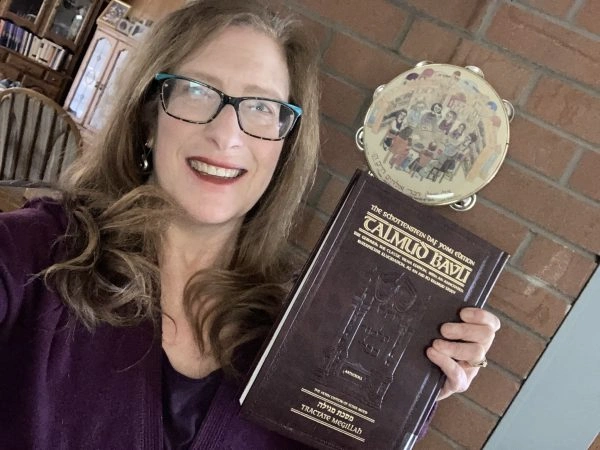
When I began learning Daf Yomi at the beginning of the current cycle, I was preparing for an upcoming surgery and thought that learning the Daf would be something positive I could do each day during my recovery, even if I accomplished nothing else. I had no idea what a lifeline learning the Daf would turn out to be in so many ways.

Laura Shechter
Laura Shechter

Lexington, MA, United States

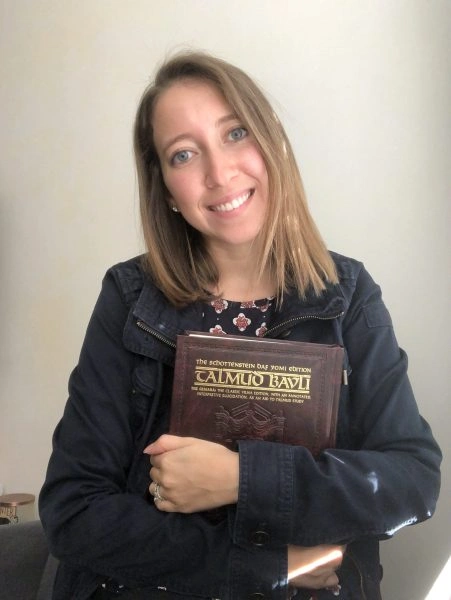
Having never learned Talmud before, I started Daf Yomi in hopes of connecting to the Rabbinic tradition, sharing a daily idea on Instagram (@dafyomiadventures). With Hadran and Sefaria, I slowly gained confidence in my skills and understanding. Now, part of the Pardes Jewish Educators Program, I can’t wait to bring this love of learning with me as I continue to pass it on to my future students.

Hannah-G-pic
Hannah Greenberg

Pennsylvania, United States

I began my Daf Yomi journey on January 5, 2020. I had never learned Talmud before. Initially it struck me as a bunch of inane and arcane details with mind bending logic. I am now smitten. Rabbanit Farber brings the page to life and I am eager to learn with her every day!

Lori Stark
Lori Stark

Highland Park, United States

I had dreamed of doing daf yomi since I had my first serious Talmud class 18 years ago at Pardes with Rahel Berkovitz, and then a couple of summers with Leah Rosenthal. There is no way I would be able to do it without another wonderful teacher, Michelle, and the Hadran organization. I wake up and am excited to start each day with the next daf.

Beth Elster
Beth Elster

Irvine, United States

I started learning on January 5, 2020. When I complete the 7+ year cycle I will be 70 years old. I had been intimidated by those who said that I needed to study Talmud in a traditional way with a chevruta, but I decided the learning was more important to me than the method. Thankful for Daf Yomi for Women helping me catch up when I fall behind, and also being able to celebrate with each Siyum!

Pamela Elisheva
Pamela Elisheva

Bakersfield, United States

Robin Zeiger
Robin Zeiger

Tel Aviv, Israel

I started my Daf Yomi journey at the beginning of the COVID19 pandemic.

Karena Perry
Karena Perry

Los Angeles, United States

I’ve been studying Talmud since the ’90s, and decided to take on Daf Yomi two years ago. I wanted to attempt the challenge of a day-to-day, very Jewish activity. Some days are so interesting and some days are so boring. But I’m still here.
Sarene Shanus
Sarene Shanus

Mamaroneck, NY, United States

I started learning Daf in Jan 2020 with Brachot b/c I had never seen the Jewish people united around something so positive, and I wanted to be a part of it. Also, I wanted to broaden my background in Torah Shebal Peh- Maayanot gave me a great gemara education, but I knew that I could hold a conversation in most parts of tanach but almost no TSB. I’m so thankful for Daf and have gained immensely.

Meira Shapiro
Meira Shapiro

NJ, United States

I started learning Daf Yomi inspired by תָּפַסְתָּ מְרוּבֶּה לֹא תָּפַסְתָּ, תָּפַסְתָּ מוּעָט תָּפַסְתָּ. I thought I’d start the first page, and then see. I was swept up into the enthusiasm of the Hadran Siyum, and from there the momentum kept building. Rabbanit Michelle’s shiur gives me an anchor, a connection to an incredible virtual community, and an energy to face whatever the day brings.

Medinah Korn
Medinah Korn

בית שמש, Israel

I’ve been wanting to do Daf Yomi for years, but always wanted to start at the beginning and not in the middle of things. When the opportunity came in 2020, I decided: “this is now the time!” I’ve been posting my journey daily on social media, tracking my progress (#DafYomi); now it’s fully integrated into my daily routines. I’ve also inspired my partner to join, too!

Joséphine Altzman
Joséphine Altzman

Teaneck, United States

I began my journey with Rabbanit Michelle more than five years ago. My friend came up with a great idea for about 15 of us to learn the daf and one of us would summarize weekly what we learned.
It was fun but after 2-3 months people began to leave. I have continued. Since the cycle began Again I have joined the Teaneck women.. I find it most rewarding in so many ways. Thank you

Dena Heller
Dena Heller

New Jersey, United States

I heard the new Daf Yomi cycle was starting and I was curious, so I searched online for a women’s class and was pleasently surprised to find Rabanit Michelle’s great class reviews in many online articles. It has been a splendid journey. It is a way to fill my days with Torah, learning so many amazing things I have never heard before during my Tanach learning at High School. Thanks so much .

Martha Tarazi
Martha Tarazi

Panama, Panama

What a great experience to learn with Rabbanit Michelle Farber. I began with this cycle in January 2020 and have been comforted by the consistency and energy of this process throughout the isolation period of Covid. Week by week, I feel like I am exploring a treasure chest with sparkling gems and puzzling antiquities. The hunt is exhilarating.

Marian Frankston
Marian Frankston

Pennsylvania, United States

The first month I learned Daf Yomi by myself in secret, because I wasn’t sure how my husband would react, but after the siyyum on Masechet Brachot I discovered Hadran and now sometimes my husband listens to the daf with me. He and I also learn mishnayot together and are constantly finding connections between the different masechtot.

Laura Warshawsky
Laura Warshawsky

Silver Spring, Maryland, United States

When the new cycle began, I thought, If not now, when? I’d just turned 72. I feel like a tourist on a tour bus passing astonishing scenery each day. Rabbanit Michelle is my beloved tour guide. When the cycle ends, I’ll be 80. I pray that I’ll have strength and mind to continue the journey to glimpse a little more. My grandchildren think having a daf-learning savta is cool!

Wendy Dickstein
Wendy Dickstein

Jerusalem, Israel

A beautiful world of Talmudic sages now fill my daily life with discussion and debate.
bringing alive our traditions and texts that has brought new meaning to my life.
I am a מגילת אסתר reader for women . the words in the Mishna of מסכת megillah 17a
הקורא את המגילה למפרע לא יצא were powerful to me.
I hope to have the zchut to complete the cycle for my 70th birthday.

Sheila Hauser
Sheila Hauser

Jerusalem, Israel

I started learning after the siyum hashas for women and my daily learning has been a constant over the last two years. It grounded me during the chaos of Corona while providing me with a community of fellow learners. The Daf can be challenging but it’s filled with life’s lessons, struggles and hope for a better world. It’s not about the destination but rather about the journey. Thank you Hadran!

Dena Lehrman
Dena Lehrman

אפרת, Israel

I read Ilana Kurshan’s “If All the Seas Were Ink” which inspired me. Then the Women’s Siyum in Jerusalem in 2020 convinced me, I knew I had to join! I have loved it- it’s been a constant in my life daily, many of the sugiyot connect to our lives. My family and friends all are so supportive. It’s incredible being part of this community and love how diverse it is! I am so excited to learn more!

Shira Jacobowitz
Shira Jacobowitz

Jerusalem, Israel

I LOVE learning the Daf. I started with Shabbat. I join the morning Zoom with Reb Michelle and it totally grounds my day. When Corona hit us in Israel, I decided that I would use the Daf to keep myself sane, especially during the days when we could not venture out more than 300 m from our home. Now my husband and I have so much new material to talk about! It really is the best part of my day!

Batsheva Pava
Batsheva Pava

Hashmonaim, Israel

Bava Metzia 72

אִית לֵיהּ זְכִיָּה מִדְּרַבָּנַן. הָכָא נָמֵי לָא שְׁנָא.

nevertheless, he has the power, by rabbinic law, to acquire an item by means of an act of acquisition performed by another? Here, also, it is not different; the Jew can perform an act of acquisition on behalf of the gentile even though there is no agency for gentiles.

וְלָא הִיא: יִשְׂרָאֵל אָתֵי לִכְלַל שְׁלִיחוּת, נׇכְרִי לָא אָתֵי לִכְלַל שְׁלִיחוּת.

The Gemara rejects this comparison: But that is not so. A minor Jew will eventually reach the stage of eligibility for agency, but a gentile will not reach eligibility for agency. Consequently, the Sages did not establish the power for gentiles to acquire an item by means of an act of acquisition performed by a Jew.

תָּנוּ רַבָּנַן: יִשְׂרָאֵל שֶׁלָּוָה מָעוֹת מִן הַנׇּכְרִי בְּרִבִּית, וּזְקָפָן עָלָיו בְּמִלְוֶה, וְנִתְגַּיֵּיר. אִם קוֹדֶם שֶׁנִּתְגַּיֵּיר זְקָפָן עָלָיו בְּמִלְוֶה – גּוֹבֶה אֶת הַקֶּרֶן וְגוֹבֶה אֶת הָרִבִּית. וְאִם לְאַחַר שֶׁנִּתְגַּיֵּיר זְקָפָן עָלָיו בְּמִלְוֶה – גּוֹבֶה אֶת הַקֶּרֶן וְאֵינוֹ גּוֹבֶה אֶת הָרִבִּית.

§ The Sages taught: In the case of a Jew who borrowed money with interest from a gentile, and the gentile lender established the interest as a loan for the Jewish borrower, i.e., he added the amount of interest to the principal and consolidated it into a single debt, and then the gentile converted, the halakha depends on the circumstances. If the gentile established it as a loan for him before he converted, he may collect the principal from the borrower and he may also collect the interest. Since it had already been consolidated into a single debt, it is as though he already collected the interest while he was still a gentile. But if he established it as a loan for him after he converted, he may collect the principal but may not collect the interest, as it still had the status of interest when he became a Jew.

וְכֵן נׇכְרִי שֶׁלָּוָה מָעוֹת מִיִּשְׂרָאֵל בְּרִבִּית וּזְקָפָן עָלָיו בְּמִלְוֶה וְנִתְגַּיֵּיר, אִם עַד שֶׁלֹּא נִתְגַּיֵּיר זְקָפָן עָלָיו בְּמִלְוֶה – גּוֹבֶה אֶת הַקֶּרֶן וְגוֹבֶה אֶת הָרִבִּית. אִם מִשֶּׁנִּתְגַּיֵּיר זְקָפָן עָלָיו בְּמִלְוֶה – גּוֹבֶה אֶת הַקֶּרֶן וְאֵינוֹ גּוֹבֶה אֶת הָרִבִּית.

And similarly, in the case of a gentile who borrowed money with interest from a Jew and the Jewish lender established the interest as a loan for the gentile borrower, and then the gentile borrower converted, if he established it as a loan before he converted, the Jew may collect the principal and may also collect the interest. If he established it as a loan for the gentile after he converted, he may collect the principal but may not collect the interest, as it still had the status of interest when he became a Jew.

רַבִּי יוֹסֵי אוֹמֵר: נׇכְרִי שֶׁלָּוָה מָעוֹת מִיִּשְׂרָאֵל בְּרִבִּית, בֵּין כָּךְ וּבֵין כָּךְ – גּוֹבֶה אֶת הַקֶּרֶן וְגוֹבֶה אֶת הָרִבִּית. אָמַר רָבָא אָמַר רַב חִסְדָּא אָמַר רַב הוּנָא: הֲלָכָה כְּרַבִּי יוֹסֵי. אָמַר רָבָא: מַאי טַעְמָא דְּרַבִּי יוֹסֵי – כְּדֵי שֶׁלֹּא יֹאמְרוּ בִּשְׁבִיל מְעוֹתָיו נִתְגַּיֵּיר זֶה.

The baraita continues: Rabbi Yosei says: If a gentile borrowed money with interest from a Jew and converted, whether in this circumstance or whether in that circumstance, i.e., regardless of when the lender consolidated the interest and principal into a single debt, the Jewish lender may collect the principal and he may also collect the interest. Rava says that Rav Ḥisda says that Rav Huna says: The halakha is in accordance with the opinion of Rabbi Yosei. Rava says: What is the reasoning behind the opinion of Rabbi Yosei? What is the justification for collecting interest from a Jew? It is in order that people will not say: This individual converted due to concern for his money. People will suspect that he converted in order to avoid paying the interest.

תָּנוּ רַבָּנַן: שְׁטָר שֶׁכָּתוּב בּוֹ רִבִּית – קוֹנְסִין אוֹתוֹ, וְאֵינוֹ גּוֹבֶה לֹא אֶת הַקֶּרֶן וְלֹא אֶת הָרִבִּית, דִּבְרֵי רַבִּי מֵאִיר. וַחֲכָמִים אוֹמְרִים: גּוֹבֶה אֶת הַקֶּרֶן וְאֵינוֹ גּוֹבֶה אֶת הָרִבִּית. בְּמַאי קָמִיפַּלְגִי? רַבִּי מֵאִיר סָבַר: קָנְסִינַן הֶתֵּירָא מִשּׁוּם אִיסּוּרָא, וְרַבָּנַן סָבְרִי: לָא קָנְסִינַן הֶתֵּירָא מִשּׁוּם אִיסּוּרָא.

§ The Sages taught: In the case of a promissory note in which the details of a loan with interest were written, we penalize the lender, and therefore he may not collect the principal and may not collect the interest; this is the statement of Rabbi Meir. And the Rabbis say: He may collect the principal but he may not collect the interest. The Gemara asks: With regard to what principle do they disagree? The Gemara explains: Rabbi Meir holds: We penalize him with regard to that which is permitted due to that which is prohibited, and the Rabbis hold: We do not penalize him with regard to that which is permitted due to that which is prohibited.

תְּנַן הָתָם: שְׁטָרֵי חוֹב הַמּוּקְדָּמִין – פְּסוּלִין, וְהַמְאוּחָרִין – כְּשֵׁרִין. מוּקְדָּמִין אַמַּאי פְּסוּלִין? נְהִי דְּלָא גְּבוֹ מִזְּמַן רִאשׁוֹן, נִיגְבּוֹ מִזְּמַן שֵׁנִי!

We learned in a mishna elsewhere (Shevi’it 10:5): Antedated promissory notes, in which the date written in the document is earlier than the date the loan was actually transacted, are not valid, but postdated promissory notes are valid. The Gemara asks: Why are antedated documents not valid? Granted, they cannot be used to collect from the first date, the date written in them, because this could cause loss to people who purchased land from the borrower in the time between the date written on the promissory note and the time the loan was actually granted. The land they purchased would be subject to a lien when it fact it should not be. But at least they should be able to be used to collect from the second date, when the loan was actually granted.

אָמַר רַבִּי שִׁמְעוֹן בֶּן לָקִישׁ: בְּמַחְלוֹקֶת שְׁנוּיָה, וְרַבִּי מֵאִיר הִיא. וְרַבִּי יוֹחָנָן אָמַר: אֲפִילּוּ תֵּימָא רַבָּנַן – גְּזֵירָה שֶׁמָּא יִגְבֶּה מִזְּמַן רִאשׁוֹן.

Rabbi Shimon ben Lakish says: This mishna is subject to dispute, and it is taught in accordance with the opinion of Rabbi Meir, who said that the lender is penalized with regard to that which is permitted due to that which is prohibited. Here too, since he wrote an incorrect date, the entire document is invalidated as a penalty. And Rabbi Yoḥanan says: You may even say that this halakha is in accordance with the opinion of the Rabbis, as here there is a rabbinic decree invalidating the document lest he collect from the first date. If the document is not invalidated, the lender will depend on it and will come to collect repayment according to the date written on it.

הָהוּא גַּבְרָא דְּמַשְׁכֵּין לֵיהּ פַּרְדֵּיסָא לְחַבְרֵיהּ, אַכְלַהּ תְּלָת שְׁנֵי. אֲמַר לֵיהּ: אִי מְזַבְּינַתְּ לַהּ נִיהֲלִי – מוּטָב, וְאִי לָא – כָּבֵישְׁנָא לַהּ לִשְׁטַר מַשְׁכַּנְתָּא וְאָמֵינָא: ״לְקוּחָה הִיא בְּיָדִי״.

The Gemara relates: There was a certain man who mortgaged his orchard to another as security for a loan, and the lender consumed the produce of the orchard for three years. At the end of this time the lender said to the borrower: If you sell me the orchard, that is good. But if not, I will hide the document of the mortgage and I will say: It is purchased, and that is why it is in my possession, meaning I will claim I purchased the field and lost the deed. Since the land has been in my possession for three years I do not have to bring any other proof, as the halakha is that after three years of use of a field there is a presumption of ownership for the one who uses it (see Bava Batra 29b).

אֲזַל קָם אַקְנְיַיהּ לִבְנוֹ קָטָן, וַהֲדַר זַבְּנַהּ נִיהֲלֵיהּ.

When the borrower saw that he could not protect himself against the ruse, he devised a scheme: He went and transferred ownership of the field to his minor son by means of a deed of gift, and afterward sold the field to the lender. Subsequently, he demanded that the sale be annulled, since when he sold the field, it was not his.

זְבִינֵי וַדַּאי לָא הָווּ זְבִינֵי. זוּזֵי כְּמִלְוֶה בִּשְׁטָר דָּמוּ וְגוֹבֶה מִנְּכָסִים מְשׁוּעְבָּדִים, אוֹ דִילְמָא כְּמִלְוֶה עַל פֶּה דָּמוּ וְאֵינוֹ גּוֹבֶה מִנְּכָסִים מְשׁוּעְבָּדִים? אָמַר אַבָּיֵי: וְלָאו הַיְינוּ דְּרַבִּי אַסִּי, דְּאָמַר רַבִּי אַסִּי:

The Gemara clarifies the halakha: The sale was certainly not a sale, since the field was not his to sell, but the question is: Are the dinars that the buyer paid similar to a loan with a promissory note, and therefore the buyer can collect the money he paid even from liened property that has been sold? Or perhaps it is similar to a loan by oral agreement, and therefore he cannot collect it from liened property that has been sold. Abaye said: Is this question not the same as that of Rabbi Asi? As Rabbi Asi says:

מוֹדֶה בִּשְׁטָר שֶׁכְּתָבוֹ – אֵינוֹ צָרִיךְ לְקַיְּימוֹ, וְגוֹבֶה מִנְּכָסִים מְשׁוּעְבָּדִים.

In the case of a debtor who admits that he wrote a promissory note, the creditor is not required to ratify it in court in order to collect the debt, and he can therefore use the document to collect the debt even from liened property that has been sold. In the present case as well, the seller admits that he received the money; therefore the document of sale should enable the buyer to collect his money from liened property.

אֲמַר לֵיהּ רָבָא: מִי דָּמֵי? הָתָם נִיתַּן לְהִכָּתֵב. הָכָא לֹא נִיתַּן לְהִכָּתֵב.

Rava said to him: Are these cases comparable? There, the matter detailed in the document may be written, as it is a substantive matter; the document attests to true events and it is therefore possible to use the promissory note to collect the debt. But here, the matter detailed in the document may not be written, as the entire sale was not genuine since it was done against the will of the seller. Consequently, this document is completely invalid and cannot be used to collect from liened property.

יָתֵיב מָרִימָר וְקָאָמַר לְהָא שְׁמַעְתָּא. אֲמַר לֵיהּ רָבִינָא לְמָרִימָר: אֶלָּא הָא דְּאָמַר רַבִּי יוֹחָנָן גְּזֵירָה שֶׁמָּא יִגְבֶּה מִזְּמַן רִאשׁוֹן, נֵימָא: לֹא נִיתַּן לִיכָּתֵב! אֲמַר לֵיהּ הָכִי הַשְׁתָּא. הָתָם נְהִי דְּלֹא נִיתַּן לִיכָּתֵב מִזְּמַן רִאשׁוֹן, אֲבָל נִיתַּן לִיכָּתֵב מִזְּמַן שֵׁנִי. הָכָא לֹא נִיתַּן לִיכָּתֵב כְּלָל.

Mareimar sat and stated this halakha. Ravina said to Mareimar: But if Rava’s answer is accepted, then with regard to that which Rabbi Yoḥanan said concerning an antedated loan document, that there is a rabbinic decree invalidating the document lest he collect from the first date, let us say that there is a better rationale, as Rava stated: The antedated document is invalid, as it may not be written. Mareimar said to him: How can these cases be compared? There, in the case of the antedated document, granted, it may not be written from the first date, but it may be written from the second date. Here, it may not be written at all.

אֶלָּא הָא דְּתַנְיָא: לְשֶׁבַח קַרְקָעוֹת כֵּיצַד? הֲרֵי שֶׁגָּזַל שָׂדֶה מֵחֲבֵירוֹ וּמְכָרָהּ לְאַחֵר וְהִשְׁבִּיחָהּ, וַהֲרֵי הִיא יוֹצְאָה מִתַּחַת יָדוֹ. כְּשֶׁהוּא גּוֹבֶה – גּוֹבֶה אֶת הַקֶּרֶן מִנְּכָסִים מְשׁוּעְבָּדִים, וְשֶׁבַח גּוֹבֶה מִנְּכָסִים בְּנֵי חוֹרִין. נֵימָא: לֹא נִיתַּן לִיכָּתֵב!

The Gemara further asks: But how does one understand that which is taught in a baraita: What is the case in which one appropriates property for the enhancement of land? It is a case where one robbed another of a field and sold it to another and that buyer enhanced it, and it is appropriated by the court from his possession. When the buyer collects payment from the robber, he collects the principal, i.e., the money he paid for the field itself, even from liened property that the robber had sold in the interim, and he collects the value of the enhancement from the robber’s unsold property. Let us say there also that this illegal sale of the field was a transaction that may not be written, and therefore he should not be allowed to collect even the principal from liened property.

הָכִי הַשְׁתָּא? הָתָם, אִי לְמַאן דְּאָמַר נִיחָא לֵיהּ דְּלָא נִיקְרְיֵיהּ גַּזְלָנָא, אִי לְמַאן דְּאָמַר נִיחָא לֵיהּ דְּלֵיקוּם בְּהֵימָנוּתֵיהּ, מְפַיֵּיס לֵיהּ לְמָרֵיהּ וּמוֹקֵים לֵיהּ לִשְׁטָרֵיהּ. הָכָא, לְאַבְרוֹחֵי מִינֵּיהּ קָמְכַוֵּין, שְׁטָרָא מְקַיֵּים לֵיהּ.

The Gemara refutes this suggestion: How can these cases be compared? There, in the case of the field purchased from a robber, the deed of sale is meaningful either according to the one who says that it is preferable for the robber not to be called a robber by the buyer, or according to the one who says that it is preferable for the robber to maintain his reliability, i.e., to be considered an honest person; and therefore, the robber will appease the owner of the field by paying him for it and will attempt to ratify his document so that it is valid. But here, where the one who sold the field under duress intends to remove the buyer from it, will he then ratify his document?

מַתְנִי׳ אֵין פּוֹסְקִין עַל הַפֵּירוֹת עַד שֶׁיֵּצֵא הַשַּׁעַר. יָצָא הַשַּׁעַר – פּוֹסְקִין, וְאַף עַל פִּי שֶׁאֵין לָזֶה יֵשׁ לָזֶה.

MISHNA: One may not set a price with a buyer for the future delivery of produce until the market rate is publicized, as, if he is paid for supplying produce at a later date in advance of the publication of the market rate for that type of produce, he may set a price that is too low. The money paid in advance is deemed a loan, and if the initial payment was lower than the later market value, delivery of the produce will constitute interest on the loan. Once the market rate is publicized, the seller may set a price, even if the produce is not yet in his possession. The reason for this is that even though this one, i.e., the seller, does not have any of the produce, that one, someone else, has it, and the seller could theoretically acquire the produce now at the price he set.

הָיָה הוּא תְּחִילָּה לַקּוֹצְרִים, פּוֹסֵק עִמּוֹ עַל הַגָּדִישׁ, וְעַל הֶעָבִיט שֶׁל עֲנָבִים, וְעַל הַמַּעֲטָן שֶׁל זֵיתִים, וְעַל הַבֵּיצִים שֶׁל יוֹצֵר, וְעַל הַסִּיד מִשֶּׁשִּׁקְּעוֹ בַּכִּבְשָׁן.

If the seller was first among the reapers, having harvested his crop before the market rate was set, he may set a price with a buyer as he wishes for a stack of grain that is already in his possession, or for a large basket of grapes prepared for pressing into wine, or for a vat [hama’atan] of olives prepared for pressing into oil, or for the clumps [habeitzim] of clay prepared for use by a potter, or for plaster nearing the end of the manufacturing process at the point after he has sunk it, i.e., baked it, in the kiln. Although the market rate has yet to be set, the seller may nevertheless set a price now for their eventual delivery.

וּפוֹסֵק עִמּוֹ עַל הַזֶּבֶל כׇּל יְמוֹת הַשָּׁנָה. רַבִּי יוֹסֵי אוֹמֵר: אֵין פּוֹסְקִין עַל הַזֶּבֶל אֶלָּא אִם כֵּן הָיְתָה לוֹ זֶבֶל בָּאַשְׁפָּה, וַחֲכָמִים מַתִּירִים.

The mishna continues: And he may set a price with a buyer for manure on any of the days of the year, as the manure will certainly be available and it is therefore viewed as if it is ready. Rabbi Yosei says: One may set the price of manure only if he already had a pile of manure in his dunghill to which the sale can immediately be applied, but the Rabbis permit it in all cases.

וּפוֹסֵק עִמּוֹ בְּשַׁעַר הַגָּבוֹהַּ. רַבִּי יְהוּדָה אוֹמֵר: אַף עַל פִּי שֶׁלֹּא פָּסַק עִמּוֹ בְּשַׁעַר הַגָּבוֹהַּ, יָכוֹל לוֹמַר: תֵּן לִי כָּזֶה, אוֹ תֵּן לִי אֶת מְעוֹתַי.

And one may also set a price with a buyer at the highest rate, i.e., a large amount of produce sold for the lowest price, stipulating with the seller that the sale price match the lowest market rate for this product during the course of the year. Rabbi Yehuda says: Even if he did not set a price with him beforehand at the highest rate, the buyer may say to the seller: Give me the produce at this rate or give me back my money. Since he did not formally acquire the produce, if the price changed he may withdraw from the transaction.

גְּמָ׳ אָמַר רַבִּי אַסִּי אָמַר רַבִּי יוֹחָנָן: אֵין פּוֹסְקִין עַל הַשַּׁעַר שֶׁבַּשּׁוּק. אֲמַר לֵיהּ רַבִּי זֵירָא לְרַבִּי אַסִּי: אָמַר רַבִּי יוֹחָנָן אֲפִילּוּ כַּדּוֹרְמוּס הַזֶּה? אֲמַר לֵיהּ: לָא אָמַר רַבִּי יוֹחָנָן אֶלָּא בַּשּׁוּק שֶׁל עֲיָירוֹת, דְּלָא קְבִיעִי תַּרְעַיְיהוּ.

GEMARA: Rabbi Asi says that Rabbi Yoḥanan says: One may not set a price for the future delivery of produce at the current market rate because the market is not sufficiently stable. Rabbi Zeira said to Rabbi Asi: Does Rabbi Yoḥanan state this ruling even with regard to the rate of this large central market [dormus]? Rabbi Asi said to him: Rabbi Yoḥanan stated this ruling only with regard to the small-town markets, since their rates are not fixed, as smaller markets have greater sensitivity to fluctuations in price.

וּלְמַאן דִּסְלֵיק אַדַּעְתִּין מֵעִיקָּרָא דְּאָמַר רַבִּי יוֹחָנָן אֲפִילּוּ כַּדּוֹרְמוּס הַזֶּה, אֶלָּא מַתְנִיתִין דְּקָתָנֵי: אֵין פּוֹסְקִין עַל הַפֵּירוֹת עַד שֶׁיֵּצֵא הַשַּׁעַר, יָצָא הַשַּׁעַר פּוֹסְקִין, הֵיכִי מַשְׁכַּחַתְּ לַהּ? מַתְנִיתִין בְּחִיטֵּי דְּאַכְלַבֵּי וְאַרְבֵי, דִּמְשִׁוךְ תַּרְעַיְהוּ טְפֵי.

The Gemara asks: And according to what we thought initially, that Rabbi Yoḥanan stated this ruling even with regard to this large central market, but then there is a difficulty with the mishna, which teaches: One may not set a price with a buyer for the future delivery of produce until the market rate is publicized. By inference, once the market rate is publicized, one may set a price. If Rabbi Yoḥanan’s ruling applies even to large central markets, how can you find these circumstances? The Gemara answers: The mishna may be speaking about wheat that comes from large warehouses and from ships, as their rate lasts longer, since this merchandise comes to market in very large quantities.

תָּנוּ רַבָּנַן: אֵין פּוֹסְקִין עַל הַפֵּירוֹת עַד שֶׁיֵּצֵא הַשַּׁעַר, יָצָא הַשַּׁעַר פּוֹסְקִין, אַף עַל פִּי שֶׁאֵין לָזֶה יֵשׁ לָזֶה. הָיוּ חֲדָשׁוֹת מֵאַרְבַּע וִישָׁנוֹת מִשָּׁלֹשׁ – אֵין פּוֹסְקִין עַד שֶׁיֵּצֵא הַשַּׁעַר לֶחָדָשׁ וְלַיָּשָׁן.

§ The Sages taught: One may not set a price with a buyer for the future delivery of produce until the market rate is publicized. Once the market rate is publicized, the seller may set a price, even if the produce is not yet in his possession. The reason for this is that even though this one, the seller, does not have any of the produce, that one, someone else, has it, and the seller could theoretically acquire the produce now at the price he set. If the new grain was selling at the rate of four se’a for a sela and the old grain was selling at three, one may not set the price according to the price of the new grain until the market rate is publicized both for the new and for the old grain. By the time payment is made, the new grain will not be entirely new and its price will be the same as that of the old grain.

הָיוּ לָקוֹטוֹת מֵאַרְבַּע, וּלְכׇל אָדָם מִשָּׁלֹשׁ – אֵין פּוֹסְקִין עַד שֶׁיֵּצֵא הַשַּׁעַר לַלּוֹקֵט וְלַמּוֹכֵר.

Similarly, if the produce sold by gleaners who gather wheat from various fields, the quality of which is low, is selling at the rate of four se’a of wheat for a sela and that of every other person is selling at the rate of three se’a of wheat for a sela, one may not set a price at the gleaners’ rate until the market rate is publicized both for wheat sold by a gleaner and for wheat sold by an ordinary seller.

אָמַר רַב נַחְמָן: פּוֹסְקִין לַלָּקוֹטוֹת כְּשַׁעַר הַלָּקוֹטוֹת. אֲמַר לֵיהּ רָבָא לְרַב נַחְמָן: מַאי שְׁנָא לָקוֹט דְּאִי לֵית לֵיהּ יָזֵיף מִלָּקוֹט חַבְרֵיהּ, בַּעַל הַבַּיִת נָמֵי יְזֵיף מִלָּקוֹט! אֲמַר לֵיהּ: בַּעַל הַבַּיִת זִילָא בֵּיהּ מִילְּתָא לְמֵיזַף מִלָּקוֹט. אִיבָּעֵית אֵימָא: מַאן דְּיָהֵיב זוּזֵי לְבַעַל הַבַּיִת – אַפֵּירֵי שַׁפִּירֵי יָהֵיב.

Rav Naḥman said: One may set a price for gleaners to deliver produce in the future at the gleaners’ rate. Rava said to Rav Naḥman: What is different about a gleaner, who you hold can immediately set his price at the gleaners’ rate? As, if he has no produce he can borrow it from another gleaner, and therefore it is viewed as though it were in his possession. A homeowner as well should be able to set a price at the gleaners’ rate, as, if he has no grain he can borrow from a gleaner. Rav Naḥman said to him: It is degrading for a homeowner to borrow from a gleaner. Consequently, there is a need to establish a market rate for ordinary sellers. And if you wish, say instead: One who gives money to a homeowner to buy his grain gives the money in return for quality produce, and he does not want the inferior produce the homeowner could borrow from gleaners.

אָמַר רַב שֵׁשֶׁת אָמַר רַב הוּנָא: אֵין לֹוִין עַל שַׁעַר שֶׁבַּשּׁוּק. אֲמַר לֵיהּ רַב יוֹסֵף בַּר חָמָא לְרַב שֵׁשֶׁת, וְאָמְרִי לַהּ רַב יוֹסֵי בַּר אַבָּא לְרַב שֵׁשֶׁת: וּמִי אָמַר רַב הוּנָא הָכִי? וְהָא בָּעֵי מִינֵּיהּ מֵרַב הוּנָא: הָנֵי בְּנֵי בֵּי רַב, דְּיָזְפִי בְּתִשְׁרִי וּפָרְעִי בְּטֵבֵת, שְׁרֵי אוֹ אֲסִיר? אֲמַר לְהוּ: הָא חִיטֵּי בְּהִינֵי וְהָא חִיטֵּי בְּשִׁילֵי, אִי בָּעֵי זָבְנִי וּפָרְעִי לֵיהּ.

Rav Sheshet says that Rav Huna says: One may not borrow produce based on the market rate, meaning that one may not purchase produce on credit with an agreement to pay for it later at the future market price, even though there is grain sold at this price in another location. Rav Yosef bar Ḥama said to Rav Sheshet, and some say that it was Rav Yosei bar Abba who said to Rav Sheshet: And did Rav Huna say this? But didn’t it occur that the Sages asked Rav Huna: With regard to those students of Torah who borrow food in the month of Tishrei and pay for it in Tevet at the rate in effect then, is this permitted or prohibited? Rav Huna said to them: There is wheat in the town called Hini and there is wheat in the town called Shili, and if the students want to they can buy wheat there and pay the lender immediately, and since they can pay at any time, it is permitted.

מֵעִיקָּרָא סָבַר רַב הוּנָא אֵין לֹוִין, כֵּיוָן דְּשַׁמְעַהּ לְהָא דְּאָמַר רַבִּי שְׁמוּאֵל בַּר חִיָּיא אָמַר רַבִּי אֶלְעָזָר: לֹוִין, אָמַר אִיהוּ נָמֵי: לֹוִין.

The Gemara answers: Initially, Rav Huna thought that one may not borrow produce in this manner, but when he heard that Rabbi Shmuel bar Ḥiyya says that Rabbi Elazar says: One may borrow produce in this manner, he retracted his previously stated opinion and he also said that one may borrow produce in this manner.

תָּנוּ רַבָּנַן: הַמּוֹלִיךְ חֲבִילָה מִמָּקוֹם לְמָקוֹם, מְצָאוֹ חֲבֵירוֹ וְאָמַר לוֹ: תְּנָהּ לִי וַאֲנִי אַעֲלֶה לְךָ כְּדֶרֶךְ שֶׁמַּעֲלִין לְךָ בְּאוֹתוֹ מָקוֹם.

The Sages taught: With regard to one who transports a package of goods from one place, where he bought it inexpensively, to another place, where the price is higher, in order to sell it at a profit, and another found him on the way and said to him: Give me the package, and I will pay you in the manner that they pay you in that place to which you are going,

Want to follow content and continue where you left off?

Create an account today to track your progress, mark what you’ve learned, and follow the shiurim that speak to you.

Clear all items from this list?

This will remove ALL the items in this section. You will lose any progress or history connected to them. This is irreversible.

Cancel
Yes, clear all

Are you sure you want to delete this item?

You will lose any progress or history connected to this item.

Cancel
Yes, delete