








The Mishna continues to deal with cases where one rented an item under certain conditions and then used the item differently, resulting in damage. If the damage occurred because of the change in use, the renter is responsible. For example, what happens if the renter loaded more weight on an animal than standard, or if the renter used a different item that is lighter but results in a greater volume, such as barley instead of wheat? Abaye and Rava disagree on the details of the ruling in the latter case. The Mishna discusses various laws related to the responsibility of a worker regarding an item the worker is fixing or working on, or received as collateral, as well as other laws concerning shomrim. The implications of these discussions help clarify the extent of liability and responsibility in cases of damage under differing conditions and the specific usage of rented or borrowed items. The Gemara attempts to see if the first part of the Mishna can be attributed to Rabbi Meir, as at first glance it seems not the case.
Bava Metzia 80

Share this shiur:
Bava Metzia
Masechet Bava Metzia is sponsored by Rabbi Art Gould in memory of his beloved bride of 50 years, Carol Joy Robinson, Karina Gola bat Huddah v’Yehuda Tzvi.
רבות בנות עשו חיל ואת עלית על־כלנה
Want to dedicate learning? Get started here:

Bava Metzia
Masechet Bava Metzia is sponsored by Rabbi Art Gould in memory of his beloved bride of 50 years, Carol Joy Robinson, Karina Gola bat Huddah v’Yehuda Tzvi.
רבות בנות עשו חיל ואת עלית על־כלנה
Bava Metzia 80
מַתְנִי׳ הַשּׂוֹכֵר אֶת הַפָּרָה לַחֲרוֹשׁ בָּהָר וְחָרַשׁ בַּבִּקְעָה, אִם נִשְׁבַּר הַקַּנְקַן – פָּטוּר. בַּבִּקְעָה וְחָרַשׁ בָּהָר, אִם נִשְׁבַּר הַקַּנְקַן – חַיָּיב. לָדוּשׁ בְּקִטְנִית וְדָשׁ בִּתְבוּאָה – פָּטוּר, לָדוּשׁ בִּתְבוּאָה וְדָשׁ בְּקִטְנִית – חַיָּיב, מִפְּנֵי שֶׁהַקִּטְנִית מַחְלֶקֶת.
MISHNA: With regard to one who rents a cow and a plow in order to plow on the mountain but he plowed in the valley, if the plowshare, the cutting tool on the bottom part of the plow, breaks, he is exempt, as it was even more likely to break on mountainous terrain. In a case where he rents the cow and a plow to plow in the valley but he plowed on the mountain, if the plowshare breaks he is liable. If he hired the cow to thresh legumes but it threshed grain, and the cow slipped and broke its leg, he is exempt. If he hired it to thresh grain but it threshed legumes he is liable, because legumes are slippery.
גְּמָ׳ הֵיכָא דְּלָא שַׁנִּי בָּהּ, מַאן מְשַׁלֵּם? אָמַר רַב פָּפָּא: דְּנָקֵיט פְּרָשָׁא מְשַׁלֵּם. רַב שִׁישָׁא בְּרֵיהּ דְּרַב אִידִי אָמַר: דְּנָקֵיט מָנָא מְשַׁלֵּם. וְהִלְכְתָא: דְּנָקֵיט מָנָא מְשַׁלֵּם. וְאִי דּוּכְתָּא דְּמַחְזְקִי (גּוּנְדְּרֵי) – [גְּרוּנְדֵּי] תַּרְוַיְיהוּ מְשַׁלְּמִין.
GEMARA: The mishna discussed the liability of a renter who diverged from the terms of the rental agreement, but it does not teach the halakha of liability for broken machinery in a case where the renter did follow the agreement. The Gemara asks: In a case where the renter did not diverge from their agreement, who pays? Rav Pappa said: The one who holds the goad [parasha] pays, as it can be assumed that he caused the plow to break by not leading it in a straight path. Rav Sheisha, son of Rav Idi, said: The one who holds the vessel, the plow itself, pays. And the halakha is that the one who holds the vessel pays. And if it was a place where rocks are commonly found they both pay, as in this case any small irregularity in the ground where the plow digs a furrow is likely to cause the plow to break.
אָמַר רַבִּי יוֹחָנָן: הַמּוֹכֵר פָּרָה לַחֲבֵירוֹ, וְאָמַר לוֹ: פָּרָה זוֹ נַגְחָנִית הִיא, נַשְׁכָנִית הִיא, בַּעֲטָנִית הִיא, רַבְצָנִית הִיא, וְהָיָה בָּהּ מוּם אֶחָד וּסְנָפוֹ בֵּין הַמּוּמִין – הֲרֵי זֶה מִקַּח טָעוּת. מוּם זֶה וּמוּם אַחֵר – אֵין זֶה מִקַּח טָעוּת.
§ Rabbi Yoḥanan says, citing the Tosefta (Bava Batra 4:6): In a case of one who sells a cow to another and says to him: You should know that this cow has defects, it is accustomed to goring, it is accustomed to biting, it is a kicker, it lies down habitually; but in reality it had only one defect and he inserted it among the list of defects that it did not have, this is a mistaken transaction, as the buyer saw that it did not have the other defects and therefore did not take seriously any of the defects the seller enumerated, including the one that the cow actually had. But if the seller stated: The animal has this defect, i.e., the defect that it in fact has, and other defects, without specifying what they were, this is not a mistaken transaction.
תַּנְיָא נָמֵי הָכִי: הַמּוֹכֵר שִׁפְחָה לַחֲבֵירוֹ, וְאָמַר לוֹ: שִׁפְחָה זוֹ שׁוֹטָה הִיא, נִיכְפֵּית הִיא, מְשׁוּעְמֶמֶת הִיא, וְהָיָה בָּהּ מוּם אֶחָד וּסְנָפוֹ בֵּין הַמּוּמִין – הֲרֵי זֶה מִקַּח טָעוּת. מוּם זֶה וּמוּם אַחֵר – אֵין זֶה מִקַּח טָעוּת.
The Gemara notes that this is also taught in a baraita (Tosefta, Bava Batra 4:3): With regard to one who sells a maidservant to another and says to him: This maidservant is an imbecile, she is epileptic, she is crazy [meshuamemet]; but in reality she had only one defect and he inserted it among the other defects, this is a mistaken transaction. But if the seller stated: The maidservant has this defect, i.e., the defect that she in fact has, and other defects, without specifying what they were, this is not a mistaken transaction.
אֲמַר לֵיהּ רַב אַחָא בְּרֵיהּ דְּרָבָא לְרַב אָשֵׁי: הָיוּ בָּהּ כׇּל הַמּוּמִין הַלָּלוּ, מַהוּ? אֲמַר לֵיהּ רַב מָרְדֳּכַי לְרַב אָשֵׁי, הָכִי אָמְרִינַן מִשְּׁמֵיהּ דְּרָבָא: הָיוּ בָּהּ כׇּל הַמּוּמִין הַלָּלוּ – אֵין זֶה מִקַּח טָעוּת.
Rav Aḥa, son of Rava, said to Rav Ashi: If the animal had all of these defects, what is the halakha in that case? Can the buyer claim to have thought that the seller was not serious when he mentioned so many problems? Rav Mordekhai said to Rav Ashi: We say this halakha in the name of Rava: If the animal had all of these defects, it is not a mistaken transaction, as he was forthright. The seller is not at fault if the buyer did not believe him.
מַתְנִי׳ הַשּׂוֹכֵר אֶת הַחֲמוֹר לְהָבִיא עָלֶיהָ חִטִּין, וְהֵבִיא עָלֶיהָ שְׂעוֹרִין – חַיָּיב. תְּבוּאָה, וְהֵבִיא עָלֶיהָ תֶּבֶן – חַיָּיב, מִפְּנֵי שֶׁהַנֶּפַח קָשֶׁה כְּמַשּׂאוֹי. לְהָבִיא לֶתֶךְ חִטִּין, וְהֵבִיא לֶתֶךְ שְׂעוֹרִין – פָּטוּר. וְאִם מוֹסִיף עַל מַשָּׂאוֹ חַיָּיב. וְכַמָּה יוֹסִיף עַל מַשָּׂאוֹ וִיהֵא חַיָּיב? סוֹמְכוֹס אוֹמֵר מִשּׁוּם רַבִּי מֵאִיר: סְאָה לְגָמָל, שְׁלֹשָׁה קַבִּין לַחֲמוֹר.
MISHNA: With regard to one who rents a donkey in order to bring wheat on it, to transport it on its back, and he brought upon it an identical weight of barley, which is lighter than wheat, and the donkey was injured, he is liable. Similarly, if he hired it for transporting grain, and he brought straw of the same weight upon it, he is liable, because the extra volume is as difficult for the animal as the load itself. If he rented a donkey in order to bring on it a letekh, i.e., a measurement of volume, of wheat, but he brought a letekh of barley, he is exempt, as he brought the same volume of a lighter substance. And one who adds to a load a greater volume than he stipulated is liable. And how much must he add to the load for him to be liable? Sumakhos says in the name of Rabbi Meir: A se’a on a camel and three kav on a donkey.
גְּמָ׳ אִיתְּמַר. אַבָּיֵי אָמַר: ״קָשֶׁה כְּמַשּׂאוֹי״ תְּנַן. רָבָא אָמַר: ״קָשֶׁה לְמַשּׂאוֹי״ תְּנַן. אַבָּיֵי אָמַר: ״קָשֶׁה כְּמַשּׂאוֹי״ תְּנַן, נִפְחָא כִּי תִקְלָא, וְאִי מוֹסִיף שְׁלֹשָׁה קַבִּין – חַיָּיב. רָבָא אָמַר: ״קָשֶׁה לְמַשּׂאוֹי״ תְּנַן, תִּקְלָא כִּי תִקְלָא וְנִפְחָא הָוֵי תּוֹסֶפֶת.
GEMARA: It was stated that amora’im disagreed about the precise text of this mishna. Abaye said that we learned in the mishna: Difficult as the load. Rava said that we learned: Difficult for the load. The Gemara explains: Abaye said that we learned: Difficult as the load, with the meaning that volume is like weight, and therefore when the volume of the two substances is equal, if one adds three kav he is liable. Rava said that we learned: Difficult for the load, with the meaning that if one weight is like the other weight, then the difference in volume is considered an addition. In other words, one is liable if the weight of the barley is the same as that of the wheat, in which case the additional volume is considered to cause damage. Rava holds that if the volume of the two is equal, one is not liable for the additional three kav of weight.
תְּנַן: לְהָבִיא לֶתֶךְ חִטִּין, וְהֵבִיא לֶתֶךְ שְׂעוֹרִין – פָּטוּר. וְאִם הוֹסִיף עַל מַשָּׂאוֹ – חַיָּיב. מַאי לָאו שְׁלֹשֶׁת קַבִּין?! לֹא, סְאָה. וְהָא עֲלַהּ קָתָנֵי: וְכַמָּה יוֹסִיף עַל מַשָּׂאוֹ וִיהֵא חַיָּיב? סוֹמְכוֹס אוֹמֵר מִשּׁוּם רַבִּי מֵאִיר: סְאָה לְגָמָל, שְׁלֹשָׁה קַבִּין לַחֲמוֹר!
The Gemara attempts to cite a proof for one of these opinions. We learned in the mishna: If one hired a donkey to bring a letekh of wheat, but he brought a letekh of barley, he is exempt. And one who adds to a load a greater volume than he stipulated is liable. What, is it not correct that this means he did not bring exactly a letekh of barley, but added three kav, which would support the opinion of Abaye? The Gemara refutes this interpretation: No, he added a whole se’a. The Gemara asks: But the continuation of the mishna was taught concerning this case: How much must he add to the load for him to be liable? Sumakhos says in the name of Rabbi Meir: A se’a on a camel and three kav on a donkey.
הָכִי קָאָמַר: הֵיכָא דְּלָא שַׁנִּי חִטִּין וְהֵבִיא חִטִּין, שְׂעוֹרִין וְהֵבִיא שְׂעוֹרִין, כַּמָּה יוֹסִיף עַל מַשָּׂאוֹ וִיהֵא חַיָּיב? סוֹמְכוֹס אוֹמֵר מִשּׁוּם רַבִּי מֵאִיר: סְאָה לְגָמָל שְׁלֹשָׁה קַבִּין לַחֲמוֹר.
The Gemara explains that this is what the last clause of the mishna is saying: In a case where the renter did not diverge from their agreement, e.g., they stipulated that he would bring wheat and he brought wheat, or barley and he brought barley, how much must he add to the load for him to be liable? Sumakhos says in the name of Rabbi Meir: A se’a on a camel and three kav on a donkey.
תָּא שְׁמַע: לְהָבִיא לֶתֶךְ חִטִּין וְהֵבִיא
The Gemara further suggests: Come and hear a proof from a baraita: If one hired a donkey to bring a letekh, i.e., fifteen se’a, of wheat, but he brought
שֵׁשׁ עֶשְׂרֵה שְׂעוֹרִים – חַיָּיב. הָא שְׁלֹשֶׁת קַבִּין – פָּטוּר! תַּרְגְּמַהּ אַבָּיֵי: בִּמְחִיקָתָא.
sixteen se’a of barley, he is liable. This indicates that if he added only three kav, i.e., half a se’a, he is exempt. Abaye interpreted the baraita as referring to smoothed-over barley, a precisely measured load, where the volume of the barley was not measured with heaped measuring utensils, but leveled flat. Consequently, it is roughly a se’a less than the usual amount.
תָּנוּ רַבָּנַן: קַב לְכַתָּף, אַדְרִיב לַעֲרֵיבָה. כּוֹר לִסְפִינָה, שְׁלֹשֶׁת כּוֹרִים לְבוּרְנִי גְּדוֹלָה.
§ The Sages taught: A kav is too large an addition for a porter, and therefore if the porter is injured by the additional weight, the owner must pay him. An adriv, half a kor, is too large an addition for a small boat [areiva]; a kor is too large an addition for a regular boat; three kor is too large an addition for a large ship [burnei].
אָמַר מָר: קַב לְכַתָּף. אִם אִיתָא דְּלָא מָצֵי בֵּיהּ בַּר דַּעַת הוּא, לִשְׁדְּיֵהּ! אָמַר אַבָּיֵי: בְּשֶׁחֲבָטוֹ לְאַלְתַּר. רָבָא אָמַר: אֲפִילּוּ תֵּימָא בְּשֶׁלֹּא חֲבָטוֹ לְאַלְתַּר, לָא צְרִיכָא אֶלָּא לְאַגְרָא יַתִּירָא. רַב אָשֵׁי אָמַר: הוּא סָבוּר חוּלְשָׁא הוּא דְּנָקֵיט לֵיהּ.
The Master said: A kav is too large an addition for a porter. The Gemara asks: If it is so, that he cannot withstand this load, the porter is a sensible person; let him throw it off and avoid injury. Abaye said: This is referring to a case where the load knocked him down immediately, before he could remove it from his back. Rava said: Even if you say that it is referring to a case where it did not knock him down immediately the baraita is not difficult, as it is necessary only with regard to the extra pay that he can demand for this addition. Rav Ashi said: Even if the porter is a sensible man, perhaps he thought it was a momentary weakness that seized him and did not realize that the load itself was excessive.
כּוֹר לִסְפִינָה, שְׁלֹשֶׁת כּוֹרִין לְבוּרְנִי גְּדוֹלָה. אָמַר רַב פָּפָּא: שְׁמַע מִינַּהּ סְתָם סְפִינוֹת בַּת תְּלָתִין כּוֹרִין. לְמַאי נָפְקָא מִינַּהּ? לְמִקָּח וּמִמְכָּר.
§ The baraita teaches: A kor is too large an addition for a regular boat; three kor is too large an addition for a large ship. Rav Pappa said: Learn from here that unspecified boats can bear thirty kor, i.e., this is the volume of a ship’s cargo. The reason for this claim is that in all these cases the addition that causes damage is one-thirtieth of the normal load. The Gemara asks: What is the practical difference resulting from this observation? The Gemara answers: The difference is with regard to the halakhot of buying and selling, i.e., one who purchases a boat of unspecified dimensions should know that this is its expected capacity.
מַתְנִי׳ כׇּל הָאוּמָּנִין – שׁוֹמְרֵי שָׂכָר הֵן. וְכוּלָּן שֶׁאָמְרוּ: טוֹל אֶת שֶׁלְּךָ וְהָבֵא מָעוֹת – שׁוֹמֵר חִנָּם. שְׁמוֹר לִי וְאֶשְׁמוֹר לָךְ – שׁוֹמֵר שָׂכָר. שְׁמוֹר לִי, וְאָמַר לוֹ: הַנַּח לְפָנַי – שׁוֹמֵר חִנָּם.
MISHNA: All artisans and laborers who take raw materials to their homes are considered paid bailees for those items until they return them to the owner. And with regard to all those who said to the owner: I finished the work, and therefore take what is yours, i.e., this item, and bring money in its stead, from that point on each of them is considered an unpaid bailee. If one person says to another: Safeguard my property for me and I will safeguard your property for you, each of them is a paid bailee, as each receives the services of the other as payment for his safeguarding. If one says: Safeguard for me, and the other says to him: Place it before me, the second individual is an unpaid bailee.
הִלְוָהוּ עַל הַמַּשְׁכּוֹן – שׁוֹמֵר שָׂכָר. רַבִּי יְהוּדָה אוֹמֵר: הִלְוָהוּ מָעוֹת – שׁוֹמֵר חִנָּם, הִלְוָהוּ פֵּירוֹת – שׁוֹמֵר שָׂכָר. אַבָּא שָׁאוּל אוֹמֵר: רַשַּׁאי אָדָם לְהַשְׂכִּיר מַשְׁכּוֹנוֹ שֶׁל עָנִי לִהְיוֹת פּוֹסֵק וְהוֹלֵךְ עָלָיו, מִפְּנֵי שֶׁהוּא כְּמֵשִׁיב אֲבֵידָה.
One who lent to another based on collateral is a paid bailee for the collateral. Rabbi Yehuda says: One who lent another money is an unpaid bailee for the collateral, whereas one who lent another produce is a paid bailee. Abba Shaul says: It is permitted for a person to rent out a poor person’s collateral that was given to him for a loan, so that by setting a rental price for it he will thereby progressively reduce the debt, i.e., the lender will subtract the rental money he receives from the amount owed by the borrower, because this is considered like returning a lost item. The borrower profits from this arrangement, whereas if the lender does not use the collateral in this manner it provides benefit to no one.
גְּמָ׳ לֵימָא מַתְנִיתִין דְּלָא כְּרַבִּי מֵאִיר? דְּתַנְיָא: שׂוֹכֵר כֵּיצַד מְשַׁלֵּם? רַבִּי מֵאִיר אוֹמֵר: כְּשׁוֹמֵר חִנָּם. רַבִּי יְהוּדָה אוֹמֵר: כְּשׁוֹמֵר שָׂכָר.
GEMARA: The Gemara suggests: Let us say that the mishna is not in accordance with the opinion of Rabbi Meir, as it is taught in a baraita: With regard to a renter, whose legal status is not stated explicitly in the Torah, how does he pay in the event that a rented article is lost or stolen? Rabbi Meir says: He pays like an unpaid bailee, i.e., only in cases where the loss of the item was due to his negligence. Rabbi Yehuda says: He pays like a paid bailee, i.e., even in cases where the loss of the item was not due to his negligence. Skilled laborers are similar to renters, as they take possession of the item to earn a profit from it, and the mishna teaches that skilled laborers are like paid bailees. Consequently, the ruling of the mishna is apparently not in accordance with the opinion of Rabbi Meir.
אֲפִילּוּ תֵּימָא רַבִּי מֵאִיר, בְּהַהִיא הֲנָאָה דְּקָא שָׁבֵיק כּוּלֵּי עָלְמָא וְאָגַיר לֵיהּ לְדִידֵיהּ – הָוֵי עִילָּוֵיהּ שׁוֹמֵר שָׂכָר. אִי הָכִי, שׂוֹכֵר נָמֵי בְּהַהִיא הֲנָאָה דְּקָא שָׁבֵיק כּוּלֵּי עָלְמָא וּמוֹגַר לֵיהּ לְדִידֵיהּ – הָוֵי עִילָּוֵיהּ שׁוֹמֵר שָׂכָר.
The Gemara rejects this claim. You may even say that the mishna is in accordance with the opinion of Rabbi Meir, and the reason skilled laborers are considered like paid bailees is that through that benefit that the worker receives from the fact that the owner of the item leaves aside everyone else and hires him, he becomes a paid bailee over the item. The Gemara challenges this reasoning: If so, with regard to a renter as well, it can be said that through that benefit he receives from the fact that the owner leaves aside everyone else and rents to him, he should become a paid bailee over the item.
אֶלָּא: אֲפִילּוּ תֵּימָא רַבִּי מֵאִיר, בְּהַהִיא הֲנָאָה דְּקָא יָהֵיב לֵיהּ טְפֵי פּוּרְתָּא – הָוֵי עִילָּוֵיהּ שׁוֹמֵר שָׂכָר.
Rather, in light of this refutation the Gemara suggests a different reason that you may even say that the mishna is in accordance with the opinion of Rabbi Meir: Through that benefit that the skilled laborer receives from the fact that the owner gives him a little more money, he becomes a paid bailee. Since it is impossible to calculate the precise sum to which a skilled laborer is entitled, it is assumed that he is slightly overpaid.
שׂוֹכֵר נָמֵי! מִי לָא עָסְקִינַן דְּקָא מְשַׁוֵּי לֵיהּ טְפֵי פּוּרְתָּא. אֶלָּא אֲפִילּוּ תֵּימָא רַבִּי מֵאִיר, בְּהַהִיא הֲנָאָה דְּתָפֵישׂ לֵיהּ אַאַגְרֵיהּ, דְּלָא בָּעֵי לְמֵיעַל וּלְמִיפַּק אַזּוּזֵי – הָוֵי עֲלֵיהּ שׁוֹמֵר שָׂכָר.
The Gemara asks: With regard to a renter as well, are we not dealing even with a case where the owner gives him a little more value for his money, and yet Rabbi Meir claims that he is considered like an unpaid bailee? Rather, you may even say that the mishna is in accordance with the opinion of Rabbi Meir for a different reason: Through that benefit that the skilled laborer receives from the fact that he holds onto the item so that he is not required to go in and go out for his money, he becomes a paid bailee over the item.
אִיבָּעֵית אֵימָא, כִּדְמַחְלֵיף רַבָּה בַּר אֲבוּהּ וְתָנֵי: שׂוֹכֵר כֵּיצַד מְשַׁלֵּם? רַבִּי מֵאִיר אוֹמֵר: כְּשׁוֹמֵר שָׂכָר, רַבִּי יְהוּדָה אוֹמֵר: כְּשׁוֹמֵר חִנָּם.
If you wish, say instead that the mishna can be explained in accordance with the opinion of Rabbi Meir without these explanations, as Rabba bar Avuh reversed the opinions and teaches that the baraita says: With regard to a renter, how does he pay? Rabbi Meir says: Like a paid bailee; Rabbi Yehuda says: Like an unpaid bailee.
וְכוּלָּן שֶׁאָמְרוּ: ״טוֹל אֶת שֶׁלְּךָ וְהָבֵא מָעוֹת״ – שׁוֹמֵר חִנָּם. תְּנַן הָתָם: אָמַר לוֹ שׁוֹאֵל ״שַׁלַּח״, וְשִׁלְּחָהּ וּמֵתָה – חַיָּיב, וְכֵן בְּשָׁעָה שֶׁמַּחְזִירָהּ.
§ The mishna teaches: And in the case of all those who said to the owner: Take what is yours, i.e., this item, and bring money in its stead, each of them is considered an unpaid bailee. We learned in a mishna there (98b): If the borrower said to the lender: Send the animal that you agreed to lend me with the person whom you said would deliver it, and he sent it to him and it died on the way, the borrower is liable, and similarly when he returns it. The borrower is responsible for the animal as long as it has not actually been returned to the owner.
אָמַר רַפְרָם בַּר פָּפָּא אָמַר רַב חִסְדָּא: לֹא שָׁנוּ אֶלָּא שֶׁהֶחְזִירָהּ בְּתוֹךְ יְמֵי שְׁאֵילָתָהּ. אֲבָל לְאַחַר יְמֵי שְׁאֵילָתָהּ – פָּטוּר. מֵתִיב רַב נַחְמָן בַּר פָּפָּא: וְכוּלָּן שֶׁאָמְרוּ ״טוֹל אֶת שֶׁלְּךָ וְהָבֵא מָעוֹת״ – שׁוֹמֵר חִנָּם.
Rafram bar Pappa said that Rav Ḥisda said: They taught this halakha only when the borrower returned it during the period of its loan, as he accepted responsibility for the animal for the stipulated duration of the loan. But if he returned it after the period of its loan, he is exempt, as once the duration of the loan is complete he no longer has the status of a borrower. Rav Naḥman bar Pappa raises an objection from the mishna: And all those who said: Take what is yours and bring money, each of them is considered an unpaid bailee.

New to Talmud?
Check out our resources designed to help you navigate a page of Talmud – and study at the pace, level and style that fits you.
The Hadran Women’s Tapestry
Meet the diverse women learning Gemara at Hadran and hear their stories.
I’ve been wanting to do Daf Yomi for years, but always wanted to start at the beginning and not in the middle of things. When the opportunity came in 2020, I decided: “this is now the time!” I’ve been posting my journey daily on social media, tracking my progress (#DafYomi); now it’s fully integrated into my daily routines. I’ve also inspired my partner to join, too!

Teaneck, United States
Attending the Siyyum in Jerusalem 26 months ago inspired me to become part of this community of learners. So many aspects of Jewish life have been illuminated by what we have learned in Seder Moed. My day is not complete without daf Yomi. I am so grateful to Rabbanit Michelle and the Hadran Community.

Newton, United States
I started to listen to Michelle’s podcasts four years ago. The minute I started I was hooked. I’m so excited to learn the entire Talmud, and think I will continue always. I chose the quote “while a woman is engaged in conversation she also holds the spindle”. (Megillah 14b). It reminds me of all of the amazing women I learn with every day who multi-task, think ahead and accomplish so much.

Zichron Yakov, Israel

Los Angeles, United States
I learned daf more off than on 40 years ago. At the beginning of the current cycle, I decided to commit to learning daf regularly. Having Rabanit Michelle available as a learning partner has been amazing. Sometimes I learn with Hadran, sometimes with my husband, and sometimes on my own. It’s been fun to be part of an extended learning community.

Honolulu, Hawaii, United States
Inspired by Hadran’s first Siyum ha Shas L’Nashim two years ago, I began daf yomi right after for the next cycle. As to this extraordinary journey together with Hadran..as TS Eliot wrote “We must not cease from exploration and the end of all our exploring will be to arrive where we began and to know the place for the first time.

Jerusalem, Israel
When I began the previous cycle, I promised myself that if I stuck with it, I would reward myself with a trip to Israel. Little did I know that the trip would involve attending the first ever women’s siyum and being inspired by so many learners. I am now over 2 years into my second cycle and being part of this large, diverse, fascinating learning family has enhanced my learning exponentially.

Minnesota, United States
In early January of 2020, I learned about Siyyum HaShas and Daf Yomi via Tablet Magazine’s brief daily podcast about the Daf. I found it compelling and fascinating. Soon I discovered Hadran; since then I have learned the Daf daily with Rabbanit Michelle Cohen Farber. The Daf has permeated my every hour, and has transformed and magnified my place within the Jewish Universe.

San Francisco, CA , United States
I went to day school in Toronto but really began to learn when I attended Brovenders back in the early 1980’s. Last year after talking to my sister who was learning Daf Yomi, inspired, I looked on the computer and the Hadran site came up. I have been listening to each days shiur in the morning as I work. I emphasis listening since I am not sitting with a Gamara. I listen while I work in my studio.
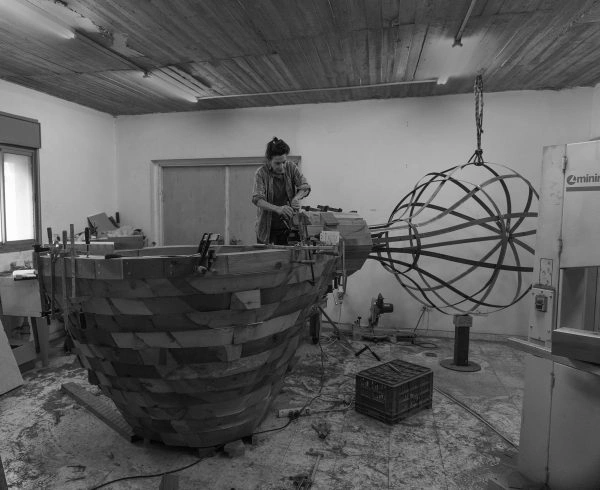
Tekoa, Israel
After enthusing to my friend Ruth Kahan about how much I had enjoyed remote Jewish learning during the earlier part of the pandemic, she challenged me to join her in learning the daf yomi cycle. I had always wanted to do daf yomi but now had no excuse. The beginning was particularly hard as I had never studied Talmud but has become easier, as I have gained some familiarity with it.

Brookline, United States
I began daf yomi in January 2020 with Brachot. I had made aliya 6 months before, and one of my post-aliya goals was to complete a full cycle. As a life-long Tanach teacher, I wanted to swim from one side of the Yam shel Torah to the other. Daf yomi was also my sanity through COVID. It was the way to marking the progression of time, and feel that I could grow and accomplish while time stopped.

Givat Zev, Israel
I started learning Daf in Jan 2020 with Brachot b/c I had never seen the Jewish people united around something so positive, and I wanted to be a part of it. Also, I wanted to broaden my background in Torah Shebal Peh- Maayanot gave me a great gemara education, but I knew that I could hold a conversation in most parts of tanach but almost no TSB. I’m so thankful for Daf and have gained immensely.

NJ, United States
I started learning daf in January, 2020, being inspired by watching the Siyyum Hashas in Binyanei Haumah. I wasn’t sure I would be able to keep up with the task. When I went to school, Gemara was not an option. Fast forward to March, 2022, and each day starts with the daf. The challenge is now learning the intricacies of delving into the actual learning. Hadran community, thank you!

Riverdale, NY, United States

Philadelphia, United States
I decided to give daf yomi a try when I heard about the siyum hashas in 2020. Once the pandemic hit, the daily commitment gave my days some much-needed structure. There have been times when I’ve felt like quitting- especially when encountering very technical details in the text. But then I tell myself, “Look how much you’ve done. You can’t stop now!” So I keep going & my Koren bookshelf grows…

Huntington, United States
I started at the beginning of this cycle. No 1 reason, but here’s 5.
In 2019 I read about the upcoming siyum hashas.
There was a sermon at shul about how anyone can learn Talmud.
Talmud references come up when I am studying. I wanted to know more.
Yentl was on telly. Not a great movie but it’s about studying Talmud.
I went to the Hadran website: A new cycle is starting. I’m gonna do this

Cambridge, United Kingdom
I started learning Talmud with R’ Haramati in Yeshivah of Flatbush. But after a respite of 60 years, Rabbanit Michelle lit my fire – after attending the last three world siyumim in Miami Beach, Meadowlands and Boca Raton, and now that I’m retired, I decided – “I can do this!” It has been an incredible journey so far, and I look forward to learning Daf everyday – Mazal Tov to everyone!

Florida, United States
I started Daf during the pandemic. I listened to a number of podcasts by various Rebbeim until one day, I discovered Rabbanit Farbers podcast. Subsequently I joined the Hadran family in Eruvin. Not the easiest place to begin, Rabbanit Farber made it all understandable and fun. The online live group has bonded together and have really become a supportive, encouraging family.

Edmonton, Alberta, Canada
Since I started in January of 2020, Daf Yomi has changed my life. It connects me to Jews all over the world, especially learned women. It makes cooking, gardening, and folding laundry into acts of Torah study. Daf Yomi enables me to participate in a conversation with and about our heritage that has been going on for more than 2000 years.
Skokie, IL, United States
I started learning at the beginning of this cycle more than 2 years ago, and I have not missed a day or a daf. It’s been challenging and enlightening and even mind-numbing at times, but the learning and the shared experience have all been worth it. If you are open to it, there’s no telling what might come into your life.
Phoenix, Arizona, United States
Bava Metzia 80
מַתְנִי׳ הַשּׂוֹכֵר אֶת הַפָּרָה לַחֲרוֹשׁ בָּהָר וְחָרַשׁ בַּבִּקְעָה, אִם נִשְׁבַּר הַקַּנְקַן – פָּטוּר. בַּבִּקְעָה וְחָרַשׁ בָּהָר, אִם נִשְׁבַּר הַקַּנְקַן – חַיָּיב. לָדוּשׁ בְּקִטְנִית וְדָשׁ בִּתְבוּאָה – פָּטוּר, לָדוּשׁ בִּתְבוּאָה וְדָשׁ בְּקִטְנִית – חַיָּיב, מִפְּנֵי שֶׁהַקִּטְנִית מַחְלֶקֶת.
MISHNA: With regard to one who rents a cow and a plow in order to plow on the mountain but he plowed in the valley, if the plowshare, the cutting tool on the bottom part of the plow, breaks, he is exempt, as it was even more likely to break on mountainous terrain. In a case where he rents the cow and a plow to plow in the valley but he plowed on the mountain, if the plowshare breaks he is liable. If he hired the cow to thresh legumes but it threshed grain, and the cow slipped and broke its leg, he is exempt. If he hired it to thresh grain but it threshed legumes he is liable, because legumes are slippery.
גְּמָ׳ הֵיכָא דְּלָא שַׁנִּי בָּהּ, מַאן מְשַׁלֵּם? אָמַר רַב פָּפָּא: דְּנָקֵיט פְּרָשָׁא מְשַׁלֵּם. רַב שִׁישָׁא בְּרֵיהּ דְּרַב אִידִי אָמַר: דְּנָקֵיט מָנָא מְשַׁלֵּם. וְהִלְכְתָא: דְּנָקֵיט מָנָא מְשַׁלֵּם. וְאִי דּוּכְתָּא דְּמַחְזְקִי (גּוּנְדְּרֵי) – [גְּרוּנְדֵּי] תַּרְוַיְיהוּ מְשַׁלְּמִין.
GEMARA: The mishna discussed the liability of a renter who diverged from the terms of the rental agreement, but it does not teach the halakha of liability for broken machinery in a case where the renter did follow the agreement. The Gemara asks: In a case where the renter did not diverge from their agreement, who pays? Rav Pappa said: The one who holds the goad [parasha] pays, as it can be assumed that he caused the plow to break by not leading it in a straight path. Rav Sheisha, son of Rav Idi, said: The one who holds the vessel, the plow itself, pays. And the halakha is that the one who holds the vessel pays. And if it was a place where rocks are commonly found they both pay, as in this case any small irregularity in the ground where the plow digs a furrow is likely to cause the plow to break.
אָמַר רַבִּי יוֹחָנָן: הַמּוֹכֵר פָּרָה לַחֲבֵירוֹ, וְאָמַר לוֹ: פָּרָה זוֹ נַגְחָנִית הִיא, נַשְׁכָנִית הִיא, בַּעֲטָנִית הִיא, רַבְצָנִית הִיא, וְהָיָה בָּהּ מוּם אֶחָד וּסְנָפוֹ בֵּין הַמּוּמִין – הֲרֵי זֶה מִקַּח טָעוּת. מוּם זֶה וּמוּם אַחֵר – אֵין זֶה מִקַּח טָעוּת.
§ Rabbi Yoḥanan says, citing the Tosefta (Bava Batra 4:6): In a case of one who sells a cow to another and says to him: You should know that this cow has defects, it is accustomed to goring, it is accustomed to biting, it is a kicker, it lies down habitually; but in reality it had only one defect and he inserted it among the list of defects that it did not have, this is a mistaken transaction, as the buyer saw that it did not have the other defects and therefore did not take seriously any of the defects the seller enumerated, including the one that the cow actually had. But if the seller stated: The animal has this defect, i.e., the defect that it in fact has, and other defects, without specifying what they were, this is not a mistaken transaction.
תַּנְיָא נָמֵי הָכִי: הַמּוֹכֵר שִׁפְחָה לַחֲבֵירוֹ, וְאָמַר לוֹ: שִׁפְחָה זוֹ שׁוֹטָה הִיא, נִיכְפֵּית הִיא, מְשׁוּעְמֶמֶת הִיא, וְהָיָה בָּהּ מוּם אֶחָד וּסְנָפוֹ בֵּין הַמּוּמִין – הֲרֵי זֶה מִקַּח טָעוּת. מוּם זֶה וּמוּם אַחֵר – אֵין זֶה מִקַּח טָעוּת.
The Gemara notes that this is also taught in a baraita (Tosefta, Bava Batra 4:3): With regard to one who sells a maidservant to another and says to him: This maidservant is an imbecile, she is epileptic, she is crazy [meshuamemet]; but in reality she had only one defect and he inserted it among the other defects, this is a mistaken transaction. But if the seller stated: The maidservant has this defect, i.e., the defect that she in fact has, and other defects, without specifying what they were, this is not a mistaken transaction.
אֲמַר לֵיהּ רַב אַחָא בְּרֵיהּ דְּרָבָא לְרַב אָשֵׁי: הָיוּ בָּהּ כׇּל הַמּוּמִין הַלָּלוּ, מַהוּ? אֲמַר לֵיהּ רַב מָרְדֳּכַי לְרַב אָשֵׁי, הָכִי אָמְרִינַן מִשְּׁמֵיהּ דְּרָבָא: הָיוּ בָּהּ כׇּל הַמּוּמִין הַלָּלוּ – אֵין זֶה מִקַּח טָעוּת.
Rav Aḥa, son of Rava, said to Rav Ashi: If the animal had all of these defects, what is the halakha in that case? Can the buyer claim to have thought that the seller was not serious when he mentioned so many problems? Rav Mordekhai said to Rav Ashi: We say this halakha in the name of Rava: If the animal had all of these defects, it is not a mistaken transaction, as he was forthright. The seller is not at fault if the buyer did not believe him.
מַתְנִי׳ הַשּׂוֹכֵר אֶת הַחֲמוֹר לְהָבִיא עָלֶיהָ חִטִּין, וְהֵבִיא עָלֶיהָ שְׂעוֹרִין – חַיָּיב. תְּבוּאָה, וְהֵבִיא עָלֶיהָ תֶּבֶן – חַיָּיב, מִפְּנֵי שֶׁהַנֶּפַח קָשֶׁה כְּמַשּׂאוֹי. לְהָבִיא לֶתֶךְ חִטִּין, וְהֵבִיא לֶתֶךְ שְׂעוֹרִין – פָּטוּר. וְאִם מוֹסִיף עַל מַשָּׂאוֹ חַיָּיב. וְכַמָּה יוֹסִיף עַל מַשָּׂאוֹ וִיהֵא חַיָּיב? סוֹמְכוֹס אוֹמֵר מִשּׁוּם רַבִּי מֵאִיר: סְאָה לְגָמָל, שְׁלֹשָׁה קַבִּין לַחֲמוֹר.
MISHNA: With regard to one who rents a donkey in order to bring wheat on it, to transport it on its back, and he brought upon it an identical weight of barley, which is lighter than wheat, and the donkey was injured, he is liable. Similarly, if he hired it for transporting grain, and he brought straw of the same weight upon it, he is liable, because the extra volume is as difficult for the animal as the load itself. If he rented a donkey in order to bring on it a letekh, i.e., a measurement of volume, of wheat, but he brought a letekh of barley, he is exempt, as he brought the same volume of a lighter substance. And one who adds to a load a greater volume than he stipulated is liable. And how much must he add to the load for him to be liable? Sumakhos says in the name of Rabbi Meir: A se’a on a camel and three kav on a donkey.
גְּמָ׳ אִיתְּמַר. אַבָּיֵי אָמַר: ״קָשֶׁה כְּמַשּׂאוֹי״ תְּנַן. רָבָא אָמַר: ״קָשֶׁה לְמַשּׂאוֹי״ תְּנַן. אַבָּיֵי אָמַר: ״קָשֶׁה כְּמַשּׂאוֹי״ תְּנַן, נִפְחָא כִּי תִקְלָא, וְאִי מוֹסִיף שְׁלֹשָׁה קַבִּין – חַיָּיב. רָבָא אָמַר: ״קָשֶׁה לְמַשּׂאוֹי״ תְּנַן, תִּקְלָא כִּי תִקְלָא וְנִפְחָא הָוֵי תּוֹסֶפֶת.
GEMARA: It was stated that amora’im disagreed about the precise text of this mishna. Abaye said that we learned in the mishna: Difficult as the load. Rava said that we learned: Difficult for the load. The Gemara explains: Abaye said that we learned: Difficult as the load, with the meaning that volume is like weight, and therefore when the volume of the two substances is equal, if one adds three kav he is liable. Rava said that we learned: Difficult for the load, with the meaning that if one weight is like the other weight, then the difference in volume is considered an addition. In other words, one is liable if the weight of the barley is the same as that of the wheat, in which case the additional volume is considered to cause damage. Rava holds that if the volume of the two is equal, one is not liable for the additional three kav of weight.
תְּנַן: לְהָבִיא לֶתֶךְ חִטִּין, וְהֵבִיא לֶתֶךְ שְׂעוֹרִין – פָּטוּר. וְאִם הוֹסִיף עַל מַשָּׂאוֹ – חַיָּיב. מַאי לָאו שְׁלֹשֶׁת קַבִּין?! לֹא, סְאָה. וְהָא עֲלַהּ קָתָנֵי: וְכַמָּה יוֹסִיף עַל מַשָּׂאוֹ וִיהֵא חַיָּיב? סוֹמְכוֹס אוֹמֵר מִשּׁוּם רַבִּי מֵאִיר: סְאָה לְגָמָל, שְׁלֹשָׁה קַבִּין לַחֲמוֹר!
The Gemara attempts to cite a proof for one of these opinions. We learned in the mishna: If one hired a donkey to bring a letekh of wheat, but he brought a letekh of barley, he is exempt. And one who adds to a load a greater volume than he stipulated is liable. What, is it not correct that this means he did not bring exactly a letekh of barley, but added three kav, which would support the opinion of Abaye? The Gemara refutes this interpretation: No, he added a whole se’a. The Gemara asks: But the continuation of the mishna was taught concerning this case: How much must he add to the load for him to be liable? Sumakhos says in the name of Rabbi Meir: A se’a on a camel and three kav on a donkey.
הָכִי קָאָמַר: הֵיכָא דְּלָא שַׁנִּי חִטִּין וְהֵבִיא חִטִּין, שְׂעוֹרִין וְהֵבִיא שְׂעוֹרִין, כַּמָּה יוֹסִיף עַל מַשָּׂאוֹ וִיהֵא חַיָּיב? סוֹמְכוֹס אוֹמֵר מִשּׁוּם רַבִּי מֵאִיר: סְאָה לְגָמָל שְׁלֹשָׁה קַבִּין לַחֲמוֹר.
The Gemara explains that this is what the last clause of the mishna is saying: In a case where the renter did not diverge from their agreement, e.g., they stipulated that he would bring wheat and he brought wheat, or barley and he brought barley, how much must he add to the load for him to be liable? Sumakhos says in the name of Rabbi Meir: A se’a on a camel and three kav on a donkey.
תָּא שְׁמַע: לְהָבִיא לֶתֶךְ חִטִּין וְהֵבִיא
The Gemara further suggests: Come and hear a proof from a baraita: If one hired a donkey to bring a letekh, i.e., fifteen se’a, of wheat, but he brought
שֵׁשׁ עֶשְׂרֵה שְׂעוֹרִים – חַיָּיב. הָא שְׁלֹשֶׁת קַבִּין – פָּטוּר! תַּרְגְּמַהּ אַבָּיֵי: בִּמְחִיקָתָא.
sixteen se’a of barley, he is liable. This indicates that if he added only three kav, i.e., half a se’a, he is exempt. Abaye interpreted the baraita as referring to smoothed-over barley, a precisely measured load, where the volume of the barley was not measured with heaped measuring utensils, but leveled flat. Consequently, it is roughly a se’a less than the usual amount.
תָּנוּ רַבָּנַן: קַב לְכַתָּף, אַדְרִיב לַעֲרֵיבָה. כּוֹר לִסְפִינָה, שְׁלֹשֶׁת כּוֹרִים לְבוּרְנִי גְּדוֹלָה.
§ The Sages taught: A kav is too large an addition for a porter, and therefore if the porter is injured by the additional weight, the owner must pay him. An adriv, half a kor, is too large an addition for a small boat [areiva]; a kor is too large an addition for a regular boat; three kor is too large an addition for a large ship [burnei].
אָמַר מָר: קַב לְכַתָּף. אִם אִיתָא דְּלָא מָצֵי בֵּיהּ בַּר דַּעַת הוּא, לִשְׁדְּיֵהּ! אָמַר אַבָּיֵי: בְּשֶׁחֲבָטוֹ לְאַלְתַּר. רָבָא אָמַר: אֲפִילּוּ תֵּימָא בְּשֶׁלֹּא חֲבָטוֹ לְאַלְתַּר, לָא צְרִיכָא אֶלָּא לְאַגְרָא יַתִּירָא. רַב אָשֵׁי אָמַר: הוּא סָבוּר חוּלְשָׁא הוּא דְּנָקֵיט לֵיהּ.
The Master said: A kav is too large an addition for a porter. The Gemara asks: If it is so, that he cannot withstand this load, the porter is a sensible person; let him throw it off and avoid injury. Abaye said: This is referring to a case where the load knocked him down immediately, before he could remove it from his back. Rava said: Even if you say that it is referring to a case where it did not knock him down immediately the baraita is not difficult, as it is necessary only with regard to the extra pay that he can demand for this addition. Rav Ashi said: Even if the porter is a sensible man, perhaps he thought it was a momentary weakness that seized him and did not realize that the load itself was excessive.
כּוֹר לִסְפִינָה, שְׁלֹשֶׁת כּוֹרִין לְבוּרְנִי גְּדוֹלָה. אָמַר רַב פָּפָּא: שְׁמַע מִינַּהּ סְתָם סְפִינוֹת בַּת תְּלָתִין כּוֹרִין. לְמַאי נָפְקָא מִינַּהּ? לְמִקָּח וּמִמְכָּר.
§ The baraita teaches: A kor is too large an addition for a regular boat; three kor is too large an addition for a large ship. Rav Pappa said: Learn from here that unspecified boats can bear thirty kor, i.e., this is the volume of a ship’s cargo. The reason for this claim is that in all these cases the addition that causes damage is one-thirtieth of the normal load. The Gemara asks: What is the practical difference resulting from this observation? The Gemara answers: The difference is with regard to the halakhot of buying and selling, i.e., one who purchases a boat of unspecified dimensions should know that this is its expected capacity.
מַתְנִי׳ כׇּל הָאוּמָּנִין – שׁוֹמְרֵי שָׂכָר הֵן. וְכוּלָּן שֶׁאָמְרוּ: טוֹל אֶת שֶׁלְּךָ וְהָבֵא מָעוֹת – שׁוֹמֵר חִנָּם. שְׁמוֹר לִי וְאֶשְׁמוֹר לָךְ – שׁוֹמֵר שָׂכָר. שְׁמוֹר לִי, וְאָמַר לוֹ: הַנַּח לְפָנַי – שׁוֹמֵר חִנָּם.
MISHNA: All artisans and laborers who take raw materials to their homes are considered paid bailees for those items until they return them to the owner. And with regard to all those who said to the owner: I finished the work, and therefore take what is yours, i.e., this item, and bring money in its stead, from that point on each of them is considered an unpaid bailee. If one person says to another: Safeguard my property for me and I will safeguard your property for you, each of them is a paid bailee, as each receives the services of the other as payment for his safeguarding. If one says: Safeguard for me, and the other says to him: Place it before me, the second individual is an unpaid bailee.
הִלְוָהוּ עַל הַמַּשְׁכּוֹן – שׁוֹמֵר שָׂכָר. רַבִּי יְהוּדָה אוֹמֵר: הִלְוָהוּ מָעוֹת – שׁוֹמֵר חִנָּם, הִלְוָהוּ פֵּירוֹת – שׁוֹמֵר שָׂכָר. אַבָּא שָׁאוּל אוֹמֵר: רַשַּׁאי אָדָם לְהַשְׂכִּיר מַשְׁכּוֹנוֹ שֶׁל עָנִי לִהְיוֹת פּוֹסֵק וְהוֹלֵךְ עָלָיו, מִפְּנֵי שֶׁהוּא כְּמֵשִׁיב אֲבֵידָה.
One who lent to another based on collateral is a paid bailee for the collateral. Rabbi Yehuda says: One who lent another money is an unpaid bailee for the collateral, whereas one who lent another produce is a paid bailee. Abba Shaul says: It is permitted for a person to rent out a poor person’s collateral that was given to him for a loan, so that by setting a rental price for it he will thereby progressively reduce the debt, i.e., the lender will subtract the rental money he receives from the amount owed by the borrower, because this is considered like returning a lost item. The borrower profits from this arrangement, whereas if the lender does not use the collateral in this manner it provides benefit to no one.
גְּמָ׳ לֵימָא מַתְנִיתִין דְּלָא כְּרַבִּי מֵאִיר? דְּתַנְיָא: שׂוֹכֵר כֵּיצַד מְשַׁלֵּם? רַבִּי מֵאִיר אוֹמֵר: כְּשׁוֹמֵר חִנָּם. רַבִּי יְהוּדָה אוֹמֵר: כְּשׁוֹמֵר שָׂכָר.
GEMARA: The Gemara suggests: Let us say that the mishna is not in accordance with the opinion of Rabbi Meir, as it is taught in a baraita: With regard to a renter, whose legal status is not stated explicitly in the Torah, how does he pay in the event that a rented article is lost or stolen? Rabbi Meir says: He pays like an unpaid bailee, i.e., only in cases where the loss of the item was due to his negligence. Rabbi Yehuda says: He pays like a paid bailee, i.e., even in cases where the loss of the item was not due to his negligence. Skilled laborers are similar to renters, as they take possession of the item to earn a profit from it, and the mishna teaches that skilled laborers are like paid bailees. Consequently, the ruling of the mishna is apparently not in accordance with the opinion of Rabbi Meir.
אֲפִילּוּ תֵּימָא רַבִּי מֵאִיר, בְּהַהִיא הֲנָאָה דְּקָא שָׁבֵיק כּוּלֵּי עָלְמָא וְאָגַיר לֵיהּ לְדִידֵיהּ – הָוֵי עִילָּוֵיהּ שׁוֹמֵר שָׂכָר. אִי הָכִי, שׂוֹכֵר נָמֵי בְּהַהִיא הֲנָאָה דְּקָא שָׁבֵיק כּוּלֵּי עָלְמָא וּמוֹגַר לֵיהּ לְדִידֵיהּ – הָוֵי עִילָּוֵיהּ שׁוֹמֵר שָׂכָר.
The Gemara rejects this claim. You may even say that the mishna is in accordance with the opinion of Rabbi Meir, and the reason skilled laborers are considered like paid bailees is that through that benefit that the worker receives from the fact that the owner of the item leaves aside everyone else and hires him, he becomes a paid bailee over the item. The Gemara challenges this reasoning: If so, with regard to a renter as well, it can be said that through that benefit he receives from the fact that the owner leaves aside everyone else and rents to him, he should become a paid bailee over the item.
אֶלָּא: אֲפִילּוּ תֵּימָא רַבִּי מֵאִיר, בְּהַהִיא הֲנָאָה דְּקָא יָהֵיב לֵיהּ טְפֵי פּוּרְתָּא – הָוֵי עִילָּוֵיהּ שׁוֹמֵר שָׂכָר.
Rather, in light of this refutation the Gemara suggests a different reason that you may even say that the mishna is in accordance with the opinion of Rabbi Meir: Through that benefit that the skilled laborer receives from the fact that the owner gives him a little more money, he becomes a paid bailee. Since it is impossible to calculate the precise sum to which a skilled laborer is entitled, it is assumed that he is slightly overpaid.
שׂוֹכֵר נָמֵי! מִי לָא עָסְקִינַן דְּקָא מְשַׁוֵּי לֵיהּ טְפֵי פּוּרְתָּא. אֶלָּא אֲפִילּוּ תֵּימָא רַבִּי מֵאִיר, בְּהַהִיא הֲנָאָה דְּתָפֵישׂ לֵיהּ אַאַגְרֵיהּ, דְּלָא בָּעֵי לְמֵיעַל וּלְמִיפַּק אַזּוּזֵי – הָוֵי עֲלֵיהּ שׁוֹמֵר שָׂכָר.
The Gemara asks: With regard to a renter as well, are we not dealing even with a case where the owner gives him a little more value for his money, and yet Rabbi Meir claims that he is considered like an unpaid bailee? Rather, you may even say that the mishna is in accordance with the opinion of Rabbi Meir for a different reason: Through that benefit that the skilled laborer receives from the fact that he holds onto the item so that he is not required to go in and go out for his money, he becomes a paid bailee over the item.
אִיבָּעֵית אֵימָא, כִּדְמַחְלֵיף רַבָּה בַּר אֲבוּהּ וְתָנֵי: שׂוֹכֵר כֵּיצַד מְשַׁלֵּם? רַבִּי מֵאִיר אוֹמֵר: כְּשׁוֹמֵר שָׂכָר, רַבִּי יְהוּדָה אוֹמֵר: כְּשׁוֹמֵר חִנָּם.
If you wish, say instead that the mishna can be explained in accordance with the opinion of Rabbi Meir without these explanations, as Rabba bar Avuh reversed the opinions and teaches that the baraita says: With regard to a renter, how does he pay? Rabbi Meir says: Like a paid bailee; Rabbi Yehuda says: Like an unpaid bailee.
וְכוּלָּן שֶׁאָמְרוּ: ״טוֹל אֶת שֶׁלְּךָ וְהָבֵא מָעוֹת״ – שׁוֹמֵר חִנָּם. תְּנַן הָתָם: אָמַר לוֹ שׁוֹאֵל ״שַׁלַּח״, וְשִׁלְּחָהּ וּמֵתָה – חַיָּיב, וְכֵן בְּשָׁעָה שֶׁמַּחְזִירָהּ.
§ The mishna teaches: And in the case of all those who said to the owner: Take what is yours, i.e., this item, and bring money in its stead, each of them is considered an unpaid bailee. We learned in a mishna there (98b): If the borrower said to the lender: Send the animal that you agreed to lend me with the person whom you said would deliver it, and he sent it to him and it died on the way, the borrower is liable, and similarly when he returns it. The borrower is responsible for the animal as long as it has not actually been returned to the owner.
אָמַר רַפְרָם בַּר פָּפָּא אָמַר רַב חִסְדָּא: לֹא שָׁנוּ אֶלָּא שֶׁהֶחְזִירָהּ בְּתוֹךְ יְמֵי שְׁאֵילָתָהּ. אֲבָל לְאַחַר יְמֵי שְׁאֵילָתָהּ – פָּטוּר. מֵתִיב רַב נַחְמָן בַּר פָּפָּא: וְכוּלָּן שֶׁאָמְרוּ ״טוֹל אֶת שֶׁלְּךָ וְהָבֵא מָעוֹת״ – שׁוֹמֵר חִנָּם.
Rafram bar Pappa said that Rav Ḥisda said: They taught this halakha only when the borrower returned it during the period of its loan, as he accepted responsibility for the animal for the stipulated duration of the loan. But if he returned it after the period of its loan, he is exempt, as once the duration of the loan is complete he no longer has the status of a borrower. Rav Naḥman bar Pappa raises an objection from the mishna: And all those who said: Take what is yours and bring money, each of them is considered an unpaid bailee.

