Search

Beitzah 16

Want to dedicate learning? Get started here:

English
עברית
podcast placeholder

0:00
0:00


podcast placeholder

0:00
0:00


Summary

This is Yom Kippur’s Daf. For Wednesday’s daf please click here.

Today’s daf is sponsored by Gitta Neufeld in loving memory of our honorary Zaidy, Marvin Stokar, Meir ben Aryeh Leib HaLevi a”h. Zaidy Marvin’s delight in Torah learning and particularly the daf yomi still resonate. May he be a meilitz yosher for our cherished Bubbie Fran and his entire family. We miss him so much!

A person’s livelihood for the year is allocated from Rosh Hashana until Yom Kippur except for Shabbat and Yom Tov expenses and Torah study expenses for his children. From where is this derived? What is the dispute between Beit Shamai and Beit Hillel regarding our approach to food for Shabbat – if during the week, we see something good, should we leave it for Shabbat or can we eat and assume that we will find another one like it before Shabbat? One who gives a gift to one’s friend does not need to inform him. This is derived from Moshe who did not know that his face was radiant. But the Gemara raises a difficulty for this law from other sources that show that a gift should be made known. How does the Gemara distinguish between the cases? What foods can be used for Eruv Tavshilin? What are the criteria? There are different versions of the discussion. Rabbi Abba says it should be the size of an olive. Is it an olive for everyone and an olive for each person? The Gemara cites several sources to raise difficulties on Rabbi Abba but resolves them. One needs to have intent when doing an Eruv Tavshilin. Is it the intent of the person who made the Eruv or the intent of someone who is benefitting from another’s Eruv? Cases are brought to highlight that one can make an Eruv on behalf of others without their knowledge. But a story is told in which Samuel was not willing to let one person benefit from his Eruv – why? Rebbe and Sages disagree – is it possible to make an Eruv Chatzirot “(to permit carrying) on Yom Tov for Shabbat? There are two versions as to who forbids and who permits. How did Rava rule on the subject?

Beitzah 16

כׇּל מְזוֹנוֹתָיו שֶׁל אָדָם קְצוּבִים לוֹ מֵרֹאשׁ הַשָּׁנָה וְעַד יוֹם הַכִּפּוּרִים, חוּץ מֵהוֹצָאַת שַׁבָּתוֹת וְהוֹצָאַת יוֹם טוֹב וְהוֹצָאַת בָּנָיו לְתַלְמוּד תּוֹרָה, שֶׁאִם פָּחַת — פּוֹחֲתִין לוֹ, וְאִם הוֹסִיף — מוֹסִיפִין לוֹ.

A person’s entire livelihood is allocated to him during the period from Rosh HaShana to Yom Kippur. During that time, as each individual is judged, it is decreed exactly how much money he will earn for all his expenditures of the coming year, except for expenditures for Shabbatot, and expenditures for Festivals, and expenditures for the school fees of his sons’ Torah study. In these areas, no exact amount is determined at the beginning of the year; rather, if he reduced the amount he spends for these purposes, his income is reduced and he earns that much less money in that year, and if he increased his expenditures in these areas, his income is increased to ensure that he can cover the expense. Therefore, one may borrow for these purposes, since he is guaranteed to have enough income to cover whatever he spends for them.

אָמַר רַבִּי אֲבָהוּ, מַאי קְרָאָה: ״תִּקְעוּ בַחֹדֶשׁ שׁוֹפָר (בַּכֵּסֶא) לְיוֹם חַגֵּנוּ״, אֵיזֶהוּ חַג שֶׁהַחֹדֶשׁ מִתְכַּסֶּה בּוֹ — הֱוֵי אוֹמֵר זֶה רֹאשׁ הַשָּׁנָה, וּכְתִיב: ״כִּי חֹק לְיִשְׂרָאֵל הוּא מִשְׁפָּט לֵאלֹהֵי יַעֲקֹב״.

Rabbi Abbahu said: What is the verse from which this dictum is derived? The source is: “Blow the shofar at the New Moon, at the concealed time for our Festival day” (Psalms 81:4). On which Festival is the new moon concealed? You must say that it is Rosh HaShana, which occurs on the first of the month, when the moon is not yet visible, while the moon is visible during the other Festivals, which occur in the middle of the month. And it is written in the next verse: “For it is a statute [ḥok] for Israel, a judgment of the God of Jacob (Psalms 81:5).

מַאי מַשְׁמַע דְּהַאי ״חֹק״ לִישָּׁנָא דִּמְזוֹנֵי הוּא, דִּכְתִיב: ״וְאָכְלוּ אֶת חֻקָּם אֲשֶׁר נָתַן לָהֶם פַּרְעֹה״. מָר זוּטְרָא אָמַר, מֵהָכָא: ״הַטְרִיפֵנִי לֶחֶם חֻקִּי״.

The Gemara explains: From where may it be inferred that this word “statute [ḥok]” is a term relating to food? As it is written: “And they ate their allotment [ḥukkam], which Pharaoh gave them” (Genesis 47:22). Mar Zutra said: One can learn that ḥok is referring to food from here: “Feed me with my allotted [ḥukki] bread” (Proverbs 30:8).

תַּנְיָא: אָמְרוּ עָלָיו עַל שַׁמַּאי הַזָּקֵן, כׇּל יָמָיו הָיָה אוֹכֵל לִכְבוֹד שַׁבָּת. מָצָא בְּהֵמָה נָאָה, אוֹמֵר: זוֹ לַשַּׁבָּת. מָצָא אַחֶרֶת נָאָה הֵימֶנָּה — מַנִּיחַ אֶת הַשְּׁנִיָּה וְאוֹכֵל אֶת הָרִאשׁוֹנָה.

It is taught in a baraita: They said about Shammai the Elder that all his days he would eat in honor of Shabbat. How so? If he found a choice animal, he would say: This is for Shabbat. If he subsequently found another one choicer than it, he would set aside the second for Shabbat and eat the first. He would eat the first to leave the better-quality animal for Shabbat, which continually rendered his eating an act of honoring Shabbat.

אֲבָל הִלֵּל הַזָּקֵן — מִדָּה אַחֶרֶת הָיְתָה לוֹ, שֶׁכׇּל מַעֲשָׂיו לְשֵׁם שָׁמַיִם, שֶׁנֶּאֱמַר: ״בָּרוּךְ ה׳ יוֹם יוֹם״, תַּנְיָא נָמֵי הָכִי, בֵּית שַׁמַּאי אוֹמְרִים: מֵחַד שַׁבָּיךְ לְשַׁבְּתָיךְ, וּבֵית הִלֵּל אוֹמְרִים: ״בָּרוּךְ ה׳ יוֹם יוֹם״.

However, Hillel the Elder had a different trait, that all his actions, including those on a weekday, were for the sake of Heaven, as it is stated: “Blessed be the Lord, day by day; He bears our burden, our God who is our salvation; Selah” (Psalms 68:20), meaning that God gives a blessing for each and every day. That is also taught in a baraita in more general terms: Beit Shammai say: From the first day of the week, Sunday, start preparing already for your Shabbat. And Beit Hillel say: “Blessed be the Lord, day by day.”

אָמַר רַבִּי חָמָא בְּרַבִּי חֲנִינָא: הַנּוֹתֵן מַתָּנָה לַחֲבֵרוֹ אֵין צָרִיךְ לְהוֹדִיעוֹ, שֶׁנֶּאֱמַר: ״וּמֹשֶׁה לֹא יָדַע כִּי קָרַן עוֹר פָּנָיו״.

§ Apropos the statements about honoring Shabbat, the Gemara cites another statement on the same topic. Rabbi Ḥama, son of Rabbi Ḥanina, said: One who gives a gift to his friend need not inform him that he has given it to him, and he need not concern himself that the recipient might not realize who gave it to him. As it is stated: “And Moses did not know that the skin of his face was radiant” (Exodus 34:29); Moses received this gift unawares.

מֵיתִיבִי: ״לָדַעַת כִּי אֲנִי ה׳ מְקַדִּשְׁכֶם״, אָמַר לוֹ הַקָּדוֹשׁ בָּרוּךְ הוּא לְמֹשֶׁה: מֹשֶׁה! מַתָּנָה טוֹבָה יֵשׁ לִי בְּבֵית גְּנָזַי וְשַׁבָּת שְׁמָהּ, וַאֲנִי מְבַקֵּשׁ לִיתְּנָהּ לְיִשְׂרָאֵל, לֵךְ וְהוֹדִיעַ אוֹתָם. מִכָּאן אָמַר רַבָּן שִׁמְעוֹן בֶּן גַּמְלִיאֵל: הַנּוֹתֵן פַּת לְתִינוֹק, צָרִיךְ לְהוֹדִיעַ לְאִמּוֹ.

The Gemara raises an objection to this. Isn’t it written: “Nevertheless, you must keep My Shabbatot, for this is a sign between Me and you throughout your generations, that you may know that I am the Lord Who sanctifies you” (Exodus 31:13), which the Sages expounded as follows: The Holy One, Blessed be He, said to Moses: Moses, I have a good gift in My treasury, and its name is Shabbat, and I wish to give it to the Jewish people. Go and inform them of this intention of Mine. And from here Rabban Shimon ben Gamliel said: One who gives a gift of a piece of bread to a child must inform his mother of his actions, so that the child’s parents will be aware of the giver’s fond feelings for them, thereby enhancing friendly relations and companionship among Jews. This appears to be in direct contradiction to Rabbi Ḥama’s statement.

לָא קַשְׁיָא: הָא בְּמַתָּנָה דַּעֲבִידָא לְאִגַּלּוֹיֵי, הָא בְּמַתָּנָה דְּלָא עֲבִידָא לְאִגַּלּוֹיֵי. שַׁבָּת נָמֵי מַתָּנָה דַּעֲבִידָא לְאִגַּלּוֹיֵי! מַתַּן שְׂכָרָהּ לָא עֲבִידָא לְאִגַּלּוֹיֵי.

The Gemara answers: This is not difficult; this case, where one need not inform the recipient, is referring to a gift that is likely to be revealed, such as Moses’ shining face, which everyone would point out to him; that case, where one must inform the recipient, is referring to a gift that is not likely to be revealed in the natural course of events. The Gemara challenges: Isn’t Shabbat also a gift that is likely to be revealed, as the Jews would eventually be instructed with regard to the time and nature of Shabbat? The Gemara answers: Nevertheless, its reward is not likely to be revealed. Therefore, God told Moses to inform the Jews of the gift of Shabbat and its reward.

אָמַר מָר, מִכָּאן אָמַר רַבָּן שִׁמְעוֹן בֶּן גַּמְלִיאֵל: הַנּוֹתֵן פַּת לְתִינוֹק צָרִיךְ לְהוֹדִיעַ לְאִמּוֹ. מַאי עָבֵיד לֵיהּ? שָׁיֵיף לֵיהּ מִשְׁחָא וּמָלֵי לֵיהּ כּוּחְלָא. וְהָאִידָּנָא דְּחָיְישִׁינַן לִכְשָׁפִים, מַאי? אָמַר רַב פָּפָּא: שָׁיֵיף לֵיהּ מֵאוֹתוֹ הַמִּין.

The Master said earlier that from here Rabban Shimon ben Gamliel said: One who gives a piece of bread to a child must inform his mother. The Gemara asks: What does he do to him; how does he inform the child’s mother? He rubs oil on him and paints his eyes blue, so that when the child arrives home his mother will ask him who did this to him and he will reply that it was a person who also gave him a piece of bread. The Gemara comments: And nowadays, when we are concerned about witchcraft, i.e., that painting the child’s eyes might have been performed as an act of sorcery, what should one do? Rav Pappa said: He rubs on the child a little of that same type of food that he put on the bread, such as butter or cheese, and this will cause the child’s mother to notice that he received a present.

אָמַר רַבִּי יוֹחָנָן מִשּׁוּם רַבִּי שִׁמְעוֹן בֶּן יוֹחַי: כׇּל מִצְוֹת שֶׁנָּתַן לָהֶם הַקָּדוֹשׁ בָּרוּךְ הוּא לְיִשְׂרָאֵל — נָתַן לָהֶם בְּפַרְהֶסְיָא, חוּץ מִשַּׁבָּת שֶׁנָּתַן לָהֶם בְּצִנְעָא, שֶׁנֶּאֱמַר: ״בֵּינִי וּבֵין בְּנֵי יִשְׂרָאֵל אוֹת הִיא לְעוֹלָם״.

The Gemara cites a further statement with regard to the gift of Shabbat to the Jewish people. Rabbi Yoḥanan said in the name of Rabbi Shimon ben Yoḥai: All the mitzvot that the Holy One, Blessed be He, gave to the Jewish people, He gave to them in public [parhesya] except for Shabbat, which he gave to them in private. As it is stated: “It is a sign between Me and the children of Israel forever” (Exodus 31:17), meaning that in a sense, it is a secret between God and the Jewish people.

אִי הָכִי, לָא לִעַנְשׁוּ גּוֹיִם עֲלַהּ? שַׁבָּת — אוֹדוֹעֵי אוֹדְעִינְהוּ, מַתַּן שְׂכָרָהּ — לָא אוֹדְעִינְהוּ. וְאִי בָּעֵית אֵימָא: מַתַּן שְׂכָרָהּ נָמֵי אוֹדְעִינְהוּ, נְשָׁמָה יְתֵירָה — לָא אוֹדְעִינְהוּ.

The Gemara challenges: If it is so that it was given in secret so that not everyone knew about it, the gentiles should not be punished for not wanting to accept it; they are liable to receive punishment for refusing to accept the other mitzvot of the Torah. The Gemara answers: The Holy One, Blessed be He, did inform them of the concept of Shabbat, but He did not inform them of the reward for the fulfillment of the mitzva. And if you wish, say instead that He also informed the gentiles of its reward, but about the idea of the additional soul given to each person on Shabbat He did not inform them.

דְּאָמַר רַבִּי שִׁמְעוֹן בֶּן לָקִישׁ: נְשָׁמָה יְתֵירָה נוֹתֵן הַקָּדוֹשׁ בָּרוּךְ הוּא בָּאָדָם עֶרֶב שַׁבָּת, וּלְמוֹצָאֵי שַׁבָּת נוֹטְלִין אוֹתָהּ הֵימֶנּוּ, שֶׁנֶּאֱמַר: ״שָׁבַת וַיִּנָּפַשׁ״, כֵּיוָן שֶׁשָּׁבַת וַוי אָבְדָה נֶפֶשׁ.

As Rabbi Shimon ben Lakish said: The Holy One, Blessed be He, gives a person an additional soul on Shabbat eve, and at the conclusion of Shabbat removes it from him, as it is stated: “He ceased from work and was refreshed [vayinafash]” (Exodus 31:17). Rabbi Shimon ben Lakish expounds the verse as follows: Since he ceased from work, and now Shabbat has concluded and his additional soul is removed from him, woe [vai] for the additional soul [nefesh] that is lost.

עוֹשֶׂה אָדָם תַּבְשִׁיל מֵעֶרֶב יוֹם טוֹב. אָמַר אַבָּיֵי: לֹא שָׁנוּ אֶלָּא תַּבְשִׁיל, אֲבָל פַּת — לָא.

It was taught in the mishna that a person may prepare a cooked dish on a Festival eve and rely on it for Shabbat for the joining of cooked foods. Abaye said: They taught that the joining of cooked foods allows one to cook on a Festival for Shabbat only when it is made from a cooked dish; however, if it is composed of bread alone, no, this is not sufficient.

מַאי שְׁנָא פַּת דְּלָא? אִילֵּימָא מִידֵּי דִּמְלַפֵּת בָּעֵינַן, וּפַת לָא מְלַפְּתָא — וְהָא דַּיְיסָא נָמֵי דְּלָא מְלַפְּתָא, דְּאָמַר רַבִּי זֵירָא: הָנֵי בַּבְלָאֵי טַפְשָׁאֵי דְּאָכְלִי נַהֲמָא בְּנַהֲמָא. וְאָמַר רַב נְחוּמִי בַּר זְכַרְיָה מִשְּׁמֵיהּ דְּאַבָּיֵי: מְעָרְבִין בְּדַיְיסָא! אֶלָּא: מִידֵּי דְּלָא שְׁכִיחַ בָּעֵינַן, וּפַת שְׁכִיחָא, וְדַיְיסָא לָא שְׁכִיחָא.

The Gemara asks: What is different about bread that makes it not fit for this purpose? If we say that we require something that accompanies bread, and bread does not accompany itself, the following difficulty arises: Porridge also does not accompany bread, as Rabbi Zeira said: Those foolish Babylonians eat bread with bread, referring to their custom of eating bread with porridge. This shows that porridge is no better accompaniment to bread than bread itself, and yet Rav Neḥumi bar Zekharya said in the name of Abaye: One may establish an eiruv with porridge. Rather, one must say as follows: We require something that is not routine, so that it will be clear that one is setting it aside for the purpose of an eiruv, and bread is routine, whereas porridge is not routine.

אִיכָּא דְּאָמְרִי, אָמַר אַבָּיֵי: לֹא שָׁנוּ אֶלָּא תַּבְשִׁיל, אֲבָל פַּת — לָא. מַאי טַעְמָא? אִילֵּימָא דְּמִידֵּי דְּלָא שְׁכִיחַ בָּעֵינַן, וּפַת שְׁכִיחָא — וְהָא דַּיְיסָא לָא שְׁכִיחָא, וְאָמַר רַב נְחוּמִי בַּר זְכַרְיָה מִשְּׁמֵיהּ דְּאַבָּיֵי: אֵין מְעָרְבִין בְּדַיְיסָא! אֶלָּא: מִידֵּי דִּמְלַפֵּת בָּעֵינַן, וּפַת לָא מְלַפְּתָא, וְדַיְיסָא נָמֵי לָא מְלַפְּתָא. דְּאָמַר רַבִּי זֵירָא: הָנֵי בַּבְלָאֵי טַפְשָׁאֵי דְּאָכְלִי נַהֲמָא בְּנַהֲמָא.

Some say a different version of this discussion: Abaye said: They taught that a joining of cooked foods allows one to cook on a Festival for Shabbat only when it is made from a cooked dish; however, if it is composed of bread, no, that is not sufficient. The Gemara asks: What is the reason for this? If we say that we require something that is not routine, and bread is routine, the following difficulty arises: Isn’t porridge not particularly routine? And yet Rav Neḥumi bar Zekharya said in the name of Abaye: One may not establish an eiruv with porridge. Rather, one should say as follows: We require something that accompanies bread, and bread does not accompany itself, and porridge, too, does not accompany bread, as Rabbi Zeira said: Those foolish Babylonians eat bread with bread, from which it is clear that like bread, porridge does not accompany bread and consequently cannot constitute an eiruv.

תָּנֵי רַבִּי חִיָּיא: עֲדָשִׁים שֶׁבְּשׁוּלֵי קְדֵרָה סוֹמֵךְ עֲלֵיהֶן מִשּׁוּם עֵרוּבֵי תַבְשִׁילִין. וְהָנֵי מִילֵּי דְּאִית בְּהוּ כְּזַיִת. אָמַר רַב יִצְחָק בְּרֵיהּ דְּרַב יְהוּדָה: שַׁמְנוּנִית שֶׁעַל גַּבֵּי הַסַּכִּין — גּוֹרְרוֹ וְסוֹמֵךְ עָלָיו מִשּׁוּם עֵרוּבֵי תַבְשִׁילִין. וְהָנֵי מִילֵּי דְּאִית בְּהוּ כְּזַיִת.

Rabbi Ḥiyya taught: With regard to lentils that remain at the bottom of a pot on the eve of a Festival, one may rely on them for the joining of cooked foods. Although they were not prepared with this purpose in mind, they are nevertheless considered a cooked dish. And this applies only if there is an olive-bulk of lentils in total. Similarly, Rav Yitzḥak, son of Rav Yehuda, said: With regard to fat of meat and the like that is on a knife, one may scrape it off the knife and rely on it for the joining of cooked foods; and this applies only if there is an olive-bulk of fat in total.

אָמַר רַב אַסִּי אָמַר רַב: דָּגִים קְטַנִּים מְלוּחִים אֵין בָּהֶם מִשּׁוּם בִּשּׁוּלֵי גוֹיִם. אָמַר רַב יוֹסֵף: וְאִם צְלָאָן גּוֹי — סוֹמֵךְ עֲלֵיהֶם מִשּׁוּם עֵרוּבֵי תַבְשִׁילִין. וְאִי עַבְדִינְהוּ גּוֹי כָּסָא דְהַרְסָנָא — אָסוּר.

Rav Asi said that Rav said: Small salted fish that a gentile then cooked are not considered the cooked food of gentiles because cooking does not prepare them to be food any more than they already were, as they can be eaten in their salted state. Rav Yosef said: And even if a gentile roasted them, a Jew may rely on them for the joining of cooked foods, as they are not considered the cooked food of a gentile and are indeed already edible. However, if the gentile made them into fish fried with oil and flour [kasa deharsena], it is prohibited to eat them. In this case they are considered the cooked food of a gentile, since his actions have made them into noteworthy food.

פְּשִׁיטָא! מַהוּ דְּתֵימָא:

The Gemara challenges: It is obvious that this is the case; it need not be taught. The Gemara answers: The justification for teaching it is lest you say that

הַרְסָנָא עִיקָּר, קָא מַשְׁמַע לַן קִמְחָא עִיקָּר.

the fish fat, which one is permitted to eat even if cooked by gentiles, is the essential element. Therefore, he teaches us that the flour is the essential element, and the gentile has created a new and significant dish, which is consequently prohibited.

אָמַר רַבִּי אַבָּא: עֵרוּבֵי תַבְשִׁילִין צְרִיכִין כְּזַיִת. אִיבַּעְיָא לְהוּ: כְּזַיִת אֶחָד לְכֻלָּן, אוֹ דִלְמָא כְּזַיִת לְכׇל אֶחָד וְאֶחָד? תָּא שְׁמַע, דְּאָמַר רַבִּי אַבָּא אָמַר רַב: עֵרוּבֵי תַבְשִׁילִין צְרִיכִין כְּזַיִת בֵּין לְאֶחָד, בֵּין לְמֵאָה.

Rabbi Abba said: A joining of cooked foods requires an olive-bulk of food. A dilemma was raised before the Sages: Is it enough to have one olive-bulk for all of the household members who are relying on this eiruv, or perhaps must there be a separate olive-bulk for each and every one in the household? Come and hear that which Rabbi Abba said that Rav said: A joining of cooked foods requires an olive-bulk, whether it is cooked for a single person or for one hundred people.

תְּנַן: אֲכָלוֹ אוֹ שֶׁאָבַד — לֹא יְבַשֵּׁל עָלָיו בַּתְּחִלָּה, שִׁיֵּיר מִמֶּנּוּ כׇּל שֶׁהוּא — סוֹמֵךְ עָלָיו לְשַׁבָּת. מַאי כׇּל שֶׁהוּא? לָאו אַף עַל גַּב דְּלֵיכָּא כְּזַיִת? לָא, דְּאִית בֵּיהּ כְּזַיִת.

The Gemara comments: We learned in the mishna: If one ate the joining of cooked foods that he prepared, or if it was lost, he may not rely on it and cook with the initial intent to cook for Shabbat; but if he left any part of the eiruv, he may rely on it to cook for Shabbat. The Gemara asks: What is the meaning of: Any part of it? Doesn’t it mean that it is valid although there is not an olive-bulk? The Gemara answers: No, the phrase: Any part of it, means that there is at least an olive-bulk left.

תָּא שְׁמַע: תַּבְשִׁיל — זֶה צָלִי, וַאֲפִילּוּ כָּבוּשׁ שָׁלוּק וּמְבוּשָּׁל, וְקוֹלְיָיס הָאִסְפְּנִין שֶׁנָּתַן עָלָיו חַמִּין מֵעֶרֶב יוֹם טוֹב — תְּחִלָּתוֹ וְסוֹפוֹ אֵין לוֹ שִׁיעוּר. מַאי לָאו, אֵין לוֹ שִׁיעוּר כְּלָל? לָא, אֵין לוֹ שִׁיעוּר לְמַעְלָה, אֲבָל יֵשׁ לוֹ שִׁיעוּר לְמַטָּה.

The Gemara attempts to bring another proof. Come and hear: The cooked dish that is required for a joining of cooked foods may be roasted, or even pickled, or well-boiled, or boiled in the regular manner, or may even be Spanish soft sea fish [koleyas ha’ispenin] upon which one poured hot water on the eve of the Festival, rendering it cooked. With regard to its beginning and end, meaning its required size ab initio and after it has been reduced by being partially lost or partially eaten, the eiruv has no required measure. What, is it not that it has no required measure at all, not even a minimum one? The Gemara rejects this: No, it means it does not have a maximum measure, but it does have a minimum measure, namely an olive-bulk.

אָמַר רַב הוּנָא אָמַר רַב: עֵרוּבֵי תַבְשִׁילִין צְרִיכִין דַּעַת. פְּשִׁיטָא, דַּעַת מַנִּיחַ בָּעֵינַן; דַּעַת מִי שֶׁהִנִּיחוּ לוֹ בָּעֵינַן, אוֹ לָא בָּעֵינַן?

Rav Huna said that Rav said: A joining of cooked foods requires knowledge, meaning that one must be aware of the eiruv for it to be effective. The Gemara comments: It is obvious that we require the knowledge of the one who prepares the eiruv; the question is: Do we also require the knowledge of the one for whom the eiruv is prepared, or do we not require it?

תָּא שְׁמַע: דַּאֲבוּהּ דִּשְׁמוּאֵל מְעָרֵב אַכּוּלַּהּ נְהַרְדְּעָא, רַבִּי אַמֵּי וְרַבִּי אַסִּי מְעָרְבִי אַכּוּלַּהּ טְבֶרְיָא. מַכְרִיז רַבִּי יַעֲקֹב בַּר אִידִי: מִי שֶׁלֹּא הִנִּיחַ עֵרוּבֵי תַבְשִׁילִין, יָבֹא וְיִסְמוֹךְ עַל שֶׁלִּי. וְעַד כַּמָּה? אָמַר רַב נְחוּמִי בַּר זְכַרְיָה מִשְּׁמֵיהּ דְּאַבָּיֵי: עַד תְּחוּם שַׁבָּת.

The Gemara suggests: Come and hear a proof from the following testimonies: Shmuel’s father would prepare an eiruv for the entire city of Neharde’a, and Rabbi Ami and Rabbi Asi would prepare an eiruv for the entire city of Tiberias. Similarly, Rabbi Ya’akov bar Idi would announce: Anyone who did not prepare a joining of cooked foods for himself should come and rely on mine. The Gemara asks: And up to how much may one rely on it, i.e., how far may one be from such an eiruv and still rely upon it? Rav Neḥumi bar Zekharya said in the name of Abaye: One may be as far away as the Shabbat limit.

הָהוּא סַמְיָא דַּהֲוָה מְסַדַּר מַתְנְיָתָא קַמֵּיהּ דְּמָר שְׁמוּאֵל, חַזְיֵיהּ דַּהֲוָה עֲצִיב, אֲמַר לֵיהּ: אַמַּאי עֲצִיבַתְּ? אֲמַר לֵיהּ: דְּלָא אוֹתִיבִי עֵרוּבֵי תַבְשִׁילִין. אָמַר לֵיהּ: סְמוֹךְ אַדִּידִי. לְשָׁנָה חַזְיֵיהּ דַּהֲוָה עֲצִיב, אֲמַר לֵיהּ: אַמַּאי עֲצִיבַתְּ? אֲמַר לֵיהּ: דְּלָא אוֹתִיבִי עֵרוּבֵי תַּבְשִׁילִין. אֲמַר לֵיהּ: פּוֹשֵׁעַ אַתְּ. לְכוּלֵּי עָלְמָא שְׁרֵי, לְדִידָךְ אֲסִיר.

The Gemara relates: With regard to the blind person who would present mishnayot before Mar Shmuel, the latter observed that he was sad. Mar Shmuel said to him: Why are you sad? He said to him: Because I did not prepare a joining of cooked foods before the Festival. Mar Shmuel said to him: Then rely on mine. In the following year, he once again observed that he was sad. He said to him: Why are you sad? He said to him: Because I did not prepare a joining of cooked foods. Mar Shmuel said to him: If so, you are consistently negligent in this regard. Therefore, for the entire world, i.e., anyone else but you, it is permitted to rely on my eiruv if they forgot to prepare one, but for you it is prohibited to do so, as I did not intend to include such negligent people as yourself in my eiruv.

תָּנוּ רַבָּנַן: יוֹם טוֹב שֶׁחָל לִהְיוֹת בְּעֶרֶב שַׁבָּת — אֵין מְעָרְבִין לֹא עֵרוּבֵי תְחוּמִין וְלֹא עֵרוּבֵי חֲצֵרוֹת.

The Sages taught: If a Festival occurs on Shabbat eve, one may not prepare an eiruv on that day, neither a joining of Shabbat boundaries [eiruv teḥumin] nor a joining of courtyards [eiruv ḥatzerot], for Shabbat. If one did not prepare these before the Festival, he may not do so on the Festival itself.

רַבִּי אוֹמֵר: מְעָרְבִין עֵרוּבֵי חֲצֵרוֹת, אֲבָל לֹא עֵרוּבֵי תְחוּמִין. מִפְּנֵי שֶׁאַתָּה אוֹסְרוֹ בְּדָבָר הָאָסוּר לוֹ, וְאִי אַתָּה אוֹסְרוֹ בְּדָבָר הַמּוּתָּר לוֹ.

Rabbi Yehuda HaNasi says: On a Festival that occurs on a Friday, one may prepare an eiruv for a joining of courtyards, but not for a joining of Shabbat boundaries. His reasoning is as follows: There is a distinction between the two types of eiruv because you may prohibit him from a matter that is prohibited to him, e.g., venturing beyond the Shabbat limit, which is prohibited on a Festival as well as Shabbat, but you may not prohibit him from a matter that is permitted to him, e.g., carrying from one domain to another, which is permitted on a Festival. Therefore, on a Festival, one may not prepare a joining of Shabbat boundaries in order to render it permitted to venture beyond the boundary on the Shabbat following the Festival. However, one may prepare a joining of courtyards on the Festival in order to render it permitted to carry from one domain to another on the Shabbat following the Festival.

אִתְּמַר, רַב אָמַר: הֲלָכָה כְּתַנָּא קַמָּא. וּשְׁמוּאֵל אָמַר: הֲלָכָה כְּרַבִּי.

It was stated that the amora’im disagreed as to the conclusive ruling. Rav said: The halakha is in accordance with the opinion of the first tanna, who said that it is prohibited to prepare both types of eiruvin, and Shmuel said: The halakha is in accordance with the opinion of Rabbi Yehuda HaNasi, and it is permitted to prepare a joining of courtyards on a Festival.

אִיבַּעְיָא לְהוּ: הֲלָכָה כְּרַבִּי לְקוּלָּא אוֹ לְחוּמְרָא? פְּשִׁיטָא דִּלְקוּלָּא קָאָמַר! מִשּׁוּם דְּשָׁלַח רַבִּי אֶלְעָזָר לַגּוֹלָה: לֹא כְּשֶׁאַתֶּם שׁוֹנִין בְּבָבֶל רַבִּי מַתִּיר וַחֲכָמִים אוֹסְרִין, אֶלָּא רַבִּי אוֹסֵר וַחֲכָמִים מַתִּירִין. מַאי?

A dilemma was raised before the Sages: Is stating that the halakha is in accordance with the opinion of Rabbi Yehuda HaNasi a leniency or a stringency? The Gemara wonders at this query: It is obvious that he stated it as a leniency. The Gemara explains: The question was asked because Rabbi Elazar sent a message from Eretz Yisrael to the Diaspora: This baraita is not as you teach it in Babylonia, that Rabbi Yehuda HaNasi permits one to prepare a joining of courtyards on a Festival and the Rabbis prohibit it. Rather, the opinions should be reversed, so that Rabbi Yehuda HaNasi prohibits it and the Rabbis permit it. Therefore, the question arose: What is the conclusive ruling for this halakha? Is it lenient or stringent?

תָּא שְׁמַע, דְּרַב תַּחְלִיפָא בַּר אַבְדִּימִי עֲבַד עוֹבָדָא כְּוָתֵיהּ דִּשְׁמוּאֵל, וְאָמַר רַב: תְּחִלַּת הוֹרָאָה דְּהַאי צוּרְבָּא מֵרַבָּנַן — לְקִלְקוּלָא. אִי אָמְרַתְּ בִּשְׁלָמָא לְקוּלָּא קָאָמַר — הַיְינוּ קִלְקוּלָא. אֶלָּא אִי אָמְרַתְּ לְחוּמְרָא — מַאי קִלְקוּלָא אִיכָּא?

The Gemara attempts to cite a proof: Come and hear that Rav Taḥlifa bar Avdimi performed an action in accordance with the opinion of Shmuel, who ruled that the halakha is in accordance with the opinion of Rabbi Yehuda HaNasi, and Rav said in anger about this: The first public ruling of this young Torah scholar is bringing about corruption of the halakha. The Gemara analyzes this statement: Granted, if you say that Rabbi Yehuda HaNasi said it as a leniency, this explains the corruption of the halakha involved, as Rav was angered by a young scholar who relied on his own judgment to issue a lenient ruling on a disputed issue. However, if you say that Rabbi Yehuda HaNasi meant it as a stringency, what corruption of the halakha is there in the young scholar’s ruling?

כֵּיוָן דְּמִקַּלְקְלִי בַּהּ רַבִּים,

The Gemara answers: Since it corrupts the behavior of the masses, as, if they refrain from preparing a joining of courtyards on the Festival although it is permitted to do so, they might mistakenly carry from one domain to another on Shabbat,

New to Talmud?

Check out our resources designed to help you navigate a page of Talmud – and study at the pace, level and style that fits you. 

The Hadran Women’s Tapestry

Meet the diverse women learning Gemara at Hadran and hear their stories. 

“I got my job through the NY Times” was an ad campaign when I was growing up. I can headline “I got my daily Daf shiur and Hadran through the NY Times”. I read the January 4, 2020 feature on Reb. Michelle Farber and Hadran and I have been participating ever since. Thanks NY Times & Hadran!
Deborah Aschheim
Deborah Aschheim

New York, United States

I read Ilana Kurshan’s “If All the Seas Were Ink” which inspired me. Then the Women’s Siyum in Jerusalem in 2020 convinced me, I knew I had to join! I have loved it- it’s been a constant in my life daily, many of the sugiyot connect to our lives. My family and friends all are so supportive. It’s incredible being part of this community and love how diverse it is! I am so excited to learn more!

Shira Jacobowitz
Shira Jacobowitz

Jerusalem, Israel

I was exposed to Talmud in high school, but I was truly inspired after my daughter and I decided to attend the Women’s Siyum Shas in 2020. We knew that this was a historic moment. We were blown away, overcome with emotion at the euphoria of the revolution. Right then, I knew I would continue. My commitment deepened with the every-morning Virtual Beit Midrash on Zoom with R. Michelle.

Adina Hagege
Adina Hagege

Zichron Yaakov, Israel

A friend mentioned that she was starting Daf Yomi in January 2020. I had heard of it and thought, why not? I decided to try it – go day by day and not think about the seven plus year commitment. Fast forward today, over two years in and I can’t imagine my life without Daf Yomi. It’s part of my morning ritual. If I have a busy day ahead of me I set my alarm to get up early to finish the day’s daf
Debbie Fitzerman
Debbie Fitzerman

Ontario, Canada

I began to learn this cycle of Daf Yomi after my husband passed away 2 1/2 years ago. It seemed a good way to connect to him. Even though I don’t know whether he would have encouraged women learning Gemara, it would have opened wonderful conversations. It also gives me more depth for understanding my frum children and grandchildren. Thank you Hadran and Rabbanit Michelle Farber!!

Harriet Hartman
Harriet Hartman

Tzur Hadassah, Israel

I began learning the daf in January 2022. I initially “flew under the radar,” sharing my journey with my husband and a few close friends. I was apprehensive – who, me? Gemara? Now, 2 years in, I feel changed. The rigor of a daily commitment frames my days. The intellectual engagement enhances my knowledge. And the virtual community of learners has become a new family, weaving a glorious tapestry.

Gitta Jaroslawicz-Neufeld

Far Rockaway, United States

I saw an elderly man at the shul kiddush in early March 2020, celebrating the siyyum of masechet brachot which he had been learning with a young yeshiva student. I thought, if he can do it, I can do it! I began to learn masechet Shabbat the next day, Making up masechet brachot myself, which I had missed. I haven’t missed a day since, thanks to the ease of listening to Hadran’s podcast!
Judith Shapiro
Judith Shapiro

Minnesota, United States

I started the daf at the beginning of this cycle in January 2020. My husband, my children, grandchildren and siblings have been very supportive. As someone who learned and taught Tanach and mefarshim for many years, it has been an amazing adventure to complete the six sedarim of Mishnah, and now to study Talmud on a daily basis along with Rabbanit Michelle and the wonderful women of Hadran.

Rookie Billet
Rookie Billet

Jerusalem, Israel

With Rabbanit Dr. Naomi Cohen in the Women’s Talmud class, over 30 years ago. It was a “known” class and it was accepted, because of who taught. Since then I have also studied with Avigail Gross-Gelman and Dr. Gabriel Hazut for about a year). Years ago, in a shiur in my shul, I did know about Persians doing 3 things with their clothes on. They opened the shiur to woman after that!

Sharon Mink
Sharon Mink

Haifa, Israel

I started learning Gemara at the Yeshivah of Flatbush. And I resumed ‘ברוך ה decades later with Rabbanit Michele at Hadran. I started from Brachot and have had an exciting, rewarding experience throughout seder Moed!

Anne Mirsky (1)
Anne Mirsky

Maale Adumim, Israel

I had dreamed of doing daf yomi since I had my first serious Talmud class 18 years ago at Pardes with Rahel Berkovitz, and then a couple of summers with Leah Rosenthal. There is no way I would be able to do it without another wonderful teacher, Michelle, and the Hadran organization. I wake up and am excited to start each day with the next daf.

Beth Elster
Beth Elster

Irvine, United States

I learned Talmud as a student in Yeshivat Ramaz and felt at the time that Talmud wasn’t for me. After reading Ilana Kurshan’s book I was intrigued and after watching the great siyum in Yerushalayim it ignited the spark to begin this journey. It has been a transformative life experience for me as a wife, mother, Savta and member of Klal Yisrael.
Elana Storch
Elana Storch

Phoenix, Arizona, United States

In January 2020, my chevruta suggested that we “up our game. Let’s do Daf Yomi” – and she sent me the Hadran link. I lost my job (and went freelance), there was a pandemic, and I am still opening the podcast with my breakfast coffee, or after Shabbat with popcorn. My Aramaic is improving. I will need a new bookcase, though.

Rhondda May
Rhondda May

Atlanta, Georgia, United States

I started learning after the siyum hashas for women and my daily learning has been a constant over the last two years. It grounded me during the chaos of Corona while providing me with a community of fellow learners. The Daf can be challenging but it’s filled with life’s lessons, struggles and hope for a better world. It’s not about the destination but rather about the journey. Thank you Hadran!

Dena Lehrman
Dena Lehrman

אפרת, Israel

After being so inspired by the siyum shas two years ago, I began tentatively learning daf yomi, like Rabbanut Michelle kept saying – taking one daf at a time. I’m still taking it one daf at a time, one masechet at a time, but I’m loving it and am still so inspired by Rabbanit Michelle and the Hadran community, and yes – I am proud to be finishing Seder Mo’ed.

Caroline Graham-Ofstein

Bet Shemesh, Israel

I began my journey with Rabbanit Michelle more than five years ago. My friend came up with a great idea for about 15 of us to learn the daf and one of us would summarize weekly what we learned.
It was fun but after 2-3 months people began to leave. I have continued. Since the cycle began Again I have joined the Teaneck women.. I find it most rewarding in so many ways. Thank you

Dena Heller
Dena Heller

New Jersey, United States

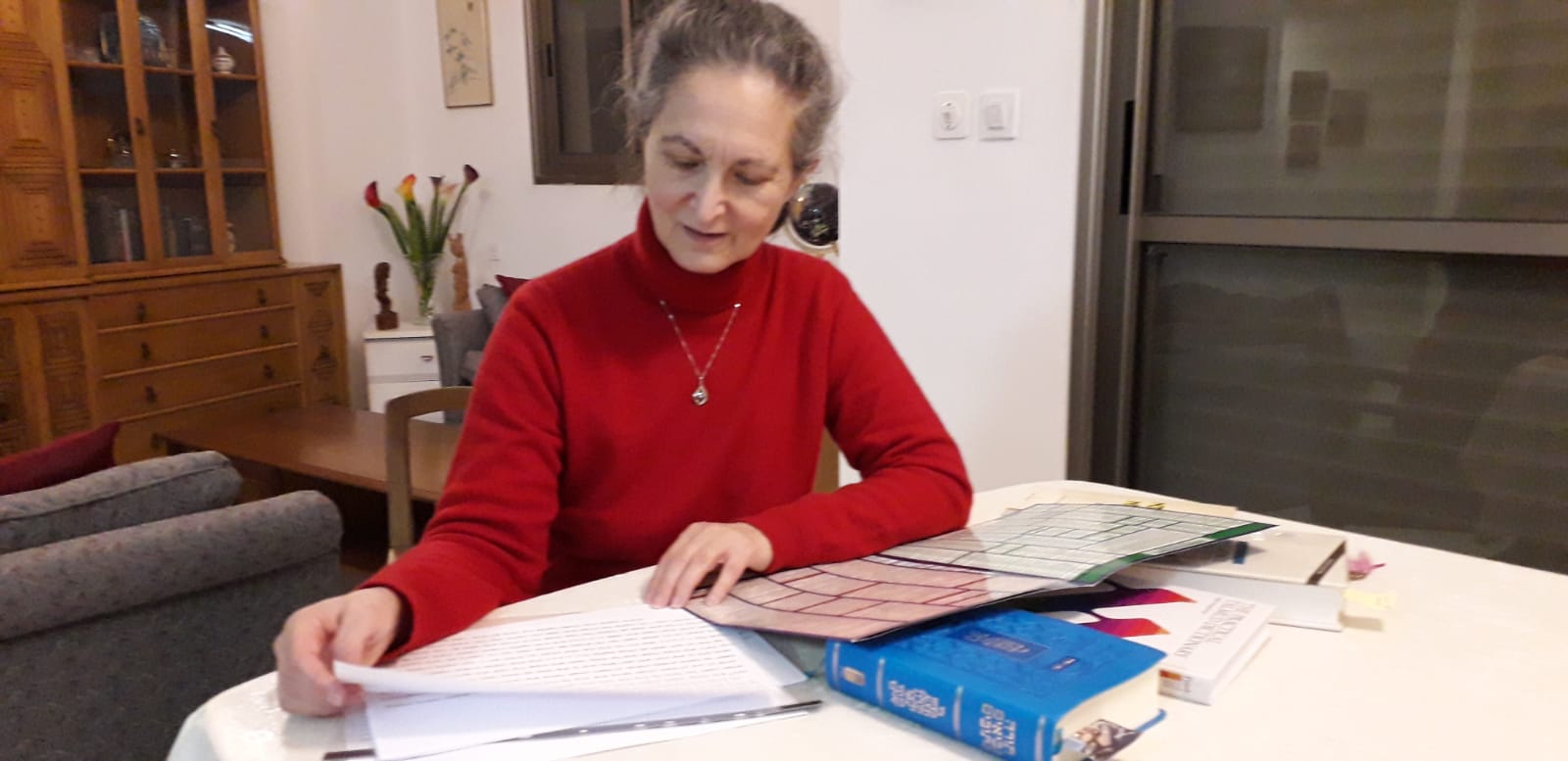
Geri Goldstein got me started learning daf yomi when I was in Israel 2 years ago. It’s been a challenge and I’ve learned a lot though I’m sure I miss a lot. I quilt as I listen and I want to share what I’ve been working on.

Rebecca Stulberg
Rebecca Stulberg

Ottawa, Canada

After enthusing to my friend Ruth Kahan about how much I had enjoyed remote Jewish learning during the earlier part of the pandemic, she challenged me to join her in learning the daf yomi cycle. I had always wanted to do daf yomi but now had no excuse. The beginning was particularly hard as I had never studied Talmud but has become easier, as I have gained some familiarity with it.

Susan-Vishner-Hadran-photo-scaled
Susan Vishner

Brookline, United States

I started learning Jan 2020 when I heard the new cycle was starting. I had tried during the last cycle and didn’t make it past a few weeks. Learning online from old men didn’t speak to my soul and I knew Talmud had to be a soul journey for me. Enter Hadran! Talmud from Rabbanit Michelle Farber from a woman’s perspective, a mother’s perspective and a modern perspective. Motivated to continue!

Keren Carter
Keren Carter

Brentwood, California, United States

My family recently made Aliyah, because we believe the next chapter in the story of the Jewish people is being written here, and we want to be a part of it. Daf Yomi, on the other hand, connects me BACK, to those who wrote earlier chapters thousands of years ago. So, I feel like I’m living in the middle of this epic story. I’m learning how it all began, and looking ahead to see where it goes!
Tina Lamm
Tina Lamm

Jerusalem, Israel

Beitzah 16

כׇּל מְזוֹנוֹתָיו שֶׁל אָדָם קְצוּבִים לוֹ מֵרֹאשׁ הַשָּׁנָה וְעַד יוֹם הַכִּפּוּרִים, חוּץ מֵהוֹצָאַת שַׁבָּתוֹת וְהוֹצָאַת יוֹם טוֹב וְהוֹצָאַת בָּנָיו לְתַלְמוּד תּוֹרָה, שֶׁאִם פָּחַת — פּוֹחֲתִין לוֹ, וְאִם הוֹסִיף — מוֹסִיפִין לוֹ.

A person’s entire livelihood is allocated to him during the period from Rosh HaShana to Yom Kippur. During that time, as each individual is judged, it is decreed exactly how much money he will earn for all his expenditures of the coming year, except for expenditures for Shabbatot, and expenditures for Festivals, and expenditures for the school fees of his sons’ Torah study. In these areas, no exact amount is determined at the beginning of the year; rather, if he reduced the amount he spends for these purposes, his income is reduced and he earns that much less money in that year, and if he increased his expenditures in these areas, his income is increased to ensure that he can cover the expense. Therefore, one may borrow for these purposes, since he is guaranteed to have enough income to cover whatever he spends for them.

אָמַר רַבִּי אֲבָהוּ, מַאי קְרָאָה: ״תִּקְעוּ בַחֹדֶשׁ שׁוֹפָר (בַּכֵּסֶא) לְיוֹם חַגֵּנוּ״, אֵיזֶהוּ חַג שֶׁהַחֹדֶשׁ מִתְכַּסֶּה בּוֹ — הֱוֵי אוֹמֵר זֶה רֹאשׁ הַשָּׁנָה, וּכְתִיב: ״כִּי חֹק לְיִשְׂרָאֵל הוּא מִשְׁפָּט לֵאלֹהֵי יַעֲקֹב״.

Rabbi Abbahu said: What is the verse from which this dictum is derived? The source is: “Blow the shofar at the New Moon, at the concealed time for our Festival day” (Psalms 81:4). On which Festival is the new moon concealed? You must say that it is Rosh HaShana, which occurs on the first of the month, when the moon is not yet visible, while the moon is visible during the other Festivals, which occur in the middle of the month. And it is written in the next verse: “For it is a statute [ḥok] for Israel, a judgment of the God of Jacob (Psalms 81:5).

מַאי מַשְׁמַע דְּהַאי ״חֹק״ לִישָּׁנָא דִּמְזוֹנֵי הוּא, דִּכְתִיב: ״וְאָכְלוּ אֶת חֻקָּם אֲשֶׁר נָתַן לָהֶם פַּרְעֹה״. מָר זוּטְרָא אָמַר, מֵהָכָא: ״הַטְרִיפֵנִי לֶחֶם חֻקִּי״.

The Gemara explains: From where may it be inferred that this word “statute [ḥok]” is a term relating to food? As it is written: “And they ate their allotment [ḥukkam], which Pharaoh gave them” (Genesis 47:22). Mar Zutra said: One can learn that ḥok is referring to food from here: “Feed me with my allotted [ḥukki] bread” (Proverbs 30:8).

תַּנְיָא: אָמְרוּ עָלָיו עַל שַׁמַּאי הַזָּקֵן, כׇּל יָמָיו הָיָה אוֹכֵל לִכְבוֹד שַׁבָּת. מָצָא בְּהֵמָה נָאָה, אוֹמֵר: זוֹ לַשַּׁבָּת. מָצָא אַחֶרֶת נָאָה הֵימֶנָּה — מַנִּיחַ אֶת הַשְּׁנִיָּה וְאוֹכֵל אֶת הָרִאשׁוֹנָה.

It is taught in a baraita: They said about Shammai the Elder that all his days he would eat in honor of Shabbat. How so? If he found a choice animal, he would say: This is for Shabbat. If he subsequently found another one choicer than it, he would set aside the second for Shabbat and eat the first. He would eat the first to leave the better-quality animal for Shabbat, which continually rendered his eating an act of honoring Shabbat.

אֲבָל הִלֵּל הַזָּקֵן — מִדָּה אַחֶרֶת הָיְתָה לוֹ, שֶׁכׇּל מַעֲשָׂיו לְשֵׁם שָׁמַיִם, שֶׁנֶּאֱמַר: ״בָּרוּךְ ה׳ יוֹם יוֹם״, תַּנְיָא נָמֵי הָכִי, בֵּית שַׁמַּאי אוֹמְרִים: מֵחַד שַׁבָּיךְ לְשַׁבְּתָיךְ, וּבֵית הִלֵּל אוֹמְרִים: ״בָּרוּךְ ה׳ יוֹם יוֹם״.

However, Hillel the Elder had a different trait, that all his actions, including those on a weekday, were for the sake of Heaven, as it is stated: “Blessed be the Lord, day by day; He bears our burden, our God who is our salvation; Selah” (Psalms 68:20), meaning that God gives a blessing for each and every day. That is also taught in a baraita in more general terms: Beit Shammai say: From the first day of the week, Sunday, start preparing already for your Shabbat. And Beit Hillel say: “Blessed be the Lord, day by day.”

אָמַר רַבִּי חָמָא בְּרַבִּי חֲנִינָא: הַנּוֹתֵן מַתָּנָה לַחֲבֵרוֹ אֵין צָרִיךְ לְהוֹדִיעוֹ, שֶׁנֶּאֱמַר: ״וּמֹשֶׁה לֹא יָדַע כִּי קָרַן עוֹר פָּנָיו״.

§ Apropos the statements about honoring Shabbat, the Gemara cites another statement on the same topic. Rabbi Ḥama, son of Rabbi Ḥanina, said: One who gives a gift to his friend need not inform him that he has given it to him, and he need not concern himself that the recipient might not realize who gave it to him. As it is stated: “And Moses did not know that the skin of his face was radiant” (Exodus 34:29); Moses received this gift unawares.

מֵיתִיבִי: ״לָדַעַת כִּי אֲנִי ה׳ מְקַדִּשְׁכֶם״, אָמַר לוֹ הַקָּדוֹשׁ בָּרוּךְ הוּא לְמֹשֶׁה: מֹשֶׁה! מַתָּנָה טוֹבָה יֵשׁ לִי בְּבֵית גְּנָזַי וְשַׁבָּת שְׁמָהּ, וַאֲנִי מְבַקֵּשׁ לִיתְּנָהּ לְיִשְׂרָאֵל, לֵךְ וְהוֹדִיעַ אוֹתָם. מִכָּאן אָמַר רַבָּן שִׁמְעוֹן בֶּן גַּמְלִיאֵל: הַנּוֹתֵן פַּת לְתִינוֹק, צָרִיךְ לְהוֹדִיעַ לְאִמּוֹ.

The Gemara raises an objection to this. Isn’t it written: “Nevertheless, you must keep My Shabbatot, for this is a sign between Me and you throughout your generations, that you may know that I am the Lord Who sanctifies you” (Exodus 31:13), which the Sages expounded as follows: The Holy One, Blessed be He, said to Moses: Moses, I have a good gift in My treasury, and its name is Shabbat, and I wish to give it to the Jewish people. Go and inform them of this intention of Mine. And from here Rabban Shimon ben Gamliel said: One who gives a gift of a piece of bread to a child must inform his mother of his actions, so that the child’s parents will be aware of the giver’s fond feelings for them, thereby enhancing friendly relations and companionship among Jews. This appears to be in direct contradiction to Rabbi Ḥama’s statement.

לָא קַשְׁיָא: הָא בְּמַתָּנָה דַּעֲבִידָא לְאִגַּלּוֹיֵי, הָא בְּמַתָּנָה דְּלָא עֲבִידָא לְאִגַּלּוֹיֵי. שַׁבָּת נָמֵי מַתָּנָה דַּעֲבִידָא לְאִגַּלּוֹיֵי! מַתַּן שְׂכָרָהּ לָא עֲבִידָא לְאִגַּלּוֹיֵי.

The Gemara answers: This is not difficult; this case, where one need not inform the recipient, is referring to a gift that is likely to be revealed, such as Moses’ shining face, which everyone would point out to him; that case, where one must inform the recipient, is referring to a gift that is not likely to be revealed in the natural course of events. The Gemara challenges: Isn’t Shabbat also a gift that is likely to be revealed, as the Jews would eventually be instructed with regard to the time and nature of Shabbat? The Gemara answers: Nevertheless, its reward is not likely to be revealed. Therefore, God told Moses to inform the Jews of the gift of Shabbat and its reward.

אָמַר מָר, מִכָּאן אָמַר רַבָּן שִׁמְעוֹן בֶּן גַּמְלִיאֵל: הַנּוֹתֵן פַּת לְתִינוֹק צָרִיךְ לְהוֹדִיעַ לְאִמּוֹ. מַאי עָבֵיד לֵיהּ? שָׁיֵיף לֵיהּ מִשְׁחָא וּמָלֵי לֵיהּ כּוּחְלָא. וְהָאִידָּנָא דְּחָיְישִׁינַן לִכְשָׁפִים, מַאי? אָמַר רַב פָּפָּא: שָׁיֵיף לֵיהּ מֵאוֹתוֹ הַמִּין.

The Master said earlier that from here Rabban Shimon ben Gamliel said: One who gives a piece of bread to a child must inform his mother. The Gemara asks: What does he do to him; how does he inform the child’s mother? He rubs oil on him and paints his eyes blue, so that when the child arrives home his mother will ask him who did this to him and he will reply that it was a person who also gave him a piece of bread. The Gemara comments: And nowadays, when we are concerned about witchcraft, i.e., that painting the child’s eyes might have been performed as an act of sorcery, what should one do? Rav Pappa said: He rubs on the child a little of that same type of food that he put on the bread, such as butter or cheese, and this will cause the child’s mother to notice that he received a present.

אָמַר רַבִּי יוֹחָנָן מִשּׁוּם רַבִּי שִׁמְעוֹן בֶּן יוֹחַי: כׇּל מִצְוֹת שֶׁנָּתַן לָהֶם הַקָּדוֹשׁ בָּרוּךְ הוּא לְיִשְׂרָאֵל — נָתַן לָהֶם בְּפַרְהֶסְיָא, חוּץ מִשַּׁבָּת שֶׁנָּתַן לָהֶם בְּצִנְעָא, שֶׁנֶּאֱמַר: ״בֵּינִי וּבֵין בְּנֵי יִשְׂרָאֵל אוֹת הִיא לְעוֹלָם״.

The Gemara cites a further statement with regard to the gift of Shabbat to the Jewish people. Rabbi Yoḥanan said in the name of Rabbi Shimon ben Yoḥai: All the mitzvot that the Holy One, Blessed be He, gave to the Jewish people, He gave to them in public [parhesya] except for Shabbat, which he gave to them in private. As it is stated: “It is a sign between Me and the children of Israel forever” (Exodus 31:17), meaning that in a sense, it is a secret between God and the Jewish people.

אִי הָכִי, לָא לִעַנְשׁוּ גּוֹיִם עֲלַהּ? שַׁבָּת — אוֹדוֹעֵי אוֹדְעִינְהוּ, מַתַּן שְׂכָרָהּ — לָא אוֹדְעִינְהוּ. וְאִי בָּעֵית אֵימָא: מַתַּן שְׂכָרָהּ נָמֵי אוֹדְעִינְהוּ, נְשָׁמָה יְתֵירָה — לָא אוֹדְעִינְהוּ.

The Gemara challenges: If it is so that it was given in secret so that not everyone knew about it, the gentiles should not be punished for not wanting to accept it; they are liable to receive punishment for refusing to accept the other mitzvot of the Torah. The Gemara answers: The Holy One, Blessed be He, did inform them of the concept of Shabbat, but He did not inform them of the reward for the fulfillment of the mitzva. And if you wish, say instead that He also informed the gentiles of its reward, but about the idea of the additional soul given to each person on Shabbat He did not inform them.

דְּאָמַר רַבִּי שִׁמְעוֹן בֶּן לָקִישׁ: נְשָׁמָה יְתֵירָה נוֹתֵן הַקָּדוֹשׁ בָּרוּךְ הוּא בָּאָדָם עֶרֶב שַׁבָּת, וּלְמוֹצָאֵי שַׁבָּת נוֹטְלִין אוֹתָהּ הֵימֶנּוּ, שֶׁנֶּאֱמַר: ״שָׁבַת וַיִּנָּפַשׁ״, כֵּיוָן שֶׁשָּׁבַת וַוי אָבְדָה נֶפֶשׁ.

As Rabbi Shimon ben Lakish said: The Holy One, Blessed be He, gives a person an additional soul on Shabbat eve, and at the conclusion of Shabbat removes it from him, as it is stated: “He ceased from work and was refreshed [vayinafash]” (Exodus 31:17). Rabbi Shimon ben Lakish expounds the verse as follows: Since he ceased from work, and now Shabbat has concluded and his additional soul is removed from him, woe [vai] for the additional soul [nefesh] that is lost.

עוֹשֶׂה אָדָם תַּבְשִׁיל מֵעֶרֶב יוֹם טוֹב. אָמַר אַבָּיֵי: לֹא שָׁנוּ אֶלָּא תַּבְשִׁיל, אֲבָל פַּת — לָא.

It was taught in the mishna that a person may prepare a cooked dish on a Festival eve and rely on it for Shabbat for the joining of cooked foods. Abaye said: They taught that the joining of cooked foods allows one to cook on a Festival for Shabbat only when it is made from a cooked dish; however, if it is composed of bread alone, no, this is not sufficient.

מַאי שְׁנָא פַּת דְּלָא? אִילֵּימָא מִידֵּי דִּמְלַפֵּת בָּעֵינַן, וּפַת לָא מְלַפְּתָא — וְהָא דַּיְיסָא נָמֵי דְּלָא מְלַפְּתָא, דְּאָמַר רַבִּי זֵירָא: הָנֵי בַּבְלָאֵי טַפְשָׁאֵי דְּאָכְלִי נַהֲמָא בְּנַהֲמָא. וְאָמַר רַב נְחוּמִי בַּר זְכַרְיָה מִשְּׁמֵיהּ דְּאַבָּיֵי: מְעָרְבִין בְּדַיְיסָא! אֶלָּא: מִידֵּי דְּלָא שְׁכִיחַ בָּעֵינַן, וּפַת שְׁכִיחָא, וְדַיְיסָא לָא שְׁכִיחָא.

The Gemara asks: What is different about bread that makes it not fit for this purpose? If we say that we require something that accompanies bread, and bread does not accompany itself, the following difficulty arises: Porridge also does not accompany bread, as Rabbi Zeira said: Those foolish Babylonians eat bread with bread, referring to their custom of eating bread with porridge. This shows that porridge is no better accompaniment to bread than bread itself, and yet Rav Neḥumi bar Zekharya said in the name of Abaye: One may establish an eiruv with porridge. Rather, one must say as follows: We require something that is not routine, so that it will be clear that one is setting it aside for the purpose of an eiruv, and bread is routine, whereas porridge is not routine.

אִיכָּא דְּאָמְרִי, אָמַר אַבָּיֵי: לֹא שָׁנוּ אֶלָּא תַּבְשִׁיל, אֲבָל פַּת — לָא. מַאי טַעְמָא? אִילֵּימָא דְּמִידֵּי דְּלָא שְׁכִיחַ בָּעֵינַן, וּפַת שְׁכִיחָא — וְהָא דַּיְיסָא לָא שְׁכִיחָא, וְאָמַר רַב נְחוּמִי בַּר זְכַרְיָה מִשְּׁמֵיהּ דְּאַבָּיֵי: אֵין מְעָרְבִין בְּדַיְיסָא! אֶלָּא: מִידֵּי דִּמְלַפֵּת בָּעֵינַן, וּפַת לָא מְלַפְּתָא, וְדַיְיסָא נָמֵי לָא מְלַפְּתָא. דְּאָמַר רַבִּי זֵירָא: הָנֵי בַּבְלָאֵי טַפְשָׁאֵי דְּאָכְלִי נַהֲמָא בְּנַהֲמָא.

Some say a different version of this discussion: Abaye said: They taught that a joining of cooked foods allows one to cook on a Festival for Shabbat only when it is made from a cooked dish; however, if it is composed of bread, no, that is not sufficient. The Gemara asks: What is the reason for this? If we say that we require something that is not routine, and bread is routine, the following difficulty arises: Isn’t porridge not particularly routine? And yet Rav Neḥumi bar Zekharya said in the name of Abaye: One may not establish an eiruv with porridge. Rather, one should say as follows: We require something that accompanies bread, and bread does not accompany itself, and porridge, too, does not accompany bread, as Rabbi Zeira said: Those foolish Babylonians eat bread with bread, from which it is clear that like bread, porridge does not accompany bread and consequently cannot constitute an eiruv.

תָּנֵי רַבִּי חִיָּיא: עֲדָשִׁים שֶׁבְּשׁוּלֵי קְדֵרָה סוֹמֵךְ עֲלֵיהֶן מִשּׁוּם עֵרוּבֵי תַבְשִׁילִין. וְהָנֵי מִילֵּי דְּאִית בְּהוּ כְּזַיִת. אָמַר רַב יִצְחָק בְּרֵיהּ דְּרַב יְהוּדָה: שַׁמְנוּנִית שֶׁעַל גַּבֵּי הַסַּכִּין — גּוֹרְרוֹ וְסוֹמֵךְ עָלָיו מִשּׁוּם עֵרוּבֵי תַבְשִׁילִין. וְהָנֵי מִילֵּי דְּאִית בְּהוּ כְּזַיִת.

Rabbi Ḥiyya taught: With regard to lentils that remain at the bottom of a pot on the eve of a Festival, one may rely on them for the joining of cooked foods. Although they were not prepared with this purpose in mind, they are nevertheless considered a cooked dish. And this applies only if there is an olive-bulk of lentils in total. Similarly, Rav Yitzḥak, son of Rav Yehuda, said: With regard to fat of meat and the like that is on a knife, one may scrape it off the knife and rely on it for the joining of cooked foods; and this applies only if there is an olive-bulk of fat in total.

אָמַר רַב אַסִּי אָמַר רַב: דָּגִים קְטַנִּים מְלוּחִים אֵין בָּהֶם מִשּׁוּם בִּשּׁוּלֵי גוֹיִם. אָמַר רַב יוֹסֵף: וְאִם צְלָאָן גּוֹי — סוֹמֵךְ עֲלֵיהֶם מִשּׁוּם עֵרוּבֵי תַבְשִׁילִין. וְאִי עַבְדִינְהוּ גּוֹי כָּסָא דְהַרְסָנָא — אָסוּר.

Rav Asi said that Rav said: Small salted fish that a gentile then cooked are not considered the cooked food of gentiles because cooking does not prepare them to be food any more than they already were, as they can be eaten in their salted state. Rav Yosef said: And even if a gentile roasted them, a Jew may rely on them for the joining of cooked foods, as they are not considered the cooked food of a gentile and are indeed already edible. However, if the gentile made them into fish fried with oil and flour [kasa deharsena], it is prohibited to eat them. In this case they are considered the cooked food of a gentile, since his actions have made them into noteworthy food.

פְּשִׁיטָא! מַהוּ דְּתֵימָא:

The Gemara challenges: It is obvious that this is the case; it need not be taught. The Gemara answers: The justification for teaching it is lest you say that

הַרְסָנָא עִיקָּר, קָא מַשְׁמַע לַן קִמְחָא עִיקָּר.

the fish fat, which one is permitted to eat even if cooked by gentiles, is the essential element. Therefore, he teaches us that the flour is the essential element, and the gentile has created a new and significant dish, which is consequently prohibited.

אָמַר רַבִּי אַבָּא: עֵרוּבֵי תַבְשִׁילִין צְרִיכִין כְּזַיִת. אִיבַּעְיָא לְהוּ: כְּזַיִת אֶחָד לְכֻלָּן, אוֹ דִלְמָא כְּזַיִת לְכׇל אֶחָד וְאֶחָד? תָּא שְׁמַע, דְּאָמַר רַבִּי אַבָּא אָמַר רַב: עֵרוּבֵי תַבְשִׁילִין צְרִיכִין כְּזַיִת בֵּין לְאֶחָד, בֵּין לְמֵאָה.

Rabbi Abba said: A joining of cooked foods requires an olive-bulk of food. A dilemma was raised before the Sages: Is it enough to have one olive-bulk for all of the household members who are relying on this eiruv, or perhaps must there be a separate olive-bulk for each and every one in the household? Come and hear that which Rabbi Abba said that Rav said: A joining of cooked foods requires an olive-bulk, whether it is cooked for a single person or for one hundred people.

תְּנַן: אֲכָלוֹ אוֹ שֶׁאָבַד — לֹא יְבַשֵּׁל עָלָיו בַּתְּחִלָּה, שִׁיֵּיר מִמֶּנּוּ כׇּל שֶׁהוּא — סוֹמֵךְ עָלָיו לְשַׁבָּת. מַאי כׇּל שֶׁהוּא? לָאו אַף עַל גַּב דְּלֵיכָּא כְּזַיִת? לָא, דְּאִית בֵּיהּ כְּזַיִת.

The Gemara comments: We learned in the mishna: If one ate the joining of cooked foods that he prepared, or if it was lost, he may not rely on it and cook with the initial intent to cook for Shabbat; but if he left any part of the eiruv, he may rely on it to cook for Shabbat. The Gemara asks: What is the meaning of: Any part of it? Doesn’t it mean that it is valid although there is not an olive-bulk? The Gemara answers: No, the phrase: Any part of it, means that there is at least an olive-bulk left.

תָּא שְׁמַע: תַּבְשִׁיל — זֶה צָלִי, וַאֲפִילּוּ כָּבוּשׁ שָׁלוּק וּמְבוּשָּׁל, וְקוֹלְיָיס הָאִסְפְּנִין שֶׁנָּתַן עָלָיו חַמִּין מֵעֶרֶב יוֹם טוֹב — תְּחִלָּתוֹ וְסוֹפוֹ אֵין לוֹ שִׁיעוּר. מַאי לָאו, אֵין לוֹ שִׁיעוּר כְּלָל? לָא, אֵין לוֹ שִׁיעוּר לְמַעְלָה, אֲבָל יֵשׁ לוֹ שִׁיעוּר לְמַטָּה.

The Gemara attempts to bring another proof. Come and hear: The cooked dish that is required for a joining of cooked foods may be roasted, or even pickled, or well-boiled, or boiled in the regular manner, or may even be Spanish soft sea fish [koleyas ha’ispenin] upon which one poured hot water on the eve of the Festival, rendering it cooked. With regard to its beginning and end, meaning its required size ab initio and after it has been reduced by being partially lost or partially eaten, the eiruv has no required measure. What, is it not that it has no required measure at all, not even a minimum one? The Gemara rejects this: No, it means it does not have a maximum measure, but it does have a minimum measure, namely an olive-bulk.

אָמַר רַב הוּנָא אָמַר רַב: עֵרוּבֵי תַבְשִׁילִין צְרִיכִין דַּעַת. פְּשִׁיטָא, דַּעַת מַנִּיחַ בָּעֵינַן; דַּעַת מִי שֶׁהִנִּיחוּ לוֹ בָּעֵינַן, אוֹ לָא בָּעֵינַן?

Rav Huna said that Rav said: A joining of cooked foods requires knowledge, meaning that one must be aware of the eiruv for it to be effective. The Gemara comments: It is obvious that we require the knowledge of the one who prepares the eiruv; the question is: Do we also require the knowledge of the one for whom the eiruv is prepared, or do we not require it?

תָּא שְׁמַע: דַּאֲבוּהּ דִּשְׁמוּאֵל מְעָרֵב אַכּוּלַּהּ נְהַרְדְּעָא, רַבִּי אַמֵּי וְרַבִּי אַסִּי מְעָרְבִי אַכּוּלַּהּ טְבֶרְיָא. מַכְרִיז רַבִּי יַעֲקֹב בַּר אִידִי: מִי שֶׁלֹּא הִנִּיחַ עֵרוּבֵי תַבְשִׁילִין, יָבֹא וְיִסְמוֹךְ עַל שֶׁלִּי. וְעַד כַּמָּה? אָמַר רַב נְחוּמִי בַּר זְכַרְיָה מִשְּׁמֵיהּ דְּאַבָּיֵי: עַד תְּחוּם שַׁבָּת.

The Gemara suggests: Come and hear a proof from the following testimonies: Shmuel’s father would prepare an eiruv for the entire city of Neharde’a, and Rabbi Ami and Rabbi Asi would prepare an eiruv for the entire city of Tiberias. Similarly, Rabbi Ya’akov bar Idi would announce: Anyone who did not prepare a joining of cooked foods for himself should come and rely on mine. The Gemara asks: And up to how much may one rely on it, i.e., how far may one be from such an eiruv and still rely upon it? Rav Neḥumi bar Zekharya said in the name of Abaye: One may be as far away as the Shabbat limit.

הָהוּא סַמְיָא דַּהֲוָה מְסַדַּר מַתְנְיָתָא קַמֵּיהּ דְּמָר שְׁמוּאֵל, חַזְיֵיהּ דַּהֲוָה עֲצִיב, אֲמַר לֵיהּ: אַמַּאי עֲצִיבַתְּ? אֲמַר לֵיהּ: דְּלָא אוֹתִיבִי עֵרוּבֵי תַבְשִׁילִין. אָמַר לֵיהּ: סְמוֹךְ אַדִּידִי. לְשָׁנָה חַזְיֵיהּ דַּהֲוָה עֲצִיב, אֲמַר לֵיהּ: אַמַּאי עֲצִיבַתְּ? אֲמַר לֵיהּ: דְּלָא אוֹתִיבִי עֵרוּבֵי תַּבְשִׁילִין. אֲמַר לֵיהּ: פּוֹשֵׁעַ אַתְּ. לְכוּלֵּי עָלְמָא שְׁרֵי, לְדִידָךְ אֲסִיר.

The Gemara relates: With regard to the blind person who would present mishnayot before Mar Shmuel, the latter observed that he was sad. Mar Shmuel said to him: Why are you sad? He said to him: Because I did not prepare a joining of cooked foods before the Festival. Mar Shmuel said to him: Then rely on mine. In the following year, he once again observed that he was sad. He said to him: Why are you sad? He said to him: Because I did not prepare a joining of cooked foods. Mar Shmuel said to him: If so, you are consistently negligent in this regard. Therefore, for the entire world, i.e., anyone else but you, it is permitted to rely on my eiruv if they forgot to prepare one, but for you it is prohibited to do so, as I did not intend to include such negligent people as yourself in my eiruv.

תָּנוּ רַבָּנַן: יוֹם טוֹב שֶׁחָל לִהְיוֹת בְּעֶרֶב שַׁבָּת — אֵין מְעָרְבִין לֹא עֵרוּבֵי תְחוּמִין וְלֹא עֵרוּבֵי חֲצֵרוֹת.

The Sages taught: If a Festival occurs on Shabbat eve, one may not prepare an eiruv on that day, neither a joining of Shabbat boundaries [eiruv teḥumin] nor a joining of courtyards [eiruv ḥatzerot], for Shabbat. If one did not prepare these before the Festival, he may not do so on the Festival itself.

רַבִּי אוֹמֵר: מְעָרְבִין עֵרוּבֵי חֲצֵרוֹת, אֲבָל לֹא עֵרוּבֵי תְחוּמִין. מִפְּנֵי שֶׁאַתָּה אוֹסְרוֹ בְּדָבָר הָאָסוּר לוֹ, וְאִי אַתָּה אוֹסְרוֹ בְּדָבָר הַמּוּתָּר לוֹ.

Rabbi Yehuda HaNasi says: On a Festival that occurs on a Friday, one may prepare an eiruv for a joining of courtyards, but not for a joining of Shabbat boundaries. His reasoning is as follows: There is a distinction between the two types of eiruv because you may prohibit him from a matter that is prohibited to him, e.g., venturing beyond the Shabbat limit, which is prohibited on a Festival as well as Shabbat, but you may not prohibit him from a matter that is permitted to him, e.g., carrying from one domain to another, which is permitted on a Festival. Therefore, on a Festival, one may not prepare a joining of Shabbat boundaries in order to render it permitted to venture beyond the boundary on the Shabbat following the Festival. However, one may prepare a joining of courtyards on the Festival in order to render it permitted to carry from one domain to another on the Shabbat following the Festival.

אִתְּמַר, רַב אָמַר: הֲלָכָה כְּתַנָּא קַמָּא. וּשְׁמוּאֵל אָמַר: הֲלָכָה כְּרַבִּי.

It was stated that the amora’im disagreed as to the conclusive ruling. Rav said: The halakha is in accordance with the opinion of the first tanna, who said that it is prohibited to prepare both types of eiruvin, and Shmuel said: The halakha is in accordance with the opinion of Rabbi Yehuda HaNasi, and it is permitted to prepare a joining of courtyards on a Festival.

אִיבַּעְיָא לְהוּ: הֲלָכָה כְּרַבִּי לְקוּלָּא אוֹ לְחוּמְרָא? פְּשִׁיטָא דִּלְקוּלָּא קָאָמַר! מִשּׁוּם דְּשָׁלַח רַבִּי אֶלְעָזָר לַגּוֹלָה: לֹא כְּשֶׁאַתֶּם שׁוֹנִין בְּבָבֶל רַבִּי מַתִּיר וַחֲכָמִים אוֹסְרִין, אֶלָּא רַבִּי אוֹסֵר וַחֲכָמִים מַתִּירִין. מַאי?

A dilemma was raised before the Sages: Is stating that the halakha is in accordance with the opinion of Rabbi Yehuda HaNasi a leniency or a stringency? The Gemara wonders at this query: It is obvious that he stated it as a leniency. The Gemara explains: The question was asked because Rabbi Elazar sent a message from Eretz Yisrael to the Diaspora: This baraita is not as you teach it in Babylonia, that Rabbi Yehuda HaNasi permits one to prepare a joining of courtyards on a Festival and the Rabbis prohibit it. Rather, the opinions should be reversed, so that Rabbi Yehuda HaNasi prohibits it and the Rabbis permit it. Therefore, the question arose: What is the conclusive ruling for this halakha? Is it lenient or stringent?

תָּא שְׁמַע, דְּרַב תַּחְלִיפָא בַּר אַבְדִּימִי עֲבַד עוֹבָדָא כְּוָתֵיהּ דִּשְׁמוּאֵל, וְאָמַר רַב: תְּחִלַּת הוֹרָאָה דְּהַאי צוּרְבָּא מֵרַבָּנַן — לְקִלְקוּלָא. אִי אָמְרַתְּ בִּשְׁלָמָא לְקוּלָּא קָאָמַר — הַיְינוּ קִלְקוּלָא. אֶלָּא אִי אָמְרַתְּ לְחוּמְרָא — מַאי קִלְקוּלָא אִיכָּא?

The Gemara attempts to cite a proof: Come and hear that Rav Taḥlifa bar Avdimi performed an action in accordance with the opinion of Shmuel, who ruled that the halakha is in accordance with the opinion of Rabbi Yehuda HaNasi, and Rav said in anger about this: The first public ruling of this young Torah scholar is bringing about corruption of the halakha. The Gemara analyzes this statement: Granted, if you say that Rabbi Yehuda HaNasi said it as a leniency, this explains the corruption of the halakha involved, as Rav was angered by a young scholar who relied on his own judgment to issue a lenient ruling on a disputed issue. However, if you say that Rabbi Yehuda HaNasi meant it as a stringency, what corruption of the halakha is there in the young scholar’s ruling?

כֵּיוָן דְּמִקַּלְקְלִי בַּהּ רַבִּים,

The Gemara answers: Since it corrupts the behavior of the masses, as, if they refrain from preparing a joining of courtyards on the Festival although it is permitted to do so, they might mistakenly carry from one domain to another on Shabbat,

Want to follow content and continue where you left off?

Create an account today to track your progress, mark what you’ve learned, and follow the shiurim that speak to you.

Clear all items from this list?

This will remove ALL the items in this section. You will lose any progress or history connected to them. This is irreversible.

Cancel
Yes, clear all

Are you sure you want to delete this item?

You will lose any progress or history connected to this item.

Cancel
Yes, delete