








It is forbidden to take money to rule on blemishes unless you are like Ila from Yavneh. What was unique about Ila? On what type of things would one be suspected/not suspected of lying? It is forbidden to take money for judging, testifying, teaching, doing a mitzva like preparing the red heifer waters. So how do people get paid for these things? One who is suspect regarding firstborns, what can one purchase/not purchase from him/her?
Bekhorot 29

05.16.2019 | י״א באייר תשע״ט
Share this shiur:
Want to dedicate learning? Get started here:
Bekhorot 29
כְּאִילָא בְּיַבְנֶה, שֶׁהִתִּירוּ לוֹ (בְּיַבְנֶה) חֲכָמִים לִהְיוֹת נוֹטֵל אַרְבַּע אִיסָּרוֹת לִבְהֵמָה דַּקָּה, וְשִׁשָּׁה לְגַסָּה, בֵּין תָּם וּבֵין בַּעַל מוּם.
like Ila in Yavne, whom the Sages in Yavne permitted to take a wage of four issar for issuing a ruling concerning a small animal and six issar for issuing a ruling concerning a large animal. They permitted this provided that he would be paid whether it turned out that the firstborn was unblemished or whether it was blemished.
גְּמָ׳ מַאי טַעְמָא? הַאי נְפִישׁ טִירְחֵיהּ, וְהַאי לָא נְפִישׁ טִירְחֵיהּ.
GEMARA: The Gemara asks: What is the reason that the Sages in Yavne said that Ila could take a wage of four issar for issuing a ruling concerning a small animal but six issar for issuing a ruling concerning a large animal? The Gemara answers: Examining this one, a firstborn of a large animal, for blemishes involves great effort; but examining that one, the firstborn of a small animal, does not involve such great effort.
בֵּין תָּם וּבֵין בַּעַל מוּם. בִּשְׁלָמָא בַּעַל מוּם — מִשּׁוּם דְּקָא שָׁרֵי לֵיהּ, אֶלָּא תָּם אַמַּאי? דְּאִם כֵּן, אָתֵי לְמִיחְשְׁדֵיהּ, וְאָמְרִי: הַאי בַּעַל מוּם תָּם הוּא, וְהַאי דְּקָא שָׁרֵי לֵיהּ — מִשּׁוּם אַגְרָא.
§ The mishna teaches that one like Ila may take his wages provided that he would be paid whether it turns out that the firstborn is unblemished or whether it is blemished. The Gemara inquires: Granted, if the animal is blemished he takes his wages, because he deems the animal permitted to be slaughtered and eaten; but if he examined an unblemished animal, why does he take his wages? The Gemara answers that if so, i.e., if he would be paid for examining only a blemished animal, people would come to suspect him and say that this animal that he declared to be blemished is in fact unblemished, and he declared it blemished and thereby deemed it permitted to be eaten only due to the fact that he wanted to claim his wages.
אִי הָכִי, תָּם נָמֵי אָמְרִי: בַּעַל מוּם הוּא, וְהַאי דְּלָא קָשָׁרֵי לֵיהּ סָבַר כִּי הֵיכִי דְּלִשְׁקוֹל אַגְרֵיהּ זִימְנָא אַחֲרִיתִי! חַד זִימְנָא תַּקִּינוּ לֵיה רַבָּנַן, תְּרֵי זִימְנֵי לָא תַּקִּינוּ לֵיה רַבָּנַן.
The Gemara challenges: If so, then in a situation where the examiner is paid either way, people might also state a similar claim with regard to one who rules that it is an unblemished animal. They may suspect that this animal is really blemished, and the reason that this expert did not deem it permitted is that he holds that it is preferable for him to declare it unblemished so that he can collect his wages another time, when he examines it later and declares it blemished. The Gemara answers: The Sages of Yavne instituted an ordinance that he may take his wages for examining a firstborn once, but the Sages did not institute that he may take his wages twice for examining the same animal. Since he will not get paid a second time for the same animal, he has no incentive to declare it unblemished if it has a blemish.
מַתְנִי׳ הַנּוֹטֵל שְׂכָרוֹ לָדוּן — דִּינָיו בְּטֵילִים, לְהָעִיד — עֵדוֹתָיו בְּטֵילִין, לְהַזּוֹת וּלְקַדֵּשׁ — מֵימָיו מֵי מְעָרָה, אֶפְרוֹ אֵפֶר מִקְלֶה.
MISHNA: In the case of one who takes his wages to judge cases, his rulings are void. In the case of one who takes wages to testify, his testimonies are void. With regard to one who takes wages to sprinkle the purification waters of the red heifer upon one who contracted impurity imparted by a corpse, and one who takes wages to sanctify those waters, the halakhic status of his water is that of cave water, and the status of his ashes is that of mere burnt ashes.
אִם הָיָה כֹּהֵן, מְטַמְּאֵהוּ מִתְּרוּמָתוֹ — מַאֲכִילוֹ וּמַשְׁקוֹ וְסָכוֹ, וְאִם הָיָה זָקֵן — מַרְכִּיבוֹ עַל הַחֲמוֹר, וְנוֹתֵן לוֹ שְׂכָרוֹ כְּפוֹעֵל.
Although taking actual wages is prohibited, if the one examining the firstborn, or the judge, or the witness, was a priest, and the one who requires his services rendered him impure and prevented him from partaking of his teruma, that person must provide the priest with food, drink, and oil for smearing on his body from his own non-sacred property. And likewise if the one examining the firstborn, or the judge, or the witness, was an elderly person, the one who requires his services transports him on a donkey. And in all these cases, although it is prohibited to take wages, the one who requires his services gives him his wages like the wages of a laborer, as he was unable to perform his usual labor that day.
גְּמָ׳ מְנָהָנֵי מִילֵּי? אָמַר רַב יְהוּדָה אָמַר רַב, דְּאָמַר קְרָא: ״רְאֵה לִמַּדְתִּי אֶתְכֶם וְגוֹ׳״, מָה אֲנִי בְּחִנָּם — אַף אַתֶּם בְּחִנָּם.
GEMARA: The mishna teaches that the rulings of one who takes wages to judge cases are void. The Gemara asks: From where is this matter, that a judge may not be paid for his rulings, derived? Rav Yehuda says that Rav says that it is derived from a verse, as the verse states: “Behold, I have taught you statutes and ordinances, as the Lord my God commanded me, that you should do so in the midst of the land that you are going in to possess” (Deuteronomy 4:5). This teaches that just as I, Moses, learned the word of God for free, so too, you learned it from me for free, and this is also how you should act with all future generations.
תַּנְיָא נָמֵי הָכִי: ״כַּאֲשֶׁר צִוַּנִי ה׳ אֱלֹהָי״ — מָה אֲנִי בְּחִנָּם, אַף אַתֶּם בְּחִנָּם. וּמִנַּיִן שֶׁאִם לֹא מָצָא בְּחִנָּם שֶׁיְּלַמֵּד בְּשָׂכָר? תַּלְמוּד לוֹמַר: ״אֱמֶת קְנֵה״. וּמִנַּיִן שֶׁלֹּא יֹאמַר: כְּשֵׁם שֶׁלְּמַדְתִּיהָ בְּשָׂכָר כָּךְ אֲלַמְּדֶנָּה בְּשָׂכָר? תַּלְמוּד לוֹמַר: ״אֱמֶת קְנֵה וְאַל תִּמְכֹּר״.
This halakha is also taught in a baraita: “Behold, I have taught you statutes and ordinances, as the Lord my God commanded me” (Deuteronomy 4:5). Just as I learned from God for free, so too, you learned from me for free. And from where is it derived that if one cannot find someone to teach him for free that he should learn even by giving payment? The verse states: “Buy the truth, and do not sell it; also wisdom, and instruction, and understanding” (Proverbs 23:23). And from where is it derived that one should not say: Just as I learned by giving payment, so too, I will teach it by receiving payment? The verse states: “Buy the truth, and do not sell it.”
לְהַזּוֹת וּלְקַדֵּשׁ — מֵימָיו מֵי מְעָרָה, אֶפְרוֹ אֵפֶר מִקְלֶה. וּרְמִינְהוּ: הַמְקַדֵּשׁ בְּמֵי חַטָּאת בְּאֵפֶר חַטָּאת — הֲרֵי זוֹ מְקוּדֶּשֶׁת, אַף עַל פִּי שֶׁהוּא יִשְׂרָאֵל!
The mishna teaches: With regard to one who takes wages to sprinkle the purification waters of the red heifer, and one who takes wages to sanctify those waters, the halakhic status of his water is that of cave water, and the status of his ashes is that of mere burnt ashes. This indicates that one may not derive any benefit from the water or ashes of the red heifer. And the Gemara raises a contradiction from a mishna (Kiddushin 58a): With regard to one who betroths a woman with the water of purification, or with the ashes of purification, she is betrothed, and this is the halakha even if the man betrothing her is an Israelite, not a priest or a Levite. This indicates that one may derive benefit from the waters or ashes of purification.
אָמַר אַבָּיֵי: לָא קַשְׁיָא — כָּאן בִּשְׂכַר הֲבָאָה וּמִלּוּי, כָּאן בִּשְׂכַר הַזָּאָה וְקִידּוּשׁ.
Abaye said: This is not difficult, since there, the mishna in Kiddushin is referring to one who betroths a woman with the value of the payment for bringing the ashes from afar and filling the vessel with the purification water, for which it is permitted to accept payment. Performing this act for the woman is comparable to giving her an item of value, since she will not have to pay someone to bring and fill the vessel for her. Here, the mishna is referring to payment for the actual sprinkling and sanctifying of the ashes.
דַּיְקָא נָמֵי, דְּקָתָנֵי הָכָא ״לְהַזּוֹת וּלְקַדֵּשׁ״, וְהָתָם קָתָנֵי ״הַמְקַדֵּשׁ בְּמֵי חַטָּאת וּבְאֵפֶר חַטָּאת״, שְׁמַע מִינַּהּ.
The Gemara comments: According to this answer, the language of the two mishnayot is also precise, as it teaches here: To sprinkle, or: To sanctify, indicating that he receives payment for the actual sprinkling and sanctification; and it teaches there, in the mishna in Kiddushin, that she is betrothed with the water of purification or with the ashes of purification, which indicates that the water and ashes have not yet been mixed together. The Gemara affirms: Learn from it that this is the correct explanation of the mishnayot.
אִם הָיָה כֹּהֵן מְטַמְּאֵהוּ מִתְּרוּמָתוֹ כּוּ׳. אִיהוּ גּוּפֵיהּ הֵיכִי אָזֵיל?
§ The mishna teaches: Although taking wages is prohibited, if the one examining the firstborn, or the judge, or the witness, was a priest, and the one who required his services rendered him impure and prevented him from partaking of his teruma, he must provide the priest with food, drink, and oil. The Gemara asks: But he himself, the priest, how was he permitted to go to a place that caused him to become impure? It is prohibited for a priest to render himself ritually impure.
לְבֵית הַפְּרָס דְּרַבָּנַן, דְּאָמַר רַב יְהוּדָה אָמַר רַב: מְנַפֵּחַ אָדָם בֵּית הַפְּרָס וְהוֹלֵךְ.
The Gemara answers that this is referring to a case where he went to an area in which uncertainty exists concerning the location of a grave or a corpse [beit haperas], into which it is prohibited by rabbinic law for a priest to enter. As Rav Yehuda says that Rav says: A person who passes through a beit haperas may blow on the dust before taking each step, which would expose any bone beneath the dust, and walk. A priest may rely on that method of examination and enter the field.
וְרַב יְהוּדָה בַּר אַמֵּי מִשְּׁמֵיהּ דְּרַב יְהוּדָה אָמַר: בֵּית הַפְּרָס שֶׁנִּידַּשׁ טָהוֹר.
And Rav Yehuda bar Ami says in the name of Rav Yehuda: A beit haperas that has been trodden underfoot, thereby creating a path, is pure, and one no longer needs to be concerned about bones, as the entire prohibition is a stringency by rabbinic law. Nevertheless, a priest who walks through such a field may not partake of teruma until he has purified himself.
אִי נָמֵי: בִּשְׁאָר טוּמְאוֹת, דְּלָא מַזְהַר עֲלַיְיהוּ.
Alternatively, the Gemara suggests that the mishna is referring to a case where the priest becomes impure with other forms of impurity, with regard to which priests are not admonished. A priest is prohibited from becoming impure only through contact with a corpse. Yet, he may not partake of teruma if he becomes impure even in any other manner.
אִם הָיָה זָקֵן — מַרְכִּיבוֹ עַל הַחֲמוֹר. תְּנָא: כְּפוֹעֵל בָּטֵל. אָמַר אַבָּיֵי: כְּפוֹעֵל בָּטֵל שֶׁל אוֹתָהּ מְלָאכָה.
§ The mishna teaches: If the one examining the firstborn, or the judge, or the witness, was an elderly person, the one who required his services transports him on a donkey. And in all these cases, although it is prohibited to take wages, the one who required his services gives him his wages like the wages of a laborer, as he was unable to perform his usual labor that day. The Sages taught (Tosefta, Bava Metzia 4:11): The owner gives him his wage as if he were an idle laborer. Abaye says: It means that he is paid as a laborer who is idle from that typical labor of his from which he is kept idle. In other words, he must receive the amount of money a person would be willing to accept to refrain from his current occupation and engage in the actions discussed in the mishna. This calculation accounts for both the degree of difficulty of his steady employment and the amount of his remuneration.
מַתְנִי׳ הֶחָשׁוּד עַל הַבְּכוֹרוֹת, אֵין לוֹקְחִין מִמֶּנּוּ בְּשַׂר צְבָאִים, וְלֹא עוֹרוֹת שֶׁאֵינָן עֲבוּדִים. רַבִּי אֱלִיעֶזֶר אוֹמֵר: לוֹקְחִין מִמֶּנּוּ עוֹרוֹת שֶׁל נְקֵבָה, וְאֵין לוֹקְחִין מִמֶּנּוּ צֶמֶר מְלוּבָּן וְצוֹאִי, אֲבָל לוֹקְחִין מִמֶּנּוּ טְוִי וּבְגָדִים.
MISHNA: In the case of one who is suspect with regard to firstborn animals of slaughtering them and selling their meat when it is prohibited to do so, one may neither purchase meat from him, including even deer meat, nor may one purchase from him hides that are not tanned. Rabbi Eliezer says: One may purchase hides of female animals from him, as the halakhot of firstborn animals are in effect only with regard to males. And one may not purchase bleached or dirty wool from him. But one may purchase spun thread from him, and all the more so may one purchase garments from him.
גְּמָ׳ בְּשַׂר צְבָאִים. דְּמִיחַלַּף בִּדְעֶגְלָה.
GEMARA: The mishna teaches that one may not purchase from him even deer meat. The Gemara explains that the reason is that it could be confused with meat of a calf, as they are similar in appearance.
וְלֹא עוֹרוֹת שֶׁאֵינָן עֲבוּדִים. הָא עֲבוּדִים זָבְנִינַן. אִם אִיתָא דִּבְכוֹר הֲוָה — לָא הֲוָה טָרַח בֵּיהּ, סָבַר: אִי שָׁמְעוּ בֵּיהּ רַבָּנַן מַפְסְדוּ לֵיהּ מִינַּאי.
The mishna teaches: Nor may one purchase from him hides that are not tanned. The Gemara infers from here that we may purchase tanned hides from one who is suspect with regard to firstborn animals. The reason is that if it is so that it is a hide of a firstborn, he would not make such an effort with it to tan it. This is because he would think: If the Sages hear that this hide is from a firstborn, they will cause me a loss by confiscating it from me.
רַבִּי אֱלִיעֶזֶר אוֹמֵר: לוֹקְחִין מִמֶּנּוּ עוֹרוֹת שֶׁל נְקֵבָה. מַאי טַעְמָא? מִידָּע יְדִיעַ.
The mishna teaches that Rabbi Eliezer says: One may purchase hides of female animals from him, as the halakhot of firstborn animals are in effect only with regard to males. The Gemara asks: What is the reason? People know the difference between the hide of a male animal and the hide of a female animal, due to the differences in anatomy.
וְתַנָּא קַמָּא, אִם כֵּן, זָכָר נָמֵי חָיֵיק לְזַכְרוּתֵיהּ וְאָמַר ״עַכְבָּרִים אַכְלוּהּ״, וְאִידַּךְ — בֵּי עַכְבָּרִים מִידָּע יְדִיעַ.
The Gemara asks: But if so, according to the first tanna, why is it prohibited to purchase hides of female animals from one who is suspect with regard to firstborn animals? The Gemara answers that the first tanna claims as follows: If so, i.e., if it is permitted to purchase hides of female animals, one might also come to sell hides of male animals, as he will sever the male reproductive organ and say that mice ate this part of the hide. The Gemara asks: And the other, Rabbi Eliezer, why is he not concerned that one might cut off that part of the hide and sell it as the hide of a female? The Gemara answers that Rabbi Eliezer maintains that the place of the mice is known, i.e., one can tell by looking at the hide whether it was eaten by mice or cut with a knife.
וְאֵין לוֹקְחִין מִמֶּנּוּ צֶמֶר מְלוּבָּן וְצוֹאִי, הַשְׁתָּא צֶמֶר מְלוּבָּן לָא זָבְנִינַן, צוֹאִי מִיבַּעְיָא? אֶלָּא, חֲדָא קָתָנֵי: צֶמֶר מְלוּבָּן מִצּוֹאָתוֹ.
§ The mishna teaches: And one may not purchase bleached or dirty wool from him. The Gemara asks: Now that the mishna has taught that we may not purchase bleached wool from him, despite the fact he has expended effort in bleaching it, which indicates that it is not from a firstborn, is it necessary to teach that one may not purchase dirty wool from him? The Gemara answers: Rather, the tanna is teaching one case here, that of wool that was bleached and cleaned from its dirt.
אֲבָל לוֹקְחִין מִמֶּנּוּ טְוִי וּבְגָדִים. הַשְׁתָּא טְוִי זָבְנִינַן, בְּגָדִים מִיבַּעְיָא? מַאי בְּגָדִים? נַמְטֵי.
The mishna teaches: But one may purchase spun thread from him, and all the more so one may purchase garments from him. The Gemara asks: Now that the mishna has taught that we may purchase spun thread from one who is suspect with regard to firstborn, is it necessary to teach that one may purchase garments? The Gemara answers: What does the mishna mean which it says: Garments? It is referring to felt [namtei] garments, which are not made of spun thread.
מַתְנִי׳ הֶחָשׁוּד עַל הַשְּׁבִיעִית — אֵין לוֹקְחִין מִמֶּנּוּ פִּשְׁתָּן, וַאֲפִילּוּ סְרָק, אֲבָל לוֹקְחִין מֵהֶם טְוִי וְאָרִיג.
MISHNA: In the case of one who is suspect with regard to the Sabbatical Year, i.e., of sowing or engaging in commerce with Sabbatical-Year produce, one may not purchase flax from him, and this applies even to combed flax, in which much labor and exertion was invested. But one may purchase spun thread and woven fabric from such individuals.
גְּמָ׳ הַשְׁתָּא טְוִי זָבְנִינַן, אָרִיג מִיבַּעְיָא? מַאי ״אָרִיג״? תִּיכֵּי.
GEMARA: The Gemara asks: Now that the mishna has taught that we may purchase spun thread from one who is suspect with regard to the Sabbatical Year, is it necessary to teach the case of woven fabric? The Gemara answers: What does the mishna mean when it says: Woven? It means wool woven into chains, which is not spun.
מַתְנִי׳ הֶחָשׁוּד לִהְיוֹת מוֹכֵר תְּרוּמָה לְשׁוּם חוּלִּין — אֵין לוֹקְחִין מִמֶּנּוּ אֲפִילּוּ מַיִם וָמֶלַח, דִּבְרֵי רַבִּי יְהוּדָה. רַבִּי שִׁמְעוֹן אוֹמֵר: כֹּל שֶׁיֵּשׁ בּוֹ זִיקַּת תְּרוּמָה וּמַעַשְׂרוֹת אֵין לוֹקְחִין מִמֶּנּוּ.
MISHNA: In the case of one who is suspect with regard to selling teruma under the guise of non-sacred produce, one may not purchase even water and salt from him; this is the statement of Rabbi Yehuda. Rabbi Shimon says: One may not purchase from him any item that has relevance to teruma and tithes. However, one may purchase water and salt from him, as teruma and tithes do not apply to them.
גְּמָ׳ לְאֵתוֹיֵי מַאי? לְאֵתוֹיֵי קִרְבֵי דָגִים, דִּמְעָרְבִי בְּהוּ שֶׁמֶן זַיִת.
GEMARA: The Gemara asks: What is added by Rabbi Shimon’s statement that one may not purchase any item that has relevance to teruma and tithes from one who is suspect with regard to selling teruma? The Gemara answers: Rabbi Shimon’s statement serves to add fish innards to this prohibition, as people mix olive oil with them, and it might be oil of teruma.
הָהוּא טַבָּחָא דַּהֲוָה חָשׁוּד לְזַבּוֹנֵי
The Gemara relates: There was a certain butcher who was suspected of selling
Follow 
New to Talmud?
Check out our resources designed to help you navigate a page of Talmud – and study at the pace, level and style that fits you.
The Hadran Women’s Tapestry
Meet the diverse women learning Gemara at Hadran and hear their stories.
A friend mentioned that she was starting Daf Yomi in January 2020. I had heard of it and thought, why not? I decided to try it – go day by day and not think about the seven plus year commitment. Fast forward today, over two years in and I can’t imagine my life without Daf Yomi. It’s part of my morning ritual. If I have a busy day ahead of me I set my alarm to get up early to finish the day’s daf

Debbie Fitzerman
Ontario, Canada
Last cycle, I listened to parts of various מסכתות. When the הדרן סיום was advertised, I listened to Michelle on נידה. I knew that בע”ה with the next cycle I was in (ב”נ). As I entered the סיום (early), I saw the signs and was overcome with emotion. I was randomly seated in the front row, and I cried many times that night. My choice to learn דף יומי was affirmed. It is one of the best I have made!

Miriam Tannenbaum
אפרת, Israel
The start of my journey is not so exceptional. I was between jobs and wanted to be sure to get out every day (this was before corona). Well, I was hooked after about a month and from then on only looked for work-from-home jobs so I could continue learning the Daf. Daf has been a constant in my life, though hurricanes, death, illness/injury, weddings. My new friends are Rav, Shmuel, Ruth, Joanna.

Judi Felber
Raanana, Israel
“I got my job through the NY Times” was an ad campaign when I was growing up. I can headline “I got my daily Daf shiur and Hadran through the NY Times”. I read the January 4, 2020 feature on Reb. Michelle Farber and Hadran and I have been participating ever since. Thanks NY Times & Hadran!

Deborah Aschheim
New York, United States
I started learning on January 5, 2020. When I complete the 7+ year cycle I will be 70 years old. I had been intimidated by those who said that I needed to study Talmud in a traditional way with a chevruta, but I decided the learning was more important to me than the method. Thankful for Daf Yomi for Women helping me catch up when I fall behind, and also being able to celebrate with each Siyum!

Pamela Elisheva
Bakersfield, United States
I began Daf Yomi with the last cycle. I was inspired by the Hadran Siyum in Yerushalayim to continue with this cycle. I have learned Daf Yomi with Rabanit Michelle in over 25 countries on 6 continents ( missing Australia)

Barbara Goldschlag
Silver Spring, MD, United States
In early 2020, I began the process of a stem cell transplant. The required extreme isolation forced me to leave work and normal life but gave me time to delve into Jewish text study. I did not feel isolated. I began Daf Yomi at the start of this cycle, with family members joining me online from my hospital room. I’ve used my newly granted time to to engage, grow and connect through this learning.

Reena Slovin
Worcester, United States
After all the hype on the 2020 siyum I became inspired by a friend to begin learning as the new cycle began.with no background in studying Talmud it was a bit daunting in the beginning. my husband began at the same time so we decided to study on shabbat together. The reaction from my 3 daughters has been fantastic. They are very proud. It’s been a great challenge for my brain which is so healthy!

Stacey Goodstein Ashtamker
Modi’in, Israel
I started with Ze Kollel in Berlin, directed by Jeremy Borowitz for Hillel Deutschland. We read Masechet Megillah chapter 4 and each participant wrote his commentary on a Sugia that particularly impressed him. I wrote six poems about different Sugiot! Fascinated by the discussions on Talmud I continued to learn with Rabanit Michelle Farber and am currently taking part in the Tikun Olam course.

Yael Merlini
Berlin, Germany
It has been a pleasure keeping pace with this wonderful and scholarly group of women.

Janice Block
Beit Shemesh, Israel
I was inspired to start learning after attending the 2020 siyum in Binyanei Hauma. It has been a great experience for me. It’s amazing to see the origins of stories I’ve heard and rituals I’ve participated in my whole life. Even when I don’t understand the daf itself, I believe that the commitment to learning every day is valuable and has multiple benefits. And there will be another daf tomorrow!

Khaya Eisenberg
Jerusalem, Israel
I began learning the daf in January 2022. I initially “flew under the radar,” sharing my journey with my husband and a few close friends. I was apprehensive – who, me? Gemara? Now, 2 years in, I feel changed. The rigor of a daily commitment frames my days. The intellectual engagement enhances my knowledge. And the virtual community of learners has become a new family, weaving a glorious tapestry.

Gitta Jaroslawicz-Neufeld
Far Rockaway, United States
When I was working and taking care of my children, learning was never on the list. Now that I have more time I have two different Gemora classes and the nach yomi as well as the mishna yomi daily.

Shoshana Shinnar
Jerusalem, Israel
I started learning after the siyum hashas for women and my daily learning has been a constant over the last two years. It grounded me during the chaos of Corona while providing me with a community of fellow learners. The Daf can be challenging but it’s filled with life’s lessons, struggles and hope for a better world. It’s not about the destination but rather about the journey. Thank you Hadran!

Dena Lehrman
אפרת, Israel
What a great experience to learn with Rabbanit Michelle Farber. I began with this cycle in January 2020 and have been comforted by the consistency and energy of this process throughout the isolation period of Covid. Week by week, I feel like I am exploring a treasure chest with sparkling gems and puzzling antiquities. The hunt is exhilarating.

Marian Frankston
Pennsylvania, United States
I went to day school in Toronto but really began to learn when I attended Brovenders back in the early 1980’s. Last year after talking to my sister who was learning Daf Yomi, inspired, I looked on the computer and the Hadran site came up. I have been listening to each days shiur in the morning as I work. I emphasis listening since I am not sitting with a Gamara. I listen while I work in my studio.
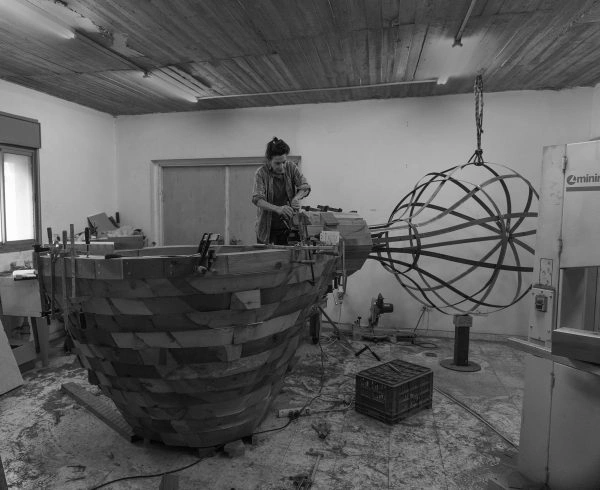
Rachel Rotenberg
Tekoa, Israel
I heard about the syium in January 2020 & I was excited to start learning then the pandemic started. Learning Daf became something to focus on but also something stressful. As the world changed around me & my family I had to adjust my expectations for myself & the world. Daf Yomi & the Hadran podcast has been something I look forward to every day. It gives me a moment of centering & Judaism daily.

Talia Haykin
Denver, United States
I began learning with Rabbanit Michelle’s wonderful Talmud Skills class on Pesachim, which really enriched my Pesach seder, and I have been learning Daf Yomi off and on over the past year. Because I’m relatively new at this, there is a “chiddush” for me every time I learn, and the knowledge and insights of the group members add so much to my experience. I feel very lucky to be a part of this.
Julie Landau
Karmiel, Israel
It has been a pleasure keeping pace with this wonderful and scholarly group of women.
Janice Block
Beit Shemesh, Israel
I started at the beginning of this cycle. No 1 reason, but here’s 5.
In 2019 I read about the upcoming siyum hashas.
There was a sermon at shul about how anyone can learn Talmud.
Talmud references come up when I am studying. I wanted to know more.
Yentl was on telly. Not a great movie but it’s about studying Talmud.
I went to the Hadran website: A new cycle is starting. I’m gonna do this

Denise Neapolitan
Cambridge, United Kingdom
Bekhorot 29
כְּאִילָא בְּיַבְנֶה, שֶׁהִתִּירוּ לוֹ (בְּיַבְנֶה) חֲכָמִים לִהְיוֹת נוֹטֵל אַרְבַּע אִיסָּרוֹת לִבְהֵמָה דַּקָּה, וְשִׁשָּׁה לְגַסָּה, בֵּין תָּם וּבֵין בַּעַל מוּם.
like Ila in Yavne, whom the Sages in Yavne permitted to take a wage of four issar for issuing a ruling concerning a small animal and six issar for issuing a ruling concerning a large animal. They permitted this provided that he would be paid whether it turned out that the firstborn was unblemished or whether it was blemished.
גְּמָ׳ מַאי טַעְמָא? הַאי נְפִישׁ טִירְחֵיהּ, וְהַאי לָא נְפִישׁ טִירְחֵיהּ.
GEMARA: The Gemara asks: What is the reason that the Sages in Yavne said that Ila could take a wage of four issar for issuing a ruling concerning a small animal but six issar for issuing a ruling concerning a large animal? The Gemara answers: Examining this one, a firstborn of a large animal, for blemishes involves great effort; but examining that one, the firstborn of a small animal, does not involve such great effort.
בֵּין תָּם וּבֵין בַּעַל מוּם. בִּשְׁלָמָא בַּעַל מוּם — מִשּׁוּם דְּקָא שָׁרֵי לֵיהּ, אֶלָּא תָּם אַמַּאי? דְּאִם כֵּן, אָתֵי לְמִיחְשְׁדֵיהּ, וְאָמְרִי: הַאי בַּעַל מוּם תָּם הוּא, וְהַאי דְּקָא שָׁרֵי לֵיהּ — מִשּׁוּם אַגְרָא.
§ The mishna teaches that one like Ila may take his wages provided that he would be paid whether it turns out that the firstborn is unblemished or whether it is blemished. The Gemara inquires: Granted, if the animal is blemished he takes his wages, because he deems the animal permitted to be slaughtered and eaten; but if he examined an unblemished animal, why does he take his wages? The Gemara answers that if so, i.e., if he would be paid for examining only a blemished animal, people would come to suspect him and say that this animal that he declared to be blemished is in fact unblemished, and he declared it blemished and thereby deemed it permitted to be eaten only due to the fact that he wanted to claim his wages.
אִי הָכִי, תָּם נָמֵי אָמְרִי: בַּעַל מוּם הוּא, וְהַאי דְּלָא קָשָׁרֵי לֵיהּ סָבַר כִּי הֵיכִי דְּלִשְׁקוֹל אַגְרֵיהּ זִימְנָא אַחֲרִיתִי! חַד זִימְנָא תַּקִּינוּ לֵיה רַבָּנַן, תְּרֵי זִימְנֵי לָא תַּקִּינוּ לֵיה רַבָּנַן.
The Gemara challenges: If so, then in a situation where the examiner is paid either way, people might also state a similar claim with regard to one who rules that it is an unblemished animal. They may suspect that this animal is really blemished, and the reason that this expert did not deem it permitted is that he holds that it is preferable for him to declare it unblemished so that he can collect his wages another time, when he examines it later and declares it blemished. The Gemara answers: The Sages of Yavne instituted an ordinance that he may take his wages for examining a firstborn once, but the Sages did not institute that he may take his wages twice for examining the same animal. Since he will not get paid a second time for the same animal, he has no incentive to declare it unblemished if it has a blemish.
מַתְנִי׳ הַנּוֹטֵל שְׂכָרוֹ לָדוּן — דִּינָיו בְּטֵילִים, לְהָעִיד — עֵדוֹתָיו בְּטֵילִין, לְהַזּוֹת וּלְקַדֵּשׁ — מֵימָיו מֵי מְעָרָה, אֶפְרוֹ אֵפֶר מִקְלֶה.
MISHNA: In the case of one who takes his wages to judge cases, his rulings are void. In the case of one who takes wages to testify, his testimonies are void. With regard to one who takes wages to sprinkle the purification waters of the red heifer upon one who contracted impurity imparted by a corpse, and one who takes wages to sanctify those waters, the halakhic status of his water is that of cave water, and the status of his ashes is that of mere burnt ashes.
אִם הָיָה כֹּהֵן, מְטַמְּאֵהוּ מִתְּרוּמָתוֹ — מַאֲכִילוֹ וּמַשְׁקוֹ וְסָכוֹ, וְאִם הָיָה זָקֵן — מַרְכִּיבוֹ עַל הַחֲמוֹר, וְנוֹתֵן לוֹ שְׂכָרוֹ כְּפוֹעֵל.
Although taking actual wages is prohibited, if the one examining the firstborn, or the judge, or the witness, was a priest, and the one who requires his services rendered him impure and prevented him from partaking of his teruma, that person must provide the priest with food, drink, and oil for smearing on his body from his own non-sacred property. And likewise if the one examining the firstborn, or the judge, or the witness, was an elderly person, the one who requires his services transports him on a donkey. And in all these cases, although it is prohibited to take wages, the one who requires his services gives him his wages like the wages of a laborer, as he was unable to perform his usual labor that day.
גְּמָ׳ מְנָהָנֵי מִילֵּי? אָמַר רַב יְהוּדָה אָמַר רַב, דְּאָמַר קְרָא: ״רְאֵה לִמַּדְתִּי אֶתְכֶם וְגוֹ׳״, מָה אֲנִי בְּחִנָּם — אַף אַתֶּם בְּחִנָּם.
GEMARA: The mishna teaches that the rulings of one who takes wages to judge cases are void. The Gemara asks: From where is this matter, that a judge may not be paid for his rulings, derived? Rav Yehuda says that Rav says that it is derived from a verse, as the verse states: “Behold, I have taught you statutes and ordinances, as the Lord my God commanded me, that you should do so in the midst of the land that you are going in to possess” (Deuteronomy 4:5). This teaches that just as I, Moses, learned the word of God for free, so too, you learned it from me for free, and this is also how you should act with all future generations.
תַּנְיָא נָמֵי הָכִי: ״כַּאֲשֶׁר צִוַּנִי ה׳ אֱלֹהָי״ — מָה אֲנִי בְּחִנָּם, אַף אַתֶּם בְּחִנָּם. וּמִנַּיִן שֶׁאִם לֹא מָצָא בְּחִנָּם שֶׁיְּלַמֵּד בְּשָׂכָר? תַּלְמוּד לוֹמַר: ״אֱמֶת קְנֵה״. וּמִנַּיִן שֶׁלֹּא יֹאמַר: כְּשֵׁם שֶׁלְּמַדְתִּיהָ בְּשָׂכָר כָּךְ אֲלַמְּדֶנָּה בְּשָׂכָר? תַּלְמוּד לוֹמַר: ״אֱמֶת קְנֵה וְאַל תִּמְכֹּר״.
This halakha is also taught in a baraita: “Behold, I have taught you statutes and ordinances, as the Lord my God commanded me” (Deuteronomy 4:5). Just as I learned from God for free, so too, you learned from me for free. And from where is it derived that if one cannot find someone to teach him for free that he should learn even by giving payment? The verse states: “Buy the truth, and do not sell it; also wisdom, and instruction, and understanding” (Proverbs 23:23). And from where is it derived that one should not say: Just as I learned by giving payment, so too, I will teach it by receiving payment? The verse states: “Buy the truth, and do not sell it.”
לְהַזּוֹת וּלְקַדֵּשׁ — מֵימָיו מֵי מְעָרָה, אֶפְרוֹ אֵפֶר מִקְלֶה. וּרְמִינְהוּ: הַמְקַדֵּשׁ בְּמֵי חַטָּאת בְּאֵפֶר חַטָּאת — הֲרֵי זוֹ מְקוּדֶּשֶׁת, אַף עַל פִּי שֶׁהוּא יִשְׂרָאֵל!
The mishna teaches: With regard to one who takes wages to sprinkle the purification waters of the red heifer, and one who takes wages to sanctify those waters, the halakhic status of his water is that of cave water, and the status of his ashes is that of mere burnt ashes. This indicates that one may not derive any benefit from the water or ashes of the red heifer. And the Gemara raises a contradiction from a mishna (Kiddushin 58a): With regard to one who betroths a woman with the water of purification, or with the ashes of purification, she is betrothed, and this is the halakha even if the man betrothing her is an Israelite, not a priest or a Levite. This indicates that one may derive benefit from the waters or ashes of purification.
אָמַר אַבָּיֵי: לָא קַשְׁיָא — כָּאן בִּשְׂכַר הֲבָאָה וּמִלּוּי, כָּאן בִּשְׂכַר הַזָּאָה וְקִידּוּשׁ.
Abaye said: This is not difficult, since there, the mishna in Kiddushin is referring to one who betroths a woman with the value of the payment for bringing the ashes from afar and filling the vessel with the purification water, for which it is permitted to accept payment. Performing this act for the woman is comparable to giving her an item of value, since she will not have to pay someone to bring and fill the vessel for her. Here, the mishna is referring to payment for the actual sprinkling and sanctifying of the ashes.
דַּיְקָא נָמֵי, דְּקָתָנֵי הָכָא ״לְהַזּוֹת וּלְקַדֵּשׁ״, וְהָתָם קָתָנֵי ״הַמְקַדֵּשׁ בְּמֵי חַטָּאת וּבְאֵפֶר חַטָּאת״, שְׁמַע מִינַּהּ.
The Gemara comments: According to this answer, the language of the two mishnayot is also precise, as it teaches here: To sprinkle, or: To sanctify, indicating that he receives payment for the actual sprinkling and sanctification; and it teaches there, in the mishna in Kiddushin, that she is betrothed with the water of purification or with the ashes of purification, which indicates that the water and ashes have not yet been mixed together. The Gemara affirms: Learn from it that this is the correct explanation of the mishnayot.
אִם הָיָה כֹּהֵן מְטַמְּאֵהוּ מִתְּרוּמָתוֹ כּוּ׳. אִיהוּ גּוּפֵיהּ הֵיכִי אָזֵיל?
§ The mishna teaches: Although taking wages is prohibited, if the one examining the firstborn, or the judge, or the witness, was a priest, and the one who required his services rendered him impure and prevented him from partaking of his teruma, he must provide the priest with food, drink, and oil. The Gemara asks: But he himself, the priest, how was he permitted to go to a place that caused him to become impure? It is prohibited for a priest to render himself ritually impure.
לְבֵית הַפְּרָס דְּרַבָּנַן, דְּאָמַר רַב יְהוּדָה אָמַר רַב: מְנַפֵּחַ אָדָם בֵּית הַפְּרָס וְהוֹלֵךְ.
The Gemara answers that this is referring to a case where he went to an area in which uncertainty exists concerning the location of a grave or a corpse [beit haperas], into which it is prohibited by rabbinic law for a priest to enter. As Rav Yehuda says that Rav says: A person who passes through a beit haperas may blow on the dust before taking each step, which would expose any bone beneath the dust, and walk. A priest may rely on that method of examination and enter the field.
וְרַב יְהוּדָה בַּר אַמֵּי מִשְּׁמֵיהּ דְּרַב יְהוּדָה אָמַר: בֵּית הַפְּרָס שֶׁנִּידַּשׁ טָהוֹר.
And Rav Yehuda bar Ami says in the name of Rav Yehuda: A beit haperas that has been trodden underfoot, thereby creating a path, is pure, and one no longer needs to be concerned about bones, as the entire prohibition is a stringency by rabbinic law. Nevertheless, a priest who walks through such a field may not partake of teruma until he has purified himself.
אִי נָמֵי: בִּשְׁאָר טוּמְאוֹת, דְּלָא מַזְהַר עֲלַיְיהוּ.
Alternatively, the Gemara suggests that the mishna is referring to a case where the priest becomes impure with other forms of impurity, with regard to which priests are not admonished. A priest is prohibited from becoming impure only through contact with a corpse. Yet, he may not partake of teruma if he becomes impure even in any other manner.
אִם הָיָה זָקֵן — מַרְכִּיבוֹ עַל הַחֲמוֹר. תְּנָא: כְּפוֹעֵל בָּטֵל. אָמַר אַבָּיֵי: כְּפוֹעֵל בָּטֵל שֶׁל אוֹתָהּ מְלָאכָה.
§ The mishna teaches: If the one examining the firstborn, or the judge, or the witness, was an elderly person, the one who required his services transports him on a donkey. And in all these cases, although it is prohibited to take wages, the one who required his services gives him his wages like the wages of a laborer, as he was unable to perform his usual labor that day. The Sages taught (Tosefta, Bava Metzia 4:11): The owner gives him his wage as if he were an idle laborer. Abaye says: It means that he is paid as a laborer who is idle from that typical labor of his from which he is kept idle. In other words, he must receive the amount of money a person would be willing to accept to refrain from his current occupation and engage in the actions discussed in the mishna. This calculation accounts for both the degree of difficulty of his steady employment and the amount of his remuneration.
מַתְנִי׳ הֶחָשׁוּד עַל הַבְּכוֹרוֹת, אֵין לוֹקְחִין מִמֶּנּוּ בְּשַׂר צְבָאִים, וְלֹא עוֹרוֹת שֶׁאֵינָן עֲבוּדִים. רַבִּי אֱלִיעֶזֶר אוֹמֵר: לוֹקְחִין מִמֶּנּוּ עוֹרוֹת שֶׁל נְקֵבָה, וְאֵין לוֹקְחִין מִמֶּנּוּ צֶמֶר מְלוּבָּן וְצוֹאִי, אֲבָל לוֹקְחִין מִמֶּנּוּ טְוִי וּבְגָדִים.
MISHNA: In the case of one who is suspect with regard to firstborn animals of slaughtering them and selling their meat when it is prohibited to do so, one may neither purchase meat from him, including even deer meat, nor may one purchase from him hides that are not tanned. Rabbi Eliezer says: One may purchase hides of female animals from him, as the halakhot of firstborn animals are in effect only with regard to males. And one may not purchase bleached or dirty wool from him. But one may purchase spun thread from him, and all the more so may one purchase garments from him.
גְּמָ׳ בְּשַׂר צְבָאִים. דְּמִיחַלַּף בִּדְעֶגְלָה.
GEMARA: The mishna teaches that one may not purchase from him even deer meat. The Gemara explains that the reason is that it could be confused with meat of a calf, as they are similar in appearance.
וְלֹא עוֹרוֹת שֶׁאֵינָן עֲבוּדִים. הָא עֲבוּדִים זָבְנִינַן. אִם אִיתָא דִּבְכוֹר הֲוָה — לָא הֲוָה טָרַח בֵּיהּ, סָבַר: אִי שָׁמְעוּ בֵּיהּ רַבָּנַן מַפְסְדוּ לֵיהּ מִינַּאי.
The mishna teaches: Nor may one purchase from him hides that are not tanned. The Gemara infers from here that we may purchase tanned hides from one who is suspect with regard to firstborn animals. The reason is that if it is so that it is a hide of a firstborn, he would not make such an effort with it to tan it. This is because he would think: If the Sages hear that this hide is from a firstborn, they will cause me a loss by confiscating it from me.
רַבִּי אֱלִיעֶזֶר אוֹמֵר: לוֹקְחִין מִמֶּנּוּ עוֹרוֹת שֶׁל נְקֵבָה. מַאי טַעְמָא? מִידָּע יְדִיעַ.
The mishna teaches that Rabbi Eliezer says: One may purchase hides of female animals from him, as the halakhot of firstborn animals are in effect only with regard to males. The Gemara asks: What is the reason? People know the difference between the hide of a male animal and the hide of a female animal, due to the differences in anatomy.
וְתַנָּא קַמָּא, אִם כֵּן, זָכָר נָמֵי חָיֵיק לְזַכְרוּתֵיהּ וְאָמַר ״עַכְבָּרִים אַכְלוּהּ״, וְאִידַּךְ — בֵּי עַכְבָּרִים מִידָּע יְדִיעַ.
The Gemara asks: But if so, according to the first tanna, why is it prohibited to purchase hides of female animals from one who is suspect with regard to firstborn animals? The Gemara answers that the first tanna claims as follows: If so, i.e., if it is permitted to purchase hides of female animals, one might also come to sell hides of male animals, as he will sever the male reproductive organ and say that mice ate this part of the hide. The Gemara asks: And the other, Rabbi Eliezer, why is he not concerned that one might cut off that part of the hide and sell it as the hide of a female? The Gemara answers that Rabbi Eliezer maintains that the place of the mice is known, i.e., one can tell by looking at the hide whether it was eaten by mice or cut with a knife.
וְאֵין לוֹקְחִין מִמֶּנּוּ צֶמֶר מְלוּבָּן וְצוֹאִי, הַשְׁתָּא צֶמֶר מְלוּבָּן לָא זָבְנִינַן, צוֹאִי מִיבַּעְיָא? אֶלָּא, חֲדָא קָתָנֵי: צֶמֶר מְלוּבָּן מִצּוֹאָתוֹ.
§ The mishna teaches: And one may not purchase bleached or dirty wool from him. The Gemara asks: Now that the mishna has taught that we may not purchase bleached wool from him, despite the fact he has expended effort in bleaching it, which indicates that it is not from a firstborn, is it necessary to teach that one may not purchase dirty wool from him? The Gemara answers: Rather, the tanna is teaching one case here, that of wool that was bleached and cleaned from its dirt.
אֲבָל לוֹקְחִין מִמֶּנּוּ טְוִי וּבְגָדִים. הַשְׁתָּא טְוִי זָבְנִינַן, בְּגָדִים מִיבַּעְיָא? מַאי בְּגָדִים? נַמְטֵי.
The mishna teaches: But one may purchase spun thread from him, and all the more so one may purchase garments from him. The Gemara asks: Now that the mishna has taught that we may purchase spun thread from one who is suspect with regard to firstborn, is it necessary to teach that one may purchase garments? The Gemara answers: What does the mishna mean which it says: Garments? It is referring to felt [namtei] garments, which are not made of spun thread.
מַתְנִי׳ הֶחָשׁוּד עַל הַשְּׁבִיעִית — אֵין לוֹקְחִין מִמֶּנּוּ פִּשְׁתָּן, וַאֲפִילּוּ סְרָק, אֲבָל לוֹקְחִין מֵהֶם טְוִי וְאָרִיג.
MISHNA: In the case of one who is suspect with regard to the Sabbatical Year, i.e., of sowing or engaging in commerce with Sabbatical-Year produce, one may not purchase flax from him, and this applies even to combed flax, in which much labor and exertion was invested. But one may purchase spun thread and woven fabric from such individuals.
גְּמָ׳ הַשְׁתָּא טְוִי זָבְנִינַן, אָרִיג מִיבַּעְיָא? מַאי ״אָרִיג״? תִּיכֵּי.
GEMARA: The Gemara asks: Now that the mishna has taught that we may purchase spun thread from one who is suspect with regard to the Sabbatical Year, is it necessary to teach the case of woven fabric? The Gemara answers: What does the mishna mean when it says: Woven? It means wool woven into chains, which is not spun.
מַתְנִי׳ הֶחָשׁוּד לִהְיוֹת מוֹכֵר תְּרוּמָה לְשׁוּם חוּלִּין — אֵין לוֹקְחִין מִמֶּנּוּ אֲפִילּוּ מַיִם וָמֶלַח, דִּבְרֵי רַבִּי יְהוּדָה. רַבִּי שִׁמְעוֹן אוֹמֵר: כֹּל שֶׁיֵּשׁ בּוֹ זִיקַּת תְּרוּמָה וּמַעַשְׂרוֹת אֵין לוֹקְחִין מִמֶּנּוּ.
MISHNA: In the case of one who is suspect with regard to selling teruma under the guise of non-sacred produce, one may not purchase even water and salt from him; this is the statement of Rabbi Yehuda. Rabbi Shimon says: One may not purchase from him any item that has relevance to teruma and tithes. However, one may purchase water and salt from him, as teruma and tithes do not apply to them.
גְּמָ׳ לְאֵתוֹיֵי מַאי? לְאֵתוֹיֵי קִרְבֵי דָגִים, דִּמְעָרְבִי בְּהוּ שֶׁמֶן זַיִת.
GEMARA: The Gemara asks: What is added by Rabbi Shimon’s statement that one may not purchase any item that has relevance to teruma and tithes from one who is suspect with regard to selling teruma? The Gemara answers: Rabbi Shimon’s statement serves to add fish innards to this prohibition, as people mix olive oil with them, and it might be oil of teruma.
הָהוּא טַבָּחָא דַּהֲוָה חָשׁוּד לְזַבּוֹנֵי
The Gemara relates: There was a certain butcher who was suspected of selling
Follow

