Search

Berakhot 59

Want to dedicate learning? Get started here:

English
עברית
podcast placeholder

0:00
0:00


podcast placeholder

0:00
0:00


Summary

Today’s shiur is sponsored by Erica Kolatch in memory of the 4th yahrtzeit of her mother, the Honorable Justice Constance R. Glube z”l. 

What causes earthqakes to happen? Lightening? Thunder? What blessing do we say on them? On what type of wind do we say a blessing? What do we do/say when we see a rainbow? In what situations do we make a blessing on the sun, moon, constellations? What blessing is said on rain? Is there a debate regarding this? On what basis do we determine whether to say in cretain situations shehechiyanu or hatov v’hameitiv? What blessing does one make on the birth of a son? On the birth of a daughter?

Berakhot 59

כְּטִרְפָּא דִּטְרִיף. וְהַאי דְּאָזְלָא בָּתְרַהּ, דְּאָמְרָה לַהּ: הַב לִי בְּנַי. שֶׁבְּשָׁעָה שֶׁהַקָּדוֹשׁ בָּרוּךְ הוּא בִּקֵּשׁ לְהָבִיא מַבּוּל לְעוֹלָם נָטַל שְׁנֵי כּוֹכָבִים מִכִּימָה וְהֵבִיא מַבּוּל לָעוֹלָם. וּכְשֶׁבִּקֵּשׁ לְסׇתְמָהּ, נָטַל שְׁנֵי כּוֹכָבִים מֵעַיִשׁ וּסְתָמָהּ.

as if it was appended onto it. The Gemara explains: And the fact that Ursa Major follows Pleiades, it is as if Ursa Major is saying to Pleiades: Give me back my children, my two stars. As it is related: When the Holy One, Blessed be He, sought to bring a flood into the world, He took two stars from Pleiades and brought the flood upon the world. And afterward, when He wished to fill the void, He took two stars from Ursa Major and filled the void with them. Consequently, the constellation of Ursa Major attempts to persuade Pleiades, seeking to get its stars back.

וְלַיהְדַּר לַהּ? — אֵין הַבּוֹר מִתְמַלֵּא מֵחוּלְיָתוֹ. אִי נָמֵי — אֵין קָטֵיגוֹר נַעֲשָׂה סָנֵיגוֹר.

The Gemara asks: And return it, why did the Holy One, Blessed be He, not restore the original two stars to Pleiades? The Gemara answers: A pit cannot be filled by its own earth; when a pit is excavated, the earth that was excavated from it is insufficient to refill it. Alternatively, one could say that a prosecutor cannot become an advocate; since these stars caused the flood it is not appropriate that they facilitate the end of the flood.

וְלִיבְרֵי לַהּ תְּרֵי כֹּכְבֵי אַחֲרִינֵי! — ״אֵין כׇּל חָדָשׁ תַּחַת הַשָּׁמֶשׁ״. אָמַר רַב נַחְמָן: עָתִיד הַקָּדוֹשׁ בָּרוּךְ הוּא לְהַחֲזִירָן לָהּ, שֶׁנֶּאֱמַר: ״וְעַיִשׁ עַל בָּנֶיהָ תַנְחֵם״.

The Gemara argues: Then God should have created two other new stars for Pleiades. The Gemara responds: “There is nothing new under the sun” (Ecclesiastes 1:9). Rav Naḥman said: In the future, the Holy One, Blessed be He, will restore those same stars to Ursa Major, as it is stated: “Or can you guide [tanḥem] Ursa Major with her sons?” (Job 38:32), which is interpreted homiletically in the sense of consolation [tanḥumim] apparently due to the restoration of those stars.

וְעַל הַזְּוָעוֹת. מַאי זְוָעוֹת? אָמַר רַב קַטִּינָא: גּוּהָא. רַב קַטִּינָא הֲוָה קָאָזֵיל בְּאוֹרְחָא. כִּי מְטָא אַפִּתְחָא דְּבֵי אוֹבָא טַמְיָא גְּנַח גּוּהָא. אָמַר: מִי יָדַע אוֹבָא טַמְיָא הַאי גּוּהָא מַהוּ? רְמָא לֵיהּ קָלָא: קַטִּינָא קַטִּינָא, אַמַּאי לָא יָדַעְנָא? בְּשָׁעָה שֶׁהַקָּדוֹשׁ בָּרוּךְ הוּא זוֹכֵר אֶת בָּנָיו שֶׁשְּׁרוּיִים בְּצַעַר בֵּין אוּמּוֹת הָעוֹלָם מוֹרִיד שְׁתֵּי דְמָעוֹת לַיָּם הַגָּדוֹל, וְקוֹלוֹ נִשְׁמָע מִסּוֹף הָעוֹלָם וְעַד סוֹפוֹ, וְהַיְינוּ גּוּהָא.

And we learned in the mishna that over zeva’ot one recites the blessing: Whose strength and power fill the world. The Gemara asks: What are zeva’ot? Rav Ketina said: An earthquake. The Gemara relates: Rav Ketina was once walking along the road when he came to the entrance of the house of a necromancer and an earthquake rumbled. He said: Does this necromancer know what is this earthquake? The necromancer raised his voice and said: Ketina, Ketina, why would I not know? Certainly this earthquake occurred because when the Holy One, Blessed be He, remembers His children who are suffering among the nations of the world, He sheds two tears into the great sea. The sound of their reverberation is heard from one end of the earth to the other. And that is an earthquake.

אָמַר רַב קַטִּינָא: אוֹבָא טַמְיָא כַּדִּיב הוּא, וּמִילֵּיהּ כְּדִיבִין. אִי הָכִי — גּוּהָא גּוּהָא מִיבְּעֵי לֵיהּ? וְלָא הִיא, גּוּהָא גּוּהָא עָבֵיד, וְהַאי דְּלָא אוֹדִי לֵיהּ, כִּי הֵיכִי דְּלָא לִיטְעֵי כּוּלֵּי עָלְמָא אַבָּתְרֵיהּ.

Rav Ketina said: The necromancer is a liar and his statements are lies. If so, it would necessitate an earthquake followed by another earthquake, one for each tear. The Gemara remarks: That is not so, as it indeed causes an earthquake followed by another earthquake; and the fact that Rav Ketina did not admit that the necromancer was correct was so that everyone would not mistakenly follow him.

וְרַב קַטִּינָא דִּידֵיהּ אָמַר: סוֹפֵק כַּפָּיו, שֶׁנֶּאֱמַר: ״וְגַם אֲנִי אַכֶּה כַפִּי אֶל כַּפִּי וַהֲנִיחֹתִי חֲמָתִי״. רַבִּי נָתָן אוֹמֵר: אֲנָחָה מִתְאַנֵּחַ, שֶׁנֶּאֱמַר: ״וַהֲנִיחוֹתִי חֲמָתִי בָּם וְהִנֶּחָמְתִּי״. וְרַבָּנַן אָמְרִי: בּוֹעֵט בָּרָקִיעַ, שֶׁנֶּאֱמַר: ״הֵידָד כְּדֹרְכִים יַעֲנֶה אֶל כׇּל יֹשְׁבֵי הָאָרֶץ״. רַב אַחָא בַּר יַעֲקֹב אָמַר: דּוֹחֵק אֶת רַגְלָיו תַּחַת כִּסֵּא הַכָּבוֹד, שֶׁנֶּאֱמַר: ״כֹּה אָמַר ה׳ הַשָּׁמַיִם כִּסְאִי וְהָאָרֶץ הֲדֹם רַגְלָי״.

Rav Ketina also stated his own explanation for the earthquake: Because God claps His hands together in anger, as it is stated: “I will also smite My hands together and I will satisfy My fury; I, the Lord, have spoken it” (Ezekiel 21:22). Rabbi Natan says: The earthquake is caused because God sighs over the dire straits in which Israel finds itself, as it is stated: “Thus shall My anger spend itself, and I will satisfy My fury upon them, and I will be eased” (Ezekiel 5:13). And the Rabbis say: An earthquake is caused when God kicks the firmament, causing a rumbling, as it is stated: “The Lord roars from on high, from His holy dwelling He makes His voice heard. He roars mightily over His dwelling place, He cries out like those who tread grapes, against all the inhabitants of the earth” (Jeremiah 25:30). Rav Aḥa bar Ya’akov said: An earthquake is caused when God forces His feet beneath the throne of glory and the world quakes, as it is stated: “The heaven is My throne, and the earth is My footstool” (Isaiah 66:1).

וְעַל הָרְעָמִים. מַאי רְעָמִים? אָמַר שְׁמוּאֵל: עֲנָנֵי בְּגַלְגַּלָּא. שֶׁנֶּאֱמַר: ״קוֹל רַעַמְךָ בַּגַּלְגַּל הֵאִירוּ בְרָקִים תֵּבֵל רָגְזָה וַתִּרְעַשׁ הָאָרֶץ״. וְרַבָּנַן אָמְרִי: עֲנָנֵי דְּשָׁפְכִי מַיָּא לַהֲדָדֵי, שֶׁנֶּאֱמַר: ״לְקוֹל תִּתּוֹ הֲמוֹן מַיִם בַּשָּׁמַיִם״. רַב אַחָא בַּר יַעֲקֹב אָמַר: בַּרְקָא תַּקִּיפָא דְּבָרֵיק בַּעֲנָנָא, וּמְתַבַּר גְּזִיזֵי דְבַרְזָא. רַב אָשֵׁי אָמַר: עֲנָנֵי חַלְחוֹלֵי מְחַלְחֲלִי, וְאָתֵי זִיקָא וּמְנַשֵּׁב אַפּוּמַּיְיהוּ, וְדָמֵי כְּזִיקָּא עַל פּוּם דַּנֵּי. וּמִסְתַּבְּרָא כְּרַב אַחָא בַּר יַעֲקֹב, דְּבָרֵיק בַּרְקָא, וּמְנַהֲמֵי עֲנָנֵי, וְאָתֵי מִטְרָא.

We also learned in the mishna that over thunder one recites: Whose strength and power fill the world. The Gemara asks: What causes thunder? Shmuel said: When the clouds located in the curvature of the firmament collide with the firmament itself, they produce this sound, as it is stated: “The voice of Your thunder was in the whirlwind; the lightning lighted up the world; the earth trembled and shook” (Psalms 77:19). And the Rabbis say: Thunder is the sound of clouds pouring water into one another, as it is stated: “At the sound of His giving a multitude of waters in the heavens” (Jeremiah 10:13). Rav Aḥa bar Ya’akov said: Thunder is caused by a powerful lightning bolt that flashes in the cloud and shatters the hailstones. Rav Ashi said: Because the clouds are hollow, and when the wind comes and blows across their mouths, it sounds like wind blowing in the mouth of a jug. The Gemara concludes: And it stands to reason in accordance with the opinion of Rav Aḥa bar Ya’akov; as lightning flashes, the clouds rumble, and the rain comes.

וְעַל הָרוּחוֹת. מַאי רוּחוֹת? אָמַר אַבָּיֵי: זַעְפָּא. וְאָמַר אַבָּיֵי: גְּמִירִי, דְּזַעְפָּא בְּלֵילְיָא לָא הָוֵי. וְהָא קָא חֲזֵינַן דְּהָוֵי! — הָהוּא, דְּאַתְחֵיל בִּימָמָא. וְאָמַר אַבָּיֵי: גְּמִירִי, דְּזַעְפָּא תַּרְתֵּי שָׁעֵי לָא קָאֵי, לְקַיֵּים מַה שֶּׁנֶּאֱמַר: ״לֹא תָקוּם פַּעֲמַיִם צָרָה״. וְהָא קָא חָזֵינַן דְּקָאֵי! — דְּמַפְסֵיק בֵּינֵי בֵּינֵי.

We also learned in the mishna that over wind one recites the blessing: Whose strength and power fill the world. The Gemara asks: What are these winds? Abaye said: These are gale force winds. Abaye said: We learned through tradition that there are no gale force winds at night. The Gemara asks: Don’t we see that there are gale force winds at night? The Gemara answers: This gale force wind that blows at night does not begin blowing at night; rather, it begins blowing during the day. And Abaye said: We learned through tradition that a gale force wind does not last two hours, to fulfill that which is stated: “Trouble shall not rise up a second time” (Nahum 1:9). The Gemara asks: Don’t we see that it does last longer than two hours? The Gemara answers: Actually, it does not last longer than two hours. The fact that we sense that it does last longer is due to cases where it does not blow uninterruptedly, but it briefly stops in between.

וְעַל הַבְּרָקִים אוֹמֵר ״בָּרוּךְ … שֶׁכֹּחוֹ וּגְבוּרָתוֹ מָלֵא עוֹלָם״. מַאי בְּרָקִים? אָמַר רָבָא: בַּרְקָא. וְאָמַר רָבָא: בַּרְקָא יְחִידָאָה, וּבַרְקָא חִיוָּרָא, וּבַרְקָא יְרוּקְתָּא, וַעֲנָנֵי דְּסָלְקָן בְּקֶרֶן מַעֲרָבִית וְאָתְיָין מִקֶּרֶן דְּרוֹמִית, וְתַרְתֵּי עֲנָנֵי דְּסָלְקָן חֲדָא לְאַפֵּי חֲבֶרְתָּהּ — כּוּלְּהוּ קַשְׁיָין.

We also learned in the mishna that over lightning one recites: Blessed…Whose strength and power fill the world. The Gemara asks: What is this lightning? Rava said: A bright light. And Rava said: A single bolt of lightning, white lightning, green lightning, clouds that rise in the western corner and come from the southern corner, and two clouds that rise with one facing the other are all signs of trouble.

לְמַאי נָפְקָא מִינַּהּ? לְמִבְעֵי רַחֲמֵי. וְהָנֵי מִילֵּי בְּלֵילְיָא, אֲבָל בְּצַפְרָא — לֵית בְּהוּ מְשָׁשָׁא.

The Gemara asks: What practical difference is there in the knowledge that they are signs of trouble? The Gemara answers: So that we may pray for God’s mercy, that they cause us no harm. The Gemara remarks that this only applies when these phenomena appear at night. In the morning, however, they are insignificant.

אָמַר רַבִּי שְׁמוּאֵל בַּר יִצְחָק: הָנֵי עֲנָנֵי דְצַפְרָא לֵית בְּהוּ מְשָׁשָׁא, דִּכְתִיב: ״וְחַסְדְּכֶם כַּעֲנַן בֹּקֶר וְגוֹ׳״. אֲמַר לֵיהּ רַב פָּפָּא לְאַבָּיֵי, הָא אָמְרִי אִינָשֵׁי: כַּד מִפְתָּח בָּבֵי מִיטְרָא, בַּר חַמָּרָא, מוּךְ שַׂקָּיךְ וּגְנִי! לָא קַשְׁיָא: הָא דִּקְטִר בְּעֵיבָא, הָא דִּקְטִר בַּעֲנָנֵי.

Rabbi Shmuel bar Yitzḥak said: Morning clouds dissipate immediately so they have no substance, as it is written: “For your goodness is as a morning cloud, and as the dew that early passes away” (Hosea 6:4). With regard to this, Rav Pappa said to Abaye: But don’t people say the maxim: If there is rain when people open their doors in the morning, donkey-driver, fold your sack and go to sleep, as rain will continue to fall all day. Apparently morning clouds indicate that there will be rain all day. The Gemara responds: This is not difficult, as this, that suggests that there will be considerable rain, refers to a case where the sky is covered with thick clouds, while this opinion, where Rabbi Shmuel bar Yitzḥak said that morning clouds have no substance and will not produce much rain, refers to a case where the sky is covered with flimsy clouds which will certainly pass.

אָמַר רַבִּי אֲלֶכְּסַנְדְּרִי אָמַר רַבִּי יְהוֹשֻׁעַ בֶּן לֵוִי: לֹא נִבְרְאוּ רְעָמִים אֶלָּא לִפְשׁוֹט עַקְמוּמִית שֶׁבַּלֵּב, שֶׁנֶּאֱמַר: ״וְהָאֱלֹהִים עָשָׂה שֶׁיִּרְאוּ מִלְּפָנָיו״. וְאָמַר רַבִּי אֲלֶכְּסַנְדְּרִי אָמַר רַבִּי יְהוֹשֻׁעַ בֶּן לֵוִי: הָרוֹאֶה אֶת הַקֶּשֶׁת בֶּעָנָן צָרִיךְ שֶׁיִּפּוֹל עַל פָּנָיו, שֶׁנֶּאֱמַר: ״כְּמַרְאֵה הַקֶּשֶׁת אֲשֶׁר יִהְיֶה בֶעָנָן וְגוֹ׳ וָאֶרְאֶה וָאֶפֹּל עַל פָּנַי״. לָיְיטִי עֲלַהּ בְּמַעְרְבָא, מִשּׁוּם דְּמִחֲזֵי כְּמַאן דְּסָגֵיד לְקַשְׁתָּא. אֲבָל בָּרוֹכֵי וַדַּאי מְבָרֵךְ. מַאי מְבָרֵךְ? — ״בָּרוּךְ … זוֹכֵר הַבְּרִית״. בְּמַתְנִיתָא תָּנָא, רַבִּי יִשְׁמָעֵאל בְּנוֹ שֶׁל רַבִּי יוֹחָנָן בֶּן בְּרוֹקָא אוֹמֵר: ״נֶאֱמָן בִּבְרִיתוֹ וְקַיָּים בְּמַאֲמָרוֹ״. אָמַר רַב פָּפָּא: הִלְכָּךְ נֵימְרִינְהוּ לְתַרְוַיְיהוּ: ״בָּרוּךְ … זוֹכֵר הַבְּרִית, וְנֶאֱמָן בִּבְרִיתוֹ וְקַיָּים בְּמַאֲמָרוֹ״.

Rabbi Alexandri said that Rabbi Yehoshua ben Levi said: Thunder was created only to impose fear and straighten the crookedness of the heart, as it is stated: “And God has so made it, that men should fear before Him” (Ecclesiastes 3:14). And Rabbi Alexandri said that Rabbi Yehoshua ben Levi said: One who sees a rainbow in a cloud must fall upon his face, as it is stated: “As the appearance of the bow that is in the cloud in the day of rain, so was the appearance of the brightness round about. This was the appearance of the likeness of the glory of the Lord. And when I saw it, I fell upon my face” (Ezekiel 1:28). The colors of the rainbow symbolize the glory of God and one may not stare at them. Yet, in the West, Eretz Yisrael, they would curse one who fell upon his face when seeing a rainbow because it appears as one who is bowing to the rainbow. As far as blessing is concerned, however, all agree that one certainly recites a blessing. What blessing does one recite? Blessed…Who remembers the covenant with Noah. It was taught in a baraita that Rabbi Yishmael, son of Rabbi Yoḥanan ben Beroka, says that the blessing is: Blessed…Who is faithful to His covenant and fulfills His word. Rav Pappa said: Therefore we will say them both combined: Blessed…Who remembers the covenant and is faithful to His covenant and fulfills His word.

עַל הֶהָרִים וְעַל הַגְּבָעוֹת. אַטּוּ כׇּל הָנֵי דַּאֲמַרַן עַד הַשְׁתָּא, לָאו מַעֲשֵׂה בְרֵאשִׁית נִינְהוּ? וְהָכְתִיב ״בְּרָקִים לַמָּטָר עָשָׂה״! אָמַר אַבָּיֵי: כְּרוֹךְ וּתְנִי. רָבָא אָמַר: הָתָם מְבָרֵךְ תַּרְתֵּי — ״בָּרוּךְ … שֶׁכֹּחוֹ מָלֵא עוֹלָם״, וְ״עוֹשֶׂה מַעֲשֵׂה בְרֵאשִׁית״. הָכָא ״עוֹשֶׂה מַעֲשֵׂה בְרֵאשִׁית״ — אִיכָּא, ״שֶׁכֹּחוֹ מָלֵא עוֹלָם״ לֵיכָּא.

We learned in the mishna that over mountains and hills one recites: Blessed…Author of creation. The Gemara asks: Is that to say that all those that we mentioned until now, such as lightning, are not acts of creation? Among God’s praise for creation of the world and forming the mountains, is it not also written: “He makes lightning for the rain” (Psalms 135:7)? Abaye said: Combine the two statements and teach that in all the cases in our mishna, one recites these two blessings. Rava said: There, over lightning and thunder, one recites two blessings: Blessed…Whose power fills the world, and: Author of creation. Here, however, over mountains and hills, one recites the blessing: Author of creation, but need not recite: Whose power fills the world.

אָמַר רַבִּי יְהוֹשֻׁעַ בֶּן לֵוִי: הָרוֹאֶה רָקִיעַ בְּטׇהֳרָתָהּ, אוֹמֵר: ״בָּרוּךְ … עוֹשֵׂה בְרֵאשִׁית״. אִימַּתִּי? אָמַר אַבָּיֵי: כִּי אָתֵי מִטְרָא כּוּלֵּי לֵילְיָא, וּבְצַפְרָא אָתֵי אִסְתָּנָא וּמְגַלְּיָא לְהוּ לִשְׁמַיָּא.

Rabbi Yehoshua ben Levi said: One who sees the firmament in its purity recites: Blessed…Author of creation. The Gemara asks: When does the firmament appear in its purity? Abaye said: When rain falls all night and in the morning a northern wind blows, exposing the heavens.

וּפְלִיגָא דְּרַפְרָם בַּר פָּפָּא אָמַר רַב חִסְדָּא. דְּאָמַר רַפְרָם בַּר פָּפָּא אָמַר רַב חִסְדָּא: מִיּוֹם שֶׁחָרַב בֵּית הַמִּקְדָּשׁ לֹא נִרְאֵית רָקִיעַ בְּטׇהֳרָתָהּ, שֶׁנֶּאֱמַר: ״אַלְבִּישׁ שָׁמַיִם קַדְרוּת וְשַׂק אָשִׂים כְּסוּתָם״.

The Gemara notes: And in this they disagree with Rafram bar Pappa who said that Rav Ḥisda said, as Rafram bar Pappa said that Rav Ḥisda said: Since the day the Temple was destroyed the firmament has not been seen in its purity, as it is said: “I clothe the heavens with blackness and I make sackcloth their covering” (Isaiah 50:3).

תָּנוּ רַבָּנַן: הָרוֹאֶה חַמָּה בִּתְקוּפָתָהּ, לְבָנָה בִּגְבוּרָתָהּ, וְכוֹכָבִים בִּמְסִילּוֹתָם, וּמַזָּלוֹת כְּסִדְרָן, אוֹמֵר: ״בָּרוּךְ … עוֹשֵׂה בְרֵאשִׁית״. וְאֵימַת הָוֵי? אָמַר אַבָּיֵי: כׇּל עֶשְׂרִין וּתְמָנְיָא שְׁנִין, וְהָדַר מַחְזוֹר וְנָפְלָה תְּקוּפַת נִיסָן, בְּשַׁבְּתַאי בְּאוּרְתָּא דִּתְלָת נַגְהֵי אַרְבַּע.

The Sages taught: One who sees the sun in the beginning of its cycle, the moon in its might, the planets in their orbit, or the signs of the zodiac aligned in their order recites: Blessed…Author of creation. The Gemara asks: And when is it that the sun is at the beginning of its cycle? Abaye said: Every twenty-eight years when the cycle is complete and returns to its genesis, and the Nisan, vernal, equinox, when the spring days and nights are of equal length, falls within the constellation of Saturn on the night of the third and eve of the fourth day of the week, as then their arrangement returns to be as it was when the constellations were first placed in the heavens.

רַבִּי יְהוּדָה אוֹמֵר הָרוֹאֶה הַיָּם וְכוּ׳ לִפְרָקִים. עַד כַּמָּה? אָמַר רָמֵי בַּר אַבָּא אָמַר רַב יִצְחָק: עַד שְׁלֹשִׁים יוֹם.

We learned in the mishna that Rabbi Yehuda said: One who sees the great sea intermittently recites: Blessed…Who has made the great sea. The Gemara asks: How much is intermittently? Rami bar Abba said that Rav Yitzḥak said: Thirty days.

וְאָמַר רָמֵי בַּר אַבָּא אָמַר רַב יִצְחָק: הָרוֹאֶה פְּרָת אַגִּשְׁרָא דְבָבֶל, אוֹמֵר: ״בָּרוּךְ … עוֹשֵׂה בְרֵאשִׁית״. וְהָאִידָּנָא דְּשַׁנְיוּהּ פָּרְסָאֵי — מִבֵּי שַׁבּוּר וּלְעֵיל. רַב יוֹסֵף אָמַר: מֵאִיהִי דְקִירָא וּלְעֵיל. וְאָמַר רָמֵי בַּר אַבָּא: הָרוֹאֶה דִּגְלַת אַגִּשְׁרָא דְּשָׁבִיסְתְּנָא, אוֹמֵר: ״בָּרוּךְ … עוֹשֵׂה בְּרֵאשִׁית״.

And Rami bar Abba said that Rav Yitzḥak said: One who sees the Euphrates River near the bridge of Babylonia recites: Blessed…Author of creation. The Gemara adds: And now that the Persians have rerouted the course of the river, one only recites the blessing from Beit Shavor upriver. Downriver, it no longer flows as it did at creation, so there one does not recite the blessing: Author of creation. Rav Yosef said: One only recites the blessing from Ihi Dekira upriver. And Rami bar Abba said: One who sees the Tigris on the bridge of Shabistana recites: Blessed…Author of creation.

מַאי ״חִדֶּקֶל״ — אָמַר רַב אָשֵׁי: שֶׁמֵּימָיו חַדִּין וְקַלִּין. מַאי ״פְּרָת״? — שֶׁמֵּימָיו פָּרִין וְרָבִין.

The Gemara proceeds to explain the names of these rivers. What is the source of the name Ḥidekel [Tigris]? Rav Ashi said: Its name is an acronym derived from the fact that its waters are sharp [ḥadin] and light [kalin] and therefore good for drinking. What is the source of the name Perat [Euphrates]? It is so named because its waters are fruitful [parin] and multiply [ravin]; there are many fish in it.

וְאָמַר רָבָא: הַאי דַּחֲרִיפֵי בְּנֵי מָחוֹזָא — מִשּׁוּם דְּשָׁתוּ מַיָּא דְּדִגְלַת. הַאי דְּגִיחוֹרֵי — מִשּׁוּם דִּמְשַׁמְּשִׁי בִּימָמָא. וְהַאי דְּנָיְידִי עֵינַיְיהוּ — מִשּׁוּם דְּדָיְירוּ בְּבַיִת אָפֵל.

As for the Tigris River, Rava said: The inhabitants of the city Meḥoza are sharp because they drink the water of the Tigris; they are red because they engage in conjugal relations in the daytime; and their eyes move constantly because they live in dark houses.

עַל הַגְּשָׁמִים כּוּ׳. וְעַל הַגְּשָׁמִים ״הַטּוֹב וְהַמֵּטִיב״ מְבָרֵךְ? וְהָאָמַר רַבִּי אֲבָהוּ, וְאָמְרִי לַהּ בְּמַתְנִיתָא תָּנָא: מֵאֵימָתַי מְבָרְכִין עַל הַגְּשָׁמִים — מִשֶּׁיֵּצֵא חָתָן לִקְרַאת כַּלָּה.

We learned in our mishna that over rain one recites the blessing: Blessed…Who is good and does good. The Gemara asks: And over rain does one really recite the blessing: Who is good and does good? Didn’t Rabbi Abbahu say, and some say it was taught in a baraita: From when does one recite the blessing on rain? From when the groom went out to meet the bride. In other words, there are puddles of water on the ground. The groom, meaning the raindrops from above, cause the bride, meaning the water below, to splash.

מַאי מְבָרְכִין? אָמַר רַב יְהוּדָה: ״מוֹדִים אֲנַחְנוּ לָךְ עַל כׇּל טִפָּה וְטִפָּה שֶׁהוֹרַדְתָּ לָנוּ״. וְרַבִּי יוֹחָנָן מְסַיֵּים בַּהּ הָכִי: ״אִילּוּ פִינוּ מָלֵא שִׁירָה כַּיָּם וְכוּ׳ אֵין אֲנַחְנוּ מַסְפִּיקִין לְהוֹדוֹת לְךָ ה׳ אֱלֹהֵינוּ״, עַד ״תִּשְׁתַּחֲוֶה״. ״בָּרוּךְ אַתָּה ה׳ רוֹב הַהוֹדָאוֹת״.

The Gemara asks: What blessing does one recite? Rav Yehuda said: The formula of the blessing is: We thank You for each and every drop that You have made fall for us. And Rav Yoḥanan concludes the blessing as follows: If our mouths were as full of song as the sea…we could not sufficiently praise You O Lord our God, and he continues with the formula of nishmat that is recited on Shabbat morning, until: Shall bow before You. Blessed are You, O Lord, to Whom abundant thanksgivings are offered.

״רוֹב הַהוֹדָאוֹת״ וְלָא כׇּל הַהוֹדָאוֹת? אָמַר רָבָא: אֵימָא — ״הָאֵל הַהוֹדָאוֹת״. אָמַר רַב פָּפָּא: הִלְכָּךְ נֵימְרִינְהוּ לְתַרְוַיְיהוּ, ״רוֹב הַהוֹדָאוֹת״ וְ״הָאֵל הַהוֹדָאוֹת״.

The Gemara asks: Does the blessing say: Abundant thanksgivings, and not: All thanksgivings? Certainly all thanksgivings are due to God. Rava said: Emend the formula of the blessing and say: The God of thanksgivings. Rav Pappa said: Therefore, we will recite them both: Abundant thanksgivings, and: The God of thanksgivings.

וְאֶלָּא קַשְׁיָא! — לָא קַשְׁיָא, הָא דִּשְׁמַע מִשְׁמָע, הָא דַּחֲזָא מִחְזֵי.

However, it is still difficult, as apparently the blessing for rain is not: Who is good and does good, as it appears in our mishna. The Gemara responds: This is not difficult. This, which we learned in our mishna, that one recites: Who is good and does good, refers to a case where one heard that rain fell. This, where we learned that one recites: We thank You, etc., refers to a case where one saw the rain fall.

דִּשְׁמַע מִשְׁמָע הַיְינוּ בְּשׂוֹרוֹת טוֹבוֹת, וּתְנַן: עַל בְּשׂוֹרוֹת טוֹבוֹת אוֹמֵר ״בָּרוּךְ הַטּוֹב וְהַמֵּטִיב״!

The Gemara asks: One heard that the rain fell; that is a case of good tidings. And we learned in the mishna that upon hearing good tidings one recites: Who is good and does good. Therefore, there is no reason for the mishna to mention rain separately.

אֶלָּא: אִידֵּי וְאִידֵּי דַּחֲזָא מִחְזֵי, וְלָא קַשְׁיָא: הָא דַּאֲתָא פּוּרְתָּא, הָא דַּאֲתָא טוּבָא. וְאִיבָּעֵית אֵימָא: הָא וְהָא דַּאֲתָא טוּבָא, וְלָא קַשְׁיָא — הָא דְּאִית לֵיהּ אַרְעָא, הָא דְּלֵית לֵיהּ אַרְעָא.

Rather, the difficulty can be otherwise resolved: This, Rabbi Abbahu’s statement, and that, the mishna, both refer to a case where one saw the rain fall, and this is not difficult. This, Rabbi Abbahu’s statement that one recites We thank You, etc., refers to a case where a little rain fell, while that, the mishna which says that one recites: Who is good and does good, refers to a case where a lot of rain fell. And if you wish, say instead that this and that refer to cases where a lot of rain fell, and this is not difficult. This, the mishna, refers to a case where one owns land, while that, Rabbi Abbahu’s statement that one recites: We thank You, etc., refers to a case where one does not own land, so the rain does not benefit him directly.

אִית לֵיהּ אַרְעָא ״הַטּוֹב וְהַמֵּטִיב״ מְבָרֵךְ?! וְהָא תְּנַן: בָּנָה בַּיִת חָדָשׁ, וְקָנָה כֵּלִים חֲדָשִׁים, אוֹמֵר: ״בָּרוּךְ … שֶׁהֶחֱיָינוּ וְהִגִּיעָנוּ לַזְּמַן הַזֶּה״. שֶׁלּוֹ וְשֶׁל אֲחֵרִים — אוֹמֵר: ״הַטּוֹב וְהַמֵּטִיב״?

The Gemara asks: One who owns land recites: Who is good and does good? Didn’t we learn in the mishna: One who built a new house or purchased new vessels recites: Blessed…Who has given us life…and brought us to this time. However, if the land belonged to him and others in partnership, he recites: Who is good and does good? For rain falling onto land that one owns exclusively, he recites: Who has given us life and not: Who is good and does good.

לָא קַשְׁיָא: הָא דְּאִית לֵיהּ שׁוּתָּפוּת, הָא דְּלֵית לֵיהּ שׁוּתָּפוּת. וְהָתַנְיָא: קׇצְרוֹ שֶׁל דָּבָר, עַל שֶׁלּוֹ הוּא אוֹמֵר: ״בָּרוּךְ … שֶׁהֶחֱיָינוּ וְקִיְּימָנוּ״, עַל שֶׁלּוֹ וְעַל שֶׁל חֲבֵירוֹ — אוֹמֵר: ״בָּרוּךְ … הַטּוֹב וְהַמֵּטִיב״.

The Gemara answers: This is not difficult. This, the mishna where we learned that one recites: Who is good and does good, refers to a case where one owns his land in partnership with another; that, Rabbi Abbahu’s statement that one recites: Who has given us life, refers to a case where one owns the land exclusively and does not have a partnership. And indeed, this halakha was taught in a baraita: The gist of the matter is, for that which is exclusively his, he recites: Blessed…Who has given us life and sustained us; for that which belongs to him and to another in partnership, he recites: Who is good and does good.

וְכׇל הֵיכָא דְּלֵית לְאַחֲרִינָא בַּהֲדֵיהּ לָא מְבָרֵךְ ״הַטּוֹב וְהַמֵּטִיב״? וְהָתַנְיָא: אָמְרוּ לֵיהּ יָלְדָה אִשְׁתּוֹ זָכָר, אוֹמֵר ״בָּרוּךְ … הַטּוֹב וְהַמֵּטִיב״! הָתָם נָמֵי, דְּאִיכָּא אִשְׁתּוֹ בַּהֲדֵיהּ דְּנִיחָא לַהּ בְּזָכָר.

The Gemara challenges this principle: And in every case where others are not with him, one does not recite: Who is good and does good? Wasn’t it taught in a baraita: If they told him that his wife gave birth to a male, he recites: Who is good and does good? The Gemara responds: There too, his wife is with him, as she is also happy that a male child was born.

תָּא שְׁמַע: מֵת אָבִיו וְהוּא יוֹרְשׁוֹ, בַּתְּחִלָּה אוֹמֵר: ״בָּרוּךְ … דַּיַּין הָאֱמֶת״, וּלְבַסּוֹף הוּא אוֹמֵר: ״בָּרוּךְ … הַטּוֹב וְהַמֵּטִיב״. הָתָם נָמֵי דְּאִיכָּא אֲחֵי דְּקָא יָרְתִי בַּהֲדֵיהּ.

The Gemara challenges further: Come and hear a contradiction from what was taught in a baraita: One whose father died and he is his heir, initially recites: Blessed…the true Judge, upon hearing of his father’s death, and ultimately, upon receiving his inheritance, he recites: Blessed…Who is good and does good. Despite the fact that the son alone benefits, he nevertheless recites: Who is good and does good. The Gemara responds: There, too, it refers to a case where he has brothers who inherit along with him.

תָּא שְׁמַע: שִׁינּוּי יַיִן אֵינוֹ צָרִיךְ לְבָרֵךְ, שִׁינּוּי מָקוֹם צָרִיךְ לְבָרֵךְ. וְאָמַר רַבִּי יוֹסֵף בַּר אַבָּא אָמַר רַבִּי יוֹחָנָן אַף עַל פִּי שֶׁאָמְרוּ שִׁינּוּי יַיִן אֵינוֹ צָרִיךְ לְבָרֵךְ, אֲבָל אוֹמֵר: ״בָּרוּךְ … הַטּוֹב וְהַמֵּטִיב״! הָתָם נָמֵי, דְּאִיכָּא בְּנֵי חֲבוּרָה דְּשָׁתוּ בַּהֲדֵיהּ.

The Gemara cites an additional challenge: Come and hear a contradiction based on what was taught in a baraita: In the case of a change in the type of wine during a meal, one need not recite the blessing: Who creates fruit of the vine, a second time. However, in the case of a change in place, one must recite a second blessing over the wine. And Rabbi Yosef bar Abba said that Rabbi Yoḥanan said: Although the Sages said that in the case of a change in the type of wine one need not recite a second blessing over the wine, he does recite: Blessed…Who is good and does good. The Gemara responds: There, too, it refers to a case where he is not alone, but where members of the group are drinking with him.

בָּנָה בַּיִת חָדָשׁ וְקָנָה כֵּלִים חֲדָשִׁים וְכוּ׳. אָמַר רַב הוּנָא: לֹא שָׁנוּ אֶלָּא שֶׁאֵין לוֹ כַּיּוֹצֵא בָּהֶן, אֲבָל יֵשׁ לוֹ כַּיּוֹצֵא בָּהֶן — אֵינוֹ צָרִיךְ לְבָרֵךְ. וְרַבִּי יוֹחָנָן אָמַר: אֲפִילּוּ יֵשׁ לוֹ כַּיּוֹצֵא בָּהֶן, צָרִיךְ לְבָרֵךְ.

We learned in the mishna: One who built a new house or purchased new vessels recites: Blessed…Who has given us life, sustained us and brought us to this time. With regard to this blessing, Rav Huna said: They only taught that one recites: Who has given us life, upon purchasing a new vessel when he does not already have something similar, i.e., something he inherited. However, if he already has something similar he need not recite a blessing, as it is not new to him. Rabbi Yoḥanan said: Even if one already has something similar that he inherited, he must recite a blessing because he never before purchased a vessel of that kind.

New to Talmud?

Check out our resources designed to help you navigate a page of Talmud – and study at the pace, level and style that fits you. 

The Hadran Women’s Tapestry

Meet the diverse women learning Gemara at Hadran and hear their stories. 

I started learning Jan 2020 when I heard the new cycle was starting. I had tried during the last cycle and didn’t make it past a few weeks. Learning online from old men didn’t speak to my soul and I knew Talmud had to be a soul journey for me. Enter Hadran! Talmud from Rabbanit Michelle Farber from a woman’s perspective, a mother’s perspective and a modern perspective. Motivated to continue!

Keren Carter
Keren Carter

Brentwood, California, United States

A Gemara shiur previous to the Hadran Siyum, was the impetus to attend it.It was highly inspirational and I was smitten. The message for me was התלמוד בידינו. I had decided along with my Chahsmonaim group to to do the daf and take it one daf at time- without any expectations at all. There has been a wealth of information, insights and halachik ideas. It is truly exercise of the mind, heart & Soul

Phyllis Hecht.jpeg
Phyllis Hecht

Hashmonaim, Israel

When we heard that R. Michelle was starting daf yomi, my 11-year-old suggested that I go. Little did she know that she would lose me every morning from then on. I remember standing at the Farbers’ door, almost too shy to enter. After that first class, I said that I would come the next day but couldn’t commit to more. A decade later, I still look forward to learning from R. Michelle every morning.

Ruth Leah Kahan
Ruth Leah Kahan

Ra’anana, Israel

See video

Susan Fisher
Susan Fisher

Raanana, Israel

Ive been learning Gmara since 5th grade and always loved it. Have always wanted to do Daf Yomi and now with Michelle Farber’s online classes it made it much easier to do! Really enjoying the experience thank you!!

Lisa Lawrence
Lisa Lawrence

Neve Daniel, Israel

Robin Zeiger
Robin Zeiger

Tel Aviv, Israel

I started at the beginning of this cycle. No 1 reason, but here’s 5.
In 2019 I read about the upcoming siyum hashas.
There was a sermon at shul about how anyone can learn Talmud.
Talmud references come up when I am studying. I wanted to know more.
Yentl was on telly. Not a great movie but it’s about studying Talmud.
I went to the Hadran website: A new cycle is starting. I’m gonna do this

Denise Neapolitan
Denise Neapolitan

Cambridge, United Kingdom

When I started studying Hebrew at Brown University’s Hillel, I had no idea that almost 38 years later, I’m doing Daf Yomi. My Shabbat haburah is led by Rabbanit Leah Sarna. The women are a hoot. I’m tracking the completion of each tractate by reading Ilana Kurshan’s memoir, If All the Seas Were Ink.

Hannah Lee
Hannah Lee

Pennsylvania, United States

I heard the new Daf Yomi cycle was starting and I was curious, so I searched online for a women’s class and was pleasently surprised to find Rabanit Michelle’s great class reviews in many online articles. It has been a splendid journey. It is a way to fill my days with Torah, learning so many amazing things I have never heard before during my Tanach learning at High School. Thanks so much .

Martha Tarazi
Martha Tarazi

Panama, Panama

Years ago, I attended the local Siyum HaShas with my high school class. It was inspiring! Through that cycle and the next one, I studied masekhtot on my own and then did “daf yomi practice.” The amazing Hadran Siyum HaShas event firmed my resolve to “really do” Daf Yomi this time. It has become a family goal. We’ve supported each other through challenges, and now we’re at the Siyum of Seder Moed!

Elisheva Brauner
Elisheva Brauner

Jerusalem, Israel

I started learning Daf Yomi because my sister, Ruth Leah Kahan, attended Michelle’s class in person and suggested I listen remotely. She always sat near Michelle and spoke up during class so that I could hear her voice. Our mom had just died unexpectedly and it made me feel connected to hear Ruth Leah’s voice, and now to know we are both listening to the same thing daily, continents apart.
Jessica Shklar
Jessica Shklar

Philadelphia, United States

I started learning Jan 2020 when I heard the new cycle was starting. I had tried during the last cycle and didn’t make it past a few weeks. Learning online from old men didn’t speak to my soul and I knew Talmud had to be a soul journey for me. Enter Hadran! Talmud from Rabbanit Michelle Farber from a woman’s perspective, a mother’s perspective and a modern perspective. Motivated to continue!

Keren Carter
Keren Carter

Brentwood, California, United States

I tried Daf Yomi in the middle of the last cycle after realizing I could listen to Michelle’s shiurim online. It lasted all of 2 days! Then the new cycle started just days before my father’s first yahrzeit and my youngest daughter’s bat mitzvah. It seemed the right time for a new beginning. My family, friends, colleagues are immensely supportive!

Catriella-Freedman-jpeg
Catriella Freedman

Zichron Yaakov, Israel

I started learning at the beginning of this cycle more than 2 years ago, and I have not missed a day or a daf. It’s been challenging and enlightening and even mind-numbing at times, but the learning and the shared experience have all been worth it. If you are open to it, there’s no telling what might come into your life.

Patti Evans
Patti Evans

Phoenix, Arizona, United States

When the new cycle began, I thought, If not now, when? I’d just turned 72. I feel like a tourist on a tour bus passing astonishing scenery each day. Rabbanit Michelle is my beloved tour guide. When the cycle ends, I’ll be 80. I pray that I’ll have strength and mind to continue the journey to glimpse a little more. My grandchildren think having a daf-learning savta is cool!

Wendy Dickstein
Wendy Dickstein

Jerusalem, Israel

With Rabbanit Dr. Naomi Cohen in the Women’s Talmud class, over 30 years ago. It was a “known” class and it was accepted, because of who taught. Since then I have also studied with Avigail Gross-Gelman and Dr. Gabriel Hazut for about a year). Years ago, in a shiur in my shul, I did know about Persians doing 3 things with their clothes on. They opened the shiur to woman after that!

Sharon Mink
Sharon Mink

Haifa, Israel

It’s hard to believe it has been over two years. Daf yomi has changed my life in so many ways and has been sustaining during this global sea change. Each day means learning something new, digging a little deeper, adding another lens, seeing worlds with new eyes. Daf has also fostered new friendships and deepened childhood connections, as long time friends have unexpectedly become havruta.

Joanna Rom
Joanna Rom

Northwest Washington, United States

3 years ago, I joined Rabbanit Michelle to organize the unprecedented Siyum HaShas event in Jerusalem for thousands of women. The whole experience was so inspiring that I decided then to start learning the daf and see how I would go…. and I’m still at it. I often listen to the Daf on my bike in mornings, surrounded by both the external & the internal beauty of Eretz Yisrael & Am Yisrael!

Lisa Kolodny
Lisa Kolodny

Raanana, Israel

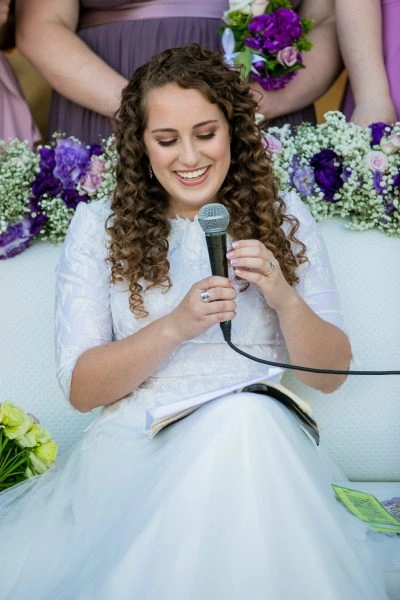
In my Shana bet at Migdal Oz I attended the Hadran siyum hash”as. Witnessing so many women so passionate about their Torah learning and connection to God, I knew I had to begin with the coming cycle. My wedding (June 24) was two weeks before the siyum of mesechet yoma so I went a little ahead and was able to make a speech and siyum at my kiseh kallah on my wedding day!

Sharona Guggenheim Plumb

Givat Shmuel, Israel

I started learning at the start of this cycle, and quickly fell in love. It has become such an important part of my day, enriching every part of my life.

Naomi Niederhoffer
Naomi Niederhoffer

Toronto, Canada

Berakhot 59

כְּטִרְפָּא דִּטְרִיף. וְהַאי דְּאָזְלָא בָּתְרַהּ, דְּאָמְרָה לַהּ: הַב לִי בְּנַי. שֶׁבְּשָׁעָה שֶׁהַקָּדוֹשׁ בָּרוּךְ הוּא בִּקֵּשׁ לְהָבִיא מַבּוּל לְעוֹלָם נָטַל שְׁנֵי כּוֹכָבִים מִכִּימָה וְהֵבִיא מַבּוּל לָעוֹלָם. וּכְשֶׁבִּקֵּשׁ לְסׇתְמָהּ, נָטַל שְׁנֵי כּוֹכָבִים מֵעַיִשׁ וּסְתָמָהּ.

as if it was appended onto it. The Gemara explains: And the fact that Ursa Major follows Pleiades, it is as if Ursa Major is saying to Pleiades: Give me back my children, my two stars. As it is related: When the Holy One, Blessed be He, sought to bring a flood into the world, He took two stars from Pleiades and brought the flood upon the world. And afterward, when He wished to fill the void, He took two stars from Ursa Major and filled the void with them. Consequently, the constellation of Ursa Major attempts to persuade Pleiades, seeking to get its stars back.

וְלַיהְדַּר לַהּ? — אֵין הַבּוֹר מִתְמַלֵּא מֵחוּלְיָתוֹ. אִי נָמֵי — אֵין קָטֵיגוֹר נַעֲשָׂה סָנֵיגוֹר.

The Gemara asks: And return it, why did the Holy One, Blessed be He, not restore the original two stars to Pleiades? The Gemara answers: A pit cannot be filled by its own earth; when a pit is excavated, the earth that was excavated from it is insufficient to refill it. Alternatively, one could say that a prosecutor cannot become an advocate; since these stars caused the flood it is not appropriate that they facilitate the end of the flood.

וְלִיבְרֵי לַהּ תְּרֵי כֹּכְבֵי אַחֲרִינֵי! — ״אֵין כׇּל חָדָשׁ תַּחַת הַשָּׁמֶשׁ״. אָמַר רַב נַחְמָן: עָתִיד הַקָּדוֹשׁ בָּרוּךְ הוּא לְהַחֲזִירָן לָהּ, שֶׁנֶּאֱמַר: ״וְעַיִשׁ עַל בָּנֶיהָ תַנְחֵם״.

The Gemara argues: Then God should have created two other new stars for Pleiades. The Gemara responds: “There is nothing new under the sun” (Ecclesiastes 1:9). Rav Naḥman said: In the future, the Holy One, Blessed be He, will restore those same stars to Ursa Major, as it is stated: “Or can you guide [tanḥem] Ursa Major with her sons?” (Job 38:32), which is interpreted homiletically in the sense of consolation [tanḥumim] apparently due to the restoration of those stars.

וְעַל הַזְּוָעוֹת. מַאי זְוָעוֹת? אָמַר רַב קַטִּינָא: גּוּהָא. רַב קַטִּינָא הֲוָה קָאָזֵיל בְּאוֹרְחָא. כִּי מְטָא אַפִּתְחָא דְּבֵי אוֹבָא טַמְיָא גְּנַח גּוּהָא. אָמַר: מִי יָדַע אוֹבָא טַמְיָא הַאי גּוּהָא מַהוּ? רְמָא לֵיהּ קָלָא: קַטִּינָא קַטִּינָא, אַמַּאי לָא יָדַעְנָא? בְּשָׁעָה שֶׁהַקָּדוֹשׁ בָּרוּךְ הוּא זוֹכֵר אֶת בָּנָיו שֶׁשְּׁרוּיִים בְּצַעַר בֵּין אוּמּוֹת הָעוֹלָם מוֹרִיד שְׁתֵּי דְמָעוֹת לַיָּם הַגָּדוֹל, וְקוֹלוֹ נִשְׁמָע מִסּוֹף הָעוֹלָם וְעַד סוֹפוֹ, וְהַיְינוּ גּוּהָא.

And we learned in the mishna that over zeva’ot one recites the blessing: Whose strength and power fill the world. The Gemara asks: What are zeva’ot? Rav Ketina said: An earthquake. The Gemara relates: Rav Ketina was once walking along the road when he came to the entrance of the house of a necromancer and an earthquake rumbled. He said: Does this necromancer know what is this earthquake? The necromancer raised his voice and said: Ketina, Ketina, why would I not know? Certainly this earthquake occurred because when the Holy One, Blessed be He, remembers His children who are suffering among the nations of the world, He sheds two tears into the great sea. The sound of their reverberation is heard from one end of the earth to the other. And that is an earthquake.

אָמַר רַב קַטִּינָא: אוֹבָא טַמְיָא כַּדִּיב הוּא, וּמִילֵּיהּ כְּדִיבִין. אִי הָכִי — גּוּהָא גּוּהָא מִיבְּעֵי לֵיהּ? וְלָא הִיא, גּוּהָא גּוּהָא עָבֵיד, וְהַאי דְּלָא אוֹדִי לֵיהּ, כִּי הֵיכִי דְּלָא לִיטְעֵי כּוּלֵּי עָלְמָא אַבָּתְרֵיהּ.

Rav Ketina said: The necromancer is a liar and his statements are lies. If so, it would necessitate an earthquake followed by another earthquake, one for each tear. The Gemara remarks: That is not so, as it indeed causes an earthquake followed by another earthquake; and the fact that Rav Ketina did not admit that the necromancer was correct was so that everyone would not mistakenly follow him.

וְרַב קַטִּינָא דִּידֵיהּ אָמַר: סוֹפֵק כַּפָּיו, שֶׁנֶּאֱמַר: ״וְגַם אֲנִי אַכֶּה כַפִּי אֶל כַּפִּי וַהֲנִיחֹתִי חֲמָתִי״. רַבִּי נָתָן אוֹמֵר: אֲנָחָה מִתְאַנֵּחַ, שֶׁנֶּאֱמַר: ״וַהֲנִיחוֹתִי חֲמָתִי בָּם וְהִנֶּחָמְתִּי״. וְרַבָּנַן אָמְרִי: בּוֹעֵט בָּרָקִיעַ, שֶׁנֶּאֱמַר: ״הֵידָד כְּדֹרְכִים יַעֲנֶה אֶל כׇּל יֹשְׁבֵי הָאָרֶץ״. רַב אַחָא בַּר יַעֲקֹב אָמַר: דּוֹחֵק אֶת רַגְלָיו תַּחַת כִּסֵּא הַכָּבוֹד, שֶׁנֶּאֱמַר: ״כֹּה אָמַר ה׳ הַשָּׁמַיִם כִּסְאִי וְהָאָרֶץ הֲדֹם רַגְלָי״.

Rav Ketina also stated his own explanation for the earthquake: Because God claps His hands together in anger, as it is stated: “I will also smite My hands together and I will satisfy My fury; I, the Lord, have spoken it” (Ezekiel 21:22). Rabbi Natan says: The earthquake is caused because God sighs over the dire straits in which Israel finds itself, as it is stated: “Thus shall My anger spend itself, and I will satisfy My fury upon them, and I will be eased” (Ezekiel 5:13). And the Rabbis say: An earthquake is caused when God kicks the firmament, causing a rumbling, as it is stated: “The Lord roars from on high, from His holy dwelling He makes His voice heard. He roars mightily over His dwelling place, He cries out like those who tread grapes, against all the inhabitants of the earth” (Jeremiah 25:30). Rav Aḥa bar Ya’akov said: An earthquake is caused when God forces His feet beneath the throne of glory and the world quakes, as it is stated: “The heaven is My throne, and the earth is My footstool” (Isaiah 66:1).

וְעַל הָרְעָמִים. מַאי רְעָמִים? אָמַר שְׁמוּאֵל: עֲנָנֵי בְּגַלְגַּלָּא. שֶׁנֶּאֱמַר: ״קוֹל רַעַמְךָ בַּגַּלְגַּל הֵאִירוּ בְרָקִים תֵּבֵל רָגְזָה וַתִּרְעַשׁ הָאָרֶץ״. וְרַבָּנַן אָמְרִי: עֲנָנֵי דְּשָׁפְכִי מַיָּא לַהֲדָדֵי, שֶׁנֶּאֱמַר: ״לְקוֹל תִּתּוֹ הֲמוֹן מַיִם בַּשָּׁמַיִם״. רַב אַחָא בַּר יַעֲקֹב אָמַר: בַּרְקָא תַּקִּיפָא דְּבָרֵיק בַּעֲנָנָא, וּמְתַבַּר גְּזִיזֵי דְבַרְזָא. רַב אָשֵׁי אָמַר: עֲנָנֵי חַלְחוֹלֵי מְחַלְחֲלִי, וְאָתֵי זִיקָא וּמְנַשֵּׁב אַפּוּמַּיְיהוּ, וְדָמֵי כְּזִיקָּא עַל פּוּם דַּנֵּי. וּמִסְתַּבְּרָא כְּרַב אַחָא בַּר יַעֲקֹב, דְּבָרֵיק בַּרְקָא, וּמְנַהֲמֵי עֲנָנֵי, וְאָתֵי מִטְרָא.

We also learned in the mishna that over thunder one recites: Whose strength and power fill the world. The Gemara asks: What causes thunder? Shmuel said: When the clouds located in the curvature of the firmament collide with the firmament itself, they produce this sound, as it is stated: “The voice of Your thunder was in the whirlwind; the lightning lighted up the world; the earth trembled and shook” (Psalms 77:19). And the Rabbis say: Thunder is the sound of clouds pouring water into one another, as it is stated: “At the sound of His giving a multitude of waters in the heavens” (Jeremiah 10:13). Rav Aḥa bar Ya’akov said: Thunder is caused by a powerful lightning bolt that flashes in the cloud and shatters the hailstones. Rav Ashi said: Because the clouds are hollow, and when the wind comes and blows across their mouths, it sounds like wind blowing in the mouth of a jug. The Gemara concludes: And it stands to reason in accordance with the opinion of Rav Aḥa bar Ya’akov; as lightning flashes, the clouds rumble, and the rain comes.

וְעַל הָרוּחוֹת. מַאי רוּחוֹת? אָמַר אַבָּיֵי: זַעְפָּא. וְאָמַר אַבָּיֵי: גְּמִירִי, דְּזַעְפָּא בְּלֵילְיָא לָא הָוֵי. וְהָא קָא חֲזֵינַן דְּהָוֵי! — הָהוּא, דְּאַתְחֵיל בִּימָמָא. וְאָמַר אַבָּיֵי: גְּמִירִי, דְּזַעְפָּא תַּרְתֵּי שָׁעֵי לָא קָאֵי, לְקַיֵּים מַה שֶּׁנֶּאֱמַר: ״לֹא תָקוּם פַּעֲמַיִם צָרָה״. וְהָא קָא חָזֵינַן דְּקָאֵי! — דְּמַפְסֵיק בֵּינֵי בֵּינֵי.

We also learned in the mishna that over wind one recites the blessing: Whose strength and power fill the world. The Gemara asks: What are these winds? Abaye said: These are gale force winds. Abaye said: We learned through tradition that there are no gale force winds at night. The Gemara asks: Don’t we see that there are gale force winds at night? The Gemara answers: This gale force wind that blows at night does not begin blowing at night; rather, it begins blowing during the day. And Abaye said: We learned through tradition that a gale force wind does not last two hours, to fulfill that which is stated: “Trouble shall not rise up a second time” (Nahum 1:9). The Gemara asks: Don’t we see that it does last longer than two hours? The Gemara answers: Actually, it does not last longer than two hours. The fact that we sense that it does last longer is due to cases where it does not blow uninterruptedly, but it briefly stops in between.

וְעַל הַבְּרָקִים אוֹמֵר ״בָּרוּךְ … שֶׁכֹּחוֹ וּגְבוּרָתוֹ מָלֵא עוֹלָם״. מַאי בְּרָקִים? אָמַר רָבָא: בַּרְקָא. וְאָמַר רָבָא: בַּרְקָא יְחִידָאָה, וּבַרְקָא חִיוָּרָא, וּבַרְקָא יְרוּקְתָּא, וַעֲנָנֵי דְּסָלְקָן בְּקֶרֶן מַעֲרָבִית וְאָתְיָין מִקֶּרֶן דְּרוֹמִית, וְתַרְתֵּי עֲנָנֵי דְּסָלְקָן חֲדָא לְאַפֵּי חֲבֶרְתָּהּ — כּוּלְּהוּ קַשְׁיָין.

We also learned in the mishna that over lightning one recites: Blessed…Whose strength and power fill the world. The Gemara asks: What is this lightning? Rava said: A bright light. And Rava said: A single bolt of lightning, white lightning, green lightning, clouds that rise in the western corner and come from the southern corner, and two clouds that rise with one facing the other are all signs of trouble.

לְמַאי נָפְקָא מִינַּהּ? לְמִבְעֵי רַחֲמֵי. וְהָנֵי מִילֵּי בְּלֵילְיָא, אֲבָל בְּצַפְרָא — לֵית בְּהוּ מְשָׁשָׁא.

The Gemara asks: What practical difference is there in the knowledge that they are signs of trouble? The Gemara answers: So that we may pray for God’s mercy, that they cause us no harm. The Gemara remarks that this only applies when these phenomena appear at night. In the morning, however, they are insignificant.

אָמַר רַבִּי שְׁמוּאֵל בַּר יִצְחָק: הָנֵי עֲנָנֵי דְצַפְרָא לֵית בְּהוּ מְשָׁשָׁא, דִּכְתִיב: ״וְחַסְדְּכֶם כַּעֲנַן בֹּקֶר וְגוֹ׳״. אֲמַר לֵיהּ רַב פָּפָּא לְאַבָּיֵי, הָא אָמְרִי אִינָשֵׁי: כַּד מִפְתָּח בָּבֵי מִיטְרָא, בַּר חַמָּרָא, מוּךְ שַׂקָּיךְ וּגְנִי! לָא קַשְׁיָא: הָא דִּקְטִר בְּעֵיבָא, הָא דִּקְטִר בַּעֲנָנֵי.

Rabbi Shmuel bar Yitzḥak said: Morning clouds dissipate immediately so they have no substance, as it is written: “For your goodness is as a morning cloud, and as the dew that early passes away” (Hosea 6:4). With regard to this, Rav Pappa said to Abaye: But don’t people say the maxim: If there is rain when people open their doors in the morning, donkey-driver, fold your sack and go to sleep, as rain will continue to fall all day. Apparently morning clouds indicate that there will be rain all day. The Gemara responds: This is not difficult, as this, that suggests that there will be considerable rain, refers to a case where the sky is covered with thick clouds, while this opinion, where Rabbi Shmuel bar Yitzḥak said that morning clouds have no substance and will not produce much rain, refers to a case where the sky is covered with flimsy clouds which will certainly pass.

אָמַר רַבִּי אֲלֶכְּסַנְדְּרִי אָמַר רַבִּי יְהוֹשֻׁעַ בֶּן לֵוִי: לֹא נִבְרְאוּ רְעָמִים אֶלָּא לִפְשׁוֹט עַקְמוּמִית שֶׁבַּלֵּב, שֶׁנֶּאֱמַר: ״וְהָאֱלֹהִים עָשָׂה שֶׁיִּרְאוּ מִלְּפָנָיו״. וְאָמַר רַבִּי אֲלֶכְּסַנְדְּרִי אָמַר רַבִּי יְהוֹשֻׁעַ בֶּן לֵוִי: הָרוֹאֶה אֶת הַקֶּשֶׁת בֶּעָנָן צָרִיךְ שֶׁיִּפּוֹל עַל פָּנָיו, שֶׁנֶּאֱמַר: ״כְּמַרְאֵה הַקֶּשֶׁת אֲשֶׁר יִהְיֶה בֶעָנָן וְגוֹ׳ וָאֶרְאֶה וָאֶפֹּל עַל פָּנַי״. לָיְיטִי עֲלַהּ בְּמַעְרְבָא, מִשּׁוּם דְּמִחֲזֵי כְּמַאן דְּסָגֵיד לְקַשְׁתָּא. אֲבָל בָּרוֹכֵי וַדַּאי מְבָרֵךְ. מַאי מְבָרֵךְ? — ״בָּרוּךְ … זוֹכֵר הַבְּרִית״. בְּמַתְנִיתָא תָּנָא, רַבִּי יִשְׁמָעֵאל בְּנוֹ שֶׁל רַבִּי יוֹחָנָן בֶּן בְּרוֹקָא אוֹמֵר: ״נֶאֱמָן בִּבְרִיתוֹ וְקַיָּים בְּמַאֲמָרוֹ״. אָמַר רַב פָּפָּא: הִלְכָּךְ נֵימְרִינְהוּ לְתַרְוַיְיהוּ: ״בָּרוּךְ … זוֹכֵר הַבְּרִית, וְנֶאֱמָן בִּבְרִיתוֹ וְקַיָּים בְּמַאֲמָרוֹ״.

Rabbi Alexandri said that Rabbi Yehoshua ben Levi said: Thunder was created only to impose fear and straighten the crookedness of the heart, as it is stated: “And God has so made it, that men should fear before Him” (Ecclesiastes 3:14). And Rabbi Alexandri said that Rabbi Yehoshua ben Levi said: One who sees a rainbow in a cloud must fall upon his face, as it is stated: “As the appearance of the bow that is in the cloud in the day of rain, so was the appearance of the brightness round about. This was the appearance of the likeness of the glory of the Lord. And when I saw it, I fell upon my face” (Ezekiel 1:28). The colors of the rainbow symbolize the glory of God and one may not stare at them. Yet, in the West, Eretz Yisrael, they would curse one who fell upon his face when seeing a rainbow because it appears as one who is bowing to the rainbow. As far as blessing is concerned, however, all agree that one certainly recites a blessing. What blessing does one recite? Blessed…Who remembers the covenant with Noah. It was taught in a baraita that Rabbi Yishmael, son of Rabbi Yoḥanan ben Beroka, says that the blessing is: Blessed…Who is faithful to His covenant and fulfills His word. Rav Pappa said: Therefore we will say them both combined: Blessed…Who remembers the covenant and is faithful to His covenant and fulfills His word.

עַל הֶהָרִים וְעַל הַגְּבָעוֹת. אַטּוּ כׇּל הָנֵי דַּאֲמַרַן עַד הַשְׁתָּא, לָאו מַעֲשֵׂה בְרֵאשִׁית נִינְהוּ? וְהָכְתִיב ״בְּרָקִים לַמָּטָר עָשָׂה״! אָמַר אַבָּיֵי: כְּרוֹךְ וּתְנִי. רָבָא אָמַר: הָתָם מְבָרֵךְ תַּרְתֵּי — ״בָּרוּךְ … שֶׁכֹּחוֹ מָלֵא עוֹלָם״, וְ״עוֹשֶׂה מַעֲשֵׂה בְרֵאשִׁית״. הָכָא ״עוֹשֶׂה מַעֲשֵׂה בְרֵאשִׁית״ — אִיכָּא, ״שֶׁכֹּחוֹ מָלֵא עוֹלָם״ לֵיכָּא.

We learned in the mishna that over mountains and hills one recites: Blessed…Author of creation. The Gemara asks: Is that to say that all those that we mentioned until now, such as lightning, are not acts of creation? Among God’s praise for creation of the world and forming the mountains, is it not also written: “He makes lightning for the rain” (Psalms 135:7)? Abaye said: Combine the two statements and teach that in all the cases in our mishna, one recites these two blessings. Rava said: There, over lightning and thunder, one recites two blessings: Blessed…Whose power fills the world, and: Author of creation. Here, however, over mountains and hills, one recites the blessing: Author of creation, but need not recite: Whose power fills the world.

אָמַר רַבִּי יְהוֹשֻׁעַ בֶּן לֵוִי: הָרוֹאֶה רָקִיעַ בְּטׇהֳרָתָהּ, אוֹמֵר: ״בָּרוּךְ … עוֹשֵׂה בְרֵאשִׁית״. אִימַּתִּי? אָמַר אַבָּיֵי: כִּי אָתֵי מִטְרָא כּוּלֵּי לֵילְיָא, וּבְצַפְרָא אָתֵי אִסְתָּנָא וּמְגַלְּיָא לְהוּ לִשְׁמַיָּא.

Rabbi Yehoshua ben Levi said: One who sees the firmament in its purity recites: Blessed…Author of creation. The Gemara asks: When does the firmament appear in its purity? Abaye said: When rain falls all night and in the morning a northern wind blows, exposing the heavens.

וּפְלִיגָא דְּרַפְרָם בַּר פָּפָּא אָמַר רַב חִסְדָּא. דְּאָמַר רַפְרָם בַּר פָּפָּא אָמַר רַב חִסְדָּא: מִיּוֹם שֶׁחָרַב בֵּית הַמִּקְדָּשׁ לֹא נִרְאֵית רָקִיעַ בְּטׇהֳרָתָהּ, שֶׁנֶּאֱמַר: ״אַלְבִּישׁ שָׁמַיִם קַדְרוּת וְשַׂק אָשִׂים כְּסוּתָם״.

The Gemara notes: And in this they disagree with Rafram bar Pappa who said that Rav Ḥisda said, as Rafram bar Pappa said that Rav Ḥisda said: Since the day the Temple was destroyed the firmament has not been seen in its purity, as it is said: “I clothe the heavens with blackness and I make sackcloth their covering” (Isaiah 50:3).

תָּנוּ רַבָּנַן: הָרוֹאֶה חַמָּה בִּתְקוּפָתָהּ, לְבָנָה בִּגְבוּרָתָהּ, וְכוֹכָבִים בִּמְסִילּוֹתָם, וּמַזָּלוֹת כְּסִדְרָן, אוֹמֵר: ״בָּרוּךְ … עוֹשֵׂה בְרֵאשִׁית״. וְאֵימַת הָוֵי? אָמַר אַבָּיֵי: כׇּל עֶשְׂרִין וּתְמָנְיָא שְׁנִין, וְהָדַר מַחְזוֹר וְנָפְלָה תְּקוּפַת נִיסָן, בְּשַׁבְּתַאי בְּאוּרְתָּא דִּתְלָת נַגְהֵי אַרְבַּע.

The Sages taught: One who sees the sun in the beginning of its cycle, the moon in its might, the planets in their orbit, or the signs of the zodiac aligned in their order recites: Blessed…Author of creation. The Gemara asks: And when is it that the sun is at the beginning of its cycle? Abaye said: Every twenty-eight years when the cycle is complete and returns to its genesis, and the Nisan, vernal, equinox, when the spring days and nights are of equal length, falls within the constellation of Saturn on the night of the third and eve of the fourth day of the week, as then their arrangement returns to be as it was when the constellations were first placed in the heavens.

רַבִּי יְהוּדָה אוֹמֵר הָרוֹאֶה הַיָּם וְכוּ׳ לִפְרָקִים. עַד כַּמָּה? אָמַר רָמֵי בַּר אַבָּא אָמַר רַב יִצְחָק: עַד שְׁלֹשִׁים יוֹם.

We learned in the mishna that Rabbi Yehuda said: One who sees the great sea intermittently recites: Blessed…Who has made the great sea. The Gemara asks: How much is intermittently? Rami bar Abba said that Rav Yitzḥak said: Thirty days.

וְאָמַר רָמֵי בַּר אַבָּא אָמַר רַב יִצְחָק: הָרוֹאֶה פְּרָת אַגִּשְׁרָא דְבָבֶל, אוֹמֵר: ״בָּרוּךְ … עוֹשֵׂה בְרֵאשִׁית״. וְהָאִידָּנָא דְּשַׁנְיוּהּ פָּרְסָאֵי — מִבֵּי שַׁבּוּר וּלְעֵיל. רַב יוֹסֵף אָמַר: מֵאִיהִי דְקִירָא וּלְעֵיל. וְאָמַר רָמֵי בַּר אַבָּא: הָרוֹאֶה דִּגְלַת אַגִּשְׁרָא דְּשָׁבִיסְתְּנָא, אוֹמֵר: ״בָּרוּךְ … עוֹשֵׂה בְּרֵאשִׁית״.

And Rami bar Abba said that Rav Yitzḥak said: One who sees the Euphrates River near the bridge of Babylonia recites: Blessed…Author of creation. The Gemara adds: And now that the Persians have rerouted the course of the river, one only recites the blessing from Beit Shavor upriver. Downriver, it no longer flows as it did at creation, so there one does not recite the blessing: Author of creation. Rav Yosef said: One only recites the blessing from Ihi Dekira upriver. And Rami bar Abba said: One who sees the Tigris on the bridge of Shabistana recites: Blessed…Author of creation.

מַאי ״חִדֶּקֶל״ — אָמַר רַב אָשֵׁי: שֶׁמֵּימָיו חַדִּין וְקַלִּין. מַאי ״פְּרָת״? — שֶׁמֵּימָיו פָּרִין וְרָבִין.

The Gemara proceeds to explain the names of these rivers. What is the source of the name Ḥidekel [Tigris]? Rav Ashi said: Its name is an acronym derived from the fact that its waters are sharp [ḥadin] and light [kalin] and therefore good for drinking. What is the source of the name Perat [Euphrates]? It is so named because its waters are fruitful [parin] and multiply [ravin]; there are many fish in it.

וְאָמַר רָבָא: הַאי דַּחֲרִיפֵי בְּנֵי מָחוֹזָא — מִשּׁוּם דְּשָׁתוּ מַיָּא דְּדִגְלַת. הַאי דְּגִיחוֹרֵי — מִשּׁוּם דִּמְשַׁמְּשִׁי בִּימָמָא. וְהַאי דְּנָיְידִי עֵינַיְיהוּ — מִשּׁוּם דְּדָיְירוּ בְּבַיִת אָפֵל.

As for the Tigris River, Rava said: The inhabitants of the city Meḥoza are sharp because they drink the water of the Tigris; they are red because they engage in conjugal relations in the daytime; and their eyes move constantly because they live in dark houses.

עַל הַגְּשָׁמִים כּוּ׳. וְעַל הַגְּשָׁמִים ״הַטּוֹב וְהַמֵּטִיב״ מְבָרֵךְ? וְהָאָמַר רַבִּי אֲבָהוּ, וְאָמְרִי לַהּ בְּמַתְנִיתָא תָּנָא: מֵאֵימָתַי מְבָרְכִין עַל הַגְּשָׁמִים — מִשֶּׁיֵּצֵא חָתָן לִקְרַאת כַּלָּה.

We learned in our mishna that over rain one recites the blessing: Blessed…Who is good and does good. The Gemara asks: And over rain does one really recite the blessing: Who is good and does good? Didn’t Rabbi Abbahu say, and some say it was taught in a baraita: From when does one recite the blessing on rain? From when the groom went out to meet the bride. In other words, there are puddles of water on the ground. The groom, meaning the raindrops from above, cause the bride, meaning the water below, to splash.

מַאי מְבָרְכִין? אָמַר רַב יְהוּדָה: ״מוֹדִים אֲנַחְנוּ לָךְ עַל כׇּל טִפָּה וְטִפָּה שֶׁהוֹרַדְתָּ לָנוּ״. וְרַבִּי יוֹחָנָן מְסַיֵּים בַּהּ הָכִי: ״אִילּוּ פִינוּ מָלֵא שִׁירָה כַּיָּם וְכוּ׳ אֵין אֲנַחְנוּ מַסְפִּיקִין לְהוֹדוֹת לְךָ ה׳ אֱלֹהֵינוּ״, עַד ״תִּשְׁתַּחֲוֶה״. ״בָּרוּךְ אַתָּה ה׳ רוֹב הַהוֹדָאוֹת״.

The Gemara asks: What blessing does one recite? Rav Yehuda said: The formula of the blessing is: We thank You for each and every drop that You have made fall for us. And Rav Yoḥanan concludes the blessing as follows: If our mouths were as full of song as the sea…we could not sufficiently praise You O Lord our God, and he continues with the formula of nishmat that is recited on Shabbat morning, until: Shall bow before You. Blessed are You, O Lord, to Whom abundant thanksgivings are offered.

״רוֹב הַהוֹדָאוֹת״ וְלָא כׇּל הַהוֹדָאוֹת? אָמַר רָבָא: אֵימָא — ״הָאֵל הַהוֹדָאוֹת״. אָמַר רַב פָּפָּא: הִלְכָּךְ נֵימְרִינְהוּ לְתַרְוַיְיהוּ, ״רוֹב הַהוֹדָאוֹת״ וְ״הָאֵל הַהוֹדָאוֹת״.

The Gemara asks: Does the blessing say: Abundant thanksgivings, and not: All thanksgivings? Certainly all thanksgivings are due to God. Rava said: Emend the formula of the blessing and say: The God of thanksgivings. Rav Pappa said: Therefore, we will recite them both: Abundant thanksgivings, and: The God of thanksgivings.

וְאֶלָּא קַשְׁיָא! — לָא קַשְׁיָא, הָא דִּשְׁמַע מִשְׁמָע, הָא דַּחֲזָא מִחְזֵי.

However, it is still difficult, as apparently the blessing for rain is not: Who is good and does good, as it appears in our mishna. The Gemara responds: This is not difficult. This, which we learned in our mishna, that one recites: Who is good and does good, refers to a case where one heard that rain fell. This, where we learned that one recites: We thank You, etc., refers to a case where one saw the rain fall.

דִּשְׁמַע מִשְׁמָע הַיְינוּ בְּשׂוֹרוֹת טוֹבוֹת, וּתְנַן: עַל בְּשׂוֹרוֹת טוֹבוֹת אוֹמֵר ״בָּרוּךְ הַטּוֹב וְהַמֵּטִיב״!

The Gemara asks: One heard that the rain fell; that is a case of good tidings. And we learned in the mishna that upon hearing good tidings one recites: Who is good and does good. Therefore, there is no reason for the mishna to mention rain separately.

אֶלָּא: אִידֵּי וְאִידֵּי דַּחֲזָא מִחְזֵי, וְלָא קַשְׁיָא: הָא דַּאֲתָא פּוּרְתָּא, הָא דַּאֲתָא טוּבָא. וְאִיבָּעֵית אֵימָא: הָא וְהָא דַּאֲתָא טוּבָא, וְלָא קַשְׁיָא — הָא דְּאִית לֵיהּ אַרְעָא, הָא דְּלֵית לֵיהּ אַרְעָא.

Rather, the difficulty can be otherwise resolved: This, Rabbi Abbahu’s statement, and that, the mishna, both refer to a case where one saw the rain fall, and this is not difficult. This, Rabbi Abbahu’s statement that one recites We thank You, etc., refers to a case where a little rain fell, while that, the mishna which says that one recites: Who is good and does good, refers to a case where a lot of rain fell. And if you wish, say instead that this and that refer to cases where a lot of rain fell, and this is not difficult. This, the mishna, refers to a case where one owns land, while that, Rabbi Abbahu’s statement that one recites: We thank You, etc., refers to a case where one does not own land, so the rain does not benefit him directly.

אִית לֵיהּ אַרְעָא ״הַטּוֹב וְהַמֵּטִיב״ מְבָרֵךְ?! וְהָא תְּנַן: בָּנָה בַּיִת חָדָשׁ, וְקָנָה כֵּלִים חֲדָשִׁים, אוֹמֵר: ״בָּרוּךְ … שֶׁהֶחֱיָינוּ וְהִגִּיעָנוּ לַזְּמַן הַזֶּה״. שֶׁלּוֹ וְשֶׁל אֲחֵרִים — אוֹמֵר: ״הַטּוֹב וְהַמֵּטִיב״?

The Gemara asks: One who owns land recites: Who is good and does good? Didn’t we learn in the mishna: One who built a new house or purchased new vessels recites: Blessed…Who has given us life…and brought us to this time. However, if the land belonged to him and others in partnership, he recites: Who is good and does good? For rain falling onto land that one owns exclusively, he recites: Who has given us life and not: Who is good and does good.

לָא קַשְׁיָא: הָא דְּאִית לֵיהּ שׁוּתָּפוּת, הָא דְּלֵית לֵיהּ שׁוּתָּפוּת. וְהָתַנְיָא: קׇצְרוֹ שֶׁל דָּבָר, עַל שֶׁלּוֹ הוּא אוֹמֵר: ״בָּרוּךְ … שֶׁהֶחֱיָינוּ וְקִיְּימָנוּ״, עַל שֶׁלּוֹ וְעַל שֶׁל חֲבֵירוֹ — אוֹמֵר: ״בָּרוּךְ … הַטּוֹב וְהַמֵּטִיב״.

The Gemara answers: This is not difficult. This, the mishna where we learned that one recites: Who is good and does good, refers to a case where one owns his land in partnership with another; that, Rabbi Abbahu’s statement that one recites: Who has given us life, refers to a case where one owns the land exclusively and does not have a partnership. And indeed, this halakha was taught in a baraita: The gist of the matter is, for that which is exclusively his, he recites: Blessed…Who has given us life and sustained us; for that which belongs to him and to another in partnership, he recites: Who is good and does good.

וְכׇל הֵיכָא דְּלֵית לְאַחֲרִינָא בַּהֲדֵיהּ לָא מְבָרֵךְ ״הַטּוֹב וְהַמֵּטִיב״? וְהָתַנְיָא: אָמְרוּ לֵיהּ יָלְדָה אִשְׁתּוֹ זָכָר, אוֹמֵר ״בָּרוּךְ … הַטּוֹב וְהַמֵּטִיב״! הָתָם נָמֵי, דְּאִיכָּא אִשְׁתּוֹ בַּהֲדֵיהּ דְּנִיחָא לַהּ בְּזָכָר.

The Gemara challenges this principle: And in every case where others are not with him, one does not recite: Who is good and does good? Wasn’t it taught in a baraita: If they told him that his wife gave birth to a male, he recites: Who is good and does good? The Gemara responds: There too, his wife is with him, as she is also happy that a male child was born.

תָּא שְׁמַע: מֵת אָבִיו וְהוּא יוֹרְשׁוֹ, בַּתְּחִלָּה אוֹמֵר: ״בָּרוּךְ … דַּיַּין הָאֱמֶת״, וּלְבַסּוֹף הוּא אוֹמֵר: ״בָּרוּךְ … הַטּוֹב וְהַמֵּטִיב״. הָתָם נָמֵי דְּאִיכָּא אֲחֵי דְּקָא יָרְתִי בַּהֲדֵיהּ.

The Gemara challenges further: Come and hear a contradiction from what was taught in a baraita: One whose father died and he is his heir, initially recites: Blessed…the true Judge, upon hearing of his father’s death, and ultimately, upon receiving his inheritance, he recites: Blessed…Who is good and does good. Despite the fact that the son alone benefits, he nevertheless recites: Who is good and does good. The Gemara responds: There, too, it refers to a case where he has brothers who inherit along with him.

תָּא שְׁמַע: שִׁינּוּי יַיִן אֵינוֹ צָרִיךְ לְבָרֵךְ, שִׁינּוּי מָקוֹם צָרִיךְ לְבָרֵךְ. וְאָמַר רַבִּי יוֹסֵף בַּר אַבָּא אָמַר רַבִּי יוֹחָנָן אַף עַל פִּי שֶׁאָמְרוּ שִׁינּוּי יַיִן אֵינוֹ צָרִיךְ לְבָרֵךְ, אֲבָל אוֹמֵר: ״בָּרוּךְ … הַטּוֹב וְהַמֵּטִיב״! הָתָם נָמֵי, דְּאִיכָּא בְּנֵי חֲבוּרָה דְּשָׁתוּ בַּהֲדֵיהּ.

The Gemara cites an additional challenge: Come and hear a contradiction based on what was taught in a baraita: In the case of a change in the type of wine during a meal, one need not recite the blessing: Who creates fruit of the vine, a second time. However, in the case of a change in place, one must recite a second blessing over the wine. And Rabbi Yosef bar Abba said that Rabbi Yoḥanan said: Although the Sages said that in the case of a change in the type of wine one need not recite a second blessing over the wine, he does recite: Blessed…Who is good and does good. The Gemara responds: There, too, it refers to a case where he is not alone, but where members of the group are drinking with him.

בָּנָה בַּיִת חָדָשׁ וְקָנָה כֵּלִים חֲדָשִׁים וְכוּ׳. אָמַר רַב הוּנָא: לֹא שָׁנוּ אֶלָּא שֶׁאֵין לוֹ כַּיּוֹצֵא בָּהֶן, אֲבָל יֵשׁ לוֹ כַּיּוֹצֵא בָּהֶן — אֵינוֹ צָרִיךְ לְבָרֵךְ. וְרַבִּי יוֹחָנָן אָמַר: אֲפִילּוּ יֵשׁ לוֹ כַּיּוֹצֵא בָּהֶן, צָרִיךְ לְבָרֵךְ.

We learned in the mishna: One who built a new house or purchased new vessels recites: Blessed…Who has given us life, sustained us and brought us to this time. With regard to this blessing, Rav Huna said: They only taught that one recites: Who has given us life, upon purchasing a new vessel when he does not already have something similar, i.e., something he inherited. However, if he already has something similar he need not recite a blessing, as it is not new to him. Rabbi Yoḥanan said: Even if one already has something similar that he inherited, he must recite a blessing because he never before purchased a vessel of that kind.

Want to follow content and continue where you left off?

Create an account today to track your progress, mark what you’ve learned, and follow the shiurim that speak to you.

Clear all items from this list?

This will remove ALL the items in this section. You will lose any progress or history connected to them. This is irreversible.

Cancel
Yes, clear all

Are you sure you want to delete this item?

You will lose any progress or history connected to this item.

Cancel
Yes, delete