Search

Berakhot 64

Want to dedicate learning? Get started here:

English
עברית
podcast placeholder

0:00
0:00


podcast placeholder

0:00
0:00


Summary

Today’s shiur is sponsored by a group of women from Kehilath Jeshurun, Manhattan in memory of/lilui nishmato of Elliot Freilich, Eliyahu Daniel ben Bar Tzion David Halevi z”l.

One should not force the moment. Is it better to have a Rosh Yeshiva who has lots of knowledge or one who has good analytical skills? Several statements of Rabbi Avin are brought regarding behavior, hosting Torah scholars, the proper wording to use when parting with someone. Torah scholars do not have rest in this world or the world to come. How can that be viewed positiviely? Torah scholars bring peace to the world.

Berakhot 64

שֶׁנֶּאֱמַר: ״פְּעֻלְּתַי הַשְּׁמִינִי״, וּכְתִיב ״כִּי בֵרְכוֹ אֱלֹהִים״. ״כׇּל אֵלֶּה מִבְּנֵי עֹבֵד אֱדֹם הֵמָּה וּבְנֵיהֶם וַאֲחֵיהֶם אִישׁ חַיִל בַּכֹּחַ לַעֲבֹדָה שִׁשִּׁים וּשְׁנַיִם לְעֹבֵד אֱדֹם״.

as it is stated: “And Oved-edom had sons…Peulletai the eighth,” and in the continuation of the same verse it is written: “For God blessed him” (I Chronicles 26:4–5); apparently, these eight children were the blessing, as it is stated: “All these were of the sons of Oved-edom; they and their sons and their brethren, able men in strength for the service; sixty-two of Oved-edom” (I Chronicles 26:8). Each of the nine women gave birth to six sons, for a total of fifty-four. If one adds the original eight, there were sixty-two altogether.

אָמַר רַבִּי אָבִין הַלֵּוִי: כׇּל הַדּוֹחֵק אֶת הַשָּׁעָה — שָׁעָה דּוֹחַקְתּוֹ. וְכׇל הַנִּדְחֶה מִפְּנֵי הַשָּׁעָה — שָׁעָה נִדְחֵת מִפָּנָיו.

Rabbi Avin HaLevi said: If one forces the moment and attempts to take advantage of an undeserved opportunity, the moment forces him and he is pushed aside. If one yields to the moment and relinquishes an opportunity that presents itself, the moment yields to him.

מִדְּרַבָּה וְרַב יוֹסֵף. דְּרַב יוֹסֵף סִינַי וְרַבָּה עוֹקֵר הָרִים, אִצְטְרִיכָא לְהוּ שַׁעְתָּא. שְׁלַחוּ לְהָתָם: סִינַי וְעוֹקֵר הָרִים, אֵיזֶה מֵהֶם קוֹדֵם? שְׁלַחוּ לְהוּ: סִינַי קוֹדֵם, שֶׁהַכֹּל צְרִיכִין לְמָרֵי חִטַּיָּא. אַף עַל פִּי כֵן לֹא קִבֵּל עָלָיו רַב יוֹסֵף, דְּאָמְרִי לֵיהּ כַּלְדָּאֵי: מָלְכַתְּ תַּרְתֵּין שְׁנִין.

This may be derived from an incident involving Rabba and Rav Yosef, as Rav Yosef was Sinai, extremely erudite, and Rabba was one who uproots mountains, extremely sharp. The moment arrived when they were needed; one of them was to be chosen as head of the yeshiva. They sent the following question there, to the Sages of Eretz Yisrael: Which takes precedence, Sinai or one who uproots mountains? They sent to them in response: Sinai takes precedence, for everyone needs the owner of the wheat, one who is expert in the sources. Nevertheless, Rav Yosef did not accept the appointment, as the Chaldean astrologers told him: You will preside as head of the yeshiva for two years.

מְלַךְ רַבָּה עֶשְׂרִין וְתַרְתֵּין שְׁנִין, מְלַךְ רַב יוֹסֵף תַּרְתֵּין שְׁנִין וּפַלְגָא.

Rabba presided as head of the yeshiva for twenty-two years. After he died, Rav Yosef presided for two and a half years. Though he did not take advantage of the opportunity that presented itself, he ultimately fulfilled that for which he was destined.

כֹּל הָנָךְ שְׁנֵי דִּמְלַךְ רַבָּה, אֲפִילּוּ אוּמָּנָא לְבֵיתֵיהּ לָא קְרָא.

The Gemara relates that all those years that Rabba presided, Rav Yosef did not even call a bloodletter to his home. Rav Yosef did not assume even the slightest air of authority, and would go to seek out the bloodletter rather than call upon the bloodletter to accommodate him.

וְאָמַר רַבִּי אָבִין הַלֵּוִי: מַאי דִּכְתִיב ״יַעַנְךָ ה׳ בְּיוֹם צָרָה יְשַׂגֶּבְךָ שֵׁם אֱלֹהֵי יַעֲקֹב״, אֱלֹהֵי יַעֲקֹב וְלֹא אֱלֹהֵי אַבְרָהָם וְיִצְחָק? מִכָּאן לְבַעַל הַקּוֹרָה שֶׁיִּכָּנֵס בְּעׇבְיָהּ שֶׁל קוֹרָה.

And Rabbi Avin HaLevi said: What is the meaning of that which is written: “The Lord will answer you on the day of distress; the name of the God of Jacob set you upon high” (Psalms 20:2)? Is God specifically the God of Jacob and not the God of Abraham and Isaac? Rather, from here the general principle is derived: One who owns a beam should approach carrying the thick portion of the beam. A builder, carrying a beam in order to affix it in a building, must calibrate it and measure carefully so that the thick part of the beam fits in its place; so too must Jacob, who fathered and raised the children who would become the people of Israel, continue to pray for them and complete the task of nation-building.

וְאָמַר רַבִּי אָבִין הַלֵּוִי: כׇּל הַנֶּהֱנֶה מִסְּעוּדָה שֶׁתַּלְמִיד חָכָם שָׁרוּי בְּתוֹכָהּ, כְּאִילּוּ נֶהֱנֶה מִזִּיו שְׁכִינָה, שֶׁנֶּאֱמַר: ״וַיָּבֹא אַהֲרֹן וְכֹל זִקְנֵי יִשְׂרָאֵל לֶאֱכׇל לֶחֶם עִם חֹתֵן מֹשֶׁה לִפְנֵי הָאֱלֹהִים״, וְכִי לִפְנֵי אֱלֹהִים אָכְלוּ? וַהֲלֹא לִפְנֵי מֹשֶׁה אָכְלוּ!

And Rabbi Avin HaLevi said: One who partakes of a meal at which a Torah scholar is present, it is as if he enjoyed the radiant splendor of the Divine Presence, as it is stated: “And Aaron came, and all the elders of Israel, to eat bread with Moses’ father-in-law before God” (Exodus 18:12). Did they actually eat before God? Didn’t they eat before Moses?

אֶלָּא לוֹמַר לָךְ כׇּל הַנֶּהֱנֶה מִסְּעוּדָה שֶׁתַּלְמִיד חָכָם שָׁרוּי בְּתוֹכָהּ — כְּאִילּוּ נֶהֱנֶה מִזִּיו שְׁכִינָה.

Rather, this verse comes to tell you that one who partakes in a meal at which a Torah scholar is present, it is as if he enjoyed the radiant splendor of the Divine Presence.

וְאָמַר רַבִּי אָבִין הַלֵּוִי: הַנִּפְטָר מֵחֲבֵרוֹ אַל יֹאמַר לוֹ ״לֵךְ בְּשָׁלוֹם״, אֶלָּא ״לֵךְ לְשָׁלוֹם״, שֶׁהֲרֵי יִתְרוֹ שֶׁאָמַר לוֹ לְמֹשֶׁה ״לֵךְ לְשָׁלוֹם״, עָלָה וְהִצְלִיחַ. דָּוִד שֶׁאָמַר לוֹ לְאַבְשָׁלוֹם ״לֵךְ בְּשָׁלוֹם״, הָלַךְ וְנִתְלָה.

And Rabbi Avin HaLevi said: One who takes leave from another should not say to him: Go in peace, but rather, he should say: Go to peace. As we see that, on the one hand, Jethro said to Moses: “Go to peace” (Exodus 4:18), and Moses ascended and was successful. On the other hand, David said to his son, Absalom: “Go in peace” (II Samuel 15:9), and Absalom went and was ultimately hanged.

וְאָמַר רַבִּי אָבִין הַלֵּוִי: הַנִּפְטָר מִן הַמֵּת אַל יֹאמַר לוֹ ״לֵךְ לְשָׁלוֹם״, אֶלָּא ״לֵךְ בְּשָׁלוֹם״, שֶׁנֶּאֱמַר: ״וְאַתָּה תָּבוֹא אֶל אֲבֹתֶיךָ בְּשָׁלוֹם״.

Rabbi Avin HaLevi also said: One who takes leave from a dead person should not say to him: Go to peace, but rather, one should say: Go in peace, as it is stated: “But you shall go to your fathers in peace” (Genesis 15:15).

אָמַר רַבִּי לֵוִי בַּר חִיָּיא: הַיּוֹצֵא מִבֵּית הַכְּנֶסֶת וְנִכְנָס לְבֵית הַמִּדְרָשׁ וְעוֹסֵק בַּתּוֹרָה — זוֹכֶה וּמְקַבֵּל פְּנֵי שְׁכִינָה, שֶׁנֶּאֱמַר ״יֵלְכוּ מֵחַיִל אֶל חָיִל יֵרָאֶה אֶל אֱלֹהִים בְּצִיּוֹן״.

Rabbi Levi bar Ḥiyya said: One who leaves the synagogue and immediately enters the study hall and engages in Torah study, is privileged to receive the Divine Presence, as it is stated: “They go from strength to strength, every one of them appears before God in Zion” (Psalms 84:8); those who go from a place of prayer to a place of Torah study are privileged to receive a divine revelation in Zion.

אָמַר רַבִּי חִיָּיא בַּר אָשֵׁי אָמַר רַב: תַּלְמִידֵי חֲכָמִים אֵין לָהֶם מְנוּחָה לֹא בָּעוֹלָם הַזֶּה וְלֹא בָּעוֹלָם הַבָּא, שֶׁנֶּאֱמַר: ״יֵלְכוּ מֵחַיִל אֶל חָיִל יֵרָאֶה אֶל אֱלֹהִים בְּצִיּוֹן״.

With regard to that same verse, Rabbi Ḥiyya bar Ashi said that Rav said: Torah scholars have rest neither in this world nor in the World-to-Come, as in both worlds they are constantly progressing, as it is stated: “They go from strength to strength, every one of them appears before God in Zion.”

אָמַר רַבִּי אֶלְעָזָר אָמַר רַבִּי חֲנִינָא: תַּלְמִידֵי חֲכָמִים מַרְבִּים שָׁלוֹם בָּעוֹלָם, שֶׁנֶּאֱמַר: ״וְכׇל בָּנַיִךְ לִמּוּדֵי ה׳ וְרַב שְׁלוֹם בָּנָיִךְ״.

Rabbi Elazar said that Rabbi Ḥanina said: Torah scholars increase peace in the world, as it is said: “And all your children [banayikh] shall be taught of the Lord, and great shall be the peace of your children” (Isaiah 54:13). If all the children of Israel are taught of the Lord, there will be peace for all.

אַל תִּקְרֵי ״בָּנָיִךְ״ אֶלָּא ״בּוֹנָיִךְ״. ״שָׁלוֹם רָב לְאֹהֲבֵי תוֹרָתֶךָ וְאֵין לָמוֹ מִכְשׁוֹל״. ״יְהִי שָׁלוֹם בְּחֵילֵךְ שַׁלְוָה בְּאַרְמְנוֹתָיִךְ״. ״לְמַעַן אַחַי וְרֵעָי אֲדַבְּרָה נָּא שָׁלוֹם בָּךְ. לְמַעַן בֵּית ה׳ אֱלֹהֵינוּ אֲבַקְשָׁה טוֹב לָךְ״. ״ה׳ עֹז לְעַמּוֹ יִתֵּן ה׳ יְבָרֵךְ אֶת עַמּוֹ בַשָּׁלוֹם״.

The Sages interpreted this verse homiletically: Do not read your children [banayikh], but your builders [bonayikh]. Torah scholars are those who build peace for their generation. As it is stated: “Those who love Your Torah have great peace; there is no stumbling block for them” (Psalms 119:165); and “May there be peace within your walls, prosperity within your palaces” (Psalms 122:7), because: “For the sake of my brothers and friends, I shall say: Peace be within you. For the sake of the House of the Lord, our God, I will seek your good” (Psalms 122:8–9), and “May the Lord give strength to His people; the Lord will bless His people with peace” (Psalms 29:11).


הדרן עלך הרואה וסליקא לה מסכת ברכות

New to Talmud?

Check out our resources designed to help you navigate a page of Talmud – and study at the pace, level and style that fits you. 

The Hadran Women’s Tapestry

Meet the diverse women learning Gemara at Hadran and hear their stories. 

A friend mentioned that she was starting Daf Yomi in January 2020. I had heard of it and thought, why not? I decided to try it – go day by day and not think about the seven plus year commitment. Fast forward today, over two years in and I can’t imagine my life without Daf Yomi. It’s part of my morning ritual. If I have a busy day ahead of me I set my alarm to get up early to finish the day’s daf
Debbie Fitzerman
Debbie Fitzerman

Ontario, Canada

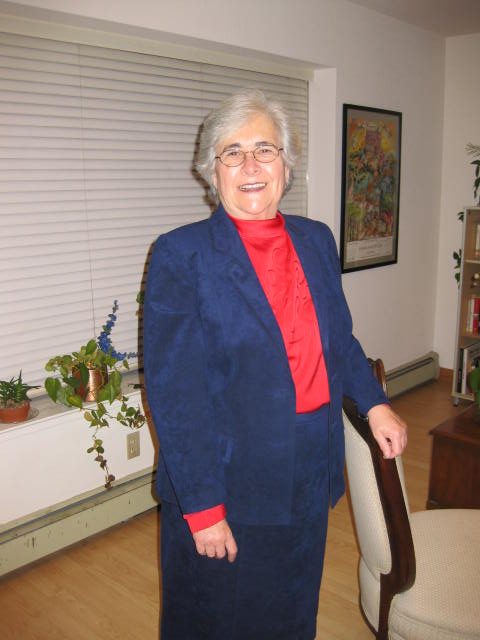
My first Talmud class experience was a weekly group in 1971 studying Taanit. In 2007 I resumed Talmud study with a weekly group I continue learning with. January 2020, I was inspired to try learning Daf Yomi. A friend introduced me to Daf Yomi for Women and Rabbanit Michelle Farber, I have kept with this program and look forward, G- willing, to complete the entire Shas with Hadran.
Lorri Lewis
Lorri Lewis

Palo Alto, CA, United States

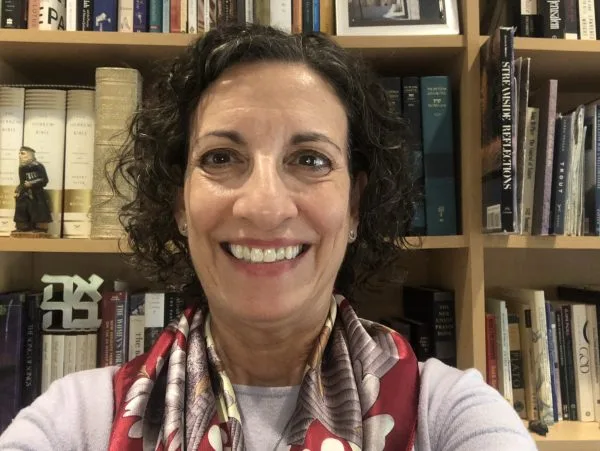
I never thought I’d be able to do Daf Yomi till I saw the video of Hadran’s Siyum HaShas. Now, 2 years later, I’m about to participate in Siyum Seder Mo’ed with my Hadran community. It has been an incredible privilege to learn with Rabbanit Michelle and to get to know so many caring, talented and knowledgeable women. I look forward with great anticipation and excitement to learning Seder Nashim.

Caroline-Ben-Ari-Tapestry
Caroline Ben-Ari

Karmiel, Israel

I started learning at the beginning of this cycle more than 2 years ago, and I have not missed a day or a daf. It’s been challenging and enlightening and even mind-numbing at times, but the learning and the shared experience have all been worth it. If you are open to it, there’s no telling what might come into your life.

Patti Evans
Patti Evans

Phoenix, Arizona, United States

My family recently made Aliyah, because we believe the next chapter in the story of the Jewish people is being written here, and we want to be a part of it. Daf Yomi, on the other hand, connects me BACK, to those who wrote earlier chapters thousands of years ago. So, I feel like I’m living in the middle of this epic story. I’m learning how it all began, and looking ahead to see where it goes!
Tina Lamm
Tina Lamm

Jerusalem, Israel

Since I started in January of 2020, Daf Yomi has changed my life. It connects me to Jews all over the world, especially learned women. It makes cooking, gardening, and folding laundry into acts of Torah study. Daf Yomi enables me to participate in a conversation with and about our heritage that has been going on for more than 2000 years.

Shira Eliaser
Shira Eliaser

Skokie, IL, United States

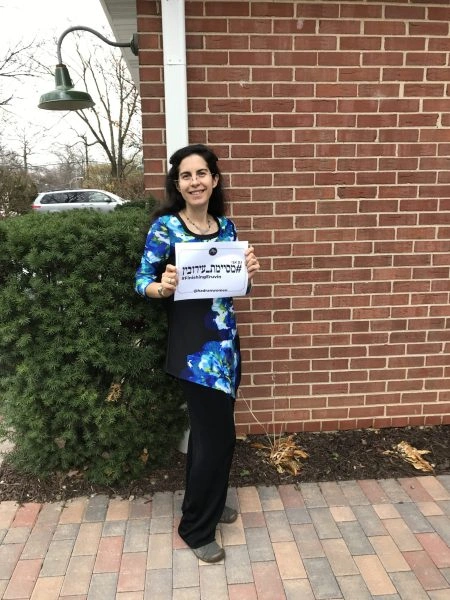
I’ve been learning since January 2020, and in June I started drawing a phrase from each daf. Sometimes it’s easy (e.g. plants), sometimes it’s very hard (e.g. korbanot), and sometimes it’s loads of fun (e.g. bird racing) to find something to draw. I upload my pictures from each masechet to #DafYomiArt. I am enjoying every step of the journey.

Gila Loike
Gila Loike

Ashdod, Israel

About a year into learning more about Judaism on a path to potential conversion, I saw an article about the upcoming Siyum HaShas in January of 2020. My curiosity was piqued and I immediately started investigating what learning the Daf actually meant. Daily learning? Just what I wanted. Seven and a half years? I love a challenge! So I dove in head first and I’ve enjoyed every moment!!
Nickie Matthews
Nickie Matthews

Blacksburg, United States

I had dreamed of doing daf yomi since I had my first serious Talmud class 18 years ago at Pardes with Rahel Berkovitz, and then a couple of summers with Leah Rosenthal. There is no way I would be able to do it without another wonderful teacher, Michelle, and the Hadran organization. I wake up and am excited to start each day with the next daf.

Beth Elster
Beth Elster

Irvine, United States

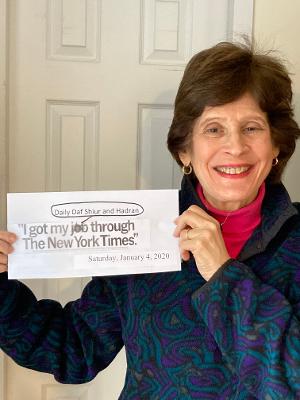
“I got my job through the NY Times” was an ad campaign when I was growing up. I can headline “I got my daily Daf shiur and Hadran through the NY Times”. I read the January 4, 2020 feature on Reb. Michelle Farber and Hadran and I have been participating ever since. Thanks NY Times & Hadran!
Deborah Aschheim
Deborah Aschheim

New York, United States

I read Ilana Kurshan’s “If All the Seas Were Ink” which inspired me. Then the Women’s Siyum in Jerusalem in 2020 convinced me, I knew I had to join! I have loved it- it’s been a constant in my life daily, many of the sugiyot connect to our lives. My family and friends all are so supportive. It’s incredible being part of this community and love how diverse it is! I am so excited to learn more!

Shira Jacobowitz
Shira Jacobowitz

Jerusalem, Israel

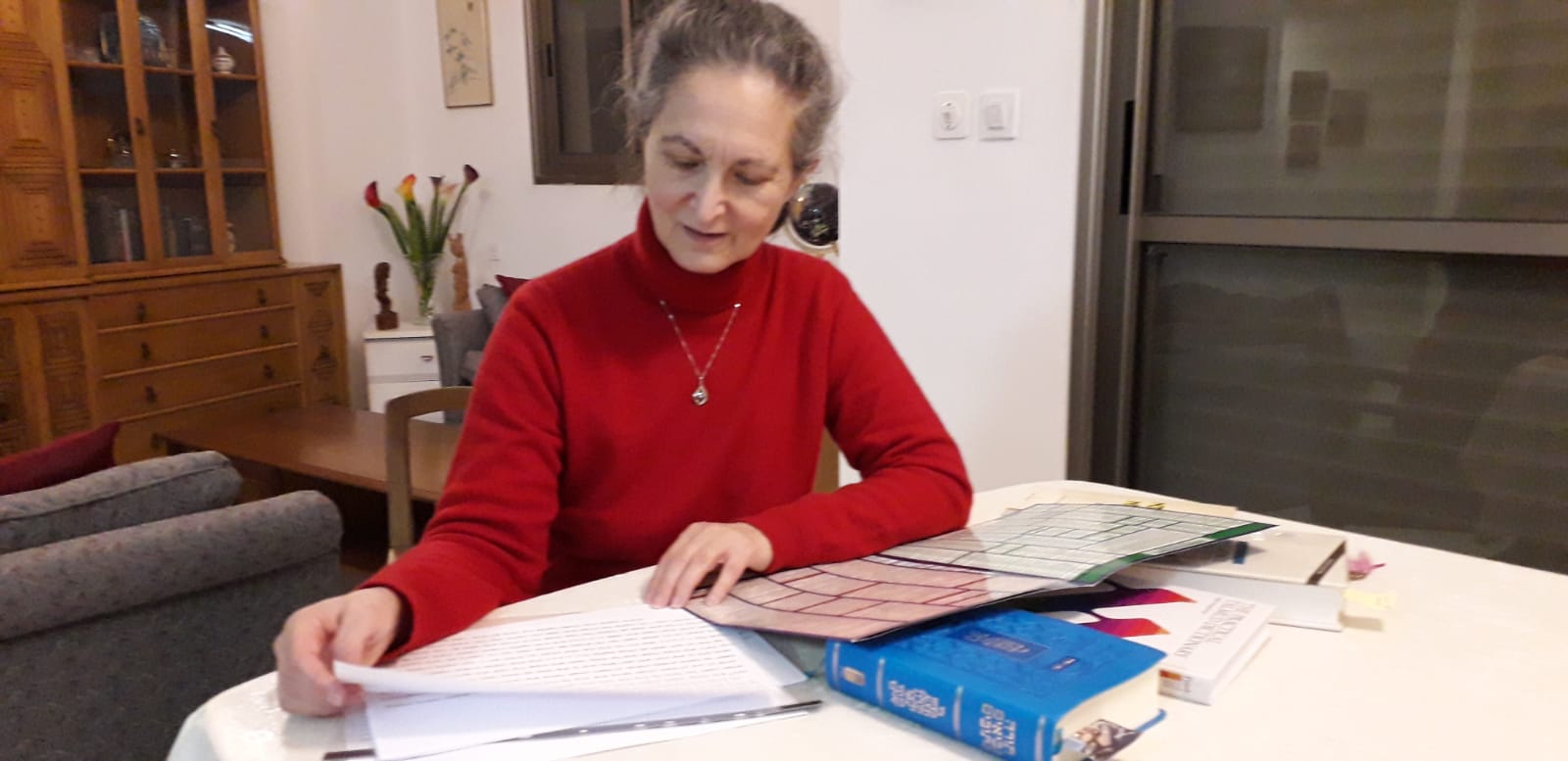
Geri Goldstein got me started learning daf yomi when I was in Israel 2 years ago. It’s been a challenge and I’ve learned a lot though I’m sure I miss a lot. I quilt as I listen and I want to share what I’ve been working on.

Rebecca Stulberg
Rebecca Stulberg

Ottawa, Canada

I learned Talmud as a student in Yeshivat Ramaz and felt at the time that Talmud wasn’t for me. After reading Ilana Kurshan’s book I was intrigued and after watching the great siyum in Yerushalayim it ignited the spark to begin this journey. It has been a transformative life experience for me as a wife, mother, Savta and member of Klal Yisrael.
Elana Storch
Elana Storch

Phoenix, Arizona, United States

I began my Daf Yomi journey on January 5, 2020. I had never learned Talmud before. Initially it struck me as a bunch of inane and arcane details with mind bending logic. I am now smitten. Rabbanit Farber brings the page to life and I am eager to learn with her every day!

Lori Stark
Lori Stark

Highland Park, United States

After reading the book, “ If All The Seas Were Ink “ by Ileana Kurshan I started studying Talmud. I searched and studied with several teachers until I found Michelle Farber. I have been studying with her for two years. I look forward every day to learn from her.

Janine Rubens
Janine Rubens

Virginia, United States

A beautiful world of Talmudic sages now fill my daily life with discussion and debate.
bringing alive our traditions and texts that has brought new meaning to my life.
I am a מגילת אסתר reader for women . the words in the Mishna of מסכת megillah 17a
הקורא את המגילה למפרע לא יצא were powerful to me.
I hope to have the zchut to complete the cycle for my 70th birthday.

Sheila Hauser
Sheila Hauser

Jerusalem, Israel

When I was working and taking care of my children, learning was never on the list. Now that I have more time I have two different Gemora classes and the nach yomi as well as the mishna yomi daily.

Shoshana Shinnar
Shoshana Shinnar

Jerusalem, Israel

I attended the Siyum so that I could tell my granddaughter that I had been there. Then I decided to listen on Spotify and after the siyum of Brachot, Covid and zoom began. It gave structure to my day. I learn with people from all over the world who are now my friends – yet most of us have never met. I can’t imagine life without it. Thank you Rabbanit Michelle.

Emma Rinberg
Emma Rinberg

Raanana, Israel

I have joined the community of daf yomi learners at the start of this cycle. I have studied in different ways – by reading the page, translating the page, attending a local shiur and listening to Rabbanit Farber’s podcasts, depending on circumstances and where I was at the time. The reactions have been positive throughout – with no exception!

Silke Goldberg
Silke Goldberg

Guildford, United Kingdom

I’ve been wanting to do Daf Yomi for years, but always wanted to start at the beginning and not in the middle of things. When the opportunity came in 2020, I decided: “this is now the time!” I’ve been posting my journey daily on social media, tracking my progress (#DafYomi); now it’s fully integrated into my daily routines. I’ve also inspired my partner to join, too!

Joséphine Altzman
Joséphine Altzman

Teaneck, United States

Berakhot 64

שֶׁנֶּאֱמַר: ״פְּעֻלְּתַי הַשְּׁמִינִי״, וּכְתִיב ״כִּי בֵרְכוֹ אֱלֹהִים״. ״כׇּל אֵלֶּה מִבְּנֵי עֹבֵד אֱדֹם הֵמָּה וּבְנֵיהֶם וַאֲחֵיהֶם אִישׁ חַיִל בַּכֹּחַ לַעֲבֹדָה שִׁשִּׁים וּשְׁנַיִם לְעֹבֵד אֱדֹם״.

as it is stated: “And Oved-edom had sons…Peulletai the eighth,” and in the continuation of the same verse it is written: “For God blessed him” (I Chronicles 26:4–5); apparently, these eight children were the blessing, as it is stated: “All these were of the sons of Oved-edom; they and their sons and their brethren, able men in strength for the service; sixty-two of Oved-edom” (I Chronicles 26:8). Each of the nine women gave birth to six sons, for a total of fifty-four. If one adds the original eight, there were sixty-two altogether.

אָמַר רַבִּי אָבִין הַלֵּוִי: כׇּל הַדּוֹחֵק אֶת הַשָּׁעָה — שָׁעָה דּוֹחַקְתּוֹ. וְכׇל הַנִּדְחֶה מִפְּנֵי הַשָּׁעָה — שָׁעָה נִדְחֵת מִפָּנָיו.

Rabbi Avin HaLevi said: If one forces the moment and attempts to take advantage of an undeserved opportunity, the moment forces him and he is pushed aside. If one yields to the moment and relinquishes an opportunity that presents itself, the moment yields to him.

מִדְּרַבָּה וְרַב יוֹסֵף. דְּרַב יוֹסֵף סִינַי וְרַבָּה עוֹקֵר הָרִים, אִצְטְרִיכָא לְהוּ שַׁעְתָּא. שְׁלַחוּ לְהָתָם: סִינַי וְעוֹקֵר הָרִים, אֵיזֶה מֵהֶם קוֹדֵם? שְׁלַחוּ לְהוּ: סִינַי קוֹדֵם, שֶׁהַכֹּל צְרִיכִין לְמָרֵי חִטַּיָּא. אַף עַל פִּי כֵן לֹא קִבֵּל עָלָיו רַב יוֹסֵף, דְּאָמְרִי לֵיהּ כַּלְדָּאֵי: מָלְכַתְּ תַּרְתֵּין שְׁנִין.

This may be derived from an incident involving Rabba and Rav Yosef, as Rav Yosef was Sinai, extremely erudite, and Rabba was one who uproots mountains, extremely sharp. The moment arrived when they were needed; one of them was to be chosen as head of the yeshiva. They sent the following question there, to the Sages of Eretz Yisrael: Which takes precedence, Sinai or one who uproots mountains? They sent to them in response: Sinai takes precedence, for everyone needs the owner of the wheat, one who is expert in the sources. Nevertheless, Rav Yosef did not accept the appointment, as the Chaldean astrologers told him: You will preside as head of the yeshiva for two years.

מְלַךְ רַבָּה עֶשְׂרִין וְתַרְתֵּין שְׁנִין, מְלַךְ רַב יוֹסֵף תַּרְתֵּין שְׁנִין וּפַלְגָא.

Rabba presided as head of the yeshiva for twenty-two years. After he died, Rav Yosef presided for two and a half years. Though he did not take advantage of the opportunity that presented itself, he ultimately fulfilled that for which he was destined.

כֹּל הָנָךְ שְׁנֵי דִּמְלַךְ רַבָּה, אֲפִילּוּ אוּמָּנָא לְבֵיתֵיהּ לָא קְרָא.

The Gemara relates that all those years that Rabba presided, Rav Yosef did not even call a bloodletter to his home. Rav Yosef did not assume even the slightest air of authority, and would go to seek out the bloodletter rather than call upon the bloodletter to accommodate him.

וְאָמַר רַבִּי אָבִין הַלֵּוִי: מַאי דִּכְתִיב ״יַעַנְךָ ה׳ בְּיוֹם צָרָה יְשַׂגֶּבְךָ שֵׁם אֱלֹהֵי יַעֲקֹב״, אֱלֹהֵי יַעֲקֹב וְלֹא אֱלֹהֵי אַבְרָהָם וְיִצְחָק? מִכָּאן לְבַעַל הַקּוֹרָה שֶׁיִּכָּנֵס בְּעׇבְיָהּ שֶׁל קוֹרָה.

And Rabbi Avin HaLevi said: What is the meaning of that which is written: “The Lord will answer you on the day of distress; the name of the God of Jacob set you upon high” (Psalms 20:2)? Is God specifically the God of Jacob and not the God of Abraham and Isaac? Rather, from here the general principle is derived: One who owns a beam should approach carrying the thick portion of the beam. A builder, carrying a beam in order to affix it in a building, must calibrate it and measure carefully so that the thick part of the beam fits in its place; so too must Jacob, who fathered and raised the children who would become the people of Israel, continue to pray for them and complete the task of nation-building.

וְאָמַר רַבִּי אָבִין הַלֵּוִי: כׇּל הַנֶּהֱנֶה מִסְּעוּדָה שֶׁתַּלְמִיד חָכָם שָׁרוּי בְּתוֹכָהּ, כְּאִילּוּ נֶהֱנֶה מִזִּיו שְׁכִינָה, שֶׁנֶּאֱמַר: ״וַיָּבֹא אַהֲרֹן וְכֹל זִקְנֵי יִשְׂרָאֵל לֶאֱכׇל לֶחֶם עִם חֹתֵן מֹשֶׁה לִפְנֵי הָאֱלֹהִים״, וְכִי לִפְנֵי אֱלֹהִים אָכְלוּ? וַהֲלֹא לִפְנֵי מֹשֶׁה אָכְלוּ!

And Rabbi Avin HaLevi said: One who partakes of a meal at which a Torah scholar is present, it is as if he enjoyed the radiant splendor of the Divine Presence, as it is stated: “And Aaron came, and all the elders of Israel, to eat bread with Moses’ father-in-law before God” (Exodus 18:12). Did they actually eat before God? Didn’t they eat before Moses?

אֶלָּא לוֹמַר לָךְ כׇּל הַנֶּהֱנֶה מִסְּעוּדָה שֶׁתַּלְמִיד חָכָם שָׁרוּי בְּתוֹכָהּ — כְּאִילּוּ נֶהֱנֶה מִזִּיו שְׁכִינָה.

Rather, this verse comes to tell you that one who partakes in a meal at which a Torah scholar is present, it is as if he enjoyed the radiant splendor of the Divine Presence.

וְאָמַר רַבִּי אָבִין הַלֵּוִי: הַנִּפְטָר מֵחֲבֵרוֹ אַל יֹאמַר לוֹ ״לֵךְ בְּשָׁלוֹם״, אֶלָּא ״לֵךְ לְשָׁלוֹם״, שֶׁהֲרֵי יִתְרוֹ שֶׁאָמַר לוֹ לְמֹשֶׁה ״לֵךְ לְשָׁלוֹם״, עָלָה וְהִצְלִיחַ. דָּוִד שֶׁאָמַר לוֹ לְאַבְשָׁלוֹם ״לֵךְ בְּשָׁלוֹם״, הָלַךְ וְנִתְלָה.

And Rabbi Avin HaLevi said: One who takes leave from another should not say to him: Go in peace, but rather, he should say: Go to peace. As we see that, on the one hand, Jethro said to Moses: “Go to peace” (Exodus 4:18), and Moses ascended and was successful. On the other hand, David said to his son, Absalom: “Go in peace” (II Samuel 15:9), and Absalom went and was ultimately hanged.

וְאָמַר רַבִּי אָבִין הַלֵּוִי: הַנִּפְטָר מִן הַמֵּת אַל יֹאמַר לוֹ ״לֵךְ לְשָׁלוֹם״, אֶלָּא ״לֵךְ בְּשָׁלוֹם״, שֶׁנֶּאֱמַר: ״וְאַתָּה תָּבוֹא אֶל אֲבֹתֶיךָ בְּשָׁלוֹם״.

Rabbi Avin HaLevi also said: One who takes leave from a dead person should not say to him: Go to peace, but rather, one should say: Go in peace, as it is stated: “But you shall go to your fathers in peace” (Genesis 15:15).

אָמַר רַבִּי לֵוִי בַּר חִיָּיא: הַיּוֹצֵא מִבֵּית הַכְּנֶסֶת וְנִכְנָס לְבֵית הַמִּדְרָשׁ וְעוֹסֵק בַּתּוֹרָה — זוֹכֶה וּמְקַבֵּל פְּנֵי שְׁכִינָה, שֶׁנֶּאֱמַר ״יֵלְכוּ מֵחַיִל אֶל חָיִל יֵרָאֶה אֶל אֱלֹהִים בְּצִיּוֹן״.

Rabbi Levi bar Ḥiyya said: One who leaves the synagogue and immediately enters the study hall and engages in Torah study, is privileged to receive the Divine Presence, as it is stated: “They go from strength to strength, every one of them appears before God in Zion” (Psalms 84:8); those who go from a place of prayer to a place of Torah study are privileged to receive a divine revelation in Zion.

אָמַר רַבִּי חִיָּיא בַּר אָשֵׁי אָמַר רַב: תַּלְמִידֵי חֲכָמִים אֵין לָהֶם מְנוּחָה לֹא בָּעוֹלָם הַזֶּה וְלֹא בָּעוֹלָם הַבָּא, שֶׁנֶּאֱמַר: ״יֵלְכוּ מֵחַיִל אֶל חָיִל יֵרָאֶה אֶל אֱלֹהִים בְּצִיּוֹן״.

With regard to that same verse, Rabbi Ḥiyya bar Ashi said that Rav said: Torah scholars have rest neither in this world nor in the World-to-Come, as in both worlds they are constantly progressing, as it is stated: “They go from strength to strength, every one of them appears before God in Zion.”

אָמַר רַבִּי אֶלְעָזָר אָמַר רַבִּי חֲנִינָא: תַּלְמִידֵי חֲכָמִים מַרְבִּים שָׁלוֹם בָּעוֹלָם, שֶׁנֶּאֱמַר: ״וְכׇל בָּנַיִךְ לִמּוּדֵי ה׳ וְרַב שְׁלוֹם בָּנָיִךְ״.

Rabbi Elazar said that Rabbi Ḥanina said: Torah scholars increase peace in the world, as it is said: “And all your children [banayikh] shall be taught of the Lord, and great shall be the peace of your children” (Isaiah 54:13). If all the children of Israel are taught of the Lord, there will be peace for all.

אַל תִּקְרֵי ״בָּנָיִךְ״ אֶלָּא ״בּוֹנָיִךְ״. ״שָׁלוֹם רָב לְאֹהֲבֵי תוֹרָתֶךָ וְאֵין לָמוֹ מִכְשׁוֹל״. ״יְהִי שָׁלוֹם בְּחֵילֵךְ שַׁלְוָה בְּאַרְמְנוֹתָיִךְ״. ״לְמַעַן אַחַי וְרֵעָי אֲדַבְּרָה נָּא שָׁלוֹם בָּךְ. לְמַעַן בֵּית ה׳ אֱלֹהֵינוּ אֲבַקְשָׁה טוֹב לָךְ״. ״ה׳ עֹז לְעַמּוֹ יִתֵּן ה׳ יְבָרֵךְ אֶת עַמּוֹ בַשָּׁלוֹם״.

The Sages interpreted this verse homiletically: Do not read your children [banayikh], but your builders [bonayikh]. Torah scholars are those who build peace for their generation. As it is stated: “Those who love Your Torah have great peace; there is no stumbling block for them” (Psalms 119:165); and “May there be peace within your walls, prosperity within your palaces” (Psalms 122:7), because: “For the sake of my brothers and friends, I shall say: Peace be within you. For the sake of the House of the Lord, our God, I will seek your good” (Psalms 122:8–9), and “May the Lord give strength to His people; the Lord will bless His people with peace” (Psalms 29:11).

הדרן עלך הרואה וסליקא לה מסכת ברכות

Want to follow content and continue where you left off?

Create an account today to track your progress, mark what you’ve learned, and follow the shiurim that speak to you.

Clear all items from this list?

This will remove ALL the items in this section. You will lose any progress or history connected to them. This is irreversible.

Cancel
Yes, clear all

Are you sure you want to delete this item?

You will lose any progress or history connected to this item.

Cancel
Yes, delete