Search

Chagigah 12

Want to dedicate learning? Get started here:

English
עברית
podcast placeholder

0:00
0:00


podcast placeholder

0:00
0:00


Summary

Today’s daf is sponsored by Geula Zamist in honor of the marriage of her daughter, Rachel Zamist to Avi Lermer and with never-ending thanks and appreciation to Rabbanit Michelle.

Today’s daf is sponsored by Leah Ackner in honor of her mother’s 74th birthday!

Today’s daf is sponsored by Marsha Levi to commemorate the shloshim of her mother Kitty Levi, Kayla bat Meir v’ Machla.

The Gemara brings all kinds of drashot on the creation of the world. Ten things were created on the first day – what are they? Was light created on the first day or the fourth day? Several drashot are brought to explain that God created certain things on a grand scale and then reduced them. What are they and why did God reduce them? Beit Hillel, Beit Shamai, and the sages disagree – was the sky created first or the earth or both at once? How do they each prove their position through both logic and verses? Rabbi Yossi described that the earth is supported by pillars, and pillars on the water, water on the mountains, mountains on the wind, wind on the storm, storm on the arms of God – all this is derived from verses. The sages explain that there are twelve pillars representative of the twelve tribes. Some say seven pillars and others say on one – a tzaddik. Are there two levels of firmaments in the heavens or seven? Reish Lakish holds that there are seven firmaments and explains what is held/done in each one.

Chagigah 12

הַשְׁתָּא דְּנָפְקָא לֵיהּ מִ״לְּמִקְצֵה הַשָּׁמַיִם וְעַד קְצֵה הַשָּׁמָיִם״, ״לְמִן הַיּוֹם אֲשֶׁר בָּרָא אֱלֹהִים אָדָם עַל הָאָרֶץ״ — לְמָה לִי?

The Gemara poses a question: Now that it is derived from the phrase “from one end of the heavens to the other,” why do I need the phrase “since the day that God created man upon the earth”?

כִּדְרַבִּי אֶלְעָזָר. דְּאָמַר רַבִּי אֶלְעָזָר: אָדָם הָרִאשׁוֹן מִן הָאָרֶץ עַד לָרָקִיעַ, שֶׁנֶּאֱמַר: ״לְמִן הַיּוֹם אֲשֶׁר בָּרָא אֱלֹהִים אָדָם עַל הָאָרֶץ״. וְכֵיוָן שֶׁסָּרַח — הִנִּיחַ הַקָּדוֹשׁ בָּרוּךְ הוּא יָדָיו עָלָיו וּמִיעֲטוֹ, שֶׁנֶּאֱמַר: ״אָחוֹר וָקֶדֶם צַרְתָּנִי וַתָּשֶׁת עָלַי כַּפֶּכָה״.

The Gemara answers that this phrase teaches us something else, according to Rabbi Elazar. As Rabbi Elazar said: The height of Adam the first man reached from the ground to the skies, as it is stated: “Since the day that God created man upon the earth, and from one end of the heavens” (Deuteronomy 4:32). When he sinned, the Holy One, Blessed be He, placed His hand upon him and diminished him, as it is stated: “You fashioned me behind and before, and laid Your hand upon me” (Psalms 139:5).

אָמַר רַב יְהוּדָה אָמַר רַב: אָדָם הָרִאשׁוֹן, מִסּוֹף הָעוֹלָם וְעַד סוֹפוֹ הָיָה, שֶׁנֶּאֱמַר: ״לְמִן הַיּוֹם אֲשֶׁר בָּרָא אֱלֹהִים אָדָם עַל הָאָרֶץ וּלְמִקְצֵה הַשָּׁמַיִם וְעַד קְצֵה הַשָּׁמָיִם״, כֵּיוָן שֶׁסָּרַח הִנִּיחַ הַקָּדוֹשׁ בָּרוּךְ הוּא יָדוֹ עָלָיו וּמִיעֲטוֹ, שֶׁנֶּאֱמַר: ״וַתָּשֶׁת עָלַי כַּפֶּכָה״.

Rav Yehuda said that Rav said: The size of Adam the first man was from one end of the world to the other, as it is stated: “Since the day that God created man upon the earth, and from one end of the heavens to the other,” which indicates that he spanned the entire length of the world. Once he sinned, the Holy One, Blessed be He, placed His hand upon him and diminished him, as it states: “And laid Your hand upon me.”

אִי הָכִי, קָשׁוּ קְרָאֵי אַהֲדָדֵי! אִידֵּי וְאִידֵּי חַד שִׁיעוּרָא הוּא.

The Gemara asks: If so, the two parts of the verse contradict each other, since one indicates that his height reached the heavens while the other says it reached the end of the earth. The Gemara answers: Both this and that are one, the same, measure.

וְאָמַר רַב יְהוּדָה אָמַר רַב: עֲשָׂרָה דְּבָרִים נִבְרְאוּ בְּיוֹם רִאשׁוֹן, וְאֵלּוּ הֵן: שָׁמַיִם וָאָרֶץ, תֹּהוּ וָבֹהוּ, אוֹר וָחֹשֶׁךְ, רוּחַ וּמַיִם, מִדַּת יוֹם וּמִדַּת לַיְלָה.

§ The Gemara continues to discuss Creation: Rav Yehuda said that Rav said: Ten things were created on the first day of Creation, and they are as follows: Heaven and earth; tohu and vohu, i.e., unformed and void; light and darkness; wind and water; the length of day and the length of night.

שָׁמַיִם וָאָרֶץ — דִּכְתִיב: ״בְּרֵאשִׁית בָּרָא אֱלֹהִים אֵת הַשָּׁמַיִם וְאֵת הָאָרֶץ״, תֹּהוּ וָבֹהוּ — דִּכְתִיב: ״וְהָאָרֶץ הָיְתָה תֹהוּ וָבֹהוּ״, אוֹר וָחֹשֶׁךְ, חֹשֶׁךְ — דִּכְתִיב: ״וְחֹשֶׁךְ עַל פְּנֵי תְהוֹם״, אוֹר — דִּכְתִיב: ״וַיֹּאמֶר אֱלֹהִים יְהִי אוֹר״, רוּחַ וּמַיִם — דִּכְתִיב: ״וְרוּחַ אֱלֹהִים מְרַחֶפֶת עַל פְּנֵי הַמָּיִם״, מִדַּת יוֹם וּמִדַּת לַיְלָה — דִּכְתִיב: ״וַיְהִי עֶרֶב וַיְהִי בֹקֶר יוֹם אֶחָד״.

All of these are derived from the Torah: Heaven and earth, as it is written: “In the beginning God created the heaven and the earth” (Genesis 1:1). Tohu and vohu, as it is written: “And the earth was unformed and void [tohu vavohu]” (Genesis 1:2). Light and darkness; darkness, as it is written: “And darkness was upon the face of the deep” (Genesis 1:2); light, as it is written: “And God said: Let there be light” (Genesis 1:3). Wind and water, as it is written: “And the wind of God hovered over the face of the waters” (Genesis 1:2). The length of day and the length of night, as it is written: “And there was evening, and there was morning, one day” (Genesis 1:5).

תָּנָא: תֹּהוּ — קַו יָרוֹק שֶׁמַּקִּיף אֶת כָּל הָעוֹלָם כּוּלּוֹ, שֶׁמִּמֶּנּוּ יָצָא חֹשֶׁךְ, שֶׁנֶּאֱמַר: ״יָשֶׁת חֹשֶׁךְ סִתְרוֹ סְבִיבוֹתָיו״. בֹהוּ — אֵלּוּ אֲבָנִים הַמְפוּלָּמוֹת הַמְשׁוּקָּעוֹת בַּתְּהוֹם, שֶׁמֵּהֶן יוֹצְאִין מַיִם, שֶׁנֶּאֱמַר: ״וְנָטָה עָלֶיהָ קַו תֹהוּ וְאַבְנֵי בֹהוּ״.

It was taught in the Tosefta: Tohu is a green line that encompasses the entire world, and from which darkness emerges, as it is stated: “He made darkness His hiding place round about Him” (Psalms 18:12), indicating that a line of darkness surrounds the world. Vohu; these are damp stones submerged in the depths, from which water emerges, as it is stated: “And He shall stretch over it the line of tohu and stones of vohu (Isaiah 34:11), which demonstrates that tohu is a line and that vohu is referring to stones.

וְאוֹר בְּיוֹם רִאשׁוֹן אִיבְּרִי? וְהָכְתִיב: ״וַיִּתֵּן אוֹתָם אֱלֹהִים בִּרְקִיעַ הַשָּׁמָיִם״, וּכְתִיב: ״וַיְהִי עֶרֶב וַיְהִי בֹקֶר יוֹם רְבִיעִי״!

The Gemara poses a question: And was light created on the first day? But isn’t it written: “And God set them in the firmament of the heaven” (Genesis 1:17), and it is also written: “And there was evening, and there was morning, a fourth day” (Genesis 1:19), indicating that light was created on the fourth day.

כִּדְרַבִּי אֶלְעָזָר. דְּאָמַר רַבִּי אֶלְעָזָר: אוֹר שֶׁבָּרָא הַקָּדוֹשׁ בָּרוּךְ הוּא בְּיוֹם רִאשׁוֹן, אָדָם צוֹפֶה בּוֹ מִסּוֹף הָעוֹלָם וְעַד סוֹפוֹ. כֵּיוָן שֶׁנִּסְתַּכֵּל הַקָּדוֹשׁ בָּרוּךְ הוּא בְּדוֹר הַמַּבּוּל וּבְדוֹר הַפְּלַגָּה וְרָאָה שֶׁמַּעֲשֵׂיהֶם מְקוּלְקָלִים — עָמַד וּגְנָזוֹ מֵהֶן, שֶׁנֶּאֱמַר: ״וְיִמָּנַע מֵרְשָׁעִים אוֹרָם״.

The Gemara answers: This should be understood in accordance with Rabbi Elazar, as Rabbi Elazar said: The light that the Holy One, Blessed be He, created on the first day was not that of the sun but a different kind of light, through which man could observe from one end of the world to the other. But when the Holy One, Blessed be He, looked upon the generation of the Flood and the generation of the Dispersion and saw that their ways were corrupt and that they might misuse this light for evil, He arose and concealed it from them, as it is stated: “And from the wicked their light is withheld” (Job 38:15).

וּלְמִי גְּנָזוֹ — לַצַּדִּיקִים לֶעָתִיד לָבֹא, שֶׁנֶּאֱמַר: ״וַיַּרְא אֱלֹהִים אֶת הָאוֹר כִּי טוֹב״, וְאֵין ״טוֹב״ אֶלָּא צַדִּיק, שֶׁנֶּאֱמַר: ״אִמְרוּ צַדִּיק כִּי טוֹב״.

And for whom did He conceal it? For the righteous people in the future, as it is stated: “And God saw the light, that it was good” (Genesis 1:4), and “good” is referring to none other than the righteous, as it is stated: “Say of the righteous that it shall be good for them, for they shall eat the fruit of their actions” (Isaiah 3:10).

כֵּיוָן שֶׁרָאָה אוֹר שֶׁגְּנָזוֹ לַצַּדִּיקִים שָׂמַח, שֶׁנֶּאֱמַר: ״אוֹר צַדִּיקִים יִשְׂמָח״.

When the light saw that it had been concealed for the righteous, it rejoiced, as it is stated: “The light for the righteous shall rejoice” (Proverbs 13:9).

כְּתַנָּאֵי: אוֹר שֶׁבָּרָא הַקָּדוֹשׁ בָּרוּךְ הוּא בְּיוֹם רִאשׁוֹן, אָדָם צוֹפֶה וּמַבִּיט בּוֹ מִסּוֹף הָעוֹלָם וְעַד סוֹפוֹ, דִּבְרֵי רַבִּי יַעֲקֹב. וַחֲכָמִים אוֹמְרִים: הֵן הֵן מְאוֹרוֹת שֶׁנִּבְרְאוּ בְּיוֹם רִאשׁוֹן, וְלֹא נִתְלוּ עַד יוֹם רְבִיעִי.

The Gemara comments: This is like a dispute between tanna’im: The light that the Holy One, Blessed be He, created on the first day was so profound that man could observe through it from one end of the world to the other; this is the statement of Rabbi Ya’akov. And the Rabbis say: This light is the very same as the lights created on the first day, but they were not suspended in their designated places in the firmament until the fourth day.

אָמַר רַב זוּטְרָא בַּר טוֹבִיָּא אָמַר רַב: בַּעֲשָׂרָה דְּבָרִים נִבְרָא הָעוֹלָם: בְּחׇכְמָה וּבִתְבוּנָה וּבְדַעַת, וּבְכֹחַ וּבִגְעָרָה וּבִגְבוּרָה, בְּצֶדֶק וּבְמִשְׁפָּט, בְּחֶסֶד וּבְרַחֲמִים.

§ Rav Zutra bar Tuvya said that Rav said: The world was created through ten attributes: Through wisdom, through understanding, through knowledge, through strength, through rebuke, through might, through righteousness, through justice, through kindness, and through mercy.

בְּחׇכְמָה וּבִתְבוּנָה — דִּכְתִיב: ״ה׳ בְּחׇכְמָה יָסַד אָרֶץ כּוֹנֵן שָׁמַיִם בִּתְבוּנָה״. בְּדַעַת — דִּכְתִיב: ״בְּדַעְתּוֹ תְּהוֹמוֹת נִבְקָעוּ״. בְּכֹחַ וּגְבוּרָה, דִּכְתִיב: ״מֵכִין הָרִים בְּכֹחוֹ נֶאְזָר בִּגְבוּרָה״. בִּגְעָרָה — דִּכְתִיב: ״עַמּוּדֵי שָׁמַיִם יְרוֹפָפוּ וְיִתְמְהוּ מִגַּעֲרָתוֹ״. בְּצֶדֶק וּמִשְׁפָּט — דִּכְתִיב: ״צֶדֶק וּמִשְׁפָּט מְכוֹן כִּסְאֶךָ״. בְּחֶסֶד וְרַחֲמִים — דִּכְתִיב: ״זְכֹר רַחֲמֶיךָ ה׳ וַחֲסָדֶיךָ כִּי מֵעוֹלָם הֵמָּה״.

Scriptural proof is provided for this statement as follows: It was created through wisdom and through understanding, as it is written: “The Lord founded earth with wisdom, and established the heavens with understanding” (Proverbs 3:19); through knowledge, as it is written: “With His knowledge the depths were broken up” (Proverbs 3:20); through strength and through might, as it is written: “Who by Your strength sets fast the mountains, who is girded about with might” (Psalms 65:7); through rebuke, as it is written: “The pillars of heaven tremble and are astonished at His rebuke” (Job 26:11); through righteousness and justice, as it is written: “Righteousness and justice are the foundation of Your throne” (Psalms 89:15); through kindness and mercy, as it is written: “Remember Your mercies, O Lord, and Your kindnesses, for they are from times of old” (Psalms 25:6).

וְאָמַר רַב יְהוּדָה אָמַר רַב: בְּשָׁעָה שֶׁבָּרָא הַקָּדוֹשׁ בָּרוּךְ הוּא אֶת הָעוֹלָם, הָיָה מַרְחִיב וְהוֹלֵךְ כִּשְׁתֵּי פַקְעִיּוֹת שֶׁל שְׁתִי, עַד שֶׁגָּעַר בּוֹ הַקָּדוֹשׁ בָּרוּךְ הוּא וְהֶעֱמִידוֹ, שֶׁנֶּאֱמַר: ״עַמּוּדֵי שָׁמַיִם יְרוֹפָפוּ וְיִתְמְהוּ מִגַּעֲרָתוֹ״, וְהַיְינוּ דְּאָמַר רֵישׁ לָקִישׁ: מַאי דִּכְתִיב: ״אֲנִי אֵל שַׁדַּי״ — אֲנִי הוּא שֶׁאָמַרְתִּי לָעוֹלָם דַּי. אָמַר רֵישׁ לָקִישׁ: בְּשָׁעָה שֶׁבָּרָא הַקָּדוֹשׁ בָּרוּךְ הוּא אֶת הַיָּם הָיָה מַרְחִיב וְהוֹלֵךְ, עַד שֶׁגָּעַר בּוֹ הַקָּדוֹשׁ בָּרוּךְ הוּא וְיִבְּשׁוֹ, שֶׁנֶּאֱמַר: ״גּוֹעֵר בַּיָּם וַיַּבְּשֵׁהוּ וְכׇל הַנְּהָרוֹת הֶחֱרִיב״.

And Rav Yehuda said that Rav said, with regard to the same matter: When the Holy One, Blessed be He, created the world, it continued to expand like two balls of a warp, whose cord lengthens as they unravel, until the Holy One, Blessed be He, rebuked it and made it stand still, as it is stated: “The pillars of heaven tremble and are astonished at His rebuke” (Job 26:11). And this is the same as that which Reish Lakish said: What is the meaning of that which is written: “I am the Almighty God [El Shaddai]” (Genesis 17:1)? It means: I am He Who said to the world “enough [dai],” instructing it to stop expanding. Similarly, Reish Lakish said: When the Holy One, Blessed be He, created the sea, it continued to expand until the Holy One, Blessed be He, rebuked it and made it dry, as it is stated: “He rebukes the sea and makes it dry, and desiccates all the rivers” (Nahum 1:4).

תָּנוּ רַבָּנַן, בֵּית שַׁמַּאי אוֹמְרִים: שָׁמַיִם נִבְרְאוּ תְּחִלָּה וְאַחַר כָּךְ נִבְרֵאת הָאָרֶץ, שֶׁנֶּאֱמַר: ״בְּרֵאשִׁית בָּרָא אֱלֹהִים אֵת הַשָּׁמַיִם וְאֵת הָאָרֶץ״. וּבֵית הִלֵּל אוֹמְרִים: אֶרֶץ נִבְרֵאת תְּחִלָּה וְאַחַר כָּךְ שָׁמַיִם, שֶׁנֶּאֱמַר: ״בְּיוֹם עֲשׂוֹת ה׳ אֱלֹהִים אֶרֶץ וְשָׁמָיִם״.

§ Beit Shammai and Beit Hillel dispute the order of Creation, as the Sages taught: Beit Shammai say: The heavens were created first and afterward the earth was created, as it is stated: “In the beginning God created the heaven and the earth” (Genesis 1:1), which indicates that heaven came first. And Beit Hillel say: The earth was created first, and heaven after it, as it is stated: “On the day that the Lord God made earth and heaven” (Genesis 2:4).

אָמְרוּ לָהֶם בֵּית הִלֵּל לְבֵית שַׁמַּאי: לְדִבְרֵיכֶם, אָדָם בּוֹנֶה עֲלִיָּיה וְאַחַר כָּךְ בּוֹנֶה בַּיִת?! שֶׁנֶּאֱמַר: ״הַבּוֹנֶה בַשָּׁמַיִם מַעֲלוֹתָיו וַאֲגוּדָּתוֹ עַל אֶרֶץ יְסָדָהּ״. אָמְרוּ לָהֶם בֵּית שַׁמַּאי לְבֵית הִלֵּל: לְדִבְרֵיכֶם, אָדָם עוֹשֶׂה שְׁרַפְרַף, וְאַחַר כָּךְ עוֹשֶׂה כִּסֵּא?! שֶׁנֶּאֱמַר: ״כֹּה אָמַר ה׳ הַשָּׁמַיִם כִּסְאִי וְהָאָרֶץ הֲדוֹם רַגְלָי״. וַחֲכָמִים אוֹמְרִים: זֶה וָזֶה כְּאַחַת נִבְרְאוּ, שֶׁנֶּאֱמַר: ״אַף יָדִי יָסְדָה אֶרֶץ וִימִינִי טִפְּחָה שָׁמָיִם קוֹרֵא אֲנִי אֲלֵיהֶם יַעַמְדוּ יַחְדָּו״.

Beit Hillel said to Beit Shammai: According to your words, does a person build a second floor and build the first floor of the house afterward? As it is stated: “It is He Who builds His upper chambers in the heaven, and has founded His vault upon the earth” (Amos 9:6), indicating that the upper floor, heaven, was built above the earth. Beit Shammai said to Beit Hillel: According to your words, does a person make a stool for his feet, and make a seat afterward? As it is stated: “So said the Lord: The heavens are My seat, and the earth My footstool” (Isaiah 66:1). But the Rabbis say: Both this and that were created as one, for it is stated: “Indeed, My hand has laid the foundation of the earth, and My right hand has spread out the heavens; when I call to them, they stand up together” (Isaiah 48:13), implying that they were created as one.

וְאִידָּךְ, מַאי ״יַחְדָּו״? דְּלָא מִשְׁתַּלְּפִי מֵהֲדָדֵי. קָשׁוּ קְרָאֵי אַהֲדָדֵי! אָמַר רֵישׁ לָקִישׁ: כְּשֶׁנִּבְרְאוּ — בָּרָא שָׁמַיִם וְאַחַר כָּךְ בָּרָא הָאָרֶץ, וּכְשֶׁנָּטָה — נָטָה הָאָרֶץ וְאַחַר כָּךְ נָטָה שָׁמַיִם.

The Gemara asks: And the others, Beit Shammai and Beit Hillel, what, in their opinion, is the meaning of “together”? The Gemara responds: It means that they do not separate from each other. In other words, the term “together” is referring not to the moment of their creation but to the manner of their positioning. The Gemara comments: In any case, the verses contradict each other, as heaven is sometimes mentioned first, while on other occasions earth is listed beforehand. Reish Lakish said: When they were created, He first created the heavens and afterward created the earth, but when He spread them out and fixed them in their places, He spread out the earth and afterward He spread out the heavens.

מַאי ״שָׁמַיִם״? אָמַר רַבִּי יוֹסֵי בַּר חֲנִינָא: שֶׁשָּׁם מַיִם. בְּמַתְנִיתָא תָּנָא: אֵשׁ וּמַיִם, מְלַמֵּד שֶׁהֱבִיאָן הַקָּדוֹשׁ בָּרוּךְ הוּא וּטְרָפָן זֶה בָּזֶה, וְעָשָׂה מֵהֶן רָקִיעַ.

Incidental to the above, the Gemara asks: What is the meaning and source of the word “heaven” [shamayim]? Rabbi Yosei bar Ḥanina said: It is an acronym, shesham mayim, meaning: That water is there. It was taught in a baraita: Shamayim means esh umayim, fire and water, which teaches that the Holy One, Blessed be He, brought them both and combined them together, and made the firmament from them.

שָׁאַל רַבִּי יִשְׁמָעֵאל אֶת רַבִּי עֲקִיבָא כְּשֶׁהָיוּ מְהַלְּכִין בַּדֶּרֶךְ, אֲמַר לֵיהּ: אַתָּה שֶׁשִּׁימַּשְׁתָּ אֶת נַחוּם אִישׁ גַּם זוֹ עֶשְׂרִים וּשְׁתַּיִם שָׁנָה, שֶׁהָיָה דּוֹרֵשׁ כׇּל ״אֶתִּין״ שֶׁבַּתּוֹרָה, ״אֵת הַשָּׁמַיִם וְאֵת הָאָרֶץ״, מָה הָיָה דּוֹרֵשׁ בָּהֶן? אָמַר לוֹ: אִילּוּ נֶאֱמַר ״שָׁמַיִם וָאָרֶץ״, הָיִיתִי אוֹמֵר: ״שָׁמַיִם״ — שְׁמוֹ שֶׁל הַקָּדוֹשׁ בָּרוּךְ הוּא. עַכְשָׁיו שֶׁנֶּאֱמַר: ״אֵת הַשָּׁמַיִם וְאֵת הָאָרֶץ״, ״שָׁמַיִם״ — שָׁמַיִם מַמָּשׁ, ״אָרֶץ״ — אֶרֶץ מַמָּשׁ.

§ The Gemara relates: Rabbi Yishmael asked Rabbi Akiva a question when they were walking along the way. He said to him: You who served Naḥum of Gam Zu for twenty-two years, who would expound and learn that every appearance of the word et in the Torah is meant to teach something, what would he expound from the phrase: “The heaven and the earth” [et hashamayim ve’et ha’aretz] (Genesis 1:1)? He said to him: These words should be expounded as follows: Had it stated: In the beginning God created hashamayim veha’aretz, i.e., the heaven and the earth, without the word et, I would have said: Shamayim is the name of the Holy One, Blessed be He, and the same goes for aretz, and the verse would sound as if it meant that God, whose name is Shamayim and Aretz, created the world. Since it states “et hashamayim ve’et ha’aretz,” it is clear that these are created objects and that shamayim means the actual heaven and aretz is the actual earth. It is for this reason that the word et is necessary.

״אֵת הָאָרֶץ״ לְמָה לִי — לְהַקְדִּים שָׁמַיִם לָאָרֶץ. ״וְהָאָרֶץ הָיְתָה תֹהוּ וָבֹהוּ״, מִכְּדִי בְּשָׁמַיִם אַתְחֵיל בְּרֵישָׁא, מַאי שְׁנָא דְּקָא חָשֵׁיב מַעֲשֵׂה אֶרֶץ? תָּנָא דְּבֵי ר׳ יִשְׁמָעֵאל: מָשָׁל לְמֶלֶךְ בָּשָׂר וָדָם שֶׁאָמַר לַעֲבָדָיו: הַשְׁכִּימוּ לְפִתְחִי. הִשְׁכִּים וּמָצָא נָשִׁים וַאֲנָשִׁים. לְמִי מְשַׁבֵּחַ — לְמִי שֶׁאֵין דַּרְכּוֹ לְהַשְׁכִּים וְהִשְׁכִּים.

Why do I need “and the earth” [et ha’aretz]? To teach that heaven preceded earth in the order of Creation. The next verse states: “And the earth was unformed and void” (Genesis 1:2). The Gemara asks: After all, the Bible began with heaven first; what is different about the second verse? Why does the Bible recount the creation of earth first in the second verse? The Sage of the school of Rabbi Yishmael taught: This can be explained by a parable of a flesh-and-blood king who said to his servants: Rise early and come to my entrance. He arose and found women and men waiting for him. Whom does he praise? Those who are unaccustomed to rising early but yet rose early, the women. The same applies to the earth: Since it is a lowly, physical sphere, we would not have expected it to be created together with heaven. Therefore, it is fitting to discuss it at greater length.

תַּנְיָא, רַבִּי יוֹסֵי אוֹמֵר: אוֹי לָהֶם לַבְּרִיּוֹת, שֶׁרוֹאוֹת, וְאֵינָן יוֹדְעוֹת מָה רוֹאוֹת. עוֹמְדוֹת, וְאֵין יוֹדְעוֹת עַל מָה הֵן עוֹמְדוֹת. הָאָרֶץ עַל מָה עוֹמֶדֶת — עַל הָעַמּוּדִים, שֶׁנֶּאֱמַר: ״הַמַּרְגִּיז אֶרֶץ מִמְּקוֹמָהּ וְעַמּוּדֶיהָ יִתְפַלָּצוּן״. עַמּוּדִים, עַל הַמַּיִם — שֶׁנֶּאֱמַר: ״לְרוֹקַע הָאָרֶץ עַל הַמָּיִם״. מַיִם, עַל הֶהָרִים — שֶׁנֶּאֱמַר: ״עַל הָרִים יַעַמְדוּ מָיִם״. הָרִים, בְּרוּחַ — שֶׁנֶּאֱמַר: ״כִּי הִנֵּה יוֹצֵר הָרִים וּבוֹרֵא רוּחַ״. רוּחַ, בִּסְעָרָה — שֶׁנֶּאֱמַר: ״רוּחַ סְעָרָה עוֹשָׂה דְבָרוֹ״. סְעָרָה, תְּלוּיָה בִּזְרוֹעוֹ שֶׁל הַקָּדוֹשׁ בָּרוּךְ הוּא — שֶׁנֶּאֱמַר: ״וּמִתַּחַת זְרוֹעוֹת עוֹלָם״.

§ It is taught in a baraita: Rabbi Yosei says: Woe to them, the creations, who see and know not what they see; who stand and know not upon what they stand. He clarifies: Upon what does the earth stand? Upon pillars, as it is stated: “Who shakes the earth out of its place, and its pillars tremble” (Job 9:6). These pillars are positioned upon water, as it is stated: “To Him Who spread forth the earth over the waters” (Psalms 136:6). These waters stand upon mountains, as it is stated: “The waters stood above the mountains” (Psalms 104:6). The mountains are upon the wind, as it is stated: “For behold He forms the mountains and creates the wind” (Amos 4:13). The wind is upon a storm, as it is stated: “Stormy wind, fulfilling His word” (Psalms 148:8). The storm hangs upon the arm of the Holy One, Blessed be He, as it is stated: “And underneath are the everlasting arms” (Deuteronomy 33:27), which demonstrates that the entire world rests upon the arms of the Holy One, Blessed be He.

וַחֲכָמִים אוֹמְרִים: עַל שְׁנֵים עָשָׂר עַמּוּדִים עוֹמֶדֶת, שֶׁנֶּאֱמַר: ״יַצֵּב גְּבוּלוֹת עַמִּים לְמִסְפַּר בְּנֵי יִשְׂרָאֵל״. וְיֵשׁ אוֹמְרִים: שִׁבְעָה עַמּוּדִים, שֶׁנֶּאֱמַר: ״חָצְבָה עַמּוּדֶיהָ שִׁבְעָה״. רַבִּי אֶלְעָזָר בֶּן שַׁמּוּעַ אוֹמֵר: עַל עַמּוּד אֶחָד, וְצַדִּיק שְׁמוֹ, שֶׁנֶּאֱמַר: ״וְצַדִּיק יְסוֹד עוֹלָם״.

And the Rabbis say: The earth stands on twelve pillars, as it is stated: “He set the borders of the nations according to the number of the children of Israel (Deuteronomy 32:8). Just as the children of Israel, i.e., the sons of Jacob, are twelve in number, so does the world rest on twelve pillars. And some say: There are seven pillars, as it is stated: “She has hewn out her seven pillars” (Proverbs 9:1). Rabbi Elazar ben Shammua says: The earth rests on one pillar and a righteous person is its name, as it is stated: “But a righteous person is the foundation of the world” (Proverbs 10:25).

אָמַר רַב יְהוּדָה: שְׁנֵי רְקִיעִים הֵן, שֶׁנֶּאֱמַר: ״הֵן לַה׳ אֱלֹהֶיךָ הַשָּׁמַיִם וּשְׁמֵי הַשָּׁמָיִם״.

§ Rabbi Yehuda said: There are two firmaments, as it is stated: “Behold, to the Lord your God belongs the heaven and the heaven of heavens” (Deuteronomy 10:14), indicating that there is a heaven above our heaven.

רֵישׁ לָקִישׁ אָמַר: שִׁבְעָה, וְאֵלּוּ הֵן: וִילוֹן, רָקִיעַ, שְׁחָקִים, זְבוּל, מָעוֹן, מָכוֹן, עֲרָבוֹת. וִילוֹן — אֵינוֹ מְשַׁמֵּשׁ כְּלוּם, אֶלָּא נִכְנָס שַׁחֲרִית וְיוֹצֵא עַרְבִית, וּמְחַדֵּשׁ בְּכׇל יוֹם מַעֲשֵׂה בְרֵאשִׁית, שֶׁנֶּאֱמַר: ״הַנּוֹטֶה כַדּוֹק שָׁמַיִם וַיִּמְתָּחֵם כָּאֹהֶל לָשָׁבֶת״. רָקִיעַ — שֶׁבּוֹ חַמָּה וּלְבָנָה כּוֹכָבִים וּמַזָּלוֹת קְבוּעִין, שֶׁנֶּאֱמַר: ״וַיִּתֵּן אוֹתָם אֱלֹהִים בִּרְקִיעַ הַשָּׁמָיִם״. שְׁחָקִים — שֶׁבּוֹ רֵחַיִים עוֹמְדוֹת וְטוֹחֲנוֹת מָן לַצַּדִּיקִים, שֶׁנֶּאֱמַר: ״וַיְצַו שְׁחָקִים מִמָּעַל וְדַלְתֵי שָׁמַיִם פָּתָח. וַיַּמְטֵר עֲלֵיהֶם מָן לֶאֱכוֹל וְגוֹ׳״.

Reish Lakish said: There are seven firmaments, and they are as follows: Vilon, Rakia, Sheḥakim, Zevul, Ma’on, Makhon, and Aravot. The Gemara proceeds to explain the role of each firmament: Vilon, curtain, is the firmament that does not contain anything, but enters at morning and departs in the evening, and renews the act of Creation daily, as it is stated: “Who stretches out the heavens as a curtain [Vilon], and spreads them out as a tent to dwell in” (Isaiah 40:22). Rakia, firmament, is the one in which the sun, moon, stars, and zodiac signs are fixed, as it is stated: “And God set them in the firmament [Rakia] of the heaven” (Genesis 1:17). Sheḥakim, heights, is the one in which mills stand and grind manna for the righteous, as it is stated: “And He commanded the heights [Sheḥakim] above, and opened the doors of heaven; and He caused manna to rain upon them for food, and gave them of the corn of heaven” (Psalms 78:23–24).

זְבוּל — שֶׁבּוֹ יְרוּשָׁלַיִם וּבֵית הַמִּקְדָּשׁ, וּמִזְבֵּחַ בָּנוּי, וּמִיכָאֵל הַשַּׂר הַגָּדוֹל עוֹמֵד וּמַקְרִיב עָלָיו קׇרְבָּן, שֶׁנֶּאֱמַר: ״בָּנֹה בָנִיתִי בֵּית זְבוּל לָךְ מָכוֹן לְשִׁבְתְּךָ עוֹלָמִים״. וּמְנָלַן דְּאִיקְּרִי שָׁמַיִם, דִּכְתִיב: ״הַבֵּט מִשָּׁמַיִם וּרְאֵה מִזְּבוּל קׇדְשְׁךָ וְתִפְאַרְתֶּךָ״.

Zevul, abode, is the location of the heavenly Jerusalem and the heavenly Temple, and there the heavenly altar is built, and the angel Michael, the great minister, stands and sacrifices an offering upon it, as it is stated: “I have surely built a house of Zevul for You, a place for You to dwell forever” (I Kings 8:13). And from where do we derive that Zevul is called heaven? As it is written: “Look down from heaven and see, from Your holy and glorious abode [Zevul]” (Isaiah 63:15).

מָעוֹן — שֶׁבּוֹ כִּיתּוֹת שֶׁל מַלְאֲכֵי הַשָּׁרֵת, שֶׁאוֹמְרוֹת שִׁירָה בַּלַּיְלָה וְחָשׁוֹת בַּיּוֹם, מִפְּנֵי כְבוֹדָן שֶׁל יִשְׂרָאֵל, שֶׁנֶּאֱמַר: ״יוֹמָם יְצַוֶּה ה׳ חַסְדּוֹ וּבַלַּיְלָה שִׁירֹה עִמִּי״.

Ma’on, habitation, is where there are groups of ministering angels who recite song at night and are silent during the day out of respect for Israel, in order not to compete with their songs, as it is stated: “By day the Lord will command His kindness, and in the night His song is with me” (Psalms 42:9), indicating that the song of the angels is with God only at night.

אָמַר רֵישׁ לָקִישׁ: כׇּל הָעוֹסֵק בְּתוֹרָה בַּלַּיְלָה — הַקָּדוֹשׁ בָּרוּךְ הוּא מוֹשֵׁךְ עָלָיו חוּט שֶׁל חֶסֶד בַּיּוֹם, שֶׁנֶּאֱמַר: ״יוֹמָם יְצַוֶּה ה׳ חַסְדּוֹ״. וּמָה טַעַם ״יוֹמָם יְצַוֶּה ה׳ חַסְדּוֹ״ — מִשּׁוּם ״וּבַלַּיְלָה שִׁירֹה עִמִּי״. וְאִיכָּא דְּאָמְרִי, אָמַר רֵישׁ לָקִישׁ: כׇּל הָעוֹסֵק בַּתּוֹרָה בָּעוֹלָם הַזֶּה שֶׁהוּא דּוֹמֶה לְלַיְלָה, הַקָּדוֹשׁ בָּרוּךְ הוּא מוֹשֵׁךְ עָלָיו חוּט שֶׁל חֶסֶד לָעוֹלָם הַבָּא שֶׁהוּא דּוֹמֶה לְיוֹם, שֶׁנֶּאֱמַר: ״יוֹמָם יְצַוֶּה ה׳ חַסְדּוֹ וּבַלַּיְלָה שִׁירֹה עִמִּי״.

With regard to the aforementioned verse, Reish Lakish said: Whoever occupies himself with Torah at night, the Holy One, Blessed be He, extends a thread of kindness over him by day, as it is stated: “By day, the Lord will command His kindness,” and what is the reason that “by day, the Lord will command His kindness”? Because “and in the night His song,” i.e., the song of Torah, “is with me.” And some say that Reish Lakish said: Whoever occupies himself with Torah in this world, which is comparable to night, the Holy One, Blessed be He, extends a thread of kindness over him in the World-to-Come, which is comparable to day, as it is stated: “By day, the Lord will command His kindness, and in the night His song is with me.”

אָמַר רַבִּי לֵוִי כׇּל הַפּוֹסֵק מִדִּבְרֵי תוֹרָה וְעוֹסֵק בְּדִבְרֵי שִׂיחָה — מַאֲכִילִין אוֹתוֹ גַּחֲלֵי רְתָמִים, שֶׁנֶּאֱמַר: ״הַקּוֹטְפִים מַלּוּחַ עֲלֵי שִׂיחַ וְשֹׁרֶשׁ רְתָמִים לַחְמָם״. וּמְנָלַן דְּאִיקְּרִי שָׁמַיִם — שֶׁנֶּאֱמַר: ״הַשְׁקִיפָה מִמְּעוֹן קׇדְשְׁךָ מִן הַשָּׁמַיִם״.

With regard to the same matter, Rabbi Levi said: Anyone who pauses from words of Torah to occupy himself with mundane conversation will be fed with the coals of the broom tree, as it is stated: “They pluck saltwort [maluaḥ] with wormwood [alei siaḥ], and the roots of the broom tree [retamim] are their food” (Job 30:4). The exposition is as follows: Those who pluck, i.e., pause, from learning Torah, which was given upon two tablets, luḥot, which sounds similar to maluaḥ, for the purpose of siaḥ, idle chatter, are punished by having to eat coals made from “the roots of the broom tree.” And from where do we derive that Ma’on is called heaven? As it is stated: “Look forth from Your holy Ma’on, from heaven” (Deuteronomy 26:15).

מְכוֹן — שֶׁבּוֹ אוֹצְרוֹת שָׁלֶג וְאוֹצְרוֹת בָּרָד, וַעֲלִיַּית טְלָלִים רָעִים, וַעֲלִיַּית אֲגָלִים, וְחַדְרָהּ שֶׁל סוּפָה [וּסְעָרָה], וּמְעָרָה שֶׁל קִיטוֹר. וְדַלְתוֹתֵיהֶן אֵשׁ — שֶׁנֶּאֱמַר: ״יִפְתַּח ה׳ לְךָ אֶת אוֹצָרוֹ הַטּוֹב״.

Makhon, dwelling place, is where there are storehouses of snow and storehouses of hail, and the upper chamber of harmful dews, and the upper chamber of drops, and the room of tempests and storms, and the cave of mist. And the doors of all these are made of fire. How do we know that there are storehouses for evil things? For it is stated: “The Lord will open for you His good storehouse, the heavens” (Deuteronomy 28:12), which indicates the existence of a storehouse that contains the opposite of good.

הָנֵי בִּרְקִיעָא אִיתַנְהוּ? הָנֵי בְּאַרְעָא אִיתַנְהוּ! דִּכְתִיב: ״הַלְלוּ אֶת ה׳ מִן הָאָרֶץ תַּנִּינִים וְכׇל תְּהוֹמוֹת אֵשׁ וּבָרָד שֶׁלֶג וְקִיטוֹר רוּחַ סְעָרָה עוֹשָׂה דְבָרוֹ״! אָמַר רַב יְהוּדָה אָמַר רַב: דָּוִד בִּיקֵּשׁ עֲלֵיהֶם רַחֲמִים, וְהוֹרִידָן לָאָרֶץ. אָמַר לְפָנָיו: רִבּוֹנוֹ שֶׁל עוֹלָם, ״לֹא אֵל חָפֵץ רֶשַׁע אָתָּה לֹא יְגוּרְךָ (בִּמְגוּרְךָ) רָע״. צַדִּיק אַתָּה ה׳, לֹא יָגוּר בִּמְגוּרְךָ רָע. וּמְנָלַן דְּאִיקְּרִי ״שָׁמַיִם״ — דִּכְתִיב: ״וְאַתָּה תִּשְׁמַע הַשָּׁמַיִם מְכוֹן שִׁבְתֶּךָ״.

The Gemara asks a question: With regard to these things listed above, are they located in heaven? It is obvious that they are located on the earth. As it is written: “Praise the Lord from the earth, sea monsters and all depths, fire and hail, snow and mist, stormy wind, fulfilling His word” (Psalms 148:7–8). The verse seems to indicate that all these things are found on the earth. Rav Yehuda said that Rav said: David requested mercy with regard to them, that they should not remain in heaven, and He brought them down to earth. He said before Him: Master of the Universe, “You are not a God that has pleasure in wickedness, evil shall not sojourn with You” (Psalms 5:5). In other words, You are righteous, O Lord. Nothing evil should sojourn in Your vicinity. Rather, it is better that they remain close to us. And from where do we derive that this place is called “heaven”? As it is written: “And You shall hear in heaven, the Makhon of Your dwelling” (I Kings 8:39).

עֲרָבוֹת — שֶׁבּוֹ צֶדֶק מִשְׁפָּט וּצְדָקָה, גִּנְזֵי חַיִּים וְגִנְזֵי שָׁלוֹם וְגִנְזֵי בְרָכָה, וְנִשְׁמָתָן שֶׁל צַדִּיקִים, וְרוּחוֹת וּנְשָׁמוֹת שֶׁעֲתִיד[וֹת] לְהִיבָּרְאוֹת, וְטַל שֶׁעָתִיד הַקָּדוֹשׁ בָּרוּךְ הוּא לְהַחֲיוֹת בּוֹ מֵתִים. צֶדֶק וּמִשְׁפָּט — דִּכְתִיב: ״צֶדֶק וּמִשְׁפָּט מְכוֹן כִּסְאֶךָ״. צְדָקָה — דִּכְתִיב: ״וַיִּלְבַּשׁ צְדָקָה כַּשִּׁרְיָן״. גִּנְזֵי חַיִּים — דִּכְתִיב: ״כִּי עִמְּךָ מְקוֹר חַיִּים״. וְגִנְזֵי שָׁלוֹם — דִּכְתִיב: ״וַיִּקְרָא לוֹ ה׳ שָׁלוֹם״. וְגִנְזֵי בְרָכָה — דִּכְתִיב: ״יִשָּׂא בְרָכָה מֵאֵת ה׳״.

Aravot, skies, is the firmament that contains righteousness; justice; righteousness, i.e., charity; the treasuries of life; the treasuries of peace; the treasuries of blessing; the souls of the righteous; the spirits and souls that are to be created; and the dew that the Holy One, Blessed be He, will use to revive the dead. The Gemara proves this statement: Righteousness and justice are found in heaven, as it is written: “Righteousness and justice are the foundation of Your throne” (Psalms 89:15); righteousness, as it is written: “And He donned righteousness as armor” (Isaiah 59:17); the treasuries of life, as it is written: “For with You is the source of life” (Psalms 36:10). And the treasuries of peace are found in heaven, as it is written: “And he called Him the Lord of peace” (Judges 6:24), implying that peace is God’s name and is therefore found close to Him. And the treasuries of blessing, as it is written: “He shall receive a blessing from the Lord” (Psalms 24:5).

נִשְׁמָתָן שֶׁל צַדִּיקִים — דִּכְתִיב: ״וְהָיְתָה נֶפֶשׁ אֲדוֹנִי צְרוּרָה בִּצְרוֹר הַחַיִּים אֵת ה׳ אֱלֹהֶיךָ״. רוּחוֹת וּנְשָׁמוֹת שֶׁעֲתִיד[וֹת] לְהִיבָּרְאוֹת — דִּכְתִיב: ״כִּי רוּחַ מִלְּפָנַי יַעֲטוֹף וּנְשָׁמוֹת אֲנִי עָשִׂיתִי״. וְטַל שֶׁעָתִיד הַקָּדוֹשׁ בָּרוּךְ הוּא לְהַחְיוֹת בּוֹ מֵתִים — דִּכְתִיב: ״גֶּשֶׁם נְדָבוֹת תָּנִיף אֱלֹהִים נַחֲלָתְךָ וְנִלְאָה אַתָּה כוֹנַנְתָּהּ״.

The souls of the righteous are found in heaven, as it is written: “And the soul of my master shall be bound in the bundle of life with the Lord, your God” (I Samuel 25:29). Spirits and souls that are to be created are found there, as it is written: “For the spirit that enwraps itself is from Me, and the souls that I have made” (Isaiah 57:16), which indicates that the spirit to be released into the world, wrapped around a body, is located close to God. The dew that the Holy One, Blessed be He, will use to revive the dead is found in heaven, as it is written: “A bountiful rain You will pour down, God; when Your inheritance was weary, You confirmed it” (Psalms 68:10).

שָׁם אוֹפַנִּים וּשְׂרָפִים וְחַיּוֹת הַקֹּדֶשׁ, וּמַלְאֲכֵי הַשָּׁרֵת, וְכִסֵּא הַכָּבוֹד, מֶלֶךְ אֵל חַי רָם וְנִשָּׂא שׁוֹכֵן עֲלֵיהֶם בָּעֲרָבוֹת, שֶׁנֶּאֱמַר: ״סוֹלּוּ לָרוֹכֵב בָּעֲרָבוֹת בְּיָהּ שְׁמוֹ״, וּמְנָלַן דְּאִיקְּרִי ״שָׁמַיִם״? אָתְיָא ״רְכִיבָה״ ״רְכִיבָה״, כְּתִיב הָכָא: ״סוֹלּוּ לָרוֹכֵב בָּעֲרָבוֹת״ וּכְתִיב הָתָם: ״רוֹכֵב שָׁמַיִם בְּעֶזְרֶךָ״.

There, in the firmaments, are the ofanim, the seraphim, the holy divine creatures, and the ministering angels, and the Throne of Glory. The King, God, the living, lofty, exalted One dwells above them in Aravot, as it is stated: “Extol Him Who rides upon the skies [Aravot], Whose name is God” (Psalms 68:5). And from where do we derive that Aravot is called “heaven”? This is learned by using a verbal analogy between two instances of “rides” and “rides”: Here, it is written: “Extol Him Who rides upon the skies [Aravot],” and there, it is written: “Who rides upon the heaven as your help” (Deuteronomy 33:26).

וְחֹשֶׁךְ וְעָנָן וַעֲרָפֶל מַקִּיפִין אוֹתוֹ — שֶׁנֶּאֱמַר: ״יָשֶׁת חֹשֶׁךְ סִתְרוֹ סְבִיבוֹתָיו סוּכָּתוֹ חֶשְׁכַת מַיִם עָבֵי שְׁחָקִים״. וּמִי אִיכָּא חֲשׁוֹכָא קַמֵּי שְׁמַיָּא? וְהָכְתִיב: ״הוּא גָּלֵא עַמִּיקָתָא וּמְסַתְּרָתָא יָדַע מָה בַחֲשׁוֹכָא וּנְהוֹרָא עִמֵּהּ שְׁרֵא״! לָא קַשְׁיָא: הָא

And darkness and clouds and fog surround Him, as it is stated: “He made darkness His hiding place, His pavilion round about Him; darkness of waters, thick clouds of the skies” (Psalms 18:12). The Gemara asks: And is there darkness before Heaven, i.e., before God? But isn’t it written: “He reveals deep and secret things, He knows what is in the darkness, and the light dwells with Him” (Daniel 2:22), demonstrating that only light, not darkness, is found with God? The Gemara answers: This is not difficult. This verse, which states that only light dwells with Him, is referring

New to Talmud?

Check out our resources designed to help you navigate a page of Talmud – and study at the pace, level and style that fits you. 

The Hadran Women’s Tapestry

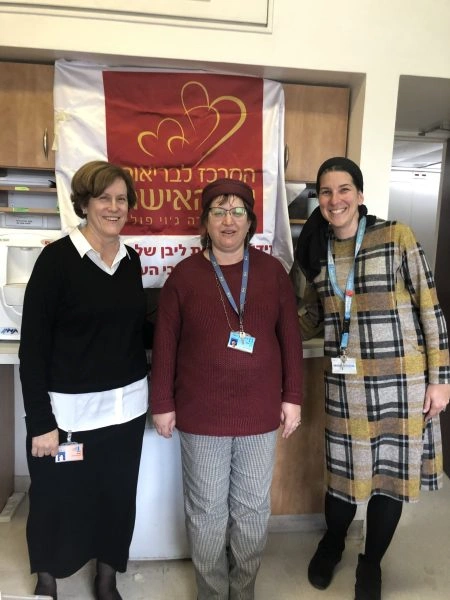
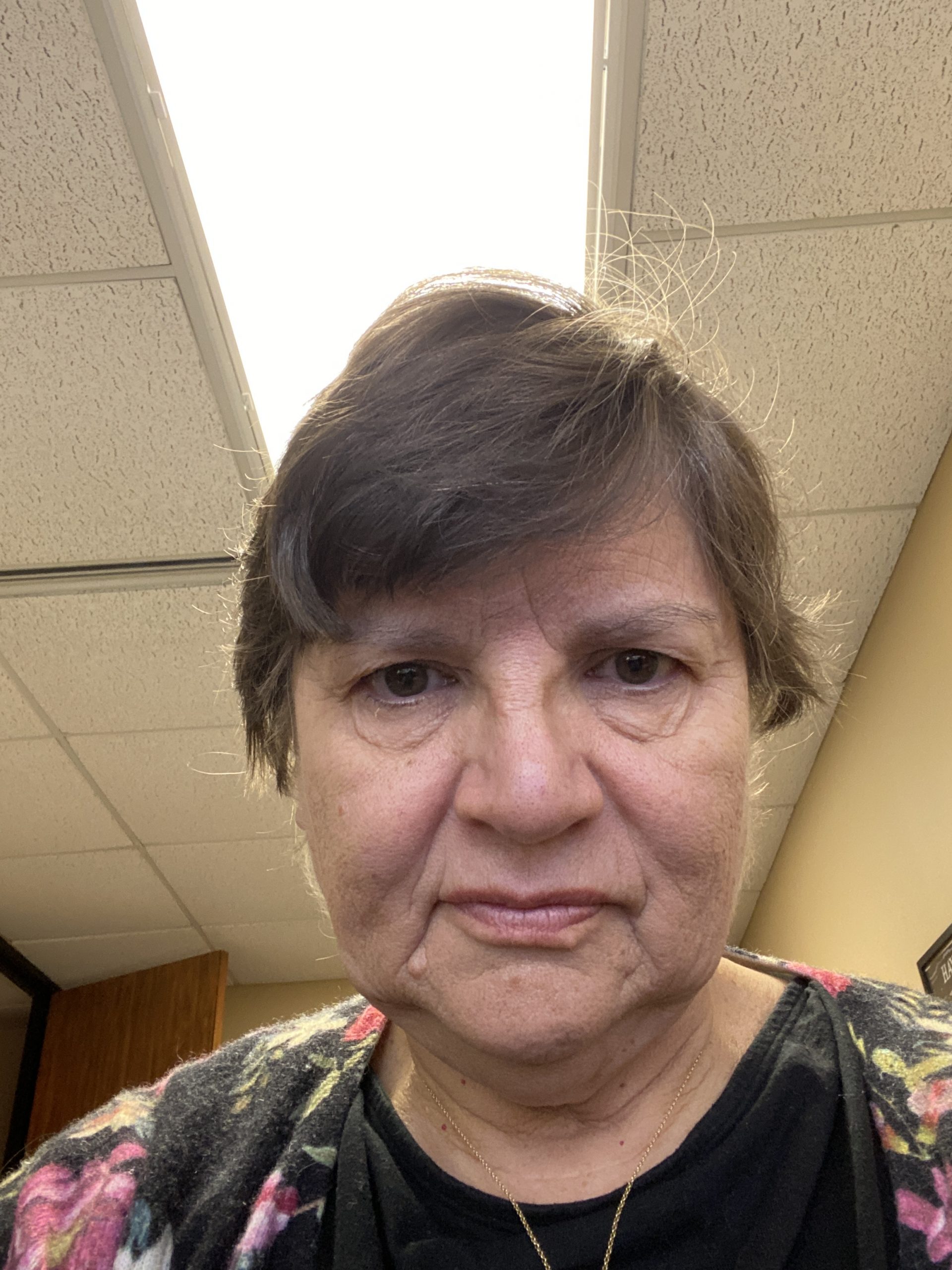
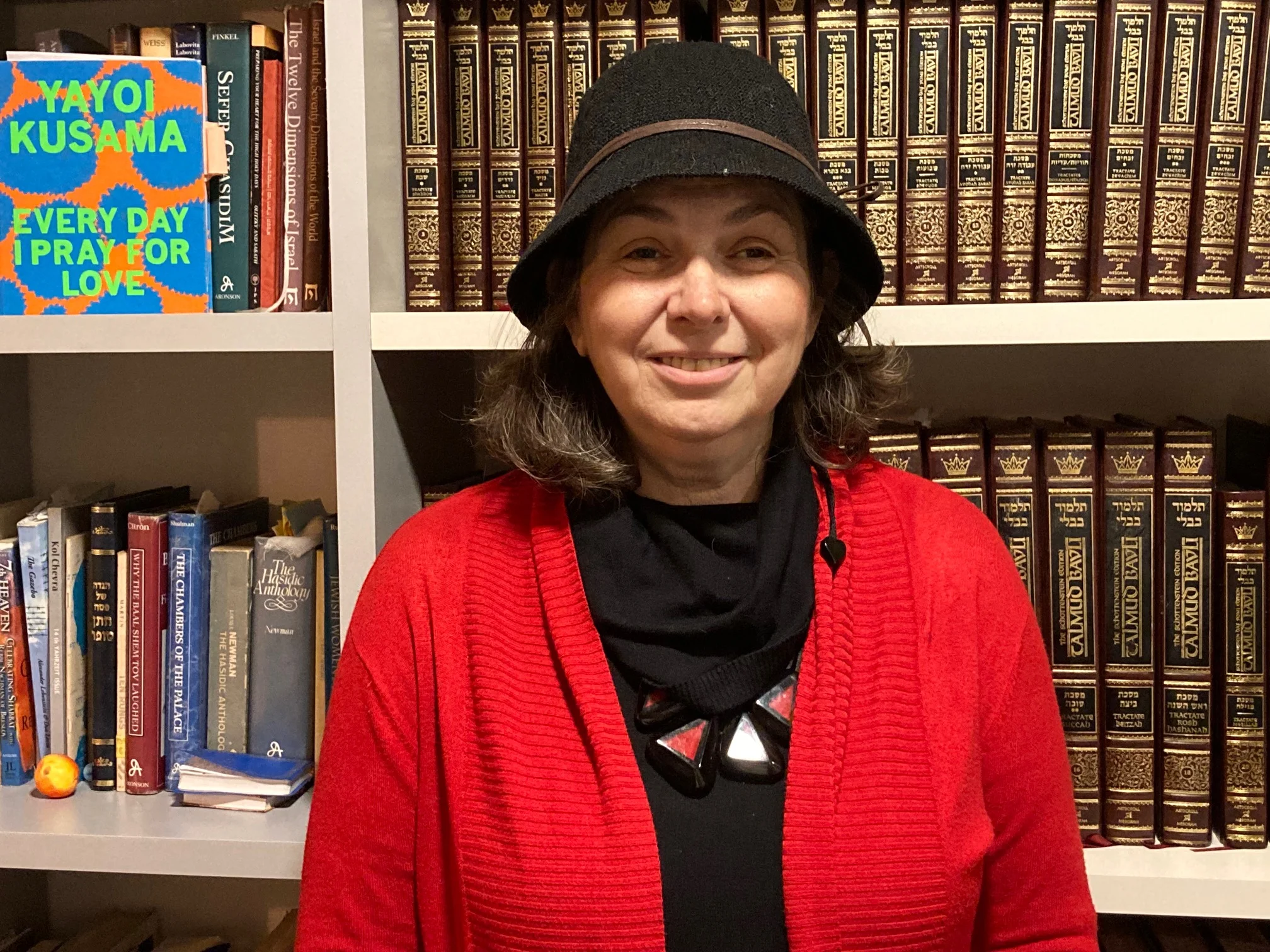
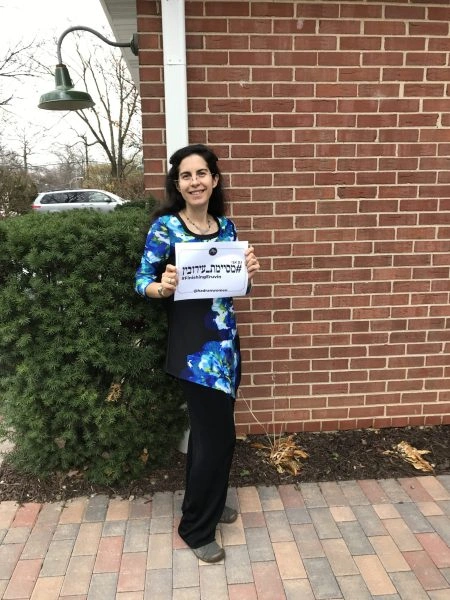
Meet the diverse women learning Gemara at Hadran and hear their stories. 

I started with Ze Kollel in Berlin, directed by Jeremy Borowitz for Hillel Deutschland. We read Masechet Megillah chapter 4 and each participant wrote his commentary on a Sugia that particularly impressed him. I wrote six poems about different Sugiot! Fascinated by the discussions on Talmud I continued to learn with Rabanit Michelle Farber and am currently taking part in the Tikun Olam course.
Yael Merlini
Yael Merlini

Berlin, Germany

I started learning at the start of this cycle, and quickly fell in love. It has become such an important part of my day, enriching every part of my life.

Naomi Niederhoffer
Naomi Niederhoffer

Toronto, Canada

I’ve been learning since January 2020, and in June I started drawing a phrase from each daf. Sometimes it’s easy (e.g. plants), sometimes it’s very hard (e.g. korbanot), and sometimes it’s loads of fun (e.g. bird racing) to find something to draw. I upload my pictures from each masechet to #DafYomiArt. I am enjoying every step of the journey.

Gila Loike
Gila Loike

Ashdod, Israel

I started learning Gemara at the Yeshivah of Flatbush. And I resumed ‘ברוך ה decades later with Rabbanit Michele at Hadran. I started from Brachot and have had an exciting, rewarding experience throughout seder Moed!

Anne Mirsky (1)
Anne Mirsky

Maale Adumim, Israel

I read Ilana Kurshan’s “If All the Seas Were Ink” which inspired me. Then the Women’s Siyum in Jerusalem in 2020 convinced me, I knew I had to join! I have loved it- it’s been a constant in my life daily, many of the sugiyot connect to our lives. My family and friends all are so supportive. It’s incredible being part of this community and love how diverse it is! I am so excited to learn more!

Shira Jacobowitz
Shira Jacobowitz

Jerusalem, Israel

When I began learning Daf Yomi at the beginning of the current cycle, I was preparing for an upcoming surgery and thought that learning the Daf would be something positive I could do each day during my recovery, even if I accomplished nothing else. I had no idea what a lifeline learning the Daf would turn out to be in so many ways.

Laura Shechter
Laura Shechter

Lexington, MA, United States

After experiences over the years of asking to join gemara shiurim for men and either being refused by the maggid shiur or being the only women there, sometimes behind a mechitza, I found out about Hadran sometime during the tail end of Masechet Shabbat, I think. Life has been much better since then.

Madeline Cohen
Madeline Cohen

London, United Kingdom

I started my journey on the day I realized that the Siyum was happening in Yerushalayim and I was missing out. What? I told myself. How could I have not known about this? How can I have missed out on this opportunity? I decided that moment, I would start Daf Yomi and Nach Yomi the very next day. I am so grateful to Hadran. I am changed forever because I learn Gemara with women. Thank you.

Linda Brownstein
Linda Brownstein

Mitspe, Israel

I started learning Talmud with R’ Haramati in Yeshivah of Flatbush. But after a respite of 60 years, Rabbanit Michelle lit my fire – after attending the last three world siyumim in Miami Beach, Meadowlands and Boca Raton, and now that I’m retired, I decided – “I can do this!” It has been an incredible journey so far, and I look forward to learning Daf everyday – Mazal Tov to everyone!

Roslyn Jaffe
Roslyn Jaffe

Florida, United States

When the new cycle began, I thought, If not now, when? I’d just turned 72. I feel like a tourist on a tour bus passing astonishing scenery each day. Rabbanit Michelle is my beloved tour guide. When the cycle ends, I’ll be 80. I pray that I’ll have strength and mind to continue the journey to glimpse a little more. My grandchildren think having a daf-learning savta is cool!

Wendy Dickstein
Wendy Dickstein

Jerusalem, Israel

I started learning Daf in Jan 2020 with Brachot b/c I had never seen the Jewish people united around something so positive, and I wanted to be a part of it. Also, I wanted to broaden my background in Torah Shebal Peh- Maayanot gave me a great gemara education, but I knew that I could hold a conversation in most parts of tanach but almost no TSB. I’m so thankful for Daf and have gained immensely.

Meira Shapiro
Meira Shapiro

NJ, United States

I started learning Daf Yomi because my sister, Ruth Leah Kahan, attended Michelle’s class in person and suggested I listen remotely. She always sat near Michelle and spoke up during class so that I could hear her voice. Our mom had just died unexpectedly and it made me feel connected to hear Ruth Leah’s voice, and now to know we are both listening to the same thing daily, continents apart.
Jessica Shklar
Jessica Shklar

Philadelphia, United States

I had no formal learning in Talmud until I began my studies in the Joint Program where in 1976 I was one of the few, if not the only, woman talmud major. It was superior training for law school and enabled me to approach my legal studies with a foundation . In 2018, I began daf yomi listening to Rabbanit MIchelle’s pod cast and my daily talmud studies are one of the highlights of my life.

Krivosha_Terri_Bio
Terri Krivosha

Minneapolis, United States

My first Talmud class experience was a weekly group in 1971 studying Taanit. In 2007 I resumed Talmud study with a weekly group I continue learning with. January 2020, I was inspired to try learning Daf Yomi. A friend introduced me to Daf Yomi for Women and Rabbanit Michelle Farber, I have kept with this program and look forward, G- willing, to complete the entire Shas with Hadran.
Lorri Lewis
Lorri Lewis

Palo Alto, CA, United States

I heard the new Daf Yomi cycle was starting and I was curious, so I searched online for a women’s class and was pleasently surprised to find Rabanit Michelle’s great class reviews in many online articles. It has been a splendid journey. It is a way to fill my days with Torah, learning so many amazing things I have never heard before during my Tanach learning at High School. Thanks so much .

Martha Tarazi
Martha Tarazi

Panama, Panama

My family recently made Aliyah, because we believe the next chapter in the story of the Jewish people is being written here, and we want to be a part of it. Daf Yomi, on the other hand, connects me BACK, to those who wrote earlier chapters thousands of years ago. So, I feel like I’m living in the middle of this epic story. I’m learning how it all began, and looking ahead to see where it goes!
Tina Lamm
Tina Lamm

Jerusalem, Israel

I went to day school in Toronto but really began to learn when I attended Brovenders back in the early 1980’s. Last year after talking to my sister who was learning Daf Yomi, inspired, I looked on the computer and the Hadran site came up. I have been listening to each days shiur in the morning as I work. I emphasis listening since I am not sitting with a Gamara. I listen while I work in my studio.

Rachel Rotenberg
Rachel Rotenberg

Tekoa, Israel

I started my journey on the day I realized that the Siyum was happening in Yerushalayim and I was missing out. What? I told myself. How could I have not known about this? How can I have missed out on this opportunity? I decided that moment, I would start Daf Yomi and Nach Yomi the very next day. I am so grateful to Hadran. I am changed forever because I learn Gemara with women. Thank you.

Linda Brownstein
Linda Brownstein

Mitspe, Israel

3 years ago, I joined Rabbanit Michelle to organize the unprecedented Siyum HaShas event in Jerusalem for thousands of women. The whole experience was so inspiring that I decided then to start learning the daf and see how I would go…. and I’m still at it. I often listen to the Daf on my bike in mornings, surrounded by both the external & the internal beauty of Eretz Yisrael & Am Yisrael!

Lisa Kolodny
Lisa Kolodny

Raanana, Israel

Margo
I started my Talmud journey in 7th grade at Akiba Jewish Day School in Chicago. I started my Daf Yomi journey after hearing Erica Brown speak at the Hadran Siyum about marking the passage of time through Daf Yomi.

Carolyn
I started my Talmud journey post-college in NY with a few classes. I started my Daf Yomi journey after the Hadran Siyum, which inspired both my son and myself.

Carolyn Hochstadter and Margo Kossoff Shizgal

Merion Station,  USA

Beit Shemesh, Israel

Chagigah 12

הַשְׁתָּא דְּנָפְקָא לֵיהּ מִ״לְּמִקְצֵה הַשָּׁמַיִם וְעַד קְצֵה הַשָּׁמָיִם״, ״לְמִן הַיּוֹם אֲשֶׁר בָּרָא אֱלֹהִים אָדָם עַל הָאָרֶץ״ — לְמָה לִי?

The Gemara poses a question: Now that it is derived from the phrase “from one end of the heavens to the other,” why do I need the phrase “since the day that God created man upon the earth”?

כִּדְרַבִּי אֶלְעָזָר. דְּאָמַר רַבִּי אֶלְעָזָר: אָדָם הָרִאשׁוֹן מִן הָאָרֶץ עַד לָרָקִיעַ, שֶׁנֶּאֱמַר: ״לְמִן הַיּוֹם אֲשֶׁר בָּרָא אֱלֹהִים אָדָם עַל הָאָרֶץ״. וְכֵיוָן שֶׁסָּרַח — הִנִּיחַ הַקָּדוֹשׁ בָּרוּךְ הוּא יָדָיו עָלָיו וּמִיעֲטוֹ, שֶׁנֶּאֱמַר: ״אָחוֹר וָקֶדֶם צַרְתָּנִי וַתָּשֶׁת עָלַי כַּפֶּכָה״.

The Gemara answers that this phrase teaches us something else, according to Rabbi Elazar. As Rabbi Elazar said: The height of Adam the first man reached from the ground to the skies, as it is stated: “Since the day that God created man upon the earth, and from one end of the heavens” (Deuteronomy 4:32). When he sinned, the Holy One, Blessed be He, placed His hand upon him and diminished him, as it is stated: “You fashioned me behind and before, and laid Your hand upon me” (Psalms 139:5).

אָמַר רַב יְהוּדָה אָמַר רַב: אָדָם הָרִאשׁוֹן, מִסּוֹף הָעוֹלָם וְעַד סוֹפוֹ הָיָה, שֶׁנֶּאֱמַר: ״לְמִן הַיּוֹם אֲשֶׁר בָּרָא אֱלֹהִים אָדָם עַל הָאָרֶץ וּלְמִקְצֵה הַשָּׁמַיִם וְעַד קְצֵה הַשָּׁמָיִם״, כֵּיוָן שֶׁסָּרַח הִנִּיחַ הַקָּדוֹשׁ בָּרוּךְ הוּא יָדוֹ עָלָיו וּמִיעֲטוֹ, שֶׁנֶּאֱמַר: ״וַתָּשֶׁת עָלַי כַּפֶּכָה״.

Rav Yehuda said that Rav said: The size of Adam the first man was from one end of the world to the other, as it is stated: “Since the day that God created man upon the earth, and from one end of the heavens to the other,” which indicates that he spanned the entire length of the world. Once he sinned, the Holy One, Blessed be He, placed His hand upon him and diminished him, as it states: “And laid Your hand upon me.”

אִי הָכִי, קָשׁוּ קְרָאֵי אַהֲדָדֵי! אִידֵּי וְאִידֵּי חַד שִׁיעוּרָא הוּא.

The Gemara asks: If so, the two parts of the verse contradict each other, since one indicates that his height reached the heavens while the other says it reached the end of the earth. The Gemara answers: Both this and that are one, the same, measure.

וְאָמַר רַב יְהוּדָה אָמַר רַב: עֲשָׂרָה דְּבָרִים נִבְרְאוּ בְּיוֹם רִאשׁוֹן, וְאֵלּוּ הֵן: שָׁמַיִם וָאָרֶץ, תֹּהוּ וָבֹהוּ, אוֹר וָחֹשֶׁךְ, רוּחַ וּמַיִם, מִדַּת יוֹם וּמִדַּת לַיְלָה.

§ The Gemara continues to discuss Creation: Rav Yehuda said that Rav said: Ten things were created on the first day of Creation, and they are as follows: Heaven and earth; tohu and vohu, i.e., unformed and void; light and darkness; wind and water; the length of day and the length of night.

שָׁמַיִם וָאָרֶץ — דִּכְתִיב: ״בְּרֵאשִׁית בָּרָא אֱלֹהִים אֵת הַשָּׁמַיִם וְאֵת הָאָרֶץ״, תֹּהוּ וָבֹהוּ — דִּכְתִיב: ״וְהָאָרֶץ הָיְתָה תֹהוּ וָבֹהוּ״, אוֹר וָחֹשֶׁךְ, חֹשֶׁךְ — דִּכְתִיב: ״וְחֹשֶׁךְ עַל פְּנֵי תְהוֹם״, אוֹר — דִּכְתִיב: ״וַיֹּאמֶר אֱלֹהִים יְהִי אוֹר״, רוּחַ וּמַיִם — דִּכְתִיב: ״וְרוּחַ אֱלֹהִים מְרַחֶפֶת עַל פְּנֵי הַמָּיִם״, מִדַּת יוֹם וּמִדַּת לַיְלָה — דִּכְתִיב: ״וַיְהִי עֶרֶב וַיְהִי בֹקֶר יוֹם אֶחָד״.

All of these are derived from the Torah: Heaven and earth, as it is written: “In the beginning God created the heaven and the earth” (Genesis 1:1). Tohu and vohu, as it is written: “And the earth was unformed and void [tohu vavohu]” (Genesis 1:2). Light and darkness; darkness, as it is written: “And darkness was upon the face of the deep” (Genesis 1:2); light, as it is written: “And God said: Let there be light” (Genesis 1:3). Wind and water, as it is written: “And the wind of God hovered over the face of the waters” (Genesis 1:2). The length of day and the length of night, as it is written: “And there was evening, and there was morning, one day” (Genesis 1:5).

תָּנָא: תֹּהוּ — קַו יָרוֹק שֶׁמַּקִּיף אֶת כָּל הָעוֹלָם כּוּלּוֹ, שֶׁמִּמֶּנּוּ יָצָא חֹשֶׁךְ, שֶׁנֶּאֱמַר: ״יָשֶׁת חֹשֶׁךְ סִתְרוֹ סְבִיבוֹתָיו״. בֹהוּ — אֵלּוּ אֲבָנִים הַמְפוּלָּמוֹת הַמְשׁוּקָּעוֹת בַּתְּהוֹם, שֶׁמֵּהֶן יוֹצְאִין מַיִם, שֶׁנֶּאֱמַר: ״וְנָטָה עָלֶיהָ קַו תֹהוּ וְאַבְנֵי בֹהוּ״.

It was taught in the Tosefta: Tohu is a green line that encompasses the entire world, and from which darkness emerges, as it is stated: “He made darkness His hiding place round about Him” (Psalms 18:12), indicating that a line of darkness surrounds the world. Vohu; these are damp stones submerged in the depths, from which water emerges, as it is stated: “And He shall stretch over it the line of tohu and stones of vohu (Isaiah 34:11), which demonstrates that tohu is a line and that vohu is referring to stones.

וְאוֹר בְּיוֹם רִאשׁוֹן אִיבְּרִי? וְהָכְתִיב: ״וַיִּתֵּן אוֹתָם אֱלֹהִים בִּרְקִיעַ הַשָּׁמָיִם״, וּכְתִיב: ״וַיְהִי עֶרֶב וַיְהִי בֹקֶר יוֹם רְבִיעִי״!

The Gemara poses a question: And was light created on the first day? But isn’t it written: “And God set them in the firmament of the heaven” (Genesis 1:17), and it is also written: “And there was evening, and there was morning, a fourth day” (Genesis 1:19), indicating that light was created on the fourth day.

כִּדְרַבִּי אֶלְעָזָר. דְּאָמַר רַבִּי אֶלְעָזָר: אוֹר שֶׁבָּרָא הַקָּדוֹשׁ בָּרוּךְ הוּא בְּיוֹם רִאשׁוֹן, אָדָם צוֹפֶה בּוֹ מִסּוֹף הָעוֹלָם וְעַד סוֹפוֹ. כֵּיוָן שֶׁנִּסְתַּכֵּל הַקָּדוֹשׁ בָּרוּךְ הוּא בְּדוֹר הַמַּבּוּל וּבְדוֹר הַפְּלַגָּה וְרָאָה שֶׁמַּעֲשֵׂיהֶם מְקוּלְקָלִים — עָמַד וּגְנָזוֹ מֵהֶן, שֶׁנֶּאֱמַר: ״וְיִמָּנַע מֵרְשָׁעִים אוֹרָם״.

The Gemara answers: This should be understood in accordance with Rabbi Elazar, as Rabbi Elazar said: The light that the Holy One, Blessed be He, created on the first day was not that of the sun but a different kind of light, through which man could observe from one end of the world to the other. But when the Holy One, Blessed be He, looked upon the generation of the Flood and the generation of the Dispersion and saw that their ways were corrupt and that they might misuse this light for evil, He arose and concealed it from them, as it is stated: “And from the wicked their light is withheld” (Job 38:15).

וּלְמִי גְּנָזוֹ — לַצַּדִּיקִים לֶעָתִיד לָבֹא, שֶׁנֶּאֱמַר: ״וַיַּרְא אֱלֹהִים אֶת הָאוֹר כִּי טוֹב״, וְאֵין ״טוֹב״ אֶלָּא צַדִּיק, שֶׁנֶּאֱמַר: ״אִמְרוּ צַדִּיק כִּי טוֹב״.

And for whom did He conceal it? For the righteous people in the future, as it is stated: “And God saw the light, that it was good” (Genesis 1:4), and “good” is referring to none other than the righteous, as it is stated: “Say of the righteous that it shall be good for them, for they shall eat the fruit of their actions” (Isaiah 3:10).

כֵּיוָן שֶׁרָאָה אוֹר שֶׁגְּנָזוֹ לַצַּדִּיקִים שָׂמַח, שֶׁנֶּאֱמַר: ״אוֹר צַדִּיקִים יִשְׂמָח״.

When the light saw that it had been concealed for the righteous, it rejoiced, as it is stated: “The light for the righteous shall rejoice” (Proverbs 13:9).

כְּתַנָּאֵי: אוֹר שֶׁבָּרָא הַקָּדוֹשׁ בָּרוּךְ הוּא בְּיוֹם רִאשׁוֹן, אָדָם צוֹפֶה וּמַבִּיט בּוֹ מִסּוֹף הָעוֹלָם וְעַד סוֹפוֹ, דִּבְרֵי רַבִּי יַעֲקֹב. וַחֲכָמִים אוֹמְרִים: הֵן הֵן מְאוֹרוֹת שֶׁנִּבְרְאוּ בְּיוֹם רִאשׁוֹן, וְלֹא נִתְלוּ עַד יוֹם רְבִיעִי.

The Gemara comments: This is like a dispute between tanna’im: The light that the Holy One, Blessed be He, created on the first day was so profound that man could observe through it from one end of the world to the other; this is the statement of Rabbi Ya’akov. And the Rabbis say: This light is the very same as the lights created on the first day, but they were not suspended in their designated places in the firmament until the fourth day.

אָמַר רַב זוּטְרָא בַּר טוֹבִיָּא אָמַר רַב: בַּעֲשָׂרָה דְּבָרִים נִבְרָא הָעוֹלָם: בְּחׇכְמָה וּבִתְבוּנָה וּבְדַעַת, וּבְכֹחַ וּבִגְעָרָה וּבִגְבוּרָה, בְּצֶדֶק וּבְמִשְׁפָּט, בְּחֶסֶד וּבְרַחֲמִים.

§ Rav Zutra bar Tuvya said that Rav said: The world was created through ten attributes: Through wisdom, through understanding, through knowledge, through strength, through rebuke, through might, through righteousness, through justice, through kindness, and through mercy.

בְּחׇכְמָה וּבִתְבוּנָה — דִּכְתִיב: ״ה׳ בְּחׇכְמָה יָסַד אָרֶץ כּוֹנֵן שָׁמַיִם בִּתְבוּנָה״. בְּדַעַת — דִּכְתִיב: ״בְּדַעְתּוֹ תְּהוֹמוֹת נִבְקָעוּ״. בְּכֹחַ וּגְבוּרָה, דִּכְתִיב: ״מֵכִין הָרִים בְּכֹחוֹ נֶאְזָר בִּגְבוּרָה״. בִּגְעָרָה — דִּכְתִיב: ״עַמּוּדֵי שָׁמַיִם יְרוֹפָפוּ וְיִתְמְהוּ מִגַּעֲרָתוֹ״. בְּצֶדֶק וּמִשְׁפָּט — דִּכְתִיב: ״צֶדֶק וּמִשְׁפָּט מְכוֹן כִּסְאֶךָ״. בְּחֶסֶד וְרַחֲמִים — דִּכְתִיב: ״זְכֹר רַחֲמֶיךָ ה׳ וַחֲסָדֶיךָ כִּי מֵעוֹלָם הֵמָּה״.

Scriptural proof is provided for this statement as follows: It was created through wisdom and through understanding, as it is written: “The Lord founded earth with wisdom, and established the heavens with understanding” (Proverbs 3:19); through knowledge, as it is written: “With His knowledge the depths were broken up” (Proverbs 3:20); through strength and through might, as it is written: “Who by Your strength sets fast the mountains, who is girded about with might” (Psalms 65:7); through rebuke, as it is written: “The pillars of heaven tremble and are astonished at His rebuke” (Job 26:11); through righteousness and justice, as it is written: “Righteousness and justice are the foundation of Your throne” (Psalms 89:15); through kindness and mercy, as it is written: “Remember Your mercies, O Lord, and Your kindnesses, for they are from times of old” (Psalms 25:6).

וְאָמַר רַב יְהוּדָה אָמַר רַב: בְּשָׁעָה שֶׁבָּרָא הַקָּדוֹשׁ בָּרוּךְ הוּא אֶת הָעוֹלָם, הָיָה מַרְחִיב וְהוֹלֵךְ כִּשְׁתֵּי פַקְעִיּוֹת שֶׁל שְׁתִי, עַד שֶׁגָּעַר בּוֹ הַקָּדוֹשׁ בָּרוּךְ הוּא וְהֶעֱמִידוֹ, שֶׁנֶּאֱמַר: ״עַמּוּדֵי שָׁמַיִם יְרוֹפָפוּ וְיִתְמְהוּ מִגַּעֲרָתוֹ״, וְהַיְינוּ דְּאָמַר רֵישׁ לָקִישׁ: מַאי דִּכְתִיב: ״אֲנִי אֵל שַׁדַּי״ — אֲנִי הוּא שֶׁאָמַרְתִּי לָעוֹלָם דַּי. אָמַר רֵישׁ לָקִישׁ: בְּשָׁעָה שֶׁבָּרָא הַקָּדוֹשׁ בָּרוּךְ הוּא אֶת הַיָּם הָיָה מַרְחִיב וְהוֹלֵךְ, עַד שֶׁגָּעַר בּוֹ הַקָּדוֹשׁ בָּרוּךְ הוּא וְיִבְּשׁוֹ, שֶׁנֶּאֱמַר: ״גּוֹעֵר בַּיָּם וַיַּבְּשֵׁהוּ וְכׇל הַנְּהָרוֹת הֶחֱרִיב״.

And Rav Yehuda said that Rav said, with regard to the same matter: When the Holy One, Blessed be He, created the world, it continued to expand like two balls of a warp, whose cord lengthens as they unravel, until the Holy One, Blessed be He, rebuked it and made it stand still, as it is stated: “The pillars of heaven tremble and are astonished at His rebuke” (Job 26:11). And this is the same as that which Reish Lakish said: What is the meaning of that which is written: “I am the Almighty God [El Shaddai]” (Genesis 17:1)? It means: I am He Who said to the world “enough [dai],” instructing it to stop expanding. Similarly, Reish Lakish said: When the Holy One, Blessed be He, created the sea, it continued to expand until the Holy One, Blessed be He, rebuked it and made it dry, as it is stated: “He rebukes the sea and makes it dry, and desiccates all the rivers” (Nahum 1:4).

תָּנוּ רַבָּנַן, בֵּית שַׁמַּאי אוֹמְרִים: שָׁמַיִם נִבְרְאוּ תְּחִלָּה וְאַחַר כָּךְ נִבְרֵאת הָאָרֶץ, שֶׁנֶּאֱמַר: ״בְּרֵאשִׁית בָּרָא אֱלֹהִים אֵת הַשָּׁמַיִם וְאֵת הָאָרֶץ״. וּבֵית הִלֵּל אוֹמְרִים: אֶרֶץ נִבְרֵאת תְּחִלָּה וְאַחַר כָּךְ שָׁמַיִם, שֶׁנֶּאֱמַר: ״בְּיוֹם עֲשׂוֹת ה׳ אֱלֹהִים אֶרֶץ וְשָׁמָיִם״.

§ Beit Shammai and Beit Hillel dispute the order of Creation, as the Sages taught: Beit Shammai say: The heavens were created first and afterward the earth was created, as it is stated: “In the beginning God created the heaven and the earth” (Genesis 1:1), which indicates that heaven came first. And Beit Hillel say: The earth was created first, and heaven after it, as it is stated: “On the day that the Lord God made earth and heaven” (Genesis 2:4).

אָמְרוּ לָהֶם בֵּית הִלֵּל לְבֵית שַׁמַּאי: לְדִבְרֵיכֶם, אָדָם בּוֹנֶה עֲלִיָּיה וְאַחַר כָּךְ בּוֹנֶה בַּיִת?! שֶׁנֶּאֱמַר: ״הַבּוֹנֶה בַשָּׁמַיִם מַעֲלוֹתָיו וַאֲגוּדָּתוֹ עַל אֶרֶץ יְסָדָהּ״. אָמְרוּ לָהֶם בֵּית שַׁמַּאי לְבֵית הִלֵּל: לְדִבְרֵיכֶם, אָדָם עוֹשֶׂה שְׁרַפְרַף, וְאַחַר כָּךְ עוֹשֶׂה כִּסֵּא?! שֶׁנֶּאֱמַר: ״כֹּה אָמַר ה׳ הַשָּׁמַיִם כִּסְאִי וְהָאָרֶץ הֲדוֹם רַגְלָי״. וַחֲכָמִים אוֹמְרִים: זֶה וָזֶה כְּאַחַת נִבְרְאוּ, שֶׁנֶּאֱמַר: ״אַף יָדִי יָסְדָה אֶרֶץ וִימִינִי טִפְּחָה שָׁמָיִם קוֹרֵא אֲנִי אֲלֵיהֶם יַעַמְדוּ יַחְדָּו״.

Beit Hillel said to Beit Shammai: According to your words, does a person build a second floor and build the first floor of the house afterward? As it is stated: “It is He Who builds His upper chambers in the heaven, and has founded His vault upon the earth” (Amos 9:6), indicating that the upper floor, heaven, was built above the earth. Beit Shammai said to Beit Hillel: According to your words, does a person make a stool for his feet, and make a seat afterward? As it is stated: “So said the Lord: The heavens are My seat, and the earth My footstool” (Isaiah 66:1). But the Rabbis say: Both this and that were created as one, for it is stated: “Indeed, My hand has laid the foundation of the earth, and My right hand has spread out the heavens; when I call to them, they stand up together” (Isaiah 48:13), implying that they were created as one.

וְאִידָּךְ, מַאי ״יַחְדָּו״? דְּלָא מִשְׁתַּלְּפִי מֵהֲדָדֵי. קָשׁוּ קְרָאֵי אַהֲדָדֵי! אָמַר רֵישׁ לָקִישׁ: כְּשֶׁנִּבְרְאוּ — בָּרָא שָׁמַיִם וְאַחַר כָּךְ בָּרָא הָאָרֶץ, וּכְשֶׁנָּטָה — נָטָה הָאָרֶץ וְאַחַר כָּךְ נָטָה שָׁמַיִם.

The Gemara asks: And the others, Beit Shammai and Beit Hillel, what, in their opinion, is the meaning of “together”? The Gemara responds: It means that they do not separate from each other. In other words, the term “together” is referring not to the moment of their creation but to the manner of their positioning. The Gemara comments: In any case, the verses contradict each other, as heaven is sometimes mentioned first, while on other occasions earth is listed beforehand. Reish Lakish said: When they were created, He first created the heavens and afterward created the earth, but when He spread them out and fixed them in their places, He spread out the earth and afterward He spread out the heavens.

מַאי ״שָׁמַיִם״? אָמַר רַבִּי יוֹסֵי בַּר חֲנִינָא: שֶׁשָּׁם מַיִם. בְּמַתְנִיתָא תָּנָא: אֵשׁ וּמַיִם, מְלַמֵּד שֶׁהֱבִיאָן הַקָּדוֹשׁ בָּרוּךְ הוּא וּטְרָפָן זֶה בָּזֶה, וְעָשָׂה מֵהֶן רָקִיעַ.

Incidental to the above, the Gemara asks: What is the meaning and source of the word “heaven” [shamayim]? Rabbi Yosei bar Ḥanina said: It is an acronym, shesham mayim, meaning: That water is there. It was taught in a baraita: Shamayim means esh umayim, fire and water, which teaches that the Holy One, Blessed be He, brought them both and combined them together, and made the firmament from them.

שָׁאַל רַבִּי יִשְׁמָעֵאל אֶת רַבִּי עֲקִיבָא כְּשֶׁהָיוּ מְהַלְּכִין בַּדֶּרֶךְ, אֲמַר לֵיהּ: אַתָּה שֶׁשִּׁימַּשְׁתָּ אֶת נַחוּם אִישׁ גַּם זוֹ עֶשְׂרִים וּשְׁתַּיִם שָׁנָה, שֶׁהָיָה דּוֹרֵשׁ כׇּל ״אֶתִּין״ שֶׁבַּתּוֹרָה, ״אֵת הַשָּׁמַיִם וְאֵת הָאָרֶץ״, מָה הָיָה דּוֹרֵשׁ בָּהֶן? אָמַר לוֹ: אִילּוּ נֶאֱמַר ״שָׁמַיִם וָאָרֶץ״, הָיִיתִי אוֹמֵר: ״שָׁמַיִם״ — שְׁמוֹ שֶׁל הַקָּדוֹשׁ בָּרוּךְ הוּא. עַכְשָׁיו שֶׁנֶּאֱמַר: ״אֵת הַשָּׁמַיִם וְאֵת הָאָרֶץ״, ״שָׁמַיִם״ — שָׁמַיִם מַמָּשׁ, ״אָרֶץ״ — אֶרֶץ מַמָּשׁ.

§ The Gemara relates: Rabbi Yishmael asked Rabbi Akiva a question when they were walking along the way. He said to him: You who served Naḥum of Gam Zu for twenty-two years, who would expound and learn that every appearance of the word et in the Torah is meant to teach something, what would he expound from the phrase: “The heaven and the earth” [et hashamayim ve’et ha’aretz] (Genesis 1:1)? He said to him: These words should be expounded as follows: Had it stated: In the beginning God created hashamayim veha’aretz, i.e., the heaven and the earth, without the word et, I would have said: Shamayim is the name of the Holy One, Blessed be He, and the same goes for aretz, and the verse would sound as if it meant that God, whose name is Shamayim and Aretz, created the world. Since it states “et hashamayim ve’et ha’aretz,” it is clear that these are created objects and that shamayim means the actual heaven and aretz is the actual earth. It is for this reason that the word et is necessary.

״אֵת הָאָרֶץ״ לְמָה לִי — לְהַקְדִּים שָׁמַיִם לָאָרֶץ. ״וְהָאָרֶץ הָיְתָה תֹהוּ וָבֹהוּ״, מִכְּדִי בְּשָׁמַיִם אַתְחֵיל בְּרֵישָׁא, מַאי שְׁנָא דְּקָא חָשֵׁיב מַעֲשֵׂה אֶרֶץ? תָּנָא דְּבֵי ר׳ יִשְׁמָעֵאל: מָשָׁל לְמֶלֶךְ בָּשָׂר וָדָם שֶׁאָמַר לַעֲבָדָיו: הַשְׁכִּימוּ לְפִתְחִי. הִשְׁכִּים וּמָצָא נָשִׁים וַאֲנָשִׁים. לְמִי מְשַׁבֵּחַ — לְמִי שֶׁאֵין דַּרְכּוֹ לְהַשְׁכִּים וְהִשְׁכִּים.

Why do I need “and the earth” [et ha’aretz]? To teach that heaven preceded earth in the order of Creation. The next verse states: “And the earth was unformed and void” (Genesis 1:2). The Gemara asks: After all, the Bible began with heaven first; what is different about the second verse? Why does the Bible recount the creation of earth first in the second verse? The Sage of the school of Rabbi Yishmael taught: This can be explained by a parable of a flesh-and-blood king who said to his servants: Rise early and come to my entrance. He arose and found women and men waiting for him. Whom does he praise? Those who are unaccustomed to rising early but yet rose early, the women. The same applies to the earth: Since it is a lowly, physical sphere, we would not have expected it to be created together with heaven. Therefore, it is fitting to discuss it at greater length.

תַּנְיָא, רַבִּי יוֹסֵי אוֹמֵר: אוֹי לָהֶם לַבְּרִיּוֹת, שֶׁרוֹאוֹת, וְאֵינָן יוֹדְעוֹת מָה רוֹאוֹת. עוֹמְדוֹת, וְאֵין יוֹדְעוֹת עַל מָה הֵן עוֹמְדוֹת. הָאָרֶץ עַל מָה עוֹמֶדֶת — עַל הָעַמּוּדִים, שֶׁנֶּאֱמַר: ״הַמַּרְגִּיז אֶרֶץ מִמְּקוֹמָהּ וְעַמּוּדֶיהָ יִתְפַלָּצוּן״. עַמּוּדִים, עַל הַמַּיִם — שֶׁנֶּאֱמַר: ״לְרוֹקַע הָאָרֶץ עַל הַמָּיִם״. מַיִם, עַל הֶהָרִים — שֶׁנֶּאֱמַר: ״עַל הָרִים יַעַמְדוּ מָיִם״. הָרִים, בְּרוּחַ — שֶׁנֶּאֱמַר: ״כִּי הִנֵּה יוֹצֵר הָרִים וּבוֹרֵא רוּחַ״. רוּחַ, בִּסְעָרָה — שֶׁנֶּאֱמַר: ״רוּחַ סְעָרָה עוֹשָׂה דְבָרוֹ״. סְעָרָה, תְּלוּיָה בִּזְרוֹעוֹ שֶׁל הַקָּדוֹשׁ בָּרוּךְ הוּא — שֶׁנֶּאֱמַר: ״וּמִתַּחַת זְרוֹעוֹת עוֹלָם״.

§ It is taught in a baraita: Rabbi Yosei says: Woe to them, the creations, who see and know not what they see; who stand and know not upon what they stand. He clarifies: Upon what does the earth stand? Upon pillars, as it is stated: “Who shakes the earth out of its place, and its pillars tremble” (Job 9:6). These pillars are positioned upon water, as it is stated: “To Him Who spread forth the earth over the waters” (Psalms 136:6). These waters stand upon mountains, as it is stated: “The waters stood above the mountains” (Psalms 104:6). The mountains are upon the wind, as it is stated: “For behold He forms the mountains and creates the wind” (Amos 4:13). The wind is upon a storm, as it is stated: “Stormy wind, fulfilling His word” (Psalms 148:8). The storm hangs upon the arm of the Holy One, Blessed be He, as it is stated: “And underneath are the everlasting arms” (Deuteronomy 33:27), which demonstrates that the entire world rests upon the arms of the Holy One, Blessed be He.

וַחֲכָמִים אוֹמְרִים: עַל שְׁנֵים עָשָׂר עַמּוּדִים עוֹמֶדֶת, שֶׁנֶּאֱמַר: ״יַצֵּב גְּבוּלוֹת עַמִּים לְמִסְפַּר בְּנֵי יִשְׂרָאֵל״. וְיֵשׁ אוֹמְרִים: שִׁבְעָה עַמּוּדִים, שֶׁנֶּאֱמַר: ״חָצְבָה עַמּוּדֶיהָ שִׁבְעָה״. רַבִּי אֶלְעָזָר בֶּן שַׁמּוּעַ אוֹמֵר: עַל עַמּוּד אֶחָד, וְצַדִּיק שְׁמוֹ, שֶׁנֶּאֱמַר: ״וְצַדִּיק יְסוֹד עוֹלָם״.

And the Rabbis say: The earth stands on twelve pillars, as it is stated: “He set the borders of the nations according to the number of the children of Israel (Deuteronomy 32:8). Just as the children of Israel, i.e., the sons of Jacob, are twelve in number, so does the world rest on twelve pillars. And some say: There are seven pillars, as it is stated: “She has hewn out her seven pillars” (Proverbs 9:1). Rabbi Elazar ben Shammua says: The earth rests on one pillar and a righteous person is its name, as it is stated: “But a righteous person is the foundation of the world” (Proverbs 10:25).

אָמַר רַב יְהוּדָה: שְׁנֵי רְקִיעִים הֵן, שֶׁנֶּאֱמַר: ״הֵן לַה׳ אֱלֹהֶיךָ הַשָּׁמַיִם וּשְׁמֵי הַשָּׁמָיִם״.

§ Rabbi Yehuda said: There are two firmaments, as it is stated: “Behold, to the Lord your God belongs the heaven and the heaven of heavens” (Deuteronomy 10:14), indicating that there is a heaven above our heaven.

רֵישׁ לָקִישׁ אָמַר: שִׁבְעָה, וְאֵלּוּ הֵן: וִילוֹן, רָקִיעַ, שְׁחָקִים, זְבוּל, מָעוֹן, מָכוֹן, עֲרָבוֹת. וִילוֹן — אֵינוֹ מְשַׁמֵּשׁ כְּלוּם, אֶלָּא נִכְנָס שַׁחֲרִית וְיוֹצֵא עַרְבִית, וּמְחַדֵּשׁ בְּכׇל יוֹם מַעֲשֵׂה בְרֵאשִׁית, שֶׁנֶּאֱמַר: ״הַנּוֹטֶה כַדּוֹק שָׁמַיִם וַיִּמְתָּחֵם כָּאֹהֶל לָשָׁבֶת״. רָקִיעַ — שֶׁבּוֹ חַמָּה וּלְבָנָה כּוֹכָבִים וּמַזָּלוֹת קְבוּעִין, שֶׁנֶּאֱמַר: ״וַיִּתֵּן אוֹתָם אֱלֹהִים בִּרְקִיעַ הַשָּׁמָיִם״. שְׁחָקִים — שֶׁבּוֹ רֵחַיִים עוֹמְדוֹת וְטוֹחֲנוֹת מָן לַצַּדִּיקִים, שֶׁנֶּאֱמַר: ״וַיְצַו שְׁחָקִים מִמָּעַל וְדַלְתֵי שָׁמַיִם פָּתָח. וַיַּמְטֵר עֲלֵיהֶם מָן לֶאֱכוֹל וְגוֹ׳״.

Reish Lakish said: There are seven firmaments, and they are as follows: Vilon, Rakia, Sheḥakim, Zevul, Ma’on, Makhon, and Aravot. The Gemara proceeds to explain the role of each firmament: Vilon, curtain, is the firmament that does not contain anything, but enters at morning and departs in the evening, and renews the act of Creation daily, as it is stated: “Who stretches out the heavens as a curtain [Vilon], and spreads them out as a tent to dwell in” (Isaiah 40:22). Rakia, firmament, is the one in which the sun, moon, stars, and zodiac signs are fixed, as it is stated: “And God set them in the firmament [Rakia] of the heaven” (Genesis 1:17). Sheḥakim, heights, is the one in which mills stand and grind manna for the righteous, as it is stated: “And He commanded the heights [Sheḥakim] above, and opened the doors of heaven; and He caused manna to rain upon them for food, and gave them of the corn of heaven” (Psalms 78:23–24).

זְבוּל — שֶׁבּוֹ יְרוּשָׁלַיִם וּבֵית הַמִּקְדָּשׁ, וּמִזְבֵּחַ בָּנוּי, וּמִיכָאֵל הַשַּׂר הַגָּדוֹל עוֹמֵד וּמַקְרִיב עָלָיו קׇרְבָּן, שֶׁנֶּאֱמַר: ״בָּנֹה בָנִיתִי בֵּית זְבוּל לָךְ מָכוֹן לְשִׁבְתְּךָ עוֹלָמִים״. וּמְנָלַן דְּאִיקְּרִי שָׁמַיִם, דִּכְתִיב: ״הַבֵּט מִשָּׁמַיִם וּרְאֵה מִזְּבוּל קׇדְשְׁךָ וְתִפְאַרְתֶּךָ״.

Zevul, abode, is the location of the heavenly Jerusalem and the heavenly Temple, and there the heavenly altar is built, and the angel Michael, the great minister, stands and sacrifices an offering upon it, as it is stated: “I have surely built a house of Zevul for You, a place for You to dwell forever” (I Kings 8:13). And from where do we derive that Zevul is called heaven? As it is written: “Look down from heaven and see, from Your holy and glorious abode [Zevul]” (Isaiah 63:15).

מָעוֹן — שֶׁבּוֹ כִּיתּוֹת שֶׁל מַלְאֲכֵי הַשָּׁרֵת, שֶׁאוֹמְרוֹת שִׁירָה בַּלַּיְלָה וְחָשׁוֹת בַּיּוֹם, מִפְּנֵי כְבוֹדָן שֶׁל יִשְׂרָאֵל, שֶׁנֶּאֱמַר: ״יוֹמָם יְצַוֶּה ה׳ חַסְדּוֹ וּבַלַּיְלָה שִׁירֹה עִמִּי״.

Ma’on, habitation, is where there are groups of ministering angels who recite song at night and are silent during the day out of respect for Israel, in order not to compete with their songs, as it is stated: “By day the Lord will command His kindness, and in the night His song is with me” (Psalms 42:9), indicating that the song of the angels is with God only at night.

אָמַר רֵישׁ לָקִישׁ: כׇּל הָעוֹסֵק בְּתוֹרָה בַּלַּיְלָה — הַקָּדוֹשׁ בָּרוּךְ הוּא מוֹשֵׁךְ עָלָיו חוּט שֶׁל חֶסֶד בַּיּוֹם, שֶׁנֶּאֱמַר: ״יוֹמָם יְצַוֶּה ה׳ חַסְדּוֹ״. וּמָה טַעַם ״יוֹמָם יְצַוֶּה ה׳ חַסְדּוֹ״ — מִשּׁוּם ״וּבַלַּיְלָה שִׁירֹה עִמִּי״. וְאִיכָּא דְּאָמְרִי, אָמַר רֵישׁ לָקִישׁ: כׇּל הָעוֹסֵק בַּתּוֹרָה בָּעוֹלָם הַזֶּה שֶׁהוּא דּוֹמֶה לְלַיְלָה, הַקָּדוֹשׁ בָּרוּךְ הוּא מוֹשֵׁךְ עָלָיו חוּט שֶׁל חֶסֶד לָעוֹלָם הַבָּא שֶׁהוּא דּוֹמֶה לְיוֹם, שֶׁנֶּאֱמַר: ״יוֹמָם יְצַוֶּה ה׳ חַסְדּוֹ וּבַלַּיְלָה שִׁירֹה עִמִּי״.

With regard to the aforementioned verse, Reish Lakish said: Whoever occupies himself with Torah at night, the Holy One, Blessed be He, extends a thread of kindness over him by day, as it is stated: “By day, the Lord will command His kindness,” and what is the reason that “by day, the Lord will command His kindness”? Because “and in the night His song,” i.e., the song of Torah, “is with me.” And some say that Reish Lakish said: Whoever occupies himself with Torah in this world, which is comparable to night, the Holy One, Blessed be He, extends a thread of kindness over him in the World-to-Come, which is comparable to day, as it is stated: “By day, the Lord will command His kindness, and in the night His song is with me.”

אָמַר רַבִּי לֵוִי כׇּל הַפּוֹסֵק מִדִּבְרֵי תוֹרָה וְעוֹסֵק בְּדִבְרֵי שִׂיחָה — מַאֲכִילִין אוֹתוֹ גַּחֲלֵי רְתָמִים, שֶׁנֶּאֱמַר: ״הַקּוֹטְפִים מַלּוּחַ עֲלֵי שִׂיחַ וְשֹׁרֶשׁ רְתָמִים לַחְמָם״. וּמְנָלַן דְּאִיקְּרִי שָׁמַיִם — שֶׁנֶּאֱמַר: ״הַשְׁקִיפָה מִמְּעוֹן קׇדְשְׁךָ מִן הַשָּׁמַיִם״.

With regard to the same matter, Rabbi Levi said: Anyone who pauses from words of Torah to occupy himself with mundane conversation will be fed with the coals of the broom tree, as it is stated: “They pluck saltwort [maluaḥ] with wormwood [alei siaḥ], and the roots of the broom tree [retamim] are their food” (Job 30:4). The exposition is as follows: Those who pluck, i.e., pause, from learning Torah, which was given upon two tablets, luḥot, which sounds similar to maluaḥ, for the purpose of siaḥ, idle chatter, are punished by having to eat coals made from “the roots of the broom tree.” And from where do we derive that Ma’on is called heaven? As it is stated: “Look forth from Your holy Ma’on, from heaven” (Deuteronomy 26:15).

מְכוֹן — שֶׁבּוֹ אוֹצְרוֹת שָׁלֶג וְאוֹצְרוֹת בָּרָד, וַעֲלִיַּית טְלָלִים רָעִים, וַעֲלִיַּית אֲגָלִים, וְחַדְרָהּ שֶׁל סוּפָה [וּסְעָרָה], וּמְעָרָה שֶׁל קִיטוֹר. וְדַלְתוֹתֵיהֶן אֵשׁ — שֶׁנֶּאֱמַר: ״יִפְתַּח ה׳ לְךָ אֶת אוֹצָרוֹ הַטּוֹב״.

Makhon, dwelling place, is where there are storehouses of snow and storehouses of hail, and the upper chamber of harmful dews, and the upper chamber of drops, and the room of tempests and storms, and the cave of mist. And the doors of all these are made of fire. How do we know that there are storehouses for evil things? For it is stated: “The Lord will open for you His good storehouse, the heavens” (Deuteronomy 28:12), which indicates the existence of a storehouse that contains the opposite of good.

הָנֵי בִּרְקִיעָא אִיתַנְהוּ? הָנֵי בְּאַרְעָא אִיתַנְהוּ! דִּכְתִיב: ״הַלְלוּ אֶת ה׳ מִן הָאָרֶץ תַּנִּינִים וְכׇל תְּהוֹמוֹת אֵשׁ וּבָרָד שֶׁלֶג וְקִיטוֹר רוּחַ סְעָרָה עוֹשָׂה דְבָרוֹ״! אָמַר רַב יְהוּדָה אָמַר רַב: דָּוִד בִּיקֵּשׁ עֲלֵיהֶם רַחֲמִים, וְהוֹרִידָן לָאָרֶץ. אָמַר לְפָנָיו: רִבּוֹנוֹ שֶׁל עוֹלָם, ״לֹא אֵל חָפֵץ רֶשַׁע אָתָּה לֹא יְגוּרְךָ (בִּמְגוּרְךָ) רָע״. צַדִּיק אַתָּה ה׳, לֹא יָגוּר בִּמְגוּרְךָ רָע. וּמְנָלַן דְּאִיקְּרִי ״שָׁמַיִם״ — דִּכְתִיב: ״וְאַתָּה תִּשְׁמַע הַשָּׁמַיִם מְכוֹן שִׁבְתֶּךָ״.

The Gemara asks a question: With regard to these things listed above, are they located in heaven? It is obvious that they are located on the earth. As it is written: “Praise the Lord from the earth, sea monsters and all depths, fire and hail, snow and mist, stormy wind, fulfilling His word” (Psalms 148:7–8). The verse seems to indicate that all these things are found on the earth. Rav Yehuda said that Rav said: David requested mercy with regard to them, that they should not remain in heaven, and He brought them down to earth. He said before Him: Master of the Universe, “You are not a God that has pleasure in wickedness, evil shall not sojourn with You” (Psalms 5:5). In other words, You are righteous, O Lord. Nothing evil should sojourn in Your vicinity. Rather, it is better that they remain close to us. And from where do we derive that this place is called “heaven”? As it is written: “And You shall hear in heaven, the Makhon of Your dwelling” (I Kings 8:39).

עֲרָבוֹת — שֶׁבּוֹ צֶדֶק מִשְׁפָּט וּצְדָקָה, גִּנְזֵי חַיִּים וְגִנְזֵי שָׁלוֹם וְגִנְזֵי בְרָכָה, וְנִשְׁמָתָן שֶׁל צַדִּיקִים, וְרוּחוֹת וּנְשָׁמוֹת שֶׁעֲתִיד[וֹת] לְהִיבָּרְאוֹת, וְטַל שֶׁעָתִיד הַקָּדוֹשׁ בָּרוּךְ הוּא לְהַחֲיוֹת בּוֹ מֵתִים. צֶדֶק וּמִשְׁפָּט — דִּכְתִיב: ״צֶדֶק וּמִשְׁפָּט מְכוֹן כִּסְאֶךָ״. צְדָקָה — דִּכְתִיב: ״וַיִּלְבַּשׁ צְדָקָה כַּשִּׁרְיָן״. גִּנְזֵי חַיִּים — דִּכְתִיב: ״כִּי עִמְּךָ מְקוֹר חַיִּים״. וְגִנְזֵי שָׁלוֹם — דִּכְתִיב: ״וַיִּקְרָא לוֹ ה׳ שָׁלוֹם״. וְגִנְזֵי בְרָכָה — דִּכְתִיב: ״יִשָּׂא בְרָכָה מֵאֵת ה׳״.

Aravot, skies, is the firmament that contains righteousness; justice; righteousness, i.e., charity; the treasuries of life; the treasuries of peace; the treasuries of blessing; the souls of the righteous; the spirits and souls that are to be created; and the dew that the Holy One, Blessed be He, will use to revive the dead. The Gemara proves this statement: Righteousness and justice are found in heaven, as it is written: “Righteousness and justice are the foundation of Your throne” (Psalms 89:15); righteousness, as it is written: “And He donned righteousness as armor” (Isaiah 59:17); the treasuries of life, as it is written: “For with You is the source of life” (Psalms 36:10). And the treasuries of peace are found in heaven, as it is written: “And he called Him the Lord of peace” (Judges 6:24), implying that peace is God’s name and is therefore found close to Him. And the treasuries of blessing, as it is written: “He shall receive a blessing from the Lord” (Psalms 24:5).

נִשְׁמָתָן שֶׁל צַדִּיקִים — דִּכְתִיב: ״וְהָיְתָה נֶפֶשׁ אֲדוֹנִי צְרוּרָה בִּצְרוֹר הַחַיִּים אֵת ה׳ אֱלֹהֶיךָ״. רוּחוֹת וּנְשָׁמוֹת שֶׁעֲתִיד[וֹת] לְהִיבָּרְאוֹת — דִּכְתִיב: ״כִּי רוּחַ מִלְּפָנַי יַעֲטוֹף וּנְשָׁמוֹת אֲנִי עָשִׂיתִי״. וְטַל שֶׁעָתִיד הַקָּדוֹשׁ בָּרוּךְ הוּא לְהַחְיוֹת בּוֹ מֵתִים — דִּכְתִיב: ״גֶּשֶׁם נְדָבוֹת תָּנִיף אֱלֹהִים נַחֲלָתְךָ וְנִלְאָה אַתָּה כוֹנַנְתָּהּ״.

The souls of the righteous are found in heaven, as it is written: “And the soul of my master shall be bound in the bundle of life with the Lord, your God” (I Samuel 25:29). Spirits and souls that are to be created are found there, as it is written: “For the spirit that enwraps itself is from Me, and the souls that I have made” (Isaiah 57:16), which indicates that the spirit to be released into the world, wrapped around a body, is located close to God. The dew that the Holy One, Blessed be He, will use to revive the dead is found in heaven, as it is written: “A bountiful rain You will pour down, God; when Your inheritance was weary, You confirmed it” (Psalms 68:10).

שָׁם אוֹפַנִּים וּשְׂרָפִים וְחַיּוֹת הַקֹּדֶשׁ, וּמַלְאֲכֵי הַשָּׁרֵת, וְכִסֵּא הַכָּבוֹד, מֶלֶךְ אֵל חַי רָם וְנִשָּׂא שׁוֹכֵן עֲלֵיהֶם בָּעֲרָבוֹת, שֶׁנֶּאֱמַר: ״סוֹלּוּ לָרוֹכֵב בָּעֲרָבוֹת בְּיָהּ שְׁמוֹ״, וּמְנָלַן דְּאִיקְּרִי ״שָׁמַיִם״? אָתְיָא ״רְכִיבָה״ ״רְכִיבָה״, כְּתִיב הָכָא: ״סוֹלּוּ לָרוֹכֵב בָּעֲרָבוֹת״ וּכְתִיב הָתָם: ״רוֹכֵב שָׁמַיִם בְּעֶזְרֶךָ״.

There, in the firmaments, are the ofanim, the seraphim, the holy divine creatures, and the ministering angels, and the Throne of Glory. The King, God, the living, lofty, exalted One dwells above them in Aravot, as it is stated: “Extol Him Who rides upon the skies [Aravot], Whose name is God” (Psalms 68:5). And from where do we derive that Aravot is called “heaven”? This is learned by using a verbal analogy between two instances of “rides” and “rides”: Here, it is written: “Extol Him Who rides upon the skies [Aravot],” and there, it is written: “Who rides upon the heaven as your help” (Deuteronomy 33:26).

וְחֹשֶׁךְ וְעָנָן וַעֲרָפֶל מַקִּיפִין אוֹתוֹ — שֶׁנֶּאֱמַר: ״יָשֶׁת חֹשֶׁךְ סִתְרוֹ סְבִיבוֹתָיו סוּכָּתוֹ חֶשְׁכַת מַיִם עָבֵי שְׁחָקִים״. וּמִי אִיכָּא חֲשׁוֹכָא קַמֵּי שְׁמַיָּא? וְהָכְתִיב: ״הוּא גָּלֵא עַמִּיקָתָא וּמְסַתְּרָתָא יָדַע מָה בַחֲשׁוֹכָא וּנְהוֹרָא עִמֵּהּ שְׁרֵא״! לָא קַשְׁיָא: הָא

And darkness and clouds and fog surround Him, as it is stated: “He made darkness His hiding place, His pavilion round about Him; darkness of waters, thick clouds of the skies” (Psalms 18:12). The Gemara asks: And is there darkness before Heaven, i.e., before God? But isn’t it written: “He reveals deep and secret things, He knows what is in the darkness, and the light dwells with Him” (Daniel 2:22), demonstrating that only light, not darkness, is found with God? The Gemara answers: This is not difficult. This verse, which states that only light dwells with Him, is referring

Want to follow content and continue where you left off?

Create an account today to track your progress, mark what you’ve learned, and follow the shiurim that speak to you.

Clear all items from this list?

This will remove ALL the items in this section. You will lose any progress or history connected to them. This is irreversible.

Cancel
Yes, clear all

Are you sure you want to delete this item?

You will lose any progress or history connected to this item.

Cancel
Yes, delete