








The gemara deals with various questions surrounding washing hands before eating bread. Can one wash once and it will cover food for the day? Can one hold the bread with a napkin and not wash? If one feeds you, do you not need to wash? If you feed someone else, do you need to wash? What is the difference between washing hands upon waking up and washing hands before eating bread?
Chullin 107

March 14, 2019 | ז׳ באדר ב׳ תשע״ט
Share this shiur:
Want to dedicate learning? Get started here:
Chullin 107
פַּקְתָּא דַּעֲרָבוֹת: כְּגוֹן אַתּוּן דְּלָא שְׁכִיחִי לְכוּ מַיָּא, מְשׁוּ יְדַיְיכוּ מִצַּפְרָא וְאַתְנוֹ עֲלַיְיהוּ לְכוּלֵּאּ יוֹמָא. אִיכָּא דְּאָמְרִי: בִּשְׁעַת הַדְּחָק – אִין, שֶׁלֹּא בִּשְׁעַת הַדְּחָק – לָא, וּפְלִיגָא דְּרַב. וְאִיכָּא דְּאָמְרִי: אֲפִילּוּ שֶׁלֹּא בִּשְׁעַת הַדְּחָק נָמֵי, וְהַיְינוּ דְּרַב.
the valley of Aravot [pakta da’aravot], where there was a shortage of water: People such as you, for whom water is scarce, should wash your hands in the morning and stipulate with regard to them for the entire day. Some say that Rabbi Avina maintains that in exigent circumstances, yes, one should act in this manner, but when one is not in exigent circumstances, he should not do so. And according to this explanation, Rabbi Avina disagrees with the opinion of Rav, who permitted this practice to all. And some say that Rabbi Avina ruled that one may do so even when not in exigent circumstances, and Rabbi Avina’s opinion is identical to that of Rav.
אָמַר רַב פָּפָּא: הַאי אֲרִיתָּא דְּדַלָּאֵי, אֵין נוֹטְלִין מִמֶּנּוּ לַיָּדַיִם, דְּלָא אָתוּ מִכֹּחַ גַּבְרָא. וְאִי מְקָרַב לְגַבֵּי דַּוְלָא, דְּקָאָתוּ מִכֹּחַ גַּבְרָא – נוֹטְלִין מִמֶּנּוּ לַיָּדַיִם.
Rav Pappa said: With regard to this irrigation channel [arita dedalla’ei], into which water is poured from a river using buckets, and which then transports the water to the fields, one may not wash his hands in it. The reason is that this water does not come from a person’s force, i.e., it is not poured on the hands by a direct act, as it moves by force of the current in the channel. But if one draws his hands near the bucket itself, in such a manner that the water poured on his hands comes from a person’s force before it begins to flow in the channel, then one may wash his hands with it.
וְאִי בְּזִיעַ דַּוְלָא, בְּכוֹנֵס מַשְׁקֶה, מֵילָף לָיְיפִי, וּמְטַבֵּיל בָּהּ אֶת הַיָּדַיִם. וְאָמַר רָבָא: כְּלִי שֶׁנִּיקַּב בְּכוֹנֵס מַשְׁקֶה – אֵין נוֹטְלִין מִמֶּנּוּ לַיָּדַיִם.
And if the bucket in which the water is drawn from the river is perforated with a hole large enough to enable liquid to enter the vessel when it is placed in the river, the presence of this hole connects the water in the channel to the water in the river, as they touch through that hole. And therefore, one may immerse his hands in that channel as he would in the river itself. Yet the perforated bucket is invalid for the washing of the hands by pouring, since it is no longer considered a vessel. As Rava says: With regard to a vessel that is perforated with a hole large enough to enable liquid to enter, one may not wash his hands with it.
וְאָמַר רָבָא: כְּלִי שֶׁאֵין בּוֹ רְבִיעִית – אֵין נוֹטְלִין מִמֶּנּוּ לַיָּדַיִם. אִינִי? וְהָאָמַר רָבָא: כְּלִי שֶׁאֵין מַחְזִיק רְבִיעִית – אֵין נוֹטְלִין מִמֶּנּוּ לַיָּדַיִם, הָא מַחְזִיק – אַף עַל גַּב דְּלֵית בֵּיהּ.
And Rava says: With regard to a vessel that does not have a quarter–log of water in it, one may not wash his hands with it. The Gemara asks: Is that so? But doesn’t Rava say: With regard to a vessel that cannot contain a quarter–log of water, one may not wash his hands with it. It may be consequently inferred that as long as the vessel can contain a quarter-log, one may use it even if it does not currently have a quarter-log in it.
לָא קַשְׁיָא: הָא לְחַד, הָא לִתְרֵי, דְּתַנְיָא: מֵי רְבִיעִית נוֹטְלִין לַיָּדַיִם לְאֶחָד, וַאֲפִילּוּ לִשְׁנַיִם.
The Gemara answers: This is not difficult; this former statement, requiring a quarter-log of actual water, is referring to washing for one person, whereas that latter statement, requiring only that the vessel have a capacity of a quarter-log, is referring to washing for two people. If a vessel originally contained a quarter-log of water, then even if less than that amount remains after one person has washed his hands, a second individual may use the remainder, which is considered fit based on the water’s original volume. As it is taught in a baraita: With a quarter–log of water, one may wash the hands of one individual, and even those of two.
אֲמַר לֵיהּ רַב שֵׁשֶׁת לְאַמֵּימָר: קָפְדִיתוּ אַמָּנָא? אֲמַר לֵיהּ: אִין. אַחֲזוּתָא? אֲמַר לֵיהּ: אִין. אַשִּׁיעוּרָא? אֲמַר לֵיהּ: אִין.
Rav Sheshet said to Ameimar: Are you particular about the vessel used for washing hands, that it be wholly intact? Ameimar said to him: Yes. Rav Sheshet further inquired: Are you also particular about the appearance of the water, that it be normal? Ameimar again said to him: Yes. Rav Sheshet further asked: Are you particular about the measure of water, that it be no less than one quarter-log? Ameimar said to him: Yes.
אִיכָּא דְּאָמְרִי, הָכִי אֲמַר לֵיהּ: אַמָּנָא וְאַחֲזוּתָא – קָפְדִינַן, אַשִּׁיעוּרָא – לָא קָפְדִינַן, דְּתַנְיָא: מֵי רְבִיעִית נוֹטְלִין לַיָּדַיִם לְאֶחָד, וַאֲפִילּוּ לִשְׁנַיִם.
Some say that this is what Ameimar said to him: We are particular about the wholeness of the vessel and about the water’s appearance, but we are not particular about the water’s measure, as it is taught in a baraita: With a quarter–log of water one may wash the hands of one individual, and even those of two. The baraita indicates that there is no need for a quarter-log for each individual.
וְלָא הִיא, שָׁאנֵי הָתָם, מִשּׁוּם דְּקָאָתוּ מִשְּׁיָרֵי טׇהֳרָה.
The Gemara notes: And it is not so, i.e., one cannot derive from the baraita that the measure of water is immaterial. It is different there because there the water comes from the remainder of a measure initially sufficient for purity. If there was not initially a quarter-log, the water is unfit for even one person.
אַתְקֵין רַב יַעֲקֹב מִנְּהַר פְּקוֹד נַטְלָא בַּת רְבִיעֵתָא, אַתְקֵין רַב אָשֵׁי בְּהוּצָל כּוּזָא בַּת רְבִיעֵתָא.
The Gemara relates: Rav Ya’akov from Nehar Pekod prepared a glass vessel that could contain a quarter–log of water for washing his hands. Rav Ashi in Huzal likewise prepared an earthenware vessel that could contain a quarter–log.
וְאָמַר רָבָא: מְגוּפַת חָבִית שֶׁתִּקְּנָהּ – נוֹטְלִין מִמֶּנָּה לַיָּדַיִם. תַּנְיָא נָמֵי הָכִי: מְגוּפַת חָבִית שֶׁתִּקְּנָהּ – נוֹטְלִין מִמֶּנָּה לַיָּדַיִם. חֵמֶת וּכְפִישָׁה שֶׁתִּקְּנָן – נוֹטְלִין מֵהֶם לַיָּדַיִם. שַׂק וְקוּפָּה, אַף עַל פִּי שֶׁמְּקַבְּלִים – אֵין נוֹטְלִין מֵהֶם לַיָּדַיִם.
And Rava says: If one prepared the stopper of a barrel for use as a vessel by hollowing it out until it contained a quarter-log, one may wash his hands with it, even though it was not originally designated for this function. This ruling is also taught in a baraita: If one prepared the stopper of a barrel for this purpose, one may wash his hands with it. Likewise, with regard to a ḥemet and a kefisha, types of leather wineskins, that one prepared for this purpose, one may wash his hands with them, as they were initially designed to hold liquids. But with regard to a sack and a basket, even if they can contain water, one may not wash his hands with them, as no sack or basket is designed to hold water, and most cannot.
אִיבַּעְיָא לְהוּ: מַהוּ לֶאֱכוֹל בְּמַפָּה? מִי חָיְישִׁינַן דִּלְמָא נָגַע, אוֹ לָא?
A dilemma was raised before the Sages: What is the halakha with regard to eating with a cloth [mappa] on one’s hands, rather than washing them to purify them? Are we concerned that perhaps he will touch the food with his hands, or not?
תָּא שְׁמַע, וּכְשֶׁנָּתְנוּ לוֹ לְרַבִּי צָדוֹק אוֹכֶל פָּחוֹת מִכְּבֵיצָה, נוֹטְלוֹ בְּמַפָּה וְאוֹכְלוֹ חוּץ לַסּוּכָּה, וְאֵין מְבָרֵךְ אַחֲרָיו. מַאי לָאו – הָא כְּבֵיצָה בָּעֵי נְטִילַת יָדַיִם?
The Gemara suggests: Come and hear proof from a mishna (Sukka 26b): And when they gave Rabbi Tzadok on the festival of Sukkot less than an egg-bulk of food, he took the food in a cloth, and he ate it outside the sukka, as he held one is not obligated to eat food of this amount in a sukka. And he did not recite a blessing after eating it, since less than an egg-bulk does not satisfy the verse: “And you shall eat and be satisfied and bless the Lord your God” (Deuteronomy 8:10). What, is it not to be inferred that consequently, if one eats an egg-bulk, it requires washing of the hands, even if one uses a cloth?
דִּלְמָא הָא כְּבֵיצָה – בָּעֵי סוּכָּה, וּבָעֵי בְּרָכָה.
The Gemara rejects this: Perhaps one can conclude from that mishna only that consequently, if one eats an egg-bulk he needs to do so in a sukka and needs to recite a blessing after eating; but he can still use a cloth instead of washing his hands.
תָּא שְׁמַע: דִּשְׁמוּאֵל אַשְׁכְּחֵיהּ לְרַב דְּקָאָכֵיל בְּמַפָּה, אֲמַר לֵיהּ:
The Gemara suggests: Come and hear proof from an incident where Shmuel found Rav eating with a cloth rather than washing his hands, and Shmuel said to him:
עָבְדִין כְּדֵין? אֲמַר לֵיהּ: דַּעְתִּי קְצָרָה עָלַי.
Do we act in this manner? Rav said to Shmuel: I did wash my hands, but as I am delicate I do not wish to hold food in my bare hands; therefore I covered them with a cloth.
כִּי סְלֵיק רַבִּי זֵירָא, אַשְׁכְּחִינְהוּ לְרַבִּי אַמֵּי וְרַבִּי אַסִּי דְּקָאָכְלִי בִּבְלָאֵי חֲמָתוֹת. אֲמַר: תְּרֵי גַּבְרֵי רַבְרְבֵי כְּוָותַיְיכוּ, לִיטְעוֹ בִּדְרַב וּשְׁמוּאֵל? הָא ״דַּעְתִּי קְצָרָה״ קָאָמַר!
The Gemara further relates: When Rabbi Zeira left Babylonia for Eretz Yisrael, he found Rabbi Ami and Rabbi Asi eating bread while covering their hands with worn pieces of wineskins, rather than washing them. Rabbi Zeira said to them: Could two great men such as yourselves err with regard to the incident of Rav and Shmuel related above? After all, Rav said to Shmuel: I am using a cloth because I am delicate; he did wash his hands beforehand.
אִשְׁתְּמִיטְתֵּיהּ הָא דְּאָמַר רַב תַּחְלִיפָא בַּר אֲבִימִי אָמַר שְׁמוּאֵל: הִתִּירוּ מַפָּה לְאוֹכְלֵי תְרוּמָה, וְלֹא הִתִּירוּ מַפָּה לְאוֹכְלֵי טְהָרוֹת, וְרַבִּי אַמֵּי וְרַבִּי אַסִּי כֹּהֲנִים הֲווֹ.
The Gemara notes: It escaped Rabbi Zeira’s mind that Rav Taḥlifa bar Avimi said that Shmuel said: The Sages permitted the consumption of bread while the hands are wrapped with a cloth rather than washed, specifically to priests who partake of teruma, as they are careful not to touch the bread with their hands. But they did not permit the use of a cloth in this manner to non-priests, even those who are particular to eat non-sacred food in a state of ritual purity, as they do not maintain the same level of diligence as priests. And since Rabbi Ami and Rabbi Asi were priests, it was permitted for them to eat with a cloth.
אִיבַּעְיָא לְהוּ: אוֹכֵל מֵחֲמַת מַאֲכִיל, צָרִיךְ נְטִילַת יָדַיִם אוֹ לָא? תָּא שְׁמַע, דְּרַב הוּנָא בַּר סְחוֹרָה הֲוָה קָאֵי קַמֵּיהּ דְּרַב הַמְנוּנָא, בְּלַם לֵיהּ אוּמְצָא וְאָכֵיל. אֲמַר לֵיהּ: אִי לָאו דְּרַב הַמְנוּנָא אַתְּ, לָא סָפֵינָא לָךְ.
A dilemma was raised before the Sages: If one eats by means of another feeding him, without himself touching the food, does he need to wash hands before eating or not? The Gemara suggests: Come and hear proof from the following incident where Rav Huna bar Seḥora was standing before Rav Hamnuna and serving him. Rav Huna bar Seḥora cut a slice of meat for Rav Hamnuna and placed it in his mouth, and he ate it. Rav Huna bar Seḥora said to Rav Hamnuna: Were you not Rav Hamnuna, I would not feed you in this fashion.
מַאי טַעְמָא, לָאו מִשּׁוּם דִּזְהִיר וְלָא נָגַע? לָא, דִּזְרִיז קָדֵים וּמָשֵׁי יְדֵיהּ מֵעִיקָּרָא.
The Gemara infers from this episode: What is the reason that it was permitted for Rav Hamnuna to eat in such a manner? Is it not because he was careful not to touch the food with his hands? This indicates that someone may be fed even without washing his hands. The Gemara rejects this: No, one can say that he was vigilant and went ahead and washed his hands at the outset.
תָּא שְׁמַע, דְּאָמַר רַבִּי זֵירָא אָמַר רַב: לֹא יִתֵּן אָדָם פְּרוּסָה לְתוֹךְ פִּיו שֶׁל שַׁמָּשׁ, אֶלָּא אִם כֵּן יוֹדֵעַ בּוֹ שֶׁנָּטַל יָדָיו. וְהַשַּׁמָּשׁ מְבָרֵךְ עַל כׇּל כּוֹס וָכוֹס, וְאֵינוֹ מְבָרֵךְ עַל כׇּל פְּרוּסָה וּפְרוּסָה. וְרַבִּי יוֹחָנָן אָמַר: מְבָרֵךְ עַל כׇּל פְּרוּסָה וּפְרוּסָה.
The Gemara suggests: Come and hear proof from that which Rabbi Zeira said that Rav said: A person may not place a slice of bread into the mouth of the attendant serving at a meal unless he knows that he has washed his hands. And it was also stated that the attendant recites a blessing over each and every cup of wine presented to him at a meal. This is because he never knows if he will receive another cup, and he cannot intend that his initial blessing apply to a cup he does not know he will receive. But he does not recite a blessing over each and every slice of bread given to him. And Rabbi Yoḥanan says that he must recite a blessing over each and every slice he receives.
אָמַר רַב פָּפָּא: בִּשְׁלָמָא דְּרַב וְרַבִּי יוֹחָנָן לָא קַשְׁיָא, הָא דְּאִיכָּא אָדָם חָשׁוּב, הָא דְּלֵיכָּא אָדָם חָשׁוּב.
Rav Pappa said: Granted, the apparent contradiction between the opinions of Rav and Rabbi Yoḥanan is not difficult; one can resolve it by saying that this statement of Rav, that the attendant need not recite a blessing for every slice of bread, is referring to a case where there is an important person at the meal. Since the attendant is confident that the important person will ensure the attendant receives enough to eat, his initial blessing applies to each slice he receives. And that statement of Rabbi Yoḥanan is referring to a meal where there is no important person. Since the attendant is not confident that he will receive another slice, he must recite a new blessing whenever he does receive one.
מִכׇּל מָקוֹם, הָא קָאָמַר: אֶלָּא אִם כֵּן יוֹדֵעַ שֶׁנָּטַל יָדָיו! שָׁאנֵי שַׁמָּשׁ, דִּטְרִיד.
In any case, Rav first says that one should not place a slice into the attendant’s mouth unless he knows that he has washed his hands. This indicates that one who is fed by another must wash his hands. The Gemara responds: The case of an attendant is different, as he is occupied with his duties and may touch the food inadvertently. Therefore, he specifically may not eat without washing his hands.
תָּנוּ רַבָּנַן: לֹא יִתֵּן אָדָם פְּרוּסָה לַשַּׁמָּשׁ, בֵּין שֶׁהַכּוֹס בְּיָדוֹ בֵּין שֶׁהַכּוֹס בְּיָדוֹ שֶׁל בַּעַל הַבַּיִת, שֶׁמָּא יֶאֱרַע דְּבַר קַלְקָלָה בַּסְּעוּדָה. וְהַשַּׁמָּשׁ שֶׁלֹּא נָטַל יָדָיו – אָסוּר לִיתֵּן פְּרוּסָה לְתוֹךְ פִּיו.
§ The Sages taught in a baraita: A person who is a guest may not give a slice of bread from the meal in front of him to the attendant serving, whether a cup is in the attendant’s hand or a cup is in the host’s hand, lest a mishap occur at the meal. The host might become angry or distracted by the concern that there will not remain enough food for his guests, and the cup will fall from his hand. If the cup is in the attendant’s hand, he might drop it while accepting food from the guest. And with regard to an attendant who has not washed his hands, it is prohibited to place a slice of bread into his mouth.
אִיבַּעְיָא לְהוּ: מַאֲכִיל, צָרִיךְ נְטִילַת יָדַיִם, אוֹ אֵינוֹ צָרִיךְ?
§ A dilemma was raised before the Sages: Does one who feeds another need to wash his hands, since his hands are touching the food? Or perhaps he does not need to wash his hands, as he himself is not eating.
תָּא שְׁמַע, דְּתָנֵי דְּבֵי מְנַשֶּׁה: רַבָּן שִׁמְעוֹן בֶּן גַּמְלִיאֵל אוֹמֵר: אִשָּׁה מְדִיחָה אֶת יָדָהּ אַחַת בַּמַּיִם, וְנוֹתֶנֶת פַּת לִבְנָהּ קָטָן. אָמְרוּ עָלָיו עַל שַׁמַּאי הַזָּקֵן שֶׁלֹּא רָצָה לְהַאֲכִיל בְּיָדוֹ אַחַת, וְגָזְרוּ עָלָיו שֶׁיַּאֲכִיל בִּשְׁתֵּי יָדָיו.
The Gemara suggests: Come and hear a resolution to the dilemma from that which the school of Menashe taught that Rabban Shimon ben Gamliel says: A woman may rinse one hand in water on Yom Kippur, so that she does not touch food before she has washed her hands in the morning, and give bread to her minor son, without concern about violating the prohibition against bathing on Yom Kippur. They said about Shammai the Elder that he did not want to feed his children with even one hand on Yom Kippur, to avoid having to wash it. But due to concerns about the health and well-being of his children, they decreed that he must feed them with two hands, forcing him to wash both. Apparently one who feeds another must wash his hands, even though he himself is not eating.
אָמַר אַבָּיֵי: הָתָם מִשּׁוּם שִׁיבְתָּא.
Abaye said: The reason for the washing there is not on account of the food specifically. Rather, it is due to an evil spirit named Shivta, who contaminates hands that have not been washed in the morning. As long as one washes his hands in the morning, perhaps he need not wash them again to feed another.
תָּא שְׁמַע, דַּאֲבוּהּ דִּשְׁמוּאֵל אַשְׁכְּחֵיהּ לִשְׁמוּאֵל דְּקָא בָכֵי. אֲמַר לֵיהּ: אַמַּאי קָא בָכֵית? דְּמַחְיַין רַבַּאי. אַמַּאי? דְּאָמַר לִי: קָא סָפֵית לִבְרַאי וְלָא מְשֵׁית יְדָיךְ. וְאַמַּאי לָא מְשֵׁית? אֲמַר לֵיהּ: הוּא אָכֵיל וַאֲנָא מָשֵׁינָא?!
The Gemara further suggests: Come and hear a resolution to the dilemma from the following incident, as Shmuel’s father found the young Shmuel crying, and said to him: Why are you crying? Shmuel replied: Because my teacher struck me. His father asked: Why did he strike you? Shmuel responded: My teacher said to me: You are feeding my son, but you did not wash your hands. His father asked: And why did you not wash your hands? Shmuel said to him: Only he, the teacher’s son, is eating, and I must wash my hands?
אֲמַר לֵיהּ: לָא מִיסָּתְיֵיהּ דְּלָא גְּמִיר, מִימְחָא נָמֵי מָחֵי! וְהִלְכְתָא: אוֹכֵל מֵחֲמַת מַאֲכִיל – צָרִיךְ נְטִילַת יָדַיִם, מַאֲכִיל – אֵינוֹ צָרִיךְ נְטִילַת יָדַיִם.
Shmuel’s father said to him: Is it not enough that your teacher did not learn the halakha properly, that he even strikes you on account of his error? One who feeds another need not wash his hands if he himself is not eating. The Gemara concludes: And the halakha is that one who eats by means of another feeding him needs to wash his hands, even though he does not touch the food. But one who feeds another does not need to wash his hands.
מַתְנִי׳ צוֹרֵר אָדָם בָּשָׂר וּגְבִינָה בְּמִטְפַּחַת אַחַת, וּבִלְבַד שֶׁלֹּא יְהוּ נוֹגְעִין זֶה בָּזֶה. רַבָּן שִׁמְעוֹן בֶּן גַּמְלִיאֵל אוֹמֵר: שְׁנֵי אַכְסְנָאִין אוֹכְלִין עַל שֻׁלְחָן אֶחָד, זֶה בָּשָׂר וְזֶה גְּבִינָה, וְאֵין חוֹשְׁשִׁין.
MISHNA: A person may bind meat and cheese in one cloth, provided that they do not come into contact with each other. Rabban Shimon ben Gamliel says: Two unacquainted guests [akhsena’in] may eat together on one table, this one eating meat and that one eating cheese, and they need not be concerned lest they come to violate the prohibition of eating meat and milk by partaking of the food of the other.
גְּמָ׳ וְכִי נוֹגֵעַ זֶה בָּזֶה, מַאי הָוֵי? צוֹנֵן בְּצוֹנֵן הוּא! אָמַר אַבָּיֵי: נְהִי דִּקְלִיפָה לָא בָּעֵי, הַדָּחָה מִי לָא בָּעֵי?
GEMARA: The mishna teaches that one may bind meat and cheese together in one cloth, provided that they do not come into contact with each other. The Gemara asks: And if they come into contact with each other, what of it? It is a case of one cold food in contact with another cold food, and they would not absorb substances from one another. Abaye said: Granted that cold foods do not require the peeling of the place where they came into contact, as they do not absorb substances from one another. Nevertheless, don’t they require rinsing in water? The Sages therefore decreed against the contact of even cold meat and cheese, lest one come to eat them without rinsing them first.
רַבָּן שִׁמְעוֹן בֶּן גַּמְלִיאֵל אוֹמֵר: שְׁנֵי אַכְסְנָאִין אוֹכְלִין עַל שׁוּלְחָן וְכוּ׳. אָמַר רַב חָנָן בַּר אַמֵּי אָמַר שְׁמוּאֵל: לֹא שָׁנוּ אֶלָּא שֶׁאֵין מַכִּירִין זֶה אֶת זֶה, אֲבָל מַכִּירִין זֶה אֶת זֶה – אָסוּר.
§ The mishna teaches that Rabban Shimon ben Gamliel says: Two guests may eat together on one table, this one eating meat and that one eating cheese. Rav Ḥanan bar Ami says that Shmuel says: They taught this halakha only in a case where the guests do not know each other, as they will not eat of each other’s food. But in a situation where they know each other, it is prohibited for them to eat together at the same table.
תַּנְיָא נָמֵי הָכִי: רַבָּן שִׁמְעוֹן בֶּן גַּמְלִיאֵל אוֹמֵר: שְׁנֵי אַכְסְנָאִים שֶׁנִּתְאָרְחוּ לְפוּנְדָּק אֶחָד, זֶה בָּא מִן הַצָּפוֹן וְזֶה בָּא מִן הַדָּרוֹם, זֶה בָּא בַּחֲתִיכָתוֹ וְזֶה בָּא בִּגְבִינָתוֹ, אוֹכְלִין עַל שֻׁלְחָן אֶחָד, זֶה בָּשָׂר וְזֶה גְּבִינָה, וְאֵין חוֹשְׁשִׁין.
That opinion is also taught in a baraita: Rabban Shimon ben Gamliel says: If two guests roomed in one inn, this one coming from the north and that one coming from the south, this one coming with his piece of meat and that one coming with his cheese, they may eat together on one table, this one eating meat and that one cheese, and they need not be concerned.
וְלֹא אָסְרוּ אֶלָּא בִּתְפִיסָה אַחַת. תְּפִיסָה אַחַת סָלְקָא דַּעְתָּךְ? אֶלָּא כְּעֵין תְּפִיסָה אַחַת.
The baraita adds: And the Sages prohibited this practice only if they both eat from one parcel. The Gemara adds: Can it enter your mind that the baraita is actually referring to a case where they eat from one parcel? This is obviously prohibited. Rather, it prohibits eating even in a manner as though they were eating from one parcel, i.e., when the diners are somewhat acquainted with each other, since neither would mind if the other ate from his food.
אֲמַר לֵיהּ רַב יֵימַר בַּר שֶׁלֶמְיָא לְאַבָּיֵי: שְׁנֵי אַחִין, וּמַקְפִּידִין זֶה עַל זֶה, מַהוּ?
§ It was stated above that if two diners are acquainted with each other they may not eat meat and cheese on the same table. Rav Yeimar bar Shelemya said to Abaye: If these diners are two brothers, but they are each particular not to let one another eat of his food, what is the halakha? May they eat separate dishes of meat and cheese at a single table?
אֲמַר לֵיהּ: יֹאמְרוּ כׇּל הַסְּרִיקִין אֲסוּרִין, וּסְרִיקֵי בַיְיתּוֹס מוּתָּרִין?!
Abaye said to him: Your question evokes that of Baitos ben Zunin. The Sages prohibited the baking of elaborately decorated Syrian cakes for Passover, lest people tarry in their preparation and the cakes become leavened. Baitos wished to prepare the cakes in a way that would not lead to a violation of any prohibition, and yet the Sages prohibited it, because people will say: All the decorated Syrian cakes are forbidden, but the Syrian cakes of Baitos are permitted? Here too, to avoid confusion, we will not allow exceptions to the rule.
וּלְטַעְמָיךְ, הָא דְּאָמַר רַבִּי אַסִּי אָמַר רַבִּי יוֹחָנָן: מִי שֶׁאֵין לוֹ אֶלָּא חָלוּק אֶחָד מוּתָּר לְכַבְּסוֹ בְּחוּלּוֹ שֶׁל מוֹעֵד. יֹאמְרוּ:
Rav Yeimar responded: But according to your reasoning, one may refute that which Rabbi Asi said that Rabbi Yoḥanan said: Although the Sages prohibited laundering on the intermediate days of a Festival, one who has only one shirt is permitted to launder it on the intermediate days of a Festival. Here too, one can claim: People will say metaphorically:
Follow 
New to Talmud?
Check out our resources designed to help you navigate a page of Talmud – and study at the pace, level and style that fits you.
The Hadran Women’s Tapestry
Meet the diverse women learning Gemara at Hadran and hear their stories.
I went to day school in Toronto but really began to learn when I attended Brovenders back in the early 1980’s. Last year after talking to my sister who was learning Daf Yomi, inspired, I looked on the computer and the Hadran site came up. I have been listening to each days shiur in the morning as I work. I emphasis listening since I am not sitting with a Gamara. I listen while I work in my studio.
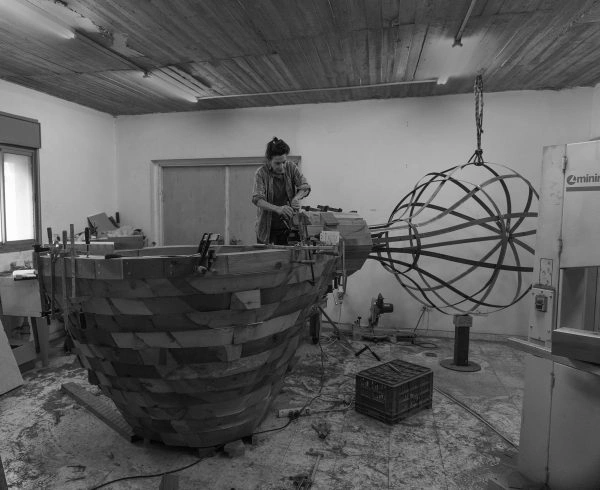
Rachel Rotenberg
Tekoa, Israel
I’ve been wanting to do Daf Yomi for years, but always wanted to start at the beginning and not in the middle of things. When the opportunity came in 2020, I decided: “this is now the time!” I’ve been posting my journey daily on social media, tracking my progress (#DafYomi); now it’s fully integrated into my daily routines. I’ve also inspired my partner to join, too!

Joséphine Altzman
Teaneck, United States
I’ve been studying Talmud since the ’90s, and decided to take on Daf Yomi two years ago. I wanted to attempt the challenge of a day-to-day, very Jewish activity. Some days are so interesting and some days are so boring. But I’m still here.

Sarene Shanus
Mamaroneck, NY, United States
I decided to give daf yomi a try when I heard about the siyum hashas in 2020. Once the pandemic hit, the daily commitment gave my days some much-needed structure. There have been times when I’ve felt like quitting- especially when encountering very technical details in the text. But then I tell myself, “Look how much you’ve done. You can’t stop now!” So I keep going & my Koren bookshelf grows…

Miriam Eckstein-Koas
Huntington, United States
In January 2020, my teaching partner at IDC suggested we do daf yomi. Thanks to her challenge, I started learning daily from Rabbanit Michelle. It’s a joy to be part of the Hadran community. (It’s also a tikkun: in 7th grade, my best friend and I tied for first place in a citywide gemara exam, but we weren’t invited to the celebration because girls weren’t supposed to be learning gemara).

Sara Averick
Jerusalem, Israel
I started learning at the beginning of this Daf Yomi cycle because I heard a lot about the previous cycle coming to an end and thought it would be a good thing to start doing. My husband had already bought several of the Koren Talmud Bavli books and they were just sitting on the shelf, not being used, so here was an opportunity to start using them and find out exactly what was in them. Loving it!

Caroline Levison
Borehamwood, United Kingdom
In my Shana bet at Migdal Oz I attended the Hadran siyum hash”as. Witnessing so many women so passionate about their Torah learning and connection to God, I knew I had to begin with the coming cycle. My wedding (June 24) was two weeks before the siyum of mesechet yoma so I went a little ahead and was able to make a speech and siyum at my kiseh kallah on my wedding day!

Sharona Guggenheim Plumb
Givat Shmuel, Israel
What a great experience to learn with Rabbanit Michelle Farber. I began with this cycle in January 2020 and have been comforted by the consistency and energy of this process throughout the isolation period of Covid. Week by week, I feel like I am exploring a treasure chest with sparkling gems and puzzling antiquities. The hunt is exhilarating.
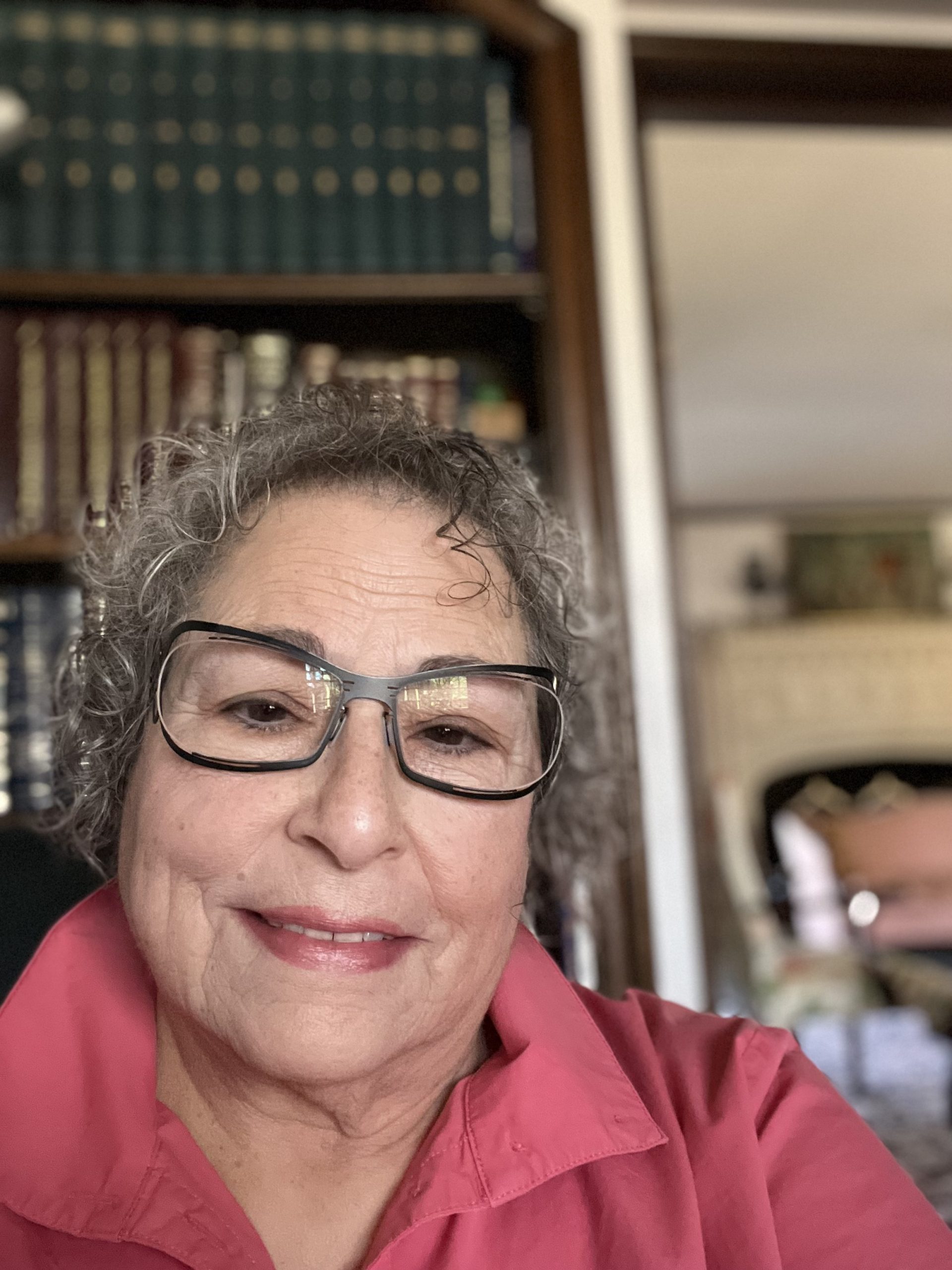
Marian Frankston
Pennsylvania, United States
I started learning after the siyum hashas for women and my daily learning has been a constant over the last two years. It grounded me during the chaos of Corona while providing me with a community of fellow learners. The Daf can be challenging but it’s filled with life’s lessons, struggles and hope for a better world. It’s not about the destination but rather about the journey. Thank you Hadran!

Dena Lehrman
אפרת, Israel
I start learning Daf Yomi in January 2020. The daily learning with Rabbanit Michelle has kept me grounded in this very uncertain time. Despite everything going on – the Pandemic, my personal life, climate change, war, etc… I know I can count on Hadran’s podcast to bring a smile to my face.

Deb Engel
Los Angeles, United States
I LOVE learning the Daf. I started with Shabbat. I join the morning Zoom with Reb Michelle and it totally grounds my day. When Corona hit us in Israel, I decided that I would use the Daf to keep myself sane, especially during the days when we could not venture out more than 300 m from our home. Now my husband and I have so much new material to talk about! It really is the best part of my day!

Batsheva Pava
Hashmonaim, Israel
I’ve been wanting to do Daf Yomi for years, but always wanted to start at the beginning and not in the middle of things. When the opportunity came in 2020, I decided: “this is now the time!” I’ve been posting my journey daily on social media, tracking my progress (#DafYomi); now it’s fully integrated into my daily routines. I’ve also inspired my partner to join, too!
Joséphine Altzman
Teaneck, United States
I started last year after completing the Pesach Sugiyot class. Masechet Yoma might seem like a difficult set of topics, but for me made Yom Kippur and the Beit HaMikdash come alive. Liturgy I’d always had trouble connecting with took on new meaning as I gained a sense of real people moving through specific spaces in particular ways. It was the perfect introduction; I am so grateful for Hadran!

Debbie Engelen-Eigles
Minnesota, United States
I am grateful for the structure of the Daf Yomi. When I am freer to learn to my heart’s content, I learn other passages in addition. But even in times of difficulty, I always know that I can rely on the structure and social support of Daf Yomi learners all over the world.
I am also grateful for this forum. It is very helpful to learn with a group of enthusiastic and committed women.

Janice Block
Beit Shemesh, Israel
See video

Susan Fisher
Raanana, Israel
When I began the previous cycle, I promised myself that if I stuck with it, I would reward myself with a trip to Israel. Little did I know that the trip would involve attending the first ever women’s siyum and being inspired by so many learners. I am now over 2 years into my second cycle and being part of this large, diverse, fascinating learning family has enhanced my learning exponentially.

Shira Krebs
Minnesota, United States
I started my journey on the day I realized that the Siyum was happening in Yerushalayim and I was missing out. What? I told myself. How could I have not known about this? How can I have missed out on this opportunity? I decided that moment, I would start Daf Yomi and Nach Yomi the very next day. I am so grateful to Hadran. I am changed forever because I learn Gemara with women. Thank you.

Linda Brownstein
Mitspe, Israel
Geri Goldstein got me started learning daf yomi when I was in Israel 2 years ago. It’s been a challenge and I’ve learned a lot though I’m sure I miss a lot. I quilt as I listen and I want to share what I’ve been working on.

Rebecca Stulberg
Ottawa, Canada
Having never learned Talmud before, I started Daf Yomi in hopes of connecting to the Rabbinic tradition, sharing a daily idea on Instagram (@dafyomiadventures). With Hadran and Sefaria, I slowly gained confidence in my skills and understanding. Now, part of the Pardes Jewish Educators Program, I can’t wait to bring this love of learning with me as I continue to pass it on to my future students.

Hannah Greenberg
Pennsylvania, United States
As Jewish educator and as a woman, I’m mindful that Talmud has been kept from women for many centuries. Now that we are privileged to learn, and learning is so accessible, it’s my intent to complete Daf Yomi. I am so excited to keep learning with my Hadran community.

Sue Parker Gerson
Denver, United States
Chullin 107
פַּקְתָּא דַּעֲרָבוֹת: כְּגוֹן אַתּוּן דְּלָא שְׁכִיחִי לְכוּ מַיָּא, מְשׁוּ יְדַיְיכוּ מִצַּפְרָא וְאַתְנוֹ עֲלַיְיהוּ לְכוּלֵּאּ יוֹמָא. אִיכָּא דְּאָמְרִי: בִּשְׁעַת הַדְּחָק – אִין, שֶׁלֹּא בִּשְׁעַת הַדְּחָק – לָא, וּפְלִיגָא דְּרַב. וְאִיכָּא דְּאָמְרִי: אֲפִילּוּ שֶׁלֹּא בִּשְׁעַת הַדְּחָק נָמֵי, וְהַיְינוּ דְּרַב.
the valley of Aravot [pakta da’aravot], where there was a shortage of water: People such as you, for whom water is scarce, should wash your hands in the morning and stipulate with regard to them for the entire day. Some say that Rabbi Avina maintains that in exigent circumstances, yes, one should act in this manner, but when one is not in exigent circumstances, he should not do so. And according to this explanation, Rabbi Avina disagrees with the opinion of Rav, who permitted this practice to all. And some say that Rabbi Avina ruled that one may do so even when not in exigent circumstances, and Rabbi Avina’s opinion is identical to that of Rav.
אָמַר רַב פָּפָּא: הַאי אֲרִיתָּא דְּדַלָּאֵי, אֵין נוֹטְלִין מִמֶּנּוּ לַיָּדַיִם, דְּלָא אָתוּ מִכֹּחַ גַּבְרָא. וְאִי מְקָרַב לְגַבֵּי דַּוְלָא, דְּקָאָתוּ מִכֹּחַ גַּבְרָא – נוֹטְלִין מִמֶּנּוּ לַיָּדַיִם.
Rav Pappa said: With regard to this irrigation channel [arita dedalla’ei], into which water is poured from a river using buckets, and which then transports the water to the fields, one may not wash his hands in it. The reason is that this water does not come from a person’s force, i.e., it is not poured on the hands by a direct act, as it moves by force of the current in the channel. But if one draws his hands near the bucket itself, in such a manner that the water poured on his hands comes from a person’s force before it begins to flow in the channel, then one may wash his hands with it.
וְאִי בְּזִיעַ דַּוְלָא, בְּכוֹנֵס מַשְׁקֶה, מֵילָף לָיְיפִי, וּמְטַבֵּיל בָּהּ אֶת הַיָּדַיִם. וְאָמַר רָבָא: כְּלִי שֶׁנִּיקַּב בְּכוֹנֵס מַשְׁקֶה – אֵין נוֹטְלִין מִמֶּנּוּ לַיָּדַיִם.
And if the bucket in which the water is drawn from the river is perforated with a hole large enough to enable liquid to enter the vessel when it is placed in the river, the presence of this hole connects the water in the channel to the water in the river, as they touch through that hole. And therefore, one may immerse his hands in that channel as he would in the river itself. Yet the perforated bucket is invalid for the washing of the hands by pouring, since it is no longer considered a vessel. As Rava says: With regard to a vessel that is perforated with a hole large enough to enable liquid to enter, one may not wash his hands with it.
וְאָמַר רָבָא: כְּלִי שֶׁאֵין בּוֹ רְבִיעִית – אֵין נוֹטְלִין מִמֶּנּוּ לַיָּדַיִם. אִינִי? וְהָאָמַר רָבָא: כְּלִי שֶׁאֵין מַחְזִיק רְבִיעִית – אֵין נוֹטְלִין מִמֶּנּוּ לַיָּדַיִם, הָא מַחְזִיק – אַף עַל גַּב דְּלֵית בֵּיהּ.
And Rava says: With regard to a vessel that does not have a quarter–log of water in it, one may not wash his hands with it. The Gemara asks: Is that so? But doesn’t Rava say: With regard to a vessel that cannot contain a quarter–log of water, one may not wash his hands with it. It may be consequently inferred that as long as the vessel can contain a quarter-log, one may use it even if it does not currently have a quarter-log in it.
לָא קַשְׁיָא: הָא לְחַד, הָא לִתְרֵי, דְּתַנְיָא: מֵי רְבִיעִית נוֹטְלִין לַיָּדַיִם לְאֶחָד, וַאֲפִילּוּ לִשְׁנַיִם.
The Gemara answers: This is not difficult; this former statement, requiring a quarter-log of actual water, is referring to washing for one person, whereas that latter statement, requiring only that the vessel have a capacity of a quarter-log, is referring to washing for two people. If a vessel originally contained a quarter-log of water, then even if less than that amount remains after one person has washed his hands, a second individual may use the remainder, which is considered fit based on the water’s original volume. As it is taught in a baraita: With a quarter–log of water, one may wash the hands of one individual, and even those of two.
אֲמַר לֵיהּ רַב שֵׁשֶׁת לְאַמֵּימָר: קָפְדִיתוּ אַמָּנָא? אֲמַר לֵיהּ: אִין. אַחֲזוּתָא? אֲמַר לֵיהּ: אִין. אַשִּׁיעוּרָא? אֲמַר לֵיהּ: אִין.
Rav Sheshet said to Ameimar: Are you particular about the vessel used for washing hands, that it be wholly intact? Ameimar said to him: Yes. Rav Sheshet further inquired: Are you also particular about the appearance of the water, that it be normal? Ameimar again said to him: Yes. Rav Sheshet further asked: Are you particular about the measure of water, that it be no less than one quarter-log? Ameimar said to him: Yes.
אִיכָּא דְּאָמְרִי, הָכִי אֲמַר לֵיהּ: אַמָּנָא וְאַחֲזוּתָא – קָפְדִינַן, אַשִּׁיעוּרָא – לָא קָפְדִינַן, דְּתַנְיָא: מֵי רְבִיעִית נוֹטְלִין לַיָּדַיִם לְאֶחָד, וַאֲפִילּוּ לִשְׁנַיִם.
Some say that this is what Ameimar said to him: We are particular about the wholeness of the vessel and about the water’s appearance, but we are not particular about the water’s measure, as it is taught in a baraita: With a quarter–log of water one may wash the hands of one individual, and even those of two. The baraita indicates that there is no need for a quarter-log for each individual.
וְלָא הִיא, שָׁאנֵי הָתָם, מִשּׁוּם דְּקָאָתוּ מִשְּׁיָרֵי טׇהֳרָה.
The Gemara notes: And it is not so, i.e., one cannot derive from the baraita that the measure of water is immaterial. It is different there because there the water comes from the remainder of a measure initially sufficient for purity. If there was not initially a quarter-log, the water is unfit for even one person.
אַתְקֵין רַב יַעֲקֹב מִנְּהַר פְּקוֹד נַטְלָא בַּת רְבִיעֵתָא, אַתְקֵין רַב אָשֵׁי בְּהוּצָל כּוּזָא בַּת רְבִיעֵתָא.
The Gemara relates: Rav Ya’akov from Nehar Pekod prepared a glass vessel that could contain a quarter–log of water for washing his hands. Rav Ashi in Huzal likewise prepared an earthenware vessel that could contain a quarter–log.
וְאָמַר רָבָא: מְגוּפַת חָבִית שֶׁתִּקְּנָהּ – נוֹטְלִין מִמֶּנָּה לַיָּדַיִם. תַּנְיָא נָמֵי הָכִי: מְגוּפַת חָבִית שֶׁתִּקְּנָהּ – נוֹטְלִין מִמֶּנָּה לַיָּדַיִם. חֵמֶת וּכְפִישָׁה שֶׁתִּקְּנָן – נוֹטְלִין מֵהֶם לַיָּדַיִם. שַׂק וְקוּפָּה, אַף עַל פִּי שֶׁמְּקַבְּלִים – אֵין נוֹטְלִין מֵהֶם לַיָּדַיִם.
And Rava says: If one prepared the stopper of a barrel for use as a vessel by hollowing it out until it contained a quarter-log, one may wash his hands with it, even though it was not originally designated for this function. This ruling is also taught in a baraita: If one prepared the stopper of a barrel for this purpose, one may wash his hands with it. Likewise, with regard to a ḥemet and a kefisha, types of leather wineskins, that one prepared for this purpose, one may wash his hands with them, as they were initially designed to hold liquids. But with regard to a sack and a basket, even if they can contain water, one may not wash his hands with them, as no sack or basket is designed to hold water, and most cannot.
אִיבַּעְיָא לְהוּ: מַהוּ לֶאֱכוֹל בְּמַפָּה? מִי חָיְישִׁינַן דִּלְמָא נָגַע, אוֹ לָא?
A dilemma was raised before the Sages: What is the halakha with regard to eating with a cloth [mappa] on one’s hands, rather than washing them to purify them? Are we concerned that perhaps he will touch the food with his hands, or not?
תָּא שְׁמַע, וּכְשֶׁנָּתְנוּ לוֹ לְרַבִּי צָדוֹק אוֹכֶל פָּחוֹת מִכְּבֵיצָה, נוֹטְלוֹ בְּמַפָּה וְאוֹכְלוֹ חוּץ לַסּוּכָּה, וְאֵין מְבָרֵךְ אַחֲרָיו. מַאי לָאו – הָא כְּבֵיצָה בָּעֵי נְטִילַת יָדַיִם?
The Gemara suggests: Come and hear proof from a mishna (Sukka 26b): And when they gave Rabbi Tzadok on the festival of Sukkot less than an egg-bulk of food, he took the food in a cloth, and he ate it outside the sukka, as he held one is not obligated to eat food of this amount in a sukka. And he did not recite a blessing after eating it, since less than an egg-bulk does not satisfy the verse: “And you shall eat and be satisfied and bless the Lord your God” (Deuteronomy 8:10). What, is it not to be inferred that consequently, if one eats an egg-bulk, it requires washing of the hands, even if one uses a cloth?
דִּלְמָא הָא כְּבֵיצָה – בָּעֵי סוּכָּה, וּבָעֵי בְּרָכָה.
The Gemara rejects this: Perhaps one can conclude from that mishna only that consequently, if one eats an egg-bulk he needs to do so in a sukka and needs to recite a blessing after eating; but he can still use a cloth instead of washing his hands.
תָּא שְׁמַע: דִּשְׁמוּאֵל אַשְׁכְּחֵיהּ לְרַב דְּקָאָכֵיל בְּמַפָּה, אֲמַר לֵיהּ:
The Gemara suggests: Come and hear proof from an incident where Shmuel found Rav eating with a cloth rather than washing his hands, and Shmuel said to him:
עָבְדִין כְּדֵין? אֲמַר לֵיהּ: דַּעְתִּי קְצָרָה עָלַי.
Do we act in this manner? Rav said to Shmuel: I did wash my hands, but as I am delicate I do not wish to hold food in my bare hands; therefore I covered them with a cloth.
כִּי סְלֵיק רַבִּי זֵירָא, אַשְׁכְּחִינְהוּ לְרַבִּי אַמֵּי וְרַבִּי אַסִּי דְּקָאָכְלִי בִּבְלָאֵי חֲמָתוֹת. אֲמַר: תְּרֵי גַּבְרֵי רַבְרְבֵי כְּוָותַיְיכוּ, לִיטְעוֹ בִּדְרַב וּשְׁמוּאֵל? הָא ״דַּעְתִּי קְצָרָה״ קָאָמַר!
The Gemara further relates: When Rabbi Zeira left Babylonia for Eretz Yisrael, he found Rabbi Ami and Rabbi Asi eating bread while covering their hands with worn pieces of wineskins, rather than washing them. Rabbi Zeira said to them: Could two great men such as yourselves err with regard to the incident of Rav and Shmuel related above? After all, Rav said to Shmuel: I am using a cloth because I am delicate; he did wash his hands beforehand.
אִשְׁתְּמִיטְתֵּיהּ הָא דְּאָמַר רַב תַּחְלִיפָא בַּר אֲבִימִי אָמַר שְׁמוּאֵל: הִתִּירוּ מַפָּה לְאוֹכְלֵי תְרוּמָה, וְלֹא הִתִּירוּ מַפָּה לְאוֹכְלֵי טְהָרוֹת, וְרַבִּי אַמֵּי וְרַבִּי אַסִּי כֹּהֲנִים הֲווֹ.
The Gemara notes: It escaped Rabbi Zeira’s mind that Rav Taḥlifa bar Avimi said that Shmuel said: The Sages permitted the consumption of bread while the hands are wrapped with a cloth rather than washed, specifically to priests who partake of teruma, as they are careful not to touch the bread with their hands. But they did not permit the use of a cloth in this manner to non-priests, even those who are particular to eat non-sacred food in a state of ritual purity, as they do not maintain the same level of diligence as priests. And since Rabbi Ami and Rabbi Asi were priests, it was permitted for them to eat with a cloth.
אִיבַּעְיָא לְהוּ: אוֹכֵל מֵחֲמַת מַאֲכִיל, צָרִיךְ נְטִילַת יָדַיִם אוֹ לָא? תָּא שְׁמַע, דְּרַב הוּנָא בַּר סְחוֹרָה הֲוָה קָאֵי קַמֵּיהּ דְּרַב הַמְנוּנָא, בְּלַם לֵיהּ אוּמְצָא וְאָכֵיל. אֲמַר לֵיהּ: אִי לָאו דְּרַב הַמְנוּנָא אַתְּ, לָא סָפֵינָא לָךְ.
A dilemma was raised before the Sages: If one eats by means of another feeding him, without himself touching the food, does he need to wash hands before eating or not? The Gemara suggests: Come and hear proof from the following incident where Rav Huna bar Seḥora was standing before Rav Hamnuna and serving him. Rav Huna bar Seḥora cut a slice of meat for Rav Hamnuna and placed it in his mouth, and he ate it. Rav Huna bar Seḥora said to Rav Hamnuna: Were you not Rav Hamnuna, I would not feed you in this fashion.
מַאי טַעְמָא, לָאו מִשּׁוּם דִּזְהִיר וְלָא נָגַע? לָא, דִּזְרִיז קָדֵים וּמָשֵׁי יְדֵיהּ מֵעִיקָּרָא.
The Gemara infers from this episode: What is the reason that it was permitted for Rav Hamnuna to eat in such a manner? Is it not because he was careful not to touch the food with his hands? This indicates that someone may be fed even without washing his hands. The Gemara rejects this: No, one can say that he was vigilant and went ahead and washed his hands at the outset.
תָּא שְׁמַע, דְּאָמַר רַבִּי זֵירָא אָמַר רַב: לֹא יִתֵּן אָדָם פְּרוּסָה לְתוֹךְ פִּיו שֶׁל שַׁמָּשׁ, אֶלָּא אִם כֵּן יוֹדֵעַ בּוֹ שֶׁנָּטַל יָדָיו. וְהַשַּׁמָּשׁ מְבָרֵךְ עַל כׇּל כּוֹס וָכוֹס, וְאֵינוֹ מְבָרֵךְ עַל כׇּל פְּרוּסָה וּפְרוּסָה. וְרַבִּי יוֹחָנָן אָמַר: מְבָרֵךְ עַל כׇּל פְּרוּסָה וּפְרוּסָה.
The Gemara suggests: Come and hear proof from that which Rabbi Zeira said that Rav said: A person may not place a slice of bread into the mouth of the attendant serving at a meal unless he knows that he has washed his hands. And it was also stated that the attendant recites a blessing over each and every cup of wine presented to him at a meal. This is because he never knows if he will receive another cup, and he cannot intend that his initial blessing apply to a cup he does not know he will receive. But he does not recite a blessing over each and every slice of bread given to him. And Rabbi Yoḥanan says that he must recite a blessing over each and every slice he receives.
אָמַר רַב פָּפָּא: בִּשְׁלָמָא דְּרַב וְרַבִּי יוֹחָנָן לָא קַשְׁיָא, הָא דְּאִיכָּא אָדָם חָשׁוּב, הָא דְּלֵיכָּא אָדָם חָשׁוּב.
Rav Pappa said: Granted, the apparent contradiction between the opinions of Rav and Rabbi Yoḥanan is not difficult; one can resolve it by saying that this statement of Rav, that the attendant need not recite a blessing for every slice of bread, is referring to a case where there is an important person at the meal. Since the attendant is confident that the important person will ensure the attendant receives enough to eat, his initial blessing applies to each slice he receives. And that statement of Rabbi Yoḥanan is referring to a meal where there is no important person. Since the attendant is not confident that he will receive another slice, he must recite a new blessing whenever he does receive one.
מִכׇּל מָקוֹם, הָא קָאָמַר: אֶלָּא אִם כֵּן יוֹדֵעַ שֶׁנָּטַל יָדָיו! שָׁאנֵי שַׁמָּשׁ, דִּטְרִיד.
In any case, Rav first says that one should not place a slice into the attendant’s mouth unless he knows that he has washed his hands. This indicates that one who is fed by another must wash his hands. The Gemara responds: The case of an attendant is different, as he is occupied with his duties and may touch the food inadvertently. Therefore, he specifically may not eat without washing his hands.
תָּנוּ רַבָּנַן: לֹא יִתֵּן אָדָם פְּרוּסָה לַשַּׁמָּשׁ, בֵּין שֶׁהַכּוֹס בְּיָדוֹ בֵּין שֶׁהַכּוֹס בְּיָדוֹ שֶׁל בַּעַל הַבַּיִת, שֶׁמָּא יֶאֱרַע דְּבַר קַלְקָלָה בַּסְּעוּדָה. וְהַשַּׁמָּשׁ שֶׁלֹּא נָטַל יָדָיו – אָסוּר לִיתֵּן פְּרוּסָה לְתוֹךְ פִּיו.
§ The Sages taught in a baraita: A person who is a guest may not give a slice of bread from the meal in front of him to the attendant serving, whether a cup is in the attendant’s hand or a cup is in the host’s hand, lest a mishap occur at the meal. The host might become angry or distracted by the concern that there will not remain enough food for his guests, and the cup will fall from his hand. If the cup is in the attendant’s hand, he might drop it while accepting food from the guest. And with regard to an attendant who has not washed his hands, it is prohibited to place a slice of bread into his mouth.
אִיבַּעְיָא לְהוּ: מַאֲכִיל, צָרִיךְ נְטִילַת יָדַיִם, אוֹ אֵינוֹ צָרִיךְ?
§ A dilemma was raised before the Sages: Does one who feeds another need to wash his hands, since his hands are touching the food? Or perhaps he does not need to wash his hands, as he himself is not eating.
תָּא שְׁמַע, דְּתָנֵי דְּבֵי מְנַשֶּׁה: רַבָּן שִׁמְעוֹן בֶּן גַּמְלִיאֵל אוֹמֵר: אִשָּׁה מְדִיחָה אֶת יָדָהּ אַחַת בַּמַּיִם, וְנוֹתֶנֶת פַּת לִבְנָהּ קָטָן. אָמְרוּ עָלָיו עַל שַׁמַּאי הַזָּקֵן שֶׁלֹּא רָצָה לְהַאֲכִיל בְּיָדוֹ אַחַת, וְגָזְרוּ עָלָיו שֶׁיַּאֲכִיל בִּשְׁתֵּי יָדָיו.
The Gemara suggests: Come and hear a resolution to the dilemma from that which the school of Menashe taught that Rabban Shimon ben Gamliel says: A woman may rinse one hand in water on Yom Kippur, so that she does not touch food before she has washed her hands in the morning, and give bread to her minor son, without concern about violating the prohibition against bathing on Yom Kippur. They said about Shammai the Elder that he did not want to feed his children with even one hand on Yom Kippur, to avoid having to wash it. But due to concerns about the health and well-being of his children, they decreed that he must feed them with two hands, forcing him to wash both. Apparently one who feeds another must wash his hands, even though he himself is not eating.
אָמַר אַבָּיֵי: הָתָם מִשּׁוּם שִׁיבְתָּא.
Abaye said: The reason for the washing there is not on account of the food specifically. Rather, it is due to an evil spirit named Shivta, who contaminates hands that have not been washed in the morning. As long as one washes his hands in the morning, perhaps he need not wash them again to feed another.
תָּא שְׁמַע, דַּאֲבוּהּ דִּשְׁמוּאֵל אַשְׁכְּחֵיהּ לִשְׁמוּאֵל דְּקָא בָכֵי. אֲמַר לֵיהּ: אַמַּאי קָא בָכֵית? דְּמַחְיַין רַבַּאי. אַמַּאי? דְּאָמַר לִי: קָא סָפֵית לִבְרַאי וְלָא מְשֵׁית יְדָיךְ. וְאַמַּאי לָא מְשֵׁית? אֲמַר לֵיהּ: הוּא אָכֵיל וַאֲנָא מָשֵׁינָא?!
The Gemara further suggests: Come and hear a resolution to the dilemma from the following incident, as Shmuel’s father found the young Shmuel crying, and said to him: Why are you crying? Shmuel replied: Because my teacher struck me. His father asked: Why did he strike you? Shmuel responded: My teacher said to me: You are feeding my son, but you did not wash your hands. His father asked: And why did you not wash your hands? Shmuel said to him: Only he, the teacher’s son, is eating, and I must wash my hands?
אֲמַר לֵיהּ: לָא מִיסָּתְיֵיהּ דְּלָא גְּמִיר, מִימְחָא נָמֵי מָחֵי! וְהִלְכְתָא: אוֹכֵל מֵחֲמַת מַאֲכִיל – צָרִיךְ נְטִילַת יָדַיִם, מַאֲכִיל – אֵינוֹ צָרִיךְ נְטִילַת יָדַיִם.
Shmuel’s father said to him: Is it not enough that your teacher did not learn the halakha properly, that he even strikes you on account of his error? One who feeds another need not wash his hands if he himself is not eating. The Gemara concludes: And the halakha is that one who eats by means of another feeding him needs to wash his hands, even though he does not touch the food. But one who feeds another does not need to wash his hands.
מַתְנִי׳ צוֹרֵר אָדָם בָּשָׂר וּגְבִינָה בְּמִטְפַּחַת אַחַת, וּבִלְבַד שֶׁלֹּא יְהוּ נוֹגְעִין זֶה בָּזֶה. רַבָּן שִׁמְעוֹן בֶּן גַּמְלִיאֵל אוֹמֵר: שְׁנֵי אַכְסְנָאִין אוֹכְלִין עַל שֻׁלְחָן אֶחָד, זֶה בָּשָׂר וְזֶה גְּבִינָה, וְאֵין חוֹשְׁשִׁין.
MISHNA: A person may bind meat and cheese in one cloth, provided that they do not come into contact with each other. Rabban Shimon ben Gamliel says: Two unacquainted guests [akhsena’in] may eat together on one table, this one eating meat and that one eating cheese, and they need not be concerned lest they come to violate the prohibition of eating meat and milk by partaking of the food of the other.
גְּמָ׳ וְכִי נוֹגֵעַ זֶה בָּזֶה, מַאי הָוֵי? צוֹנֵן בְּצוֹנֵן הוּא! אָמַר אַבָּיֵי: נְהִי דִּקְלִיפָה לָא בָּעֵי, הַדָּחָה מִי לָא בָּעֵי?
GEMARA: The mishna teaches that one may bind meat and cheese together in one cloth, provided that they do not come into contact with each other. The Gemara asks: And if they come into contact with each other, what of it? It is a case of one cold food in contact with another cold food, and they would not absorb substances from one another. Abaye said: Granted that cold foods do not require the peeling of the place where they came into contact, as they do not absorb substances from one another. Nevertheless, don’t they require rinsing in water? The Sages therefore decreed against the contact of even cold meat and cheese, lest one come to eat them without rinsing them first.
רַבָּן שִׁמְעוֹן בֶּן גַּמְלִיאֵל אוֹמֵר: שְׁנֵי אַכְסְנָאִין אוֹכְלִין עַל שׁוּלְחָן וְכוּ׳. אָמַר רַב חָנָן בַּר אַמֵּי אָמַר שְׁמוּאֵל: לֹא שָׁנוּ אֶלָּא שֶׁאֵין מַכִּירִין זֶה אֶת זֶה, אֲבָל מַכִּירִין זֶה אֶת זֶה – אָסוּר.
§ The mishna teaches that Rabban Shimon ben Gamliel says: Two guests may eat together on one table, this one eating meat and that one eating cheese. Rav Ḥanan bar Ami says that Shmuel says: They taught this halakha only in a case where the guests do not know each other, as they will not eat of each other’s food. But in a situation where they know each other, it is prohibited for them to eat together at the same table.
תַּנְיָא נָמֵי הָכִי: רַבָּן שִׁמְעוֹן בֶּן גַּמְלִיאֵל אוֹמֵר: שְׁנֵי אַכְסְנָאִים שֶׁנִּתְאָרְחוּ לְפוּנְדָּק אֶחָד, זֶה בָּא מִן הַצָּפוֹן וְזֶה בָּא מִן הַדָּרוֹם, זֶה בָּא בַּחֲתִיכָתוֹ וְזֶה בָּא בִּגְבִינָתוֹ, אוֹכְלִין עַל שֻׁלְחָן אֶחָד, זֶה בָּשָׂר וְזֶה גְּבִינָה, וְאֵין חוֹשְׁשִׁין.
That opinion is also taught in a baraita: Rabban Shimon ben Gamliel says: If two guests roomed in one inn, this one coming from the north and that one coming from the south, this one coming with his piece of meat and that one coming with his cheese, they may eat together on one table, this one eating meat and that one cheese, and they need not be concerned.
וְלֹא אָסְרוּ אֶלָּא בִּתְפִיסָה אַחַת. תְּפִיסָה אַחַת סָלְקָא דַּעְתָּךְ? אֶלָּא כְּעֵין תְּפִיסָה אַחַת.
The baraita adds: And the Sages prohibited this practice only if they both eat from one parcel. The Gemara adds: Can it enter your mind that the baraita is actually referring to a case where they eat from one parcel? This is obviously prohibited. Rather, it prohibits eating even in a manner as though they were eating from one parcel, i.e., when the diners are somewhat acquainted with each other, since neither would mind if the other ate from his food.
אֲמַר לֵיהּ רַב יֵימַר בַּר שֶׁלֶמְיָא לְאַבָּיֵי: שְׁנֵי אַחִין, וּמַקְפִּידִין זֶה עַל זֶה, מַהוּ?
§ It was stated above that if two diners are acquainted with each other they may not eat meat and cheese on the same table. Rav Yeimar bar Shelemya said to Abaye: If these diners are two brothers, but they are each particular not to let one another eat of his food, what is the halakha? May they eat separate dishes of meat and cheese at a single table?
אֲמַר לֵיהּ: יֹאמְרוּ כׇּל הַסְּרִיקִין אֲסוּרִין, וּסְרִיקֵי בַיְיתּוֹס מוּתָּרִין?!
Abaye said to him: Your question evokes that of Baitos ben Zunin. The Sages prohibited the baking of elaborately decorated Syrian cakes for Passover, lest people tarry in their preparation and the cakes become leavened. Baitos wished to prepare the cakes in a way that would not lead to a violation of any prohibition, and yet the Sages prohibited it, because people will say: All the decorated Syrian cakes are forbidden, but the Syrian cakes of Baitos are permitted? Here too, to avoid confusion, we will not allow exceptions to the rule.
וּלְטַעְמָיךְ, הָא דְּאָמַר רַבִּי אַסִּי אָמַר רַבִּי יוֹחָנָן: מִי שֶׁאֵין לוֹ אֶלָּא חָלוּק אֶחָד מוּתָּר לְכַבְּסוֹ בְּחוּלּוֹ שֶׁל מוֹעֵד. יֹאמְרוּ:
Rav Yeimar responded: But according to your reasoning, one may refute that which Rabbi Asi said that Rabbi Yoḥanan said: Although the Sages prohibited laundering on the intermediate days of a Festival, one who has only one shirt is permitted to launder it on the intermediate days of a Festival. Here too, one can claim: People will say metaphorically:
Follow

