











Can one eat udders cooked with their milk inside? Does it depend? If so, on what does it depend? A story is brought regarding different customs relating to eating udders. Can one get lashes for not respecting their mother and father? If one cooks liver in a pot with other meat, does the blood from the liver forbid the other meat?
Chullin 110
שֶׁבִּשְּׁלָהּ בַּחֲלָבָהּ – אֲסוּרָה, דַּאֲפִילּוּ דִּיעֲבַד נָמֵי לָא, תְּנָא נָמֵי רֵישָׁא שֶׁבִּשְּׁלָהּ.
of a suckling lamb or calf that one cooked together with the milk it contains is prohibited. There, even if one roasted it he may not eat it after the fact. To preserve symmetry, the tanna of the baraita taught in the first clause in this manner as well, stating: An udder that one cooked in its milk is permitted.
כִּי סְלֵיק רַבִּי אֶלְעָזָר, אַשְׁכְּחֵיהּ לִזְעֵירִי, אֲמַר לֵיהּ: אִיכָּא תַּנָּא דְּאַתְנְיֵיהּ לְרַב כְּחָל? אַחְוְיֵיהּ לְרַב יִצְחָק בַּר אֲבוּדִימִי. אֲמַר לֵיהּ: אֲנִי לֹא שָׁנִיתִי לוֹ כְּחָל כׇּל עִיקָּר, וְרַב – בִּקְעָה מָצָא וְגָדַר בָּהּ גָּדֵר.
§ The Gemara above cited a second version of Rav’s opinion, according to which an udder that was roasted without being torn is prohibited for consumption. The Gemara relates: When Rabbi Elazar ascended from Babylonia to Eretz Yisrael he found Ze’eiri and said to him: Is there a tanna who taught Rav that an udder roasted without first being torn is prohibited? Ze’eiri showed him Rav Yitzḥak bar Avudimi. Rav Yitzḥak bar Avudimi said to Rabbi Elazar: I did not teach Rav that an udder is prohibited at all; rather, Rav found an unguarded valley and fenced it in. Rav taught this stringent ruling as an additional safeguard in Babylonia, where Jews were not careful about the prohibition of meat cooked in milk.
דְּרַב אִיקְּלַע לְטַטְלְפוּשׁ, שַׁמְעַהּ לְהַהִיא אִיתְּתָא דְּקָאָמְרָה לַחֲבִירְתַּהּ: רִיבְעָא דְּבִשְׂרָא כַּמָּה חֲלָבָא בָּעֵי לְבַשּׁוֹלֵי? אָמַר: לָא גְּמִירִי דְּבָשָׂר בְּחָלָב אָסוּר, אִיעַכַּב (וְקָאָסַר) [וַאֲסַר] לְהוּ כַּחְלֵי.
The Gemara elaborates: As when Rav arrived in Tatlefush, he heard a certain woman saying to another: How much milk does it require to cook a quarter weight of meat? Rav said: Evidently, these people are not learned enough in halakha to know that meat cooked in milk is prohibited. Rav tarried in that place, and prohibited even udders to them, so that they would not come to violate the prohibition of meat cooked in milk.
רַב כָּהֲנָא מַתְנֵי הָכִי. רַבִּי יוֹסֵי בַּר אַבָּא מַתְנֵי: אֲנָא, כְּחָל שֶׁל מְנִיקָה שָׁנִיתִי לוֹ, וּמִפִּלְפּוּלוֹ שֶׁל רַב חִיָּיא שְׁנָה לֵיהּ כְּחָל סְתָם.
Rav Kahana teaches that Rav Yitzḥak bar Avudimi replied to Rabbi Elazar in that manner described above. By contrast, Rabbi Yosei bar Abba teaches that Rav Yitzḥak bar Avudimi said: I taught Rav only that the udder of an animal nursing offspring is prohibited, as its udder contains much milk. And due to the sharp mind of Rav Ḥiyya, Rav’s teacher, he assumed that Rav too would understand this without his saying so explicitly. Therefore, he taught this halakha to Rav with regard to an unspecified udder. Rav mistakenly thought that the ruling applies to all animals.
רָבִין וְרַב יִצְחָק בַּר יוֹסֵף אִיקְּלַעוּ לְבֵי רַב פַּפֵּי, אַיְיתוֹ לְקַמַּיְיהוּ תַּבְשִׁילָא דִּכְחָל. רַב יִצְחָק בַּר יוֹסֵף אֲכַל, רָבִין לָא אֲכַל. אָמַר אַבָּיֵי: רָבִין תַּכָּלָא, אַמַּאי לָא אֲכַל? מִכְּדֵי, דְּבֵיתְהוּ דְּרַב פַּפֵּי בְּרַתֵּיה דְּרַבִּי יִצְחָק נַפָּחָא הֲוַאי, וְרַבִּי יִצְחָק נַפָּחָא מָרֵיהּ דְּעוֹבָדָא הֲוָה, אִי לָאו דִּשְׁמִיעַ לַהּ מִבֵּי נָשָׁא לָא הֲוָה עָבְדָא.
The Gemara relates that Ravin and Rav Yitzḥak bar Yosef arrived at the house of Rav Pappi. The servants brought before them a dish made of udder. Rav Yitzḥak bar Yosef ate of it, but Ravin did not eat. Abaye said: Bereaved Ravin, why do you not eat? After all, Rav Pappi’s wife is the daughter of Rabbi Yitzḥak Nappaḥa, and Rabbi Yitzḥak Nappaḥa was a master of good deeds, who was meticulous in his performance of mitzvot. Had Rav Pappi’s wife not heard in her father’s house that such a dish is permitted, she would not have made it.
בְּסוּרָא לָא אָכְלִי כַּחְלֵי, בְּפוּמְבְּדִיתָא אָכְלִי כַּחְלֵי. רָמֵי בַּר תַּמְרֵי, דְּהוּא רָמֵי בַּר דִּיקּוּלֵי, מִפּוּמְבְּדִיתָא אִיקְּלַע לְסוּרָא בְּמַעֲלֵי יוֹמָא דְכִפּוּרֵי. אַפְּקִינְהוּ כּוּלֵּי עָלְמָא לְכַחְלִינְהוּ שְׁדִינְהוּ, אֲזַל אִיהוּ נַקְטִינְהוּ אַכְלִינְהוּ.
The Gemara relates: In Sura they would not eat udders at all, even torn and roasted. But in Pumbedita they would eat udders. Rami bar Tamrei, who is also called Rami bar Dikulei, from Pumbedita, arrived in Sura on the eve of Yom Kippur. Since it is a mitzva to eat and drink then, large quantities of meat were cooked, and everyone brought out their udders from the animals they had slaughtered and threw them away. Rami bar Tamrei went and gathered the udders, roasted them, and ate them, in accordance with his custom.
אַיְיתוּהּ לְקַמֵּיהּ דְּרַב חִסְדָּא, אֲמַר לֵיהּ: אַמַּאי תַּעֲבֵיד הָכִי? אֲמַר לֵיהּ: מֵאַתְרָא דְּרַב יְהוּדָה אֲנָא, דְּאָכֵיל. אֲמַר לֵיהּ: וְלֵית לָךְ נוֹתְנִין עָלָיו חוּמְרֵי הַמָּקוֹם שֶׁיָּצָא מִשָּׁם וְחוּמְרֵי הַמָּקוֹם שֶׁהָלַךְ לְשָׁם? אֲמַר לֵיהּ: חוּץ לַתְּחוּם אֲכַלְתִּינְהוּ.
The residents of Sura brought Rami bar Tamrei before Rav Ḥisda, who said to him: Why did you do this? Rami bar Tamrei said to Rav Ḥisda: I am from the place of Rav Yehuda, who eats udders, and this is the accepted custom in Pumbedita. Rav Ḥisda said to him: And do you not hold by the principle that the Sages impose upon a traveler the stringencies of the place that he left and also the stringencies of the place to which he went? You should have accepted the stringency of Sura and not eaten the udders. Rami bar Tamrei said to Rav Ḥisda: That principle applies only to one who remains in the place he is visiting, but I ate the udders outside the boundaries of Sura.
וּבְמָה טְוִיתִינְהוּ? אֲמַר לֵיהּ: בְּפוּרְצָנֵי. וְדִלְמָא מִיֵּין נֶסֶךְ (הָוְיָא) [הֲווֹ]? אֲמַר לֵיהּ: לְאַחַר שְׁנֵים עָשָׂר חֹדֶשׁ הֲווֹ.
Rav Ḥisda further asked Rami bar Tamrei: And with what did you roast the udders? Rami bar Tamrei said to him: I roasted them with grape seeds [purtzenei] I found in the vines there. Rav Ḥisda objected: But how could you roast the udders with grape seeds, as perhaps they were from wine used for a libation to idolatry, from which it is prohibited to derive benefit. Rami bar Tamrei said to him: These were old seeds that still lay there after twelve months had passed since the grapes were used, and any prohibition had expired, as by that point they are assumed to have lost any prohibited liquid that previously remained inside (see Avoda Zara 34a).
וְדִלְמָא דְּגָזֵל הֲוָה? אֲמַר לֵיהּ: יֵאוּשׁ בְּעָלִים הֲוָה, דִּקְדַחוּ בְּהוּ חִילְפֵי.
Rav Ḥisda further objected: But perhaps these seeds were from stolen property, i.e., they belonged to someone and it was prohibited for you to take them. Rami bar Tamrei said to him: Even so, in this case there was certainly despair of the owners of recovering them, as grass was growing among them. Since the owners had allowed them to lie there for so long, they had clearly given up all hope of retrieving them.
חַזְיֵיהּ דְּלָא הֲוָה מַנַּח תְּפִילִּין, אֲמַר לֵיהּ: מַאי טַעְמָא לָא מַנְּחַתְּ תְּפִילִּין? אֲמַר לֵיהּ: חוֹלֵי מֵעַיִין הוּא, וְאָמַר רַב יְהוּדָה: חוֹלֵי מֵעַיִין פָּטוּר מִן הַתְּפִילִּין.
Rav Ḥisda saw that Rami bar Tamrei had not donned phylacteries, and said to him: What is the reason that you have not donned phylacteries? Rami bar Tamrei said to him: He, i.e., I, am suffering from intestinal illness, and Rav Yehuda said that one who has intestinal illness is exempt from the mitzva of phylacteries, which require a clean body, because he would have to remove them constantly to defecate.
חַזְיֵיהּ דְּלָא הֲוָה קָא רָמֵי חוּטֵי, אֲמַר לֵיהּ: מַאי טַעְמָא לֵית לָךְ חוּטֵי? אֲמַר לֵיהּ: טַלִּית שְׁאוּלָה הִיא, וְאָמַר רַב יְהוּדָה:
Rav Ḥisda further saw that Rami bar Tamrei had not placed the threads of ritual fringes on his garment and said to him: What is the reason that you do not have the threads of ritual fringes? Rami bar Tamrei said to him: It is a borrowed robe, and Rav Yehuda said:
טַלִּית שְׁאוּלָה כׇּל שְׁלֹשִׁים יוֹם פְּטוּרָה מִן הַצִּיצִית.
With regard to a borrowed robe, during all of the first thirty days that one borrows it, one is exempt from performing the mitzva of ritual fringes with it.
אַדְּהָכִי, אַיְיתוּהּ לְהָהוּא גַּבְרָא דְּלָא הֲוָה מוֹקַר אֲבוּהּ וְאִמֵּיהּ, כַּפְתוּהּ.
Meanwhile, as Rav Ḥisda and Rami bar Tamrei were talking, the attendants brought in a certain man to Rav Ḥisda’s court who would not honor his father and mother, and they tied him to a pillar in order to flog him.
אֲמַר לְהוּ: שִׁבְקוּהּ, דְּתַנְיָא: כׇּל מִצְוַת עֲשֵׂה שֶׁמַּתַּן שְׂכָרָהּ בְּצִדָּהּ – אֵין בֵּית דִּין שֶׁלְּמַטָּה מוּזְהָרִין עָלֶיהָ. אֲמַר לֵיהּ חֲזֵינָא לָךְ דְּחָרִיפַתְּ טוּבָא. אֲמַר לֵיהּ: אִי הֲוֵית בְּאַתְרֵיהּ דְּרַב יְהוּדָה, אַחְוִינָא לָךְ חוּרְפַּאי.
Rami bar Tamrei said to them: Leave him alone, as it is taught in a baraita: With regard to any positive mitzva whose reward is stated alongside it in the Torah, the earthly court below is not warned to enforce it through punishments such as flogging. And it is stated after the mitzva of honoring one’s father and mother: “That your days may be long, and that it go well with you” (Deuteronomy 5:16). Rav Ḥisda said to Rami bar Tamrei: I see that you are very sharp. Rami bar Tamrei said to Rav Ḥisda: If you were in the place where Rav Yehuda resides, I would be able to show you my sharpness of mind far better than here.
אֲמַר לֵיהּ אַבָּיֵי לְרַב סָפְרָא: כִּי סָלְקַתְּ לְהָתָם, בְּעִי מִינַּיְיהוּ: כַּבְדָּא, מָה אַתּוּן בֵּיהּ? כִּי סְלֵיק, אַשְׁכְּחֵיהּ לְרַב זְרִיקָא. אֲמַר לֵיהּ: אֲנָא שְׁלַקִי לֵיהּ לְרַבִּי אַמֵּי, וַאֲכַל.
§ Pursuant to the discussion of different local customs, Abaye said to Rav Safra: When you ascend there, to Eretz Yisrael, ask the Sages there: With regard to liver, how do you treat it? When Rav Safra ascended to Eretz Yisrael he found Rav Zerika and asked him this question. Rav Zerika said to him: I cooked liver for Rabbi Ami and he ate it.
כִּי אֲתָא לְגַבֵּיהּ, אֲמַר לֵיהּ: לְמֵיסַר נַפְשַׁהּ – לָא קָא מִיבַּעְיָא לִי, כִּי קָמִבַּעְיָא לִי – לְמֵיסַר חֲבִירְתַּהּ.
When Rav Safra returned to Babylonia and came before Abaye and reported what Rav Zerika had said, Abaye said to him: I do not raise the dilemma as to whether liver renders itself prohibited if cooked alone. It is clear to me that the blood that diffuses out of the liver is not absorbed again while it cooks. When I raise the dilemma, it is with regard to whether liver renders prohibited another piece of meat cooked with it. Rav Zerika’s statement therefore has no bearing on my question.
מַאי שְׁנָא לְמֵיסַר נַפְשַׁהּ דְּלָא מִיבַּעְיָא לָךְ – דִּתְנַן: אֵינָהּ נֶאֱסֶרֶת, לְמֵיסַר חֲבִירְתַּהּ נָמֵי לָא תִּבְּעֵי לָךְ! דִּתְנַן: הַכָּבֵד אוֹסֶרֶת וְאֵינָהּ נֶאֱסֶרֶת, מִפְּנֵי שֶׁהִיא פּוֹלֶטֶת וְאֵינָהּ בּוֹלַעַת. אֲמַר לֵיהּ: דִּילְמָא הָתָם בְּכַבְדָּא דְּאִיסּוּרָא,
Rav Safra asked Abaye: What is different about the issue of the liver rendering itself prohibited, that you did not raise the dilemma with regard to this case? It is presumably because the answer is obvious to you, as we learned in a mishna (Terumot 10:11) that liver is not rendered prohibited by its own cooking. But if so, you should not raise the dilemma with regard to whether it renders the other piece of meat prohibited either, as we learned in that same mishna: Liver renders food cooked with it in the same pot prohibited but is not prohibited itself, because while it does expel blood as it cooks, it does not absorb this blood again, since the blood diffuses only outward. Abaye said to Rav Safra: That mishna does not answer my question, as perhaps there it is referring specifically to forbidden liver, e.g., the liver of a non-kosher animal.
Follow 
New to Talmud?
Check out our resources designed to help you navigate a page of Talmud – and study at the pace, level and style that fits you.
The Hadran Women’s Tapestry
Meet the diverse women learning Gemara at Hadran and hear their stories.
I started learning with rabbis. I needed to know more than the stories. My first teacher to show me “the way of the Talmud” as well as the stories was Samara Schwartz.
Michelle Farber started the new cycle 2 yrs ago and I jumped on for the ride.
I do not look back.

Jenifer Nech
Houston, United States
In July, 2012 I wrote for Tablet about the first all women’s siyum at Matan in Jerusalem, with 100 women. At the time, I thought, I would like to start with the next cycle – listening to a podcast at different times of day makes it possible. It is incredible that after 10 years, so many women are so engaged!

Beth Kissileff
Pittsburgh, United States
Inspired by Hadran’s first Siyum ha Shas L’Nashim two years ago, I began daf yomi right after for the next cycle. As to this extraordinary journey together with Hadran..as TS Eliot wrote “We must not cease from exploration and the end of all our exploring will be to arrive where we began and to know the place for the first time.

Susan Handelman
Jerusalem, Israel
I started learning Jan 2020 when I heard the new cycle was starting. I had tried during the last cycle and didn’t make it past a few weeks. Learning online from old men didn’t speak to my soul and I knew Talmud had to be a soul journey for me. Enter Hadran! Talmud from Rabbanit Michelle Farber from a woman’s perspective, a mother’s perspective and a modern perspective. Motivated to continue!
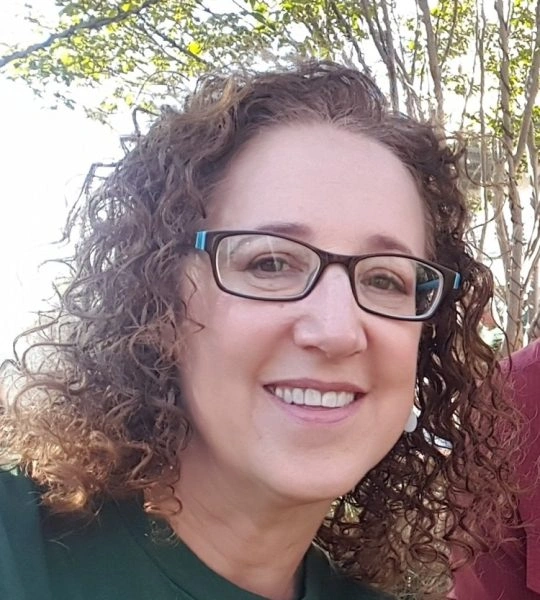
Keren Carter
Brentwood, California, United States
The first month I learned Daf Yomi by myself in secret, because I wasn’t sure how my husband would react, but after the siyyum on Masechet Brachot I discovered Hadran and now sometimes my husband listens to the daf with me. He and I also learn mishnayot together and are constantly finding connections between the different masechtot.
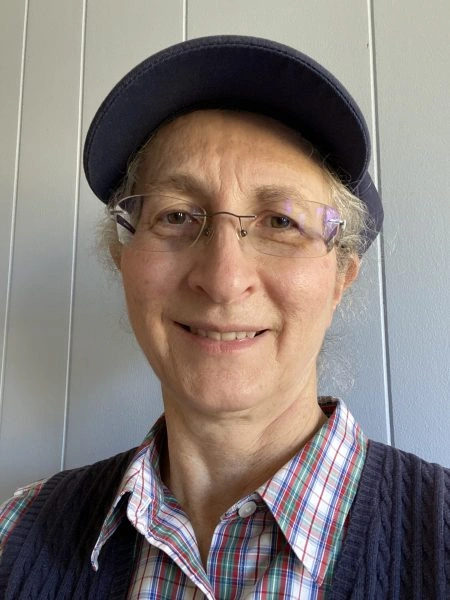
Laura Warshawsky
Silver Spring, Maryland, United States
I started at the beginning of this cycle. No 1 reason, but here’s 5.
In 2019 I read about the upcoming siyum hashas.
There was a sermon at shul about how anyone can learn Talmud.
Talmud references come up when I am studying. I wanted to know more.
Yentl was on telly. Not a great movie but it’s about studying Talmud.
I went to the Hadran website: A new cycle is starting. I’m gonna do this
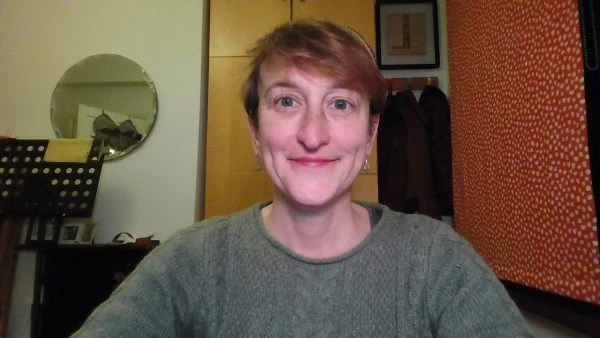
Denise Neapolitan
Cambridge, United Kingdom
I was exposed to Talmud in high school, but I was truly inspired after my daughter and I decided to attend the Women’s Siyum Shas in 2020. We knew that this was a historic moment. We were blown away, overcome with emotion at the euphoria of the revolution. Right then, I knew I would continue. My commitment deepened with the every-morning Virtual Beit Midrash on Zoom with R. Michelle.
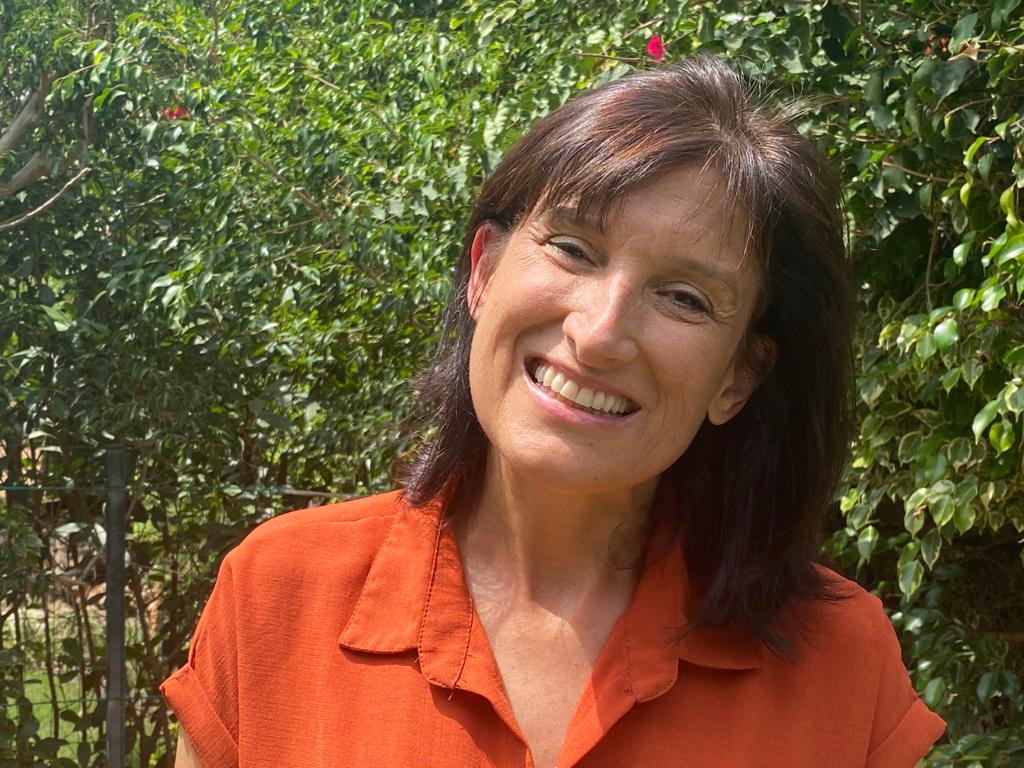
Adina Hagege
Zichron Yaakov, Israel
3 years ago, I joined Rabbanit Michelle to organize the unprecedented Siyum HaShas event in Jerusalem for thousands of women. The whole experience was so inspiring that I decided then to start learning the daf and see how I would go…. and I’m still at it. I often listen to the Daf on my bike in mornings, surrounded by both the external & the internal beauty of Eretz Yisrael & Am Yisrael!

Lisa Kolodny
Raanana, Israel
In my Shana bet at Migdal Oz I attended the Hadran siyum hash”as. Witnessing so many women so passionate about their Torah learning and connection to God, I knew I had to begin with the coming cycle. My wedding (June 24) was two weeks before the siyum of mesechet yoma so I went a little ahead and was able to make a speech and siyum at my kiseh kallah on my wedding day!

Sharona Guggenheim Plumb
Givat Shmuel, Israel
When I began the previous cycle, I promised myself that if I stuck with it, I would reward myself with a trip to Israel. Little did I know that the trip would involve attending the first ever women’s siyum and being inspired by so many learners. I am now over 2 years into my second cycle and being part of this large, diverse, fascinating learning family has enhanced my learning exponentially.

Shira Krebs
Minnesota, United States
I started learning Daf Yomi to fill what I saw as a large gap in my Jewish education. I also hope to inspire my three daughters to ensure that they do not allow the same Talmud-sized gap to form in their own educations. I am so proud to be a part of the Hadran community, and I have loved learning so many of the stories and halachot that we have seen so far. I look forward to continuing!

Dora Chana Haar
Oceanside NY, United States
When we heard that R. Michelle was starting daf yomi, my 11-year-old suggested that I go. Little did she know that she would lose me every morning from then on. I remember standing at the Farbers’ door, almost too shy to enter. After that first class, I said that I would come the next day but couldn’t commit to more. A decade later, I still look forward to learning from R. Michelle every morning.

Ruth Leah Kahan
Ra’anana, Israel
Attending the Siyyum in Jerusalem 26 months ago inspired me to become part of this community of learners. So many aspects of Jewish life have been illuminated by what we have learned in Seder Moed. My day is not complete without daf Yomi. I am so grateful to Rabbanit Michelle and the Hadran Community.
Nancy Kolodny
Newton, United States
I started learning at the beginning of the cycle after a friend persuaded me that it would be right up my alley. I was lucky enough to learn at Rabbanit Michelle’s house before it started on zoom and it was quickly part of my daily routine. I find it so important to see for myself where halachot were derived, where stories were told and to get more insight into how the Rabbis interacted.

Deborah Dickson
Ra’anana, Israel
I started learning Daf Yomi because my sister, Ruth Leah Kahan, attended Michelle’s class in person and suggested I listen remotely. She always sat near Michelle and spoke up during class so that I could hear her voice. Our mom had just died unexpectedly and it made me feel connected to hear Ruth Leah’s voice, and now to know we are both listening to the same thing daily, continents apart.

Jessica Shklar
Philadelphia, United States
Inspired by Hadran’s first Siyum ha Shas L’Nashim two years ago, I began daf yomi right after for the next cycle. As to this extraordinary journey together with Hadran..as TS Eliot wrote “We must not cease from exploration and the end of all our exploring will be to arrive where we began and to know the place for the first time.
Susan Handelman
Jerusalem, Israel
At almost 70 I am just beginning my journey with Talmud and Hadran. I began not late, but right when I was called to learn. It is never too late to begin! The understanding patience of staff and participants with more experience and knowledge has been fabulous. The joy of learning never stops and for me. It is a new life, a new light, a new depth of love of The Holy One, Blessed be He.

Deborah Hoffman-Wade
Richmond, CA, United States
I started my journey on the day I realized that the Siyum was happening in Yerushalayim and I was missing out. What? I told myself. How could I have not known about this? How can I have missed out on this opportunity? I decided that moment, I would start Daf Yomi and Nach Yomi the very next day. I am so grateful to Hadran. I am changed forever because I learn Gemara with women. Thank you.
Linda Brownstein
Mitspe, Israel
A friend mentioned that she was starting Daf Yomi in January 2020. I had heard of it and thought, why not? I decided to try it – go day by day and not think about the seven plus year commitment. Fast forward today, over two years in and I can’t imagine my life without Daf Yomi. It’s part of my morning ritual. If I have a busy day ahead of me I set my alarm to get up early to finish the day’s daf

Debbie Fitzerman
Ontario, Canada
I started learning daf in January, 2020, being inspired by watching the Siyyum Hashas in Binyanei Haumah. I wasn’t sure I would be able to keep up with the task. When I went to school, Gemara was not an option. Fast forward to March, 2022, and each day starts with the daf. The challenge is now learning the intricacies of delving into the actual learning. Hadran community, thank you!

Rochel Cheifetz
Riverdale, NY, United States
Chullin 110
שֶׁבִּשְּׁלָהּ בַּחֲלָבָהּ – אֲסוּרָה, דַּאֲפִילּוּ דִּיעֲבַד נָמֵי לָא, תְּנָא נָמֵי רֵישָׁא שֶׁבִּשְּׁלָהּ.
of a suckling lamb or calf that one cooked together with the milk it contains is prohibited. There, even if one roasted it he may not eat it after the fact. To preserve symmetry, the tanna of the baraita taught in the first clause in this manner as well, stating: An udder that one cooked in its milk is permitted.
כִּי סְלֵיק רַבִּי אֶלְעָזָר, אַשְׁכְּחֵיהּ לִזְעֵירִי, אֲמַר לֵיהּ: אִיכָּא תַּנָּא דְּאַתְנְיֵיהּ לְרַב כְּחָל? אַחְוְיֵיהּ לְרַב יִצְחָק בַּר אֲבוּדִימִי. אֲמַר לֵיהּ: אֲנִי לֹא שָׁנִיתִי לוֹ כְּחָל כׇּל עִיקָּר, וְרַב – בִּקְעָה מָצָא וְגָדַר בָּהּ גָּדֵר.
§ The Gemara above cited a second version of Rav’s opinion, according to which an udder that was roasted without being torn is prohibited for consumption. The Gemara relates: When Rabbi Elazar ascended from Babylonia to Eretz Yisrael he found Ze’eiri and said to him: Is there a tanna who taught Rav that an udder roasted without first being torn is prohibited? Ze’eiri showed him Rav Yitzḥak bar Avudimi. Rav Yitzḥak bar Avudimi said to Rabbi Elazar: I did not teach Rav that an udder is prohibited at all; rather, Rav found an unguarded valley and fenced it in. Rav taught this stringent ruling as an additional safeguard in Babylonia, where Jews were not careful about the prohibition of meat cooked in milk.
דְּרַב אִיקְּלַע לְטַטְלְפוּשׁ, שַׁמְעַהּ לְהַהִיא אִיתְּתָא דְּקָאָמְרָה לַחֲבִירְתַּהּ: רִיבְעָא דְּבִשְׂרָא כַּמָּה חֲלָבָא בָּעֵי לְבַשּׁוֹלֵי? אָמַר: לָא גְּמִירִי דְּבָשָׂר בְּחָלָב אָסוּר, אִיעַכַּב (וְקָאָסַר) [וַאֲסַר] לְהוּ כַּחְלֵי.
The Gemara elaborates: As when Rav arrived in Tatlefush, he heard a certain woman saying to another: How much milk does it require to cook a quarter weight of meat? Rav said: Evidently, these people are not learned enough in halakha to know that meat cooked in milk is prohibited. Rav tarried in that place, and prohibited even udders to them, so that they would not come to violate the prohibition of meat cooked in milk.
רַב כָּהֲנָא מַתְנֵי הָכִי. רַבִּי יוֹסֵי בַּר אַבָּא מַתְנֵי: אֲנָא, כְּחָל שֶׁל מְנִיקָה שָׁנִיתִי לוֹ, וּמִפִּלְפּוּלוֹ שֶׁל רַב חִיָּיא שְׁנָה לֵיהּ כְּחָל סְתָם.
Rav Kahana teaches that Rav Yitzḥak bar Avudimi replied to Rabbi Elazar in that manner described above. By contrast, Rabbi Yosei bar Abba teaches that Rav Yitzḥak bar Avudimi said: I taught Rav only that the udder of an animal nursing offspring is prohibited, as its udder contains much milk. And due to the sharp mind of Rav Ḥiyya, Rav’s teacher, he assumed that Rav too would understand this without his saying so explicitly. Therefore, he taught this halakha to Rav with regard to an unspecified udder. Rav mistakenly thought that the ruling applies to all animals.
רָבִין וְרַב יִצְחָק בַּר יוֹסֵף אִיקְּלַעוּ לְבֵי רַב פַּפֵּי, אַיְיתוֹ לְקַמַּיְיהוּ תַּבְשִׁילָא דִּכְחָל. רַב יִצְחָק בַּר יוֹסֵף אֲכַל, רָבִין לָא אֲכַל. אָמַר אַבָּיֵי: רָבִין תַּכָּלָא, אַמַּאי לָא אֲכַל? מִכְּדֵי, דְּבֵיתְהוּ דְּרַב פַּפֵּי בְּרַתֵּיה דְּרַבִּי יִצְחָק נַפָּחָא הֲוַאי, וְרַבִּי יִצְחָק נַפָּחָא מָרֵיהּ דְּעוֹבָדָא הֲוָה, אִי לָאו דִּשְׁמִיעַ לַהּ מִבֵּי נָשָׁא לָא הֲוָה עָבְדָא.
The Gemara relates that Ravin and Rav Yitzḥak bar Yosef arrived at the house of Rav Pappi. The servants brought before them a dish made of udder. Rav Yitzḥak bar Yosef ate of it, but Ravin did not eat. Abaye said: Bereaved Ravin, why do you not eat? After all, Rav Pappi’s wife is the daughter of Rabbi Yitzḥak Nappaḥa, and Rabbi Yitzḥak Nappaḥa was a master of good deeds, who was meticulous in his performance of mitzvot. Had Rav Pappi’s wife not heard in her father’s house that such a dish is permitted, she would not have made it.
בְּסוּרָא לָא אָכְלִי כַּחְלֵי, בְּפוּמְבְּדִיתָא אָכְלִי כַּחְלֵי. רָמֵי בַּר תַּמְרֵי, דְּהוּא רָמֵי בַּר דִּיקּוּלֵי, מִפּוּמְבְּדִיתָא אִיקְּלַע לְסוּרָא בְּמַעֲלֵי יוֹמָא דְכִפּוּרֵי. אַפְּקִינְהוּ כּוּלֵּי עָלְמָא לְכַחְלִינְהוּ שְׁדִינְהוּ, אֲזַל אִיהוּ נַקְטִינְהוּ אַכְלִינְהוּ.
The Gemara relates: In Sura they would not eat udders at all, even torn and roasted. But in Pumbedita they would eat udders. Rami bar Tamrei, who is also called Rami bar Dikulei, from Pumbedita, arrived in Sura on the eve of Yom Kippur. Since it is a mitzva to eat and drink then, large quantities of meat were cooked, and everyone brought out their udders from the animals they had slaughtered and threw them away. Rami bar Tamrei went and gathered the udders, roasted them, and ate them, in accordance with his custom.
אַיְיתוּהּ לְקַמֵּיהּ דְּרַב חִסְדָּא, אֲמַר לֵיהּ: אַמַּאי תַּעֲבֵיד הָכִי? אֲמַר לֵיהּ: מֵאַתְרָא דְּרַב יְהוּדָה אֲנָא, דְּאָכֵיל. אֲמַר לֵיהּ: וְלֵית לָךְ נוֹתְנִין עָלָיו חוּמְרֵי הַמָּקוֹם שֶׁיָּצָא מִשָּׁם וְחוּמְרֵי הַמָּקוֹם שֶׁהָלַךְ לְשָׁם? אֲמַר לֵיהּ: חוּץ לַתְּחוּם אֲכַלְתִּינְהוּ.
The residents of Sura brought Rami bar Tamrei before Rav Ḥisda, who said to him: Why did you do this? Rami bar Tamrei said to Rav Ḥisda: I am from the place of Rav Yehuda, who eats udders, and this is the accepted custom in Pumbedita. Rav Ḥisda said to him: And do you not hold by the principle that the Sages impose upon a traveler the stringencies of the place that he left and also the stringencies of the place to which he went? You should have accepted the stringency of Sura and not eaten the udders. Rami bar Tamrei said to Rav Ḥisda: That principle applies only to one who remains in the place he is visiting, but I ate the udders outside the boundaries of Sura.
וּבְמָה טְוִיתִינְהוּ? אֲמַר לֵיהּ: בְּפוּרְצָנֵי. וְדִלְמָא מִיֵּין נֶסֶךְ (הָוְיָא) [הֲווֹ]? אֲמַר לֵיהּ: לְאַחַר שְׁנֵים עָשָׂר חֹדֶשׁ הֲווֹ.
Rav Ḥisda further asked Rami bar Tamrei: And with what did you roast the udders? Rami bar Tamrei said to him: I roasted them with grape seeds [purtzenei] I found in the vines there. Rav Ḥisda objected: But how could you roast the udders with grape seeds, as perhaps they were from wine used for a libation to idolatry, from which it is prohibited to derive benefit. Rami bar Tamrei said to him: These were old seeds that still lay there after twelve months had passed since the grapes were used, and any prohibition had expired, as by that point they are assumed to have lost any prohibited liquid that previously remained inside (see Avoda Zara 34a).
וְדִלְמָא דְּגָזֵל הֲוָה? אֲמַר לֵיהּ: יֵאוּשׁ בְּעָלִים הֲוָה, דִּקְדַחוּ בְּהוּ חִילְפֵי.
Rav Ḥisda further objected: But perhaps these seeds were from stolen property, i.e., they belonged to someone and it was prohibited for you to take them. Rami bar Tamrei said to him: Even so, in this case there was certainly despair of the owners of recovering them, as grass was growing among them. Since the owners had allowed them to lie there for so long, they had clearly given up all hope of retrieving them.
חַזְיֵיהּ דְּלָא הֲוָה מַנַּח תְּפִילִּין, אֲמַר לֵיהּ: מַאי טַעְמָא לָא מַנְּחַתְּ תְּפִילִּין? אֲמַר לֵיהּ: חוֹלֵי מֵעַיִין הוּא, וְאָמַר רַב יְהוּדָה: חוֹלֵי מֵעַיִין פָּטוּר מִן הַתְּפִילִּין.
Rav Ḥisda saw that Rami bar Tamrei had not donned phylacteries, and said to him: What is the reason that you have not donned phylacteries? Rami bar Tamrei said to him: He, i.e., I, am suffering from intestinal illness, and Rav Yehuda said that one who has intestinal illness is exempt from the mitzva of phylacteries, which require a clean body, because he would have to remove them constantly to defecate.
חַזְיֵיהּ דְּלָא הֲוָה קָא רָמֵי חוּטֵי, אֲמַר לֵיהּ: מַאי טַעְמָא לֵית לָךְ חוּטֵי? אֲמַר לֵיהּ: טַלִּית שְׁאוּלָה הִיא, וְאָמַר רַב יְהוּדָה:
Rav Ḥisda further saw that Rami bar Tamrei had not placed the threads of ritual fringes on his garment and said to him: What is the reason that you do not have the threads of ritual fringes? Rami bar Tamrei said to him: It is a borrowed robe, and Rav Yehuda said:
טַלִּית שְׁאוּלָה כׇּל שְׁלֹשִׁים יוֹם פְּטוּרָה מִן הַצִּיצִית.
With regard to a borrowed robe, during all of the first thirty days that one borrows it, one is exempt from performing the mitzva of ritual fringes with it.
אַדְּהָכִי, אַיְיתוּהּ לְהָהוּא גַּבְרָא דְּלָא הֲוָה מוֹקַר אֲבוּהּ וְאִמֵּיהּ, כַּפְתוּהּ.
Meanwhile, as Rav Ḥisda and Rami bar Tamrei were talking, the attendants brought in a certain man to Rav Ḥisda’s court who would not honor his father and mother, and they tied him to a pillar in order to flog him.
אֲמַר לְהוּ: שִׁבְקוּהּ, דְּתַנְיָא: כׇּל מִצְוַת עֲשֵׂה שֶׁמַּתַּן שְׂכָרָהּ בְּצִדָּהּ – אֵין בֵּית דִּין שֶׁלְּמַטָּה מוּזְהָרִין עָלֶיהָ. אֲמַר לֵיהּ חֲזֵינָא לָךְ דְּחָרִיפַתְּ טוּבָא. אֲמַר לֵיהּ: אִי הֲוֵית בְּאַתְרֵיהּ דְּרַב יְהוּדָה, אַחְוִינָא לָךְ חוּרְפַּאי.
Rami bar Tamrei said to them: Leave him alone, as it is taught in a baraita: With regard to any positive mitzva whose reward is stated alongside it in the Torah, the earthly court below is not warned to enforce it through punishments such as flogging. And it is stated after the mitzva of honoring one’s father and mother: “That your days may be long, and that it go well with you” (Deuteronomy 5:16). Rav Ḥisda said to Rami bar Tamrei: I see that you are very sharp. Rami bar Tamrei said to Rav Ḥisda: If you were in the place where Rav Yehuda resides, I would be able to show you my sharpness of mind far better than here.
אֲמַר לֵיהּ אַבָּיֵי לְרַב סָפְרָא: כִּי סָלְקַתְּ לְהָתָם, בְּעִי מִינַּיְיהוּ: כַּבְדָּא, מָה אַתּוּן בֵּיהּ? כִּי סְלֵיק, אַשְׁכְּחֵיהּ לְרַב זְרִיקָא. אֲמַר לֵיהּ: אֲנָא שְׁלַקִי לֵיהּ לְרַבִּי אַמֵּי, וַאֲכַל.
§ Pursuant to the discussion of different local customs, Abaye said to Rav Safra: When you ascend there, to Eretz Yisrael, ask the Sages there: With regard to liver, how do you treat it? When Rav Safra ascended to Eretz Yisrael he found Rav Zerika and asked him this question. Rav Zerika said to him: I cooked liver for Rabbi Ami and he ate it.
כִּי אֲתָא לְגַבֵּיהּ, אֲמַר לֵיהּ: לְמֵיסַר נַפְשַׁהּ – לָא קָא מִיבַּעְיָא לִי, כִּי קָמִבַּעְיָא לִי – לְמֵיסַר חֲבִירְתַּהּ.
When Rav Safra returned to Babylonia and came before Abaye and reported what Rav Zerika had said, Abaye said to him: I do not raise the dilemma as to whether liver renders itself prohibited if cooked alone. It is clear to me that the blood that diffuses out of the liver is not absorbed again while it cooks. When I raise the dilemma, it is with regard to whether liver renders prohibited another piece of meat cooked with it. Rav Zerika’s statement therefore has no bearing on my question.
מַאי שְׁנָא לְמֵיסַר נַפְשַׁהּ דְּלָא מִיבַּעְיָא לָךְ – דִּתְנַן: אֵינָהּ נֶאֱסֶרֶת, לְמֵיסַר חֲבִירְתַּהּ נָמֵי לָא תִּבְּעֵי לָךְ! דִּתְנַן: הַכָּבֵד אוֹסֶרֶת וְאֵינָהּ נֶאֱסֶרֶת, מִפְּנֵי שֶׁהִיא פּוֹלֶטֶת וְאֵינָהּ בּוֹלַעַת. אֲמַר לֵיהּ: דִּילְמָא הָתָם בְּכַבְדָּא דְּאִיסּוּרָא,
Rav Safra asked Abaye: What is different about the issue of the liver rendering itself prohibited, that you did not raise the dilemma with regard to this case? It is presumably because the answer is obvious to you, as we learned in a mishna (Terumot 10:11) that liver is not rendered prohibited by its own cooking. But if so, you should not raise the dilemma with regard to whether it renders the other piece of meat prohibited either, as we learned in that same mishna: Liver renders food cooked with it in the same pot prohibited but is not prohibited itself, because while it does expel blood as it cooks, it does not absorb this blood again, since the blood diffuses only outward. Abaye said to Rav Safra: That mishna does not answer my question, as perhaps there it is referring specifically to forbidden liver, e.g., the liver of a non-kosher animal.
Follow

