








From where do we derive that we follow the majority? Can one rely on the fact that a messenger that one appointed actually did the job? Does one need intent to slaughter?
Chullin 12

December 09, 2018 | א׳ בטבת תשע״ט
Share this shiur:
Want to dedicate learning? Get started here:
Chullin 12
פֶּסַח וְקָדָשִׁים מַאי אִיכָּא לְמֵימַר? אֶלָּא הֵיכָא דְּאֶפְשָׁר – אֶפְשָׁר, הֵיכָא דְּלָא אֶפְשָׁר – לָא אֶפְשָׁר. הָכָא נָמֵי, הֵיכָא דְּאֶפְשָׁר – אֶפְשָׁר, הֵיכָא דְּלָא אֶפְשָׁר – לָא אֶפְשָׁר.
then with regard to the Paschal offering and sacrificial meat that one is obligated to eat, what is there to say? Rather, according to Rabbi Meir, there is no alternative to saying: Where it is possible to examine the situation it is possible, and the majority is not followed; where it is not possible to examine the situation it is not possible, and the majority is followed. If so, here too, according to the Rabbis, it cannot be proven from the above sources that one follows a non-quantifiable majority ab initio, as perhaps where it is possible to examine the situation it is possible, and where it is not possible to examine the situation it is not possible, and the majority is followed.
אָמַר רַב נַחְמָן אָמַר רַב: רָאָה אֶחָד שֶׁשָּׁחַט, אִם רָאָהוּ מִתְּחִלָּה וְעַד סוֹף – מוּתָּר לֶאֱכוֹל מִשְּׁחִיטָתוֹ, וְאִם לָאו – אָסוּר לֶאֱכוֹל מִשְּׁחִיטָתוֹ.
§ Rav Naḥman says that Rav says: In the case of a person who saw one who slaughtered an animal, if the person saw him slaughtering continuously from beginning to end of the act, he is permitted to eat from his slaughter, and if not, he is prohibited from eating from his slaughter.
הֵיכִי דָמֵי? אִי דְּיָדַע דִּגְמִיר, לְמָה לִי רָאָה? וְאִי דְּיָדַע דְּלָא גְּמִיר, פְּשִׁיטָא!
The Gemara asks: What are the circumstances? If it is a case where the onlooker knows that he is knowledgeable in the halakhot of slaughter, why do I require that the onlooker saw the slaughter? Even if he did not see him slaughter, the onlooker may rely on his slaughter. And if the onlooker knows that he is not knowledgeable in the halakhot of slaughter, it is obvious that only if the person saw him slaughtering from beginning to end he is permitted to eat from his slaughter.
וְאֶלָּא, דְּלָא יְדַע אִי גְּמִיר אִי לָא גְּמִיר, לֵימָא: רוֹב מְצוּיִין אֵצֶל שְׁחִיטָה מוּמְחִין הֵן.
Rather, perhaps it is a case where the onlooker does not know whether he is knowledgeable or whether he is not knowledgeable. But if that is the case, let us say: The majority of those associated with slaughter are experts in the halakhot of slaughter, and one may rely on his slaughter.
מִי לָא תַּנְיָא: הֲרֵי שֶׁמָּצָא תַּרְנְגוֹלֶת שְׁחוּטָה בַּשּׁוּק, אוֹ שֶׁאָמַר לִשְׁלוּחוֹ ״צֵא שְׁחוֹט״, וְהָלַךְ וּמָצָא שָׁחוּט – חֶזְקָתוֹ שָׁחוּט.
Isn’t it taught in a baraita: In a case where one found a slaughtered chicken in the marketplace, or where one said to his agent: Go out and slaughter a chicken, and he went and found the chicken slaughtered and he does not know who slaughtered it, its presumptive status is that it was slaughtered properly.
אַלְמָא אָמְרִינַן: רוֹב מְצוּיִין אֵצֶל שְׁחִיטָה מוּמְחִין הֵן. הָכָא נָמֵי לֵימָא: רוֹב מְצוּיִין אֵצֶל שְׁחִיטָה מוּמְחִין הֵן!
Apparently, we say: The majority of those associated with slaughter are experts. Here too, in a case where it is unknown whether he is knowledgeable, let us say: The majority of those associated with slaughter are experts.
לְעוֹלָם דְּיָדַע דְּלָא גְּמִיר, וּכְגוֹן דִּשְׁחַט קַמַּן חַד סִימָן שַׁפִּיר. מַהוּ דְּתֵימָא: מִדְּהַאי שַׁפִּיר הָךְ נָמֵי שַׁפִּיר, קָא מַשְׁמַע לַן: הַאי אִתְרְמוֹיֵי אִיתְרְמִי לֵיהּ, אִידַּךְ – שֶׁמָּא שָׁהָה שֶׁמָּא דָּרַס.
The Gemara answers: Actually, the reference is to a case where the onlooker knows that the one slaughtering is not knowledgeable in the halakhot of slaughter, and where he slaughtered one siman before us properly. Lest you say: From the fact that this siman was slaughtered properly, that siman was also slaughtered properly; therefore, Rav teaches us that this is not so. As, perhaps this siman happened to be slaughtered properly for him, but with regard to the other siman, perhaps he interrupted the slaughter or perhaps he pressed the knife, invalidating the slaughter.
בְּעָא מִינֵּיהּ רַב דִּימִי בַּר יוֹסֵף מֵרַב נַחְמָן: הָאוֹמֵר לִשְׁלוּחוֹ ״צֵא וּשְׁחוֹט״, וְהָלַךְ וּמָצָא שָׁחוּט, מַהוּ? אָמַר לוֹ: חֶזְקָתוֹ שָׁחוּט. הָאוֹמֵר לִשְׁלוּחוֹ ״צֵא וּתְרוֹם״, וְהָלַךְ וּמָצָא תָּרוּם, מַאי? אֲמַר לֵיהּ: אֵין חֶזְקָתוֹ תָּרוּם.
Rav Dimi bar Yosef raised a dilemma before Rav Naḥman: With regard to one who says to his agent: Go out and slaughter a chicken, and he went and found the chicken slaughtered, what is the halakha? Rav Naḥman said to him: Its presumptive status is that it was slaughtered properly. And he raised another dilemma: With regard to one who says to his agent: Go out and separate teruma for me, and he went and found that teruma was separated from his produce, what is the halakha? Rav Naḥman said to him: Its presumptive status is not that teruma was separated.
מָה נַפְשָׁךְ, אִי חֲזָקָה שָׁלִיחַ עוֹשֶׂה שְׁלִיחוּתוֹ – אֲפִילּוּ תְּרוּמָה נָמֵי, וְאִי אֵין חֲזָקָה שָׁלִיחַ עוֹשֶׂה שְׁלִיחוּתוֹ – אֲפִילּוּ שְׁחִיטָה נָמֵי לָא.
Rav Dimi bar Yosef challenged: Whichever way you look at it, your ruling is problematic. If there is a presumption that an agent performs his assigned agency, that should be the case even with regard to teruma; and if there is no presumption that an agent performs his assigned agency, there should be no such presumption even with regard to slaughter.
אֲמַר לֵיהּ: לְכִי תֵּיכוּל עֲלַהּ כּוֹרָא דְמִלְחָא, לְעוֹלָם אֵין חֲזָקָה שָׁלִיחַ עוֹשֶׂה שְׁלִיחוּתוֹ, וּשְׁחִיטָה – אִי נָמֵי דִּילְמָא אִינָשׁ אַחֲרִינָא שְׁמַע וַאֲזַל שְׁחַט – רוֹב מְצוּיִין אֵצֶל שְׁחִיטָה מוּמְחִין הֵן. תְּרוּמָה – דִּילְמָא אִינָשׁ אַחֲרִינָא שְׁמַע וַאֲזַל תְּרַם, הָוֵה לֵיהּ תּוֹרֵם שֶׁלֹּא מִדַּעַת, וְהַתּוֹרֵם שֶׁלֹּא מִדַּעַת – אֵין תְּרוּמָתוֹ תְּרוּמָה.
Rav Naḥman said to Rav Dimi in jest: After you eat a kor of salt over it, and analyze the matter at length, you will be able to understand the difference. Actually, there is no presumption that an agent performs his assigned agency, and in the case of slaughter, even if perhaps another person heard him instruct the agent and that person went and slaughtered the chicken, the slaughter would be valid, because the majority of those associated with slaughter are experts. By contrast, in the case of teruma, if perhaps another person heard him instruct the agent and then went and separated his teruma, he becomes one who designates teruma without the knowledge of the owner of the produce; and with regard to one who designates teruma without the knowledge of the owner of the produce, his teruma is not teruma.
לֵימָא: רוֹב מְצוּיִין אֵצֶל שְׁחִיטָה מוּמְחִין הֵן תַּנָּאֵי הִיא? דְּתַנְיָא: הֲרֵי שֶׁאָבְדוּ לוֹ גְּדָיָיו וְתַרְנְגוֹלָיו וְהָלַךְ וּמְצָאָן שְׁחוּטִים – רַבִּי יְהוּדָה אוֹסֵר, רַבִּי חֲנִינָא בְּנוֹ שֶׁל רַבִּי יוֹסֵי הַגְּלִילִי מַתִּיר. אָמַר רַבִּי: נִרְאִין דְּבָרִים שֶׁל רַבִּי יְהוּדָה שֶׁמְּצָאָן בְּאַשְׁפָּה, וְדִבְרֵי רַבִּי חֲנִינָא בְּנוֹ שֶׁל רַבִּי יוֹסֵי הַגְּלִילִי שֶׁמְּצָאָן בְּבַיִת.
The Gemara suggests: Let us say that the statement: The majority of those associated with slaughter are experts, is a dispute between tanna’im, as it is taught in a baraita: In a case where one’s young goats and roosters were lost, and the owner went and found them slaughtered, Rabbi Yehuda deems the meat forbidden, and Rabbi Ḥanina, son of Rabbi Yosei HaGelili, deems it permitted. Rabbi Yehuda HaNasi said: The statement of Rabbi Yehuda appears correct in a case where the owner found the slaughtered animals in a scrap heap, as the concern is that they were thrown away because the slaughter was not valid. And the statement of Rabbi Ḥanina, son of Rabbi Yosei HaGelili, appears correct in a case where he found them in the house.
מַאי לָאו בְּהָא קָמִיפַּלְגִי, דְּמָר סָבַר: אָמְרִינַן רוֹב מְצוּיִין אֵצֶל שְׁחִיטָה מוּמְחִין הֵן, וּמָר סָבַר: לָא אָמְרִינַן רוֹב מְצוּיִין אֵצֶל שְׁחִיטָה מוּמְחִין הֵן?
What, is it not with regard to this matter that they disagree, that one Sage, Rabbi Ḥanina, holds: We say that the majority of those associated with slaughter are experts, and one Sage, Rabbi Yehuda, holds: We do not say that the majority of those associated with slaughter are experts?
אָמַר רַב נַחְמָן בַּר יִצְחָק: לָא, דְּכוּלֵּי עָלְמָא רוֹב מְצוּיִין אֵצֶל שְׁחִיטָה מוּמְחִין הֵן, וּבְבַיִת – דְּכוּלֵּי עָלְמָא לָא פְּלִיגִי דִּשְׁרֵי, בְּאַשְׁפָּה שֶׁבַּשּׁוּק – דְּכוּלֵּי עָלְמָא לָא פְּלִיגִי דְּאָסוּר, כִּי פְּלִיגִי בְּאַשְׁפָּה שֶׁבַּבַּיִת: מָר סָבַר אָדָם עָשׂוּי לְהַטִּיל נִבְלָתוֹ בְּאַשְׁפָּה שֶׁבַּבַּיִת, וּמַר סָבַר אֵין אָדָם עָשׂוּי לְהַטִּיל נִבְלָתוֹ בְּאַשְׁפָּה שֶׁבַּבַּיִת.
Rav Naḥman bar Yitzḥak said: No, the fact is that everyone agrees that the majority of those associated with slaughter are experts, and if he found the slaughtered goats or roosters in the house, everyone agrees that it is permitted to eat the meat. If he found them in a scrap heap that is in the marketplace, everyone agrees that it is prohibited to eat the meat. When they disagree is in a case where he found them in a scrap heap that is in the house. One Sage, Rabbi Yehuda, holds: A person is prone to cast his unslaughtered animal carcass onto a scrap heap that is in the house. And one Sage, Rabbi Ḥanina, holds: A person is not prone to cast his unslaughtered animal carcass onto a scrap heap that is in the house.
אָמַר מָר, אָמַר רַבִּי: נִרְאִין דִּבְרֵי רַבִּי יְהוּדָה שֶׁמְּצָאָן בְּאַשְׁפָּה. מַאי אַשְׁפָּה? אִילֵּימָא אַשְׁפָּה שֶׁבְּשׁוּק – הָא אָמְרַתְּ דְּכוּלֵּי עָלְמָא לָא פְּלִיגִי דְּאָסוּר! אֶלָּא לָאו פְּשִׁיטָא בְּאַשְׁפָּה שֶׁבַּבַּיִת.
The Master said in the baraita that Rabbi Yehuda HaNasi said: The statement of Rabbi Yehuda appears correct in a case where he found them in the scrap heap. The Gemara asks: What is the term scrap heap referring to in this context? If we say the reference is to a scrap heap in the marketplace, didn’t you say that everyone agrees that it is prohibited, and it is not merely the opinion of Rabbi Yehuda? Rather, it is obvious that he found it on a scrap heap that is in the house, and it is in that case that Rabbi Yehuda HaNasi rules in accordance with the opinion of Rabbi Yehuda.
אֵימָא סֵיפָא, וְדִבְרֵי רַבִּי חֲנִינָא בְּנוֹ שֶׁל רַבִּי יוֹסֵי הַגְּלִילִי שֶׁמְּצָאָן בְּבַיִת. מַאי בַּיִת? אִילֵּימָא בַּיִת מַמָּשׁ – הָאָמְרַתְּ דְּכוּלֵּי עָלְמָא לָא פְּלִיגִי דִּשְׁרֵי! אֶלָּא פְּשִׁיטָא בְּאַשְׁפָּה שֶׁבַּבַּיִת. קַשְׁיָא דְּרַבִּי אַדְּרַבִּי!
Say the latter clause of the statement of Rabbi Yehuda HaNasi: And the statement of Rabbi Ḥanina, son of Rabbi Yosei HaGelili, appears correct in a case where he found them in the house. What is the word house referring to in this context? If we say the reference is to an actual house, didn’t you say that everyone agrees that it is permitted? Rather, it is obvious that he found it on a scrap heap that is in the house. If so, it is difficult, as there is a contradiction between one statement of Rabbi Yehuda HaNasi, where he rules in accordance with the opinion of Rabbi Yehuda to prohibit the meat in a case where it is found in a scrap heap in the house, and another statement of Rabbi Yehuda HaNasi, where he rules in accordance with the opinion of Rabbi Ḥanina, son of Rabbi Yosei HaGelili, to permit the meat in that case.
הָכִי קָאָמַר: נִרְאִין דִּבְרֵי רַבִּי יְהוּדָה לְרַבִּי חֲנִינָא בְּנוֹ שֶׁל רַבִּי יוֹסֵי הַגְּלִילִי בְּאַשְׁפָּה שֶׁבַּשּׁוּק, שֶׁאַף רַבִּי חֲנִינָא בְּנוֹ שֶׁל רַבִּי יוֹסֵי הַגְּלִילִי לֹא נֶחְלַק עָלָיו אֶלָּא בְּאַשְׁפָּה שֶׁבַּבַּיִת, אֲבָל בְּאַשְׁפָּה שֶׁבַּשּׁוּק מוֹדֵי לֵיהּ, וְנִרְאִין כּוּ׳.
The Gemara explains: This is what Rabbi Yehuda HaNasi is saying: The statement of Rabbi Yehuda appears correct to Rabbi Ḥanina, son of Rabbi Yosei HaGelili, in a case where one found them in a scrap heap that is in a marketplace, as Rabbi Ḥanina, son of Rabbi Yosei HaGelili, disagrees with Rabbi Yehuda only in a case where one found them in a scrap heap that is in the house. But in a case where he found them in a scrap heap that is in a marketplace he concedes to Rabbi Yehuda. And the statement of Rabbi Ḥanina, son of Rabbi Yosei HaGelili, appears correct to Rabbi Yehuda in a case where he found them in the house, as he concedes to Rabbi Ḥanina in that case.
חוּץ מֵחֵרֵשׁ שׁוֹטֶה וְקָטָן, שֶׁמָּא יְקַלְקְלוּ אֶת שְׁחִיטָתָן. ״שֶׁמָּא קִלְקְלוּ״ לָא קָתָנֵי, אֶלָּא ״שֶׁמָּא יְקַלְקְלוּ״. אָמַר רָבָא: זֹאת אוֹמֶרֶת אֵין מוֹסְרִין לָהֶן חוּלִּין לְכַתְּחִלָּה.
§ The mishna stated: Everyone slaughters an animal, i.e., can perform halakhically valid slaughter, and their slaughter is valid, except for a deaf-mute, an imbecile, and a minor, lest they ruin their slaughter. The Gemara infers: The tanna does not teach: Due to the concern that they ruined their slaughter, in the past tense; rather, he teaches: Lest they ruin their slaughter, in the future. Rava says: That is to say that one does not give them non-sacred animals for slaughter ab initio, even with the supervision of others.
וְכוּלָּן שֶׁשָּׁחֲטוּ וַאֲחֵרִים רוֹאִים אוֹתָם, שְׁחִיטָתָן כְּשֵׁרָה. מַאן תְּנָא דְּלָא בָּעֵינַן כַּוָּונָה לִשְׁחִיטָה?
The mishna continues: And for all of them, when they slaughtered an animal and others see and supervise them, their slaughter is valid, including even a deaf-mute, an imbecile, and a minor, who lack competence and whose intent is not halakhically effective. The Gemara asks: Who is the tanna who taught that we do not require intent for slaughter?
אָמַר רָבָא: רַבִּי נָתָן הִיא, דְּתָנֵי אוֹשַׁעְיָא זְעֵירָא דְּמִן חַבְרַיָּא: זָרַק סַכִּין לְנוֹעֳצָהּ בַּכּוֹתֶל, וְהָלְכָה וְשָׁחֲטָה כְּדַרְכָּהּ – רַבִּי נָתָן מַכְשִׁיר, וַחֲכָמִים פּוֹסְלִין. הוּא תָּנֵי לַהּ, וְהוּא אָמַר לַהּ: הֲלָכָה כְּרַבִּי נָתָן.
Rava said: It is Rabbi Natan, as Oshaya, the youngest of the company of Sages, taught a baraita, stating: If one threw a knife to embed it in the wall, and in the course of its flight the knife went and slaughtered an animal in its proper manner, Rabbi Natan deems the slaughter valid, and the Rabbis deem the slaughter not valid. Oshaya teaches the baraita and he states about it: The halakha is in accordance with the opinion of Rabbi Natan that there is no need for intent to perform a valid act of slaughter.
וְהָא בָּעֵינַן מוֹלִיךְ וּמֵבִיא? שֶׁהָלְכָה וּבָאָה כְּדַרְכָּהּ.
The Gemara asks: How could the slaughter in the baraita be valid? But don’t we require that the slaughterer move the knife back and forth on the throat of the animal? When one throws a knife, it goes in one direction and does not return. The Gemara answers: The case in the baraita is one where the knife went and cut the animal’s throat, caromed off the wall and came back to cut the throat again in its proper manner.
אָמַר רַבִּי חִיָּיא בַּר אַבָּא, בָּעֵי רַבִּי יוֹחָנָן: קָטָן יֵשׁ לוֹ מַחְשָׁבָה, אוֹ אֵין לוֹ מַחְשָׁבָה?
§ Rabbi Ḥiyya bar Abba says that Rabbi Yoḥanan raises a dilemma: In matters that require thought and intent, does a minor have halakhically effective thought, or does he not have halakhically effective thought?
אֲמַר לֵיהּ רַבִּי אַמֵּי: וְתִיבְּעֵי לֵיהּ מַעֲשֶׂה? מַאי שְׁנָא מַעֲשֶׂה דְּלָא קָא מִבַּעְיָא לֵיהּ – דִּתְנַן: ״יֵשׁ לָהֶן מַעֲשֶׂה״? מַחְשָׁבָה נָמֵי לָא תִּיבְּעֵי לֵיהּ, דִּתְנַן: ״אֵין לָהֶן מַחְשָׁבָה״!
Rabbi Ami said to Rabbi Ḥiyya bar Abba: And let Rabbi Yoḥanan raise this dilemma with regard to the action of a minor, whether the action of a minor that indicates intent is effective. What is different about the action of a minor that Rabbi Yoḥanan does not raise a dilemma? Is it due to the fact that we learned in a mishna (Kelim 17:15): A deaf-mute, an imbecile, and a minor have the capacity to perform an action that is halakhically effective? With regard to thought as well let him not raise this dilemma, as we learned in the same mishna: They do not have the capacity for halakhically effective thought.
דִּתְנַן: הָאַלּוֹן, וְהָרִמּוֹן, וְהָאֱגוֹז שֶׁחֲקָקוּם תִּינוֹקוֹת לָמוֹד בָּהֶן עָפָר, אוֹ שֶׁהִתְקִינוּם לְכַף מֹאזְנַיִם – טְמֵאִין, מִפְּנֵי שֶׁיֵּשׁ לָהֶן מַעֲשֶׂה,
As we learned in that mishna: With regard to an acorn, a pomegranate, or a nut, which minors hollowed in order to measure dirt with them or that they affixed to a scale, the halakhic status of those shells is that of vessels, and they are susceptible to ritual impurity. By contrast, if the minors merely thought to use the shells for measuring or weighing, unlike adults, they do not thereby render those shells into vessels. The reason for this distinction is due to the fact that they have the capacity to perform an action,
Follow 
New to Talmud?
Check out our resources designed to help you navigate a page of Talmud – and study at the pace, level and style that fits you.
The Hadran Women’s Tapestry
Meet the diverse women learning Gemara at Hadran and hear their stories.
While vacationing in San Diego, Rabbi Leah Herz asked if I’d be interested in being in hevruta with her to learn Daf Yomi through Hadran. Why not? I had loved learning Gemara in college in 1971 but hadn’t returned. With the onset of covid, Daf Yomi and Rabbanit Michelle centered me each day. Thank-you for helping me grow and enter this amazing world of learning.

Meryll Page
Minneapolis, MN, United States
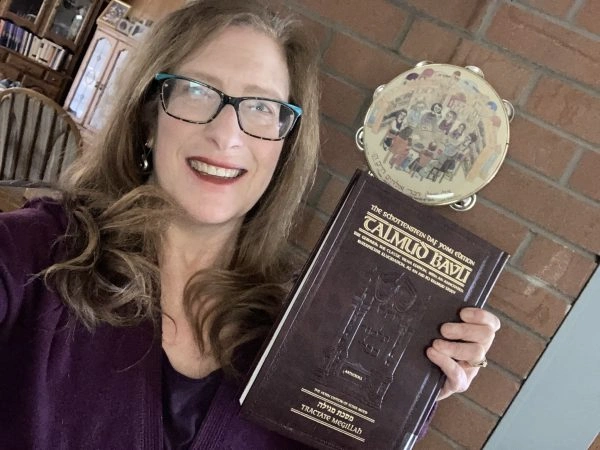
As Jewish educator and as a woman, I’m mindful that Talmud has been kept from women for many centuries. Now that we are privileged to learn, and learning is so accessible, it’s my intent to complete Daf Yomi. I am so excited to keep learning with my Hadran community.
Sue Parker Gerson
Denver, United States
At almost 70 I am just beginning my journey with Talmud and Hadran. I began not late, but right when I was called to learn. It is never too late to begin! The understanding patience of staff and participants with more experience and knowledge has been fabulous. The joy of learning never stops and for me. It is a new life, a new light, a new depth of love of The Holy One, Blessed be He.

Deborah Hoffman-Wade
Richmond, CA, United States
I saw an elderly man at the shul kiddush in early March 2020, celebrating the siyyum of masechet brachot which he had been learning with a young yeshiva student. I thought, if he can do it, I can do it! I began to learn masechet Shabbat the next day, Making up masechet brachot myself, which I had missed. I haven’t missed a day since, thanks to the ease of listening to Hadran’s podcast!

Judith Shapiro
Minnesota, United States
I started learning Daf Yomi because my sister, Ruth Leah Kahan, attended Michelle’s class in person and suggested I listen remotely. She always sat near Michelle and spoke up during class so that I could hear her voice. Our mom had just died unexpectedly and it made me feel connected to hear Ruth Leah’s voice, and now to know we are both listening to the same thing daily, continents apart.

Jessica Shklar
Philadelphia, United States
With Rabbanit Dr. Naomi Cohen in the Women’s Talmud class, over 30 years ago. It was a “known” class and it was accepted, because of who taught. Since then I have also studied with Avigail Gross-Gelman and Dr. Gabriel Hazut for about a year). Years ago, in a shiur in my shul, I did know about Persians doing 3 things with their clothes on. They opened the shiur to woman after that!

Sharon Mink
Haifa, Israel
Studying has changed my life view on הלכה and יהדות and time. It has taught me bonudaries of the human nature and honesty of our sages in their discourse to try and build a nation of caring people .

Goldie Gilad
Kfar Saba, Israel
I LOVE learning the Daf. I started with Shabbat. I join the morning Zoom with Reb Michelle and it totally grounds my day. When Corona hit us in Israel, I decided that I would use the Daf to keep myself sane, especially during the days when we could not venture out more than 300 m from our home. Now my husband and I have so much new material to talk about! It really is the best part of my day!

Batsheva Pava
Hashmonaim, Israel
I started learning Daf Yomi to fill what I saw as a large gap in my Jewish education. I also hope to inspire my three daughters to ensure that they do not allow the same Talmud-sized gap to form in their own educations. I am so proud to be a part of the Hadran community, and I have loved learning so many of the stories and halachot that we have seen so far. I look forward to continuing!

Dora Chana Haar
Oceanside NY, United States
In January 2020, my teaching partner at IDC suggested we do daf yomi. Thanks to her challenge, I started learning daily from Rabbanit Michelle. It’s a joy to be part of the Hadran community. (It’s also a tikkun: in 7th grade, my best friend and I tied for first place in a citywide gemara exam, but we weren’t invited to the celebration because girls weren’t supposed to be learning gemara).

Sara Averick
Jerusalem, Israel
I read Ilana Kurshan’s “If All the Seas Were Ink” which inspired me. Then the Women’s Siyum in Jerusalem in 2020 convinced me, I knew I had to join! I have loved it- it’s been a constant in my life daily, many of the sugiyot connect to our lives. My family and friends all are so supportive. It’s incredible being part of this community and love how diverse it is! I am so excited to learn more!

Shira Jacobowitz
Jerusalem, Israel
The first month I learned Daf Yomi by myself in secret, because I wasn’t sure how my husband would react, but after the siyyum on Masechet Brachot I discovered Hadran and now sometimes my husband listens to the daf with me. He and I also learn mishnayot together and are constantly finding connections between the different masechtot.
Laura Warshawsky
Silver Spring, Maryland, United States
I started learning Dec 2019 after reading “If all the Seas Were Ink”. I found
Daily daf sessions of Rabbanit Michelle in her house teaching, I then heard about the siyum and a new cycle starting wow I am in! Afternoon here in Sydney, my family and friends know this is my sacred time to hide away to live zoom and learn. Often it’s hard to absorb and relate then a gem shines touching my heart.

Dianne Kuchar
Dover Heights, Australia
I began learning with Rabbanit Michelle’s wonderful Talmud Skills class on Pesachim, which really enriched my Pesach seder, and I have been learning Daf Yomi off and on over the past year. Because I’m relatively new at this, there is a “chiddush” for me every time I learn, and the knowledge and insights of the group members add so much to my experience. I feel very lucky to be a part of this.

Julie Landau
Karmiel, Israel
I had no formal learning in Talmud until I began my studies in the Joint Program where in 1976 I was one of the few, if not the only, woman talmud major. It was superior training for law school and enabled me to approach my legal studies with a foundation . In 2018, I began daf yomi listening to Rabbanit MIchelle’s pod cast and my daily talmud studies are one of the highlights of my life.

Terri Krivosha
Minneapolis, United States
It has been a pleasure keeping pace with this wonderful and scholarly group of women.

Janice Block
Beit Shemesh, Israel
I started learning Daf Yomi because my sister, Ruth Leah Kahan, attended Michelle’s class in person and suggested I listen remotely. She always sat near Michelle and spoke up during class so that I could hear her voice. Our mom had just died unexpectedly and it made me feel connected to hear Ruth Leah’s voice, and now to know we are both listening to the same thing daily, continents apart.
Jessica Shklar
Philadelphia, United States
My Daf journey began in August 2012 after participating in the Siyum Hashas where I was blessed as an “enabler” of others. Galvanized into my own learning I recited the Hadran on Shas in January 2020 with Rabbanit Michelle. That Siyum was a highlight in my life. Now, on round two, Daf has become my spiritual anchor to which I attribute manifold blessings.

Rina Goldberg
Englewood NJ, United States
In January 2020, my teaching partner at IDC suggested we do daf yomi. Thanks to her challenge, I started learning daily from Rabbanit Michelle. It’s a joy to be part of the Hadran community. (It’s also a tikkun: in 7th grade, my best friend and I tied for first place in a citywide gemara exam, but we weren’t invited to the celebration because girls weren’t supposed to be learning gemara).
Sara Averick
Jerusalem, Israel
I started learning with rabbis. I needed to know more than the stories. My first teacher to show me “the way of the Talmud” as well as the stories was Samara Schwartz.
Michelle Farber started the new cycle 2 yrs ago and I jumped on for the ride.
I do not look back.

Jenifer Nech
Houston, United States
Chullin 12
פֶּסַח וְקָדָשִׁים מַאי אִיכָּא לְמֵימַר? אֶלָּא הֵיכָא דְּאֶפְשָׁר – אֶפְשָׁר, הֵיכָא דְּלָא אֶפְשָׁר – לָא אֶפְשָׁר. הָכָא נָמֵי, הֵיכָא דְּאֶפְשָׁר – אֶפְשָׁר, הֵיכָא דְּלָא אֶפְשָׁר – לָא אֶפְשָׁר.
then with regard to the Paschal offering and sacrificial meat that one is obligated to eat, what is there to say? Rather, according to Rabbi Meir, there is no alternative to saying: Where it is possible to examine the situation it is possible, and the majority is not followed; where it is not possible to examine the situation it is not possible, and the majority is followed. If so, here too, according to the Rabbis, it cannot be proven from the above sources that one follows a non-quantifiable majority ab initio, as perhaps where it is possible to examine the situation it is possible, and where it is not possible to examine the situation it is not possible, and the majority is followed.
אָמַר רַב נַחְמָן אָמַר רַב: רָאָה אֶחָד שֶׁשָּׁחַט, אִם רָאָהוּ מִתְּחִלָּה וְעַד סוֹף – מוּתָּר לֶאֱכוֹל מִשְּׁחִיטָתוֹ, וְאִם לָאו – אָסוּר לֶאֱכוֹל מִשְּׁחִיטָתוֹ.
§ Rav Naḥman says that Rav says: In the case of a person who saw one who slaughtered an animal, if the person saw him slaughtering continuously from beginning to end of the act, he is permitted to eat from his slaughter, and if not, he is prohibited from eating from his slaughter.
הֵיכִי דָמֵי? אִי דְּיָדַע דִּגְמִיר, לְמָה לִי רָאָה? וְאִי דְּיָדַע דְּלָא גְּמִיר, פְּשִׁיטָא!
The Gemara asks: What are the circumstances? If it is a case where the onlooker knows that he is knowledgeable in the halakhot of slaughter, why do I require that the onlooker saw the slaughter? Even if he did not see him slaughter, the onlooker may rely on his slaughter. And if the onlooker knows that he is not knowledgeable in the halakhot of slaughter, it is obvious that only if the person saw him slaughtering from beginning to end he is permitted to eat from his slaughter.
וְאֶלָּא, דְּלָא יְדַע אִי גְּמִיר אִי לָא גְּמִיר, לֵימָא: רוֹב מְצוּיִין אֵצֶל שְׁחִיטָה מוּמְחִין הֵן.
Rather, perhaps it is a case where the onlooker does not know whether he is knowledgeable or whether he is not knowledgeable. But if that is the case, let us say: The majority of those associated with slaughter are experts in the halakhot of slaughter, and one may rely on his slaughter.
מִי לָא תַּנְיָא: הֲרֵי שֶׁמָּצָא תַּרְנְגוֹלֶת שְׁחוּטָה בַּשּׁוּק, אוֹ שֶׁאָמַר לִשְׁלוּחוֹ ״צֵא שְׁחוֹט״, וְהָלַךְ וּמָצָא שָׁחוּט – חֶזְקָתוֹ שָׁחוּט.
Isn’t it taught in a baraita: In a case where one found a slaughtered chicken in the marketplace, or where one said to his agent: Go out and slaughter a chicken, and he went and found the chicken slaughtered and he does not know who slaughtered it, its presumptive status is that it was slaughtered properly.
אַלְמָא אָמְרִינַן: רוֹב מְצוּיִין אֵצֶל שְׁחִיטָה מוּמְחִין הֵן. הָכָא נָמֵי לֵימָא: רוֹב מְצוּיִין אֵצֶל שְׁחִיטָה מוּמְחִין הֵן!
Apparently, we say: The majority of those associated with slaughter are experts. Here too, in a case where it is unknown whether he is knowledgeable, let us say: The majority of those associated with slaughter are experts.
לְעוֹלָם דְּיָדַע דְּלָא גְּמִיר, וּכְגוֹן דִּשְׁחַט קַמַּן חַד סִימָן שַׁפִּיר. מַהוּ דְּתֵימָא: מִדְּהַאי שַׁפִּיר הָךְ נָמֵי שַׁפִּיר, קָא מַשְׁמַע לַן: הַאי אִתְרְמוֹיֵי אִיתְרְמִי לֵיהּ, אִידַּךְ – שֶׁמָּא שָׁהָה שֶׁמָּא דָּרַס.
The Gemara answers: Actually, the reference is to a case where the onlooker knows that the one slaughtering is not knowledgeable in the halakhot of slaughter, and where he slaughtered one siman before us properly. Lest you say: From the fact that this siman was slaughtered properly, that siman was also slaughtered properly; therefore, Rav teaches us that this is not so. As, perhaps this siman happened to be slaughtered properly for him, but with regard to the other siman, perhaps he interrupted the slaughter or perhaps he pressed the knife, invalidating the slaughter.
בְּעָא מִינֵּיהּ רַב דִּימִי בַּר יוֹסֵף מֵרַב נַחְמָן: הָאוֹמֵר לִשְׁלוּחוֹ ״צֵא וּשְׁחוֹט״, וְהָלַךְ וּמָצָא שָׁחוּט, מַהוּ? אָמַר לוֹ: חֶזְקָתוֹ שָׁחוּט. הָאוֹמֵר לִשְׁלוּחוֹ ״צֵא וּתְרוֹם״, וְהָלַךְ וּמָצָא תָּרוּם, מַאי? אֲמַר לֵיהּ: אֵין חֶזְקָתוֹ תָּרוּם.
Rav Dimi bar Yosef raised a dilemma before Rav Naḥman: With regard to one who says to his agent: Go out and slaughter a chicken, and he went and found the chicken slaughtered, what is the halakha? Rav Naḥman said to him: Its presumptive status is that it was slaughtered properly. And he raised another dilemma: With regard to one who says to his agent: Go out and separate teruma for me, and he went and found that teruma was separated from his produce, what is the halakha? Rav Naḥman said to him: Its presumptive status is not that teruma was separated.
מָה נַפְשָׁךְ, אִי חֲזָקָה שָׁלִיחַ עוֹשֶׂה שְׁלִיחוּתוֹ – אֲפִילּוּ תְּרוּמָה נָמֵי, וְאִי אֵין חֲזָקָה שָׁלִיחַ עוֹשֶׂה שְׁלִיחוּתוֹ – אֲפִילּוּ שְׁחִיטָה נָמֵי לָא.
Rav Dimi bar Yosef challenged: Whichever way you look at it, your ruling is problematic. If there is a presumption that an agent performs his assigned agency, that should be the case even with regard to teruma; and if there is no presumption that an agent performs his assigned agency, there should be no such presumption even with regard to slaughter.
אֲמַר לֵיהּ: לְכִי תֵּיכוּל עֲלַהּ כּוֹרָא דְמִלְחָא, לְעוֹלָם אֵין חֲזָקָה שָׁלִיחַ עוֹשֶׂה שְׁלִיחוּתוֹ, וּשְׁחִיטָה – אִי נָמֵי דִּילְמָא אִינָשׁ אַחֲרִינָא שְׁמַע וַאֲזַל שְׁחַט – רוֹב מְצוּיִין אֵצֶל שְׁחִיטָה מוּמְחִין הֵן. תְּרוּמָה – דִּילְמָא אִינָשׁ אַחֲרִינָא שְׁמַע וַאֲזַל תְּרַם, הָוֵה לֵיהּ תּוֹרֵם שֶׁלֹּא מִדַּעַת, וְהַתּוֹרֵם שֶׁלֹּא מִדַּעַת – אֵין תְּרוּמָתוֹ תְּרוּמָה.
Rav Naḥman said to Rav Dimi in jest: After you eat a kor of salt over it, and analyze the matter at length, you will be able to understand the difference. Actually, there is no presumption that an agent performs his assigned agency, and in the case of slaughter, even if perhaps another person heard him instruct the agent and that person went and slaughtered the chicken, the slaughter would be valid, because the majority of those associated with slaughter are experts. By contrast, in the case of teruma, if perhaps another person heard him instruct the agent and then went and separated his teruma, he becomes one who designates teruma without the knowledge of the owner of the produce; and with regard to one who designates teruma without the knowledge of the owner of the produce, his teruma is not teruma.
לֵימָא: רוֹב מְצוּיִין אֵצֶל שְׁחִיטָה מוּמְחִין הֵן תַּנָּאֵי הִיא? דְּתַנְיָא: הֲרֵי שֶׁאָבְדוּ לוֹ גְּדָיָיו וְתַרְנְגוֹלָיו וְהָלַךְ וּמְצָאָן שְׁחוּטִים – רַבִּי יְהוּדָה אוֹסֵר, רַבִּי חֲנִינָא בְּנוֹ שֶׁל רַבִּי יוֹסֵי הַגְּלִילִי מַתִּיר. אָמַר רַבִּי: נִרְאִין דְּבָרִים שֶׁל רַבִּי יְהוּדָה שֶׁמְּצָאָן בְּאַשְׁפָּה, וְדִבְרֵי רַבִּי חֲנִינָא בְּנוֹ שֶׁל רַבִּי יוֹסֵי הַגְּלִילִי שֶׁמְּצָאָן בְּבַיִת.
The Gemara suggests: Let us say that the statement: The majority of those associated with slaughter are experts, is a dispute between tanna’im, as it is taught in a baraita: In a case where one’s young goats and roosters were lost, and the owner went and found them slaughtered, Rabbi Yehuda deems the meat forbidden, and Rabbi Ḥanina, son of Rabbi Yosei HaGelili, deems it permitted. Rabbi Yehuda HaNasi said: The statement of Rabbi Yehuda appears correct in a case where the owner found the slaughtered animals in a scrap heap, as the concern is that they were thrown away because the slaughter was not valid. And the statement of Rabbi Ḥanina, son of Rabbi Yosei HaGelili, appears correct in a case where he found them in the house.
מַאי לָאו בְּהָא קָמִיפַּלְגִי, דְּמָר סָבַר: אָמְרִינַן רוֹב מְצוּיִין אֵצֶל שְׁחִיטָה מוּמְחִין הֵן, וּמָר סָבַר: לָא אָמְרִינַן רוֹב מְצוּיִין אֵצֶל שְׁחִיטָה מוּמְחִין הֵן?
What, is it not with regard to this matter that they disagree, that one Sage, Rabbi Ḥanina, holds: We say that the majority of those associated with slaughter are experts, and one Sage, Rabbi Yehuda, holds: We do not say that the majority of those associated with slaughter are experts?
אָמַר רַב נַחְמָן בַּר יִצְחָק: לָא, דְּכוּלֵּי עָלְמָא רוֹב מְצוּיִין אֵצֶל שְׁחִיטָה מוּמְחִין הֵן, וּבְבַיִת – דְּכוּלֵּי עָלְמָא לָא פְּלִיגִי דִּשְׁרֵי, בְּאַשְׁפָּה שֶׁבַּשּׁוּק – דְּכוּלֵּי עָלְמָא לָא פְּלִיגִי דְּאָסוּר, כִּי פְּלִיגִי בְּאַשְׁפָּה שֶׁבַּבַּיִת: מָר סָבַר אָדָם עָשׂוּי לְהַטִּיל נִבְלָתוֹ בְּאַשְׁפָּה שֶׁבַּבַּיִת, וּמַר סָבַר אֵין אָדָם עָשׂוּי לְהַטִּיל נִבְלָתוֹ בְּאַשְׁפָּה שֶׁבַּבַּיִת.
Rav Naḥman bar Yitzḥak said: No, the fact is that everyone agrees that the majority of those associated with slaughter are experts, and if he found the slaughtered goats or roosters in the house, everyone agrees that it is permitted to eat the meat. If he found them in a scrap heap that is in the marketplace, everyone agrees that it is prohibited to eat the meat. When they disagree is in a case where he found them in a scrap heap that is in the house. One Sage, Rabbi Yehuda, holds: A person is prone to cast his unslaughtered animal carcass onto a scrap heap that is in the house. And one Sage, Rabbi Ḥanina, holds: A person is not prone to cast his unslaughtered animal carcass onto a scrap heap that is in the house.
אָמַר מָר, אָמַר רַבִּי: נִרְאִין דִּבְרֵי רַבִּי יְהוּדָה שֶׁמְּצָאָן בְּאַשְׁפָּה. מַאי אַשְׁפָּה? אִילֵּימָא אַשְׁפָּה שֶׁבְּשׁוּק – הָא אָמְרַתְּ דְּכוּלֵּי עָלְמָא לָא פְּלִיגִי דְּאָסוּר! אֶלָּא לָאו פְּשִׁיטָא בְּאַשְׁפָּה שֶׁבַּבַּיִת.
The Master said in the baraita that Rabbi Yehuda HaNasi said: The statement of Rabbi Yehuda appears correct in a case where he found them in the scrap heap. The Gemara asks: What is the term scrap heap referring to in this context? If we say the reference is to a scrap heap in the marketplace, didn’t you say that everyone agrees that it is prohibited, and it is not merely the opinion of Rabbi Yehuda? Rather, it is obvious that he found it on a scrap heap that is in the house, and it is in that case that Rabbi Yehuda HaNasi rules in accordance with the opinion of Rabbi Yehuda.
אֵימָא סֵיפָא, וְדִבְרֵי רַבִּי חֲנִינָא בְּנוֹ שֶׁל רַבִּי יוֹסֵי הַגְּלִילִי שֶׁמְּצָאָן בְּבַיִת. מַאי בַּיִת? אִילֵּימָא בַּיִת מַמָּשׁ – הָאָמְרַתְּ דְּכוּלֵּי עָלְמָא לָא פְּלִיגִי דִּשְׁרֵי! אֶלָּא פְּשִׁיטָא בְּאַשְׁפָּה שֶׁבַּבַּיִת. קַשְׁיָא דְּרַבִּי אַדְּרַבִּי!
Say the latter clause of the statement of Rabbi Yehuda HaNasi: And the statement of Rabbi Ḥanina, son of Rabbi Yosei HaGelili, appears correct in a case where he found them in the house. What is the word house referring to in this context? If we say the reference is to an actual house, didn’t you say that everyone agrees that it is permitted? Rather, it is obvious that he found it on a scrap heap that is in the house. If so, it is difficult, as there is a contradiction between one statement of Rabbi Yehuda HaNasi, where he rules in accordance with the opinion of Rabbi Yehuda to prohibit the meat in a case where it is found in a scrap heap in the house, and another statement of Rabbi Yehuda HaNasi, where he rules in accordance with the opinion of Rabbi Ḥanina, son of Rabbi Yosei HaGelili, to permit the meat in that case.
הָכִי קָאָמַר: נִרְאִין דִּבְרֵי רַבִּי יְהוּדָה לְרַבִּי חֲנִינָא בְּנוֹ שֶׁל רַבִּי יוֹסֵי הַגְּלִילִי בְּאַשְׁפָּה שֶׁבַּשּׁוּק, שֶׁאַף רַבִּי חֲנִינָא בְּנוֹ שֶׁל רַבִּי יוֹסֵי הַגְּלִילִי לֹא נֶחְלַק עָלָיו אֶלָּא בְּאַשְׁפָּה שֶׁבַּבַּיִת, אֲבָל בְּאַשְׁפָּה שֶׁבַּשּׁוּק מוֹדֵי לֵיהּ, וְנִרְאִין כּוּ׳.
The Gemara explains: This is what Rabbi Yehuda HaNasi is saying: The statement of Rabbi Yehuda appears correct to Rabbi Ḥanina, son of Rabbi Yosei HaGelili, in a case where one found them in a scrap heap that is in a marketplace, as Rabbi Ḥanina, son of Rabbi Yosei HaGelili, disagrees with Rabbi Yehuda only in a case where one found them in a scrap heap that is in the house. But in a case where he found them in a scrap heap that is in a marketplace he concedes to Rabbi Yehuda. And the statement of Rabbi Ḥanina, son of Rabbi Yosei HaGelili, appears correct to Rabbi Yehuda in a case where he found them in the house, as he concedes to Rabbi Ḥanina in that case.
חוּץ מֵחֵרֵשׁ שׁוֹטֶה וְקָטָן, שֶׁמָּא יְקַלְקְלוּ אֶת שְׁחִיטָתָן. ״שֶׁמָּא קִלְקְלוּ״ לָא קָתָנֵי, אֶלָּא ״שֶׁמָּא יְקַלְקְלוּ״. אָמַר רָבָא: זֹאת אוֹמֶרֶת אֵין מוֹסְרִין לָהֶן חוּלִּין לְכַתְּחִלָּה.
§ The mishna stated: Everyone slaughters an animal, i.e., can perform halakhically valid slaughter, and their slaughter is valid, except for a deaf-mute, an imbecile, and a minor, lest they ruin their slaughter. The Gemara infers: The tanna does not teach: Due to the concern that they ruined their slaughter, in the past tense; rather, he teaches: Lest they ruin their slaughter, in the future. Rava says: That is to say that one does not give them non-sacred animals for slaughter ab initio, even with the supervision of others.
וְכוּלָּן שֶׁשָּׁחֲטוּ וַאֲחֵרִים רוֹאִים אוֹתָם, שְׁחִיטָתָן כְּשֵׁרָה. מַאן תְּנָא דְּלָא בָּעֵינַן כַּוָּונָה לִשְׁחִיטָה?
The mishna continues: And for all of them, when they slaughtered an animal and others see and supervise them, their slaughter is valid, including even a deaf-mute, an imbecile, and a minor, who lack competence and whose intent is not halakhically effective. The Gemara asks: Who is the tanna who taught that we do not require intent for slaughter?
אָמַר רָבָא: רַבִּי נָתָן הִיא, דְּתָנֵי אוֹשַׁעְיָא זְעֵירָא דְּמִן חַבְרַיָּא: זָרַק סַכִּין לְנוֹעֳצָהּ בַּכּוֹתֶל, וְהָלְכָה וְשָׁחֲטָה כְּדַרְכָּהּ – רַבִּי נָתָן מַכְשִׁיר, וַחֲכָמִים פּוֹסְלִין. הוּא תָּנֵי לַהּ, וְהוּא אָמַר לַהּ: הֲלָכָה כְּרַבִּי נָתָן.
Rava said: It is Rabbi Natan, as Oshaya, the youngest of the company of Sages, taught a baraita, stating: If one threw a knife to embed it in the wall, and in the course of its flight the knife went and slaughtered an animal in its proper manner, Rabbi Natan deems the slaughter valid, and the Rabbis deem the slaughter not valid. Oshaya teaches the baraita and he states about it: The halakha is in accordance with the opinion of Rabbi Natan that there is no need for intent to perform a valid act of slaughter.
וְהָא בָּעֵינַן מוֹלִיךְ וּמֵבִיא? שֶׁהָלְכָה וּבָאָה כְּדַרְכָּהּ.
The Gemara asks: How could the slaughter in the baraita be valid? But don’t we require that the slaughterer move the knife back and forth on the throat of the animal? When one throws a knife, it goes in one direction and does not return. The Gemara answers: The case in the baraita is one where the knife went and cut the animal’s throat, caromed off the wall and came back to cut the throat again in its proper manner.
אָמַר רַבִּי חִיָּיא בַּר אַבָּא, בָּעֵי רַבִּי יוֹחָנָן: קָטָן יֵשׁ לוֹ מַחְשָׁבָה, אוֹ אֵין לוֹ מַחְשָׁבָה?
§ Rabbi Ḥiyya bar Abba says that Rabbi Yoḥanan raises a dilemma: In matters that require thought and intent, does a minor have halakhically effective thought, or does he not have halakhically effective thought?
אֲמַר לֵיהּ רַבִּי אַמֵּי: וְתִיבְּעֵי לֵיהּ מַעֲשֶׂה? מַאי שְׁנָא מַעֲשֶׂה דְּלָא קָא מִבַּעְיָא לֵיהּ – דִּתְנַן: ״יֵשׁ לָהֶן מַעֲשֶׂה״? מַחְשָׁבָה נָמֵי לָא תִּיבְּעֵי לֵיהּ, דִּתְנַן: ״אֵין לָהֶן מַחְשָׁבָה״!
Rabbi Ami said to Rabbi Ḥiyya bar Abba: And let Rabbi Yoḥanan raise this dilemma with regard to the action of a minor, whether the action of a minor that indicates intent is effective. What is different about the action of a minor that Rabbi Yoḥanan does not raise a dilemma? Is it due to the fact that we learned in a mishna (Kelim 17:15): A deaf-mute, an imbecile, and a minor have the capacity to perform an action that is halakhically effective? With regard to thought as well let him not raise this dilemma, as we learned in the same mishna: They do not have the capacity for halakhically effective thought.
דִּתְנַן: הָאַלּוֹן, וְהָרִמּוֹן, וְהָאֱגוֹז שֶׁחֲקָקוּם תִּינוֹקוֹת לָמוֹד בָּהֶן עָפָר, אוֹ שֶׁהִתְקִינוּם לְכַף מֹאזְנַיִם – טְמֵאִין, מִפְּנֵי שֶׁיֵּשׁ לָהֶן מַעֲשֶׂה,
As we learned in that mishna: With regard to an acorn, a pomegranate, or a nut, which minors hollowed in order to measure dirt with them or that they affixed to a scale, the halakhic status of those shells is that of vessels, and they are susceptible to ritual impurity. By contrast, if the minors merely thought to use the shells for measuring or weighing, unlike adults, they do not thereby render those shells into vessels. The reason for this distinction is due to the fact that they have the capacity to perform an action,
Follow

