








The gemara continues to discuss differences between slaughtering and melika (the method used to slaughter birds in the mikdash) and also between slaughtering animals/slaughtering birds.
Chullin 20

December 17, 2018 | ט׳ בטבת תשע״ט
Share this shiur:
Want to dedicate learning? Get started here:
Chullin 20
וְאִי סָלְקָא דַעְתָּךְ מַחְזִיר דַּוְקָא, מַאי אִירְיָא מוֹלֵק? אֲפִילּוּ שׁוֹחֵט נָמֵי! אֶלָּא לָאו שְׁמַע מִינַּהּ אַף מַחְזִיר, וּמַתְנִיתִין בִּדְלָא אַהְדַּר.
And if it enters your mind that the mitzva is specifically to move the simanim behind the nape and pinch them, why did the tanna say specifically that if one pinches in this manner it is valid? Even if one slaughters from the nape in this manner the slaughter would be valid. Rather, must one not conclude from it that the proper understanding is: One may even move the simanim behind the nape and pinch, and the mishna is referring to a case where one did not move the simanim behind the nape.
אָמַר רַבִּי יַנַּאי: יְקַבְּלוּ הָרוֹבִין אֶת תְּשׁוּבָתָן, דְּקָתָנֵי: נִמְצָא כָּשֵׁר בִּשְׁחִיטָה – פָּסוּל בִּמְלִיקָה, כָּשֵׁר בִּמְלִיקָה – פָּסוּל בִּשְׁחִיטָה. לְמַעוֹטֵי מַאי? לָאו לְמַעוֹטֵי מַחֲזִיר סִימָנִין לַאֲחוֹרֵי הָעוֹרֶף, דְּלָא?
Rabbi Yannai says: The young ones [rovin], the sons of Rabbi Ḥiyya, shall receive their response that rejects their statement from that which is taught in the mishna: It is found that that which is valid for slaughter is not valid for pinching and that which is valid for pinching is not valid for slaughter. What does this statement serve to exclude? Does it not serve to exclude the case where one moves the simanim behind the nape, teaching that it is valid only for slaughter and not for pinching?
אָמַר רַבָּה בַּר בַּר חָנָה: לָא, לְמַעוֹטֵי שֵׁן וְצִפּוֹרֶן. שֵׁן וְצִפּוֹרֶן בְּהֶדְיָא קָתָנֵי לְהוּ.
Rabba bar bar Ḥana said: No, perhaps it serves to exclude one who uses a tooth or a fingernail that is not detached, which are valid for pinching and not valid for slaughter. The Gemara objects: That could not be, as the tanna teaches explicitly the case of a tooth and a fingernail in a mishna (15b), and there was no need to repeat it.
אֶלָּא אָמַר רַבִּי יִרְמְיָה: לְמַעוֹטֵי מוֹלִיךְ וּמֵבִיא. הָנִיחָא לְמַאן דְּאָמַר מוֹלִיךְ וּמֵבִיא בִּמְלִיקָה – פָּסוּל, אֶלָּא לְמַאן דְּאָמַר כָּשֵׁר, מַאי אִיכָּא לְמֵימַר? בְּנֵי רַבִּי חִיָּיא סָבְרִי לַהּ כְּמַאן דְּאָמַר מוֹלִיךְ וּמֵבִיא בִּמְלִיקָה – פָּסוּל.
Rather, Rabbi Yirmeya said: The statement of the mishna: That which is valid for slaughter is not valid for pinching, serves to exclude drawing back and forth. One who pinches may not cut the simanim by drawing his fingernail back and forth. Rather, he must press and cut them in one motion. The Gemara asks: This works out well according to the one who says: Drawing back and forth for pinching is not valid, but according to the one who says: It is valid, what is there to say? The Gemara answers: The sons of Rabbi Ḥiyya hold in accordance with the one who says: Drawing back and forth for pinching is not valid.
אָמַר רַב כָּהֲנָא: מִצְוַת מְלִיקָה קוֹצֵץ וְיוֹרֵד, וְזוֹ הִיא מִצְוָתָהּ. סָבַר רַבִּי אָבִין לְמֵימַר: קוֹצֵץ וְיוֹרֵד – אִין, מוֹלִיךְ וּמֵבִיא – לָא. אֲמַר לֵיהּ רַבִּי יִרְמְיָה: כׇּל שֶׁכֵּן דְּמוֹלִיךְ וּמֵבִיא בִּמְלִיקָה כָּשֵׁר, וּמַאי זוֹ הִיא מִצְוָתָהּ? אֵימָא: אַף זוֹ הִיא מִצְוָתָהּ.
Rav Kahana says: The mitzva of pinching is that one cuts with his fingernail from the nape and continues downward, and that is its mitzva. Rabbi Avin thought to say: Cuts and continues downward, yes; draws back and forth, no. Rabbi Yirmeya said to him: All the more so that drawing back and forth for pinching is valid. The Gemara asks: And what is the meaning of the phrase: That is its mitzva, which indicates that it is specifically in that manner? The Gemara answers: Say that it means: That too is its mitzva.
אָמַר רַבִּי יִרְמְיָה אָמַר שְׁמוּאֵל: כׇּל הַכָּשֵׁר בִּשְׁחִיטָה – כְּנֶגְדּוֹ בָּעוֹרֶף כָּשֵׁר בִּמְלִיקָה, הָא פָּסוּל בִּשְׁחִיטָה – פָּסוּל בִּמְלִיקָה. לְמַעוֹטֵי מַאי? אִילֵּימָא לְמַעוֹטֵי עִיקּוּר סִימָנִין, וְהָא תָּנֵי רָמֵי בַּר יְחֶזְקֵאל: אֵין עִיקּוּר סִימָנִין בָּעוֹף!
§ Rabbi Yirmeya says that Shmuel says: Any place that is valid for slaughter on the throat is correspondingly valid for pinching on the nape. By inference, any place on the throat that is not valid for slaughter is not valid for pinching. The Gemara asks: What does this statement serve to exclude? If we say that it serves to exclude ripping the simanim from their place before cutting them, which is invalid with regard to pinching just as with regard to slaughter, but didn’t Rami bar Yeḥezkel teach: There is no disqualification of ripping the simanim in the case of a bird?
אָמַר רַב פָּפָּא: לְמַעוֹטֵי רֹאשׁוֹ. רֹאשׁוֹ פְּשִׁיטָא? ״מִמּוּל עׇרְפּוֹ״ אָמַר רַחֲמָנָא, וְלֹא בְּרֹאשׁוֹ!
Rav Pappa said: It serves to exclude pinching the occipital bone at the back of its head; just as it is not the place of slaughter, it is not the place of pinching. The Gemara asks: Isn’t it obvious that pinching at the back of its head is not valid? The Merciful One states: “Adjacent to its nape,” and not at its head.
מַאי ״רֹאשׁוֹ״? שִׁיפּוּי רֹאשׁוֹ, כְּגוֹן דְּנָקֵט מִשִּׁיפּוּי רֹאשׁוֹ וְהִגְרִים וַאֲזַל עַד דִּמְטָא תַּתַּאי, וְכִדְרַב הוּנָא אָמַר רַב אַסִּי, דְּאָמַר רַב הוּנָא אָמַר רַב אַסִּי: הִגְרִים שְׁלִישׁ וְשָׁחַט שְׁנֵי שְׁלִישׁ – פְּסוּלָה.
The Gemara answers: What is its head that is not the place for pinching? It is the incline of its head, e.g., in a case where one began at the incline of its head and diverted and continued until he reached below to the place of the simanim, where he completed the pinching. Since he began the process in the incorrect location, it is invalid, similar to slaughter. And this is in accordance with the opinion that Rav Huna says that Rav Asi says, as Rav Huna says that Rav Asi says: If one diverted the knife upward and cut one-third of the windpipe and then cut two-thirds within the ring, the slaughter is not valid.
אֲמַר לֵיהּ רַב אַחָא בְּרֵיהּ דְּרָבָא לְרַב אָשֵׁי: הָא דְּתָנֵי רָמֵי בַּר יְחֶזְקֵאל אֵין עִיקּוּר סִימָנִין בָּעוֹף, לָא אֲמַרַן אֶלָּא לְמַאן דְּאָמַר אֵין שְׁחִיטָה לָעוֹף מִן הַתּוֹרָה,
Rav Aḥa, son of Rava, said to Rav Ashi: With regard to that which Rami bar Yeḥezkel teaches: There is no disqualification for ripping simanim in a bird, we say it only according to the one who says: There is no source for the slaughter of a bird in the Torah.
אֲבָל לְמַאן דְּאָמַר יֵשׁ שְׁחִיטָה לָעוֹף מִן הַתּוֹרָה, יֵשׁ עִיקּוּר.
But according to the one who says: There is a source for the slaughter of a bird in the Torah, there is disqualification for ripping simanim in a bird as well.
אֲמַר לֵיהּ: אַדְּרַבָּה, אִיפְּכָא מִסְתַּבְּרָא! לְמַאן דְּאָמַר יֵשׁ שְׁחִיטָה לָעוֹף מִן הַתּוֹרָה, אִיכָּא לְמֵימַר דְּהָכִי אַגְמְרֵיהּ דְּאֵין עִיקּוּר, וַאֲפִילּוּ לְמַאן דְּאָמַר כִּבְהֵמָה, לְעִנְיַן עִיקּוּר לָא לֶיהֱוֵי כִּבְהֵמָה.
Rav Ashi said to him: On the contrary, the opposite is reasonable. According to the one who says: There is a source for the slaughter of a bird in the Torah, the halakhot of slaughter are not explicit and were transmitted to Moses orally, and it can be said that this is what God taught him, that there is no disqualification for ripping simanim. And even according to the one who says that the halakhic status of a bird is like that of an animal, as the halakhot of the slaughter of a bird are derived from the halakhot of the slaughter of an animal, perhaps God taught Moses that with regard to the matter of ripping simanim it will not be like an animal.
אֶלָּא לְמַאן דְּאָמַר: אֵין שְׁחִיטָה לָעוֹף מִן הַתּוֹרָה אֶלָּא מִדִּבְרֵי סוֹפְרִים, מֵהֵיכָא גְּמִירִי לַהּ? מִבְּהֵמָה, כּוּלַּהּ מִילְּתָא כִּבְהֵמָה!
But according to the one who says: There is no source for the slaughter of a bird in the Torah, but rather it is by rabbinic law, from where are the halakhot of the slaughter of a bird learned? They are learned from the halakhot of the slaughter of an animal; consequently, the entire matter of the slaughter of a bird is like that of an animal.
אָמַר רָבִינָא, אָמַר לִי רָבִין בַּר קִיסִי: הָא דְּתָנֵי רָמֵי בַּר יְחֶזְקֵאל, אֵין עִיקּוּר סִימָנִין בָּעוֹף – לָא אֲמַרַן אֶלָּא בִּמְלִיקָה, אֲבָל בִּשְׁחִיטָה יֵשׁ עִיקּוּר. וְהָאָמַר רַבִּי יִרְמְיָה אָמַר שְׁמוּאֵל: כׇּל הַכָּשֵׁר בִּשְׁחִיטָה כְּנֶגְדּוֹ בָּעוֹרֶף כָּשֵׁר בִּמְלִיקָה, הָא פָּסוּל – פָּסוּל! הָהִיא פְּלִיגָא.
Ravina said: Ravin bar Kisi said to me: With regard to that which Rami bar Yeḥezkel teaches, i.e., that there is no disqualification for ripping simanim in a bird, we say it only with regard to pinching, but with regard to slaughter, there is disqualification for ripping simanim. The Gemara objects: But doesn’t Rabbi Yirmeya say that Shmuel says: Any place that is valid for slaughter on the throat is correspondingly valid for pinching on the nape, but that which is not valid for slaughter is not valid for pinching. The Gemara explains: That halakha disagrees with this statement of Shmuel.
אָמַר זְעֵירִי: נִשְׁבְּרָה מַפְרֶקֶת וְרוֹב בָּשָׂר עִמָּהּ – נְבֵלָה.
§ Ze’eiri says: If the neck bone of an animal or a bird was broken and most of the surrounding flesh was cut with it, the status of the animal or the bird is that of an unslaughtered carcass. It is dead and can no longer be rendered fit by slaughter.
אָמַר רַב חִסְדָּא: אַף אֲנַן נָמֵי תְּנֵינָא, מָלַק בְּסַכִּין – מְטַמֵּא בְּגָדִים אַבֵּית הַבְּלִיעָה, וְאִי אָמְרַתְּ טְרֵפָה הָוְיָא, מְלִיקָתָהּ זוֹ הִיא שְׁחִיטָתָהּ – תַּהֲנֵי לַהּ סַכִּין לְטַהֲרָהּ מִידֵי נְבֵלָה.
Rav Ḥisda said that we learn this in a mishna (Zevaḥim 68a) as well: If one pinched a bird offering with a knife and not with his thumbnail, the bird renders the garments of one who swallows it impure when it is in the throat, which is the halakha in the case of an unslaughtered carcass of a kosher bird. And if you would say that if the neck bone of an animal or a bird was broken and most of the surrounding flesh was cut with it, the bird is not an unslaughtered carcass but it is a tereifa, then since with regard to a bird offering its pinching is its slaughter, let pinching with a knife be effective to purify the bird from the impurity of an unslaughtered carcass, as a tereifa does not transmit impurity when slaughtered properly. From the halakha that pinching with a knife does not render the bird pure it is evident that when its neck bone is broken the bird is rendered an unslaughtered carcass.
אָמְרִי: הָתָם מִשּׁוּם דְּלָאו שְׁחִיטָה הִיא כְּלָל. מַאי טַעְמָא? רַב הוּנָא אָמַר: מִפְּנֵי שֶׁהוּא מַחְלִיד, רָבָא אָמַר: מִפְּנֵי שֶׁהוּא דּוֹרֵס.
The Sages say in response: There, pinching with a knife is ineffective in rendering it pure not because the breaking of the neck bone renders the bird an unslaughtered carcass. Rather, it is because it is not slaughter at all. The Gemara asks: What is the reason? Rav Huna says: It is because he conceals the knife and performs an inverted slaughter, which invalidates the slaughter. Rava says: It is because he presses the knife.
מַאן דְּאָמַר מִפְּנֵי שֶׁהוּא מַחְלִיד, מַאי טַעְמָא לָא אָמַר מִפְּנֵי שֶׁהוּא דּוֹרֵס? קָסָבַר: מוֹלִיךְ וּמֵבִיא בִּמְלִיקָה כָּשֵׁר. וּמַאן דְּאָמַר מִפְּנֵי שֶׁהוּא דּוֹרֵס, מַאי טַעְמָא לָא אָמַר מִפְּנֵי שֶׁהוּא מַחְלִיד? אָמַר לָךְ: חֲלָדָה הֵיכִי דָּמֵי? כְּחוּלְדָּה הַדָּרָה בְּעִיקְּרֵי בָתִּים דְּמִכַּסְּיָא, הָכָא הָא מִיגַּלְּיָא.
The Gemara asks: With regard to the one who says: Because he conceals the knife and performs an inverted slaughter, what is the reason that he does not say: Because he presses the knife? The Gemara answers: It is because he holds that drawing back and forth in pinching is valid. The Gemara asks: And the one who says: Because he presses the knife, what is the reason that he does not say: Because he conceals [maḥlid] the knife? The Gemara answers that he could have said to you: What are the circumstances of concealing the knife? It is like a rat [ḥulda] that resides in the foundations of houses that are concealed. Here, when he begins cutting from the nape of the neck, that knife is exposed.
אָמַר רָבָא: אִי קַשְׁיָא לִי הָא קַשְׁיָא לִי, וְכִי מֵתָה עוֹמֵד וּמוֹלֵק?
Rava said: If that which Ze’eiri said: If the neck bone of an animal or a bird was broken and most of the surrounding flesh was cut with it, the status of the animal or the bird is that of an unslaughtered carcass, is difficult for me, this is difficult for me: How does pinching a bird offering prepare it for sacrifice? Since pinching involves breaking the neck bone and cutting most of the surrounding flesh with it before cutting the simanim, what significance is there to pinching the simanim? And does he stand and pinch a dead bird? If it is dead, of what use is the pinching?
אֲמַר לֵיהּ אַבָּיֵי: וְתִקְשֵׁי לָךְ עוֹלַת הָעוֹף, דְּבָעֲיָא שְׁנֵי סִימָנִין, וְכִי מֵתָה עוֹמֵד וּמוֹלֵק? אֲמַר לֵיהּ: הָתָם כְּדֵי לְקַיֵּים בָּהּ מִצְוַת הַבְדָּלָה.
Abaye said to him: And even without the statement of Ze’eiri, let the case of a bird burnt offering be difficult for you, as it requires cutting of two simanim. Since slaughter of a non-sacred bird requires cutting of one siman, once one siman is cut the bird is considered dead for all intents and purposes, and does he stand and pinch a dead bird? Rava said to him: There, he continues pinching in order to fulfill through it the mitzva of separation between the head and the body in the bird burnt offering.
אִי הָכִי, עוֹר נָמֵי! כׇּל הַמְעַכֵּב בִּשְׁחִיטָה מְעַכֵּב בְּהַבְדָּלָה, וְכֹל שֶׁאֵינוֹ מְעַכֵּב בִּשְׁחִיטָה אֵינוֹ מְעַכֵּב בְּהַבְדָּלָה.
The Gemara asks: If so, there should be an obligation to cut the skin of the bird as well in order to fulfill the mitzva of separation. Abaye answers: Any element that invalidates slaughter invalidates separation, and any element that does not invalidate slaughter does not invalidate separation. Failure to cut the skin does not invalidate slaughter.
וְהָא מִיעוּט סִימָנִין לְרַבָּנַן, דְּלָא מִעַכְּבִי בִּשְׁחִיטָה, וּמְעַכְּבִי בְּהַבְדָּלָה! אֶלָּא אֵימָא: כֹּל שֶׁיֶּשְׁנוֹ בִּשְׁחִיטָה יֶשְׁנוֹ בְּהַבְדָּלָה, וְכֹל שֶׁאֵינוֹ בִּשְׁחִיטָה אֵינוֹ בְּהַבְדָּלָה.
The Gemara objects: But isn’t there the minority of the simanim according to the Rabbis, which do not invalidate slaughter, as, if one slaughtered a majority of the simanim and a minority remained uncut, the slaughter is valid, and they hold that they invalidate separation? The Gemara clarifies: Rather, say: Any element that is in effect with regard to slaughter is in effect with regard to separation, and any element that is not in effect with regard to slaughter is not in effect with regard to separation. The two simanim, although they do not invalidate slaughter, are part of the mitzva of slaughter, while the skin is not part of the mitzva of slaughter.
Follow 
New to Talmud?
Check out our resources designed to help you navigate a page of Talmud – and study at the pace, level and style that fits you.
The Hadran Women’s Tapestry
Meet the diverse women learning Gemara at Hadran and hear their stories.
I attended the Siyum so that I could tell my granddaughter that I had been there. Then I decided to listen on Spotify and after the siyum of Brachot, Covid and zoom began. It gave structure to my day. I learn with people from all over the world who are now my friends – yet most of us have never met. I can’t imagine life without it. Thank you Rabbanit Michelle.
Emma Rinberg
Raanana, Israel
When I began the previous cycle, I promised myself that if I stuck with it, I would reward myself with a trip to Israel. Little did I know that the trip would involve attending the first ever women’s siyum and being inspired by so many learners. I am now over 2 years into my second cycle and being part of this large, diverse, fascinating learning family has enhanced my learning exponentially.
Shira Krebs
Minnesota, United States
I started at the beginning of this cycle. No 1 reason, but here’s 5.
In 2019 I read about the upcoming siyum hashas.
There was a sermon at shul about how anyone can learn Talmud.
Talmud references come up when I am studying. I wanted to know more.
Yentl was on telly. Not a great movie but it’s about studying Talmud.
I went to the Hadran website: A new cycle is starting. I’m gonna do this
Denise Neapolitan
Cambridge, United Kingdom
When the new cycle began, I thought, If not now, when? I’d just turned 72. I feel like a tourist on a tour bus passing astonishing scenery each day. Rabbanit Michelle is my beloved tour guide. When the cycle ends, I’ll be 80. I pray that I’ll have strength and mind to continue the journey to glimpse a little more. My grandchildren think having a daf-learning savta is cool!

Wendy Dickstein
Jerusalem, Israel
My first Talmud class experience was a weekly group in 1971 studying Taanit. In 2007 I resumed Talmud study with a weekly group I continue learning with. January 2020, I was inspired to try learning Daf Yomi. A friend introduced me to Daf Yomi for Women and Rabbanit Michelle Farber, I have kept with this program and look forward, G- willing, to complete the entire Shas with Hadran.

Lorri Lewis
Palo Alto, CA, United States
I started my Daf Yomi journey at the beginning of the COVID19 pandemic.

Karena Perry
Los Angeles, United States
Robin Zeiger
Tel Aviv, Israel
It happened without intent (so am I yotzei?!) – I watched the women’s siyum live and was so moved by it that the next morning, I tuned in to Rabbanit Michelle’s shiur, and here I am, still learning every day, over 2 years later. Some days it all goes over my head, but others I grasp onto an idea or a story, and I ‘get it’ and that’s the best feeling in the world. So proud to be a Hadran learner.

Jeanne Yael Klempner
Zichron Yaakov, Israel
Geri Goldstein got me started learning daf yomi when I was in Israel 2 years ago. It’s been a challenge and I’ve learned a lot though I’m sure I miss a lot. I quilt as I listen and I want to share what I’ve been working on.

Rebecca Stulberg
Ottawa, Canada
I had tried to start after being inspired by the hadran siyum, but did not manage to stick to it. However, just before masechet taanit, our rav wrote a message to the shul WhatsApp encouraging people to start with masechet taanit, so I did! And this time, I’m hooked! I listen to the shiur every day , and am also trying to improve my skills.
Laura Major
Yad Binyamin, Israel
I saw an elderly man at the shul kiddush in early March 2020, celebrating the siyyum of masechet brachot which he had been learning with a young yeshiva student. I thought, if he can do it, I can do it! I began to learn masechet Shabbat the next day, Making up masechet brachot myself, which I had missed. I haven’t missed a day since, thanks to the ease of listening to Hadran’s podcast!
Judith Shapiro
Minnesota, United States
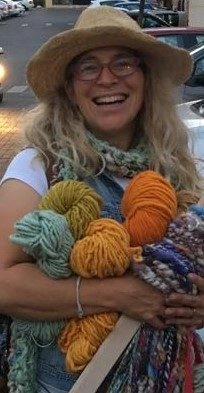
I started to listen to Michelle’s podcasts four years ago. The minute I started I was hooked. I’m so excited to learn the entire Talmud, and think I will continue always. I chose the quote “while a woman is engaged in conversation she also holds the spindle”. (Megillah 14b). It reminds me of all of the amazing women I learn with every day who multi-task, think ahead and accomplish so much.
Julie Mendelsohn
Zichron Yakov, Israel
While vacationing in San Diego, Rabbi Leah Herz asked if I’d be interested in being in hevruta with her to learn Daf Yomi through Hadran. Why not? I had loved learning Gemara in college in 1971 but hadn’t returned. With the onset of covid, Daf Yomi and Rabbanit Michelle centered me each day. Thank-you for helping me grow and enter this amazing world of learning.

Meryll Page
Minneapolis, MN, United States
I started learning Daf Yomi because my sister, Ruth Leah Kahan, attended Michelle’s class in person and suggested I listen remotely. She always sat near Michelle and spoke up during class so that I could hear her voice. Our mom had just died unexpectedly and it made me feel connected to hear Ruth Leah’s voice, and now to know we are both listening to the same thing daily, continents apart.

Jessica Shklar
Philadelphia, United States
I started learning Jan 2020 when I heard the new cycle was starting. I had tried during the last cycle and didn’t make it past a few weeks. Learning online from old men didn’t speak to my soul and I knew Talmud had to be a soul journey for me. Enter Hadran! Talmud from Rabbanit Michelle Farber from a woman’s perspective, a mother’s perspective and a modern perspective. Motivated to continue!
Keren Carter
Brentwood, California, United States
In my Shana bet at Migdal Oz I attended the Hadran siyum hash”as. Witnessing so many women so passionate about their Torah learning and connection to God, I knew I had to begin with the coming cycle. My wedding (June 24) was two weeks before the siyum of mesechet yoma so I went a little ahead and was able to make a speech and siyum at my kiseh kallah on my wedding day!

Sharona Guggenheim Plumb
Givat Shmuel, Israel
A friend mentioned that she was starting Daf Yomi in January 2020. I had heard of it and thought, why not? I decided to try it – go day by day and not think about the seven plus year commitment. Fast forward today, over two years in and I can’t imagine my life without Daf Yomi. It’s part of my morning ritual. If I have a busy day ahead of me I set my alarm to get up early to finish the day’s daf

Debbie Fitzerman
Ontario, Canada
I was moved to tears by the Hadran Siyyum HaShas. I have learned Torah all my life, but never connected to learning Gemara on a regular basis until then. Seeing the sheer joy Talmud Torah at the siyyum, I felt compelled to be part of it, and I haven’t missed a day!
It’s not always easy, but it is so worthwhile, and it has strengthened my love of learning. It is part of my life now.

Michelle Lewis
Beit Shemesh, Israel
I learned daf more off than on 40 years ago. At the beginning of the current cycle, I decided to commit to learning daf regularly. Having Rabanit Michelle available as a learning partner has been amazing. Sometimes I learn with Hadran, sometimes with my husband, and sometimes on my own. It’s been fun to be part of an extended learning community.

Miriam Pollack
Honolulu, Hawaii, United States
When I began the previous cycle, I promised myself that if I stuck with it, I would reward myself with a trip to Israel. Little did I know that the trip would involve attending the first ever women’s siyum and being inspired by so many learners. I am now over 2 years into my second cycle and being part of this large, diverse, fascinating learning family has enhanced my learning exponentially.
Shira Krebs
Minnesota, United States
Chullin 20
וְאִי סָלְקָא דַעְתָּךְ מַחְזִיר דַּוְקָא, מַאי אִירְיָא מוֹלֵק? אֲפִילּוּ שׁוֹחֵט נָמֵי! אֶלָּא לָאו שְׁמַע מִינַּהּ אַף מַחְזִיר, וּמַתְנִיתִין בִּדְלָא אַהְדַּר.
And if it enters your mind that the mitzva is specifically to move the simanim behind the nape and pinch them, why did the tanna say specifically that if one pinches in this manner it is valid? Even if one slaughters from the nape in this manner the slaughter would be valid. Rather, must one not conclude from it that the proper understanding is: One may even move the simanim behind the nape and pinch, and the mishna is referring to a case where one did not move the simanim behind the nape.
אָמַר רַבִּי יַנַּאי: יְקַבְּלוּ הָרוֹבִין אֶת תְּשׁוּבָתָן, דְּקָתָנֵי: נִמְצָא כָּשֵׁר בִּשְׁחִיטָה – פָּסוּל בִּמְלִיקָה, כָּשֵׁר בִּמְלִיקָה – פָּסוּל בִּשְׁחִיטָה. לְמַעוֹטֵי מַאי? לָאו לְמַעוֹטֵי מַחֲזִיר סִימָנִין לַאֲחוֹרֵי הָעוֹרֶף, דְּלָא?
Rabbi Yannai says: The young ones [rovin], the sons of Rabbi Ḥiyya, shall receive their response that rejects their statement from that which is taught in the mishna: It is found that that which is valid for slaughter is not valid for pinching and that which is valid for pinching is not valid for slaughter. What does this statement serve to exclude? Does it not serve to exclude the case where one moves the simanim behind the nape, teaching that it is valid only for slaughter and not for pinching?
אָמַר רַבָּה בַּר בַּר חָנָה: לָא, לְמַעוֹטֵי שֵׁן וְצִפּוֹרֶן. שֵׁן וְצִפּוֹרֶן בְּהֶדְיָא קָתָנֵי לְהוּ.
Rabba bar bar Ḥana said: No, perhaps it serves to exclude one who uses a tooth or a fingernail that is not detached, which are valid for pinching and not valid for slaughter. The Gemara objects: That could not be, as the tanna teaches explicitly the case of a tooth and a fingernail in a mishna (15b), and there was no need to repeat it.
אֶלָּא אָמַר רַבִּי יִרְמְיָה: לְמַעוֹטֵי מוֹלִיךְ וּמֵבִיא. הָנִיחָא לְמַאן דְּאָמַר מוֹלִיךְ וּמֵבִיא בִּמְלִיקָה – פָּסוּל, אֶלָּא לְמַאן דְּאָמַר כָּשֵׁר, מַאי אִיכָּא לְמֵימַר? בְּנֵי רַבִּי חִיָּיא סָבְרִי לַהּ כְּמַאן דְּאָמַר מוֹלִיךְ וּמֵבִיא בִּמְלִיקָה – פָּסוּל.
Rather, Rabbi Yirmeya said: The statement of the mishna: That which is valid for slaughter is not valid for pinching, serves to exclude drawing back and forth. One who pinches may not cut the simanim by drawing his fingernail back and forth. Rather, he must press and cut them in one motion. The Gemara asks: This works out well according to the one who says: Drawing back and forth for pinching is not valid, but according to the one who says: It is valid, what is there to say? The Gemara answers: The sons of Rabbi Ḥiyya hold in accordance with the one who says: Drawing back and forth for pinching is not valid.
אָמַר רַב כָּהֲנָא: מִצְוַת מְלִיקָה קוֹצֵץ וְיוֹרֵד, וְזוֹ הִיא מִצְוָתָהּ. סָבַר רַבִּי אָבִין לְמֵימַר: קוֹצֵץ וְיוֹרֵד – אִין, מוֹלִיךְ וּמֵבִיא – לָא. אֲמַר לֵיהּ רַבִּי יִרְמְיָה: כׇּל שֶׁכֵּן דְּמוֹלִיךְ וּמֵבִיא בִּמְלִיקָה כָּשֵׁר, וּמַאי זוֹ הִיא מִצְוָתָהּ? אֵימָא: אַף זוֹ הִיא מִצְוָתָהּ.
Rav Kahana says: The mitzva of pinching is that one cuts with his fingernail from the nape and continues downward, and that is its mitzva. Rabbi Avin thought to say: Cuts and continues downward, yes; draws back and forth, no. Rabbi Yirmeya said to him: All the more so that drawing back and forth for pinching is valid. The Gemara asks: And what is the meaning of the phrase: That is its mitzva, which indicates that it is specifically in that manner? The Gemara answers: Say that it means: That too is its mitzva.
אָמַר רַבִּי יִרְמְיָה אָמַר שְׁמוּאֵל: כׇּל הַכָּשֵׁר בִּשְׁחִיטָה – כְּנֶגְדּוֹ בָּעוֹרֶף כָּשֵׁר בִּמְלִיקָה, הָא פָּסוּל בִּשְׁחִיטָה – פָּסוּל בִּמְלִיקָה. לְמַעוֹטֵי מַאי? אִילֵּימָא לְמַעוֹטֵי עִיקּוּר סִימָנִין, וְהָא תָּנֵי רָמֵי בַּר יְחֶזְקֵאל: אֵין עִיקּוּר סִימָנִין בָּעוֹף!
§ Rabbi Yirmeya says that Shmuel says: Any place that is valid for slaughter on the throat is correspondingly valid for pinching on the nape. By inference, any place on the throat that is not valid for slaughter is not valid for pinching. The Gemara asks: What does this statement serve to exclude? If we say that it serves to exclude ripping the simanim from their place before cutting them, which is invalid with regard to pinching just as with regard to slaughter, but didn’t Rami bar Yeḥezkel teach: There is no disqualification of ripping the simanim in the case of a bird?
אָמַר רַב פָּפָּא: לְמַעוֹטֵי רֹאשׁוֹ. רֹאשׁוֹ פְּשִׁיטָא? ״מִמּוּל עׇרְפּוֹ״ אָמַר רַחֲמָנָא, וְלֹא בְּרֹאשׁוֹ!
Rav Pappa said: It serves to exclude pinching the occipital bone at the back of its head; just as it is not the place of slaughter, it is not the place of pinching. The Gemara asks: Isn’t it obvious that pinching at the back of its head is not valid? The Merciful One states: “Adjacent to its nape,” and not at its head.
מַאי ״רֹאשׁוֹ״? שִׁיפּוּי רֹאשׁוֹ, כְּגוֹן דְּנָקֵט מִשִּׁיפּוּי רֹאשׁוֹ וְהִגְרִים וַאֲזַל עַד דִּמְטָא תַּתַּאי, וְכִדְרַב הוּנָא אָמַר רַב אַסִּי, דְּאָמַר רַב הוּנָא אָמַר רַב אַסִּי: הִגְרִים שְׁלִישׁ וְשָׁחַט שְׁנֵי שְׁלִישׁ – פְּסוּלָה.
The Gemara answers: What is its head that is not the place for pinching? It is the incline of its head, e.g., in a case where one began at the incline of its head and diverted and continued until he reached below to the place of the simanim, where he completed the pinching. Since he began the process in the incorrect location, it is invalid, similar to slaughter. And this is in accordance with the opinion that Rav Huna says that Rav Asi says, as Rav Huna says that Rav Asi says: If one diverted the knife upward and cut one-third of the windpipe and then cut two-thirds within the ring, the slaughter is not valid.
אֲמַר לֵיהּ רַב אַחָא בְּרֵיהּ דְּרָבָא לְרַב אָשֵׁי: הָא דְּתָנֵי רָמֵי בַּר יְחֶזְקֵאל אֵין עִיקּוּר סִימָנִין בָּעוֹף, לָא אֲמַרַן אֶלָּא לְמַאן דְּאָמַר אֵין שְׁחִיטָה לָעוֹף מִן הַתּוֹרָה,
Rav Aḥa, son of Rava, said to Rav Ashi: With regard to that which Rami bar Yeḥezkel teaches: There is no disqualification for ripping simanim in a bird, we say it only according to the one who says: There is no source for the slaughter of a bird in the Torah.
אֲבָל לְמַאן דְּאָמַר יֵשׁ שְׁחִיטָה לָעוֹף מִן הַתּוֹרָה, יֵשׁ עִיקּוּר.
But according to the one who says: There is a source for the slaughter of a bird in the Torah, there is disqualification for ripping simanim in a bird as well.
אֲמַר לֵיהּ: אַדְּרַבָּה, אִיפְּכָא מִסְתַּבְּרָא! לְמַאן דְּאָמַר יֵשׁ שְׁחִיטָה לָעוֹף מִן הַתּוֹרָה, אִיכָּא לְמֵימַר דְּהָכִי אַגְמְרֵיהּ דְּאֵין עִיקּוּר, וַאֲפִילּוּ לְמַאן דְּאָמַר כִּבְהֵמָה, לְעִנְיַן עִיקּוּר לָא לֶיהֱוֵי כִּבְהֵמָה.
Rav Ashi said to him: On the contrary, the opposite is reasonable. According to the one who says: There is a source for the slaughter of a bird in the Torah, the halakhot of slaughter are not explicit and were transmitted to Moses orally, and it can be said that this is what God taught him, that there is no disqualification for ripping simanim. And even according to the one who says that the halakhic status of a bird is like that of an animal, as the halakhot of the slaughter of a bird are derived from the halakhot of the slaughter of an animal, perhaps God taught Moses that with regard to the matter of ripping simanim it will not be like an animal.
אֶלָּא לְמַאן דְּאָמַר: אֵין שְׁחִיטָה לָעוֹף מִן הַתּוֹרָה אֶלָּא מִדִּבְרֵי סוֹפְרִים, מֵהֵיכָא גְּמִירִי לַהּ? מִבְּהֵמָה, כּוּלַּהּ מִילְּתָא כִּבְהֵמָה!
But according to the one who says: There is no source for the slaughter of a bird in the Torah, but rather it is by rabbinic law, from where are the halakhot of the slaughter of a bird learned? They are learned from the halakhot of the slaughter of an animal; consequently, the entire matter of the slaughter of a bird is like that of an animal.
אָמַר רָבִינָא, אָמַר לִי רָבִין בַּר קִיסִי: הָא דְּתָנֵי רָמֵי בַּר יְחֶזְקֵאל, אֵין עִיקּוּר סִימָנִין בָּעוֹף – לָא אֲמַרַן אֶלָּא בִּמְלִיקָה, אֲבָל בִּשְׁחִיטָה יֵשׁ עִיקּוּר. וְהָאָמַר רַבִּי יִרְמְיָה אָמַר שְׁמוּאֵל: כׇּל הַכָּשֵׁר בִּשְׁחִיטָה כְּנֶגְדּוֹ בָּעוֹרֶף כָּשֵׁר בִּמְלִיקָה, הָא פָּסוּל – פָּסוּל! הָהִיא פְּלִיגָא.
Ravina said: Ravin bar Kisi said to me: With regard to that which Rami bar Yeḥezkel teaches, i.e., that there is no disqualification for ripping simanim in a bird, we say it only with regard to pinching, but with regard to slaughter, there is disqualification for ripping simanim. The Gemara objects: But doesn’t Rabbi Yirmeya say that Shmuel says: Any place that is valid for slaughter on the throat is correspondingly valid for pinching on the nape, but that which is not valid for slaughter is not valid for pinching. The Gemara explains: That halakha disagrees with this statement of Shmuel.
אָמַר זְעֵירִי: נִשְׁבְּרָה מַפְרֶקֶת וְרוֹב בָּשָׂר עִמָּהּ – נְבֵלָה.
§ Ze’eiri says: If the neck bone of an animal or a bird was broken and most of the surrounding flesh was cut with it, the status of the animal or the bird is that of an unslaughtered carcass. It is dead and can no longer be rendered fit by slaughter.
אָמַר רַב חִסְדָּא: אַף אֲנַן נָמֵי תְּנֵינָא, מָלַק בְּסַכִּין – מְטַמֵּא בְּגָדִים אַבֵּית הַבְּלִיעָה, וְאִי אָמְרַתְּ טְרֵפָה הָוְיָא, מְלִיקָתָהּ זוֹ הִיא שְׁחִיטָתָהּ – תַּהֲנֵי לַהּ סַכִּין לְטַהֲרָהּ מִידֵי נְבֵלָה.
Rav Ḥisda said that we learn this in a mishna (Zevaḥim 68a) as well: If one pinched a bird offering with a knife and not with his thumbnail, the bird renders the garments of one who swallows it impure when it is in the throat, which is the halakha in the case of an unslaughtered carcass of a kosher bird. And if you would say that if the neck bone of an animal or a bird was broken and most of the surrounding flesh was cut with it, the bird is not an unslaughtered carcass but it is a tereifa, then since with regard to a bird offering its pinching is its slaughter, let pinching with a knife be effective to purify the bird from the impurity of an unslaughtered carcass, as a tereifa does not transmit impurity when slaughtered properly. From the halakha that pinching with a knife does not render the bird pure it is evident that when its neck bone is broken the bird is rendered an unslaughtered carcass.
אָמְרִי: הָתָם מִשּׁוּם דְּלָאו שְׁחִיטָה הִיא כְּלָל. מַאי טַעְמָא? רַב הוּנָא אָמַר: מִפְּנֵי שֶׁהוּא מַחְלִיד, רָבָא אָמַר: מִפְּנֵי שֶׁהוּא דּוֹרֵס.
The Sages say in response: There, pinching with a knife is ineffective in rendering it pure not because the breaking of the neck bone renders the bird an unslaughtered carcass. Rather, it is because it is not slaughter at all. The Gemara asks: What is the reason? Rav Huna says: It is because he conceals the knife and performs an inverted slaughter, which invalidates the slaughter. Rava says: It is because he presses the knife.
מַאן דְּאָמַר מִפְּנֵי שֶׁהוּא מַחְלִיד, מַאי טַעְמָא לָא אָמַר מִפְּנֵי שֶׁהוּא דּוֹרֵס? קָסָבַר: מוֹלִיךְ וּמֵבִיא בִּמְלִיקָה כָּשֵׁר. וּמַאן דְּאָמַר מִפְּנֵי שֶׁהוּא דּוֹרֵס, מַאי טַעְמָא לָא אָמַר מִפְּנֵי שֶׁהוּא מַחְלִיד? אָמַר לָךְ: חֲלָדָה הֵיכִי דָּמֵי? כְּחוּלְדָּה הַדָּרָה בְּעִיקְּרֵי בָתִּים דְּמִכַּסְּיָא, הָכָא הָא מִיגַּלְּיָא.
The Gemara asks: With regard to the one who says: Because he conceals the knife and performs an inverted slaughter, what is the reason that he does not say: Because he presses the knife? The Gemara answers: It is because he holds that drawing back and forth in pinching is valid. The Gemara asks: And the one who says: Because he presses the knife, what is the reason that he does not say: Because he conceals [maḥlid] the knife? The Gemara answers that he could have said to you: What are the circumstances of concealing the knife? It is like a rat [ḥulda] that resides in the foundations of houses that are concealed. Here, when he begins cutting from the nape of the neck, that knife is exposed.
אָמַר רָבָא: אִי קַשְׁיָא לִי הָא קַשְׁיָא לִי, וְכִי מֵתָה עוֹמֵד וּמוֹלֵק?
Rava said: If that which Ze’eiri said: If the neck bone of an animal or a bird was broken and most of the surrounding flesh was cut with it, the status of the animal or the bird is that of an unslaughtered carcass, is difficult for me, this is difficult for me: How does pinching a bird offering prepare it for sacrifice? Since pinching involves breaking the neck bone and cutting most of the surrounding flesh with it before cutting the simanim, what significance is there to pinching the simanim? And does he stand and pinch a dead bird? If it is dead, of what use is the pinching?
אֲמַר לֵיהּ אַבָּיֵי: וְתִקְשֵׁי לָךְ עוֹלַת הָעוֹף, דְּבָעֲיָא שְׁנֵי סִימָנִין, וְכִי מֵתָה עוֹמֵד וּמוֹלֵק? אֲמַר לֵיהּ: הָתָם כְּדֵי לְקַיֵּים בָּהּ מִצְוַת הַבְדָּלָה.
Abaye said to him: And even without the statement of Ze’eiri, let the case of a bird burnt offering be difficult for you, as it requires cutting of two simanim. Since slaughter of a non-sacred bird requires cutting of one siman, once one siman is cut the bird is considered dead for all intents and purposes, and does he stand and pinch a dead bird? Rava said to him: There, he continues pinching in order to fulfill through it the mitzva of separation between the head and the body in the bird burnt offering.
אִי הָכִי, עוֹר נָמֵי! כׇּל הַמְעַכֵּב בִּשְׁחִיטָה מְעַכֵּב בְּהַבְדָּלָה, וְכֹל שֶׁאֵינוֹ מְעַכֵּב בִּשְׁחִיטָה אֵינוֹ מְעַכֵּב בְּהַבְדָּלָה.
The Gemara asks: If so, there should be an obligation to cut the skin of the bird as well in order to fulfill the mitzva of separation. Abaye answers: Any element that invalidates slaughter invalidates separation, and any element that does not invalidate slaughter does not invalidate separation. Failure to cut the skin does not invalidate slaughter.
וְהָא מִיעוּט סִימָנִין לְרַבָּנַן, דְּלָא מִעַכְּבִי בִּשְׁחִיטָה, וּמְעַכְּבִי בְּהַבְדָּלָה! אֶלָּא אֵימָא: כֹּל שֶׁיֶּשְׁנוֹ בִּשְׁחִיטָה יֶשְׁנוֹ בְּהַבְדָּלָה, וְכֹל שֶׁאֵינוֹ בִּשְׁחִיטָה אֵינוֹ בְּהַבְדָּלָה.
The Gemara objects: But isn’t there the minority of the simanim according to the Rabbis, which do not invalidate slaughter, as, if one slaughtered a majority of the simanim and a minority remained uncut, the slaughter is valid, and they hold that they invalidate separation? The Gemara clarifies: Rather, say: Any element that is in effect with regard to slaughter is in effect with regard to separation, and any element that is not in effect with regard to slaughter is not in effect with regard to separation. The two simanim, although they do not invalidate slaughter, are part of the mitzva of slaughter, while the skin is not part of the mitzva of slaughter.
Follow

