








Cases regarding different issues in the lungs are discussed – are they considered treifa or not?
Chullin 47

January 13, 2019 | ז׳ בשבט תשע״ט
Share this shiur:
Want to dedicate learning? Get started here:
Chullin 47
וְאָמַר רָבָא: הָנֵי תַּרְתֵּי בּוּעֵי דִּסְמִיכָן לַהֲדָדֵי, לֵית לְהוּ בְּדִיקוּתָא. חֲדָא וּמִתְחַזְיָא כְּתַרְתֵּי – מַיְיתִינַן סִילְוָא וּבָזְעִינַן לַהּ, אִי שָׁפְכָן לַהֲדָדֵי – חֲדָא הִיא וּכְשֵׁרָה, וְאִי לָא – תַּרְתֵּי נִינְהוּ וּטְרֵפָה.
And Rava says: These two cysts that are adjacent to one another on the lung have no need for inspection. The animal is definitely a tereifa, since it is presumed that the cysts formed around a perforation in the lung. But if there is only one cyst that looks like two, due to a depression in the middle, we bring a thorn and pierce it to remove the fluid inside. If the fluids from either side empty into one another, this indicates that it is one cyst, and the animal is kosher. And if not, they are two separate cysts, and the animal is a tereifa.
וְאָמַר רָבָא: חָמֵשׁ אוּנֵּי אִית לַהּ לְרֵיאָה, אַפַּהּ כְּלַפֵּי גַּבְרָא – תְּלָתָא מִיַּמִּינָא וְתַרְתֵּי מִשְּׂמָאלָא. חַסִּיר אוֹ יַתִּיר אוֹ חֲלִיף – טְרֵפָה.
§ And Rava says: The lung has five lobes [unnei]. When the animal hangs by its legs with its face toward the person checking it, he sees three lobes on his right and two on his left. If the animal is missing a lobe or has an extra lobe, or if the lobes were switched, with two on the right and three on the left, the animal is a tereifa.
הָהוּא יַתִּירְתָּא דַּאֲתַאי לְקַמֵּיהּ דְּמָרִימָר, הֲוָה יָתֵיב רַב אַחָא אַבָּבָא. אֲמַר לֵיהּ: מַאי אֲמַר לָךְ? אֲמַר לֵיהּ: אַכְשְׁרַהּ נִיהֲלִי. אֲמַר לֵיהּ: הֲדַר עַיְּילַהּ קַמֵּיהּ! אֲמַר לֵיהּ: זִיל אֵימָא לֵיהּ לְמַאן דְּיָתֵיב אַבָּבָא, לֵית הִלְכְתָא כְּוָותֵיהּ דְּרָבָא בִּיתֶרֶת.
The Gemara relates that a certain lung that had an extra lobe was brought before Mareimar. Rav Aḥa was sitting at the door of Mareimar’s house. When the animal’s owner was leaving, Rav Aḥa said to him: What did Mareimar say to you? The man said to him: Mareimar deemed it kosher. Rav Aḥa was surprised by this, because it contradicts Rava’s statement, so he said to him: Turn around and bring the animal before him. The owner did so. Mareimar realized why he was being asked twice, and said to him: Go tell whomever is sitting at the door: The halakha is not in accordance with the opinion of Rava in the case of an animal that has an extra lobe.
וְהָנֵי מִילֵּי – דְּקָיְימָא בְּדָרָא דְּאוּנֵּי, אֲבָל בֵּינֵי בֵּינֵי – טְרֵפָה.
The Gemara adds: And this statement applies only when the extra lobe stands in line with the other lobes, on the left or right. But if it is in between the two sides, the animal is a tereifa.
הָהוּא בֵּינֵי בֵּינֵי דַּאֲתָא לְקַמֵּיהּ דְּרַב אָשֵׁי, סָבַר רַב אָשֵׁי לְמִיטְרְפַהּ. אֲמַר לֵיהּ רַב הוּנָא מָר בַּר אַוְיָא: כֹּל הָנֵי חֵיוֵי בָּרָיָיתָא הָכִי אִית לְהוּ, וְקָרוּ לַהּ טַבָּחֵי עֵינוּנִיתָא דְּוַורְדָּא. וְהָנֵי מִילֵּי מִגַּוַּאי,
The Gemara relates that a certain animal with an extra lobe in between the two sides was brought before Rav Ashi. Rav Ashi thought to deem it a tereifa. Rav Huna Mar bar Avya said to him: All those animals that graze outside in the fields have extra lobes like this, and butchers call it the little rose lobe. The Gemara adds: And this statement applies only when the extra lobe is on the inside face of the lung, facing the heart.
אֲבָל אַגַּבַּהּ, אֲפִילּוּ כְּטַרְפָּא דְאָסָא – טְרֵפָה.
But if it is on the back of the lung, even if it is as small as a myrtle leaf, the animal is a tereifa.
אָמַר רַפְרָם: הַאי רֵיאָה דְּדָמְיָא לְאוּפְתָּא – טְרֵפָה. אִיכָּא דְּאָמְרִי בַּחֲזוּתָא, וְאִיכָּא דְּאָמְרִי בְּגִישְׁתָּא. אִיכָּא דְּאָמְרִי דִּנְפִיחָה, וְאִיכָּא דְּאָמְרִי דִּפְחִיזָא, וְאִיכָּא דְּאָמְרִי דְּשִׁיעָא, דְּלֵית לַהּ חִיתּוּכָא דְאוּנֵּי.
§ Rafram says: This lung that is similar to a chip of wood renders the animal a tereifa. There are those who say that the similarity lies in its appearance, i.e., if it is pale like wood. And there are those who say that it lies in its feeling, i.e., if it is hard like wood. There are those who say that it is swollen. And there are those who say that it is light. And there are those who say that it is completely smooth, that it has no sectioning of lobes.
אָמַר רָבָא: כְּכוּחְלָא – כְּשֵׁרָה, כִּדְיוֹתָא – טְרֵפָה, דְּאָמַר רַבִּי חֲנִינָא: שָׁחוֹר אָדוֹם הוּא, אֶלָּא שֶׁלָּקָה.
§ Rava says: If the lung assumed a dark color like eye shadow, the animal is kosher. If its color is black like ink, the animal is a tereifa. As Rabbi Ḥanina says: Menstrual blood that appears black is actually red, except that it decayed. Black color is therefore a sign of decay, and the lung is assumed to be defective.
יְרוּקָּה – כְּשֵׁרָה, מִדְּרַבִּי נָתָן. אֲדוּמָּה – כְּשֵׁרָה, מִדְּרַבִּי נָתָן. דְּתַנְיָא: רַבִּי נָתָן אוֹמֵר: פַּעַם אַחַת הָלַכְתִּי לִכְרַכֵּי הַיָּם, בָּאתָה אִשָּׁה אַחַת לְפָנַי שֶׁמָּלָה בְּנָהּ רִאשׁוֹן וָמֵת, שֵׁנִי וָמֵת, שְׁלִישִׁי – הֱבִיאַתּוּ לְפָנַי. רְאִיתִיו שֶׁהָיָה אָדוֹם, אָמַרְתִּי לָהּ: בִּתִּי, הַמְתִּינִי לוֹ עַד שֶׁיִּבָּלַע בּוֹ דָּמוֹ. הִמְתִּינָה לוֹ וּמָלָה אוֹתוֹ וְחָיָה, וְהָיוּ קוֹרִין אוֹתוֹ נָתָן הַבַּבְלִי עַל שְׁמִי.
The Gemara continues: If the lung was green, the animal is kosher, as can be derived from the episode of Rabbi Natan. And if it was red, it is kosher, as can be derived from the episode of Rabbi Natan. As it is taught in a baraita: Rabbi Natan says: Once I went to the cities overseas, where one woman came before me who circumcised her first son and he died, and she circumcised her second son and he died, and out of concern that circumcising her third son might cause him to die as well, she brought him before me. I saw that he was red, so I said to her: My daughter, wait for him until his blood is absorbed into him. She waited for him until his blood was absorbed into him and then circumcised him, and he survived. And they would call him Natan the Babylonian after my name. This incident indicates that a red lung can heal.
וְשׁוּב פַּעַם אַחַת הָלַכְתִּי לִמְדִינַת קַפּוֹטְקְיָא, בָּאתָה אִשָּׁה לְפָנַי, שֶׁמָּלָה בְּנָהּ רִאשׁוֹן וָמֵת, שֵׁנִי וָמֵת, שְׁלִישִׁי הֱבִיאַתּוּ לְפָנַי, רְאִיתִיו שֶׁהָיָה יָרוֹק, הֵצַצְתִּי בּוֹ וְלֹא הָיָה בּוֹ דַּם בְּרִית, אָמַרְתִּי לָהּ: בִּתִּי, הַמְתִּינִי לוֹ עַד שֶׁיִּפּוֹל בּוֹ דָּמוֹ, הִמְתִּינָה לוֹ וּמָלָה אוֹתוֹ וְחָיָה, וְהָיוּ קוֹרִין אוֹתוֹ נָתָן הַבַּבְלִי עַל שְׁמִי.
Rabbi Natan further related: And on another occasion I went to the state of Cappadocia, and a woman came before me who circumcised her first son and he died, and she circumcised her second son and he died. Out of concern that circumcising her third son might cause him to die as well, she brought him before me. I saw that he was green, i.e., pale. I looked at him and saw that he did not have the blood of circumcision in him, i.e., he had a deficiency of blood such that no blood would emerge from the circumcision. I said to her: My daughter, wait until his blood enters him. She waited for his blood to increase and then circumcised him, and he survived. And they would call his name Natan the Babylonian after my name. This incident indicates that a green lung can heal as well.
אָמַר רַב כָּהֲנָא: כְּכַבְדָּא – כְּשֵׁרָה, כְּבִשְׂרָא – טְרֵפָה, וְסִימָנָיךְ: ״וּבָשָׂר בַּשָּׂדֶה טְרֵפָה״.
Rav Kahana says: If the lung has an appearance like the liver, the animal is kosher. If it has an appearance like flesh, the animal is a tereifa. And your mnemonic to remember that the latter is a tereifa is the verse: “You shall not eat any flesh that is torn of animals [tereifa] in the field” (Exodus 22:30).
אָמַר רַב סַמָּא בְּרֵיהּ דְּרָבָא: הַאי רֵיאָה דְּדָמְיָא כִּכְשׁוּתָא, וּכְמוֹרִיקָא, וּכְגוֹן בֵּיעֲתָא – טְרֵפָה. אֶלָּא יְרוּקָּה דִּכְשֵׁרָה הֵיכִי דָּמְיָא? כְּכַרָּתֵי.
Rav Sama, son of Rava, says: This lung whose appearance resembles dodder, or saffron, or has a yellow color such as that of an egg yolk, renders the animal a tereifa. Since all of these appearances are various shades of green, the Gemara asks: But the green lung that is kosher, what is it like? The Gemara responds: It is like a leek.
אָמַר רָבִינָא: אָטוּם בְּרֵיאָה, מַיְיתִינַן סַכִּינָא וְקָרְעִינַן לַהּ, אִי אִית בַּהּ מוּגְלָא – וַדַּאי מֵחֲמַת מוּגְלָא הוּא, וּכְשֵׁרָה, וְאִי לָא – מוֹתְבִינַן עֲלַהּ גַּדְפָּא אוֹ רוּקָּא, אִי מְבַצְבְּצָא – כְּשֵׁרָה, וְאִי לָא – טְרֵפָה.
§ Ravina says: If there was a sealed area in the lung that does not inflate, we bring a knife and tear it open. If there is pus in the sealed area, then it was definitely sealed due to the pus, and the animal is kosher. But if we do not find pus there, we lay a feather or saliva on the opening and inflate the lung. If the saliva bubbles or the feather moves, the animal is kosher, since some air does reach the area, and if not, there is some defect in the lung, and the animal is a tereifa.
אָמַר רַב יוֹסֵף: קְרוּם שֶׁעָלָה מֵחֲמַת מַכָּה בָּרֵיאָה – אֵינוֹ קְרוּם, וְאָמַר רַב יוֹסֵף: הַאי רֵיאָה דְּאָוְושָׁא, אִי יָדְעִינַן הֵיכָא אָוְושָׁא – מַנְּחִינַן עֲלַהּ גַּדְפָּא אוֹ גִילָא אוֹ רוּקָּא, אִי מְבַצְבְּצָא – טְרֵפָה, וְאִי לָא – כְּשֵׁרָה, וְאִי לָא יָדְעִינַן לַהּ – מַיְיתִינַן מְשִׁיכְלְתָא דְּמַיָּא פָּשׁוֹרֵי וּמוֹתְבִינַן לַהּ בְּגַוַּהּ.
Rav Yosef says: A membrane that appeared due to a wound in the lung, i.e., a scab that covered a perforation through the lung, is not considered a true membrane, since it does not last. And Rav Yosef says: With regard to this lung that emits a sound when inflated, if we know from where it emits a sound, we set a feather, or straw, or saliva on that point. If the saliva bubbles when the lung is inflated, the animal is a tereifa, since this proves that the lung is perforated through both membranes. And if not, the animal is kosher. And if we do not know from where it emits a sound, we bring a basin of tepid water and set the lung inside it.
בְּחַמִּימֵי לָא – דְּכָוְוצִי, בְּקָרִירֵי לָא – דִּמְטָרְשִׁי, אֶלָּא בָּדְקִינַן לַהּ בְּפָשׁוֹרֵי. אִי מְבַצְבְּצָא – טְרֵפָה, וְאִי לָא – כְּשֵׁרָה. תַּתָּאָה אִינְּקִיב, עִילָּאָה לָא אִינְּקִיב, וְהַאי דְּאָוְושָׁא – זִיקָא דְּבֵינֵי וּבֵינֵי הוּא.
One cannot place it in hot water, as it causes the lung to contract, closing the perforation. And one cannot place it in cold water, as it hardens the lung and may cause it to crack. Rather, we check it in tepid water. If the water bubbles, the animal is a tereifa. And if not, the animal is kosher, since it is apparent that only the inner membrane is perforated and the outer membrane is not perforated, and the fact that it emits a sound is due to the air moving in the space between the two membranes.
אָמַר עוּלָּא אָמַר רַבִּי יוֹחָנָן: רֵיאָה שֶׁנִּשְׁפְּכָה כְּקִיתוֹן, כְּשֵׁרָה. אַלְמָא קָסָבַר: חִסָּרוֹן מִבִּפְנִים לָא שְׁמֵיהּ חִסָּרוֹן.
§ Ulla says that Rabbi Yoḥanan says: An animal with a lung that liquefied and can be poured out like water from a jug is kosher. The Gemara notes: Evidently, Rabbi Yoḥanan holds that a deficiency on the inside of an organ is not considered a deficiency. Only a deficiency in the wall or membrane of an organ renders an animal a tereifa.
אֵיתִיבֵיהּ רַבִּי אַבָּא לְעוּלָּא: ״הָרֵיאָה שֶׁנִּיקְּבָה אוֹ שֶׁחָסְרָה״. מַאי חָסְרָה? אִילֵימָא מִבַּחוּץ – הַיְינוּ נִיקְּבָה! אֶלָּא לָאו מִבִּפְנִים, וּשְׁמַע מִינַּהּ: חִסָּרוֹן מִבִּפְנִים שְׁמֵיהּ חִסָּרוֹן!
Rabbi Abba raised an objection to Ulla from the mishna, which states: The lung that was perforated or that was missing a piece renders the animal a tereifa. What is the case of a lung that was missing a piece? If we say that it was missing a piece on the outside, this is the same as if it was perforated, since any missing piece of the lung wall would constitute a perforation. Rather, is it not referring to a missing piece on the inside? If so, learn from the mishna that a deficiency on the inside of an organ is considered a deficiency to render the animal a tereifa.
לָא, לְעוֹלָם מִבַּחוּץ, וּדְקָא אָמְרַתְּ הַיְינוּ נִיקְּבָה – לָא צְרִיכָא לְרַבִּי שִׁמְעוֹן, דְּאָמַר: עַד שֶׁתִּנָּקֵב לְבֵית הַסִּמְפּוֹנוֹת. הָנֵי מִילֵּי נֶקֶב דְּלֵית בֵּיהּ חִסָּרוֹן, אֲבָל נֶקֶב דְּאִית בֵּיהּ חִסָּרוֹן – אֲפִילּוּ רַבִּי שִׁמְעוֹן מוֹדֶה.
The Gemara responds: No, the mishna actually is referring to a missing piece on the outside. And with regard to that which you said: This is the same as if it was perforated, one may respond that no, it is necessary to mention both cases to account for the opinion of Rabbi Shimon in the mishna, who says: It is not a tereifa until the lung is perforated through to the bronchi. By mentioning both cases, the mishna teaches that this statement of Rabbi Shimon applies only to a small perforation that does not constitute a deficiency. But in the case of a perforation so large that it constitutes a deficiency, even Rabbi Shimon concedes that it renders the animal a tereifa even if the perforation does not reach the bronchi.
רַבִּי חֲנַנְיָה חֲלַשׁ, עָל לְגַבֵּיהּ רַבִּי נָתָן וְכׇל גְּדוֹלֵי הַדּוֹר, אַיְיתוֹ קַמֵּיהּ רֵיאָה שֶׁנִּשְׁפְּכָה כְּקִיתוֹן, וְאַכְשְׁרַהּ.
The Gemara relates that Rabbi Ḥananya became sick. Rabbi Natan and all the eminent scholars of the generation entered before him to visit. They brought before him a lung that could be poured out like water from a jug, and he deemed the animal kosher.
אָמַר רָבָא: וְהוּא דְּקָיְימִי סִמְפּוֹנוֹת. אֲמַר לֵיהּ רַב אַחָא בְּרֵיהּ דְּרָבָא לְרַב אָשֵׁי: מְנָא יָדְעִינַן? אֲמַר לֵיהּ: מַיְיתִינַן צָעָא דְּקוּנְיָא, וְשָׁפְכִינַן לַהּ בְּגַוֵּיהּ. אִי אִית בַּהּ שׁוּרְיָיקֵי חִיוָּרֵי – טְרֵפָה, וְאִי לָא – כְּשֵׁרָה.
Rava said: This is the halakha only if the bronchi still exist and only the flesh of the lung has liquefied. Rav Aḥa, son of Rava, said to Rav Ashi: From where do we know whether the bronchi still exist? Rav Ashi said to him: We bring a glazed earthenware vessel with no cracks, so the contents can be observed, and we pour the lung into it. If there are white streaks in it, the animal is a tereifa, as the white streaks are remains of the liquefied bronchi. And if not, the animal is kosher.
אָמַר רַב נַחְמָן: רֵיאָה שֶׁנִּימּוֹקָה וּקְרוּם שֶׁלָּהּ קַיָּים – כְּשֵׁרָה. תַּנְיָא נָמֵי הָכִי: רֵיאָה שֶׁנִּימּוֹקָה וּקְרוּם שֶׁלָּהּ קַיָּים, אֲפִילּוּ מַחְזֶקֶת רְבִיעִית – כְּשֵׁרָה. נִיטְּלָה
Rav Naḥman says: If the lung was partially atrophied and only part of the flesh remains, but its membrane still exists, the animal is kosher. The Gemara notes: This is also taught in a baraita: If the lung was atrophied, but its membrane still exists, even if the space vacated by the atrophied lung can hold a quarter-log of fluid, the animal is kosher.
Follow 
New to Talmud?
Check out our resources designed to help you navigate a page of Talmud – and study at the pace, level and style that fits you.
The Hadran Women’s Tapestry
Meet the diverse women learning Gemara at Hadran and hear their stories.
As Jewish educator and as a woman, I’m mindful that Talmud has been kept from women for many centuries. Now that we are privileged to learn, and learning is so accessible, it’s my intent to complete Daf Yomi. I am so excited to keep learning with my Hadran community.
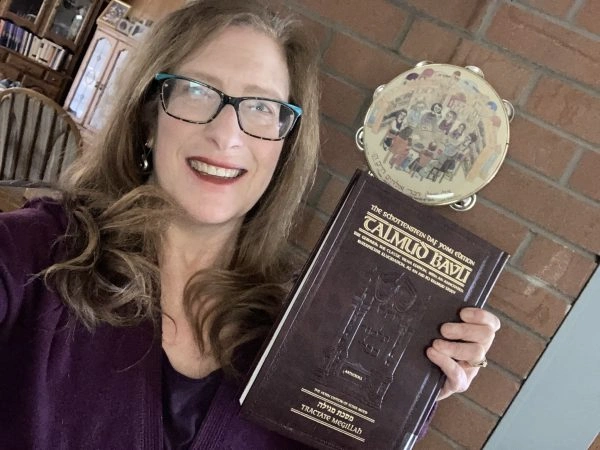
Sue Parker Gerson
Denver, United States
Years ago, I attended the local Siyum HaShas with my high school class. It was inspiring! Through that cycle and the next one, I studied masekhtot on my own and then did “daf yomi practice.” The amazing Hadran Siyum HaShas event firmed my resolve to “really do” Daf Yomi this time. It has become a family goal. We’ve supported each other through challenges, and now we’re at the Siyum of Seder Moed!

Elisheva Brauner
Jerusalem, Israel
A friend mentioned that she was starting Daf Yomi in January 2020. I had heard of it and thought, why not? I decided to try it – go day by day and not think about the seven plus year commitment. Fast forward today, over two years in and I can’t imagine my life without Daf Yomi. It’s part of my morning ritual. If I have a busy day ahead of me I set my alarm to get up early to finish the day’s daf

Debbie Fitzerman
Ontario, Canada
I started my journey on the day I realized that the Siyum was happening in Yerushalayim and I was missing out. What? I told myself. How could I have not known about this? How can I have missed out on this opportunity? I decided that moment, I would start Daf Yomi and Nach Yomi the very next day. I am so grateful to Hadran. I am changed forever because I learn Gemara with women. Thank you.
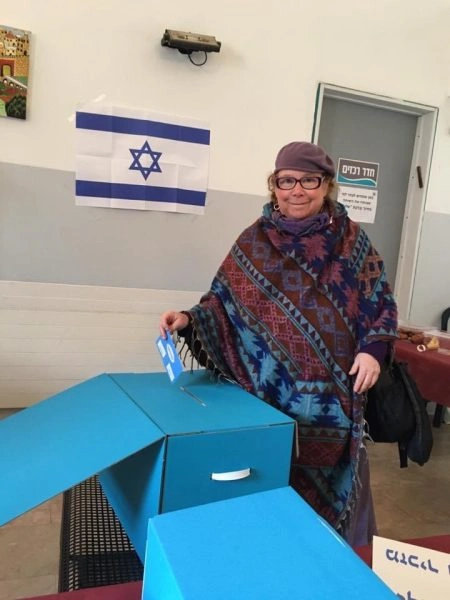
Linda Brownstein
Mitspe, Israel
At almost 70 I am just beginning my journey with Talmud and Hadran. I began not late, but right when I was called to learn. It is never too late to begin! The understanding patience of staff and participants with more experience and knowledge has been fabulous. The joy of learning never stops and for me. It is a new life, a new light, a new depth of love of The Holy One, Blessed be He.

Deborah Hoffman-Wade
Richmond, CA, United States
I started to listen to Michelle’s podcasts four years ago. The minute I started I was hooked. I’m so excited to learn the entire Talmud, and think I will continue always. I chose the quote “while a woman is engaged in conversation she also holds the spindle”. (Megillah 14b). It reminds me of all of the amazing women I learn with every day who multi-task, think ahead and accomplish so much.
Julie Mendelsohn
Zichron Yakov, Israel
A Gemara shiur previous to the Hadran Siyum, was the impetus to attend it.It was highly inspirational and I was smitten. The message for me was התלמוד בידינו. I had decided along with my Chahsmonaim group to to do the daf and take it one daf at time- without any expectations at all. There has been a wealth of information, insights and halachik ideas. It is truly exercise of the mind, heart & Soul
Phyllis Hecht
Hashmonaim, Israel
I am a Reform rabbi and took Talmud courses in rabbinical school, but I knew there was so much more to learn. It felt inauthentic to serve as a rabbi without having read the entire Talmud, so when the opportunity arose to start Daf Yomi in 2020, I dove in! Thanks to Hadran, Daf Yomi has enriched my understanding of rabbinic Judaism and deepened my love of Jewish text & tradition. Todah rabbah!

Rabbi Nicki Greninger
California, United States
I started learning Daf Yomi inspired by תָּפַסְתָּ מְרוּבֶּה לֹא תָּפַסְתָּ, תָּפַסְתָּ מוּעָט תָּפַסְתָּ. I thought I’d start the first page, and then see. I was swept up into the enthusiasm of the Hadran Siyum, and from there the momentum kept building. Rabbanit Michelle’s shiur gives me an anchor, a connection to an incredible virtual community, and an energy to face whatever the day brings.

Medinah Korn
בית שמש, Israel
I read Ilana Kurshan’s “If All the Seas Were Ink” which inspired me. Then the Women’s Siyum in Jerusalem in 2020 convinced me, I knew I had to join! I have loved it- it’s been a constant in my life daily, many of the sugiyot connect to our lives. My family and friends all are so supportive. It’s incredible being part of this community and love how diverse it is! I am so excited to learn more!

Shira Jacobowitz
Jerusalem, Israel
I had no formal learning in Talmud until I began my studies in the Joint Program where in 1976 I was one of the few, if not the only, woman talmud major. It was superior training for law school and enabled me to approach my legal studies with a foundation . In 2018, I began daf yomi listening to Rabbanit MIchelle’s pod cast and my daily talmud studies are one of the highlights of my life.

Terri Krivosha
Minneapolis, United States
When I started studying Hebrew at Brown University’s Hillel, I had no idea that almost 38 years later, I’m doing Daf Yomi. My Shabbat haburah is led by Rabbanit Leah Sarna. The women are a hoot. I’m tracking the completion of each tractate by reading Ilana Kurshan’s memoir, If All the Seas Were Ink.

Hannah Lee
Pennsylvania, United States
At almost 70 I am just beginning my journey with Talmud and Hadran. I began not late, but right when I was called to learn. It is never too late to begin! The understanding patience of staff and participants with more experience and knowledge has been fabulous. The joy of learning never stops and for me. It is a new life, a new light, a new depth of love of The Holy One, Blessed be He.
Deborah Hoffman-Wade
Richmond, CA, United States
When the new cycle began, I thought, If not now, when? I’d just turned 72. I feel like a tourist on a tour bus passing astonishing scenery each day. Rabbanit Michelle is my beloved tour guide. When the cycle ends, I’ll be 80. I pray that I’ll have strength and mind to continue the journey to glimpse a little more. My grandchildren think having a daf-learning savta is cool!

Wendy Dickstein
Jerusalem, Israel
My husband learns Daf, my son learns Daf, my son-in-law learns Daf.
When I read about Hadran’s Siyyum HaShas 2 years ago, I thought- I can learn Daf too!
I had learned Gemara in Hillel HS in NJ, & I remembered loving it.
Rabbanit Michelle & Hadran have opened my eyes & expanding my learning so much in the past few years. We can now discuss Gemara as a family.
This was a life saver during Covid

Renee Braha
Brooklyn, NY, United States
It has been a pleasure keeping pace with this wonderful and scholarly group of women.

Janice Block
Beit Shemesh, Israel
The start of my journey is not so exceptional. I was between jobs and wanted to be sure to get out every day (this was before corona). Well, I was hooked after about a month and from then on only looked for work-from-home jobs so I could continue learning the Daf. Daf has been a constant in my life, though hurricanes, death, illness/injury, weddings. My new friends are Rav, Shmuel, Ruth, Joanna.

Judi Felber
Raanana, Israel
Since I started in January of 2020, Daf Yomi has changed my life. It connects me to Jews all over the world, especially learned women. It makes cooking, gardening, and folding laundry into acts of Torah study. Daf Yomi enables me to participate in a conversation with and about our heritage that has been going on for more than 2000 years.
Shira Eliaser
Skokie, IL, United States
I learned Talmud as a student in Yeshivat Ramaz and felt at the time that Talmud wasn’t for me. After reading Ilana Kurshan’s book I was intrigued and after watching the great siyum in Yerushalayim it ignited the spark to begin this journey. It has been a transformative life experience for me as a wife, mother, Savta and member of Klal Yisrael.

Elana Storch
Phoenix, Arizona, United States
Hadran entered my life after the last Siyum Hashaas, January 2020. I was inspired and challenged simultaneously, having never thought of learning Gemara. With my family’s encouragement, I googled “daf yomi for women”. A perfecr fit!
I especially enjoy when Rabbanit Michelle connects the daf to contemporary issues to share at the shabbat table e.g: looking at the Kohen during duchaning. Toda rabba

Marsha Wasserman
Jerusalem, Israel
Chullin 47
וְאָמַר רָבָא: הָנֵי תַּרְתֵּי בּוּעֵי דִּסְמִיכָן לַהֲדָדֵי, לֵית לְהוּ בְּדִיקוּתָא. חֲדָא וּמִתְחַזְיָא כְּתַרְתֵּי – מַיְיתִינַן סִילְוָא וּבָזְעִינַן לַהּ, אִי שָׁפְכָן לַהֲדָדֵי – חֲדָא הִיא וּכְשֵׁרָה, וְאִי לָא – תַּרְתֵּי נִינְהוּ וּטְרֵפָה.
And Rava says: These two cysts that are adjacent to one another on the lung have no need for inspection. The animal is definitely a tereifa, since it is presumed that the cysts formed around a perforation in the lung. But if there is only one cyst that looks like two, due to a depression in the middle, we bring a thorn and pierce it to remove the fluid inside. If the fluids from either side empty into one another, this indicates that it is one cyst, and the animal is kosher. And if not, they are two separate cysts, and the animal is a tereifa.
וְאָמַר רָבָא: חָמֵשׁ אוּנֵּי אִית לַהּ לְרֵיאָה, אַפַּהּ כְּלַפֵּי גַּבְרָא – תְּלָתָא מִיַּמִּינָא וְתַרְתֵּי מִשְּׂמָאלָא. חַסִּיר אוֹ יַתִּיר אוֹ חֲלִיף – טְרֵפָה.
§ And Rava says: The lung has five lobes [unnei]. When the animal hangs by its legs with its face toward the person checking it, he sees three lobes on his right and two on his left. If the animal is missing a lobe or has an extra lobe, or if the lobes were switched, with two on the right and three on the left, the animal is a tereifa.
הָהוּא יַתִּירְתָּא דַּאֲתַאי לְקַמֵּיהּ דְּמָרִימָר, הֲוָה יָתֵיב רַב אַחָא אַבָּבָא. אֲמַר לֵיהּ: מַאי אֲמַר לָךְ? אֲמַר לֵיהּ: אַכְשְׁרַהּ נִיהֲלִי. אֲמַר לֵיהּ: הֲדַר עַיְּילַהּ קַמֵּיהּ! אֲמַר לֵיהּ: זִיל אֵימָא לֵיהּ לְמַאן דְּיָתֵיב אַבָּבָא, לֵית הִלְכְתָא כְּוָותֵיהּ דְּרָבָא בִּיתֶרֶת.
The Gemara relates that a certain lung that had an extra lobe was brought before Mareimar. Rav Aḥa was sitting at the door of Mareimar’s house. When the animal’s owner was leaving, Rav Aḥa said to him: What did Mareimar say to you? The man said to him: Mareimar deemed it kosher. Rav Aḥa was surprised by this, because it contradicts Rava’s statement, so he said to him: Turn around and bring the animal before him. The owner did so. Mareimar realized why he was being asked twice, and said to him: Go tell whomever is sitting at the door: The halakha is not in accordance with the opinion of Rava in the case of an animal that has an extra lobe.
וְהָנֵי מִילֵּי – דְּקָיְימָא בְּדָרָא דְּאוּנֵּי, אֲבָל בֵּינֵי בֵּינֵי – טְרֵפָה.
The Gemara adds: And this statement applies only when the extra lobe stands in line with the other lobes, on the left or right. But if it is in between the two sides, the animal is a tereifa.
הָהוּא בֵּינֵי בֵּינֵי דַּאֲתָא לְקַמֵּיהּ דְּרַב אָשֵׁי, סָבַר רַב אָשֵׁי לְמִיטְרְפַהּ. אֲמַר לֵיהּ רַב הוּנָא מָר בַּר אַוְיָא: כֹּל הָנֵי חֵיוֵי בָּרָיָיתָא הָכִי אִית לְהוּ, וְקָרוּ לַהּ טַבָּחֵי עֵינוּנִיתָא דְּוַורְדָּא. וְהָנֵי מִילֵּי מִגַּוַּאי,
The Gemara relates that a certain animal with an extra lobe in between the two sides was brought before Rav Ashi. Rav Ashi thought to deem it a tereifa. Rav Huna Mar bar Avya said to him: All those animals that graze outside in the fields have extra lobes like this, and butchers call it the little rose lobe. The Gemara adds: And this statement applies only when the extra lobe is on the inside face of the lung, facing the heart.
אֲבָל אַגַּבַּהּ, אֲפִילּוּ כְּטַרְפָּא דְאָסָא – טְרֵפָה.
But if it is on the back of the lung, even if it is as small as a myrtle leaf, the animal is a tereifa.
אָמַר רַפְרָם: הַאי רֵיאָה דְּדָמְיָא לְאוּפְתָּא – טְרֵפָה. אִיכָּא דְּאָמְרִי בַּחֲזוּתָא, וְאִיכָּא דְּאָמְרִי בְּגִישְׁתָּא. אִיכָּא דְּאָמְרִי דִּנְפִיחָה, וְאִיכָּא דְּאָמְרִי דִּפְחִיזָא, וְאִיכָּא דְּאָמְרִי דְּשִׁיעָא, דְּלֵית לַהּ חִיתּוּכָא דְאוּנֵּי.
§ Rafram says: This lung that is similar to a chip of wood renders the animal a tereifa. There are those who say that the similarity lies in its appearance, i.e., if it is pale like wood. And there are those who say that it lies in its feeling, i.e., if it is hard like wood. There are those who say that it is swollen. And there are those who say that it is light. And there are those who say that it is completely smooth, that it has no sectioning of lobes.
אָמַר רָבָא: כְּכוּחְלָא – כְּשֵׁרָה, כִּדְיוֹתָא – טְרֵפָה, דְּאָמַר רַבִּי חֲנִינָא: שָׁחוֹר אָדוֹם הוּא, אֶלָּא שֶׁלָּקָה.
§ Rava says: If the lung assumed a dark color like eye shadow, the animal is kosher. If its color is black like ink, the animal is a tereifa. As Rabbi Ḥanina says: Menstrual blood that appears black is actually red, except that it decayed. Black color is therefore a sign of decay, and the lung is assumed to be defective.
יְרוּקָּה – כְּשֵׁרָה, מִדְּרַבִּי נָתָן. אֲדוּמָּה – כְּשֵׁרָה, מִדְּרַבִּי נָתָן. דְּתַנְיָא: רַבִּי נָתָן אוֹמֵר: פַּעַם אַחַת הָלַכְתִּי לִכְרַכֵּי הַיָּם, בָּאתָה אִשָּׁה אַחַת לְפָנַי שֶׁמָּלָה בְּנָהּ רִאשׁוֹן וָמֵת, שֵׁנִי וָמֵת, שְׁלִישִׁי – הֱבִיאַתּוּ לְפָנַי. רְאִיתִיו שֶׁהָיָה אָדוֹם, אָמַרְתִּי לָהּ: בִּתִּי, הַמְתִּינִי לוֹ עַד שֶׁיִּבָּלַע בּוֹ דָּמוֹ. הִמְתִּינָה לוֹ וּמָלָה אוֹתוֹ וְחָיָה, וְהָיוּ קוֹרִין אוֹתוֹ נָתָן הַבַּבְלִי עַל שְׁמִי.
The Gemara continues: If the lung was green, the animal is kosher, as can be derived from the episode of Rabbi Natan. And if it was red, it is kosher, as can be derived from the episode of Rabbi Natan. As it is taught in a baraita: Rabbi Natan says: Once I went to the cities overseas, where one woman came before me who circumcised her first son and he died, and she circumcised her second son and he died, and out of concern that circumcising her third son might cause him to die as well, she brought him before me. I saw that he was red, so I said to her: My daughter, wait for him until his blood is absorbed into him. She waited for him until his blood was absorbed into him and then circumcised him, and he survived. And they would call him Natan the Babylonian after my name. This incident indicates that a red lung can heal.
וְשׁוּב פַּעַם אַחַת הָלַכְתִּי לִמְדִינַת קַפּוֹטְקְיָא, בָּאתָה אִשָּׁה לְפָנַי, שֶׁמָּלָה בְּנָהּ רִאשׁוֹן וָמֵת, שֵׁנִי וָמֵת, שְׁלִישִׁי הֱבִיאַתּוּ לְפָנַי, רְאִיתִיו שֶׁהָיָה יָרוֹק, הֵצַצְתִּי בּוֹ וְלֹא הָיָה בּוֹ דַּם בְּרִית, אָמַרְתִּי לָהּ: בִּתִּי, הַמְתִּינִי לוֹ עַד שֶׁיִּפּוֹל בּוֹ דָּמוֹ, הִמְתִּינָה לוֹ וּמָלָה אוֹתוֹ וְחָיָה, וְהָיוּ קוֹרִין אוֹתוֹ נָתָן הַבַּבְלִי עַל שְׁמִי.
Rabbi Natan further related: And on another occasion I went to the state of Cappadocia, and a woman came before me who circumcised her first son and he died, and she circumcised her second son and he died. Out of concern that circumcising her third son might cause him to die as well, she brought him before me. I saw that he was green, i.e., pale. I looked at him and saw that he did not have the blood of circumcision in him, i.e., he had a deficiency of blood such that no blood would emerge from the circumcision. I said to her: My daughter, wait until his blood enters him. She waited for his blood to increase and then circumcised him, and he survived. And they would call his name Natan the Babylonian after my name. This incident indicates that a green lung can heal as well.
אָמַר רַב כָּהֲנָא: כְּכַבְדָּא – כְּשֵׁרָה, כְּבִשְׂרָא – טְרֵפָה, וְסִימָנָיךְ: ״וּבָשָׂר בַּשָּׂדֶה טְרֵפָה״.
Rav Kahana says: If the lung has an appearance like the liver, the animal is kosher. If it has an appearance like flesh, the animal is a tereifa. And your mnemonic to remember that the latter is a tereifa is the verse: “You shall not eat any flesh that is torn of animals [tereifa] in the field” (Exodus 22:30).
אָמַר רַב סַמָּא בְּרֵיהּ דְּרָבָא: הַאי רֵיאָה דְּדָמְיָא כִּכְשׁוּתָא, וּכְמוֹרִיקָא, וּכְגוֹן בֵּיעֲתָא – טְרֵפָה. אֶלָּא יְרוּקָּה דִּכְשֵׁרָה הֵיכִי דָּמְיָא? כְּכַרָּתֵי.
Rav Sama, son of Rava, says: This lung whose appearance resembles dodder, or saffron, or has a yellow color such as that of an egg yolk, renders the animal a tereifa. Since all of these appearances are various shades of green, the Gemara asks: But the green lung that is kosher, what is it like? The Gemara responds: It is like a leek.
אָמַר רָבִינָא: אָטוּם בְּרֵיאָה, מַיְיתִינַן סַכִּינָא וְקָרְעִינַן לַהּ, אִי אִית בַּהּ מוּגְלָא – וַדַּאי מֵחֲמַת מוּגְלָא הוּא, וּכְשֵׁרָה, וְאִי לָא – מוֹתְבִינַן עֲלַהּ גַּדְפָּא אוֹ רוּקָּא, אִי מְבַצְבְּצָא – כְּשֵׁרָה, וְאִי לָא – טְרֵפָה.
§ Ravina says: If there was a sealed area in the lung that does not inflate, we bring a knife and tear it open. If there is pus in the sealed area, then it was definitely sealed due to the pus, and the animal is kosher. But if we do not find pus there, we lay a feather or saliva on the opening and inflate the lung. If the saliva bubbles or the feather moves, the animal is kosher, since some air does reach the area, and if not, there is some defect in the lung, and the animal is a tereifa.
אָמַר רַב יוֹסֵף: קְרוּם שֶׁעָלָה מֵחֲמַת מַכָּה בָּרֵיאָה – אֵינוֹ קְרוּם, וְאָמַר רַב יוֹסֵף: הַאי רֵיאָה דְּאָוְושָׁא, אִי יָדְעִינַן הֵיכָא אָוְושָׁא – מַנְּחִינַן עֲלַהּ גַּדְפָּא אוֹ גִילָא אוֹ רוּקָּא, אִי מְבַצְבְּצָא – טְרֵפָה, וְאִי לָא – כְּשֵׁרָה, וְאִי לָא יָדְעִינַן לַהּ – מַיְיתִינַן מְשִׁיכְלְתָא דְּמַיָּא פָּשׁוֹרֵי וּמוֹתְבִינַן לַהּ בְּגַוַּהּ.
Rav Yosef says: A membrane that appeared due to a wound in the lung, i.e., a scab that covered a perforation through the lung, is not considered a true membrane, since it does not last. And Rav Yosef says: With regard to this lung that emits a sound when inflated, if we know from where it emits a sound, we set a feather, or straw, or saliva on that point. If the saliva bubbles when the lung is inflated, the animal is a tereifa, since this proves that the lung is perforated through both membranes. And if not, the animal is kosher. And if we do not know from where it emits a sound, we bring a basin of tepid water and set the lung inside it.
בְּחַמִּימֵי לָא – דְּכָוְוצִי, בְּקָרִירֵי לָא – דִּמְטָרְשִׁי, אֶלָּא בָּדְקִינַן לַהּ בְּפָשׁוֹרֵי. אִי מְבַצְבְּצָא – טְרֵפָה, וְאִי לָא – כְּשֵׁרָה. תַּתָּאָה אִינְּקִיב, עִילָּאָה לָא אִינְּקִיב, וְהַאי דְּאָוְושָׁא – זִיקָא דְּבֵינֵי וּבֵינֵי הוּא.
One cannot place it in hot water, as it causes the lung to contract, closing the perforation. And one cannot place it in cold water, as it hardens the lung and may cause it to crack. Rather, we check it in tepid water. If the water bubbles, the animal is a tereifa. And if not, the animal is kosher, since it is apparent that only the inner membrane is perforated and the outer membrane is not perforated, and the fact that it emits a sound is due to the air moving in the space between the two membranes.
אָמַר עוּלָּא אָמַר רַבִּי יוֹחָנָן: רֵיאָה שֶׁנִּשְׁפְּכָה כְּקִיתוֹן, כְּשֵׁרָה. אַלְמָא קָסָבַר: חִסָּרוֹן מִבִּפְנִים לָא שְׁמֵיהּ חִסָּרוֹן.
§ Ulla says that Rabbi Yoḥanan says: An animal with a lung that liquefied and can be poured out like water from a jug is kosher. The Gemara notes: Evidently, Rabbi Yoḥanan holds that a deficiency on the inside of an organ is not considered a deficiency. Only a deficiency in the wall or membrane of an organ renders an animal a tereifa.
אֵיתִיבֵיהּ רַבִּי אַבָּא לְעוּלָּא: ״הָרֵיאָה שֶׁנִּיקְּבָה אוֹ שֶׁחָסְרָה״. מַאי חָסְרָה? אִילֵימָא מִבַּחוּץ – הַיְינוּ נִיקְּבָה! אֶלָּא לָאו מִבִּפְנִים, וּשְׁמַע מִינַּהּ: חִסָּרוֹן מִבִּפְנִים שְׁמֵיהּ חִסָּרוֹן!
Rabbi Abba raised an objection to Ulla from the mishna, which states: The lung that was perforated or that was missing a piece renders the animal a tereifa. What is the case of a lung that was missing a piece? If we say that it was missing a piece on the outside, this is the same as if it was perforated, since any missing piece of the lung wall would constitute a perforation. Rather, is it not referring to a missing piece on the inside? If so, learn from the mishna that a deficiency on the inside of an organ is considered a deficiency to render the animal a tereifa.
לָא, לְעוֹלָם מִבַּחוּץ, וּדְקָא אָמְרַתְּ הַיְינוּ נִיקְּבָה – לָא צְרִיכָא לְרַבִּי שִׁמְעוֹן, דְּאָמַר: עַד שֶׁתִּנָּקֵב לְבֵית הַסִּמְפּוֹנוֹת. הָנֵי מִילֵּי נֶקֶב דְּלֵית בֵּיהּ חִסָּרוֹן, אֲבָל נֶקֶב דְּאִית בֵּיהּ חִסָּרוֹן – אֲפִילּוּ רַבִּי שִׁמְעוֹן מוֹדֶה.
The Gemara responds: No, the mishna actually is referring to a missing piece on the outside. And with regard to that which you said: This is the same as if it was perforated, one may respond that no, it is necessary to mention both cases to account for the opinion of Rabbi Shimon in the mishna, who says: It is not a tereifa until the lung is perforated through to the bronchi. By mentioning both cases, the mishna teaches that this statement of Rabbi Shimon applies only to a small perforation that does not constitute a deficiency. But in the case of a perforation so large that it constitutes a deficiency, even Rabbi Shimon concedes that it renders the animal a tereifa even if the perforation does not reach the bronchi.
רַבִּי חֲנַנְיָה חֲלַשׁ, עָל לְגַבֵּיהּ רַבִּי נָתָן וְכׇל גְּדוֹלֵי הַדּוֹר, אַיְיתוֹ קַמֵּיהּ רֵיאָה שֶׁנִּשְׁפְּכָה כְּקִיתוֹן, וְאַכְשְׁרַהּ.
The Gemara relates that Rabbi Ḥananya became sick. Rabbi Natan and all the eminent scholars of the generation entered before him to visit. They brought before him a lung that could be poured out like water from a jug, and he deemed the animal kosher.
אָמַר רָבָא: וְהוּא דְּקָיְימִי סִמְפּוֹנוֹת. אֲמַר לֵיהּ רַב אַחָא בְּרֵיהּ דְּרָבָא לְרַב אָשֵׁי: מְנָא יָדְעִינַן? אֲמַר לֵיהּ: מַיְיתִינַן צָעָא דְּקוּנְיָא, וְשָׁפְכִינַן לַהּ בְּגַוֵּיהּ. אִי אִית בַּהּ שׁוּרְיָיקֵי חִיוָּרֵי – טְרֵפָה, וְאִי לָא – כְּשֵׁרָה.
Rava said: This is the halakha only if the bronchi still exist and only the flesh of the lung has liquefied. Rav Aḥa, son of Rava, said to Rav Ashi: From where do we know whether the bronchi still exist? Rav Ashi said to him: We bring a glazed earthenware vessel with no cracks, so the contents can be observed, and we pour the lung into it. If there are white streaks in it, the animal is a tereifa, as the white streaks are remains of the liquefied bronchi. And if not, the animal is kosher.
אָמַר רַב נַחְמָן: רֵיאָה שֶׁנִּימּוֹקָה וּקְרוּם שֶׁלָּהּ קַיָּים – כְּשֵׁרָה. תַּנְיָא נָמֵי הָכִי: רֵיאָה שֶׁנִּימּוֹקָה וּקְרוּם שֶׁלָּהּ קַיָּים, אֲפִילּוּ מַחְזֶקֶת רְבִיעִית – כְּשֵׁרָה. נִיטְּלָה
Rav Naḥman says: If the lung was partially atrophied and only part of the flesh remains, but its membrane still exists, the animal is kosher. The Gemara notes: This is also taught in a baraita: If the lung was atrophied, but its membrane still exists, even if the space vacated by the atrophied lung can hold a quarter-log of fluid, the animal is kosher.
Follow

