








Chullin 5


Share this shiur:
Want to dedicate learning? Get started here:

Chullin 5
לָא הֲוָה מְפַלֵּיג נַפְשֵׁיהּ מִינֵּיהּ, מְנָלַן? אִילֵּימָא מִדִּכְתִיב ״כָּמוֹנִי כָמוֹךָ כְּעַמִּי כְעַמֶּךָ״, אֶלָּא מֵעַתָּה ״כְּסוּסַי כְּסוּסֶיךָ״ הָכִי נָמֵי? אֶלָּא מָה דְּהָוֵי אַסּוּסֶיךָ תֶּהֱוֵי אַסּוּסַי, הָכִי נָמֵי מַאי דְּהָוֵי עֲלָךְ וְעִילָּוֵי עַמָּךְ תֶּיהֱוֵי עֲלַי וְעִילָּוֵי עַמִּי.
The Gemara rejects that suggestion: Jehoshaphat would not have separated himself from Ahab to eat and drink by himself, as he relied on him completely. From where do we derive this? If we say that it is derived from that which is written that Jehoshaphat said to Ahab: “I am as you are, my people as your people” (I Kings 22:4), i.e., I am equally reliable, this is difficult, as, if that is so, then when Jehoshaphat said at the conclusion of that verse: “My horses as your horses,” can this also be referring to reliability? Rather, Jehoshaphat’s intention was: That which will befall your horses will befall my horses; so too, that which will befall you and your people will befall me and my people.
אֶלָּא מֵהָכָא: ״וּמֶלֶךְ יִשְׂרָאֵל וִיהוֹשָׁפָט מֶלֶךְ יְהוּדָה יֹשְׁבִים אִישׁ עַל כִּסְאוֹ מְלֻבָּשִׁים בְּגָדִים בְּגֹרֶן פֶּתַח שַׁעַר שֹׁמְרוֹן״. מַאי גּוֹרֶן? אִילֵּימָא גּוֹרֶן מַמָּשׁ, אַטּוּ שַׁעַר שׁוֹמְרוֹן גּוֹרֶן הֲוָה? אֶלָּא כִּי גוֹרֶן, דִּתְנַן: סַנְהֶדְרִין הָיְתָה כַּחֲצִי גוֹרֶן עֲגוּלָּה כְּדֵי שֶׁיְּהוּ רוֹאִין זֶה אֶת זֶה.
Rather, it is derived that Jehoshaphat relied upon Ahab from here: “And the king of Israel and Jehoshaphat, king of Judea, sat each on his throne, arrayed in their robes, in a threshing floor, at the entrance of the gate of Samaria” (I Kings 22:10). The Gemara asks: What is the meaning of the term threshing floor in this context? If we say that it was an actual threshing floor; is that to say that the gate of Samaria was a threshing floor? Typically, the gate of a city was the place of assembly for the city’s judges and elders, not a threshing floor. Rather, they were sitting in a configuration like that of a circular threshing floor, i.e., facing each other in a display of amity, as we learned in a mishna (Sanhedrin 36b): A Sanhedrin was arranged in the same layout as half of a circular threshing floor, so that the judges would see each other. This verse demonstrates that Jehoshaphat deliberated with Ahab and relied on his judgment.
לֵימָא מְסַיַּיע לֵיהּ, ״וְהָעֹרְבִים מְבִיאִים לוֹ לֶחֶם וּבָשָׂר בַּבֹּקֶר וְלֶחֶם וּבָשָׂר בָּעָרֶב״, וְאָמַר רַב יְהוּדָה אָמַר רַב: מִבֵּי טַבָּחֵי דְאַחְאָב. עַל פִּי הַדִּבּוּר שָׁאנֵי.
The Gemara suggests: Let us say that the verse written with regard to Elijah supports the opinion of Rav Anan. The verse states: “And the ravens [orevim] brought him bread and meat in the morning, and bread and meat in the evening” (I Kings 17:6); and Rav Yehuda said that Rav said: They would bring the meat from the slaughterhouse of Ahab. Clearly, Elijah would not have eaten the meat if Ahab’s slaughter was not valid. The Gemara responds: Since he ate the meat according to the word of God, the case of Elijah is different, and no proof may be cited from there.
מַאי עוֹרְבִים? אָמַר רָבִינָא: עוֹרְבִים מַמָּשׁ. אֲמַר לֵיהּ רַב אַדָּא בַּר מִנְיוֹמֵי: וְדִלְמָא תְּרֵי גַבְרֵי דְּהָוֵי שְׁמַיְיהוּ עוֹרְבִים! מִי לָא כְּתִיב: ״וַיַּהַרְגוּ אֶת עוֹרֵב בְּצוּר עוֹרֵב וְאֶת זְאֵב וְגוֹ׳״? אֲמַר לֵיהּ: אִיתְרְמַאי מִילְּתָא דְּתַרְוַיְיהוּ הֲוָה שְׁמַיְיהוּ עוֹרְבִים?
The Gemara asks: What is the meaning of orevim in this context? Ravina said: They were actual ravens. Rav Adda bar Minyumi said to him: And perhaps they were two men whose names were Oreb? Isn’t it written: “And they slew Oreb at the Rock of Oreb, and Zeeb they slew at the winepress of Zeeb” (Judges 7:25), indicating that Oreb is a person’s name? Ravina said to him: Did the matter just so happen that the names of both of the people supplying Elijah with food were Oreb? The improbability of this occurrence indicates that they were actual ravens.
וְדִלְמָא עַל שֵׁם מְקוֹמָן! מִי לָא כְּתִיב: ״וַאֲרָם יָצְאוּ גְדוּדִים וַיִּשְׁבּוּ מֵאֶרֶץ יִשְׂרָאֵל נַעֲרָה קְטַנָּה״, וְקַשְׁיָא לַן: קָרֵי לַהּ ״נַעֲרָה״ וְקָרֵי לַהּ ״קְטַנָּה״, וְאָמַר רַבִּי פְּדָת: קְטַנָּה דְּמִן נְעוֹרָן! אִם כֵּן ״עוֹרְבִיִּים״ מִיבְּעֵי לֵיהּ.
The Gemara suggests: And perhaps they are called orevim after the name of their place of origin. Isn’t it written: “And the Arameans had gone out in bands, and had brought away captive out of the land of Israel a minor young woman [na’ara ketana]” (II Kings 5:2)? And it is difficult for us to understand why the verse calls her a young woman and also calls her a minor, which are two different stages in a girl’s development. And Rabbi Pedat said: She was a minor girl who was from a place called Naaran. Perhaps in the case of Elijah they were two people from a place called Oreb. The Gemara rejects that suggestion: If so, Orebites [oreviyyim] should have been written in the verse.
לֵימָא מְסַיַּיע לֵיהּ: הַכֹּל שׁוֹחֲטִין, וַאֲפִילּוּ כּוּתִי, וַאֲפִילּוּ עָרֵל, וַאֲפִילּוּ יִשְׂרָאֵל מְשׁוּמָּד. הַאי עָרֵל הֵיכִי דָמֵי? אִילֵּימָא שֶׁמֵּתוּ אֶחָיו מֵחֲמַת מִילָּה – הַאי יִשְׂרָאֵל מְעַלְּיָא הוּא! אֶלָּא פְּשִׁיטָא מְשׁוּמָּד לַעֲרֵלוּת.
§ Let us say that the following baraita supports the opinion of Rav Anan, who says that it is permitted to eat from the slaughter of a Jew who is a transgressor with regard to idol worship: Everyone slaughters, and even a Samaritan, and even an uncircumcised man, and even a Jewish transgressor. The Gemara analyzes the baraita: This uncircumcised man, what are the circumstances? If we say that he is an uncircumcised man whose brothers died due to circumcision and the concern is that he might suffer a similar fate, clearly one may eat from what he slaughters, as he is a full-fledged Jew and not a transgressor at all. Rather, it is obvious that he is a transgressor with regard to remaining uncircumcised, as he refuses to be circumcised.
אֵימָא סֵיפָא: וַאֲפִילּוּ יִשְׂרָאֵל מְשׁוּמָּד, הֵיכִי דָמֵי? אִי מְשׁוּמָּד לְדָבָר אֶחָד – הַיְינוּ מְשׁוּמָּד לַעֲרֵלוּת, אֶלָּא לָאו מְשׁוּמָּד לַעֲבוֹדָה זָרָה, וְכִדְרַב עָנָן.
Say the latter clause of the baraita: And even a Jewish transgressor. What are the circumstances? If he is a transgressor with regard to one matter, that is identical to the case of a transgressor with regard to remaining uncircumcised. Rather, is it not that he is a transgressor with regard to idol worship, and it is in accordance with the opinion of Rav Anan?
לָא, לְעוֹלָם אֵימַר לָךְ: מְשׁוּמָּד לַעֲבוֹדָה זָרָה לָא, דְּאָמַר מָר: חֲמוּרָה עֲבוֹדָה זָרָה, שֶׁכׇּל הַכּוֹפֵר בָּהּ כְּמוֹדֶה בְּכׇל הַתּוֹרָה כּוּלָּהּ.
The Gemara rejects that proof: No, actually I will say to you that a transgressor with regard to idol worship may not slaughter, as the Master said: Idol worship is a severe transgression, as with regard to anyone who denies it, it is as though he acknowledges his acceptance of the entire Torah. Conversely, with regard to one who accepts idolatry, it is as though he denies the entire Torah. Therefore, his halakhic status is that of a transgressor with regard to the entire Torah, and his slaughter is not valid.
אֶלָּא מְשׁוּמָּד לְאוֹתוֹ דָּבָר, וְכִדְרָבָא.
Rather, the transgressor in the latter clause of the baraita is a transgressor concerning the same matter of eating unslaughtered carcasses, and it is in accordance with the opinion of Rava, who said that one may rely on the slaughter of a transgressor with regard to eating unslaughtered animal carcasses to satisfy his appetite even ab initio.
מֵיתִיבִי: ״מִכֶּם״ – וְלֹא כּוּלְּכֶם, לְהוֹצִיא אֶת הַמְשׁוּמָּד. ״מִכֶּם״ – בָּכֶם חִלַּקְתִּי וְלֹא בְּאוּמּוֹת. ״מִן הַבְּהֵמָה״ – לְהָבִיא בְּנֵי אָדָם שֶׁדּוֹמִים לִבְהֵמָה. מִכָּאן אָמְרוּ: מְקַבְּלִין קׇרְבְּנוֹת מִפּוֹשְׁעֵי יִשְׂרָאֵל כְּדֵי שֶׁיַּחְזְרוּ בָּהֶן בִּתְשׁוּבָה, חוּץ מִן הַמְשׁוּמָּד, וּמְנַסֵּךְ אֶת הַיַּיִן, וּמְחַלֵּל שַׁבָּתוֹת בְּפַרְהֶסְיָא.
The Gemara raises an objection to the opinion of Rav Anan from that which is taught in a baraita with regard to the verse: “When any man of you brings an offering unto the Lord, from the animal” (Leviticus 1:2). The tanna infers: “Of you,” indicating: But not all of you. This serves to exclude the transgressor, from whom an offering is not accepted. The tanna continues: The term “of you” is also interpreted to mean that I distinguished among you and not among the nations. Therefore, a gentile may bring an offering even if he is an idol worshipper. The expression “from the animal” serves to include people who are similar to an animal in that they do not recognize God. From here, the Sages stated: One accepts offerings from Jewish transgressors so that they will consequently repent, except for the transgressor, one who pours wine as a libation to idolatry, and one who desecrates Shabbat in public [befarhesya].
הָא גוּפָא קַשְׁיָא, אָמְרַתְּ: ״מִכֶּם״ – וְלֹא כּוּלְּכֶם, לְהוֹצִיא אֶת הַמְשׁוּמָּד, וַהֲדַר תָּנֵי: מְקַבְּלִין קׇרְבָּנוֹת מִפּוֹשְׁעֵי יִשְׂרָאֵל!
This baraita itself is difficult. Initially, you said: “Of you,” indicating: But not all of you. This serves to exclude the transgressor, from whom an offering is not accepted. And then the tanna teaches: One accepts offerings from Jewish transgressors.
הָא לָא קַשְׁיָא, רֵישָׁא – מְשׁוּמָּד לְכׇל הַתּוֹרָה כּוּלָּהּ, מְצִיעֲתָא – מְשׁוּמָּד לְדָבָר אֶחָד.
The Gemara answers: This is not difficult. The first clause states that an offering is not accepted from a transgressor with regard to the entire Torah. The middle clause states that one accepts an offering from a transgressor with regard to one matter.
אֵימָא סֵיפָא: חוּץ מִן הַמְשׁוּמָּד וּמְנַסֵּךְ אֶת הַיַּיִן וּמְחַלֵּל שַׁבָּת בְּפַרְהֶסְיָא. הַאי מְשׁוּמָּד הֵיכִי דָמֵי? אִי מְשׁוּמָּד לְכׇל הַתּוֹרָה כּוּלָּהּ – הַיְינוּ רֵישָׁא, וְאִי מְשׁוּמָּד לְדָבָר אֶחָד – קַשְׁיָא מְצִיעֲתָא.
The Gemara challenges: Say the last clause: Except for the transgressor, and one who pours wine as a libation to idolatry, and one who desecrates Shabbat in public. With regard to this transgressor in the last clause, what are the circumstances? If the reference is to a transgressor with regard to the entire Torah, that is identical to the first clause: Of you, and not all of you, to exclude the transgressor. And if the reference is to a transgressor with regard to one matter, the middle clause is difficult, as it is stated there that one accepts an offering from a transgressor with regard to one matter.
אֶלָּא לָאו הָכִי קָאָמַר: חוּץ מִן הַמְשׁוּמָּד לְנַסֵּךְ אֶת הַיַּיִן וּלְחַלֵּל שַׁבָּתוֹת בְּפַרְהֶסְיָא, אַלְמָא מְשׁוּמָּד לַעֲבוֹדָה זָרָה הָוֵה מְשׁוּמָּד לְכׇל הַתּוֹרָה כּוּלָּהּ, וּתְיוּבְתָּא דְּרַב עָנָן, תְּיוּבְתָּא.
Rather, is it not that this is what the mishna is saying in the last clause: Except for the transgressor to pour wine as a libation to idolatry or to desecrate Shabbat in public? Apparently, a transgressor with regard to idol worship is a transgressor with regard to the entire Torah, and this baraita is a refutation of the opinion of Rav Anan. The Gemara concludes: It is indeed a conclusive refutation.
וְהָא מֵהָכָא נָפְקָא? מֵהָתָם נָפְקָא,
The Gemara asks: And is this halakha that one does not accept an offering from a transgressor derived from the verse cited here? It is derived from the verse written there with regard to a sin offering:
״מֵעַם הָאָרֶץ״ – פְּרָט לִמְשׁוּמָּד.
“And if any one of the common people sins unwittingly…and he shall bring his offering” (Leviticus 4:27–28), from which it is inferred in a baraita: “Of the common people,” indicating: But not all of the common people. This serves to exclude a transgressor, from whom a sin offering is not accepted.
רַבִּי שִׁמְעוֹן בֶּן יוֹסֵי אוֹמֵר מִשּׁוּם רַבִּי שִׁמְעוֹן: ״אֲשֶׁר לֹא תֵּעָשֶׂינָה בִּשְׁגָגָה וְאָשֵׁם״, הַשָּׁב מִידִיעָתוֹ – מֵבִיא קׇרְבָּן עַל שִׁגְגָתוֹ, אֵינוֹ שָׁב מִידִיעָתוֹ – אֵינוֹ מֵבִיא קׇרְבָּן עַל שִׁגְגָתוֹ.
Rabbi Shimon ben Yosei says in the name of Rabbi Shimon that the verse states: “And does unwittingly one of the things…that may not be done, and he becomes guilty, or if his sin that he sinned became known to him” (Leviticus 4:22–23). From the words “become known to him” it is inferred: One who repents due to his awareness that he performed a transgression, as had he known that the action is prohibited he would not have performed it, brings an offering for his unwitting transgression in order to achieve atonement. But one who does not repent due to his awareness that he sinned, e.g., a transgressor who would have sinned even had he been aware that the act is prohibited, does not bring an offering for his unwitting action.
וְאָמְרִינַן: מַאי בֵּינַיְיהוּ? וְאָמַר רַב הַמְנוּנָא: מְשׁוּמָּד לֶאֱכוֹל חֵלֶב וְהֵבִיא קׇרְבָּן עַל הַדָּם אִיכָּא בֵּינַיְיהוּ.
And we say: What is the difference between their two opinions? And Rav Hamnuna said: The difference is in the case of a transgressor with regard to eating the forbidden fat of a domesticated animal and he brought an offering for unwittingly consuming blood is the difference between them. According to the first tanna he may not bring an offering, as he is a transgressor. According to Rabbi Shimon, since he repented for unwittingly consuming blood, due to his awareness that he sinned, he brings a sin offering for that unwitting sin. In any event, this baraita apparently contradicts the previously cited baraita with regard to the source for the halakha that one does not accept an offering from a transgressor.
חֲדָא בְּחַטָּאת, וַחֲדָא בְּעוֹלָה, וּצְרִיכִי, דְּאִי אַשְׁמְעִינַן חַטָּאת – מִשּׁוּם דִּלְכַפָּרָה הוּא, אֲבָל עוֹלָה דְּדוֹרוֹן הוּא – אֵימָא לְקַבֵּל מִינֵּיהּ. וְאִי אַשְׁמְעִינַן עוֹלָה – מִשּׁוּם דְּלָאו חִיּוּבָא הוּא, אֲבָל חַטָּאת דְּחִיּוּבָא הוּא – אֵימָא לְקַבֵּל מִינֵּיהּ, צְרִיכָא.
The Gemara answers: One source teaches with regard to the sin offering of a transgressor that it is not accepted, and one source teaches with regard to the burnt offering of a transgressor that it is not accepted. And both sources are necessary, as, if the Torah had taught us this halakha only with regard to a sin offering, one might have thought that it is not accepted due to the fact that it is for atonement, and as a transgressor he is undeserving of atonement, but with regard to a burnt offering, which is merely a gift [dedoron], say that one ought to accept it from him. And if the Torah had taught us this halakha only with regard to a burnt offering, one might have thought that it is not accepted due to the fact that it is not an obligation, but with regard to a sin offering, which is an obligation, say that one ought to accept it from him. Therefore, both sources are necessary.
וְכׇל הֵיכָא דִּכְתִיב בְּהֵמָה, גְּרִיעוּתָא הִיא? וְהָכְתִיב ״אָדָם וּבְהֵמָה תוֹשִׁיעַ ה׳״, וְאָמַר רַב יְהוּדָה אָמַר רַב: אֵלּוּ בְּנֵי אָדָם שֶׁהֵן עֲרוּמִין בְּדַעַת, וּמְשִׂימִין עַצְמָן כִּבְהֵמָה! הָתָם כְּתִיב ״אָדָם וּבְהֵמָה״, הָכָא בְּהֵמָה לְחוּדֵּיהּ כְּתִיב.
§ In the previous baraita the Sages derived from the phrase “from the animal” that people who are similar to an animal are included among those from whom offerings are accepted. The Gemara seeks to understand the meaning of the phrase: Similar to an animal, and asks: And everywhere that the word animal is written and interpreted as referring to a person, does it indicate a deficiency? But isn’t it written: “Man and animal You preserve, Lord” (Psalms 36:7), and Rav Yehuda says that Rav says: These are people who are clever in terms of their intellect, like people, and despite their intelligence they comport themselves humbly and self-effacingly, like an animal. The Gemara answers: There it is written “man and animal.” Here, the word “animal” alone is written.
וְכׇל הֵיכָא דִּכְתִיב ״אָדָם וּבְהֵמָה״ מְעַלְּיוּתָא הִיא? וְהָא כְּתִיב: ״וְזָרַעְתִּי אֶת בֵּית יִשְׂרָאֵל זֶרַע אָדָם וְזֶרַע בְּהֵמָה״! הָתָם, הָא חַלְּקֵיהּ קְרָא, ״זֶרַע אָדָם״ לְחוֹד וְ״זֶרַע בְּהֵמָה״ לְחוֹד.
The Gemara asks: And everywhere that the terms “man” and “animal” are written together, does it indicate a virtue? But isn’t it written: “And I will sow the house of Israel and the house of Judah with the seed of man and with the seed of animal” (Jeremiah 31:26), and the Sages interpreted the phrase “seed of animal” as a reference to ignorant, inferior people. The Gemara answers: There, doesn’t the verse separate man and animal? The seed of man is discrete and the seed of animal is discrete.
(סִימָן: נִקְלָ״ף.)
§ The Gemara revisits the matter of slaughter by a Samaritan and cites a mnemonic for the names of the Sages that follow: Nun, for Ḥanan; kuf, for Ya’akov; lamed, for ben Levi; and peh, for bar Kappara.
אָמַר רַבִּי חָנָן אָמַר רַבִּי יַעֲקֹב בַּר אִידֵּי אָמַר רַבִּי יְהוֹשֻׁעַ בֶּן לֵוִי מִשּׁוּם בַּר קַפָּרָא: רַבָּן גַּמְלִיאֵל וּבֵית דִּינוֹ נִמְנוּ עַל שְׁחִיטַת כּוּתִי וַאֲסָרוּהָ. אֲמַר לֵיהּ רַבִּי זֵירָא לְרַבִּי יַעֲקֹב בַּר אִידִי: שֶׁמָּא לֹא שָׁמַע רַבִּי אֶלָּא בְּשֶׁאֵין יִשְׂרָאֵל עוֹמֵד עַל גַּבָּיו? אֲמַר לֵיהּ: דָּמֵי הַאי מֵרַבָּנַן כִּדְלָא גְּמִירִי אִינָשֵׁי שְׁמַעְתָּא, בְּשֶׁאֵין יִשְׂרָאֵל עוֹמֵד עַל גַּבָּיו לְמֵימְרָא בָּעֵי?
§ Rabbi Ḥanan says that Rabbi Ya’akov bar Idi says that Rabbi Yehoshua ben Levi says in the name of bar Kappara: The opinions of Rabban Gamliel and his court were counted with regard to the status of the slaughter of a Samaritan, and they prohibited it. Rabbi Zeira said to Rabbi Ya’akov bar Idi: Perhaps my teacher heard that halakha only in a case where a Jew is not standing over him. Rabbi Ya’akov bar Idi said to Rabbi Zeira: This one of the Sages seems like one of the people who have not studied halakha. When a Jew is not standing over the Samaritan is it necessary to say that it is prohibited to eat from what he slaughters?
קַבְּלַהּ מִינֵּיהּ אוֹ לָא קַבְּלַהּ מִינֵּיהּ? תָּא שְׁמַע, דְּאָמַר רַב נַחְמָן בַּר יִצְחָק אָמַר רַבִּי אַסִּי: אֲנִי רָאִיתִי אֶת רַבִּי יוֹחָנָן שֶׁאָכַל מִשְּׁחִיטַת כּוּתִי, אַף רַבִּי אַסִּי אָכַל מִשְּׁחִיטַת כּוּתִי. וְתָהֵי בַּהּ רַבִּי זֵירָא: לָא שְׁמִיעָא לְהוּ, דְּאִי הֲוָה שְׁמִיעָא לְהוּ הֲווֹ מְקַבְּלִי לֵהּ, אוֹ דִלְמָא שְׁמִיעַ לְהוּ וְלָא קַבְּלוּהָ?
The Gemara asks: Did Rabbi Zeira accept that response from Rabbi Ya’akov bar Idi or did he not accept it from him? Come and hear a proof to resolve that dilemma from that which Rav Naḥman bar Yitzḥak says that Rabbi Asi says: I saw that Rabbi Yoḥanan ate from the slaughter of a Samaritan. And Rabbi Asi too ate from the slaughter of a Samaritan. And Rabbi Zeira wondered about it, whether perhaps they did not hear the halakha that it is prohibited to eat from the slaughter of a Samaritan but had they heard it they would have accepted it, or perhaps they heard the halakha but did not accept it.
הֲדַר פָּשֵׁיט לְנַפְשֵׁיהּ: מִסְתַּבְּרָא דִּשְׁמִיעַ לְהוּ וְלָא קַבְּלוּהָ, דְּאִי סָלְקָא דַעְתָּךְ לָא שְׁמִיעַ לְהוּ, וְאִי הֲוָה שְׁמִיעַ לְהוּ הֲווֹ מְקַבְּלִי לֵהּ, הֵיכִי מִסְתַּיְּיעָא מִילְּתָא לְמֵיכַל אִיסּוּרָא? הַשְׁתָּא בְּהֶמְתָּן שֶׁל צַדִּיקִים אֵין הַקָּדוֹשׁ בָּרוּךְ הוּא מֵבִיא תַּקָּלָה עַל יָדָן, צַדִּיקִים עַצְמָן לֹא כׇּל שֶׁכֵּן!
Rabbi Zeira then resolved the matter for himself. It stands to reason that they heard it and did not accept it. As, if it enters your mind that they did not hear it, but that had they heard it they would have accepted it, how did the matter eventuate, leading these Sages to eat forbidden food? Now consider: If even through the animals of the righteous, the Holy One, Blessed be He, does not generate mishaps, then is it not all the more so true that the righteous themselves would not experience mishaps?

New to Talmud?
Check out our resources designed to help you navigate a page of Talmud – and study at the pace, level and style that fits you.
The Hadran Women’s Tapestry
Meet the diverse women learning Gemara at Hadran and hear their stories.
I started learning at the start of this cycle, and quickly fell in love. It has become such an important part of my day, enriching every part of my life.

Toronto, Canada

Mamaroneck, NY, United States
Hearing and reading about the siyumim at the completion of the 13 th cycle Daf Yomi asked our shul rabbi about starting the Daf – he directed me to another shiur in town he thought would allow a woman to join, and so I did! Love seeing the sources for the Divrei Torah I’ve been hearing for the past decades of living an observant life and raising 5 children .

Pittsburgh, Pennsylvania, United States
The first month I learned Daf Yomi by myself in secret, because I wasn’t sure how my husband would react, but after the siyyum on Masechet Brachot I discovered Hadran and now sometimes my husband listens to the daf with me. He and I also learn mishnayot together and are constantly finding connections between the different masechtot.

Silver Spring, Maryland, United States
Attending the Siyyum in Jerusalem 26 months ago inspired me to become part of this community of learners. So many aspects of Jewish life have been illuminated by what we have learned in Seder Moed. My day is not complete without daf Yomi. I am so grateful to Rabbanit Michelle and the Hadran Community.

Newton, United States
I began learning with Rabbanit Michelle’s wonderful Talmud Skills class on Pesachim, which really enriched my Pesach seder, and I have been learning Daf Yomi off and on over the past year. Because I’m relatively new at this, there is a “chiddush” for me every time I learn, and the knowledge and insights of the group members add so much to my experience. I feel very lucky to be a part of this.

Karmiel, Israel
A Gemara shiur previous to the Hadran Siyum, was the impetus to attend it.It was highly inspirational and I was smitten. The message for me was התלמוד בידינו. I had decided along with my Chahsmonaim group to to do the daf and take it one daf at time- without any expectations at all. There has been a wealth of information, insights and halachik ideas. It is truly exercise of the mind, heart & Soul

Hashmonaim, Israel
I have joined the community of daf yomi learners at the start of this cycle. I have studied in different ways – by reading the page, translating the page, attending a local shiur and listening to Rabbanit Farber’s podcasts, depending on circumstances and where I was at the time. The reactions have been positive throughout – with no exception!

Guildford, United Kingdom
I had dreamed of doing daf yomi since I had my first serious Talmud class 18 years ago at Pardes with Rahel Berkovitz, and then a couple of summers with Leah Rosenthal. There is no way I would be able to do it without another wonderful teacher, Michelle, and the Hadran organization. I wake up and am excited to start each day with the next daf.

Irvine, United States
When the new cycle began, I thought, If not now, when? I’d just turned 72. I feel like a tourist on a tour bus passing astonishing scenery each day. Rabbanit Michelle is my beloved tour guide. When the cycle ends, I’ll be 80. I pray that I’ll have strength and mind to continue the journey to glimpse a little more. My grandchildren think having a daf-learning savta is cool!

Jerusalem, Israel
I started at the beginning of this cycle. No 1 reason, but here’s 5.
In 2019 I read about the upcoming siyum hashas.
There was a sermon at shul about how anyone can learn Talmud.
Talmud references come up when I am studying. I wanted to know more.
Yentl was on telly. Not a great movie but it’s about studying Talmud.
I went to the Hadran website: A new cycle is starting. I’m gonna do this

Cambridge, United Kingdom

Bronx, United States
As Jewish educator and as a woman, I’m mindful that Talmud has been kept from women for many centuries. Now that we are privileged to learn, and learning is so accessible, it’s my intent to complete Daf Yomi. I am so excited to keep learning with my Hadran community.
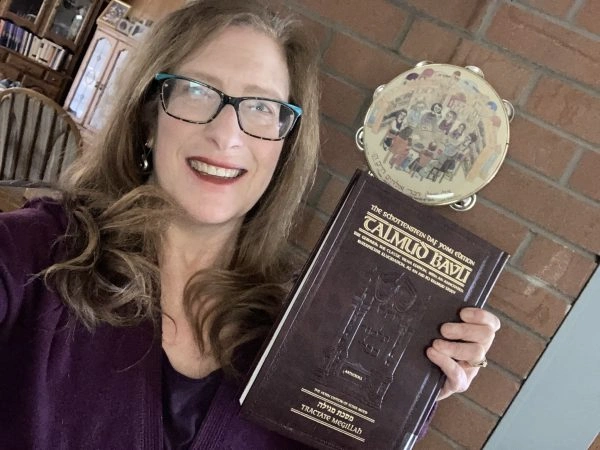
Denver, United States
A few years back, after reading Ilana Kurshan’s book, “If All The Seas Were Ink,” I began pondering the crazy, outlandish idea of beginning the Daf Yomi cycle. Beginning in December, 2019, a month before the previous cycle ended, I “auditioned” 30 different podcasts in 30 days, and ultimately chose to take the plunge with Hadran and Rabbanit Michelle. Such joy!

HUNTINGTON, United States

Oceanside NY, United States
Since I started in January of 2020, Daf Yomi has changed my life. It connects me to Jews all over the world, especially learned women. It makes cooking, gardening, and folding laundry into acts of Torah study. Daf Yomi enables me to participate in a conversation with and about our heritage that has been going on for more than 2000 years.
Skokie, IL, United States
Having never learned Talmud before, I started Daf Yomi in hopes of connecting to the Rabbinic tradition, sharing a daily idea on Instagram (@dafyomiadventures). With Hadran and Sefaria, I slowly gained confidence in my skills and understanding. Now, part of the Pardes Jewish Educators Program, I can’t wait to bring this love of learning with me as I continue to pass it on to my future students.

Pennsylvania, United States
I’ve been learning since January 2020, and in June I started drawing a phrase from each daf. Sometimes it’s easy (e.g. plants), sometimes it’s very hard (e.g. korbanot), and sometimes it’s loads of fun (e.g. bird racing) to find something to draw. I upload my pictures from each masechet to #DafYomiArt. I am enjoying every step of the journey.

Ashdod, Israel
In early January of 2020, I learned about Siyyum HaShas and Daf Yomi via Tablet Magazine’s brief daily podcast about the Daf. I found it compelling and fascinating. Soon I discovered Hadran; since then I have learned the Daf daily with Rabbanit Michelle Cohen Farber. The Daf has permeated my every hour, and has transformed and magnified my place within the Jewish Universe.

San Francisco, CA , United States
Hearing and reading about the siyumim at the completion of the 13 th cycle Daf Yomi asked our shul rabbi about starting the Daf – he directed me to another shiur in town he thought would allow a woman to join, and so I did! Love seeing the sources for the Divrei Torah I’ve been hearing for the past decades of living an observant life and raising 5 children .
Pittsburgh, Pennsylvania, United States
Chullin 5
לָא הֲוָה מְפַלֵּיג נַפְשֵׁיהּ מִינֵּיהּ, מְנָלַן? אִילֵּימָא מִדִּכְתִיב ״כָּמוֹנִי כָמוֹךָ כְּעַמִּי כְעַמֶּךָ״, אֶלָּא מֵעַתָּה ״כְּסוּסַי כְּסוּסֶיךָ״ הָכִי נָמֵי? אֶלָּא מָה דְּהָוֵי אַסּוּסֶיךָ תֶּהֱוֵי אַסּוּסַי, הָכִי נָמֵי מַאי דְּהָוֵי עֲלָךְ וְעִילָּוֵי עַמָּךְ תֶּיהֱוֵי עֲלַי וְעִילָּוֵי עַמִּי.
The Gemara rejects that suggestion: Jehoshaphat would not have separated himself from Ahab to eat and drink by himself, as he relied on him completely. From where do we derive this? If we say that it is derived from that which is written that Jehoshaphat said to Ahab: “I am as you are, my people as your people” (I Kings 22:4), i.e., I am equally reliable, this is difficult, as, if that is so, then when Jehoshaphat said at the conclusion of that verse: “My horses as your horses,” can this also be referring to reliability? Rather, Jehoshaphat’s intention was: That which will befall your horses will befall my horses; so too, that which will befall you and your people will befall me and my people.
אֶלָּא מֵהָכָא: ״וּמֶלֶךְ יִשְׂרָאֵל וִיהוֹשָׁפָט מֶלֶךְ יְהוּדָה יֹשְׁבִים אִישׁ עַל כִּסְאוֹ מְלֻבָּשִׁים בְּגָדִים בְּגֹרֶן פֶּתַח שַׁעַר שֹׁמְרוֹן״. מַאי גּוֹרֶן? אִילֵּימָא גּוֹרֶן מַמָּשׁ, אַטּוּ שַׁעַר שׁוֹמְרוֹן גּוֹרֶן הֲוָה? אֶלָּא כִּי גוֹרֶן, דִּתְנַן: סַנְהֶדְרִין הָיְתָה כַּחֲצִי גוֹרֶן עֲגוּלָּה כְּדֵי שֶׁיְּהוּ רוֹאִין זֶה אֶת זֶה.
Rather, it is derived that Jehoshaphat relied upon Ahab from here: “And the king of Israel and Jehoshaphat, king of Judea, sat each on his throne, arrayed in their robes, in a threshing floor, at the entrance of the gate of Samaria” (I Kings 22:10). The Gemara asks: What is the meaning of the term threshing floor in this context? If we say that it was an actual threshing floor; is that to say that the gate of Samaria was a threshing floor? Typically, the gate of a city was the place of assembly for the city’s judges and elders, not a threshing floor. Rather, they were sitting in a configuration like that of a circular threshing floor, i.e., facing each other in a display of amity, as we learned in a mishna (Sanhedrin 36b): A Sanhedrin was arranged in the same layout as half of a circular threshing floor, so that the judges would see each other. This verse demonstrates that Jehoshaphat deliberated with Ahab and relied on his judgment.
לֵימָא מְסַיַּיע לֵיהּ, ״וְהָעֹרְבִים מְבִיאִים לוֹ לֶחֶם וּבָשָׂר בַּבֹּקֶר וְלֶחֶם וּבָשָׂר בָּעָרֶב״, וְאָמַר רַב יְהוּדָה אָמַר רַב: מִבֵּי טַבָּחֵי דְאַחְאָב. עַל פִּי הַדִּבּוּר שָׁאנֵי.
The Gemara suggests: Let us say that the verse written with regard to Elijah supports the opinion of Rav Anan. The verse states: “And the ravens [orevim] brought him bread and meat in the morning, and bread and meat in the evening” (I Kings 17:6); and Rav Yehuda said that Rav said: They would bring the meat from the slaughterhouse of Ahab. Clearly, Elijah would not have eaten the meat if Ahab’s slaughter was not valid. The Gemara responds: Since he ate the meat according to the word of God, the case of Elijah is different, and no proof may be cited from there.
מַאי עוֹרְבִים? אָמַר רָבִינָא: עוֹרְבִים מַמָּשׁ. אֲמַר לֵיהּ רַב אַדָּא בַּר מִנְיוֹמֵי: וְדִלְמָא תְּרֵי גַבְרֵי דְּהָוֵי שְׁמַיְיהוּ עוֹרְבִים! מִי לָא כְּתִיב: ״וַיַּהַרְגוּ אֶת עוֹרֵב בְּצוּר עוֹרֵב וְאֶת זְאֵב וְגוֹ׳״? אֲמַר לֵיהּ: אִיתְרְמַאי מִילְּתָא דְּתַרְוַיְיהוּ הֲוָה שְׁמַיְיהוּ עוֹרְבִים?
The Gemara asks: What is the meaning of orevim in this context? Ravina said: They were actual ravens. Rav Adda bar Minyumi said to him: And perhaps they were two men whose names were Oreb? Isn’t it written: “And they slew Oreb at the Rock of Oreb, and Zeeb they slew at the winepress of Zeeb” (Judges 7:25), indicating that Oreb is a person’s name? Ravina said to him: Did the matter just so happen that the names of both of the people supplying Elijah with food were Oreb? The improbability of this occurrence indicates that they were actual ravens.
וְדִלְמָא עַל שֵׁם מְקוֹמָן! מִי לָא כְּתִיב: ״וַאֲרָם יָצְאוּ גְדוּדִים וַיִּשְׁבּוּ מֵאֶרֶץ יִשְׂרָאֵל נַעֲרָה קְטַנָּה״, וְקַשְׁיָא לַן: קָרֵי לַהּ ״נַעֲרָה״ וְקָרֵי לַהּ ״קְטַנָּה״, וְאָמַר רַבִּי פְּדָת: קְטַנָּה דְּמִן נְעוֹרָן! אִם כֵּן ״עוֹרְבִיִּים״ מִיבְּעֵי לֵיהּ.
The Gemara suggests: And perhaps they are called orevim after the name of their place of origin. Isn’t it written: “And the Arameans had gone out in bands, and had brought away captive out of the land of Israel a minor young woman [na’ara ketana]” (II Kings 5:2)? And it is difficult for us to understand why the verse calls her a young woman and also calls her a minor, which are two different stages in a girl’s development. And Rabbi Pedat said: She was a minor girl who was from a place called Naaran. Perhaps in the case of Elijah they were two people from a place called Oreb. The Gemara rejects that suggestion: If so, Orebites [oreviyyim] should have been written in the verse.
לֵימָא מְסַיַּיע לֵיהּ: הַכֹּל שׁוֹחֲטִין, וַאֲפִילּוּ כּוּתִי, וַאֲפִילּוּ עָרֵל, וַאֲפִילּוּ יִשְׂרָאֵל מְשׁוּמָּד. הַאי עָרֵל הֵיכִי דָמֵי? אִילֵּימָא שֶׁמֵּתוּ אֶחָיו מֵחֲמַת מִילָּה – הַאי יִשְׂרָאֵל מְעַלְּיָא הוּא! אֶלָּא פְּשִׁיטָא מְשׁוּמָּד לַעֲרֵלוּת.
§ Let us say that the following baraita supports the opinion of Rav Anan, who says that it is permitted to eat from the slaughter of a Jew who is a transgressor with regard to idol worship: Everyone slaughters, and even a Samaritan, and even an uncircumcised man, and even a Jewish transgressor. The Gemara analyzes the baraita: This uncircumcised man, what are the circumstances? If we say that he is an uncircumcised man whose brothers died due to circumcision and the concern is that he might suffer a similar fate, clearly one may eat from what he slaughters, as he is a full-fledged Jew and not a transgressor at all. Rather, it is obvious that he is a transgressor with regard to remaining uncircumcised, as he refuses to be circumcised.
אֵימָא סֵיפָא: וַאֲפִילּוּ יִשְׂרָאֵל מְשׁוּמָּד, הֵיכִי דָמֵי? אִי מְשׁוּמָּד לְדָבָר אֶחָד – הַיְינוּ מְשׁוּמָּד לַעֲרֵלוּת, אֶלָּא לָאו מְשׁוּמָּד לַעֲבוֹדָה זָרָה, וְכִדְרַב עָנָן.
Say the latter clause of the baraita: And even a Jewish transgressor. What are the circumstances? If he is a transgressor with regard to one matter, that is identical to the case of a transgressor with regard to remaining uncircumcised. Rather, is it not that he is a transgressor with regard to idol worship, and it is in accordance with the opinion of Rav Anan?
לָא, לְעוֹלָם אֵימַר לָךְ: מְשׁוּמָּד לַעֲבוֹדָה זָרָה לָא, דְּאָמַר מָר: חֲמוּרָה עֲבוֹדָה זָרָה, שֶׁכׇּל הַכּוֹפֵר בָּהּ כְּמוֹדֶה בְּכׇל הַתּוֹרָה כּוּלָּהּ.
The Gemara rejects that proof: No, actually I will say to you that a transgressor with regard to idol worship may not slaughter, as the Master said: Idol worship is a severe transgression, as with regard to anyone who denies it, it is as though he acknowledges his acceptance of the entire Torah. Conversely, with regard to one who accepts idolatry, it is as though he denies the entire Torah. Therefore, his halakhic status is that of a transgressor with regard to the entire Torah, and his slaughter is not valid.
אֶלָּא מְשׁוּמָּד לְאוֹתוֹ דָּבָר, וְכִדְרָבָא.
Rather, the transgressor in the latter clause of the baraita is a transgressor concerning the same matter of eating unslaughtered carcasses, and it is in accordance with the opinion of Rava, who said that one may rely on the slaughter of a transgressor with regard to eating unslaughtered animal carcasses to satisfy his appetite even ab initio.
מֵיתִיבִי: ״מִכֶּם״ – וְלֹא כּוּלְּכֶם, לְהוֹצִיא אֶת הַמְשׁוּמָּד. ״מִכֶּם״ – בָּכֶם חִלַּקְתִּי וְלֹא בְּאוּמּוֹת. ״מִן הַבְּהֵמָה״ – לְהָבִיא בְּנֵי אָדָם שֶׁדּוֹמִים לִבְהֵמָה. מִכָּאן אָמְרוּ: מְקַבְּלִין קׇרְבְּנוֹת מִפּוֹשְׁעֵי יִשְׂרָאֵל כְּדֵי שֶׁיַּחְזְרוּ בָּהֶן בִּתְשׁוּבָה, חוּץ מִן הַמְשׁוּמָּד, וּמְנַסֵּךְ אֶת הַיַּיִן, וּמְחַלֵּל שַׁבָּתוֹת בְּפַרְהֶסְיָא.
The Gemara raises an objection to the opinion of Rav Anan from that which is taught in a baraita with regard to the verse: “When any man of you brings an offering unto the Lord, from the animal” (Leviticus 1:2). The tanna infers: “Of you,” indicating: But not all of you. This serves to exclude the transgressor, from whom an offering is not accepted. The tanna continues: The term “of you” is also interpreted to mean that I distinguished among you and not among the nations. Therefore, a gentile may bring an offering even if he is an idol worshipper. The expression “from the animal” serves to include people who are similar to an animal in that they do not recognize God. From here, the Sages stated: One accepts offerings from Jewish transgressors so that they will consequently repent, except for the transgressor, one who pours wine as a libation to idolatry, and one who desecrates Shabbat in public [befarhesya].
הָא גוּפָא קַשְׁיָא, אָמְרַתְּ: ״מִכֶּם״ – וְלֹא כּוּלְּכֶם, לְהוֹצִיא אֶת הַמְשׁוּמָּד, וַהֲדַר תָּנֵי: מְקַבְּלִין קׇרְבָּנוֹת מִפּוֹשְׁעֵי יִשְׂרָאֵל!
This baraita itself is difficult. Initially, you said: “Of you,” indicating: But not all of you. This serves to exclude the transgressor, from whom an offering is not accepted. And then the tanna teaches: One accepts offerings from Jewish transgressors.
הָא לָא קַשְׁיָא, רֵישָׁא – מְשׁוּמָּד לְכׇל הַתּוֹרָה כּוּלָּהּ, מְצִיעֲתָא – מְשׁוּמָּד לְדָבָר אֶחָד.
The Gemara answers: This is not difficult. The first clause states that an offering is not accepted from a transgressor with regard to the entire Torah. The middle clause states that one accepts an offering from a transgressor with regard to one matter.
אֵימָא סֵיפָא: חוּץ מִן הַמְשׁוּמָּד וּמְנַסֵּךְ אֶת הַיַּיִן וּמְחַלֵּל שַׁבָּת בְּפַרְהֶסְיָא. הַאי מְשׁוּמָּד הֵיכִי דָמֵי? אִי מְשׁוּמָּד לְכׇל הַתּוֹרָה כּוּלָּהּ – הַיְינוּ רֵישָׁא, וְאִי מְשׁוּמָּד לְדָבָר אֶחָד – קַשְׁיָא מְצִיעֲתָא.
The Gemara challenges: Say the last clause: Except for the transgressor, and one who pours wine as a libation to idolatry, and one who desecrates Shabbat in public. With regard to this transgressor in the last clause, what are the circumstances? If the reference is to a transgressor with regard to the entire Torah, that is identical to the first clause: Of you, and not all of you, to exclude the transgressor. And if the reference is to a transgressor with regard to one matter, the middle clause is difficult, as it is stated there that one accepts an offering from a transgressor with regard to one matter.
אֶלָּא לָאו הָכִי קָאָמַר: חוּץ מִן הַמְשׁוּמָּד לְנַסֵּךְ אֶת הַיַּיִן וּלְחַלֵּל שַׁבָּתוֹת בְּפַרְהֶסְיָא, אַלְמָא מְשׁוּמָּד לַעֲבוֹדָה זָרָה הָוֵה מְשׁוּמָּד לְכׇל הַתּוֹרָה כּוּלָּהּ, וּתְיוּבְתָּא דְּרַב עָנָן, תְּיוּבְתָּא.
Rather, is it not that this is what the mishna is saying in the last clause: Except for the transgressor to pour wine as a libation to idolatry or to desecrate Shabbat in public? Apparently, a transgressor with regard to idol worship is a transgressor with regard to the entire Torah, and this baraita is a refutation of the opinion of Rav Anan. The Gemara concludes: It is indeed a conclusive refutation.
וְהָא מֵהָכָא נָפְקָא? מֵהָתָם נָפְקָא,
The Gemara asks: And is this halakha that one does not accept an offering from a transgressor derived from the verse cited here? It is derived from the verse written there with regard to a sin offering:
״מֵעַם הָאָרֶץ״ – פְּרָט לִמְשׁוּמָּד.
“And if any one of the common people sins unwittingly…and he shall bring his offering” (Leviticus 4:27–28), from which it is inferred in a baraita: “Of the common people,” indicating: But not all of the common people. This serves to exclude a transgressor, from whom a sin offering is not accepted.
רַבִּי שִׁמְעוֹן בֶּן יוֹסֵי אוֹמֵר מִשּׁוּם רַבִּי שִׁמְעוֹן: ״אֲשֶׁר לֹא תֵּעָשֶׂינָה בִּשְׁגָגָה וְאָשֵׁם״, הַשָּׁב מִידִיעָתוֹ – מֵבִיא קׇרְבָּן עַל שִׁגְגָתוֹ, אֵינוֹ שָׁב מִידִיעָתוֹ – אֵינוֹ מֵבִיא קׇרְבָּן עַל שִׁגְגָתוֹ.
Rabbi Shimon ben Yosei says in the name of Rabbi Shimon that the verse states: “And does unwittingly one of the things…that may not be done, and he becomes guilty, or if his sin that he sinned became known to him” (Leviticus 4:22–23). From the words “become known to him” it is inferred: One who repents due to his awareness that he performed a transgression, as had he known that the action is prohibited he would not have performed it, brings an offering for his unwitting transgression in order to achieve atonement. But one who does not repent due to his awareness that he sinned, e.g., a transgressor who would have sinned even had he been aware that the act is prohibited, does not bring an offering for his unwitting action.
וְאָמְרִינַן: מַאי בֵּינַיְיהוּ? וְאָמַר רַב הַמְנוּנָא: מְשׁוּמָּד לֶאֱכוֹל חֵלֶב וְהֵבִיא קׇרְבָּן עַל הַדָּם אִיכָּא בֵּינַיְיהוּ.
And we say: What is the difference between their two opinions? And Rav Hamnuna said: The difference is in the case of a transgressor with regard to eating the forbidden fat of a domesticated animal and he brought an offering for unwittingly consuming blood is the difference between them. According to the first tanna he may not bring an offering, as he is a transgressor. According to Rabbi Shimon, since he repented for unwittingly consuming blood, due to his awareness that he sinned, he brings a sin offering for that unwitting sin. In any event, this baraita apparently contradicts the previously cited baraita with regard to the source for the halakha that one does not accept an offering from a transgressor.
חֲדָא בְּחַטָּאת, וַחֲדָא בְּעוֹלָה, וּצְרִיכִי, דְּאִי אַשְׁמְעִינַן חַטָּאת – מִשּׁוּם דִּלְכַפָּרָה הוּא, אֲבָל עוֹלָה דְּדוֹרוֹן הוּא – אֵימָא לְקַבֵּל מִינֵּיהּ. וְאִי אַשְׁמְעִינַן עוֹלָה – מִשּׁוּם דְּלָאו חִיּוּבָא הוּא, אֲבָל חַטָּאת דְּחִיּוּבָא הוּא – אֵימָא לְקַבֵּל מִינֵּיהּ, צְרִיכָא.
The Gemara answers: One source teaches with regard to the sin offering of a transgressor that it is not accepted, and one source teaches with regard to the burnt offering of a transgressor that it is not accepted. And both sources are necessary, as, if the Torah had taught us this halakha only with regard to a sin offering, one might have thought that it is not accepted due to the fact that it is for atonement, and as a transgressor he is undeserving of atonement, but with regard to a burnt offering, which is merely a gift [dedoron], say that one ought to accept it from him. And if the Torah had taught us this halakha only with regard to a burnt offering, one might have thought that it is not accepted due to the fact that it is not an obligation, but with regard to a sin offering, which is an obligation, say that one ought to accept it from him. Therefore, both sources are necessary.
וְכׇל הֵיכָא דִּכְתִיב בְּהֵמָה, גְּרִיעוּתָא הִיא? וְהָכְתִיב ״אָדָם וּבְהֵמָה תוֹשִׁיעַ ה׳״, וְאָמַר רַב יְהוּדָה אָמַר רַב: אֵלּוּ בְּנֵי אָדָם שֶׁהֵן עֲרוּמִין בְּדַעַת, וּמְשִׂימִין עַצְמָן כִּבְהֵמָה! הָתָם כְּתִיב ״אָדָם וּבְהֵמָה״, הָכָא בְּהֵמָה לְחוּדֵּיהּ כְּתִיב.
§ In the previous baraita the Sages derived from the phrase “from the animal” that people who are similar to an animal are included among those from whom offerings are accepted. The Gemara seeks to understand the meaning of the phrase: Similar to an animal, and asks: And everywhere that the word animal is written and interpreted as referring to a person, does it indicate a deficiency? But isn’t it written: “Man and animal You preserve, Lord” (Psalms 36:7), and Rav Yehuda says that Rav says: These are people who are clever in terms of their intellect, like people, and despite their intelligence they comport themselves humbly and self-effacingly, like an animal. The Gemara answers: There it is written “man and animal.” Here, the word “animal” alone is written.
וְכׇל הֵיכָא דִּכְתִיב ״אָדָם וּבְהֵמָה״ מְעַלְּיוּתָא הִיא? וְהָא כְּתִיב: ״וְזָרַעְתִּי אֶת בֵּית יִשְׂרָאֵל זֶרַע אָדָם וְזֶרַע בְּהֵמָה״! הָתָם, הָא חַלְּקֵיהּ קְרָא, ״זֶרַע אָדָם״ לְחוֹד וְ״זֶרַע בְּהֵמָה״ לְחוֹד.
The Gemara asks: And everywhere that the terms “man” and “animal” are written together, does it indicate a virtue? But isn’t it written: “And I will sow the house of Israel and the house of Judah with the seed of man and with the seed of animal” (Jeremiah 31:26), and the Sages interpreted the phrase “seed of animal” as a reference to ignorant, inferior people. The Gemara answers: There, doesn’t the verse separate man and animal? The seed of man is discrete and the seed of animal is discrete.
(סִימָן: נִקְלָ״ף.)
§ The Gemara revisits the matter of slaughter by a Samaritan and cites a mnemonic for the names of the Sages that follow: Nun, for Ḥanan; kuf, for Ya’akov; lamed, for ben Levi; and peh, for bar Kappara.
אָמַר רַבִּי חָנָן אָמַר רַבִּי יַעֲקֹב בַּר אִידֵּי אָמַר רַבִּי יְהוֹשֻׁעַ בֶּן לֵוִי מִשּׁוּם בַּר קַפָּרָא: רַבָּן גַּמְלִיאֵל וּבֵית דִּינוֹ נִמְנוּ עַל שְׁחִיטַת כּוּתִי וַאֲסָרוּהָ. אֲמַר לֵיהּ רַבִּי זֵירָא לְרַבִּי יַעֲקֹב בַּר אִידִי: שֶׁמָּא לֹא שָׁמַע רַבִּי אֶלָּא בְּשֶׁאֵין יִשְׂרָאֵל עוֹמֵד עַל גַּבָּיו? אֲמַר לֵיהּ: דָּמֵי הַאי מֵרַבָּנַן כִּדְלָא גְּמִירִי אִינָשֵׁי שְׁמַעְתָּא, בְּשֶׁאֵין יִשְׂרָאֵל עוֹמֵד עַל גַּבָּיו לְמֵימְרָא בָּעֵי?
§ Rabbi Ḥanan says that Rabbi Ya’akov bar Idi says that Rabbi Yehoshua ben Levi says in the name of bar Kappara: The opinions of Rabban Gamliel and his court were counted with regard to the status of the slaughter of a Samaritan, and they prohibited it. Rabbi Zeira said to Rabbi Ya’akov bar Idi: Perhaps my teacher heard that halakha only in a case where a Jew is not standing over him. Rabbi Ya’akov bar Idi said to Rabbi Zeira: This one of the Sages seems like one of the people who have not studied halakha. When a Jew is not standing over the Samaritan is it necessary to say that it is prohibited to eat from what he slaughters?
קַבְּלַהּ מִינֵּיהּ אוֹ לָא קַבְּלַהּ מִינֵּיהּ? תָּא שְׁמַע, דְּאָמַר רַב נַחְמָן בַּר יִצְחָק אָמַר רַבִּי אַסִּי: אֲנִי רָאִיתִי אֶת רַבִּי יוֹחָנָן שֶׁאָכַל מִשְּׁחִיטַת כּוּתִי, אַף רַבִּי אַסִּי אָכַל מִשְּׁחִיטַת כּוּתִי. וְתָהֵי בַּהּ רַבִּי זֵירָא: לָא שְׁמִיעָא לְהוּ, דְּאִי הֲוָה שְׁמִיעָא לְהוּ הֲווֹ מְקַבְּלִי לֵהּ, אוֹ דִלְמָא שְׁמִיעַ לְהוּ וְלָא קַבְּלוּהָ?
The Gemara asks: Did Rabbi Zeira accept that response from Rabbi Ya’akov bar Idi or did he not accept it from him? Come and hear a proof to resolve that dilemma from that which Rav Naḥman bar Yitzḥak says that Rabbi Asi says: I saw that Rabbi Yoḥanan ate from the slaughter of a Samaritan. And Rabbi Asi too ate from the slaughter of a Samaritan. And Rabbi Zeira wondered about it, whether perhaps they did not hear the halakha that it is prohibited to eat from the slaughter of a Samaritan but had they heard it they would have accepted it, or perhaps they heard the halakha but did not accept it.
הֲדַר פָּשֵׁיט לְנַפְשֵׁיהּ: מִסְתַּבְּרָא דִּשְׁמִיעַ לְהוּ וְלָא קַבְּלוּהָ, דְּאִי סָלְקָא דַעְתָּךְ לָא שְׁמִיעַ לְהוּ, וְאִי הֲוָה שְׁמִיעַ לְהוּ הֲווֹ מְקַבְּלִי לֵהּ, הֵיכִי מִסְתַּיְּיעָא מִילְּתָא לְמֵיכַל אִיסּוּרָא? הַשְׁתָּא בְּהֶמְתָּן שֶׁל צַדִּיקִים אֵין הַקָּדוֹשׁ בָּרוּךְ הוּא מֵבִיא תַּקָּלָה עַל יָדָן, צַדִּיקִים עַצְמָן לֹא כׇּל שֶׁכֵּן!
Rabbi Zeira then resolved the matter for himself. It stands to reason that they heard it and did not accept it. As, if it enters your mind that they did not hear it, but that had they heard it they would have accepted it, how did the matter eventuate, leading these Sages to eat forbidden food? Now consider: If even through the animals of the righteous, the Holy One, Blessed be He, does not generate mishaps, then is it not all the more so true that the righteous themselves would not experience mishaps?

