








If one has meat and he didn’t watch it, it’s possible a raven came and swapped it with another piece of non kosher meat. However one can rely on saying he/she recognizes that it was the same piece or by identifiable features (simanim). In what situations do we trust one who claims to recognize something more than one who uses simanim to identify? In what areas of halacha do we not allow one to claim he/she recognizes it? Does one need to remove the entire nerve or just the part near the “spoon of the thigh”? Does one need to eat an olive bulk in order to receive lashes? If the nerve was cooked with the thigh, it forbids the thigh if the flavor permeated. How does one assess? What if the scitic nerve was cooked with other permitted nerves?
Chullin 96

March 03, 2019 | כ״ו באדר א׳ תשע״ט
Share this shiur:
Want to dedicate learning? Get started here:
Chullin 96
וְלָא מַהְדְּרִינַן בִּטְבִיעוּת עֵינָא. הַשְׁתָּא דִּשְׁמַעְתִּינְהוּ לְהָנֵי שְׁמַעְתָּתָא, אָמֵינָא: טְבִיעוּת עֵינָא עֲדִיפָא.
but we do not return a lost item to one who claims to be its owner based solely on visual recognition. But now that I have heard these statements pertaining to meat or sky-blue wool that were obscured from sight and then permitted based upon visual recognition, I say that visual recognition is preferable to a distinguishing mark.
דְּאִי לָא תֵּימָא הָכִי, הֵיאַךְ סוֹמֵא מוּתָּר בְּאִשְׁתּוֹ, וּבְנֵי אָדָם אֵיךְ מוּתָּרִין בִּנְשׁוֹתֵיהֶן בַּלַּיְלָה? אֶלָּא בִּטְבִיעוּת עֵינָא דְּקָלָא, הָכָא נָמֵי בִּטְבִיעוּת עֵינָא.
Furthermore, one must hold that sensory recognition is reliable even without identifying marks, for if you do not say so, how is it that a blind man permitted to engage in sexual intercourse with his wife despite the fact that he cannot identify her by means of her identifying marks? And similarly, how are any men permitted to engage in intercourse with their wives at night, when it is dark and they cannot see their wives’ identifying marks? Rather, one must say that they identify their wives based on voice recognition. Here too, in these cases of lost meat and sky-blue wool, they remain permitted based on visual recognition.
אָמַר רַב יִצְחָק בְּרֵיהּ דְּרַב מְשַׁרְשְׁיָא: תֵּדַע, דְּאִילּוּ אָתוּ בִּתְרֵי וְאָמְרִי: פְּלָנְיָא, דְּהַאי סִימָנֵיהּ וְהַאי סִימָנֵיהּ, קְטַל נַפְשָׁא – לָא קָטְלִינַן לֵיהּ, וְאִילּוּ אָמְרִי: אִית לַן טְבִיעוּת עֵינָא בְּגַוֵּיהּ – קָטְלִינַן לֵיהּ.
Rav Yitzḥak, son of Rav Mesharshiyya, said: You can know that visual recognition is preferable to a distinguishing mark, because if two witnesses come to court and say: So-and-so, who has this distinguishing mark and that distinguishing mark, killed a person, we would not kill him based on this testimony. But if the two witnesses say: We have visual recognition of him, and they confirm that the accused individual committed murder, we kill him based on their testimony.
אָמַר רַב אָשֵׁי: תֵּדַע, דְּאִילּוּ אָמַר לֵיהּ אִינִישׁ לִשְׁלוּחֵיהּ: קַרְיֵיהּ לִפְלָנְיָא, דְּהַאי סִימָנֵיהּ וְהַאי סִימָנֵיהּ – סָפֵק יָדַע לֵיהּ, סָפֵק לָא יָדַע לֵיהּ, וְאִילּוּ אִית לֵיהּ טְבִיעוּת עֵינָא בְּגַוֵּיהּ – כִּי חָזֵי לֵיהּ, יָדַע לֵיהּ.
Rav Ashi said: You can know that visual recognition is preferable to a distinguishing mark, because if a man says to his agent: Call so-and-so, who has this distinguishing mark and that distinguishing mark, it is uncertain whether the agent will recognize him and know whom to call or whether he will not know him. But if he has visual recognition of him, when he sees him he will know it is him.
מַתְנִי׳ הַנּוֹטֵל גִּיד הַנָּשֶׁה, צָרִיךְ שֶׁיִּטּוֹל אֶת כּוּלּוֹ. רַבִּי יְהוּדָה אוֹמֵר: כְּדֵי לְקַיֵּים בּוֹ מִצְוַת נְטִילָה.
MISHNA: One who removes the sciatic nerve must scrape away the flesh in the area surrounding the nerve to ensure that he will remove all of it. Rabbi Yehuda says: Scraping is not required; it is sufficient to excise it from the area above the rounded protrusion in order to thereby fulfill the mitzva of removal of the sciatic nerve.
הָאוֹכֵל מִגִּיד הַנָּשֶׁה כְּזַיִת – סוֹפֵג אַרְבָּעִים. אֲכָלוֹ וְאֵין בּוֹ כְּזַיִת – חַיָּיב. אָכַל מִזֶּה כְּזַיִת וּמִזֶּה כְּזַיִת – סוֹפֵג שְׁמוֹנִים. רַבִּי יְהוּדָה אוֹמֵר: אֵינוֹ סוֹפֵג אֶלָּא אַרְבָּעִים.
One who eats an olive-bulk of the sciatic nerve incurs forty lashes. If one eats an entire sciatic nerve and it does not constitute an olive-bulk, he is nevertheless liable to receive lashes, because a complete sciatic nerve is a complete entity. If one ate an olive-bulk from this sciatic nerve in the right leg, and an olive-bulk from that sciatic nerve in the left leg, he incurs [sofeg] eighty lashes. Rabbi Yehuda says: He incurs only forty lashes, for eating the olive-bulk from the right leg, and he is exempt for eating the olive-bulk from the left leg.
גְּמָ׳ בַּר פָּיוֹלֵי הֲוָה קָאֵי קַמֵּיהּ דִּשְׁמוּאֵל, וְקָא מְנַקַּר אַטְמָא. הֲוָה קָא גָאֵים לֵיהּ, אֲמַר לֵיהּ: חוֹת בֵּיהּ טְפֵי, הַשְׁתָּא לָא חֲזֵיתָךְ – סְפֵית לִי אִיסּוּרָא!
GEMARA: A man known as bar Peyoli was standing before Shmuel and was removing the sciatic nerve from the leg of an animal. He was cutting out the nerve without scraping away the surrounding flesh, in accordance with the opinion of Rabbi Yehuda. Shmuel said to him: Go down further and scrape away the flesh in order to remove the entire nerve. Now, if I would not have seen you and instructed you in the process of removing the sciatic nerve, you would have fed me forbidden meat.
אִירְתַת, נְפַל סַכִּינָא מִידֵיהּ. אֲמַר לֵיהּ: לָא תִּירְתַת, דְּאוֹרִי לָךְ כְּרַבִּי יְהוּדָה אוֹרִי לָךְ.
Bar Peyoli became afraid due to Shmuel’s rebuke and the knife fell from his hand. Shmuel said to him: Do not be afraid. I do not think that you are an ignoramus or a wicked person. You are removing the sciatic nerve as you were taught; the person who taught you must hold in accordance with the opinion of Rabbi Yehuda, and this is how he taught you to remove the sciatic nerve. But I hold that the entire sciatic nerve must be removed, in accordance with the opinion of the first tanna.
אָמַר רַב שֵׁשֶׁת: מַאי דִּשְׁקַל בַּר פָּיוֹלֵי – דְּאוֹרָיְיתָא, לְרַבִּי יְהוּדָה. מִכְּלָל דְּשַׁיַּיר – דְּרַבָּנַן, לְרַבִּי יְהוּדָה. אֶלָּא, דְּאוֹרִי לֵיהּ כְּמַאן אוֹרִי לֵיהּ?
Rav Sheshet said in explanation of this incident: That which bar Peyoli removed was the section of the sciatic nerve one is required to remove by Torah law according to the opinion of Rabbi Yehuda. The Gemara asks: Based upon this statement, one can derive by inference that he left behind the section of the sciatic nerve one is required to remove by rabbinic law according to the opinion of Rabbi Yehuda. But if so, in accordance with whose opinion did the person who taught him how to remove the sciatic nerve teach him? Even according to Rabbi Yehuda he would have transgressed a rabbinic prohibition.
אֶלָּא אָמַר רַב שֵׁשֶׁת: מַאי דִּשְׁקַל בַּר פָּיוֹלֵי – דְּאוֹרָיְיתָא, וּמַאי דְּשַׁיַּיר – דְּרַבָּנַן, לְרַבִּי מֵאִיר; דְּאִי רַבִּי יְהוּדָה – אֲפִילּוּ מִדְּרַבָּנַן שְׁרֵי.
Rather, Rav Sheshet said: That which bar Peyoli removed was the section of the sciatic nerve that is forbidden by Torah law. And that which he left over is forbidden by rabbinic law according to the opinion of Rabbi Meir, as explained above (92b) in a baraita; as if one were to follow the opinion of Rabbi Yehuda, the section that bar Peyoli left over is permitted even by rabbinic law.
הָאוֹכֵל מִגִּיד הַנָּשֶׁה [וְכוּ׳]. אָמַר שְׁמוּאֵל: לֹא אָסְרָה תּוֹרָה אֶלָּא שֶׁעַל הַכַּף בִּלְבַד, שֶׁנֶּאֱמַר: ״עַל כַּף הַיָּרֵךְ״.
§ The mishna teaches: One who eats an olive-bulk of the sciatic nerve incurs forty lashes. Shmuel says: The Torah prohibits only the part of the sciatic nerve that is on the rounded protrusion of flesh shaped like a spoon that is near the end of the femur. This is as it is stated in the verse: “Therefore the children of Israel eat not the sciatic nerve that is upon the spoon of the thigh” (Genesis 32:33).
אָמַר רַב פָּפָּא: כְּתַנָּאֵי, אֲכָלוֹ וְאֵין בּוֹ כְּזַיִת – חַיָּיב. רַבִּי יְהוּדָה אוֹמֵר: עַד שֶׁיְּהֵא בּוֹ כְּזַיִת.
Rav Pappa says: This statement of Shmuel is subject to a dispute between tanna’im, as it is taught in a baraita: If one ate the entire sciatic nerve and it did not contain an olive-bulk, he is nevertheless liable to be flogged. Rabbi Yehuda says: He is not liable unless it has a volume of at least an olive-bulk.
מַאי טַעְמָא דְּרַבָּנַן? בְּרִיָּה (בִּפְנֵי עַצְמָהּ) הִיא.
Rav Pappa explains how this relates to Shmuel’s statement. What is the reason for the opinion of the Rabbis, who disagree with Rabbi Yehuda? They hold that the sciatic nerve is a distinct entity. Therefore, even if one eats less than an olive-bulk it is a significant act of eating, and one is liable.
וְרַבִּי יְהוּדָה – אֲכִילָה כְּתִיבָה בֵּיהּ, וְרַבָּנַן – הַהִיא אֲכִילָה דְּכִי אִית בֵּיהּ אַרְבָּעָה וַחֲמִשָּׁה זֵיתִים וַאֲכַל חַד כְּזַיִת מִיחַיַּיב.
And what does Rabbi Yehuda hold? He holds that since the term: Eating, is written with regard to the sciatic nerve, and a significant act of eating is generally defined as eating an olive-bulk, one is liable only if he eats an olive-bulk. And what do the Rabbis derive from this term? That usage of the term eating indicates that in a case where the sciatic nerve contains four or five olive-bulks and one ate only one olive-bulk, he is liable. Nevertheless, if one eats the entire sciatic nerve, he is liable even if it contains less than an olive-bulk.
וְרַבִּי יְהוּדָה, מֵ״אֲשֶׁר עַל כַּף הַיָּרֵךְ״ נָפְקָא.
And according to Rabbi Yehuda, from where is it derived that one is liable for eating one olive-bulk of a larger sciatic nerve? He holds that it is derived from the phrase “that is upon the spoon of the thigh,” which indicates that even if one eats only the part of the sciatic nerve that is upon the spoon of the thigh, rather than the entire sciatic nerve, he is liable.
וְרַבָּנַן, הַהוּא מִיבְּעֵי לֵיהּ לִכְדִשְׁמוּאֵל, דְּאָמַר שְׁמוּאֵל: לֹא אָסְרָה תּוֹרָה אֶלָּא שֶׁעַל כַּף הַיָּרֵךְ. וְרַבִּי יְהוּדָה – ״הַיָּרֵךְ״ כְּתִיב, דְּכוּלַּהּ יָרֵךְ.
And how do the Rabbis interpret that phrase? That phrase is necessary to teach the halakha stated by Shmuel, as Shmuel said: The Torah prohibits only the part of the sciatic nerve that is on the rounded protrusion of flesh shaped like a spoon. And what does Rabbi Yehuda hold with regard to the halakha stated by Shmuel? He derives from the fact that it is written: “The spoon of the thigh,” that the sciatic nerve of the entire thigh is forbidden, not just the part that is on the rounded protrusion of flesh shaped like a spoon.
וְרַבָּנַן, הַהוּא דְּפָשֵׁיט אִיסּוּרֵיהּ בְּכוּלַּיהּ יָרֵךְ, לְאַפּוֹקֵי חִיצוֹן דְּלָא, וּלְעוֹלָם שֶׁעַל הַכַּף.
And how do the Rabbis interpret “the spoon of the thigh”? According to the Rabbis, this expression indicates that the prohibition of the sciatic nerve applies to the nerve that extends throughout the entire thigh, i.e., the inner nerve, which serves to exclude the outer nerve, which is not forbidden by Torah law; but in fact, only the part of the inner nerve that is on the protrusion of flesh shaped like a spoon is forbidden, not the entire inner nerve.
וְהַאי ״כַּף״ מִיבְּעֵי לֵיהּ לְמַעוֹטֵי עוֹף, דְּלֵית לֵיהּ כַּף! תְּרֵי ״כַּף״ כְּתִיבִי.
The Gemara objects: But this term “spoon” is required to exclude the sciatic nerve of a bird, which does not have a rounded protrusion on its thigh bone that can be described as the spoon of the thigh, as taught in the mishna (89b). The Gemara explains: There are two usages of the term “spoon” written in the verse, and therefore two separate halakhot can be derived from this term.
מַתְנִי׳ יָרֵךְ שֶׁנִּתְבַּשֵּׁל בָּהּ גִּיד הַנָּשֶׁה, אִם יֵשׁ בָּהּ בְּנוֹתֵן טַעַם – הֲרֵי זוֹ אֲסוּרָה. כֵּיצַד מְשַׁעֲרִין אוֹתָהּ? כְּבָשָׂר בְּלֶפֶת.
MISHNA: In the case of a thigh that was cooked with the sciatic nerve in it, if there is enough of the sciatic nerve in it to impart its flavor to the thigh, the entire thigh is forbidden for consumption. How does one measure whether there is enough sciatic nerve to impart flavor to the meat of the entire thigh? One relates to it as though the sciatic nerve were meat imparting flavor to a turnip. If meat the volume of the sciatic nerve would impart flavor to a turnip the volume of the thigh when they were cooked together, then the entire thigh is forbidden.
גִּיד הַנָּשֶׁה שֶׁנִּתְבַּשֵּׁל עִם הַגִּידִים, בִּזְמַן שֶׁמַּכִּירוֹ – בְּנוֹתֵן טַעַם, וְאִם לָאו – כּוּלָּן אֲסוּרִין, וְהָרוֹטֶב בְּנוֹתֵן טַעַם.
With regard to a sciatic nerve that was cooked with other sinews, when one identifies the sciatic nerve and removes it, the other sinews are forbidden if the sciatic nerve was large enough to impart flavor. And if he does not identify it, all the sinews are forbidden because each one could be the sciatic nerve; but the broth is forbidden only if the sciatic nerve imparts flavor to the broth.
וְכֵן חֲתִיכָה שֶׁל נְבֵלָה, וְכֵן חֲתִיכָה שֶׁל דָּג טָמֵא שֶׁנִּתְבַּשְּׁלָה עִם הַחֲתִיכוֹת, בִּזְמַן שֶׁמַּכִּירָן – בְּנוֹתֵן טַעַם, וְאִם לָאו – כּוּלָּן אֲסוּרוֹת, וְהָרוֹטֶב בְּנוֹתֵן טַעַם.
And similarly, in the case of a piece of an animal carcass or a piece of non-kosher fish that was cooked with similar pieces of kosher meat or fish, when one identifies the forbidden piece and removes it, the rest of the meat or fish is forbidden only if the forbidden piece was large enough to impart flavor to the entire mixture. And if he does not identify and remove the forbidden piece, all the pieces are forbidden, due to the possibility that each piece one selects might be the forbidden piece; but the broth is forbidden only if the forbidden piece imparts flavor to the broth.
גְּמָ׳ אָמַר שְׁמוּאֵל: לֹא שָׁנוּ אֶלָּא שֶׁנִּתְבַּשֵּׁל בָּהּ, אֲבָל נִצְלָה בָּהּ – קוֹלֵף וְאוֹכֵל עַד שֶׁמַּגִּיעַ לַגִּיד.
GEMARA: The mishna teaches that a thigh that was cooked with the sciatic nerve is forbidden if the nerve imparts flavor to the thigh. Shmuel says: The Sages taught that the thigh is entirely forbidden only when it was cooked with the sciatic nerve inside it. But if the sciatic nerve was roasted inside the thigh, one may peel away the meat and eat it until he reaches the sciatic nerve, and then he removes the nerve.
אִינִי? וְהָאָמַר רַב הוּנָא: גְּדִי שֶׁצְּלָאוֹ בְּחֶלְבּוֹ – אָסוּר לֶאֱכוֹל אֲפִילּוּ מֵרֹאשׁ אׇזְנוֹ!
The Gemara challenges: Is that so? But doesn’t Rav Huna say: With regard to a kid that was roasted with its forbidden fat, it is prohibited to eat any part of the animal, even from the top of its ear? This proves that roasting, like cooking, spreads the flavor of the forbidden fat throughout the entire animal.
Follow 
New to Talmud?
Check out our resources designed to help you navigate a page of Talmud – and study at the pace, level and style that fits you.
The Hadran Women’s Tapestry
Meet the diverse women learning Gemara at Hadran and hear their stories.
The first month I learned Daf Yomi by myself in secret, because I wasn’t sure how my husband would react, but after the siyyum on Masechet Brachot I discovered Hadran and now sometimes my husband listens to the daf with me. He and I also learn mishnayot together and are constantly finding connections between the different masechtot.
Laura Warshawsky
Silver Spring, Maryland, United States
I start learning Daf Yomi in January 2020. The daily learning with Rabbanit Michelle has kept me grounded in this very uncertain time. Despite everything going on – the Pandemic, my personal life, climate change, war, etc… I know I can count on Hadran’s podcast to bring a smile to my face.

Deb Engel
Los Angeles, United States
I started learning at the beginning of the cycle after a friend persuaded me that it would be right up my alley. I was lucky enough to learn at Rabbanit Michelle’s house before it started on zoom and it was quickly part of my daily routine. I find it so important to see for myself where halachot were derived, where stories were told and to get more insight into how the Rabbis interacted.

Deborah Dickson
Ra’anana, Israel
Attending the Siyyum in Jerusalem 26 months ago inspired me to become part of this community of learners. So many aspects of Jewish life have been illuminated by what we have learned in Seder Moed. My day is not complete without daf Yomi. I am so grateful to Rabbanit Michelle and the Hadran Community.
Nancy Kolodny
Newton, United States
Geri Goldstein got me started learning daf yomi when I was in Israel 2 years ago. It’s been a challenge and I’ve learned a lot though I’m sure I miss a lot. I quilt as I listen and I want to share what I’ve been working on.

Rebecca Stulberg
Ottawa, Canada
With Rabbanit Dr. Naomi Cohen in the Women’s Talmud class, over 30 years ago. It was a “known” class and it was accepted, because of who taught. Since then I have also studied with Avigail Gross-Gelman and Dr. Gabriel Hazut for about a year). Years ago, in a shiur in my shul, I did know about Persians doing 3 things with their clothes on. They opened the shiur to woman after that!

Sharon Mink
Haifa, Israel
After being so inspired by the siyum shas two years ago, I began tentatively learning daf yomi, like Rabbanut Michelle kept saying – taking one daf at a time. I’m still taking it one daf at a time, one masechet at a time, but I’m loving it and am still so inspired by Rabbanit Michelle and the Hadran community, and yes – I am proud to be finishing Seder Mo’ed.

Caroline Graham-Ofstein
Bet Shemesh, Israel
As Jewish educator and as a woman, I’m mindful that Talmud has been kept from women for many centuries. Now that we are privileged to learn, and learning is so accessible, it’s my intent to complete Daf Yomi. I am so excited to keep learning with my Hadran community.
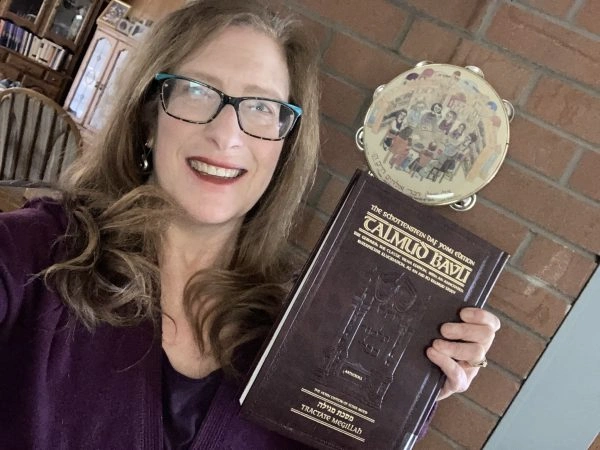
Sue Parker Gerson
Denver, United States
A few years back, after reading Ilana Kurshan’s book, “If All The Seas Were Ink,” I began pondering the crazy, outlandish idea of beginning the Daf Yomi cycle. Beginning in December, 2019, a month before the previous cycle ended, I “auditioned” 30 different podcasts in 30 days, and ultimately chose to take the plunge with Hadran and Rabbanit Michelle. Such joy!

Cindy Dolgin
HUNTINGTON, United States
Studying has changed my life view on הלכה and יהדות and time. It has taught me bonudaries of the human nature and honesty of our sages in their discourse to try and build a nation of caring people .

Goldie Gilad
Kfar Saba, Israel
Retirement and Covid converged to provide me with the opportunity to commit to daily Talmud study in October 2020. I dove into the middle of Eruvin and continued to navigate Seder Moed, with Rabannit Michelle as my guide. I have developed more confidence in my learning as I completed each masechet and look forward to completing the Daf Yomi cycle so that I can begin again!

Rhona Fink
San Diego, United States
I attended the Siyum so that I could tell my granddaughter that I had been there. Then I decided to listen on Spotify and after the siyum of Brachot, Covid and zoom began. It gave structure to my day. I learn with people from all over the world who are now my friends – yet most of us have never met. I can’t imagine life without it. Thank you Rabbanit Michelle.
Emma Rinberg
Raanana, Israel
I began my journey with Rabbanit Michelle more than five years ago. My friend came up with a great idea for about 15 of us to learn the daf and one of us would summarize weekly what we learned.
It was fun but after 2-3 months people began to leave. I have continued. Since the cycle began Again I have joined the Teaneck women.. I find it most rewarding in so many ways. Thank you
Dena Heller
New Jersey, United States
At almost 70 I am just beginning my journey with Talmud and Hadran. I began not late, but right when I was called to learn. It is never too late to begin! The understanding patience of staff and participants with more experience and knowledge has been fabulous. The joy of learning never stops and for me. It is a new life, a new light, a new depth of love of The Holy One, Blessed be He.

Deborah Hoffman-Wade
Richmond, CA, United States
I saw an elderly man at the shul kiddush in early March 2020, celebrating the siyyum of masechet brachot which he had been learning with a young yeshiva student. I thought, if he can do it, I can do it! I began to learn masechet Shabbat the next day, Making up masechet brachot myself, which I had missed. I haven’t missed a day since, thanks to the ease of listening to Hadran’s podcast!
Judith Shapiro
Minnesota, United States
Ive been learning Gmara since 5th grade and always loved it. Have always wanted to do Daf Yomi and now with Michelle Farber’s online classes it made it much easier to do! Really enjoying the experience thank you!!

Lisa Lawrence
Neve Daniel, Israel
Michelle has been an inspiration for years, but I only really started this cycle after the moving and uplifting siyum in Jerusalem. It’s been an wonderful to learn and relearn the tenets of our religion and to understand how the extraordinary efforts of a band of people to preserve Judaism after the fall of the beit hamikdash is still bearing fruits today. I’m proud to be part of the chain!
Judith Weil
Raanana, Israel
As Jewish educator and as a woman, I’m mindful that Talmud has been kept from women for many centuries. Now that we are privileged to learn, and learning is so accessible, it’s my intent to complete Daf Yomi. I am so excited to keep learning with my Hadran community.
Sue Parker Gerson
Denver, United States
When the new cycle began, I thought, If not now, when? I’d just turned 72. I feel like a tourist on a tour bus passing astonishing scenery each day. Rabbanit Michelle is my beloved tour guide. When the cycle ends, I’ll be 80. I pray that I’ll have strength and mind to continue the journey to glimpse a little more. My grandchildren think having a daf-learning savta is cool!

Wendy Dickstein
Jerusalem, Israel
My curiosity was peaked after seeing posts about the end of the last cycle. I am always looking for opportunities to increase my Jewish literacy & I am someone that is drawn to habit and consistency. Dinnertime includes a “Guess what I learned on the daf” segment for my husband and 18 year old twins. I also love the feelings of connection with my colleagues who are also learning.

Diana Bloom
Tampa, United States
Chullin 96
וְלָא מַהְדְּרִינַן בִּטְבִיעוּת עֵינָא. הַשְׁתָּא דִּשְׁמַעְתִּינְהוּ לְהָנֵי שְׁמַעְתָּתָא, אָמֵינָא: טְבִיעוּת עֵינָא עֲדִיפָא.
but we do not return a lost item to one who claims to be its owner based solely on visual recognition. But now that I have heard these statements pertaining to meat or sky-blue wool that were obscured from sight and then permitted based upon visual recognition, I say that visual recognition is preferable to a distinguishing mark.
דְּאִי לָא תֵּימָא הָכִי, הֵיאַךְ סוֹמֵא מוּתָּר בְּאִשְׁתּוֹ, וּבְנֵי אָדָם אֵיךְ מוּתָּרִין בִּנְשׁוֹתֵיהֶן בַּלַּיְלָה? אֶלָּא בִּטְבִיעוּת עֵינָא דְּקָלָא, הָכָא נָמֵי בִּטְבִיעוּת עֵינָא.
Furthermore, one must hold that sensory recognition is reliable even without identifying marks, for if you do not say so, how is it that a blind man permitted to engage in sexual intercourse with his wife despite the fact that he cannot identify her by means of her identifying marks? And similarly, how are any men permitted to engage in intercourse with their wives at night, when it is dark and they cannot see their wives’ identifying marks? Rather, one must say that they identify their wives based on voice recognition. Here too, in these cases of lost meat and sky-blue wool, they remain permitted based on visual recognition.
אָמַר רַב יִצְחָק בְּרֵיהּ דְּרַב מְשַׁרְשְׁיָא: תֵּדַע, דְּאִילּוּ אָתוּ בִּתְרֵי וְאָמְרִי: פְּלָנְיָא, דְּהַאי סִימָנֵיהּ וְהַאי סִימָנֵיהּ, קְטַל נַפְשָׁא – לָא קָטְלִינַן לֵיהּ, וְאִילּוּ אָמְרִי: אִית לַן טְבִיעוּת עֵינָא בְּגַוֵּיהּ – קָטְלִינַן לֵיהּ.
Rav Yitzḥak, son of Rav Mesharshiyya, said: You can know that visual recognition is preferable to a distinguishing mark, because if two witnesses come to court and say: So-and-so, who has this distinguishing mark and that distinguishing mark, killed a person, we would not kill him based on this testimony. But if the two witnesses say: We have visual recognition of him, and they confirm that the accused individual committed murder, we kill him based on their testimony.
אָמַר רַב אָשֵׁי: תֵּדַע, דְּאִילּוּ אָמַר לֵיהּ אִינִישׁ לִשְׁלוּחֵיהּ: קַרְיֵיהּ לִפְלָנְיָא, דְּהַאי סִימָנֵיהּ וְהַאי סִימָנֵיהּ – סָפֵק יָדַע לֵיהּ, סָפֵק לָא יָדַע לֵיהּ, וְאִילּוּ אִית לֵיהּ טְבִיעוּת עֵינָא בְּגַוֵּיהּ – כִּי חָזֵי לֵיהּ, יָדַע לֵיהּ.
Rav Ashi said: You can know that visual recognition is preferable to a distinguishing mark, because if a man says to his agent: Call so-and-so, who has this distinguishing mark and that distinguishing mark, it is uncertain whether the agent will recognize him and know whom to call or whether he will not know him. But if he has visual recognition of him, when he sees him he will know it is him.
מַתְנִי׳ הַנּוֹטֵל גִּיד הַנָּשֶׁה, צָרִיךְ שֶׁיִּטּוֹל אֶת כּוּלּוֹ. רַבִּי יְהוּדָה אוֹמֵר: כְּדֵי לְקַיֵּים בּוֹ מִצְוַת נְטִילָה.
MISHNA: One who removes the sciatic nerve must scrape away the flesh in the area surrounding the nerve to ensure that he will remove all of it. Rabbi Yehuda says: Scraping is not required; it is sufficient to excise it from the area above the rounded protrusion in order to thereby fulfill the mitzva of removal of the sciatic nerve.
הָאוֹכֵל מִגִּיד הַנָּשֶׁה כְּזַיִת – סוֹפֵג אַרְבָּעִים. אֲכָלוֹ וְאֵין בּוֹ כְּזַיִת – חַיָּיב. אָכַל מִזֶּה כְּזַיִת וּמִזֶּה כְּזַיִת – סוֹפֵג שְׁמוֹנִים. רַבִּי יְהוּדָה אוֹמֵר: אֵינוֹ סוֹפֵג אֶלָּא אַרְבָּעִים.
One who eats an olive-bulk of the sciatic nerve incurs forty lashes. If one eats an entire sciatic nerve and it does not constitute an olive-bulk, he is nevertheless liable to receive lashes, because a complete sciatic nerve is a complete entity. If one ate an olive-bulk from this sciatic nerve in the right leg, and an olive-bulk from that sciatic nerve in the left leg, he incurs [sofeg] eighty lashes. Rabbi Yehuda says: He incurs only forty lashes, for eating the olive-bulk from the right leg, and he is exempt for eating the olive-bulk from the left leg.
גְּמָ׳ בַּר פָּיוֹלֵי הֲוָה קָאֵי קַמֵּיהּ דִּשְׁמוּאֵל, וְקָא מְנַקַּר אַטְמָא. הֲוָה קָא גָאֵים לֵיהּ, אֲמַר לֵיהּ: חוֹת בֵּיהּ טְפֵי, הַשְׁתָּא לָא חֲזֵיתָךְ – סְפֵית לִי אִיסּוּרָא!
GEMARA: A man known as bar Peyoli was standing before Shmuel and was removing the sciatic nerve from the leg of an animal. He was cutting out the nerve without scraping away the surrounding flesh, in accordance with the opinion of Rabbi Yehuda. Shmuel said to him: Go down further and scrape away the flesh in order to remove the entire nerve. Now, if I would not have seen you and instructed you in the process of removing the sciatic nerve, you would have fed me forbidden meat.
אִירְתַת, נְפַל סַכִּינָא מִידֵיהּ. אֲמַר לֵיהּ: לָא תִּירְתַת, דְּאוֹרִי לָךְ כְּרַבִּי יְהוּדָה אוֹרִי לָךְ.
Bar Peyoli became afraid due to Shmuel’s rebuke and the knife fell from his hand. Shmuel said to him: Do not be afraid. I do not think that you are an ignoramus or a wicked person. You are removing the sciatic nerve as you were taught; the person who taught you must hold in accordance with the opinion of Rabbi Yehuda, and this is how he taught you to remove the sciatic nerve. But I hold that the entire sciatic nerve must be removed, in accordance with the opinion of the first tanna.
אָמַר רַב שֵׁשֶׁת: מַאי דִּשְׁקַל בַּר פָּיוֹלֵי – דְּאוֹרָיְיתָא, לְרַבִּי יְהוּדָה. מִכְּלָל דְּשַׁיַּיר – דְּרַבָּנַן, לְרַבִּי יְהוּדָה. אֶלָּא, דְּאוֹרִי לֵיהּ כְּמַאן אוֹרִי לֵיהּ?
Rav Sheshet said in explanation of this incident: That which bar Peyoli removed was the section of the sciatic nerve one is required to remove by Torah law according to the opinion of Rabbi Yehuda. The Gemara asks: Based upon this statement, one can derive by inference that he left behind the section of the sciatic nerve one is required to remove by rabbinic law according to the opinion of Rabbi Yehuda. But if so, in accordance with whose opinion did the person who taught him how to remove the sciatic nerve teach him? Even according to Rabbi Yehuda he would have transgressed a rabbinic prohibition.
אֶלָּא אָמַר רַב שֵׁשֶׁת: מַאי דִּשְׁקַל בַּר פָּיוֹלֵי – דְּאוֹרָיְיתָא, וּמַאי דְּשַׁיַּיר – דְּרַבָּנַן, לְרַבִּי מֵאִיר; דְּאִי רַבִּי יְהוּדָה – אֲפִילּוּ מִדְּרַבָּנַן שְׁרֵי.
Rather, Rav Sheshet said: That which bar Peyoli removed was the section of the sciatic nerve that is forbidden by Torah law. And that which he left over is forbidden by rabbinic law according to the opinion of Rabbi Meir, as explained above (92b) in a baraita; as if one were to follow the opinion of Rabbi Yehuda, the section that bar Peyoli left over is permitted even by rabbinic law.
הָאוֹכֵל מִגִּיד הַנָּשֶׁה [וְכוּ׳]. אָמַר שְׁמוּאֵל: לֹא אָסְרָה תּוֹרָה אֶלָּא שֶׁעַל הַכַּף בִּלְבַד, שֶׁנֶּאֱמַר: ״עַל כַּף הַיָּרֵךְ״.
§ The mishna teaches: One who eats an olive-bulk of the sciatic nerve incurs forty lashes. Shmuel says: The Torah prohibits only the part of the sciatic nerve that is on the rounded protrusion of flesh shaped like a spoon that is near the end of the femur. This is as it is stated in the verse: “Therefore the children of Israel eat not the sciatic nerve that is upon the spoon of the thigh” (Genesis 32:33).
אָמַר רַב פָּפָּא: כְּתַנָּאֵי, אֲכָלוֹ וְאֵין בּוֹ כְּזַיִת – חַיָּיב. רַבִּי יְהוּדָה אוֹמֵר: עַד שֶׁיְּהֵא בּוֹ כְּזַיִת.
Rav Pappa says: This statement of Shmuel is subject to a dispute between tanna’im, as it is taught in a baraita: If one ate the entire sciatic nerve and it did not contain an olive-bulk, he is nevertheless liable to be flogged. Rabbi Yehuda says: He is not liable unless it has a volume of at least an olive-bulk.
מַאי טַעְמָא דְּרַבָּנַן? בְּרִיָּה (בִּפְנֵי עַצְמָהּ) הִיא.
Rav Pappa explains how this relates to Shmuel’s statement. What is the reason for the opinion of the Rabbis, who disagree with Rabbi Yehuda? They hold that the sciatic nerve is a distinct entity. Therefore, even if one eats less than an olive-bulk it is a significant act of eating, and one is liable.
וְרַבִּי יְהוּדָה – אֲכִילָה כְּתִיבָה בֵּיהּ, וְרַבָּנַן – הַהִיא אֲכִילָה דְּכִי אִית בֵּיהּ אַרְבָּעָה וַחֲמִשָּׁה זֵיתִים וַאֲכַל חַד כְּזַיִת מִיחַיַּיב.
And what does Rabbi Yehuda hold? He holds that since the term: Eating, is written with regard to the sciatic nerve, and a significant act of eating is generally defined as eating an olive-bulk, one is liable only if he eats an olive-bulk. And what do the Rabbis derive from this term? That usage of the term eating indicates that in a case where the sciatic nerve contains four or five olive-bulks and one ate only one olive-bulk, he is liable. Nevertheless, if one eats the entire sciatic nerve, he is liable even if it contains less than an olive-bulk.
וְרַבִּי יְהוּדָה, מֵ״אֲשֶׁר עַל כַּף הַיָּרֵךְ״ נָפְקָא.
And according to Rabbi Yehuda, from where is it derived that one is liable for eating one olive-bulk of a larger sciatic nerve? He holds that it is derived from the phrase “that is upon the spoon of the thigh,” which indicates that even if one eats only the part of the sciatic nerve that is upon the spoon of the thigh, rather than the entire sciatic nerve, he is liable.
וְרַבָּנַן, הַהוּא מִיבְּעֵי לֵיהּ לִכְדִשְׁמוּאֵל, דְּאָמַר שְׁמוּאֵל: לֹא אָסְרָה תּוֹרָה אֶלָּא שֶׁעַל כַּף הַיָּרֵךְ. וְרַבִּי יְהוּדָה – ״הַיָּרֵךְ״ כְּתִיב, דְּכוּלַּהּ יָרֵךְ.
And how do the Rabbis interpret that phrase? That phrase is necessary to teach the halakha stated by Shmuel, as Shmuel said: The Torah prohibits only the part of the sciatic nerve that is on the rounded protrusion of flesh shaped like a spoon. And what does Rabbi Yehuda hold with regard to the halakha stated by Shmuel? He derives from the fact that it is written: “The spoon of the thigh,” that the sciatic nerve of the entire thigh is forbidden, not just the part that is on the rounded protrusion of flesh shaped like a spoon.
וְרַבָּנַן, הַהוּא דְּפָשֵׁיט אִיסּוּרֵיהּ בְּכוּלַּיהּ יָרֵךְ, לְאַפּוֹקֵי חִיצוֹן דְּלָא, וּלְעוֹלָם שֶׁעַל הַכַּף.
And how do the Rabbis interpret “the spoon of the thigh”? According to the Rabbis, this expression indicates that the prohibition of the sciatic nerve applies to the nerve that extends throughout the entire thigh, i.e., the inner nerve, which serves to exclude the outer nerve, which is not forbidden by Torah law; but in fact, only the part of the inner nerve that is on the protrusion of flesh shaped like a spoon is forbidden, not the entire inner nerve.
וְהַאי ״כַּף״ מִיבְּעֵי לֵיהּ לְמַעוֹטֵי עוֹף, דְּלֵית לֵיהּ כַּף! תְּרֵי ״כַּף״ כְּתִיבִי.
The Gemara objects: But this term “spoon” is required to exclude the sciatic nerve of a bird, which does not have a rounded protrusion on its thigh bone that can be described as the spoon of the thigh, as taught in the mishna (89b). The Gemara explains: There are two usages of the term “spoon” written in the verse, and therefore two separate halakhot can be derived from this term.
מַתְנִי׳ יָרֵךְ שֶׁנִּתְבַּשֵּׁל בָּהּ גִּיד הַנָּשֶׁה, אִם יֵשׁ בָּהּ בְּנוֹתֵן טַעַם – הֲרֵי זוֹ אֲסוּרָה. כֵּיצַד מְשַׁעֲרִין אוֹתָהּ? כְּבָשָׂר בְּלֶפֶת.
MISHNA: In the case of a thigh that was cooked with the sciatic nerve in it, if there is enough of the sciatic nerve in it to impart its flavor to the thigh, the entire thigh is forbidden for consumption. How does one measure whether there is enough sciatic nerve to impart flavor to the meat of the entire thigh? One relates to it as though the sciatic nerve were meat imparting flavor to a turnip. If meat the volume of the sciatic nerve would impart flavor to a turnip the volume of the thigh when they were cooked together, then the entire thigh is forbidden.
גִּיד הַנָּשֶׁה שֶׁנִּתְבַּשֵּׁל עִם הַגִּידִים, בִּזְמַן שֶׁמַּכִּירוֹ – בְּנוֹתֵן טַעַם, וְאִם לָאו – כּוּלָּן אֲסוּרִין, וְהָרוֹטֶב בְּנוֹתֵן טַעַם.
With regard to a sciatic nerve that was cooked with other sinews, when one identifies the sciatic nerve and removes it, the other sinews are forbidden if the sciatic nerve was large enough to impart flavor. And if he does not identify it, all the sinews are forbidden because each one could be the sciatic nerve; but the broth is forbidden only if the sciatic nerve imparts flavor to the broth.
וְכֵן חֲתִיכָה שֶׁל נְבֵלָה, וְכֵן חֲתִיכָה שֶׁל דָּג טָמֵא שֶׁנִּתְבַּשְּׁלָה עִם הַחֲתִיכוֹת, בִּזְמַן שֶׁמַּכִּירָן – בְּנוֹתֵן טַעַם, וְאִם לָאו – כּוּלָּן אֲסוּרוֹת, וְהָרוֹטֶב בְּנוֹתֵן טַעַם.
And similarly, in the case of a piece of an animal carcass or a piece of non-kosher fish that was cooked with similar pieces of kosher meat or fish, when one identifies the forbidden piece and removes it, the rest of the meat or fish is forbidden only if the forbidden piece was large enough to impart flavor to the entire mixture. And if he does not identify and remove the forbidden piece, all the pieces are forbidden, due to the possibility that each piece one selects might be the forbidden piece; but the broth is forbidden only if the forbidden piece imparts flavor to the broth.
גְּמָ׳ אָמַר שְׁמוּאֵל: לֹא שָׁנוּ אֶלָּא שֶׁנִּתְבַּשֵּׁל בָּהּ, אֲבָל נִצְלָה בָּהּ – קוֹלֵף וְאוֹכֵל עַד שֶׁמַּגִּיעַ לַגִּיד.
GEMARA: The mishna teaches that a thigh that was cooked with the sciatic nerve is forbidden if the nerve imparts flavor to the thigh. Shmuel says: The Sages taught that the thigh is entirely forbidden only when it was cooked with the sciatic nerve inside it. But if the sciatic nerve was roasted inside the thigh, one may peel away the meat and eat it until he reaches the sciatic nerve, and then he removes the nerve.
אִינִי? וְהָאָמַר רַב הוּנָא: גְּדִי שֶׁצְּלָאוֹ בְּחֶלְבּוֹ – אָסוּר לֶאֱכוֹל אֲפִילּוּ מֵרֹאשׁ אׇזְנוֹ!
The Gemara challenges: Is that so? But doesn’t Rav Huna say: With regard to a kid that was roasted with its forbidden fat, it is prohibited to eat any part of the animal, even from the top of its ear? This proves that roasting, like cooking, spreads the flavor of the forbidden fat throughout the entire animal.
Follow

