








The gemara brings three different tannaitic sources that contradict Rav Papa who holds if the breach is equal to the standing part, it is considered a partition. One of the sources is resolved and then brought as a contradiction for Rav Huna’s position. In the end the halacha is determined like Rav Papa, even though one of the sources brought clearly contradicts, because as seen in Eruvin 15, our mishna fits better with Rav Papa. The mishna discusses putting up “flimsy” partitions made up of horizontal ropes or vertical posts using laws of levud to allow it (less than 3 handbreadths in between each). The mishna was discussing a case of a caravan, presumably with a lot of people. There is a debate in the mishna if that case was chosen specifically because only for many people is it allowed or is it permitted in all cases. Rav Hamnuna asks a question regarding a horizontal wall if it is solid more than breached, does that work? Abaye answers it simply from the mishna and comments on the details that show that it only works if the ropes have thickness to them – if they could be thinner, it still could have worked using the principle “standing more than breached” – since it doesn’t say that, it must not be the case. The gemara rejects his suggestion of using thinner ropes as they explain it could not work halachically as he suggested. The gemara brings two other suggestions regarding what exactly Rav Hamnuna was asking. The gemara questions Rabbi Yehuda approach in our mishna that the leniencies in the mishna are only for caravans – didn’t he say elsewhere that it works for individuals?
Eruvin 16

Share this shiur:
Want to dedicate learning? Get started here:
Eruvin 16
בַּעֲבִיטִין, בִּשְׁלִיפִין, בְּקָנִים, בְּקוֹלָחוֹת — מְטַלְטְלִין בְּתוֹכָהּ, וּבִלְבַד שֶׁלֹּא יְהֵא בֵּין גָּמָל לְגָמָל כִּמְלֹא גָּמָל, וּבֵין אוּכָּף לְאוּכָּף כִּמְלֹא אוּכָּף, וּבֵין עָבִיט לְעָבִיט כִּמְלֹא עָבִיט!
or with saddle cushions [avitin], or with wheat sheaves, or with boards, or with stalks [kolaḥot], one may carry within the enclosed area, provided that there is no camel-length gap between one camel and another, or a saddle-length gap between one saddle and another, or a cushion-length gap between one cushion and another. Apparently, from this baraita it can be understood that if the breach is equal to the standing segment, it is not a valid enclosure.
הָכָא נָמֵי כְּשֶׁנִּכְנָס וְיוֹצֵא.
The Gemara rejects this conclusion. Here, too, it is referring to gaps through which the various objects can easily be inserted and extracted, so that the breached segment is in fact slightly greater than that of the standing segment.
תָּא שְׁמַע: נִמְצֵאתָ אַתָּה אוֹמֵר, שָׁלֹשׁ מִדּוֹת בִּמְחִיצוֹת: כֹּל שֶׁהוּא פָּחוֹת מִשְּׁלֹשָׁה, צָרִיךְ שֶׁלֹּא יְהֵא בֵּין זֶה לָזֶה שְׁלֹשָׁה, כְּדֵי שֶׁלֹּא יִזְדַּקֵּר הַגְּדִי בְּבַת רֹאשׁ.
The Gemara cites yet another proof: Come and hear that which was taught in the Tosefta in tractate Kilayim: Ultimately, you say that there are three measures for partitions. These partitions form a barrier that demarcates between vines and seeds. They are needed to render permitted the sowing of a field with diverse kinds of seeds. In the case of any partition consisting of boards that are each less than three handbreadths wide, it is necessary that there will not be a gap of three handbreadths between this board and that, so that a goat would not be able to leap headlong through it unimpeded. If the gap is wider than three handbreadths, i.e., wide enough that a goat can leap through it, the boards are not considered joined and it is not considered a partition.
כֹּל שֶׁהוּא שְׁלֹשָׁה, וּמִשְּׁלֹשָׁה עַד אַרְבָּעָה, צָרִיךְ שֶׁלֹּא יְהֵא בֵּין זֶה לָזֶה כִּמְלוֹאוֹ, כְּדֵי שֶׁלֹּא יְהֵא פָּרוּץ כְּעוֹמֵד. וְאִם הָיָה פָּרוּץ מְרוּבֶּה עַל הָעוֹמֵד — אַף כְּנֶגֶד הָעוֹמֵד אָסוּר.
In the case of any partition that consists of boards that are three handbreadths wide, as well as boards from three to four handbreadths wide, the gap between the boards may be greater than three handbreadths. Nonetheless, it is necessary that there will not be a gap equal to the full width of a board between one board and the next, so that the breached segment will not equal the standing segment. And if the breached segment is greater than the standing segment, it is prohibited to sow another species, even in the area opposite the standing segment, as the breached segment invalidates the entire partition.
כֹּל שֶׁהוּא אַרְבָּעָה, וּמֵאַרְבָּעָה עַד עֶשֶׂר אַמּוֹת, צָרִיךְ שֶׁלֹּא יְהֵא בֵּין זֶה לָזֶה כִּמְלוֹאוֹ, שֶׁלֹּא יְהֵא פָּרוּץ כְּעוֹמֵד. וְאִם הָיָה פָּרוּץ כְּעוֹמֵד, כְּנֶגֶד הָעוֹמֵד — מוּתָּר, כְּנֶגֶד הַפָּרוּץ — אָסוּר. וְאִם הָיָה עוֹמֵד מְרוּבֶּה עַל הַפָּרוּץ — אַף כְּנֶגֶד הַפָּרוּץ מוּתָּר.
With regard to any partition that consists of boards that are four handbreadths wide, as well as boards from four handbreadths to ten cubits wide, it is necessary that there not be a gap the full width of a board between one board and the next, so that the breached segment will not equal the standing segment. And if the breached segment equals the standing segment, then in the area opposite the standing segment, it is permitted to sow other species, as there is a partition there; however, in the area facing the breached segment it is prohibited. And if the sum of the standing segments is greater than the sum of the breached segments, sowing other species is permitted, even in the area opposite the breached part.
נִפְרְצָה בְּיוֹתֵר מֵעֶשֶׂר — אָסוּר, הָיוּ שָׁם קָנִים הַדּוֹקְרָנִים וְעוֹשֶׂה לָהֶן פֵּיאָה מִלְמַעְלָה, אֲפִילּוּ בְּיוֹתֵר מֵעֶשֶׂר מוּתָּר.
However, if, the partition was breached more than ten cubits, sowing diverse kinds is prohibited, as a breach of more than ten cubits invalidates the entire partition. But if there were pronged stakes stuck in the ground there, and one made them a braid [pe’a] of straw above them in the form of a doorway, even if the stakes were set more than ten cubits apart, sowing is permitted. The form of a doorway renders the partition valid, even if there is a breach wider than ten cubits.
קָתָנֵי מִיהַת רֵישָׁא מִשְּׁלֹשָׁה עַד אַרְבָּעָה, וּבִלְבַד שֶׁלֹּא יְהֵא בֵּין זֶה לָזֶה כִּמְלוֹאוֹ, תְּיוּבְתָּא דְּרַב פָּפָּא!
The Gemara explains how the passage from the Tosefta of tractate Kilayim supports the opinion of Rav Huna, son of Rav Yehoshua, contrary to that of Rav Pappa. In any case, the first clause of the Tosefta teaches that if each of the boards that make up the partition is from three to four handbreadths wide, sowing other species is permitted, provided that there is not a gap the full width of a board between one board and the next. This is a conclusive refutation of the opinion of Rav Pappa, who permits carrying when the breach equals the standing segment of the partition.
אָמַר לְךָ רַב פָּפָּא: מַאי מְלוֹאוֹ — נִכְנָס וְיוֹצֵא.
Rav Pappa could have said to you: What does the baraita mean by a gap the full width of a board? It means a gap through which the board could easily be inserted and extracted, which is a gap slightly wider than the board itself.
הָכִי נָמֵי מִסְתַּבְּרָא מִדְּקָתָנֵי: אִם הָיָה פָּרוּץ מְרוּבֶּה עַל הָעוֹמֵד — אַף כְּנֶגֶד הָעוֹמֵד אָסוּר. הָא כְּעוֹמֵד — מוּתָּר. שְׁמַע מִינַּהּ.
The Gemara comments: So too, it stands to reason, from the fact that the Tosefta teaches later: If the breached segment is greater than the standing segment, it is prohibited to sow another species, even in the area opposite the standing portion. By inference, if the breached segment equals the standing segment, sowing other species is in fact permitted. The Gemara concludes: Indeed, learn from here proof for the opinion of Rav Pappa.
לֵימָא תֶּיהְוֵי תְּיוּבְתֵּיהּ דְּרַב הוּנָא בְּרֵיהּ דְּרַב יְהוֹשֻׁעַ? אָמַר לָךְ: וְלִיטַעְמָיךְ, אֵימָא סֵיפָא: אִם הָיָה עוֹמֵד מְרוּבֶּה עַל הַפָּרוּץ, אַף כְּנֶגֶד הַפָּרוּץ מוּתָּר. הָא כַּפָּרוּץ — אָסוּר!
The Gemara asks: Let us say that this conclusion is a conclusive refutation of the opinion of Rav Huna, son of Rav Yehoshua. The Gemara rejects this: Rav Huna, son of Rav Yehoshua, could have said to you: And according to your reasoning, say the latter clause of the Tosefta as follows: If the sum of the standing segment is greater than the sum of the breached segment, sowing other species is permitted even in the area opposite the breached segment. This clause indicates that if the breached segment equals the standing segment, sowing other species is prohibited.
סֵיפָא קַשְׁיָא לְרַב פָּפָּא, רֵישָׁא קַשְׁיָא לְרַב הוּנָא בְּרֵיהּ דְּרַב יְהוֹשֻׁעַ.
The Gemara points out that that analysis of the baraita leads to the conclusion that the latter clause poses a difficulty for Rav Pappa’s opinion; the first clause poses a difficulty for the opinion of Rav Huna, son of Rav Yehoshua.
סֵיפָא לְרַב פָּפָּא לָא קַשְׁיָא: אַיְּידֵי דִּתְנָא רֵישָׁא ״פָּרוּץ מְרוּבֶּה עַל הָעוֹמֵד״, תְּנָא סֵיפָא ״עוֹמֵד מְרוּבֶּה עַל הַפָּרוּץ״.
The Gemara answers: The latter clause poses no difficulty to Rav Pappa. Since the first clause taught the expression: If the sum of the breached segment is greater than the sum of the standing segment, the latter clause of the baraita taught the parallel expression: If the sum of the standing segment is greater than the sum of the breached segment, even though the latter formulation is imprecise, as the same halakha applies even if the two are equal.
רֵישָׁא לְרַב הוּנָא בְּרֵיהּ דְּרַב יְהוֹשֻׁעַ לָא קַשְׁיָא: אַיְּידֵי דְבָעֵי לְמִיתְנֵי סֵיפָא ״עוֹמֵד מְרוּבֶּה עַל הַפָּרוּץ״, תְּנָא רֵישָׁא ״פָּרוּץ מְרוּבֶּה עַל הָעוֹמֵד״.
Similarly, the Gemara explains that the first clause does not pose a difficulty to Rav Huna, son of Rav Yehoshua. Since the baraita sought to teach the expression in the latter clause: If the sum of the standing segments is greater than the sum of the breached segments, in the first clause taught the parallel expression: If the sum of the breached segments is greater than the sum of the standing segments, even though this formulation is imprecise, as the same halakha applies even if the two are equal.
בִּשְׁלָמָא לְרַב פָּפָּא, מִשּׁוּם הָכִי לָא עָרֵיב לְהוּ וְתָנֵי לְהוּ.
The Gemara continues: Granted, according to Rav Pappa, who permits carrying in the case where the breaches equal the standing segments, the baraita makes sense, as for that reason the tanna did not combine the case of boards less than three handbreadths wide with the case of boards three handbreadths wide and teach them in a single clause. According to Rav Pappa, there is a significant difference between the two situations. In a case where the boards are less than three handbreadths wide, the partition is invalid if there is a gap of three handbreadths between one bar and the next. However, if the boards are precisely three handbreadths wide, the partition is valid unless there is a gap of more than three handbreadths between them.
אֶלָּא לְרַב הוּנָא בְּרֵיהּ דְּרַב יְהוֹשֻׁעַ — לִיעָרְבִינְהוּ וְלִיתְנִנְהוּ: כׇּל שֶׁהוּא פָּחוֹת מִשְּׁלֹשָׁה, וּשְׁלֹשָׁה — צָרִיךְ שֶׁלֹּא יְהֵא בֵּין זֶה לָזֶה שְׁלֹשָׁה!
However, according to Rav Huna, son of Rav Yehoshua, who considers a partition invalid when its breached segments are equal to its standing segments, the baraita should have combined the case of boards less than three handbreadths wide with the case of boards exactly three handbreadths wide and taught them in the following single clause: Any partition made of boards less than three handbreadths wide or exactly three handbreadths wide, it is necessary that there not be a gap of three handbreadths between one board and another. According to Rav Huna, son of Rav Yehoshua, if a partition with boards three handbreadths wide is to be valid, the gap must be less than three handbreadths.
מִשּׁוּם דְּלָא דָּמֵי פְּסוּלָא דְרֵישָׁא לִפְסוּלָא דְסֵיפָא. פְּסוּלָא דְרֵישָׁא — כְּדֵי שֶׁלֹּא יִזְדַּקֵּר הַגְּדִי בְּבַת אַחַת, פִּסּוּלָא דְסֵיפָא — שֶׁלֹּא יְהֵא פָּרוּץ כָּעוֹמֵד.
The Gemara explains why the two cases were not combined according to Rav Huna, son of Rav Yehoshua. It is because the disqualification in the first clause is not similar to the disqualification in the latter clause. The reason for the disqualification in the first clause is because a valid partition must be constructed so that a goat would not be able to jump through the gap in one leap; the reason for the disqualification in the latter clause, where the boards are three handbreadths wide, is so that the breached segments will equal the combined standing segments. In practice, just as in the case of boards less than three handbreadths wide, the gap must be less than three handbreadths, so too, in the case of boards three handbreadths wide, the gap must also be less than three handbreadths. However, in terms of underlying reasoning, the case of boards three handbreadths wide must be categorized in the second grouping in the Tosefta, not the first. Therefore, no proof can be cited from here, neither in support of the opinion of Rav Pappa nor in support of the opinion of Rav Huna, son of Rav Yehoshua.
פָּחוֹת מִשְּׁלֹשָׁה מַנִּי — רַבָּנַן הִיא, דְּאָמְרִי: פָּחוֹת מִשְּׁלֹשָׁה אָמְרִינַן לָבוּד, שְׁלֹשָׁה לָא אָמְרִינַן לָבוּד.
The Gemara briefly discusses the ruling cited in the Tosefta that a breach of less than three handbreadths does not invalidate a partition. In accordance with whose opinion is that ruling? It is in accordance with the opinion of the Rabbis, who say: In the case of a gap less than three handbreadths, we say, i.e., we apply, the principle of lavud, and the partitions are considered joined; however, if the gap is three handbreadths, we do not say lavud.
אֵימָא סֵיפָא: כׇּל שֶׁהוּא שְׁלֹשָׁה, וּמִשְּׁלֹשָׁה וְעַד אַרְבָּעָה —
Say the latter clause with regard to a partition of boards as follows: In the case of any partition whose boards are three handbreadths wide, and any partition whose boards are from three to four handbreadths wide,
אֲתָאן לְרַבָּן שִׁמְעוֹן בֶּן גַּמְלִיאֵל דְּאָמַר: פָּחוֹת מֵאַרְבָּעָה לָבוּד. דְּאִי רַבָּנַן: מִשְּׁלֹשָׁה וְעַד אַרְבָּעָה? שְׁלֹשָׁה וְאַרְבָּעָה חַד הוּא.
we have arrived at the opinion of Rabban Shimon ben Gamliel, who said: Concerning any gap less than four handbreadths wide, the principle of lavud is applied. As had it been taught in accordance with the opinion of the Rabbis, why does the baraita list from three to four handbreadths as a separate category? In the case of both three and four handbreadths, the halakha is one and the same: The principle of lavud does not apply from three handbreadths upward.
אָמַר אַבָּיֵי: מִדְּרֵישָׁא רַבָּנַן, סֵיפָא נָמֵי רַבָּנַן, וּמוֹדוּ רַבָּנַן דְּכׇל לְמִישְׁרֵא כְּנֶגְדּוֹ, אִי אִיכָּא מָקוֹם אַרְבָּעָה — חֲשִׁיב, וְאִי לָא — לָא חֲשִׁיב.
Abaye said: From the fact that the first clause is in accordance with the opinion of the Rabbis, the latter clause must also be in accordance with the opinion of the Rabbis. And the Rabbis concede that with regard to any case where the halakha permits sowing other species in the area opposite the standing portion, if there is an area of four handbreadths, it is considered a significant partition, which permits sowing; and if not, it is not considered a significant partition and does not permit sowing. Accordingly, there is a difference between a fence of three handbreadths and one of four handbreadths, as even the Rabbis concede that a fence of four handbreadths is more significant.
רָבָא אָמַר: מִדְּסֵיפָא רַבָּן שִׁמְעוֹן בֶּן גַּמְלִיאֵל, רֵישָׁא נָמֵי רַבָּן שִׁמְעוֹן בֶּן גַּמְלִיאֵל. וְכִי אָמַר רַבָּן שִׁמְעוֹן בֶּן גַּמְלִיאֵל אָמְרִינַן לָבוּד — הָנֵי מִילֵּי לְמַעְלָה, אֲבָל לְמַטָּה, הָוֵה לֵיהּ כִּמְחִיצָה שֶׁהַגְּדָיִים בּוֹקְעִין בָּהּ — לָא אָמְרִינַן: לָבוּד.
Rava said: From the fact that the latter clause is in accordance with the opinion of Rabban Shimon ben Gamliel, the first clause must also be in accordance with the opinion of Rabban Shimon ben Gamliel. And when Rabban Shimon ben Gamliel said that we say the principle of lavud in the case of a gap up to four handbreadths wide, this applies above, off the ground, e.g., in the case of a cross beam suspended at a distance from the wall. However, below, near the ground, it is like a partition through which goats can pass, and therefore he too agrees that we do not say the principle of lavud in that case.
תָּא שְׁמַע: דְּפָנוֹת הַלָּלוּ שֶׁרוּבָּן פְּתָחִים וְחַלּוֹנוֹת מוּתָּר, וּבִלְבַד שֶׁיְּהֵא עוֹמֵד מְרוּבֶּה עַל הַפָּרוּץ.
The Gemara returns to the dispute with regard to a breach equal to the standing segments of a partition and cites another proof. Come and hear that which was taught in the following baraita: With regard to an area enclosed by these walls, in a case where most of them consist of entrance and windows, it is permitted to carry on Shabbat within the area, provided that the standing segments are greater than the breached segments.
״שֶׁרוּבָּן״, סָלְקָא דַּעְתָּךְ?! אֶלָּא: שֶׁרִיבָּה בָּהֶן פְּתָחִים וְחַלּוֹנוֹת מוּתָּר, וּבִלְבַד שֶׁיְּהֵא עוֹמֵד מְרוּבֶּה עַל הַפָּרוּץ.
The Gemara analyzes the formulation of the baraita: Can it enter your mind that the baraita is referring to a case where most of the walls are entrances and windows? If so, the standing segments are certainly not greater than the breached segments. Rather, emend the baraita as follows: Carrying in the area enclosed by these walls, to which one added many entrances and windows, is permitted, provided that the standing segments are greater than the breached segments.
הָא כַּפָּרוּץ אָסוּר, תְּיוּבְתָּא דְּרַב פָּפָּא תְּיוּבְתָּא. וְהִילְכְתָא כְּווֹתֵיהּ דְּרַב פָּפָּא.
The Gemara draws an inference: If the standing segments equal the breached segments, carrying is prohibited in that enclosure. This is a conclusive refutation of the opinion of Rav Pappa. The Gemara concludes: Indeed, it is a conclusive refutation. Nevertheless, the halakha is in accordance with the opinion of Rav Pappa.
תְּיוּבְתָּא וְהִילְכְתָא?! אִין, מִשּׁוּם דְּדַיְיקָא מַתְנִיתִין כְּווֹתֵיהּ. דִּתְנַן: לֹא יִהְיוּ פְּרָצוֹת יְתֵירוֹת עַל הַבִּנְיָן. הָא כַּבִּנְיָן מוּתָּר.
The Gemara wonders: A conclusive refutation and the halakha? The Gemara answers: Yes, that is the case, because the precise reading of the mishna is in accordance with the opinion of Rav Pappa. As we learned in the mishna the following phrase: Provided…there will not be breaches in the partition greater than the built segment. This is clearly indicating that if the breached segments are equal to the built segments, carrying is permitted, as maintained by Rav Pappa.
מַתְנִי׳ מַקִּיפִין שְׁלֹשָׁה חֲבָלִים זֶה לְמַעְלָה מִזֶּה, וָזֶה לְמַעְלָה מִזֶּה, וּבִלְבַד שֶׁלֹּא יְהוּ בֵּין חֶבֶל לַחֲבֵירוֹ שְׁלֹשָׁה טְפָחִים.
MISHNA: If a caravan is camped in a field, and the travelers seek to construct partitions to render the area fit for one to carry within it on Shabbat, one surrounds the area with three ropes, one above another, and a third one above the other two. One is permitted to carry within the circumscribed area provided that there will not be a gap of three handbreadths between one rope and the next.
שִׁיעוּר חֲבָלִים וְעוֹבְיָין יָתֵר עַל טֶפַח, כְּדֵי שֶׁיְּהֵא הַכֹּל עֲשָׂרָה טְפָחִים.
The measure of the ropes and their combined thickness must be greater than a handbreadth, so that the entire partition, consisting of three ropes and the empty spaces between them, will be ten handbreadths high.
מַקִּיפִין בְּקָנִים, וּבִלְבַד שֶׁלֹּא יְהֵא בֵּין קָנֶה לַחֲבֵירוֹ שְׁלֹשָׁה טְפָחִים.
Alternatively, one may surround the area with boards that stand upright, provided that there will not be a gap of three handbreadths between one board and the next.
בִּשְׁיָירָא דִּבְּרוּ, דִּבְרֵי רַבִּי יְהוּדָה. וַחֲכָמִים אוֹמְרִים: לֹא דִּבְּרוּ בִּשְׁיָירָא, אֶלָּא בַּהוֹוֶה.
When the Sages issued this ruling, they spoke exclusively of a caravan; this is the statement of Rabbi Yehuda, who maintains that a partition of this kind, which consists of only horizontal or vertical elements, is permitted exclusively in exigent circumstances. Otherwise, full-fledged partitions are required. However, the Rabbis say: They spoke of a caravan in the mishna only because they spoke in the present, citing the most typical case. Those traveling in caravans were typically unable to erect full-fledged partitions, so they would surround their camps with ropes or boards. However, the halakha in the mishna applies in all cases.
כׇּל מְחִיצָה שֶׁאֵינָהּ שֶׁל שְׁתִי וְשֶׁל עֵרֶב — אֵינָהּ מְחִיצָה, דִּבְרֵי רַבִּי יוֹסֵי בְּרַבִּי יְהוּדָה. וַחֲכָמִים אוֹמְרִים: אֶחָד מִשְּׁנֵי דְּבָרִים.
The mishna cites an additional dispute: Any partition that is not constructed of both warp and woof, i.e., vertical and horizontal elements, is not a partition; this is the statement of Rabbi Yosei, son of Rabbi Yehuda. He holds that the vertical boards and the horizontal ropes are not considered a partition, even in the exigent circumstances of a caravan. However, the Rabbis say: One of the two elements, either vertical or horizontal, is sufficient.
גְּמָ׳ אָמַר רַב הַמְנוּנָא אָמַר רַב: הֲרֵי אָמְרוּ, עוֹמֵד מְרוּבֶּה עַל הַפָּרוּץ בִּשְׁתִי — הָוֵי עוֹמֵד. בָּעֵי רַב הַמְנוּנָא: בְּעֵרֶב מַאי?
GEMARA: Rav Hamnuna said that Rav said: It was concluded in the previous mishna that the Rabbis said that in the case of a partition that consists only of warp, i.e., vertical, elements, if the standing segment of the partition is greater than the breached segment, the fence is considered standing. Rav Hamnuna raised a dilemma: What is the halakha in the case of a partition that consists only of woof, i.e., horizontal, elements? Is it also considered standing if the standing segment is greater than the breached segment, or not?
אָמַר אַבָּיֵי, תָּא שְׁמַע: שִׁיעוּר חֲבָלִים וְעוֹבְיָין יָתֵר עַל טֶפַח, שֶׁיְּהוּ הַכֹּל עֲשָׂרָה טְפָחִים. וְאִי אִיתָא — לְמָה לִי יָתֵר עַל טֶפַח?
Abaye said: Come and hear a resolution to this dilemma from the mishna: The measure of the ropes and their combined thickness must be greater than a handbreadth, so that the entire partition will be ten handbreadths high. And if it is so that, in a case where the standing segment is greater than the breached segment, the partition is considered standing even in the case of a fence that consists of horizontal elements, why do I need ropes with a combined thickness of greater than a handbreadth?
לֶיעְבֵּיד פָּחוֹת מִשְּׁלֹשָׁה וְחֶבֶל מַשֶּׁהוּ, פָּחוֹת מִשְּׁלֹשָׁה וְחֶבֶל מַשֶּׁהוּ, פָּחוֹת מֵאַרְבָּעָה וְחֶבֶל מַשֶּׁהוּ.
Instead, let one leave a space slightly less than three handbreadths, and place a rope of any size, leave another space slightly less than three handbreadths, and place another rope of any size, leave a third space slightly less than four handbreadths, and place a third rope of any size. The ropes between which there is a space less than three handbreadths should be considered joined, based on the principle of lavud. The entire partition should be considered standing because the standing segment, measuring six handbreadths, is greater than the breached segment, which measures four handbreadths.
וְתִיסְבְּרָא? הַאי פָּחוֹת מֵאַרְבָּעָה הֵיכָא מוֹקֵים לֵיהּ? אִי מוֹקֵים לֵיהּ תַּתַּאי, הָוֵה לֵיהּ כִּמְחִיצָה שֶׁהַגְּדָיִים בּוֹקְעִין בָּהּ.
The Gemara presents a difficulty: And how can you understand that this would be effective? Where does he position the space of slightly less than four handbreadths? If he positions it at the bottom, its legal status is like that of a partition through which goats pass, which is not a valid partition.
אִי מוֹקֵים לֵיהּ עִילַּאי, אָתֵי אַוֵּירָא דְּהַאי גִּיסָא וּדְהַאי גִּיסָא וּמְבַטֵּל לֵיהּ.
If he positions it at the top, then the air on this side, above the uppermost rope, and on that side, below that rope, come and negate it. As there are more than three handbreadths between them the upper and lower ropes, they are not joined together based on the principle of lavud. The four handbreadths below the uppermost rope and the airspace above it combine to negate the connection.
אִי מוֹקֵים לֵיהּ בְּמִיצְעֵי, הָוֵה לֵיהּ עוֹמֵד מְרוּבֶּה עַל הַפָּרוּץ מִשְׁתֵּי רוּחוֹת. שָׁמְעַתְּ מִינַּהּ עוֹמֵד מְרוּבֶּה עַל הַפָּרוּץ מִשְׁתֵּי רוּחוֹת הָוֵי עוֹמֵד!
If he positions it in the middle, then the standing segment of the partition is greater than the breached segment, provided that the standing portions on the two sides of the breach are combined. However, if each side is considered separately, the breach is greater than the standing portion. If it is nevertheless deemed a partition, conclude from it that even if the standing segment is greater than the breached segment only when the standing segments on the two sides of the breach are combined, the partition is considered standing. However, that circumstance was raised as a dilemma and remained unresolved.
אֶלָּא רַב הַמְנוּנָא הָכִי קָא מִיבַּעְיָא לֵיהּ: כְּגוֹן דְּאַיְיתִי מַחְצֶלֶת דְּהָוֵי שִׁבְעָה וּמַשֶּׁהוּ, וַחֲקַק בַּהּ שְׁלֹשָׁה, וּשְׁבַק בַּהּ אַרְבָּעָה וּמַשֶּׁהוּ, וְאוֹקְמֵיהּ בְּפָחוֹת מִשְּׁלֹשָׁה.
Rather, Rav Hamnuna raised the following dilemma: What is the halakha in a case where one brought a mat that is seven handbreadths and any additional amount, and carved in it a hole three handbreadths wide, and left four handbreadths above the hole and any additional amount below it, and positioned the mat less than three handbreadths off the ground?
רַב אָשֵׁי אָמַר: מְחִיצָה תְּלוּיָה אִיבַּעְיָא לֵיהּ. כְּדִבְעָא מִינֵּיהּ רַבִּי טַבְלָא מֵרַב: מְחִיצָה תְּלוּיָה מַהוּ שֶׁתַּתִּיר בְּחוּרְבָּה? אֲמַר לֵיהּ: אֵין מְחִיצָה תְּלוּיָה מַתֶּרֶת אֶלָּא בַּמַּיִם, קַל הוּא שֶׁהֵקֵלּוּ חֲכָמִים בְּמַיִם.
Rav Ashi said: The dilemma he raised is with regard to the legal status of a ten-handbreadth partition suspended off the ground. That dilemma is similar to that which Rabbi Tavla raised as a dilemma before Rav: Does a suspended partition act as if it were a partition that reaches the ground and render it permitted for one to carry in a ruin? Rav said to him: A suspended partition renders it permitted for one to carry only when it is suspended over water, as there is a leniency introduced by the Sages with regard to water.
מַקִּיפִין בְּקָנִים וְכוּ׳. בִּשְׁיָרָא אִין, בְּיָחִיד לָא? וְהָתַנְיָא, רַבִּי יְהוּדָה אוֹמֵר: כׇּל מְחִיצּוֹת שַׁבָּת לֹא הִתִּירוּ לְיָחִיד יוֹתֵר מִבֵּית סָאתַיִם.
We learned in the mishna: One may surround the area with boards that stand upright, provided there will not be a gap of three handbreadths between one board and the next. Rabbi Yehuda said that this leniency, which allows the establishment of a partition consisting exclusively of horizontal or vertical elements, was stated only with regard to a caravan. The Gemara infers: With regard to a caravan, yes, it is permitted; with regard to an individual, no, it is not permitted. Wasn’t it taught in a baraita: Rabbi Yehuda says: With regard to all unsteady partitions of Shabbat, e.g., those consisting exclusively of horizontal or vertical elements, the Sages did not permit their use for an individual if the space that they enclose is greater than two beit se’a? This indicates that, for an area of up to two beit se’a, Rabbi Yehuda permits these partitions even for an individual.
כִּדְאָמַר רַב נַחְמָן וְאִיתֵּימָא רַב בִּיבִי בַּר אַבָּיֵי: לָא נִצְרְכָא אֶלָּא לִיתֵּן לָהֶן כׇּל צָרְכָּן, הָכָא נָמֵי לִיתֵּן לָהֶן כׇּל צָרְכָּן.
The Gemara answers: Rabbi Yehuda’s statement in the mishna can be understood in accordance with that which Rav Naḥman, and some say it was Rav Beivai bar Abaye, said with regard to a different statement: This halakha was necessary only in order to provide those traveling in the caravan with space to satisfy all their needs. Here, too, in the mishna, Rabbi Yehuda’s statement can be understood as coming to provide those traveling in the caravan with space to satisfy all their needs. In other words, Rabbi Yehuda does not dispute the fundamental effectiveness of a partition of this kind, even for an individual. When he says that the halakha applies solely to a caravan, he means that it applies only in the case of a caravan, regardless of the size of the area in question. However, in the case of an individual, a partition of that kind is effective only if it encloses an area up to two beit se’a.
הֵיכָא אִיתְּמַר דְּרַב נַחְמָן וְאִיתֵּימָא רַב בִּיבִי בַּר אַבָּיֵי? אַהָא דִּתְנַן: כׇּל מְחִיצָה שֶׁאֵינָהּ שֶׁל שְׁתִי וָעֵרֶב אֵינָהּ מְחִיצָה, דִּבְרֵי רַבִּי יוֹסֵי בְּרַבִּי יְהוּדָה.
The Gemara asks: Where was this statement of Rav Naḥman, and some say of Rav Beivai bar Abaye, stated? It was stated with regard to this ruling at the end of the mishna: Any partition that is not made of both vertical and horizontal elements is not a partition; this is the statement of Rabbi Yosei, son of Rabbi Yehuda.
וּמִי אָמַר רַבִּי יוֹסֵי בְּרַבִּי יְהוּדָה הָכִי? וְהָתַנְיָא: אֶחָד יָחִיד וְאֶחָד שְׁיָירָא לַחֲבָלִים. וּמָה בֵּין יָחִיד לִשְׁיָירָא? יָחִיד נוֹתְנִין לוֹ בֵּית סָאתַיִם, שְׁנַיִם נוֹתְנִין לָהֶם בֵּית סָאתַיִם, שְׁלֹשָׁה נַעֲשׂוּ שְׁיָירָא וְנוֹתְנִין לָהֶן בֵּית שֵׁשׁ. דִּבְרֵי רַבִּי יוֹסֵי בְּרַבִּי יְהוּדָה.
The Gemara asks: Did Rabbi Yosei, son of Rabbi Yehuda, actually say this? Wasn’t it taught in a baraita: For both an individual and a caravan, partitions made of ropes are effective? And what, then, is the difference between an individual and a caravan? With regard to an individual, the halakha provides him with an area of two beit se’a, in which he may carry by virtue of partitions of this kind. With regard to two individuals as well, the halakha provides them with an area of two beit se’a. Three individuals assume the legal status of a caravan, and the halakha provides each of them with an area of two beit se’a, for a total of six beit se’a. This is the statement of Rabbi Yosei, son of Rabbi Yehuda.
וַחֲכָמִים אוֹמְרִים: אֶחָד יָחִיד וְאֶחָד שְׁיָירָא נוֹתְנִין לָהֶן כׇּל צָרְכָּן, וּבִלְבַד שֶׁלֹּא יְהֵא בֵּית סָאתַיִם פָּנוּי!
And the Rabbis say: With regard to both an individual and those traveling in a caravan, one provides them with space to satisfy all their needs, provided that there will not be an unoccupied space of two beit se’a. They may not enclose an area that is two beit se’a larger than the space that they require. Apparently, Rabbi Yosei, son of Rabbi Yehuda, relies on the ruling that ropes render an area fit for one to carry within it, even for an individual.
אָמַר רַב נַחְמָן וְאִיתֵּימָא רַב בִּיבִי בַּר אַבָּיֵי: לָא נִצְרְכָא, אֶלָּא לִיתֵּן לָהֶן כׇּל צָרְכָּן.
Rav Naḥman, and some say it was Rav Beivai bar Abaye, said: The opinion of Rabbi Yosei, son of Rabbi Yehuda, in the mishna was necessary only to provide them with the space to satisfy all their needs in the case of a properly constructed partition consisting of both horizontal and vertical elements. A partition consisting of exclusively horizontal or vertical elements renders an area of six beit se’a fit for one to carry within it, only in the case of a caravan.
דָּרַשׁ רַב נַחְמָן מִשּׁוּם רַבֵּינוּ שְׁמוּאֵל: יָחִיד — נוֹתְנִין לוֹ בֵּית סָאתַיִם, שְׁנַיִם — נוֹתְנִין לְהוּ בֵּית סָאתַיִם, שְׁלֹשָׁה — נַעֲשׂוּ שְׁיָירָא וְנוֹתְנִין לָהֶן בֵּית שֵׁשׁ.
Rav Naḥman taught in the name of Rabbeinu Shmuel: With regard to an individual, the halakha provides him with an area of two beit se’a. With regard to two individuals, the halakha provides them with an area of two beit se’a as well. Three individuals assume the legal status of a caravan, and the halakha provides each of them with an area of two beit se’a, for a total of six beit se’a.
שָׁבַקְתְּ רַבָּנַן וְעָבְדַתְּ כְּרַבִּי יוֹסֵי בְּרַבִּי יְהוּדָה?
Rav Naḥman was asked: Did you abandon the majority opinion of the Rabbis and act in accordance with the individual opinion of Rabbi Yosei, son of Rabbi Yehuda?
הֲדַר אוֹקֵים רַב נַחְמָן אָמוֹרָא עֲלֵיהּ וּדְרַשׁ: דְּבָרִים שֶׁאָמַרְתִּי לִפְנֵיכֶם טָעוּת הֵן בְּיָדִי. בְּרַם כָּךְ אָמְרוּ: יָחִיד — נוֹתְנִין לוֹ בֵּית סָאתַיִם, שְׁנַיִם — נוֹתְנִין לָהֶן בֵּית סָאתַיִם, שְׁלֹשָׁה — נַעֲשׂוּ שְׁיָירָא וְנוֹתְנִין לָהֶן כָּל צָרְכָּן.
Rav Naḥman then placed a speaker standing over him, and taught: The matters that I stated before you are an error on my part. Indeed, this is what the Rabbis said: With regard to an individual, the halakha provides him with an area of two beit se’a. With regard to two individuals, the halakha provides them with an area of two beit se’a as well. Three individuals assume the legal status of a caravan, and the halakha provides them with space to satisfy all their needs.

New to Talmud?
Check out our resources designed to help you navigate a page of Talmud – and study at the pace, level and style that fits you.
The Hadran Women’s Tapestry
Meet the diverse women learning Gemara at Hadran and hear their stories.
I started learning Daf Yomi in January 2020 after watching my grandfather, Mayer Penstein z”l, finish shas with the previous cycle. My grandfather made learning so much fun was so proud that his grandchildren wanted to join him. I was also inspired by Ilana Kurshan’s book, If All the Seas Were Ink. Two years in, I can say that it has enriched my life in so many ways.

New York, United States
When we heard that R. Michelle was starting daf yomi, my 11-year-old suggested that I go. Little did she know that she would lose me every morning from then on. I remember standing at the Farbers’ door, almost too shy to enter. After that first class, I said that I would come the next day but couldn’t commit to more. A decade later, I still look forward to learning from R. Michelle every morning.

Ra’anana, Israel
I started learning at the beginning of this Daf Yomi cycle because I heard a lot about the previous cycle coming to an end and thought it would be a good thing to start doing. My husband had already bought several of the Koren Talmud Bavli books and they were just sitting on the shelf, not being used, so here was an opportunity to start using them and find out exactly what was in them. Loving it!

Borehamwood, United Kingdom
In my Shana bet at Migdal Oz I attended the Hadran siyum hash”as. Witnessing so many women so passionate about their Torah learning and connection to God, I knew I had to begin with the coming cycle. My wedding (June 24) was two weeks before the siyum of mesechet yoma so I went a little ahead and was able to make a speech and siyum at my kiseh kallah on my wedding day!

Givat Shmuel, Israel
In January 2020, my teaching partner at IDC suggested we do daf yomi. Thanks to her challenge, I started learning daily from Rabbanit Michelle. It’s a joy to be part of the Hadran community. (It’s also a tikkun: in 7th grade, my best friend and I tied for first place in a citywide gemara exam, but we weren’t invited to the celebration because girls weren’t supposed to be learning gemara).

Jerusalem, Israel
After being so inspired by the siyum shas two years ago, I began tentatively learning daf yomi, like Rabbanut Michelle kept saying – taking one daf at a time. I’m still taking it one daf at a time, one masechet at a time, but I’m loving it and am still so inspired by Rabbanit Michelle and the Hadran community, and yes – I am proud to be finishing Seder Mo’ed.

Bet Shemesh, Israel
A beautiful world of Talmudic sages now fill my daily life with discussion and debate.
bringing alive our traditions and texts that has brought new meaning to my life.
I am a מגילת אסתר reader for women . the words in the Mishna of מסכת megillah 17a
הקורא את המגילה למפרע לא יצא were powerful to me.
I hope to have the zchut to complete the cycle for my 70th birthday.

Jerusalem, Israel
In early 2020, I began the process of a stem cell transplant. The required extreme isolation forced me to leave work and normal life but gave me time to delve into Jewish text study. I did not feel isolated. I began Daf Yomi at the start of this cycle, with family members joining me online from my hospital room. I’ve used my newly granted time to to engage, grow and connect through this learning.

Worcester, United States
I decided to learn one masechet, Brachot, but quickly fell in love and never stopped! It has been great, everyone is always asking how it’s going and chering me on, and my students are always making sure I did the day’s daf.
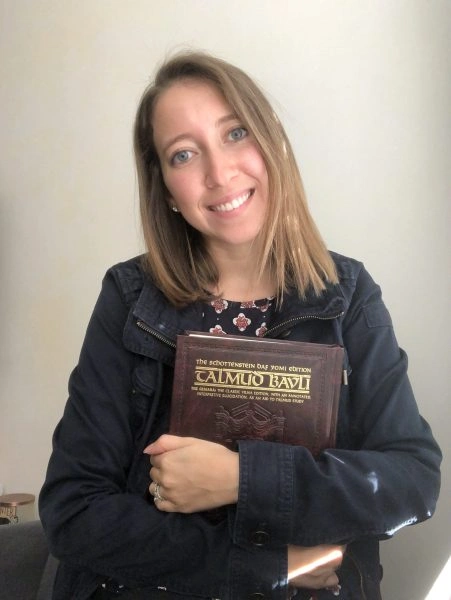
Memphis, Tennessee, United States
I read Ilana Kurshan’s “If All the Seas Were Ink” which inspired me. Then the Women’s Siyum in Jerusalem in 2020 convinced me, I knew I had to join! I have loved it- it’s been a constant in my life daily, many of the sugiyot connect to our lives. My family and friends all are so supportive. It’s incredible being part of this community and love how diverse it is! I am so excited to learn more!

Jerusalem, Israel

Minneapolis, MN, United States
I started my Daf Yomi journey at the beginning of the COVID19 pandemic.

Los Angeles, United States
I never thought I’d be able to do Daf Yomi till I saw the video of Hadran’s Siyum HaShas. Now, 2 years later, I’m about to participate in Siyum Seder Mo’ed with my Hadran community. It has been an incredible privilege to learn with Rabbanit Michelle and to get to know so many caring, talented and knowledgeable women. I look forward with great anticipation and excitement to learning Seder Nashim.
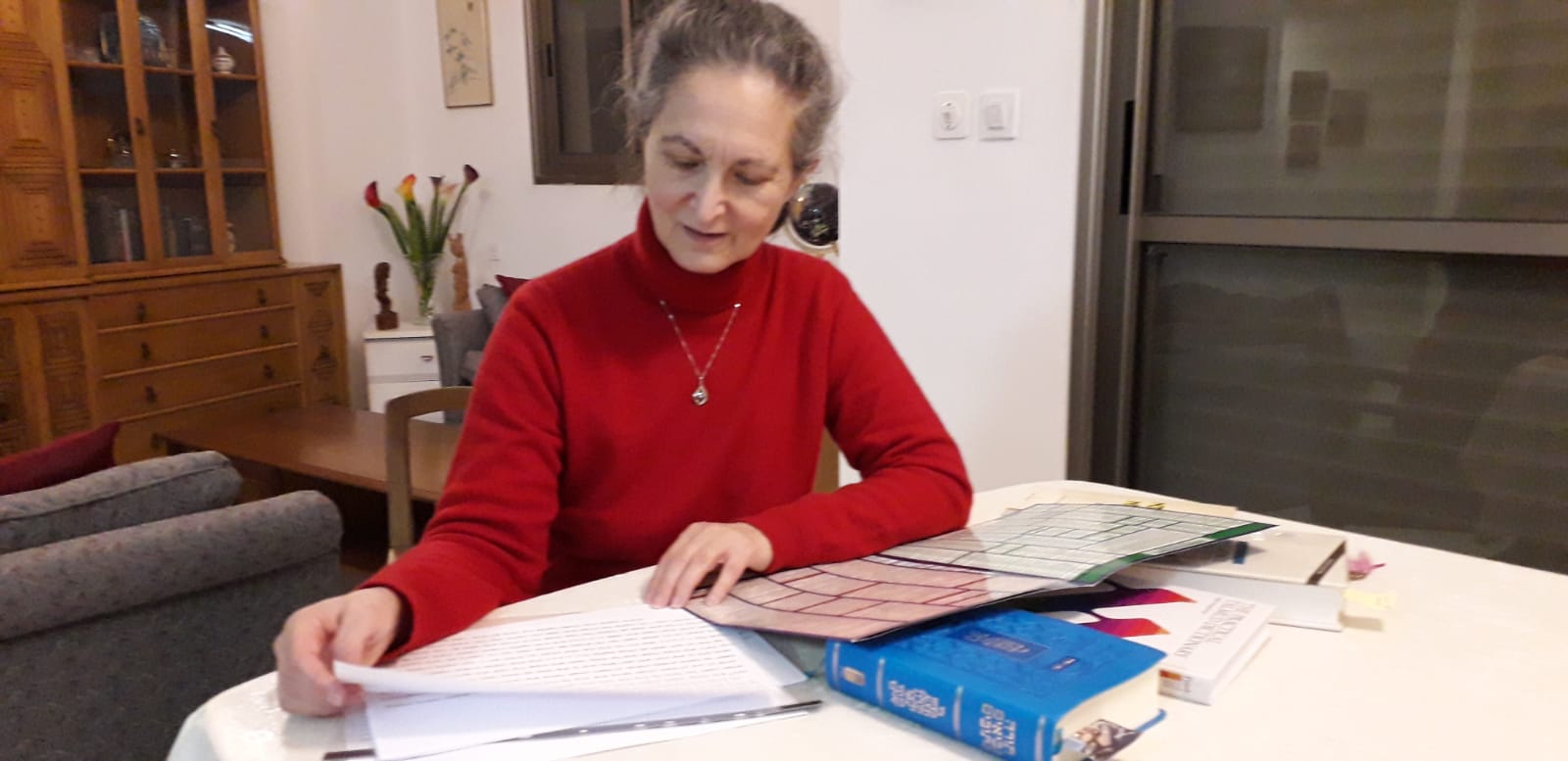
Karmiel, Israel
In early January of 2020, I learned about Siyyum HaShas and Daf Yomi via Tablet Magazine’s brief daily podcast about the Daf. I found it compelling and fascinating. Soon I discovered Hadran; since then I have learned the Daf daily with Rabbanit Michelle Cohen Farber. The Daf has permeated my every hour, and has transformed and magnified my place within the Jewish Universe.

San Francisco, CA , United States
I started learning Gemara at the Yeshivah of Flatbush. And I resumed ‘ברוך ה decades later with Rabbanit Michele at Hadran. I started from Brachot and have had an exciting, rewarding experience throughout seder Moed!

Maale Adumim, Israel
In my Shana bet at Migdal Oz I attended the Hadran siyum hash”as. Witnessing so many women so passionate about their Torah learning and connection to God, I knew I had to begin with the coming cycle. My wedding (June 24) was two weeks before the siyum of mesechet yoma so I went a little ahead and was able to make a speech and siyum at my kiseh kallah on my wedding day!
Givat Shmuel, Israel
I’ve been wanting to do Daf Yomi for years, but always wanted to start at the beginning and not in the middle of things. When the opportunity came in 2020, I decided: “this is now the time!” I’ve been posting my journey daily on social media, tracking my progress (#DafYomi); now it’s fully integrated into my daily routines. I’ve also inspired my partner to join, too!

Teaneck, United States
I heard the new Daf Yomi cycle was starting and I was curious, so I searched online for a women’s class and was pleasently surprised to find Rabanit Michelle’s great class reviews in many online articles. It has been a splendid journey. It is a way to fill my days with Torah, learning so many amazing things I have never heard before during my Tanach learning at High School. Thanks so much .

Panama, Panama
I had no formal learning in Talmud until I began my studies in the Joint Program where in 1976 I was one of the few, if not the only, woman talmud major. It was superior training for law school and enabled me to approach my legal studies with a foundation . In 2018, I began daf yomi listening to Rabbanit MIchelle’s pod cast and my daily talmud studies are one of the highlights of my life.

Minneapolis, United States
Hadran entered my life after the last Siyum Hashaas, January 2020. I was inspired and challenged simultaneously, having never thought of learning Gemara. With my family’s encouragement, I googled “daf yomi for women”. A perfecr fit!
I especially enjoy when Rabbanit Michelle connects the daf to contemporary issues to share at the shabbat table e.g: looking at the Kohen during duchaning. Toda rabba

Jerusalem, Israel
Eruvin 16
בַּעֲבִיטִין, בִּשְׁלִיפִין, בְּקָנִים, בְּקוֹלָחוֹת — מְטַלְטְלִין בְּתוֹכָהּ, וּבִלְבַד שֶׁלֹּא יְהֵא בֵּין גָּמָל לְגָמָל כִּמְלֹא גָּמָל, וּבֵין אוּכָּף לְאוּכָּף כִּמְלֹא אוּכָּף, וּבֵין עָבִיט לְעָבִיט כִּמְלֹא עָבִיט!
or with saddle cushions [avitin], or with wheat sheaves, or with boards, or with stalks [kolaḥot], one may carry within the enclosed area, provided that there is no camel-length gap between one camel and another, or a saddle-length gap between one saddle and another, or a cushion-length gap between one cushion and another. Apparently, from this baraita it can be understood that if the breach is equal to the standing segment, it is not a valid enclosure.
הָכָא נָמֵי כְּשֶׁנִּכְנָס וְיוֹצֵא.
The Gemara rejects this conclusion. Here, too, it is referring to gaps through which the various objects can easily be inserted and extracted, so that the breached segment is in fact slightly greater than that of the standing segment.
תָּא שְׁמַע: נִמְצֵאתָ אַתָּה אוֹמֵר, שָׁלֹשׁ מִדּוֹת בִּמְחִיצוֹת: כֹּל שֶׁהוּא פָּחוֹת מִשְּׁלֹשָׁה, צָרִיךְ שֶׁלֹּא יְהֵא בֵּין זֶה לָזֶה שְׁלֹשָׁה, כְּדֵי שֶׁלֹּא יִזְדַּקֵּר הַגְּדִי בְּבַת רֹאשׁ.
The Gemara cites yet another proof: Come and hear that which was taught in the Tosefta in tractate Kilayim: Ultimately, you say that there are three measures for partitions. These partitions form a barrier that demarcates between vines and seeds. They are needed to render permitted the sowing of a field with diverse kinds of seeds. In the case of any partition consisting of boards that are each less than three handbreadths wide, it is necessary that there will not be a gap of three handbreadths between this board and that, so that a goat would not be able to leap headlong through it unimpeded. If the gap is wider than three handbreadths, i.e., wide enough that a goat can leap through it, the boards are not considered joined and it is not considered a partition.
כֹּל שֶׁהוּא שְׁלֹשָׁה, וּמִשְּׁלֹשָׁה עַד אַרְבָּעָה, צָרִיךְ שֶׁלֹּא יְהֵא בֵּין זֶה לָזֶה כִּמְלוֹאוֹ, כְּדֵי שֶׁלֹּא יְהֵא פָּרוּץ כְּעוֹמֵד. וְאִם הָיָה פָּרוּץ מְרוּבֶּה עַל הָעוֹמֵד — אַף כְּנֶגֶד הָעוֹמֵד אָסוּר.
In the case of any partition that consists of boards that are three handbreadths wide, as well as boards from three to four handbreadths wide, the gap between the boards may be greater than three handbreadths. Nonetheless, it is necessary that there will not be a gap equal to the full width of a board between one board and the next, so that the breached segment will not equal the standing segment. And if the breached segment is greater than the standing segment, it is prohibited to sow another species, even in the area opposite the standing segment, as the breached segment invalidates the entire partition.
כֹּל שֶׁהוּא אַרְבָּעָה, וּמֵאַרְבָּעָה עַד עֶשֶׂר אַמּוֹת, צָרִיךְ שֶׁלֹּא יְהֵא בֵּין זֶה לָזֶה כִּמְלוֹאוֹ, שֶׁלֹּא יְהֵא פָּרוּץ כְּעוֹמֵד. וְאִם הָיָה פָּרוּץ כְּעוֹמֵד, כְּנֶגֶד הָעוֹמֵד — מוּתָּר, כְּנֶגֶד הַפָּרוּץ — אָסוּר. וְאִם הָיָה עוֹמֵד מְרוּבֶּה עַל הַפָּרוּץ — אַף כְּנֶגֶד הַפָּרוּץ מוּתָּר.
With regard to any partition that consists of boards that are four handbreadths wide, as well as boards from four handbreadths to ten cubits wide, it is necessary that there not be a gap the full width of a board between one board and the next, so that the breached segment will not equal the standing segment. And if the breached segment equals the standing segment, then in the area opposite the standing segment, it is permitted to sow other species, as there is a partition there; however, in the area facing the breached segment it is prohibited. And if the sum of the standing segments is greater than the sum of the breached segments, sowing other species is permitted, even in the area opposite the breached part.
נִפְרְצָה בְּיוֹתֵר מֵעֶשֶׂר — אָסוּר, הָיוּ שָׁם קָנִים הַדּוֹקְרָנִים וְעוֹשֶׂה לָהֶן פֵּיאָה מִלְמַעְלָה, אֲפִילּוּ בְּיוֹתֵר מֵעֶשֶׂר מוּתָּר.
However, if, the partition was breached more than ten cubits, sowing diverse kinds is prohibited, as a breach of more than ten cubits invalidates the entire partition. But if there were pronged stakes stuck in the ground there, and one made them a braid [pe’a] of straw above them in the form of a doorway, even if the stakes were set more than ten cubits apart, sowing is permitted. The form of a doorway renders the partition valid, even if there is a breach wider than ten cubits.
קָתָנֵי מִיהַת רֵישָׁא מִשְּׁלֹשָׁה עַד אַרְבָּעָה, וּבִלְבַד שֶׁלֹּא יְהֵא בֵּין זֶה לָזֶה כִּמְלוֹאוֹ, תְּיוּבְתָּא דְּרַב פָּפָּא!
The Gemara explains how the passage from the Tosefta of tractate Kilayim supports the opinion of Rav Huna, son of Rav Yehoshua, contrary to that of Rav Pappa. In any case, the first clause of the Tosefta teaches that if each of the boards that make up the partition is from three to four handbreadths wide, sowing other species is permitted, provided that there is not a gap the full width of a board between one board and the next. This is a conclusive refutation of the opinion of Rav Pappa, who permits carrying when the breach equals the standing segment of the partition.
אָמַר לְךָ רַב פָּפָּא: מַאי מְלוֹאוֹ — נִכְנָס וְיוֹצֵא.
Rav Pappa could have said to you: What does the baraita mean by a gap the full width of a board? It means a gap through which the board could easily be inserted and extracted, which is a gap slightly wider than the board itself.
הָכִי נָמֵי מִסְתַּבְּרָא מִדְּקָתָנֵי: אִם הָיָה פָּרוּץ מְרוּבֶּה עַל הָעוֹמֵד — אַף כְּנֶגֶד הָעוֹמֵד אָסוּר. הָא כְּעוֹמֵד — מוּתָּר. שְׁמַע מִינַּהּ.
The Gemara comments: So too, it stands to reason, from the fact that the Tosefta teaches later: If the breached segment is greater than the standing segment, it is prohibited to sow another species, even in the area opposite the standing portion. By inference, if the breached segment equals the standing segment, sowing other species is in fact permitted. The Gemara concludes: Indeed, learn from here proof for the opinion of Rav Pappa.
לֵימָא תֶּיהְוֵי תְּיוּבְתֵּיהּ דְּרַב הוּנָא בְּרֵיהּ דְּרַב יְהוֹשֻׁעַ? אָמַר לָךְ: וְלִיטַעְמָיךְ, אֵימָא סֵיפָא: אִם הָיָה עוֹמֵד מְרוּבֶּה עַל הַפָּרוּץ, אַף כְּנֶגֶד הַפָּרוּץ מוּתָּר. הָא כַּפָּרוּץ — אָסוּר!
The Gemara asks: Let us say that this conclusion is a conclusive refutation of the opinion of Rav Huna, son of Rav Yehoshua. The Gemara rejects this: Rav Huna, son of Rav Yehoshua, could have said to you: And according to your reasoning, say the latter clause of the Tosefta as follows: If the sum of the standing segment is greater than the sum of the breached segment, sowing other species is permitted even in the area opposite the breached segment. This clause indicates that if the breached segment equals the standing segment, sowing other species is prohibited.
סֵיפָא קַשְׁיָא לְרַב פָּפָּא, רֵישָׁא קַשְׁיָא לְרַב הוּנָא בְּרֵיהּ דְּרַב יְהוֹשֻׁעַ.
The Gemara points out that that analysis of the baraita leads to the conclusion that the latter clause poses a difficulty for Rav Pappa’s opinion; the first clause poses a difficulty for the opinion of Rav Huna, son of Rav Yehoshua.
סֵיפָא לְרַב פָּפָּא לָא קַשְׁיָא: אַיְּידֵי דִּתְנָא רֵישָׁא ״פָּרוּץ מְרוּבֶּה עַל הָעוֹמֵד״, תְּנָא סֵיפָא ״עוֹמֵד מְרוּבֶּה עַל הַפָּרוּץ״.
The Gemara answers: The latter clause poses no difficulty to Rav Pappa. Since the first clause taught the expression: If the sum of the breached segment is greater than the sum of the standing segment, the latter clause of the baraita taught the parallel expression: If the sum of the standing segment is greater than the sum of the breached segment, even though the latter formulation is imprecise, as the same halakha applies even if the two are equal.
רֵישָׁא לְרַב הוּנָא בְּרֵיהּ דְּרַב יְהוֹשֻׁעַ לָא קַשְׁיָא: אַיְּידֵי דְבָעֵי לְמִיתְנֵי סֵיפָא ״עוֹמֵד מְרוּבֶּה עַל הַפָּרוּץ״, תְּנָא רֵישָׁא ״פָּרוּץ מְרוּבֶּה עַל הָעוֹמֵד״.
Similarly, the Gemara explains that the first clause does not pose a difficulty to Rav Huna, son of Rav Yehoshua. Since the baraita sought to teach the expression in the latter clause: If the sum of the standing segments is greater than the sum of the breached segments, in the first clause taught the parallel expression: If the sum of the breached segments is greater than the sum of the standing segments, even though this formulation is imprecise, as the same halakha applies even if the two are equal.
בִּשְׁלָמָא לְרַב פָּפָּא, מִשּׁוּם הָכִי לָא עָרֵיב לְהוּ וְתָנֵי לְהוּ.
The Gemara continues: Granted, according to Rav Pappa, who permits carrying in the case where the breaches equal the standing segments, the baraita makes sense, as for that reason the tanna did not combine the case of boards less than three handbreadths wide with the case of boards three handbreadths wide and teach them in a single clause. According to Rav Pappa, there is a significant difference between the two situations. In a case where the boards are less than three handbreadths wide, the partition is invalid if there is a gap of three handbreadths between one bar and the next. However, if the boards are precisely three handbreadths wide, the partition is valid unless there is a gap of more than three handbreadths between them.
אֶלָּא לְרַב הוּנָא בְּרֵיהּ דְּרַב יְהוֹשֻׁעַ — לִיעָרְבִינְהוּ וְלִיתְנִנְהוּ: כׇּל שֶׁהוּא פָּחוֹת מִשְּׁלֹשָׁה, וּשְׁלֹשָׁה — צָרִיךְ שֶׁלֹּא יְהֵא בֵּין זֶה לָזֶה שְׁלֹשָׁה!
However, according to Rav Huna, son of Rav Yehoshua, who considers a partition invalid when its breached segments are equal to its standing segments, the baraita should have combined the case of boards less than three handbreadths wide with the case of boards exactly three handbreadths wide and taught them in the following single clause: Any partition made of boards less than three handbreadths wide or exactly three handbreadths wide, it is necessary that there not be a gap of three handbreadths between one board and another. According to Rav Huna, son of Rav Yehoshua, if a partition with boards three handbreadths wide is to be valid, the gap must be less than three handbreadths.
מִשּׁוּם דְּלָא דָּמֵי פְּסוּלָא דְרֵישָׁא לִפְסוּלָא דְסֵיפָא. פְּסוּלָא דְרֵישָׁא — כְּדֵי שֶׁלֹּא יִזְדַּקֵּר הַגְּדִי בְּבַת אַחַת, פִּסּוּלָא דְסֵיפָא — שֶׁלֹּא יְהֵא פָּרוּץ כָּעוֹמֵד.
The Gemara explains why the two cases were not combined according to Rav Huna, son of Rav Yehoshua. It is because the disqualification in the first clause is not similar to the disqualification in the latter clause. The reason for the disqualification in the first clause is because a valid partition must be constructed so that a goat would not be able to jump through the gap in one leap; the reason for the disqualification in the latter clause, where the boards are three handbreadths wide, is so that the breached segments will equal the combined standing segments. In practice, just as in the case of boards less than three handbreadths wide, the gap must be less than three handbreadths, so too, in the case of boards three handbreadths wide, the gap must also be less than three handbreadths. However, in terms of underlying reasoning, the case of boards three handbreadths wide must be categorized in the second grouping in the Tosefta, not the first. Therefore, no proof can be cited from here, neither in support of the opinion of Rav Pappa nor in support of the opinion of Rav Huna, son of Rav Yehoshua.
פָּחוֹת מִשְּׁלֹשָׁה מַנִּי — רַבָּנַן הִיא, דְּאָמְרִי: פָּחוֹת מִשְּׁלֹשָׁה אָמְרִינַן לָבוּד, שְׁלֹשָׁה לָא אָמְרִינַן לָבוּד.
The Gemara briefly discusses the ruling cited in the Tosefta that a breach of less than three handbreadths does not invalidate a partition. In accordance with whose opinion is that ruling? It is in accordance with the opinion of the Rabbis, who say: In the case of a gap less than three handbreadths, we say, i.e., we apply, the principle of lavud, and the partitions are considered joined; however, if the gap is three handbreadths, we do not say lavud.
אֵימָא סֵיפָא: כׇּל שֶׁהוּא שְׁלֹשָׁה, וּמִשְּׁלֹשָׁה וְעַד אַרְבָּעָה —
Say the latter clause with regard to a partition of boards as follows: In the case of any partition whose boards are three handbreadths wide, and any partition whose boards are from three to four handbreadths wide,
אֲתָאן לְרַבָּן שִׁמְעוֹן בֶּן גַּמְלִיאֵל דְּאָמַר: פָּחוֹת מֵאַרְבָּעָה לָבוּד. דְּאִי רַבָּנַן: מִשְּׁלֹשָׁה וְעַד אַרְבָּעָה? שְׁלֹשָׁה וְאַרְבָּעָה חַד הוּא.
we have arrived at the opinion of Rabban Shimon ben Gamliel, who said: Concerning any gap less than four handbreadths wide, the principle of lavud is applied. As had it been taught in accordance with the opinion of the Rabbis, why does the baraita list from three to four handbreadths as a separate category? In the case of both three and four handbreadths, the halakha is one and the same: The principle of lavud does not apply from three handbreadths upward.
אָמַר אַבָּיֵי: מִדְּרֵישָׁא רַבָּנַן, סֵיפָא נָמֵי רַבָּנַן, וּמוֹדוּ רַבָּנַן דְּכׇל לְמִישְׁרֵא כְּנֶגְדּוֹ, אִי אִיכָּא מָקוֹם אַרְבָּעָה — חֲשִׁיב, וְאִי לָא — לָא חֲשִׁיב.
Abaye said: From the fact that the first clause is in accordance with the opinion of the Rabbis, the latter clause must also be in accordance with the opinion of the Rabbis. And the Rabbis concede that with regard to any case where the halakha permits sowing other species in the area opposite the standing portion, if there is an area of four handbreadths, it is considered a significant partition, which permits sowing; and if not, it is not considered a significant partition and does not permit sowing. Accordingly, there is a difference between a fence of three handbreadths and one of four handbreadths, as even the Rabbis concede that a fence of four handbreadths is more significant.
רָבָא אָמַר: מִדְּסֵיפָא רַבָּן שִׁמְעוֹן בֶּן גַּמְלִיאֵל, רֵישָׁא נָמֵי רַבָּן שִׁמְעוֹן בֶּן גַּמְלִיאֵל. וְכִי אָמַר רַבָּן שִׁמְעוֹן בֶּן גַּמְלִיאֵל אָמְרִינַן לָבוּד — הָנֵי מִילֵּי לְמַעְלָה, אֲבָל לְמַטָּה, הָוֵה לֵיהּ כִּמְחִיצָה שֶׁהַגְּדָיִים בּוֹקְעִין בָּהּ — לָא אָמְרִינַן: לָבוּד.
Rava said: From the fact that the latter clause is in accordance with the opinion of Rabban Shimon ben Gamliel, the first clause must also be in accordance with the opinion of Rabban Shimon ben Gamliel. And when Rabban Shimon ben Gamliel said that we say the principle of lavud in the case of a gap up to four handbreadths wide, this applies above, off the ground, e.g., in the case of a cross beam suspended at a distance from the wall. However, below, near the ground, it is like a partition through which goats can pass, and therefore he too agrees that we do not say the principle of lavud in that case.
תָּא שְׁמַע: דְּפָנוֹת הַלָּלוּ שֶׁרוּבָּן פְּתָחִים וְחַלּוֹנוֹת מוּתָּר, וּבִלְבַד שֶׁיְּהֵא עוֹמֵד מְרוּבֶּה עַל הַפָּרוּץ.
The Gemara returns to the dispute with regard to a breach equal to the standing segments of a partition and cites another proof. Come and hear that which was taught in the following baraita: With regard to an area enclosed by these walls, in a case where most of them consist of entrance and windows, it is permitted to carry on Shabbat within the area, provided that the standing segments are greater than the breached segments.
״שֶׁרוּבָּן״, סָלְקָא דַּעְתָּךְ?! אֶלָּא: שֶׁרִיבָּה בָּהֶן פְּתָחִים וְחַלּוֹנוֹת מוּתָּר, וּבִלְבַד שֶׁיְּהֵא עוֹמֵד מְרוּבֶּה עַל הַפָּרוּץ.
The Gemara analyzes the formulation of the baraita: Can it enter your mind that the baraita is referring to a case where most of the walls are entrances and windows? If so, the standing segments are certainly not greater than the breached segments. Rather, emend the baraita as follows: Carrying in the area enclosed by these walls, to which one added many entrances and windows, is permitted, provided that the standing segments are greater than the breached segments.
הָא כַּפָּרוּץ אָסוּר, תְּיוּבְתָּא דְּרַב פָּפָּא תְּיוּבְתָּא. וְהִילְכְתָא כְּווֹתֵיהּ דְּרַב פָּפָּא.
The Gemara draws an inference: If the standing segments equal the breached segments, carrying is prohibited in that enclosure. This is a conclusive refutation of the opinion of Rav Pappa. The Gemara concludes: Indeed, it is a conclusive refutation. Nevertheless, the halakha is in accordance with the opinion of Rav Pappa.
תְּיוּבְתָּא וְהִילְכְתָא?! אִין, מִשּׁוּם דְּדַיְיקָא מַתְנִיתִין כְּווֹתֵיהּ. דִּתְנַן: לֹא יִהְיוּ פְּרָצוֹת יְתֵירוֹת עַל הַבִּנְיָן. הָא כַּבִּנְיָן מוּתָּר.
The Gemara wonders: A conclusive refutation and the halakha? The Gemara answers: Yes, that is the case, because the precise reading of the mishna is in accordance with the opinion of Rav Pappa. As we learned in the mishna the following phrase: Provided…there will not be breaches in the partition greater than the built segment. This is clearly indicating that if the breached segments are equal to the built segments, carrying is permitted, as maintained by Rav Pappa.
מַתְנִי׳ מַקִּיפִין שְׁלֹשָׁה חֲבָלִים זֶה לְמַעְלָה מִזֶּה, וָזֶה לְמַעְלָה מִזֶּה, וּבִלְבַד שֶׁלֹּא יְהוּ בֵּין חֶבֶל לַחֲבֵירוֹ שְׁלֹשָׁה טְפָחִים.
MISHNA: If a caravan is camped in a field, and the travelers seek to construct partitions to render the area fit for one to carry within it on Shabbat, one surrounds the area with three ropes, one above another, and a third one above the other two. One is permitted to carry within the circumscribed area provided that there will not be a gap of three handbreadths between one rope and the next.
שִׁיעוּר חֲבָלִים וְעוֹבְיָין יָתֵר עַל טֶפַח, כְּדֵי שֶׁיְּהֵא הַכֹּל עֲשָׂרָה טְפָחִים.
The measure of the ropes and their combined thickness must be greater than a handbreadth, so that the entire partition, consisting of three ropes and the empty spaces between them, will be ten handbreadths high.
מַקִּיפִין בְּקָנִים, וּבִלְבַד שֶׁלֹּא יְהֵא בֵּין קָנֶה לַחֲבֵירוֹ שְׁלֹשָׁה טְפָחִים.
Alternatively, one may surround the area with boards that stand upright, provided that there will not be a gap of three handbreadths between one board and the next.
בִּשְׁיָירָא דִּבְּרוּ, דִּבְרֵי רַבִּי יְהוּדָה. וַחֲכָמִים אוֹמְרִים: לֹא דִּבְּרוּ בִּשְׁיָירָא, אֶלָּא בַּהוֹוֶה.
When the Sages issued this ruling, they spoke exclusively of a caravan; this is the statement of Rabbi Yehuda, who maintains that a partition of this kind, which consists of only horizontal or vertical elements, is permitted exclusively in exigent circumstances. Otherwise, full-fledged partitions are required. However, the Rabbis say: They spoke of a caravan in the mishna only because they spoke in the present, citing the most typical case. Those traveling in caravans were typically unable to erect full-fledged partitions, so they would surround their camps with ropes or boards. However, the halakha in the mishna applies in all cases.
כׇּל מְחִיצָה שֶׁאֵינָהּ שֶׁל שְׁתִי וְשֶׁל עֵרֶב — אֵינָהּ מְחִיצָה, דִּבְרֵי רַבִּי יוֹסֵי בְּרַבִּי יְהוּדָה. וַחֲכָמִים אוֹמְרִים: אֶחָד מִשְּׁנֵי דְּבָרִים.
The mishna cites an additional dispute: Any partition that is not constructed of both warp and woof, i.e., vertical and horizontal elements, is not a partition; this is the statement of Rabbi Yosei, son of Rabbi Yehuda. He holds that the vertical boards and the horizontal ropes are not considered a partition, even in the exigent circumstances of a caravan. However, the Rabbis say: One of the two elements, either vertical or horizontal, is sufficient.
גְּמָ׳ אָמַר רַב הַמְנוּנָא אָמַר רַב: הֲרֵי אָמְרוּ, עוֹמֵד מְרוּבֶּה עַל הַפָּרוּץ בִּשְׁתִי — הָוֵי עוֹמֵד. בָּעֵי רַב הַמְנוּנָא: בְּעֵרֶב מַאי?
GEMARA: Rav Hamnuna said that Rav said: It was concluded in the previous mishna that the Rabbis said that in the case of a partition that consists only of warp, i.e., vertical, elements, if the standing segment of the partition is greater than the breached segment, the fence is considered standing. Rav Hamnuna raised a dilemma: What is the halakha in the case of a partition that consists only of woof, i.e., horizontal, elements? Is it also considered standing if the standing segment is greater than the breached segment, or not?
אָמַר אַבָּיֵי, תָּא שְׁמַע: שִׁיעוּר חֲבָלִים וְעוֹבְיָין יָתֵר עַל טֶפַח, שֶׁיְּהוּ הַכֹּל עֲשָׂרָה טְפָחִים. וְאִי אִיתָא — לְמָה לִי יָתֵר עַל טֶפַח?
Abaye said: Come and hear a resolution to this dilemma from the mishna: The measure of the ropes and their combined thickness must be greater than a handbreadth, so that the entire partition will be ten handbreadths high. And if it is so that, in a case where the standing segment is greater than the breached segment, the partition is considered standing even in the case of a fence that consists of horizontal elements, why do I need ropes with a combined thickness of greater than a handbreadth?
לֶיעְבֵּיד פָּחוֹת מִשְּׁלֹשָׁה וְחֶבֶל מַשֶּׁהוּ, פָּחוֹת מִשְּׁלֹשָׁה וְחֶבֶל מַשֶּׁהוּ, פָּחוֹת מֵאַרְבָּעָה וְחֶבֶל מַשֶּׁהוּ.
Instead, let one leave a space slightly less than three handbreadths, and place a rope of any size, leave another space slightly less than three handbreadths, and place another rope of any size, leave a third space slightly less than four handbreadths, and place a third rope of any size. The ropes between which there is a space less than three handbreadths should be considered joined, based on the principle of lavud. The entire partition should be considered standing because the standing segment, measuring six handbreadths, is greater than the breached segment, which measures four handbreadths.
וְתִיסְבְּרָא? הַאי פָּחוֹת מֵאַרְבָּעָה הֵיכָא מוֹקֵים לֵיהּ? אִי מוֹקֵים לֵיהּ תַּתַּאי, הָוֵה לֵיהּ כִּמְחִיצָה שֶׁהַגְּדָיִים בּוֹקְעִין בָּהּ.
The Gemara presents a difficulty: And how can you understand that this would be effective? Where does he position the space of slightly less than four handbreadths? If he positions it at the bottom, its legal status is like that of a partition through which goats pass, which is not a valid partition.
אִי מוֹקֵים לֵיהּ עִילַּאי, אָתֵי אַוֵּירָא דְּהַאי גִּיסָא וּדְהַאי גִּיסָא וּמְבַטֵּל לֵיהּ.
If he positions it at the top, then the air on this side, above the uppermost rope, and on that side, below that rope, come and negate it. As there are more than three handbreadths between them the upper and lower ropes, they are not joined together based on the principle of lavud. The four handbreadths below the uppermost rope and the airspace above it combine to negate the connection.
אִי מוֹקֵים לֵיהּ בְּמִיצְעֵי, הָוֵה לֵיהּ עוֹמֵד מְרוּבֶּה עַל הַפָּרוּץ מִשְׁתֵּי רוּחוֹת. שָׁמְעַתְּ מִינַּהּ עוֹמֵד מְרוּבֶּה עַל הַפָּרוּץ מִשְׁתֵּי רוּחוֹת הָוֵי עוֹמֵד!
If he positions it in the middle, then the standing segment of the partition is greater than the breached segment, provided that the standing portions on the two sides of the breach are combined. However, if each side is considered separately, the breach is greater than the standing portion. If it is nevertheless deemed a partition, conclude from it that even if the standing segment is greater than the breached segment only when the standing segments on the two sides of the breach are combined, the partition is considered standing. However, that circumstance was raised as a dilemma and remained unresolved.
אֶלָּא רַב הַמְנוּנָא הָכִי קָא מִיבַּעְיָא לֵיהּ: כְּגוֹן דְּאַיְיתִי מַחְצֶלֶת דְּהָוֵי שִׁבְעָה וּמַשֶּׁהוּ, וַחֲקַק בַּהּ שְׁלֹשָׁה, וּשְׁבַק בַּהּ אַרְבָּעָה וּמַשֶּׁהוּ, וְאוֹקְמֵיהּ בְּפָחוֹת מִשְּׁלֹשָׁה.
Rather, Rav Hamnuna raised the following dilemma: What is the halakha in a case where one brought a mat that is seven handbreadths and any additional amount, and carved in it a hole three handbreadths wide, and left four handbreadths above the hole and any additional amount below it, and positioned the mat less than three handbreadths off the ground?
רַב אָשֵׁי אָמַר: מְחִיצָה תְּלוּיָה אִיבַּעְיָא לֵיהּ. כְּדִבְעָא מִינֵּיהּ רַבִּי טַבְלָא מֵרַב: מְחִיצָה תְּלוּיָה מַהוּ שֶׁתַּתִּיר בְּחוּרְבָּה? אֲמַר לֵיהּ: אֵין מְחִיצָה תְּלוּיָה מַתֶּרֶת אֶלָּא בַּמַּיִם, קַל הוּא שֶׁהֵקֵלּוּ חֲכָמִים בְּמַיִם.
Rav Ashi said: The dilemma he raised is with regard to the legal status of a ten-handbreadth partition suspended off the ground. That dilemma is similar to that which Rabbi Tavla raised as a dilemma before Rav: Does a suspended partition act as if it were a partition that reaches the ground and render it permitted for one to carry in a ruin? Rav said to him: A suspended partition renders it permitted for one to carry only when it is suspended over water, as there is a leniency introduced by the Sages with regard to water.
מַקִּיפִין בְּקָנִים וְכוּ׳. בִּשְׁיָרָא אִין, בְּיָחִיד לָא? וְהָתַנְיָא, רַבִּי יְהוּדָה אוֹמֵר: כׇּל מְחִיצּוֹת שַׁבָּת לֹא הִתִּירוּ לְיָחִיד יוֹתֵר מִבֵּית סָאתַיִם.
We learned in the mishna: One may surround the area with boards that stand upright, provided there will not be a gap of three handbreadths between one board and the next. Rabbi Yehuda said that this leniency, which allows the establishment of a partition consisting exclusively of horizontal or vertical elements, was stated only with regard to a caravan. The Gemara infers: With regard to a caravan, yes, it is permitted; with regard to an individual, no, it is not permitted. Wasn’t it taught in a baraita: Rabbi Yehuda says: With regard to all unsteady partitions of Shabbat, e.g., those consisting exclusively of horizontal or vertical elements, the Sages did not permit their use for an individual if the space that they enclose is greater than two beit se’a? This indicates that, for an area of up to two beit se’a, Rabbi Yehuda permits these partitions even for an individual.
כִּדְאָמַר רַב נַחְמָן וְאִיתֵּימָא רַב בִּיבִי בַּר אַבָּיֵי: לָא נִצְרְכָא אֶלָּא לִיתֵּן לָהֶן כׇּל צָרְכָּן, הָכָא נָמֵי לִיתֵּן לָהֶן כׇּל צָרְכָּן.
The Gemara answers: Rabbi Yehuda’s statement in the mishna can be understood in accordance with that which Rav Naḥman, and some say it was Rav Beivai bar Abaye, said with regard to a different statement: This halakha was necessary only in order to provide those traveling in the caravan with space to satisfy all their needs. Here, too, in the mishna, Rabbi Yehuda’s statement can be understood as coming to provide those traveling in the caravan with space to satisfy all their needs. In other words, Rabbi Yehuda does not dispute the fundamental effectiveness of a partition of this kind, even for an individual. When he says that the halakha applies solely to a caravan, he means that it applies only in the case of a caravan, regardless of the size of the area in question. However, in the case of an individual, a partition of that kind is effective only if it encloses an area up to two beit se’a.
הֵיכָא אִיתְּמַר דְּרַב נַחְמָן וְאִיתֵּימָא רַב בִּיבִי בַּר אַבָּיֵי? אַהָא דִּתְנַן: כׇּל מְחִיצָה שֶׁאֵינָהּ שֶׁל שְׁתִי וָעֵרֶב אֵינָהּ מְחִיצָה, דִּבְרֵי רַבִּי יוֹסֵי בְּרַבִּי יְהוּדָה.
The Gemara asks: Where was this statement of Rav Naḥman, and some say of Rav Beivai bar Abaye, stated? It was stated with regard to this ruling at the end of the mishna: Any partition that is not made of both vertical and horizontal elements is not a partition; this is the statement of Rabbi Yosei, son of Rabbi Yehuda.
וּמִי אָמַר רַבִּי יוֹסֵי בְּרַבִּי יְהוּדָה הָכִי? וְהָתַנְיָא: אֶחָד יָחִיד וְאֶחָד שְׁיָירָא לַחֲבָלִים. וּמָה בֵּין יָחִיד לִשְׁיָירָא? יָחִיד נוֹתְנִין לוֹ בֵּית סָאתַיִם, שְׁנַיִם נוֹתְנִין לָהֶם בֵּית סָאתַיִם, שְׁלֹשָׁה נַעֲשׂוּ שְׁיָירָא וְנוֹתְנִין לָהֶן בֵּית שֵׁשׁ. דִּבְרֵי רַבִּי יוֹסֵי בְּרַבִּי יְהוּדָה.
The Gemara asks: Did Rabbi Yosei, son of Rabbi Yehuda, actually say this? Wasn’t it taught in a baraita: For both an individual and a caravan, partitions made of ropes are effective? And what, then, is the difference between an individual and a caravan? With regard to an individual, the halakha provides him with an area of two beit se’a, in which he may carry by virtue of partitions of this kind. With regard to two individuals as well, the halakha provides them with an area of two beit se’a. Three individuals assume the legal status of a caravan, and the halakha provides each of them with an area of two beit se’a, for a total of six beit se’a. This is the statement of Rabbi Yosei, son of Rabbi Yehuda.
וַחֲכָמִים אוֹמְרִים: אֶחָד יָחִיד וְאֶחָד שְׁיָירָא נוֹתְנִין לָהֶן כׇּל צָרְכָּן, וּבִלְבַד שֶׁלֹּא יְהֵא בֵּית סָאתַיִם פָּנוּי!
And the Rabbis say: With regard to both an individual and those traveling in a caravan, one provides them with space to satisfy all their needs, provided that there will not be an unoccupied space of two beit se’a. They may not enclose an area that is two beit se’a larger than the space that they require. Apparently, Rabbi Yosei, son of Rabbi Yehuda, relies on the ruling that ropes render an area fit for one to carry within it, even for an individual.
אָמַר רַב נַחְמָן וְאִיתֵּימָא רַב בִּיבִי בַּר אַבָּיֵי: לָא נִצְרְכָא, אֶלָּא לִיתֵּן לָהֶן כׇּל צָרְכָּן.
Rav Naḥman, and some say it was Rav Beivai bar Abaye, said: The opinion of Rabbi Yosei, son of Rabbi Yehuda, in the mishna was necessary only to provide them with the space to satisfy all their needs in the case of a properly constructed partition consisting of both horizontal and vertical elements. A partition consisting of exclusively horizontal or vertical elements renders an area of six beit se’a fit for one to carry within it, only in the case of a caravan.
דָּרַשׁ רַב נַחְמָן מִשּׁוּם רַבֵּינוּ שְׁמוּאֵל: יָחִיד — נוֹתְנִין לוֹ בֵּית סָאתַיִם, שְׁנַיִם — נוֹתְנִין לְהוּ בֵּית סָאתַיִם, שְׁלֹשָׁה — נַעֲשׂוּ שְׁיָירָא וְנוֹתְנִין לָהֶן בֵּית שֵׁשׁ.
Rav Naḥman taught in the name of Rabbeinu Shmuel: With regard to an individual, the halakha provides him with an area of two beit se’a. With regard to two individuals, the halakha provides them with an area of two beit se’a as well. Three individuals assume the legal status of a caravan, and the halakha provides each of them with an area of two beit se’a, for a total of six beit se’a.
שָׁבַקְתְּ רַבָּנַן וְעָבְדַתְּ כְּרַבִּי יוֹסֵי בְּרַבִּי יְהוּדָה?
Rav Naḥman was asked: Did you abandon the majority opinion of the Rabbis and act in accordance with the individual opinion of Rabbi Yosei, son of Rabbi Yehuda?
הֲדַר אוֹקֵים רַב נַחְמָן אָמוֹרָא עֲלֵיהּ וּדְרַשׁ: דְּבָרִים שֶׁאָמַרְתִּי לִפְנֵיכֶם טָעוּת הֵן בְּיָדִי. בְּרַם כָּךְ אָמְרוּ: יָחִיד — נוֹתְנִין לוֹ בֵּית סָאתַיִם, שְׁנַיִם — נוֹתְנִין לָהֶן בֵּית סָאתַיִם, שְׁלֹשָׁה — נַעֲשׂוּ שְׁיָירָא וְנוֹתְנִין לָהֶן כָּל צָרְכָּן.
Rav Naḥman then placed a speaker standing over him, and taught: The matters that I stated before you are an error on my part. Indeed, this is what the Rabbis said: With regard to an individual, the halakha provides him with an area of two beit se’a. With regard to two individuals, the halakha provides them with an area of two beit se’a as well. Three individuals assume the legal status of a caravan, and the halakha provides them with space to satisfy all their needs.

