Search

Eruvin 34

Want to dedicate learning? Get started here:

English
עברית
podcast placeholder

0:00
0:00


podcast placeholder

0:00
0:00


Summary

Today’s daf is dedicated by Miriam Tannenbaum in memory of her mother, Ruth Zemsky, Raizel bat Yehoshua HaLevi and Chaya Keila z”l on her yahrzeit. Her greatest nachat was her children and grandchildren and their involvement in the learning and teaching of Torah. יהי זכרה ברוך

Two questions are brought on Rabbi Yirmia’s explanation of the basket attached to the tree. What exactly is the case in the mishna regarding the eruv in a pit? Can one put an eruv at the top of a pole or a reed? Under what circumstances? If one put an eruv in a locked closet, does one need to have access to the key? What if the key is lost?

Eruvin 34

אַמַּאי? נֵימָא: כֵּיוָן דְּאִי בָּעֵי אַמְטוֹיֵי מָצֵי מַמְטֵי לֵיהּ, אַף עַל גַּב דְּלָא אַמְטְיֵיהּ — כְּמַאן דְּאַמְטְיֵיהּ דָּמֵי!

Why must one actually bring the eiruv to the place where he wishes to establish his residence? Let us say: Since if he wished to bring the eiruv there he could bring it, even though he did not bring it, it is considered as though he did bring it there. This follows the same reasoning proposed by Rav Yirmeya in the case of the basket: Since one can tilt it. The fact that this reasoning is not employed here indicates that the potential to do something is insufficient; rather, the deed must actually be done.

אָמַר רַבִּי זֵירָא: גְּזֵירָה מִשּׁוּם יוֹם טוֹב שֶׁחָל לִהְיוֹת אַחַר שַׁבָּת.

Rabbi Zeira said: The fact that one must bring his eiruv the day before to the spot that he wishes to establish as his place of residence, and the potential to bring it there does not suffice, is a decree due to a Festival that occurs after Shabbat. In that case, the eiruv is valid for the Festival only if it was brought there before Shabbat, for it cannot be carried there on Shabbat. Since one cannot actually bring the eiruv there, it cannot be said: It is considered as though he did bring it there because had he wished to bring the eiruv he could have. Consequently, the Sages decreed that in all cases, the eiruv is only valid if it was actually brought to the designated spot, lest one come to think that even on a Festival that occurs after Shabbat it need not be brought there.

אֵיתִיבֵיהּ: נִתְכַּוֵּון לִשְׁבּוֹת בִּרְשׁוּת הָרַבִּים, וְהִנִּיחַ עֵירוּבוֹ בַּכּוֹתֶל, לְמַטָּה מֵעֲשָׂרָה טְפָחִים — עֵירוּבוֹ עֵירוּב, לְמַעְלָה מֵעֲשָׂרָה טְפָחִים — אֵין עֵירוּבוֹ עֵירוּב. נִתְכַּוֵּון לִשְׁבּוֹת בְּרֹאשׁ הַשּׁוֹבָךְ אוֹ בְּרֹאשׁ הַמִּגְדָּל, לְמַעְלָה מֵעֲשָׂרָה טְפָחִים — עֵירוּבוֹ עֵירוּב. לְמַטָּה מֵעֲשָׂרָה טְפָחִים — אֵין עֵירוּבוֹ עֵירוּב.

Rav bar Shabba raised another objection from a different baraita: With regard to one who intended to establish his Shabbat residence in the public domain and placed his eiruv in a wall that is more than four cubits away from that location; if he placed the eiruv below a height of ten handbreadths above the ground, his eiruv is a valid eiruv; but if he placed it above ten handbreadths, his eiruv is not a valid eiruv because he is in a public domain while his eiruv is in a private domain. If one intended to establish his Shabbat residence on top of a dovecote or on top of a large cupboard, if he placed the eiruv in the dovecote or cupboard above ten handbreadths from the ground, his eiruv is a valid eiruv because both he and his eiruv are in a private domain; but if he placed it below ten handbreadths, the area in which he placed his eiruv is considered a karmelit, and his eiruv is not a valid eiruv because he cannot transport his eiruv from there to his own domain on Shabbat.

וְאַמַּאי? הָכִי נָמֵי נֵימָא: הוֹאִיל וְיָכוֹל לִנְטוֹתוֹ וְלַהֲבִיאוֹ לְתוֹךְ עֲשָׂרָה! אָמַר רַבִּי יִרְמְיָה: הָכָא בְּמִגְדָּל מְסוּמָּר עָסְקִינַן.

Why should this be so? Here too, let us say that his eiruv should be valid even if it was placed below ten handbreadths, since one can tilt the cupboard and bring it to within ten handbreadths from the ground, in which case he and his eiruv would be in the same domain. Rabbi Yirmeya said: Here, we are dealing with a cupboard that is nailed to the wall so that it cannot be tilted.

רָבָא אָמַר: אֲפִילּוּ תֵּימָא בְּמִגְדָּל שֶׁאֵינוֹ מְסוּמָּר, וְהָכָא בְּמִגְדָּל אָרוֹךְ עָסְקִינַן, דְּאִי מַמְטֵי לֵיהּ פּוּרְתָּא, אָזֵיל חוּץ לְאַרְבַּע אַמּוֹת.

Rava said: Even if you say that it is referring to a cupboard that is not nailed to the wall, here, we are dealing with a very tall cupboard, such that were one to tilt it a little in order to bring the top of the cupboard within ten handbreadths from the ground, the top of the cupboard would project beyond the four cubits that constitute one’s Shabbat residence.

הֵיכִי דָמֵי? אִי דְּאִיכָּא כַּוְּותָא וּמִתְנָא — לַיְיתֵיהּ בְּכַוְּותָא וּמִתְנָא! דְּלֵית לֵיהּ כַּוְּותָא וּמִתְנָא.

The Gemara asks: What, exactly, are the circumstances? If it is referring to a case where the cupboard has a window, and one has a rope at hand, let him bring it by means of the window and rope. In other words, let him lower the rope through the cupboard’s window and bring the eiruv with it, and he will not have to move the entire cupboard. The Gemara answers: Here we are dealing with a case where it does not have a window, and he does not have a rope at hand.

נְתָנוֹ בְּבוֹר אֲפִילּוּ עָמוֹק מֵאָה אַמָּה וְכוּ׳. הַאי בּוֹר דְּקָאֵי הֵיכָא? אִילֵּימָא דְּקָאֵי בִּרְשׁוּת הַיָּחִיד —

We learned in the mishna: If one placed the eiruv in a pit, even if it is a hundred cubits deep, his eiruv is a valid eiruv. The Gemara asks: This pit, where is it situated? If you say that it is situated in the private domain,

פְּשִׁיטָא! רְשׁוּת הַיָּחִיד עוֹלָה עַד לָרָקִיעַ, וְכִי הֵיכִי דְּסָלְקָא לְעֵיל, הָכִי נָמֵי דְּנָחֲתָא לְתַחַת. וְאֶלָּא דְּקָאֵי בִּרְשׁוּת הָרַבִּים.

it is obvious, for the private domain ascends to the sky, and just as it ascends upward, so too, it descends downward to the bottom of the pit, even if it is more than ten handbreadths deep. Rather, we must say that the pit is situated in the public domain.

דְּנִתְכַּוֵּון לִשְׁבּוֹת הֵיכָא? אִי לְמַעְלָה — הוּא בְּמָקוֹם אֶחָד וְעֵירוּבוֹ בְּמָקוֹם אַחֵר הוּא. אִי לְמַטָּה, פְּשִׁיטָא — הוּא וְעֵירוּבוֹ בִּמְקוֹם אֶחָד!

The Gemara now clarifies: Where did one intend to establish his Shabbat residence? If he intended to establish his residence above the pit in the public domain, this is a case where he is in one place and his eiruv is in another place, i.e., in a private domain, and therefore his eiruv is not valid. Alternatively, if one intended to establish his Shabbat residence below, in the pit, it is also obvious, as he and his eiruv are in one place.

לָא צְרִיכָא, דְּקָאֵי בְּכַרְמְלִית וְנִתְכַּוֵּון לִשְׁבּוֹת לְמַעְלָה, וְרַבִּי הִיא דְּאָמַר: כׇּל דָּבָר שֶׁהוּא מִשּׁוּם שְׁבוּת לֹא גָּזְרוּ עָלָיו בֵּין הַשְּׁמָשׁוֹת.

The Gemara answers: This ruling is necessary only in a case where the pit is situated in a karmelit, and he intended to establish his Shabbat residence above the pit in the karmelit. And with regard to the question of how this eiruv can be valid, as one cannot bring the eiruv from the pit to the karmelit, the answer is that the mishna was taught in accordance with the opinion of Rabbi Yehuda HaNasi, who said: With regard to anything that is prohibited on Shabbat due to rabbinic decree [shevut], they did not issue the decree to apply during twilight. Since carrying from the pit to the karmelit is only prohibited as a shevut, a person may carry from the pit to the karmelit during twilight, the time when the eiruv establishes one’s Shabbat residence.

מַתְנִי׳ נְתָנוֹ בְּרֹאשׁ הַקָּנֶה אוֹ בְּרֹאשׁ הַקּוּנְדָּס, בִּזְמַן שֶׁהוּא תָּלוּשׁ וְנָעוּץ, אֲפִילּוּ גָּבוֹהַּ מֵאָה אַמָּה — הֲרֵי זֶה עֵירוּב.

MISHNA: If one placed his eiruv on top of a reed or on top of a pole [kundas], when the reed or pole is detached from its original place and stuck into the ground, even if it is a hundred cubits high, it is a valid eiruv, as one can remove the reed or pole from the ground and take his eiruv.

גְּמָ׳ רָמֵי לֵיהּ רַב אַדָּא בַּר מַתְנָא לְרָבָא: תָּלוּשׁ וְנָעוּץ — אִין. לֹא תָּלוּשׁ וְנָעוּץ — לָא. מַנִּי? רַבָּנַן הִיא, דְּאָמְרִי: כׇּל דָּבָר שֶׁהוּא מִשּׁוּם שְׁבוּת גָּזְרוּ עָלָיו בֵּין הַשְּׁמָשׁוֹת. וְהָא אָמְרַתְּ רֵישָׁא רַבִּי! רֵישָׁא רַבִּי וְסֵיפָא רַבָּנַן?!

GEMARA: Rav Adda bar Mattana raised a contradiction before Rava concerning two tannaitic rulings: The mishna states that if the reed was detached from its place of growth and then stuck into the ground, yes, the eiruv is valid. That indicates that if it was not detached and then stuck back into the ground, no, the eiruv is not valid. In accordance with whose opinion is this mishna? It is in accordance with the opinion of the Rabbis, who say: Anything that is prohibited on Shabbat due to rabbinic decree [shevut], such as using a tree on Shabbat, they issued the decree to apply even during twilight. Therefore, if the eiruv was on top of a reed that was still attached to the ground in its original place of growth, since it is prohibited by rabbinic decree to make use of trees on Shabbat, one cannot remove the eiruv from its place at the time that he must establish his Shabbat residence, and therefore his eiruv is invalid. But didn’t you say that the first clause, i.e., the previous mishna, is in accordance with the opinion of Rabbi Yehuda HaNasi? How can you say that the first clause is in accordance with the opinion of Rabbi Yehuda HaNasi and the latter clause is in accordance with the opinion of the Rabbis?

אֲמַר לֵיהּ: כְּבָר רָמֵי לֵיהּ רָמֵי בַּר חָמָא לְרַב חִסְדָּא, וְשַׁנִּי לֵיהּ: רֵישָׁא רַבִּי, וְסֵיפָא רַבָּנַן.

Rava said to Rav Adda: Rami bar Ḥama already raised this contradiction before Rav Ḥisda, and Rav Ḥisda answered him: Indeed, the first clause is in accordance with the opinion of Rabbi Yehuda HaNasi, and the latter clause is in accordance with the opinion of the Rabbis.

רָבִינָא אָמַר: כּוּלָּהּ רַבִּי הִיא, וְסֵיפָא גְּזֵירָה שֶׁמָּא יִקְטוֹם.

Ravina said: You can, in fact, say that it is all Rabbi Yehuda HaNasi, and the latter clause, i.e., the mishna that insists that the reed be detached and inserted, is not based upon the prohibition of utilizing trees on Shabbat. Rather, in that case there is a unique decree lest he break it off from the ground if the reed is relatively soft. Therefore, the mishna requires one to use something that has already been detached from the ground and reinserted. However, the previous mishna is referring to someone who placed his eiruv in a tree, where this concern is not relevant.

הָהוּא פּוּלְמוּסָא דַּאֲתָא לִנְהַרְדְּעָא. אֲמַר לְהוּ רַב נַחְמָן: פּוּקוּ עֲבִידוּ כְּבוּשֵׁי כַּבְשֵׁי בְּאַגְמָא, וּלְמָחָר נֵיזִיל וְנִיתֵּיב עִלָּוַיְהוּ.

The Gemara relates that a certain army [pulmosa] once came to Neharde’a and took quarters in the study hall, so that there was not enough room for the students. Rav Naḥman said to the students: Go out and create seats by compressing reeds in the marshes, and tomorrow, on Shabbat, we will go and sit on them and study there.

אֵיתִיבֵיהּ רָמֵי בַּר חָמָא לְרַב נַחְמָן, וְאָמְרִי לַהּ רַב עוּקְבָא בַּר אַבָּא לְרַב נַחְמָן: תָּלוּשׁ וְנָעוּץ אִין, לֹא תָּלוּשׁ וְלֹא נָעוּץ לָא.

Rami bar Ḥama raised an objection to Rav Naḥman, and some say that it was Rav Ukva bar Abba who raised the objection to Rav Naḥman, from the mishna that states that if the reed was detached and then stuck into the ground, yes; but if it was not detached and not stuck into the ground, no. This shows that it is not enough to compress the reeds, and they must actually be detached from the ground before they may be used on Shabbat.

אֲמַר לֵיהּ: הָתָם בְּעוּזְרָדִין. וּמְנָא תֵּימְרָא דְּשָׁנֵי לַן בֵּין עוּזְרָדִין לְשֶׁאֵין עוּזְרָדִין — דְּתַנְיָא: הַקָּנִין וְהָאֲטָדִין וְהַהִגִּין — מִין אִילָן הֵן, וְאֵינָן כִּלְאַיִם בַּכֶּרֶם. וְתַנְיָא אִידַּךְ: הַקָּנִים וְהַקִּידָן וְהָאוּרְבָּנִין — מִין יָרָק הֵן, וְהֵן כִּלְאַיִם בַּכֶּרֶם. קַשְׁיָא אַהֲדָדֵי!

Rav Naḥman said to him: There, in the mishna, we are dealing with hard reeds, which may not be bent and used on Shabbat, unlike soft reeds. He adds: And from where do you say that we distinguish between hard reeds and reeds that are not hard? As it was taught in a baraita: Reeds, boxthorn, and thistles are species of trees, and therefore they are not included in the prohibition of food crops in a vineyard, which applies only to herbs planted among vines. And it was taught in another baraita: Reeds, cassia, and bulrushes are species of herbs, and therefore they are included in the prohibition of food crops in a vineyard. These two baraitot contradict one another, as one states that reeds are trees, while the other says that they are considered herbs.

אֶלָּא שְׁמַע מִינַּהּ: כָּאן בְּעוּזְרָדִין, כָּאן בְּשֶׁאֵין עוּזְרָדִין. שְׁמַע מִינַּהּ.

Rather, conclude from this that we must distinguish between them as follows: Here, in the first baraita, it is referring to hard reeds, which are like trees; whereas there, in the second baraita, it is referring to reeds that are not hard. The Gemara concludes: Indeed, conclude from this that our resolution of the contradiction is correct.

וְקִידָּה מִין יָרָק הוּא?! וְהָתְנַן: אֵין מַרְכִּיבִין פֵּגָם עַל גַּבֵּי קִידָּה לְבָנָה, מִפְּנֵי שֶׁהוּא יָרָק בְּאִילָן! אָמַר רַב פָּפָּא: קִידָּה לְחוּד, וְקִידָּה לְבָנָה לְחוּד.

The Gemara raises a question with regard to the previously cited baraita: Is cassia a type of herb? Didn’t we learn in a mishna: One may not graft rue to white cassia, as this involves the grafting of herbs to a tree? This proves that white cassia is a tree. Rav Pappa said: There is no difficulty, as cassia is distinct and is considered a type of herb, and white cassia is distinct and is considered a type of tree.

מַתְנִי׳ נְתָנוֹ בְּמִגְדָּל וְאָבַד הַמַּפְתֵּחַ — הֲרֵי זֶה עֵירוּב. רַבִּי אֱלִיעֶזֶר אוֹמֵר: אִם אֵינוֹ יוֹדֵעַ שֶׁהַמַּפְתֵּחַ בִּמְקוֹמוֹ — אֵינוֹ עֵירוּב.

MISHNA: If one put the eiruv in a cupboard and locked it, and the key was lost, so that he is now unable to open the cupboard and access the eiruv, it is nonetheless a valid eiruv. Rabbi Eliezer says: If he does not know that the key is in its place, it is not a valid eiruv.

גְּמָ׳ וְאַמַּאי? הוּא בְּמָקוֹם אֶחָד וְעֵירוּבוֹ בְּמָקוֹם אַחֵר הוּא!

GEMARA: The Gemara asks: And why should the eiruv be valid if the key was lost? He is in one place and his eiruv is in a different place, since he cannot access the eiruv.

רַב וּשְׁמוּאֵל דְּאָמְרִי תַּרְוַיְיהוּ: הָכָא בְּמִגְדָּל שֶׁל לְבֵנִים עָסְקִינַן וְרַבִּי מֵאִיר הִיא, דְּאָמַר: פּוֹחֵת לְכַתְּחִילָּה וְנוֹטֵל. דִּתְנַן: בַּיִת שֶׁמִּילְּאָהוּ פֵּירוֹת, סָתוּם וְנִפְחַת — נוֹטֵל מִמְּקוֹם הַפְּחָת, רַבִּי מֵאִיר אוֹמֵר: פּוֹחֵת וְנוֹטֵל לְכַתְּחִילָּה.

It was Rav and Shmuel who both said: Here, we are dealing with a cupboard made of bricks, and the mishna is in accordance with the opinion of Rabbi Meir, who said: One may create a breach in a brick wall on Shabbat ab initio, and take produce from the other side. As we learned in a mishna: If a house filled with produce had been sealed and was then breached, one may take out produce from the place of the breach. Rabbi Meir disagrees and says: One may even create a breach in the wall of the house and take produce ab initio. Consequently, according to Rabbi Meir it is permissible to make a hole in the cupboard in order to remove the produce found inside.

וְהָאָמַר רַב נַחְמָן בַּר אַדָּא אָמַר שְׁמוּאֵל: בְּאַוֵּירָא דְלִיבְנֵי. הָכָא נָמֵי בַּאֲוֵירָא דְלִיבְנֵי.

The Gemara asks: Didn’t Rav Naḥman bar Adda say that Shmuel said that that very mishna cited as a proof is referring to a structure built from layers of bricks piled one atop the other without cement or mortar between them, in which case making a hole cannot be considered dismantling a bona fide structure? The Gemara answers: Here too, we are dealing with a cupboard made from layers of bricks.

וְהָא אָמַר רַבִּי זֵירָא: בְּיוֹם טוֹב אָמְרוּ, אֲבָל לֹא בְּשַׁבָּת! הָכָא נָמֵי בְּיוֹם טוֹב.

The Gemara raises another difficulty: Didn’t Rabbi Zeira say: The Sages in the aforementioned mishna, who discussed the breaching of a wall, spoke only with regard to a Festival, but not with regard to Shabbat? Therefore, it cannot be derived from that mishna that it is permitted to breach the cupboard on Shabbat in order to access the food inside. The Gemara answers: Here too, the mishna is referring to a case where the person needed an eiruv for a Festival but not for Shabbat.

אִי הָכִי, הַיְינוּ דְּקָתָנֵי עֲלַהּ, רַבִּי אֱלִיעֶזֶר אוֹמֵר: אִם בָּעִיר אָבַד — עֵירוּבוֹ עֵירוּב, וְאִם בַּשָּׂדֶה אָבַד — אֵין עֵירוּבוֹ עֵירוּב. וְאִי בְּיוֹם טוֹב, מָה לִי עִיר מָה לִי שָׂדֶה?

The Gemara asks: If it is so that the mishna is referring only to a Festival, there is a difficulty with that which was taught about it in the following Tosefta: Rabbi Eliezer says: If the key was lost in a city, his eiruv is a valid eiruv; and if it was lost in a field, his eiruv is not a valid eiruv, for within a city it is possible to carry the key by way of courtyards that have joined together in an eiruv or the like, but in a field it is impossible to carry it, as the field has the status of a karmelit. And if the mishna is referring to a Festival, what is the difference to me whether the key was lost in a city or a field? On a Festival there is no prohibition against carrying from a private to a public domain, and therefore if the key was lost even in a field, the eiruv should still be valid.

New to Talmud?

Check out our resources designed to help you navigate a page of Talmud – and study at the pace, level and style that fits you. 

The Hadran Women’s Tapestry

Meet the diverse women learning Gemara at Hadran and hear their stories. 

Ive been learning Gmara since 5th grade and always loved it. Have always wanted to do Daf Yomi and now with Michelle Farber’s online classes it made it much easier to do! Really enjoying the experience thank you!!

Lisa Lawrence
Lisa Lawrence

Neve Daniel, Israel

I started learning Gemara at the Yeshivah of Flatbush. And I resumed ‘ברוך ה decades later with Rabbanit Michele at Hadran. I started from Brachot and have had an exciting, rewarding experience throughout seder Moed!

Anne Mirsky (1)
Anne Mirsky

Maale Adumim, Israel

I had never heard of Daf Yomi and after reading the book, The Weight of Ink, I explored more about it. I discovered that it was only 6 months before a whole new cycle started and I was determined to give it a try. I tried to get a friend to join me on the journey but after the first few weeks they all dropped it. I haven’t missed a day of reading and of listening to the podcast.

Anne Rubin
Anne Rubin

Elkins Park, United States

The first month I learned Daf Yomi by myself in secret, because I wasn’t sure how my husband would react, but after the siyyum on Masechet Brachot I discovered Hadran and now sometimes my husband listens to the daf with me. He and I also learn mishnayot together and are constantly finding connections between the different masechtot.

Laura Warshawsky
Laura Warshawsky

Silver Spring, Maryland, United States

I tried Daf Yomi in the middle of the last cycle after realizing I could listen to Michelle’s shiurim online. It lasted all of 2 days! Then the new cycle started just days before my father’s first yahrzeit and my youngest daughter’s bat mitzvah. It seemed the right time for a new beginning. My family, friends, colleagues are immensely supportive!

Catriella-Freedman-jpeg
Catriella Freedman

Zichron Yaakov, Israel

I’ve been learning since January 2020, and in June I started drawing a phrase from each daf. Sometimes it’s easy (e.g. plants), sometimes it’s very hard (e.g. korbanot), and sometimes it’s loads of fun (e.g. bird racing) to find something to draw. I upload my pictures from each masechet to #DafYomiArt. I am enjoying every step of the journey.

Gila Loike
Gila Loike

Ashdod, Israel

I started learning Jan 2020 when I heard the new cycle was starting. I had tried during the last cycle and didn’t make it past a few weeks. Learning online from old men didn’t speak to my soul and I knew Talmud had to be a soul journey for me. Enter Hadran! Talmud from Rabbanit Michelle Farber from a woman’s perspective, a mother’s perspective and a modern perspective. Motivated to continue!

Keren Carter
Keren Carter

Brentwood, California, United States

I started learning at the beginning of this Daf Yomi cycle because I heard a lot about the previous cycle coming to an end and thought it would be a good thing to start doing. My husband had already bought several of the Koren Talmud Bavli books and they were just sitting on the shelf, not being used, so here was an opportunity to start using them and find out exactly what was in them. Loving it!

Caroline Levison
Caroline Levison

Borehamwood, United Kingdom

In early 2020, I began the process of a stem cell transplant. The required extreme isolation forced me to leave work and normal life but gave me time to delve into Jewish text study. I did not feel isolated. I began Daf Yomi at the start of this cycle, with family members joining me online from my hospital room. I’ve used my newly granted time to to engage, grow and connect through this learning.

Reena Slovin
Reena Slovin

Worcester, United States

A few years back, after reading Ilana Kurshan’s book, “If All The Seas Were Ink,” I began pondering the crazy, outlandish idea of beginning the Daf Yomi cycle. Beginning in December, 2019, a month before the previous cycle ended, I “auditioned” 30 different podcasts in 30 days, and ultimately chose to take the plunge with Hadran and Rabbanit Michelle. Such joy!

Cindy Dolgin
Cindy Dolgin

HUNTINGTON, United States

I started learning Jan 2020 when I heard the new cycle was starting. I had tried during the last cycle and didn’t make it past a few weeks. Learning online from old men didn’t speak to my soul and I knew Talmud had to be a soul journey for me. Enter Hadran! Talmud from Rabbanit Michelle Farber from a woman’s perspective, a mother’s perspective and a modern perspective. Motivated to continue!

Keren Carter
Keren Carter

Brentwood, California, United States

I’ve been wanting to do Daf Yomi for years, but always wanted to start at the beginning and not in the middle of things. When the opportunity came in 2020, I decided: “this is now the time!” I’ve been posting my journey daily on social media, tracking my progress (#DafYomi); now it’s fully integrated into my daily routines. I’ve also inspired my partner to join, too!

Joséphine Altzman
Joséphine Altzman

Teaneck, United States

While vacationing in San Diego, Rabbi Leah Herz asked if I’d be interested in being in hevruta with her to learn Daf Yomi through Hadran. Why not? I had loved learning Gemara in college in 1971 but hadn’t returned. With the onset of covid, Daf Yomi and Rabbanit Michelle centered me each day. Thank-you for helping me grow and enter this amazing world of learning.
Meryll Page
Meryll Page

Minneapolis, MN, United States

Last cycle, I listened to parts of various מסכתות. When the הדרן סיום was advertised, I listened to Michelle on נידה. I knew that בע”ה with the next cycle I was in (ב”נ). As I entered the סיום (early), I saw the signs and was overcome with emotion. I was randomly seated in the front row, and I cried many times that night. My choice to learn דף יומי was affirmed. It is one of the best I have made!

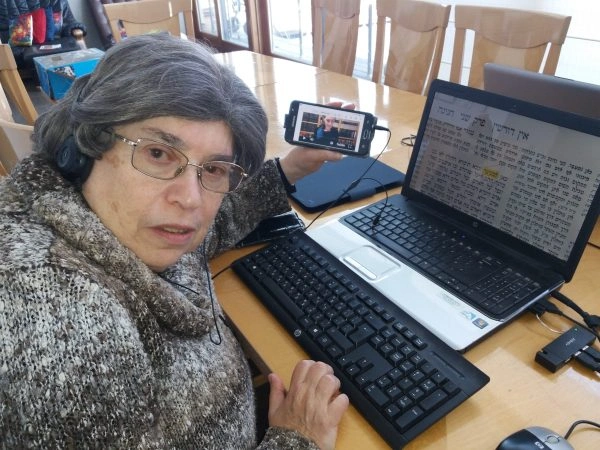
Miriam Tannenbaum
Miriam Tannenbaum

אפרת, Israel

I’ve been learning since January 2020, and in June I started drawing a phrase from each daf. Sometimes it’s easy (e.g. plants), sometimes it’s very hard (e.g. korbanot), and sometimes it’s loads of fun (e.g. bird racing) to find something to draw. I upload my pictures from each masechet to #DafYomiArt. I am enjoying every step of the journey.

Gila Loike
Gila Loike

Ashdod, Israel

After experiences over the years of asking to join gemara shiurim for men and either being refused by the maggid shiur or being the only women there, sometimes behind a mechitza, I found out about Hadran sometime during the tail end of Masechet Shabbat, I think. Life has been much better since then.

Madeline Cohen
Madeline Cohen

London, United Kingdom

When I began learning Daf Yomi at the beginning of the current cycle, I was preparing for an upcoming surgery and thought that learning the Daf would be something positive I could do each day during my recovery, even if I accomplished nothing else. I had no idea what a lifeline learning the Daf would turn out to be in so many ways.

Laura Shechter
Laura Shechter

Lexington, MA, United States

With Rabbanit Dr. Naomi Cohen in the Women’s Talmud class, over 30 years ago. It was a “known” class and it was accepted, because of who taught. Since then I have also studied with Avigail Gross-Gelman and Dr. Gabriel Hazut for about a year). Years ago, in a shiur in my shul, I did know about Persians doing 3 things with their clothes on. They opened the shiur to woman after that!

Sharon Mink
Sharon Mink

Haifa, Israel

I started learning at the beginning of this cycle more than 2 years ago, and I have not missed a day or a daf. It’s been challenging and enlightening and even mind-numbing at times, but the learning and the shared experience have all been worth it. If you are open to it, there’s no telling what might come into your life.

Patti Evans
Patti Evans

Phoenix, Arizona, United States

I started my journey on the day I realized that the Siyum was happening in Yerushalayim and I was missing out. What? I told myself. How could I have not known about this? How can I have missed out on this opportunity? I decided that moment, I would start Daf Yomi and Nach Yomi the very next day. I am so grateful to Hadran. I am changed forever because I learn Gemara with women. Thank you.

Linda Brownstein
Linda Brownstein

Mitspe, Israel

Eruvin 34

אַמַּאי? נֵימָא: כֵּיוָן דְּאִי בָּעֵי אַמְטוֹיֵי מָצֵי מַמְטֵי לֵיהּ, אַף עַל גַּב דְּלָא אַמְטְיֵיהּ — כְּמַאן דְּאַמְטְיֵיהּ דָּמֵי!

Why must one actually bring the eiruv to the place where he wishes to establish his residence? Let us say: Since if he wished to bring the eiruv there he could bring it, even though he did not bring it, it is considered as though he did bring it there. This follows the same reasoning proposed by Rav Yirmeya in the case of the basket: Since one can tilt it. The fact that this reasoning is not employed here indicates that the potential to do something is insufficient; rather, the deed must actually be done.

אָמַר רַבִּי זֵירָא: גְּזֵירָה מִשּׁוּם יוֹם טוֹב שֶׁחָל לִהְיוֹת אַחַר שַׁבָּת.

Rabbi Zeira said: The fact that one must bring his eiruv the day before to the spot that he wishes to establish as his place of residence, and the potential to bring it there does not suffice, is a decree due to a Festival that occurs after Shabbat. In that case, the eiruv is valid for the Festival only if it was brought there before Shabbat, for it cannot be carried there on Shabbat. Since one cannot actually bring the eiruv there, it cannot be said: It is considered as though he did bring it there because had he wished to bring the eiruv he could have. Consequently, the Sages decreed that in all cases, the eiruv is only valid if it was actually brought to the designated spot, lest one come to think that even on a Festival that occurs after Shabbat it need not be brought there.

אֵיתִיבֵיהּ: נִתְכַּוֵּון לִשְׁבּוֹת בִּרְשׁוּת הָרַבִּים, וְהִנִּיחַ עֵירוּבוֹ בַּכּוֹתֶל, לְמַטָּה מֵעֲשָׂרָה טְפָחִים — עֵירוּבוֹ עֵירוּב, לְמַעְלָה מֵעֲשָׂרָה טְפָחִים — אֵין עֵירוּבוֹ עֵירוּב. נִתְכַּוֵּון לִשְׁבּוֹת בְּרֹאשׁ הַשּׁוֹבָךְ אוֹ בְּרֹאשׁ הַמִּגְדָּל, לְמַעְלָה מֵעֲשָׂרָה טְפָחִים — עֵירוּבוֹ עֵירוּב. לְמַטָּה מֵעֲשָׂרָה טְפָחִים — אֵין עֵירוּבוֹ עֵירוּב.

Rav bar Shabba raised another objection from a different baraita: With regard to one who intended to establish his Shabbat residence in the public domain and placed his eiruv in a wall that is more than four cubits away from that location; if he placed the eiruv below a height of ten handbreadths above the ground, his eiruv is a valid eiruv; but if he placed it above ten handbreadths, his eiruv is not a valid eiruv because he is in a public domain while his eiruv is in a private domain. If one intended to establish his Shabbat residence on top of a dovecote or on top of a large cupboard, if he placed the eiruv in the dovecote or cupboard above ten handbreadths from the ground, his eiruv is a valid eiruv because both he and his eiruv are in a private domain; but if he placed it below ten handbreadths, the area in which he placed his eiruv is considered a karmelit, and his eiruv is not a valid eiruv because he cannot transport his eiruv from there to his own domain on Shabbat.

וְאַמַּאי? הָכִי נָמֵי נֵימָא: הוֹאִיל וְיָכוֹל לִנְטוֹתוֹ וְלַהֲבִיאוֹ לְתוֹךְ עֲשָׂרָה! אָמַר רַבִּי יִרְמְיָה: הָכָא בְּמִגְדָּל מְסוּמָּר עָסְקִינַן.

Why should this be so? Here too, let us say that his eiruv should be valid even if it was placed below ten handbreadths, since one can tilt the cupboard and bring it to within ten handbreadths from the ground, in which case he and his eiruv would be in the same domain. Rabbi Yirmeya said: Here, we are dealing with a cupboard that is nailed to the wall so that it cannot be tilted.

רָבָא אָמַר: אֲפִילּוּ תֵּימָא בְּמִגְדָּל שֶׁאֵינוֹ מְסוּמָּר, וְהָכָא בְּמִגְדָּל אָרוֹךְ עָסְקִינַן, דְּאִי מַמְטֵי לֵיהּ פּוּרְתָּא, אָזֵיל חוּץ לְאַרְבַּע אַמּוֹת.

Rava said: Even if you say that it is referring to a cupboard that is not nailed to the wall, here, we are dealing with a very tall cupboard, such that were one to tilt it a little in order to bring the top of the cupboard within ten handbreadths from the ground, the top of the cupboard would project beyond the four cubits that constitute one’s Shabbat residence.

הֵיכִי דָמֵי? אִי דְּאִיכָּא כַּוְּותָא וּמִתְנָא — לַיְיתֵיהּ בְּכַוְּותָא וּמִתְנָא! דְּלֵית לֵיהּ כַּוְּותָא וּמִתְנָא.

The Gemara asks: What, exactly, are the circumstances? If it is referring to a case where the cupboard has a window, and one has a rope at hand, let him bring it by means of the window and rope. In other words, let him lower the rope through the cupboard’s window and bring the eiruv with it, and he will not have to move the entire cupboard. The Gemara answers: Here we are dealing with a case where it does not have a window, and he does not have a rope at hand.

נְתָנוֹ בְּבוֹר אֲפִילּוּ עָמוֹק מֵאָה אַמָּה וְכוּ׳. הַאי בּוֹר דְּקָאֵי הֵיכָא? אִילֵּימָא דְּקָאֵי בִּרְשׁוּת הַיָּחִיד —

We learned in the mishna: If one placed the eiruv in a pit, even if it is a hundred cubits deep, his eiruv is a valid eiruv. The Gemara asks: This pit, where is it situated? If you say that it is situated in the private domain,

פְּשִׁיטָא! רְשׁוּת הַיָּחִיד עוֹלָה עַד לָרָקִיעַ, וְכִי הֵיכִי דְּסָלְקָא לְעֵיל, הָכִי נָמֵי דְּנָחֲתָא לְתַחַת. וְאֶלָּא דְּקָאֵי בִּרְשׁוּת הָרַבִּים.

it is obvious, for the private domain ascends to the sky, and just as it ascends upward, so too, it descends downward to the bottom of the pit, even if it is more than ten handbreadths deep. Rather, we must say that the pit is situated in the public domain.

דְּנִתְכַּוֵּון לִשְׁבּוֹת הֵיכָא? אִי לְמַעְלָה — הוּא בְּמָקוֹם אֶחָד וְעֵירוּבוֹ בְּמָקוֹם אַחֵר הוּא. אִי לְמַטָּה, פְּשִׁיטָא — הוּא וְעֵירוּבוֹ בִּמְקוֹם אֶחָד!

The Gemara now clarifies: Where did one intend to establish his Shabbat residence? If he intended to establish his residence above the pit in the public domain, this is a case where he is in one place and his eiruv is in another place, i.e., in a private domain, and therefore his eiruv is not valid. Alternatively, if one intended to establish his Shabbat residence below, in the pit, it is also obvious, as he and his eiruv are in one place.

לָא צְרִיכָא, דְּקָאֵי בְּכַרְמְלִית וְנִתְכַּוֵּון לִשְׁבּוֹת לְמַעְלָה, וְרַבִּי הִיא דְּאָמַר: כׇּל דָּבָר שֶׁהוּא מִשּׁוּם שְׁבוּת לֹא גָּזְרוּ עָלָיו בֵּין הַשְּׁמָשׁוֹת.

The Gemara answers: This ruling is necessary only in a case where the pit is situated in a karmelit, and he intended to establish his Shabbat residence above the pit in the karmelit. And with regard to the question of how this eiruv can be valid, as one cannot bring the eiruv from the pit to the karmelit, the answer is that the mishna was taught in accordance with the opinion of Rabbi Yehuda HaNasi, who said: With regard to anything that is prohibited on Shabbat due to rabbinic decree [shevut], they did not issue the decree to apply during twilight. Since carrying from the pit to the karmelit is only prohibited as a shevut, a person may carry from the pit to the karmelit during twilight, the time when the eiruv establishes one’s Shabbat residence.

מַתְנִי׳ נְתָנוֹ בְּרֹאשׁ הַקָּנֶה אוֹ בְּרֹאשׁ הַקּוּנְדָּס, בִּזְמַן שֶׁהוּא תָּלוּשׁ וְנָעוּץ, אֲפִילּוּ גָּבוֹהַּ מֵאָה אַמָּה — הֲרֵי זֶה עֵירוּב.

MISHNA: If one placed his eiruv on top of a reed or on top of a pole [kundas], when the reed or pole is detached from its original place and stuck into the ground, even if it is a hundred cubits high, it is a valid eiruv, as one can remove the reed or pole from the ground and take his eiruv.

גְּמָ׳ רָמֵי לֵיהּ רַב אַדָּא בַּר מַתְנָא לְרָבָא: תָּלוּשׁ וְנָעוּץ — אִין. לֹא תָּלוּשׁ וְנָעוּץ — לָא. מַנִּי? רַבָּנַן הִיא, דְּאָמְרִי: כׇּל דָּבָר שֶׁהוּא מִשּׁוּם שְׁבוּת גָּזְרוּ עָלָיו בֵּין הַשְּׁמָשׁוֹת. וְהָא אָמְרַתְּ רֵישָׁא רַבִּי! רֵישָׁא רַבִּי וְסֵיפָא רַבָּנַן?!

GEMARA: Rav Adda bar Mattana raised a contradiction before Rava concerning two tannaitic rulings: The mishna states that if the reed was detached from its place of growth and then stuck into the ground, yes, the eiruv is valid. That indicates that if it was not detached and then stuck back into the ground, no, the eiruv is not valid. In accordance with whose opinion is this mishna? It is in accordance with the opinion of the Rabbis, who say: Anything that is prohibited on Shabbat due to rabbinic decree [shevut], such as using a tree on Shabbat, they issued the decree to apply even during twilight. Therefore, if the eiruv was on top of a reed that was still attached to the ground in its original place of growth, since it is prohibited by rabbinic decree to make use of trees on Shabbat, one cannot remove the eiruv from its place at the time that he must establish his Shabbat residence, and therefore his eiruv is invalid. But didn’t you say that the first clause, i.e., the previous mishna, is in accordance with the opinion of Rabbi Yehuda HaNasi? How can you say that the first clause is in accordance with the opinion of Rabbi Yehuda HaNasi and the latter clause is in accordance with the opinion of the Rabbis?

אֲמַר לֵיהּ: כְּבָר רָמֵי לֵיהּ רָמֵי בַּר חָמָא לְרַב חִסְדָּא, וְשַׁנִּי לֵיהּ: רֵישָׁא רַבִּי, וְסֵיפָא רַבָּנַן.

Rava said to Rav Adda: Rami bar Ḥama already raised this contradiction before Rav Ḥisda, and Rav Ḥisda answered him: Indeed, the first clause is in accordance with the opinion of Rabbi Yehuda HaNasi, and the latter clause is in accordance with the opinion of the Rabbis.

רָבִינָא אָמַר: כּוּלָּהּ רַבִּי הִיא, וְסֵיפָא גְּזֵירָה שֶׁמָּא יִקְטוֹם.

Ravina said: You can, in fact, say that it is all Rabbi Yehuda HaNasi, and the latter clause, i.e., the mishna that insists that the reed be detached and inserted, is not based upon the prohibition of utilizing trees on Shabbat. Rather, in that case there is a unique decree lest he break it off from the ground if the reed is relatively soft. Therefore, the mishna requires one to use something that has already been detached from the ground and reinserted. However, the previous mishna is referring to someone who placed his eiruv in a tree, where this concern is not relevant.

הָהוּא פּוּלְמוּסָא דַּאֲתָא לִנְהַרְדְּעָא. אֲמַר לְהוּ רַב נַחְמָן: פּוּקוּ עֲבִידוּ כְּבוּשֵׁי כַּבְשֵׁי בְּאַגְמָא, וּלְמָחָר נֵיזִיל וְנִיתֵּיב עִלָּוַיְהוּ.

The Gemara relates that a certain army [pulmosa] once came to Neharde’a and took quarters in the study hall, so that there was not enough room for the students. Rav Naḥman said to the students: Go out and create seats by compressing reeds in the marshes, and tomorrow, on Shabbat, we will go and sit on them and study there.

אֵיתִיבֵיהּ רָמֵי בַּר חָמָא לְרַב נַחְמָן, וְאָמְרִי לַהּ רַב עוּקְבָא בַּר אַבָּא לְרַב נַחְמָן: תָּלוּשׁ וְנָעוּץ אִין, לֹא תָּלוּשׁ וְלֹא נָעוּץ לָא.

Rami bar Ḥama raised an objection to Rav Naḥman, and some say that it was Rav Ukva bar Abba who raised the objection to Rav Naḥman, from the mishna that states that if the reed was detached and then stuck into the ground, yes; but if it was not detached and not stuck into the ground, no. This shows that it is not enough to compress the reeds, and they must actually be detached from the ground before they may be used on Shabbat.

אֲמַר לֵיהּ: הָתָם בְּעוּזְרָדִין. וּמְנָא תֵּימְרָא דְּשָׁנֵי לַן בֵּין עוּזְרָדִין לְשֶׁאֵין עוּזְרָדִין — דְּתַנְיָא: הַקָּנִין וְהָאֲטָדִין וְהַהִגִּין — מִין אִילָן הֵן, וְאֵינָן כִּלְאַיִם בַּכֶּרֶם. וְתַנְיָא אִידַּךְ: הַקָּנִים וְהַקִּידָן וְהָאוּרְבָּנִין — מִין יָרָק הֵן, וְהֵן כִּלְאַיִם בַּכֶּרֶם. קַשְׁיָא אַהֲדָדֵי!

Rav Naḥman said to him: There, in the mishna, we are dealing with hard reeds, which may not be bent and used on Shabbat, unlike soft reeds. He adds: And from where do you say that we distinguish between hard reeds and reeds that are not hard? As it was taught in a baraita: Reeds, boxthorn, and thistles are species of trees, and therefore they are not included in the prohibition of food crops in a vineyard, which applies only to herbs planted among vines. And it was taught in another baraita: Reeds, cassia, and bulrushes are species of herbs, and therefore they are included in the prohibition of food crops in a vineyard. These two baraitot contradict one another, as one states that reeds are trees, while the other says that they are considered herbs.

אֶלָּא שְׁמַע מִינַּהּ: כָּאן בְּעוּזְרָדִין, כָּאן בְּשֶׁאֵין עוּזְרָדִין. שְׁמַע מִינַּהּ.

Rather, conclude from this that we must distinguish between them as follows: Here, in the first baraita, it is referring to hard reeds, which are like trees; whereas there, in the second baraita, it is referring to reeds that are not hard. The Gemara concludes: Indeed, conclude from this that our resolution of the contradiction is correct.

וְקִידָּה מִין יָרָק הוּא?! וְהָתְנַן: אֵין מַרְכִּיבִין פֵּגָם עַל גַּבֵּי קִידָּה לְבָנָה, מִפְּנֵי שֶׁהוּא יָרָק בְּאִילָן! אָמַר רַב פָּפָּא: קִידָּה לְחוּד, וְקִידָּה לְבָנָה לְחוּד.

The Gemara raises a question with regard to the previously cited baraita: Is cassia a type of herb? Didn’t we learn in a mishna: One may not graft rue to white cassia, as this involves the grafting of herbs to a tree? This proves that white cassia is a tree. Rav Pappa said: There is no difficulty, as cassia is distinct and is considered a type of herb, and white cassia is distinct and is considered a type of tree.

מַתְנִי׳ נְתָנוֹ בְּמִגְדָּל וְאָבַד הַמַּפְתֵּחַ — הֲרֵי זֶה עֵירוּב. רַבִּי אֱלִיעֶזֶר אוֹמֵר: אִם אֵינוֹ יוֹדֵעַ שֶׁהַמַּפְתֵּחַ בִּמְקוֹמוֹ — אֵינוֹ עֵירוּב.

MISHNA: If one put the eiruv in a cupboard and locked it, and the key was lost, so that he is now unable to open the cupboard and access the eiruv, it is nonetheless a valid eiruv. Rabbi Eliezer says: If he does not know that the key is in its place, it is not a valid eiruv.

גְּמָ׳ וְאַמַּאי? הוּא בְּמָקוֹם אֶחָד וְעֵירוּבוֹ בְּמָקוֹם אַחֵר הוּא!

GEMARA: The Gemara asks: And why should the eiruv be valid if the key was lost? He is in one place and his eiruv is in a different place, since he cannot access the eiruv.

רַב וּשְׁמוּאֵל דְּאָמְרִי תַּרְוַיְיהוּ: הָכָא בְּמִגְדָּל שֶׁל לְבֵנִים עָסְקִינַן וְרַבִּי מֵאִיר הִיא, דְּאָמַר: פּוֹחֵת לְכַתְּחִילָּה וְנוֹטֵל. דִּתְנַן: בַּיִת שֶׁמִּילְּאָהוּ פֵּירוֹת, סָתוּם וְנִפְחַת — נוֹטֵל מִמְּקוֹם הַפְּחָת, רַבִּי מֵאִיר אוֹמֵר: פּוֹחֵת וְנוֹטֵל לְכַתְּחִילָּה.

It was Rav and Shmuel who both said: Here, we are dealing with a cupboard made of bricks, and the mishna is in accordance with the opinion of Rabbi Meir, who said: One may create a breach in a brick wall on Shabbat ab initio, and take produce from the other side. As we learned in a mishna: If a house filled with produce had been sealed and was then breached, one may take out produce from the place of the breach. Rabbi Meir disagrees and says: One may even create a breach in the wall of the house and take produce ab initio. Consequently, according to Rabbi Meir it is permissible to make a hole in the cupboard in order to remove the produce found inside.

וְהָאָמַר רַב נַחְמָן בַּר אַדָּא אָמַר שְׁמוּאֵל: בְּאַוֵּירָא דְלִיבְנֵי. הָכָא נָמֵי בַּאֲוֵירָא דְלִיבְנֵי.

The Gemara asks: Didn’t Rav Naḥman bar Adda say that Shmuel said that that very mishna cited as a proof is referring to a structure built from layers of bricks piled one atop the other without cement or mortar between them, in which case making a hole cannot be considered dismantling a bona fide structure? The Gemara answers: Here too, we are dealing with a cupboard made from layers of bricks.

וְהָא אָמַר רַבִּי זֵירָא: בְּיוֹם טוֹב אָמְרוּ, אֲבָל לֹא בְּשַׁבָּת! הָכָא נָמֵי בְּיוֹם טוֹב.

The Gemara raises another difficulty: Didn’t Rabbi Zeira say: The Sages in the aforementioned mishna, who discussed the breaching of a wall, spoke only with regard to a Festival, but not with regard to Shabbat? Therefore, it cannot be derived from that mishna that it is permitted to breach the cupboard on Shabbat in order to access the food inside. The Gemara answers: Here too, the mishna is referring to a case where the person needed an eiruv for a Festival but not for Shabbat.

אִי הָכִי, הַיְינוּ דְּקָתָנֵי עֲלַהּ, רַבִּי אֱלִיעֶזֶר אוֹמֵר: אִם בָּעִיר אָבַד — עֵירוּבוֹ עֵירוּב, וְאִם בַּשָּׂדֶה אָבַד — אֵין עֵירוּבוֹ עֵירוּב. וְאִי בְּיוֹם טוֹב, מָה לִי עִיר מָה לִי שָׂדֶה?

The Gemara asks: If it is so that the mishna is referring only to a Festival, there is a difficulty with that which was taught about it in the following Tosefta: Rabbi Eliezer says: If the key was lost in a city, his eiruv is a valid eiruv; and if it was lost in a field, his eiruv is not a valid eiruv, for within a city it is possible to carry the key by way of courtyards that have joined together in an eiruv or the like, but in a field it is impossible to carry it, as the field has the status of a karmelit. And if the mishna is referring to a Festival, what is the difference to me whether the key was lost in a city or a field? On a Festival there is no prohibition against carrying from a private to a public domain, and therefore if the key was lost even in a field, the eiruv should still be valid.

Want to follow content and continue where you left off?

Create an account today to track your progress, mark what you’ve learned, and follow the shiurim that speak to you.

Clear all items from this list?

This will remove ALL the items in this section. You will lose any progress or history connected to them. This is irreversible.

Cancel
Yes, clear all

Are you sure you want to delete this item?

You will lose any progress or history connected to this item.

Cancel
Yes, delete