








How does one measure the 2,000 cubits if the terrain is not flat? When does one span the space and one does one pierce it? What is the difference between them? From where do we derive that 50-cubit ropes are used? Why can’t they be shorter or longer? What material are the ropes? For the red heifer and the Sotah, ropes were needed – of what material for each? How do we span a space? What if a canyon curves and spanning is not possible? Or if there is a wall? Why is a wall different than a fence? Rav Yehuda says in the name of Shmuel that piercing is only allowed if a plumb line doesn’t drop straight down. If it does drop straight down, one would measure just the floor of the canyon. Is there a limit to the depth by which one can measure by spanning? If so, what is that limit? Rava limits spanning to a hill that has a slope of 10 handbreadths for 4 cubits, but if it is less of a slope, one measures the slope itself as if it were the ground. However, Rav Huna brings a different version of this statement that was said by Rava. How does one pierce? Piercing is only used for techumim and not for measuring in a case of a beheaded heifer, egla arufa, or a refuge city because they are from the Torah. The measuring should be done by an expert. If one measure unevenly – we accept the wider measurement. Similarly, we accept testimony of a slave or maidservant regarding where the border is because the laws are rabbinic, one can be lenient.
Eruvin 58

Share this shiur:
Want to dedicate learning? Get started here:
Eruvin 58
וּבִלְבַד שֶׁלֹּא יֵצֵא חוּץ לַתְּחוּם.
provided he does not thereby go out beyond the city’s Shabbat limit, as those watching the surveyor might mistakenly think the limit extends to that point.
אִם אֵינוֹ יָכוֹל לְהַבְלִיעוֹ — בְּזוֹ אָמַר רַבִּי דּוֹסְתַּאי בַּר יַנַּאי מִשּׁוּם רַבִּי מֵאִיר: שָׁמַעְתִּי שֶׁמְּקַדְּרִין בֶּהָרִים.
If, due to the width of the canyon or hill, he cannot span it, with regard to this situation Rabbi Dostai bar Yannai said in the name of Rabbi Meir: I heard that one may pierce hills. In other words, one measures the distance as if there were a hole from one side of the hill to the other, so that in effect, he measures only the horizontal distance and ignores the differences in elevation.
גְּמָ׳ מְנָא הָנֵי מִילֵּי? אָמַר רַב יְהוּדָה אָמַר רַב: דְּאָמַר קְרָא ״אֹרֶךְ הֶחָצֵר מֵאָה בָאַמָּה וְרוֹחַב חֲמִשִּׁים בַּחֲמִשִּׁים״, אָמְרָה תּוֹרָה: בְּחֶבֶל שֶׁל חֲמִשִּׁים אַמָּה מְדוֹד.
GEMARA: The Gemara asks: From where are these matters, that the Shabbat limit must be measured with a rope fifty cubits long, derived? Rav Yehuda said that Rav said: They are derived from that which the verse states: “The length of the courtyard shall be one hundred cubits, and the breadth fifty by fifty” (Exodus 27:18). The Torah states: Measure with a rope of fifty cubits, i.e., the length and breadth of the courtyard must be measured “by fifty,” with a rope fifty cubits long.
הַאי מִיבְּעֵי לֵיהּ לִיטּוֹל חֲמִשִּׁים וּלְסַבֵּב חֲמִשִּׁים.
The Gemara asks: This repetitive usage of the word fifty is necessary to teach us something else, namely, that the area of a courtyard is equivalent to a square the size of the Tabernacle’s courtyard. To this end, the Torah states: Take a square of fifty cubits by fifty cubits, and surround it with the remaining fifty cubits in order to form a square, each side of which is just over seventy cubits long.
אִם כֵּן לֵימָא קְרָא: ״חֲמִשִּׁים חֲמִשִּׁים״, מַאי ״חֲמִשִּׁים בַּחֲמִשִּׁים״? שָׁמְעַתְּ מִינַּהּ תַּרְתֵּי.
The Gemara answers: If so, let the verse state: Fifty, fifty, which would have sufficed to teach us the size and shape of a courtyard. What is the significance of the phrase: Fifty by fifty? Conclude from this that the verse comes to teach two things, both the matter of the square courtyard and that the length of the rope used to measure the Shabbat limit should be fifty cubits long.
לֹא פָּחוֹת וְלֹא יוֹתֵר. תָּנָא: לֹא פָּחוֹת — מִפְּנֵי שֶׁמַּרְבֶּה, וְלֹא יוֹתֵר — מִפְּנֵי שֶׁמְּמַעֵט.
We learned in the mishna: One may measure a Shabbat limit only with a rope fifty cubits long, not less and not more. It was taught in the Tosefta: No less, because a shorter rope improperly increases the Shabbat limit, as the rope is likely to be stretched. And no more, because a longer rope reduces the limit, as the rope is likely to sag due to its weight.
אָמַר רַבִּי אַסִּי: אֵין מוֹדְדִין אֶלָּא בְּחֶבֶל שֶׁל אַפְסְקִימָא. מַאי אַפְסְקִימָא? אָמַר רַבִּי אַבָּא: נַרְגִּילָא. מַאי נַרְגִּילָא? אָמַר רַבִּי יַעֲקֹב: דִּיקְלָא דְּחַד נְבָרָא. אִיכָּא דְּאָמְרִי: מַאי אַפְסְקִימָא? רַבִּי אַבָּא אָמַר: נַרְגִּילָא, רַבִּי יַעֲקֹב אָמַר: דִּיקְלָא דְּחַד נְבָרָא.
Rabbi Asi said: One may measure only with a rope of afsakima. The Gemara asks: What is afsakima? Rabbi Abba said: It is the nargila plant. This name was also not widely known, and therefore the Gemara asks: What is nargila? Rabbi Ya’akov said: A palm tree that has only one fibrous vine wrapped around it. Some say a different version of the previous discussion, according to which the Gemara asked: What is afsakima? Rabbi Abba said: It is the nargila plant. Rabbi Ya’akov disagreed and said: It is a palm tree with one fibrous vine.
תַּנְיָא, אָמַר רַבִּי יְהוֹשֻׁעַ בֶּן חֲנַנְיָא: אֵין לְךָ שֶׁיָּפֶה לִמְדִידָה יוֹתֵר מִשַּׁלְשְׁלָאוֹת שֶׁל בַּרְזֶל, אֲבָל מַה נַּעֲשֶׂה שֶׁהֲרֵי אָמְרָה תּוֹרָה: ״וּבְיָדוֹ חֶבֶל מִדָּה״.
It was taught in a baraita that Rabbi Yehoshua ben Ḥananya said: You have nothing better for measuring than iron chains, as they do not stretch. But what shall we do, as the Torah states: “I lifted up my eyes again and looked, and behold a man with a measuring rope in his hand” (Zechariah 2:5), from which it is derived that measurements must be made with a rope.
וְהָכְתִיב: ״וּבְיַד הָאִישׁ קְנֵה הַמִּדָּה״? הָהוּא, לְתַרְעֵי.
The Gemara asks: Isn’t it also written: “And in the man’s hand a measuring reed of six cubits long, of one cubit and a handbreadth each” (Ezekiel 40:5), which indicates that reeds may also be used for measuring? The Gemara answers: That is used for measuring gates, which are too narrow to be measured with lengthy ropes.
תָּנֵי רַב יוֹסֵף, שְׁלֹשָׁה חֲבָלִים הֵם: שֶׁל מָגָג, שֶׁל נֵצֶר, וְשֶׁל פִּשְׁתָּן.
Rav Yosef taught that there are three kinds of rope, each required by halakha for a different purpose: A rope of magag, a kind of bulrush reed; a rope of netzer, made from fibrous palm vines; and a rope of flax.
שֶׁל מָגָג לְפָרָה, דִּתְנַן: כְּפָתוּהָ בְּחֶבֶל הַמָּגָג וּנְתָנוּהָ עַל גַּב מַעֲרַכְתָּהּ. שֶׁל נְצָרִים לְסוֹטָה, דִּתְנַן: וְאַחַר כָּךְ מֵבִיא חֶבֶל הַמִּצְרִי וְקוֹשְׁרוֹ לְמַעְלָה מִדַּדֶּיהָ. שֶׁל פִּשְׁתָּן לִמְדִידָה.
They are used for the following purposes: A rope of magag is utilized for the burning of the red heifer, as we learned in a mishna: They would bind the heifer with a rope of magag and place it on its woodpile, where it would be burned after it was slaughtered. A rope of netzer was required for a sota, a woman suspected of adultery, as we learned in a mishna: Before the sota is compelled to drink the bitter waters, her clothes are torn. And after that a priest brings a mitzri rope, i.e., a rope made of reeds [netzarim], and binds it above her breasts, so that her garments will not fall. A rope of flax is used for measuring.
הָיָה מוֹדֵד וְהִגִּיעַ. מִדְּתָנֵי: ״חוֹזֵר לְמִידָּתוֹ״, מִכְּלָל דְּאִם אֵינוֹ יָכוֹל לְהַבְלִיעוֹ — הוֹלֵךְ לְמָקוֹם שֶׁיָּכוֹל לְהַבְלִיעוֹ, וּמַבְלִיעוֹ, וְצוֹפֶה כְּנֶגֶד מִידָּתוֹ, וְחוֹזֵר.
It was stated in the mishna: If he was measuring the limit and he reached a canyon or a fence, he spans the area as if it were completely flat and then resumes his measurement. The Gemara comments: From the fact that it taught that he resumes his measurement, it may be derived by inference that if he cannot span it because it is too wide, he goes to a place where it is narrower so that he can span it. And he spans it, and he then looks for the spot at the same distance that is aligned with his original measurement, and he resumes his measurement from there.
תְּנֵינָא לְהָא, דְּתָנוּ רַבָּנַן: הָיָה מוֹדֵד וְהִגִּיעַ הַמִּידָּה לְגַיְא, אִם יָכוֹל לְהַבְלִיעוֹ בְּחֶבֶל שֶׁל חֲמִשִּׁים אַמָּה — מַבְלִיעוֹ. וְאִם לָאו — הוֹלֵךְ לִמְקוֹם שֶׁיָּכוֹל לְהַבְלִיעוֹ, וּמַבְלִיעוֹ, וְצוֹפֶה וְחוֹזֵר לְמִידָּתוֹ.
The Gemara comments that we have indeed learned this, as the Sages taught the following baraita: In the case of one who was measuring the Shabbat limit and the measurement reached a canyon, if he can span the canyon with a rope of fifty cubits, i.e., if the canyon is less than fifty cubits wide, he spans it. And if not, i.e., if the valley is more than fifty cubits wide, he goes to a place where it is narrower so that he can span it, and he spans it, and he then looks for the spot at the same distance that aligns with his original measurement, and he resumes his measurement from there.
אִם הָיָה גֵּיא מְעוּקָּם — מַקְדִּיר וְעוֹלֶה, מַקְדִּיר וְיוֹרֵד. הִגִּיעַ לְכוֹתֶל — אֵין אוֹמְרִים יִקּוֹב הַכּוֹתֶל, אֶלָּא אוֹמְדוֹ וְהוֹלֵךְ לוֹ.
The baraita continues: If the canyon was curved so that it surrounds the city on more than one side, and it cannot be spanned on the side where he wishes to measure the limit, he pierces and ascends, pierces and descends, thereby measuring the canyon’s width bit by bit. If he reached a wall, we do not say that he should pierce the wall so that it can be precisely measured; rather, he estimates its width and then leaves and continues on.
וְהָא אֲנַן תְּנַן: מַבְלִיעוֹ וְחוֹזֵר לְמִידָּתוֹ? הָתָם, נִיחָא תַּשְׁמִישְׁתָּא. הָכָא, לָא נִיחָא תַּשְׁמִישְׁתָּא.
The Gemara asks: Didn’t we learn in the mishna: If he reached a canyon or fence, he spans it and then resumes his measurement? Why is a precise measurement required there, whereas in the case of a wall, an estimate is sufficient? The Gemara explains: There, in the mishna, we are dealing with a place whose use is convenient, i.e., where the slope is relatively gentle so that the area can be crossed. Therefore, the area must actually be measured. However, here, in the baraita, the wall’s use is not convenient. Since one cannot walk through the wall, an estimate of its width is sufficient.
אָמַר רַב יְהוּדָה אָמַר שְׁמוּאֵל: לֹא שָׁנוּ אֶלָּא שֶׁאֵין חוּט הַמִּשְׁקוֹלֶת יוֹרֵד כְּנֶגְדּוֹ,
Rav Yehuda said that Shmuel said: They taught the method of piercing only where a plumb line does not drop straight down, i.e., where the canyon has a slope.
אֲבָל חוּט הַמִּשְׁקוֹלֶת יוֹרֵד כְּנֶגְדּוֹ — מוֹדְדוֹ מְדִידָה יָפָה.
However, if a plumb line drops straight down, i.e., if the canyon wall is very steep, he measures the width of the canyon properly at the bottom of the canyon, without taking its walls into account.
וְכַמָּה עוֹמְקוֹ שֶׁל גֵּיא? אָמַר רַב יוֹסֵף: אַלְפַּיִם.
The Gemara asks: And what is the depth of a canyon that may be spanned if it is not more than fifty cubits wide? Rav Yosef said: Up to two thousand cubits; but if it is deeper than that, the slope must be measured as well.
אֵיתִיבֵיהּ אַבָּיֵי: עָמוֹק מֵאָה וְרוֹחַב חֲמִשִּׁים — מַבְלִיעוֹ. וְאִם לָאו — אֵין מַבְלִיעוֹ? הוּא דְּאָמַר כַּאֲחֵרִים, דְּתַנְיָא, אֲחֵרִים אוֹמְרִים: אֲפִילּוּ עָמוֹק אַלְפַּיִם וְרוֹחַב חֲמִשִּׁים — מַבְלִיעוֹ.
Abaye raised an objection from the following baraita: If a canyon is up to one hundred cubits deep and up to fifty cubits wide, one may span it; and if not, one may not span it. How could Rav Yosef say that the canyon may be spanned if its depth is less than two thousand cubits? The Gemara answers: He stated his opinion in accordance with the opinion of Aḥerim; as it was taught in a baraita: Aḥerim say: Even if the canyon is two thousand cubits deep and fifty cubits wide, one may span it.
אִיכָּא דְּאָמְרִי, אָמַר רַב יוֹסֵף: אֲפִילּוּ יָתֵר מֵאַלְפַּיִם. כְּמַאן? דְּלָא כְּתַנָּא קַמָּא וְלָא כַּאֲחֵרִים!
The Gemara cites an alternate version of the previous discussion. Some say that Rav Yosef said: Even if the canyon is more than two thousand cubits deep, it may be spanned. The Gemara asks: In accordance with whose opinion did Rav Yosef say this? It is not in accordance with the opinion of the first tanna, and it is not in accordance with the opinion of the Aḥerim.
הָתָם — שֶׁאֵין חוּט הַמִּשְׁקוֹלֶת יוֹרֵד כְּנֶגְדּוֹ. הָכָא — בְּחוּט הַמִּשְׁקוֹלֶת יוֹרֵד כְּנֶגְדּוֹ.
The Gemara answers: There, where the tanna’im disagree about the depth of a canyon that may be spanned, they refer to a case where a plumb line does not drop straight down and therefore there is reason to measure the slope. Here, however, where Rav Yosef says that the canyon may be spanned even if it is more than two thousand cubits deep, he is referring to a case where a plumb line drops straight down.
וְכִי אֵין חוּט הַמִּשְׁקוֹלֶת יוֹרֵד כְּנֶגְדּוֹ, עַד כַּמָּה? אָמַר אֲבִימִי: אַרְבַּע. וְכֵן תָּנֵי רָמֵי בַּר יְחֶזְקֵאל: אַרְבַּע.
The Gemara asks: And where a plumb line does not drop straight down, how much must it extend from the top of the canyon in order for the wall of the canyon to be considered a slope rather than a vertical wall? Avimi said: Four cubits. If the bed of the canyon lies four cubits beyond the top edge of the canyon, the wall is sloped and must be included in the measurement. And similarly, Rami bar Ezekiel taught, based upon a baraita, that the maximum run is four cubits.
הִגִּיעַ לְהַר, מַבְלִיעוֹ וְחוֹזֵר לְמִידָּתוֹ. אָמַר רָבָא: לֹא שָׁנוּ אֶלָּא בְּהַר הַמִּתְלַקֵּט עֲשָׂרָה מִתּוֹךְ אַרְבַּע, אֲבָל בְּהַר הַמִּתְלַקֵּט עֲשָׂרָה מִתּוֹךְ חָמֵשׁ — מוֹדְדוֹ מְדִידָה יָפָה.
We learned in the mishna: If he reached a hill, he does not measure its height, but rather he spans the hill as if it were not there and then resumes his measurement. Rava said: They taught this halakha only with regard to a hill that has an incline of ten handbreadths within a run of four cubits. However, with regard to a gentler hill, e.g., one that has an incline of ten handbreadths within five cubits, one must measure the hill properly, i.e., he must include the slope itself in his measurement.
רַב הוּנָא בְּרֵיהּ דְּרַב נָתָן מַתְנֵי לְקוּלָּא. אָמַר רָבָא: לֹא שָׁנוּ אֶלָּא בְּהַר הַמִּתְלַקֵּט עֲשָׂרָה מִתּוֹךְ חָמֵשׁ, אֲבָל בְּהַר הַמִּתְלַקֵּט עֲשָׂרָה מִתּוֹךְ אַרְבַּע — אוֹמְדוֹ וְהוֹלֵךְ לוֹ.
The Gemara notes that Rav Huna, son of Rav Natan, teaches a lenient formulation of this halakha: Rava said that they only taught this halakha with regard to a hill that has an incline of ten handbreadths within a run of five cubits. However, with regard to a steeper hill that has an incline of ten handbreadths within four cubits, one need not take any precise measurements; instead, he estimates the length of the hill, and then leaves and continues measuring from the other side.
וּבִלְבַד שֶׁלֹּא יֵצֵא חוּץ לַתְּחוּם. מַאי טַעְמָא? אָמַר רַב כָּהֲנָא: גְּזֵירָה שֶׁמָּא יֹאמְרוּ מִדַּת תְּחוּמִין בָּאָה לְכָאן.
We learned in the mishna that one may measure a canyon or hill located within the Shabbat limit, provided that one does not go out beyond the limit. The Gemara asks: What is the reason for this restriction? Rav Kahana said: It is a decree, lest people say: The measurement of the Shabbat limit comes to here. Since people know that he set out to measure the Shabbat limit, if they see him measuring in a certain spot they will assume that the area is included in the Shabbat limit.
אִם אֵינוֹ יָכוֹל לְהַבְלִיעוֹ. תָּנוּ רַבָּנַן: כֵּיצַד מְקַדְּרִין, תַּחְתּוֹן כְּנֶגֶד לִבּוֹ, עֶלְיוֹן כְּנֶגֶד מַרְגְּלוֹתָיו. אָמַר אַבָּיֵי: נְקִיטִינַן אֵין מְקַדְּרִין אֶלָּא בְּחֶבֶל שֶׁל אַרְבַּע אַמּוֹת.
We learned in the mishna: If, due to the width of the canyon or hill, one cannot span it, he may pierce it. The Sages taught a baraita which explains this procedure: How does one figuratively pierce a hill? Two people hold the two ends of a measuring rope. The one who is lower down on the hill holds the rope at the level of his heart while the one who is higher holds it at the level of his feet, and they proceed to measure in this fashion. Abaye said: Based on tradition, we hold that one may pierce only with a rope of four cubits.
אָמַר רַב נַחְמָן אָמַר רַבָּה בַּר אֲבוּהּ: (נְקִיטִינַן) אֵין מְקַדְּרִין לֹא בְּעֶגְלָה עֲרוּפָה וְלֹא בְּעָרֵי מִקְלָט — מִפְּנֵי שֶׁהֵן שֶׁל תּוֹרָה.
Rav Naḥman said that Rabba bar Avuh said: Based on tradition, we hold that one may not pierce when measuring distances for the rite of the beheaded heifer. This rite is practiced when a murder victim is found, and it is not known who killed him. Judges measure the distance from the location of the corpse to the nearest town, in order to determine which town must perform the rite (Deuteronomy 21). Similarly, one may not pierce when measuring distances with regard to cities of refuge, in order to determine the boundaries within which an accidental murderer is protected from the blood redeemer (Numbers 32). Because these measurements are from the Torah, indirect methods of measurement are insufficient. The area must be measured as though it were flat.
מַתְנִי׳ אֵין מוֹדְדִין אֶלָּא מִן הַמּוּמְחֶה. רִיבָּה לְמָקוֹם אֶחָד, וּמִיעֵט לְמָקוֹם אַחֵר — שׁוֹמְעִין לִמְקוֹם שֶׁרִיבָּה. רִיבָּה לְאֶחָד וּמִיעֵט לְאֶחָד — שׁוֹמְעִין לַמְרוּבֶּה.
MISHNA: One may measure the Shabbat limit only with an expert surveyor. If it is discovered that the surveyor extended the limit in one place and reduced it in another place, so that the line marking the Shabbat limit is not straight, one accepts the measurement of the place where he extended the limit and straightens the limit accordingly. Similarly, if the surveyor extended the limit for one and reduced it for another, one accepts the extended measurement.
וַאֲפִילּוּ עֶבֶד אֲפִילּוּ שִׁפְחָה נֶאֱמָנִין לוֹמַר עַד כָּאן תְּחוּם שַׁבָּת, שֶׁלֹּא אָמְרוּ חֲכָמִים אֶת הַדָּבָר לְהַחֲמִיר, אֶלָּא לְהָקֵל.
And furthermore, even a gentile slave and even a gentile maidservant, whose testimonies are generally considered unreliable, are trustworthy to say: The Shabbat limit extended until here; as the Sages did not state the matter, the laws of Shabbat limits, to be stringent, but rather to be lenient. The prohibition to walk more than two thousand cubits is rabbinic in origin and is therefore interpreted leniently.

New to Talmud?
Check out our resources designed to help you navigate a page of Talmud – and study at the pace, level and style that fits you.
The Hadran Women’s Tapestry
Meet the diverse women learning Gemara at Hadran and hear their stories.

Richmond, CA, United States
Michelle has been an inspiration for years, but I only really started this cycle after the moving and uplifting siyum in Jerusalem. It’s been an wonderful to learn and relearn the tenets of our religion and to understand how the extraordinary efforts of a band of people to preserve Judaism after the fall of the beit hamikdash is still bearing fruits today. I’m proud to be part of the chain!
Raanana, Israel
I started learning Daf Yomi inspired by תָּפַסְתָּ מְרוּבֶּה לֹא תָּפַסְתָּ, תָּפַסְתָּ מוּעָט תָּפַסְתָּ. I thought I’d start the first page, and then see. I was swept up into the enthusiasm of the Hadran Siyum, and from there the momentum kept building. Rabbanit Michelle’s shiur gives me an anchor, a connection to an incredible virtual community, and an energy to face whatever the day brings.

בית שמש, Israel
After being so inspired by the siyum shas two years ago, I began tentatively learning daf yomi, like Rabbanut Michelle kept saying – taking one daf at a time. I’m still taking it one daf at a time, one masechet at a time, but I’m loving it and am still so inspired by Rabbanit Michelle and the Hadran community, and yes – I am proud to be finishing Seder Mo’ed.

Bet Shemesh, Israel
I started last year after completing the Pesach Sugiyot class. Masechet Yoma might seem like a difficult set of topics, but for me made Yom Kippur and the Beit HaMikdash come alive. Liturgy I’d always had trouble connecting with took on new meaning as I gained a sense of real people moving through specific spaces in particular ways. It was the perfect introduction; I am so grateful for Hadran!
Minnesota, United States
3 years ago, I joined Rabbanit Michelle to organize the unprecedented Siyum HaShas event in Jerusalem for thousands of women. The whole experience was so inspiring that I decided then to start learning the daf and see how I would go…. and I’m still at it. I often listen to the Daf on my bike in mornings, surrounded by both the external & the internal beauty of Eretz Yisrael & Am Yisrael!
Raanana, Israel
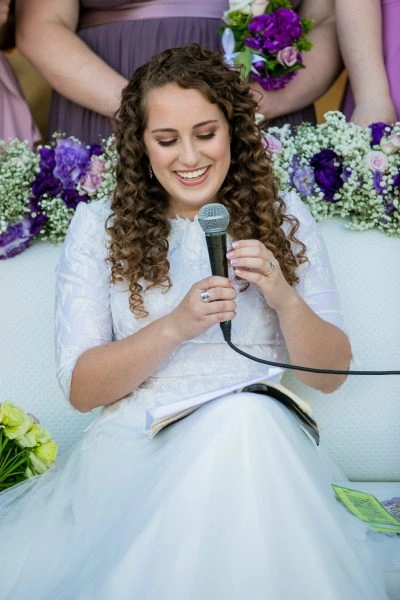
In my Shana bet at Migdal Oz I attended the Hadran siyum hash”as. Witnessing so many women so passionate about their Torah learning and connection to God, I knew I had to begin with the coming cycle. My wedding (June 24) was two weeks before the siyum of mesechet yoma so I went a little ahead and was able to make a speech and siyum at my kiseh kallah on my wedding day!
Givat Shmuel, Israel
Ive been learning Gmara since 5th grade and always loved it. Have always wanted to do Daf Yomi and now with Michelle Farber’s online classes it made it much easier to do! Really enjoying the experience thank you!!

Neve Daniel, Israel
A beautiful world of Talmudic sages now fill my daily life with discussion and debate.
bringing alive our traditions and texts that has brought new meaning to my life.
I am a מגילת אסתר reader for women . the words in the Mishna of מסכת megillah 17a
הקורא את המגילה למפרע לא יצא were powerful to me.
I hope to have the zchut to complete the cycle for my 70th birthday.

Jerusalem, Israel
I started learning daf in January, 2020, being inspired by watching the Siyyum Hashas in Binyanei Haumah. I wasn’t sure I would be able to keep up with the task. When I went to school, Gemara was not an option. Fast forward to March, 2022, and each day starts with the daf. The challenge is now learning the intricacies of delving into the actual learning. Hadran community, thank you!

Riverdale, NY, United States
I attended the Siyum so that I could tell my granddaughter that I had been there. Then I decided to listen on Spotify and after the siyum of Brachot, Covid and zoom began. It gave structure to my day. I learn with people from all over the world who are now my friends – yet most of us have never met. I can’t imagine life without it. Thank you Rabbanit Michelle.
Raanana, Israel
Hearing and reading about the siyumim at the completion of the 13 th cycle Daf Yomi asked our shul rabbi about starting the Daf – he directed me to another shiur in town he thought would allow a woman to join, and so I did! Love seeing the sources for the Divrei Torah I’ve been hearing for the past decades of living an observant life and raising 5 children .

Pittsburgh, Pennsylvania, United States
I started the daf at the beginning of this cycle in January 2020. My husband, my children, grandchildren and siblings have been very supportive. As someone who learned and taught Tanach and mefarshim for many years, it has been an amazing adventure to complete the six sedarim of Mishnah, and now to study Talmud on a daily basis along with Rabbanit Michelle and the wonderful women of Hadran.
Jerusalem, Israel
I started Daf during the pandemic. I listened to a number of podcasts by various Rebbeim until one day, I discovered Rabbanit Farbers podcast. Subsequently I joined the Hadran family in Eruvin. Not the easiest place to begin, Rabbanit Farber made it all understandable and fun. The online live group has bonded together and have really become a supportive, encouraging family.

Edmonton, Alberta, Canada
Studying has changed my life view on הלכה and יהדות and time. It has taught me bonudaries of the human nature and honesty of our sages in their discourse to try and build a nation of caring people .

Kfar Saba, Israel
Attending the Siyyum in Jerusalem 26 months ago inspired me to become part of this community of learners. So many aspects of Jewish life have been illuminated by what we have learned in Seder Moed. My day is not complete without daf Yomi. I am so grateful to Rabbanit Michelle and the Hadran Community.

Newton, United States

Bronx, United States
It has been a pleasure keeping pace with this wonderful and scholarly group of women.
Beit Shemesh, Israel
I decided to give daf yomi a try when I heard about the siyum hashas in 2020. Once the pandemic hit, the daily commitment gave my days some much-needed structure. There have been times when I’ve felt like quitting- especially when encountering very technical details in the text. But then I tell myself, “Look how much you’ve done. You can’t stop now!” So I keep going & my Koren bookshelf grows…
Huntington, United States
In early January of 2020, I learned about Siyyum HaShas and Daf Yomi via Tablet Magazine’s brief daily podcast about the Daf. I found it compelling and fascinating. Soon I discovered Hadran; since then I have learned the Daf daily with Rabbanit Michelle Cohen Farber. The Daf has permeated my every hour, and has transformed and magnified my place within the Jewish Universe.

San Francisco, CA , United States
Eruvin 58
וּבִלְבַד שֶׁלֹּא יֵצֵא חוּץ לַתְּחוּם.
provided he does not thereby go out beyond the city’s Shabbat limit, as those watching the surveyor might mistakenly think the limit extends to that point.
אִם אֵינוֹ יָכוֹל לְהַבְלִיעוֹ — בְּזוֹ אָמַר רַבִּי דּוֹסְתַּאי בַּר יַנַּאי מִשּׁוּם רַבִּי מֵאִיר: שָׁמַעְתִּי שֶׁמְּקַדְּרִין בֶּהָרִים.
If, due to the width of the canyon or hill, he cannot span it, with regard to this situation Rabbi Dostai bar Yannai said in the name of Rabbi Meir: I heard that one may pierce hills. In other words, one measures the distance as if there were a hole from one side of the hill to the other, so that in effect, he measures only the horizontal distance and ignores the differences in elevation.
גְּמָ׳ מְנָא הָנֵי מִילֵּי? אָמַר רַב יְהוּדָה אָמַר רַב: דְּאָמַר קְרָא ״אֹרֶךְ הֶחָצֵר מֵאָה בָאַמָּה וְרוֹחַב חֲמִשִּׁים בַּחֲמִשִּׁים״, אָמְרָה תּוֹרָה: בְּחֶבֶל שֶׁל חֲמִשִּׁים אַמָּה מְדוֹד.
GEMARA: The Gemara asks: From where are these matters, that the Shabbat limit must be measured with a rope fifty cubits long, derived? Rav Yehuda said that Rav said: They are derived from that which the verse states: “The length of the courtyard shall be one hundred cubits, and the breadth fifty by fifty” (Exodus 27:18). The Torah states: Measure with a rope of fifty cubits, i.e., the length and breadth of the courtyard must be measured “by fifty,” with a rope fifty cubits long.
הַאי מִיבְּעֵי לֵיהּ לִיטּוֹל חֲמִשִּׁים וּלְסַבֵּב חֲמִשִּׁים.
The Gemara asks: This repetitive usage of the word fifty is necessary to teach us something else, namely, that the area of a courtyard is equivalent to a square the size of the Tabernacle’s courtyard. To this end, the Torah states: Take a square of fifty cubits by fifty cubits, and surround it with the remaining fifty cubits in order to form a square, each side of which is just over seventy cubits long.
אִם כֵּן לֵימָא קְרָא: ״חֲמִשִּׁים חֲמִשִּׁים״, מַאי ״חֲמִשִּׁים בַּחֲמִשִּׁים״? שָׁמְעַתְּ מִינַּהּ תַּרְתֵּי.
The Gemara answers: If so, let the verse state: Fifty, fifty, which would have sufficed to teach us the size and shape of a courtyard. What is the significance of the phrase: Fifty by fifty? Conclude from this that the verse comes to teach two things, both the matter of the square courtyard and that the length of the rope used to measure the Shabbat limit should be fifty cubits long.
לֹא פָּחוֹת וְלֹא יוֹתֵר. תָּנָא: לֹא פָּחוֹת — מִפְּנֵי שֶׁמַּרְבֶּה, וְלֹא יוֹתֵר — מִפְּנֵי שֶׁמְּמַעֵט.
We learned in the mishna: One may measure a Shabbat limit only with a rope fifty cubits long, not less and not more. It was taught in the Tosefta: No less, because a shorter rope improperly increases the Shabbat limit, as the rope is likely to be stretched. And no more, because a longer rope reduces the limit, as the rope is likely to sag due to its weight.
אָמַר רַבִּי אַסִּי: אֵין מוֹדְדִין אֶלָּא בְּחֶבֶל שֶׁל אַפְסְקִימָא. מַאי אַפְסְקִימָא? אָמַר רַבִּי אַבָּא: נַרְגִּילָא. מַאי נַרְגִּילָא? אָמַר רַבִּי יַעֲקֹב: דִּיקְלָא דְּחַד נְבָרָא. אִיכָּא דְּאָמְרִי: מַאי אַפְסְקִימָא? רַבִּי אַבָּא אָמַר: נַרְגִּילָא, רַבִּי יַעֲקֹב אָמַר: דִּיקְלָא דְּחַד נְבָרָא.
Rabbi Asi said: One may measure only with a rope of afsakima. The Gemara asks: What is afsakima? Rabbi Abba said: It is the nargila plant. This name was also not widely known, and therefore the Gemara asks: What is nargila? Rabbi Ya’akov said: A palm tree that has only one fibrous vine wrapped around it. Some say a different version of the previous discussion, according to which the Gemara asked: What is afsakima? Rabbi Abba said: It is the nargila plant. Rabbi Ya’akov disagreed and said: It is a palm tree with one fibrous vine.
תַּנְיָא, אָמַר רַבִּי יְהוֹשֻׁעַ בֶּן חֲנַנְיָא: אֵין לְךָ שֶׁיָּפֶה לִמְדִידָה יוֹתֵר מִשַּׁלְשְׁלָאוֹת שֶׁל בַּרְזֶל, אֲבָל מַה נַּעֲשֶׂה שֶׁהֲרֵי אָמְרָה תּוֹרָה: ״וּבְיָדוֹ חֶבֶל מִדָּה״.
It was taught in a baraita that Rabbi Yehoshua ben Ḥananya said: You have nothing better for measuring than iron chains, as they do not stretch. But what shall we do, as the Torah states: “I lifted up my eyes again and looked, and behold a man with a measuring rope in his hand” (Zechariah 2:5), from which it is derived that measurements must be made with a rope.
וְהָכְתִיב: ״וּבְיַד הָאִישׁ קְנֵה הַמִּדָּה״? הָהוּא, לְתַרְעֵי.
The Gemara asks: Isn’t it also written: “And in the man’s hand a measuring reed of six cubits long, of one cubit and a handbreadth each” (Ezekiel 40:5), which indicates that reeds may also be used for measuring? The Gemara answers: That is used for measuring gates, which are too narrow to be measured with lengthy ropes.
תָּנֵי רַב יוֹסֵף, שְׁלֹשָׁה חֲבָלִים הֵם: שֶׁל מָגָג, שֶׁל נֵצֶר, וְשֶׁל פִּשְׁתָּן.
Rav Yosef taught that there are three kinds of rope, each required by halakha for a different purpose: A rope of magag, a kind of bulrush reed; a rope of netzer, made from fibrous palm vines; and a rope of flax.
שֶׁל מָגָג לְפָרָה, דִּתְנַן: כְּפָתוּהָ בְּחֶבֶל הַמָּגָג וּנְתָנוּהָ עַל גַּב מַעֲרַכְתָּהּ. שֶׁל נְצָרִים לְסוֹטָה, דִּתְנַן: וְאַחַר כָּךְ מֵבִיא חֶבֶל הַמִּצְרִי וְקוֹשְׁרוֹ לְמַעְלָה מִדַּדֶּיהָ. שֶׁל פִּשְׁתָּן לִמְדִידָה.
They are used for the following purposes: A rope of magag is utilized for the burning of the red heifer, as we learned in a mishna: They would bind the heifer with a rope of magag and place it on its woodpile, where it would be burned after it was slaughtered. A rope of netzer was required for a sota, a woman suspected of adultery, as we learned in a mishna: Before the sota is compelled to drink the bitter waters, her clothes are torn. And after that a priest brings a mitzri rope, i.e., a rope made of reeds [netzarim], and binds it above her breasts, so that her garments will not fall. A rope of flax is used for measuring.
הָיָה מוֹדֵד וְהִגִּיעַ. מִדְּתָנֵי: ״חוֹזֵר לְמִידָּתוֹ״, מִכְּלָל דְּאִם אֵינוֹ יָכוֹל לְהַבְלִיעוֹ — הוֹלֵךְ לְמָקוֹם שֶׁיָּכוֹל לְהַבְלִיעוֹ, וּמַבְלִיעוֹ, וְצוֹפֶה כְּנֶגֶד מִידָּתוֹ, וְחוֹזֵר.
It was stated in the mishna: If he was measuring the limit and he reached a canyon or a fence, he spans the area as if it were completely flat and then resumes his measurement. The Gemara comments: From the fact that it taught that he resumes his measurement, it may be derived by inference that if he cannot span it because it is too wide, he goes to a place where it is narrower so that he can span it. And he spans it, and he then looks for the spot at the same distance that is aligned with his original measurement, and he resumes his measurement from there.
תְּנֵינָא לְהָא, דְּתָנוּ רַבָּנַן: הָיָה מוֹדֵד וְהִגִּיעַ הַמִּידָּה לְגַיְא, אִם יָכוֹל לְהַבְלִיעוֹ בְּחֶבֶל שֶׁל חֲמִשִּׁים אַמָּה — מַבְלִיעוֹ. וְאִם לָאו — הוֹלֵךְ לִמְקוֹם שֶׁיָּכוֹל לְהַבְלִיעוֹ, וּמַבְלִיעוֹ, וְצוֹפֶה וְחוֹזֵר לְמִידָּתוֹ.
The Gemara comments that we have indeed learned this, as the Sages taught the following baraita: In the case of one who was measuring the Shabbat limit and the measurement reached a canyon, if he can span the canyon with a rope of fifty cubits, i.e., if the canyon is less than fifty cubits wide, he spans it. And if not, i.e., if the valley is more than fifty cubits wide, he goes to a place where it is narrower so that he can span it, and he spans it, and he then looks for the spot at the same distance that aligns with his original measurement, and he resumes his measurement from there.
אִם הָיָה גֵּיא מְעוּקָּם — מַקְדִּיר וְעוֹלֶה, מַקְדִּיר וְיוֹרֵד. הִגִּיעַ לְכוֹתֶל — אֵין אוֹמְרִים יִקּוֹב הַכּוֹתֶל, אֶלָּא אוֹמְדוֹ וְהוֹלֵךְ לוֹ.
The baraita continues: If the canyon was curved so that it surrounds the city on more than one side, and it cannot be spanned on the side where he wishes to measure the limit, he pierces and ascends, pierces and descends, thereby measuring the canyon’s width bit by bit. If he reached a wall, we do not say that he should pierce the wall so that it can be precisely measured; rather, he estimates its width and then leaves and continues on.
וְהָא אֲנַן תְּנַן: מַבְלִיעוֹ וְחוֹזֵר לְמִידָּתוֹ? הָתָם, נִיחָא תַּשְׁמִישְׁתָּא. הָכָא, לָא נִיחָא תַּשְׁמִישְׁתָּא.
The Gemara asks: Didn’t we learn in the mishna: If he reached a canyon or fence, he spans it and then resumes his measurement? Why is a precise measurement required there, whereas in the case of a wall, an estimate is sufficient? The Gemara explains: There, in the mishna, we are dealing with a place whose use is convenient, i.e., where the slope is relatively gentle so that the area can be crossed. Therefore, the area must actually be measured. However, here, in the baraita, the wall’s use is not convenient. Since one cannot walk through the wall, an estimate of its width is sufficient.
אָמַר רַב יְהוּדָה אָמַר שְׁמוּאֵל: לֹא שָׁנוּ אֶלָּא שֶׁאֵין חוּט הַמִּשְׁקוֹלֶת יוֹרֵד כְּנֶגְדּוֹ,
Rav Yehuda said that Shmuel said: They taught the method of piercing only where a plumb line does not drop straight down, i.e., where the canyon has a slope.
אֲבָל חוּט הַמִּשְׁקוֹלֶת יוֹרֵד כְּנֶגְדּוֹ — מוֹדְדוֹ מְדִידָה יָפָה.
However, if a plumb line drops straight down, i.e., if the canyon wall is very steep, he measures the width of the canyon properly at the bottom of the canyon, without taking its walls into account.
וְכַמָּה עוֹמְקוֹ שֶׁל גֵּיא? אָמַר רַב יוֹסֵף: אַלְפַּיִם.
The Gemara asks: And what is the depth of a canyon that may be spanned if it is not more than fifty cubits wide? Rav Yosef said: Up to two thousand cubits; but if it is deeper than that, the slope must be measured as well.
אֵיתִיבֵיהּ אַבָּיֵי: עָמוֹק מֵאָה וְרוֹחַב חֲמִשִּׁים — מַבְלִיעוֹ. וְאִם לָאו — אֵין מַבְלִיעוֹ? הוּא דְּאָמַר כַּאֲחֵרִים, דְּתַנְיָא, אֲחֵרִים אוֹמְרִים: אֲפִילּוּ עָמוֹק אַלְפַּיִם וְרוֹחַב חֲמִשִּׁים — מַבְלִיעוֹ.
Abaye raised an objection from the following baraita: If a canyon is up to one hundred cubits deep and up to fifty cubits wide, one may span it; and if not, one may not span it. How could Rav Yosef say that the canyon may be spanned if its depth is less than two thousand cubits? The Gemara answers: He stated his opinion in accordance with the opinion of Aḥerim; as it was taught in a baraita: Aḥerim say: Even if the canyon is two thousand cubits deep and fifty cubits wide, one may span it.
אִיכָּא דְּאָמְרִי, אָמַר רַב יוֹסֵף: אֲפִילּוּ יָתֵר מֵאַלְפַּיִם. כְּמַאן? דְּלָא כְּתַנָּא קַמָּא וְלָא כַּאֲחֵרִים!
The Gemara cites an alternate version of the previous discussion. Some say that Rav Yosef said: Even if the canyon is more than two thousand cubits deep, it may be spanned. The Gemara asks: In accordance with whose opinion did Rav Yosef say this? It is not in accordance with the opinion of the first tanna, and it is not in accordance with the opinion of the Aḥerim.
הָתָם — שֶׁאֵין חוּט הַמִּשְׁקוֹלֶת יוֹרֵד כְּנֶגְדּוֹ. הָכָא — בְּחוּט הַמִּשְׁקוֹלֶת יוֹרֵד כְּנֶגְדּוֹ.
The Gemara answers: There, where the tanna’im disagree about the depth of a canyon that may be spanned, they refer to a case where a plumb line does not drop straight down and therefore there is reason to measure the slope. Here, however, where Rav Yosef says that the canyon may be spanned even if it is more than two thousand cubits deep, he is referring to a case where a plumb line drops straight down.
וְכִי אֵין חוּט הַמִּשְׁקוֹלֶת יוֹרֵד כְּנֶגְדּוֹ, עַד כַּמָּה? אָמַר אֲבִימִי: אַרְבַּע. וְכֵן תָּנֵי רָמֵי בַּר יְחֶזְקֵאל: אַרְבַּע.
The Gemara asks: And where a plumb line does not drop straight down, how much must it extend from the top of the canyon in order for the wall of the canyon to be considered a slope rather than a vertical wall? Avimi said: Four cubits. If the bed of the canyon lies four cubits beyond the top edge of the canyon, the wall is sloped and must be included in the measurement. And similarly, Rami bar Ezekiel taught, based upon a baraita, that the maximum run is four cubits.
הִגִּיעַ לְהַר, מַבְלִיעוֹ וְחוֹזֵר לְמִידָּתוֹ. אָמַר רָבָא: לֹא שָׁנוּ אֶלָּא בְּהַר הַמִּתְלַקֵּט עֲשָׂרָה מִתּוֹךְ אַרְבַּע, אֲבָל בְּהַר הַמִּתְלַקֵּט עֲשָׂרָה מִתּוֹךְ חָמֵשׁ — מוֹדְדוֹ מְדִידָה יָפָה.
We learned in the mishna: If he reached a hill, he does not measure its height, but rather he spans the hill as if it were not there and then resumes his measurement. Rava said: They taught this halakha only with regard to a hill that has an incline of ten handbreadths within a run of four cubits. However, with regard to a gentler hill, e.g., one that has an incline of ten handbreadths within five cubits, one must measure the hill properly, i.e., he must include the slope itself in his measurement.
רַב הוּנָא בְּרֵיהּ דְּרַב נָתָן מַתְנֵי לְקוּלָּא. אָמַר רָבָא: לֹא שָׁנוּ אֶלָּא בְּהַר הַמִּתְלַקֵּט עֲשָׂרָה מִתּוֹךְ חָמֵשׁ, אֲבָל בְּהַר הַמִּתְלַקֵּט עֲשָׂרָה מִתּוֹךְ אַרְבַּע — אוֹמְדוֹ וְהוֹלֵךְ לוֹ.
The Gemara notes that Rav Huna, son of Rav Natan, teaches a lenient formulation of this halakha: Rava said that they only taught this halakha with regard to a hill that has an incline of ten handbreadths within a run of five cubits. However, with regard to a steeper hill that has an incline of ten handbreadths within four cubits, one need not take any precise measurements; instead, he estimates the length of the hill, and then leaves and continues measuring from the other side.
וּבִלְבַד שֶׁלֹּא יֵצֵא חוּץ לַתְּחוּם. מַאי טַעְמָא? אָמַר רַב כָּהֲנָא: גְּזֵירָה שֶׁמָּא יֹאמְרוּ מִדַּת תְּחוּמִין בָּאָה לְכָאן.
We learned in the mishna that one may measure a canyon or hill located within the Shabbat limit, provided that one does not go out beyond the limit. The Gemara asks: What is the reason for this restriction? Rav Kahana said: It is a decree, lest people say: The measurement of the Shabbat limit comes to here. Since people know that he set out to measure the Shabbat limit, if they see him measuring in a certain spot they will assume that the area is included in the Shabbat limit.
אִם אֵינוֹ יָכוֹל לְהַבְלִיעוֹ. תָּנוּ רַבָּנַן: כֵּיצַד מְקַדְּרִין, תַּחְתּוֹן כְּנֶגֶד לִבּוֹ, עֶלְיוֹן כְּנֶגֶד מַרְגְּלוֹתָיו. אָמַר אַבָּיֵי: נְקִיטִינַן אֵין מְקַדְּרִין אֶלָּא בְּחֶבֶל שֶׁל אַרְבַּע אַמּוֹת.
We learned in the mishna: If, due to the width of the canyon or hill, one cannot span it, he may pierce it. The Sages taught a baraita which explains this procedure: How does one figuratively pierce a hill? Two people hold the two ends of a measuring rope. The one who is lower down on the hill holds the rope at the level of his heart while the one who is higher holds it at the level of his feet, and they proceed to measure in this fashion. Abaye said: Based on tradition, we hold that one may pierce only with a rope of four cubits.
אָמַר רַב נַחְמָן אָמַר רַבָּה בַּר אֲבוּהּ: (נְקִיטִינַן) אֵין מְקַדְּרִין לֹא בְּעֶגְלָה עֲרוּפָה וְלֹא בְּעָרֵי מִקְלָט — מִפְּנֵי שֶׁהֵן שֶׁל תּוֹרָה.
Rav Naḥman said that Rabba bar Avuh said: Based on tradition, we hold that one may not pierce when measuring distances for the rite of the beheaded heifer. This rite is practiced when a murder victim is found, and it is not known who killed him. Judges measure the distance from the location of the corpse to the nearest town, in order to determine which town must perform the rite (Deuteronomy 21). Similarly, one may not pierce when measuring distances with regard to cities of refuge, in order to determine the boundaries within which an accidental murderer is protected from the blood redeemer (Numbers 32). Because these measurements are from the Torah, indirect methods of measurement are insufficient. The area must be measured as though it were flat.
מַתְנִי׳ אֵין מוֹדְדִין אֶלָּא מִן הַמּוּמְחֶה. רִיבָּה לְמָקוֹם אֶחָד, וּמִיעֵט לְמָקוֹם אַחֵר — שׁוֹמְעִין לִמְקוֹם שֶׁרִיבָּה. רִיבָּה לְאֶחָד וּמִיעֵט לְאֶחָד — שׁוֹמְעִין לַמְרוּבֶּה.
MISHNA: One may measure the Shabbat limit only with an expert surveyor. If it is discovered that the surveyor extended the limit in one place and reduced it in another place, so that the line marking the Shabbat limit is not straight, one accepts the measurement of the place where he extended the limit and straightens the limit accordingly. Similarly, if the surveyor extended the limit for one and reduced it for another, one accepts the extended measurement.
וַאֲפִילּוּ עֶבֶד אֲפִילּוּ שִׁפְחָה נֶאֱמָנִין לוֹמַר עַד כָּאן תְּחוּם שַׁבָּת, שֶׁלֹּא אָמְרוּ חֲכָמִים אֶת הַדָּבָר לְהַחֲמִיר, אֶלָּא לְהָקֵל.
And furthermore, even a gentile slave and even a gentile maidservant, whose testimonies are generally considered unreliable, are trustworthy to say: The Shabbat limit extended until here; as the Sages did not state the matter, the laws of Shabbat limits, to be stringent, but rather to be lenient. The prohibition to walk more than two thousand cubits is rabbinic in origin and is therefore interpreted leniently.

