Search

Gittin 10

Want to dedicate learning? Get started here:

English
עברית
podcast placeholder

0:00
0:00


podcast placeholder

0:00
0:00


Summary


The Mishna rules that if a Kuti (Samaritan) is signed on a document, it is valid only for a divorce or emancipation document, but not other documents. Why? There are three opinions regarding the status of Kutim – according to whose opinion does the Mishna correspond? At first, it seems like it doesn’t fit with any of them, but then the Gemara figures out how to explain the Mishna according to Rabbi Elazar. What assumptions can be made about the signing of a divorce document from this answer? A document effected in a non-Jewish court is not accepted for divorce or emancipation but is for other documents. Does this include all other documents, including gifts whereby the ownership is transferred by the document alone? And if so, this can only be because of Shmuel’s opinion that we hold by the court system of the country as dina de’malchuta dina, the law of the land is the law! How can Rabbi Shimon accept the document of divorce from a gentile court if they don’t have the same divorce laws as us? Is it because Rabbi Shimon holds like Rabbi Elazar that we rely on the witnesses who witnessed the woman receiving the divorce document, not the witnesses who signed the document? However, this answer is difficult as well.

Gittin 10

אִיכָּא בֵּינַיְיהוּ שֵׁמוֹת מוּבְהָקִין.

The Gemara explains: It is possible that even the first tanna holds in accordance with the opinion of Rabbi Elazar that the witnesses who observe its transmission effect the divorce, and he does not dispute Rabbi Shimon on this point. Instead, the difference between the first tanna and Rabbi Shimon concerns a case where the signatures on the bill of divorce are unambiguous [muvhakin] gentile names. The first tanna holds that although a bill of divorce is valid if it was transmitted in the presence of valid witnesses, there is always a concern that it might have been transmitted in the presence of the same gentile witnesses who signed it. Therefore, it is rendered invalid by rabbinic law. Conversely, Rabbi Shimon holds that if it contained names that clearly belonged to gentiles it can be assumed that the bill of divorce was transmitted in the presence of two valid witnesses, and therefore it is valid.

וְהָא חֲזָרָה דְּאוֹרָיְיתָא, וְקָתָנֵי!

The Gemara raises another difficulty: But the halakha of retraction applies by Torah law, as according to the opinion of Rabbi Meir the husband can retract his instruction to give the bill of divorce and the master can retract his instruction to give the bill of manumission by Torah law, thereby canceling the agency. And yet the baraita teaches it among the ways in which bills of divorce are equal to bills of manumission. This indicates that the tanna does not distinguish between a case that applies by Torah law and one that applies by rabbinic law.

אֶלָּא כִּי קָתָנֵי – מִילְּתָא דְּלֵיתַהּ בְּקִידּוּשִׁין, מִילְּתָא דְּאִיתַהּ בְּקִידּוּשִׁין – לָא קָתָנֵי.

Rather, the Gemara retracts from the previous explanation in favor of the following: When the baraita teaches the ways in which the two are equal it teaches only a matter that does not apply with regard to the halakhot of betrothal; however, it does not teach a matter that does apply with regard to the halakhot of betrothal.

וְהָא חֲזָרָה גּוּפַהּ אִיתָא בְּקִידּוּשִׁין! בִּשְׁלִיחוּת בְּעַל כּוֹרְחָהּ, דִּבְגֵירוּשִׁין אִיתַהּ וּבְקִידּוּשִׁין לֵיתַהּ.

The Gemara challenges: But retraction itself is also applicable with regard to betrothal, as one who sent a betrothal document with an agent can retract it. The Gemara says: The halakha of agency in the case of betrothal is not the same as that of divorce, as there is a difference with regard to agency undertaken to enact a matter against the recipient’s will. If one appointed an agent for a matter that the recipient does not want, e.g., to betroth a woman against her will or to free a slave against his will, as with regard to divorce, it is a valid agency, as a bill of divorce need not be given with the woman’s consent, but with regard to betrothal it is not a valid agency, as a woman can be betrothed only with her consent.

מַתְנִי׳ כׇּל גֵּט שֶׁיֵּשׁ עָלָיו עֵד כּוּתִי – פָּסוּל, חוּץ מִגִּיטֵּי נָשִׁים וְשִׁחְרוּרֵי עֲבָדִים. מַעֲשֶׂה שֶׁהֵבִיאוּ לִפְנֵי רַבָּן גַּמְלִיאֵל לִכְפַר עוֹתְנַאי גֵּט אִשָּׁה, וְהָיוּ עֵדָיו עֵדֵי כוּתִים, וְהִכְשִׁיר.

MISHNA: Any document that has a Samaritan witness signed on it is invalid, except for bills of divorce and bills of manumission. An incident occurred in which they brought a bill of divorce before Rabban Gamliel in the village of Otnai, and its witnesses were Samaritan witnesses, and he deemed it valid.

גְּמָ׳ מַנִּי מַתְנִיתִין? לָא תַּנָּא קַמָּא, וְלָא רַבִּי אֶלְעָזָר, וְלָא רַבָּן שִׁמְעוֹן בֶּן גַּמְלִיאֵל!

GEMARA: The Gemara asks: Whose opinion is expressed in the mishna? It is not the opinion of the first tanna, nor that of Rabbi Elazar, nor that of Rabban Shimon ben Gamliel, cited in the following baraita.

דְּתַנְיָא: מַצַּת כּוּתִי – מוּתֶּרֶת, וְאָדָם יוֹצֵא בָּהּ יְדֵי חוֹבָתוֹ בַּפֶּסַח. רַבִּי אֶלְעָזָר אוֹסֵר, לְפִי שֶׁאֵין בְּקִיאִין בְּדִקְדּוּקֵי מִצְוֹת. רַבָּן שִׁמְעוֹן בֶּן גַּמְלִיאֵל אוֹמֵר: כׇּל מִצְוָה שֶׁהֶחֱזִיקוּ בָּהּ כּוּתִים – הַרְבֵּה מְדַקְדְּקִין בָּהּ, יוֹתֵר מִיִּשְׂרָאֵל.

As it is taught in a baraita (Tosefta, Pesaḥim 1:15): The matza of a Samaritan is permitted on Passover, as there is no concern that it might be leaven, and a person fulfills his obligation to eat matza on the first night of Passover with it. Rabbi Elazar prohibits the consumption of the matza of a Samaritan because the Samaritans are not well-versed in the details of mitzvot. Rabban Shimon ben Gamliel says: On the contrary, with regard to any mitzva that the Samaritans embraced and accepted, they are more exacting in its observance than are Jews.

מַנִּי? אִי תַּנָּא קַמָּא, אֲפִילּוּ שְׁאָר שְׁטָרוֹת נָמֵי! אִי רַבִּי אֶלְעָזָר, אֲפִילּוּ גֵּט אִשָּׁה נָמֵי לָא!

The Gemara elaborates: Whose opinion is expressed in the mishna? If it is the opinion of the first tanna in the baraita, then even other documents should be valid when signed by Samaritan witnesses. By ruling that one can fulfill his obligation with Samaritan matza, this tanna apparently holds that the status of Samaritans is the same as that of Jews. If so, that should be their status with regard to their testimony on any document. If the opinion in the mishna is that of Rabbi Elazar, who expresses the concern that Samaritans are not well versed in the details of mitzvot, they should not be fit to sign even a bill of divorce.

וְאִי רַבָּן שִׁמְעוֹן בֶּן גַּמְלִיאֵל; אִי דְּאַחְזוּק – אֲפִילּוּ שְׁאָר שְׁטָרוֹת נָמֵי, אִי דְּלָא אַחְזוּק – אֲפִילּוּ גֵּט אִשָּׁה נָמֵי לָא!

And if the opinion in the mishna is that of Rabban Shimon ben Gamliel, the halakha should depend on the following consideration: If they embrace and accept the mitzva associated with the subject of the document, even with regard to other documents their testimony should be valid; if they do not embrace and accept the mitzva associated with the subject of the document, they should not be rendered fit to sign even a bill of divorce.

וְכִי תֵּימָא רַבָּן שִׁמְעוֹן בֶּן גַּמְלִיאֵל הִיא, וּדְאַחְזוּק בְּהָא וְלָא אַחְזוּק בְּהָא, אִי הָכִי, מַאי אִירְיָא חַד? אֲפִילּוּ תְּרֵי נָמֵי! אַלְּמָה אָמַר רַבִּי אֶלְעָזָר: לֹא הִכְשִׁירוּ בּוֹ אֶלָּא עֵד אֶחָד כּוּתִי בִּלְבָד?

And if you would say that the opinion in the mishna is that of Rabban Shimon ben Gamliel, and the Samaritans embrace this mitzva of bills of divorce, but they do not embrace this mitzva associated with the subject of other documents, if so, why is a bill of divorce valid specifically in a case where only one Samaritan witness signed it? The same would hold true even if two Samaritan witnesses signed the bill of divorce as well. Why, then, does Rabbi Elazar say: The Sages deemed it valid only when there is just one Samaritan witness signed on the bill of divorce?

לְעוֹלָם רַבִּי אֶלְעָזָר, וּכְגוֹן דְּחָתֵים יִשְׂרָאֵל לְבַסּוֹף,

The Gemara answers: Actually, the opinion expressed in the mishna is that of Rabbi Elazar, and as a rule, one may not rely on the testimony of a Samaritan on a document. And the mishna is referring to a case where a Jew signed the document last,

דְּאִי לָאו דְּכוּתִי חָבֵר הֲוָה, לָא מַחְתֵּים לֵיהּ מִקַּמֵּיהּ. אִי הָכִי, אֲפִילּוּ שְׁאָר שְׁטָרוֹת נָמֵי!

as, if not for the fact that the Samaritan was one devoted to the meticulous observance of mitzvot [ḥaver], the Jew would not have allowed him to sign the document before him. Therefore, one may rely on this Samaritan in this particular case. The Gemara asks: If so, that the mishna is referring to that case, then even other documents should be valid as well, if a Jew signed after the Samaritan.

אֶלָּא אָמְרִינַן רַוְוחָא שְׁבַק לְמַאן דְּקַשִּׁישׁ מִינֵּיהּ; הָכָא נָמֵי, רַוְוחָא שְׁבַק לְמַאן דְּקַשִּׁישׁ מִינֵּיהּ!

Rather, this is not the case with regard to other documents, as we say that the fact that the Jew signed last does not prove that this Samaritan was a ḥaver, as perhaps in signing last he was leaving space above his signature for one who was older than he is in deference to the elder, and instead, a Samaritan came and signed the document. The Gemara asks: Here too, in the case of a bill of divorce, perhaps he was leaving space above his signature for one who was his elder. Why, then, are bills of divorce and bills of manumission valid while other documents are not?

אָמַר רַב פָּפָּא, זֹאת אוֹמֶרֶת, עֵדֵי הַגֵּט אֵין חוֹתְמִין זֶה בְּלֹא זֶה.

Rav Pappa says: That is to say, in explanation of the difference between bills of divorce and manumission and other documents, that the witnesses of a bill of divorce and a bill of manumission may not sign one without the other; rather, each witness signs in the presence of the other. A Jew would be aware that a Samaritan was signing with him, and he would not sign unless he knew that the Samaritan was a valid witness. However, with regard to other documents, witnesses are not required to sign such documents in each other’s presence. Therefore, the signature of the Jew indicates nothing about the fitness of the Samaritan witness.

מַאי טַעְמָא? אָמַר רַב אָשֵׁי: גְּזֵירָה מִשּׁוּם ״כּוּלְּכֶם״.

The Gemara asks: What is the reason that the witnesses must sign a bill of divorce and a bill of manumission together? Rav Ashi says: It is a rabbinic decree issued due to a case where the husband says: All of you are witnesses on this bill of divorce. In that case, if any one of them fails to sign the bill of divorce, it is invalid. Therefore, the Sages decreed that the witnesses must sign a bill of divorce together in all cases.

גּוּפָא, אָמַר רַבִּי אֶלְעָזָר: לֹא הִכְשִׁירוּ בּוֹ אֶלָּא עֵד אֶחָד כּוּתִי בִּלְבַד. מַאי קָא מַשְׁמַע לַן? תְּנֵינָא: כׇּל גֵּט שֶׁיֵּשׁ עָלָיו עֵד כּוּתִי – פָּסוּל כּוּ׳!

§ Since the Gemara mentioned the halakha stated by Rabbi Elazar, it analyzes the matter itself. Rabbi Elazar says: They deemed a bill of divorce valid only when just one witness is a Samaritan. The Gemara asks: What is he teaching us by this statement? We already learned in the mishna: Any document that has a Samaritan witness on it is invalid except for bills of divorce and bills of manumission. This indicates that those are valid only if they have the signature of one Samaritan witness, not two.

אִי מִמַּתְנִיתִין, הֲוָה אָמֵינָא אֲפִילּוּ תְּרֵי נָמֵי; וְהַאי דְּקָתָנֵי חַד, מִשּׁוּם דְּבִשְׁטָרוֹת אֲפִילּוּ חַד נָמֵי לָא, קָא מַשְׁמַע לַן.

The Gemara responds: If it is learned from the mishna alone I would have said that even two Samaritan witnesses are also valid for a bill of divorce or a bill of manumission. And the fact that the mishna teaches one witness is because it wants to emphasize that for other documents even one Samaritan witness is also not valid. Therefore, Rabbi Eliezer teaches us that in the case of bills of divorce only one Samaritan witness is valid, but if both witnesses are Samaritans the bill of divorce is not valid.

וּתְרֵי לָא?! וְהָא קָתָנֵי: מַעֲשֶׂה וְהֵבִיאוּ לִפְנֵי רַבָּן גַּמְלִיאֵל לִכְפַר עוֹתְנַאי גֵּט אִשָּׁה, וְהָיוּ עֵדָיו עֵדֵי כוּתִים, וְהִכְשִׁיר! אָמַר אַבָּיֵי, תְּנִי: ״עֵדוֹ״.

The Gemara asks: And are two Samaritan witnesses not accepted on a bill of divorce? But the mishna teaches: An incident occurred in which they brought a bill of divorce before Rabban Gamliel in the village of Otnai, and its witnesses were Samaritan witnesses, and he deemed it valid. Abaye said that one should teach the mishna so that it does not read: Its witnesses, but rather: Its witness, i.e., Rabban Gamliel deemed valid a bill of divorce that had the signature of one Samaritan witness, as even he would invalidate a bill of divorce that included the signatures of two Samaritans.

רָבָא אָמַר: לְעוֹלָם תְּרֵי, וְרַבָּן גַּמְלִיאֵל מִיפְלָג פְּלִיג; וְחַסּוֹרֵי מִיחַסְּרָא, וְהָכִי קָתָנֵי: וְרַבָּן גַּמְלִיאֵל מַכְשִׁיר בִּשְׁנַיִם, וּמַעֲשֶׂה נָמֵי שֶׁהֵבִיאוּ לִפְנֵי רַבָּן גַּמְלִיאֵל לִכְפַר עוֹתְנַאי גֵּט אִשָּׁה, וְהָיוּ עֵדָיו עֵדֵי כוּתִים, וְהִכְשִׁיר.

Rava said: Actually, you do not need to say that the case was concerning one Samaritan witness, as it indeed is referring to two Samaritans witnesses, and Rabban Gamliel disagrees with the opinion of the first tanna. And the mishna is incomplete and this is what it is teaching: And Rabban Gamliel deems valid a bill of divorce that contains the signatures of two Samaritans, and an incident occurred in which they brought a bill of divorce before Rabban Gamliel in the village of Otnai, and its witnesses were Samaritan witnesses, and he deemed it valid.

מַתְנִי׳ כׇּל הַשְּׁטָרוֹת הָעוֹלִים בְּעַרְכָּאוֹת שֶׁל גּוֹיִם, אַף עַל פִּי שֶׁחוֹתְמֵיהֶם גּוֹיִם – כְּשֵׁירִים; חוּץ מִגִּיטֵּי נָשִׁים וְשִׁחְרוּרֵי עֲבָדִים. רַבִּי שִׁמְעוֹן אוֹמֵר: אַף אֵלּוּ כְּשֵׁירִין, לֹא הוּזְכְּרוּ אֶלָּא בִּזְמַן שֶׁנַּעֲשׂוּ בְּהֶדְיוֹט.

MISHNA: With regard to all documents produced in gentile courts, even though their signatures are those of gentiles they are all valid, except for bills of divorce and bills of manumission. Rabbi Shimon says: Even these are valid, as these two types of documents are mentioned only when they are prepared by a common person, not in court.

גְּמָ׳ קָא פָּסֵיק וְתָנֵי – לָא שְׁנָא מֶכֶר לָא שְׁנָא מַתָּנָה.

GEMARA: With regard to the ruling of the mishna that all documents written in gentile courts are valid, the Gemara comments: The tanna categorically teaches a general halakha in the mishna, and it is no different if it is a document concerning a sale and it is no different if it is a document concerning a gift, the document is valid in both cases.

בִּשְׁלָמָא מֶכֶר, מִכִּי יָהֵיב זוּזֵי קַמַּיְיהוּ הוּא דִּקְנָה; וּשְׁטָרָא רְאָיָה בְּעָלְמָא הוּא – דְּאִי לָא יָהֵיב זוּזֵי קַמַּיְיהוּ, לָא הֲווֹ מַרְעִי נַפְשַׁיְיהוּ וְכָתְבִין לֵיהּ שְׁטָרָא.

The Gemara asks: Granted, in the case of a sale this is reasonable, as from when the buyer gave money to the seller in the presence of the gentile judges he has acquired the property, since he has performed an act of acquisition. And the document is merely a proof for the acquisition. It must be that he already acquired the property in question, as if he had not given money in their presence the court would not act to its own detriment and write a document for him, as the document detailing the sale would not be accurate, and writing such a document would reflect poorly on them. Therefore, the document clearly serves as proof that the acquisition was performed in the correct manner.

אֶלָּא מַתָּנָה, בְּמַאי קָא קָנֵי – לָאו בְּהַאי שְׁטָרָא? וְהַאי שְׁטָרָא חַסְפָּא בְּעָלְמָא הוּא! אָמַר שְׁמוּאֵל: דִּינָא דְמַלְכוּתָא – דִּינָא.

However, with regard to a gift, by what means does the one who receives the gift acquire it from the giver? Is it not via this document? And yet this document is merely a shard, as a document written by gentiles is not considered a legal document according to halakha. Shmuel said: The law of the kingdom is the law, i.e., Jews must obey the laws of the state in which they live. Consequently, every form of property transfer accepted by local law is valid according to halakha as well.

וְאִיבָּעֵית אֵימָא, תָּנֵי ״חוּץ מִכְּגִיטֵּי נָשִׁים״.

And if you wish, say that one should emend the text of the mishna, and teach: They are all valid except for documents that are like bills of divorce. In other words, the distinction is between different types of documents: Documents that are meant to serve only as proof are valid even if they were produced in gentile courts, whereas documents that effect a legal act, such as bills of divorce, are invalid if they were written in a gentile court.

רַבִּי שִׁמְעוֹן אוֹמֵר: אַף אֵלּוּ, כְּשֵׁירִין וְכוּ׳: וְהָא לָאו בְּנֵי כְרִיתוּת נִינְהוּ?

§ The mishna taught that Rabbi Shimon says: Even these bills of divorce and bills of manumission are valid if they were written in a gentile court and were signed by gentiles. The Gemara asks: How can Rabbi Shimon rule in this manner? But gentiles are not fit for this role, as they are not subject to the halakhot concerning scrolls of severance. Since the halakhot of marriage and divorce in the Torah are stated exclusively with regard to Jews, gentiles cannot serve in any capacity in cases of this kind.

אָמַר רַבִּי זֵירָא: יָרַד רַבִּי שִׁמְעוֹן לְשִׁיטָתוֹ שֶׁל רַבִּי אֶלְעָזָר, דְּאָמַר עֵדֵי מְסִירָה כָּרְתִי.

Rabbi Zeira says: Rabbi Shimon follows the opinion of Rabbi Elazar, who says that the witnesses of the transmission of the bill of divorce effect the divorce. In other words, the signing of the bill of divorce is not essential to its effectiveness. Rather, the transfer of the bill of divorce completes the act of divorce, and therefore no attention is paid to who the signatories were.

וְהָאָמַר רַבִּי אַבָּא: מוֹדֶה רַבִּי אֶלְעָזָר בִּמְזוּיָּף מִתּוֹכוֹ, שֶׁפָּסוּל! הָכָא בְּמַאי עָסְקִינַן –

The Gemara raises a difficulty: But doesn’t Rabbi Abba say that although he considers a bill of divorce valid even without the signature of witnesses, Rabbi Elazar concedes with regard to a document whose falsification is inherent in it that it is invalid despite the fact that it was properly transferred. In other words, notwithstanding the halakha that the signatures on a bill of divorce are unnecessary, a document that includes invalid signatures is thereby invalidated. The reason is that there is a concern that people will rely upon these witnesses. The Gemara answers: With what are we dealing here?

New to Talmud?

Check out our resources designed to help you navigate a page of Talmud – and study at the pace, level and style that fits you. 

The Hadran Women’s Tapestry

Meet the diverse women learning Gemara at Hadran and hear their stories. 

I started learning Daf Yomi inspired by תָּפַסְתָּ מְרוּבֶּה לֹא תָּפַסְתָּ, תָּפַסְתָּ מוּעָט תָּפַסְתָּ. I thought I’d start the first page, and then see. I was swept up into the enthusiasm of the Hadran Siyum, and from there the momentum kept building. Rabbanit Michelle’s shiur gives me an anchor, a connection to an incredible virtual community, and an energy to face whatever the day brings.

Medinah Korn
Medinah Korn

בית שמש, Israel

I am a Reform rabbi and took Talmud courses in rabbinical school, but I knew there was so much more to learn. It felt inauthentic to serve as a rabbi without having read the entire Talmud, so when the opportunity arose to start Daf Yomi in 2020, I dove in! Thanks to Hadran, Daf Yomi has enriched my understanding of rabbinic Judaism and deepened my love of Jewish text & tradition. Todah rabbah!

Rabbi Nicki Greninger

California, United States

In July, 2012 I wrote for Tablet about the first all women’s siyum at Matan in Jerusalem, with 100 women. At the time, I thought, I would like to start with the next cycle – listening to a podcast at different times of day makes it possible. It is incredible that after 10 years, so many women are so engaged!

Beth Kissileff
Beth Kissileff

Pittsburgh, United States

I started learning at the beginning of the cycle after a friend persuaded me that it would be right up my alley. I was lucky enough to learn at Rabbanit Michelle’s house before it started on zoom and it was quickly part of my daily routine. I find it so important to see for myself where halachot were derived, where stories were told and to get more insight into how the Rabbis interacted.

Deborah Dickson
Deborah Dickson

Ra’anana, Israel

I went to day school in Toronto but really began to learn when I attended Brovenders back in the early 1980’s. Last year after talking to my sister who was learning Daf Yomi, inspired, I looked on the computer and the Hadran site came up. I have been listening to each days shiur in the morning as I work. I emphasis listening since I am not sitting with a Gamara. I listen while I work in my studio.

Rachel Rotenberg
Rachel Rotenberg

Tekoa, Israel

I started learning after the siyum hashas for women and my daily learning has been a constant over the last two years. It grounded me during the chaos of Corona while providing me with a community of fellow learners. The Daf can be challenging but it’s filled with life’s lessons, struggles and hope for a better world. It’s not about the destination but rather about the journey. Thank you Hadran!

Dena Lehrman
Dena Lehrman

אפרת, Israel

I started learning Talmud with R’ Haramati in Yeshivah of Flatbush. But after a respite of 60 years, Rabbanit Michelle lit my fire – after attending the last three world siyumim in Miami Beach, Meadowlands and Boca Raton, and now that I’m retired, I decided – “I can do this!” It has been an incredible journey so far, and I look forward to learning Daf everyday – Mazal Tov to everyone!

Roslyn Jaffe
Roslyn Jaffe

Florida, United States

A beautiful world of Talmudic sages now fill my daily life with discussion and debate.
bringing alive our traditions and texts that has brought new meaning to my life.
I am a מגילת אסתר reader for women . the words in the Mishna of מסכת megillah 17a
הקורא את המגילה למפרע לא יצא were powerful to me.
I hope to have the zchut to complete the cycle for my 70th birthday.

Sheila Hauser
Sheila Hauser

Jerusalem, Israel

I began to learn this cycle of Daf Yomi after my husband passed away 2 1/2 years ago. It seemed a good way to connect to him. Even though I don’t know whether he would have encouraged women learning Gemara, it would have opened wonderful conversations. It also gives me more depth for understanding my frum children and grandchildren. Thank you Hadran and Rabbanit Michelle Farber!!

Harriet Hartman
Harriet Hartman

Tzur Hadassah, Israel

A few years back, after reading Ilana Kurshan’s book, “If All The Seas Were Ink,” I began pondering the crazy, outlandish idea of beginning the Daf Yomi cycle. Beginning in December, 2019, a month before the previous cycle ended, I “auditioned” 30 different podcasts in 30 days, and ultimately chose to take the plunge with Hadran and Rabbanit Michelle. Such joy!

Cindy Dolgin
Cindy Dolgin

HUNTINGTON, United States

I began to learn this cycle of Daf Yomi after my husband passed away 2 1/2 years ago. It seemed a good way to connect to him. Even though I don’t know whether he would have encouraged women learning Gemara, it would have opened wonderful conversations. It also gives me more depth for understanding my frum children and grandchildren. Thank you Hadran and Rabbanit Michelle Farber!!

Harriet Hartman
Harriet Hartman

Tzur Hadassah, Israel

Hearing and reading about the siyumim at the completion of the 13 th cycle Daf Yomi asked our shul rabbi about starting the Daf – he directed me to another shiur in town he thought would allow a woman to join, and so I did! Love seeing the sources for the Divrei Torah I’ve been hearing for the past decades of living an observant life and raising 5 children .

Jill Felder
Jill Felder

Pittsburgh, Pennsylvania, United States

I started learning Daf Yomi in January 2020 after watching my grandfather, Mayer Penstein z”l, finish shas with the previous cycle. My grandfather made learning so much fun was so proud that his grandchildren wanted to join him. I was also inspired by Ilana Kurshan’s book, If All the Seas Were Ink. Two years in, I can say that it has enriched my life in so many ways.

Leeza Hirt Wilner
Leeza Hirt Wilner

New York, United States

A beautiful world of Talmudic sages now fill my daily life with discussion and debate.
bringing alive our traditions and texts that has brought new meaning to my life.
I am a מגילת אסתר reader for women . the words in the Mishna of מסכת megillah 17a
הקורא את המגילה למפרע לא יצא were powerful to me.
I hope to have the zchut to complete the cycle for my 70th birthday.

Sheila Hauser
Sheila Hauser

Jerusalem, Israel

I am grateful for the structure of the Daf Yomi. When I am freer to learn to my heart’s content, I learn other passages in addition. But even in times of difficulty, I always know that I can rely on the structure and social support of Daf Yomi learners all over the world.

I am also grateful for this forum. It is very helpful to learn with a group of enthusiastic and committed women.

Janice Block-2
Janice Block

Beit Shemesh, Israel

The first month I learned Daf Yomi by myself in secret, because I wasn’t sure how my husband would react, but after the siyyum on Masechet Brachot I discovered Hadran and now sometimes my husband listens to the daf with me. He and I also learn mishnayot together and are constantly finding connections between the different masechtot.

Laura Warshawsky
Laura Warshawsky

Silver Spring, Maryland, United States

After being so inspired by the siyum shas two years ago, I began tentatively learning daf yomi, like Rabbanut Michelle kept saying – taking one daf at a time. I’m still taking it one daf at a time, one masechet at a time, but I’m loving it and am still so inspired by Rabbanit Michelle and the Hadran community, and yes – I am proud to be finishing Seder Mo’ed.

Caroline Graham-Ofstein

Bet Shemesh, Israel

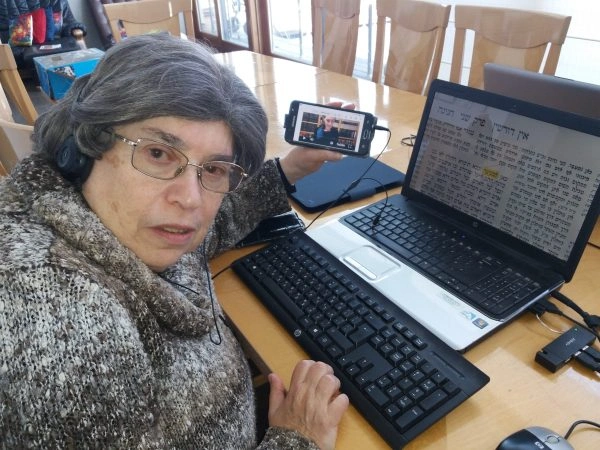
Geri Goldstein got me started learning daf yomi when I was in Israel 2 years ago. It’s been a challenge and I’ve learned a lot though I’m sure I miss a lot. I quilt as I listen and I want to share what I’ve been working on.

Rebecca Stulberg
Rebecca Stulberg

Ottawa, Canada

After experiences over the years of asking to join gemara shiurim for men and either being refused by the maggid shiur or being the only women there, sometimes behind a mechitza, I found out about Hadran sometime during the tail end of Masechet Shabbat, I think. Life has been much better since then.

Madeline Cohen
Madeline Cohen

London, United Kingdom

I learned Talmud as a student in Yeshivat Ramaz and felt at the time that Talmud wasn’t for me. After reading Ilana Kurshan’s book I was intrigued and after watching the great siyum in Yerushalayim it ignited the spark to begin this journey. It has been a transformative life experience for me as a wife, mother, Savta and member of Klal Yisrael.
Elana Storch
Elana Storch

Phoenix, Arizona, United States

Gittin 10

אִיכָּא בֵּינַיְיהוּ שֵׁמוֹת מוּבְהָקִין.

The Gemara explains: It is possible that even the first tanna holds in accordance with the opinion of Rabbi Elazar that the witnesses who observe its transmission effect the divorce, and he does not dispute Rabbi Shimon on this point. Instead, the difference between the first tanna and Rabbi Shimon concerns a case where the signatures on the bill of divorce are unambiguous [muvhakin] gentile names. The first tanna holds that although a bill of divorce is valid if it was transmitted in the presence of valid witnesses, there is always a concern that it might have been transmitted in the presence of the same gentile witnesses who signed it. Therefore, it is rendered invalid by rabbinic law. Conversely, Rabbi Shimon holds that if it contained names that clearly belonged to gentiles it can be assumed that the bill of divorce was transmitted in the presence of two valid witnesses, and therefore it is valid.

וְהָא חֲזָרָה דְּאוֹרָיְיתָא, וְקָתָנֵי!

The Gemara raises another difficulty: But the halakha of retraction applies by Torah law, as according to the opinion of Rabbi Meir the husband can retract his instruction to give the bill of divorce and the master can retract his instruction to give the bill of manumission by Torah law, thereby canceling the agency. And yet the baraita teaches it among the ways in which bills of divorce are equal to bills of manumission. This indicates that the tanna does not distinguish between a case that applies by Torah law and one that applies by rabbinic law.

אֶלָּא כִּי קָתָנֵי – מִילְּתָא דְּלֵיתַהּ בְּקִידּוּשִׁין, מִילְּתָא דְּאִיתַהּ בְּקִידּוּשִׁין – לָא קָתָנֵי.

Rather, the Gemara retracts from the previous explanation in favor of the following: When the baraita teaches the ways in which the two are equal it teaches only a matter that does not apply with regard to the halakhot of betrothal; however, it does not teach a matter that does apply with regard to the halakhot of betrothal.

וְהָא חֲזָרָה גּוּפַהּ אִיתָא בְּקִידּוּשִׁין! בִּשְׁלִיחוּת בְּעַל כּוֹרְחָהּ, דִּבְגֵירוּשִׁין אִיתַהּ וּבְקִידּוּשִׁין לֵיתַהּ.

The Gemara challenges: But retraction itself is also applicable with regard to betrothal, as one who sent a betrothal document with an agent can retract it. The Gemara says: The halakha of agency in the case of betrothal is not the same as that of divorce, as there is a difference with regard to agency undertaken to enact a matter against the recipient’s will. If one appointed an agent for a matter that the recipient does not want, e.g., to betroth a woman against her will or to free a slave against his will, as with regard to divorce, it is a valid agency, as a bill of divorce need not be given with the woman’s consent, but with regard to betrothal it is not a valid agency, as a woman can be betrothed only with her consent.

מַתְנִי׳ כׇּל גֵּט שֶׁיֵּשׁ עָלָיו עֵד כּוּתִי – פָּסוּל, חוּץ מִגִּיטֵּי נָשִׁים וְשִׁחְרוּרֵי עֲבָדִים. מַעֲשֶׂה שֶׁהֵבִיאוּ לִפְנֵי רַבָּן גַּמְלִיאֵל לִכְפַר עוֹתְנַאי גֵּט אִשָּׁה, וְהָיוּ עֵדָיו עֵדֵי כוּתִים, וְהִכְשִׁיר.

MISHNA: Any document that has a Samaritan witness signed on it is invalid, except for bills of divorce and bills of manumission. An incident occurred in which they brought a bill of divorce before Rabban Gamliel in the village of Otnai, and its witnesses were Samaritan witnesses, and he deemed it valid.

גְּמָ׳ מַנִּי מַתְנִיתִין? לָא תַּנָּא קַמָּא, וְלָא רַבִּי אֶלְעָזָר, וְלָא רַבָּן שִׁמְעוֹן בֶּן גַּמְלִיאֵל!

GEMARA: The Gemara asks: Whose opinion is expressed in the mishna? It is not the opinion of the first tanna, nor that of Rabbi Elazar, nor that of Rabban Shimon ben Gamliel, cited in the following baraita.

דְּתַנְיָא: מַצַּת כּוּתִי – מוּתֶּרֶת, וְאָדָם יוֹצֵא בָּהּ יְדֵי חוֹבָתוֹ בַּפֶּסַח. רַבִּי אֶלְעָזָר אוֹסֵר, לְפִי שֶׁאֵין בְּקִיאִין בְּדִקְדּוּקֵי מִצְוֹת. רַבָּן שִׁמְעוֹן בֶּן גַּמְלִיאֵל אוֹמֵר: כׇּל מִצְוָה שֶׁהֶחֱזִיקוּ בָּהּ כּוּתִים – הַרְבֵּה מְדַקְדְּקִין בָּהּ, יוֹתֵר מִיִּשְׂרָאֵל.

As it is taught in a baraita (Tosefta, Pesaḥim 1:15): The matza of a Samaritan is permitted on Passover, as there is no concern that it might be leaven, and a person fulfills his obligation to eat matza on the first night of Passover with it. Rabbi Elazar prohibits the consumption of the matza of a Samaritan because the Samaritans are not well-versed in the details of mitzvot. Rabban Shimon ben Gamliel says: On the contrary, with regard to any mitzva that the Samaritans embraced and accepted, they are more exacting in its observance than are Jews.

מַנִּי? אִי תַּנָּא קַמָּא, אֲפִילּוּ שְׁאָר שְׁטָרוֹת נָמֵי! אִי רַבִּי אֶלְעָזָר, אֲפִילּוּ גֵּט אִשָּׁה נָמֵי לָא!

The Gemara elaborates: Whose opinion is expressed in the mishna? If it is the opinion of the first tanna in the baraita, then even other documents should be valid when signed by Samaritan witnesses. By ruling that one can fulfill his obligation with Samaritan matza, this tanna apparently holds that the status of Samaritans is the same as that of Jews. If so, that should be their status with regard to their testimony on any document. If the opinion in the mishna is that of Rabbi Elazar, who expresses the concern that Samaritans are not well versed in the details of mitzvot, they should not be fit to sign even a bill of divorce.

וְאִי רַבָּן שִׁמְעוֹן בֶּן גַּמְלִיאֵל; אִי דְּאַחְזוּק – אֲפִילּוּ שְׁאָר שְׁטָרוֹת נָמֵי, אִי דְּלָא אַחְזוּק – אֲפִילּוּ גֵּט אִשָּׁה נָמֵי לָא!

And if the opinion in the mishna is that of Rabban Shimon ben Gamliel, the halakha should depend on the following consideration: If they embrace and accept the mitzva associated with the subject of the document, even with regard to other documents their testimony should be valid; if they do not embrace and accept the mitzva associated with the subject of the document, they should not be rendered fit to sign even a bill of divorce.

וְכִי תֵּימָא רַבָּן שִׁמְעוֹן בֶּן גַּמְלִיאֵל הִיא, וּדְאַחְזוּק בְּהָא וְלָא אַחְזוּק בְּהָא, אִי הָכִי, מַאי אִירְיָא חַד? אֲפִילּוּ תְּרֵי נָמֵי! אַלְּמָה אָמַר רַבִּי אֶלְעָזָר: לֹא הִכְשִׁירוּ בּוֹ אֶלָּא עֵד אֶחָד כּוּתִי בִּלְבָד?

And if you would say that the opinion in the mishna is that of Rabban Shimon ben Gamliel, and the Samaritans embrace this mitzva of bills of divorce, but they do not embrace this mitzva associated with the subject of other documents, if so, why is a bill of divorce valid specifically in a case where only one Samaritan witness signed it? The same would hold true even if two Samaritan witnesses signed the bill of divorce as well. Why, then, does Rabbi Elazar say: The Sages deemed it valid only when there is just one Samaritan witness signed on the bill of divorce?

לְעוֹלָם רַבִּי אֶלְעָזָר, וּכְגוֹן דְּחָתֵים יִשְׂרָאֵל לְבַסּוֹף,

The Gemara answers: Actually, the opinion expressed in the mishna is that of Rabbi Elazar, and as a rule, one may not rely on the testimony of a Samaritan on a document. And the mishna is referring to a case where a Jew signed the document last,

דְּאִי לָאו דְּכוּתִי חָבֵר הֲוָה, לָא מַחְתֵּים לֵיהּ מִקַּמֵּיהּ. אִי הָכִי, אֲפִילּוּ שְׁאָר שְׁטָרוֹת נָמֵי!

as, if not for the fact that the Samaritan was one devoted to the meticulous observance of mitzvot [ḥaver], the Jew would not have allowed him to sign the document before him. Therefore, one may rely on this Samaritan in this particular case. The Gemara asks: If so, that the mishna is referring to that case, then even other documents should be valid as well, if a Jew signed after the Samaritan.

אֶלָּא אָמְרִינַן רַוְוחָא שְׁבַק לְמַאן דְּקַשִּׁישׁ מִינֵּיהּ; הָכָא נָמֵי, רַוְוחָא שְׁבַק לְמַאן דְּקַשִּׁישׁ מִינֵּיהּ!

Rather, this is not the case with regard to other documents, as we say that the fact that the Jew signed last does not prove that this Samaritan was a ḥaver, as perhaps in signing last he was leaving space above his signature for one who was older than he is in deference to the elder, and instead, a Samaritan came and signed the document. The Gemara asks: Here too, in the case of a bill of divorce, perhaps he was leaving space above his signature for one who was his elder. Why, then, are bills of divorce and bills of manumission valid while other documents are not?

אָמַר רַב פָּפָּא, זֹאת אוֹמֶרֶת, עֵדֵי הַגֵּט אֵין חוֹתְמִין זֶה בְּלֹא זֶה.

Rav Pappa says: That is to say, in explanation of the difference between bills of divorce and manumission and other documents, that the witnesses of a bill of divorce and a bill of manumission may not sign one without the other; rather, each witness signs in the presence of the other. A Jew would be aware that a Samaritan was signing with him, and he would not sign unless he knew that the Samaritan was a valid witness. However, with regard to other documents, witnesses are not required to sign such documents in each other’s presence. Therefore, the signature of the Jew indicates nothing about the fitness of the Samaritan witness.

מַאי טַעְמָא? אָמַר רַב אָשֵׁי: גְּזֵירָה מִשּׁוּם ״כּוּלְּכֶם״.

The Gemara asks: What is the reason that the witnesses must sign a bill of divorce and a bill of manumission together? Rav Ashi says: It is a rabbinic decree issued due to a case where the husband says: All of you are witnesses on this bill of divorce. In that case, if any one of them fails to sign the bill of divorce, it is invalid. Therefore, the Sages decreed that the witnesses must sign a bill of divorce together in all cases.

גּוּפָא, אָמַר רַבִּי אֶלְעָזָר: לֹא הִכְשִׁירוּ בּוֹ אֶלָּא עֵד אֶחָד כּוּתִי בִּלְבַד. מַאי קָא מַשְׁמַע לַן? תְּנֵינָא: כׇּל גֵּט שֶׁיֵּשׁ עָלָיו עֵד כּוּתִי – פָּסוּל כּוּ׳!

§ Since the Gemara mentioned the halakha stated by Rabbi Elazar, it analyzes the matter itself. Rabbi Elazar says: They deemed a bill of divorce valid only when just one witness is a Samaritan. The Gemara asks: What is he teaching us by this statement? We already learned in the mishna: Any document that has a Samaritan witness on it is invalid except for bills of divorce and bills of manumission. This indicates that those are valid only if they have the signature of one Samaritan witness, not two.

אִי מִמַּתְנִיתִין, הֲוָה אָמֵינָא אֲפִילּוּ תְּרֵי נָמֵי; וְהַאי דְּקָתָנֵי חַד, מִשּׁוּם דְּבִשְׁטָרוֹת אֲפִילּוּ חַד נָמֵי לָא, קָא מַשְׁמַע לַן.

The Gemara responds: If it is learned from the mishna alone I would have said that even two Samaritan witnesses are also valid for a bill of divorce or a bill of manumission. And the fact that the mishna teaches one witness is because it wants to emphasize that for other documents even one Samaritan witness is also not valid. Therefore, Rabbi Eliezer teaches us that in the case of bills of divorce only one Samaritan witness is valid, but if both witnesses are Samaritans the bill of divorce is not valid.

וּתְרֵי לָא?! וְהָא קָתָנֵי: מַעֲשֶׂה וְהֵבִיאוּ לִפְנֵי רַבָּן גַּמְלִיאֵל לִכְפַר עוֹתְנַאי גֵּט אִשָּׁה, וְהָיוּ עֵדָיו עֵדֵי כוּתִים, וְהִכְשִׁיר! אָמַר אַבָּיֵי, תְּנִי: ״עֵדוֹ״.

The Gemara asks: And are two Samaritan witnesses not accepted on a bill of divorce? But the mishna teaches: An incident occurred in which they brought a bill of divorce before Rabban Gamliel in the village of Otnai, and its witnesses were Samaritan witnesses, and he deemed it valid. Abaye said that one should teach the mishna so that it does not read: Its witnesses, but rather: Its witness, i.e., Rabban Gamliel deemed valid a bill of divorce that had the signature of one Samaritan witness, as even he would invalidate a bill of divorce that included the signatures of two Samaritans.

רָבָא אָמַר: לְעוֹלָם תְּרֵי, וְרַבָּן גַּמְלִיאֵל מִיפְלָג פְּלִיג; וְחַסּוֹרֵי מִיחַסְּרָא, וְהָכִי קָתָנֵי: וְרַבָּן גַּמְלִיאֵל מַכְשִׁיר בִּשְׁנַיִם, וּמַעֲשֶׂה נָמֵי שֶׁהֵבִיאוּ לִפְנֵי רַבָּן גַּמְלִיאֵל לִכְפַר עוֹתְנַאי גֵּט אִשָּׁה, וְהָיוּ עֵדָיו עֵדֵי כוּתִים, וְהִכְשִׁיר.

Rava said: Actually, you do not need to say that the case was concerning one Samaritan witness, as it indeed is referring to two Samaritans witnesses, and Rabban Gamliel disagrees with the opinion of the first tanna. And the mishna is incomplete and this is what it is teaching: And Rabban Gamliel deems valid a bill of divorce that contains the signatures of two Samaritans, and an incident occurred in which they brought a bill of divorce before Rabban Gamliel in the village of Otnai, and its witnesses were Samaritan witnesses, and he deemed it valid.

מַתְנִי׳ כׇּל הַשְּׁטָרוֹת הָעוֹלִים בְּעַרְכָּאוֹת שֶׁל גּוֹיִם, אַף עַל פִּי שֶׁחוֹתְמֵיהֶם גּוֹיִם – כְּשֵׁירִים; חוּץ מִגִּיטֵּי נָשִׁים וְשִׁחְרוּרֵי עֲבָדִים. רַבִּי שִׁמְעוֹן אוֹמֵר: אַף אֵלּוּ כְּשֵׁירִין, לֹא הוּזְכְּרוּ אֶלָּא בִּזְמַן שֶׁנַּעֲשׂוּ בְּהֶדְיוֹט.

MISHNA: With regard to all documents produced in gentile courts, even though their signatures are those of gentiles they are all valid, except for bills of divorce and bills of manumission. Rabbi Shimon says: Even these are valid, as these two types of documents are mentioned only when they are prepared by a common person, not in court.

גְּמָ׳ קָא פָּסֵיק וְתָנֵי – לָא שְׁנָא מֶכֶר לָא שְׁנָא מַתָּנָה.

GEMARA: With regard to the ruling of the mishna that all documents written in gentile courts are valid, the Gemara comments: The tanna categorically teaches a general halakha in the mishna, and it is no different if it is a document concerning a sale and it is no different if it is a document concerning a gift, the document is valid in both cases.

בִּשְׁלָמָא מֶכֶר, מִכִּי יָהֵיב זוּזֵי קַמַּיְיהוּ הוּא דִּקְנָה; וּשְׁטָרָא רְאָיָה בְּעָלְמָא הוּא – דְּאִי לָא יָהֵיב זוּזֵי קַמַּיְיהוּ, לָא הֲווֹ מַרְעִי נַפְשַׁיְיהוּ וְכָתְבִין לֵיהּ שְׁטָרָא.

The Gemara asks: Granted, in the case of a sale this is reasonable, as from when the buyer gave money to the seller in the presence of the gentile judges he has acquired the property, since he has performed an act of acquisition. And the document is merely a proof for the acquisition. It must be that he already acquired the property in question, as if he had not given money in their presence the court would not act to its own detriment and write a document for him, as the document detailing the sale would not be accurate, and writing such a document would reflect poorly on them. Therefore, the document clearly serves as proof that the acquisition was performed in the correct manner.

אֶלָּא מַתָּנָה, בְּמַאי קָא קָנֵי – לָאו בְּהַאי שְׁטָרָא? וְהַאי שְׁטָרָא חַסְפָּא בְּעָלְמָא הוּא! אָמַר שְׁמוּאֵל: דִּינָא דְמַלְכוּתָא – דִּינָא.

However, with regard to a gift, by what means does the one who receives the gift acquire it from the giver? Is it not via this document? And yet this document is merely a shard, as a document written by gentiles is not considered a legal document according to halakha. Shmuel said: The law of the kingdom is the law, i.e., Jews must obey the laws of the state in which they live. Consequently, every form of property transfer accepted by local law is valid according to halakha as well.

וְאִיבָּעֵית אֵימָא, תָּנֵי ״חוּץ מִכְּגִיטֵּי נָשִׁים״.

And if you wish, say that one should emend the text of the mishna, and teach: They are all valid except for documents that are like bills of divorce. In other words, the distinction is between different types of documents: Documents that are meant to serve only as proof are valid even if they were produced in gentile courts, whereas documents that effect a legal act, such as bills of divorce, are invalid if they were written in a gentile court.

רַבִּי שִׁמְעוֹן אוֹמֵר: אַף אֵלּוּ, כְּשֵׁירִין וְכוּ׳: וְהָא לָאו בְּנֵי כְרִיתוּת נִינְהוּ?

§ The mishna taught that Rabbi Shimon says: Even these bills of divorce and bills of manumission are valid if they were written in a gentile court and were signed by gentiles. The Gemara asks: How can Rabbi Shimon rule in this manner? But gentiles are not fit for this role, as they are not subject to the halakhot concerning scrolls of severance. Since the halakhot of marriage and divorce in the Torah are stated exclusively with regard to Jews, gentiles cannot serve in any capacity in cases of this kind.

אָמַר רַבִּי זֵירָא: יָרַד רַבִּי שִׁמְעוֹן לְשִׁיטָתוֹ שֶׁל רַבִּי אֶלְעָזָר, דְּאָמַר עֵדֵי מְסִירָה כָּרְתִי.

Rabbi Zeira says: Rabbi Shimon follows the opinion of Rabbi Elazar, who says that the witnesses of the transmission of the bill of divorce effect the divorce. In other words, the signing of the bill of divorce is not essential to its effectiveness. Rather, the transfer of the bill of divorce completes the act of divorce, and therefore no attention is paid to who the signatories were.

וְהָאָמַר רַבִּי אַבָּא: מוֹדֶה רַבִּי אֶלְעָזָר בִּמְזוּיָּף מִתּוֹכוֹ, שֶׁפָּסוּל! הָכָא בְּמַאי עָסְקִינַן –

The Gemara raises a difficulty: But doesn’t Rabbi Abba say that although he considers a bill of divorce valid even without the signature of witnesses, Rabbi Elazar concedes with regard to a document whose falsification is inherent in it that it is invalid despite the fact that it was properly transferred. In other words, notwithstanding the halakha that the signatures on a bill of divorce are unnecessary, a document that includes invalid signatures is thereby invalidated. The reason is that there is a concern that people will rely upon these witnesses. The Gemara answers: With what are we dealing here?

Want to follow content and continue where you left off?

Create an account today to track your progress, mark what you’ve learned, and follow the shiurim that speak to you.

Clear all items from this list?

This will remove ALL the items in this section. You will lose any progress or history connected to them. This is irreversible.

Cancel
Yes, clear all

Are you sure you want to delete this item?

You will lose any progress or history connected to this item.

Cancel
Yes, delete