








Are damages that can’t be seen considered damages?
Gittin 53

July 07, 2023 | י״ח בתמוז תשפ״ג
Share this shiur:
Want to dedicate learning? Get started here:
Gittin 53
הַיְינוּ ״מְדַמֵּעַ״.
is the same as mixing teruma with non-sacred produce, as both involve intermingling that which is forbidden with that which is permitted, so that the entire mixture becomes forbidden. There is no difference between these actions, so there would be no need to mention both of them in the mishna.
וְאִידָּךְ – קְנָסָא הוּא, וּמִקְּנָסָא לָא יָלְפִינַן.
And the other Sage, Shmuel, holds that one who mixes teruma with another person’s non-sacred produce is liable for a fine. And we do not derive a fine in one case from a fine stated in another case, even if the two cases are similar. Consequently, liability for the fine must be mentioned separately for each case.
וּלְמַאן דְּיָלֵיף קְנָסָא מִקְּנָסָא – כֹּל הָנֵי לְמָה לִי?
The Gemara asks: And according to the one who says that we do derive a fine in one case from a fine in another case, why do I need all these cases mentioned in the mishna, i.e., one who renders another person’s food ritually impure, one who mixes teruma with another’s non-sacred produce, and one who pours another person’s wine in a rite of idolatry?
צְרִיכָא; דְּאִי תְּנָא מְטַמֵּא; אִי תְּרוּמָה – הֲוָה אָמֵינָא מִשּׁוּם דְּקָא מַפְסֵיד לַהּ לִגְמָרֵי, וְאִי מְטַמֵּא חוּלִּין – מִשּׁוּם דְּאָסוּר לִגְרוֹם טוּמְאָה לְחוּלִּין שֶׁבְּאֶרֶץ יִשְׂרָאֵל; אֲבָל מְדַמֵּעַ – אֵימָא לָא.
The Gemara answers: All three rulings are necessary, as, had the mishna taught only the case of one who renders another’s food impure, there are two possibilities: If it is referring to one who renders another’s teruma non-sacred, then I would say that they imposed a penalty because he ruined it entirely, as it can no longer be consumed by anyone, neither a priest nor an ordinary Israelite. And if it is referring to one who renders another’s non-sacred food impure, then I would say the fine is imposed because it is prohibited to cause impurity to non-sacred food in Eretz Yisrael. But in the case of one who mixes teruma with another’s non-sacred produce, since he neither caused a substantial loss, as the mixture can still be sold to a priest, nor spread impurity in Eretz Yisrael, one might say that a fine is not imposed upon him.
וְאִי אַשְׁמְעִינַן מְדַמֵּעַ – מִשּׁוּם דִּשְׁכִיחַ, אֲבָל מְטַמֵּא, דְּלָא שְׁכִיחַ – אֵימָא לָא.
And had the mishna taught us only the case of one who mixes teruma with another person’s non-sacred produce, I would say that a fine is imposed in that case, because mixing two different items together is a common occurrence. But concerning one who renders another person’s food impure, which is uncommon, one might say that a fine is not imposed, as the Sages did not impose penalties in uncommon cases.
וְאִי אַשְׁמְעִינַן מְטַמֵּא וּמְדַמֵּעַ – מִשּׁוּם דְּלָא קִים לֵיהּ בִּדְרַבָּה מִינֵּיהּ,
And had the mishna taught us both the case of one who renders another person’s food impure and the case of one who mixes teruma with another person’s non-sacred produce, I would say that fines are imposed in both those cases, because there is no application of the principle that one who has committed two transgressions with a single act, each carrying its own punishment, receives the greater punishment of the two. Neither of these actions carries a punishment beyond paying the fine.
אֲבָל מְנַסֵּךְ, דְּקִים לֵיהּ בִּדְרַבָּה מִינֵּיהּ – אֵימָא לָא; קָא מַשְׁמַע לַן – כִּדְרַבִּי יִרְמְיָה.
But concerning one who pours another person’s wine as a libation before an idol, where one does apply the principle that one who has committed two transgressions with a single act receives the greater punishment of the two for which he is liable, as he is liable to receive court imposed capital punishment for having transgressed the prohibition against idolatry, I would say that a fine is not imposed. Therefore, the mishna teaches us that he is in fact liable to pay the fine. And the reason for this is in accordance with the statement of Rabbi Yirmeya, that since he acquired the wine from the moment he lifted it, he became liable to pay the fine before he became liable to receive court imposed capital punishment, and therefore he is subject to both punishments.
וּלְהָא דְּתָנֵי אֲבוּהּ דְּרַבִּי אָבִין: בָּרִאשׁוֹנָה הָיוּ אוֹמְרִים הַמְטַמֵּא וְהַמְנַסֵּךְ, חָזְרוּ לוֹמַר אַף הַמְדַמֵּעַ, כֹּל הָנֵי לְמָה לִי?
The Gemara asks: And according to this version of the halakha that the father of Rabbi Avin taught (Tosefta 4:5): Initially the Sages would say that one who renders another person’s food impure and one who pours another’s wine as a libation before an idol are subject to a fine, and later they returned to say that even one who mixes teruma with another person’s non-sacred produce is liable to pay a fine, why do I need all these cases? In this version, the halakha of one who mixes was added later. After the halakhot concerning one who renders another person’s food impure and one who pours another’s wine were taught, why could the halakha of one who mixes not be derived from those halakhot?
צְרִיכָא; דְּאִי אַשְׁמְעִינַן מְטַמֵּא – מִשּׁוּם דְּלָא קִים לֵיהּ בִּדְרַבָּה מִינֵּיהּ; אֲבָל מְנַסֵּךְ, דְּקִים לֵיהּ בִּדְרַבָּה מִינֵּיהּ – אֵימָא לָא;
The Gemara answers: All three rulings are necessary, as, had the baraita in the Tosefta taught us only the case of one who renders another person’s food impure, I would say that a fine is imposed, because there is no application of the principle that one who has committed two transgressions with a single act, each carrying its own punishment, receives the greater punishment of the two. But with regard to one who pours another’s wine as a rite in idolatry, where one does apply the principle that one who has committed two transgressions with a single act receives the greater punishment of the two for which he is liable, one might say that a fine is not imposed.
וְאִי אַשְׁמְעִינַן מְנַסֵּךְ – מִשּׁוּם דְּקָא מַפְסֵיד לֵיהּ לִגְמָרֵי; אֲבָל מְטַמֵּא, דְּלָא מַפְסֵיד לֵיהּ לִגְמָרֵי – אֵימָא לָא;
And had the baraita taught us only the case of one who pours another’s wine as a libation before an idol, I would say that they imposed a penalty because he ruined it entirely, as it is now prohibited for one to derive any benefit from it whatsoever. But for one who renders another person’s food impure, which does not ruin it entirely, as one may derive benefit from it, e.g., by using it as fuel while it is being burned or by feeding it to his animal, one might say that a fine is not imposed.
וְאִי אַשְׁמְעִינַן הָנֵי תַּרְתֵּי – מִשּׁוּם דְּהֶפְסֵד מְרוּבֶּה; אֲבָל מְדַמֵּעַ, דְּהֶפְסֵד מוּעָט – אֵימָא לָא; צְרִיכָא.
And had the baraita taught us only these two cases, I would say that here they imposed fines because in each case there is a substantial loss. But with regard to one who mixes teruma with another person’s non-sacred produce, where the loss he causes is minimal because the owner can still sell the mixture to priests at the price of teruma, one might say that a penalty is not imposed. Therefore, all three rulings are necessary.
אָמַר חִזְקִיָּה: דְּבַר תּוֹרָה – אֶחָד שׁוֹגֵג, וְאֶחָד מֵזִיד – חַיָּיב. מַאי טַעְמָא? הֶיזֵּק שֶׁאֵינוֹ נִיכָּר שְׁמֵיהּ הֶיזֵּק.
§ The mishna teaches: If one unintentionally committed one of these offenses, either rendering another’s food impure, mixing teruma with another’s produce, or pouring another’s wine before an idol, he is exempt from paying for the damage. If he acted intentionally, he is liable to pay. Ḥizkiyya says: By Torah law, one who commits one of the offenses listed in the mishna, whether he did so unintentionally or intentionally, is liable to pay for the damage he caused, like any other person who causes damage. What is the reason for this? The reason is that even damage that is not evident is categorized as damage. One is liable for damage not only when the damage is evident, i.e., when he causes a change in the item’s physical state, but also when the damage is not evident, i.e., when he causes a reduction in the item’s value due to a change in its halakhic status, e.g., when he renders it impure.
וּמַה טַּעַם אָמְרוּ בְּשׁוֹגֵג פָּטוּר – כְּדֵי שֶׁיּוֹדִיעוֹ.
And what is the reason that the Sages said that if he committed one of these acts unintentionally he is exempt? This is so that the one who caused the damage will inform the injured party about what happened. If a fine were imposed even in a case where the damage is caused unintentionally, there would be a concern that the guilty party might not report the damage so as to avoid the penalty. In such a situation the injured party will not know what happened, as the damage is not evident, and he will inadvertently use that which has become impure, mixed with teruma, or poured before an idol.
אִי הָכִי, אֲפִילּוּ בְּמֵזִיד נָמֵי! הַשְׁתָּא לְאוֹזוֹקֵי קָא מְכַוֵּין, אוֹדוֹעֵי לָא מוֹדַע לֵיהּ?!
The Gemara asks: If it is so that there is a concern about this, then he should be exempt from liability even if he committed one of these offenses intentionally, so that he will inform the owner of the item. The Gemara answers: Now, since it was his intention to cause him damage, will he not inform him? If he does not tell him, the other person will never know that he suffered damage. Consequently, he will certainly inform him of what he did and that his property is now subject to a prohibition, and there is no concern that the injured party will inadvertently come to transgress the prohibition. This is Ḥizkiyya’s opinion.
וְרַבִּי יוֹחָנָן אָמַר: דְּבַר תּוֹרָה – אֶחָד שׁוֹגֵג, וְאֶחָד מֵזִיד – פָּטוּר. מַאי טַעְמָא? הֶיזֵּק שֶׁאֵינוֹ נִיכָּר – לָא שְׁמֵיהּ הֶיזֵּק. וּמַה טַּעַם אָמְרוּ בְּמֵזִיד חַיָּיב – שֶׁלֹּא יְהֵא כׇּל אֶחָד וְאֶחָד הוֹלֵךְ וּמְטַמֵּא טׇהֳרוֹתָיו שֶׁל חֲבֵירוֹ, וְאוֹמֵר ״פָּטוּר אֲנִי״.
And Rabbi Yoḥanan says: By Torah law, one who commits one of the offenses listed in the mishna, whether he did so unintentionally or intentionally, is exempt from liability for the damage he caused. What is the reason for this? The reason is that damage that is not evident is not categorized as damage. And what is the reason that the Sages said that if he committed one of these acts intentionally he is liable? This is so that each and every person who has a grievance with his neighbor and wishes to cause him harm should not go and render impure the other person’s pure foods, and say: I am exempt from liability.
תְּנַן: הַכֹּהֲנִים שֶׁפִּגְּלוּ בַּמִּקְדָּשׁ, מְזִידִים – חַיָּיבִין; וְתָנֵי עֲלַהּ: מִפְּנֵי תִּיקּוּן הָעוֹלָם.
The Gemara raises an objection to the opinion of Ḥizkiyya from what we learned in a mishna (54b): With regard to priests who disqualified an offering through improper intention in the Temple, by expressing, while sacrificing the offering, the intention of sprinkling the blood of the offering, burning its fats on the altar, or consuming it after its appointed time, if they did so intentionally, they are liable to pay the value of the offering to its owner, who must now bring another offering. And it is taught with regard to this mishna that the Sages instituted this obligation for the betterment of the world, so that priests should not act in this manner toward people to whom they wish to cause harm.
וְאִי אָמְרַתְּ הֶיזֵּק שֶׁאֵינוֹ נִיכָּר שְׁמֵיהּ הֶיזֵּק, הַאי ״שׁוֹגְגִין פְּטוּרִין מִפְּנֵי תִּיקּוּן הָעוֹלָם״ מִיבְּעֵי לֵיהּ!
And if you say that damage that is not evident is nevertheless categorized as damage, it should have said that if they acted unintentionally they are exempt due to the betterment of the world. This is because according to Ḥizkiyya, if they acted intentionally they should be liable by Torah law for the damage they caused, and not by rabbinic ordinance instituted for the betterment of the world.
הָכִי נָמֵי קָאָמַר: מְזִידִין – חַיָּיבִין; הָא שׁוֹגְגִין – פְּטוּרִין מִפְּנֵי תִּיקּוּן הָעוֹלָם.
The Gemara answers: That is also what the tanna is saying, and the mishna should be understood as follows: If they acted intentionally, they are liable, but if they acted unintentionally, they are exempt. And the reason that they are exempt is for the betterment of the world.
מֵתִיב רַבִּי אֶלְעָזָר: הָעוֹשֶׂה מְלָאכָה בְּמֵי חַטָּאת וּבְפָרַת חַטָּאת, פָּטוּר מִדִּינֵי אָדָם וְחַיָּיב בְּדִינֵי שָׁמַיִם. וְאִי אָמְרַתְּ הֶיזֵּק שֶׁאֵינוֹ נִיכָּר שְׁמֵיהּ הֶיזֵּק, בְּדִינֵי אָדָם נָמֵי לְחַיֵּיב!
Rabbi Elazar raised an objection based on what was taught: With regard to one who performs a task with the water of purification, i.e., water that is to be mixed with the ashes of the red heifer, which was used to purify people and objects that had contracted ritual impurity by contact with a corpse, or performed labor with the red heifer of purification, and by doing so he disqualifies it, he is exempt according to human laws but is liable according to the laws of Heaven. And if you say that damage that is not evident is nevertheless categorized as damage, then according to human laws he should also be liable.
הוּא מוֹתֵיב לַהּ – וְהוּא מְפָרֵק לַהּ: פָּרָה – שֶׁהִכְנִיסָהּ לְרִבְקָה עַל מְנָת שֶׁתִּינַק וְתָדוּשׁ; מֵי חַטָּאת – שֶׁשָּׁקַל בָּהֶן מִשְׁקָלוֹת.
The Gemara comments that he, Rabbi Elazar, raised the objection and subsequently he himself resolved it: That which they said, that he performed labor with the red heifer, means that he placed it in a pen [lirvaka] so that it would nurse from its mother and would incidentally thresh, meaning that his action is not defined as having the heifer perform labor. And that which they said, that he performed a task with the water of purification, means that he weighed weights with the water, which is not an actual task performed with the water.
וְהָאָמַר רָבָא: מֵי חַטָּאת
The Gemara asks: But doesn’t Rava say: Water of purification
שֶׁשָּׁקַל בָּהֶן מִשְׁקָלוֹת, כְּשֵׁרָה! לָא קַשְׁיָא: הָא בְּגוּפָן, הָא בִּכְנֶגְדָּן.
with which he weighed weights is fit? The Gemara answers: It is not difficult: This baraita is referring to a case where he weighs an object with the water itself, and therefore the water is disqualified. And this statement of Rava’s, that the water is fit, is referring to a case where he weighs an object against the water.
בְּגוּפָן – מַעֲשֶׂה קָא עָבֵיד בְּהוּ; וְאִי הֶיזֵּק שֶׁאֵינוֹ נִיכָּר שְׁמֵיהּ הֶיזֵּק, בְּדִינֵי אָדָם נָמֵי לְחַיֵּיב! אֶלָּא אִידֵּי וְאִידֵּי בִּכְנֶגְדָּן; וְלָא קַשְׁיָא – הָא דְּאַסַּח דַּעְתֵּיהּ. הָא דְּלָא אַסַּח דַּעְתֵּיהּ.
The Gemara asks: If he weighs an object with the water itself, then he performs a real task with it, and if damage that is not evident is nevertheless categorized as damage, then he should also be liable according to human laws to pay for performing a task with the water. Rather, it is necessary to say that both this and that refer to a case where he weighed an object against the water, and still it is not difficult: This baraita is referring to a case where in the course of the weighing the object his attention was diverted from guarding the water, and owing to this lapse in attention the water became disqualified. And that statement of Rava’s is referring to a case where his attention was not diverted, and therefore the water did not become disqualified.
מֵתִיב רַב פָּפָּא: גָּזַל מַטְבֵּעַ, וְנִפְסַל; תְּרוּמָה, וְנִטְמֵאת; חָמֵץ, וְעָבַר עָלָיו הַפֶּסַח; אוֹמֵר לוֹ: ״הֲרֵי שֶׁלְּךָ לְפָנֶיךָ״.
Rav Pappa raises an objection against Ḥizkiyya’s opinion from that which is taught in a baraita: If one robbed another of a coin and afterward the coin was rendered invalid by the government, or if he robbed another of teruma and it became ritually impure, or if he robbed another of leavened bread and Passover then elapsed over it, rendering it forbidden, in each of these cases the robber can return the item and say to the robbery victim: That which is yours is before you. Since the robber returned the stolen item, he is not required to compensate the victim of the robbery for his monetary loss, although the stolen items are currently of minimal or no value.
וְאִי אָמְרַתְּ הֶיזֵּק שֶׁאֵינוֹ נִיכָּר שְׁמֵיהּ הֶיזֵּק, הַאי גַּזְלָן הוּא, מָמוֹנָא מְעַלְּיָא בָּעֵי שַׁלּוֹמֵי! תְּיוּבְתָּא.
And if you say that damage that is not evident is categorized as damage, then this man is a robber, and he should be required to pay full compensation for the damage he caused. The Gemara concludes: This is a conclusive refutation, and the opinion of Ḥizkiyya is rejected.
לֵימָא כְּתַנָּאֵי: הַמְטַמֵּא וְהַמְדַמֵּעַ וְהַמְנַסֵּךְ, אֶחָד שׁוֹגֵג וְאֶחָד מֵזִיד – חַיָּיב, דִּבְרֵי רַבִּי מֵאִיר. רַבִּי יְהוּדָה אוֹמֵר: בְּשׁוֹגֵג – פָּטוּר, בְּמֵזִיד – חַיָּיב.
The Gemara suggests: Let us say that this amoraic dispute is parallel to a dispute between tanna’im, as it was taught in a baraita: With regard to one who renders another’s food ritually impure, or one who mixes teruma with another’s non-sacred produce, or one who pours another’s wine as a libation before an idol, whether he did so unintentionally or intentionally, he is liable to pay for the damage he caused; this is the statement of Rabbi Meir. Rabbi Yehuda says: If he acted unintentionally, he is exempt; if he acted intentionally, he is liable to pay.
מַאי, לָאו בְּהָא קָמִיפַּלְגִי – דְּמָר סָבַר: הֶיזֵּק שֶׁאֵינוֹ נִיכָּר שְׁמֵיהּ הֶיזֵּק; וּמָר סָבַר: לָא שְׁמֵיהּ הֶיזֵּק?
The Gemara suggests: What, is it not that they disagree about this very issue? As one Sage, Rabbi Meir, holds that damage that is not evident is nevertheless categorized as damage. Consequently, one is liable to pay even if he caused the damage unintentionally. And one Sage, Rabbi Yehuda, holds that such damage is not categorized as damage, and consequently one is liable to pay only if he caused the damage intentionally, as this is a rabbinically instituted fine.
אָמַר רַב נַחְמָן בַּר יִצְחָק: דְּכוּלֵּי עָלְמָא הֶיזֵּק שֶׁאֵינוֹ נִיכָּר לָא שְׁמֵיהּ הֶיזֵּק; וְהָכָא בְּקָנְסוּ שׁוֹגֵג אַטּוּ מֵזִיד קָא מִיפַּלְגִי – דְּמָר סָבַר: קָנְסוּ שׁוֹגֵג אַטּוּ מֵזִיד; וּמָר סָבַר: לֹא קָנְסוּ שׁוֹגֵג אַטּוּ מֵזִיד.
Rav Naḥman bar Yitzḥak said that it is possible to say that everyone, including Rabbi Meir, agrees that damage that is not evident is not categorized as damage. And here, they disagree with regard to this question: Did the Sages penalize an unintentional offender due to an intentional offender? As one Sage, Rabbi Meir, who states that the one who caused the damage is liable even if he acted unintentionally, holds that the Sages penalized an unintentional offender due to an intentional offender. And one Sage, Rabbi Yehuda, who states that one is liable only if he acted intentionally, holds that they did not penalize an unintentional offender due to an intentional offender.
וְרָמֵי דְּרַבִּי מֵאִיר אַדְּרַבִּי מֵאִיר, וְרָמֵי דְּרַבִּי יְהוּדָה אַדְּרַבִּי יְהוּדָה – דְּתַנְיָא: הַמְבַשֵּׁל בְּשַׁבָּת; בְּשׁוֹגֵג – יֵאָכֵל, בְּמֵזִיד – לֹא יֵאָכֵל, דִּבְרֵי רַבִּי מֵאִיר. רַבִּי יְהוּדָה אוֹמֵר: בְּשׁוֹגֵג – יֵאָכֵל לְמוֹצָאֵי שַׁבָּת, בְּמֵזִיד – לֹא יֵאָכֵל עוֹלָמִית.
The Gemara comments: But then it is possible to raise a contradiction between this statement of Rabbi Meir and another statement of Rabbi Meir; and it is also possible to raise a contradiction between this statement of Rabbi Yehuda and another statement of Rabbi Yehuda. The other statements are as it is taught in a baraita (Tosefta, Shabbat 2:5): With regard to one who cooks on Shabbat, if he did so unintentionally, he may eat what he cooked. If he acted intentionally, he may not eat what he cooked; this is the statement of Rabbi Meir. Rabbi Yehuda says: If he cooked the food unintentionally, he may eat what he cooked, but only at the conclusion of Shabbat. If he cooked it intentionally, he may never eat what he cooked.
רַבִּי יוֹחָנָן הַסַּנְדְּלָר אוֹמֵר: בְּשׁוֹגֵג, יֵאָכֵל לְמוֹצָאֵי שַׁבָּת – לַאֲחֵרִים, וְלֹא לוֹ; בְּמֵזִיד, לֹא יֵאָכֵל עוֹלָמִית – לֹא לוֹ, וְלֹא לַאֲחֵרִים. קַשְׁיָא דְּרַבִּי מֵאִיר אַדְּרַבִּי מֵאִיר, קַשְׁיָא דְּרַבִּי יְהוּדָה אַדְּרַבִּי יְהוּדָה!
The baraita continues: Rabbi Yoḥanan HaSandlar says: If he acted unintentionally, what he cooked may be eaten at the conclusion of Shabbat by others, but not by him, as the food is forbidden to him forever. If he cooked the food intentionally, what he cooked may never be eaten, neither by him nor by others. Consequently, there is a contradiction between one statement of Rabbi Meir and the other statement of Rabbi Meir, and there is also a contradiction between one statement of Rabbi Yehuda and the other statement of Rabbi Yehuda.
דְּרַבִּי מֵאִיר אַדְּרַבִּי מֵאִיר לָא קַשְׁיָא – כִּי קָנֵיס, בִּדְרַבָּנַן; בִּדְאוֹרָיְיתָא לָא קָנֵיס.
The Gemara answers: There is no contradiction between one statement of Rabbi Meir and the other statement of Rabbi Meir, because one can draw a distinction between them. When Rabbi Meir penalizes an offender for even an unintentional offense, it is where the offender violated a rabbinic law, e.g., he rendered food impure. But where he violated a Torah law, e.g., he cooked on Shabbat, he does not penalize him. The reason for this distinction is that people treat Torah prohibitions more seriously, and consequently there is no need to impose a fine for unintentional transgression in order to distance people from the transgression.
וְהָא מְנַסֵּךְ דְּאוֹרָיְיתָא הוּא, וְקָא קָנֵיס! מִשּׁוּם חוּמְרָא דַּעֲבוֹדָה זָרָה, קָנֵס לֵיהּ.
The Gemara asks: But isn’t pouring wine as a libation before an idol prohibited by Torah law, and even so Rabbi Meir penalizes the offender, even if his transgression is unintentional? The Gemara answers: This is an exception to the principle. Due to the severity of the prohibition against idol worship, Rabbi Meir penalizes the offender even if he acts unintentionally.
דְּרַבִּי יְהוּדָה אַדְּרַבִּי יְהוּדָה לָא קַשְׁיָא – כִּי לָא קָנֵיס, בִּדְרַבָּנַן; בִּדְאוֹרָיְיתָא – קָנֵיס. וְהָא מְנַסֵּךְ דְּאוֹרָיְיתָא, וְלָא קָנֵיס! מִשּׁוּם חוּמְרָא דַּעֲבוֹדָה זָרָה. מִיבְדָּל בְּדִילִי מִינֵּיהּ.
The Gemara continues: And there is also no contradiction between one statement of Rabbi Yehuda and the other statement of Rabbi Yehuda. When Rabbi Yehuda does not penalize an offender for an unintentional offense, it is where he violated a rabbinic law. But where he violated a Torah law, he penalizes him even if he transgressed unintentionally, owing to the severity of the transgression. The Gemara asks: But isn’t pouring wine as a libation before an idol prohibited by Torah law, and even so Rabbi Yehuda does not penalize the offender if he acted unintentionally? The Gemara answers: The argument raised previously can be reversed: Due to the exceptional severity of the prohibition against idol worship people avoid it on their own, and so there is no need to impose a fine for unintentional transgression in order to distance people from it.
וְרָמֵי דְּרַבִּי מֵאִיר אַדְּרַבִּי מֵאִיר בִּדְאוֹרָיְיתָא – דְּתַנְיָא: הַנּוֹטֵעַ בַּשַּׁבָּת, בְּשׁוֹגֵג – יְקַיֵּים; בְּמֵזִיד – יַעֲקֹר; וּבַשְּׁבִיעִית – בֵּין בְּשׁוֹגֵג בֵּין בְּמֵזִיד יַעֲקֹר, דִּבְרֵי רַבִּי מֵאִיר.
The Gemara comments: But then it is possible to raise a contradiction between one statement of Rabbi Meir and another statement of Rabbi Meir even with respect to matters that are prohibited by Torah law, as it is taught in a baraita (Tosefta, Shabbat 2:11): With regard to one who plants a tree on Shabbat, if he does so unintentionally, he may keep the tree. If he acted intentionally, it must be uprooted. And if he planted the tree during the Sabbatical Year, then whether he did so unintentionally or intentionally, it must be uprooted; this is the statement of Rabbi Meir.
רַבִּי יְהוּדָה אוֹמֵר: בַּשְּׁבִיעִית – בְּשׁוֹגֵג יְקַיֵּים, בְּמֵזִיד יַעֲקֹר; וּבַשַּׁבָּת – בֵּין בְּשׁוֹגֵג בֵּין בְּמֵזִיד, יַעֲקֹר.
Rabbi Yehuda says: With regard to planting a tree in the Sabbatical Year, if one does so unintentionally, he may keep the tree. If he acted intentionally, it must be uprooted. And if he planted the tree on Shabbat, then whether he did so unintentionally or intentionally, it must be uprooted. Although it is prohibited by Torah law to plant a tree in the Sabbatical Year, Rabbi Meir penalizes the offender and requires that the tree be uprooted, even if he acted unintentionally. This seems to contradict Rabbi Meir’s ruling in the previously mentioned baraita, that one who unintentionally cooked on Shabbat is not penalized.
וּלְטַעְמָיךְ, תִּקָּשֶׁה לָךְ הִיא גּוּפַהּ – מִכְּדֵי הָא דְּאוֹרָיְיתָא וְהָא דְּאוֹרָיְיתָא, מַאי שְׁנָא שַׁבָּת וּמַאי שְׁנָא שְׁבִיעִית?
The Gemara asks: And according to your reasoning, that you raise such a contradiction, raise a contradiction in this baraita itself. Since this prohibition of planting on Shabbat is by Torah law and this prohibition of planting in the Sabbatical Year is by Torah law, what is different about Shabbat and what is different about the Sabbatical Year, that both Sages distinguish between the two halakhot.
אֶלָּא הָתָם, כִּדְקָתָנֵי טַעְמָא – אָמַר רַבִּי מֵאִיר: מִפְּנֵי מָה אֲנִי אוֹמֵר בַּשַּׁבָּת – בְּשׁוֹגֵג יְקַיֵּים, בְּמֵזִיד יַעֲקֹר; וּבַשְּׁבִיעִית – בֵּין בְּשׁוֹגֵג בֵּין בְּמֵזִיד יַעֲקֹר? מִפְּנֵי שֶׁיִּשְׂרָאֵל מוֹנִין לַשְּׁבִיעִית,
Rather, there the reason is as is taught explicitly: Rabbi Meir said: For what reason do I say: If one planted a tree on Shabbat unintentionally, he may keep the tree, but if he did so intentionally, it must be uprooted; but in the Sabbatical Year, whether the tree was planted unintentionally or intentionally, it must be uprooted? It is because Jews count the years of the tree, with regard to the prohibition against eating the fruit of a tree during the first three years after its planting [orla] and with regard to the halakha of fourth-year produce, from the Sabbatical Year. Therefore, if the tree was planted in the Sabbatical Year, people will remember, and they might come to think planting a tree in the Sabbatical Year is permitted. For this reason, Rabbi Meir imposed a fine and required that the tree be uprooted.
Follow 
New to Talmud?
Check out our resources designed to help you navigate a page of Talmud – and study at the pace, level and style that fits you.
The Hadran Women’s Tapestry
Meet the diverse women learning Gemara at Hadran and hear their stories.
I started with Ze Kollel in Berlin, directed by Jeremy Borowitz for Hillel Deutschland. We read Masechet Megillah chapter 4 and each participant wrote his commentary on a Sugia that particularly impressed him. I wrote six poems about different Sugiot! Fascinated by the discussions on Talmud I continued to learn with Rabanit Michelle Farber and am currently taking part in the Tikun Olam course.

Yael Merlini
Berlin, Germany
A few years back, after reading Ilana Kurshan’s book, “If All The Seas Were Ink,” I began pondering the crazy, outlandish idea of beginning the Daf Yomi cycle. Beginning in December, 2019, a month before the previous cycle ended, I “auditioned” 30 different podcasts in 30 days, and ultimately chose to take the plunge with Hadran and Rabbanit Michelle. Such joy!

Cindy Dolgin
HUNTINGTON, United States
I started my Daf Yomi journey at the beginning of the COVID19 pandemic.

Karena Perry
Los Angeles, United States
I read Ilana Kurshan’s “If All the Seas Were Ink” which inspired me. Then the Women’s Siyum in Jerusalem in 2020 convinced me, I knew I had to join! I have loved it- it’s been a constant in my life daily, many of the sugiyot connect to our lives. My family and friends all are so supportive. It’s incredible being part of this community and love how diverse it is! I am so excited to learn more!

Shira Jacobowitz
Jerusalem, Israel
My Daf journey began in August 2012 after participating in the Siyum Hashas where I was blessed as an “enabler” of others. Galvanized into my own learning I recited the Hadran on Shas in January 2020 with Rabbanit Michelle. That Siyum was a highlight in my life. Now, on round two, Daf has become my spiritual anchor to which I attribute manifold blessings.

Rina Goldberg
Englewood NJ, United States
I began Daf Yomi with the last cycle. I was inspired by the Hadran Siyum in Yerushalayim to continue with this cycle. I have learned Daf Yomi with Rabanit Michelle in over 25 countries on 6 continents ( missing Australia)

Barbara Goldschlag
Silver Spring, MD, United States
I started Daf during the pandemic. I listened to a number of podcasts by various Rebbeim until one day, I discovered Rabbanit Farbers podcast. Subsequently I joined the Hadran family in Eruvin. Not the easiest place to begin, Rabbanit Farber made it all understandable and fun. The online live group has bonded together and have really become a supportive, encouraging family.

Leah Goldford
Edmonton, Alberta, Canada
I’ve been learning since January 2020, and in June I started drawing a phrase from each daf. Sometimes it’s easy (e.g. plants), sometimes it’s very hard (e.g. korbanot), and sometimes it’s loads of fun (e.g. bird racing) to find something to draw. I upload my pictures from each masechet to #DafYomiArt. I am enjoying every step of the journey.

Gila Loike
Ashdod, Israel
As Jewish educator and as a woman, I’m mindful that Talmud has been kept from women for many centuries. Now that we are privileged to learn, and learning is so accessible, it’s my intent to complete Daf Yomi. I am so excited to keep learning with my Hadran community.
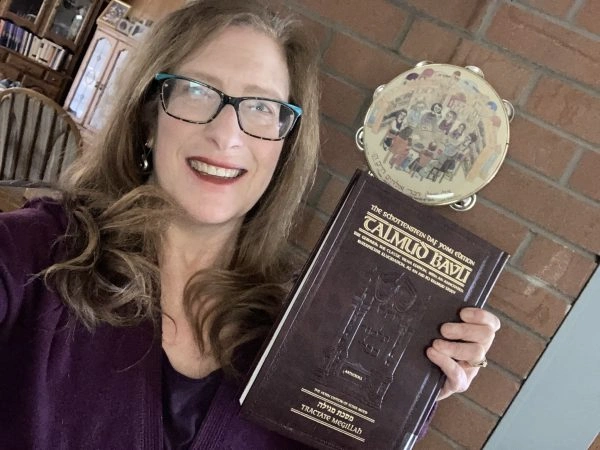
Sue Parker Gerson
Denver, United States
At almost 70 I am just beginning my journey with Talmud and Hadran. I began not late, but right when I was called to learn. It is never too late to begin! The understanding patience of staff and participants with more experience and knowledge has been fabulous. The joy of learning never stops and for me. It is a new life, a new light, a new depth of love of The Holy One, Blessed be He.

Deborah Hoffman-Wade
Richmond, CA, United States
I began Daf Yomi with the last cycle. I was inspired by the Hadran Siyum in Yerushalayim to continue with this cycle. I have learned Daf Yomi with Rabanit Michelle in over 25 countries on 6 continents ( missing Australia)
Barbara Goldschlag
Silver Spring, MD, United States
When I began learning Daf Yomi at the beginning of the current cycle, I was preparing for an upcoming surgery and thought that learning the Daf would be something positive I could do each day during my recovery, even if I accomplished nothing else. I had no idea what a lifeline learning the Daf would turn out to be in so many ways.

Laura Shechter
Lexington, MA, United States
I started learning Daf Yomi to fill what I saw as a large gap in my Jewish education. I also hope to inspire my three daughters to ensure that they do not allow the same Talmud-sized gap to form in their own educations. I am so proud to be a part of the Hadran community, and I have loved learning so many of the stories and halachot that we have seen so far. I look forward to continuing!

Dora Chana Haar
Oceanside NY, United States
I started learning Daf Yomi in January 2020 after watching my grandfather, Mayer Penstein z”l, finish shas with the previous cycle. My grandfather made learning so much fun was so proud that his grandchildren wanted to join him. I was also inspired by Ilana Kurshan’s book, If All the Seas Were Ink. Two years in, I can say that it has enriched my life in so many ways.

Leeza Hirt Wilner
New York, United States
I started to listen to Michelle’s podcasts four years ago. The minute I started I was hooked. I’m so excited to learn the entire Talmud, and think I will continue always. I chose the quote “while a woman is engaged in conversation she also holds the spindle”. (Megillah 14b). It reminds me of all of the amazing women I learn with every day who multi-task, think ahead and accomplish so much.

Julie Mendelsohn
Zichron Yakov, Israel
I’ve been studying Talmud since the ’90s, and decided to take on Daf Yomi two years ago. I wanted to attempt the challenge of a day-to-day, very Jewish activity. Some days are so interesting and some days are so boring. But I’m still here.

Wendy Rozov
Phoenix, AZ, United States
I began to learn this cycle of Daf Yomi after my husband passed away 2 1/2 years ago. It seemed a good way to connect to him. Even though I don’t know whether he would have encouraged women learning Gemara, it would have opened wonderful conversations. It also gives me more depth for understanding my frum children and grandchildren. Thank you Hadran and Rabbanit Michelle Farber!!

Harriet Hartman
Tzur Hadassah, Israel
I started Daf during the pandemic. I listened to a number of podcasts by various Rebbeim until one day, I discovered Rabbanit Farbers podcast. Subsequently I joined the Hadran family in Eruvin. Not the easiest place to begin, Rabbanit Farber made it all understandable and fun. The online live group has bonded together and have really become a supportive, encouraging family.
Leah Goldford
Edmonton, Alberta, Canada
תמיד רציתי. למדתי גמרא בבית ספר בטורונטו קנדה. עליתי ארצה ולמדתי שזה לא מקובל. הופתעתי.
יצאתי לגימלאות לפני שנתיים וזה מאפשר את המחוייבות לדף יומי.
עבורי ההתמדה בלימוד מעגן אותי בקשר שלי ליהדות. אני תמיד מחפשת ותמיד. מוצאת מקור לקשר. ללימוד חדש ומחדש. קשר עם נשים לומדות מעמיק את החוויה ומשמעותית מאוד.

Vitti Kones
מיתר, ישראל
I started learning after the siyum hashas for women and my daily learning has been a constant over the last two years. It grounded me during the chaos of Corona while providing me with a community of fellow learners. The Daf can be challenging but it’s filled with life’s lessons, struggles and hope for a better world. It’s not about the destination but rather about the journey. Thank you Hadran!

Dena Lehrman
אפרת, Israel
Gittin 53
הַיְינוּ ״מְדַמֵּעַ״.
is the same as mixing teruma with non-sacred produce, as both involve intermingling that which is forbidden with that which is permitted, so that the entire mixture becomes forbidden. There is no difference between these actions, so there would be no need to mention both of them in the mishna.
וְאִידָּךְ – קְנָסָא הוּא, וּמִקְּנָסָא לָא יָלְפִינַן.
And the other Sage, Shmuel, holds that one who mixes teruma with another person’s non-sacred produce is liable for a fine. And we do not derive a fine in one case from a fine stated in another case, even if the two cases are similar. Consequently, liability for the fine must be mentioned separately for each case.
וּלְמַאן דְּיָלֵיף קְנָסָא מִקְּנָסָא – כֹּל הָנֵי לְמָה לִי?
The Gemara asks: And according to the one who says that we do derive a fine in one case from a fine in another case, why do I need all these cases mentioned in the mishna, i.e., one who renders another person’s food ritually impure, one who mixes teruma with another’s non-sacred produce, and one who pours another person’s wine in a rite of idolatry?
צְרִיכָא; דְּאִי תְּנָא מְטַמֵּא; אִי תְּרוּמָה – הֲוָה אָמֵינָא מִשּׁוּם דְּקָא מַפְסֵיד לַהּ לִגְמָרֵי, וְאִי מְטַמֵּא חוּלִּין – מִשּׁוּם דְּאָסוּר לִגְרוֹם טוּמְאָה לְחוּלִּין שֶׁבְּאֶרֶץ יִשְׂרָאֵל; אֲבָל מְדַמֵּעַ – אֵימָא לָא.
The Gemara answers: All three rulings are necessary, as, had the mishna taught only the case of one who renders another’s food impure, there are two possibilities: If it is referring to one who renders another’s teruma non-sacred, then I would say that they imposed a penalty because he ruined it entirely, as it can no longer be consumed by anyone, neither a priest nor an ordinary Israelite. And if it is referring to one who renders another’s non-sacred food impure, then I would say the fine is imposed because it is prohibited to cause impurity to non-sacred food in Eretz Yisrael. But in the case of one who mixes teruma with another’s non-sacred produce, since he neither caused a substantial loss, as the mixture can still be sold to a priest, nor spread impurity in Eretz Yisrael, one might say that a fine is not imposed upon him.
וְאִי אַשְׁמְעִינַן מְדַמֵּעַ – מִשּׁוּם דִּשְׁכִיחַ, אֲבָל מְטַמֵּא, דְּלָא שְׁכִיחַ – אֵימָא לָא.
And had the mishna taught us only the case of one who mixes teruma with another person’s non-sacred produce, I would say that a fine is imposed in that case, because mixing two different items together is a common occurrence. But concerning one who renders another person’s food impure, which is uncommon, one might say that a fine is not imposed, as the Sages did not impose penalties in uncommon cases.
וְאִי אַשְׁמְעִינַן מְטַמֵּא וּמְדַמֵּעַ – מִשּׁוּם דְּלָא קִים לֵיהּ בִּדְרַבָּה מִינֵּיהּ,
And had the mishna taught us both the case of one who renders another person’s food impure and the case of one who mixes teruma with another person’s non-sacred produce, I would say that fines are imposed in both those cases, because there is no application of the principle that one who has committed two transgressions with a single act, each carrying its own punishment, receives the greater punishment of the two. Neither of these actions carries a punishment beyond paying the fine.
אֲבָל מְנַסֵּךְ, דְּקִים לֵיהּ בִּדְרַבָּה מִינֵּיהּ – אֵימָא לָא; קָא מַשְׁמַע לַן – כִּדְרַבִּי יִרְמְיָה.
But concerning one who pours another person’s wine as a libation before an idol, where one does apply the principle that one who has committed two transgressions with a single act receives the greater punishment of the two for which he is liable, as he is liable to receive court imposed capital punishment for having transgressed the prohibition against idolatry, I would say that a fine is not imposed. Therefore, the mishna teaches us that he is in fact liable to pay the fine. And the reason for this is in accordance with the statement of Rabbi Yirmeya, that since he acquired the wine from the moment he lifted it, he became liable to pay the fine before he became liable to receive court imposed capital punishment, and therefore he is subject to both punishments.
וּלְהָא דְּתָנֵי אֲבוּהּ דְּרַבִּי אָבִין: בָּרִאשׁוֹנָה הָיוּ אוֹמְרִים הַמְטַמֵּא וְהַמְנַסֵּךְ, חָזְרוּ לוֹמַר אַף הַמְדַמֵּעַ, כֹּל הָנֵי לְמָה לִי?
The Gemara asks: And according to this version of the halakha that the father of Rabbi Avin taught (Tosefta 4:5): Initially the Sages would say that one who renders another person’s food impure and one who pours another’s wine as a libation before an idol are subject to a fine, and later they returned to say that even one who mixes teruma with another person’s non-sacred produce is liable to pay a fine, why do I need all these cases? In this version, the halakha of one who mixes was added later. After the halakhot concerning one who renders another person’s food impure and one who pours another’s wine were taught, why could the halakha of one who mixes not be derived from those halakhot?
צְרִיכָא; דְּאִי אַשְׁמְעִינַן מְטַמֵּא – מִשּׁוּם דְּלָא קִים לֵיהּ בִּדְרַבָּה מִינֵּיהּ; אֲבָל מְנַסֵּךְ, דְּקִים לֵיהּ בִּדְרַבָּה מִינֵּיהּ – אֵימָא לָא;
The Gemara answers: All three rulings are necessary, as, had the baraita in the Tosefta taught us only the case of one who renders another person’s food impure, I would say that a fine is imposed, because there is no application of the principle that one who has committed two transgressions with a single act, each carrying its own punishment, receives the greater punishment of the two. But with regard to one who pours another’s wine as a rite in idolatry, where one does apply the principle that one who has committed two transgressions with a single act receives the greater punishment of the two for which he is liable, one might say that a fine is not imposed.
וְאִי אַשְׁמְעִינַן מְנַסֵּךְ – מִשּׁוּם דְּקָא מַפְסֵיד לֵיהּ לִגְמָרֵי; אֲבָל מְטַמֵּא, דְּלָא מַפְסֵיד לֵיהּ לִגְמָרֵי – אֵימָא לָא;
And had the baraita taught us only the case of one who pours another’s wine as a libation before an idol, I would say that they imposed a penalty because he ruined it entirely, as it is now prohibited for one to derive any benefit from it whatsoever. But for one who renders another person’s food impure, which does not ruin it entirely, as one may derive benefit from it, e.g., by using it as fuel while it is being burned or by feeding it to his animal, one might say that a fine is not imposed.
וְאִי אַשְׁמְעִינַן הָנֵי תַּרְתֵּי – מִשּׁוּם דְּהֶפְסֵד מְרוּבֶּה; אֲבָל מְדַמֵּעַ, דְּהֶפְסֵד מוּעָט – אֵימָא לָא; צְרִיכָא.
And had the baraita taught us only these two cases, I would say that here they imposed fines because in each case there is a substantial loss. But with regard to one who mixes teruma with another person’s non-sacred produce, where the loss he causes is minimal because the owner can still sell the mixture to priests at the price of teruma, one might say that a penalty is not imposed. Therefore, all three rulings are necessary.
אָמַר חִזְקִיָּה: דְּבַר תּוֹרָה – אֶחָד שׁוֹגֵג, וְאֶחָד מֵזִיד – חַיָּיב. מַאי טַעְמָא? הֶיזֵּק שֶׁאֵינוֹ נִיכָּר שְׁמֵיהּ הֶיזֵּק.
§ The mishna teaches: If one unintentionally committed one of these offenses, either rendering another’s food impure, mixing teruma with another’s produce, or pouring another’s wine before an idol, he is exempt from paying for the damage. If he acted intentionally, he is liable to pay. Ḥizkiyya says: By Torah law, one who commits one of the offenses listed in the mishna, whether he did so unintentionally or intentionally, is liable to pay for the damage he caused, like any other person who causes damage. What is the reason for this? The reason is that even damage that is not evident is categorized as damage. One is liable for damage not only when the damage is evident, i.e., when he causes a change in the item’s physical state, but also when the damage is not evident, i.e., when he causes a reduction in the item’s value due to a change in its halakhic status, e.g., when he renders it impure.
וּמַה טַּעַם אָמְרוּ בְּשׁוֹגֵג פָּטוּר – כְּדֵי שֶׁיּוֹדִיעוֹ.
And what is the reason that the Sages said that if he committed one of these acts unintentionally he is exempt? This is so that the one who caused the damage will inform the injured party about what happened. If a fine were imposed even in a case where the damage is caused unintentionally, there would be a concern that the guilty party might not report the damage so as to avoid the penalty. In such a situation the injured party will not know what happened, as the damage is not evident, and he will inadvertently use that which has become impure, mixed with teruma, or poured before an idol.
אִי הָכִי, אֲפִילּוּ בְּמֵזִיד נָמֵי! הַשְׁתָּא לְאוֹזוֹקֵי קָא מְכַוֵּין, אוֹדוֹעֵי לָא מוֹדַע לֵיהּ?!
The Gemara asks: If it is so that there is a concern about this, then he should be exempt from liability even if he committed one of these offenses intentionally, so that he will inform the owner of the item. The Gemara answers: Now, since it was his intention to cause him damage, will he not inform him? If he does not tell him, the other person will never know that he suffered damage. Consequently, he will certainly inform him of what he did and that his property is now subject to a prohibition, and there is no concern that the injured party will inadvertently come to transgress the prohibition. This is Ḥizkiyya’s opinion.
וְרַבִּי יוֹחָנָן אָמַר: דְּבַר תּוֹרָה – אֶחָד שׁוֹגֵג, וְאֶחָד מֵזִיד – פָּטוּר. מַאי טַעְמָא? הֶיזֵּק שֶׁאֵינוֹ נִיכָּר – לָא שְׁמֵיהּ הֶיזֵּק. וּמַה טַּעַם אָמְרוּ בְּמֵזִיד חַיָּיב – שֶׁלֹּא יְהֵא כׇּל אֶחָד וְאֶחָד הוֹלֵךְ וּמְטַמֵּא טׇהֳרוֹתָיו שֶׁל חֲבֵירוֹ, וְאוֹמֵר ״פָּטוּר אֲנִי״.
And Rabbi Yoḥanan says: By Torah law, one who commits one of the offenses listed in the mishna, whether he did so unintentionally or intentionally, is exempt from liability for the damage he caused. What is the reason for this? The reason is that damage that is not evident is not categorized as damage. And what is the reason that the Sages said that if he committed one of these acts intentionally he is liable? This is so that each and every person who has a grievance with his neighbor and wishes to cause him harm should not go and render impure the other person’s pure foods, and say: I am exempt from liability.
תְּנַן: הַכֹּהֲנִים שֶׁפִּגְּלוּ בַּמִּקְדָּשׁ, מְזִידִים – חַיָּיבִין; וְתָנֵי עֲלַהּ: מִפְּנֵי תִּיקּוּן הָעוֹלָם.
The Gemara raises an objection to the opinion of Ḥizkiyya from what we learned in a mishna (54b): With regard to priests who disqualified an offering through improper intention in the Temple, by expressing, while sacrificing the offering, the intention of sprinkling the blood of the offering, burning its fats on the altar, or consuming it after its appointed time, if they did so intentionally, they are liable to pay the value of the offering to its owner, who must now bring another offering. And it is taught with regard to this mishna that the Sages instituted this obligation for the betterment of the world, so that priests should not act in this manner toward people to whom they wish to cause harm.
וְאִי אָמְרַתְּ הֶיזֵּק שֶׁאֵינוֹ נִיכָּר שְׁמֵיהּ הֶיזֵּק, הַאי ״שׁוֹגְגִין פְּטוּרִין מִפְּנֵי תִּיקּוּן הָעוֹלָם״ מִיבְּעֵי לֵיהּ!
And if you say that damage that is not evident is nevertheless categorized as damage, it should have said that if they acted unintentionally they are exempt due to the betterment of the world. This is because according to Ḥizkiyya, if they acted intentionally they should be liable by Torah law for the damage they caused, and not by rabbinic ordinance instituted for the betterment of the world.
הָכִי נָמֵי קָאָמַר: מְזִידִין – חַיָּיבִין; הָא שׁוֹגְגִין – פְּטוּרִין מִפְּנֵי תִּיקּוּן הָעוֹלָם.
The Gemara answers: That is also what the tanna is saying, and the mishna should be understood as follows: If they acted intentionally, they are liable, but if they acted unintentionally, they are exempt. And the reason that they are exempt is for the betterment of the world.
מֵתִיב רַבִּי אֶלְעָזָר: הָעוֹשֶׂה מְלָאכָה בְּמֵי חַטָּאת וּבְפָרַת חַטָּאת, פָּטוּר מִדִּינֵי אָדָם וְחַיָּיב בְּדִינֵי שָׁמַיִם. וְאִי אָמְרַתְּ הֶיזֵּק שֶׁאֵינוֹ נִיכָּר שְׁמֵיהּ הֶיזֵּק, בְּדִינֵי אָדָם נָמֵי לְחַיֵּיב!
Rabbi Elazar raised an objection based on what was taught: With regard to one who performs a task with the water of purification, i.e., water that is to be mixed with the ashes of the red heifer, which was used to purify people and objects that had contracted ritual impurity by contact with a corpse, or performed labor with the red heifer of purification, and by doing so he disqualifies it, he is exempt according to human laws but is liable according to the laws of Heaven. And if you say that damage that is not evident is nevertheless categorized as damage, then according to human laws he should also be liable.
הוּא מוֹתֵיב לַהּ – וְהוּא מְפָרֵק לַהּ: פָּרָה – שֶׁהִכְנִיסָהּ לְרִבְקָה עַל מְנָת שֶׁתִּינַק וְתָדוּשׁ; מֵי חַטָּאת – שֶׁשָּׁקַל בָּהֶן מִשְׁקָלוֹת.
The Gemara comments that he, Rabbi Elazar, raised the objection and subsequently he himself resolved it: That which they said, that he performed labor with the red heifer, means that he placed it in a pen [lirvaka] so that it would nurse from its mother and would incidentally thresh, meaning that his action is not defined as having the heifer perform labor. And that which they said, that he performed a task with the water of purification, means that he weighed weights with the water, which is not an actual task performed with the water.
וְהָאָמַר רָבָא: מֵי חַטָּאת
The Gemara asks: But doesn’t Rava say: Water of purification
שֶׁשָּׁקַל בָּהֶן מִשְׁקָלוֹת, כְּשֵׁרָה! לָא קַשְׁיָא: הָא בְּגוּפָן, הָא בִּכְנֶגְדָּן.
with which he weighed weights is fit? The Gemara answers: It is not difficult: This baraita is referring to a case where he weighs an object with the water itself, and therefore the water is disqualified. And this statement of Rava’s, that the water is fit, is referring to a case where he weighs an object against the water.
בְּגוּפָן – מַעֲשֶׂה קָא עָבֵיד בְּהוּ; וְאִי הֶיזֵּק שֶׁאֵינוֹ נִיכָּר שְׁמֵיהּ הֶיזֵּק, בְּדִינֵי אָדָם נָמֵי לְחַיֵּיב! אֶלָּא אִידֵּי וְאִידֵּי בִּכְנֶגְדָּן; וְלָא קַשְׁיָא – הָא דְּאַסַּח דַּעְתֵּיהּ. הָא דְּלָא אַסַּח דַּעְתֵּיהּ.
The Gemara asks: If he weighs an object with the water itself, then he performs a real task with it, and if damage that is not evident is nevertheless categorized as damage, then he should also be liable according to human laws to pay for performing a task with the water. Rather, it is necessary to say that both this and that refer to a case where he weighed an object against the water, and still it is not difficult: This baraita is referring to a case where in the course of the weighing the object his attention was diverted from guarding the water, and owing to this lapse in attention the water became disqualified. And that statement of Rava’s is referring to a case where his attention was not diverted, and therefore the water did not become disqualified.
מֵתִיב רַב פָּפָּא: גָּזַל מַטְבֵּעַ, וְנִפְסַל; תְּרוּמָה, וְנִטְמֵאת; חָמֵץ, וְעָבַר עָלָיו הַפֶּסַח; אוֹמֵר לוֹ: ״הֲרֵי שֶׁלְּךָ לְפָנֶיךָ״.
Rav Pappa raises an objection against Ḥizkiyya’s opinion from that which is taught in a baraita: If one robbed another of a coin and afterward the coin was rendered invalid by the government, or if he robbed another of teruma and it became ritually impure, or if he robbed another of leavened bread and Passover then elapsed over it, rendering it forbidden, in each of these cases the robber can return the item and say to the robbery victim: That which is yours is before you. Since the robber returned the stolen item, he is not required to compensate the victim of the robbery for his monetary loss, although the stolen items are currently of minimal or no value.
וְאִי אָמְרַתְּ הֶיזֵּק שֶׁאֵינוֹ נִיכָּר שְׁמֵיהּ הֶיזֵּק, הַאי גַּזְלָן הוּא, מָמוֹנָא מְעַלְּיָא בָּעֵי שַׁלּוֹמֵי! תְּיוּבְתָּא.
And if you say that damage that is not evident is categorized as damage, then this man is a robber, and he should be required to pay full compensation for the damage he caused. The Gemara concludes: This is a conclusive refutation, and the opinion of Ḥizkiyya is rejected.
לֵימָא כְּתַנָּאֵי: הַמְטַמֵּא וְהַמְדַמֵּעַ וְהַמְנַסֵּךְ, אֶחָד שׁוֹגֵג וְאֶחָד מֵזִיד – חַיָּיב, דִּבְרֵי רַבִּי מֵאִיר. רַבִּי יְהוּדָה אוֹמֵר: בְּשׁוֹגֵג – פָּטוּר, בְּמֵזִיד – חַיָּיב.
The Gemara suggests: Let us say that this amoraic dispute is parallel to a dispute between tanna’im, as it was taught in a baraita: With regard to one who renders another’s food ritually impure, or one who mixes teruma with another’s non-sacred produce, or one who pours another’s wine as a libation before an idol, whether he did so unintentionally or intentionally, he is liable to pay for the damage he caused; this is the statement of Rabbi Meir. Rabbi Yehuda says: If he acted unintentionally, he is exempt; if he acted intentionally, he is liable to pay.
מַאי, לָאו בְּהָא קָמִיפַּלְגִי – דְּמָר סָבַר: הֶיזֵּק שֶׁאֵינוֹ נִיכָּר שְׁמֵיהּ הֶיזֵּק; וּמָר סָבַר: לָא שְׁמֵיהּ הֶיזֵּק?
The Gemara suggests: What, is it not that they disagree about this very issue? As one Sage, Rabbi Meir, holds that damage that is not evident is nevertheless categorized as damage. Consequently, one is liable to pay even if he caused the damage unintentionally. And one Sage, Rabbi Yehuda, holds that such damage is not categorized as damage, and consequently one is liable to pay only if he caused the damage intentionally, as this is a rabbinically instituted fine.
אָמַר רַב נַחְמָן בַּר יִצְחָק: דְּכוּלֵּי עָלְמָא הֶיזֵּק שֶׁאֵינוֹ נִיכָּר לָא שְׁמֵיהּ הֶיזֵּק; וְהָכָא בְּקָנְסוּ שׁוֹגֵג אַטּוּ מֵזִיד קָא מִיפַּלְגִי – דְּמָר סָבַר: קָנְסוּ שׁוֹגֵג אַטּוּ מֵזִיד; וּמָר סָבַר: לֹא קָנְסוּ שׁוֹגֵג אַטּוּ מֵזִיד.
Rav Naḥman bar Yitzḥak said that it is possible to say that everyone, including Rabbi Meir, agrees that damage that is not evident is not categorized as damage. And here, they disagree with regard to this question: Did the Sages penalize an unintentional offender due to an intentional offender? As one Sage, Rabbi Meir, who states that the one who caused the damage is liable even if he acted unintentionally, holds that the Sages penalized an unintentional offender due to an intentional offender. And one Sage, Rabbi Yehuda, who states that one is liable only if he acted intentionally, holds that they did not penalize an unintentional offender due to an intentional offender.
וְרָמֵי דְּרַבִּי מֵאִיר אַדְּרַבִּי מֵאִיר, וְרָמֵי דְּרַבִּי יְהוּדָה אַדְּרַבִּי יְהוּדָה – דְּתַנְיָא: הַמְבַשֵּׁל בְּשַׁבָּת; בְּשׁוֹגֵג – יֵאָכֵל, בְּמֵזִיד – לֹא יֵאָכֵל, דִּבְרֵי רַבִּי מֵאִיר. רַבִּי יְהוּדָה אוֹמֵר: בְּשׁוֹגֵג – יֵאָכֵל לְמוֹצָאֵי שַׁבָּת, בְּמֵזִיד – לֹא יֵאָכֵל עוֹלָמִית.
The Gemara comments: But then it is possible to raise a contradiction between this statement of Rabbi Meir and another statement of Rabbi Meir; and it is also possible to raise a contradiction between this statement of Rabbi Yehuda and another statement of Rabbi Yehuda. The other statements are as it is taught in a baraita (Tosefta, Shabbat 2:5): With regard to one who cooks on Shabbat, if he did so unintentionally, he may eat what he cooked. If he acted intentionally, he may not eat what he cooked; this is the statement of Rabbi Meir. Rabbi Yehuda says: If he cooked the food unintentionally, he may eat what he cooked, but only at the conclusion of Shabbat. If he cooked it intentionally, he may never eat what he cooked.
רַבִּי יוֹחָנָן הַסַּנְדְּלָר אוֹמֵר: בְּשׁוֹגֵג, יֵאָכֵל לְמוֹצָאֵי שַׁבָּת – לַאֲחֵרִים, וְלֹא לוֹ; בְּמֵזִיד, לֹא יֵאָכֵל עוֹלָמִית – לֹא לוֹ, וְלֹא לַאֲחֵרִים. קַשְׁיָא דְּרַבִּי מֵאִיר אַדְּרַבִּי מֵאִיר, קַשְׁיָא דְּרַבִּי יְהוּדָה אַדְּרַבִּי יְהוּדָה!
The baraita continues: Rabbi Yoḥanan HaSandlar says: If he acted unintentionally, what he cooked may be eaten at the conclusion of Shabbat by others, but not by him, as the food is forbidden to him forever. If he cooked the food intentionally, what he cooked may never be eaten, neither by him nor by others. Consequently, there is a contradiction between one statement of Rabbi Meir and the other statement of Rabbi Meir, and there is also a contradiction between one statement of Rabbi Yehuda and the other statement of Rabbi Yehuda.
דְּרַבִּי מֵאִיר אַדְּרַבִּי מֵאִיר לָא קַשְׁיָא – כִּי קָנֵיס, בִּדְרַבָּנַן; בִּדְאוֹרָיְיתָא לָא קָנֵיס.
The Gemara answers: There is no contradiction between one statement of Rabbi Meir and the other statement of Rabbi Meir, because one can draw a distinction between them. When Rabbi Meir penalizes an offender for even an unintentional offense, it is where the offender violated a rabbinic law, e.g., he rendered food impure. But where he violated a Torah law, e.g., he cooked on Shabbat, he does not penalize him. The reason for this distinction is that people treat Torah prohibitions more seriously, and consequently there is no need to impose a fine for unintentional transgression in order to distance people from the transgression.
וְהָא מְנַסֵּךְ דְּאוֹרָיְיתָא הוּא, וְקָא קָנֵיס! מִשּׁוּם חוּמְרָא דַּעֲבוֹדָה זָרָה, קָנֵס לֵיהּ.
The Gemara asks: But isn’t pouring wine as a libation before an idol prohibited by Torah law, and even so Rabbi Meir penalizes the offender, even if his transgression is unintentional? The Gemara answers: This is an exception to the principle. Due to the severity of the prohibition against idol worship, Rabbi Meir penalizes the offender even if he acts unintentionally.
דְּרַבִּי יְהוּדָה אַדְּרַבִּי יְהוּדָה לָא קַשְׁיָא – כִּי לָא קָנֵיס, בִּדְרַבָּנַן; בִּדְאוֹרָיְיתָא – קָנֵיס. וְהָא מְנַסֵּךְ דְּאוֹרָיְיתָא, וְלָא קָנֵיס! מִשּׁוּם חוּמְרָא דַּעֲבוֹדָה זָרָה. מִיבְדָּל בְּדִילִי מִינֵּיהּ.
The Gemara continues: And there is also no contradiction between one statement of Rabbi Yehuda and the other statement of Rabbi Yehuda. When Rabbi Yehuda does not penalize an offender for an unintentional offense, it is where he violated a rabbinic law. But where he violated a Torah law, he penalizes him even if he transgressed unintentionally, owing to the severity of the transgression. The Gemara asks: But isn’t pouring wine as a libation before an idol prohibited by Torah law, and even so Rabbi Yehuda does not penalize the offender if he acted unintentionally? The Gemara answers: The argument raised previously can be reversed: Due to the exceptional severity of the prohibition against idol worship people avoid it on their own, and so there is no need to impose a fine for unintentional transgression in order to distance people from it.
וְרָמֵי דְּרַבִּי מֵאִיר אַדְּרַבִּי מֵאִיר בִּדְאוֹרָיְיתָא – דְּתַנְיָא: הַנּוֹטֵעַ בַּשַּׁבָּת, בְּשׁוֹגֵג – יְקַיֵּים; בְּמֵזִיד – יַעֲקֹר; וּבַשְּׁבִיעִית – בֵּין בְּשׁוֹגֵג בֵּין בְּמֵזִיד יַעֲקֹר, דִּבְרֵי רַבִּי מֵאִיר.
The Gemara comments: But then it is possible to raise a contradiction between one statement of Rabbi Meir and another statement of Rabbi Meir even with respect to matters that are prohibited by Torah law, as it is taught in a baraita (Tosefta, Shabbat 2:11): With regard to one who plants a tree on Shabbat, if he does so unintentionally, he may keep the tree. If he acted intentionally, it must be uprooted. And if he planted the tree during the Sabbatical Year, then whether he did so unintentionally or intentionally, it must be uprooted; this is the statement of Rabbi Meir.
רַבִּי יְהוּדָה אוֹמֵר: בַּשְּׁבִיעִית – בְּשׁוֹגֵג יְקַיֵּים, בְּמֵזִיד יַעֲקֹר; וּבַשַּׁבָּת – בֵּין בְּשׁוֹגֵג בֵּין בְּמֵזִיד, יַעֲקֹר.
Rabbi Yehuda says: With regard to planting a tree in the Sabbatical Year, if one does so unintentionally, he may keep the tree. If he acted intentionally, it must be uprooted. And if he planted the tree on Shabbat, then whether he did so unintentionally or intentionally, it must be uprooted. Although it is prohibited by Torah law to plant a tree in the Sabbatical Year, Rabbi Meir penalizes the offender and requires that the tree be uprooted, even if he acted unintentionally. This seems to contradict Rabbi Meir’s ruling in the previously mentioned baraita, that one who unintentionally cooked on Shabbat is not penalized.
וּלְטַעְמָיךְ, תִּקָּשֶׁה לָךְ הִיא גּוּפַהּ – מִכְּדֵי הָא דְּאוֹרָיְיתָא וְהָא דְּאוֹרָיְיתָא, מַאי שְׁנָא שַׁבָּת וּמַאי שְׁנָא שְׁבִיעִית?
The Gemara asks: And according to your reasoning, that you raise such a contradiction, raise a contradiction in this baraita itself. Since this prohibition of planting on Shabbat is by Torah law and this prohibition of planting in the Sabbatical Year is by Torah law, what is different about Shabbat and what is different about the Sabbatical Year, that both Sages distinguish between the two halakhot.
אֶלָּא הָתָם, כִּדְקָתָנֵי טַעְמָא – אָמַר רַבִּי מֵאִיר: מִפְּנֵי מָה אֲנִי אוֹמֵר בַּשַּׁבָּת – בְּשׁוֹגֵג יְקַיֵּים, בְּמֵזִיד יַעֲקֹר; וּבַשְּׁבִיעִית – בֵּין בְּשׁוֹגֵג בֵּין בְּמֵזִיד יַעֲקֹר? מִפְּנֵי שֶׁיִּשְׂרָאֵל מוֹנִין לַשְּׁבִיעִית,
Rather, there the reason is as is taught explicitly: Rabbi Meir said: For what reason do I say: If one planted a tree on Shabbat unintentionally, he may keep the tree, but if he did so intentionally, it must be uprooted; but in the Sabbatical Year, whether the tree was planted unintentionally or intentionally, it must be uprooted? It is because Jews count the years of the tree, with regard to the prohibition against eating the fruit of a tree during the first three years after its planting [orla] and with regard to the halakha of fourth-year produce, from the Sabbatical Year. Therefore, if the tree was planted in the Sabbatical Year, people will remember, and they might come to think planting a tree in the Sabbatical Year is permitted. For this reason, Rabbi Meir imposed a fine and required that the tree be uprooted.
Follow

