








Gittin 82


Share this shiur:
Want to dedicate learning? Get started here:


Gittin 82
דְּקָא מְדַלֵּג וְתָנֵי חַד חַד; שְׁמַע מִינַּהּ.
as it teaches by skipping one by one. The examples given relate to one witness missing, e.g., seven ties and six witnesses, and so on. They do not include a case in which two witnesses are missing, e.g., seven ties and five witnesses. This indicates that the dispute between Rabbi Akiva and Ben Azzai is only with regard to the signature of one witness. The Gemara affirms: Conclude from it that this is so.
אָמַר אַבָּיֵי: שְׁמַע מִינַּהּ, הַאי קָרוֹב חָתֵים אִי בָּעֵי – בֵּין בַּתְּחִילָּה, בֵּין בָּאֶמְצַע, בֵּין בַּסּוֹף.
Abaye said: Learn from it that this relative, who is allowed to sign a folded and tied bill of divorce, can sign if he wants to sign, either at the beginning, as the first signature, in the middle, or at the end.
מִמַּאי – מִדְּלָא קְבַע לֵיהּ מָקוֹם. וּשְׁמַע מִינַּהּ: מִכֹּל תְּלָתָא מְקַיְּימִינַן, וְלָא בָּעֵינַן רְצוּפִין.
From where does Abaye infer this? From the fact that it did not designate a place for him to sign. And learn from it, as well, that from any three of the witnesses who signed on a folded and tied bill of divorce, we can ratify the bill of divorce, i.e., it can be ratified based on their signatures. And we do not need to confirm the signatures specifically of three consecutive witnesses.
דְּאִי סָלְקָא דַעְתָּךְ בָּעֵינַן רְצוּפִין, לִקְבַּע לֵיהּ מָקוֹם לְהַאי קָרוֹב – בַּתְּחִילָּה אוֹ בָּאֶמְצַע אוֹ בַּסּוֹף; וְלַכְשַׁר בֵּיהּ טוּבָא.
As if it enters your mind that we need consecutive witnesses, then they should designate a place for this relative to sign, in the beginning, or in the middle, or at the end, and they should then validate the use of many disqualified witnesses. It could have been instituted that every third witness may be disqualified. Since in any group of three witnesses, two of them would be valid, more than one disqualified witness could be allowed. Since it is possible to ratify a bill of divorce by confirming signatures that are not consecutive, and therefore there is concern that the court will rely on two disqualified witnesses, the Sages consequently allowed the use of only one disqualified witness.
כִּי אָתוּ לְקַמֵּיהּ דְּרַבִּי אַמֵּי, אֲמַר לֵיהּ: צֵא וְהַשְׁלֵים עָלָיו עֶבֶד מִן הַשּׁוּק.
With regard to the halakha concerning the dispute in the mishna, it is related that when they came before Rabbi Ami with a question pertaining to a bare bill of divorce that needed more witnesses, he said to the person overseeing: Go out and complete it even with a slave from the general public, in accordance with the opinion of ben Nannas.
הֲדַרַן עֲלָךְ הַזּוֹרֵק
הַמְגָרֵשׁ אֶת אִשְׁתּוֹ, וְאָמַר לָהּ: ״הֲרֵי אַתְּ מוּתֶּרֶת לְכׇל אָדָם, אֶלָּא לִפְלוֹנִי״. רַבִּי אֱלִיעֶזֶר מַתִּיר, וַחֲכָמִים אוֹסְרִים. כֵּיצַד יַעֲשֶׂה? יִטְּלֶנּוּ הֵימֶנָּה וְיַחֲזוֹר וְיִתְּנֶנּוּ לָהּ, וְיֹאמַר לָהּ: ״הֲרֵי אַתְּ מוּתֶּרֶת לְכׇל אָדָם״. כְּתָבוֹ בְּתוֹכוֹ, אַף עַל פִּי שֶׁחָזַר וּמְחָקוֹ – פָּסוּל.
MISHNA: With regard to one who divorces his wife and said to her while handing her the bill of divorce: You are hereby permitted to marry any man except [ella] for so-and-so, Rabbi Eliezer permits her to remarry based on this divorce. And the Rabbis prohibit her from remarrying, as their bond is not entirely severed by this divorce, and she is therefore still considered his wife. What should he do so the divorce may take effect? He should take it from her and hand it to her again, and he should say to her: You are hereby permitted to marry any man. If he wrote his qualification inside the bill of divorce, even if he then erased it, the bill is invalid since it was not written in a valid manner.
גְּמָ׳ אִיבַּעְיָא לְהוּ: הַאי ״אֶלָּא״ – ״חוּץ״ הוּא, אוֹ ״עַל מְנָת״ הוּא?
GEMARA: A dilemma was raised before the Sages: What is the meaning of this word ella in the husband’s statement? Does it mean except, i.e., the husband intended to divorce his wife in a manner that would render her permitted to marry only a limited group of men? Or does it mean: On the condition, i.e., the husband intended to grant her full divorce on the condition that she would not marry so-and-so?
״חוּץ״ הוּא – וּבְ״חוּץ״ הוּא דִּפְלִיגִי רַבָּנַן עֲלֵיהּ דְּרַבִּי אֱלִיעֶזֶר, דְּהָא שַׁיַּיר לַהּ בְּגֵט; אֲבָל בְּ״עַל מְנָת״ – מוֹדוּ לֵיהּ, מִידֵּי דְּהָוֵה אַכֹּל תְּנָאֵי דְּעָלְמָא;
The Gemara elaborates on how this dilemma affects the understanding of the dispute between Rabbi Eliezer and the Rabbis: Does ella mean except, and therefore it is specifically with regard to the exception of a certain man from the intended divorce that the Rabbis disagree with Rabbi Eliezer and hold that the divorce is invalid? This would be because in a case where the husband noted an exception, it is as if he left out part of her bill of divorce; since she is not permitted to remarry anyone she wishes it does not entirely sever the bond between them. But with regard to divorce on the condition that she will not marry a certain man the Rabbis agree with Rabbi Eliezer that it is valid, just as is the case with regard to any typical condition which the husband attaches to the divorce of his wife.
אוֹ דִלְמָא ״עַל מְנָת״ הוּא – וּבְ״עַל מְנָת״ הוּא דִּפְלִיג רַבִּי אֱלִיעֶזֶר אַדְּרַבָּנַן; אֲבָל בְּ״חוּץ״ מוֹדֶה – דְּהָא שַׁיַּיר לַהּ בְּגֵט.
Or perhaps this is the meaning of ella: On the condition? Accordingly, it is specifically with regard to divorce on the condition that the wife will not marry a certain man that Rabbi Eliezer disagrees with the Rabbis and allows her to remarry based on this divorce; but with regard to the exception of a certain man from the woman’s right to remarry he concedes that the divorce is invalid as the husband left out part of her bill of divorce.
אָמַר רָבִינָא, תָּא שְׁמַע: כׇּל הַבָּתִּים מִטַּמְּאִין בִּנְגָעִים, אֶלָּא שֶׁל גּוֹיִם. אִי אָמְרַתְּ בִּשְׁלָמָא ״חוּץ״ הוּא – שַׁפִּיר; אֶלָּא אִי אָמְרַתְּ ״עַל מְנָת״ הוּא – עַל מְנָת דְּלָא מִיטַּמּוּ בָּתֵּי גוֹיִם הוּא דְּמִיטַּמּוּ בָּתֵּי יִשְׂרָאֵל, הָא מִיטַּמּוּ בָּתֵּי גוֹיִם – לָא מִטַּמְּאִי בָּתֵּי יִשְׂרָאֵל?!
Ravina said: Come and hear a solution to this dilemma from the following mishna (Nega’im 12:1): All houses become ritually impure through leprous sores of the house except [ella] for those belonging to gentiles. Granted, if you say that the meaning of the word ella is except, this mishna is well understood. But if you say that its meaning is on the condition, the resulting interpretation of this mishna is that the houses of Jews become impure only on the condition that the houses of gentiles do not become impure; consequently, if the houses of gentiles become impure, the houses of Jews do not become impure. Does this interpretation make any sense?
וְעוֹד, בָּתֵּי גוֹיִם מִי מִטַּמְּאִי?! וְהָתַנְיָא: ״וְנָתַתִּי נֶגַע צָרַעַת בְּבֵית אֶרֶץ אֲחוּזַּתְכֶם״ – אֶרֶץ אֲחוּזַּתְכֶם מִטַּמְּאָה בִּנְגָעִים, וְאֵין בָּתֵּי גוֹיִם מִטַּמְּאִין בִּנְגָעִים! אֶלָּא שְׁמַע מִינַּהּ ״חוּץ״ הוּא; שְׁמַע מִינַּהּ.
Moreover, an objection against this interpretation may be raised as follows: Do the houses of gentiles become ritually impure at all? But isn’t it taught in a baraita that from the verse: “And I put the plague of leprosy in a house of the land of your possession” (Leviticus 14:34), it is derived that only the land of your possession, i.e., the houses of Jews, becomes impure through leprous sores of the house, but the houses of gentiles do not become impure through leprosy? Rather, conclude from the mishna that the meaning of ella is except. The Gemara concludes: Conclude from it that ella means except.
מַתְנִיתִין דְּלָא כִּי הַאי תַּנָּא – דְּתַנְיָא, אָמַר רַבִּי יוֹסֵי בְּרַבִּי יְהוּדָה: לֹא נֶחְלְקוּ רַבִּי אֱלִיעֶזֶר וַחֲכָמִים עַל הַמְגָרֵשׁ אֶת אִשְׁתּוֹ, וְאָמַר לָהּ: ״הֲרֵי אַתְּ מוּתֶּרֶת לְכׇל אָדָם, חוּץ מִפְּלוֹנִי״ – שֶׁאֵינָהּ מְגוֹרֶשֶׁת. עַל מָה נֶחְלְקוּ? עַל הַמְגָרֵשׁ אִשְׁתּוֹ, וְאָמַר לָהּ: ״הֲרֵי אַתְּ מוּתֶּרֶת לְכׇל אָדָם, עַל מְנָת שֶׁלֹּא תִּנָּשְׂאִי לִפְלוֹנִי״ –
According to this conclusion, our mishna is not in accordance with the opinion of this tanna, as it is taught in a baraita that Rabbi Yosei, son of Rabbi Yehuda, said: Rabbi Eliezer and the Rabbis did not disagree with regard to one who divorces his wife and said to her while handing her the bill of divorce: You are hereby permitted to marry any man except for so-and-so; rather, they were in agreement that in that case she is not divorced. With regard to what case did they disagree? It was with regard to one who divorces his wife and said to her: You are hereby permitted to marry any man on the condition that you will not marry so-and-so,
שֶׁרַבִּי אֱלִיעֶזֶר מַתִּיר לְכׇל אָדָם חוּץ מֵאוֹתוֹ הָאִישׁ, וַחֲכָמִים אוֹסְרִים.
as in this case Rabbi Eliezer permits her to marry any man except for that man about whom the condition was made, and the Rabbis prohibit her from remarrying, as in their opinion this divorce is not valid.
מַאי טַעְמָא דְּרַבִּי אֱלִיעֶזֶר? מִידֵּי דְּהָוֵה אַכֹּל תְּנָאֵי דְּעָלְמָא. וְרַבָּנַן – כֹּל תְּנָאֵי דְּעָלְמָא לָא שַׁיַּיר לֵיהּ בְּגֵט, הָכָא שַׁיַּיר לַהּ בְּגֵט.
The Gemara asks: What is the reasoning behind Rabbi Eliezer’s opinion as cited in the baraita? The Gemara answers: The ruling here is just as it is with regard to any typical condition. The husband has the right to attach conditions to the divorce. And how would the Rabbis respond to this reasoning? They would reason that by attaching any typical condition the husband did not leave out part of the bill of divorce, as it does not diminish the essential act of severance. By contrast, here he left out part of the bill of divorce, as she is not permitted to marry any man she wishes. Therefore, the divorce is invalid.
וּמַתְנִיתִין – דְּאוֹקֵימְנָא בְּ״חוּץ״, מַאי טַעְמָא דְּרַבִּי אֱלִיעֶזֶר?
The Gemara asks: And according to the mishna, which we established as referring to a case of exception, what is the reason for Rabbi Eliezer’s opinion that the divorce takes effect, despite its lack of complete severance?
אָמַר רַבִּי יַנַּאי מִשּׁוּם זָקֵן אֶחָד, אָמַר קְרָא: ״וְיָצְאָה מִבֵּיתוֹ וְהָלְכָה וְהָיְתָה לְאִישׁ אַחֵר״ – אֲפִילּוּ לֹא הִתִּירָהּ אֶלָּא לְאִישׁ אַחֵר, הֲרֵי זוֹ מְגוֹרֶשֶׁת. וְרַבָּנַן אָמְרִי, טַעְמָא דְּרַבִּי אֱלִיעֶזֶר: הַאי ״אִישׁ״ – לְכׇל אִישׁ וָאִישׁ.
Rabbi Yannai said in the name of one elder that the verse states with regard to divorce: “And she departs out of his house, and goes and becomes another man’s wife” (Deuteronomy 24:2), indicating that even if he divorced her in a manner that only permitted her to marry one other man, she is divorced, i.e., this partial severance takes effect. And the Rabbis would say in response to Rabbi Eliezer’s explanation that this phrase: Another man, which appears in the verse refers not to a specific man but to any man, i.e., it must be permitted for her to marry any man for the divorce to take effect.
וְרַבִּי יוֹחָנָן אָמַר, טַעְמָא דְּרַבִּי אֱלִיעֶזֶר מֵהָכָא: ״וְאִשָּׁה גְּרוּשָׁה מֵאִישָׁהּ לֹא יִקָּחוּ״ – אֲפִילּוּ לֹא נִתְגָּרְשָׁה אֶלָּא מֵאִישָׁהּ, נִפְסְלָה מִן הַכְּהוּנָּה – אַלְמָא הָוֵי גִּיטָּא.
And Rabbi Yoḥanan said that the reason for Rabbi Eliezer’s opinion is from the verse here, where it is stated with regard to priests: “Neither may they take a woman divorced from her husband” (Leviticus 21:7). This verse indicates that even if she was divorced only from her husband, and was not permitted to marry others, she is disqualified from marrying into the priesthood as a divorcée, i.e., she may not marry a priest even after her husband’s death. Apparently, all the more so, divorce that excludes certain men from the wife’s right to remarry is considered a valid bill of divorce. This is certainly the case when the divorce permits her to marry all men with the exception of one.
וְרַבָּנַן – אִיסּוּר כְּהוּנָּה שָׁאנֵי.
And the Rabbis would respond that the prohibition against marrying into the priesthood is different, as even a divorce that is otherwise invalid disqualifies a woman from marrying a priest.
בָּעֵי רַבִּי אַבָּא: בְּקִידּוּשִׁין הֵיאַךְ? תִּיבְּעֵי לְרַבִּי אֱלִיעֶזֶר, תִּיבְּעֵי לְרַבָּנַן.
§ Rabbi Abba raises a dilemma: If this kind of exception is made in a case of betrothal, i.e., the man says to the woman that she is hereby forbidden to all men except for so-and-so, how is this betrothal treated? The Gemara elaborates: Let the dilemma be raised according to the opinion of Rabbi Eliezer and let the dilemma be raised according to the opinion of the Rabbis.
תִּיבְּעֵי לְרַבִּי אֱלִיעֶזֶר – עַד כָּאן לָא קָאָמַר רַבִּי אֱלִיעֶזֶר הָכָא, אֶלָּא מִשּׁוּם דִּכְתִיבִי קְרָאֵי; אֲבָל הָתָם – קִנְיָן מְעַלְּיָא בָּעֵינַן. אוֹ דִלְמָא, ״וְיָצְאָה״–״וְהָיְתָה״.
Let the dilemma be raised according to Rabbi Eliezer: Is Rabbi Eliezer saying only here that the divorce is valid because verses are written that support this proposition, as delineated by Rabbi Yannai and Rabbi Yoḥanan; but there, in the case of betrothal, a proper acquisition is necessary, which is not the case when a certain man is excluded from the prohibition to engage in sexual intercourse with her? Or should it perhaps be derived from the juxtaposition between the clause: “And she departs out of his house,” and the clause: “And becomes another man’s wife” (Deuteronomy 24:2), which serves as a basis for the comparison of the halakhot of divorce and betrothal, teaching that just as divorce takes effect in this manner, so does betrothal?
תִּיבְּעֵי לְרַבָּנַן – עַד כָּאן לָא קָאָמְרִי רַבָּנַן הָכָא, אֶלָּא דְּבָעֵינַן כְּרִיתוּת – וְלֵיכָּא; אֲבָל הָתָם – קִנְיָן כֹּל דְּהוּ. אוֹ דִּלְמָא, ״וְיָצְאָה״–״וְהָיְתָה״.
Let the dilemma be raised according to the Rabbis: Are the Rabbis saying here that the divorce is invalid only because the severance of the bond between the husband and wife is necessary for the divorce to take effect, and there is no such severance as long as the woman may not marry any man she wishes; but there, in the case of betrothal, any form of acquisition is sufficient for it to take effect? Or should it perhaps be derived from the juxtaposition between the clause beginning: “And she departs,” and the clause beginning: “And becomes,” that what renders a divorce invalid renders a betrothal invalid as well?
לְבָתַר דְּאִיבַּעְיָא לֵיהּ, הֲדַר פַּשְׁטַהּ – בֵּין לְרַבִּי אֱלִיעֶזֶר בֵּין לְרַבָּנַן, בָּעֵינַן ״וְיָצְאָה״–״וְהָיְתָה״.
After Rabbi Abba raised the dilemma he then resolved it in the following manner: Both according to the opinion of Rabbi Eliezer and according to the opinion of the Rabbis it is necessary to compare the halakha in the case of betrothal to the ruling with regard to divorce, based on the juxtaposition between “And she departs” and: “And becomes.” Therefore, the dispute remains in this case as well.
אָמַר אַבָּיֵי: אִם תִּמְצָא לוֹמַר אִיתָא לִדְרַבִּי אַבָּא;
Abaye said: If you say that Rabbi Abba’s solution is so, i.e., if you say that Rabbi Eliezer holds that making an exception in a betrothal is valid, the issue of levirate marriage in such cases must be addressed.
בָּא רְאוּבֵן וְקִידְּשָׁהּ חוּץ מִשִּׁמְעוֹן, וּבָא שִׁמְעוֹן וְקִידְּשָׁהּ חוּץ מֵרְאוּבֵן, וּמֵתוּ שְׁנֵיהֶם – מִתְיַבֶּמֶת לְלֵוִי, וְאֵין אֲנִי קוֹרֵא בָּהּ ״אֵשֶׁת שְׁנֵי מֵתִים״.
If Reuven came to a woman and betrothed her saying that she is forbidden to all men except for his brother Shimon, and Shimon then came and betrothed her saying that she is forbidden to all men except for Reuven, and they both died without children, in this case she performs levirate marriage with their brother Levi, and I do not call her the wife of two dead men. It is stated in tractate Yevamot (31b) that if a woman has a levirate bond with a man due to her two late husbands who were his brothers, she may not perform levirate marriage with him, as it is derived from the verse: “The wife of the dead man shall not be married outside of the family” (Deuteronomy 25:5), that the wife of only one dead man performs levirate marriage, not the wife of two. Abaye stated that in the case under discussion the woman may perform levirate marriage with Levi.
מַאי טַעְמָא? קִידּוּשֵׁי דִרְאוּבֵן אַהֲנוֹ, קִידּוּשֵׁי דְשִׁמְעוֹן לָא אַהֲנוֹ.
What is the reason that she is not considered to be the wife of two dead men? It is that although her betrothal to Reuven was effective, i.e., it took effect, her betrothal to Shimon was not effective, as it did not render her forbidden to any man to whom she was not already forbidden due to her betrothal to Reuven. Therefore, she is considered only Reuven’s wife.
וְאֶלָּא אֵשֶׁת שְׁנֵי מֵתִים – הֵיכִי מַשְׁכַּחַתְּ לַהּ? כְּגוֹן שֶׁבָּא רְאוּבֵן וְקִידְּשָׁהּ חוּץ מִשִּׁמְעוֹן, וּבָא שִׁמְעוֹן וְקִידְּשָׁהּ סְתָם – דְּקִידּוּשֵׁי רְאוּבֵן אַהֲנוֹ לְמֵיסְרַהּ אַעָלְמָא, וְקִידּוּשֵׁי דְּשִׁמְעוֹן אַהֲנוֹ לְמֵיסְרַהּ אַרְאוּבֵן.
Rather, under what circumstances is the case of a wife of two dead men found in this context? It is found in a case where Reuven came and betrothed her, saying that she is hereby forbidden to all men except for Shimon, and Shimon then came and betrothed her without specifying any qualifications. Since Reuven’s betrothal was effective in rendering her forbidden to everyone except for Shimon, and Shimon’s betrothal was effective in rendering her forbidden to Reuven, the betrothal of both brothers took effect. And if both of them die she may not perform levirate marriage with Levi, as she is the wife of two dead men.
בָּעֵי אַבָּיֵי, אָמַר לָהּ: ״הֲרֵי אַתְּ מוּתֶּרֶת לְכׇל אָדָם, חוּץ מֵרְאוּבֵן וְשִׁמְעוֹן״, וְחָזַר וְאָמַר לָהּ: ״לִרְאוּבֵן וְשִׁמְעוֹן״, מַהוּ?
Abaye raises a dilemma: If a man said to his wife while handing her a bill of divorce: You are hereby permitted to marry any man except for Reuven and Shimon, and he then said to her: You are permitted to marry Reuven and Shimon, what is the halakha?
מִי אָמְרִינַן: מַאי דַּאֲסַר שְׁרָא; אוֹ דִלְמָא – מַאי דַּאֲסַר שְׁרָא, וּמַאי דִּשְׁרָא אֲסַר? אִם תִּמְצָא לוֹמַר
Do we say that what he forbade initially he then permitted, enabling her to marry anyone, including Reuven and Shimon, in which case the severance is complete? Or perhaps what he forbade initially he then permitted, permitting her to marry Reuven and Shimon, and what he permitted initially he then forbade, i.e., he permitted her only to Reuven and Shimon, excluding all other men? If you say

New to Talmud?
Check out our resources designed to help you navigate a page of Talmud – and study at the pace, level and style that fits you.
The Hadran Women’s Tapestry
Meet the diverse women learning Gemara at Hadran and hear their stories.
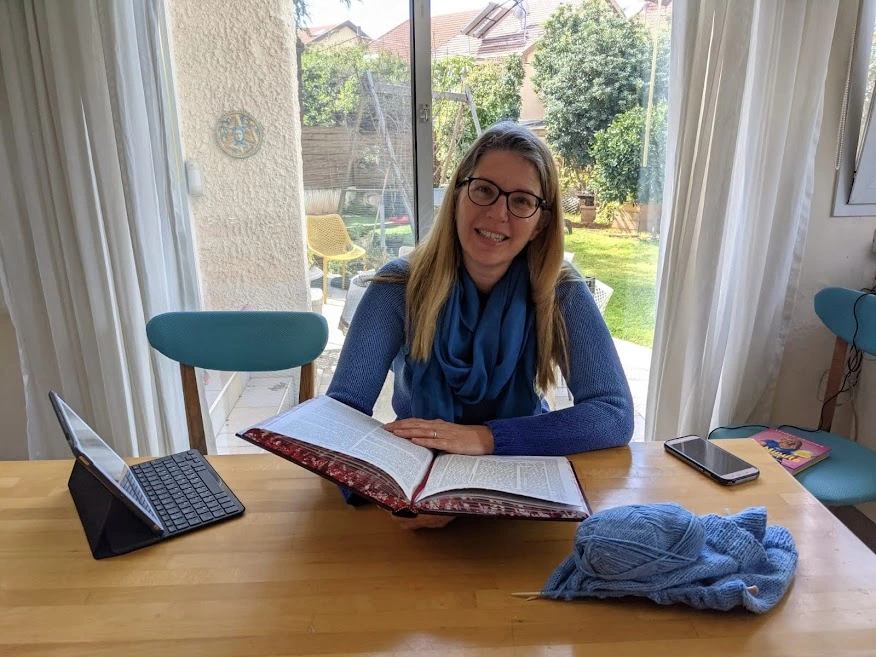
The first month I learned Daf Yomi by myself in secret, because I wasn’t sure how my husband would react, but after the siyyum on Masechet Brachot I discovered Hadran and now sometimes my husband listens to the daf with me. He and I also learn mishnayot together and are constantly finding connections between the different masechtot.

Silver Spring, Maryland, United States
I started learning when my brother sent me the news clip of the celebration of the last Daf Yomi cycle. I was so floored to see so many women celebrating that I wanted to be a part of it. It has been an enriching experience studying a text in a language I don’t speak, using background knowledge that I don’t have. It is stretching my learning in unexpected ways, bringing me joy and satisfaction.

Warwick, Rhode Island, United States
I started my journey on the day I realized that the Siyum was happening in Yerushalayim and I was missing out. What? I told myself. How could I have not known about this? How can I have missed out on this opportunity? I decided that moment, I would start Daf Yomi and Nach Yomi the very next day. I am so grateful to Hadran. I am changed forever because I learn Gemara with women. Thank you.

Mitspe, Israel
I started learning at the beginning of the cycle after a friend persuaded me that it would be right up my alley. I was lucky enough to learn at Rabbanit Michelle’s house before it started on zoom and it was quickly part of my daily routine. I find it so important to see for myself where halachot were derived, where stories were told and to get more insight into how the Rabbis interacted.

Ra’anana, Israel

Minneapolis, MN, United States
I went to day school in Toronto but really began to learn when I attended Brovenders back in the early 1980’s. Last year after talking to my sister who was learning Daf Yomi, inspired, I looked on the computer and the Hadran site came up. I have been listening to each days shiur in the morning as I work. I emphasis listening since I am not sitting with a Gamara. I listen while I work in my studio.

Tekoa, Israel
I attended the Siyum so that I could tell my granddaughter that I had been there. Then I decided to listen on Spotify and after the siyum of Brachot, Covid and zoom began. It gave structure to my day. I learn with people from all over the world who are now my friends – yet most of us have never met. I can’t imagine life without it. Thank you Rabbanit Michelle.
Raanana, Israel
I had no formal learning in Talmud until I began my studies in the Joint Program where in 1976 I was one of the few, if not the only, woman talmud major. It was superior training for law school and enabled me to approach my legal studies with a foundation . In 2018, I began daf yomi listening to Rabbanit MIchelle’s pod cast and my daily talmud studies are one of the highlights of my life.

Minneapolis, United States
My Daf journey began in August 2012 after participating in the Siyum Hashas where I was blessed as an “enabler” of others. Galvanized into my own learning I recited the Hadran on Shas in January 2020 with Rabbanit Michelle. That Siyum was a highlight in my life. Now, on round two, Daf has become my spiritual anchor to which I attribute manifold blessings.

Englewood NJ, United States
I decided to give daf yomi a try when I heard about the siyum hashas in 2020. Once the pandemic hit, the daily commitment gave my days some much-needed structure. There have been times when I’ve felt like quitting- especially when encountering very technical details in the text. But then I tell myself, “Look how much you’ve done. You can’t stop now!” So I keep going & my Koren bookshelf grows…

Huntington, United States
When the new cycle began, I thought, If not now, when? I’d just turned 72. I feel like a tourist on a tour bus passing astonishing scenery each day. Rabbanit Michelle is my beloved tour guide. When the cycle ends, I’ll be 80. I pray that I’ll have strength and mind to continue the journey to glimpse a little more. My grandchildren think having a daf-learning savta is cool!

Jerusalem, Israel
I started to listen to Michelle’s podcasts four years ago. The minute I started I was hooked. I’m so excited to learn the entire Talmud, and think I will continue always. I chose the quote “while a woman is engaged in conversation she also holds the spindle”. (Megillah 14b). It reminds me of all of the amazing women I learn with every day who multi-task, think ahead and accomplish so much.

Zichron Yakov, Israel
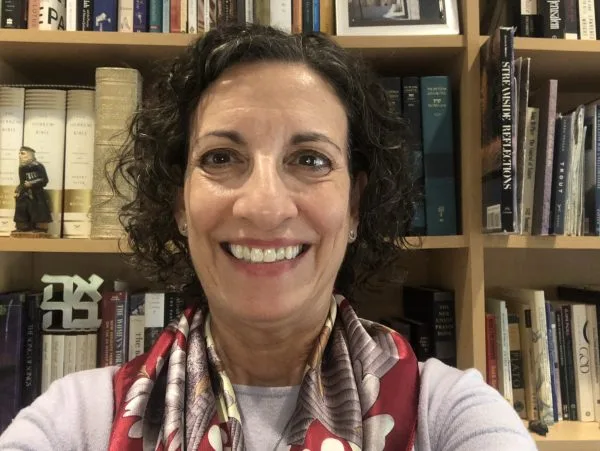
I started learning at the beginning of this cycle more than 2 years ago, and I have not missed a day or a daf. It’s been challenging and enlightening and even mind-numbing at times, but the learning and the shared experience have all been worth it. If you are open to it, there’s no telling what might come into your life.
Phoenix, Arizona, United States
I started learning Dec 2019 after reading “If all the Seas Were Ink”. I found
Daily daf sessions of Rabbanit Michelle in her house teaching, I then heard about the siyum and a new cycle starting wow I am in! Afternoon here in Sydney, my family and friends know this is my sacred time to hide away to live zoom and learn. Often it’s hard to absorb and relate then a gem shines touching my heart.

Dover Heights, Australia
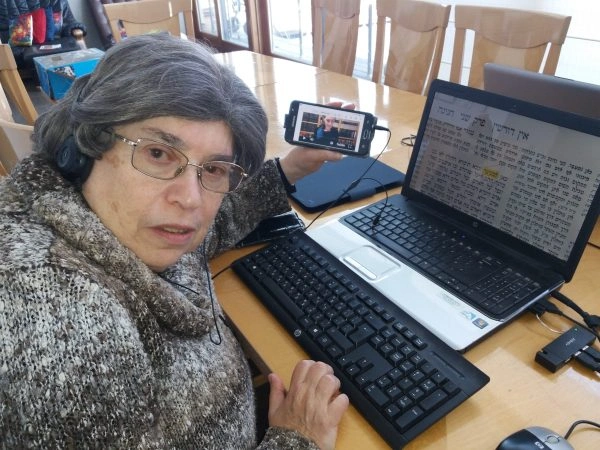
After experiences over the years of asking to join gemara shiurim for men and either being refused by the maggid shiur or being the only women there, sometimes behind a mechitza, I found out about Hadran sometime during the tail end of Masechet Shabbat, I think. Life has been much better since then.
London, United Kingdom
I am a Reform rabbi and took Talmud courses in rabbinical school, but I knew there was so much more to learn. It felt inauthentic to serve as a rabbi without having read the entire Talmud, so when the opportunity arose to start Daf Yomi in 2020, I dove in! Thanks to Hadran, Daf Yomi has enriched my understanding of rabbinic Judaism and deepened my love of Jewish text & tradition. Todah rabbah!

California, United States
I started learning after the siyum hashas for women and my daily learning has been a constant over the last two years. It grounded me during the chaos of Corona while providing me with a community of fellow learners. The Daf can be challenging but it’s filled with life’s lessons, struggles and hope for a better world. It’s not about the destination but rather about the journey. Thank you Hadran!

אפרת, Israel
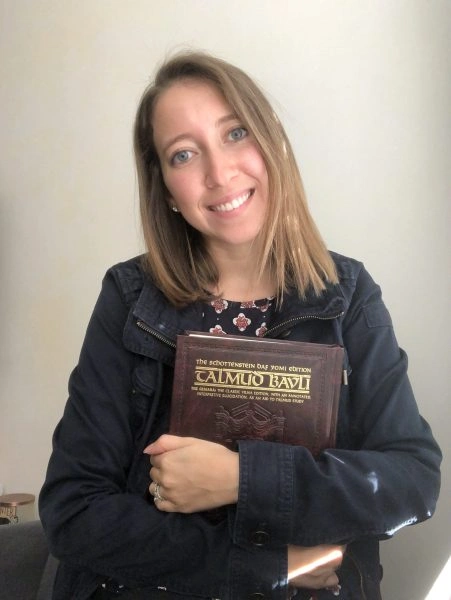
I decided to learn one masechet, Brachot, but quickly fell in love and never stopped! It has been great, everyone is always asking how it’s going and chering me on, and my students are always making sure I did the day’s daf.
Memphis, Tennessee, United States
I started learning when my brother sent me the news clip of the celebration of the last Daf Yomi cycle. I was so floored to see so many women celebrating that I wanted to be a part of it. It has been an enriching experience studying a text in a language I don’t speak, using background knowledge that I don’t have. It is stretching my learning in unexpected ways, bringing me joy and satisfaction.
Warwick, Rhode Island, United States
I LOVE learning the Daf. I started with Shabbat. I join the morning Zoom with Reb Michelle and it totally grounds my day. When Corona hit us in Israel, I decided that I would use the Daf to keep myself sane, especially during the days when we could not venture out more than 300 m from our home. Now my husband and I have so much new material to talk about! It really is the best part of my day!

Hashmonaim, Israel
Gittin 82
דְּקָא מְדַלֵּג וְתָנֵי חַד חַד; שְׁמַע מִינַּהּ.
as it teaches by skipping one by one. The examples given relate to one witness missing, e.g., seven ties and six witnesses, and so on. They do not include a case in which two witnesses are missing, e.g., seven ties and five witnesses. This indicates that the dispute between Rabbi Akiva and Ben Azzai is only with regard to the signature of one witness. The Gemara affirms: Conclude from it that this is so.
אָמַר אַבָּיֵי: שְׁמַע מִינַּהּ, הַאי קָרוֹב חָתֵים אִי בָּעֵי – בֵּין בַּתְּחִילָּה, בֵּין בָּאֶמְצַע, בֵּין בַּסּוֹף.
Abaye said: Learn from it that this relative, who is allowed to sign a folded and tied bill of divorce, can sign if he wants to sign, either at the beginning, as the first signature, in the middle, or at the end.
מִמַּאי – מִדְּלָא קְבַע לֵיהּ מָקוֹם. וּשְׁמַע מִינַּהּ: מִכֹּל תְּלָתָא מְקַיְּימִינַן, וְלָא בָּעֵינַן רְצוּפִין.
From where does Abaye infer this? From the fact that it did not designate a place for him to sign. And learn from it, as well, that from any three of the witnesses who signed on a folded and tied bill of divorce, we can ratify the bill of divorce, i.e., it can be ratified based on their signatures. And we do not need to confirm the signatures specifically of three consecutive witnesses.
דְּאִי סָלְקָא דַעְתָּךְ בָּעֵינַן רְצוּפִין, לִקְבַּע לֵיהּ מָקוֹם לְהַאי קָרוֹב – בַּתְּחִילָּה אוֹ בָּאֶמְצַע אוֹ בַּסּוֹף; וְלַכְשַׁר בֵּיהּ טוּבָא.
As if it enters your mind that we need consecutive witnesses, then they should designate a place for this relative to sign, in the beginning, or in the middle, or at the end, and they should then validate the use of many disqualified witnesses. It could have been instituted that every third witness may be disqualified. Since in any group of three witnesses, two of them would be valid, more than one disqualified witness could be allowed. Since it is possible to ratify a bill of divorce by confirming signatures that are not consecutive, and therefore there is concern that the court will rely on two disqualified witnesses, the Sages consequently allowed the use of only one disqualified witness.
כִּי אָתוּ לְקַמֵּיהּ דְּרַבִּי אַמֵּי, אֲמַר לֵיהּ: צֵא וְהַשְׁלֵים עָלָיו עֶבֶד מִן הַשּׁוּק.
With regard to the halakha concerning the dispute in the mishna, it is related that when they came before Rabbi Ami with a question pertaining to a bare bill of divorce that needed more witnesses, he said to the person overseeing: Go out and complete it even with a slave from the general public, in accordance with the opinion of ben Nannas.
הֲדַרַן עֲלָךְ הַזּוֹרֵק
הַמְגָרֵשׁ אֶת אִשְׁתּוֹ, וְאָמַר לָהּ: ״הֲרֵי אַתְּ מוּתֶּרֶת לְכׇל אָדָם, אֶלָּא לִפְלוֹנִי״. רַבִּי אֱלִיעֶזֶר מַתִּיר, וַחֲכָמִים אוֹסְרִים. כֵּיצַד יַעֲשֶׂה? יִטְּלֶנּוּ הֵימֶנָּה וְיַחֲזוֹר וְיִתְּנֶנּוּ לָהּ, וְיֹאמַר לָהּ: ״הֲרֵי אַתְּ מוּתֶּרֶת לְכׇל אָדָם״. כְּתָבוֹ בְּתוֹכוֹ, אַף עַל פִּי שֶׁחָזַר וּמְחָקוֹ – פָּסוּל.
MISHNA: With regard to one who divorces his wife and said to her while handing her the bill of divorce: You are hereby permitted to marry any man except [ella] for so-and-so, Rabbi Eliezer permits her to remarry based on this divorce. And the Rabbis prohibit her from remarrying, as their bond is not entirely severed by this divorce, and she is therefore still considered his wife. What should he do so the divorce may take effect? He should take it from her and hand it to her again, and he should say to her: You are hereby permitted to marry any man. If he wrote his qualification inside the bill of divorce, even if he then erased it, the bill is invalid since it was not written in a valid manner.
גְּמָ׳ אִיבַּעְיָא לְהוּ: הַאי ״אֶלָּא״ – ״חוּץ״ הוּא, אוֹ ״עַל מְנָת״ הוּא?
GEMARA: A dilemma was raised before the Sages: What is the meaning of this word ella in the husband’s statement? Does it mean except, i.e., the husband intended to divorce his wife in a manner that would render her permitted to marry only a limited group of men? Or does it mean: On the condition, i.e., the husband intended to grant her full divorce on the condition that she would not marry so-and-so?
״חוּץ״ הוּא – וּבְ״חוּץ״ הוּא דִּפְלִיגִי רַבָּנַן עֲלֵיהּ דְּרַבִּי אֱלִיעֶזֶר, דְּהָא שַׁיַּיר לַהּ בְּגֵט; אֲבָל בְּ״עַל מְנָת״ – מוֹדוּ לֵיהּ, מִידֵּי דְּהָוֵה אַכֹּל תְּנָאֵי דְּעָלְמָא;
The Gemara elaborates on how this dilemma affects the understanding of the dispute between Rabbi Eliezer and the Rabbis: Does ella mean except, and therefore it is specifically with regard to the exception of a certain man from the intended divorce that the Rabbis disagree with Rabbi Eliezer and hold that the divorce is invalid? This would be because in a case where the husband noted an exception, it is as if he left out part of her bill of divorce; since she is not permitted to remarry anyone she wishes it does not entirely sever the bond between them. But with regard to divorce on the condition that she will not marry a certain man the Rabbis agree with Rabbi Eliezer that it is valid, just as is the case with regard to any typical condition which the husband attaches to the divorce of his wife.
אוֹ דִלְמָא ״עַל מְנָת״ הוּא – וּבְ״עַל מְנָת״ הוּא דִּפְלִיג רַבִּי אֱלִיעֶזֶר אַדְּרַבָּנַן; אֲבָל בְּ״חוּץ״ מוֹדֶה – דְּהָא שַׁיַּיר לַהּ בְּגֵט.
Or perhaps this is the meaning of ella: On the condition? Accordingly, it is specifically with regard to divorce on the condition that the wife will not marry a certain man that Rabbi Eliezer disagrees with the Rabbis and allows her to remarry based on this divorce; but with regard to the exception of a certain man from the woman’s right to remarry he concedes that the divorce is invalid as the husband left out part of her bill of divorce.
אָמַר רָבִינָא, תָּא שְׁמַע: כׇּל הַבָּתִּים מִטַּמְּאִין בִּנְגָעִים, אֶלָּא שֶׁל גּוֹיִם. אִי אָמְרַתְּ בִּשְׁלָמָא ״חוּץ״ הוּא – שַׁפִּיר; אֶלָּא אִי אָמְרַתְּ ״עַל מְנָת״ הוּא – עַל מְנָת דְּלָא מִיטַּמּוּ בָּתֵּי גוֹיִם הוּא דְּמִיטַּמּוּ בָּתֵּי יִשְׂרָאֵל, הָא מִיטַּמּוּ בָּתֵּי גוֹיִם – לָא מִטַּמְּאִי בָּתֵּי יִשְׂרָאֵל?!
Ravina said: Come and hear a solution to this dilemma from the following mishna (Nega’im 12:1): All houses become ritually impure through leprous sores of the house except [ella] for those belonging to gentiles. Granted, if you say that the meaning of the word ella is except, this mishna is well understood. But if you say that its meaning is on the condition, the resulting interpretation of this mishna is that the houses of Jews become impure only on the condition that the houses of gentiles do not become impure; consequently, if the houses of gentiles become impure, the houses of Jews do not become impure. Does this interpretation make any sense?
וְעוֹד, בָּתֵּי גוֹיִם מִי מִטַּמְּאִי?! וְהָתַנְיָא: ״וְנָתַתִּי נֶגַע צָרַעַת בְּבֵית אֶרֶץ אֲחוּזַּתְכֶם״ – אֶרֶץ אֲחוּזַּתְכֶם מִטַּמְּאָה בִּנְגָעִים, וְאֵין בָּתֵּי גוֹיִם מִטַּמְּאִין בִּנְגָעִים! אֶלָּא שְׁמַע מִינַּהּ ״חוּץ״ הוּא; שְׁמַע מִינַּהּ.
Moreover, an objection against this interpretation may be raised as follows: Do the houses of gentiles become ritually impure at all? But isn’t it taught in a baraita that from the verse: “And I put the plague of leprosy in a house of the land of your possession” (Leviticus 14:34), it is derived that only the land of your possession, i.e., the houses of Jews, becomes impure through leprous sores of the house, but the houses of gentiles do not become impure through leprosy? Rather, conclude from the mishna that the meaning of ella is except. The Gemara concludes: Conclude from it that ella means except.
מַתְנִיתִין דְּלָא כִּי הַאי תַּנָּא – דְּתַנְיָא, אָמַר רַבִּי יוֹסֵי בְּרַבִּי יְהוּדָה: לֹא נֶחְלְקוּ רַבִּי אֱלִיעֶזֶר וַחֲכָמִים עַל הַמְגָרֵשׁ אֶת אִשְׁתּוֹ, וְאָמַר לָהּ: ״הֲרֵי אַתְּ מוּתֶּרֶת לְכׇל אָדָם, חוּץ מִפְּלוֹנִי״ – שֶׁאֵינָהּ מְגוֹרֶשֶׁת. עַל מָה נֶחְלְקוּ? עַל הַמְגָרֵשׁ אִשְׁתּוֹ, וְאָמַר לָהּ: ״הֲרֵי אַתְּ מוּתֶּרֶת לְכׇל אָדָם, עַל מְנָת שֶׁלֹּא תִּנָּשְׂאִי לִפְלוֹנִי״ –
According to this conclusion, our mishna is not in accordance with the opinion of this tanna, as it is taught in a baraita that Rabbi Yosei, son of Rabbi Yehuda, said: Rabbi Eliezer and the Rabbis did not disagree with regard to one who divorces his wife and said to her while handing her the bill of divorce: You are hereby permitted to marry any man except for so-and-so; rather, they were in agreement that in that case she is not divorced. With regard to what case did they disagree? It was with regard to one who divorces his wife and said to her: You are hereby permitted to marry any man on the condition that you will not marry so-and-so,
שֶׁרַבִּי אֱלִיעֶזֶר מַתִּיר לְכׇל אָדָם חוּץ מֵאוֹתוֹ הָאִישׁ, וַחֲכָמִים אוֹסְרִים.
as in this case Rabbi Eliezer permits her to marry any man except for that man about whom the condition was made, and the Rabbis prohibit her from remarrying, as in their opinion this divorce is not valid.
מַאי טַעְמָא דְּרַבִּי אֱלִיעֶזֶר? מִידֵּי דְּהָוֵה אַכֹּל תְּנָאֵי דְּעָלְמָא. וְרַבָּנַן – כֹּל תְּנָאֵי דְּעָלְמָא לָא שַׁיַּיר לֵיהּ בְּגֵט, הָכָא שַׁיַּיר לַהּ בְּגֵט.
The Gemara asks: What is the reasoning behind Rabbi Eliezer’s opinion as cited in the baraita? The Gemara answers: The ruling here is just as it is with regard to any typical condition. The husband has the right to attach conditions to the divorce. And how would the Rabbis respond to this reasoning? They would reason that by attaching any typical condition the husband did not leave out part of the bill of divorce, as it does not diminish the essential act of severance. By contrast, here he left out part of the bill of divorce, as she is not permitted to marry any man she wishes. Therefore, the divorce is invalid.
וּמַתְנִיתִין – דְּאוֹקֵימְנָא בְּ״חוּץ״, מַאי טַעְמָא דְּרַבִּי אֱלִיעֶזֶר?
The Gemara asks: And according to the mishna, which we established as referring to a case of exception, what is the reason for Rabbi Eliezer’s opinion that the divorce takes effect, despite its lack of complete severance?
אָמַר רַבִּי יַנַּאי מִשּׁוּם זָקֵן אֶחָד, אָמַר קְרָא: ״וְיָצְאָה מִבֵּיתוֹ וְהָלְכָה וְהָיְתָה לְאִישׁ אַחֵר״ – אֲפִילּוּ לֹא הִתִּירָהּ אֶלָּא לְאִישׁ אַחֵר, הֲרֵי זוֹ מְגוֹרֶשֶׁת. וְרַבָּנַן אָמְרִי, טַעְמָא דְּרַבִּי אֱלִיעֶזֶר: הַאי ״אִישׁ״ – לְכׇל אִישׁ וָאִישׁ.
Rabbi Yannai said in the name of one elder that the verse states with regard to divorce: “And she departs out of his house, and goes and becomes another man’s wife” (Deuteronomy 24:2), indicating that even if he divorced her in a manner that only permitted her to marry one other man, she is divorced, i.e., this partial severance takes effect. And the Rabbis would say in response to Rabbi Eliezer’s explanation that this phrase: Another man, which appears in the verse refers not to a specific man but to any man, i.e., it must be permitted for her to marry any man for the divorce to take effect.
וְרַבִּי יוֹחָנָן אָמַר, טַעְמָא דְּרַבִּי אֱלִיעֶזֶר מֵהָכָא: ״וְאִשָּׁה גְּרוּשָׁה מֵאִישָׁהּ לֹא יִקָּחוּ״ – אֲפִילּוּ לֹא נִתְגָּרְשָׁה אֶלָּא מֵאִישָׁהּ, נִפְסְלָה מִן הַכְּהוּנָּה – אַלְמָא הָוֵי גִּיטָּא.
And Rabbi Yoḥanan said that the reason for Rabbi Eliezer’s opinion is from the verse here, where it is stated with regard to priests: “Neither may they take a woman divorced from her husband” (Leviticus 21:7). This verse indicates that even if she was divorced only from her husband, and was not permitted to marry others, she is disqualified from marrying into the priesthood as a divorcée, i.e., she may not marry a priest even after her husband’s death. Apparently, all the more so, divorce that excludes certain men from the wife’s right to remarry is considered a valid bill of divorce. This is certainly the case when the divorce permits her to marry all men with the exception of one.
וְרַבָּנַן – אִיסּוּר כְּהוּנָּה שָׁאנֵי.
And the Rabbis would respond that the prohibition against marrying into the priesthood is different, as even a divorce that is otherwise invalid disqualifies a woman from marrying a priest.
בָּעֵי רַבִּי אַבָּא: בְּקִידּוּשִׁין הֵיאַךְ? תִּיבְּעֵי לְרַבִּי אֱלִיעֶזֶר, תִּיבְּעֵי לְרַבָּנַן.
§ Rabbi Abba raises a dilemma: If this kind of exception is made in a case of betrothal, i.e., the man says to the woman that she is hereby forbidden to all men except for so-and-so, how is this betrothal treated? The Gemara elaborates: Let the dilemma be raised according to the opinion of Rabbi Eliezer and let the dilemma be raised according to the opinion of the Rabbis.
תִּיבְּעֵי לְרַבִּי אֱלִיעֶזֶר – עַד כָּאן לָא קָאָמַר רַבִּי אֱלִיעֶזֶר הָכָא, אֶלָּא מִשּׁוּם דִּכְתִיבִי קְרָאֵי; אֲבָל הָתָם – קִנְיָן מְעַלְּיָא בָּעֵינַן. אוֹ דִלְמָא, ״וְיָצְאָה״–״וְהָיְתָה״.
Let the dilemma be raised according to Rabbi Eliezer: Is Rabbi Eliezer saying only here that the divorce is valid because verses are written that support this proposition, as delineated by Rabbi Yannai and Rabbi Yoḥanan; but there, in the case of betrothal, a proper acquisition is necessary, which is not the case when a certain man is excluded from the prohibition to engage in sexual intercourse with her? Or should it perhaps be derived from the juxtaposition between the clause: “And she departs out of his house,” and the clause: “And becomes another man’s wife” (Deuteronomy 24:2), which serves as a basis for the comparison of the halakhot of divorce and betrothal, teaching that just as divorce takes effect in this manner, so does betrothal?
תִּיבְּעֵי לְרַבָּנַן – עַד כָּאן לָא קָאָמְרִי רַבָּנַן הָכָא, אֶלָּא דְּבָעֵינַן כְּרִיתוּת – וְלֵיכָּא; אֲבָל הָתָם – קִנְיָן כֹּל דְּהוּ. אוֹ דִּלְמָא, ״וְיָצְאָה״–״וְהָיְתָה״.
Let the dilemma be raised according to the Rabbis: Are the Rabbis saying here that the divorce is invalid only because the severance of the bond between the husband and wife is necessary for the divorce to take effect, and there is no such severance as long as the woman may not marry any man she wishes; but there, in the case of betrothal, any form of acquisition is sufficient for it to take effect? Or should it perhaps be derived from the juxtaposition between the clause beginning: “And she departs,” and the clause beginning: “And becomes,” that what renders a divorce invalid renders a betrothal invalid as well?
לְבָתַר דְּאִיבַּעְיָא לֵיהּ, הֲדַר פַּשְׁטַהּ – בֵּין לְרַבִּי אֱלִיעֶזֶר בֵּין לְרַבָּנַן, בָּעֵינַן ״וְיָצְאָה״–״וְהָיְתָה״.
After Rabbi Abba raised the dilemma he then resolved it in the following manner: Both according to the opinion of Rabbi Eliezer and according to the opinion of the Rabbis it is necessary to compare the halakha in the case of betrothal to the ruling with regard to divorce, based on the juxtaposition between “And she departs” and: “And becomes.” Therefore, the dispute remains in this case as well.
אָמַר אַבָּיֵי: אִם תִּמְצָא לוֹמַר אִיתָא לִדְרַבִּי אַבָּא;
Abaye said: If you say that Rabbi Abba’s solution is so, i.e., if you say that Rabbi Eliezer holds that making an exception in a betrothal is valid, the issue of levirate marriage in such cases must be addressed.
בָּא רְאוּבֵן וְקִידְּשָׁהּ חוּץ מִשִּׁמְעוֹן, וּבָא שִׁמְעוֹן וְקִידְּשָׁהּ חוּץ מֵרְאוּבֵן, וּמֵתוּ שְׁנֵיהֶם – מִתְיַבֶּמֶת לְלֵוִי, וְאֵין אֲנִי קוֹרֵא בָּהּ ״אֵשֶׁת שְׁנֵי מֵתִים״.
If Reuven came to a woman and betrothed her saying that she is forbidden to all men except for his brother Shimon, and Shimon then came and betrothed her saying that she is forbidden to all men except for Reuven, and they both died without children, in this case she performs levirate marriage with their brother Levi, and I do not call her the wife of two dead men. It is stated in tractate Yevamot (31b) that if a woman has a levirate bond with a man due to her two late husbands who were his brothers, she may not perform levirate marriage with him, as it is derived from the verse: “The wife of the dead man shall not be married outside of the family” (Deuteronomy 25:5), that the wife of only one dead man performs levirate marriage, not the wife of two. Abaye stated that in the case under discussion the woman may perform levirate marriage with Levi.
מַאי טַעְמָא? קִידּוּשֵׁי דִרְאוּבֵן אַהֲנוֹ, קִידּוּשֵׁי דְשִׁמְעוֹן לָא אַהֲנוֹ.
What is the reason that she is not considered to be the wife of two dead men? It is that although her betrothal to Reuven was effective, i.e., it took effect, her betrothal to Shimon was not effective, as it did not render her forbidden to any man to whom she was not already forbidden due to her betrothal to Reuven. Therefore, she is considered only Reuven’s wife.
וְאֶלָּא אֵשֶׁת שְׁנֵי מֵתִים – הֵיכִי מַשְׁכַּחַתְּ לַהּ? כְּגוֹן שֶׁבָּא רְאוּבֵן וְקִידְּשָׁהּ חוּץ מִשִּׁמְעוֹן, וּבָא שִׁמְעוֹן וְקִידְּשָׁהּ סְתָם – דְּקִידּוּשֵׁי רְאוּבֵן אַהֲנוֹ לְמֵיסְרַהּ אַעָלְמָא, וְקִידּוּשֵׁי דְּשִׁמְעוֹן אַהֲנוֹ לְמֵיסְרַהּ אַרְאוּבֵן.
Rather, under what circumstances is the case of a wife of two dead men found in this context? It is found in a case where Reuven came and betrothed her, saying that she is hereby forbidden to all men except for Shimon, and Shimon then came and betrothed her without specifying any qualifications. Since Reuven’s betrothal was effective in rendering her forbidden to everyone except for Shimon, and Shimon’s betrothal was effective in rendering her forbidden to Reuven, the betrothal of both brothers took effect. And if both of them die she may not perform levirate marriage with Levi, as she is the wife of two dead men.
בָּעֵי אַבָּיֵי, אָמַר לָהּ: ״הֲרֵי אַתְּ מוּתֶּרֶת לְכׇל אָדָם, חוּץ מֵרְאוּבֵן וְשִׁמְעוֹן״, וְחָזַר וְאָמַר לָהּ: ״לִרְאוּבֵן וְשִׁמְעוֹן״, מַהוּ?
Abaye raises a dilemma: If a man said to his wife while handing her a bill of divorce: You are hereby permitted to marry any man except for Reuven and Shimon, and he then said to her: You are permitted to marry Reuven and Shimon, what is the halakha?
מִי אָמְרִינַן: מַאי דַּאֲסַר שְׁרָא; אוֹ דִלְמָא – מַאי דַּאֲסַר שְׁרָא, וּמַאי דִּשְׁרָא אֲסַר? אִם תִּמְצָא לוֹמַר
Do we say that what he forbade initially he then permitted, enabling her to marry anyone, including Reuven and Shimon, in which case the severance is complete? Or perhaps what he forbade initially he then permitted, permitting her to marry Reuven and Shimon, and what he permitted initially he then forbade, i.e., he permitted her only to Reuven and Shimon, excluding all other men? If you say

