








Is the requirement of having a ketubah a Torah law or rabbinic? This is a subject of debate. Shmuel holds that since the law is rabbinic, the rabbis believe a husband to claim that he found a “petach patuach” and the woman was not a virgin. Rava explains that he is believed since he wouldn’t spend all this time and money on a wedding celebration for no reason. That gives him a presumption of telling the truth. Rabban Shimon ben Gamliel held that ketuba is a Torah law. However, a braita is brought that contradicts and two resolutions are suggested, each requires emending the text of the braita. A number of actual cases that were brought in front of rabbis in different time periods are mentioned. In each case, the husband claimed there was no blood from the hymen and the woman claimed she was a virgin. In each case, the rabbi found a way to show that the woman was still a virgin. Each case it was proven in a different manner. The virgin’s ketuba is 200 zuz and a widow’s is 100, maneh. Thus the word widow in Hebrew (almana) is derived from that. If it was instituted by the rabbis, how can it be that the Torah used the word almana, referring to something that would be relevant only in the future? The meaning and source of a number of words are brought.
Ketubot 10

Share this shiur:
Want to dedicate learning? Get started here:
Ketubot 10
אִיתְּמַר, אָמַר רַב נַחְמָן אָמַר שְׁמוּאֵל מִשּׁוּם רַבִּי שִׁמְעוֹן בֶּן אֶלְעָזָר: חֲכָמִים תִּקְּנוּ לָהֶם לִבְנוֹת יִשְׂרָאֵל, לִבְתוּלָה מָאתַיִם, וּלְאַלְמָנָה מָנֶה. וְהֵם הֶאֱמִינוּהוּ, שֶׁאִם אָמַר ״פֶּתַח פָּתוּחַ מָצָאתִי״ — נֶאֱמָן. אִם כֵּן — מָה הוֹעִילוּ חֲכָמִים בְּתַקָּנָתָם?
§ It was stated: Rav Naḥman said that Shmuel said in the name of Rabbi Shimon ben Elazar: The Sages instituted the marriage contract for Jewish women: For a virgin two hundred dinars and for a widow one hundred dinars. And they deemed the groom credible in that if he says with regard to his virgin bride: I encountered an unobstructed orifice and she is not a virgin, he is deemed credible, causing her to lose her marriage contract. The Gemara asks: If so, and the Sages deemed him credible, what did the Sages accomplish in their ordinance that the marriage contract of a virgin is two hundred dinars, if his claim that she is not a virgin is effective?
אָמַר רָבָא: חֲזָקָה, אֵין אָדָם טוֹרֵחַ בַּסְּעוּדָה וּמַפְסִידָהּ.
Rava said: The ordinance is effective due to the presumption that a person does not exert himself to prepare a wedding feast and then cause it to be lost. Investing in the wedding preparations clearly indicates that the groom’s intention is to marry the bride and rejoice with her. If, nevertheless, he claims that she is not a virgin, apparently he is telling the truth.
תָּנָא: הוֹאִיל וּקְנַס חֲכָמִים הוּא — לֹא תִּגְבֶּה אֶלָּא מִן הַזִּיבּוּרִית. קְנָסָא? מַאי קְנָסָא?! אֶלָּא אֵימָא: הוֹאִיל וְתַקָּנַת חֲכָמִים הוּא — לֹא תִּגְבֶּה אֶלָּא מִן הַזִּיבּוּרִית. רַבָּן שִׁמְעוֹן בֶּן גַּמְלִיאֵל אוֹמֵר: כְּתוּבַּת אִשָּׁה מִן הַתּוֹרָה.
§ A Sage taught in a baraita: Since payment of the marriage contract is a penalty instituted by the Sages, she may collect only from the husband’s land of the most inferior quality. The Gemara asks: A penalty? What penalty is there in a marriage contract? Rather, emend the baraita and say: Since it is a rabbinic ordinance and not a Torah obligation, she may collect only from the husband’s land of the most inferior quality. Rabban Shimon ben Gamliel says: The marriage contract of a woman is an obligation by Torah law.
וּמִי אָמַר רַבָּן שִׁמְעוֹן בֶּן גַּמְלִיאֵל הָכִי? וְהָתַנְיָא: ״כֶּסֶף יִשְׁקֹל כְּמֹהַר הַבְּתוּלוֹת״: שֶׁיְּהֵא זֶה, כְּמוֹהַר הַבְּתוּלוֹת, וּמוֹהַר הַבְּתוּלוֹת כָּזֶה. מִכָּאן סָמְכוּ חֲכָמִים לִכְתוּבַּת אִשָּׁה מִן הַתּוֹרָה. רַבָּן שִׁמְעוֹן בֶּן גַּמְלִיאֵל אוֹמֵר: כְּתוּבַּת אִשָּׁה אֵינָהּ מִדִּבְרֵי תוֹרָה, אֶלָּא מִדִּבְרֵי סוֹפְרִים!
The Gemara asks: And did Rabban Shimon ben Gamliel say that? But isn’t it taught in a baraita that it is written with regard to a seducer: “He shall pay money according to the dowry of virgins” (Exodus 22:16)? The Torah establishes that this fine will be like the dowry of a virgin, and that the dowry of a virgin will be like this fine, i.e., fifty silver sela, or two hundred dinars. From here the Sages based their determination that a woman’s marriage contract is an obligation by Torah law. Rabban Shimon ben Gamliel says: The marriage contract of a woman is not an obligation by Torah law, but is by rabbinic law.
אֵיפוֹךְ. וּמַאי חָזֵית דְּאָפְכַתְּ בָּתְרָיְיתָא, אֵיפוֹךְ קַמַּיְיתָא?
The Gemara resolves the contradiction between the statements of Rabban Shimon ben Gamliel: Reverse the attribution of opinions in this baraita. The Gemara asks: And what did you see that led you to reverse the attribution of opinions in the latter baraita? Reverse the attribution of opinions in the former, in the baraita, and say that Rabban Shimon ben Gamliel is the one who holds that the marriage contract is a rabbinic ordinance.
הָא שָׁמְעִינַן לֵיהּ לְרַבָּן שִׁמְעוֹן בֶּן גַּמְלִיאֵל דְּאָמַר כְּתוּבַּת אִשָּׁה מִדְּאוֹרָיְיתָא. דִּתְנַן, רַבָּן שִׁמְעוֹן בֶּן גַּמְלִיאֵל אוֹמֵר — נוֹתֵן לָהּ מִמְּעוֹת קַפּוֹטְקְיָא.
The Gemara answers: The reason is that we learned that it is Rabban Shimon ben Gamliel who said elsewhere that the marriage contract of a woman is an obligation by Torah law, as we learned in a mishna (110b) that Rabban Shimon ben Gamliel says that if a man marries a woman in Cappadocia, where the currency is more valuable, and he divorces her in Eretz Yisrael, he gives her payment for the marriage contract from the money of Cappadocia. From the fact that he is obligated to pay the marriage contract in the currency of the place where he undertook the obligation, apparently the marriage contract of a woman is an obligation by Torah law.
וְאִי בָּעֵית אֵימָא: כּוּלָּהּ רַבָּן שִׁמְעוֹן בֶּן גַּמְלִיאֵל הִיא, וְחַסּוֹרֵי מִיחַסְּרָא, וְהָכִי קָתָנֵי: מִכָּאן סָמְכוּ חֲכָמִים לִכְתוּבַּת אִשָּׁה מִן הַתּוֹרָה. כְּתוּבַּת אַלְמָנָה אֵינָהּ מִדִּבְרֵי תוֹרָה, אֶלָּא מִדִּבְרֵי סוֹפְרִים, שֶׁרַבָּן שִׁמְעוֹן בֶּן גַּמְלִיאֵל אוֹמֵר: כְּתוּבַּת אַלְמָנָה אֵינָהּ מִדִּבְרֵי תוֹרָה, אֶלָּא מִדִּבְרֵי סוֹפְרִים.
And if you wish, say instead that the entire latter baraita is in accordance with the opinion of Rabban Shimon ben Gamliel, but the baraita is incomplete and it is teaching the following: From here, the Sages based their determination that a woman’s marriage contract in the case of a virgin is an obligation by Torah law. However, the marriage contract of a widow is not an obligation by Torah law but is an ordinance by rabbinic law, as Rabban Shimon ben Gamliel says: The marriage contract of a widow is not an obligation by Torah law but is an ordinance by rabbinic law.
הַהוּא דַּאֲתָא לְקַמֵּיהּ דְּרַב נַחְמָן, אֲמַר לֵיהּ: פֶּתַח פָּתוּחַ מָצָאתִי. אֲמַר לֵיהּ רַב נַחְמָן: אַסְּבוּהוּ כּוּפְרֵי, מְבָרַכְתָּא חֲבִיטָא לֵיהּ?
§ The Gemara relates: A certain man who had never been married came before Rav Naḥman and said to him: I encountered an unobstructed orifice when I consummated the marriage. Rav Naḥman said in his regard: Flog him with palm branches [kufrei]; prostitutes [mevarakhta] are common around him. As he was never previously married, how was he able to determine whether or not the orifice was unobstructed, if he did not gain experience with prostitutes?
וְהָא רַב נַחְמָן הוּא דְּאָמַר מְהֵימַן! מְהֵימַן, וּמַסְּבִינַן לֵיהּ כּוּפְרֵי. רַב אַחַאי מְשַׁנֵּי: כָּאן בְּבָחוּר, כָּאן בְּנָשׂוּי.
The Gemara asks: But isn’t Rav Naḥman he who said that he is deemed credible when he claims that he encountered an unobstructed orifice? The Gemara answers: Yes, he is deemed credible, and nevertheless, we flog him with palm branches. Rav Aḥai answered: Here, in the case where he is flogged, it is with regard to a bachelor, who is not accorded credibility, because he lacks experience. There, in the case where he is accorded credibility, it is with regard to one who has been married.
הַהוּא דַּאֲתָא לְקַמֵּיהּ דְּרַבָּן גַּמְלִיאֵל, אֲמַר לֵיהּ: פֶּתַח פָּתוּחַ מָצָאתִי. אֲמַר לֵיהּ: שֶׁמָּא הִטֵּיתָהּ? אֶמְשׁוֹל לְךָ מָשָׁל: לְמָה הַדָּבָר דּוֹמֶה? לְאָדָם שֶׁהָיָה מְהַלֵּךְ בְּאִישׁוֹן לַיְלָה וַאֲפֵילָה, הִיטָּה — מְצָאוֹ פָּתוּחַ, לֹא הִיטָּה — מְצָאוֹ נָעוּל.
The Gemara relates a similar incident from an earlier era: A certain man who came before Rabban Gamliel said to him: I encountered an unobstructed orifice. Rabban Gamliel said to him: Perhaps you diverted your approach and therefore, you encountered no obstruction? I will tell you a parable to which this is similar. It is similar to a man who was walking in the blackness of night and darkness and he arrived at the entrance to the house; if he diverts the object preventing the door from opening, he finds it open; if he does not divert it, he finds it locked. Perhaps you too diverted your approach and entered from a different angle and that is why you did not encounter an obstruction.
אִיכָּא דְּאָמְרִי, הָכִי אֲמַר לֵיהּ: שֶׁמָּא בְּמֵזִיד הִטֵּיתָהּ, וַעֲקַרְתְּ לְדַשָּׁא וְעָבְרָא? אֶמְשׁוֹל לְךָ מָשָׁל: לְמָה הַדָּבָר דּוֹמֶה? לְאָדָם שֶׁהוּא מְהַלֵּךְ בְּאִישׁוֹן לַיְלָה וַאֲפֵילָה, הִיטָּה בְּמֵזִיד — מְצָאוֹ פָּתוּחַ, לֹא הִיטָּה בְּמֵזִיד — מְצָאוֹ נָעוּל.
Some say this is what Rabban Gamliel said to him: Maybe you diverted your approach intentionally and you displaced the door and the bolt. I will tell you a parable to which this is similar. It is similar to a man who is walking in the blackness of night and darkness and he arrives at his entrance. If he diverts intentionally, he finds it open; if he does not divert intentionally, he finds it locked.
הַהוּא דַּאֲתָא לְקַמֵּיהּ דְּרַבָּן גַּמְלִיאֵל בַּר רַבִּי, אֲמַר לֵיהּ: רַבִּי, בָּעַלְתִּי וְלֹא מָצָאתִי דָּם. אָמְרָה לוֹ: רַבִּי, בְּתוּלָה הָיִיתִי. אָמַר לָהֶם: הָבִיאוּ לִי אוֹתוֹ סוּדָר. הֵבִיאוּ לוֹ הַסּוּדָר, וּשְׁרָאוֹ בְּמַיִם וְכִבְּסוֹ, וּמָצָא עָלָיו כַּמָּה טִיפֵּי דָמִים. אָמַר לוֹ: לֵךְ זְכֵה בְּמִקָּחֶךָ.
The Gemara relates: A certain man who came before Rabban Gamliel bar Rabbi Yehuda HaNasi said to him: My teacher, I engaged in intercourse and did not find blood. The bride said to him: My teacher, I was a virgin. Rabban Gamliel bar Rabbi Yehuda HaNasi said to them: Bring me that cloth [sudar] on which you consummated the marriage. They brought him the cloth, and he soaked it in water and laundered it and found upon it several drops of blood from the rupture of the hymen. Rabban Gamliel bar Rabbi Yehuda HaNasi said to the groom: Go take possession of your acquisition, as she was a virgin and there is no need for concern.
אֲמַר לֵיהּ הוּנָא מָר בְּרֵיהּ דְּרָבָא מִפַּרְזִקְיָא לְרַב אָשֵׁי: אֲנַן נָמֵי נַעֲבֵיד הָכִי. אֲמַר לֵיהּ:
Huna Mar, son of Rava, from Parzakya, said to Rav Ashi: Let us do so as well in similar cases and examine whether there is blood that is obscured by semen or another substance. Rav Ashi said to him:
גִּיהוּץ שֶׁלָּנוּ, כְּכִבּוּס שֶׁלָּהֶם. וְאִי אָמְרַתְּ נֶיעְבַּד גִּיהוּץ — מְעַבְּרָא לֵיהּ חוּמַרְתָּא.
Our calendering in Babylonia, which includes passing an abrasive stone over the garments to scrape off dirt, is like their laundering in Eretz Israel, and only in that manner do the garments in Babylonia reach that level of cleanliness. And if you say: Let us perform the process of calendering on cloths brought as proof that she was not a virgin, the stone removes any trace of blood. Therefore, the process would be ineffective.
הַהוּא דַּאֲתָא לְקַמֵּיהּ דְּרַבָּן גַּמְלִיאֵל בַּר רַבִּי, אֲמַר לֵיהּ: רַבִּי, בָּעַלְתִּי וְלֹא מָצָאתִי דָּם. אֲמַרָה לֵיהּ: רַבִּי, עֲדַיִין בְּתוּלָה אֲנִי. אָמַר לָהֶן: הָבִיאוּ לִי שְׁתֵּי שְׁפָחוֹת, אַחַת בְּתוּלָה וְאַחַת בְּעוּלָה. הֵבִיאוּ לוֹ, וְהוֹשִׁיבָן עַל פִּי חָבִית שֶׁל יַיִן, בְּעוּלָה — רֵיחָהּ נוֹדֵף, בְּתוּלָה — אֵין רֵיחָהּ נוֹדֵף. אַף זוֹ הוֹשִׁיבָה וְלֹא הָיָה רֵיחָהּ נוֹדֵף. אָמַר לוֹ: לֵךְ זְכֵה בְּמִקָּחֶךָ.
The Gemara relates: A certain man who came before Rabban Gamliel bar Rabbi Yehuda HaNasi said to him: My teacher, I engaged in intercourse and did not find blood. The bride said to him: My teacher, I am still a virgin. Rabban Gamliel bar Rabbi Yehuda HaNasi said to them: Bring me two maidservants, one a virgin and one a non-virgin, to conduct a trial. They brought him the two maidservants, and he seated them on the opening of a barrel of wine. From the non-virgin, he discovered that the scent of the wine in the barrel diffuses from her mouth; from the virgin he discovered that the scent does not diffuse from her mouth. Then, he also seated that bride on the barrel, and the scent of the wine did not diffuse from her mouth. Rabban Gamliel bar Rabbi Yehuda HaNasi said to the groom: Go take possession of your acquisition, as she is a virgin.
וְנִבְדּוֹק מֵעִיקָּרָא בְּגַוַּוהּ? גְּמָרָא הֲוָה שְׁמִיעַ לֵיהּ, מַעֲשֶׂה לָא הֲוָה חָזֵי, וְסָבַר דִּלְמָא לָא קִים לֵיהּ בְּגַוַּוהּ דְּמִלְּתָא שַׁפִּיר, וְלָאו אוֹרַח אַרְעָא לְזַלְזוֹלֵי בִּבְנוֹת יִשְׂרָאֵל.
The Gemara asks: Since Rabban Gamliel was familiar with this method of examination, let him use it to examine her initially. Why was the trial with the maidservants necessary? The Gemara answers: He learned that it was effective through tradition; however, he had never seen it in action, and he thought perhaps he was not sufficiently expert in that manner of examination, and it is improper conduct to demean Jewish women by subjecting them to that indignity for naught. Once he established the effectiveness of that method, he proceeded to examine the bride to resolve the matter.
הַהוּא דַּאֲתָא לְקַמֵּיהּ דְּרַבָּן גַּמְלִיאֵל הַזָּקֵן, אָמַר לוֹ: רַבִּי, בָּעַלְתִּי וְלֹא מָצָאתִי דָּם, אָמְרָה לוֹ: רַבִּי, מִמִּשְׁפַּחַת דּוֹרְקְטִי אֲנִי, שֶׁאֵין לָהֶן לֹא דַּם נִדָּה וְלֹא דַּם בְּתוּלִים. בָּדַק רַבָּן גַּמְלִיאֵל בִּקְרוֹבוֹתֶיהָ, וּמָצָא כִּדְבָרֶיהָ. אָמַר לוֹ: לֵךְ זְכֵה בְּמִקָּחֶךָ, אַשְׁרֶיךָ שֶׁזָּכִיתָ לְמִשְׁפַּחַת דּוֹרְקְטִי.
The Gemara relates: A certain man who came before Rabban Gamliel the Elder said to him: My teacher, I engaged in intercourse and did not find blood. The bride said to him: My teacher, I am from the family of Dorketi, who have neither menstrual blood nor blood from the rupture of the hymen. Rabban Gamliel investigated among her relatives to determine whether the claim with regard to her family was true, and discovered that the truth was in accordance with her statement. He said to him: Go take possession of your acquisition. Happy are you that you were privileged to marry a member of the Dorketi family, as those forms of blood will never pose a problem for you.
מַאי ״דּוֹרְקְטִי״ — דּוֹר קָטוּעַ. אָמַר רַבִּי חֲנִינָא: תַּנְחוּמִים שֶׁל הֶבֶל נִיחֲמוֹ רַבָּן גַּמְלִיאֵל לְאוֹתוֹ הָאִישׁ. דְּתָנֵי רַבִּי חִיָּיא: כְּשֵׁם שֶׁהַשְּׂאוֹר יָפֶה לְעִיסָּה, כָּךְ דָּמִים יָפִים לָאִשָּׁה. וְתָנָא מִשּׁוּם רַבִּי מֵאִיר: כׇּל אִשָּׁה שֶׁדָּמֶיהָ מְרוּבִּין — בָּנֶיהָ מְרוּבִּים.
The Gemara elaborates: What is the meaning of Dorketi? It means truncated generation [dor katua]. Rabbi Ḥanina said: Rabban Gamliel consoled that man with vain words of consolation, because the absence of blood in this woman is a drawback. As Rabbi Ḥiyya taught: Just as leaven is fortuitous for dough, so too, blood is fortuitous for a woman. And it was taught in the name of Rabbi Meir: Any woman whose blood is plentiful, her children are plentiful. This bride, who lacks blood, will not produce many children.
אִתְּמַר. רַבִּי יִרְמְיָה בַּר אַבָּא אָמַר: ״זְכֵה בְּמִקָּחֶךָ״ אֲמַר לֵיהּ, וְרַבִּי יוֹסֵי בַּר אָבִין אָמַר: ״נִתְחַיַּיבְ[תָּ] בְּמִקָּחֶךָ״ אֲמַר לֵיהּ. בִּשְׁלָמָא לְמַאן דְּאָמַר ״נִתְחַיַּיבְ[תָּ]״ — הַיְינוּ דְּרַבִּי חֲנִינָא. אֶלָּא לְמַאן דְּאָמַר ״זְכֵה״, מַאי זְכוּתָא? דְּלָא אָתֵי לִידֵי סְפֵק נִדָּה.
It was stated that there is a dispute with regard to Rabban Gamliel’s reply. Rabbi Yirmeya bar Abba said that Rabban Gamliel said to the groom: Exercise your privilege and take possession of your acquisition. And Rabbi Yosei bar Avin said that Rabban Gamliel said to him: It is your misfortune to take possession of your acquisition. Granted, according to the one who says: It is your misfortune, that is in accordance with the opinion of Rabbi Ḥanina, who said the consolation was vain. However, according to the one who says: Exercise your privilege, what is the privilege to which he is referring? The Gemara answers: The privilege is that thanks to the condition of the women of this family, he will not come to a situation of uncertainty whether she has the halakhic status of a menstruating woman.
הַהוּא דַּאֲתָא לְקַמֵּיהּ דְּרַבִּי, אֲמַר לֵיהּ: רַבִּי בָּעַלְתִּי וְלֹא מָצָאתִי דָּם, אָמְרָה לוֹ: רַבִּי עֲדַיִין בְּתוּלָה אֲנִי. וּשְׁנֵי בַצּוֹרֶת הֲוָה, רָאָה רַבִּי שֶׁפְּנֵיהֶם שְׁחוֹרִים. צִוָּה עֲלֵיהֶן וְהִכְנִיסוּם לַמֶּרְחָץ, וְהֶאֱכִילוּם וְהִשְׁקוּם, וְהִכְנִיסוּם לַחֶדֶר. בָּעַל, וּמָצָא דָּם. אָמַר לוֹ: לֵךְ זְכֵה בְּמִקָּחֶךָ. קָרֵי רַבִּי עֲלֵיהֶם: ״צָפַד עוֹרָם עַל עַצְמָם יָבֵשׁ הָיָה כָעֵץ״.
The Gemara relates: A certain man who came before Rabbi Yehuda HaNasi said to him: My teacher, I engaged in intercourse and did not find blood. The bride said to him: My teacher, I was still a virgin. And the Gemara comments that this incident was during years of drought. Rabbi Yehuda HaNasi saw that their faces were black due to hunger. He instructed his attendants to tend to them and they took them into the bathhouse and bathed them and they fed them and gave them drink. Then they took them into a room, and the groom engaged in intercourse with her and found blood, as it was due to the famine that there was no blood. Rabbi Yehuda HaNasi said to him: Go take possession of your acquisition. Rabbi Yehuda HaNasi read this verse in their regard: “Their skin is shriveled upon their bones, it is withered, it has become like a stick” (Lamentations 4:8), in the sense that no blood flows from them.
מַתְנִי׳ בְּתוּלָה — כְּתוּבָּתָהּ מָאתַיִם, וְאַלְמָנָה — מָנֶה. בְּתוּלָה, אַלְמָנָה, גְּרוּשָׁה וַחֲלוּצָה מִן הָאֵירוּסִין — כְּתוּבָּתָן מָאתַיִם, וְיֵשׁ לָהֶן טַעֲנַת בְּתוּלִים.
MISHNA: With regard to a virgin, her marriage contract is two hundred dinars, and with regard to a widow, her marriage contract is one hundred dinars. With regard to a virgin who is a widow, a divorcée, or a ḥalutza who achieved that status from a state of betrothal, before marriage and before consummation of the marriage, for all of these their marriage contract is two hundred dinars, and they are subject to a claim concerning their virginity, as their presumptive status of virginity is intact.
גְּמָ׳ מַאי ״אַלְמָנָה״? אָמַר רַב חָנָא בַּגְדָּתָאָה: ״אַלְמָנָה״ — עַל שֵׁם מָנֶה. אַלְמָנָה מִן הָאֵירוּסִין, מַאי אִיכָּא לְמֵימַר! אַיְּידֵי דְּהָא קָרֵי לַהּ אַלְמָנָה, הָא נָמֵי קָרֵי לַהּ אַלְמָנָה.
GEMARA: What is the relationship between the term almana and its meaning, widow? Rav Ḥana of Baghdad said: A widow is called an almana after the maneh, one hundred dinars, which is the sum of her marriage contract. The Gemara asks: With regard to a widow from betrothal, whose marriage contract is two hundred dinars and not a maneh, what is there to say? The Gemara answers: Since they called this widow from marriage almana, this widow from betrothal they also called almana.
אַלְמָנָה דִּכְתִיבָא בְּאוֹרָיְיתָא, מַאי אִיכָּא לְמֵימַר? דַּעֲתִידִין רַבָּנַן דִּמְתַקְּנִי לַהּ מָנֶה. וּמִי כָּתֵב קְרָא לְעָתִיד? אִין, דִּכְתִיב: ״וְשֵׁם הַנָּהָר הַשְּׁלִישִׁי חִדֶּקֶל הוּא הַהוֹלֵךְ קִדְמַת אַשּׁוּר״, וְתָנָא רַב יוֹסֵף: אַשּׁוּר זוֹ סְלֵיקָא. וּמִי הֲוַאי? אֶלָּא דַּעֲתִידָה. הָכָא נָמֵי דַּעֲתִידָה.
The Gemara asks: That explains the use of almana in the terminology of the Sages. However, with regard to the term almana that is written in the Torah, what is there to say? The rabbinic ordinance that the marriage contract of a widow is a maneh was not yet instituted. The Gemara answers: The Torah employs the term almana because the Sages are destined to institute the sum of a maneh for her in her marriage contract. The Gemara asks: And is a verse written for the future? The Gemara answers: Yes, indeed it is, as it is written: “And the name of the third river is Tigris; that is it which goes toward the east of Asshur” (Genesis 2:14). And Rav Yosef taught: Asshur, that is Seleucia. And did that city exist when the Torah was written? Rather, the Torah is referring to that city because it was destined to exist in the future. Here too, the Torah employs the term almana because a widow was destined to have a marriage contract of a maneh instituted for her.
וְאָמַר רַב חָנָא בַּגְדָּתָאָה: ״מָטָר״ — מַשְׁקֶה, מַרְוֶה, וּמְזַבֵּל, וּמְעַדֵּן, וּמַמְשִׁיךְ. אָמַר רָבָא בַּר רַבִּי יִשְׁמָעֵאל, וְאִיתֵּימָא רַב יֵימַר בַּר שֶׁלֶמְיָא, מַאי קְרָא: ״תְּלָמֶיהָ רַוֵּה נַחֵת גְּדוּדֶיהָ בִּרְבִיבִים תְּמֹגְגֶנָּה צִמְחָהּ תְּבָרֵךְ״.
Apropos the statement of Rav Ḥana of Baghdad, the Gemara cites additional statements of his. And Rav Ḥana of Baghdad said: Rain irrigates, saturates, and fertilizes the land, and refines the fruit and causes it to proliferate. Rava bar Rabbi Yishmael, and some say it was Rav Yeimar bar Shelamya who said: What is the verse that alludes to this? “Watering its ridges abundantly, settling its furrows, You make it soft with showers, You bless its growth” (Psalms 65:11). “Watering its ridges abundantly” indicates that the rain irrigates and saturates the land, “You make it soft with showers” indicates that it fertilizes the land, and “You bless its growth” indicates that it refines the fruit and causes it to proliferate.
אָמַר רַבִּי אֶלְעָזָר: ״מִזְבֵּחַ״ — מֵזִיחַ, וּמֵזִין, מְחַבֵּב, מְכַפֵּר. הַיְינוּ מְכַפֵּר, הַיְינוּ מֵזִיחַ! מֵזִיחַ גְּזֵירוֹת, וּמְכַפֵּר עֲוֹנוֹת.
Rabbi Elazar said: The term mizbe’aḥ, altar, is a rough acrostic representing its qualities. It moves [meziaḥ] sins and sustains [mezin], because as a result of the offerings sacrificed on the altar, sustenance is provided to all. It endears [meḥabev], and atones [mekhapper]. Mizbe’aḥ evokes the letters mem and zayin from the first two qualities, bet from meḥabev and the kaf from mekhapper. The Gemara asks: This quality, that the altar atones, is the same as that quality, that it moves sins. Why are they listed separately? The Gemara answers: The altar moves evil decrees, and atones for sins.
וְאָמַר רַב חָנָא בַּגְדָּתָאָה: תַּמְרֵי מְשַׁחֲנָן, מַשְׂבְּעָן, מְשַׁלְשְׁלָן, מְאַשְּׁרָן וְלָא מְפַנְּקָן. אָמַר רַב: אָכַל תְּמָרִים אַל יוֹרֶה. מֵיתִיבִי: תְּמָרִים, שַׁחֲרִית וְעַרְבִית — יָפוֹת, בְּמִנְחָה — רָעוֹת. בַּצׇּהֳרַיִם — אֵין כְּמוֹתָן, וּמְבַטְּלוֹת שְׁלֹשָׁה דְּבָרִים: מַחְשָׁבָה רָעָה, וְחוֹלִי מֵעַיִם, וְתַחְתּוֹנִיּוֹת!
And Rav Ḥana of Baghdad said: Dates warm and satiate, loosen the bowels, strengthen, but do not pamper. Rav said: If one ate dates he should not issue halakhic rulings, as dates are intoxicating. The Gemara raises an objection: With regard to dates, in the morning and evening they have a positive effect on one who eats them; in the afternoon, they have a negative effect on one who eats them. At noon, their positive effect is unparalleled, and they negate three matters: A troubling thought, intestinal illness, and hemorrhoids. Apparently, the effect of dates is primarily a positive one.
מִי אָמְרִינַן דְּלָא מְעַלּוּ? עַלּוֹיֵי מְעַלּוּ, וּלְפִי שַׁעְתָּא טָרְדָא. מִידֵּי דְּהָוֵה אַחַמְרָא. דְּאָמַר מָר הַשּׁוֹתֶה רְבִיעִית יַיִן — אַל יוֹרֶה. וְאִיבָּעֵית אֵימָא: לָא קַשְׁיָא, הָא — מִקַּמֵּי נַהֲמָא. הָא — לְבָתַר נַהֲמָא. דְּאָמַר אַבָּיֵי, אֲמַרָה לִי אֵם: תַּמְרֵי מִקַּמֵּי נַהֲמָא — כִּי נַרְגָּא לְדִיקּוּלָא. בָּתַר נַהֲמָא — כִּי עָבְרָא לְדַשָּׁא.
The Gemara answers that there is no contradiction. Did we say that they are not exemplary? They are exemplary, and at the same time cause temporary distraction and intoxication, just as it is in the case of wine, as the Master said: One who drinks a quarter-log of wine should not issue halakhic rulings. And if you wish, say instead: This apparent contradiction is not difficult. This statement, which prohibits issuing a ruling under the influence of dates, is referring to one eating dates before he eats bread, when eating them can lead to intoxication. That statement, which enumerates the salutary effects of dates, is referring to one eating dates after he eats bread. As Abaye said: My mother told me that dates eaten before eating bread are destructive like an ax to a palm tree; dates eaten after eating bread are beneficial like a bolt to a door, which provides support.
״דַּשָּׁא״, אָמַר רָבָא: דֶּרֶךְ שָׁם. ״דַּרְגָּא״ — אָמַר רָבָא: דֶּרֶךְ גַּג. ״פּוּרְיָא״ — אָמַר רַב פָּפָּא: שֶׁפָּרִין וְרָבִין עָלֶיהָ. אָמַר רַב נַחְמָן בַּר יִצְחָק:
Apropos the term door [dasha], the Gemara cites statements referring to its etymology as well as that of several other Aramaic terms. With regard to the word dasha, door, Rava said: It is an acrostic for derekh sham, meaning through there. With regard to the word darga, ladder or stair, Rava said: It is an acrostic for derekh gag, meaning way to the roof. With regard to the word purya, bed, Rav Pappa said: It is an acrostic for parin veravin aleha, meaning one procreates upon it. Rav Naḥman bar Yitzḥak said:

New to Talmud?
Check out our resources designed to help you navigate a page of Talmud – and study at the pace, level and style that fits you.
The Hadran Women’s Tapestry
Meet the diverse women learning Gemara at Hadran and hear their stories.
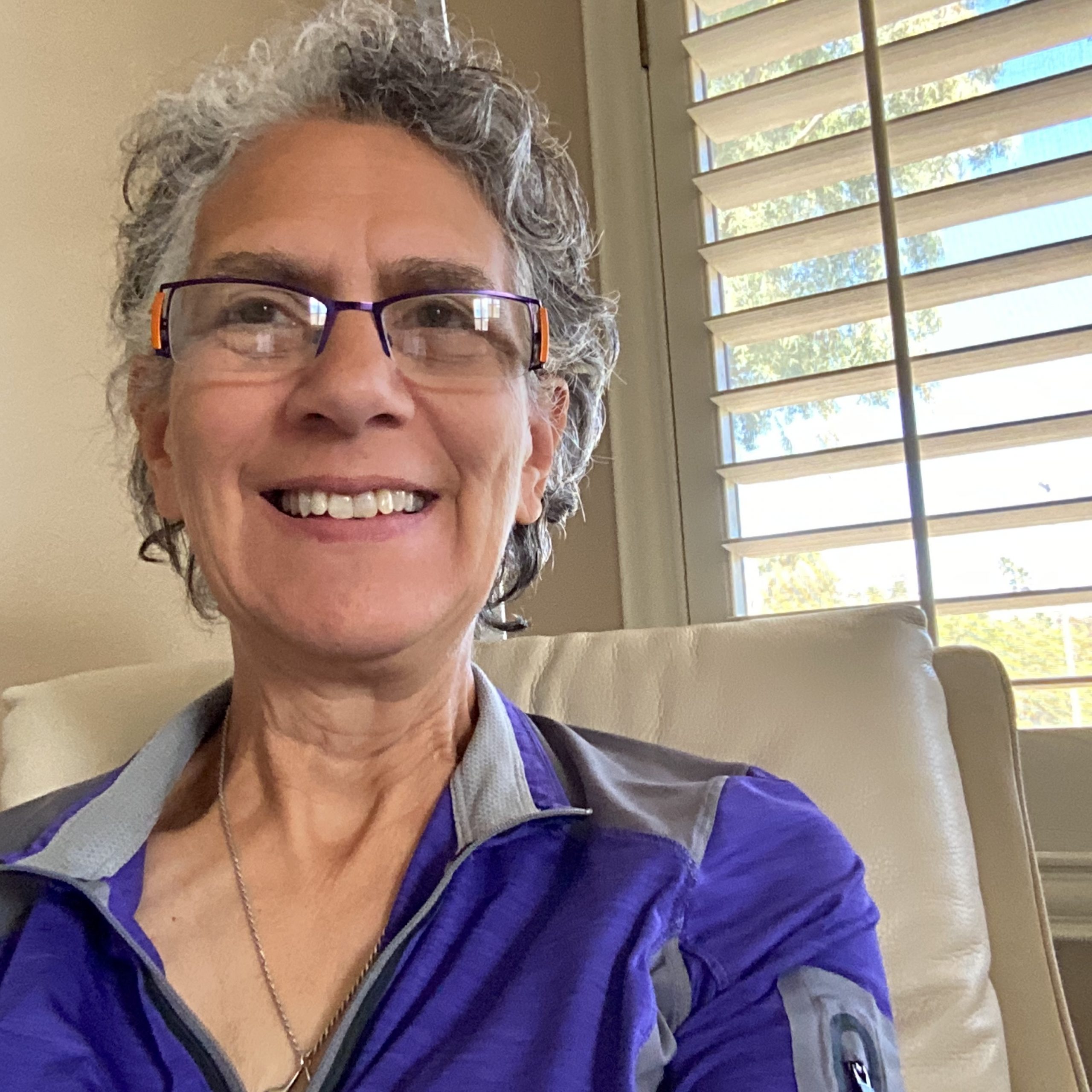
Minnesota, United States
In early January of 2020, I learned about Siyyum HaShas and Daf Yomi via Tablet Magazine’s brief daily podcast about the Daf. I found it compelling and fascinating. Soon I discovered Hadran; since then I have learned the Daf daily with Rabbanit Michelle Cohen Farber. The Daf has permeated my every hour, and has transformed and magnified my place within the Jewish Universe.
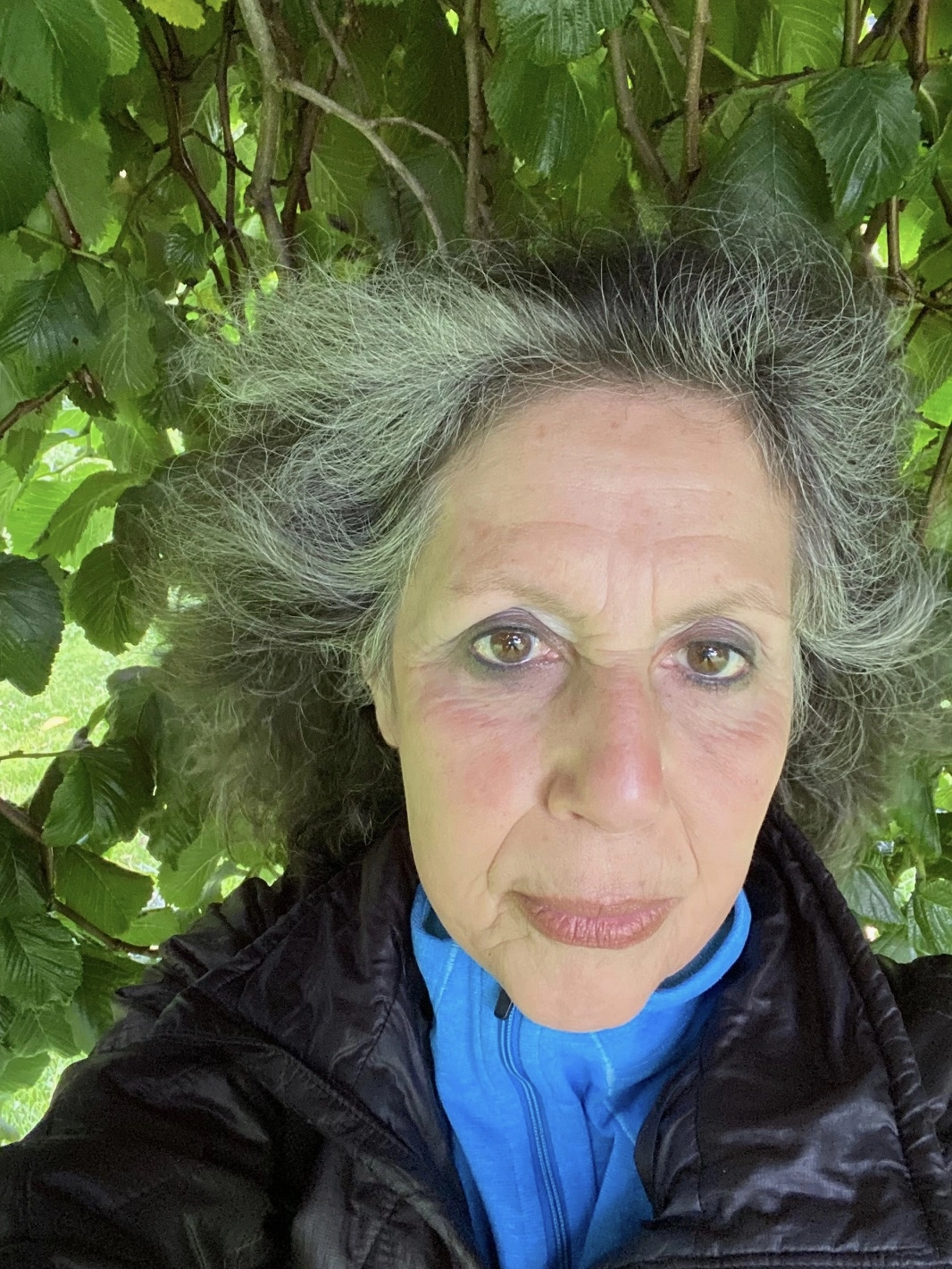
San Francisco, CA , United States
I read Ilana Kurshan’s “If All the Seas Were Ink” which inspired me. Then the Women’s Siyum in Jerusalem in 2020 convinced me, I knew I had to join! I have loved it- it’s been a constant in my life daily, many of the sugiyot connect to our lives. My family and friends all are so supportive. It’s incredible being part of this community and love how diverse it is! I am so excited to learn more!

Jerusalem, Israel
In January 2020, my chevruta suggested that we “up our game. Let’s do Daf Yomi” – and she sent me the Hadran link. I lost my job (and went freelance), there was a pandemic, and I am still opening the podcast with my breakfast coffee, or after Shabbat with popcorn. My Aramaic is improving. I will need a new bookcase, though.
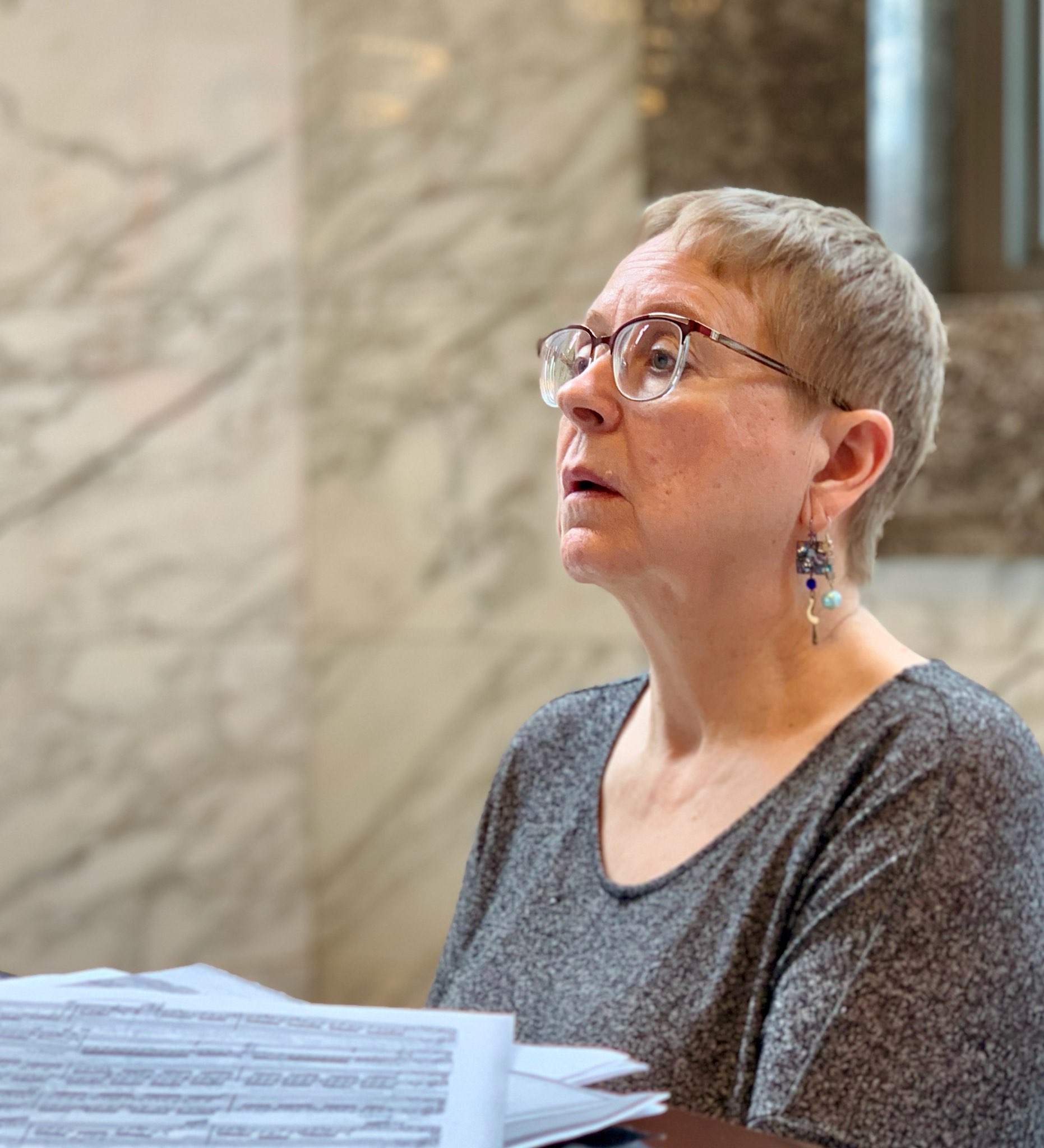
Atlanta, Georgia, United States
I started learning with rabbis. I needed to know more than the stories. My first teacher to show me “the way of the Talmud” as well as the stories was Samara Schwartz.
Michelle Farber started the new cycle 2 yrs ago and I jumped on for the ride.
I do not look back.
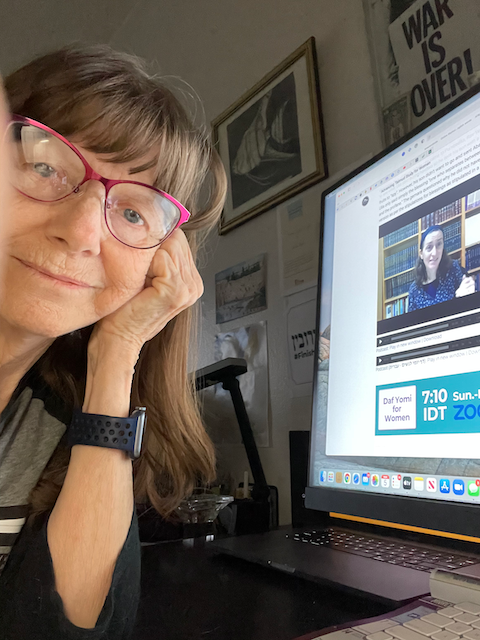
Houston, United States
I began to learn this cycle of Daf Yomi after my husband passed away 2 1/2 years ago. It seemed a good way to connect to him. Even though I don’t know whether he would have encouraged women learning Gemara, it would have opened wonderful conversations. It also gives me more depth for understanding my frum children and grandchildren. Thank you Hadran and Rabbanit Michelle Farber!!

Tzur Hadassah, Israel
Inspired by Hadran’s first Siyum ha Shas L’Nashim two years ago, I began daf yomi right after for the next cycle. As to this extraordinary journey together with Hadran..as TS Eliot wrote “We must not cease from exploration and the end of all our exploring will be to arrive where we began and to know the place for the first time.
Jerusalem, Israel
I had tried to start after being inspired by the hadran siyum, but did not manage to stick to it. However, just before masechet taanit, our rav wrote a message to the shul WhatsApp encouraging people to start with masechet taanit, so I did! And this time, I’m hooked! I listen to the shiur every day , and am also trying to improve my skills.
Yad Binyamin, Israel
I began my journey two years ago at the beginning of this cycle of the daf yomi. It has been an incredible, challenging experience and has given me a new perspective of Torah Sh’baal Peh and the role it plays in our lives
Efrat, Israel
I decided to give daf yomi a try when I heard about the siyum hashas in 2020. Once the pandemic hit, the daily commitment gave my days some much-needed structure. There have been times when I’ve felt like quitting- especially when encountering very technical details in the text. But then I tell myself, “Look how much you’ve done. You can’t stop now!” So I keep going & my Koren bookshelf grows…

Huntington, United States
I had no formal learning in Talmud until I began my studies in the Joint Program where in 1976 I was one of the few, if not the only, woman talmud major. It was superior training for law school and enabled me to approach my legal studies with a foundation . In 2018, I began daf yomi listening to Rabbanit MIchelle’s pod cast and my daily talmud studies are one of the highlights of my life.

Minneapolis, United States

Philadelphia, United States

Bronx, United States
When the new cycle began, I thought, If not now, when? I’d just turned 72. I feel like a tourist on a tour bus passing astonishing scenery each day. Rabbanit Michelle is my beloved tour guide. When the cycle ends, I’ll be 80. I pray that I’ll have strength and mind to continue the journey to glimpse a little more. My grandchildren think having a daf-learning savta is cool!
Jerusalem, Israel
In early January of 2020, I learned about Siyyum HaShas and Daf Yomi via Tablet Magazine’s brief daily podcast about the Daf. I found it compelling and fascinating. Soon I discovered Hadran; since then I have learned the Daf daily with Rabbanit Michelle Cohen Farber. The Daf has permeated my every hour, and has transformed and magnified my place within the Jewish Universe.
San Francisco, CA , United States
I had never heard of Daf Yomi and after reading the book, The Weight of Ink, I explored more about it. I discovered that it was only 6 months before a whole new cycle started and I was determined to give it a try. I tried to get a friend to join me on the journey but after the first few weeks they all dropped it. I haven’t missed a day of reading and of listening to the podcast.

Elkins Park, United States
My husband learns Daf, my son learns Daf, my son-in-law learns Daf.
When I read about Hadran’s Siyyum HaShas 2 years ago, I thought- I can learn Daf too!
I had learned Gemara in Hillel HS in NJ, & I remembered loving it.
Rabbanit Michelle & Hadran have opened my eyes & expanding my learning so much in the past few years. We can now discuss Gemara as a family.
This was a life saver during Covid
Brooklyn, NY, United States
I started learning after the siyum hashas for women and my daily learning has been a constant over the last two years. It grounded me during the chaos of Corona while providing me with a community of fellow learners. The Daf can be challenging but it’s filled with life’s lessons, struggles and hope for a better world. It’s not about the destination but rather about the journey. Thank you Hadran!

אפרת, Israel
I’ve been learning since January 2020, and in June I started drawing a phrase from each daf. Sometimes it’s easy (e.g. plants), sometimes it’s very hard (e.g. korbanot), and sometimes it’s loads of fun (e.g. bird racing) to find something to draw. I upload my pictures from each masechet to #DafYomiArt. I am enjoying every step of the journey.

Ashdod, Israel
My curiosity was peaked after seeing posts about the end of the last cycle. I am always looking for opportunities to increase my Jewish literacy & I am someone that is drawn to habit and consistency. Dinnertime includes a “Guess what I learned on the daf” segment for my husband and 18 year old twins. I also love the feelings of connection with my colleagues who are also learning.

Tampa, United States
Ketubot 10
אִיתְּמַר, אָמַר רַב נַחְמָן אָמַר שְׁמוּאֵל מִשּׁוּם רַבִּי שִׁמְעוֹן בֶּן אֶלְעָזָר: חֲכָמִים תִּקְּנוּ לָהֶם לִבְנוֹת יִשְׂרָאֵל, לִבְתוּלָה מָאתַיִם, וּלְאַלְמָנָה מָנֶה. וְהֵם הֶאֱמִינוּהוּ, שֶׁאִם אָמַר ״פֶּתַח פָּתוּחַ מָצָאתִי״ — נֶאֱמָן. אִם כֵּן — מָה הוֹעִילוּ חֲכָמִים בְּתַקָּנָתָם?
§ It was stated: Rav Naḥman said that Shmuel said in the name of Rabbi Shimon ben Elazar: The Sages instituted the marriage contract for Jewish women: For a virgin two hundred dinars and for a widow one hundred dinars. And they deemed the groom credible in that if he says with regard to his virgin bride: I encountered an unobstructed orifice and she is not a virgin, he is deemed credible, causing her to lose her marriage contract. The Gemara asks: If so, and the Sages deemed him credible, what did the Sages accomplish in their ordinance that the marriage contract of a virgin is two hundred dinars, if his claim that she is not a virgin is effective?
אָמַר רָבָא: חֲזָקָה, אֵין אָדָם טוֹרֵחַ בַּסְּעוּדָה וּמַפְסִידָהּ.
Rava said: The ordinance is effective due to the presumption that a person does not exert himself to prepare a wedding feast and then cause it to be lost. Investing in the wedding preparations clearly indicates that the groom’s intention is to marry the bride and rejoice with her. If, nevertheless, he claims that she is not a virgin, apparently he is telling the truth.
תָּנָא: הוֹאִיל וּקְנַס חֲכָמִים הוּא — לֹא תִּגְבֶּה אֶלָּא מִן הַזִּיבּוּרִית. קְנָסָא? מַאי קְנָסָא?! אֶלָּא אֵימָא: הוֹאִיל וְתַקָּנַת חֲכָמִים הוּא — לֹא תִּגְבֶּה אֶלָּא מִן הַזִּיבּוּרִית. רַבָּן שִׁמְעוֹן בֶּן גַּמְלִיאֵל אוֹמֵר: כְּתוּבַּת אִשָּׁה מִן הַתּוֹרָה.
§ A Sage taught in a baraita: Since payment of the marriage contract is a penalty instituted by the Sages, she may collect only from the husband’s land of the most inferior quality. The Gemara asks: A penalty? What penalty is there in a marriage contract? Rather, emend the baraita and say: Since it is a rabbinic ordinance and not a Torah obligation, she may collect only from the husband’s land of the most inferior quality. Rabban Shimon ben Gamliel says: The marriage contract of a woman is an obligation by Torah law.
וּמִי אָמַר רַבָּן שִׁמְעוֹן בֶּן גַּמְלִיאֵל הָכִי? וְהָתַנְיָא: ״כֶּסֶף יִשְׁקֹל כְּמֹהַר הַבְּתוּלוֹת״: שֶׁיְּהֵא זֶה, כְּמוֹהַר הַבְּתוּלוֹת, וּמוֹהַר הַבְּתוּלוֹת כָּזֶה. מִכָּאן סָמְכוּ חֲכָמִים לִכְתוּבַּת אִשָּׁה מִן הַתּוֹרָה. רַבָּן שִׁמְעוֹן בֶּן גַּמְלִיאֵל אוֹמֵר: כְּתוּבַּת אִשָּׁה אֵינָהּ מִדִּבְרֵי תוֹרָה, אֶלָּא מִדִּבְרֵי סוֹפְרִים!
The Gemara asks: And did Rabban Shimon ben Gamliel say that? But isn’t it taught in a baraita that it is written with regard to a seducer: “He shall pay money according to the dowry of virgins” (Exodus 22:16)? The Torah establishes that this fine will be like the dowry of a virgin, and that the dowry of a virgin will be like this fine, i.e., fifty silver sela, or two hundred dinars. From here the Sages based their determination that a woman’s marriage contract is an obligation by Torah law. Rabban Shimon ben Gamliel says: The marriage contract of a woman is not an obligation by Torah law, but is by rabbinic law.
אֵיפוֹךְ. וּמַאי חָזֵית דְּאָפְכַתְּ בָּתְרָיְיתָא, אֵיפוֹךְ קַמַּיְיתָא?
The Gemara resolves the contradiction between the statements of Rabban Shimon ben Gamliel: Reverse the attribution of opinions in this baraita. The Gemara asks: And what did you see that led you to reverse the attribution of opinions in the latter baraita? Reverse the attribution of opinions in the former, in the baraita, and say that Rabban Shimon ben Gamliel is the one who holds that the marriage contract is a rabbinic ordinance.
הָא שָׁמְעִינַן לֵיהּ לְרַבָּן שִׁמְעוֹן בֶּן גַּמְלִיאֵל דְּאָמַר כְּתוּבַּת אִשָּׁה מִדְּאוֹרָיְיתָא. דִּתְנַן, רַבָּן שִׁמְעוֹן בֶּן גַּמְלִיאֵל אוֹמֵר — נוֹתֵן לָהּ מִמְּעוֹת קַפּוֹטְקְיָא.
The Gemara answers: The reason is that we learned that it is Rabban Shimon ben Gamliel who said elsewhere that the marriage contract of a woman is an obligation by Torah law, as we learned in a mishna (110b) that Rabban Shimon ben Gamliel says that if a man marries a woman in Cappadocia, where the currency is more valuable, and he divorces her in Eretz Yisrael, he gives her payment for the marriage contract from the money of Cappadocia. From the fact that he is obligated to pay the marriage contract in the currency of the place where he undertook the obligation, apparently the marriage contract of a woman is an obligation by Torah law.
וְאִי בָּעֵית אֵימָא: כּוּלָּהּ רַבָּן שִׁמְעוֹן בֶּן גַּמְלִיאֵל הִיא, וְחַסּוֹרֵי מִיחַסְּרָא, וְהָכִי קָתָנֵי: מִכָּאן סָמְכוּ חֲכָמִים לִכְתוּבַּת אִשָּׁה מִן הַתּוֹרָה. כְּתוּבַּת אַלְמָנָה אֵינָהּ מִדִּבְרֵי תוֹרָה, אֶלָּא מִדִּבְרֵי סוֹפְרִים, שֶׁרַבָּן שִׁמְעוֹן בֶּן גַּמְלִיאֵל אוֹמֵר: כְּתוּבַּת אַלְמָנָה אֵינָהּ מִדִּבְרֵי תוֹרָה, אֶלָּא מִדִּבְרֵי סוֹפְרִים.
And if you wish, say instead that the entire latter baraita is in accordance with the opinion of Rabban Shimon ben Gamliel, but the baraita is incomplete and it is teaching the following: From here, the Sages based their determination that a woman’s marriage contract in the case of a virgin is an obligation by Torah law. However, the marriage contract of a widow is not an obligation by Torah law but is an ordinance by rabbinic law, as Rabban Shimon ben Gamliel says: The marriage contract of a widow is not an obligation by Torah law but is an ordinance by rabbinic law.
הַהוּא דַּאֲתָא לְקַמֵּיהּ דְּרַב נַחְמָן, אֲמַר לֵיהּ: פֶּתַח פָּתוּחַ מָצָאתִי. אֲמַר לֵיהּ רַב נַחְמָן: אַסְּבוּהוּ כּוּפְרֵי, מְבָרַכְתָּא חֲבִיטָא לֵיהּ?
§ The Gemara relates: A certain man who had never been married came before Rav Naḥman and said to him: I encountered an unobstructed orifice when I consummated the marriage. Rav Naḥman said in his regard: Flog him with palm branches [kufrei]; prostitutes [mevarakhta] are common around him. As he was never previously married, how was he able to determine whether or not the orifice was unobstructed, if he did not gain experience with prostitutes?
וְהָא רַב נַחְמָן הוּא דְּאָמַר מְהֵימַן! מְהֵימַן, וּמַסְּבִינַן לֵיהּ כּוּפְרֵי. רַב אַחַאי מְשַׁנֵּי: כָּאן בְּבָחוּר, כָּאן בְּנָשׂוּי.
The Gemara asks: But isn’t Rav Naḥman he who said that he is deemed credible when he claims that he encountered an unobstructed orifice? The Gemara answers: Yes, he is deemed credible, and nevertheless, we flog him with palm branches. Rav Aḥai answered: Here, in the case where he is flogged, it is with regard to a bachelor, who is not accorded credibility, because he lacks experience. There, in the case where he is accorded credibility, it is with regard to one who has been married.
הַהוּא דַּאֲתָא לְקַמֵּיהּ דְּרַבָּן גַּמְלִיאֵל, אֲמַר לֵיהּ: פֶּתַח פָּתוּחַ מָצָאתִי. אֲמַר לֵיהּ: שֶׁמָּא הִטֵּיתָהּ? אֶמְשׁוֹל לְךָ מָשָׁל: לְמָה הַדָּבָר דּוֹמֶה? לְאָדָם שֶׁהָיָה מְהַלֵּךְ בְּאִישׁוֹן לַיְלָה וַאֲפֵילָה, הִיטָּה — מְצָאוֹ פָּתוּחַ, לֹא הִיטָּה — מְצָאוֹ נָעוּל.
The Gemara relates a similar incident from an earlier era: A certain man who came before Rabban Gamliel said to him: I encountered an unobstructed orifice. Rabban Gamliel said to him: Perhaps you diverted your approach and therefore, you encountered no obstruction? I will tell you a parable to which this is similar. It is similar to a man who was walking in the blackness of night and darkness and he arrived at the entrance to the house; if he diverts the object preventing the door from opening, he finds it open; if he does not divert it, he finds it locked. Perhaps you too diverted your approach and entered from a different angle and that is why you did not encounter an obstruction.
אִיכָּא דְּאָמְרִי, הָכִי אֲמַר לֵיהּ: שֶׁמָּא בְּמֵזִיד הִטֵּיתָהּ, וַעֲקַרְתְּ לְדַשָּׁא וְעָבְרָא? אֶמְשׁוֹל לְךָ מָשָׁל: לְמָה הַדָּבָר דּוֹמֶה? לְאָדָם שֶׁהוּא מְהַלֵּךְ בְּאִישׁוֹן לַיְלָה וַאֲפֵילָה, הִיטָּה בְּמֵזִיד — מְצָאוֹ פָּתוּחַ, לֹא הִיטָּה בְּמֵזִיד — מְצָאוֹ נָעוּל.
Some say this is what Rabban Gamliel said to him: Maybe you diverted your approach intentionally and you displaced the door and the bolt. I will tell you a parable to which this is similar. It is similar to a man who is walking in the blackness of night and darkness and he arrives at his entrance. If he diverts intentionally, he finds it open; if he does not divert intentionally, he finds it locked.
הַהוּא דַּאֲתָא לְקַמֵּיהּ דְּרַבָּן גַּמְלִיאֵל בַּר רַבִּי, אֲמַר לֵיהּ: רַבִּי, בָּעַלְתִּי וְלֹא מָצָאתִי דָּם. אָמְרָה לוֹ: רַבִּי, בְּתוּלָה הָיִיתִי. אָמַר לָהֶם: הָבִיאוּ לִי אוֹתוֹ סוּדָר. הֵבִיאוּ לוֹ הַסּוּדָר, וּשְׁרָאוֹ בְּמַיִם וְכִבְּסוֹ, וּמָצָא עָלָיו כַּמָּה טִיפֵּי דָמִים. אָמַר לוֹ: לֵךְ זְכֵה בְּמִקָּחֶךָ.
The Gemara relates: A certain man who came before Rabban Gamliel bar Rabbi Yehuda HaNasi said to him: My teacher, I engaged in intercourse and did not find blood. The bride said to him: My teacher, I was a virgin. Rabban Gamliel bar Rabbi Yehuda HaNasi said to them: Bring me that cloth [sudar] on which you consummated the marriage. They brought him the cloth, and he soaked it in water and laundered it and found upon it several drops of blood from the rupture of the hymen. Rabban Gamliel bar Rabbi Yehuda HaNasi said to the groom: Go take possession of your acquisition, as she was a virgin and there is no need for concern.
אֲמַר לֵיהּ הוּנָא מָר בְּרֵיהּ דְּרָבָא מִפַּרְזִקְיָא לְרַב אָשֵׁי: אֲנַן נָמֵי נַעֲבֵיד הָכִי. אֲמַר לֵיהּ:
Huna Mar, son of Rava, from Parzakya, said to Rav Ashi: Let us do so as well in similar cases and examine whether there is blood that is obscured by semen or another substance. Rav Ashi said to him:
גִּיהוּץ שֶׁלָּנוּ, כְּכִבּוּס שֶׁלָּהֶם. וְאִי אָמְרַתְּ נֶיעְבַּד גִּיהוּץ — מְעַבְּרָא לֵיהּ חוּמַרְתָּא.
Our calendering in Babylonia, which includes passing an abrasive stone over the garments to scrape off dirt, is like their laundering in Eretz Israel, and only in that manner do the garments in Babylonia reach that level of cleanliness. And if you say: Let us perform the process of calendering on cloths brought as proof that she was not a virgin, the stone removes any trace of blood. Therefore, the process would be ineffective.
הַהוּא דַּאֲתָא לְקַמֵּיהּ דְּרַבָּן גַּמְלִיאֵל בַּר רַבִּי, אֲמַר לֵיהּ: רַבִּי, בָּעַלְתִּי וְלֹא מָצָאתִי דָּם. אֲמַרָה לֵיהּ: רַבִּי, עֲדַיִין בְּתוּלָה אֲנִי. אָמַר לָהֶן: הָבִיאוּ לִי שְׁתֵּי שְׁפָחוֹת, אַחַת בְּתוּלָה וְאַחַת בְּעוּלָה. הֵבִיאוּ לוֹ, וְהוֹשִׁיבָן עַל פִּי חָבִית שֶׁל יַיִן, בְּעוּלָה — רֵיחָהּ נוֹדֵף, בְּתוּלָה — אֵין רֵיחָהּ נוֹדֵף. אַף זוֹ הוֹשִׁיבָה וְלֹא הָיָה רֵיחָהּ נוֹדֵף. אָמַר לוֹ: לֵךְ זְכֵה בְּמִקָּחֶךָ.
The Gemara relates: A certain man who came before Rabban Gamliel bar Rabbi Yehuda HaNasi said to him: My teacher, I engaged in intercourse and did not find blood. The bride said to him: My teacher, I am still a virgin. Rabban Gamliel bar Rabbi Yehuda HaNasi said to them: Bring me two maidservants, one a virgin and one a non-virgin, to conduct a trial. They brought him the two maidservants, and he seated them on the opening of a barrel of wine. From the non-virgin, he discovered that the scent of the wine in the barrel diffuses from her mouth; from the virgin he discovered that the scent does not diffuse from her mouth. Then, he also seated that bride on the barrel, and the scent of the wine did not diffuse from her mouth. Rabban Gamliel bar Rabbi Yehuda HaNasi said to the groom: Go take possession of your acquisition, as she is a virgin.
וְנִבְדּוֹק מֵעִיקָּרָא בְּגַוַּוהּ? גְּמָרָא הֲוָה שְׁמִיעַ לֵיהּ, מַעֲשֶׂה לָא הֲוָה חָזֵי, וְסָבַר דִּלְמָא לָא קִים לֵיהּ בְּגַוַּוהּ דְּמִלְּתָא שַׁפִּיר, וְלָאו אוֹרַח אַרְעָא לְזַלְזוֹלֵי בִּבְנוֹת יִשְׂרָאֵל.
The Gemara asks: Since Rabban Gamliel was familiar with this method of examination, let him use it to examine her initially. Why was the trial with the maidservants necessary? The Gemara answers: He learned that it was effective through tradition; however, he had never seen it in action, and he thought perhaps he was not sufficiently expert in that manner of examination, and it is improper conduct to demean Jewish women by subjecting them to that indignity for naught. Once he established the effectiveness of that method, he proceeded to examine the bride to resolve the matter.
הַהוּא דַּאֲתָא לְקַמֵּיהּ דְּרַבָּן גַּמְלִיאֵל הַזָּקֵן, אָמַר לוֹ: רַבִּי, בָּעַלְתִּי וְלֹא מָצָאתִי דָּם, אָמְרָה לוֹ: רַבִּי, מִמִּשְׁפַּחַת דּוֹרְקְטִי אֲנִי, שֶׁאֵין לָהֶן לֹא דַּם נִדָּה וְלֹא דַּם בְּתוּלִים. בָּדַק רַבָּן גַּמְלִיאֵל בִּקְרוֹבוֹתֶיהָ, וּמָצָא כִּדְבָרֶיהָ. אָמַר לוֹ: לֵךְ זְכֵה בְּמִקָּחֶךָ, אַשְׁרֶיךָ שֶׁזָּכִיתָ לְמִשְׁפַּחַת דּוֹרְקְטִי.
The Gemara relates: A certain man who came before Rabban Gamliel the Elder said to him: My teacher, I engaged in intercourse and did not find blood. The bride said to him: My teacher, I am from the family of Dorketi, who have neither menstrual blood nor blood from the rupture of the hymen. Rabban Gamliel investigated among her relatives to determine whether the claim with regard to her family was true, and discovered that the truth was in accordance with her statement. He said to him: Go take possession of your acquisition. Happy are you that you were privileged to marry a member of the Dorketi family, as those forms of blood will never pose a problem for you.
מַאי ״דּוֹרְקְטִי״ — דּוֹר קָטוּעַ. אָמַר רַבִּי חֲנִינָא: תַּנְחוּמִים שֶׁל הֶבֶל נִיחֲמוֹ רַבָּן גַּמְלִיאֵל לְאוֹתוֹ הָאִישׁ. דְּתָנֵי רַבִּי חִיָּיא: כְּשֵׁם שֶׁהַשְּׂאוֹר יָפֶה לְעִיסָּה, כָּךְ דָּמִים יָפִים לָאִשָּׁה. וְתָנָא מִשּׁוּם רַבִּי מֵאִיר: כׇּל אִשָּׁה שֶׁדָּמֶיהָ מְרוּבִּין — בָּנֶיהָ מְרוּבִּים.
The Gemara elaborates: What is the meaning of Dorketi? It means truncated generation [dor katua]. Rabbi Ḥanina said: Rabban Gamliel consoled that man with vain words of consolation, because the absence of blood in this woman is a drawback. As Rabbi Ḥiyya taught: Just as leaven is fortuitous for dough, so too, blood is fortuitous for a woman. And it was taught in the name of Rabbi Meir: Any woman whose blood is plentiful, her children are plentiful. This bride, who lacks blood, will not produce many children.
אִתְּמַר. רַבִּי יִרְמְיָה בַּר אַבָּא אָמַר: ״זְכֵה בְּמִקָּחֶךָ״ אֲמַר לֵיהּ, וְרַבִּי יוֹסֵי בַּר אָבִין אָמַר: ״נִתְחַיַּיבְ[תָּ] בְּמִקָּחֶךָ״ אֲמַר לֵיהּ. בִּשְׁלָמָא לְמַאן דְּאָמַר ״נִתְחַיַּיבְ[תָּ]״ — הַיְינוּ דְּרַבִּי חֲנִינָא. אֶלָּא לְמַאן דְּאָמַר ״זְכֵה״, מַאי זְכוּתָא? דְּלָא אָתֵי לִידֵי סְפֵק נִדָּה.
It was stated that there is a dispute with regard to Rabban Gamliel’s reply. Rabbi Yirmeya bar Abba said that Rabban Gamliel said to the groom: Exercise your privilege and take possession of your acquisition. And Rabbi Yosei bar Avin said that Rabban Gamliel said to him: It is your misfortune to take possession of your acquisition. Granted, according to the one who says: It is your misfortune, that is in accordance with the opinion of Rabbi Ḥanina, who said the consolation was vain. However, according to the one who says: Exercise your privilege, what is the privilege to which he is referring? The Gemara answers: The privilege is that thanks to the condition of the women of this family, he will not come to a situation of uncertainty whether she has the halakhic status of a menstruating woman.
הַהוּא דַּאֲתָא לְקַמֵּיהּ דְּרַבִּי, אֲמַר לֵיהּ: רַבִּי בָּעַלְתִּי וְלֹא מָצָאתִי דָּם, אָמְרָה לוֹ: רַבִּי עֲדַיִין בְּתוּלָה אֲנִי. וּשְׁנֵי בַצּוֹרֶת הֲוָה, רָאָה רַבִּי שֶׁפְּנֵיהֶם שְׁחוֹרִים. צִוָּה עֲלֵיהֶן וְהִכְנִיסוּם לַמֶּרְחָץ, וְהֶאֱכִילוּם וְהִשְׁקוּם, וְהִכְנִיסוּם לַחֶדֶר. בָּעַל, וּמָצָא דָּם. אָמַר לוֹ: לֵךְ זְכֵה בְּמִקָּחֶךָ. קָרֵי רַבִּי עֲלֵיהֶם: ״צָפַד עוֹרָם עַל עַצְמָם יָבֵשׁ הָיָה כָעֵץ״.
The Gemara relates: A certain man who came before Rabbi Yehuda HaNasi said to him: My teacher, I engaged in intercourse and did not find blood. The bride said to him: My teacher, I was still a virgin. And the Gemara comments that this incident was during years of drought. Rabbi Yehuda HaNasi saw that their faces were black due to hunger. He instructed his attendants to tend to them and they took them into the bathhouse and bathed them and they fed them and gave them drink. Then they took them into a room, and the groom engaged in intercourse with her and found blood, as it was due to the famine that there was no blood. Rabbi Yehuda HaNasi said to him: Go take possession of your acquisition. Rabbi Yehuda HaNasi read this verse in their regard: “Their skin is shriveled upon their bones, it is withered, it has become like a stick” (Lamentations 4:8), in the sense that no blood flows from them.
מַתְנִי׳ בְּתוּלָה — כְּתוּבָּתָהּ מָאתַיִם, וְאַלְמָנָה — מָנֶה. בְּתוּלָה, אַלְמָנָה, גְּרוּשָׁה וַחֲלוּצָה מִן הָאֵירוּסִין — כְּתוּבָּתָן מָאתַיִם, וְיֵשׁ לָהֶן טַעֲנַת בְּתוּלִים.
MISHNA: With regard to a virgin, her marriage contract is two hundred dinars, and with regard to a widow, her marriage contract is one hundred dinars. With regard to a virgin who is a widow, a divorcée, or a ḥalutza who achieved that status from a state of betrothal, before marriage and before consummation of the marriage, for all of these their marriage contract is two hundred dinars, and they are subject to a claim concerning their virginity, as their presumptive status of virginity is intact.
גְּמָ׳ מַאי ״אַלְמָנָה״? אָמַר רַב חָנָא בַּגְדָּתָאָה: ״אַלְמָנָה״ — עַל שֵׁם מָנֶה. אַלְמָנָה מִן הָאֵירוּסִין, מַאי אִיכָּא לְמֵימַר! אַיְּידֵי דְּהָא קָרֵי לַהּ אַלְמָנָה, הָא נָמֵי קָרֵי לַהּ אַלְמָנָה.
GEMARA: What is the relationship between the term almana and its meaning, widow? Rav Ḥana of Baghdad said: A widow is called an almana after the maneh, one hundred dinars, which is the sum of her marriage contract. The Gemara asks: With regard to a widow from betrothal, whose marriage contract is two hundred dinars and not a maneh, what is there to say? The Gemara answers: Since they called this widow from marriage almana, this widow from betrothal they also called almana.
אַלְמָנָה דִּכְתִיבָא בְּאוֹרָיְיתָא, מַאי אִיכָּא לְמֵימַר? דַּעֲתִידִין רַבָּנַן דִּמְתַקְּנִי לַהּ מָנֶה. וּמִי כָּתֵב קְרָא לְעָתִיד? אִין, דִּכְתִיב: ״וְשֵׁם הַנָּהָר הַשְּׁלִישִׁי חִדֶּקֶל הוּא הַהוֹלֵךְ קִדְמַת אַשּׁוּר״, וְתָנָא רַב יוֹסֵף: אַשּׁוּר זוֹ סְלֵיקָא. וּמִי הֲוַאי? אֶלָּא דַּעֲתִידָה. הָכָא נָמֵי דַּעֲתִידָה.
The Gemara asks: That explains the use of almana in the terminology of the Sages. However, with regard to the term almana that is written in the Torah, what is there to say? The rabbinic ordinance that the marriage contract of a widow is a maneh was not yet instituted. The Gemara answers: The Torah employs the term almana because the Sages are destined to institute the sum of a maneh for her in her marriage contract. The Gemara asks: And is a verse written for the future? The Gemara answers: Yes, indeed it is, as it is written: “And the name of the third river is Tigris; that is it which goes toward the east of Asshur” (Genesis 2:14). And Rav Yosef taught: Asshur, that is Seleucia. And did that city exist when the Torah was written? Rather, the Torah is referring to that city because it was destined to exist in the future. Here too, the Torah employs the term almana because a widow was destined to have a marriage contract of a maneh instituted for her.
וְאָמַר רַב חָנָא בַּגְדָּתָאָה: ״מָטָר״ — מַשְׁקֶה, מַרְוֶה, וּמְזַבֵּל, וּמְעַדֵּן, וּמַמְשִׁיךְ. אָמַר רָבָא בַּר רַבִּי יִשְׁמָעֵאל, וְאִיתֵּימָא רַב יֵימַר בַּר שֶׁלֶמְיָא, מַאי קְרָא: ״תְּלָמֶיהָ רַוֵּה נַחֵת גְּדוּדֶיהָ בִּרְבִיבִים תְּמֹגְגֶנָּה צִמְחָהּ תְּבָרֵךְ״.
Apropos the statement of Rav Ḥana of Baghdad, the Gemara cites additional statements of his. And Rav Ḥana of Baghdad said: Rain irrigates, saturates, and fertilizes the land, and refines the fruit and causes it to proliferate. Rava bar Rabbi Yishmael, and some say it was Rav Yeimar bar Shelamya who said: What is the verse that alludes to this? “Watering its ridges abundantly, settling its furrows, You make it soft with showers, You bless its growth” (Psalms 65:11). “Watering its ridges abundantly” indicates that the rain irrigates and saturates the land, “You make it soft with showers” indicates that it fertilizes the land, and “You bless its growth” indicates that it refines the fruit and causes it to proliferate.
אָמַר רַבִּי אֶלְעָזָר: ״מִזְבֵּחַ״ — מֵזִיחַ, וּמֵזִין, מְחַבֵּב, מְכַפֵּר. הַיְינוּ מְכַפֵּר, הַיְינוּ מֵזִיחַ! מֵזִיחַ גְּזֵירוֹת, וּמְכַפֵּר עֲוֹנוֹת.
Rabbi Elazar said: The term mizbe’aḥ, altar, is a rough acrostic representing its qualities. It moves [meziaḥ] sins and sustains [mezin], because as a result of the offerings sacrificed on the altar, sustenance is provided to all. It endears [meḥabev], and atones [mekhapper]. Mizbe’aḥ evokes the letters mem and zayin from the first two qualities, bet from meḥabev and the kaf from mekhapper. The Gemara asks: This quality, that the altar atones, is the same as that quality, that it moves sins. Why are they listed separately? The Gemara answers: The altar moves evil decrees, and atones for sins.
וְאָמַר רַב חָנָא בַּגְדָּתָאָה: תַּמְרֵי מְשַׁחֲנָן, מַשְׂבְּעָן, מְשַׁלְשְׁלָן, מְאַשְּׁרָן וְלָא מְפַנְּקָן. אָמַר רַב: אָכַל תְּמָרִים אַל יוֹרֶה. מֵיתִיבִי: תְּמָרִים, שַׁחֲרִית וְעַרְבִית — יָפוֹת, בְּמִנְחָה — רָעוֹת. בַּצׇּהֳרַיִם — אֵין כְּמוֹתָן, וּמְבַטְּלוֹת שְׁלֹשָׁה דְּבָרִים: מַחְשָׁבָה רָעָה, וְחוֹלִי מֵעַיִם, וְתַחְתּוֹנִיּוֹת!
And Rav Ḥana of Baghdad said: Dates warm and satiate, loosen the bowels, strengthen, but do not pamper. Rav said: If one ate dates he should not issue halakhic rulings, as dates are intoxicating. The Gemara raises an objection: With regard to dates, in the morning and evening they have a positive effect on one who eats them; in the afternoon, they have a negative effect on one who eats them. At noon, their positive effect is unparalleled, and they negate three matters: A troubling thought, intestinal illness, and hemorrhoids. Apparently, the effect of dates is primarily a positive one.
מִי אָמְרִינַן דְּלָא מְעַלּוּ? עַלּוֹיֵי מְעַלּוּ, וּלְפִי שַׁעְתָּא טָרְדָא. מִידֵּי דְּהָוֵה אַחַמְרָא. דְּאָמַר מָר הַשּׁוֹתֶה רְבִיעִית יַיִן — אַל יוֹרֶה. וְאִיבָּעֵית אֵימָא: לָא קַשְׁיָא, הָא — מִקַּמֵּי נַהֲמָא. הָא — לְבָתַר נַהֲמָא. דְּאָמַר אַבָּיֵי, אֲמַרָה לִי אֵם: תַּמְרֵי מִקַּמֵּי נַהֲמָא — כִּי נַרְגָּא לְדִיקּוּלָא. בָּתַר נַהֲמָא — כִּי עָבְרָא לְדַשָּׁא.
The Gemara answers that there is no contradiction. Did we say that they are not exemplary? They are exemplary, and at the same time cause temporary distraction and intoxication, just as it is in the case of wine, as the Master said: One who drinks a quarter-log of wine should not issue halakhic rulings. And if you wish, say instead: This apparent contradiction is not difficult. This statement, which prohibits issuing a ruling under the influence of dates, is referring to one eating dates before he eats bread, when eating them can lead to intoxication. That statement, which enumerates the salutary effects of dates, is referring to one eating dates after he eats bread. As Abaye said: My mother told me that dates eaten before eating bread are destructive like an ax to a palm tree; dates eaten after eating bread are beneficial like a bolt to a door, which provides support.
״דַּשָּׁא״, אָמַר רָבָא: דֶּרֶךְ שָׁם. ״דַּרְגָּא״ — אָמַר רָבָא: דֶּרֶךְ גַּג. ״פּוּרְיָא״ — אָמַר רַב פָּפָּא: שֶׁפָּרִין וְרָבִין עָלֶיהָ. אָמַר רַב נַחְמָן בַּר יִצְחָק:
Apropos the term door [dasha], the Gemara cites statements referring to its etymology as well as that of several other Aramaic terms. With regard to the word dasha, door, Rava said: It is an acrostic for derekh sham, meaning through there. With regard to the word darga, ladder or stair, Rava said: It is an acrostic for derekh gag, meaning way to the roof. With regard to the word purya, bed, Rav Pappa said: It is an acrostic for parin veravin aleha, meaning one procreates upon it. Rav Naḥman bar Yitzḥak said:

